On January 8, 2026, Jujutsu Kaisen Season 3 premiered—and reportedly crashed Crunchyroll’s servers. That same week, tattoo artists across the US started reporting something similar: their DMs flooded with Sukuna tattoo requests. The demand that broke a streaming platform is now filling up tattoo waitlists months in advance.
Anime tattoos aren’t niche anymore. With over 305,000 Instagram posts under #animetattoos and dedicated platforms like Animetattoos.com now connecting fans with 200+ specialized artists, this is mainstream body art. And 2026 is shaping up to be the biggest year yet—Chainsaw Man Season 2 just got announced, Frieren Season 2 is airing, and the “manga panel” tattoo style is completely reshaping what anime ink can look like.
But here’s what I’ve noticed after years of watching this space: the gap between a stunning anime tattoo and a regrettable blob is almost entirely about preparation. Wrong artist, wrong style, wrong placement—any of these turns your Goku into a cautionary tale.
- What's Actually Trending in Anime Tattoos Right Now
- Anime Tattoo Styles — Which One Actually Ages Well?
- The Best Anime Series for Tattoo Design (And Why)
- Where to Place Your Anime Tattoo (Anatomy Matters)
- How to Find an Anime Tattoo Artist (Without Getting Burned)
- Frequently Asked Questions
- Q: Do anime tattoos age well?
- Q: How long does an anime sleeve tattoo take?
- Q: Can I mix anime characters from different series in one tattoo?
- Q: What's the most popular anime tattoo in 2026?
- Q: Is it legal to get a copyrighted anime character tattooed?
- Q: How do I prepare for my anime tattoo appointment?
- Your Next Steps
This guide covers which styles actually hold up after a decade, how to vet artists who won’t butcher your favorite character, and a decision framework so you’re not laser-removing Nezuko by 2030.


What’s Actually Trending in Anime Tattoos Right Now
Forget everything you think you know about anime tattoos. The bright, full-color character portraits that dominated five years ago? They’re being overtaken by something completely different.
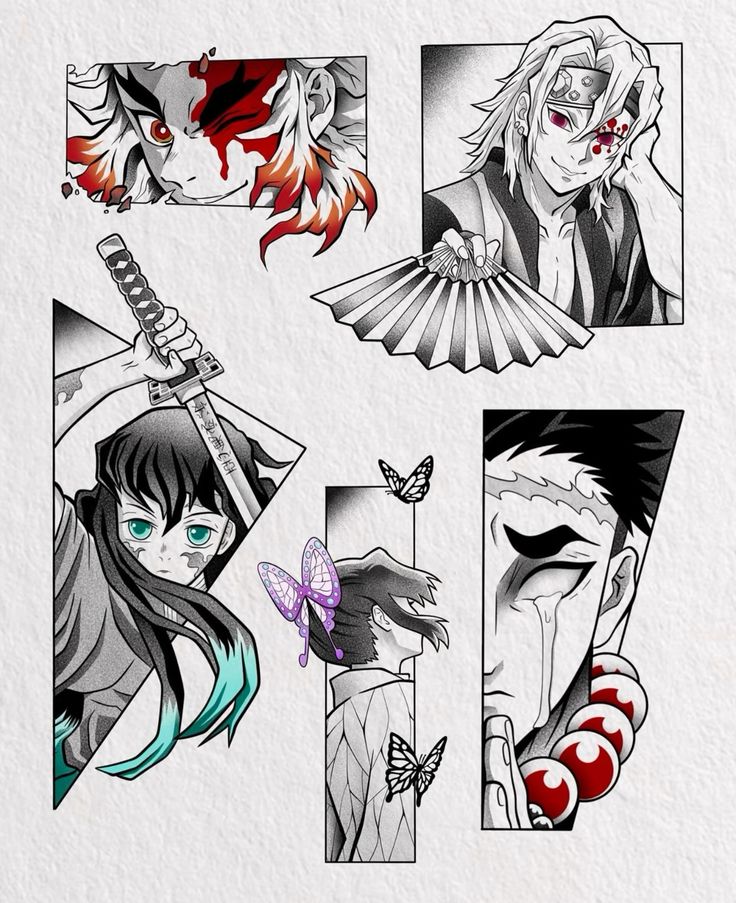
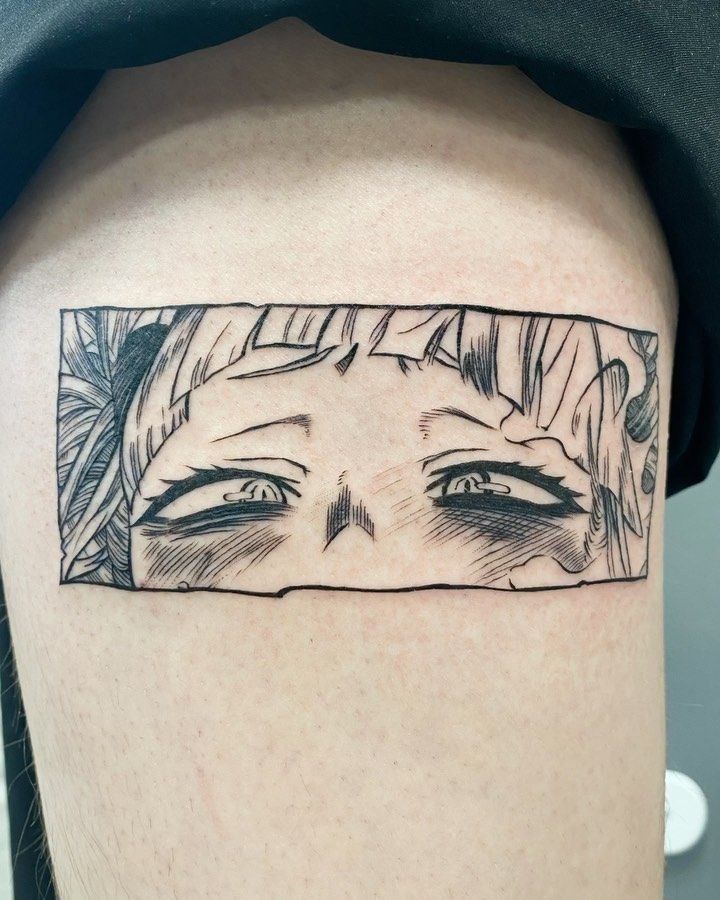
Manga Panel Style — The 2026 Breakout
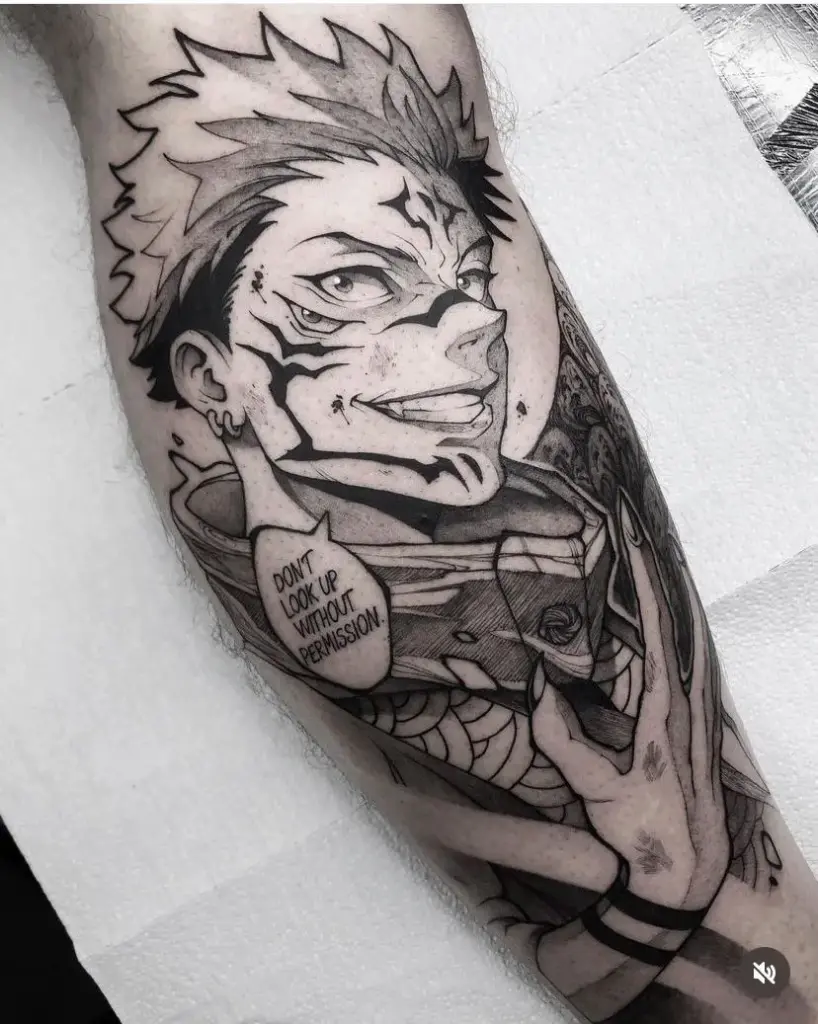
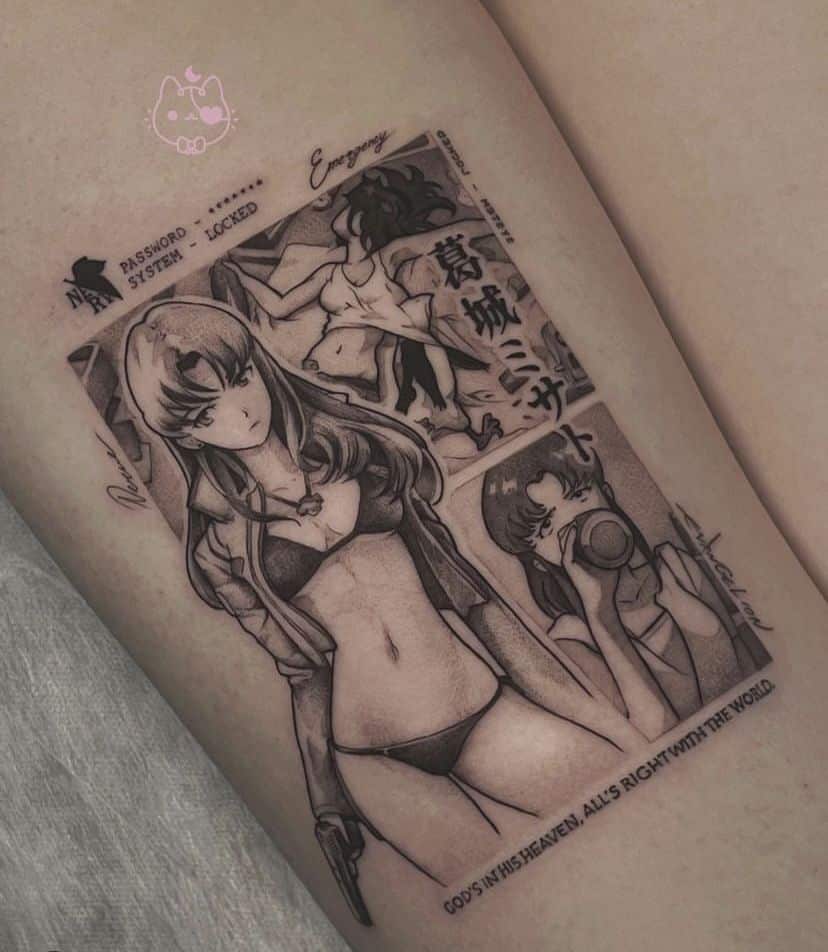
The hottest anime tattoo ideas right now don’t even look like anime—they look like printed manga pages ripped straight from the source material. Black-and-white ink. Panel borders. Speed lines. Speech bubbles with actual dialogue.
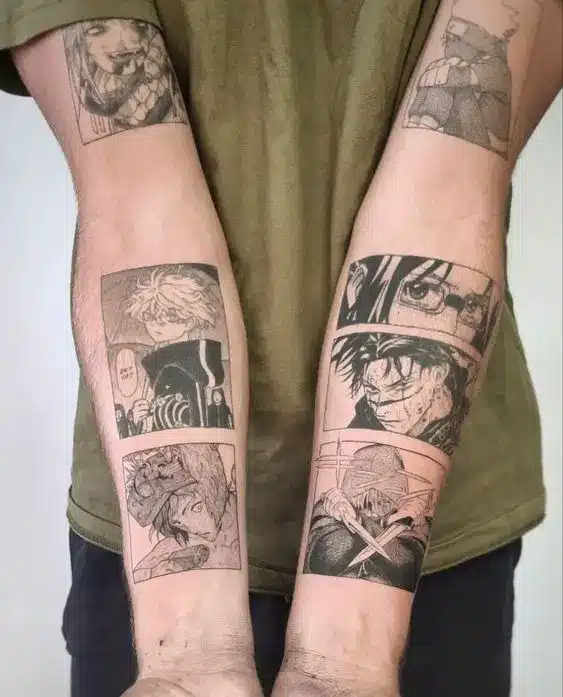
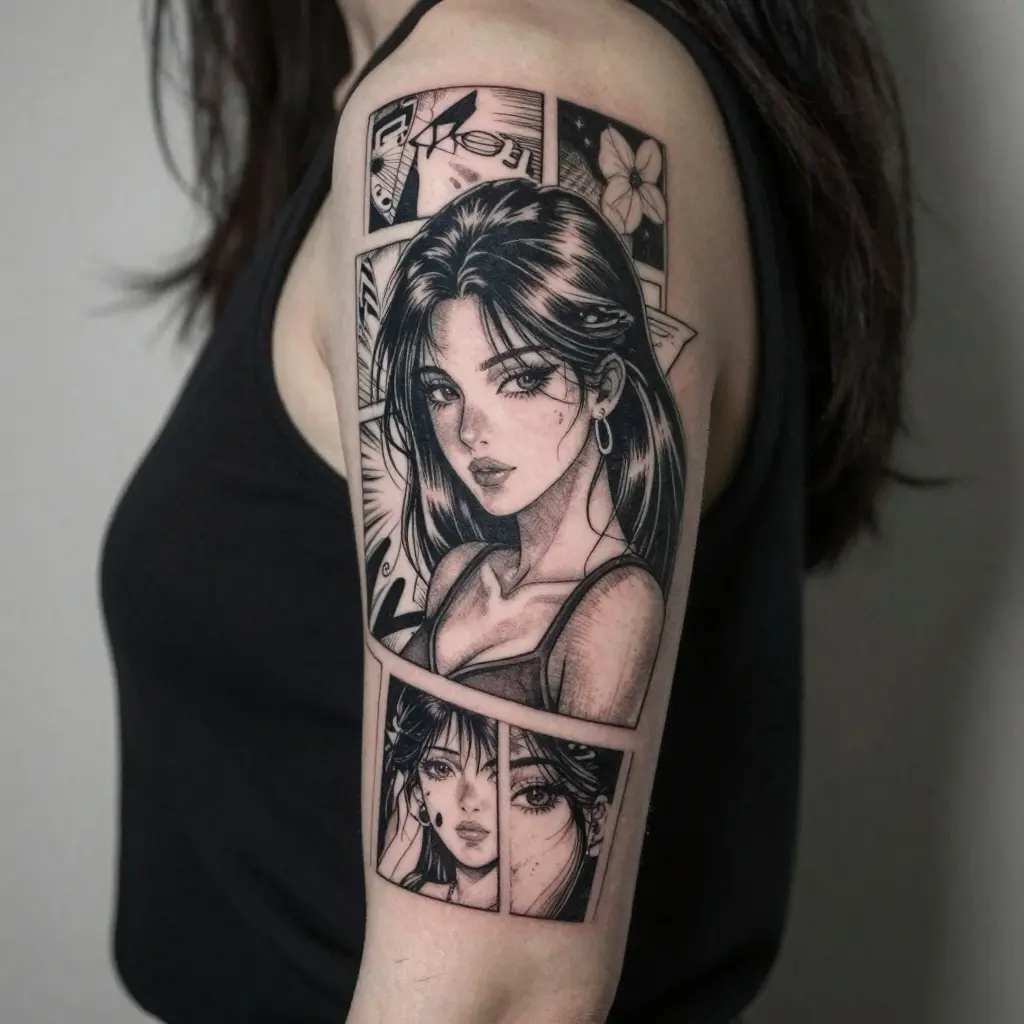
This style exploded on Instagram in late 2025, and artists like @inkmali in Rio de Janeiro (124K followers) can barely keep up with requests. The appeal is obvious: manga panels age better than color work, they’re instantly recognizable to fans, and they carry a raw authenticity that full-color portraits sometimes lack. If you’re considering a forearm or calf piece, this style deserves serious consideration.
The “Meta Tattoo” — Characters Who Have Tattoos
Here’s my favorite trend right now: getting tattoos of characters who already have tattoos in their universe. Think about it—these designs were literally created to exist on skin.
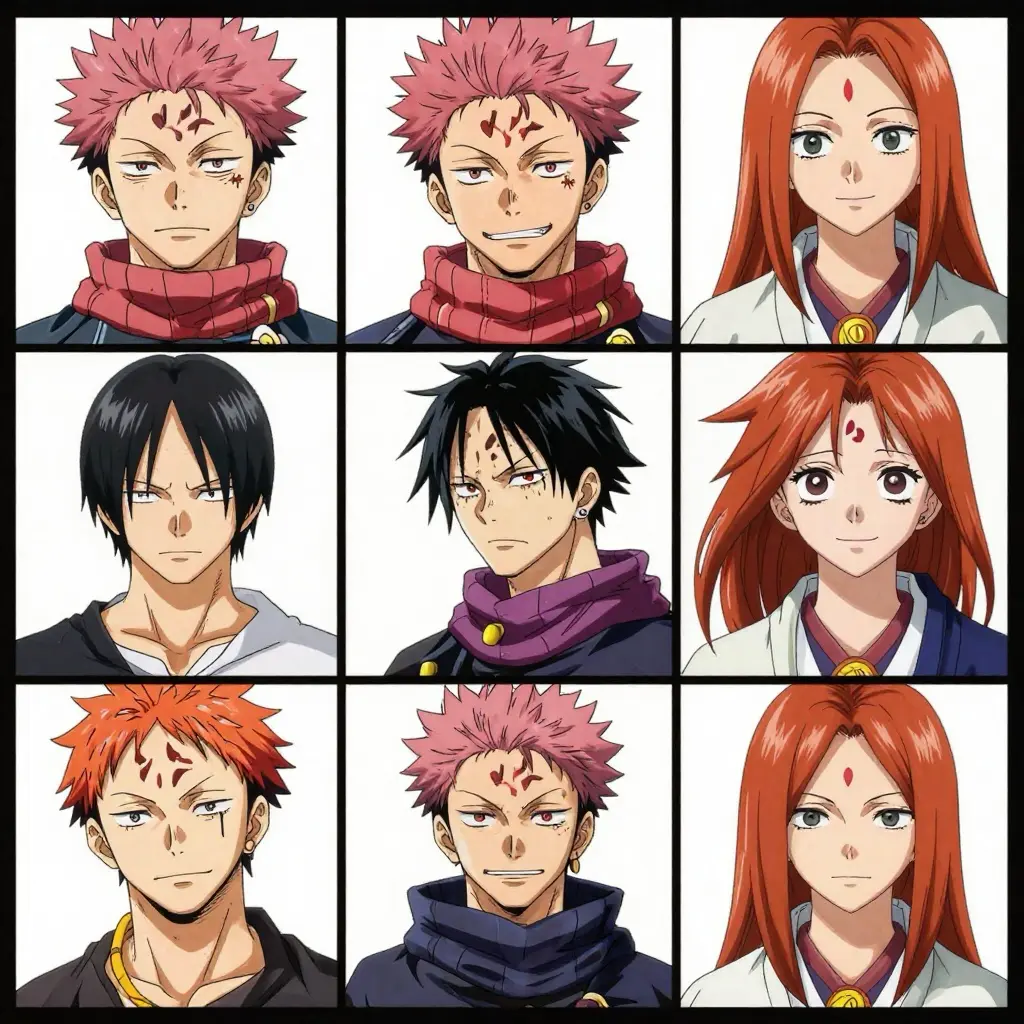
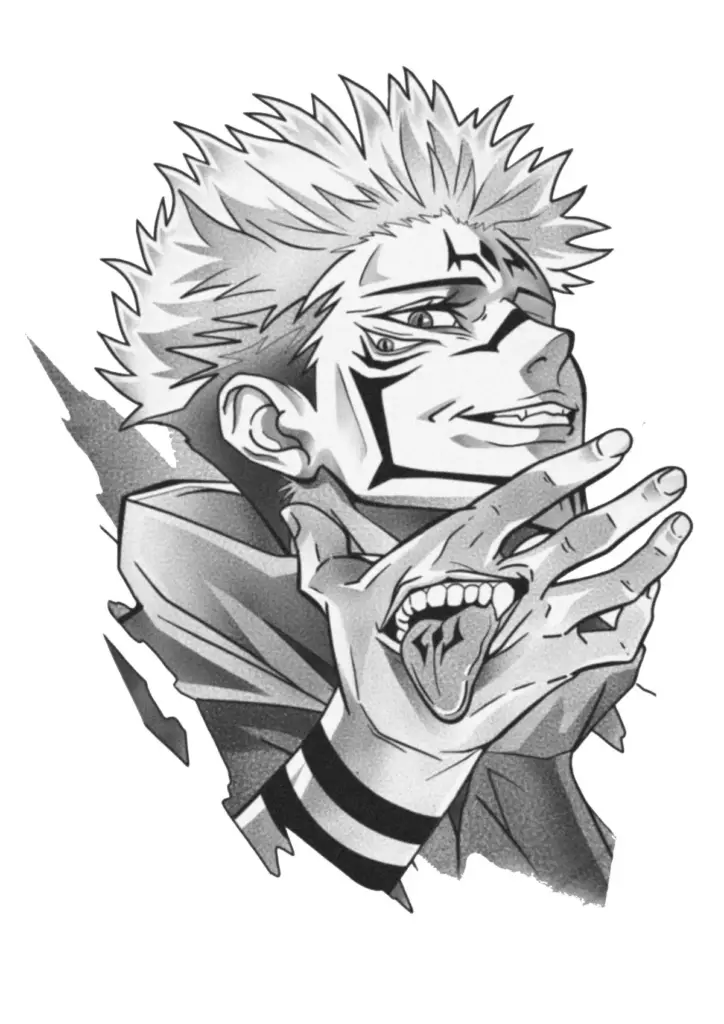
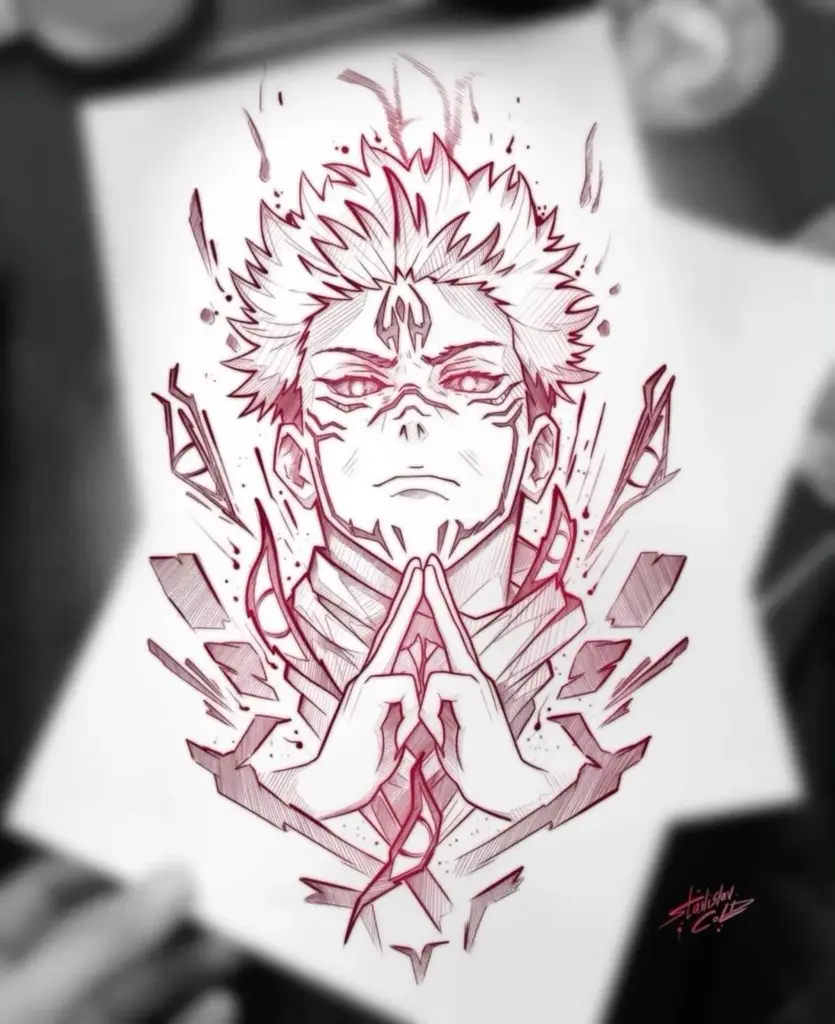
Sukuna from Jujutsu Kaisen tops the list. His face and body markings translate perfectly to real flesh without any artistic interpretation needed. Trafalgar Law from One Piece—with “DEATH” across his fingers and elaborate arm work—is another natural fit. Ace’s iconic ASCE tattoo (with the crossed-out S honoring Sabo) has been popular for years. Gaara’s “love” kanji on the forehead works as a subtle statement piece.
The advantage here is zero translation loss. The original artist already solved the “how does this look on a body” problem for you.
The 2026 Dark Shonen Wave
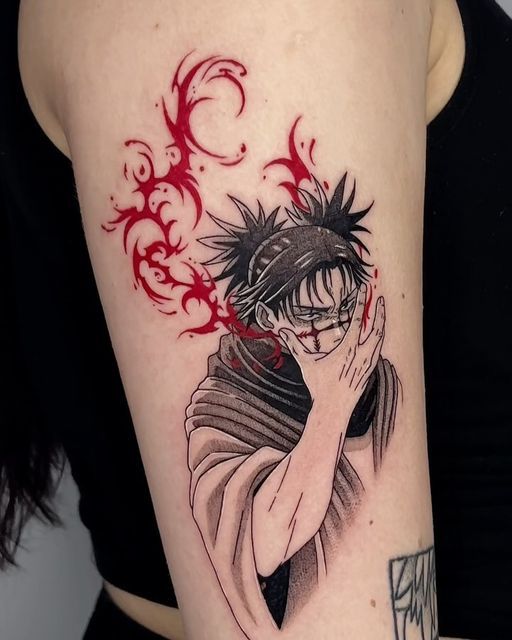
If you’re wondering what characters will dominate tattoo shops this year, follow the anime release calendar. Jujutsu Kaisen Season 3’s Culling Games arc means Sukuna and Kenjaku requests are spiking. Chainsaw Man Season 2’s announcement at Jump Festa has Denji, Power, and Makima back in rotation. Hell’s Paradise Season 2 is bringing Gabimaru demand.
In my experience, the six months after a major season premiere are when artists see the biggest character-specific surges.
Practical tip: If you’re riding this wave, book your artist now. Popular anime specialists are already scheduling into late 2026.
Anime Tattoo Styles — Which One Actually Ages Well?
Here’s a question most anime tattoo galleries won’t answer honestly: what does that vibrant Sailor Moon piece look like in ten years? Because fresh ink always looks incredible. Healed ink tells the real story.
Color Realism vs. Black & Gray — The Honest Truth
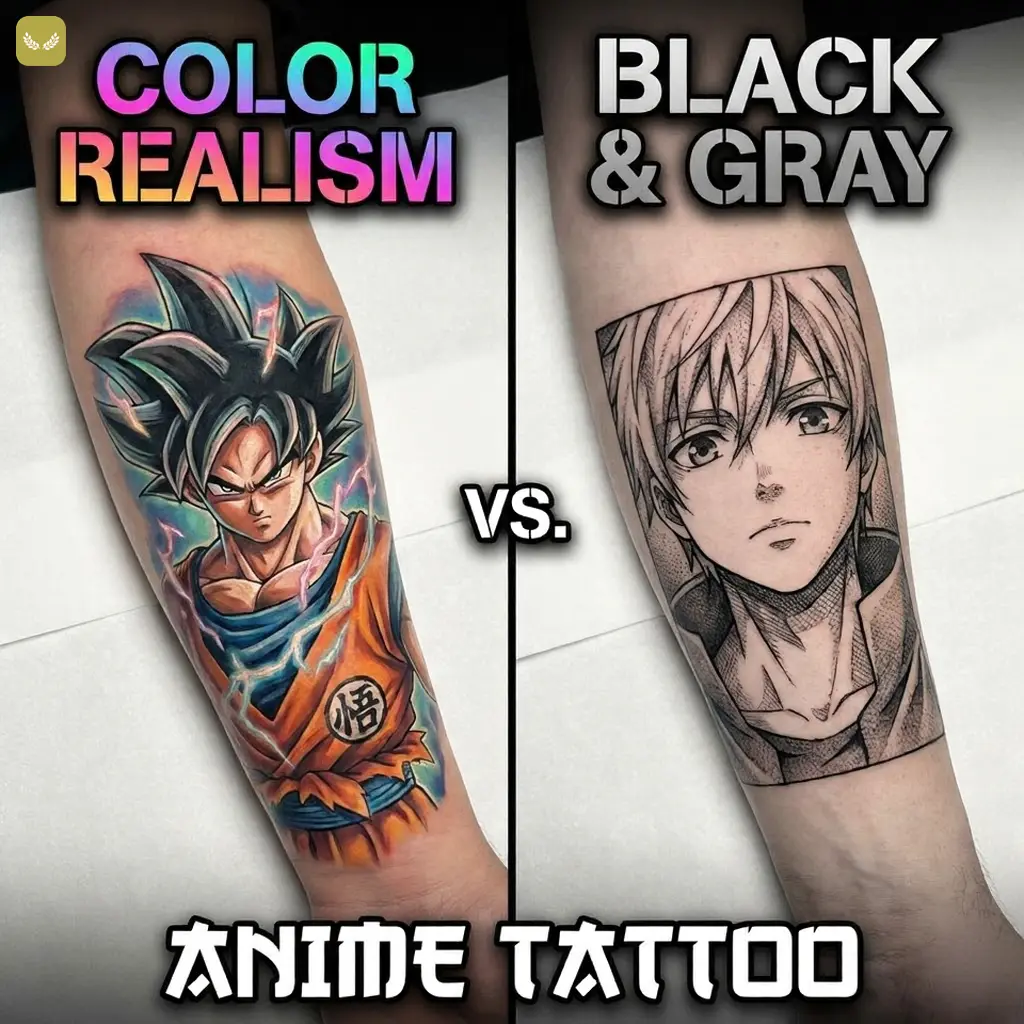
Full-color anime tattoos are stunning. They’re also high-maintenance divas that demand constant attention.
Bright pinks, yellows, and light blues fade fastest—sometimes noticeably within 2-3 years without religious sunscreen application. I’ve seen gorgeous Demon Slayer pieces turn muddy because the owner treated SPF as optional. Meanwhile, black and gray work from the same era still looks crisp.
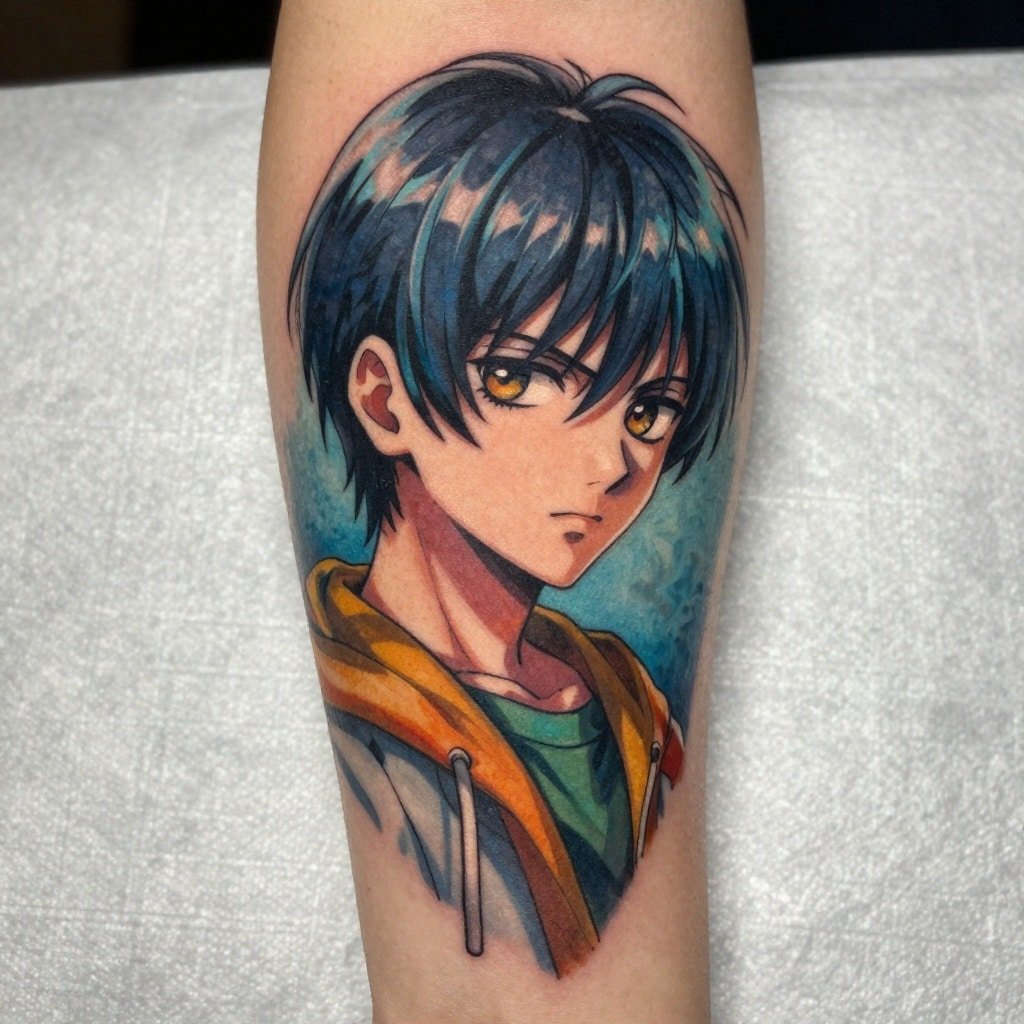
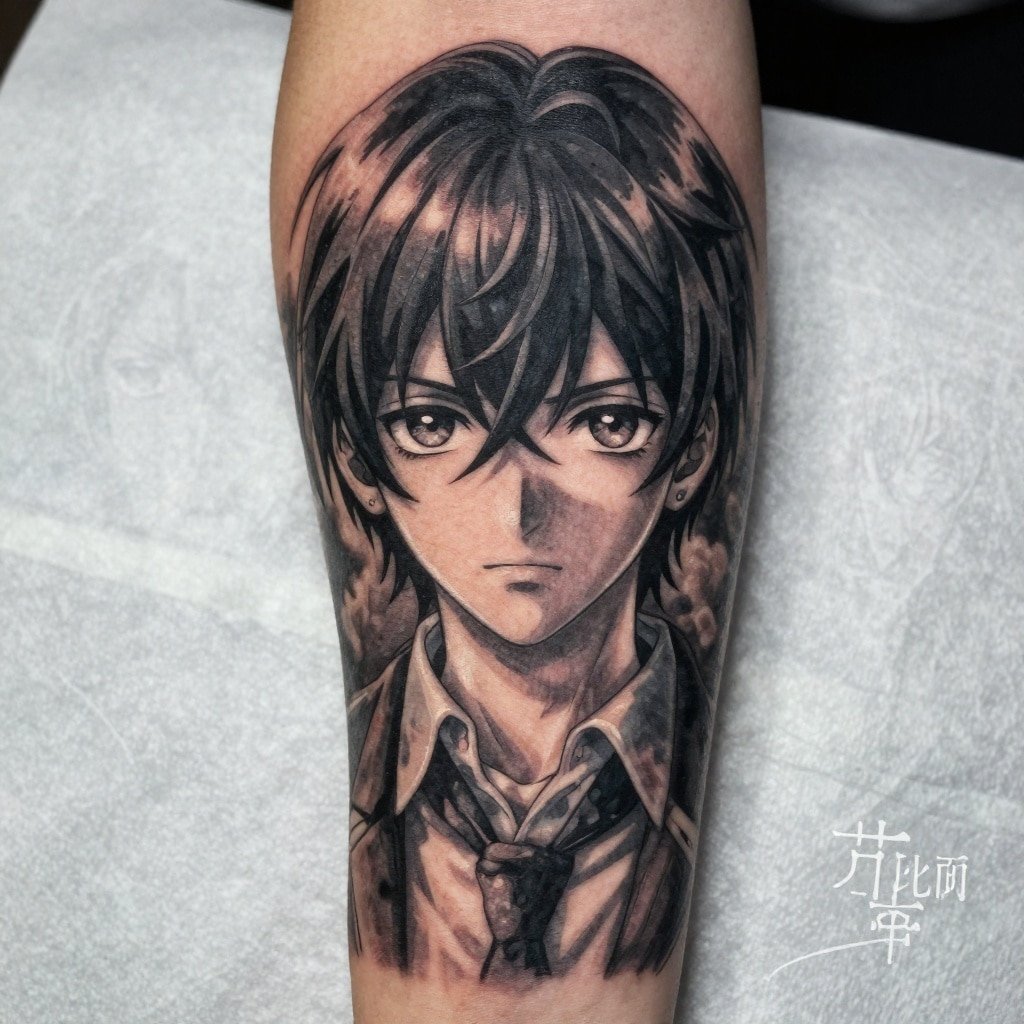
Here’s the real breakdown:
| Style | Pros | Cons | Best For |
|---|---|---|---|
| Full Color | Vibrant, screen-accurate | Fades fastest, high maintenance | Dedicated aftercare people |
| Black & Gray | Ages gracefully, timeless look | Less “anime” aesthetic | Long-term thinkers |
| Limited Palette (2-3 colors + black) | Balance of both worlds | Requires skilled artist | Most people |
My honest recommendation: Unless you’re committed to SPF 50 every single day and touch-ups every few years, consider limited palette or black and gray. Your 2035 self will thank you.
[Image: Side-by-side comparison of the same anime tattoo style photographed fresh vs. 5 years healed]
Minimalist Anime Tattoos — Small But Risky
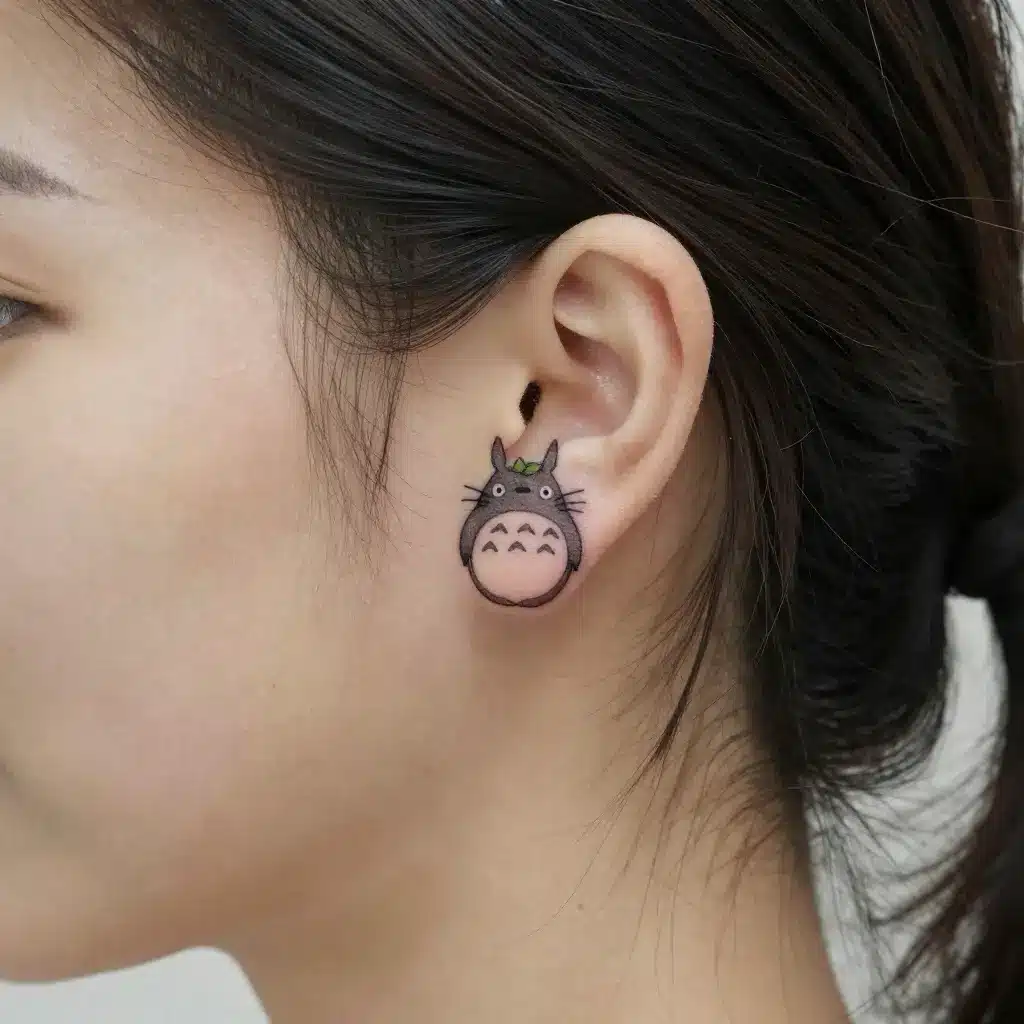
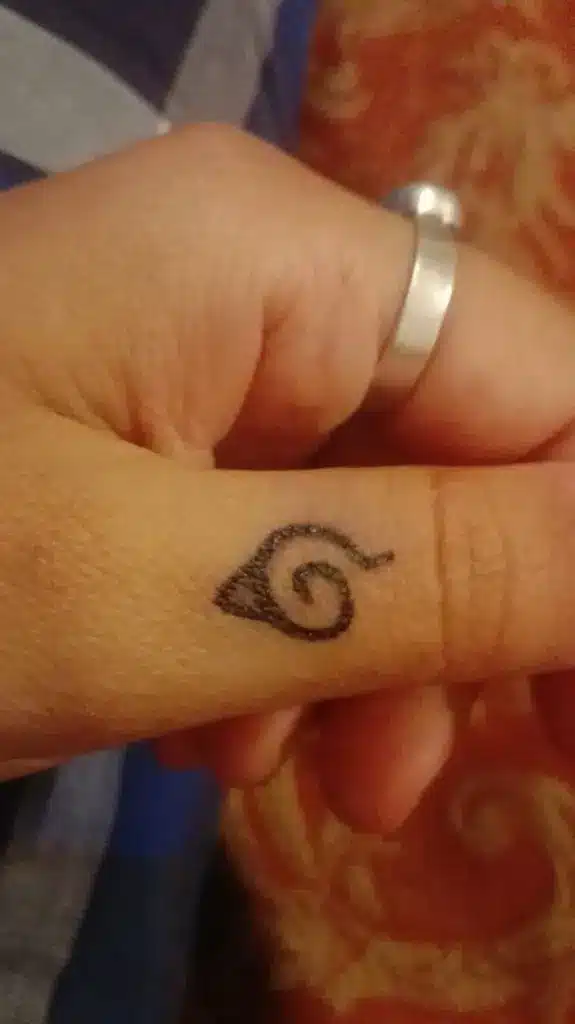
Small anime tattoos are everywhere right now. A tiny Totoro behind the ear. A delicate Konoha leaf symbol on the wrist. Fine line work that looks Pinterest-perfect.
Here’s what nobody tells you: fine lines blur.
That crisp 0.5mm linework that looked incredible at the shop? It spreads in the dermis over time. Small text becomes illegible. Intricate details merge into vague shapes. This isn’t bad artistry—it’s skin biology.
The workaround is bold outlines even on small pieces. Simple symbols work best: Fairy Tail guild marks, the Flamel cross from Fullmetal Alchemist, Dragon Balls, Pokéballs. These designs have enough visual weight to survive a decade.
Neo-Traditional & Blackwork — The Sleeper Choice
If you want an anime tattoo that ages like fine wine, look at neo-traditional interpretations. This style merges anime aesthetics with bold traditional tattooing techniques—thick outlines, confident shading, saturated color in strategic spots.
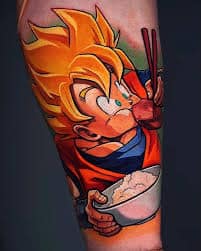
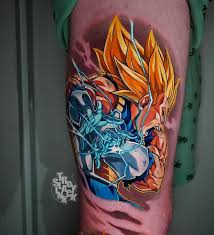
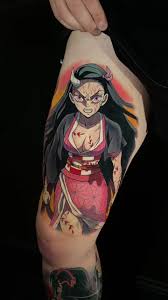
Artists like @troyslackink (118K followers) specialize in this crossover. The result looks distinctly anime but carries the structural integrity of styles that have proven themselves over 100+ years of tattooing history.
Watercolor Anime Tattoos — A Warning
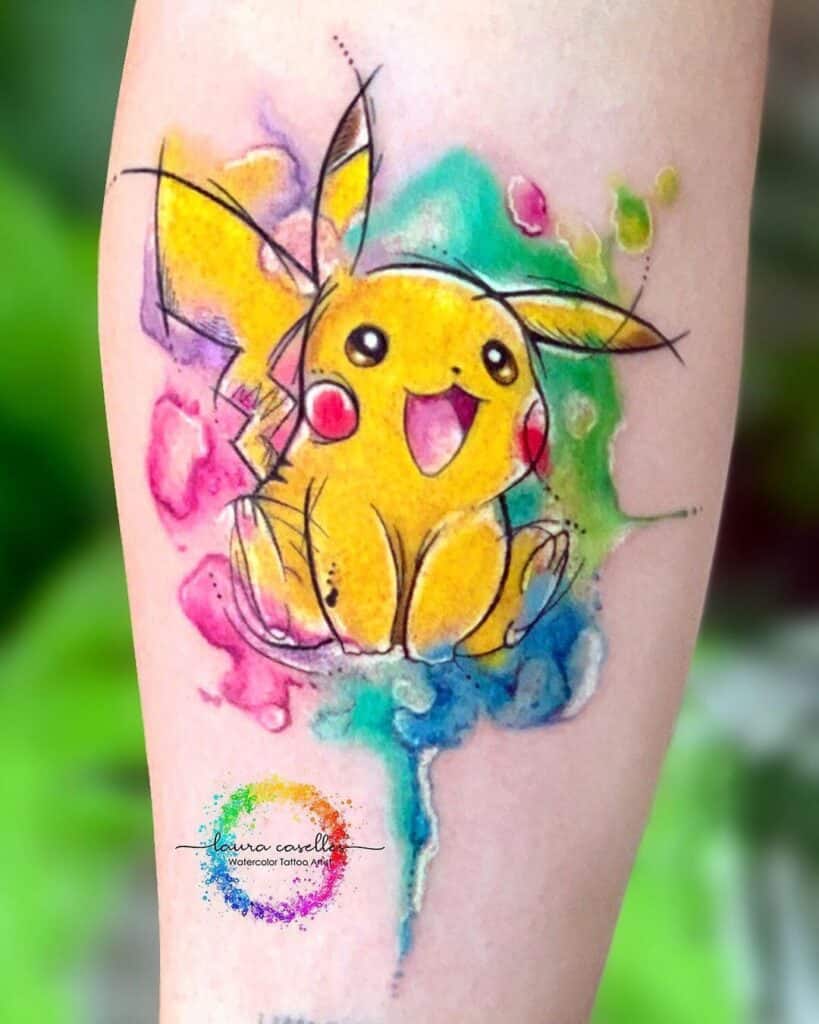
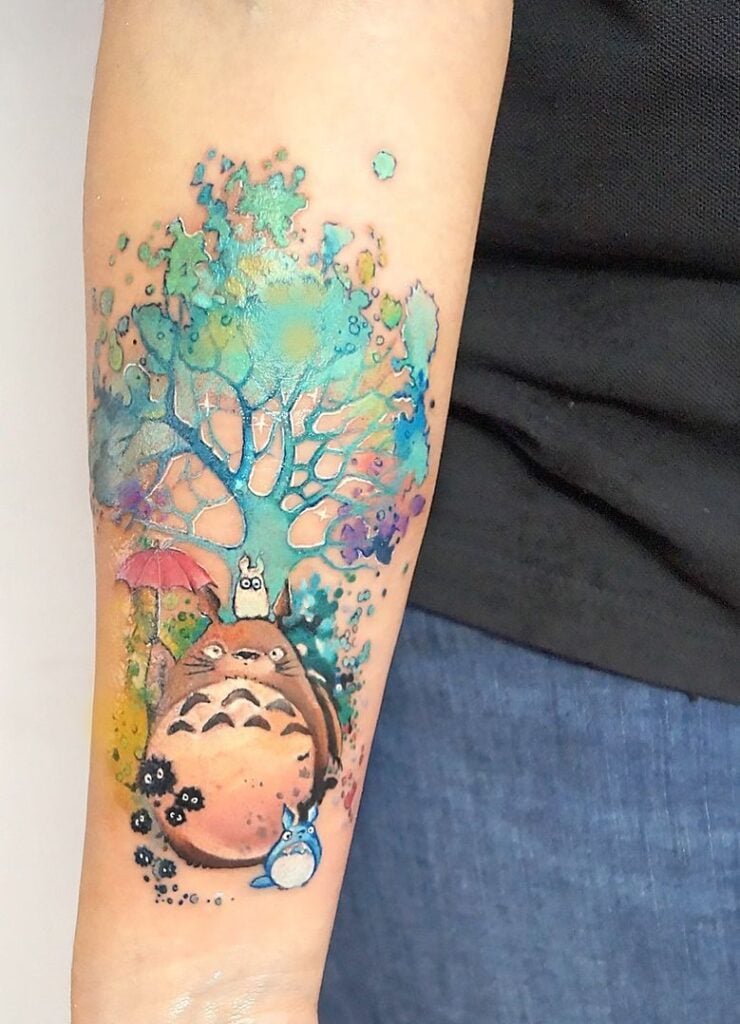
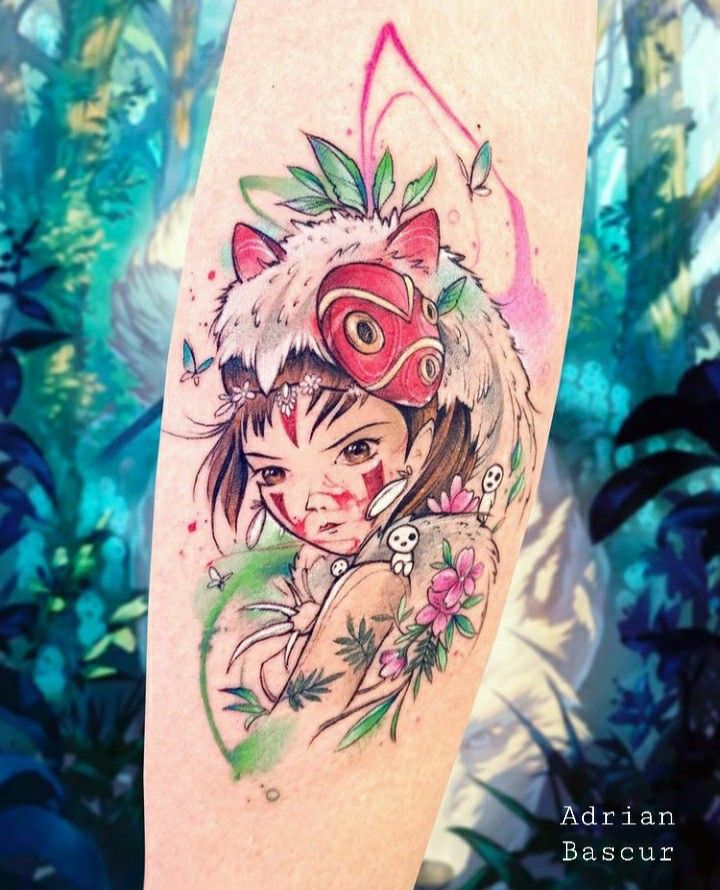
They’re beautiful. They’re dreamy. They fade faster than your enthusiasm for filler episodes.
Watercolor tattoos lack the black outline structure that holds shapes together over time. Without that anchor, colors bleed and blur. If you absolutely love this aesthetic, budget for touch-ups every 2-3 years—and find an artist who specializes specifically in watercolor longevity techniques.

The Best Anime Series for Tattoo Design (And Why)
Not every anime translates well to skin. Some series have visual DNA that was practically made for tattooing. Others—no matter how much you love them—turn into muddy, unrecognizable blobs after a few years. Here’s what actually works from a design perspective.
Studio Ghibli — The Timeless Choice
Ghibli tattoos have something no other anime can match: universal recognition. Your grandmother might not know Naruto from Luffy, but she’s probably seen Totoro on a tote bag somewhere.
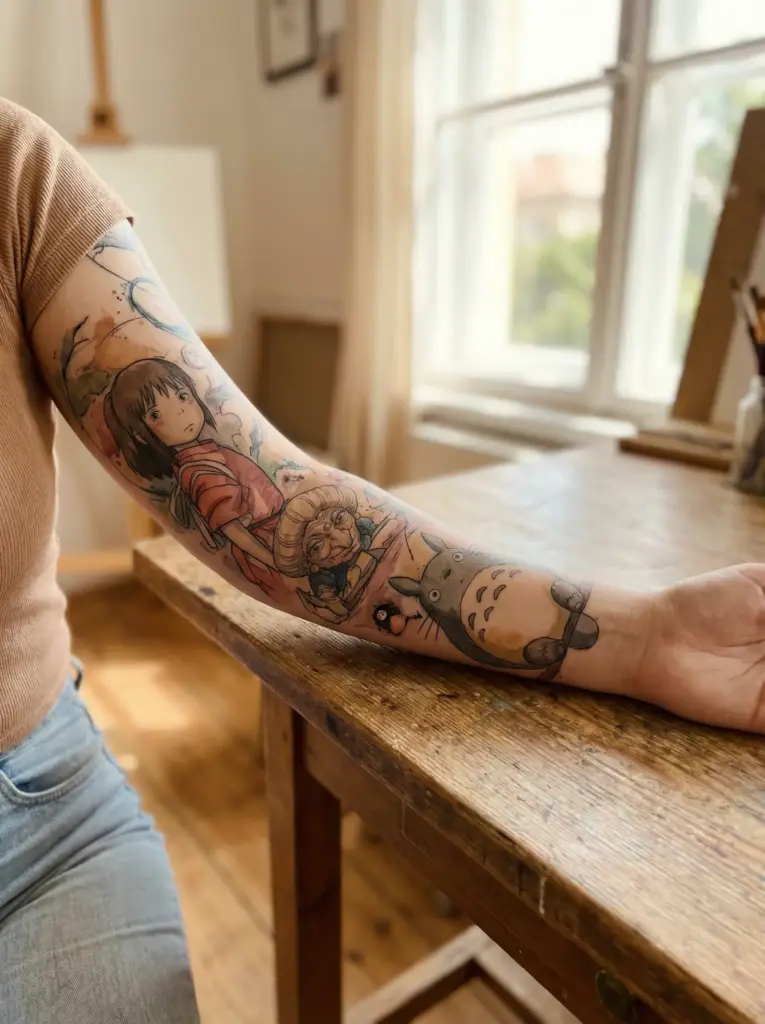
Totoro, No-Face, Calcifer, Howl, Chihiro—these characters carry emotional weight that doesn’t depend on knowing the plot. They’re nostalgic without being dated. A collector on the Lucky Tattoo blog put it perfectly: Ghibli work “rarely looks dated, and non-anime fans recognize them, which honestly makes life easier when explaining your tattoos.”
In my experience, Ghibli pieces also age exceptionally well because the original designs are simple and bold. Miyazaki’s aesthetic doesn’t rely on hyper-detailed linework that blurs over time.
Jujutsu Kaisen — Built for Ink
JJK’s visual language is basically tattoo-ready. High contrast blacks. Dynamic poses with clear silhouettes. Character designs that pop even at small sizes.
Sukuna’s markings are the obvious choice—they were literally designed to exist on a body. But Gojo’s Six Eyes, cursed energy effects, and even the Jujutsu High emblem all translate cleanly. The Chainsaw Man: Reze Arc film grossed $155 million in 2025, proving this darker aesthetic has serious staying power beyond seasonal hype.
Caution: JJK Season 3 hype is at peak levels right now. Make sure you love the series itself—not just the cultural moment.
One Piece — 25+ Years of Proven Loyalty
If you’re still watching after 1,100+ episodes, you’ve earned this tattoo.
One Piece offers some of the strongest symbolic anime tattoo ideas: the Straw Hat Jolly Roger, Ace’s ASCE tribute, Whitebeard’s mark, Law’s elaborate body work. These designs carry deep meaning within the story and work beautifully as standalone pieces even for non-fans.
Fullmetal Alchemist — Clean Geometric Precision
The Flamel symbol. Transmutation circles. The Ouroboros. FMA’s iconography is geometric, symbolic, and scalable—perfect for everything from small wrist pieces to full anime sleeve tattoos.
Brotherhood consistently tops “greatest anime” lists 15+ years after release. That’s the kind of longevity you want backing permanent body art.
[Image: Grid showing iconic tattoo-friendly symbols from each series—Totoro silhouette, Sukuna markings, Straw Hat Jolly Roger, Flamel cross]
Series to Approach With Caution
Currently airing shows? Wait 2-3 years. Seasonal waifus and husbandos? Probably a trend, not a connection. Extremely detailed battle scenes? They’ll blur into an unrecognizable mess.

Where to Place Your Anime Tattoo (Anatomy Matters)
That perfect Gojo piece you’ve been planning? It can look stunning or stretched depending entirely on where you put it. Placement isn’t just about visibility—it’s about how your body moves, ages, and heals.
Best Placements for Anime Sleeve Tattoos
Arms and legs exist for a reason in tattoo culture: large, relatively flat surfaces with minimal warping during movement.
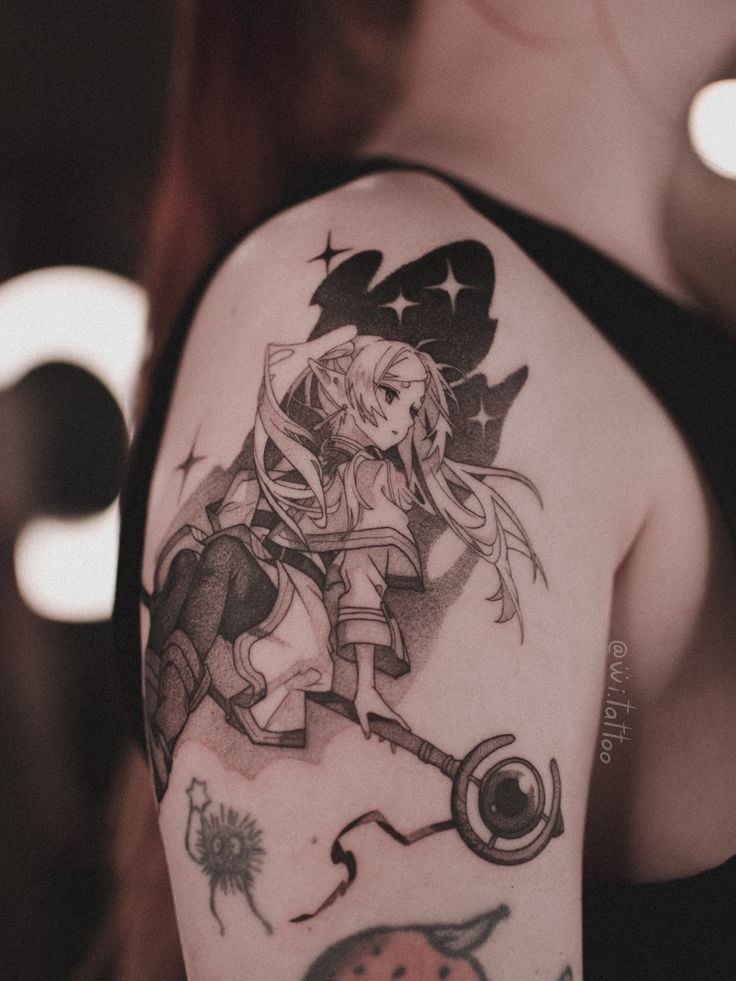
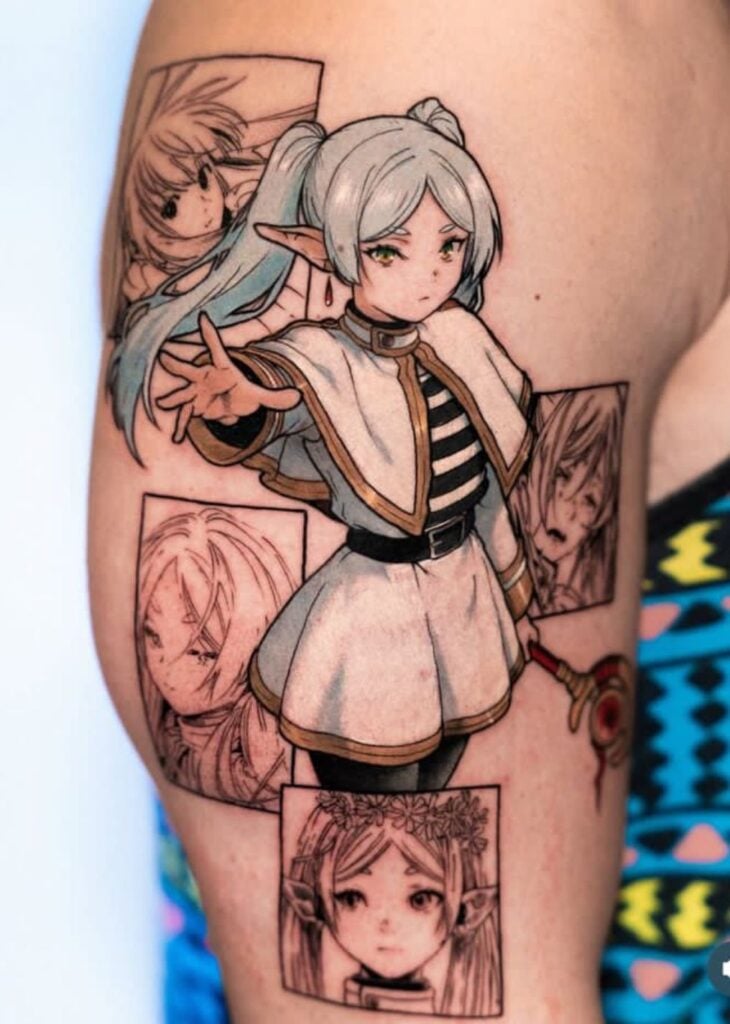
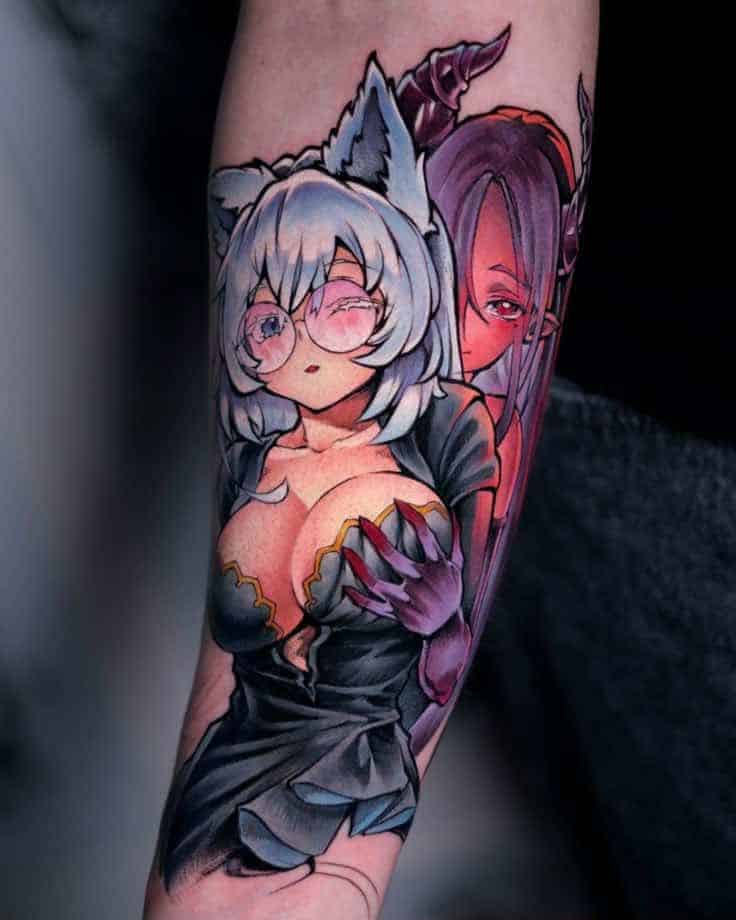
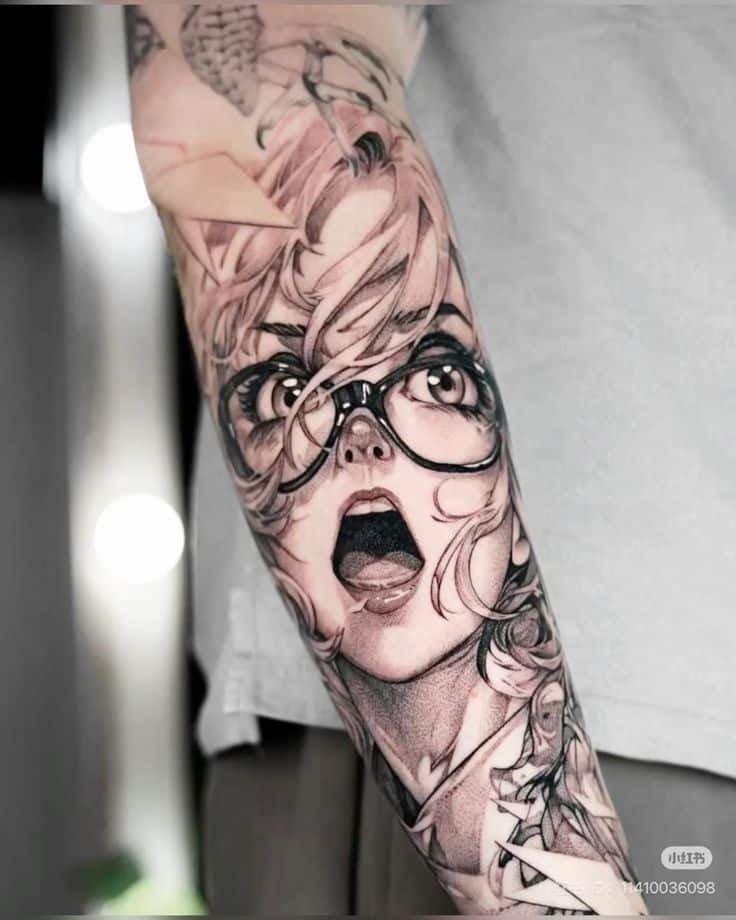
Forearms and calves work beautifully for vertical character portraits and action shots. The natural cylindrical shape actually enhances dynamic poses—think Deku mid-punch or a full-length Levi Ackerman. Upper arms and thighs give you even more real estate for detailed work without the distortion that happens around joints.
If you want a full anime sleeve tattoo, the arm is your best canvas. Artists like those at Certified Tattoo Studios specifically recommend these areas because they offer space for intricate details that won’t warp during everyday movement.
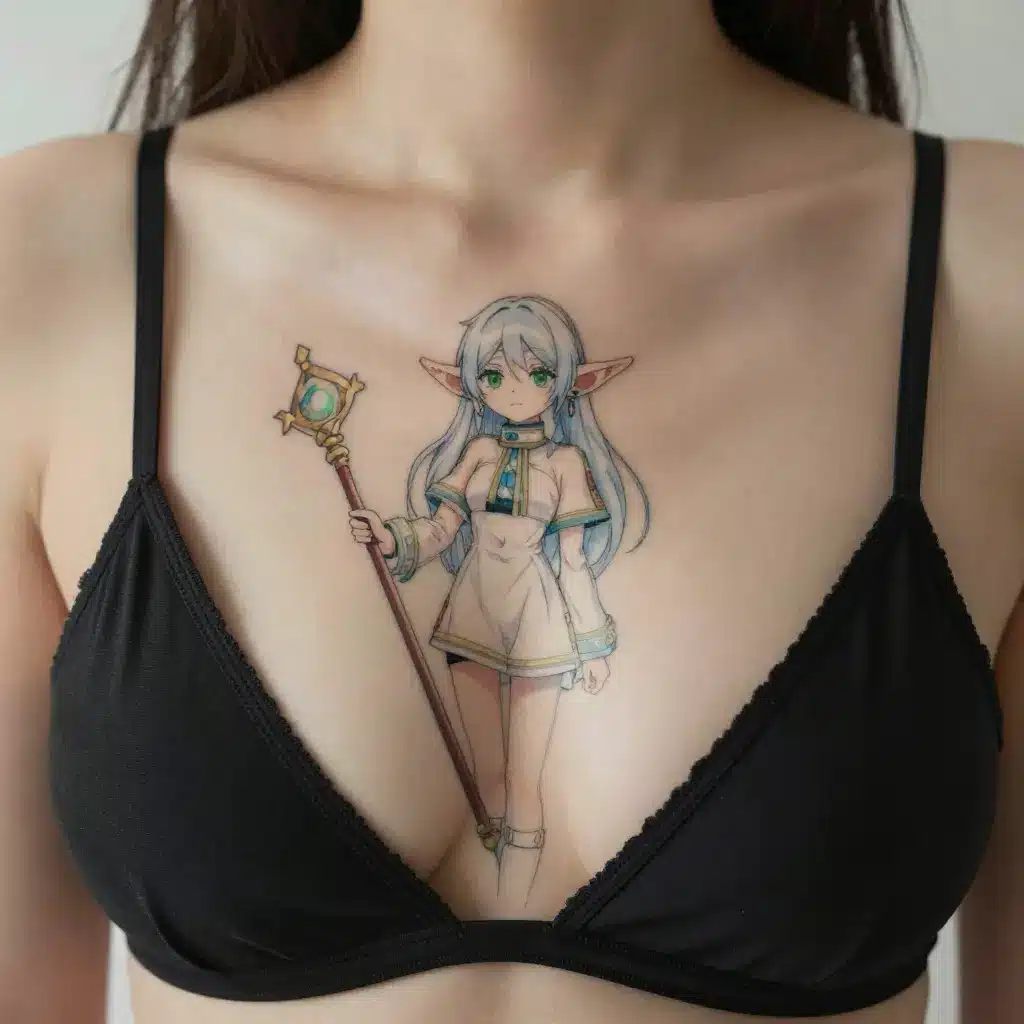
Back and chest work for large-scale pieces—full battle scenes, sprawling compositions, or statement symbols like a massive Sharingan. Just remember: you won’t see your back tattoo without a mirror.
Good Spots for Small Anime Tattoos
Small anime tattoos need strategic placement to survive.
Inner wrist keeps things personal—you see it constantly, others only when you choose. Ribs offer a hidden canvas with dramatic reveal potential. Behind the ear is the ultimate subtle flex, though it’s painful and fades faster than other spots.
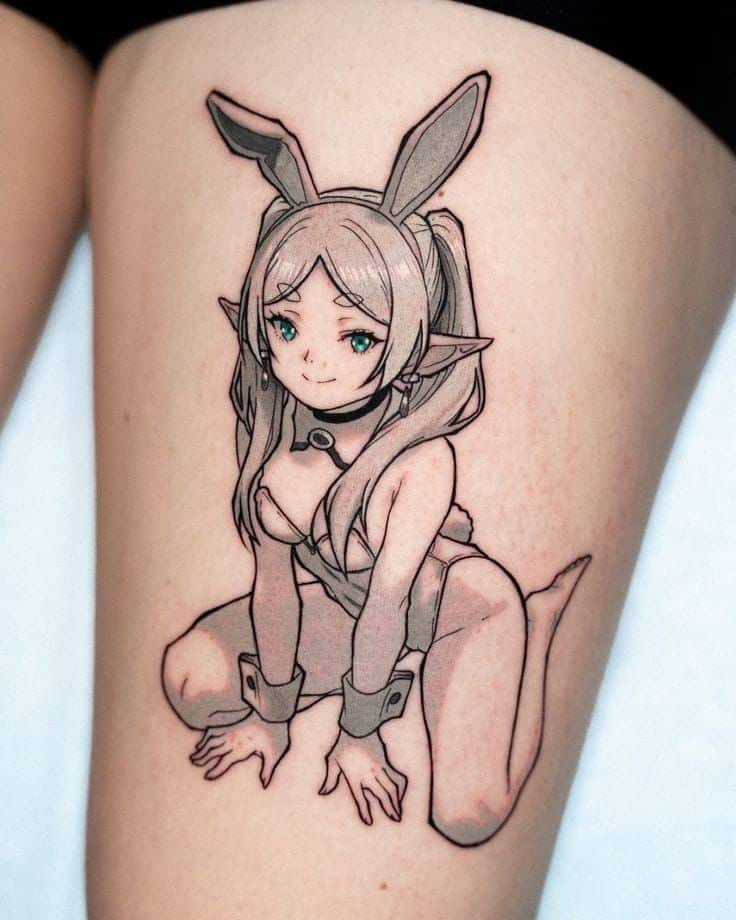
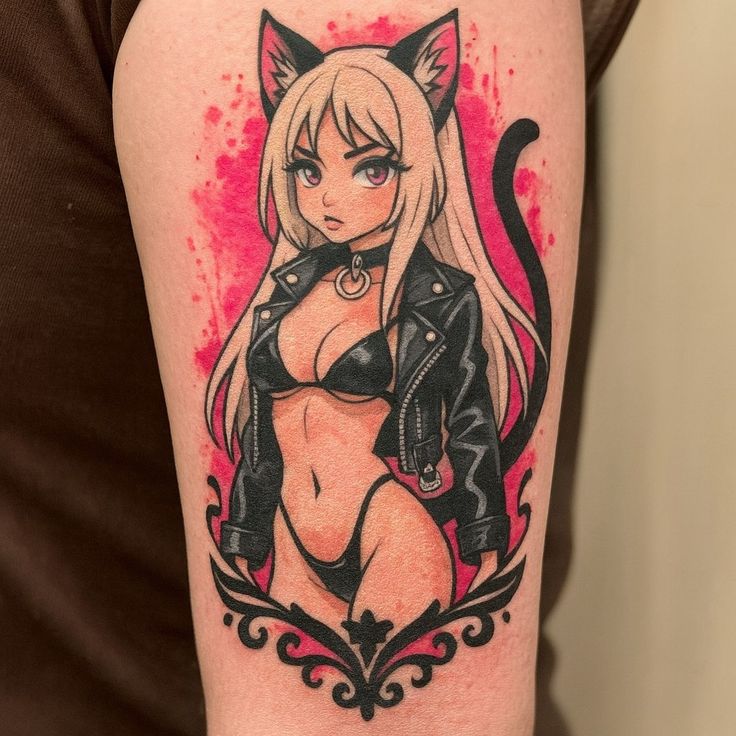
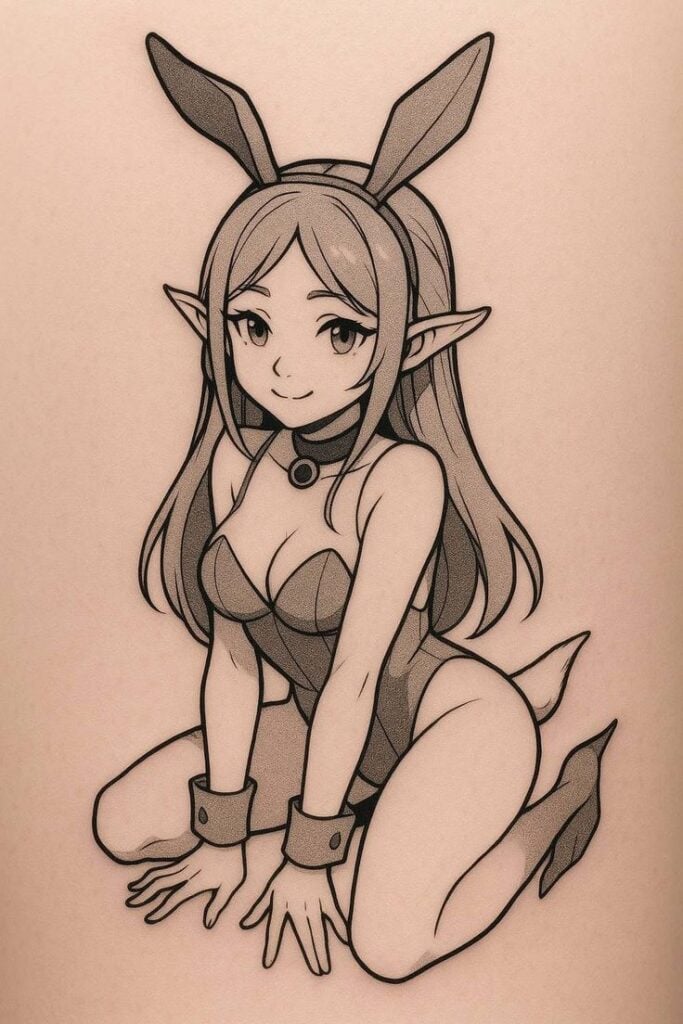
In my experience, ankle placements look great initially but take longer to heal because of constant sock friction. Budget extra healing time if you go this route.
Placements to Avoid (Or Seriously Reconsider)
Hands and fingers fade fast. Constant washing, friction, and sun exposure means your character’s face becomes unrecognizable within 2-3 years. Elbows and knees distort with movement—imagine your Totoro stretching every time you bend your arm. Feet suffer the same friction problems as hands, sometimes worse.
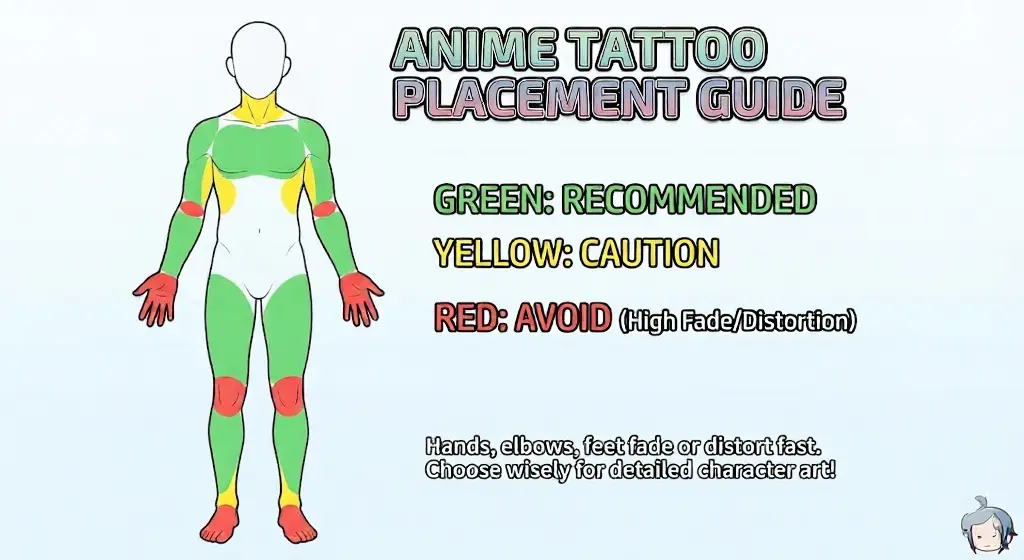
Quick test: Will this design still read clearly when you’re 60 and your skin has changed? Upper arms, chest, and upper back are your most stable long-term options.
How to Find an Anime Tattoo Artist (Without Getting Burned)
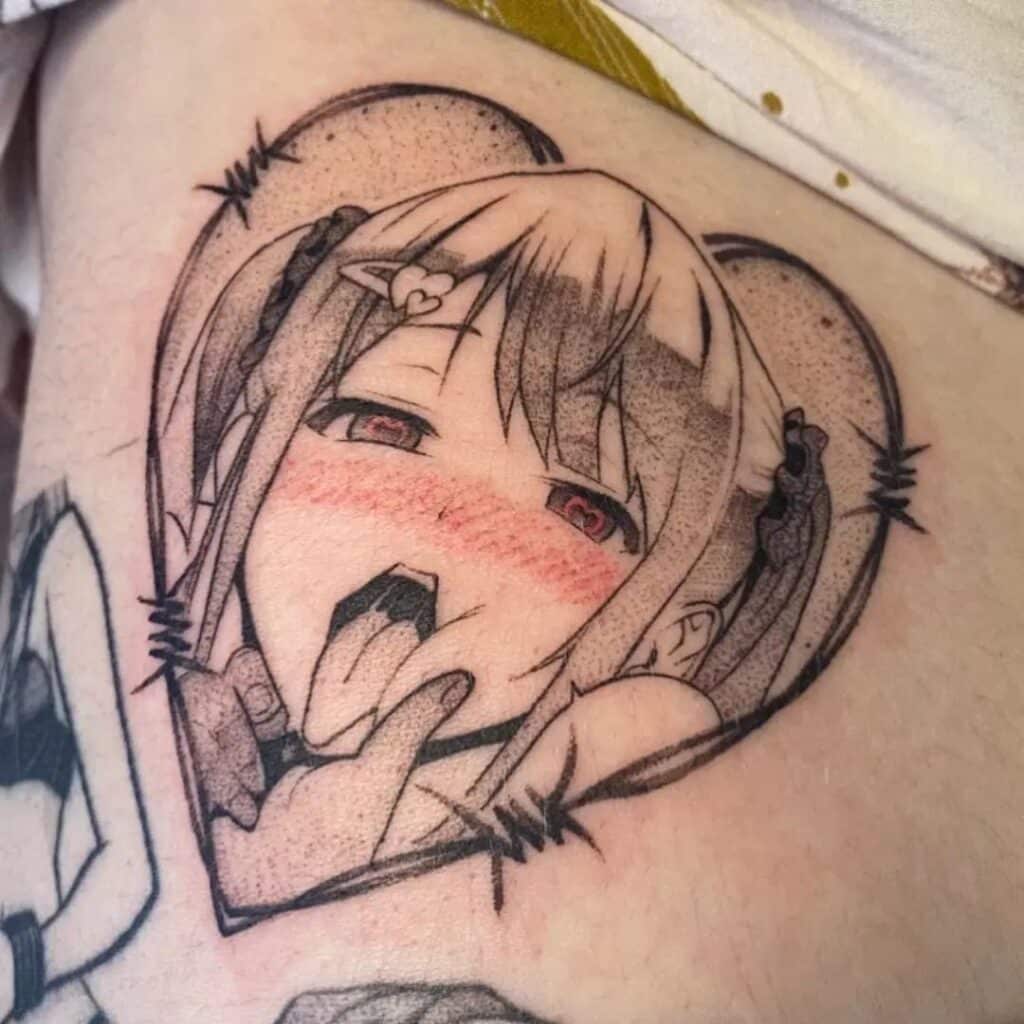
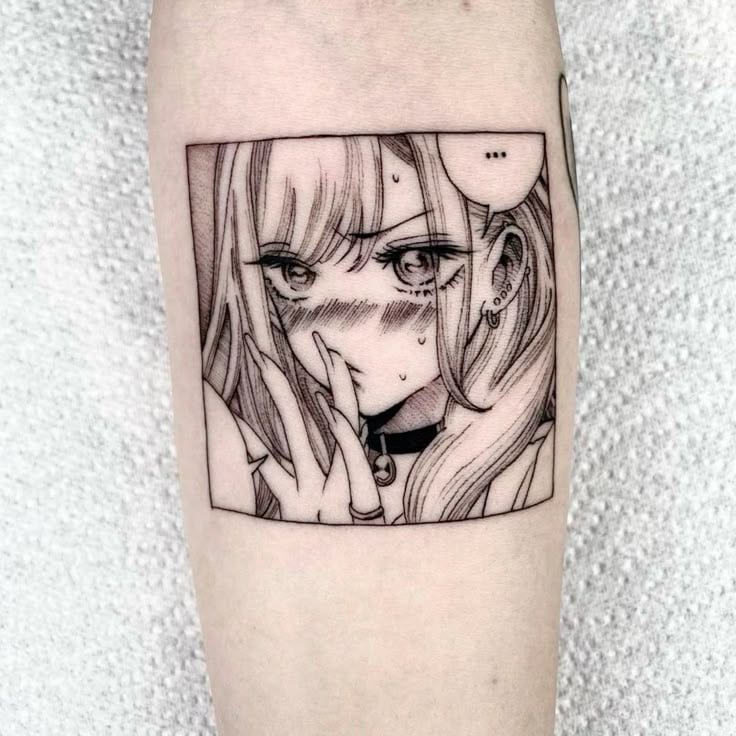
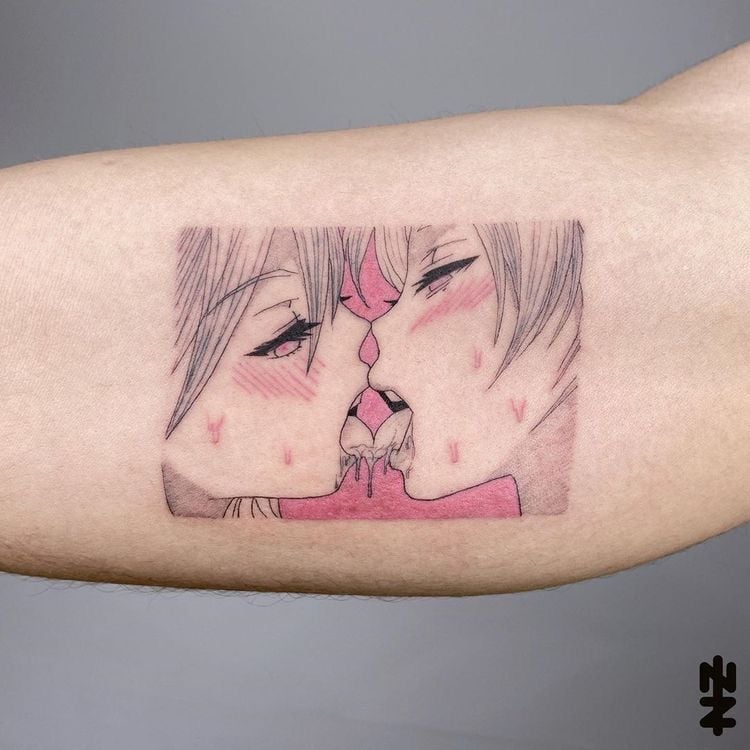
I’ve seen it too many times: someone brings a gorgeous Gojo reference to a talented realism artist, and the result looks… off. Not bad, exactly. Just wrong. Like Gojo cosplaying as a human instead of actually being Gojo. The problem isn’t skill—it’s specialization.
Why Specialization Matters
Anime tattoo artists understand something generic artists don’t: the aesthetic rules that make anime look like anime.
It’s the exaggerated eye proportions. The specific way cel shading translates to skin. The line weight hierarchy that gives characters their distinctive look. A portrait specialist might technically nail every detail and still produce something that feels uncanny because they’re applying realism logic to a stylized art form.
In my experience, the best anime tattoos come from artists who genuinely love the medium—not just those willing to take the commission.
Portfolio Red Flags to Watch For
Before you book anyone, scrutinize their portfolio like your skin depends on it. Because it does.
🚩 Red flags:
- Only fresh tattoo photos (they’re hiding how their work ages)
- Shaky linework or uneven color saturation
- “Realistic” anime interpretations that miss the stylistic point
- No healed photos anywhere in their feed
✅ Green flags:
- Healed work that still looks crisp after 1+ years
- Variety of anime styles (not just one series on repeat)
- Client photos tagged—real people with real results
- Clear understanding of which colors hold up long-term
Questions to Ask Before Booking
Don’t be shy. Any professional anime tattoo artist expects these:
- “Can I see healed photos of your anime work?”
- How do you approach translating anime art to skin?
- “What do you recommend for longevity with this specific design?”
- “Have you tattooed this series or style before?”
Where to Find Specialists
Animetattoos.com launched specifically to solve this problem—200+ vetted artists searchable by location and style. For broader searches, Instagram hashtags like #animetattooartist and #mangatattoo surface specialists. Feature accounts like @animemasterink (326K followers) and @animetattooideas (103K followers) showcase quality work daily.
Practical tip: Follow 5-10 artists for a few months before reaching out. You’ll learn their style, see healed work appear naturally, and know if they’re worth the waitlist.
How Much Do Anime Tattoos Actually Cost?
Nobody talks about money, and that’s a problem. You can’t budget for something when every answer is “it depends.” So here are actual numbers.
Price Ranges by Size & Complexity
| Type | Size | Price Range | Session Time |
|---|---|---|---|
| Minimalist symbol (Konoha leaf, Pokéball) | 1-2 inches | $80-200 | 30-60 min |
| Small character portrait | 3-4 inches | $200-400 | 1-2 hours |
| Medium detailed piece | 5-7 inches | $400-800 | 2-4 hours |
| Large work (half back, thigh piece) | 8-12 inches | $800-1,500 | 4-8 hours |
| Half sleeve | Full upper or lower arm | $1,500-3,000 | Multiple sessions |
| Full anime sleeve tattoo | Shoulder to wrist | $3,000-6,000+ | 20-40+ hours |
These ranges reflect 2026 pricing from mid-tier to specialist artists. NYC, LA, and major cities skew 20-30% higher.
What Affects the Price
Artist specialization costs more—and it’s worth it. Full color runs higher than black and gray because it takes longer. Geographic location matters significantly. A manga panel sleeve from @troyslackink will cost more than a generic shop, but the quality gap is enormous.
Don’t Cheap Out
In my experience, fixing a bad anime tattoo costs more than doing it right the first time. Cover-ups require larger designs. Laser removal runs $200-500 per session across 6-12 sessions. That $150 you saved on a budget artist? It becomes $2,000+ in corrections.
Practical tip: If the price seems too good, it probably is. Save up if needed. This is permanent.
The Regret-Proof Framework — How to Make a Choice You’ll Love
Statistics show over half of tattoo regret happens with ink gotten before age 21. But age isn’t the real issue—impulse is. Here’s how to make sure your anime tattoo idea survives the hype cycle.
The 2-3 Year Rule
Have you loved this series for at least 2-3 years? If not, wait.
Demon Slayer Nezuko with bamboo is everywhere right now. Peak trending territory. But will you still want this in 2030 when the cultural moment has passed? Maybe—if Demon Slayer genuinely shaped you. Probably not if you’re riding the wave.
Contrast that with someone getting a Totoro tattoo because they watched My Neighbor Totoro with their grandmother every summer growing up. That connection doesn’t expire. One blogger on Lucky Tattoo put it perfectly: “My Totoro tattoo? That’s not changing. But if I’d gotten that Attack on Titan tattoo I wanted during season 1 hype… I’d probably regret it now since I haven’t even finished the series.”
The Decision Checklist
Before booking, answer honestly:
- Would you explain this tattoo to a stranger without embarrassment?
- Have you seen healed versions of this style?
- Can you describe what this character means to you in 2+ sentences?
- Have you sat with this idea for at least 3 months?
- Is your artist actually a specialist?
If any answer is “no”—pause.
If You’re Still Unsure
Print the design. Put it somewhere you’ll see it daily for a month. How do you feel on day 30? Still excited, or kind of over it? Companies like Inkbox sell semi-permanent tattoos lasting 1-2 weeks—a low-risk trial run before committing to forever.
Frequently Asked Questions
Q: Do anime tattoos age well?
A: It depends entirely on style and aftercare. Bold lines and limited color palettes (black and gray, or 2-3 colors maximum) age best—still looking crisp at the 10-year mark. Fine line work blurs as ink spreads in the dermis over time. Vibrant colors like pink, yellow, and light blue fade fastest, sometimes noticeably within 2-3 years. The non-negotiable for color work: SPF 50 sunscreen, every day, forever. Skip it and your Gojo becomes a ghost of himself.
Q: How long does an anime sleeve tattoo take?
A: A full anime sleeve typically requires 20-40+ hours of tattoo time spread across multiple sessions. Most artists won’t work longer than 4-6 hours per sitting—your skin needs recovery time, and fatigue affects both of you. Expect 4-8 appointments over several months, with 2-4 weeks of healing between sessions. A half sleeve runs roughly half that. Budget the time: rushing a sleeve shows in the final result.
Q: Can I mix anime characters from different series in one tattoo?
A: Absolutely—”sticker cluster” style tattoos deliberately mix universes, and cohesive sleeves can blend multiple series beautifully. The key is working with your artist on visual unity: matching art styles, complementary color palettes, and unified background elements. Goku next to Sailor Moon can work if the composition is intentional. Random characters scattered without thought looks exactly like that—random. Bring references from each series and let your artist design the bridge between them.
Q: What’s the most popular anime tattoo in 2026?
A: Sukuna from Jujutsu Kaisen is dominating right now—his in-universe face and body markings translate directly to real skin without any artistic interpretation needed. JJK Season 3’s premiere in January 2026 pushed demand even higher. Studio Ghibli characters (especially Totoro and No-Face) remain evergreen choices that never feel dated. Chainsaw Man is surging following the Reze Arc film’s $155 million box office. Demon Slayer continues strong but may have peaked culturally.
Q: Is it legal to get a copyrighted anime character tattooed?
A: Technically, tattooing copyrighted characters is unauthorized reproduction—a legal gray area. Practically? No company has ever sued a fan for getting a character tattoo, and no artist has faced legal action for private character work. The PR nightmare of suing fans far outweighs any damages. Where enforcement actually happens: using tattoo images in advertising, merchandise, or commercial content. Get your Goku tattoo. Nobody’s coming after you for personal body art.
Q: How do I prepare for my anime tattoo appointment?
A: Bring high-resolution official art—not Pinterest fan art, which often has proportion errors or style inconsistencies. Eat a full meal 1-2 hours before (low blood sugar makes you lightheaded). Stay hydrated for 24 hours prior. Avoid alcohol, aspirin, and excessive caffeine—all thin blood and increase bleeding. Wear comfortable clothing with easy access to the tattoo area. Get solid sleep the night before. Arrive on time; artists often schedule tight, and lateness cuts into your session.
Your Next Steps
The best anime tattoo isn’t the one trending on TikTok right now—it’s the one that still means something to you in 2036.
Choose a style that ages well. Bold lines over fine work. Limited palette over full rainbow if you won’t commit to daily SPF. Find an artist who actually specializes in anime through platforms like Animetattoos.com or by following feature accounts like @animemasterink for months before reaching out. Apply the 2-3 year rule ruthlessly.
Start building your reference folder today. Screenshot official art from series you genuinely love. Save healed tattoo examples that make you stop scrolling. Note which artists’ work keeps appearing in your saves. When you’re finally ready to book—whether that’s next month or next year—you’ll walk into that consultation prepared instead of scrambling.
In my experience, the people who regret their anime tattoos rushed. The people who love theirs waited until they were certain.
Tag @skyryedesign when you get inked. I want to see what made it onto your skin. #SkyRyeDesign
- 4.4Kshares
- Facebook0
- Pinterest4.4K
- Twitter3
- Reddit0