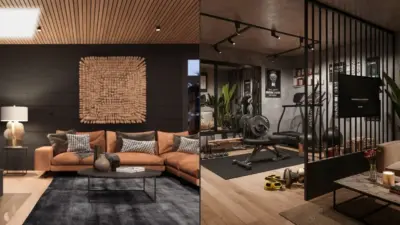
Cushion covers can quietly change how a living room feels. If the sofa already has three cushions that look as though they came from the same shelf, your own drawing or photograph can give one of them a reason to stand out. Here are three ways to turn custom artwork into a cover that belongs in the room, plus the file and fabric checks to make before ordering.
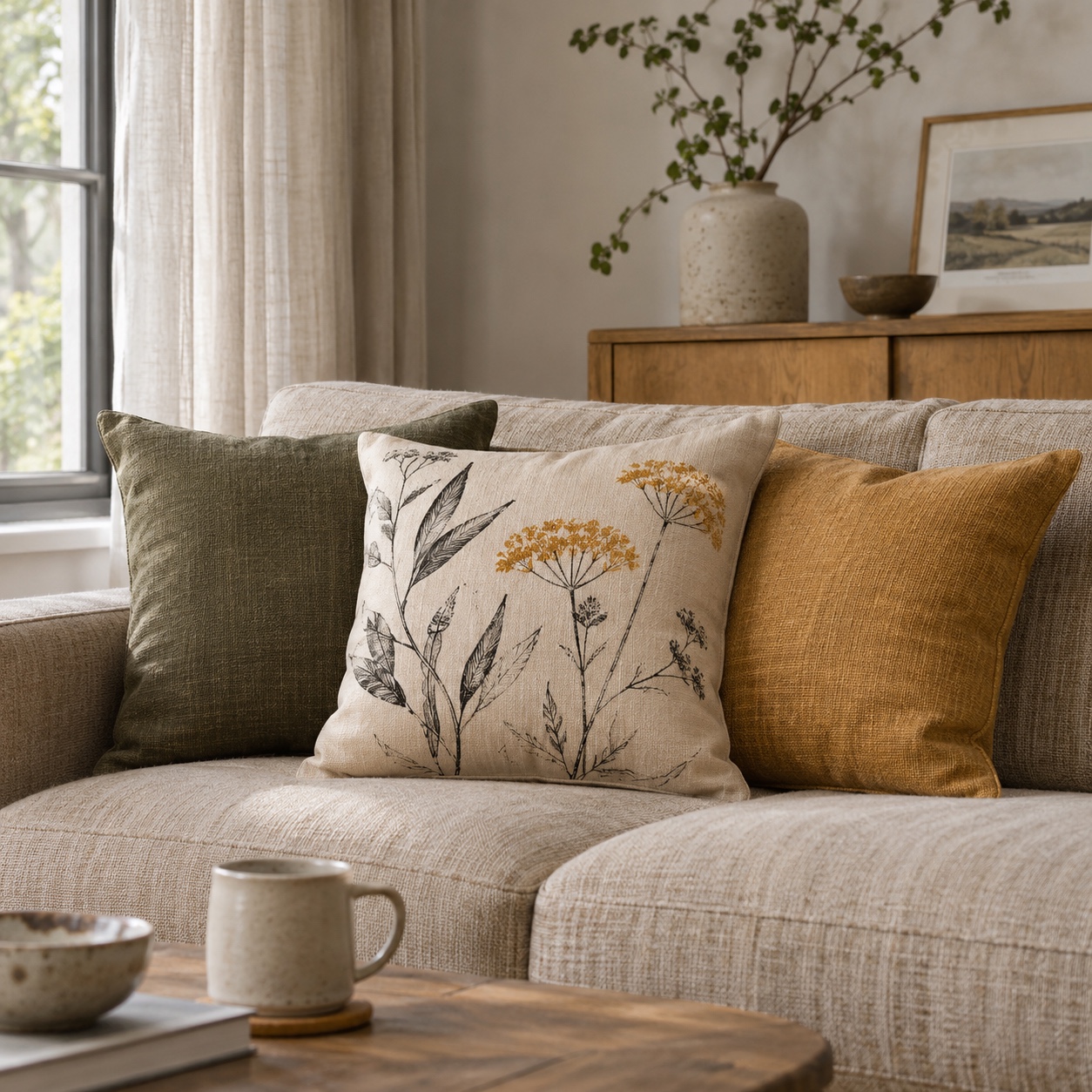
Turn your digital illustration into a cover design
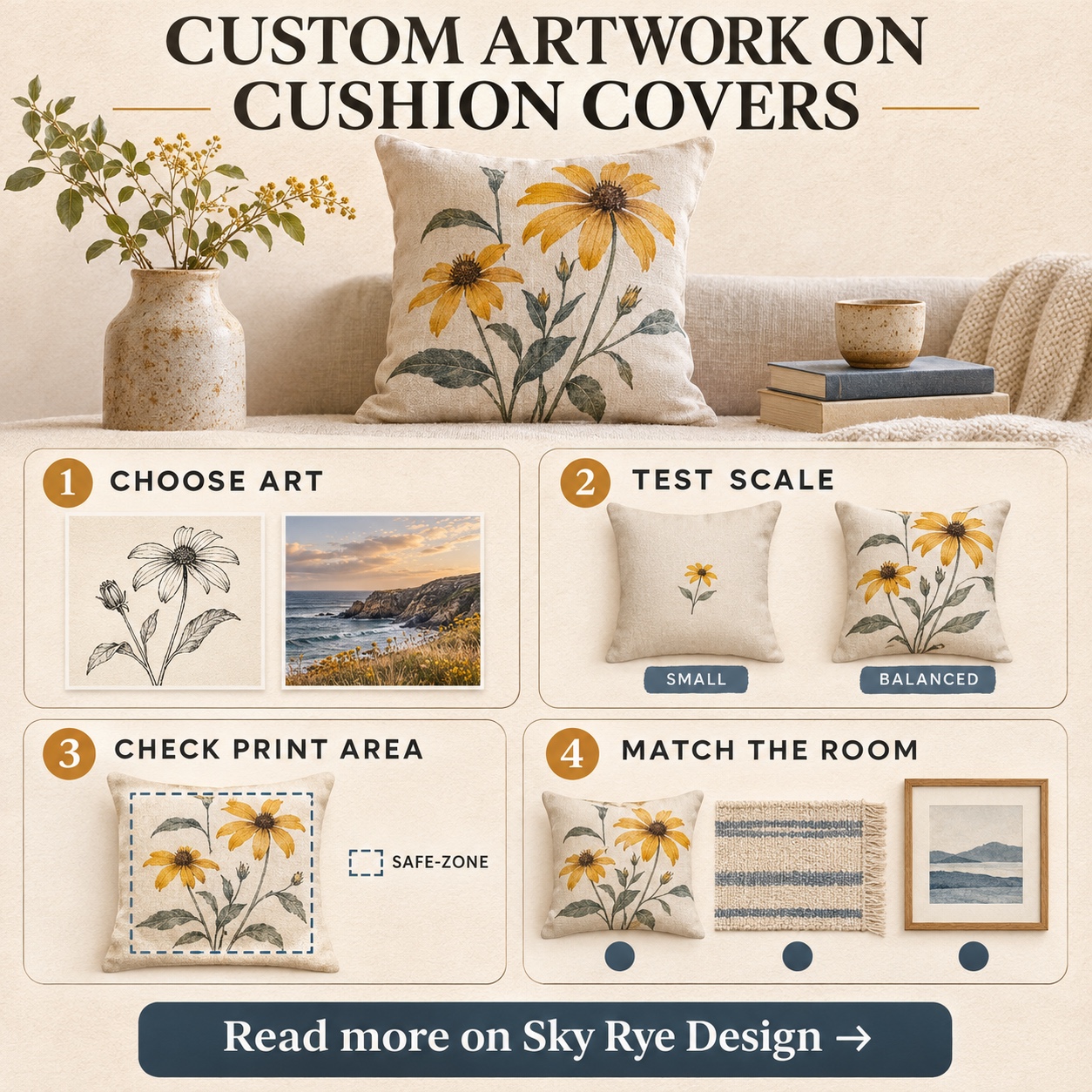
A drawing that lives on a screen can work beautifully on fabric. Botanical sketches, abstract shapes, geometric patterns, and loose line work each give a cushion a different character. Start with the artwork you already have, then decide whether it should fill the whole cover or sit as a smaller motif with room to breathe.
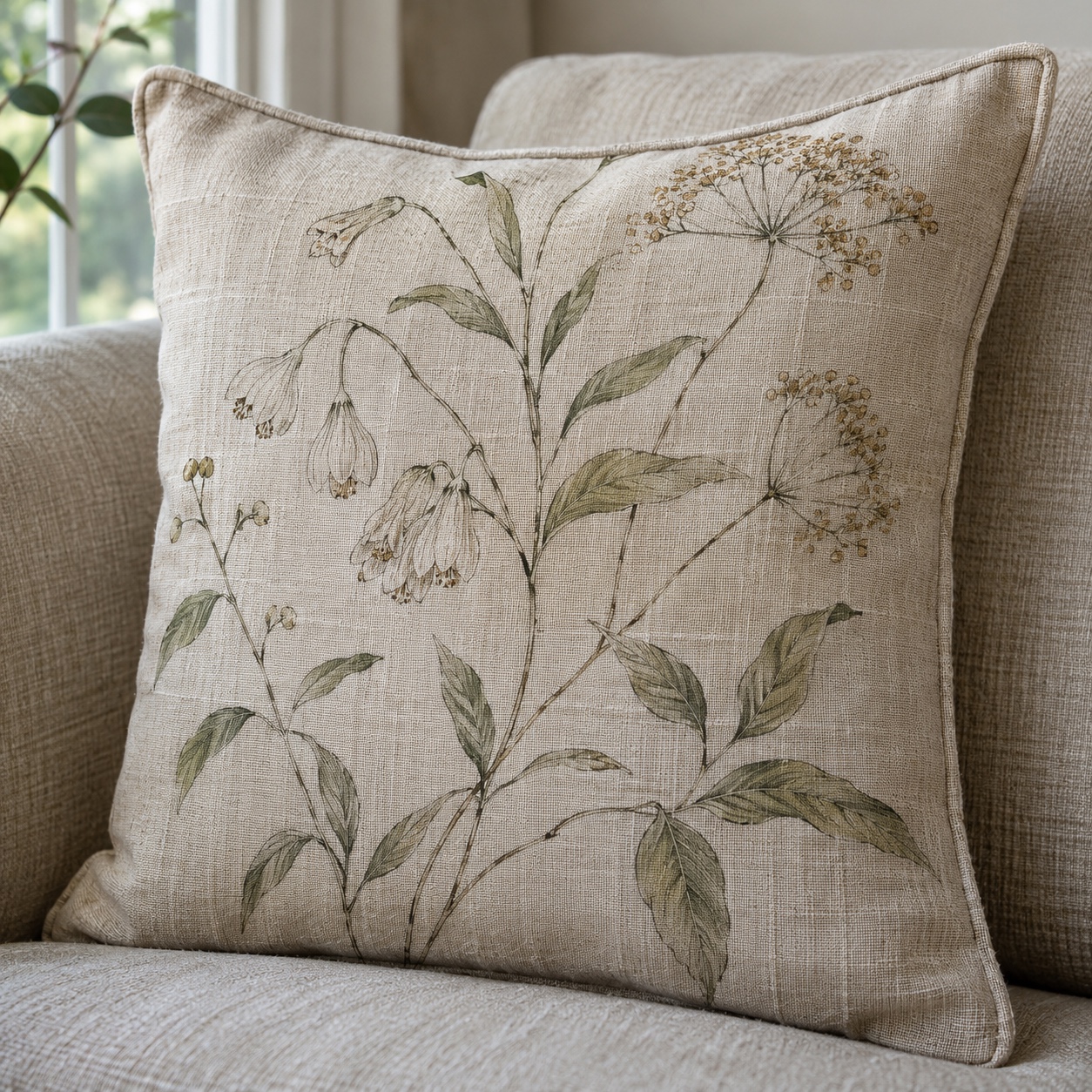
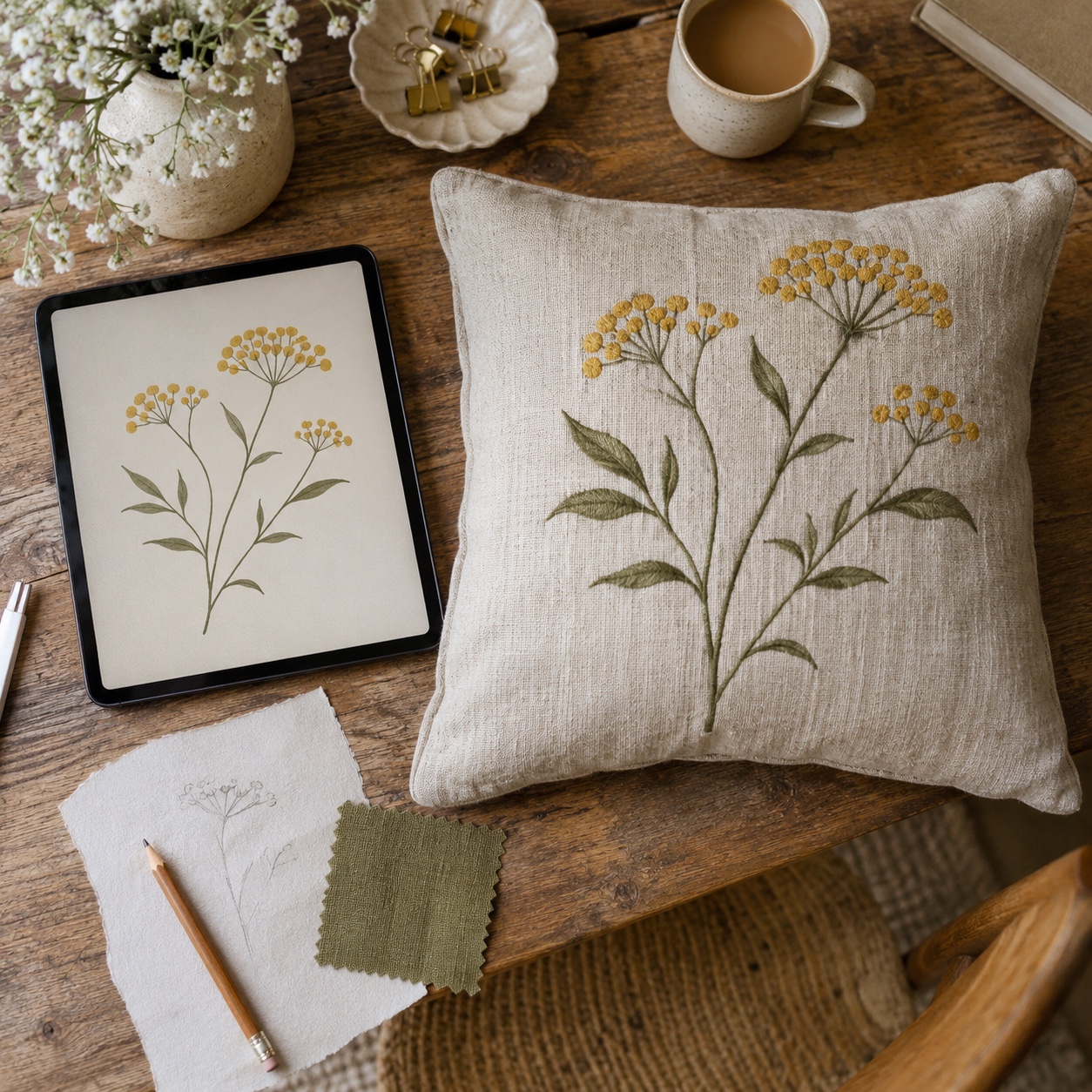
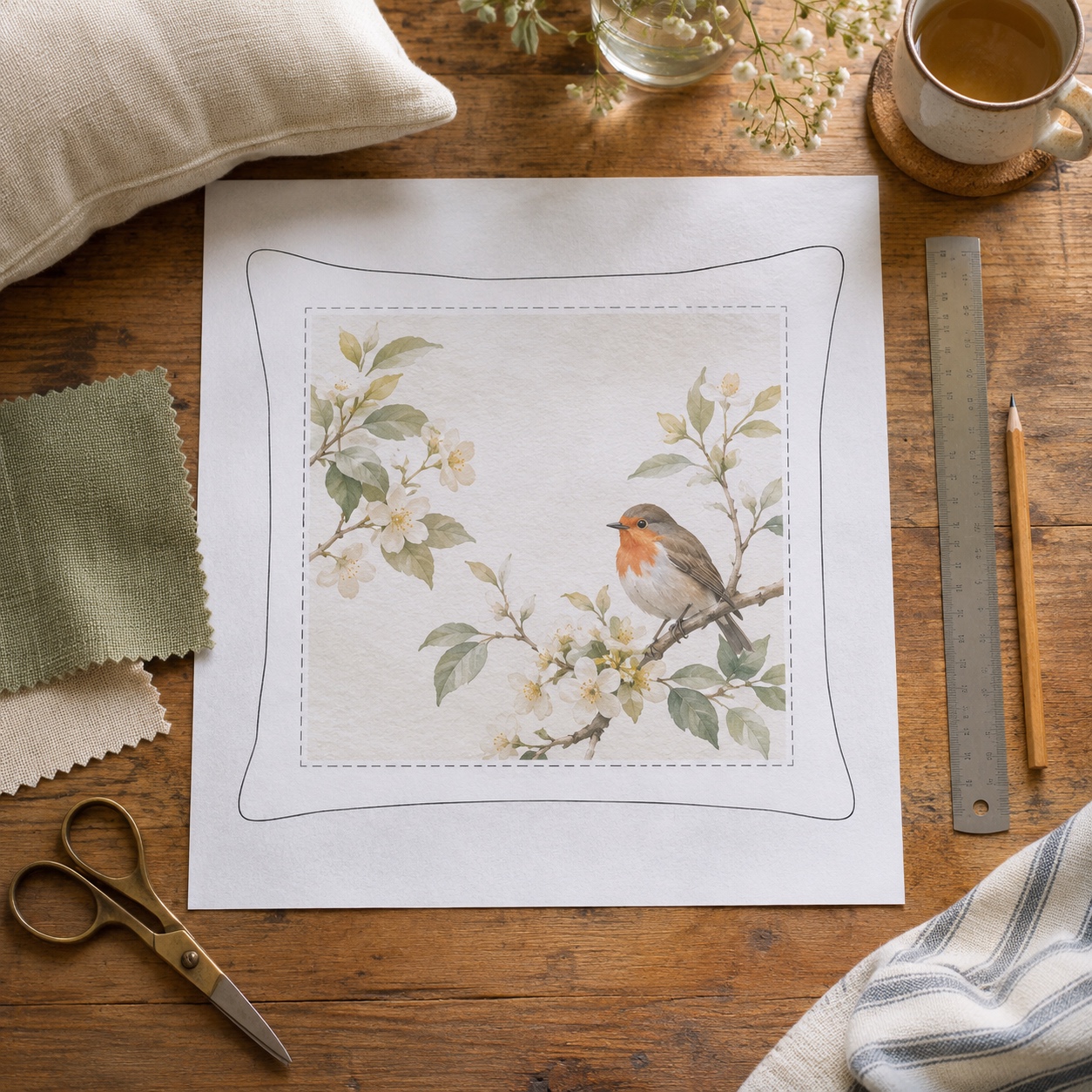
Scale changes the reading of a design. A fine botanical illustration may disappear from across the room, while a large flower can overwhelm a small cushion. Make a paper mockup at the cover’s finished size, or place the artwork on a photo of your sofa. If the main subject is hard to recognize from a few steps away, simplify it or enlarge it. This is the same visual decision you would make when arranging art on a wall, only on a softer, smaller surface.
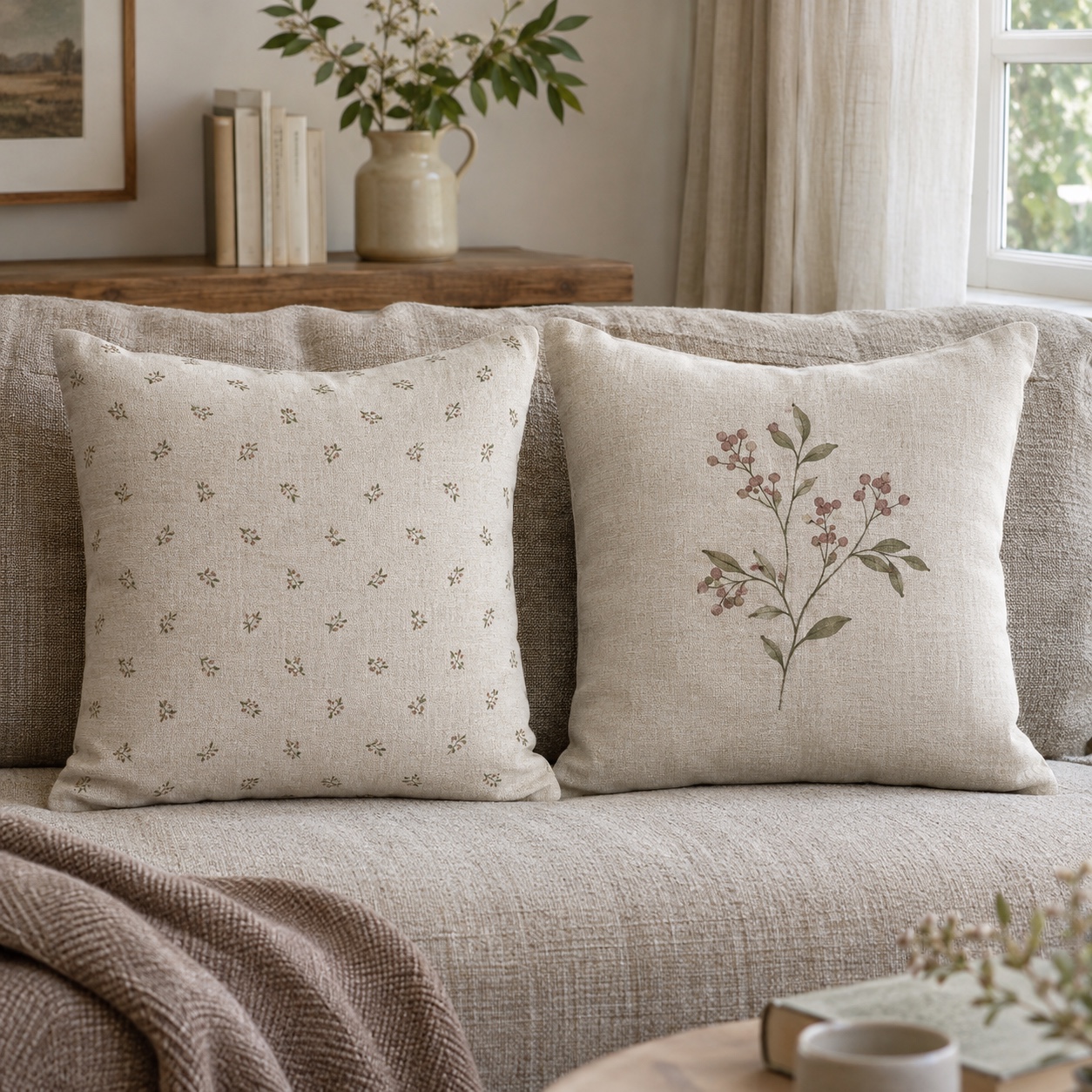
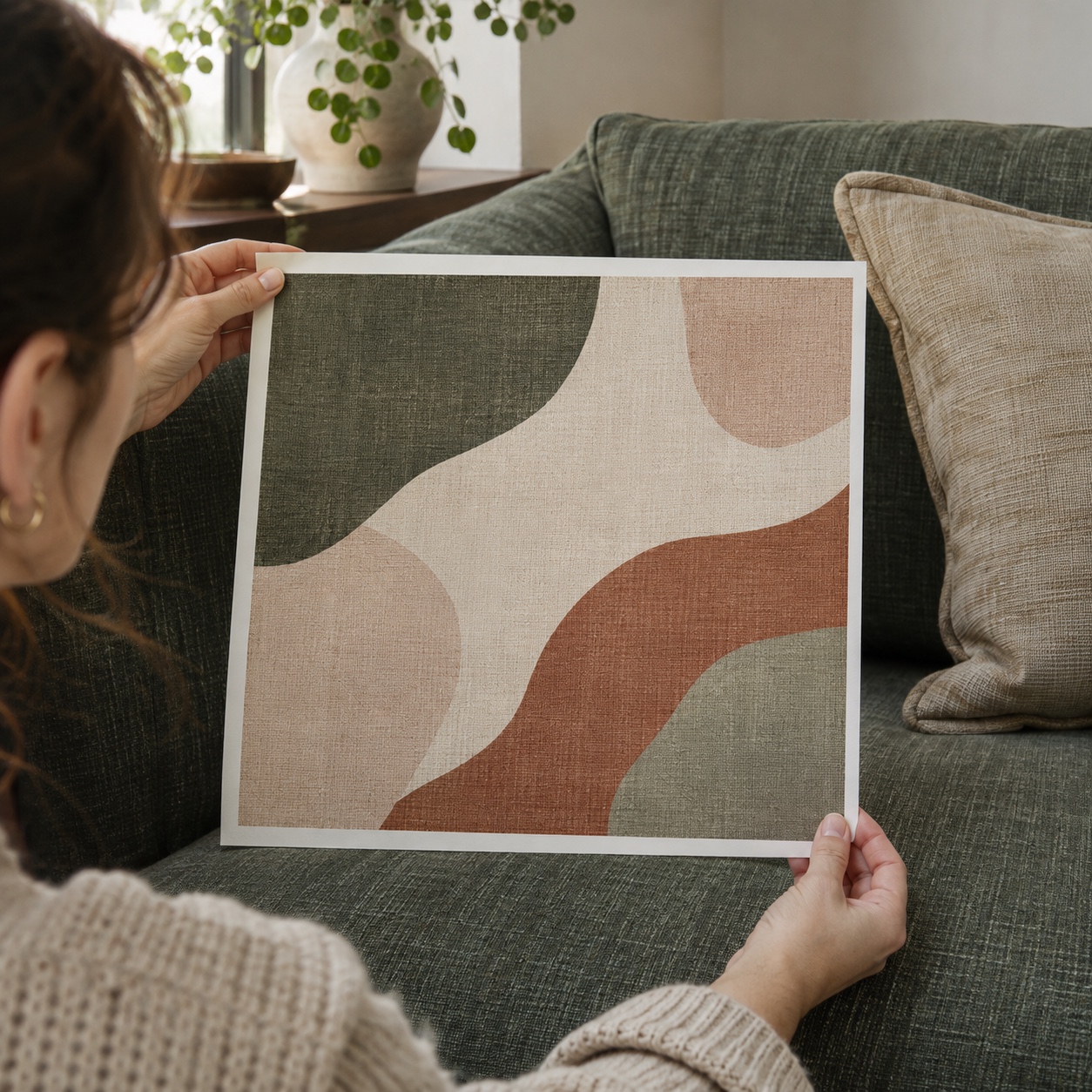
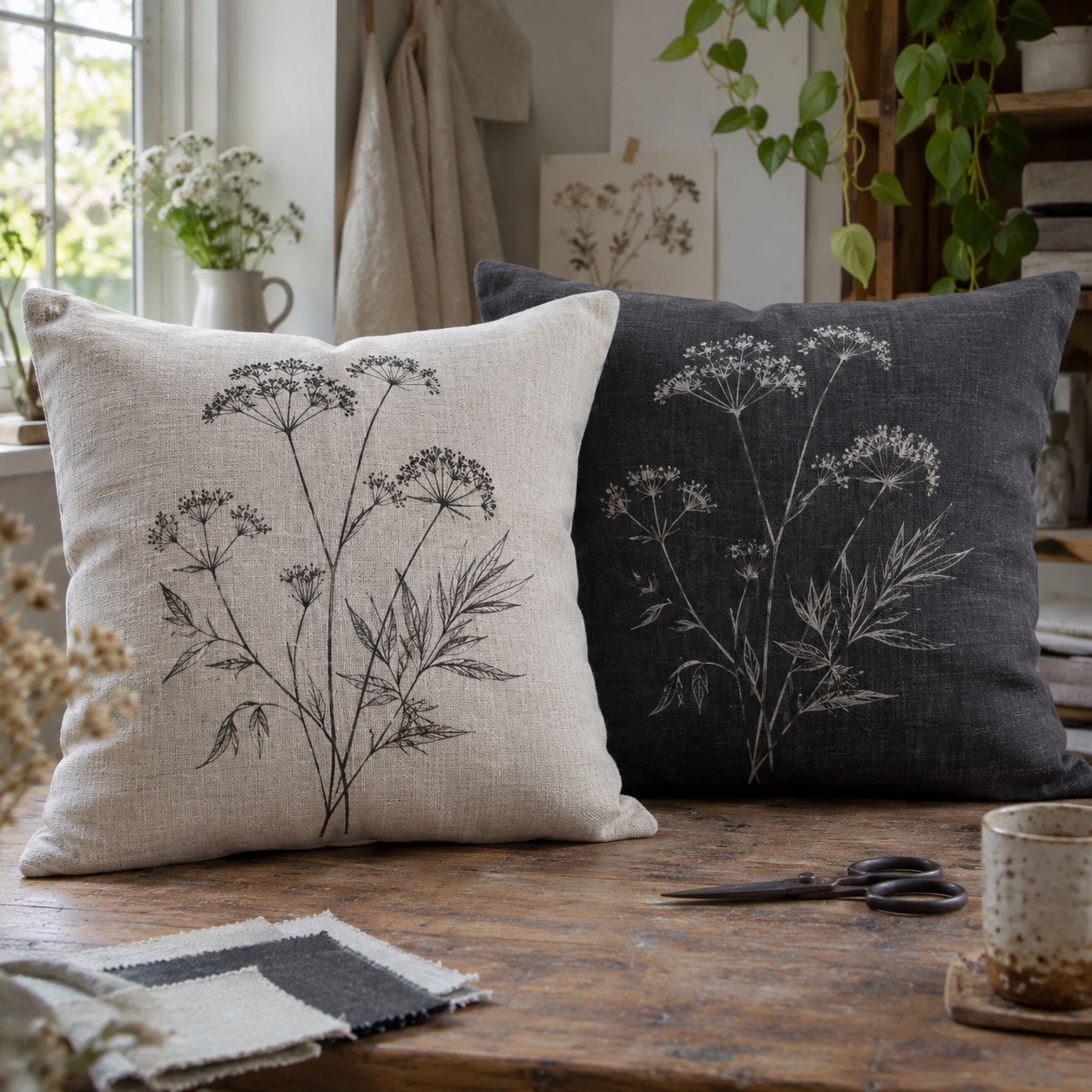
Color and background deserve the same attention. A dark drawing on light linen has a crisp outline; on charcoal fabric, the same lines may need a lighter ground or stronger contrast. Pull one colour from the rug, curtains, or wall art so the new cover feels connected to the room. For a broader starting point, see other ways to customize home textiles.
Before sending the file, ask your printer for the exact cover template, print area, and safe zone. Keep important details away from seams and the zip edge. Printful’s file preparation guide recommends working from the product template and checking the image at its intended print size. Changing a file’s DPI label cannot restore detail to a small image that has been enlarged.
Use family photos and personal memories as decorative art
A family photograph, wedding scene, or image from a meaningful trip gives a cushion a different role from a store-bought pattern. Choose a photograph with a clear subject and enough space around it to survive the cover’s edges. Use the original file where possible; a version saved from a message thread may have lost detail.
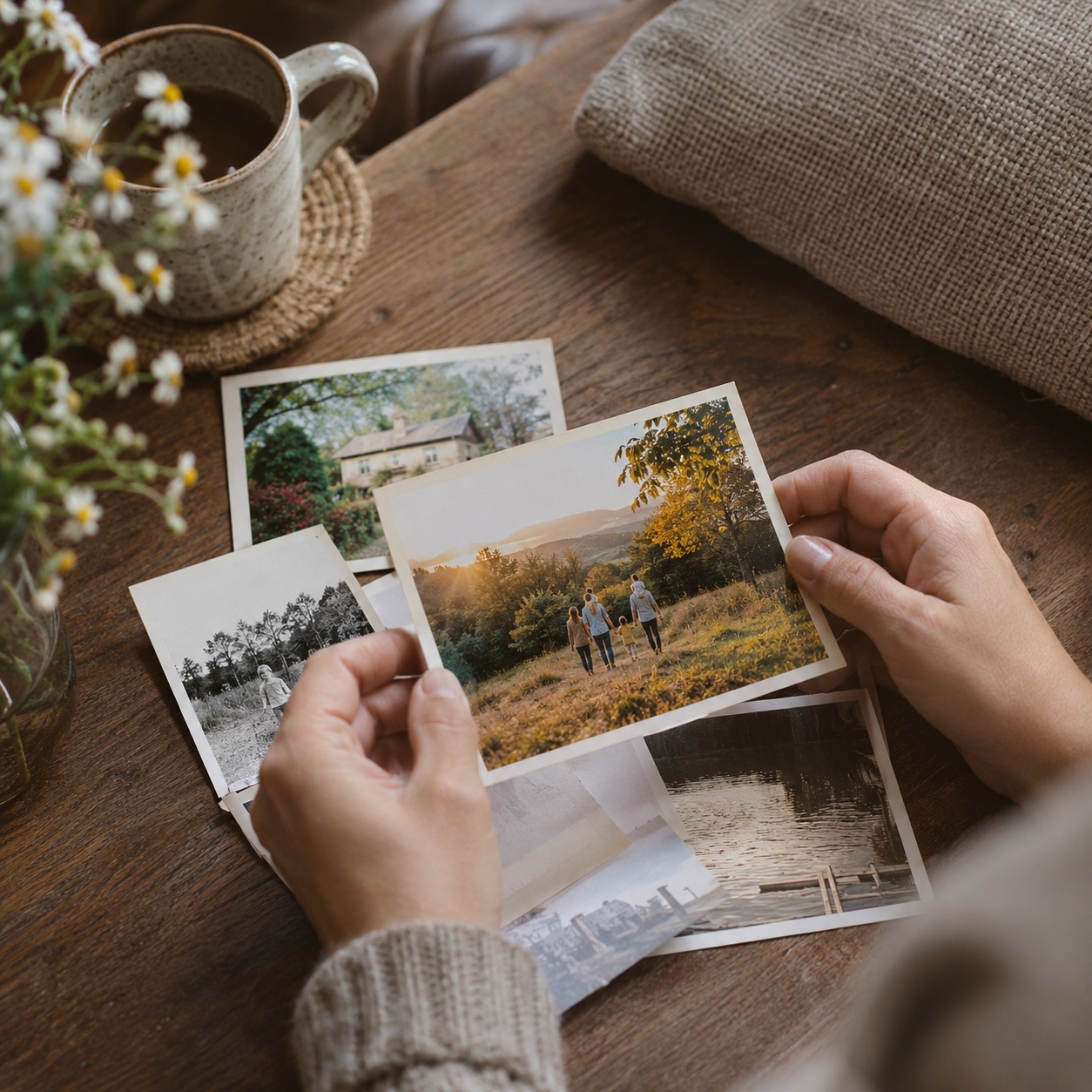
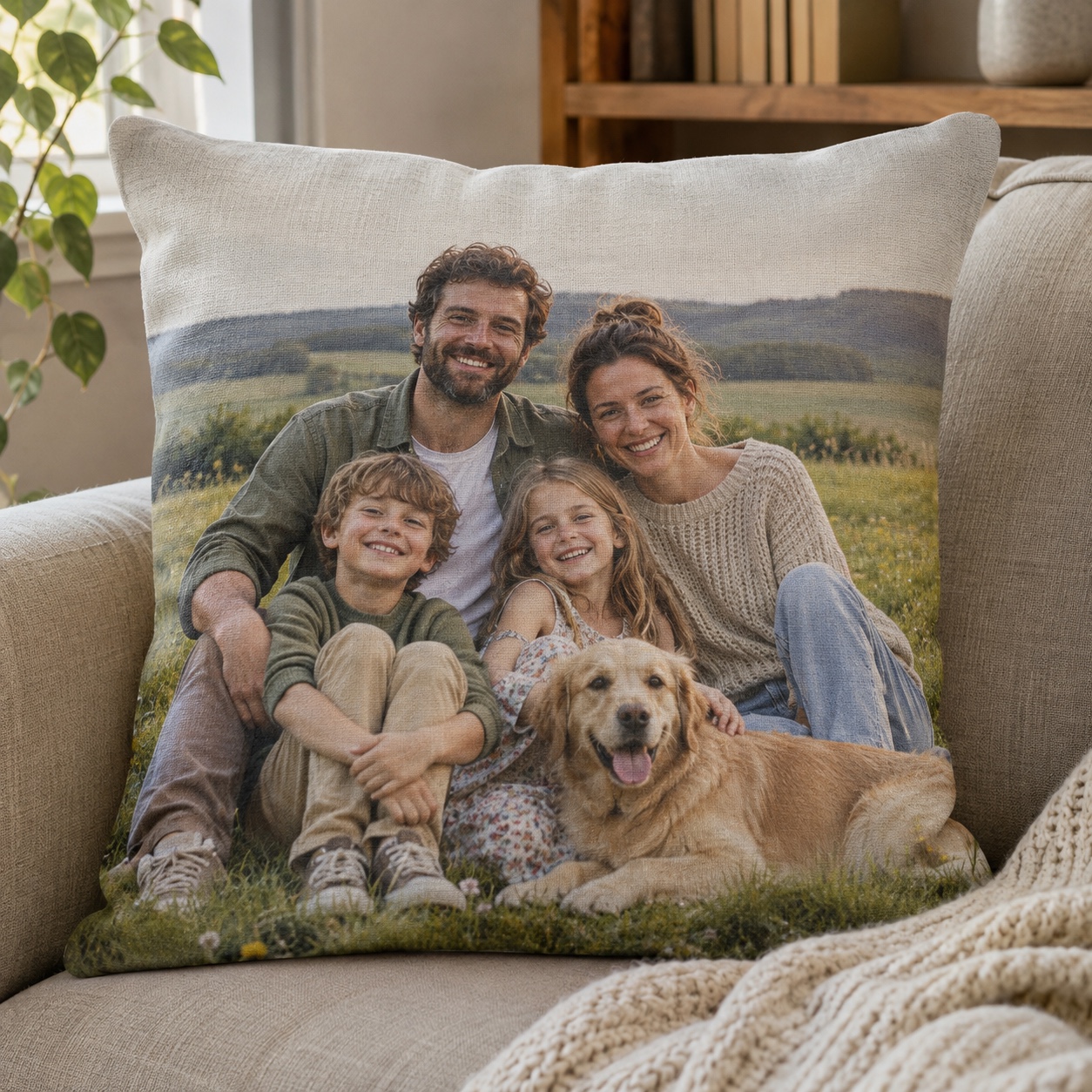
Look at the photograph in the light where the cushion will live. A dark image can lose its quieter details on a textured cover, and very saturated colours can feel louder in a room than they do on a phone screen. Lift deep shadows only if the image needs it, then make a small test print or request a fabric proof. A proof is the quickest way to see whether skin tones, dark areas, and fine details work on the chosen material.
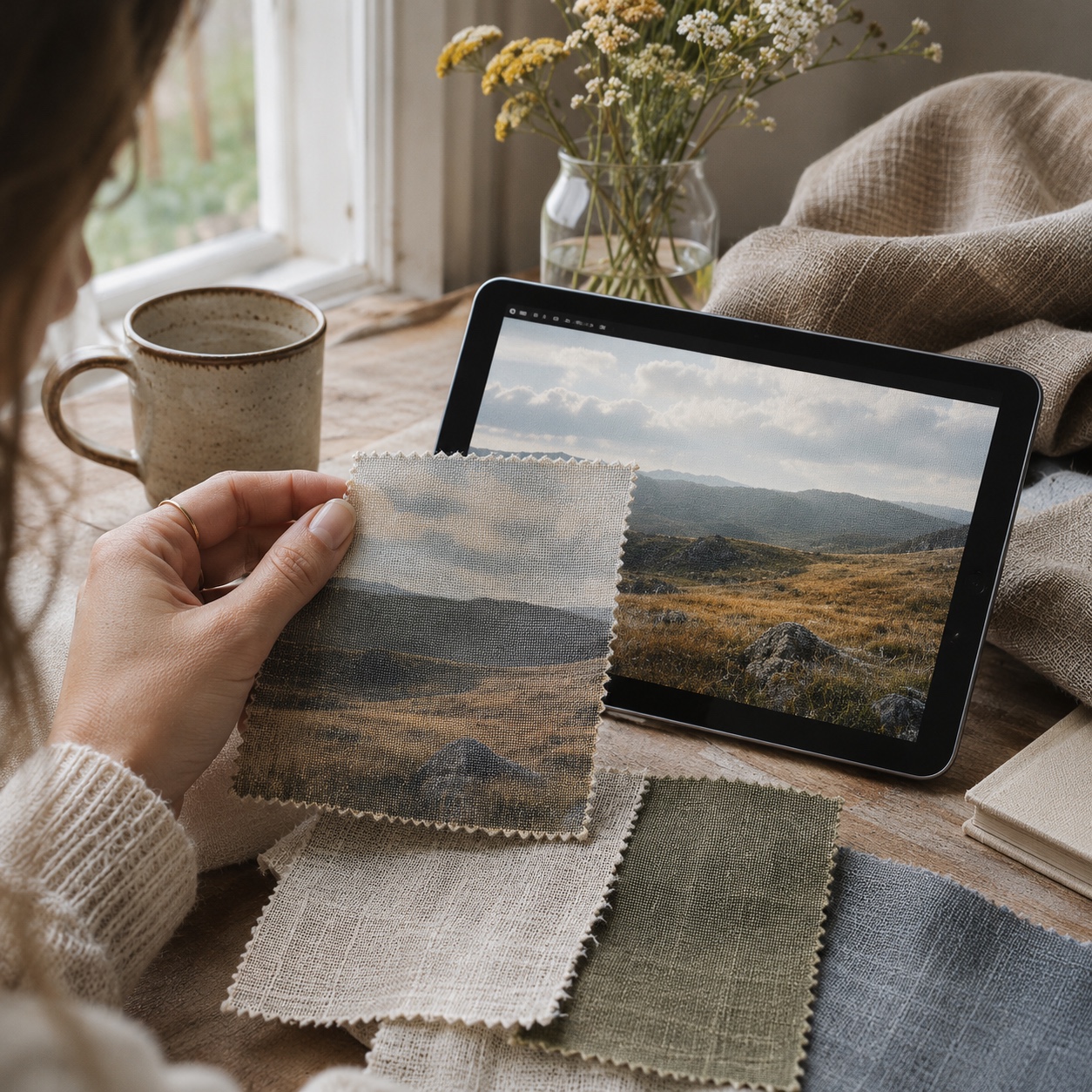
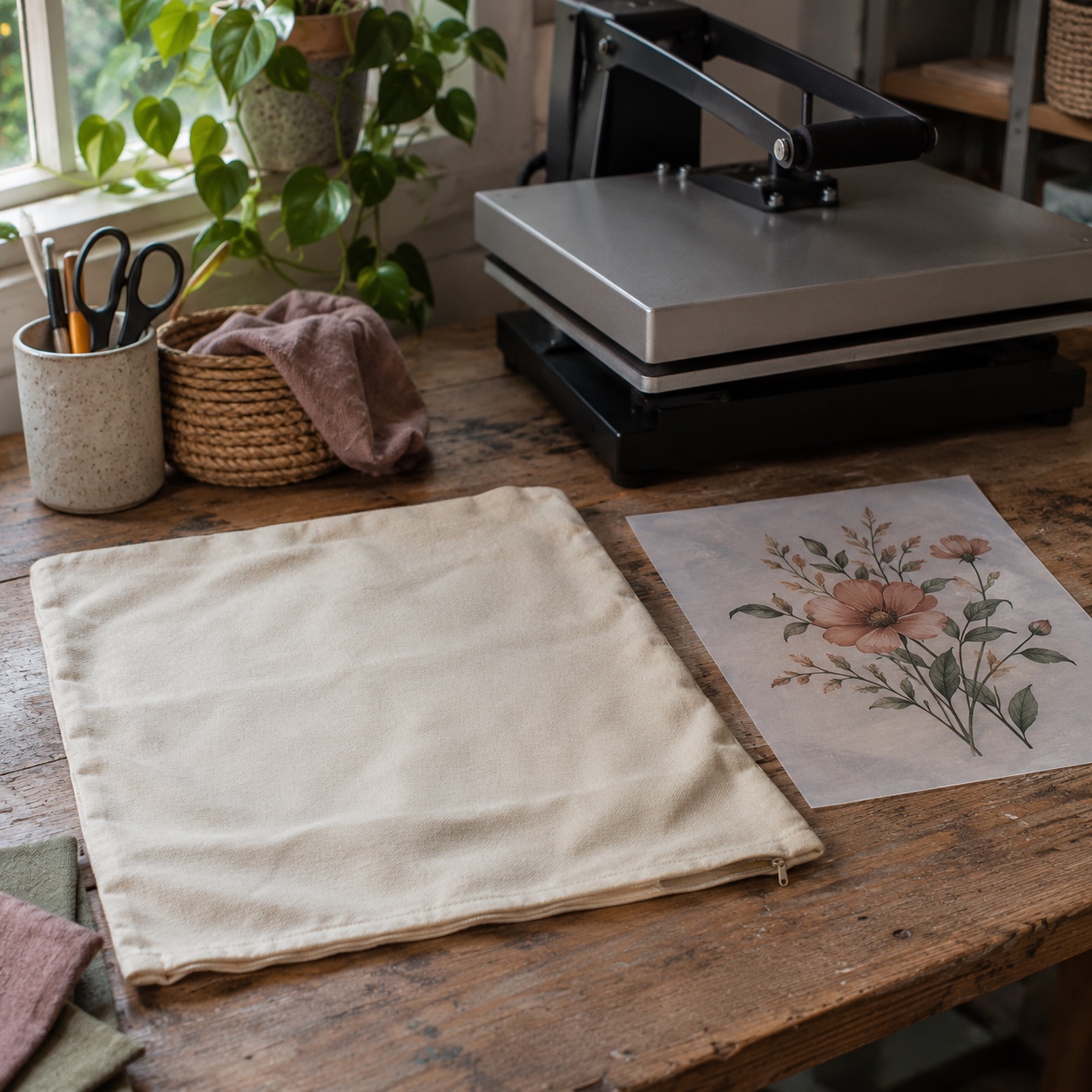
For transferring a design onto an existing cover, DTF printing is one option: the artwork is printed onto a film and applied with heat and pressure. Ask the supplier whether your particular fabric, finish, seams, and care label are suitable. A transfer is different from an all-over print made before a cover is sewn, so choose the method that matches the area you want to decorate. Printfactory’s press and wash instructions also make clear that application settings and aftercare matter.
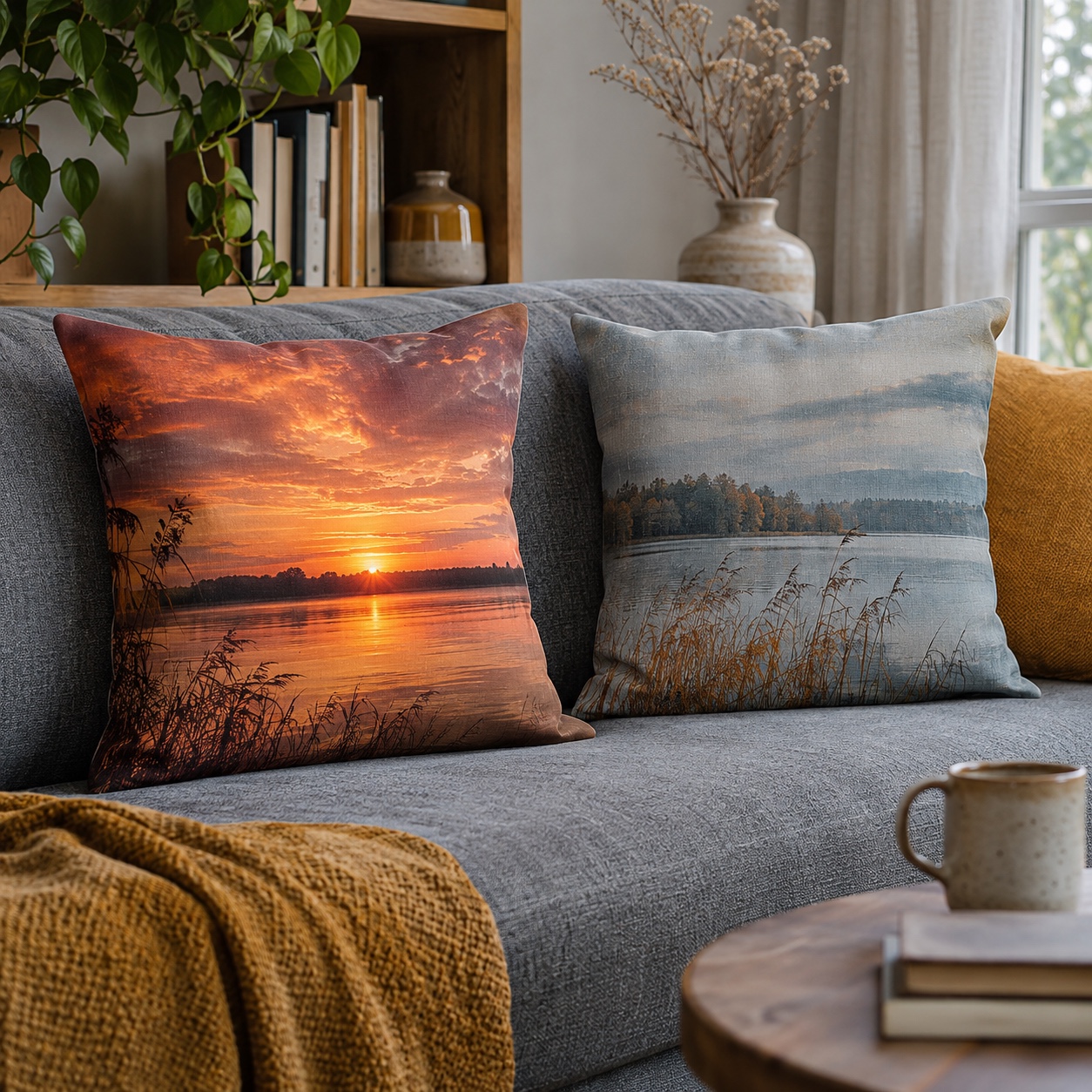
Before settling on the image, check the room palette. A warm sunset photograph can look isolated against a cool grey sofa; a quieter crop that repeats a colour from nearby art or a throw will sit more naturally.
Experiment with patterns and artistic styles
Custom patterns work especially well across a small group of cushions. Florals, vintage animal motifs, contemporary geometry, and hand-drawn marks can all share a sofa if they have a colour or value relationship. One strong pattern is often enough to carry the arrangement; two quieter covers can give it space.
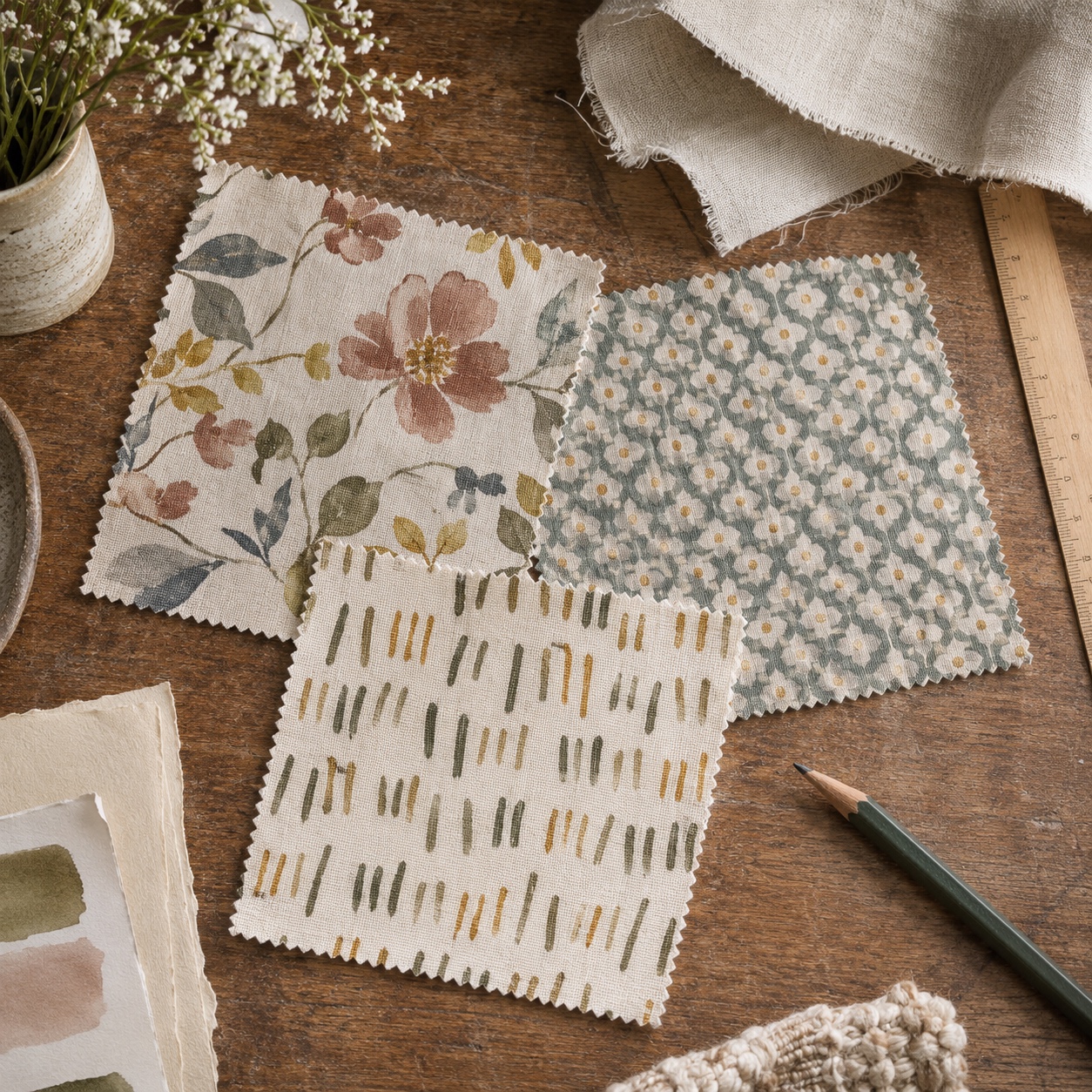
Try the composition before printing. Put the proposed artwork beside the covers you already own and photograph the whole sofa. Check the balance of dark and light areas, not just whether individual colours match. If every cushion has the same visual weight, the arrangement may feel busy. If one does the work and the others repeat a colour or line quality, the group reads as intentional. The site’s guide to mixing pillow styles can help with the surrounding pieces.
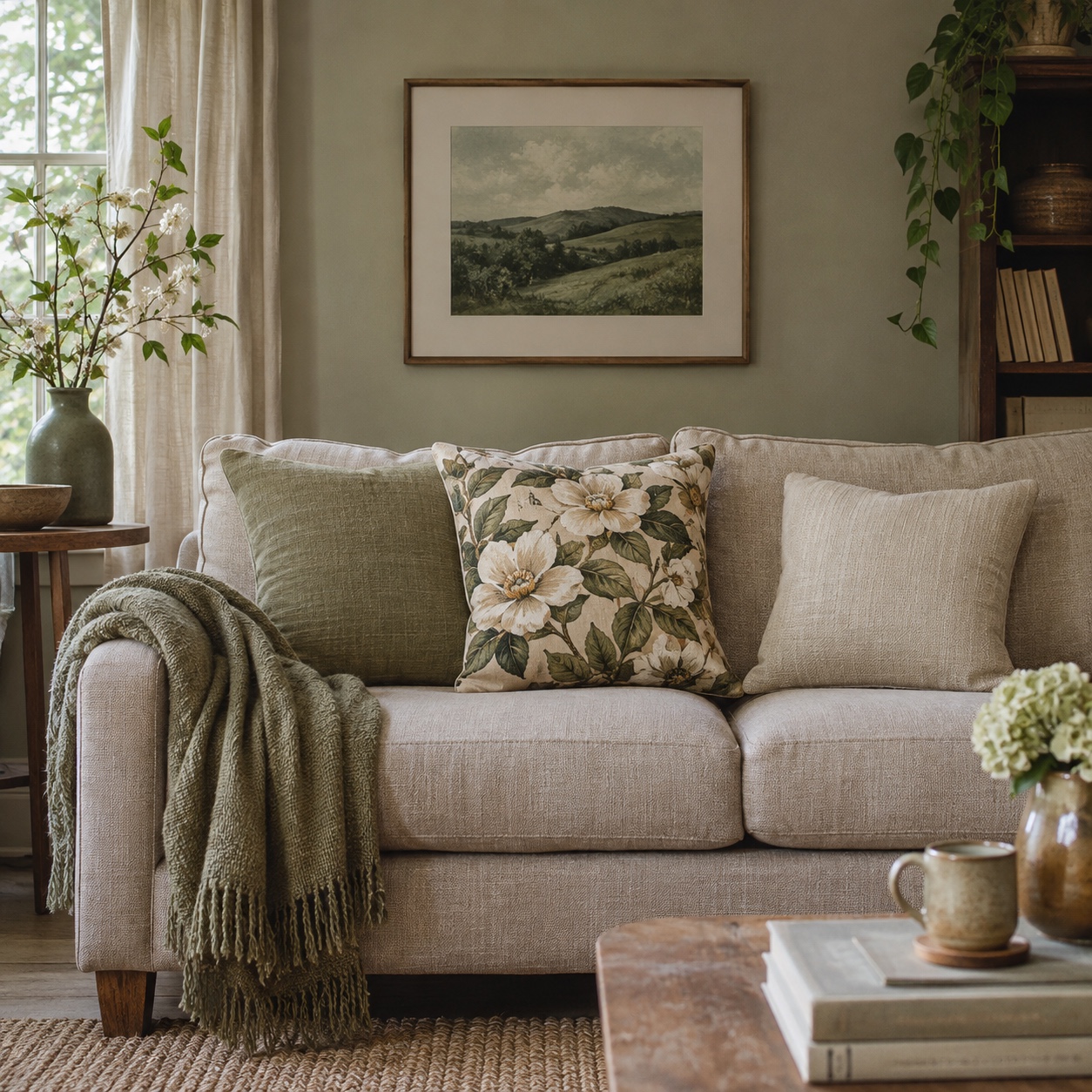
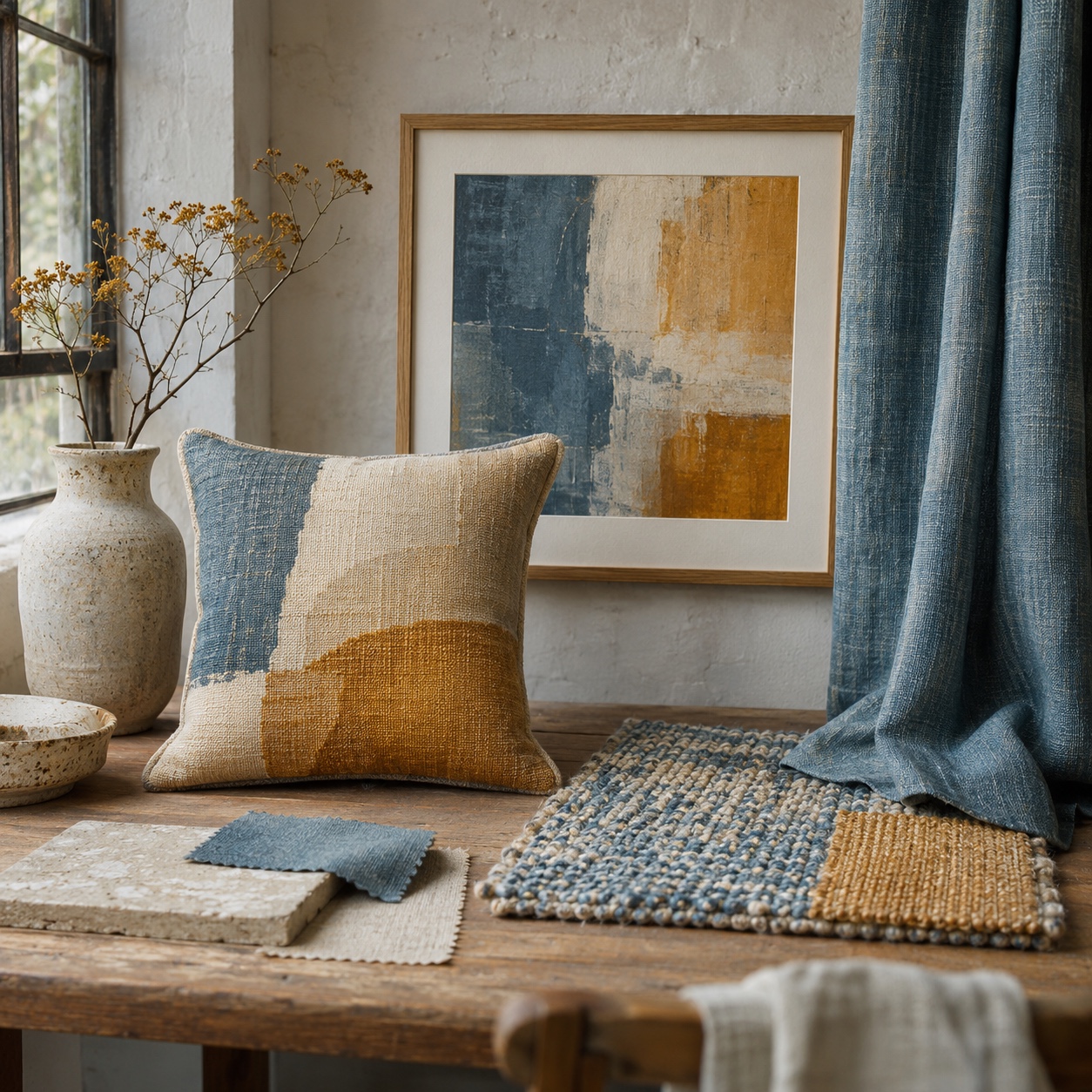
Look up from the sofa, too. A cushion pattern that echoes the living room artwork palette can tie the seating area together without copying the picture exactly. Repeat a muted blue, a warm neutral, or a simple geometric rhythm. Leave some plain fabric visible so the room has places for the eye to rest.
Final check before you order
Check the cover size against the insert, view the artwork at the actual print dimensions, keep key details inside the supplier’s safe area, and confirm the fabric and print method together. For photos, inspect the original file and request a proof when colour matters. For patterns, photograph all the cushions in the room before committing to a full set.
For an example of artwork on a cushion, see Lisa’s photograph on Pexels. Judge your own design in the same wider context, with the surrounding textures and colours in view.
- 0shares
- Facebook0
- Pinterest0
- Twitter0
- Reddit0