A brand can nail every touchpoint before checkout — the packaging concept, the site design, the unboxing teaser on social — and still lose the customer at the doorstep. That’s the part most brand teams hand off entirely to logistics and stop thinking about, which is a strange choice, because the delivery moment is the one point in the entire customer journey where the product actually arrives in someone’s hands.
I think about delivery the way I’d think about the last few centimeters of any physical product — the seam where a phone case meets the corner, the stitch line on a bag strap. It’s a small physical detail, but it’s the part people actually touch, and it shapes the whole impression more than the parts they never handle directly. The doorstep works the same way. It’s the last few centimeters of the customer journey, and most brands never design it.
Delivery Is Part of the Design Experience
Treating delivery as a warehouse-and-logistics problem, separate from brand and design, is one of the more expensive blind spots in retail right now. The global logistics market is on track to reach 12.68 trillion dollars in 2026, which tells you two things: delivery volume is only climbing, and the operational side of getting a package to a door is becoming a genuinely massive, specialized industry of its own.
That’s exactly why design teams can’t afford to treat it as invisible plumbing. When the operational side scales up this fast, the experience riding on top of it needs just as much intentional design, or it gets left behind.
Every other touchpoint in a customer’s relationship with a brand gets a design review. The product page gets tested. The packaging gets a mood board and a materials budget. The email confirmation gets a subject-line A/B test. Then the delivery window — arguably the moment with the highest emotional stakes, because it’s when the anticipation either pays off or doesn’t — gets whatever the shipping carrier’s default tracking page looks like.
Delivery isn’t a background fulfillment step that happens to end with a customer standing at a door. It’s the final scene in a story the brand has been telling since the first ad impression, and right now most of that scene is being directed by someone who’s never seen the brand’s mood board.
The Waiting Window Shapes Perception
The time between “order confirmed” and “package on the doorstep” is where a lot of brand trust gets built or quietly eroded, and almost none of it comes down to speed alone. I’ve watched people happily wait five days for a delivery with a clear, accurate window, and get frustrated by a two-day delivery that arrived a vague “sometime today.”
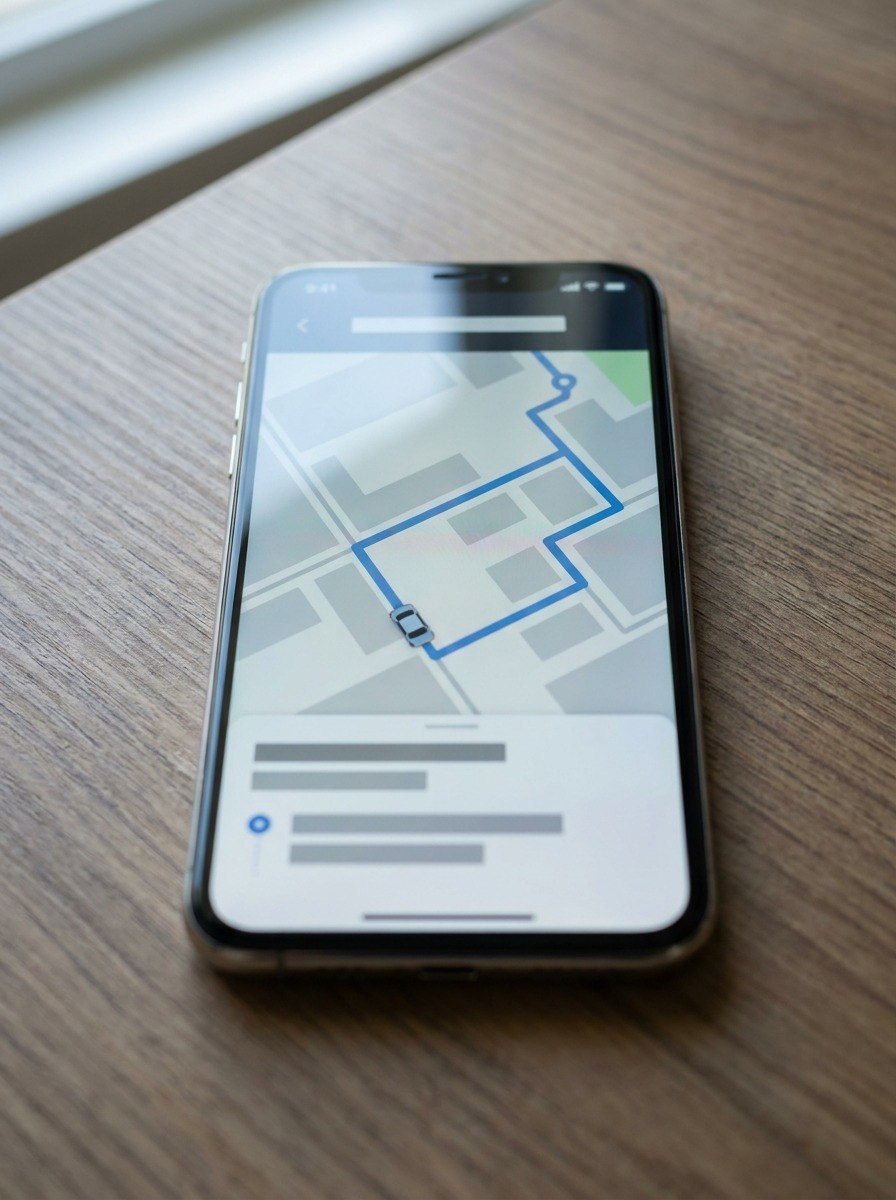
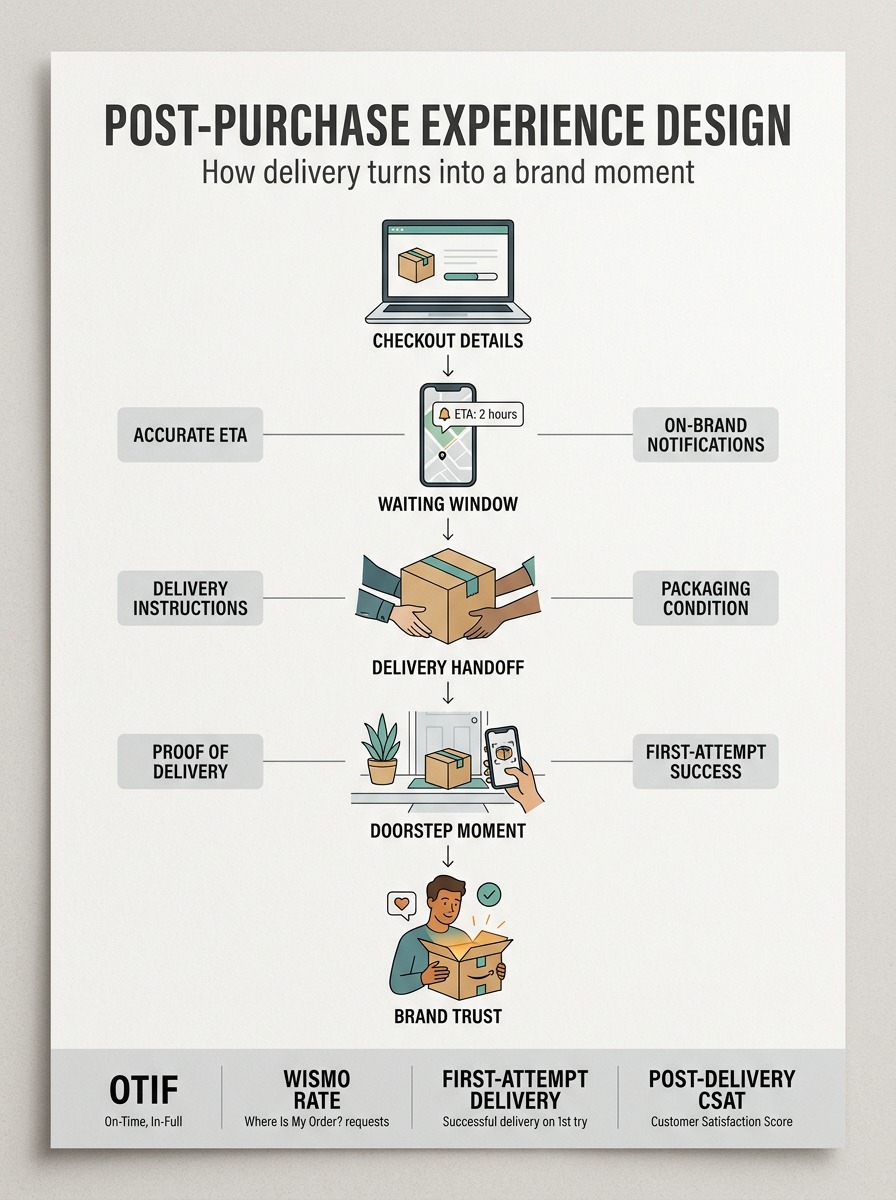
Accurate ETAs are a design problem before they’re a logistics problem. A vague delivery window reads as the brand not really knowing, or not really caring, and that uncertainty is what drives the anxious behavior brands actually dread: constantly refreshing a tracking page, messaging support to ask where an order is. The industry has a name for this exact behavior — WISMO, “where is my order” — and it’s a direct symptom of a waiting window that wasn’t designed with the customer’s experience in mind.
Notifications are the other half of this. A tracking email that reads like a server log — carrier code, tracking number, a link with no context — does nothing for the relationship. A notification that sounds like it’s actually from the brand, with the same tone as the rest of the customer journey, keeps the emotional thread going instead of handing the customer off to a faceless carrier interface right when anticipation is at its highest. This is genuinely a copywriting and interface problem as much as an operations one, and it’s usually nobody’s specific job to fix it.
The Doorstep Moment Matters
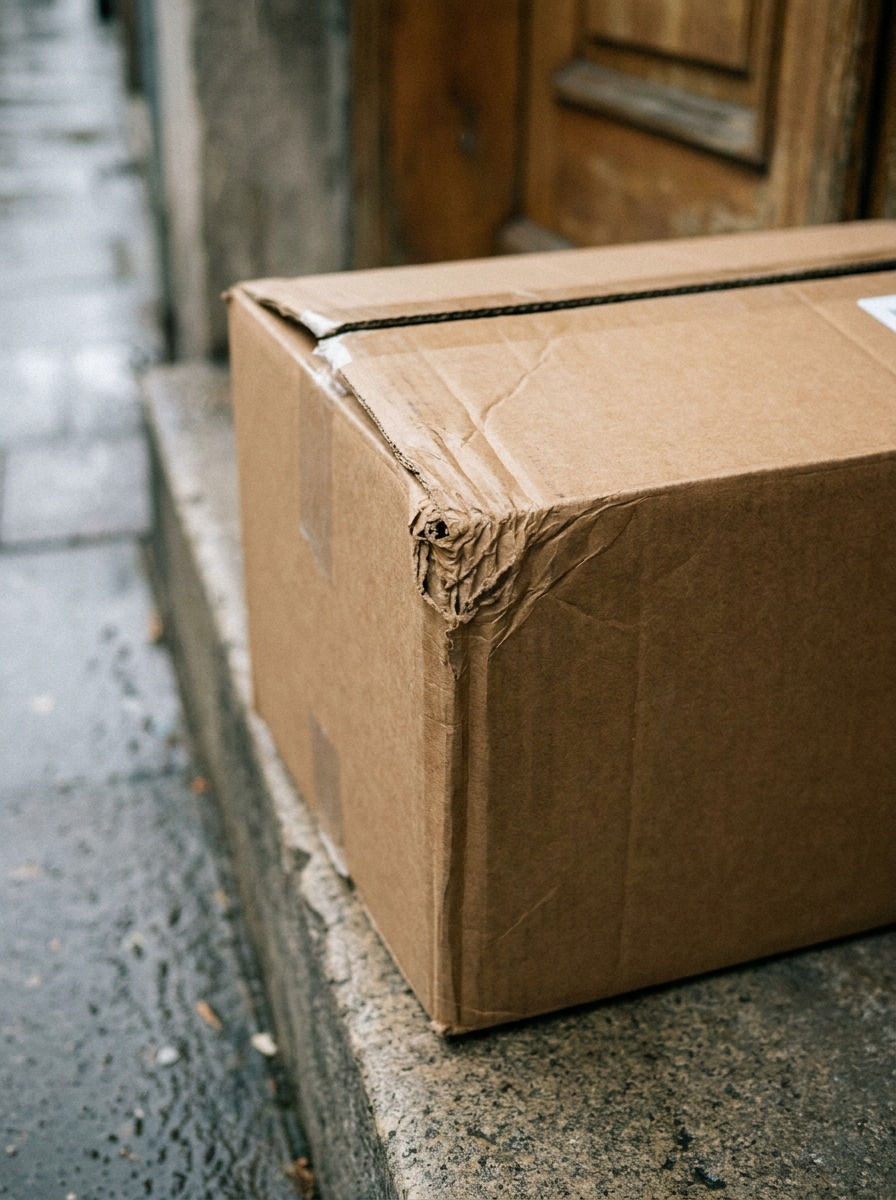
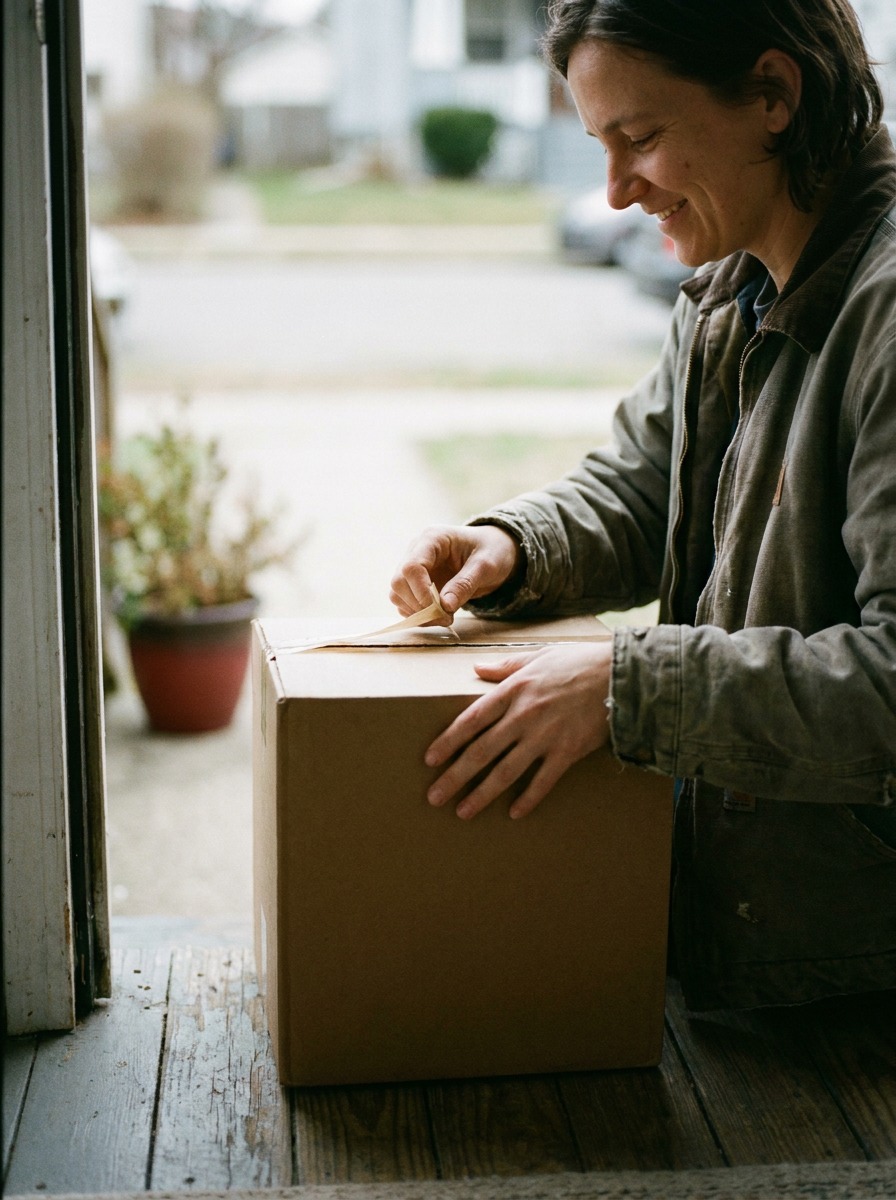
The doorstep is the closest thing retail has to a live, in-person brand interaction for most direct-to-consumer companies, and it lasts about thirty seconds. Packaging condition, the way the box gets handed off or left, and how proof-of-delivery gets handled all compress into that short window, and customers remember it disproportionately compared to how briefly it actually takes.
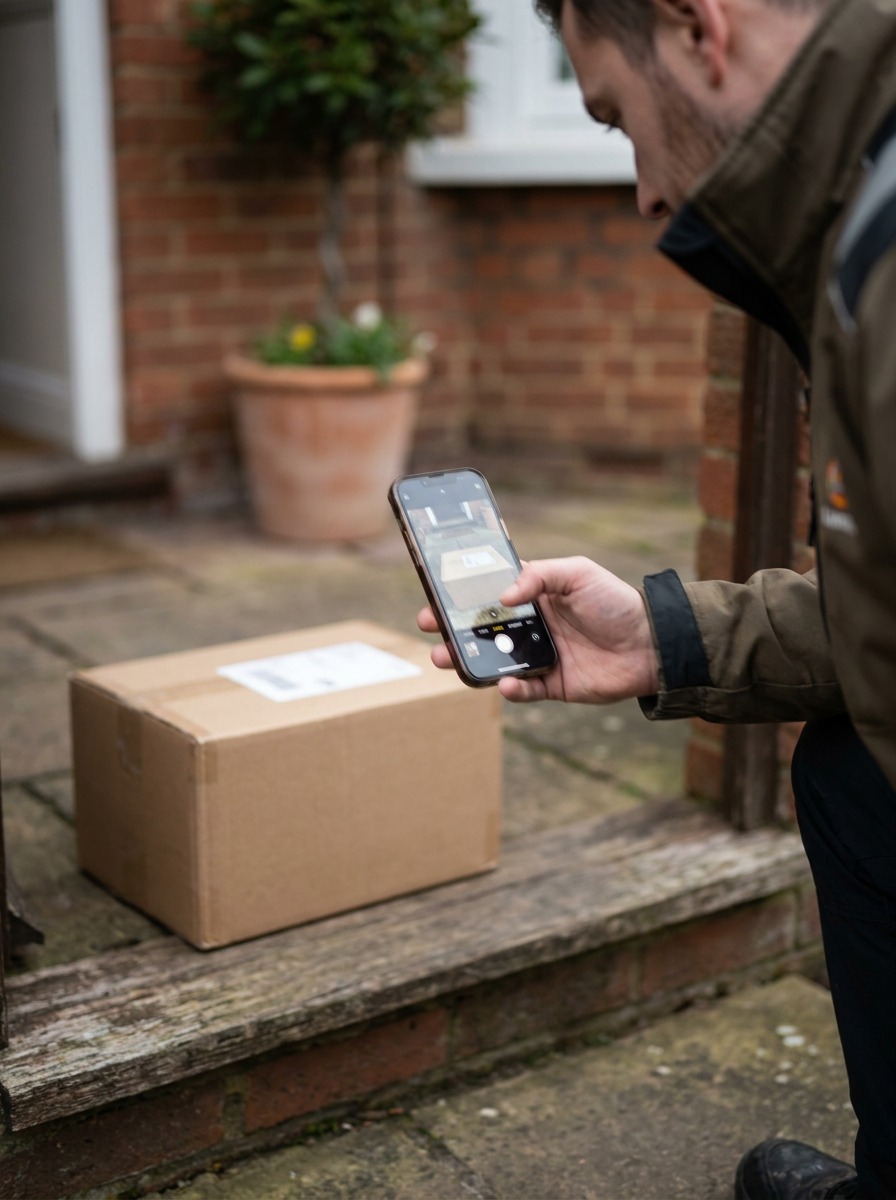
Packaging design usually gets real attention up through the point of shipping, and then loses all control the moment it enters a delivery network. A beautifully designed box that arrives crushed, wet, or visibly mishandled undoes a lot of the design investment that went into it in the first place. This is where delivery execution and packaging design actually have to talk to each other — a box built for a gentle warehouse handoff behaves very differently after a few transfers through a high-volume delivery network, and the packaging spec should reflect that reality, not an idealized one.
Proof of delivery matters more than most brand teams realize, and not just for dispute resolution. A photo left at the door, a clean signature capture, a clear notification the moment the package arrives — these are small, functional details, but they’re also the last piece of communication in the entire order journey.
Get them right and the customer’s final impression is competence and care. Get them wrong — a package marked “delivered” that nobody can actually find — and the brand relationship ends on a genuinely bad note, right after the company spent months building goodwill through every earlier touchpoint.
Designing for Fewer Failed Deliveries


A failed delivery attempt costs more than the reattempt itself. It’s a broken promise, and it’s one the customer experiences directly, unlike most internal supply chain friction that never reaches them at all.
Most failed attempts trace back to problems that are genuinely design-fixable, not just logistics problems to route around. Address fields that don’t prompt for apartment numbers or gate codes set deliveries up to fail before a driver ever leaves the depot. A checkout flow that never asks about delivery instructions or preferred time windows is asking a driver to guess, and guessing is expensive for everyone involved. Even something as small as how a confirmation screen displays the delivery address — is it typo-obvious, is it double-checked — shapes whether that address actually works in the field.
This is UX work wearing a logistics costume. A checkout form that collects the right delivery context up front, phrased the way an actual delivery driver would need it rather than the way a database schema wants it, prevents problems long before they show up as a failed attempt and a rescheduled delivery. It’s worth treating that portion of checkout with the same design rigor as the rest of the purchase flow, instead of leaving it as an afterthought bolted onto the bottom of the form.
Metrics Designers and Retail Teams Should Watch

None of this needs to live only in a supply chain dashboard nobody outside operations ever opens. A handful of these numbers are genuinely useful for design and retail teams to understand in plain terms, because they’re really just customer-experience metrics wearing operational names.
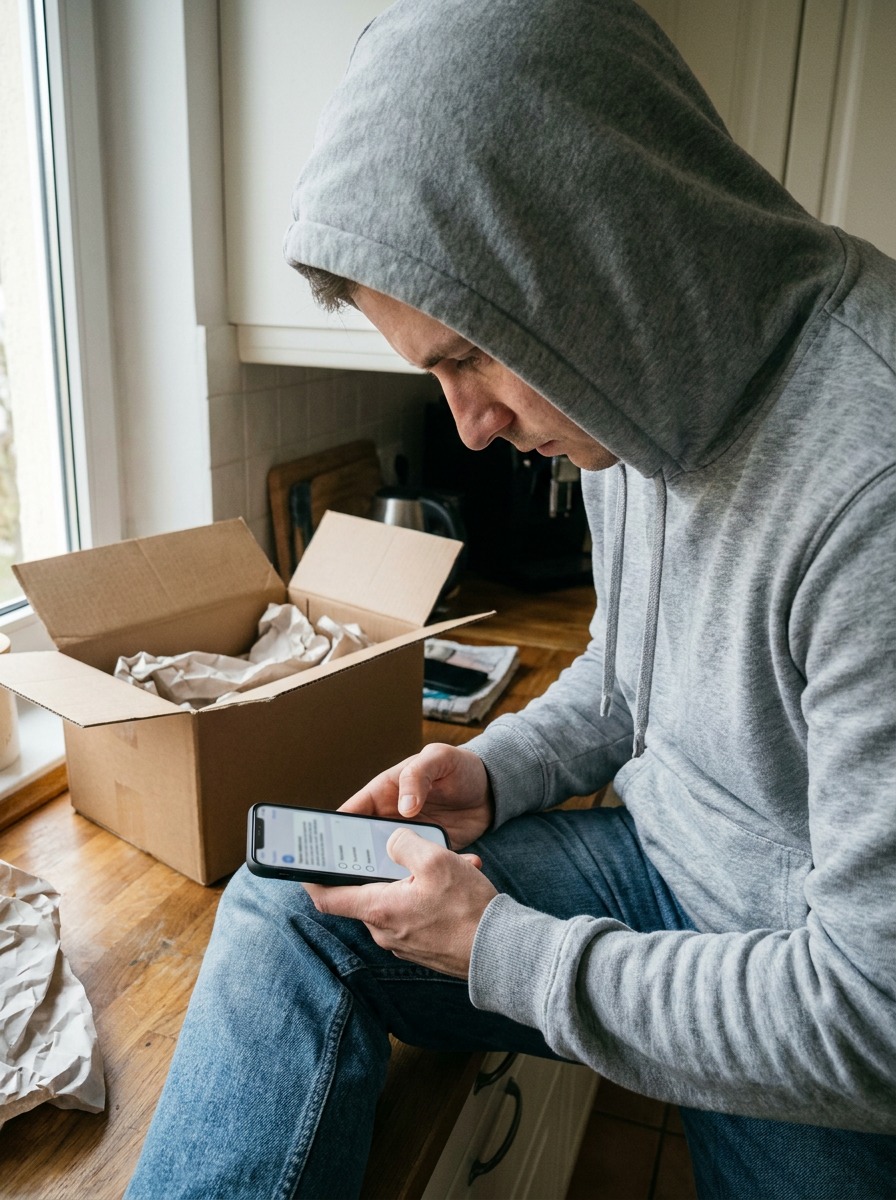
On-time, in-full delivery is the simple version of “did the order show up when we said it would, complete.” It’s the closest thing to a single scorecard for whether the brand kept its promise.
First-attempt delivery rate tracks how often a package makes it to the customer without a second try. Every failed first attempt is a moment where the brand’s story stalls — a “delivery attempted” notification instead of the payoff the customer was expecting.
WISMO contact rate, the “where is my order” volume already mentioned, is one of the most direct signals of poor communication design. High WISMO volume almost always means the tracking experience isn’t answering the question customers actually have, at the moment they have it.
Customer satisfaction after delivery connects everything else together. It’s the only metric on this list that measures the whole experience holistically rather than one operational slice of it, and it’s worth reviewing alongside the others rather than in isolation — a good OTIF number paired with poor post-delivery satisfaction usually means the operational side is fine but the experience design around it isn’t.
None of these need a supply chain background to understand or act on. They’re customer experience signals that happen to get generated by the logistics side of the business, which is exactly why design and retail teams should have a seat at the table when they’re reviewed.
When Final Mile Delivery Supports Brand Trust
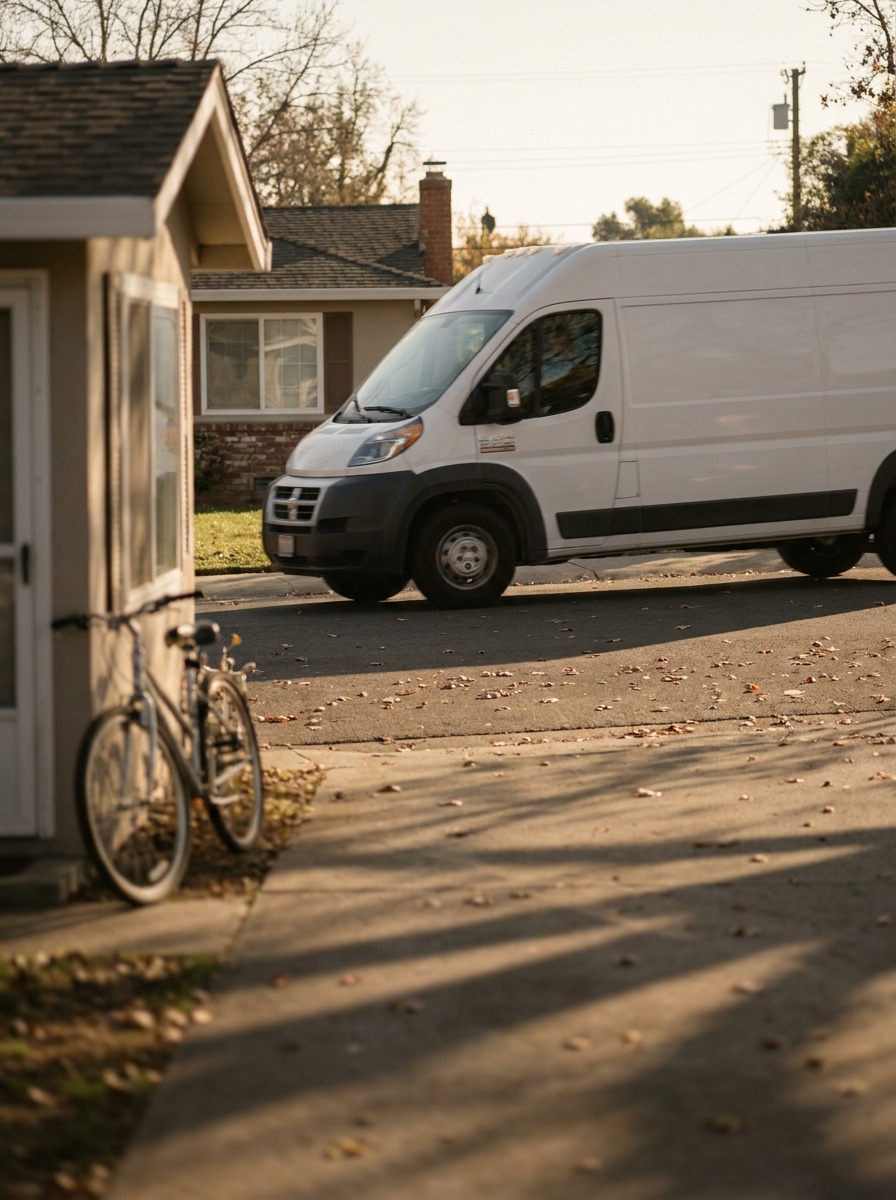
Everything in this piece comes back to one idea: the final mile delivery stage isn’t a background process happening after the brand relationship matters — it’s still that same relationship, just handled by a different team than the one that designed the packaging or wrote the confirmation email.
Brands that treat this stage as part of the design experience — accurate windows, honest communication, packaging built for the real handling it’ll get, a doorstep moment that reflects the same care as everything before it — end up with something the operational metrics alone can’t fully capture: customers who trust that the story the brand told them before checkout is still true after the box shows up.
That trust compounds. A customer who’s had a clean, well-communicated delivery experience is more forgiving of the next hiccup, more likely to reorder, more likely to talk about the brand well. A customer who’s been left guessing at a doorstep, waiting on a vague window with no real update, remembers that too — and it colors everything that came before it, no matter how good the rest of the experience was.
Delivery was never really outside the brand’s control. It just needed someone to start designing it on purpose.
- 27shares
- Facebook0
- Pinterest27
- Twitter0
- Reddit0