Bathroom renovations were once judged mostly on surface choices: tile pattern, vanity style, and which finish caught the light. Water use and material sourcing rarely came up. That has changed, and the main reason is practical rather than trend-driven.
The bathroom is one of the most water-intensive rooms in most homes. That makes it a room where sustainable design choices can make a noticeable difference.
Eco-conscious specification is easier to apply when it follows a real renovation sequence. These sustainable bathroom renovation ideas show how water-saving fixtures, durable finishes, and waste reduction can be adapted to Melbourne homes.
Bathrooms that read as well designed today usually share one trait. Sustainability is built into the material palette and fixture specification from the first sketch, instead of being added later as a feature.
- Why bathroom renovation trends are moving toward sustainability
- What sustainable bathroom design actually includes
- How eco-friendly fixtures can still look high-end
- Materials, finishes, and layout choices that lower long-term impact
- The designer's checklist for specifying sustainable bathroom fixtures
- Long-term value: lower bills, better durability, better design decisions
- FAQ
This is a narrower, more technical version of the whole-home approach in our eco-friendly interior design guide. The bathroom version is worth understanding on its own terms.
Why bathroom renovation trends are moving toward sustainability
Showers, faucets, and toilets account for a large share of a household’s daily water use. Efficiency gains in this one room can add up over a fixture’s working life, although actual savings depend on the fixtures installed and how the household uses them.
The US Environmental Protection Agency’s WaterSense guidance on bathroom faucets supports choosing efficient fixtures for this reason. As utility costs rise and water scarcity draws more attention in many regions, water-efficient fixtures are moving from optional upgrade toward baseline expectation.
Many designers now plan renovations with this in mind. Efficiency ratings and material sourcing sit alongside color palette and layout in early discussions, instead of being added at the end as a compliance checkbox. It is a real change in process, and it shows in how projects are briefed from the start.
What sustainable bathroom design actually includes
Sustainable bathroom design covers more ground than many people expect. It is a set of decisions affecting water systems, materials, and manufacturing, rather than a single product category.
Water-efficient faucets, showerheads, and dual-flush toilets
Efficient showerheads and faucets use less water at their rated flow. Aerators can help a faucet stream feel full, while showerheads use different spray designs. Choose independently tested fixtures and check the pressure range specified by the manufacturer.
Dual-flush toilets offer a lower-volume flush for liquid waste and a fuller flush when needed. They have become an increasingly common specification in renovations, which shows how normal the technology now is.
When evaluating sustainable bathroom fixtures, look at aerator design and flush mechanics as closely as finish and silhouette. The engineering inside the fixture determines whether water savings hold up in daily use as well as on the spec sheet.
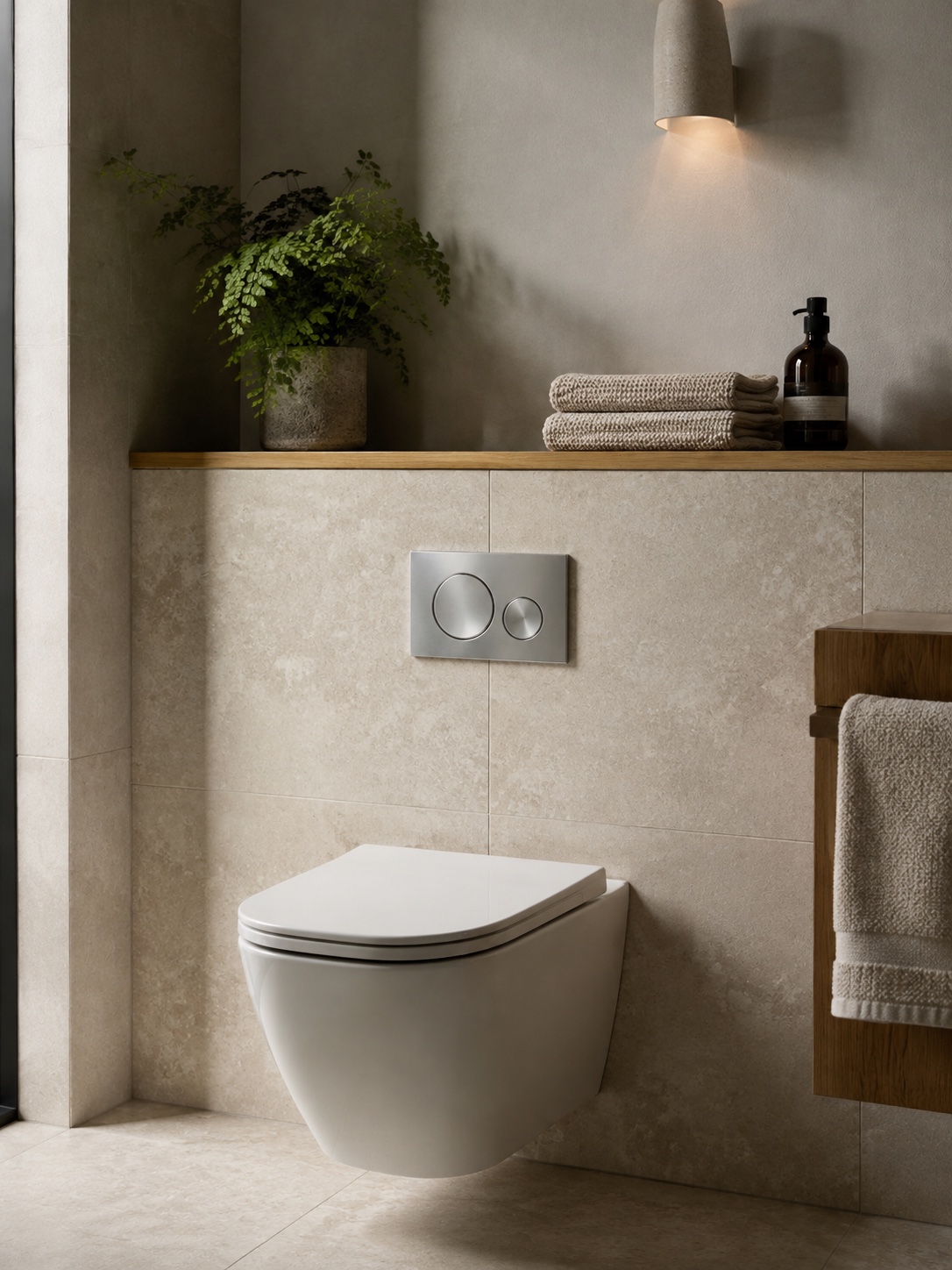
Recycled, durable, and low-waste fixture materials
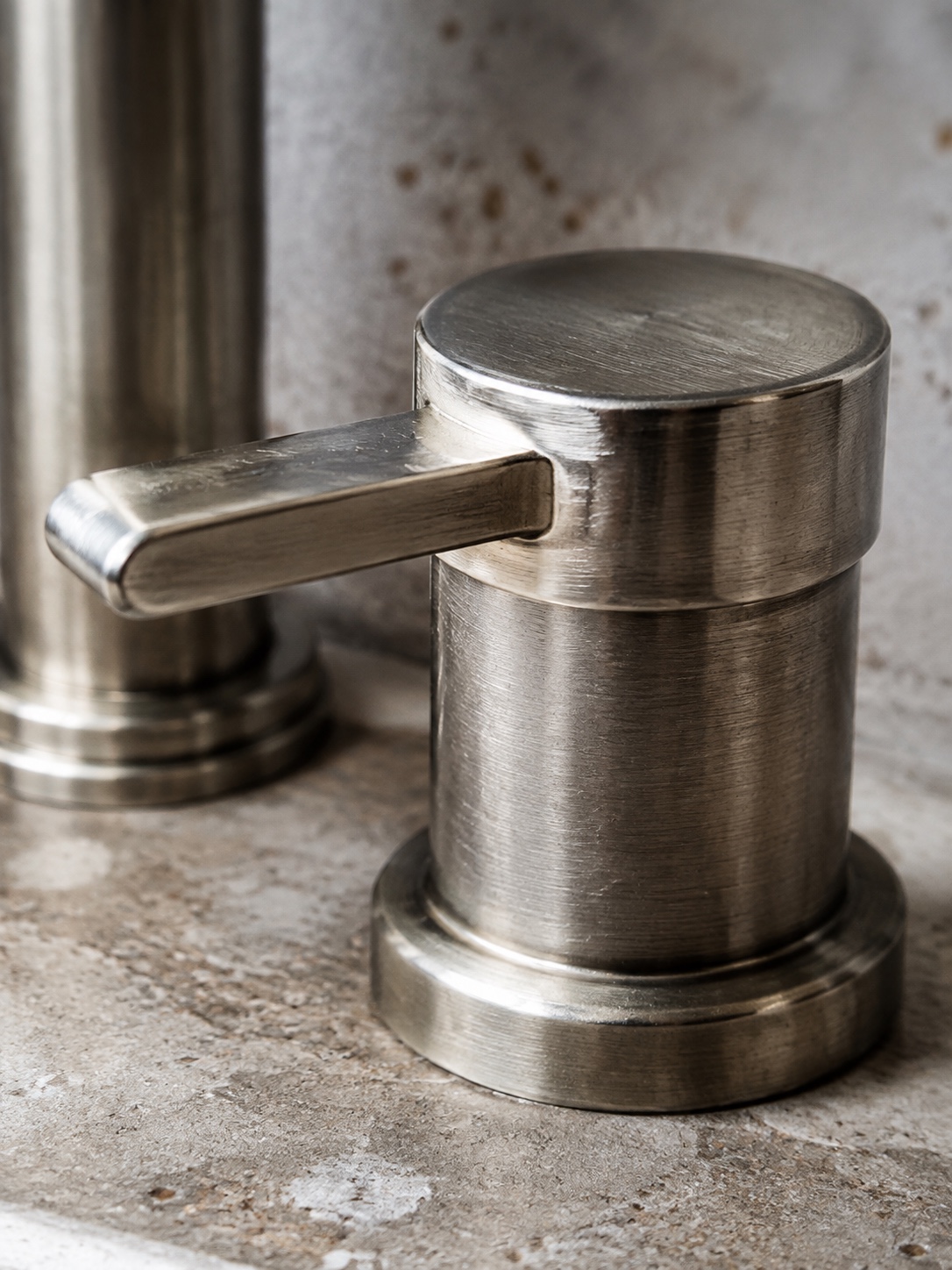
Material choice matters as much as function, yet it is the part of sustainable bathroom design discussed least. Fixtures made from recycled metals, or produced with less waste and energy, are increasingly chosen over conventional options. This is especially true for homeowners who want their renovation to reflect an environmental commitment in substance as well as appearance.
The same principle applies to material sourcing in any design discipline. The visible finish is only half the story. The manufacturing process behind it is where a sustainability claim becomes credible or falls apart.
How eco-friendly fixtures can still look high-end
For years, one assumption held back sustainable choices: eco-conscious meant giving up style. That view has largely faded, and the reasons matter because they change what a designer can recommend without compromise.
Matte black, brushed nickel, brass, and minimalist silhouettes
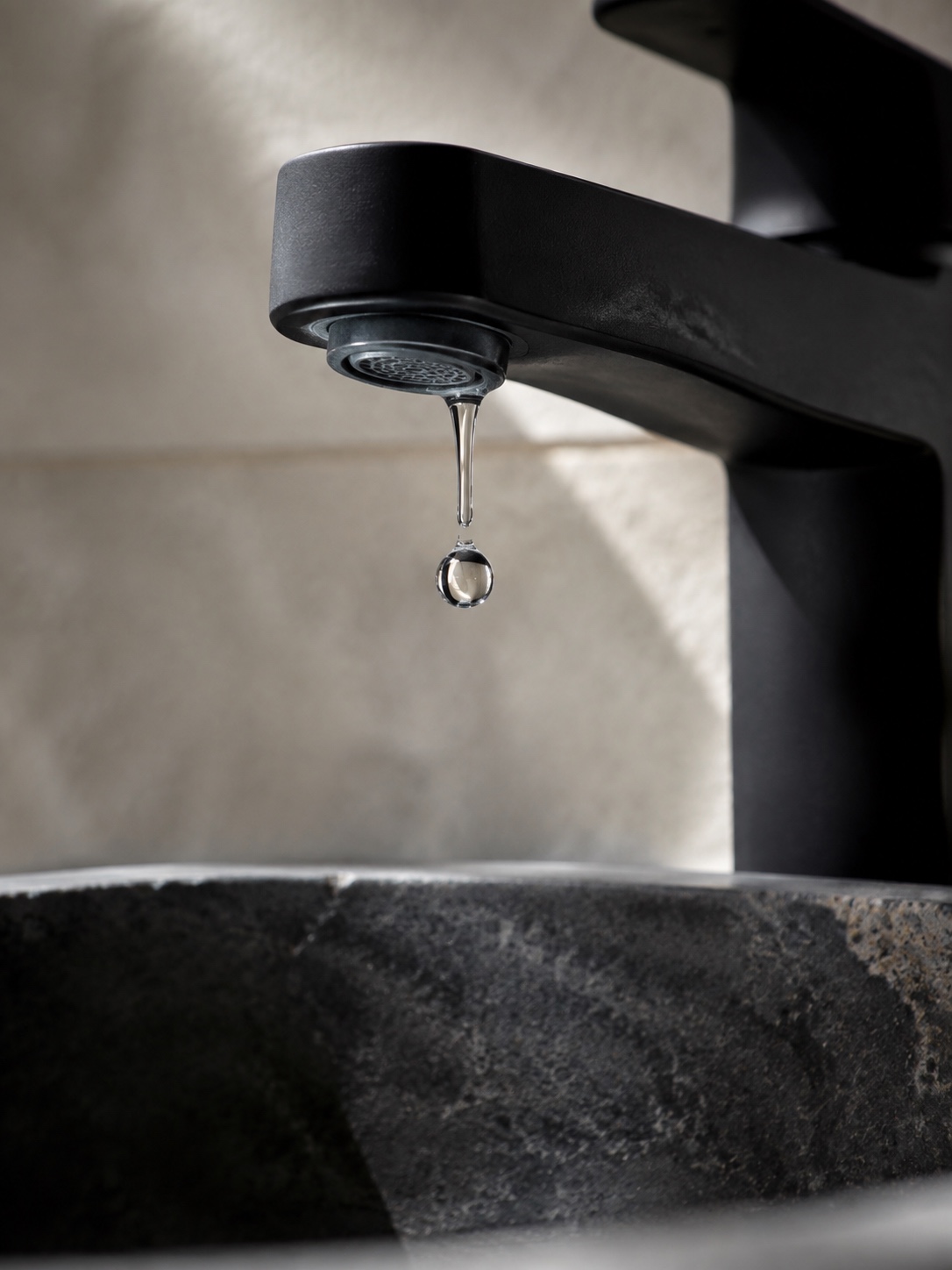
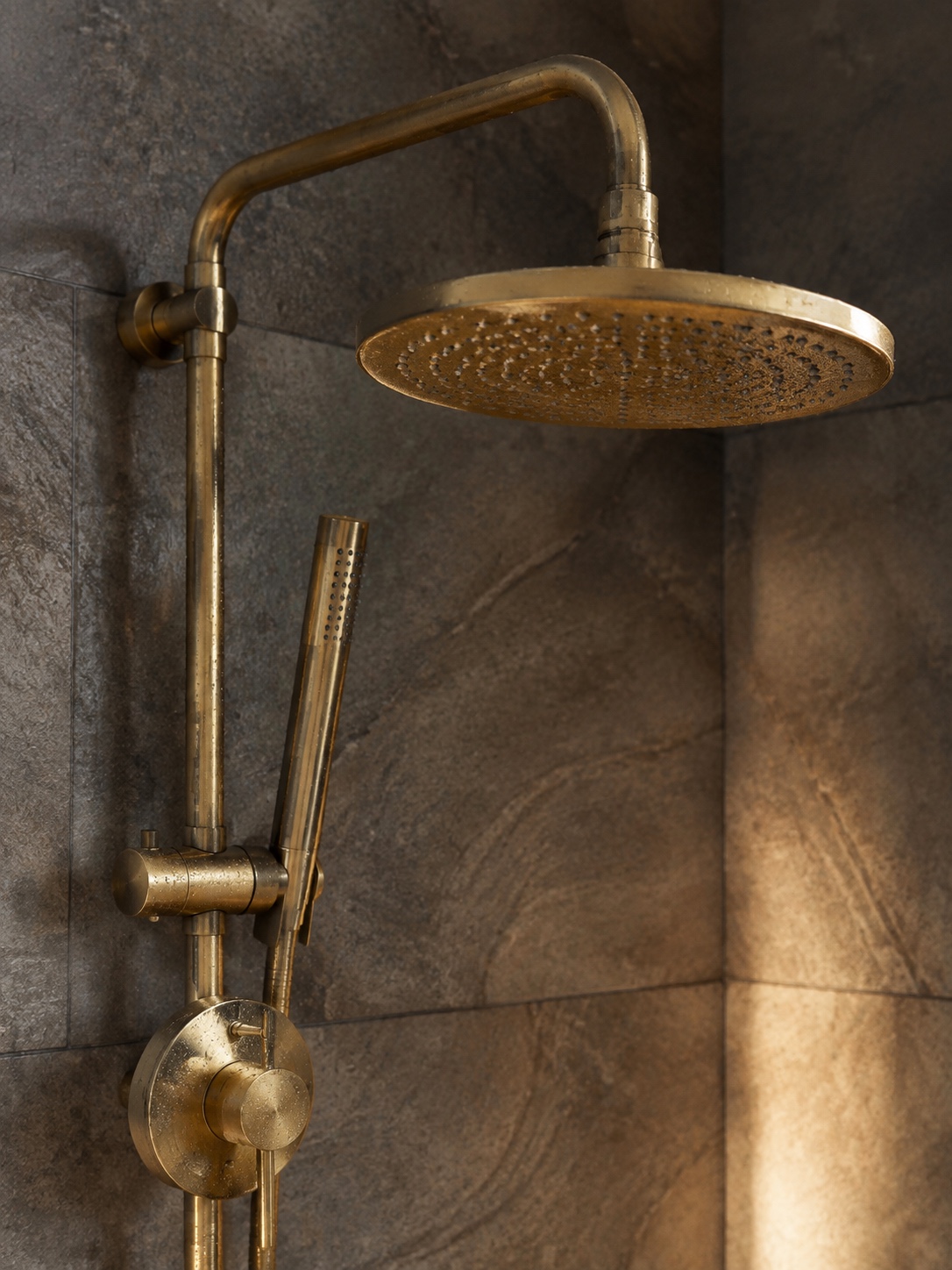
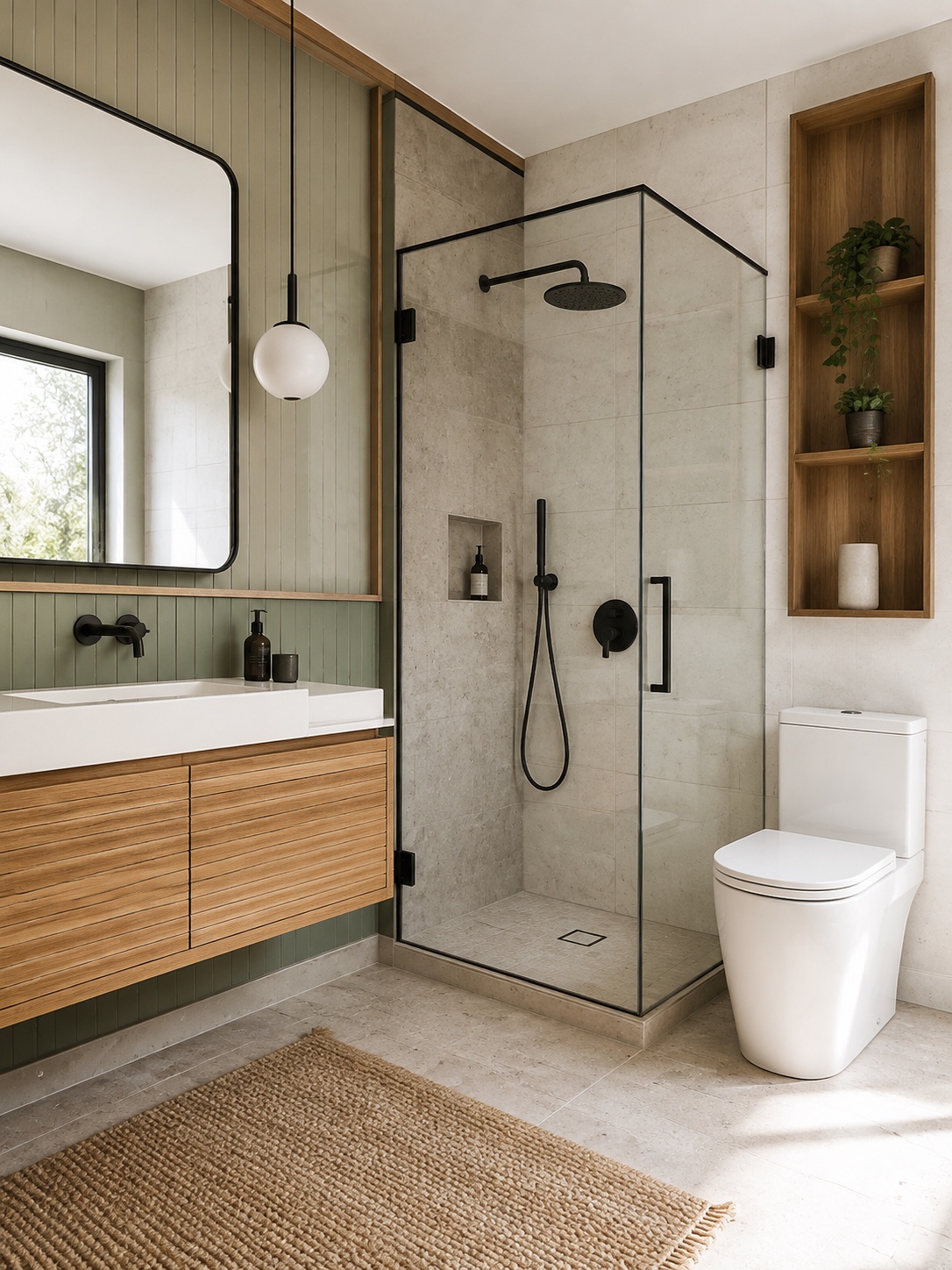
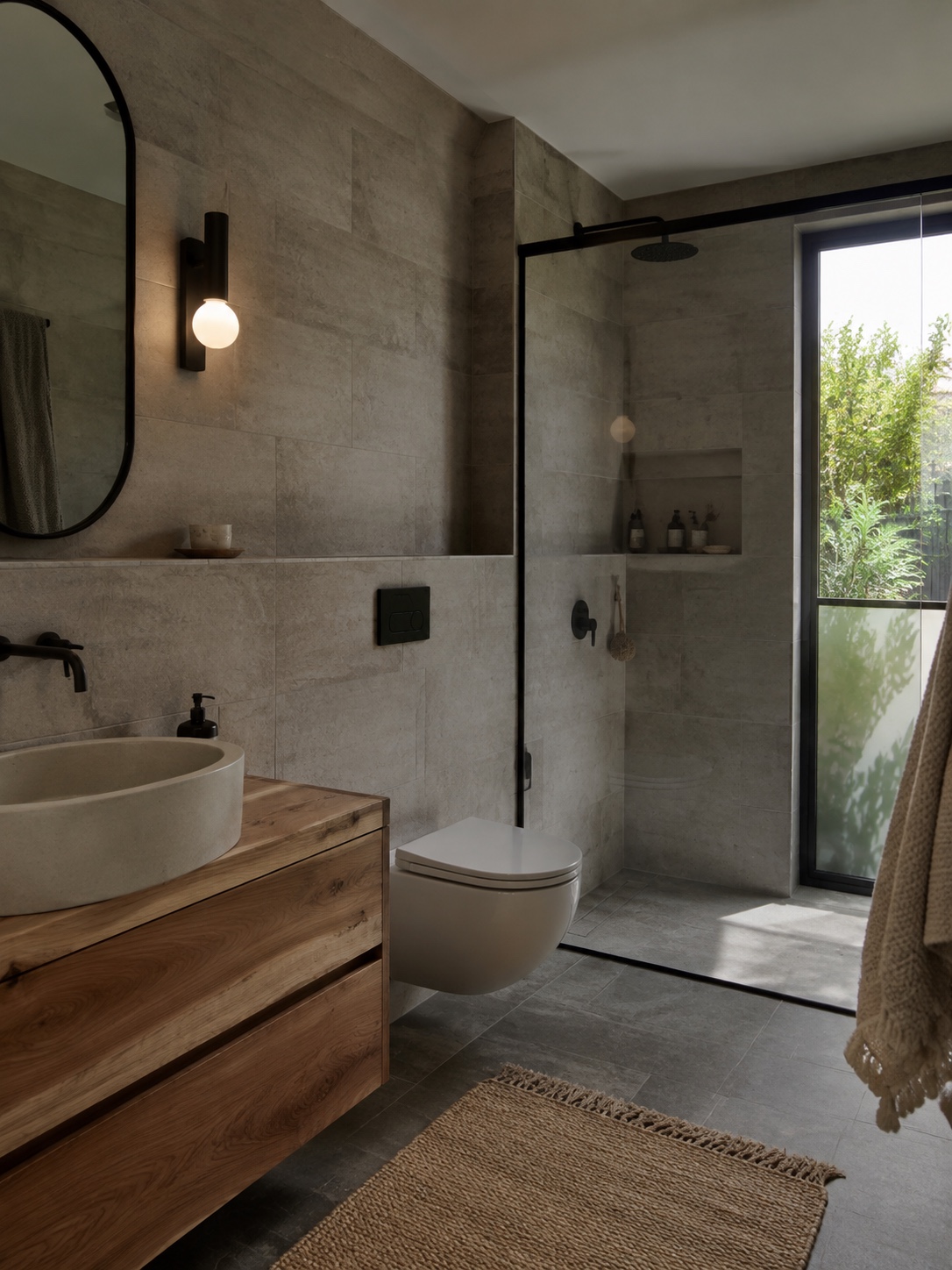
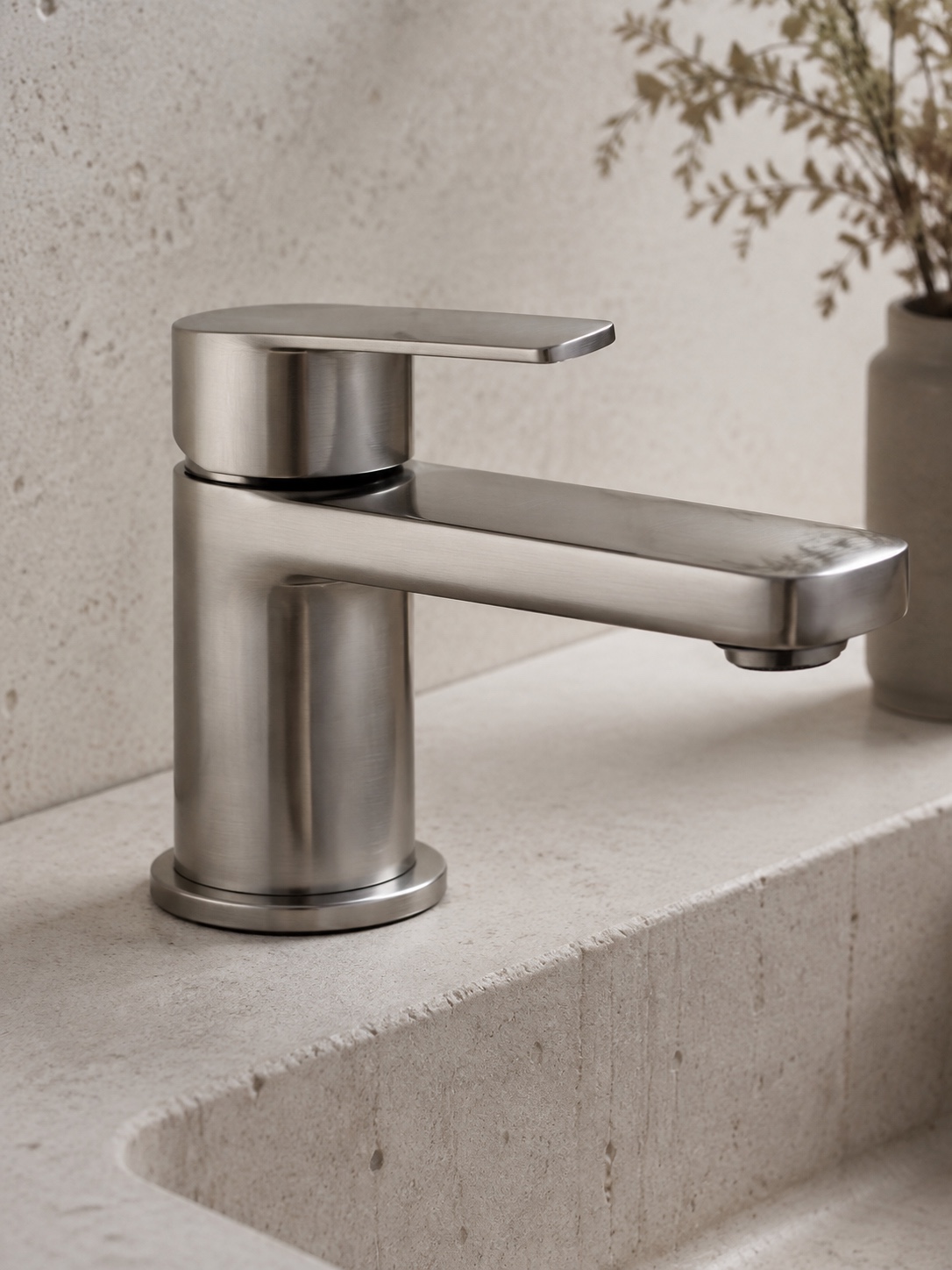
Water-efficient fixtures now come in the finishes design-conscious clients ask for, including matte black, brushed nickel, and warm brass. Minimalist lever designs and sculptural silhouettes are also available across sustainable product lines. As a result, designers rarely have to choose between environmental responsibility and visual impact.
A request for a specific finish and a request for water efficiency used to be separate briefs. Now they often arrive together, which shapes how a project is specified from the start. Our modern bathroom design guide and roundup of the best modern bathroom faucets both cover finish and silhouette options that pair well with sustainable specifications.
Using “green bathroom design” as a visual language, not just a color trend
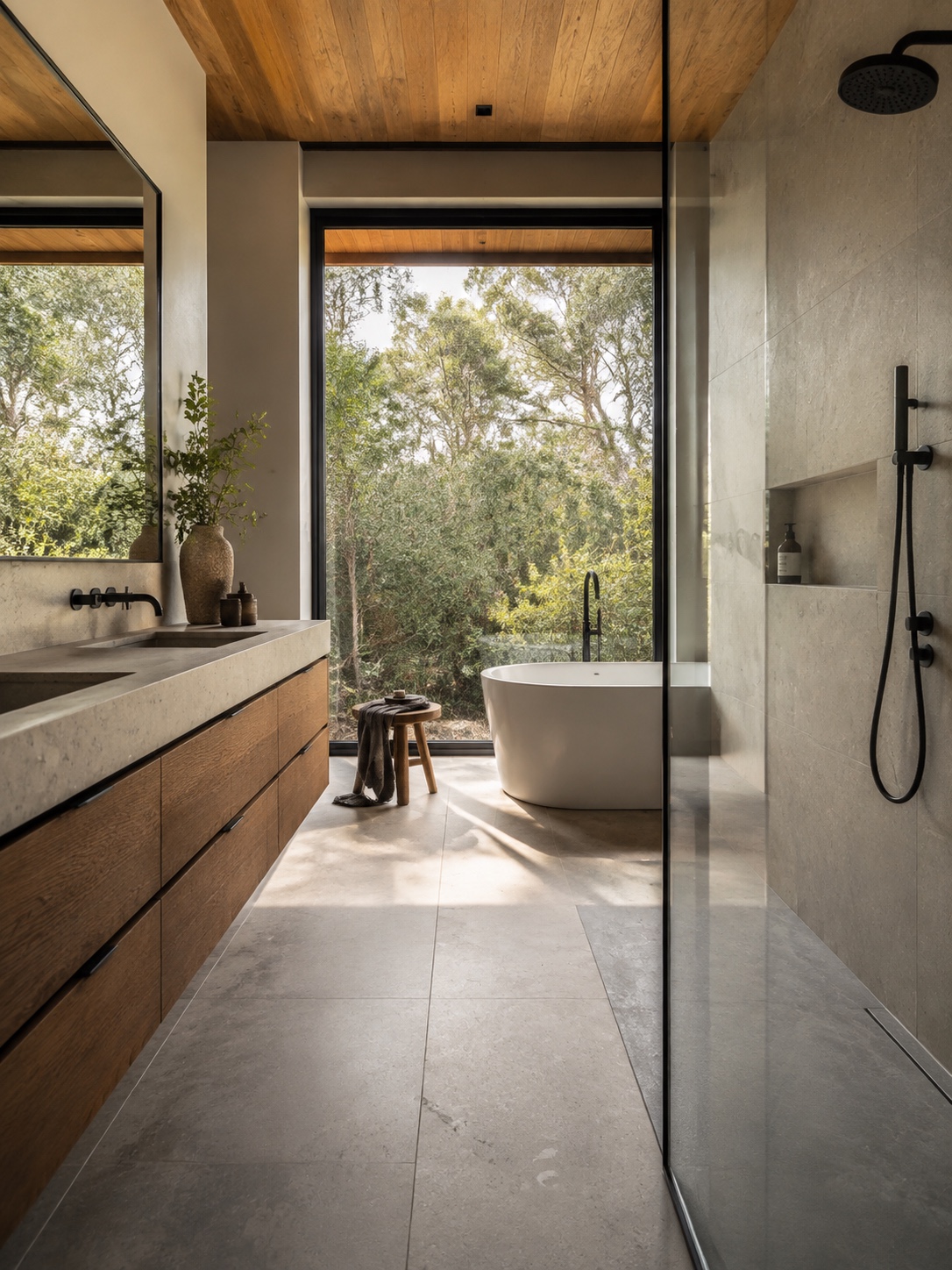
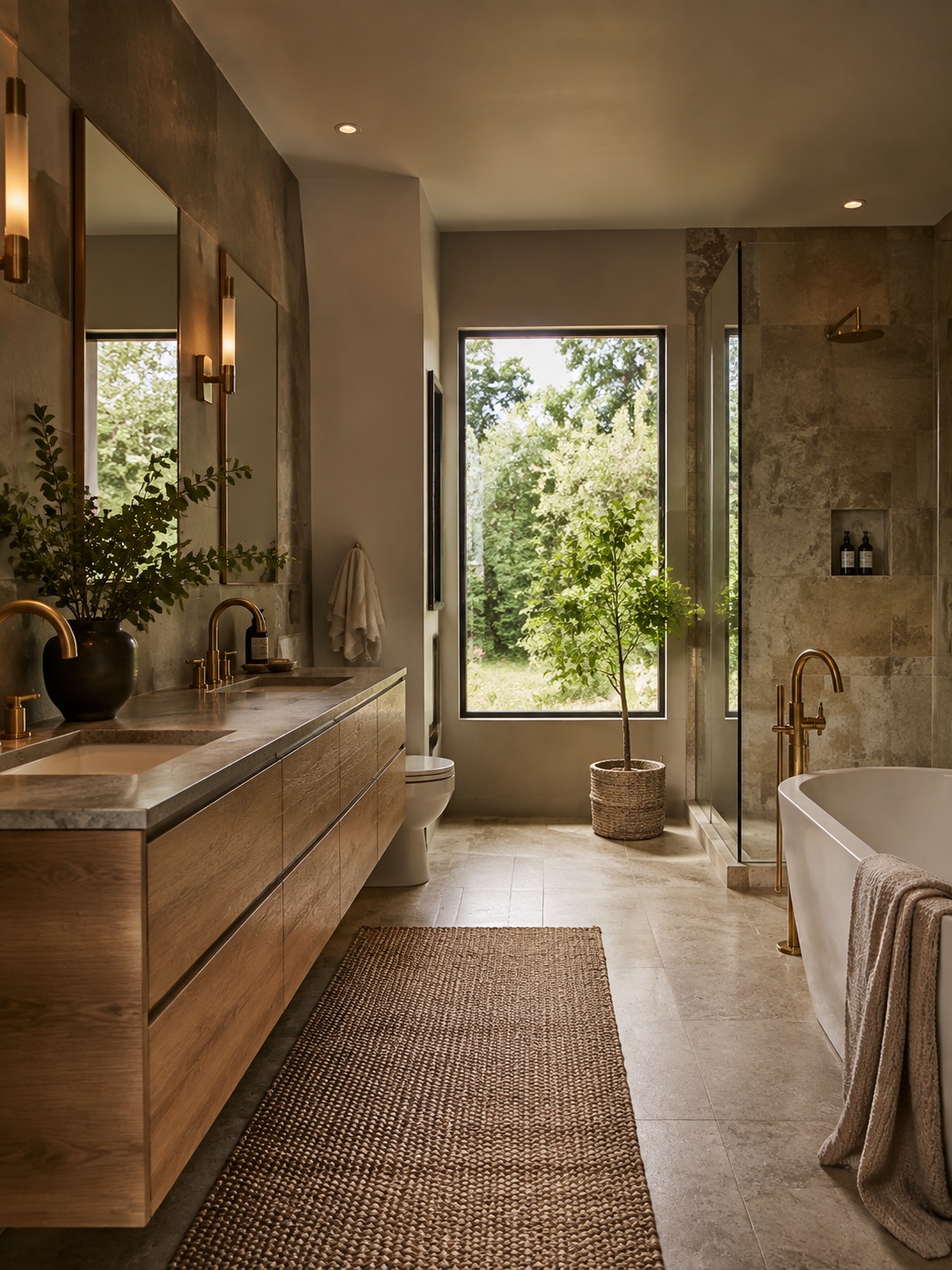
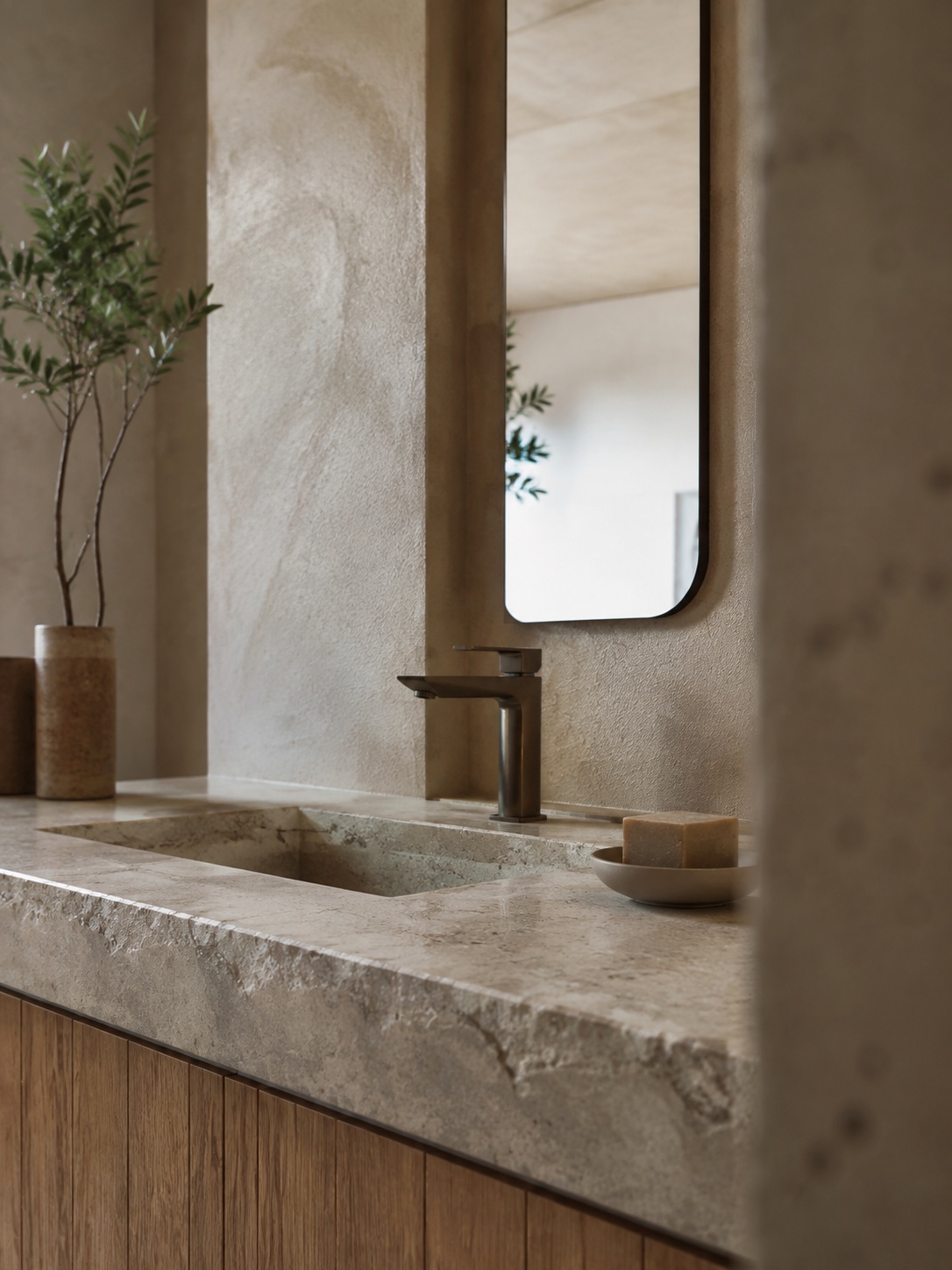
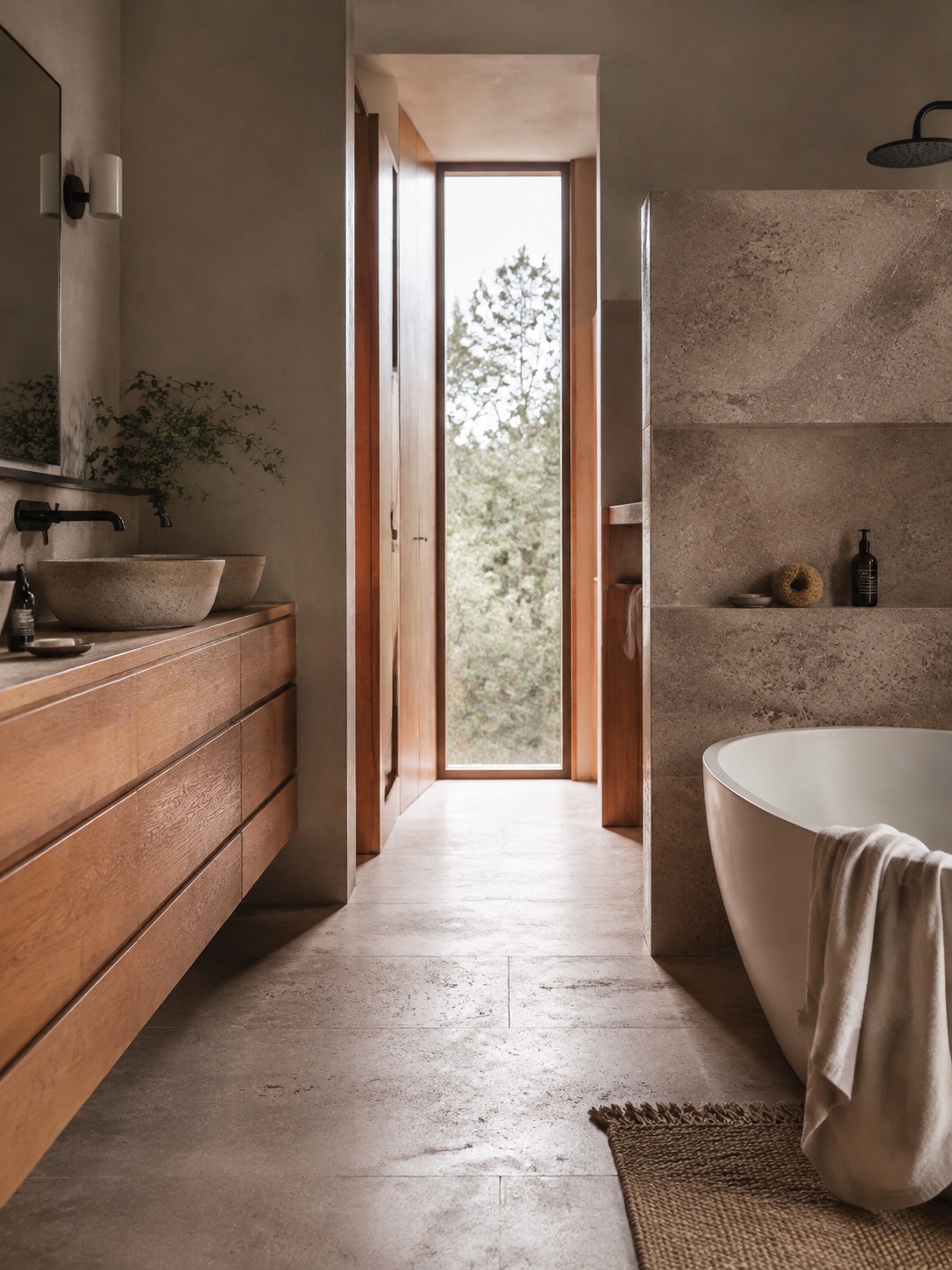
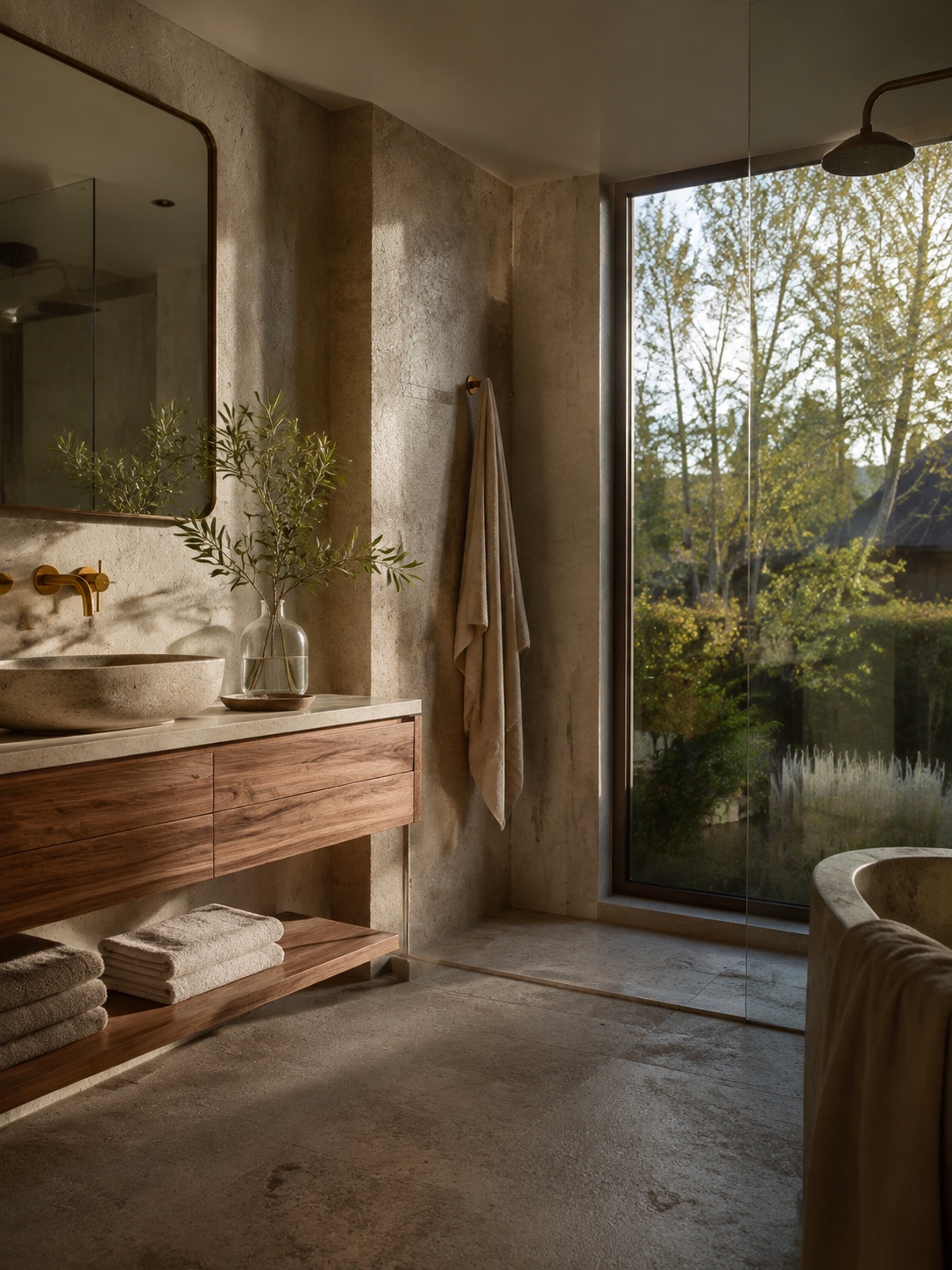
“Green bathroom design” is often read literally as green tones and potted plants, which undersells the phrase. A more useful reading treats it as a visual language: natural material tones, tactile stone and wood-toned finishes, and a restrained palette that feels calm and considered rather than performatively “eco.”
A bathroom can carry that language without a single green surface, just as a sustainable material choice doesn’t need obvious signaling. For this look, our spa-like bathroom retreat guide covers the material and lighting choices that create a calm mood without relying on literal green cues.
Materials, finishes, and layout choices that lower long-term impact
Beyond individual fixtures, broader material and layout decisions shape a bathroom’s long-term impact. This is where many well-intentioned projects miss a useful opportunity.
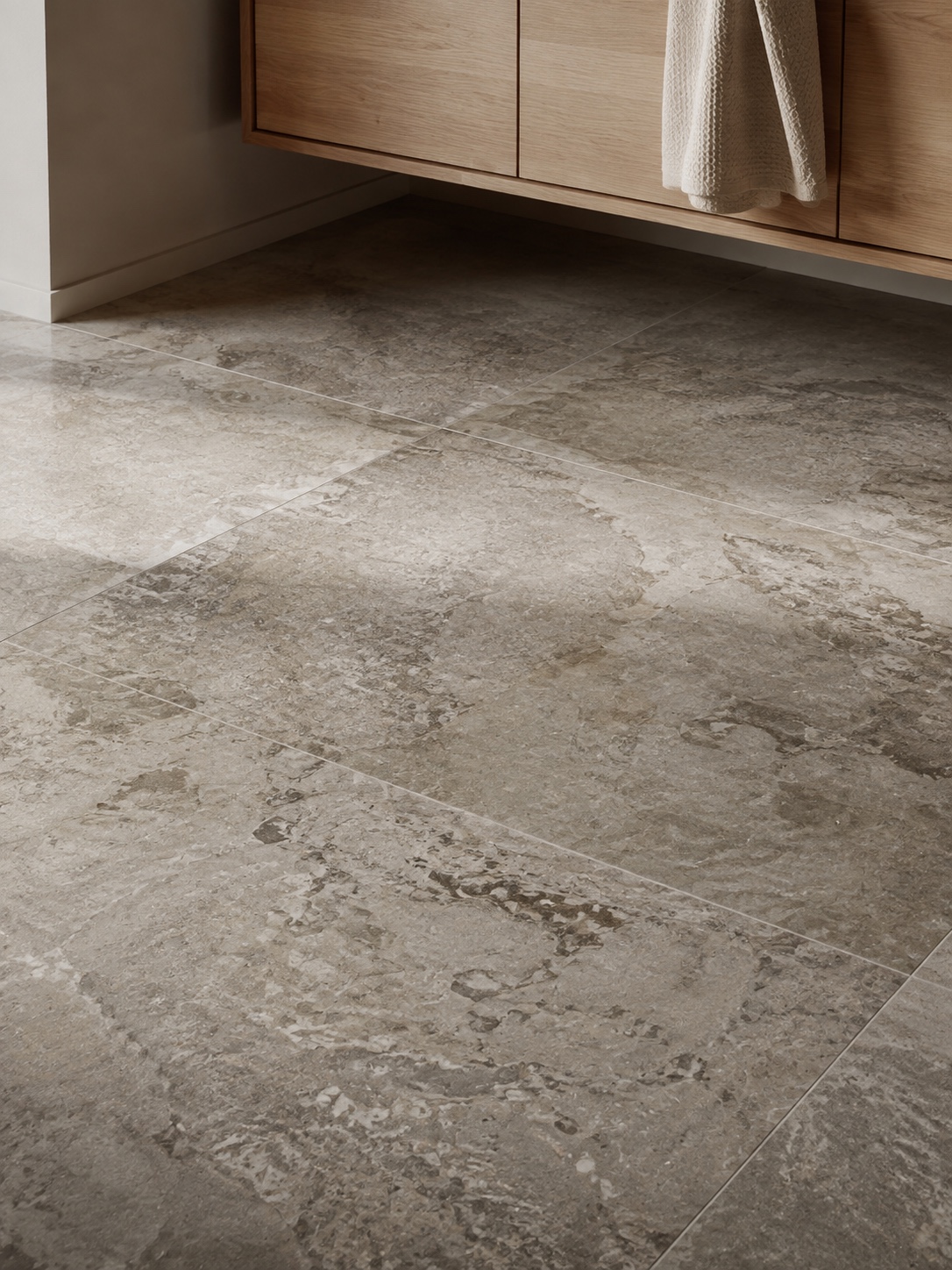
Durable, well-sourced surface materials reduce how often a bathroom needs reworking. Every renovation cycle carries embedded waste: old material is torn out, new material is manufactured and shipped, and installation labor is repeated. A material that lasts two or three decades instead of one does useful sustainability work simply by not needing replacement.
Our guide to incorporating sustainable materials in a home renovation applies this principle across a whole home. It carries extra weight in a bathroom, where surfaces face constant moisture and daily wear.
Layout is easy to overlook. Placing plumbing fixtures to keep hot water runs short reduces the water wasted while waiting for warm water to reach the tap. That gain comes from planning, not from the fixture itself.
A useful rule: settle fixture locations and hot water runs during the first layout discussion, before choosing fixtures or finishes. Retrofitting efficiency after the fixtures are chosen rarely captures this benefit.
The designer’s checklist for specifying sustainable bathroom fixtures
When specifying fixtures for a sustainability-led bathroom, a few criteria carry more weight than a polished spec sheet.
Aerator technology and verified flow rate. Look past the “low-flow” label to the actual gallons-per-minute rating, and compare it with a standard fixture.
Manufacturing transparency. A brand should be able to speak specifically about recycled material content and production energy use. Vague sustainability language with no detail behind it is a warning sign.
Finish durability. A finish that wears or tarnishes quickly forces an earlier replacement. That undercuts the sustainability case, however efficient the fixture was on day one.
Water pressure performance. Check how a fixture performs in real installations as well as lab conditions. One that meets an efficiency standard but frustrates daily use is often replaced early out of simple annoyance.
Packaging and shipping footprint. This rarely comes up, yet it is part of a fixture’s total impact before it is even installed.
Running a project against this checklist produces a different shortlist than shopping by finish and price alone. It also tends to surface fixtures that hold up better over time.
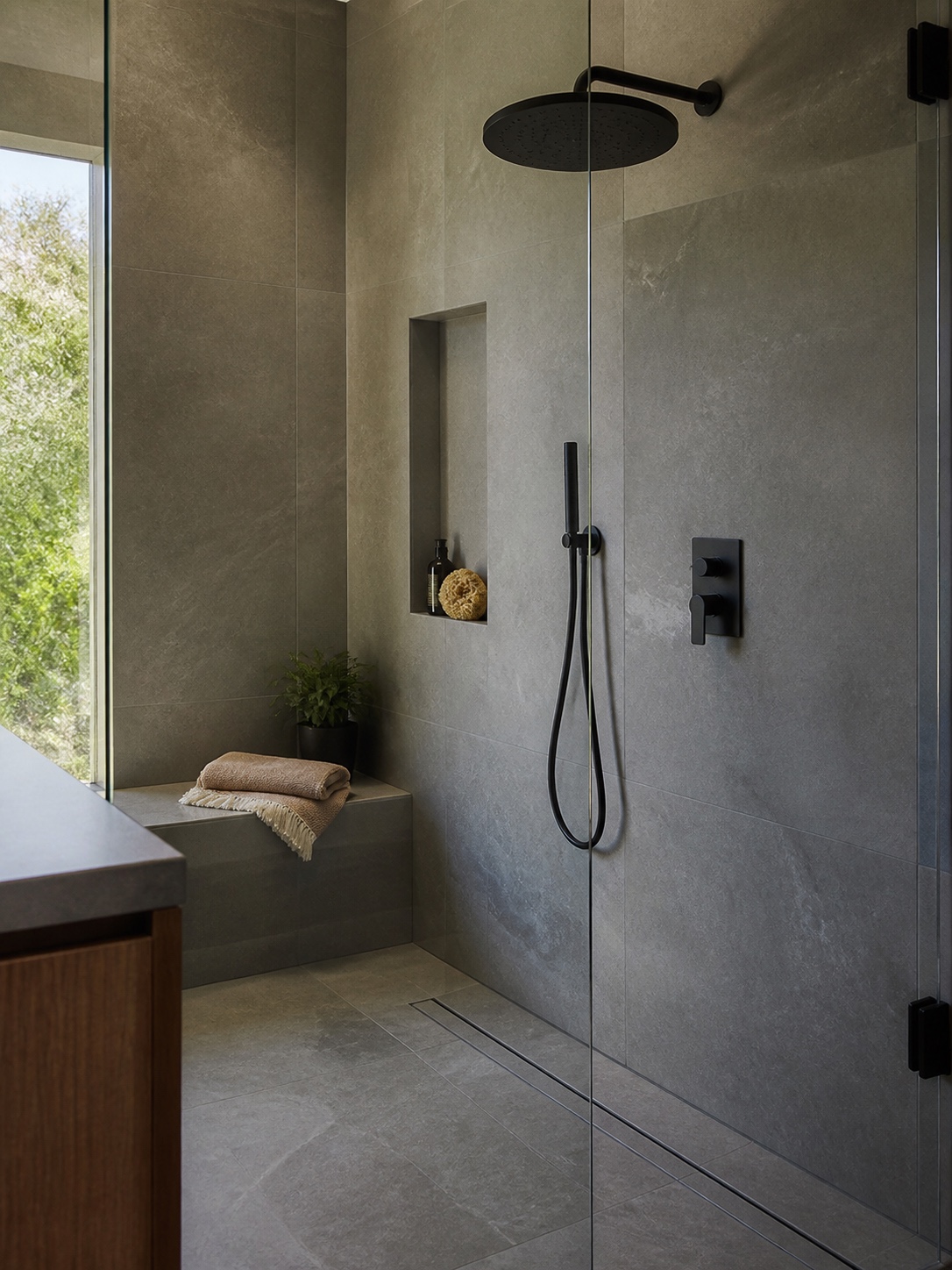
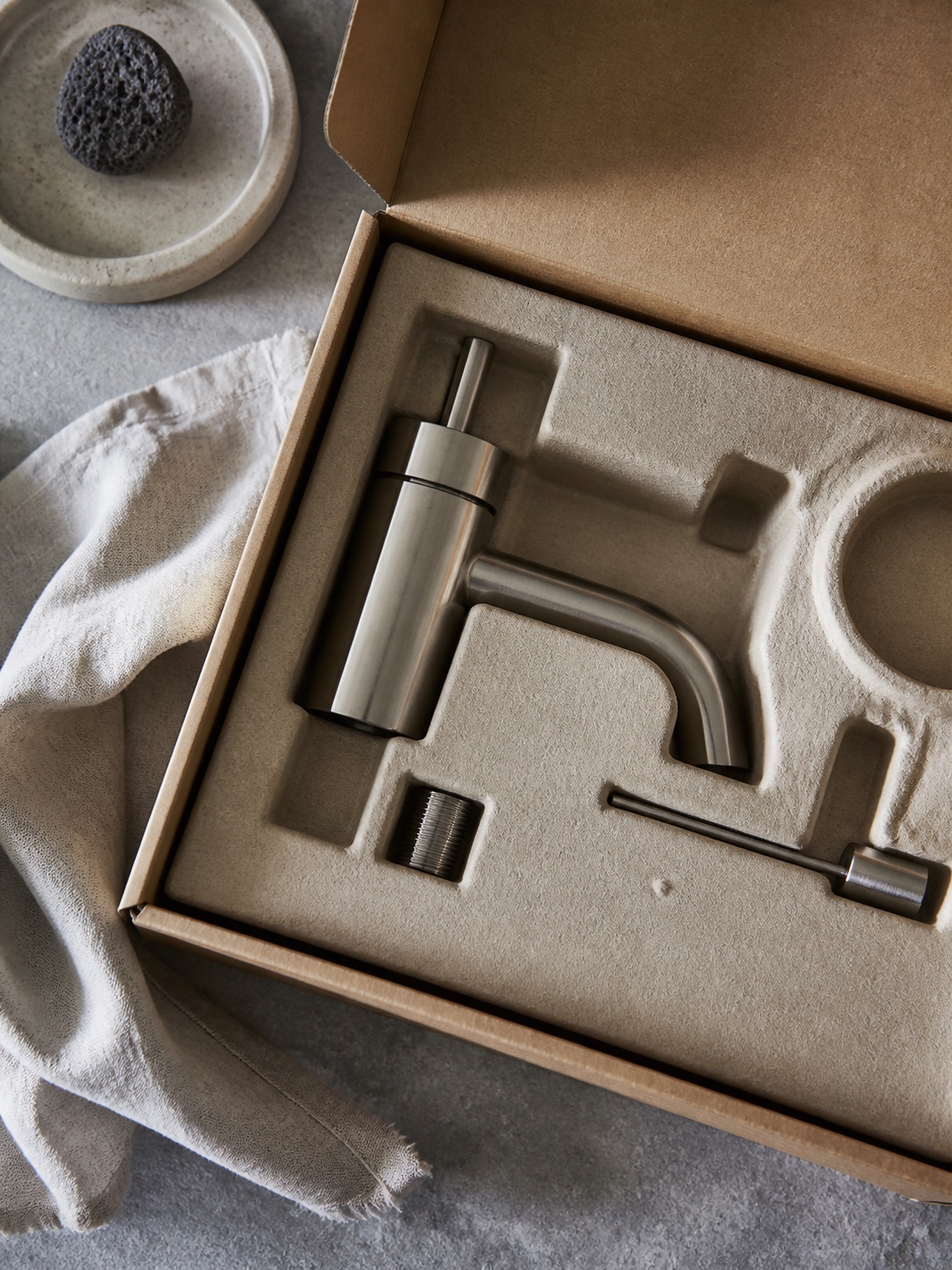
Durable specification also means choosing finishes that suit a realistic cleaning routine. Use this safe shower cleaning routine to compare the care needs of tile, natural stone, acrylic, glass, and plated fixtures.
Long-term value: lower bills, better durability, better design decisions
Sustainable fixtures can deliver long-term value beyond the environmental case. Lower water use can reduce utility bills, though savings depend on the fixtures installed and how they are used. Higher-quality materials generally need less maintenance and last longer before replacement.
Many homeowners now treat this as practical value rather than a sacrifice, particularly as awareness of resource conservation grows.
Sustainability is becoming a standard specification criterion instead of a specialist request added to a conventional project. Designers who build fluency in sourcing and specifying eco-conscious fixtures are well placed for that direction.
Clients are increasingly asking informed questions about water use and material sourcing. That awareness shapes how renovations are briefed from the first consultation, as well as how they are finished.
FAQ
What is sustainable bathroom design?
It is an approach to bathroom renovation that treats water efficiency, material sourcing, and manufacturing impact as core specification criteria from the start of a project. It covers fixtures, materials, finishes, and layout decisions such as keeping hot water runs short.
Are eco-friendly bathroom fixtures more expensive?
Upfront prices vary by brand and finish, just as they do for conventional fixtures. Sustainable options are not inherently more expensive as a category. Where cost differences exist, they usually reflect material quality and manufacturing process rather than a flat “eco” premium.
Do low-flow fixtures reduce water pressure?
Flow rate and supply pressure are different measures. A well-chosen efficient fixture can provide a comfortable stream, but results depend on available pressure, installation, filters and the fixture’s design. Check compatibility with your plumbing and compare tested performance rather than relying on a low-flow label.
What materials are best for a sustainable bathroom?
Good choices include recycled metals for fixtures, durable natural or natural-look surfaces for countertops and flooring, and finishes with a record of longevity rather than day-one appeal. The best material is usually the one that won’t need replacing in five years, however it is marketed.
- 16shares
- Facebook0
- Pinterest16
- Twitter0
- Reddit0