I spent three years training my eye to read proportion before I ever touched a car body panel — life drawing, then automotive surfacing, then jewelry work where a single millimeter changes how light sits on a stone.
So when I walked into a Korean-run salon in Singapore last spring and watched a stylist section a client’s bangs with the same deliberate spacing I’d use blocking out a face in a portrait, it clicked: this isn’t a beauty service. It’s a design discipline, just applied to a moving, breathing canvas.
- Why design-led salons are changing sees beauty
- Salon interior design — minimalism as a brand language
- Hairstyle as fashion design, not just a haircut
- The K-pop and K-drama effect on visual trends
- Korean-trained stylists: technical craft behind the aesthetic
- The customer experience as part of the design system
- Where salon design is heading — sustainability and digital aesthetics
- Getting the proportion right is a skill, not a gift
- FAQ
- What is Korean hair salon design?
- How long does a Korean digital perm typically take?
- Why do see-through bangs work with so many face shapes?
- Best way to choose between a Korean bob and a layered cut?
- What's the most common mistake people make bringing in K-drama reference photos?
- How does salon interior design actually affect the haircut result?
- What should I look for in a Korean-trained stylist's background?
Korean hair salon design treats the whole visit as one project: minimalist interiors, a stylist trained like a craftsperson, a cut that reads as a piece of wearable design. For Singapore’s design crowd, that distinction matters more than which shampoo sits on the shelf.
Why design-led salons are changing sees beauty
The redefinition runs two layers deep. First, the room itself (proportion, material, light) is a brand statement before a single word gets said. Second, the haircut stops being a maintenance task and becomes a piece of applied design, shaped by the same logic that governs a well-drafted garment: line, balance, how a silhouette reads from three feet away versus three meters.
I’ve noticed the salons that get this right treat every surface as load-bearing for the brand — countertop material, chair spacing, even how mirrors are angled to avoid the harsh double-reflection you get in older salons. None of it screams for attention. That restraint is the actual signal of design fluency, the same way a clean surface on a Mazda CX-5 tells you more about a design team’s discipline than a car covered in creases ever could.
For anyone building a personal style around this, the takeaway is simple: judge a salon’s design intent by what it deliberately leaves out, not by what it adds.
Salon interior design — minimalism as a brand language
Minimalism in a salon isn’t the absence of design — it’s the hardest kind to pull off, because there’s nowhere to hide a bad decision.
Clean layouts and visual calm as a service feature
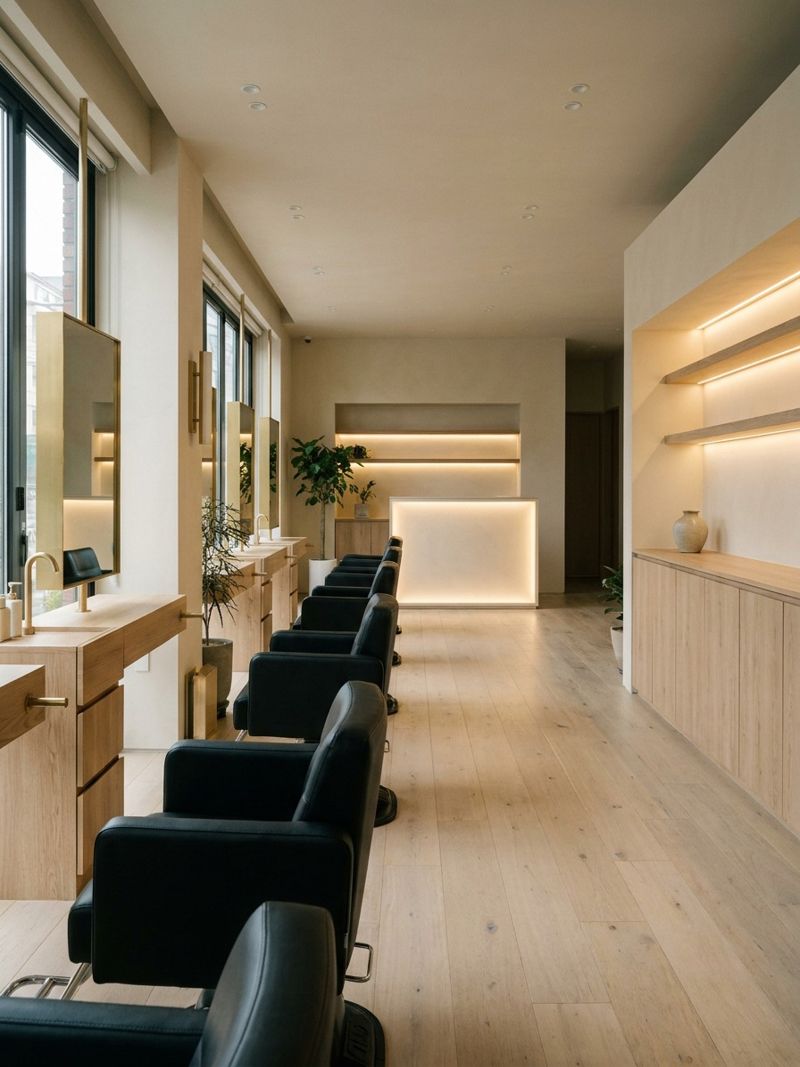
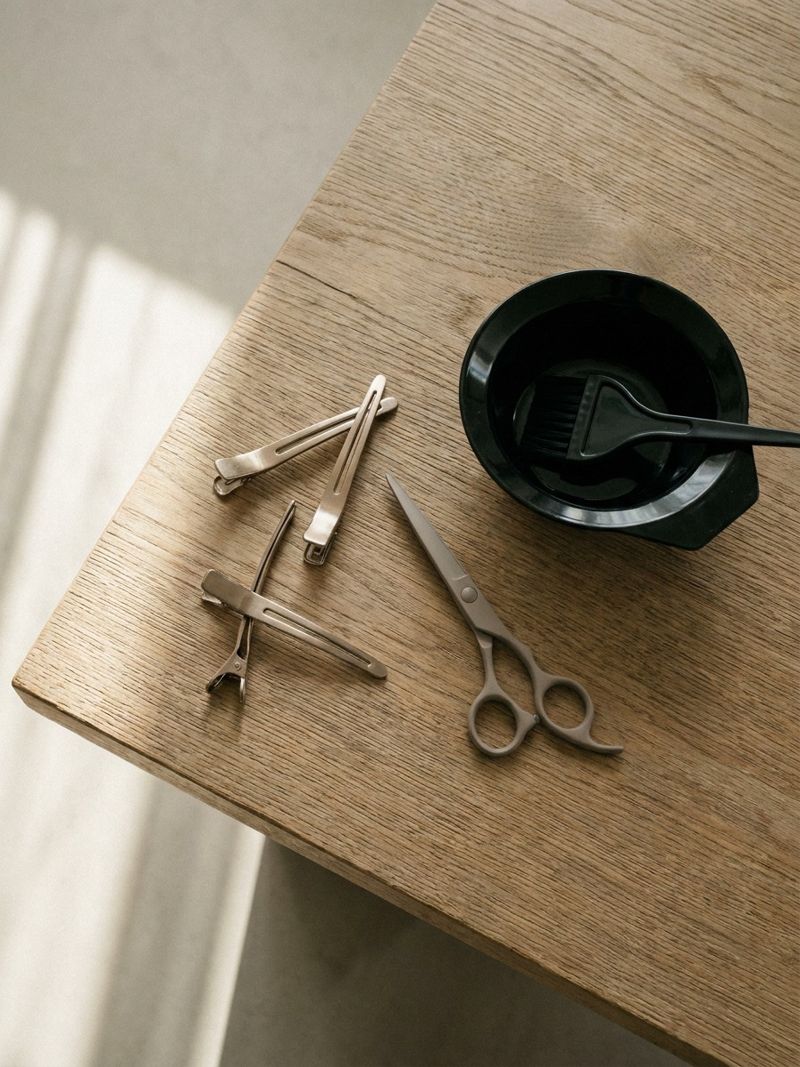
The best design-led salons I’ve walked through in Kyiv, Berlin, and now Singapore share a layout habit: wide sightlines, low visual noise, one accent material doing all the work (raw oak, brushed brass, unlacquered concrete). A cluttered backbar with forty product bottles reads as chaos to a client’s nervous system before they’ve even sat down. Strip that back to a closed cabinet and three visible tools, and the chair becomes the focal point again.
I learned to see this in architecture studio critiques years before I ever thought about a haircut — a room with too many competing materials fights itself, no matter how expensive each piece is individually.
Branding through space: how interior choices signal expertise
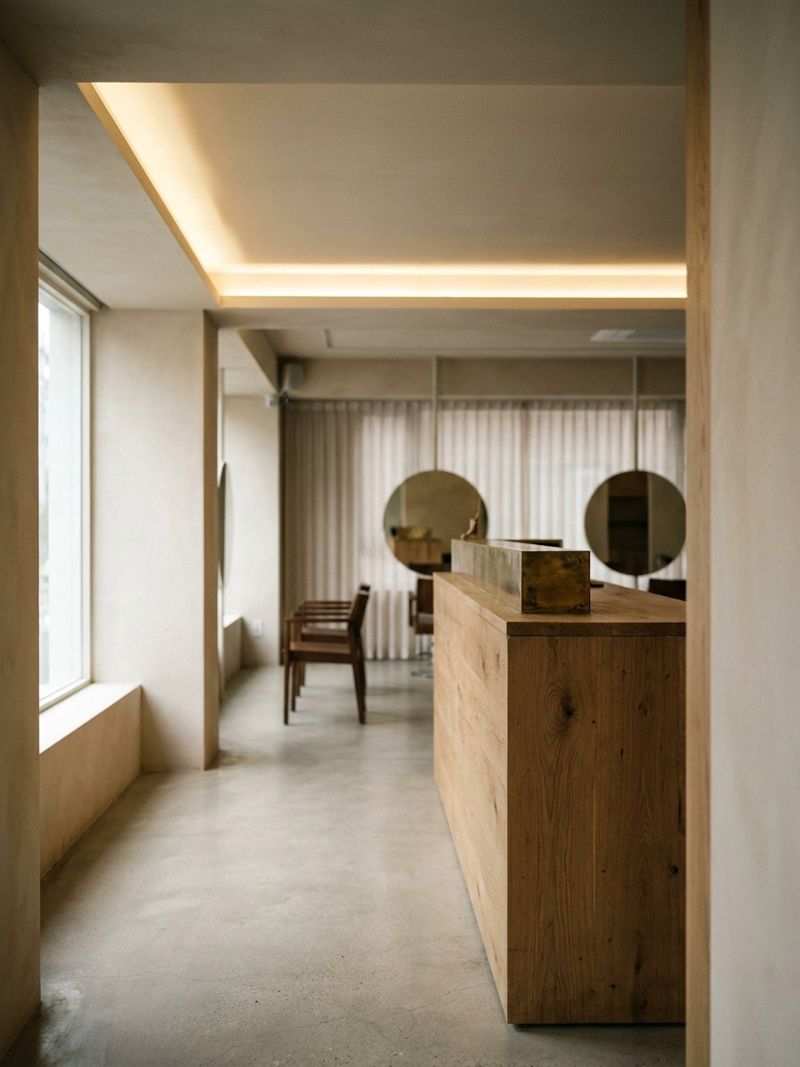
Material choice does more brand work than a logo ever will. A salon running warm oak paneling and soft, indirect 3000K lighting is telling you, wordlessly, that the service inside will be slow and considered. Cool white 5000K light and hard surfaces signal something faster and more clinical — fine for a blowout bar, wrong for a color consultation that needs an hour of trust-building.
One detail I always check: how a salon handles the transition between the waiting area and the working floor. A hard cut (a literal change in flooring material, or a step down) tells your body the experience is changing register. Skip that transition and even a beautifully finished space feels flat, like a render nobody bothered to light properly.
Hairstyle as fashion design, not just a haircut
A cut is a design object the moment it has to work from every angle a phone camera can find — front, three-quarter, back-of-head selfie in a mirror. That’s a harder brief than most product design work I’ve done, because the “product” moves, sweats, and gets slept on wrong three nights a week.
Personalised cuts as visual identity
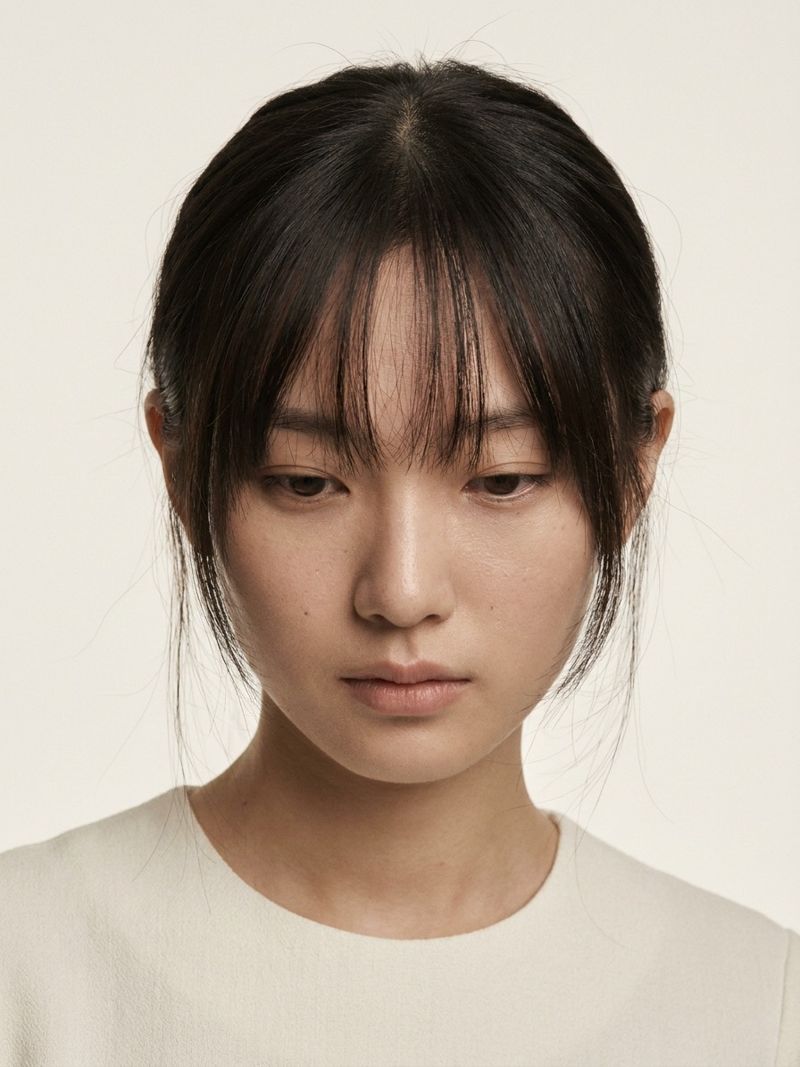
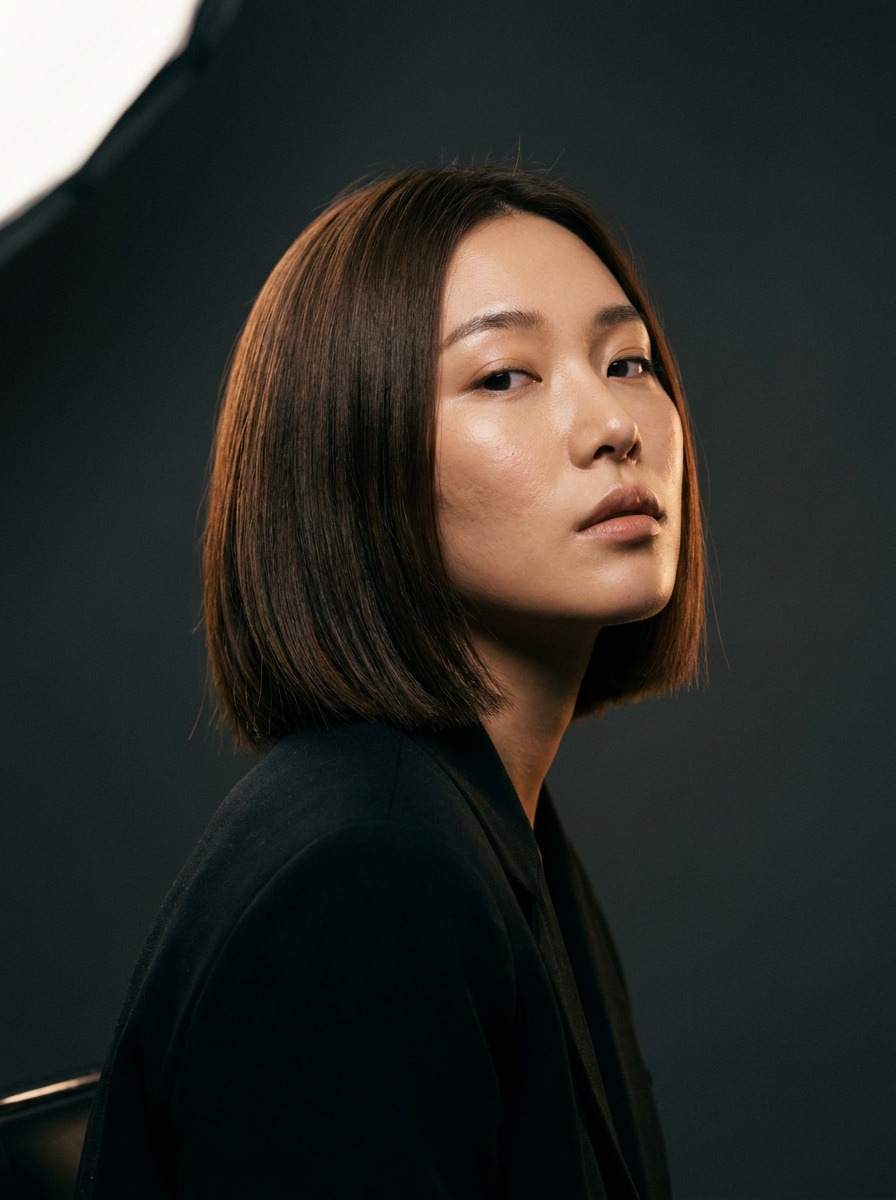
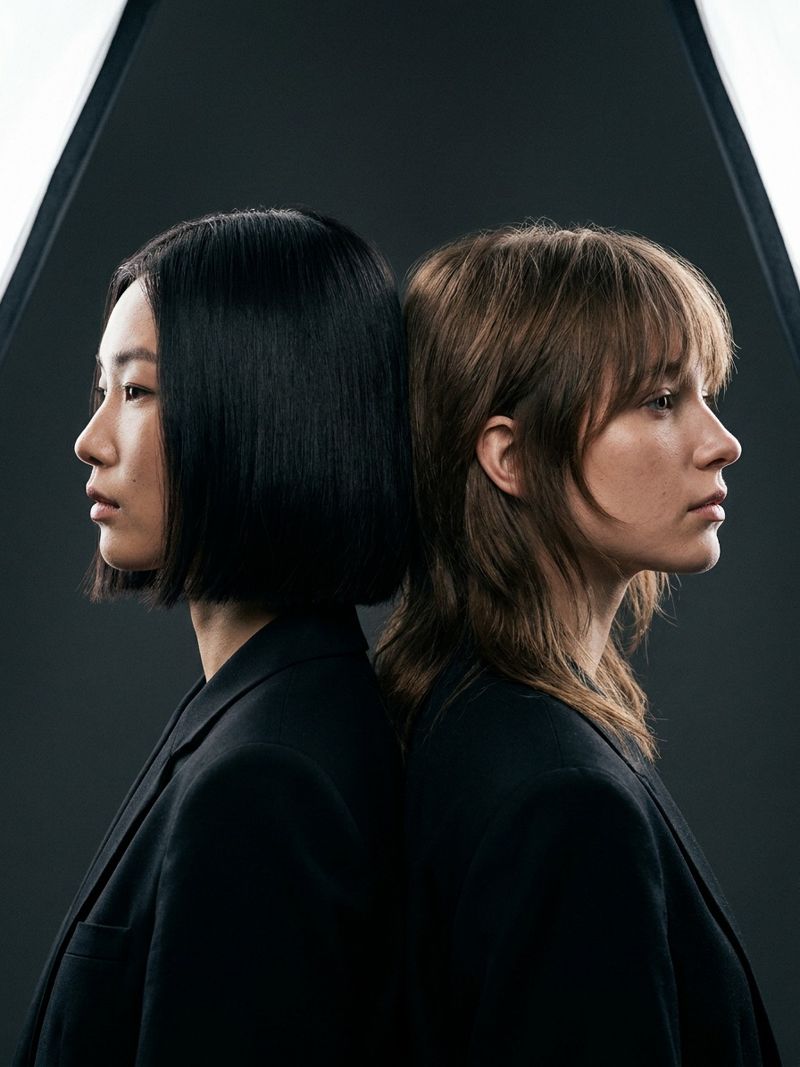
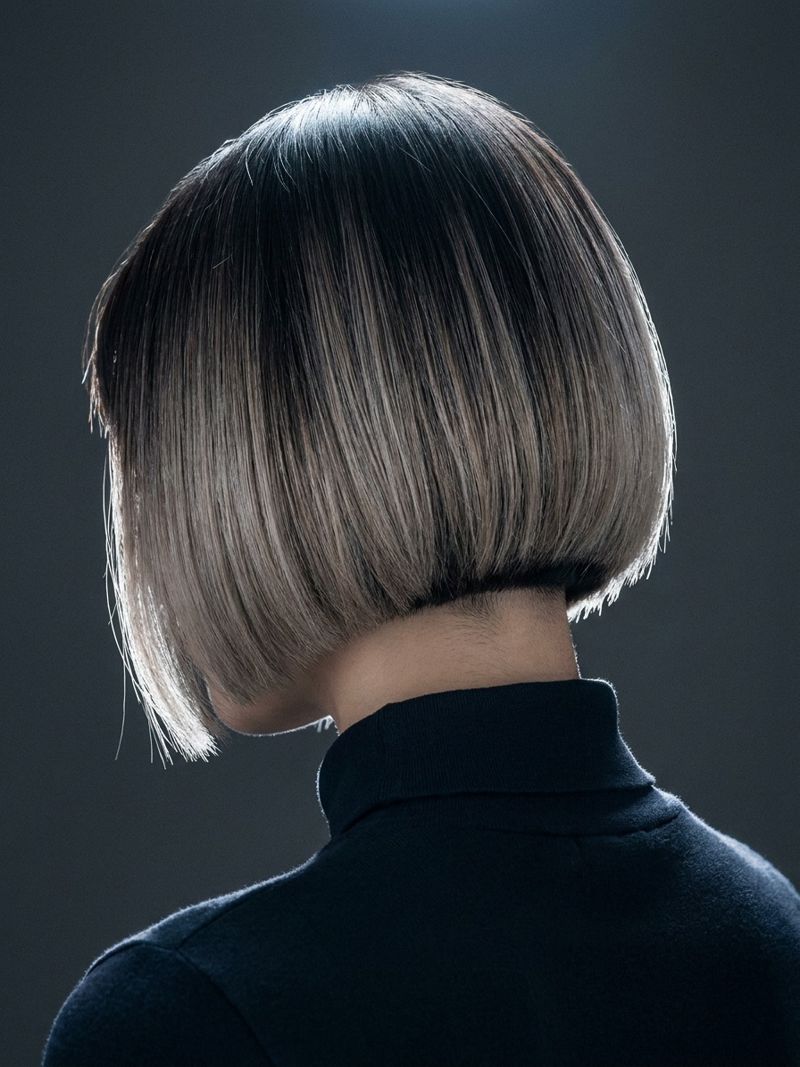
The Korean bob and see-through bangs are having their moment in Singapore for a design reason, not just a trend reason: both work with face proportion instead of against it. See-through bangs (thin, textured, slightly parted) soften a forehead the way a fillet radius softens a hard automotive edge without losing the structural line underneath. A blunt Korean bob does the opposite job: it draws a clean horizontal that reads as confident from across a room.
I sketch faces before I ever discuss a cut with a stylist friend, blocking out proportion the same way I would for a portrait study. (If you want the mechanics of that, check out my hairstyles drawing tutorial.) Once you can see head shape as a design brief instead of a mystery, the “which cut suits me” question mostly answers itself.
Color as a design element
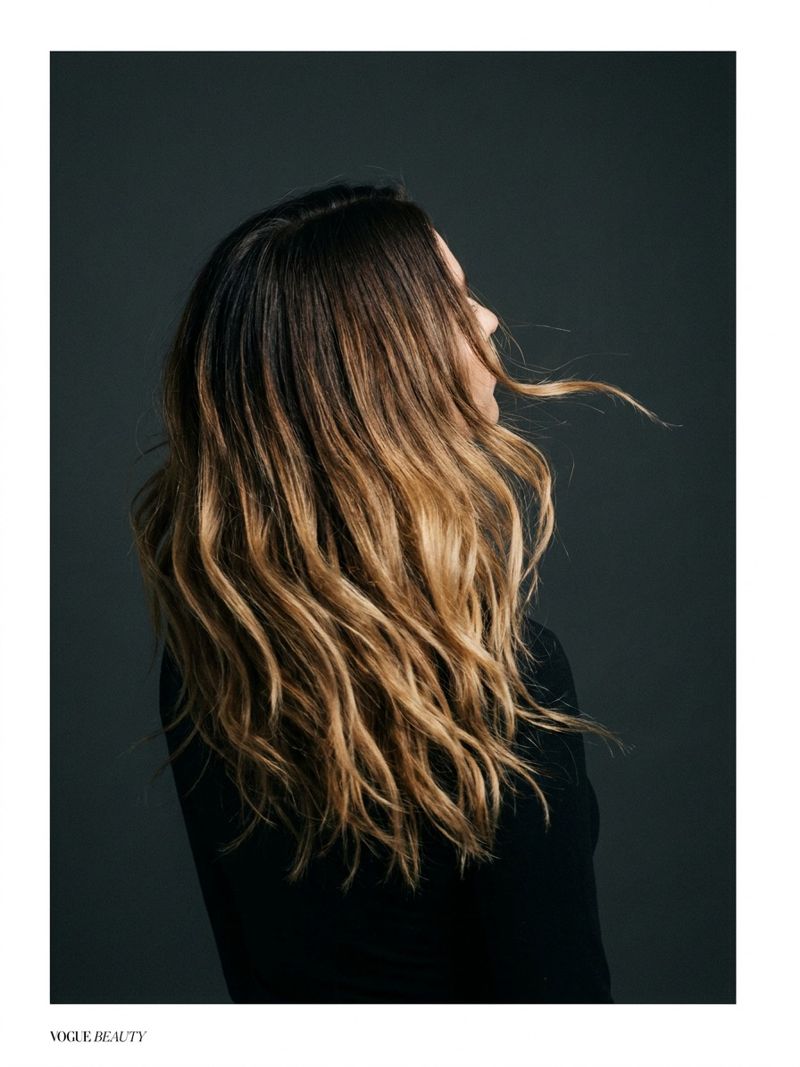
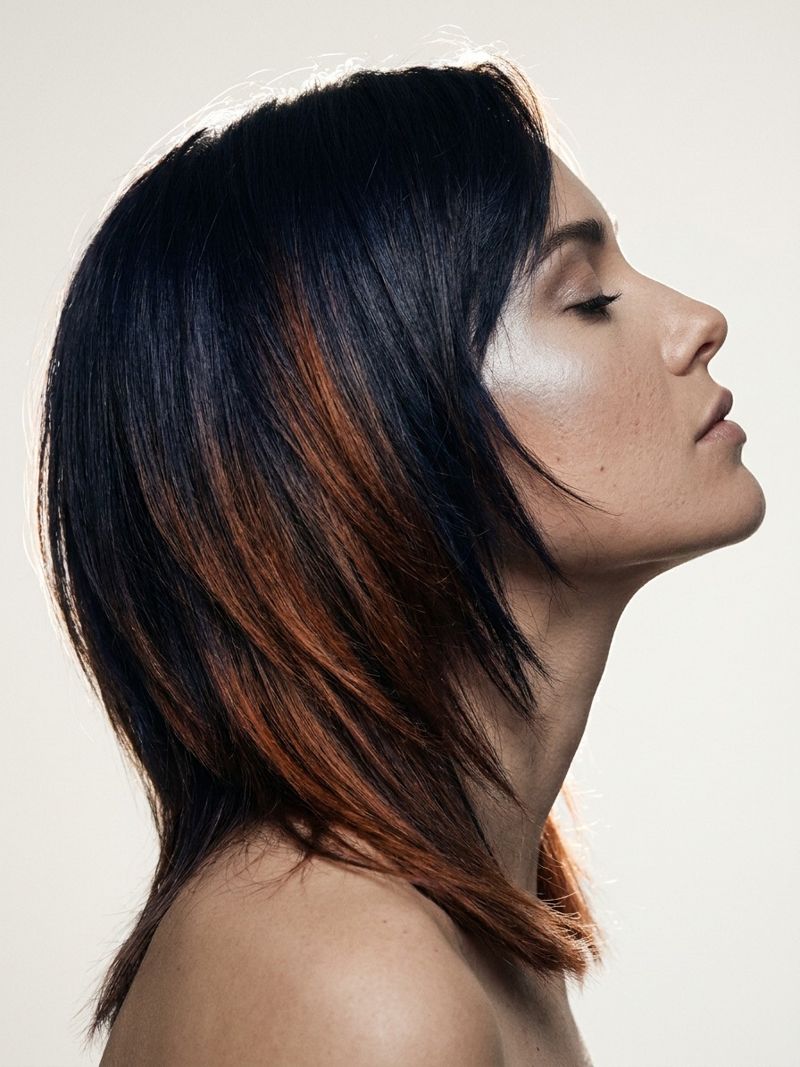
Balayage and gloss smudging aren’t just coloring techniques — they’re gradient control, the same problem I solve grading a rendering from dark to light across a car’s flank. A well-placed two-tone shift draws the eye along a specific path through the cut instead of flattening it into one block of color.
The mistake I see most: color applied as a flat wash instead of a considered gradient. It photographs fine under salon lighting and looks muddy the second you step outside.
The K-pop and K-drama effect on visual trends
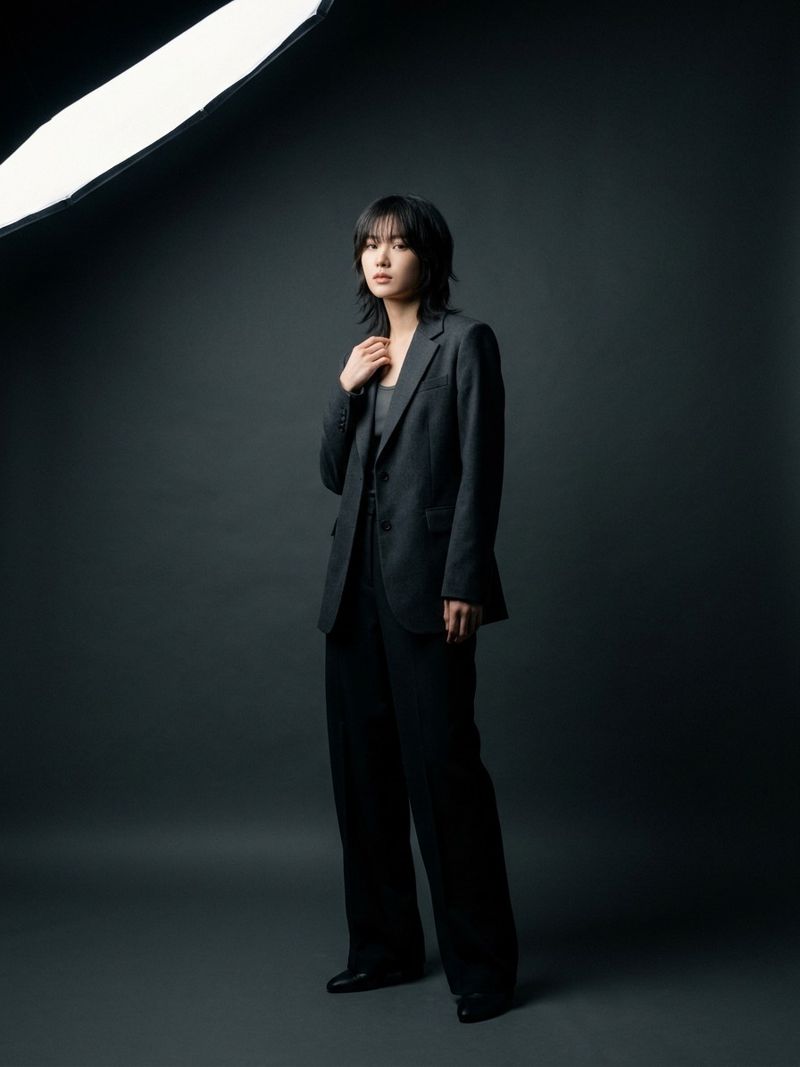
K-pop stylists work under a constraint most salons never face: the haircut has to read correctly under stage lighting, in a fan cam shot from thirty feet away, and in a close-up interview two hours later. That triple duty is why K-pop hair trends travel so well into everyday salon work — they’re already stress-tested for extreme lighting and extreme scrutiny.
How screen culture sets the aesthetic reference point
Streaming shows changed the reference photos clients bring in. A few years back it was a printed magazine tear-out; now it’s a screenshot from a K-drama with the color grading baked into the image, which makes matching the actual result trickier than it looks. A warm-graded screenshot can make a neutral brown read three shades warmer than the client’s real hair will ever hold.
A stylist who understands color theory, not just formula charts, can translate a stylized screen reference into something that survives daylight. That translation step, more than the trend itself, is the actual skill being sold.
Korean-trained stylists: technical craft behind the aesthetic
Korean styling education runs longer and more technical than most Western salon training, with apprenticeship periods built around precision cutting and perm-rod technique before a stylist ever touches color independently.
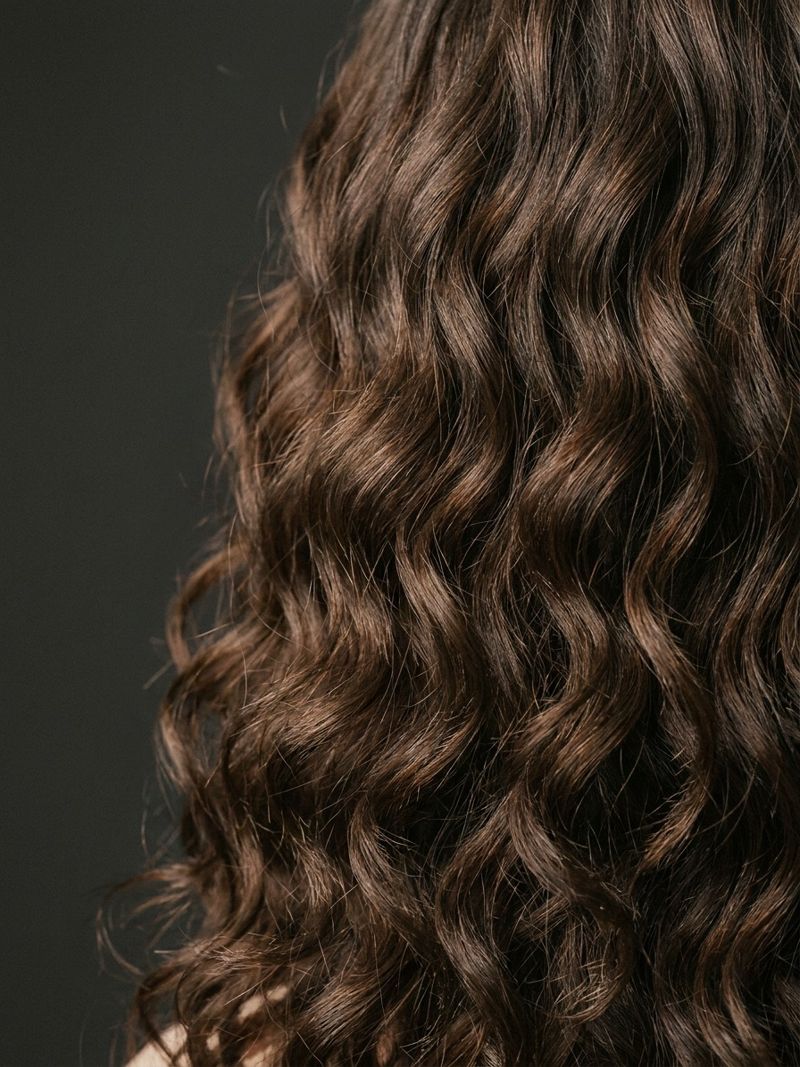
That sequencing shows up in the work. A Korean digital perm, done well, isn’t just “curly hair” — it’s an engineered curl pattern, calibrated rod size and heat timing to produce a specific fall and bounce that regular perming doesn’t reproduce. I’ve watched a stylist test three rod diameters on different sections of the same head before committing, treating it closer to material testing than a beauty routine.
That technical rigor is also why a genuinely design-led cut costs more than a quick trim. You’re not paying for twenty minutes with scissors. You’re paying for someone who trained for years to read a head shape the way I trained to read a car’s surface language before touching a single line.
The customer experience as part of the design system
The best design-led salons treat the two-hour appointment as a single continuous experience, not a haircut with some nice chairs attached.
That means the consultation happens with a mirror and real conversation, not a laminated lookbook shoved across the counter. It means the music sits low enough for actual conversation. It means the towel touching your neck is the same quality material as the one on the reception counter, because a mismatch there quietly tells a client the brand isn’t consistent.
I think about this the same way I think about an app’s onboarding flow — every touchpoint either reinforces the brand promise or contradicts it, and clients notice the contradiction even when they can’t name it. A gorgeous interior with a rushed, impatient consultation is a broken system, not a design win.
The small tells matter most: how a stylist explains what they’re about to do before doing it, whether they check in mid-cut, whether the blow-dry finish matches what was promised in the consultation. Get those right and the interior design becomes almost secondary — the room just confirms what the service already proved.
Where salon design is heading — sustainability and digital aesthetics
Two forces are reshaping design-led salons right now, and neither is about the haircut itself.
Sustainable materials are moving from a nice-to-have to a baseline expectation — reclaimed wood counters, refillable product systems, low-VOC finishes on cabinetry. It’s the same shift I watched happen in automotive interiors over the last decade: sustainable material choice went from a marketing footnote to a design requirement clients actively ask about.
The second force is digital-first presentation. Salons are designing spaces that photograph well in low light without a ring light propped in the corner, because a client’s phone camera is now part of the room’s lighting brief, not an afterthought. Matte surfaces that don’t blow out under flash, warm-toned bulbs that flatter skin on camera, mirror placement that avoids catching the stylist’s phone in every shot.
Neither trend replaces craft. A gorgeous, sustainable, photogenic salon with a mediocre cutting team is still just a nice room. But the salons getting this right are proving that design intent and technical skill were never actually separate problems.
Getting the proportion right is a skill, not a gift
Korean hair salon design works because it refuses to treat the interior and the haircut as two separate decisions. The room sets the proportion language, the cut follows it, and the whole visit gets designed like a single object instead of a checklist of services.
If you’re evaluating a salon through a design lens rather than a beauty one, start with restraint: what did they choose to leave out of the room, and does the stylist talk about your head shape like a designer or a technician reciting a menu? Those two answers tell you more than any before-and-after photo ever will.
For the space-planning side of that same experience, this salon interior design guide breaks down layout, lighting, materials, and waiting-area details that affect how a beauty studio feels in person.
FAQ
What is Korean hair salon design?
It’s an approach that treats the physical space and the haircut as one connected system — minimalist materials, deliberate lighting, and a cutting technique built on precise proportion rather than trend-chasing. It borrows more from interior architecture and product design than from traditional beauty retail, which is why these salons tend to feel closer to a design studio than a barbershop.
How long does a Korean digital perm typically take?
Longer than a standard perm, usually two to three hours versus 60–90 minutes, because the stylist is calibrating rod diameter and heat timing for a specific curl pattern rather than applying one uniform setting. That calibration time is exactly what you’re paying the premium for.
Why do see-through bangs work with so many face shapes?
They’re thin and textured rather than a solid, heavy curtain, so they soften the forehead without hiding the eyebrows or blocking light on the face. That partial coverage plays with proportion instead of masking it, which is why the style reads well on rounder, longer, and heart-shaped faces alike.
Best way to choose between a Korean bob and a layered cut?
Judge by how sharp your face’s horizontal lines already are. A blunt Korean bob adds a strong, clean line and suits faces that can handle graphic contrast. A layered cut softens angles gradually and works better if you want movement rather than a sharp geometric statement. Bring a front-and-profile photo to the consultation — a stylist reading two angles, not one, gives a far more accurate recommendation.
What’s the most common mistake people make bringing in K-drama reference photos?
Bringing a heavily color-graded screenshot and expecting an exact match. Screen lighting shifts color perception significantly, so a warm-graded still can make a neutral brown look far warmer than it will read in daylight. Ask your stylist to translate the reference rather than copy it literally, and trust their read on your natural undertone over the photo’s color grade.
How does salon interior design actually affect the haircut result?
Lighting is the biggest factor. Salons using warm, low-color-temperature bulbs can make it harder to judge how a cool-toned color will look outdoors, which is why the best studios check color under at least two light sources before finishing. Layout matters too: a rushed, poorly zoned salon floor tends to produce rushed consultations, and consultation quality is the single biggest predictor of whether a cut turns out right.
What should I look for in a Korean-trained stylist’s background?
Ask how long their cutting apprenticeship ran and whether they trained in perm-rod technique before moving into color work — that sequencing is standard in Korean styling education and tends to produce more technically precise results. A stylist who can explain rod diameter choices or gradient logic in a color plan, not just “we’ll go lighter here,” is a strong signal they trained in that more rigorous system.
- 208shares
- Facebook0
- Pinterest205
- Twitter3
- Reddit0