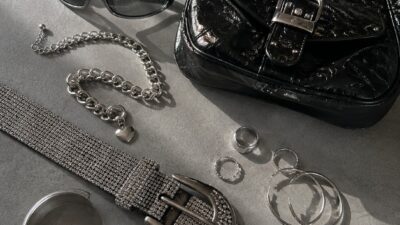
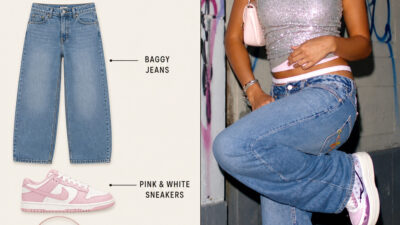
A capsule wardrobe is a small, edited collection of clothing — typically 25 to 50 items — where every piece works with most others. You build it once, wear it in dozens of combinations, and stop refilling your closet out of habit. A well-built capsule wardrobe covers your real daily schedule with fewer items, better quality, and far less decision-making each morning. The key is choosing pieces that cross occasions: a dark blazer that works over jeans for meetings and over a dress for dinner. Nothing needs to be expensive. Everything needs to earn its spot.
You do not have to sacrifice your personal style to get there. A capsule works whether you dress in clean minimalist neutrals or a more expressive palette. The difference is intentionality: every piece fits your actual life, not the life you imagine having.


Key Takeaways
- A capsule wardrobe works with 25–50 items that pair across occasions and seasons.
- Item count depends on your lifestyle — minimalists do it with 20, office workers typically need 30–35.
- Quality fabrics and neutral base colors extend the life of every piece you buy.
Capsule Wardrobe Item Count by Lifestyle
| Lifestyle | Recommended Items | Key Priorities |
|---|---|---|
| Minimalist | 20–25 | Neutral basics, multi-use pieces |
| Work from Home | 25–30 | Comfortable but presentable layers |
| Office Worker | 30–35 | Smart casuals, blazers, tailored trousers |
| Social / Active | 35–40 | Mix of casual and evening options |
| Frequent Traveler | 15–20 | Lightweight, wrinkle-resistant, packable |
| Parent / Active Lifestyle | 30–35 | Durable fabrics, easy-care items |
How to Build a Capsule Wardrobe: The Core Pieces
A capsule wardrobe starts with a set of items that fit your real schedule and pair easily with each other. The goal is not a perfect minimalist closet — it is a closet where everything gets worn.
What Goes in a Capsule Wardrobe
A capsule wardrobe typically holds between 25 and 50 items, including tops, bottoms, dresses, outerwear, and shoes. Activewear and special-occasion pieces are usually counted separately.
You build around versatile pieces that pair with most of what you own. When everything mixes, you create a variety of outfits from a much smaller set of items. Getting dressed becomes faster because every option works.
Typical capsule wardrobe starting list:
- 2–3 neutral T-shirts or blouses in white, grey, or navy
- 2 pairs of well-fitted trousers or jeans (one dark, one mid-tone)
- 1–2 layering pieces — a cardigan, blazer, or light jacket
- 1 quality coat or parka that covers your climate
- 2 pairs of shoes that work across occasions (e.g., clean sneakers + ankle boots)
Why Fabric and Fit Matter More Than Brand
Quality over quantity is the foundation of any capsule wardrobe. Investing in well-made basics means your clothing holds up through regular washing and doesn’t lose its shape after a season. High-quality pieces tend to fit better, look better, and stay in style longer.
Choosing quality does not mean buying expensive designer clothes. You look for durability, natural fabrics, and solid construction. Cotton, wool, and linen outperform synthetics for longevity — they hold shape, breathe well, and age more gracefully.
Quick quality check before buying:
- Check fabric labels — cotton, wool, linen last longer than most synthetics
- Inspect seams and hems for even stitching and no loose threads
- Pull the fabric gently and watch how it recovers its shape
Map Your Actual Weekly Schedule First
Before buying anything, write out how you actually spend your week. If you work from home four days and go out once, a wardrobe heavy on tailored suits will sit unworn. If you are in meetings three days and at a gym two mornings, your capsule needs to reflect both.
Think about what takes up most of your time:
- Workwear: 3–4 versatile tops, 2 tailored pants or skirts
- Casual wear: comfortable jeans, basic tees, one light layer
- Events: 1–2 pieces for dinners or occasions — no more
Writing out your actual routine stops you from building a wardrobe for a life you don’t live yet.

Balancing Aesthetics and Functionality in a Capsule Wardrobe
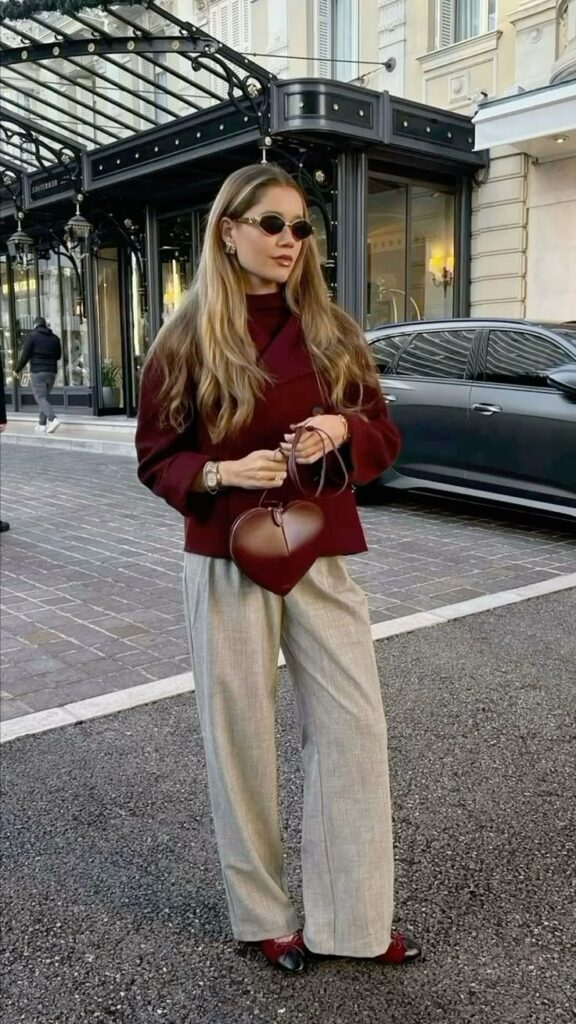
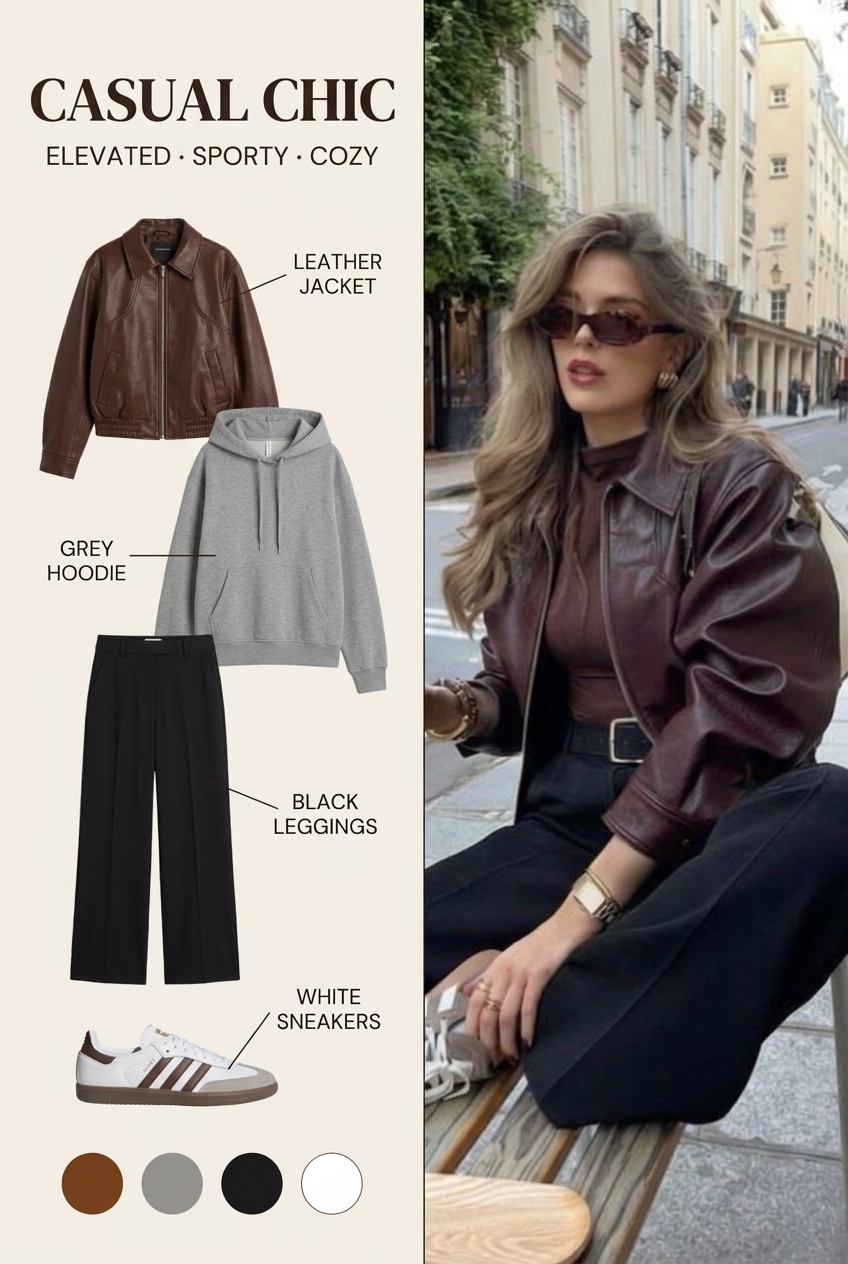
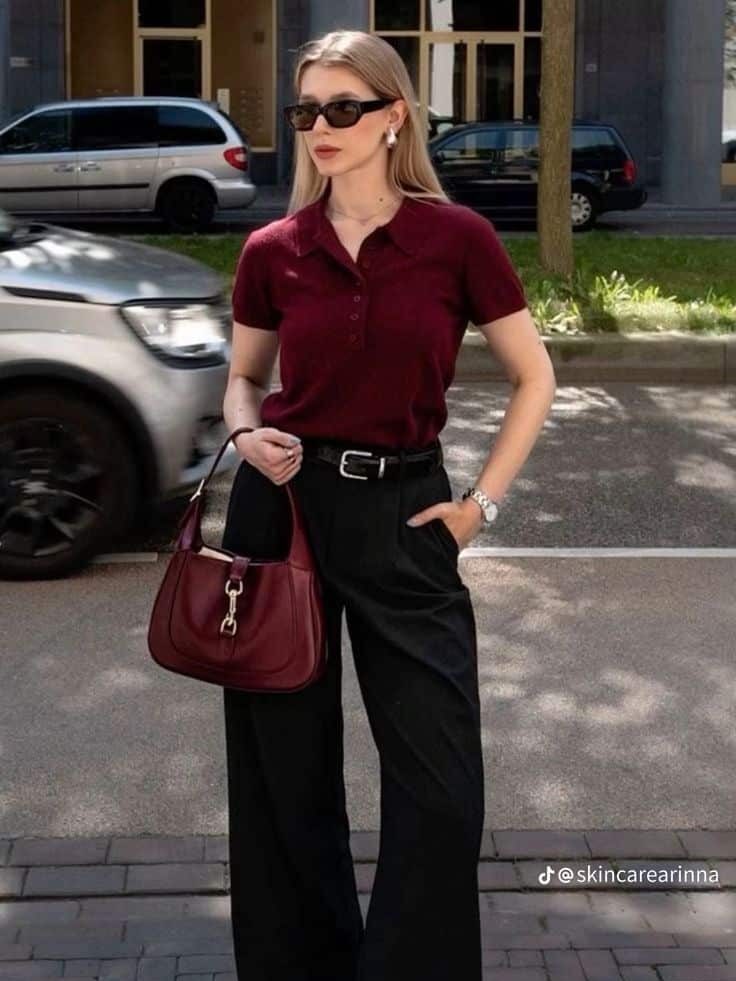
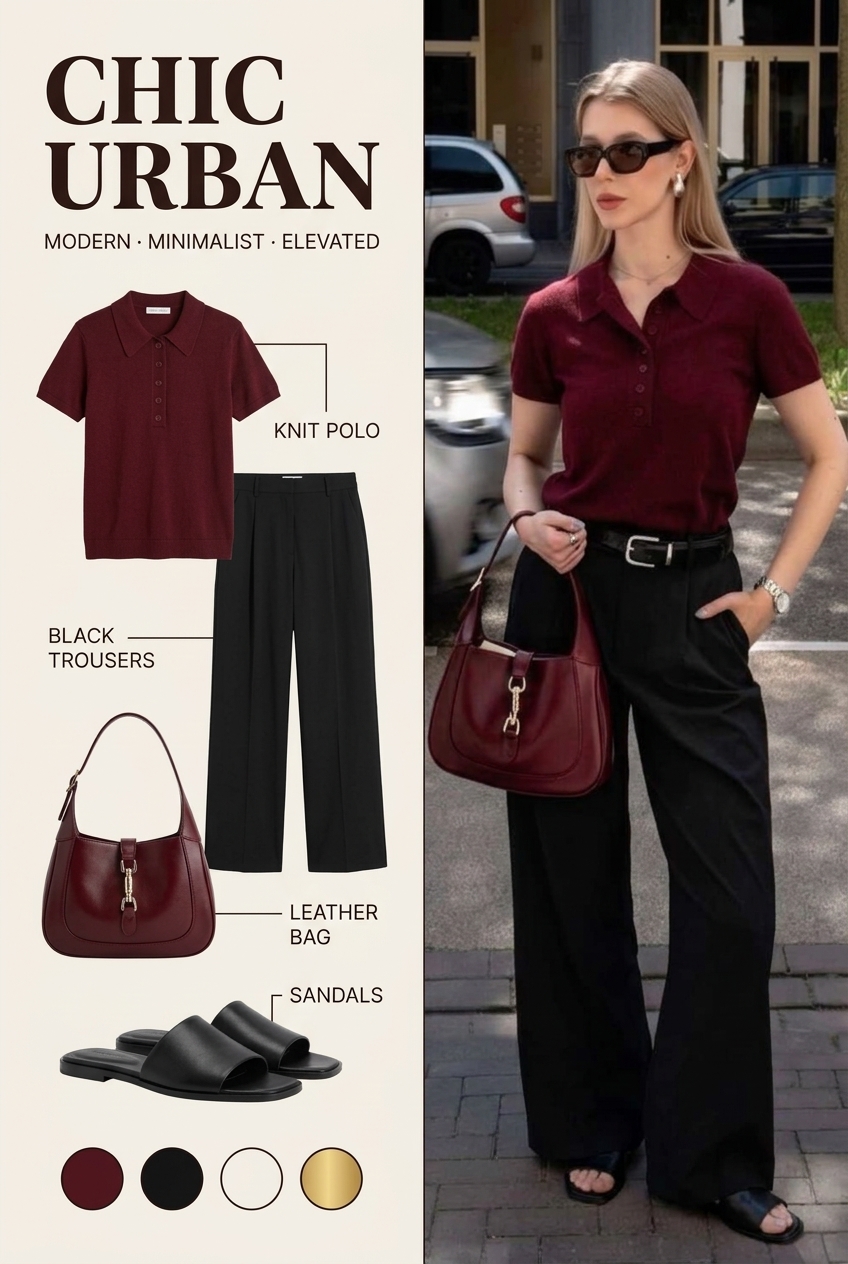
Getting the balance right between style and practicality comes down to how you choose each item. A piece should work for at least three different occasions and pair with at least three other things you already own. If it only fits one narrow situation, it is not a capsule piece — it is a gap-filler.
How to Find Your Personal Style Baseline
Start by identifying two or three style words that describe what you actually wear — not what you aspire to wear. Are you drawn to clean lines and muted tones? Relaxed fits and earthy colors? Or vintage silhouettes with structured layers?
Pull out five outfits you wore last month that you felt good in. Look at what they share: cut, color, fabric weight, level of formality. That overlap is your style baseline. Build your capsule around it, not around what looks good on a mood board.
When every piece fits your baseline, getting dressed is simpler and you wear everything more often.
Building a Neutral Color Base That Works Year-Round
A cohesive color palette is what makes mixing and matching actually work. Choose 3–4 base colors you wear most often — black, navy, grey, beige, or camel are the most versatile. Then add one or two accent colors that suit your skin tone and work across seasons.
Example Capsule Palette:
| Category | Color Options |
|---|---|
| Base Colors | Black, White, Navy, Beige |
| Accent Colors | Olive, Dusty Rose, Soft Blue |
| Seasonal Statement | Burgundy, Camel, Deep Green |
Sticking to a defined palette means every new piece you add will likely work with what you already have. It also prevents the common trap of impulse purchases that match nothing. For more on building outfits from a limited palette, browse our fashion design guides.
Matching Your Wardrobe to Your Daily Routines
Check your typical week before deciding what to keep or buy. If you are in an office three days, your capsule needs tailored options. If you manage a busy home or work outdoors, focus on comfort and easy-care fabrics.
- Workwear: 3–4 versatile tops, 2 pants or skirts
- Casual wear: comfortable jeans, basic tees, layers
- Special occasions: 1–2 standout pieces for events
Including practical details — machine-washable fabrics, weather-appropriate shoes — keeps your capsule wardrobe usable rather than aspirational. Adapt your selections as your lifestyle shifts, so your wardrobe keeps pace with you. For broader design tips on building a functional personal space, including wardrobe organization, check the design section.
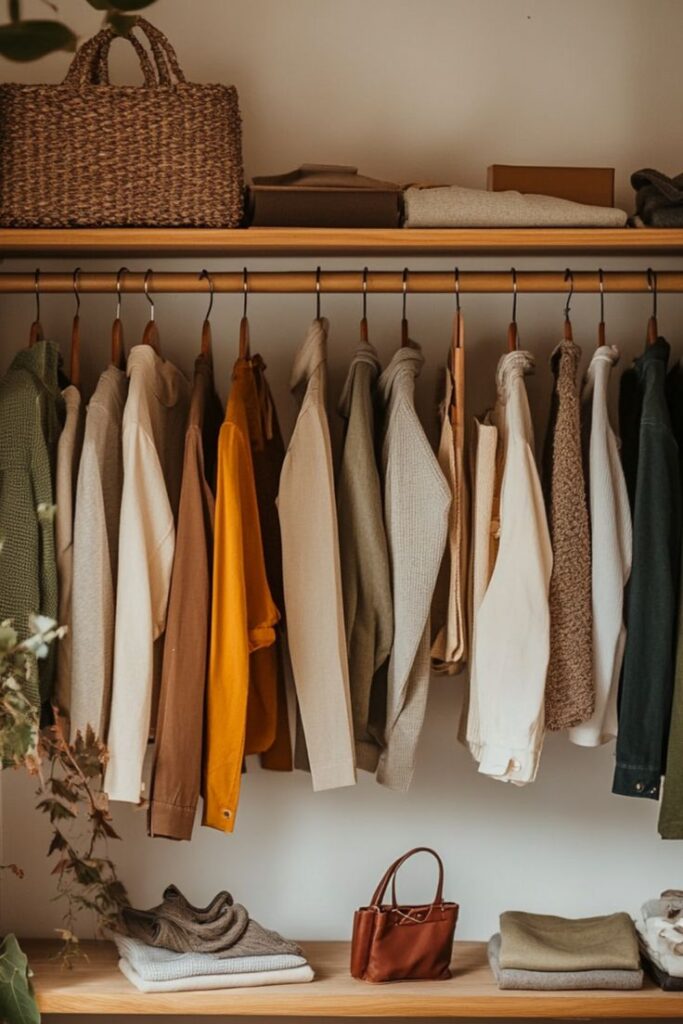
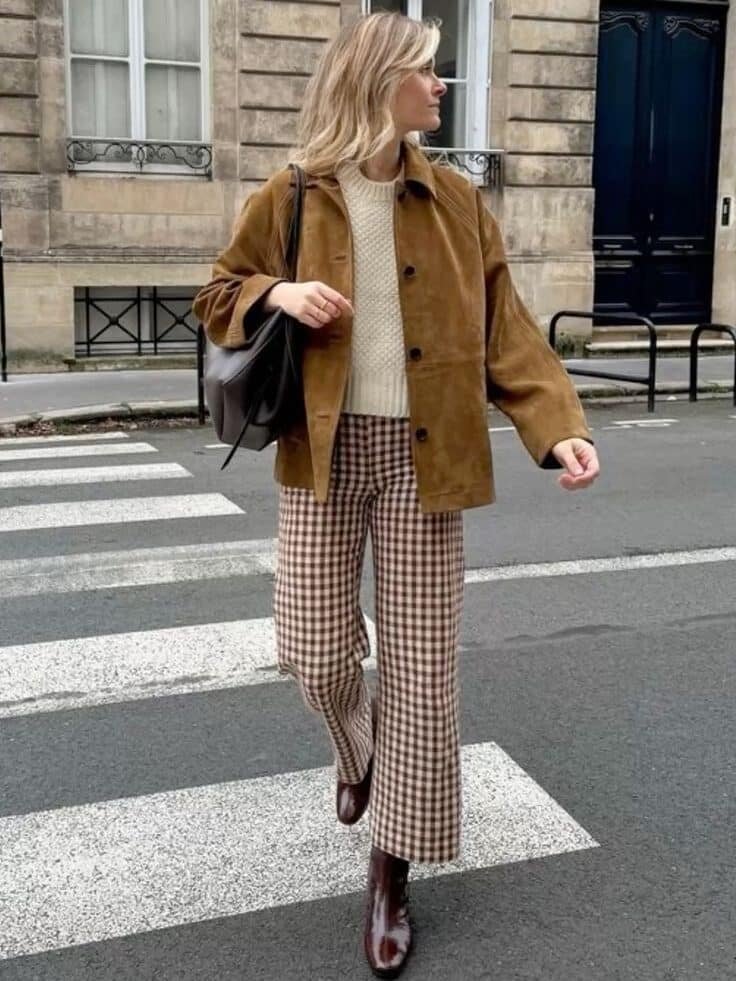
Choosing Capsule Wardrobe Pieces That Actually Work
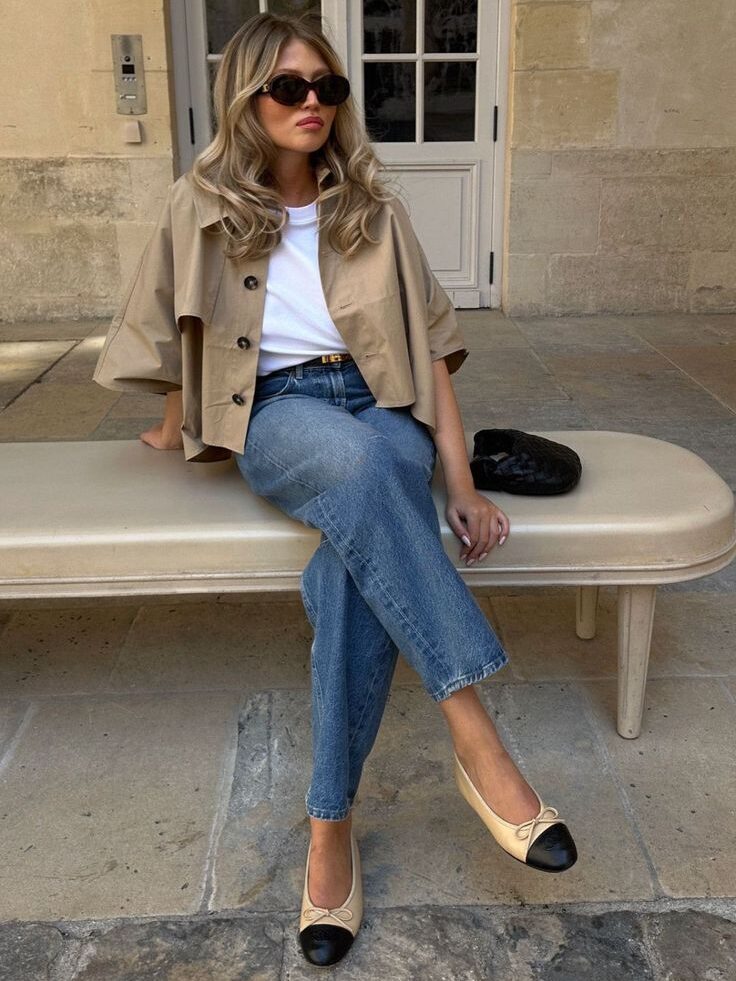
Building a capsule wardrobe means choosing items that do more than look good on a hanger. Each piece needs to earn its place through wearability, versatility, and durability.
The Core Clothing Checklist
Start with a set of core items in neutral colors and clean cuts that maximize pairing options. A crisp white shirt, dark trousers, a structured denim jacket, and a simple black dress will cover more combinations than most people realize.
Choose durable fabrics — cotton, wool, linen — that hold up through regular wear and washing. A $60 cotton shirt that lasts four years beats a $20 polyester one you replace every season.
- 2–3 Tops in neutral tones (white, grey, navy)
- 2 Bottoms — one pair of dark jeans, one tailored trouser
- 1–2 Mid-layers — cardigan or slim blazer
- 1–2 Dresses or jumpsuits that cross occasions
- 1 Quality outerwear piece (trench coat, wool coat, or utility jacket)
Versatile Pieces: The Three-Occasion Test
Versatile pieces help you do more with less. Before buying anything, ask: can I wear this in at least three different situations? A striped long-sleeve top, a midi skirt, and dark-wash jeans all provide strong outfit combinations across work, casual, and evening settings. Clean loafers or white sneakers style up or down without much effort.
Mix-and-match potential increases when your color palette is consistent. When each item pairs with most others, your 30-piece capsule generates 50 or more usable outfits.
Statement Pieces: One or Two Per Season
Statement pieces add personality without overwhelming your capsule. A printed blouse, a bold-colored bag, or a textured scarf can shift a neutral outfit into something that feels intentional. The rule: keep statement items to one or two per season, and make sure they coordinate with your base pieces.
A statement shoe, for example, can make a plain jeans-and-white-shirt combination feel polished and considered. Choose items that reflect your personal style and offer options across different looks — not just one.

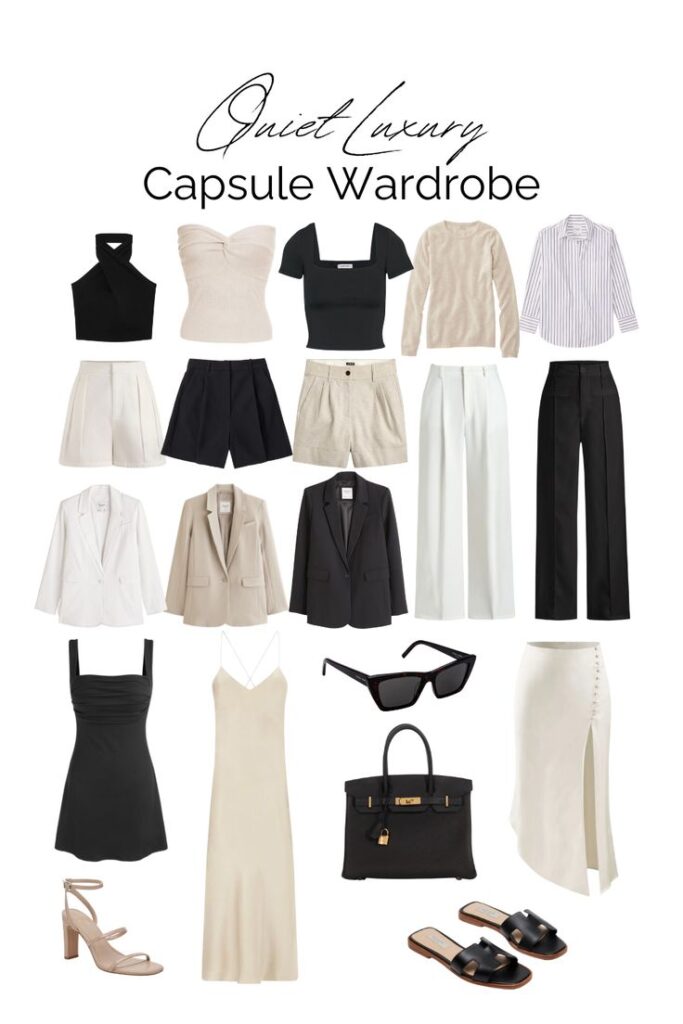
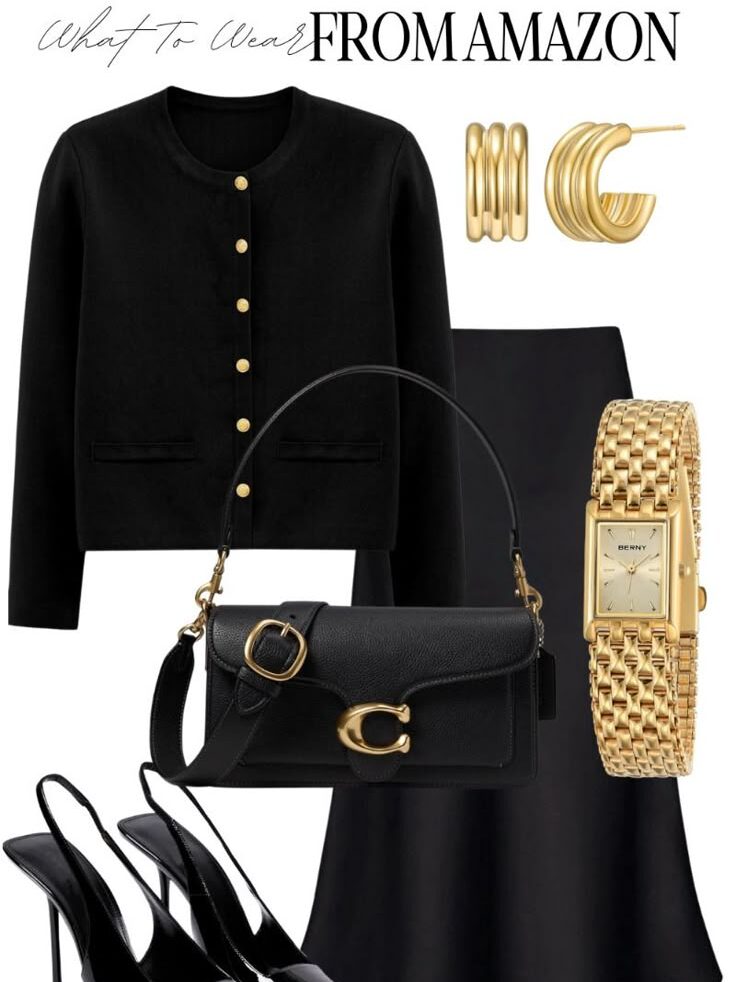
Getting More Outfit Combinations from Fewer Pieces
A capsule wardrobe works best when you plan for combinations, not just individual items. With a consistent palette and a few versatile pieces, 30 items can produce 50 or more usable outfits. Explore more style inspiration for pairing ideas across different looks and occasions.
How to Mix and Match Capsule Pieces Effectively
Start with a consistent palette. Stick with 3–4 base colors (black, navy, beige, or grey) and add 1–2 accent shades for interest. When nearly everything you own works together, you can dress quickly without second-guessing.
Key versatile items to anchor your mix:
- A tailored blazer — works over jeans, trousers, and dresses
- Well-fitting dark jeans — pairs with nearly any top or layer
- Simple tees or blouses in two or three neutral shades
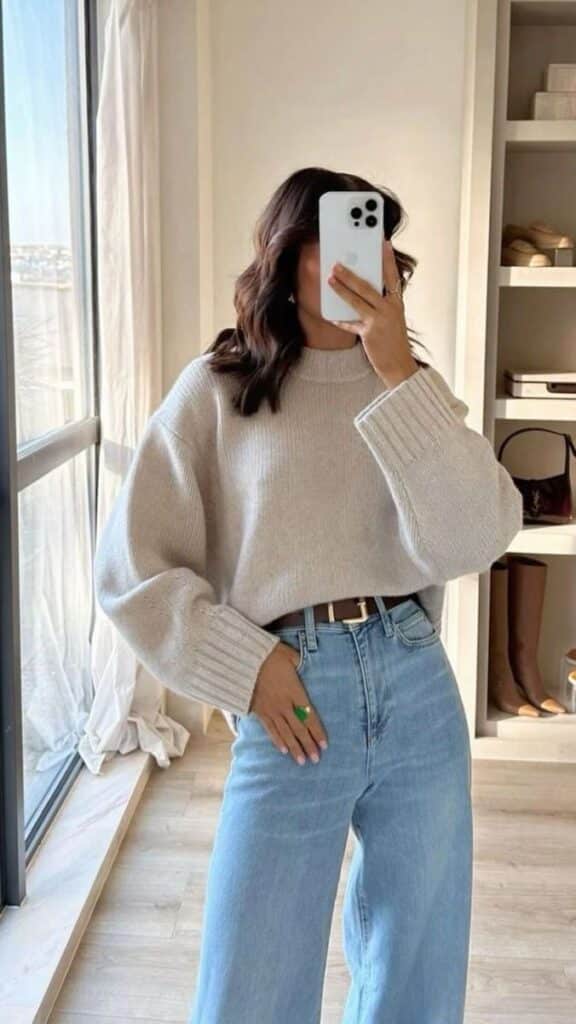
- A neutral knit sweater that layers over shirts and under coats
Combine a white tee, dark jeans, and a blazer for work. Swap in a knit top and add a light scarf for a casual weekend. The same three pieces, two different reads.
How Accessories Extend a Capsule Wardrobe
Accessories — scarves, belts, bags, jewelry, shoes — change the personality of a look without adding more clothing. A classic trench reads differently with a silk scarf tied to the handle versus clean white sneakers. Small shifts, large visual impact.
| Outfit Base | Accessories Added | Resulting Style |
|---|---|---|
| Jeans & White Tee | Silk scarf + loafers | Smart-casual |
| Black Dress | Chunky necklace + sandals | Weekend chic |
| Blazer & Jeans | Statement earrings + heels | Polished modern |
Rotate accessories seasonally — lightweight scarves and sandals in spring, heavier bags and layered jewelry in autumn. The core wardrobe stays the same while the accessories shift the feel.
Reducing Decision Fatigue with a Smaller Wardrobe
Fewer choices make mornings faster. When every item in your closet works and fits, you pick without second-guessing. Plan a few combination formulas — jot them down or snap quick photos — so you can dress in under two minutes on busy days.
Organize your closet by category and color: tops together, bottoms together, outerwear visible. When everything is easy to see, you reach for pieces faster and wear more of what you own.
Common Mistakes When Building a Capsule Wardrobe
- Buying items that only match one thing. A bright orange skirt that goes with exactly one top is not a capsule piece — it is a gap-filler that creates more gaps. Every new addition should pair with at least three items already in your wardrobe.
- Choosing trend pieces over classics. Last season’s oversized blazer works now. In two years, it may not. A capsule wardrobe is built on cuts and colors that hold for 5 to 10 years, not on what is currently on the runway.
- Forgetting outerwear and shoes in the count. Many people plan a capsule of 30 pieces and then treat coats and shoes as extras. That is a mistake. Your coat and shoes affect every outfit. Count them in.
- Building for the life you want, not the life you have. If you work from home 4 days a week and go out once, a wardrobe heavy on tailored suits will not serve you. Map your actual weekly schedule before you buy anything.
- Ignoring fabric care requirements. A capsule full of dry-clean-only or hand-wash-only pieces adds time and cost. Check care labels before buying. Machine-washable, wrinkle-resistant fabrics make a wardrobe easier to maintain.
Sustainable and Ethical Choices in a Capsule Wardrobe
A capsule wardrobe built around quality and longevity is already more sustainable than fast fashion by design. Fewer purchases, better materials, and longer garment life reduce the environmental load of your closet.
Moving Away from Fast Fashion
Fast fashion encourages quick trends and frequent buying, often at the cost of quality and fair labor. These garments are cheap and produced under conditions that generate waste and environmental harm.
Shifting to mindful buying means choosing pieces that serve multiple uses instead of purchasing large quantities of disposable items.
A capsule wardrobe built around this approach means buying less but choosing better. Resale platforms like Poshmark, Depop, or ThredUp offer quality basics at a fraction of retail price — a practical starting point for building your base.
Choosing Ethical and Long-Lasting Pieces
Minimalist fashion is about doing more with less. You choose a wardrobe where every piece serves a purpose and can be combined with others.
Moving toward ethical fashion means selecting brands that treat workers fairly and use sustainable materials. Many brands now publish supply chain data, eco-certifications, and labor practices openly.
- Is this piece high-quality enough to last three or more years?
- Does it come from a brand with transparent practices?
- Will I wear it at least 30 times this year?
Choosing Timeless Cuts Over Trend Pieces
High-quality pieces in classic cuts hold up both physically and stylistically. A well-cut wool coat bought in 2024 still works in 2028. A trend-forward puffer jacket from last season may not.
Timeless design focuses on clean silhouettes and neutral colors that stay relevant season after season. A sustainable capsule wardrobe is built around durability and versatility — not whatever is currently on a runway.
Seasonal Updates and Capsule Wardrobe Maintenance
A capsule wardrobe does not need a full replacement each season. Small swaps — 3 to 6 pieces — are enough to keep it relevant across spring, summer, autumn, and winter.
How to Build a Seasonal Capsule Without Starting Over
Each season, rotate the pieces that are weather-specific rather than replacing your whole wardrobe. Swap summer-appropriate items in and store heavier layers. Keep your color palette consistent so transition pieces — a light grey blazer, a versatile ankle boot — work across multiple seasons.
Aim for 30–40 versatile pieces per season, counting shoes and accessories. Key elements:
- Layering options (cardigans, light jackets) that work across spring and autumn
- Seasonal staples — sandals for summer, boots for winter — counted in the total
- Neutral basics that carry through, plus 2–3 season-specific pieces
| Season | Key Pieces | Suggested Colors |
|---|---|---|
| Spring | Trenches, Loafers | Pastels, Light Neutrals |
| Summer | Shorts, Sandals | Brights, Whites |
| Autumn | Sweaters, Boots | Earth Tones, Burgundy |
| Winter | Coats, Scarves | Dark Neutrals, Jewel Tones |
Adapting to Trends Without Overhauling Your Capsule
A capsule wardrobe handles trends by adding one or two trend-forward pieces per season — a different silhouette, texture, or print — without replacing the foundation. Only integrate a trend if it fits your actual lifestyle and works with your existing base.
Keep a short wish list of items you find interesting. Before you buy, check if the piece works with at least three things you already own. This stops impulse purchases that sit unworn.
Decluttering and Keeping Only What You Use
Decluttering once a year is enough. Remove items you have not worn in 12 months, pieces that no longer fit, or seasonal items that don’t match your current climate or routine.
Store off-season pieces in clear bins or under-bed storage. Keep only the current season visible. Fewer distractions mean faster dressing and better use of what you own.
- Hang clothing by category and color for quicker decisions
- Use matching hangers for a visually consistent closet
- Fold knits and stack vertically so you can see everything at once
Further Reading and Capsule Wardrobe References
For additional perspectives on building a capsule wardrobe, these sources offer solid practical advice:
- Vogue’s capsule wardrobe guide — editorial perspective on selecting core pieces
- Harper’s Bazaar on capsule wardrobes — practical breakdown of what to include
- Who What Wear’s capsule wardrobe tips — real wardrobe examples and shopping guidance
For more ideas on building a wardrobe that fits your aesthetic, browse our fashion design guides and style inspiration archives.
Frequently Asked Questions About Capsule Wardrobes
Q: What exactly is a capsule wardrobe?
A: A capsule wardrobe is a small, curated collection of clothing — typically 20 to 50 items — where every piece works with most others. The goal is to own fewer clothes but create more outfits. Unlike a seasonal haul, a capsule wardrobe centers on versatile basics: neutral trousers, well-cut shirts, one or two quality jackets, and shoes that cross occasions. You choose the items once and stop impulse-buying to fill gaps.
Q: How many pieces should a capsule wardrobe have?
A: Most practical capsule wardrobes contain between 25 and 40 items, including tops, bottoms, dresses, outerwear, and shoes. Minimalists go as low as 20. People with active social lives or varied dress codes often land at 35 to 45. The right number depends on your lifestyle, not a fixed rule. Start with 30 pieces, track what you actually wear over 3 months, then cut or add accordingly.
Q: What colors work best for a capsule wardrobe?
A: The most reliable base is a neutral palette: black, white, navy, grey, and camel. These colors combine easily and rarely go out of style. Add one or two accent colors that suit your skin tone — dusty rose, olive, or burgundy tend to work across seasons. Avoid building around trend colors like cobalt or neon unless you commit to replacing them each year.
Q: How do I balance aesthetics with practicality in a capsule wardrobe?
A: Choose pieces you would wear for at least three different occasions. A slim-cut blazer, for example, works over jeans for casual Fridays, with trousers for meetings, and over a dress for evening. If an item only fits one scenario, it does not belong in a capsule. Prioritize fabric quality over quantity — a well-made cotton shirt lasts 5 to 8 years and looks better with wear.
Q: Can a capsule wardrobe work for any style or budget?
A: Yes. The minimalist or Scandi look translates naturally, but so does a colorful capsule built around bold silhouettes. On a budget, build the base with secondhand staples — thrift stores and resale platforms like Poshmark or Depop carry quality basics for a fraction of retail price. Spending more on 3 to 5 key pieces (a coat, a bag, quality denim) while keeping the rest affordable is a practical middle path.
Q: What are the biggest mistakes when building a capsule wardrobe?
A: The most common mistakes: buying items that only match one thing you already own, choosing trend pieces instead of classics, skipping outerwear and shoes in the item count, building a capsule that fits the life you want rather than the life you have, and ignoring fabric care (a dry-clean-only wardrobe becomes inconvenient fast). Start with what you actually wear now, not what you aspire to wear.
Q: How often should I update my capsule wardrobe?
Just like organizing a minimalist wardrobe, implementing clever apartment balcony decorating ideas helps keep your outdoor spaces organized and functional.
A: A good capsule needs a seasonal review, not a full seasonal replacement. Swap out 3 to 6 items per season — lighter fabrics and colors for spring/summer, heavier layers for autumn/winter. Replace worn-out basics when they fail, not on a schedule. A well-maintained capsule wardrobe can stay stable for 2 to 3 years with minor additions.
Q: What clothing items are essential for every capsule wardrobe?
A: The core starting list: white or light-colored button-down shirt, well-fitted dark jeans, neutral trousers (grey or navy), classic white or black T-shirts (2-3), a structured blazer or jacket, one quality coat or parka, a versatile dress or skirt, ankle boots or clean sneakers, a leather or faux-leather bag, and a lightweight knitwear layer. These 10 to 12 items alone generate 30 to 50 outfit combinations.
- 276shares
- Facebook0
- Pinterest276
- Twitter0
- Reddit0