Key Takeaways
- Jaguar is a British luxury vehicle company owned by Tata Motors, the Indian automotive manufacturer headquartered in Mumbai. The ownership operates through the Jaguar Land Rover (JLR) group, which manages both the Jaguar and Land Rover brands.
- Tata Motors purchased Jaguar and Land Rover from Ford Motors in 2008 for approximately $2.3 billion, forming Jaguar Land Rover Automotive plc as the unified holding company.
- Although Tata Motors owns Jaguar, the brand’s design, engineering, and much of its manufacturing remain firmly rooted in the United Kingdom. The global headquarters sits in Coventry, preserving Jaguar’s distinctly British character.
- Under Tata’s long-term investment strategy, Jaguar now focuses increasingly on electrification and contemporary luxury, with plans to become an all-electric brand in the coming years.
- This guide covers everything from current ownership structure to historical origins, helping you understand exactly who makes Jaguar cars and where Jaguar vehicles are built today.
Who Owns Jaguar Today?
Jaguar is owned by Tata Motors Limited, operating through its wholly-owned subsidiary Jaguar Land Rover (JLR). This ownership structure has remained stable since 2008, when Tata Motors acquired both iconic British marques from Ford Motor Company.
The corporate hierarchy flows in a clear, straightforward manner:
- Ultimate Parent: Tata Motors Limited (Mumbai, India)
- Intermediate Holding: TML Holdings Singapore
- Immediate Parent: Jaguar Land Rover Automotive PLC (UK)
- Operating Brands: Jaguar and Land Rover
Here are the essential facts about the current ownership:
- Acquisition Year: 2008
- Purchase Price: Approximately $2.3 billion USD
- Seller: Ford Motor Company
- Included Assets: Both Jaguar and Land Rover brands, plus intellectual property, manufacturing facilities, design centers, and worldwide dealership networks
- Additional Marques: The deal also included dormant British brands Daimler, Lanchester, and Rover
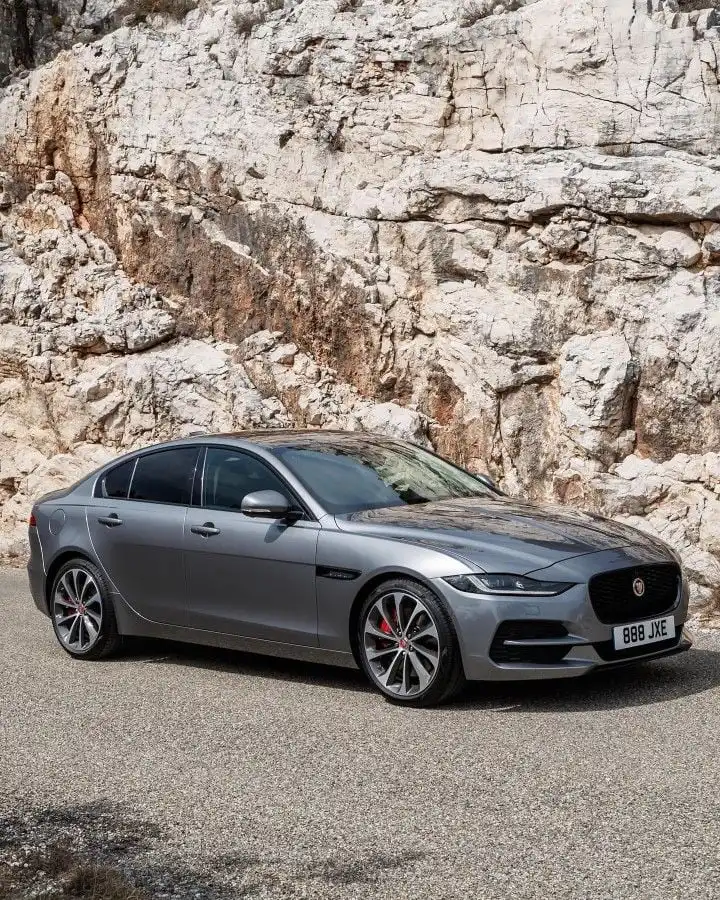
Despite being owned by an Indian automotive manufacturer, Jaguar is still marketed and positioned as a British luxury brand. The company maintains its headquarters in Coventry, England, and British design teams continue leading product development. Jaguar Land Rover Limited functions as the operating company responsible for designing, manufacturing, and marketing all Jaguar vehicles globally.
What Is Tata Motors?
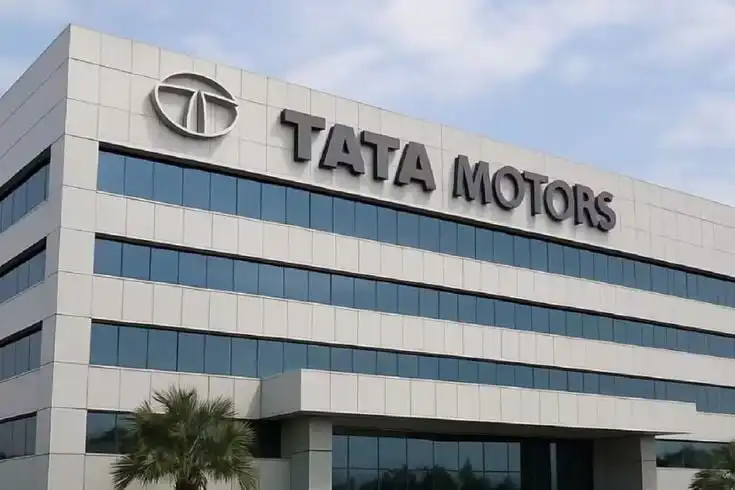
Tata Motors is one of the largest automotive manufacturers in the world and serves as Jaguar’s ultimate parent company. Headquartered in Mumbai, India, this major player in the global automotive industry has a diverse portfolio spanning everything from compact city cars to heavy commercial trucks.
The company belongs to the broader conglomerate Tata Group, one of India’s most respected industrial empires with roots stretching back to 1868. Understanding Tata Motors provides valuable context for Jaguar’s current strategic direction.
Key facts about Tata Motors:
- Founded in 1945, making it one of India’s oldest automotive companies
- Ranks among the world’s largest commercial vehicle manufacturers
- Operates across both the passenger vehicle segment and commercial vehicle segment
- Products range from budget-friendly hatchbacks to premium luxury vehicles through JLR
- Tata Sons serves as the largest shareholder within the Tata Group structure
The wider Tata Group operates across multiple sectors:
- Steel manufacturing (Tata Steel)
- Hospitality (Taj Hotels)
- IT services (Tata Consultancy Services)
- Telecommunications
- Power generation, including western India’s first hydro-electric facility
Why did Tata Motors buy Jaguar and Land Rover?
- To expand its premium and luxury automotive portfolio beyond emerging markets
- To gain stronger brand presence in Europe and North America
- To leverage British engineering expertise and design heritage
- To acquire established manufacturing infrastructure and dealer networks
Tata’s ownership style is generally characterized as long-term and creatively hands-off. Rather than imposing dramatic operational changes, Tata has allowed JLR’s British design and engineering teams to lead product development while providing substantial investment capital. This approach preserves the authentic character that makes Jaguar cars distinctive in the luxury segment.

Who Owned Jaguar Before Tata Motors?
Jaguar’s ownership history reads like a journey through British automotive evolution. Since its founding in 1922, the brand has passed through British, American, and now Indian ownership, each era leaving its mark on the company’s identity.
Early Origins (1922-1935):
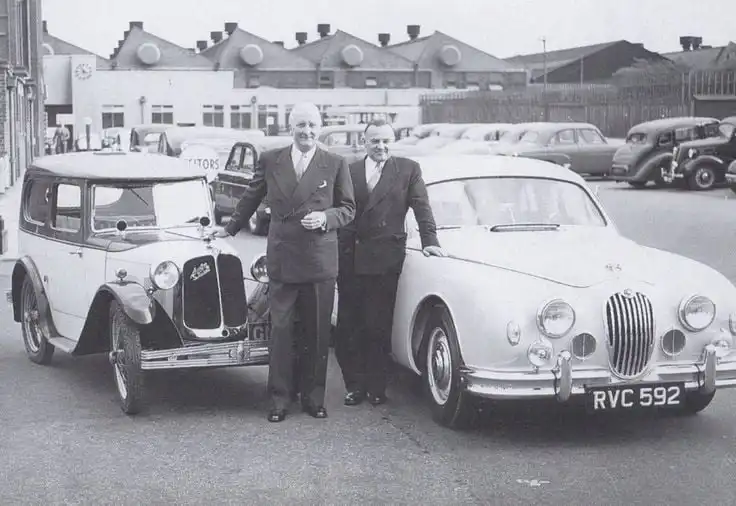
- Founded in 1922 in Blackpool, England, as the Swallow Sidecar Company by William Lyons and William Walmsley
- Initial focus on motorcycle sidecars and custom coachbuilt bodies for popular chassis
- The partnership between Lyons and William Walmsley established the foundation for what would become a legendary marque
The Jaguar Name Emerges (1930s):
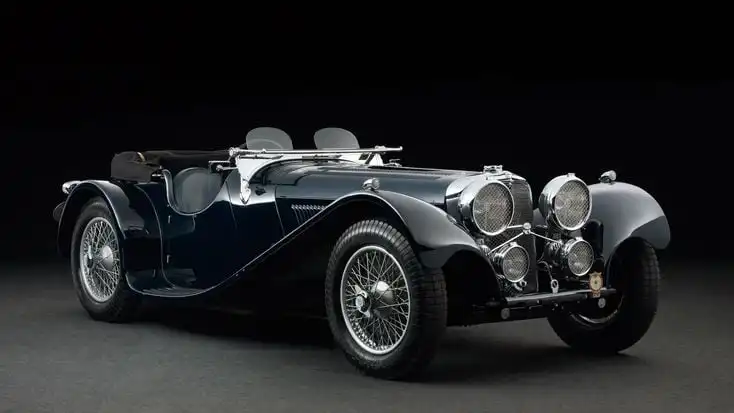
- Company renamed to S.S. Cars Limited as it shifted toward complete automobiles
- 1935 marked a pivotal moment: introduction of the SS Jaguar sports saloon model
- The SS Jaguar 100, a two passenger sports car, cemented the Jaguar name in luxury performance circles
- These sports sedan offerings (aka a sports sedan with sporting pretensions) established design language still influential today
Post-World War II Transformation:
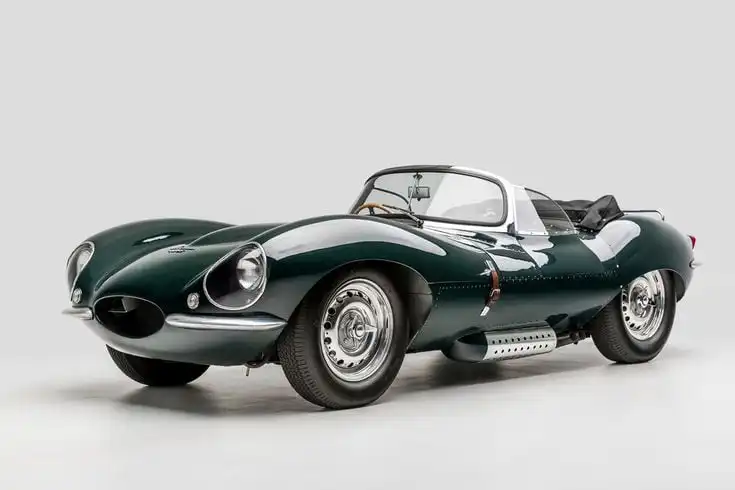
- Following WWII, the company was renamed Jaguar Cars Limited (circa 1945)
- The name change deliberately distanced the brand from wartime associations with the initials “SS”
- In 1965 Jaguar Cars became part of British Motor Holdings Limited through merger
- Iconic models like the XK120 and Jaguar E Type established the brand’s global reputation for beautiful, fast grand tourers
- The Jaguar E Type remains one of the most celebrated automotive designs ever created
British Leyland Era (1960s-1980s):
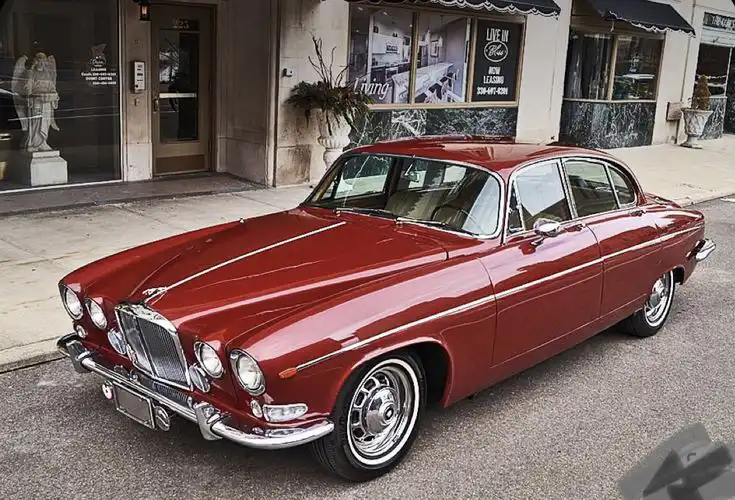
- British Motor Holdings merged with the rover manufacturer Leyland Motor Corporation, forming British Leyland Motor Corporation Limited creating a massive but troubled conglomerate
- The Leyland Motor Corporation became nationalized as the British government attempted to save the struggling automotive industry
- The motor corporation became nationalized during economic difficulties of the 1970s
- Jaguar struggled for investment and quality control during this challenging period
- Manufacturer Leyland Motor Corporation ownership represented a difficult chapter for the brand
Ford Ownership (1989-2008):
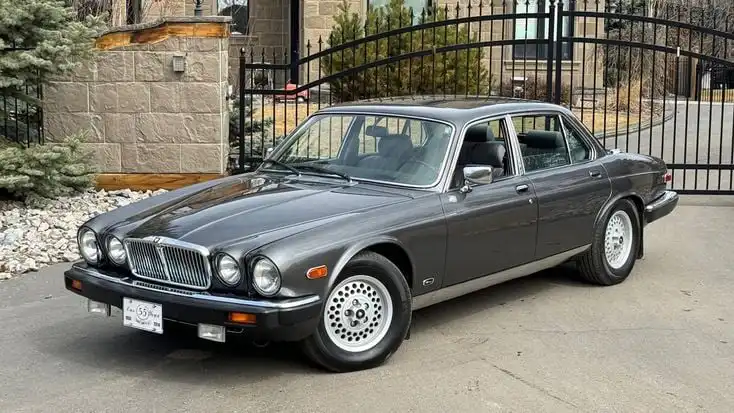
- Ford Motors purchased Jaguar in 1989 for approximately $2.5 billion
- Ford later purchased Land Rover from BMW in 2000, placing both under its Premier Automotive Group
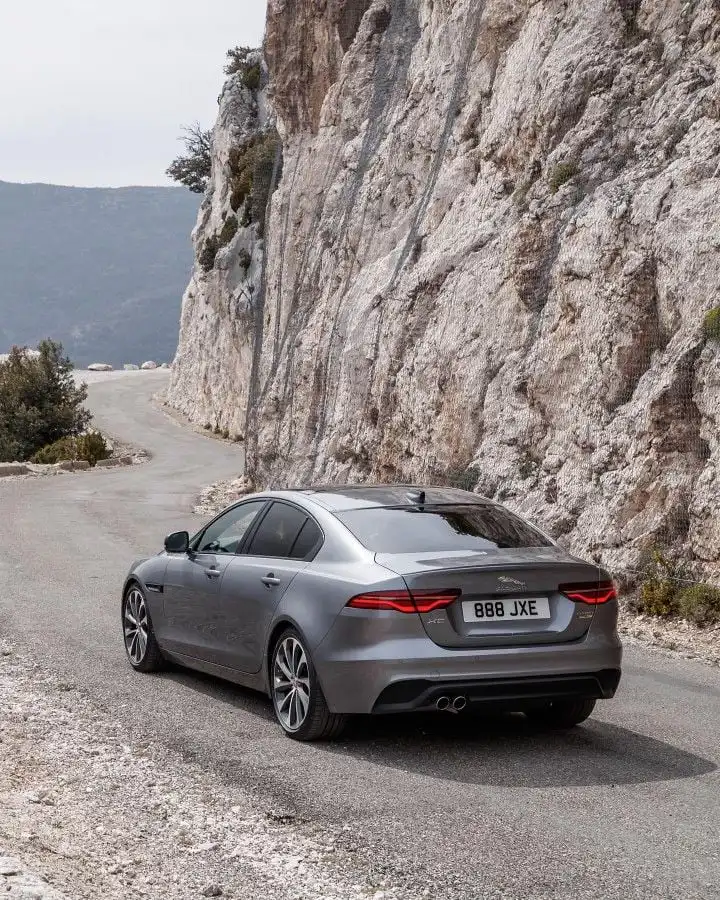
- Under Ford, Jaguar expanded its model range with vehicles like the Jaguar XF and Jaguar XE sports sedan
- The Jaguar F Pace Wolverhampton-built crossover represented expansion into new segments
- Ford Motors divested both brands to Tata Motors in 2008 during financial restructuring following the global financial crisis
This rich history means that when you see a genuine Jaguar on the road today, you’re looking at a brand shaped by nearly a century of British design evolution.
Who Makes Jaguar & Where Are Jaguars Built?
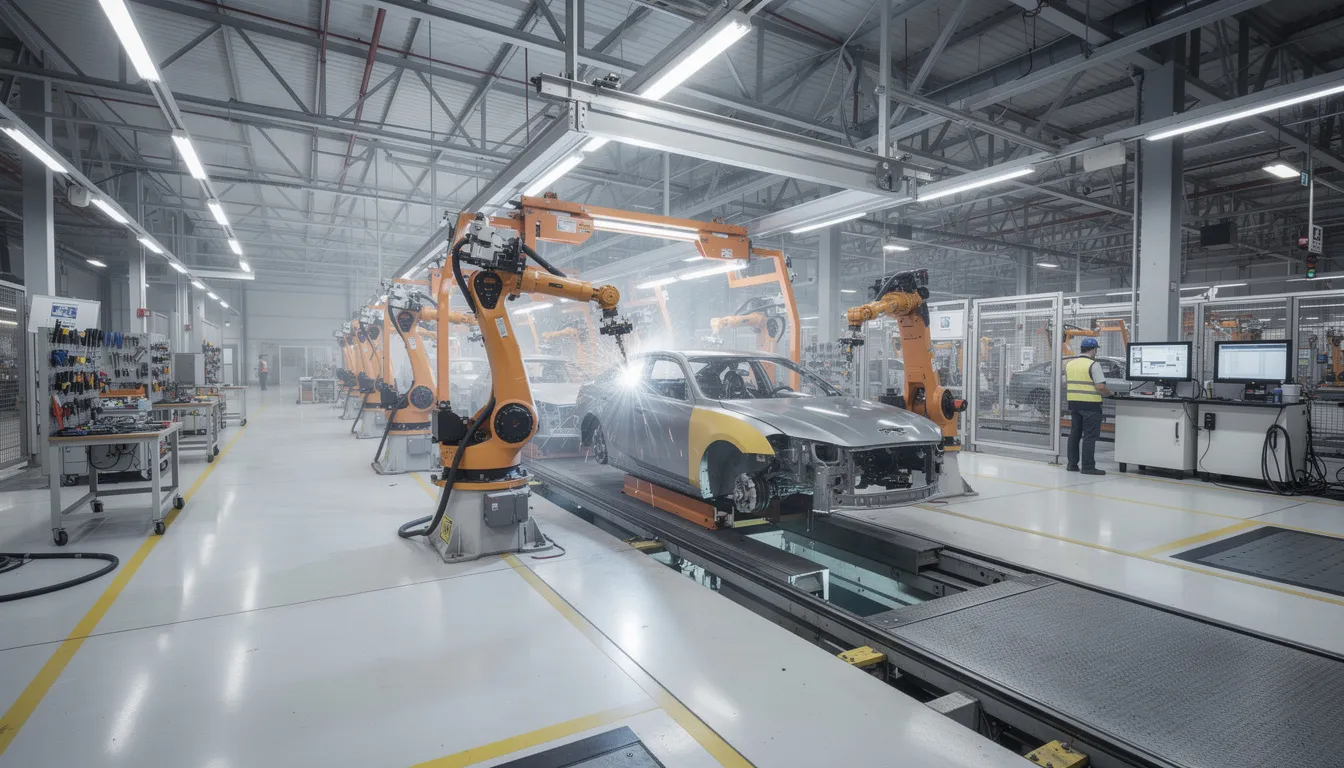
Jaguar vehicles are engineered by Jaguar Land Rover in the United Kingdom, though production spans several manufacturing facilities both in Britain and internationally. The answer to “who makes Jaguar” involves understanding this global manufacturing footprint while recognizing that core design direction remains firmly British.
Global Headquarters:

- JLR’s global headquarters are located in Coventry, England
- Coventry sits roughly two hours north of London by road or rail
- This location places Jaguar at the heart of Britain’s historic automotive manufacturing region
Key UK Facilities:
| Facility | Location | Primary Function |
|---|---|---|
| Design & Engineering Centers | Gaydon & Whitley | Two dedicated sites for vehicle development |
| Castle Bromwich | Birmingham | Historically the main Jaguar assembly plant for saloons |
| Solihull | Warwickshire | SUV production, including Jaguar F-PACE |
| Halewood | Liverpool | Primarily Land Rover models |
| Engine Manufacturing Centre | Wolverhampton | Powertrains for both brands |
| Battery Assembly Centre | Hams Hall | EV battery systems |
International Manufacturing:
JLR operates several other automotive operations worldwide to serve regional markets:
- Slovakia: Major European manufacturing hub
- China: Joint venture production for local market
- Brazil: Regional assembly operations
- India: Manufacturing presence in Tata Motors’ home market
- Austria: Contract manufacturing arrangements
Despite this global footprint, the Jaguar factory network maintains its identity through centralized design control. Both Jaguar and Land Rover models share technology, platforms, and engineering expertise within JLR, even though they maintain distinct styling and brand positioning. When you contact your local authorized Jaguar retailer, you’re connecting with a brand whose essential character remains rooted in British luxury automotive tradition.
Jaguar Under Tata Motors: Design, Technology & Electrification
For design enthusiasts, Jaguar represents a fascinating case study in how heritage brands evolve under new ownership while preserving their creative soul. Tata’s stewardship demonstrates that thoughtful investment can fuel innovation without erasing decades of design DNA.
Preserving Heritage While Modernizing:
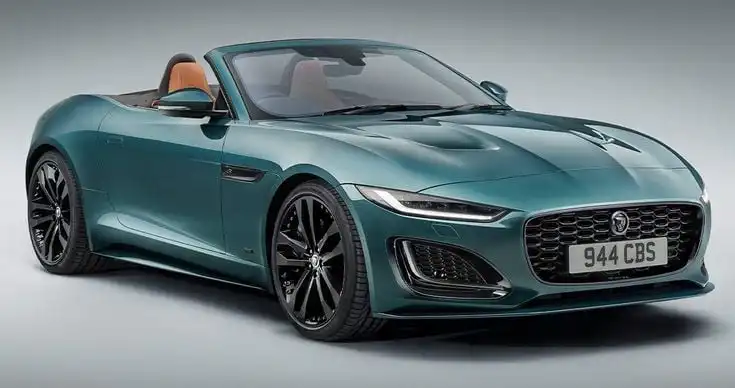
Tata’s investment has enabled Jaguar to modernize platforms, interiors, and digital interfaces while retaining hallmark design cues:
- The iconic leaping cat emblem remains central to brand identity
- Sleek, coupe-inspired silhouettes continue across the model range
- Premium materials and craftsmanship standards reflect the luxury car company heritage
- Contemporary interpretations honor rather than abandon design traditions
The Electric Future:
Jaguar’s electrification journey marks perhaps the most significant strategic shift under Tata ownership:
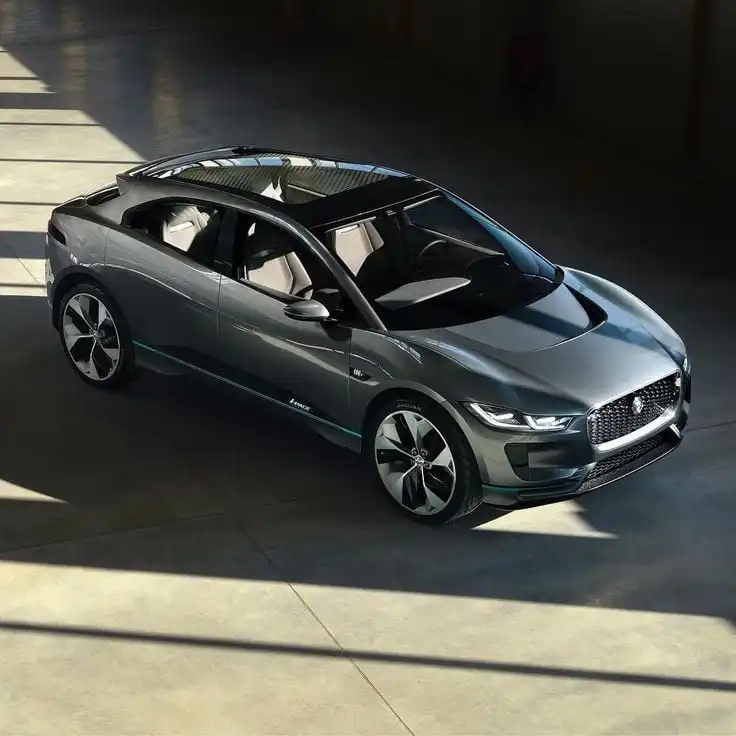
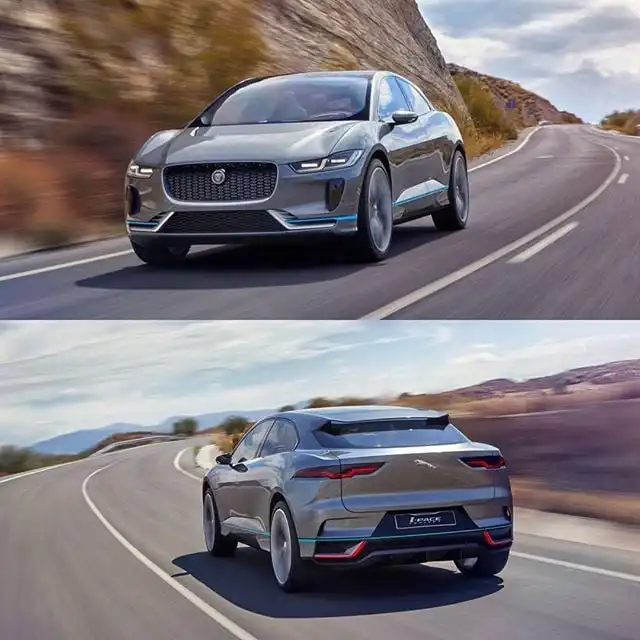
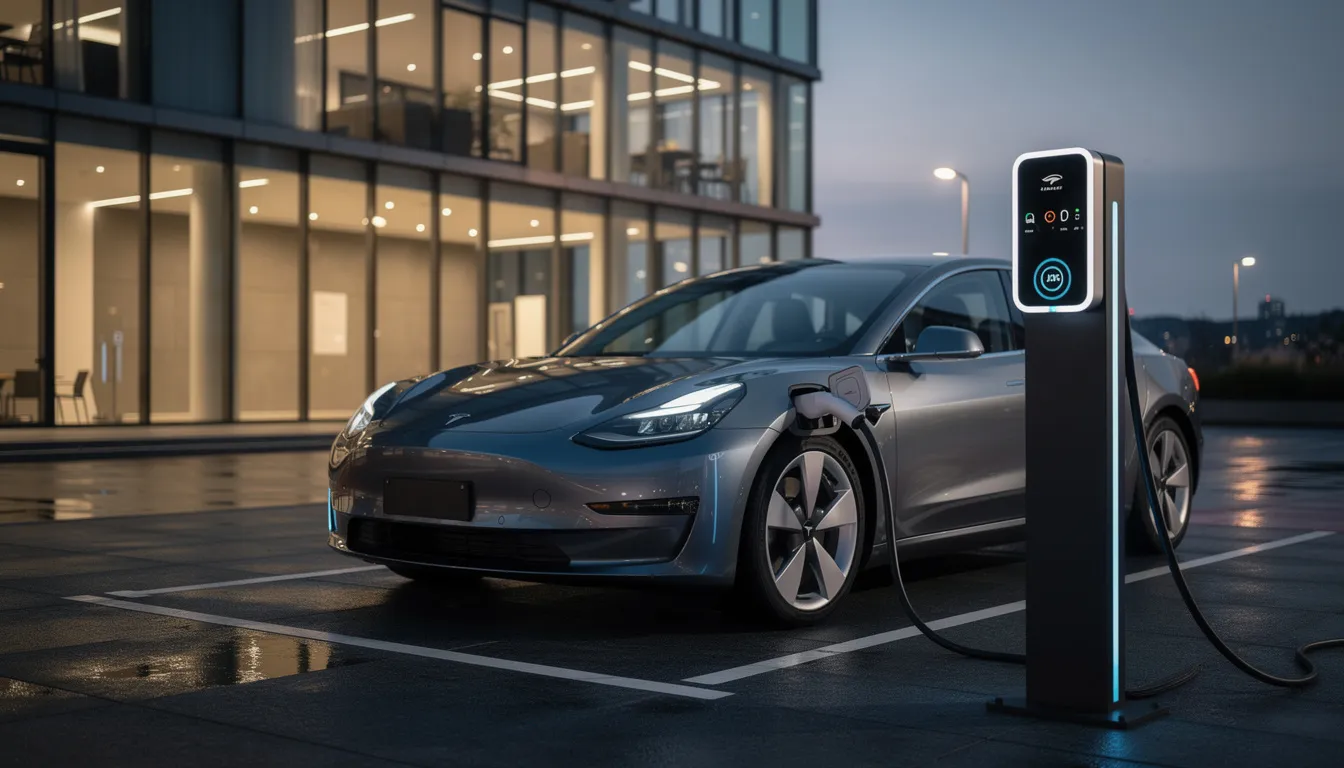
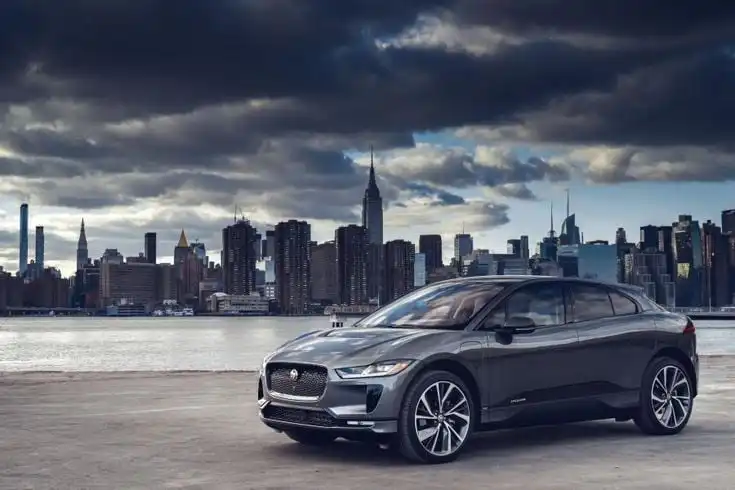
- The all-electric Jaguar I-PACE launched as the brand’s first battery-electric vehicle
- JLR has publicly committed to transforming Jaguar into an all-electric luxury brand
- The company targets becoming a net-zero carbon business by 2039
- All new Jaguar models from 2025 onward are planned as battery-electric vehicles
- This represents integration with Tata Group’s broader sustainability initiatives
Interior and UX Design Evolution:
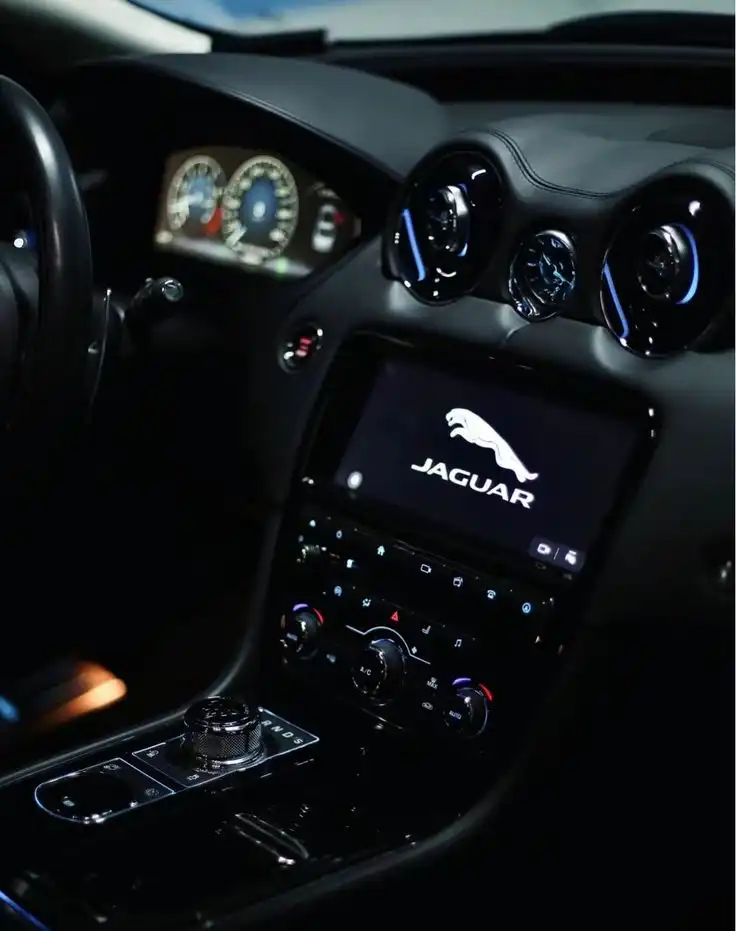
Modern Jaguar model interiors reflect contemporary luxury aesthetics:
- Minimalist cabin architecture replacing busy traditional layouts
- High-quality sustainable materials aligned with environmental commitments
- Integrated infotainment systems with intuitive digital interfaces
- Driver-focused cockpit designs balancing technology with tactile quality
- Ambient lighting and premium finishes creating distinctive atmospheres
Shared JLR Technologies:
The Jaguar brand benefits from technologies developed across the wider JLR portfolio:
- Lightweight aluminum architectures reducing weight while improving rigidity
- Advanced driver assistance systems enhancing safety and convenience
- Connected services enabling over-the-air updates and digital integration
- Electrified powertrains spanning from mild hybrids to full battery-electric systems
- Shared platforms allowing investment efficiency while maintaining brand differentiation
This “Reimagine” strategy, as JLR calls it, emphasizes closer collaboration with other Tata Group companies to enhance sustainability and develop next-generation technology. For Jaguar, this means the brand can pursue bolder design experiments backed by serious engineering resources—a combination that promises exciting developments for design-conscious luxury buyers.
FAQ: Jaguar Ownership, Heritage & Future
This FAQ section addresses common questions about Jaguar’s ownership, identity, and direction that weren’t fully covered above.
Is Jaguar still considered a British car brand if it’s owned by Tata Motors?
Yes, Jaguar is absolutely still considered a British car brand despite Indian corporate ownership. The distinction lies in understanding operational versus ownership identity. Jaguar’s design studios, engineering centers, and primary manufacturing facilities remain in the United Kingdom. British designers lead creative direction, British engineers develop the vehicles, and the brand heritage traces directly to Blackpool and Coventry. Tata Motors functions as a financial owner and strategic investor rather than an operational controller. This arrangement mirrors how many luxury brands operate globally—corporate ownership doesn’t necessarily define brand nationality when design, engineering, and cultural identity remain rooted in their country of origin.
When did Tata Motors buy Jaguar and Land Rover, and from whom?
Tata Motors purchased Jaguar and Land Rover from Ford Motor Company on June 2, 2008, for approximately $2.3 billion USD. The sale occurred during Ford’s broader restructuring following the 2008 global financial crisis, as the American automaker divested non-core luxury brands to focus on its main Ford, Lincoln, and Mercury operations. The deal represented a significant moment in automotive history—the first major acquisition of prestigious British automotive brands by an Indian company. Tata’s purchase included not just the brand names but also manufacturing facilities, design centers, intellectual property, and global dealership networks.
Are Jaguar and Land Rover the same company now?
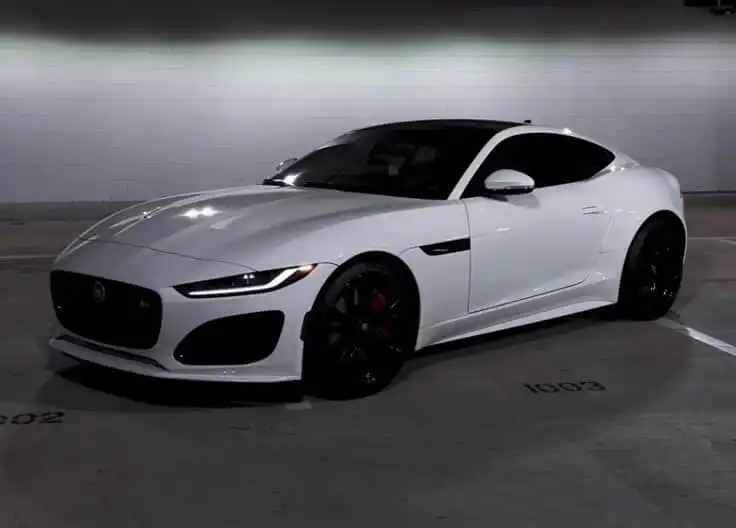
Jaguar and Land Rover operate under the unified Jaguar Land Rover (JLR) corporate structure but remain distinct marques with different design philosophies and target customers. Following a 2013 restructuring, the previously separate Jaguar Cars and Land Rover entities were consolidated under unified management. However, each brand maintains its own design team, market positioning, and product strategy. Jaguar focuses on sports cars, sedans, and performance-oriented luxury vehicles, while Land Rover (including Range Rover as its premium line) specializes in capability-focused luxury SUVs. They share platforms, technology, and corporate resources while preserving their unique brand identities.
Has Tata Motors changed Jaguar’s design identity?
Tata Motors has funded significant modernization while preserving Jaguar’s core British luxury and performance character. Rather than imposing dramatic aesthetic changes, Tata’s approach has been to invest in platform development, technology advancement, and electrification while allowing British design teams creative leadership. The result is evolution rather than revolution—modern Jaguars incorporate contemporary design language, sustainable materials, and digital interfaces while maintaining the brand’s signature elegance and sporting spirit. Tata’s backing has actually enabled bolder design experiments, including the dramatic I-PACE electric vehicle and the forthcoming all-electric lineup, which might not have been possible under previous ownership structures.
What direction is Jaguar heading in for the next decade?
Jaguar is heading toward complete electrification, sustainable luxury, and more minimalist, tech-forward design. Under JLR’s “Reimagine” strategy, all new Jaguar models launching from 2025 onward will be battery-electric vehicles. The brand aims to position itself at the pinnacle of modern luxury, emphasizing sustainability-conscious materials, reduced environmental impact, and contemporary aesthetics. Interior design will likely become increasingly minimalist with greater digital integration, while exterior styling will evolve to reflect electric architecture possibilities. This transformation represents the most significant pivot in Jaguar’s century-long history, repositioning the brand for a new era of environmentally conscious luxury consumers.
Understanding who owns Jaguar reveals a compelling story of how heritage brands can thrive under thoughtful international stewardship. From William Lyons’ Blackpool sidecar workshop to Tata Motors’ global automotive empire, Jaguar’s journey illustrates that great design can transcend ownership changes when the new custodians respect what made the brand special in the first place.
Whether you’re drawn to Jaguar for its legendary design heritage or its ambitious electric future, the brand continues representing a fascinating intersection of British craftsmanship and forward-thinking innovation. For design enthusiasts watching how iconic brands evolve, Jaguar under Tata offers valuable lessons in balancing tradition with transformation.
- 1share
- Facebook0
- Pinterest1
- Twitter0
- Reddit0