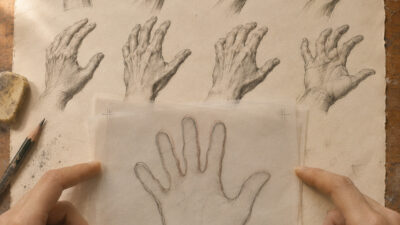
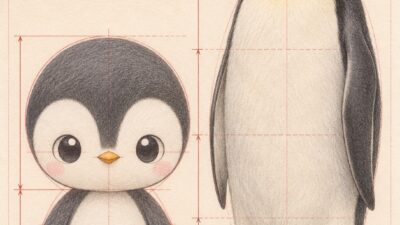
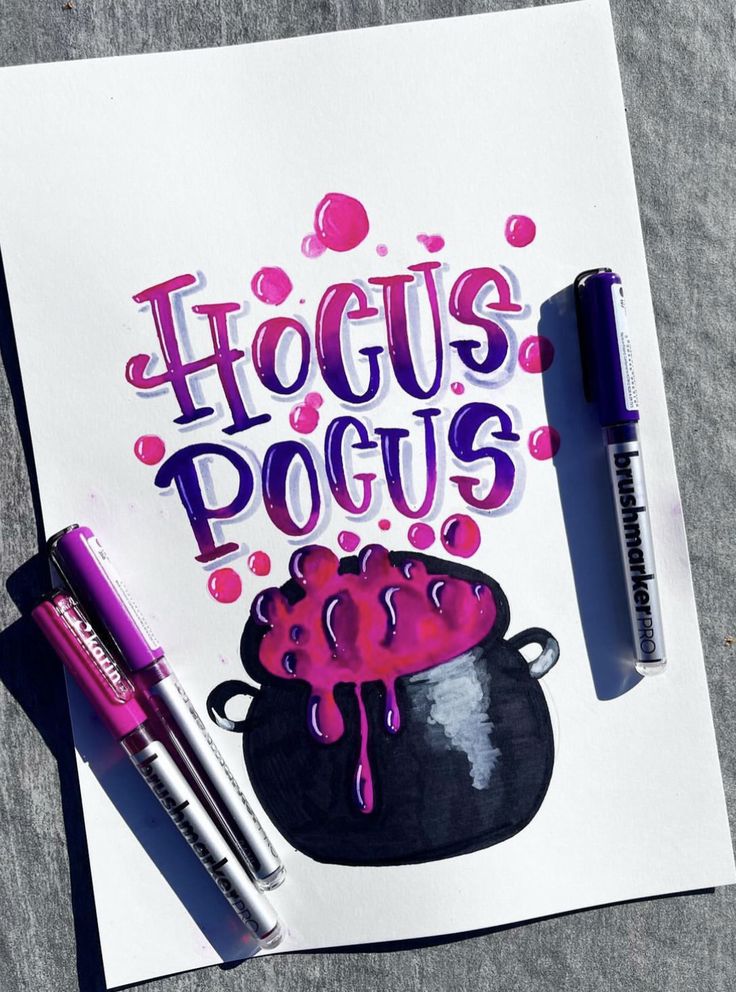
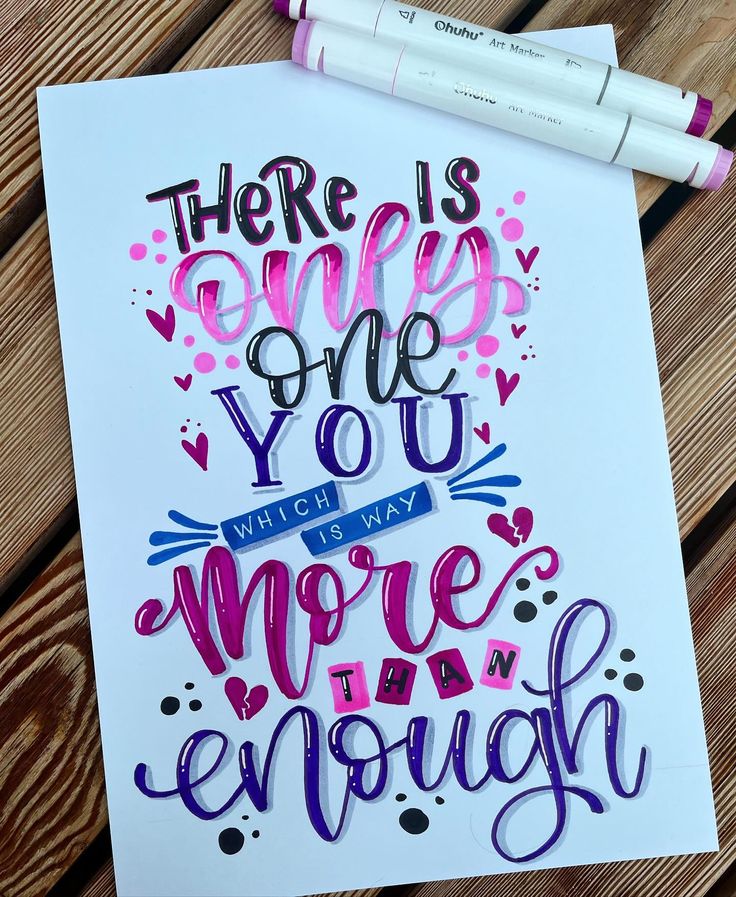
Lettering design is the art of drawing letterforms rather than simply writing them. For an easy first piece, choose one short word, mark a baseline and x-height, sketch the main strokes lightly, and adjust the spacing before you add color or flourishes. The examples in this guide show how block letters, script, faux calligraphy, shadows, and simple banners can turn that basic structure into a finished design.
- How to create a simple lettering design
- Lettering design basics: tools, guides, and spacing
- Developing Your Lettering Skills
- Lettering design effects: shadows, highlights, and inlines
- Lettering designs and styles to explore
- Common lettering design mistakes
- Use lettering ideas in creative projects
- Lettering design FAQ
- A simple next step
I check the word as a black-and-white silhouette before decorating it. If one letter feels too wide, tilts at a different angle, or leaves an awkward gap, color will only make the problem more obvious. Fix the rhythm first; then ink the outline and add one effect at a time.

How to create a simple lettering design
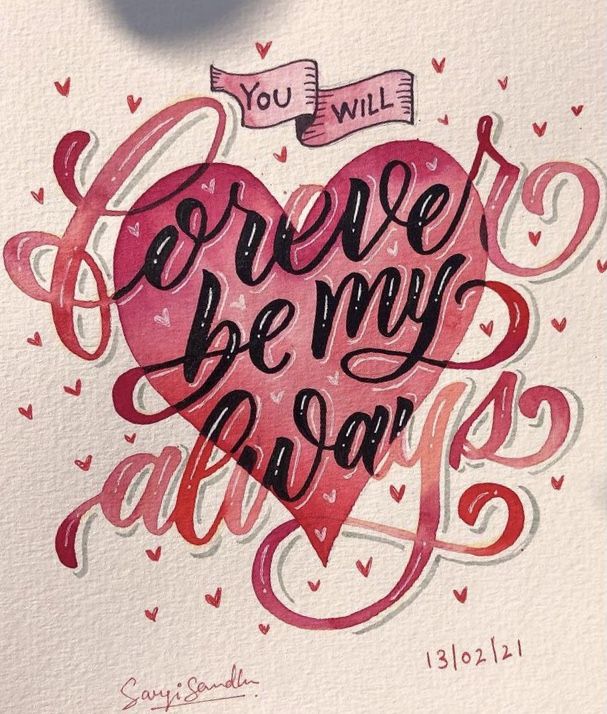
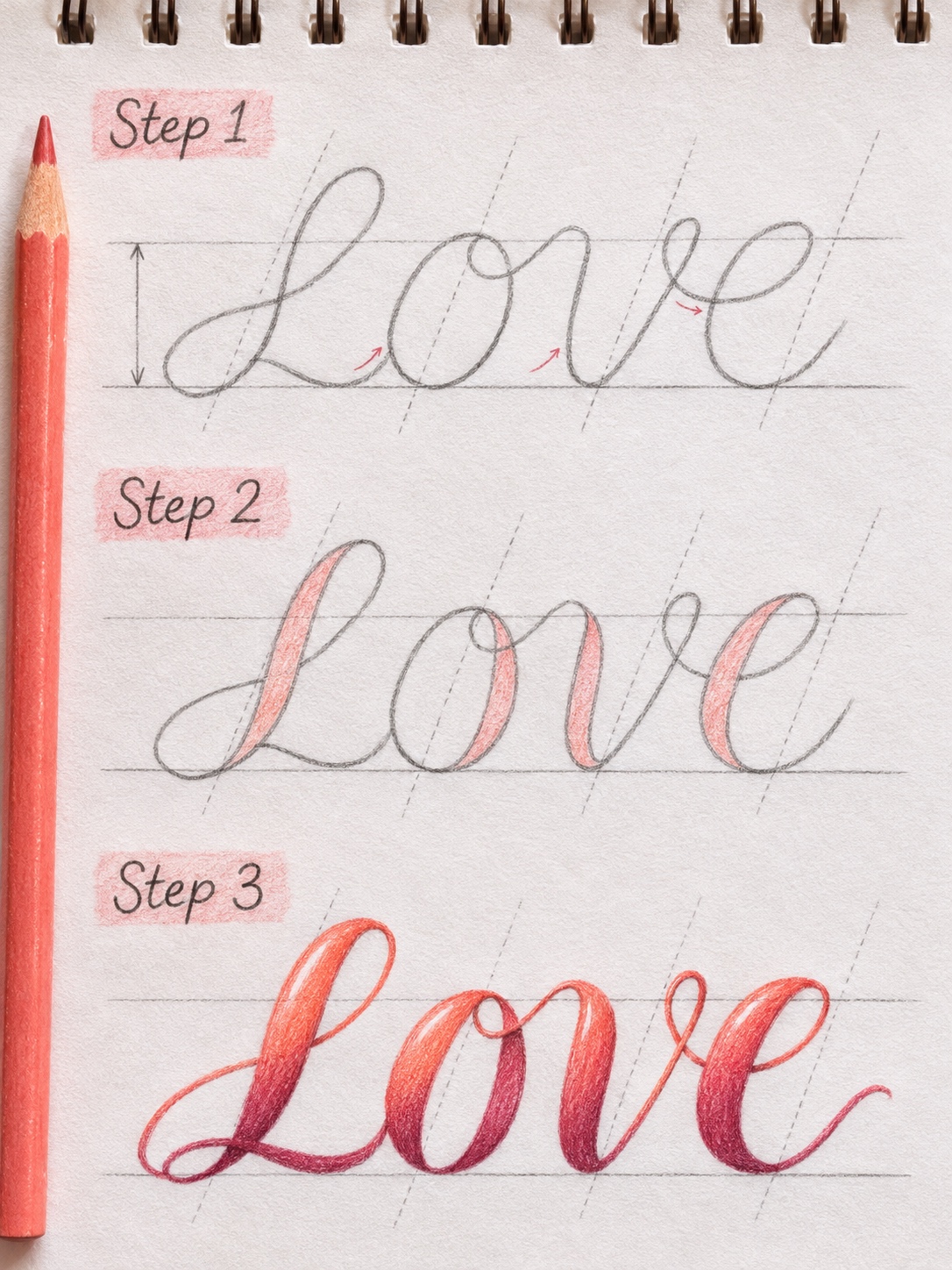
Start with structure: draw guides, build each letter from basic shapes, compare the spaces between letters, then ink the cleanest version. Use heavier downstrokes or a consistent outline for contrast, but keep the word readable before adding shadows or decoration.
- Choose a short word and sketch two or three thumbnail layouts.
- Draw a baseline, x-height, and cap height with light pencil pressure.
- Construct the letters as shapes instead of writing them in one pass.
- Correct uneven spacing, changing slants, and cramped joins.
- Ink the outline, erase the guides, and add one controlled effect.
Lettering design basics: tools, guides, and spacing
To create elegant lettering, you need to grasp fundamental techniques and understand the materials essential for your art. Mastering different styles and knowing how to choose the right tools will enhance your lettering experience.
Easy lettering styles to try
| Style | How to build it | Best use |
|---|---|---|
| Block letters | Use simple rectangles and even stroke widths. | Headers, signs, and bold journal titles |
| Faux calligraphy | Write normally, then thicken every downstroke. | Cards, quotes, and beginner practice |
| Simple script | Keep one slant and repeat the same oval rhythm. | Names, short phrases, and elegant accents |
| Bubble letters | Build rounded outlines around a plain skeleton. | Playful posters, doodles, and graffiti studies |
Lettering Style Fundamentals
Elegant lettering encompasses various styles, such as calligraphy and hand lettering. Each style has distinct characteristics, like the use of strokes and flourishes. Familiarize yourself with basic lettering techniques before exploring advanced styles.
Start with practice drills. Work on basic shapes and letter forms to develop muscle memory. Use guidelines to keep your letters consistent in size and alignment.
Experiment with different tools. A mechanical pencil allows for precision, while gel pens offer smooth ink flow. Try various fonts, from cursive to block letters, to find your unique style.
The Role of Paper and Pencils
Selecting the right paper is crucial for elegant lettering. Choose papers with smooth finishes to allow for clean strokes and minimize bleeding. Heavier paper can withstand various inks without warping.
Using a good pencil is equally important. A mechanical pencil provides a fine point for detailed work, while traditional pencils can be erased easily with an eraser. Consider a ruler for straight lines and uniform spacing.
Incorporate different papers to experiment with textures. Each type can significantly affect your final appearance. Take the time to test various combinations to find what works best for your lettering projects.
Developing Your Lettering Skills
Improving your lettering skills involves mastering basic strokes and experimenting with different styles. Focus on understanding letter construction to enhance your overall proficiency in elegant lettering.
Practicing Basic Strokes and Letters
Begin by practicing fundamental strokes, as they form the foundation of all lettering styles. Practice four key stroke groups: upstrokes, downstrokes, curves, and cross strokes. Use a practice sheet where you can repeat each stroke several times.
Once comfortable with strokes, move on to individual letters. Focus on the following:
- Baseline: The imaginary line where letters sit.
- X-height: The height of lowercase letters, which affects readability.
- Ascender and Descender Lines: The lines that define how tall ascenders and descenders extend beyond the x-height.
Repetition leads to muscle memory, which is crucial for consistent results.
Experimenting with Cursive and Script Lettering
Cursive and script lettering offer a flowing style that can be both challenging and rewarding. Start by sketching letters connected in a smooth motion. Pay attention to the slant and curvature to maintain a consistent flow.
When experimenting, focus on configurations. For example:
- Loops: Use larger loops for a bold appearance or smaller for elegance.
- Connection Points: Ensure connections between letters are seamless to enhance fluidity.
Consider your pressure while practicing: applying more pressure during downstrokes and less during upstrokes helps create contrast. With time and practice, your cursive and script practice will develop into a more consistent lettering style.
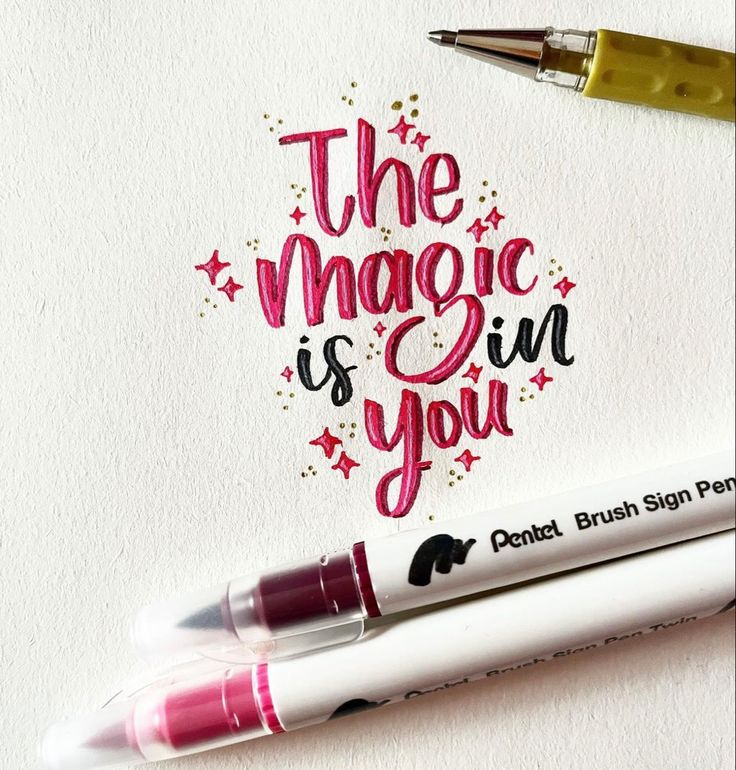
Lettering design effects: shadows, highlights, and inlines
Creating visually appealing letters involves techniques that add dimension and character. Two essential methods include the use of drop shadows and highlights to create depth, as well as incorporating inlines and banners to enhance the overall design.
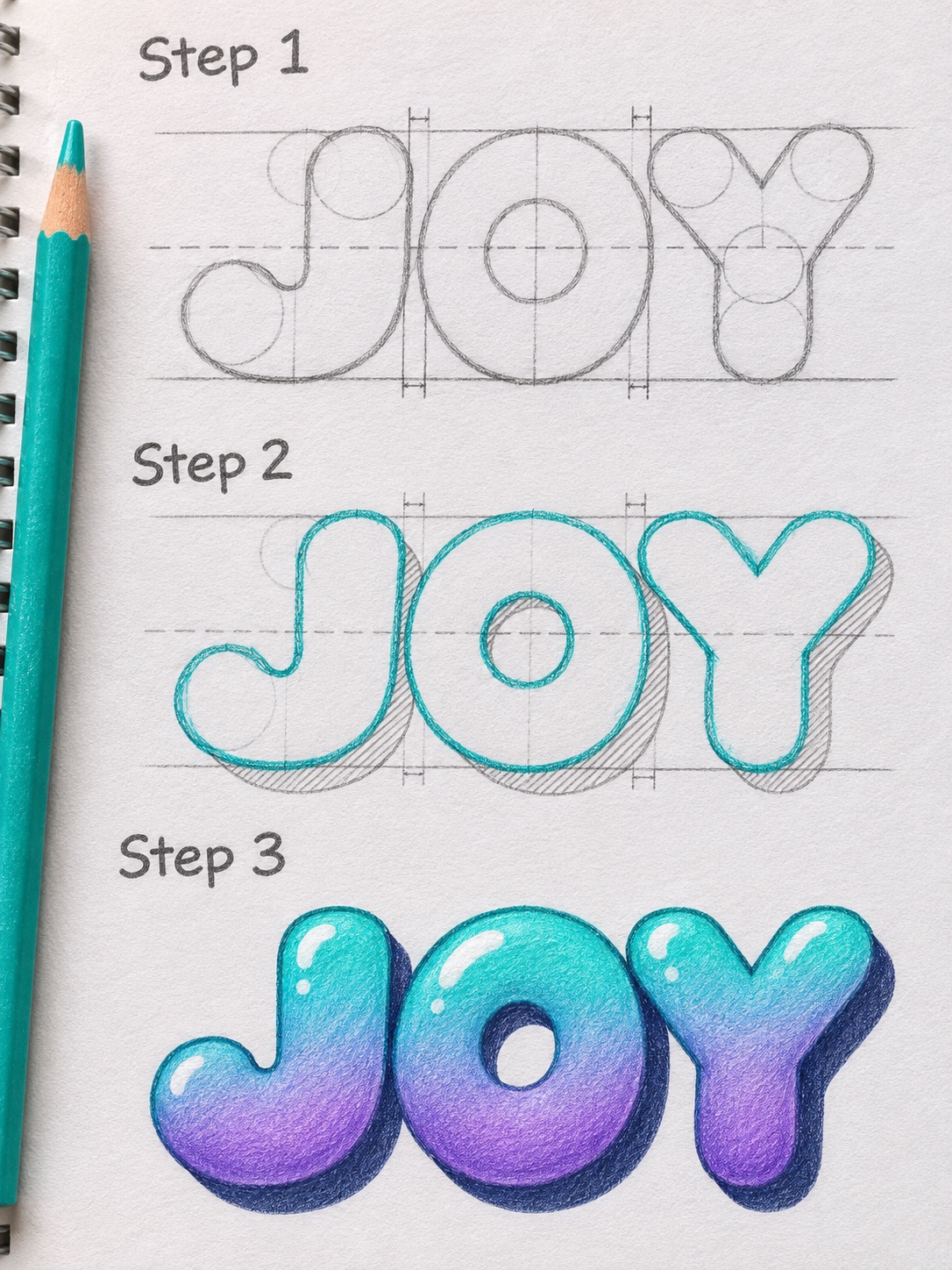
Creating Depth with Drop Shadows and Highlights
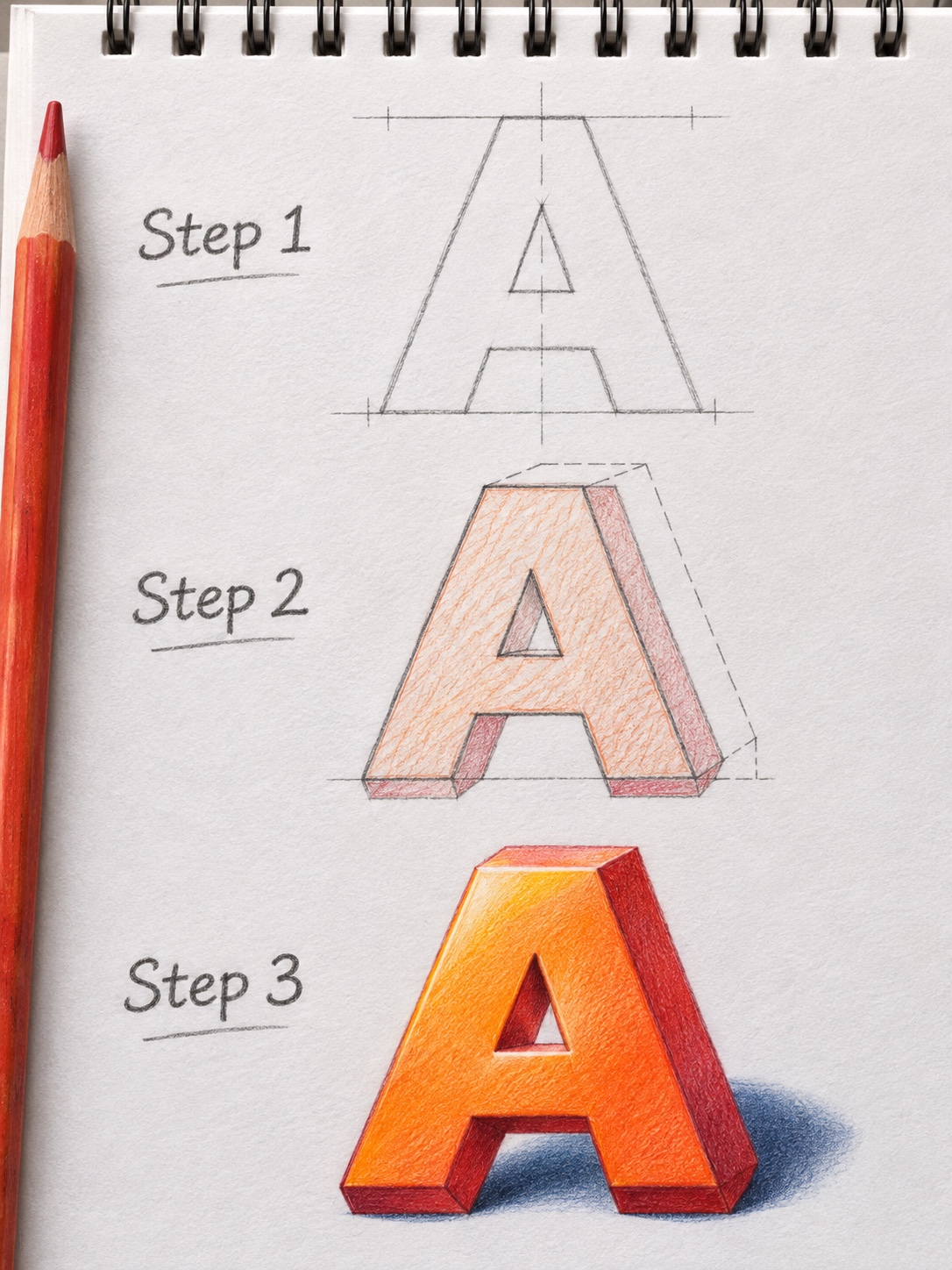
Drop shadows provide a three-dimensional effect, making letters stand out. To apply a drop shadow, choose a color darker than your letter’s body color and offset it slightly to create the illusion of depth. Adjust the opacity for a subtle effect, which can significantly enhance readability.
Key Tips:
- Use a consistent angle for shadows to maintain a cohesive look.
- Experiment with shadow sizes; larger shadows give a softer feel, while smaller ones seem sharper.
Highlights add light to your letters, making them pop. Use a lighter shade of your letter color, placed near the top or on one side. This technique mimics light sources and improves the letter’s visual impact.
Enhancing Letters with Inlines and Banners
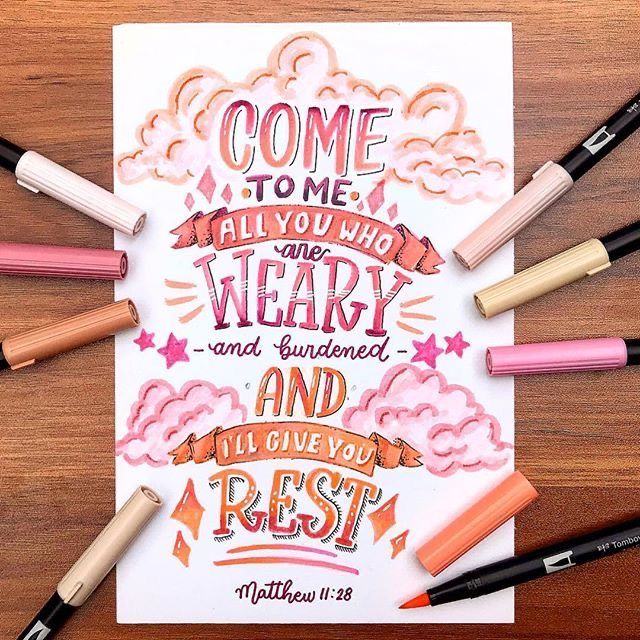
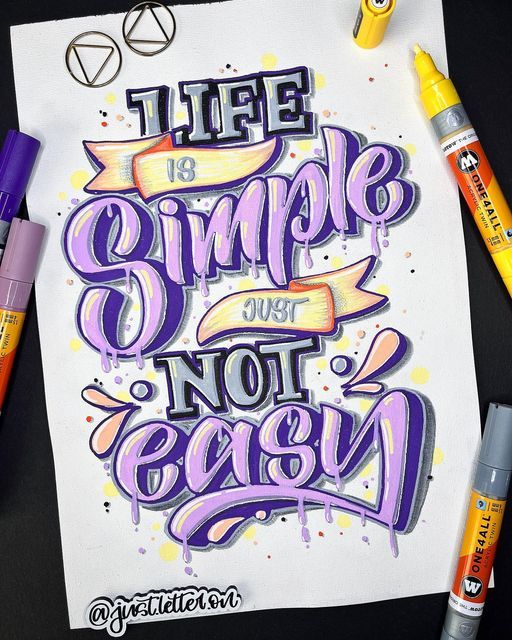
Inlines are an excellent way to add detail and texture. To create inlines, draw a second line just inside the edge of your letter. Choose a contrasting color or use a lighter/darker shade of the main color. This adds visual interest without overwhelming the design.
Banners can complement letters by incorporating them into a decorative element. Draw a curved or straight banner behind or entwined with your letters. Use colors that contrast with your text to help the banner stand out.
Considerations for Banners:
- Ensure the banner’s design does not detract from the letters.
- Use shapes that flow with the letterforms for a harmonious look.
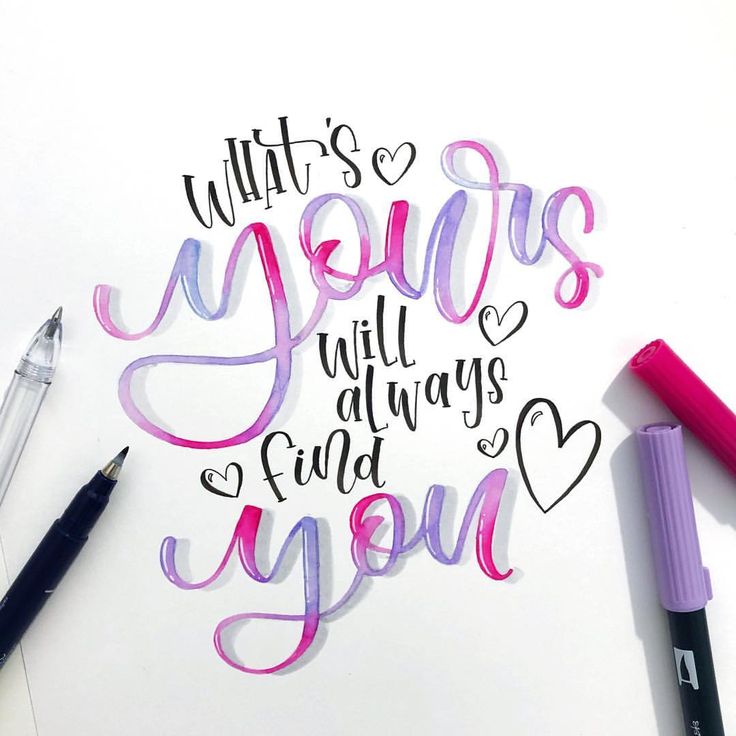
Lettering designs and styles to explore
Advanced lettering styles elevate your designs and can showcase your skills effectively. Two major categories include serif and sans serif lettering as well as block letters and faux calligraphy techniques. Each offers unique attributes and applications.
The Elegance of Serif and Sans Serif Lettering
Serif lettering features small lines or embellishments at the ends of letters, creating a classic and formal appearance. This style is commonly found in print and book designs, contributing to readability and a sense of tradition. Fonts like Times New Roman exemplify serif lettering.
Conversely, sans serif lettering lacks these embellishments, resulting in a more modern and minimalistic look. This style, represented by fonts like Arial or Helvetica, is popular for digital applications due to its clean and straightforward appearance. Serif and sans serif can work together to add contrast and depth to your projects.
Block Letters and Faux Calligraphy Techniques
Block letters are characterized by their bold, clean shapes. They are easy to read and can be used effectively in signage or artistic projects. You can create block letters by using straight lines and simple shapes, simplifying complex designs.
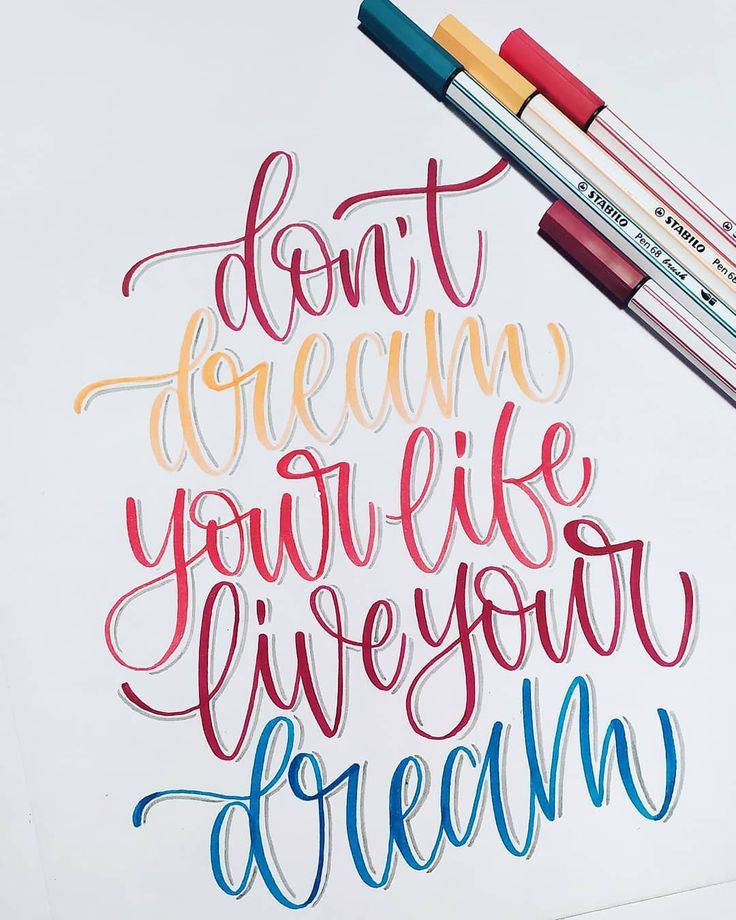
Faux calligraphy mimics the fluidity of traditional calligraphy without requiring specific tools. By adding thickness to downstrokes and maintaining a consistent style, you can create lettering that appears elegant. Combining both styles allows for versatility in your work and opens up creative possibilities.
Common lettering design mistakes
Most weak lettering is a spacing problem before it is a style problem. Check the plain pencil version first, and use these fixes before adding more detail.
- Decorating too early: settle the letter widths and gaps before adding flourishes.
- Changing the shadow direction: offset every edge by the same distance and angle.
- Pressing hard with pencil: light construction lines erase cleanly after inking.
- Mixing too many effects: choose one main style and one supporting detail.
- Ignoring negative space: compare the white gaps between letters, not only the letter outlines.
Use lettering ideas in creative projects
Lettering can enhance your creative projects by adding personal touches. You can easily integrate elegant lettering into various art forms, making your pieces stand out.
Art Journaling with Lettering
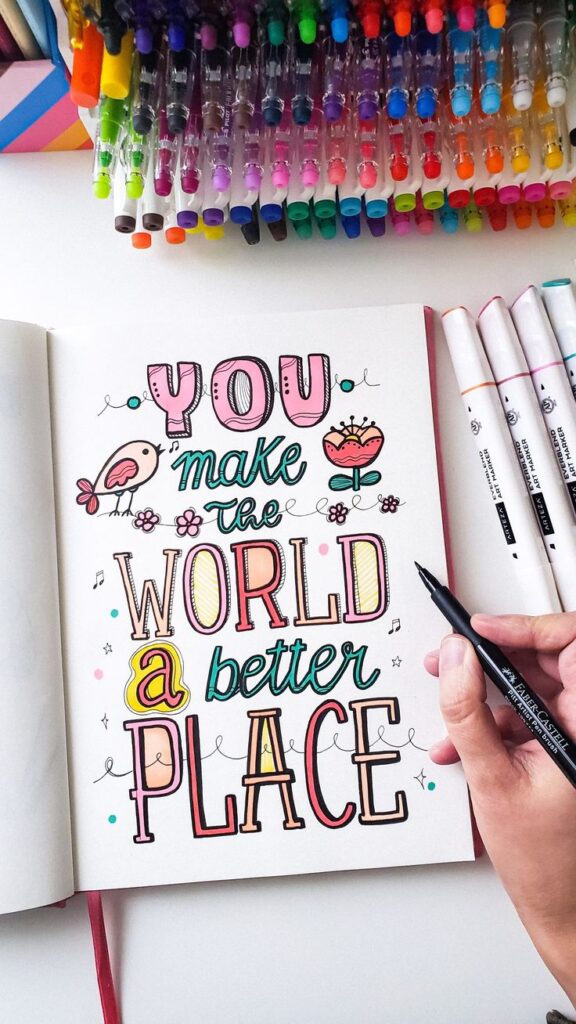
Art journaling provides a wonderful platform to explore your creativity. You can combine different styles of drawing letters with illustrations, creating unique pages.
Start by selecting a watercolor paper to add depth to your artwork. Use Tombow mono drawing pens for crisp lines when outlining your letters.
Consider using a variety of fonts—such as cursive and block letters—to create visual interest. Pair your lettering with doodles or watercolor backgrounds to build an engaging composition. This approach allows you to express emotions or document experiences in a fun way.
Bullet Journal Decorations and Watercolor Art
Incorporating lettering into your bullet journal can enhance its functionality and aesthetic appeal. Decorative headers or quotes can organize your entries effectively.
Utilize watercolor art practice to fill your layouts with color. You can create color washes as backgrounds, which serve as a backdrop for your lettering. Combine soft brush strokes with bold handwritten titles for contrast.
Use lists and bullet points with elegant lettering to emphasize important tasks or reflections. This not only organizes your information but also makes your journal visually appealing, encouraging regular use. By merging art and planning, you create a personalized tool that reflects your style.
Lettering design FAQ
What is lettering design?
Lettering design means drawing the shapes of letters for a specific composition. Unlike everyday handwriting, each letter can be adjusted for width, weight, spacing, and style. The word or phrase is treated as an illustration, so you can refine the outline before adding ink, color, shadows, or flourishes.
Is lettering the same as calligraphy?
No. Calligraphy creates letters through controlled pen strokes, usually in a continuous writing motion. Lettering builds or draws each letter and allows more correction. Faux calligraphy sits between them: you write the word first, then add weight to the downstrokes to imitate a broad or brush pen.
What lettering styles are easiest for beginners?
Block letters, bubble letters, and faux calligraphy are good starting points. Their construction is easy to see and correct. Begin with a short word, keep the baseline level, and repeat one shape rule across every letter before trying connected script or dense flourishes.
How do I keep my lettering even?
Use a baseline, x-height, and cap-height guide, then compare the spaces between letters as carefully as the letters themselves. Sketch lightly and pause after the first pass. If the word looks unbalanced, adjust the widest letter or the largest gap before tracing the final outline.
A simple next step
Pick a five-to-eight-letter word and make three small versions: block, script, and faux calligraphy. Compare the spacing before choosing one to finish. For a practical surface, try the layout on a page from these creative journaling ideas or adapt it to a handmade birthday card design.
- 5.1Kshares
- Facebook0
- Pinterest5.1K
- Twitter0
- Reddit0