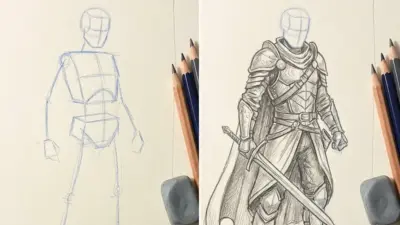
Master the fundamentals
Sketching techniques for beginners focus heavily on establishing core habits that help them gain confidence. Whether someone is just picking up a pencil for the first time or returning to drawing after a break, developing foundational skills sets them up for steady progress. According to experienced artists, beginners can start with any pencil and basic paper, such as printer paper, without needing specialized equipment to build initial confidence [1].
The value of warm-up exercises
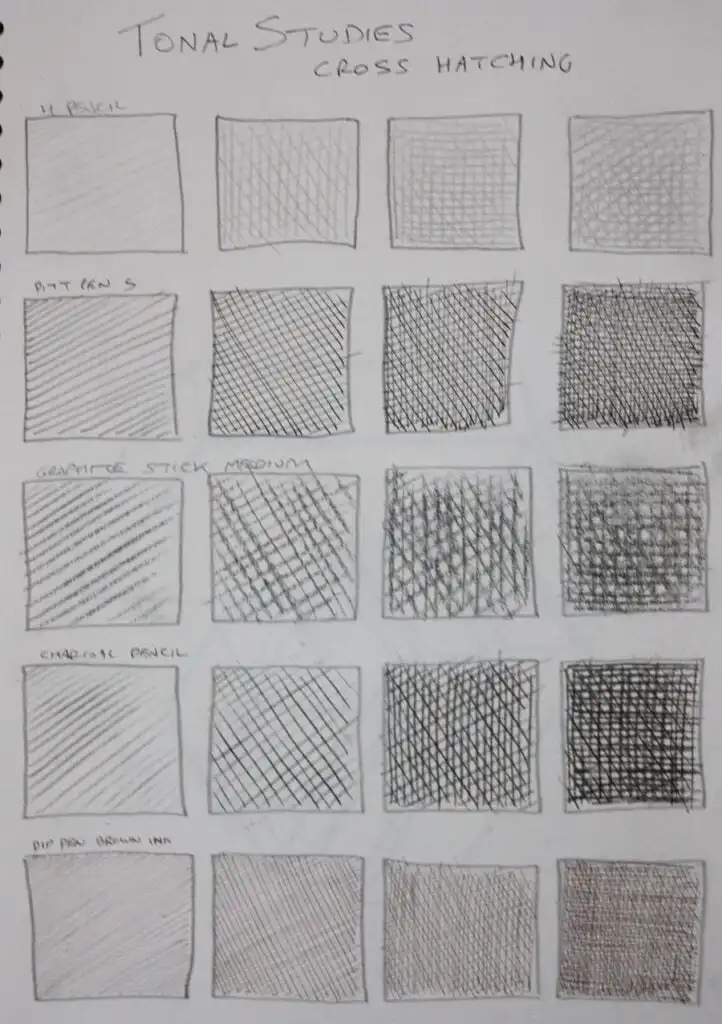
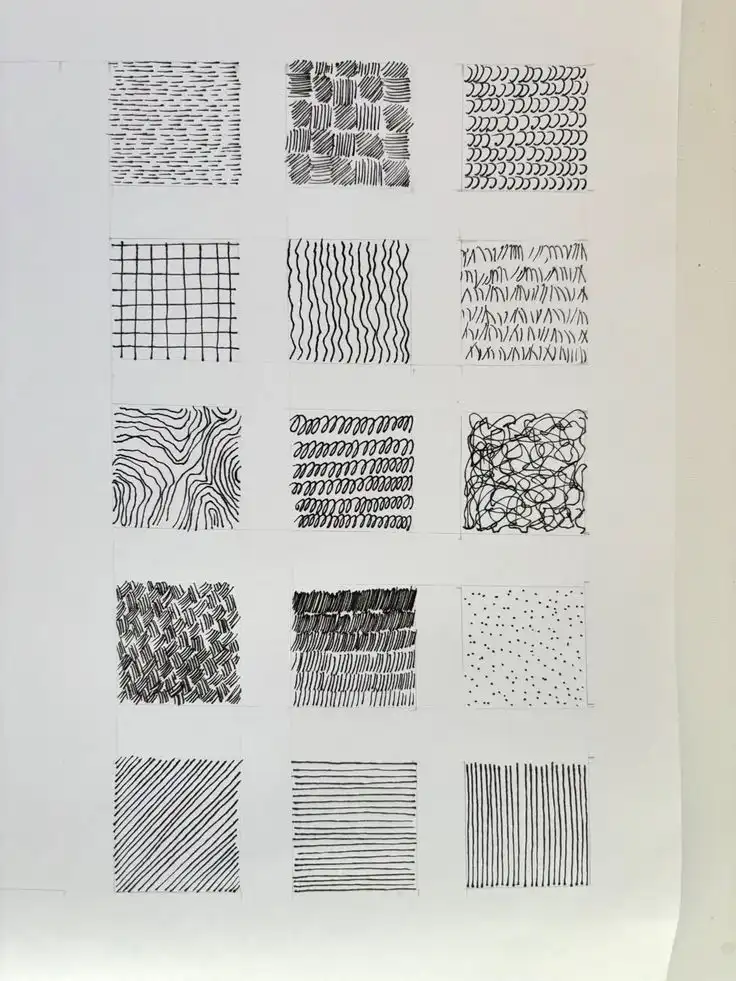
Before tackling a full drawing, it is helpful to begin with short warm-ups. These can include scribbles, dots, stippling, hatching, and zigzag lines. A few minutes of small movements help loosen arm muscles, improve pencil control, and shift focus to the creative process. Beginners can experiment with varying pressure or using the whole arm to make arcs and circles to promote smoother lines [2].
Recognize basic shapes
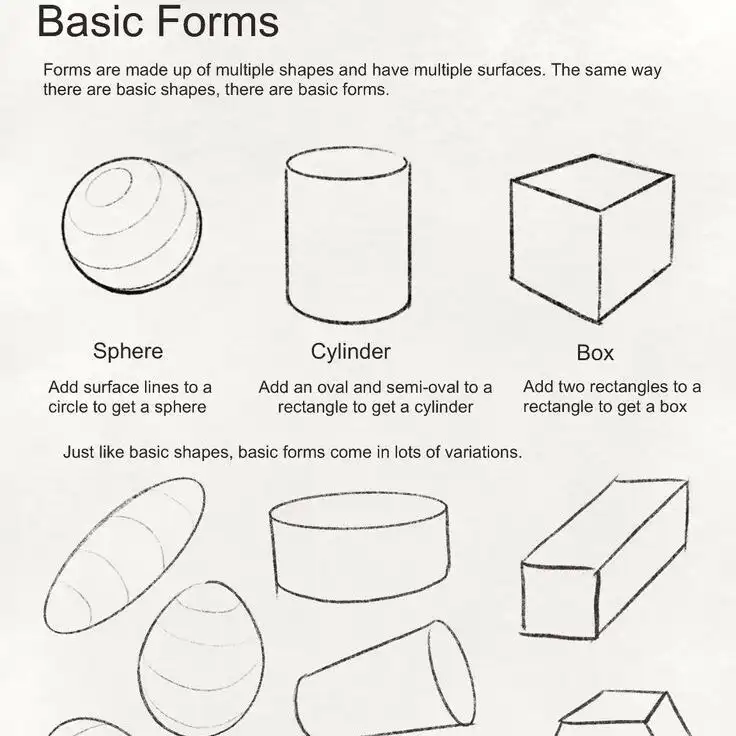
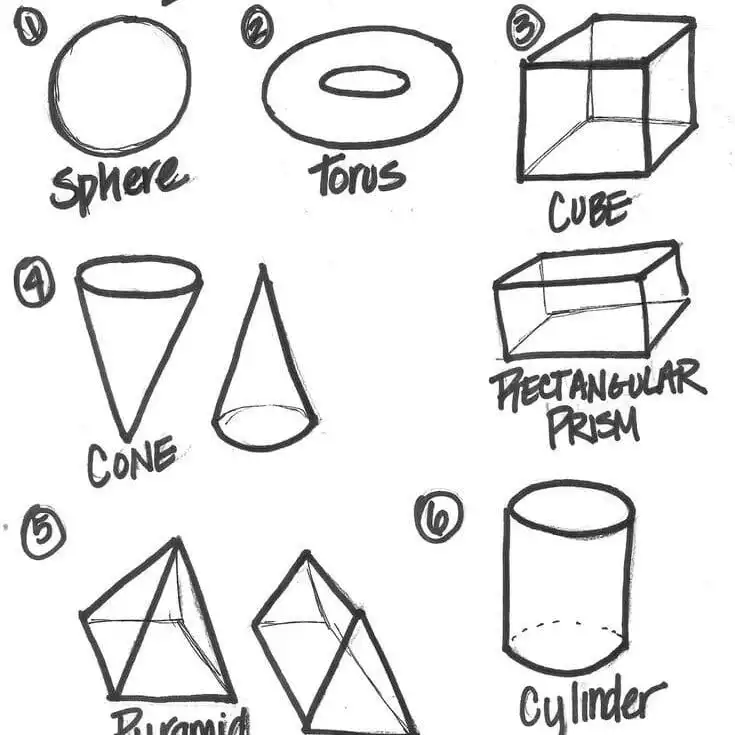
Nearly every object can be broken down into circles, rectangles, and triangles. This fundamental approach encourages focusing on proportions before worrying about refined details. When learners design an underdrawing with these simple shapes, they gain a clearer sense of how different elements fit together. Then they can add structure and depth on top of these base forms [2].
Gather essential materials
A few carefully chosen tools can make a difference in how beginners learn and sustain their practice. As many instructors note, people can always upgrade their supplies later, but starting with quality essentials helps them develop positive habits from the beginning.
Explore pencil types
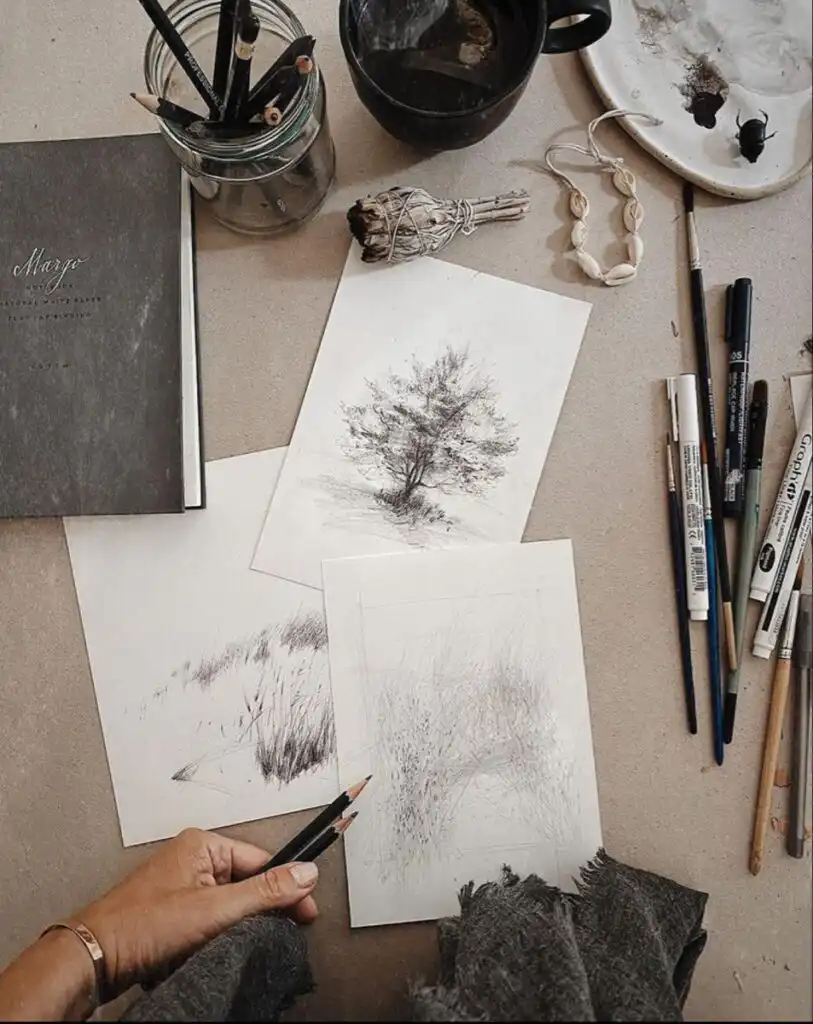
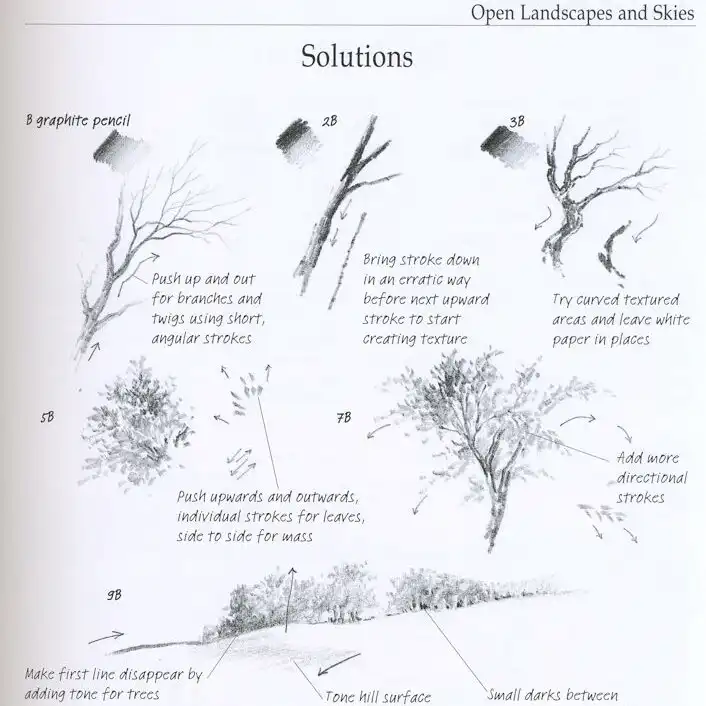
Most artists recommend beginning with a small range of graphite pencil grades, including 2H, HB, 2B, and 4B. Each grade produces distinct tones, from lighter to darker marks, allowing learners to explore everything from faint guidelines to bold shadows. Some sets even include softer pencils like 6B or 8B for deeper contrast [3].
Choose sketchpapers and supports
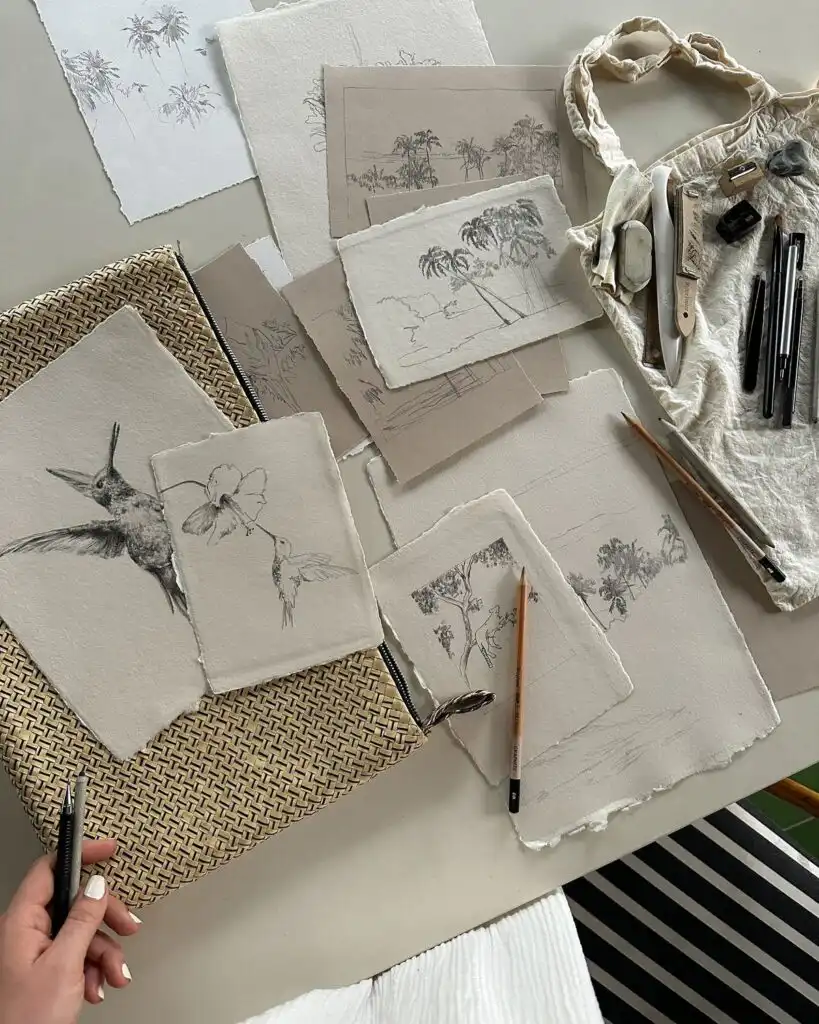
Paper quality plays a major role in how well a drawing develops. When starting, regular printer paper is sufficient for practice, but a durable sketchbook with medium-tooth paper helps drawings hold graphite more effectively [3]. Beginners may also experiment with charcoal or smooth Bristol paper later as they explore new techniques.
Find erasers and blending stumps
Kneaded erasers and plastic erasers are gentle options for lifting away unwanted marks or creating clean highlights. Gum and vinyl erasers help with tougher corrections, while blending stumps or tortillions allow for smooth value transitions without smudging graphite with one’s fingers [3].
Explore the sketching process
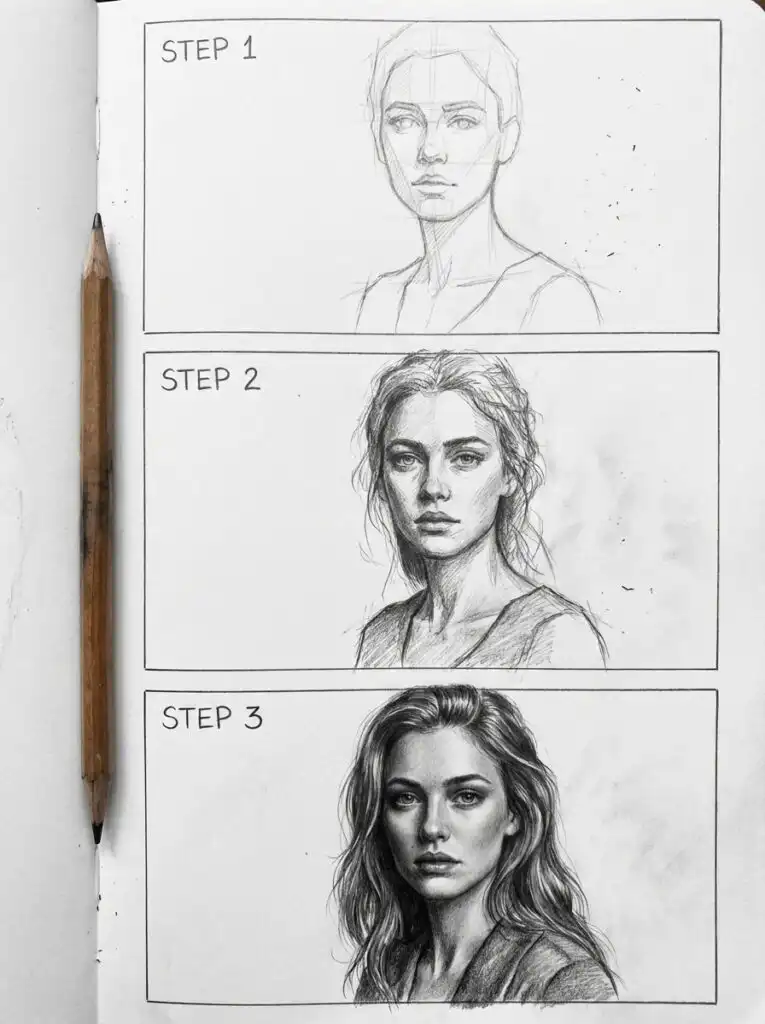
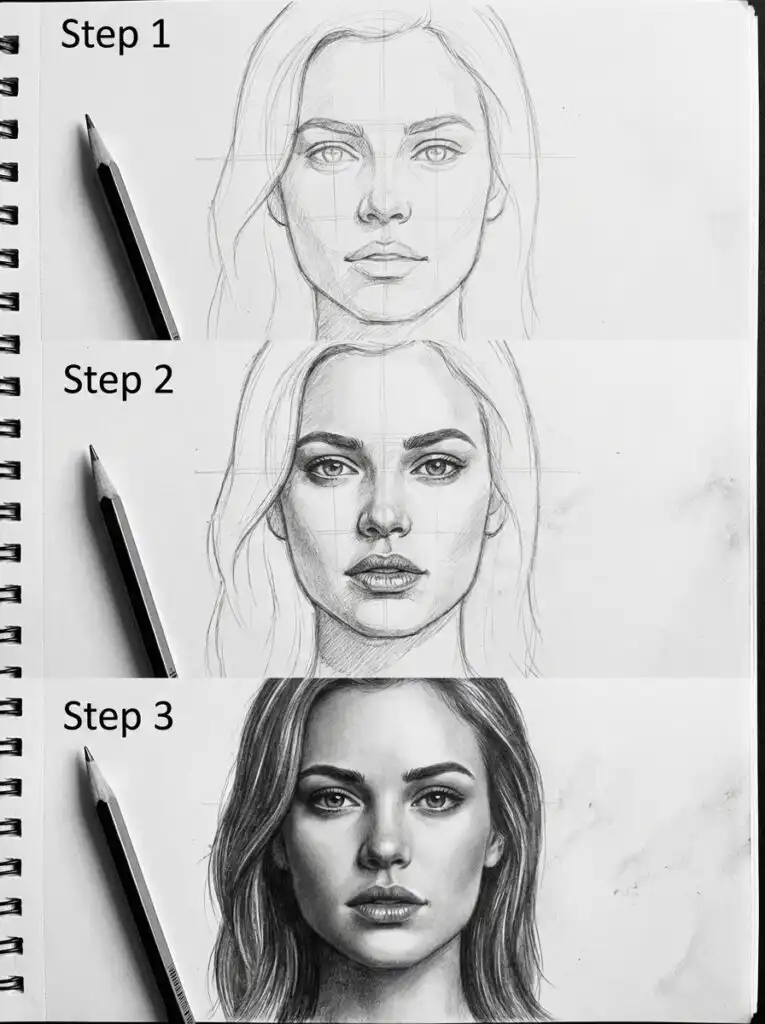
Progressing from a blank page to a refined drawing often happens in stages that encourage experimentation and allow for adjustments. Many experienced artists advise not to rush through these stages but instead to treat each one as a chance to explore composition and structure.
Start with a rough outline
A rough sketch is where learners place the general idea of what they want to draw, using light, loose lines without worrying about accuracy. This step is especially helpful for capturing overall proportions. A harder pencil grade, such as 4H, works well for initial shapes because they stay faint and are easy to erase [4].
Build structure
In the construction phase, beginners measure and map out the relationships among different elements. Light lines are adjusted repeatedly to refine the drawing’s proportions and forms. It is normal to erase and redraw multiple times. During this phase, keeping the pencil pressure gentle makes it easier to tweak any errors and maintain an open mind about the composition.
Refine and shade
Once the composition feels balanced, artists can clarify final lines across the entire image. At this stage, introducing darker pencil grades such as 2B or 4B helps add depth. Some artists prefer a consistent method of shading, working gradually from lighter to darker values, to ensure the drawing remains cohesive. Blending stumps can create subtle gradients, while a kneaded eraser can lift out highlights for contrast [4].
Create a daily practice
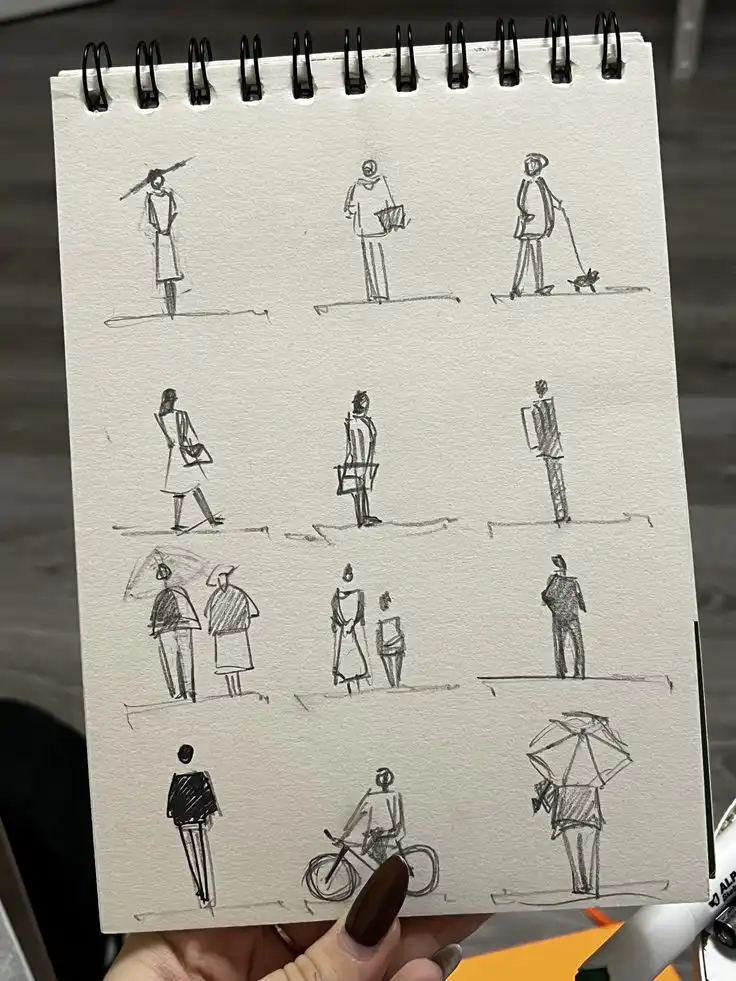
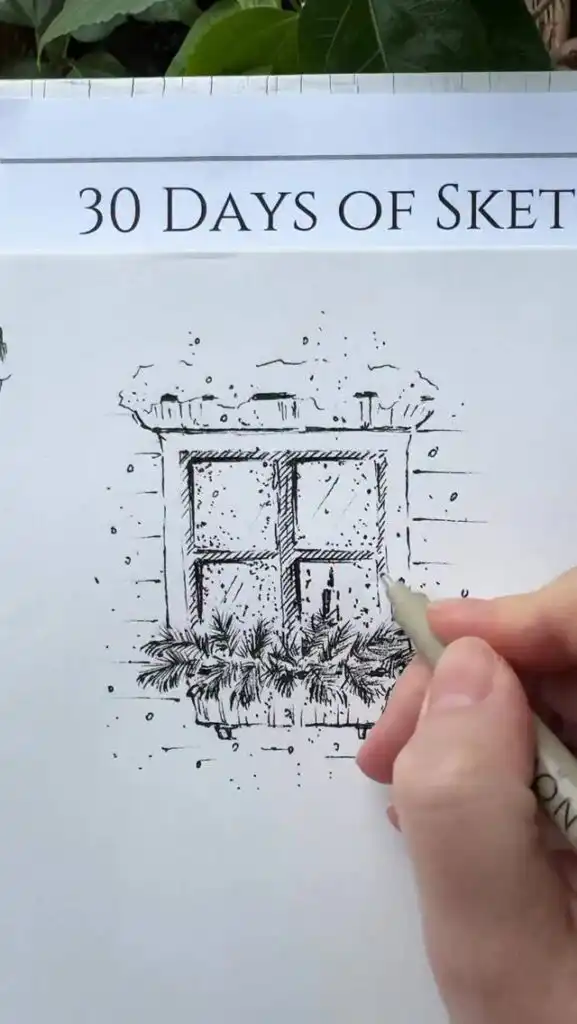
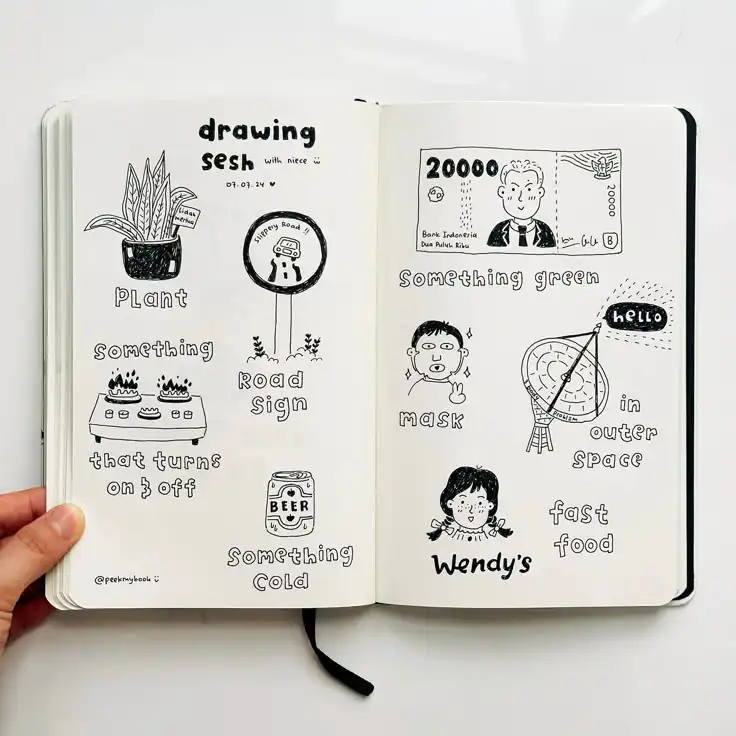
Regular short sessions often lead to faster improvement than intermittent, lengthy sessions. A 30-day challenge, such as drawing for ten minutes each morning, is popular because it fits easily into most schedules. Many beginners enjoy exercises like drawing continuous circles or slow grids that focus on breath and repetitive movement rather than perfection. Others find it liberating to sketch with a pen to avoid erasing and to embrace natural imperfections. Over time, these simple activities strengthen hand-eye coordination and nurture self-assurance [5].
Avoid common pitfalls
Beginners sometimes try to master everything overnight and become frustrated. It helps to set realistic goals and acknowledge that gradual improvement is a natural part of creative growth. Additionally, focusing only on outlines can limit the sense of volume and realism in a drawing. Using variations in value instead helps represent depth and form more accurately. Finally, remember that a stiff, overly cautious approach can stall progress. Embracing light, fluid lines allows for productive exploration and yields more lifelike sketches [6].
Frequently asked questions
What pencils should a beginner use?
A beginner can start with a few graphite grades such as 2H, HB, 2B, and 4B. This small set already provides a useful range of light and dark marks.Why do I need different pencil grades?
Different grades allow for varied line quality. Harder pencils (H) create lighter marks suitable for guidelines, while softer pencils (B) add bolder, darker tones.How often should a beginner practice drawing?
Ideally, they should sketch daily, even if just for ten minutes. Short, frequent sessions help build muscle memory and confidence more effectively than infrequent, longer sessions.Should beginners rely on outlines?
Outlines are a common starting point, but relying on them too heavily can flatten a drawing. Instead, incorporating a range of values and paying attention to light and shadow encourages a more realistic look.When can a beginner move past basic exercises?
It is best to progress when they feel comfortable with fundamental shapes, proportions, and shading. Typically, that comfort level grows naturally as they maintain a regular drawing habit.
Developing effective sketching techniques for beginners is a journey of discovery, patience, and steady practice. By introducing warm-ups, exploring a structured approach, and honing consistent routines, any aspiring artist can build confidence and skill over time.
References
- (Reddit)
- (Julia Bausenhardt)
- (The Virtual Instructor)
- (Reddit)
- (Draw Together Studio)
- (The Virtual Instructor)
- 2shares
- Facebook0
- Pinterest2
- Twitter0
- Reddit0