Horse Drawing can seem tricky at first, but with the right ideas, anyone can start creating simple and cute sketches. Whether someone wants to draw playful ponies, strong farm horses, or baby foals, there are easy steps to follow that make the process fun and less scary. Breaking down horses into simple shapes helps artists of all levels create drawings quickly and confidently.
People who love art often enjoy trying different styles, from quick doodles to detailed pencil drawings. Step-by-step guides and tutorials can show how to add details like flowing manes and muscular bodies that bring horses to life on paper. This mix of simple and advanced ideas keeps drawing fresh and interesting.
Artists, beginners, and kids alike will find plenty of inspiration to explore. With practice, anyone can capture the beauty and grace of horses, whether they want to sketch a cute cartoon style or a more realistic look.
Foundational Horse Drawing Techniques
Drawing a horse well starts with understanding its basic body parts, correct size relationships, and how it moves. Learning these details helps create a believable and lively horse in any pose or style.
Sketching Horse Anatomy
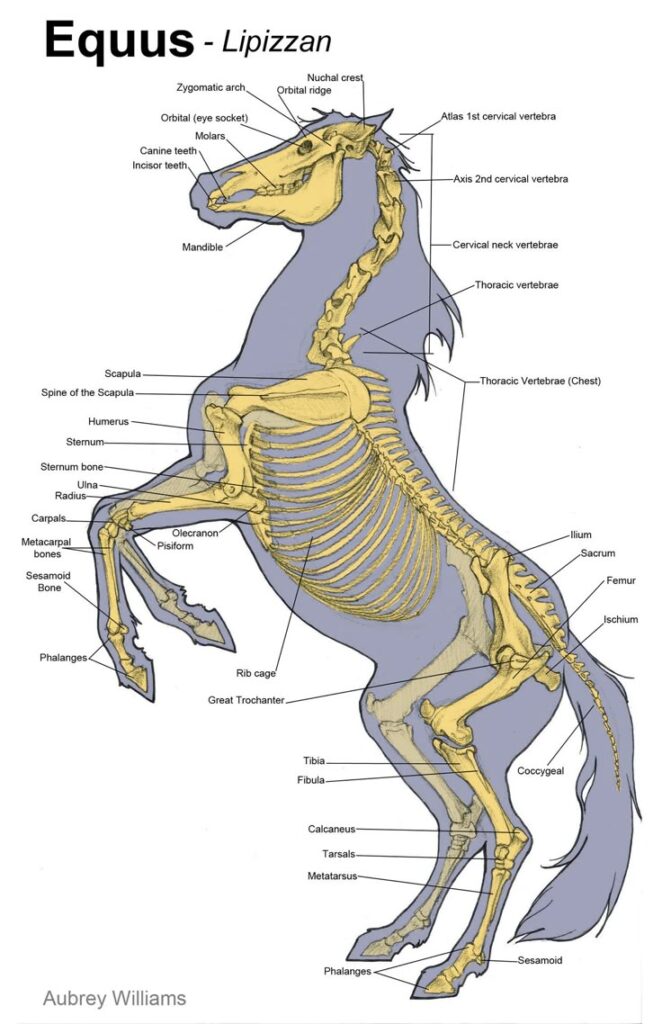
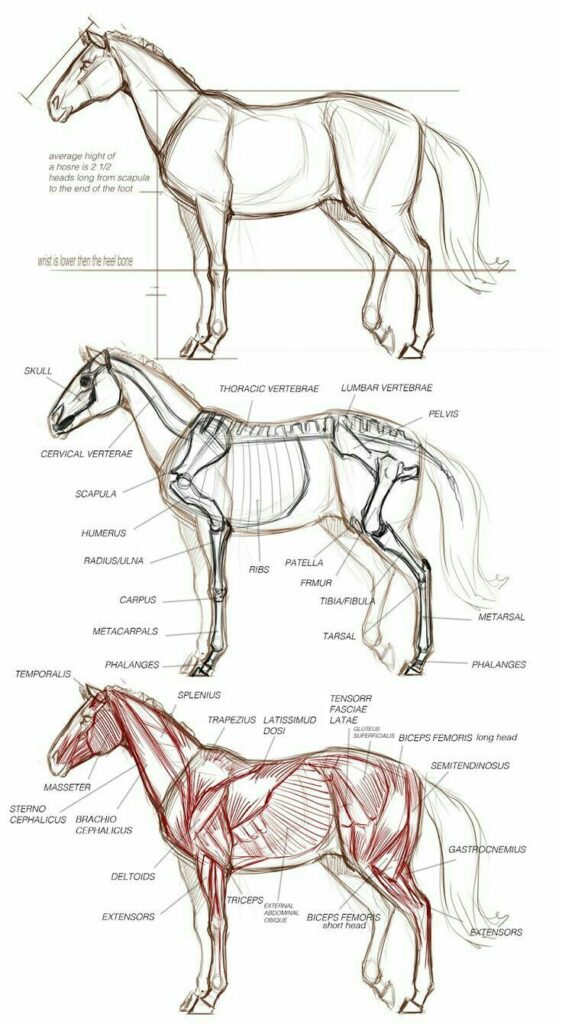
At the core of horse drawing is knowing the main parts of its body. The head, neck, chest, legs, and tail all connect in specific ways. Starting with simple shapes like circles and ovals for these parts makes sketching easier.
It helps to mark joints and muscles lightly. This shows how the legs bend and where the neck curves. Horses have strong, muscular legs and a long neck, so capturing these shapes first keeps the drawing accurate.
Using a light pencil line to sketch these components allows for changes when needed. Once the basics are in place, the artist can add more detailed lines for the mane, eyes, and other features.
Drawing Horse Proportions
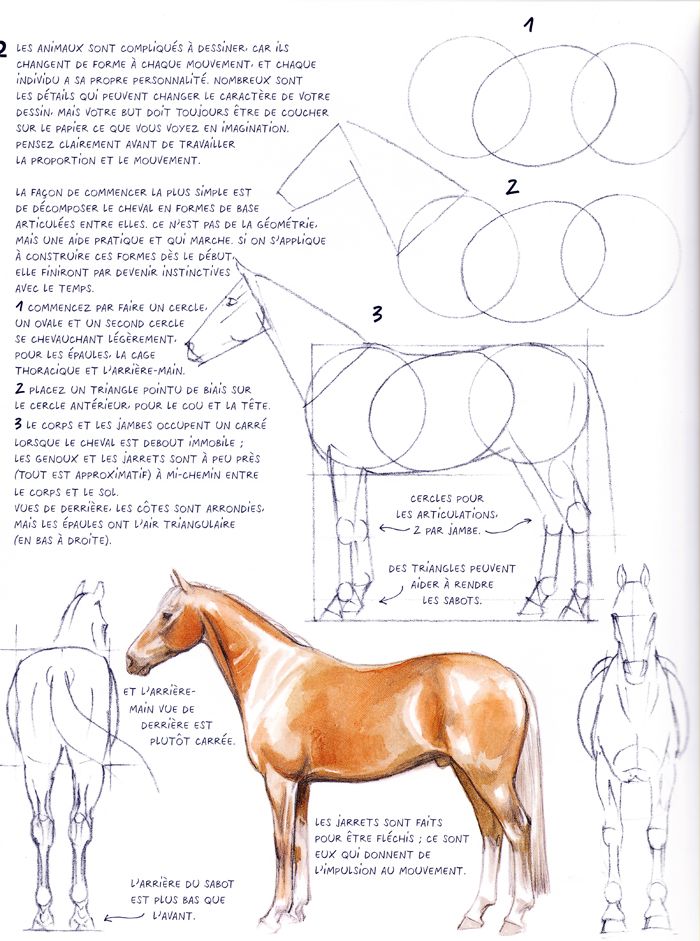
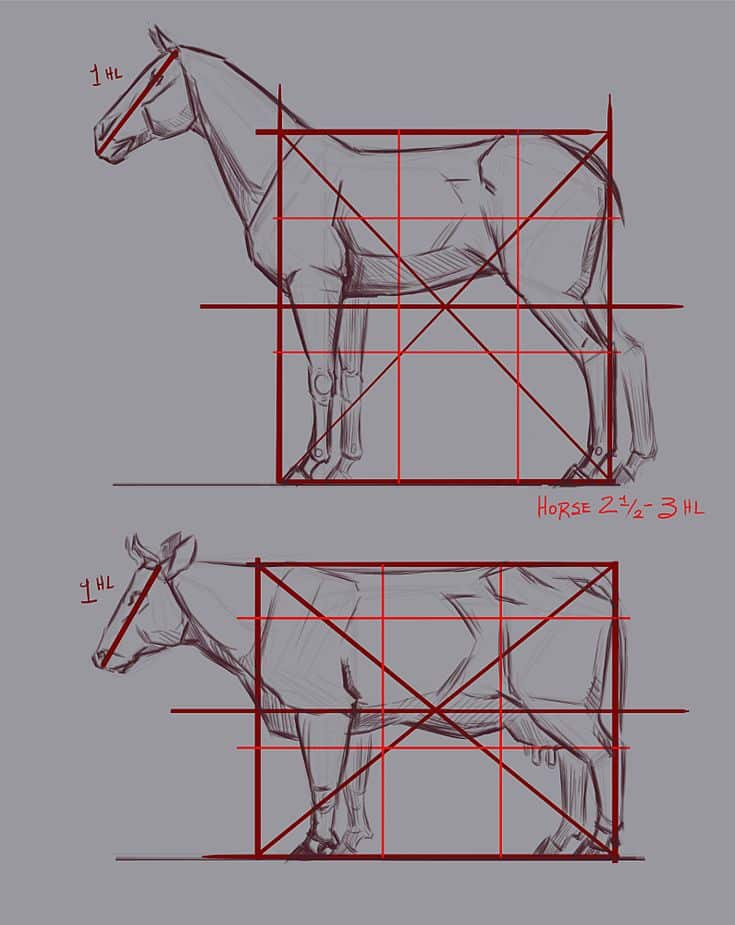
Getting the right size and length is key to a realistic horse drawing. The body usually measures about twice the length of its head. The legs are long and sturdy, but vary in proportion for different horse breeds.
A common method is to draw a simple rectangle or square to frame the horse’s main body. Inside this frame, the head, neck, and legs fit according to their natural lengths.
Here’s a quick proportion guide:
| Part | Size Relation |
|---|---|
| Head | About 1/3 of neck length |
| Neck | Between head and chest length |
| Body | 2 times head length |
| Legs | Long, with clear joints |
Checking these sizes early helps prevent mistakes and uneven parts later on.
Understanding Horse Movements
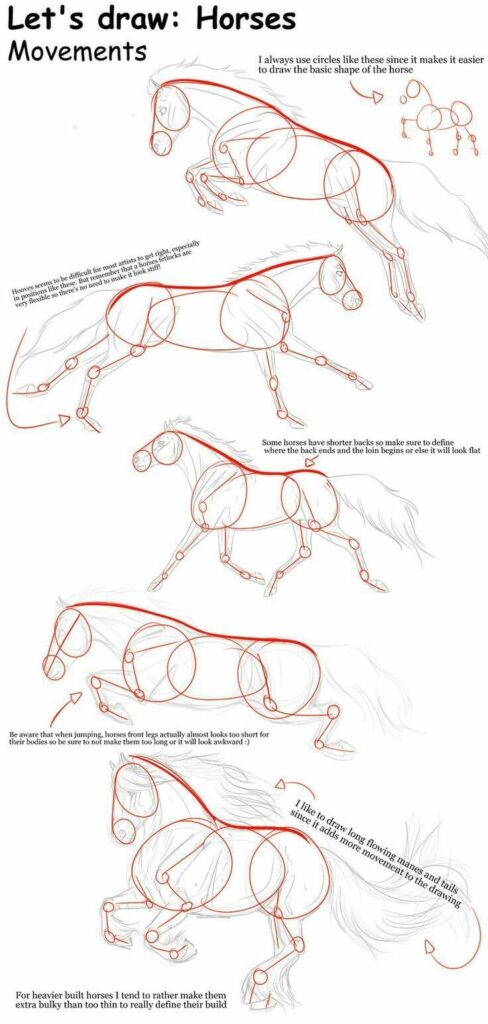
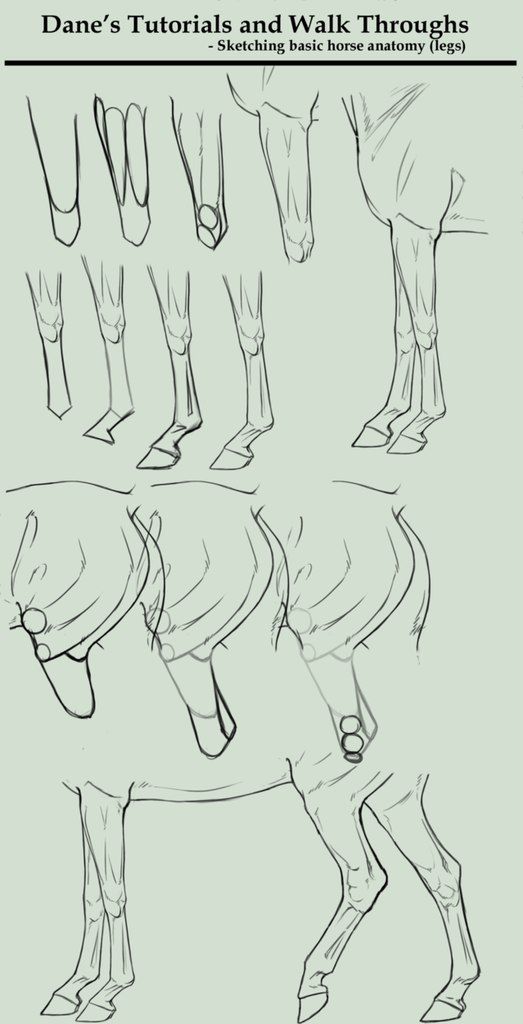
Capturing movement is a challenge that brings horses to life in drawings. Observing how horses walk, trot, or run shows how their legs and muscles move.
Legs often move in pairs opposite each other, with the neck and tail adjusting for balance. Drawing flowing manes and tails can also suggest motion.
Practicing simple sketches of different poses, like standing, walking, or galloping, builds confidence. Using light strokes first allows corrections and helps artists understand timing and rhythm in horse movements.
Focus on the legs’ bend, stretch, and placement to show clear action. Movement adds energy and interest to the drawing beyond just a static form.
Beginner Horse Drawing Ideas
Starting with horse drawings can feel tricky, but breaking the process into easy steps helps a lot. Focusing on simple shapes, playful characters, or just the horse’s head makes learning easier and less overwhelming.
Simple Standing Horses
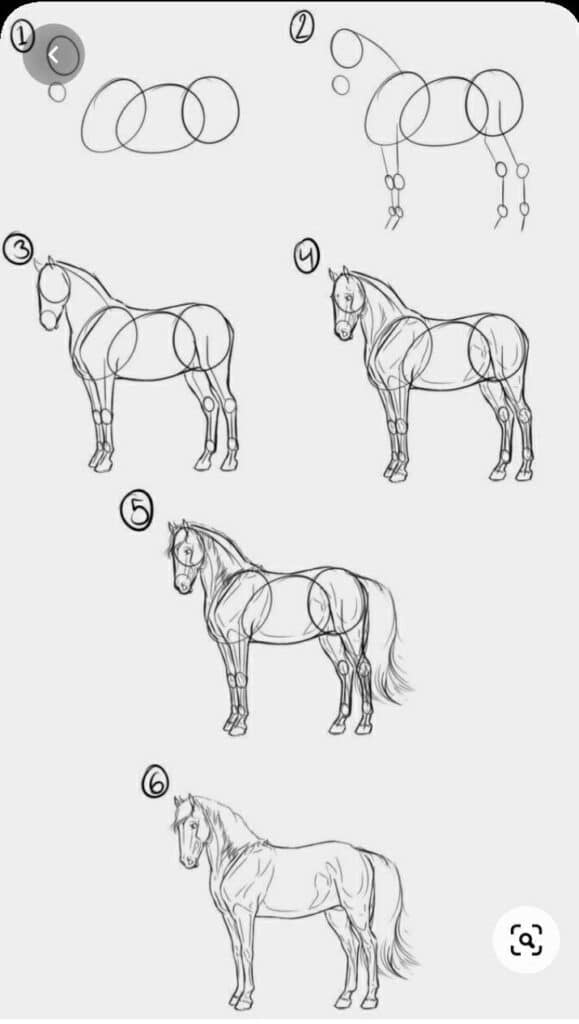
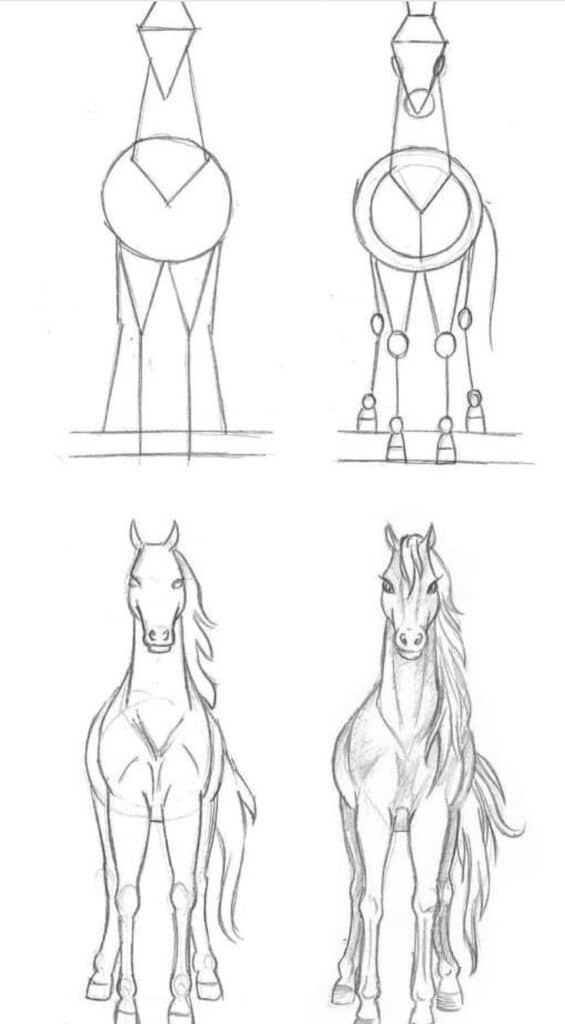
To draw a basic standing horse, it helps to start with easy shapes like circles and ovals. These form the head, chest, and belly. Then, use straight or slightly curved lines for the neck, legs, and tail. This approach keeps the horse’s posture balanced and recognizable.
After sketching the shapes, connecting them smoothly gives the body form. Legs should be drawn carefully, with attention to their angles, to look natural. Adding details like the mane and hooves can be done last to keep things simple.
Cartoon Horse Characters
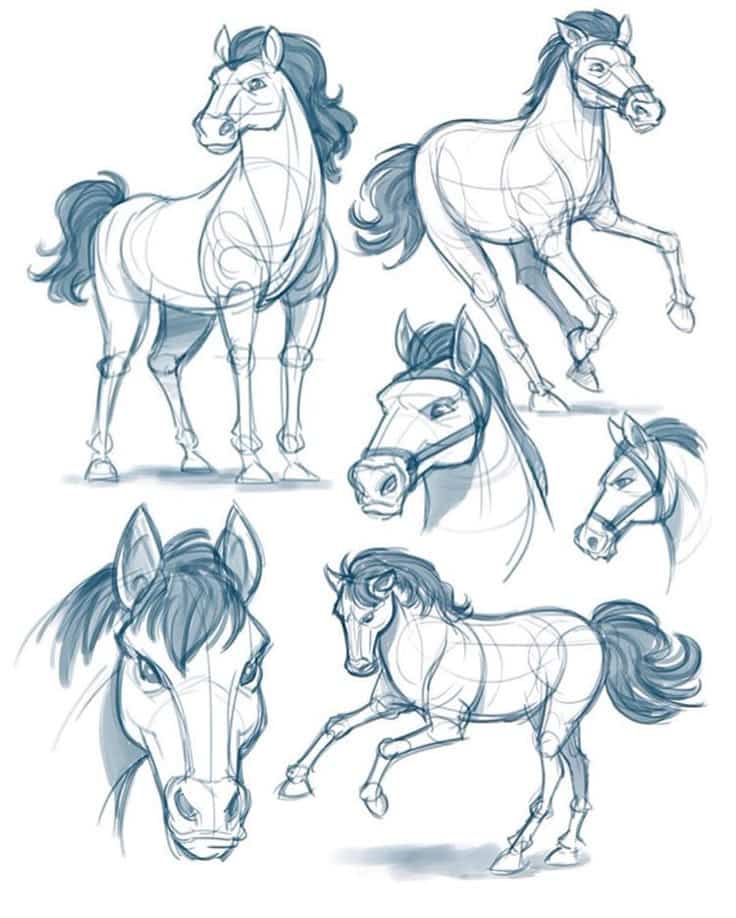
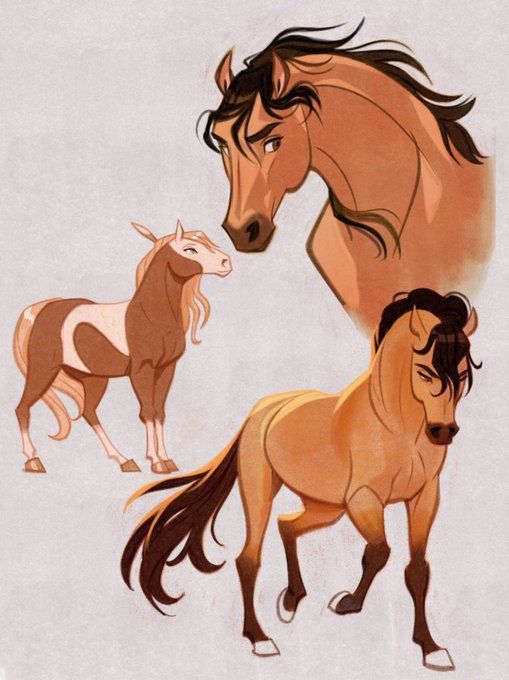
Cartoon horses are fun to draw because they don’t need to be perfect. Big eyes and exaggerated features give each character personality. Drawing a round head with large eyes and a small snout makes a cute look.
Simplified legs, often stubby or rounded, keep the style light and easy. Using bold outlines helps the shapes stand out. Artists can also add accessories like hats or saddles to make their cartoon horses unique.
Basic Horse Head Sketches
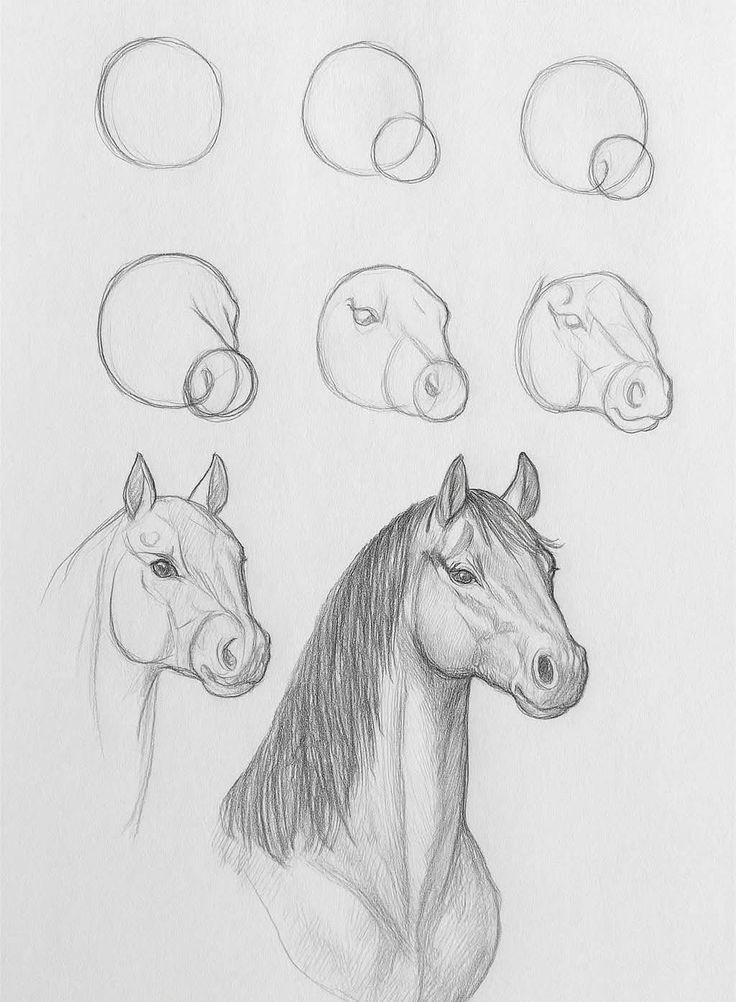
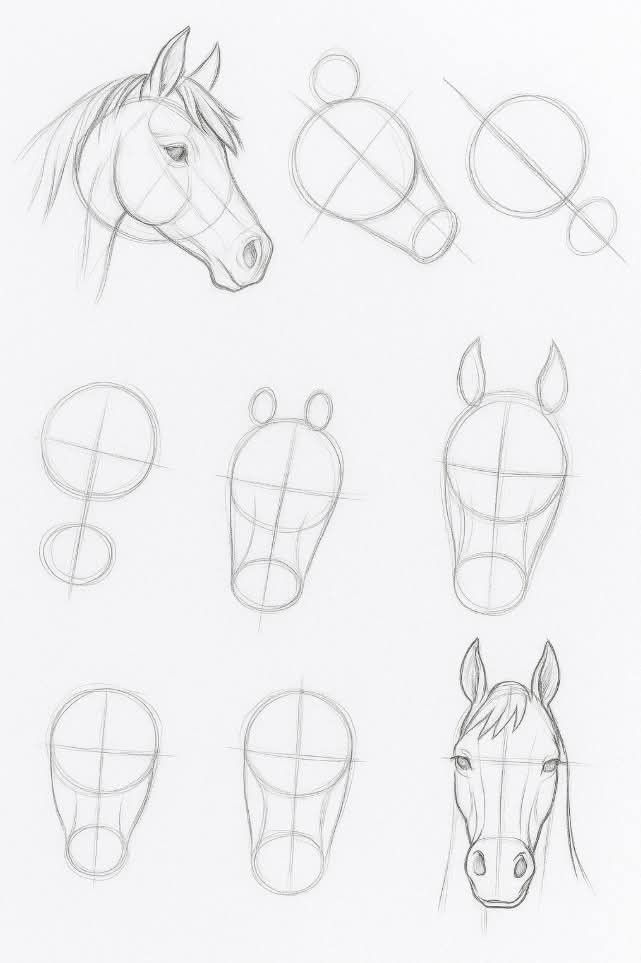
Drawing just the horse’s head helps beginners focus on proportions without worrying about the whole body. Starting with a large oval for the face and a smaller circle for the muzzle works well.
Important details include the eyes, ears, and nostrils. Eyes are usually large and almond-shaped, placed near the top of the head shape. Ears are pointed and sit close together. Adding a simple mane along the neck edge adds character without complexity.
Tips for a beginner horse head:
- Use light pencil strokes to adjust shapes.
- Keep features spaced evenly.
- Practice drawing different head angles to improve skills.
Creative Ways to Draw Horses
There are many ways to make horse drawings interesting. Artists can focus on the movement of horses, play with patterns on their bodies, or use stylized designs to add personality and fun to their work. Each approach offers a unique way to bring horses to life on paper.
Horses in Motion
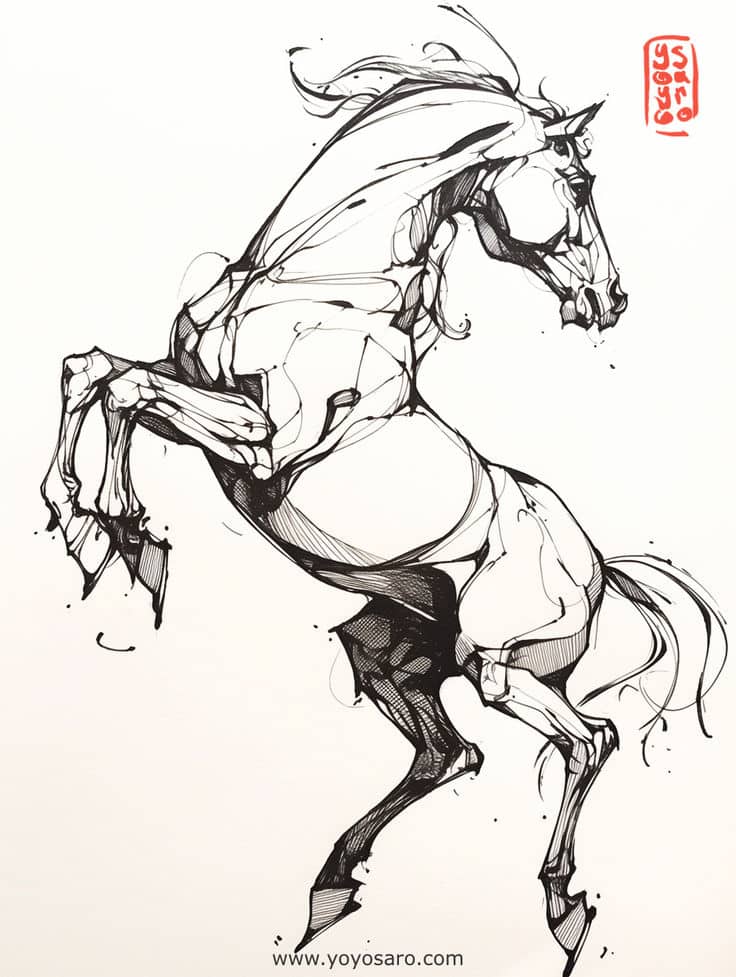
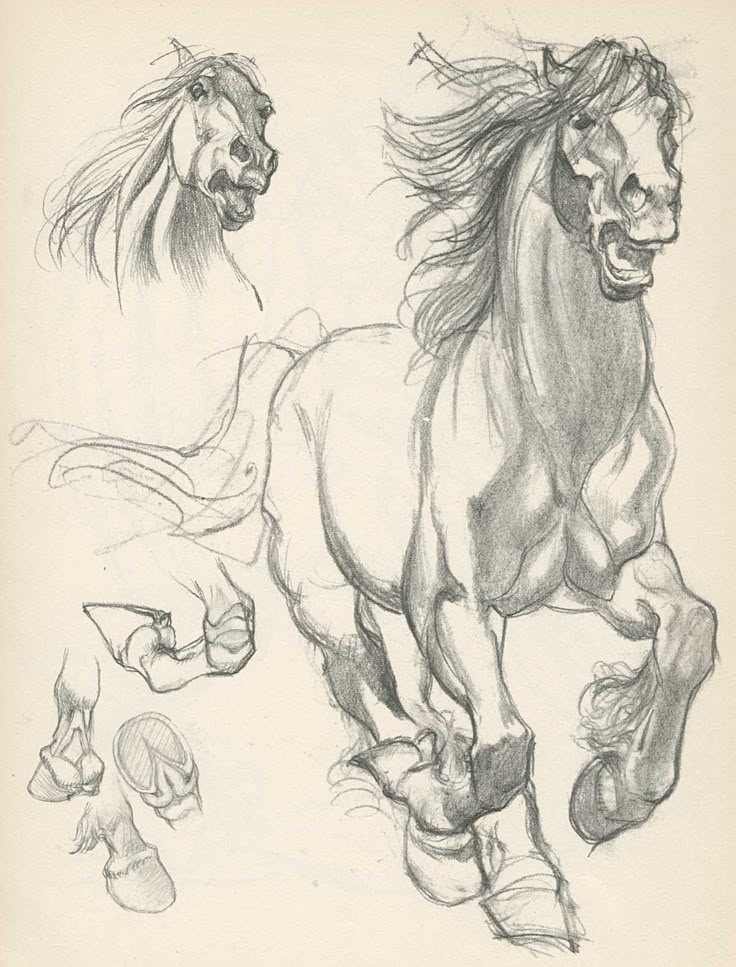
Capturing horses in motion is a popular way to show their energy and grace. Artists often sketch horses running, jumping, or trotting to highlight fluid movement. Focus on key body parts like the legs, neck, and mane to show speed and direction.
Using simple lines or shapes helps break down complex poses. For example, long sweeping curves can suggest flowing manes or tails. Sketching multiple positions of legs quickly gives the feeling of a galloping horse.
Adding details like dust clouds or bent legs can make the scene feel active. Studying real-life photos or videos helps artists understand how muscles stretch and bend during movement.
Horses with Unique Patterns
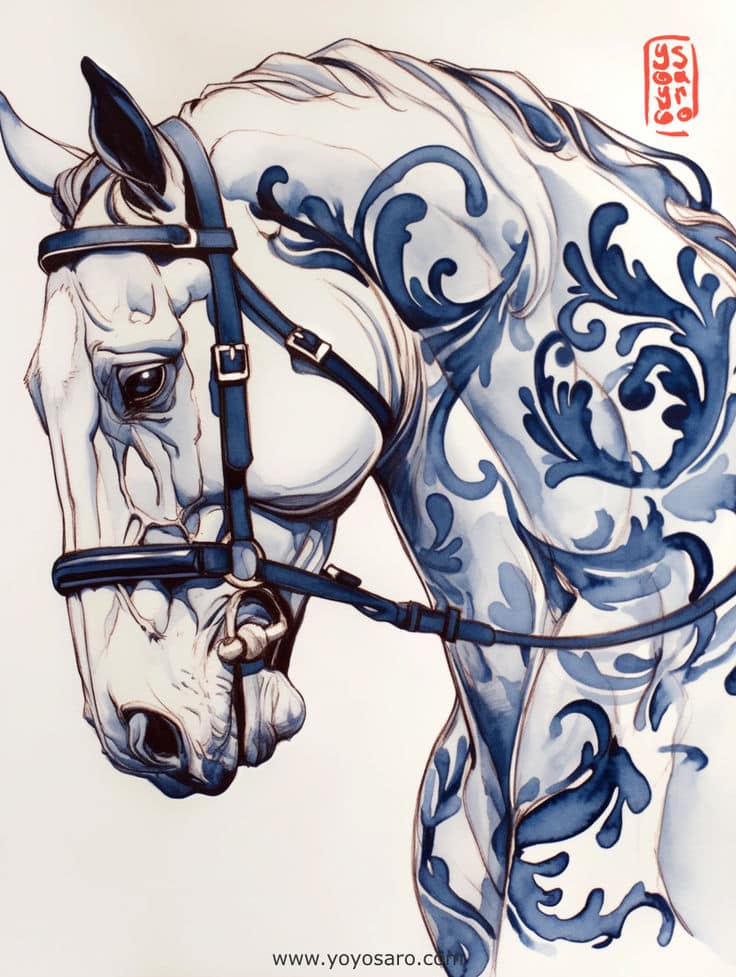
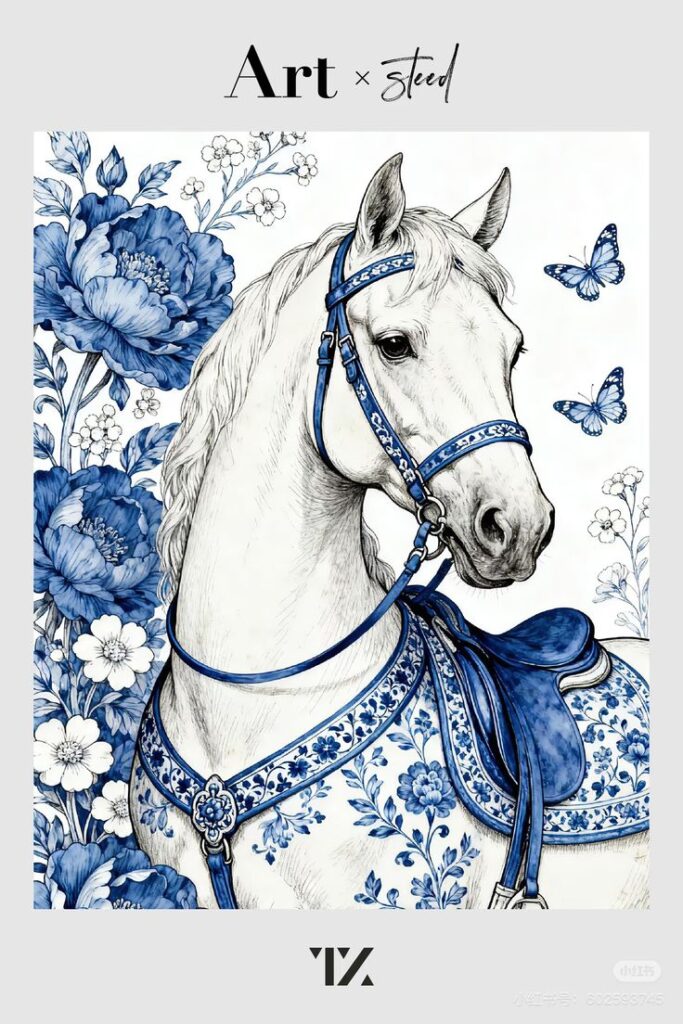
Adding patterns to horses can make drawings stand out. Artists might create stripes, spots, or even fantastical markings across the horse’s body. These patterns can be inspired by real breeds or purely imaginative.
Using a mix of colors and shapes lets artists get creative. Patterns can follow the horse’s natural contours or break the form with abstract designs. This approach adds visual interest and personality.
A good idea is to experiment with varying pattern sizes. Small dots around the face or large patches on the body create contrast. This style works well for artists who want to add a graphic or decorative touch.
Stylized Horse Illustrations
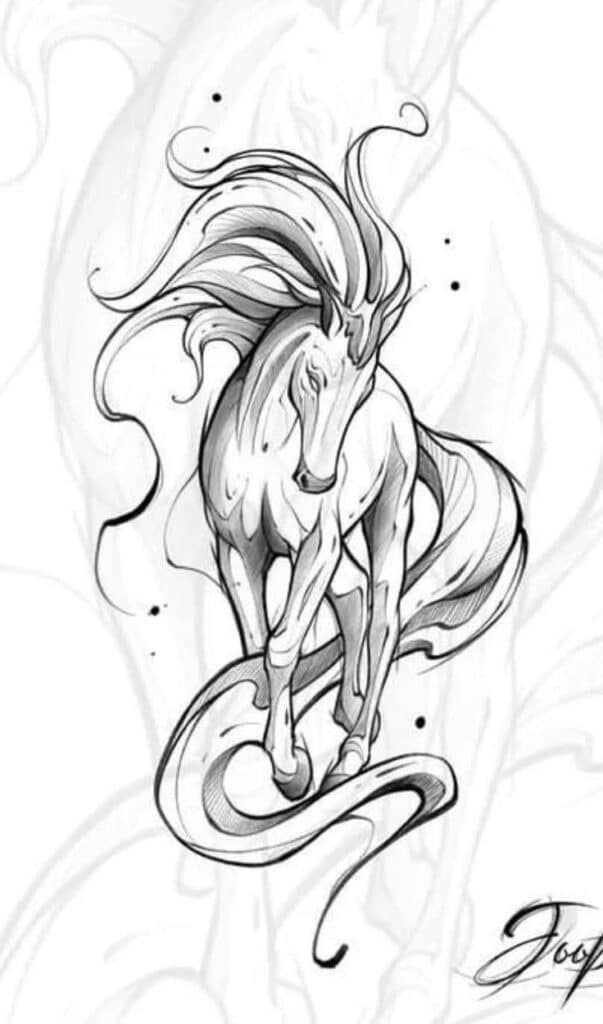
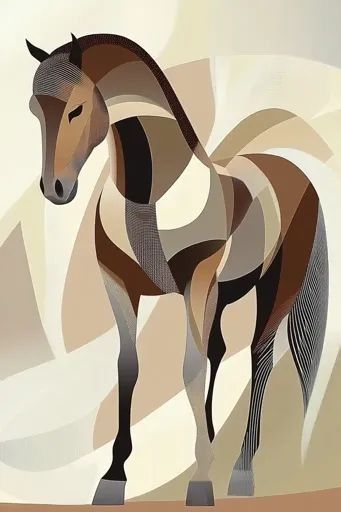
Stylized horses simplify real shapes, often exaggerating certain features. Big eyes, short bodies, or oversized hooves are common elements. This style is popular for cartoons and children’s books.
Breaking down the horse into basic shapes like circles for the head and ovals for the body makes drawing easier. This method helps beginners focus on proportions without getting lost in details.
Different styles can express mood or character. A happy horse might have a wide smile and large eyes, while a strong horse could have sharp angles. Stylized drawings offer freedom to add emotion and fun.
Horse Portrait Drawing Inspiration
Drawing a horse’s face focuses on specific details like the eyes, muzzle, and mane. Capturing the texture of the coat and the shape of muscles gives the portrait life. Different styles highlight distinct qualities, from true-to-life accuracy to expressive moods.
Realistic Horse Portraits
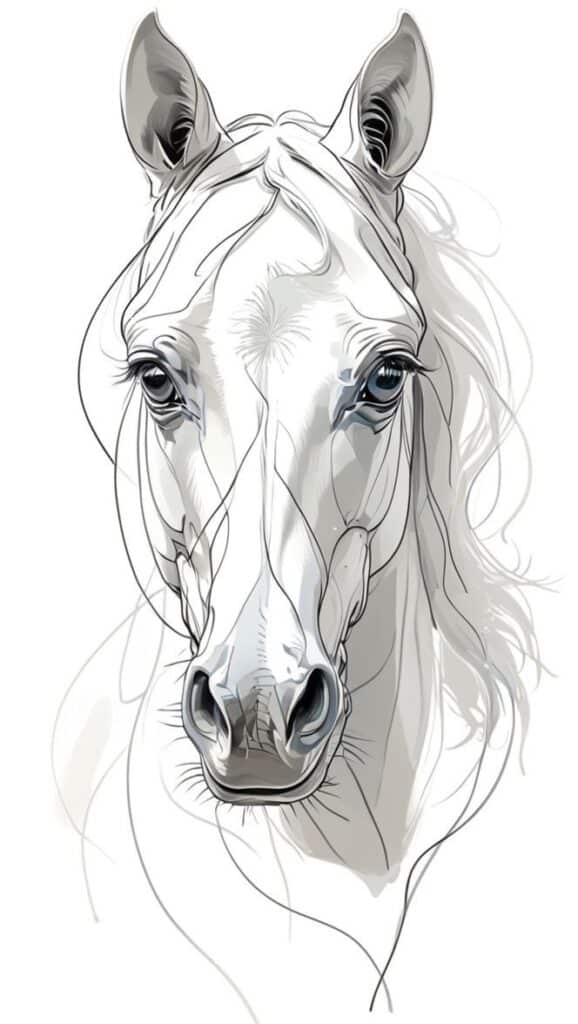
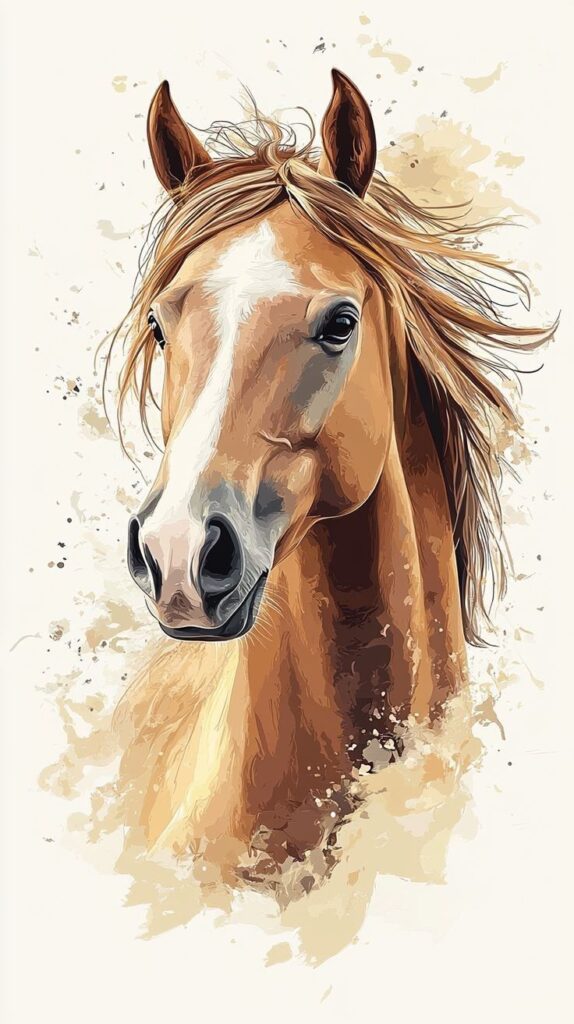
Realistic horse portraits aim to show the horse’s true features and textures. Artists often start by studying photo references closely. They pay special attention to the horse’s eyes, nostrils, and mouth because these express character.
Shading and blending are key to showing the smoothness of muscles and softness of hair. Using pencils or colored pencils allows for detailed strokes for the mane and fur texture. Small highlights in the eyes add life to the portrait.
The goal is often to create a sense of depth and volume, making the horse look three-dimensional on paper. Patience and careful observation of light and shadow make realistic portraits stand out.
Expressive Horse Faces
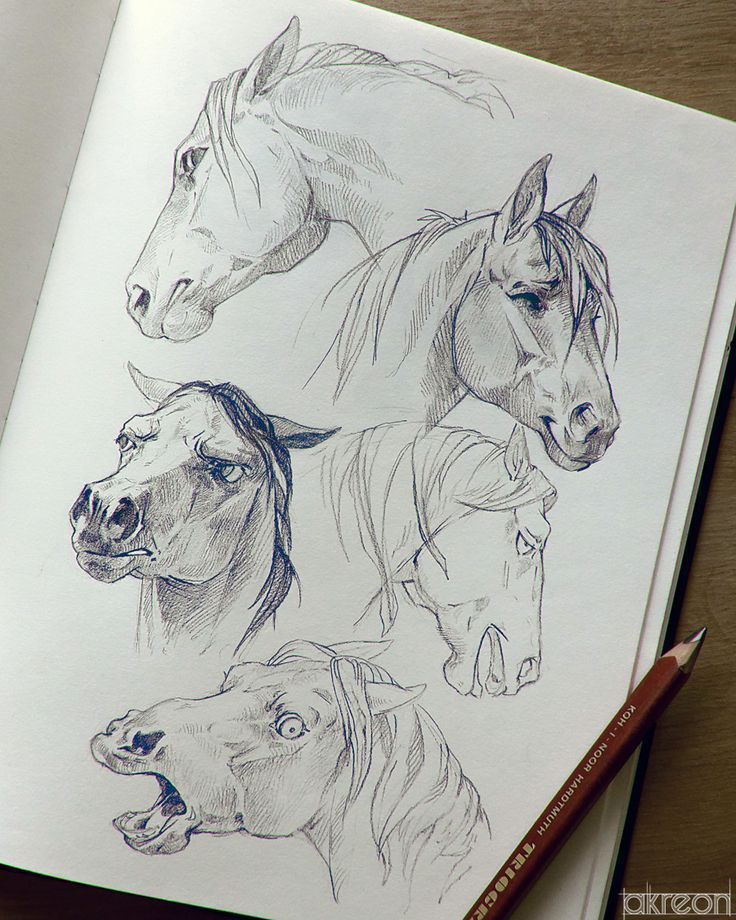
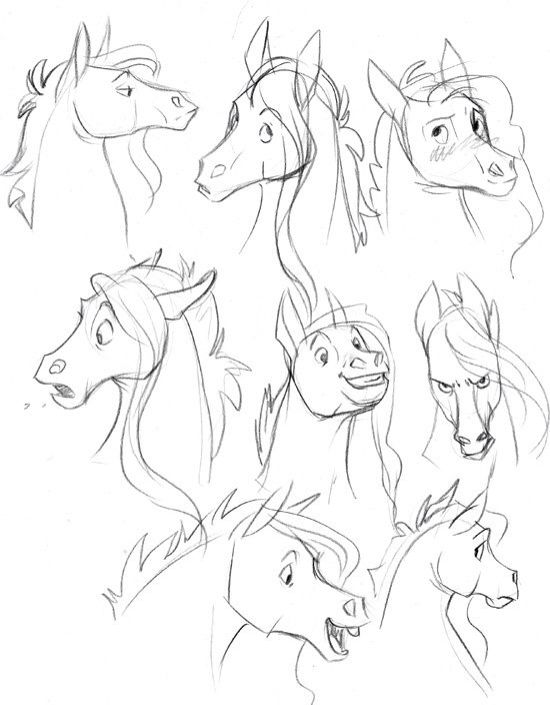
Expressive horse faces focus more on mood and personality than exact detail. Artists capture emotions like curiosity, calmness, or alertness through the horse’s eyes and ear positions.
Lines may be softer or exaggerated to show feelings. For example, wide eyes with raised eyebrows suggest surprise or excitement. Loose, flowing manes add a playful or wild vibe.
Key tips include studying horse behavior and practicing different facial expressions. This style helps artists connect emotionally with the subject, making drawings feel more alive and relatable.
Black and White Horse Drawings
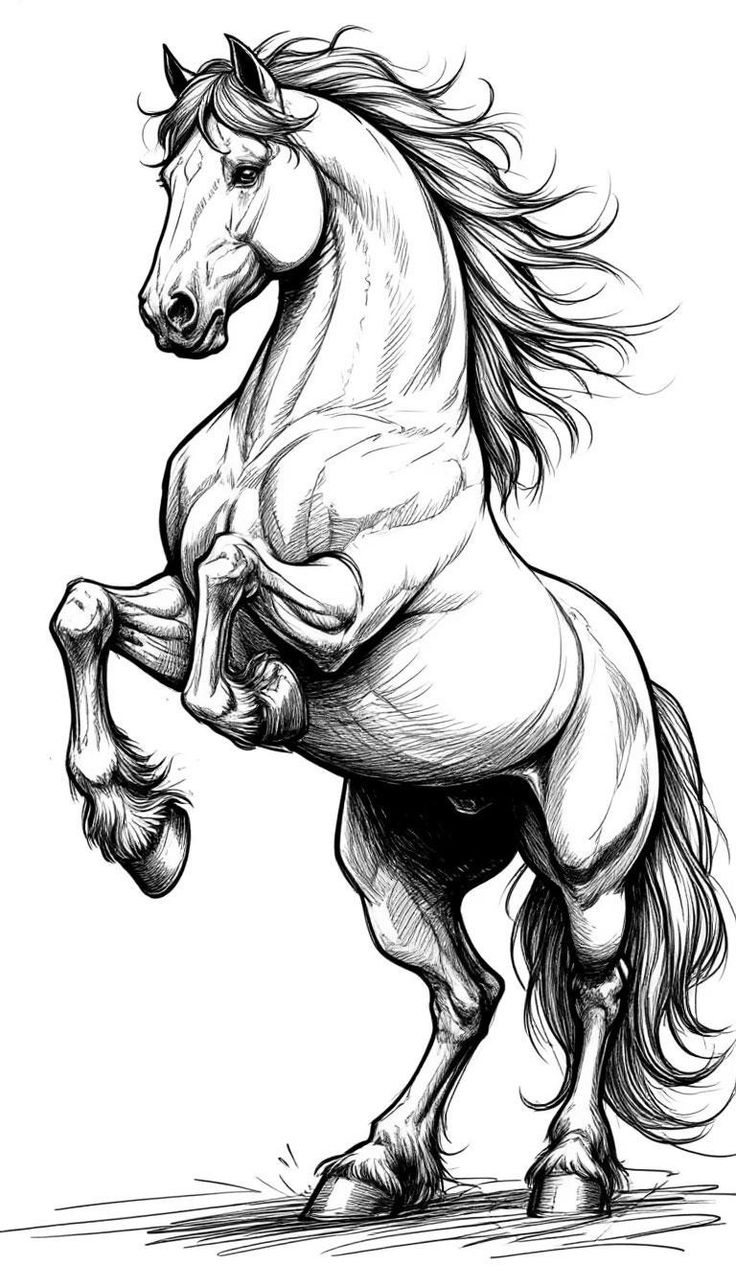
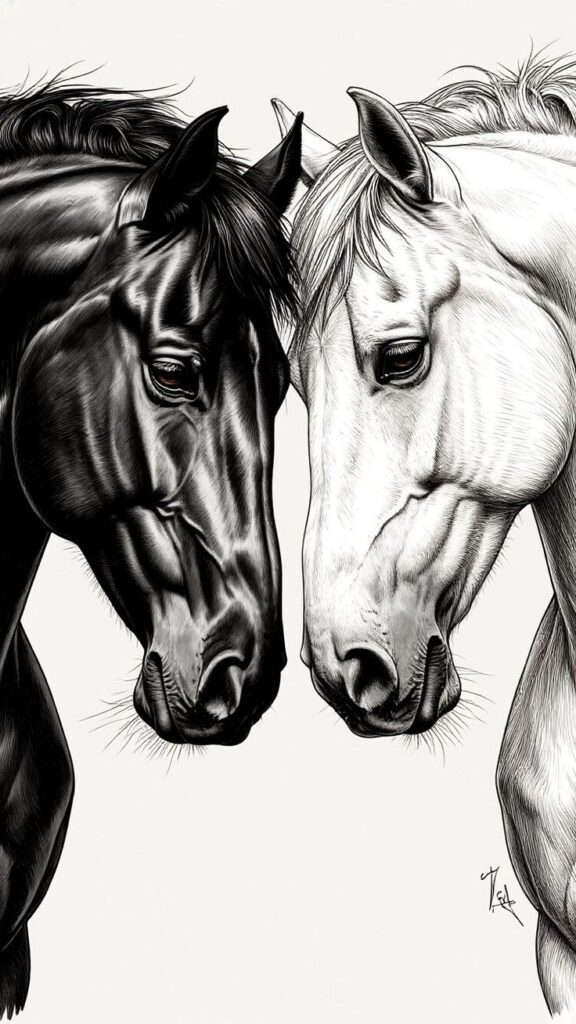
Black and white horse drawings use contrasts of light and dark to highlight the horse’s form and features. Without color, artists rely on shading techniques like cross-hatching, stippling, or smooth gradients.
This style often emphasizes structure — the bones, muscles, and fur patterns — by pushing shadows and highlights. It can give the drawing a bold, dramatic look while focusing on fine details like the texture of hair and the shine on the eyes.
Simple tools like graphite pencils, charcoal, or ink work well here. Black and white drawings are great for beginners and experienced artists wanting to practice value and contrast.
Drawing Wild and Domestic Horses
Capturing the spirit and details of horses requires different approaches depending on their type. Wild horses show movement and untamed energy, while domestic horses have distinctive shapes and features based on their breed and purpose. Studying these details helps artists create accurate and expressive drawings.
Wild Horses in Nature
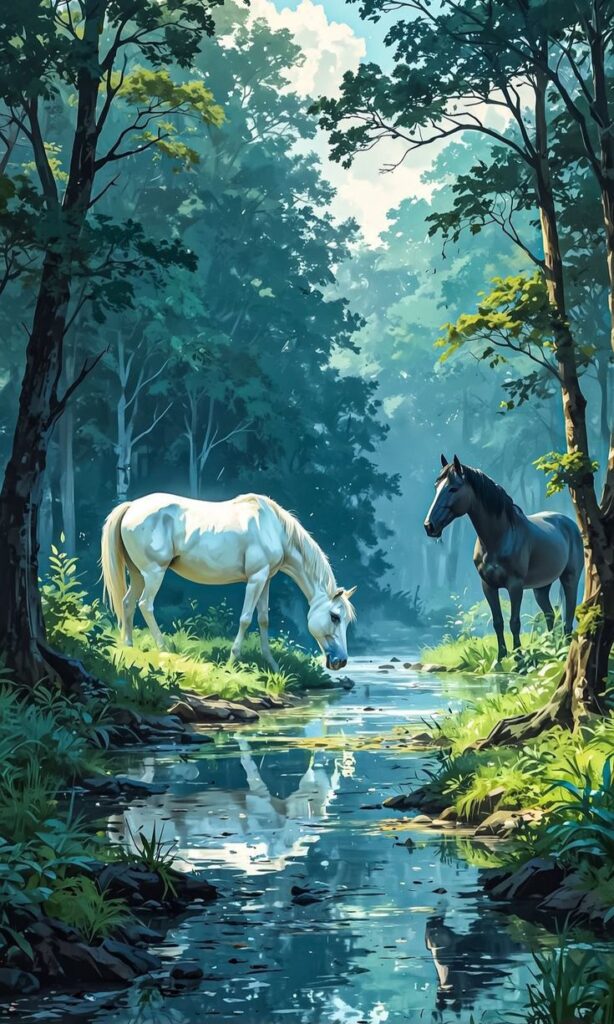
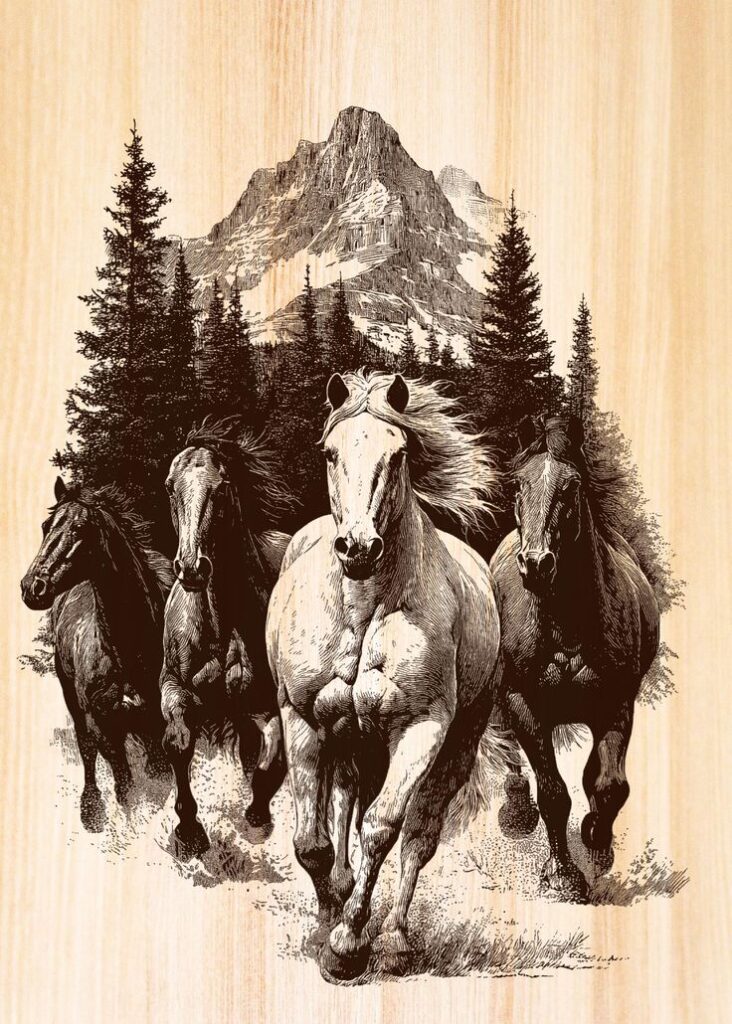
Wild horses often appear in dynamic poses, running or grazing in open spaces. Drawing them involves focusing on muscle tone and flowing manes to show motion and freedom. Their bodies are lean and strong, with visible bones and powerful legs.
Artists should pay attention to the environment, such as grasslands or desert scenes, to add context. Using reference images helps capture the natural lighting and shadows on their coats. Details like dirt on hooves or wind-blown tails make the drawing feel alive.
Ponies and Miniature Horses
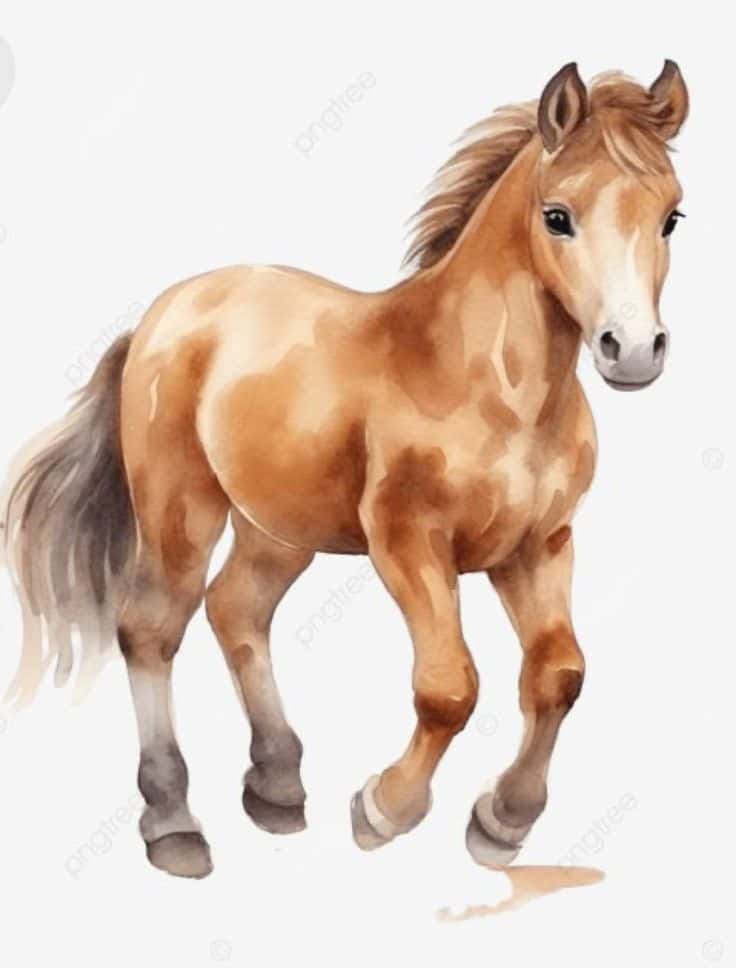
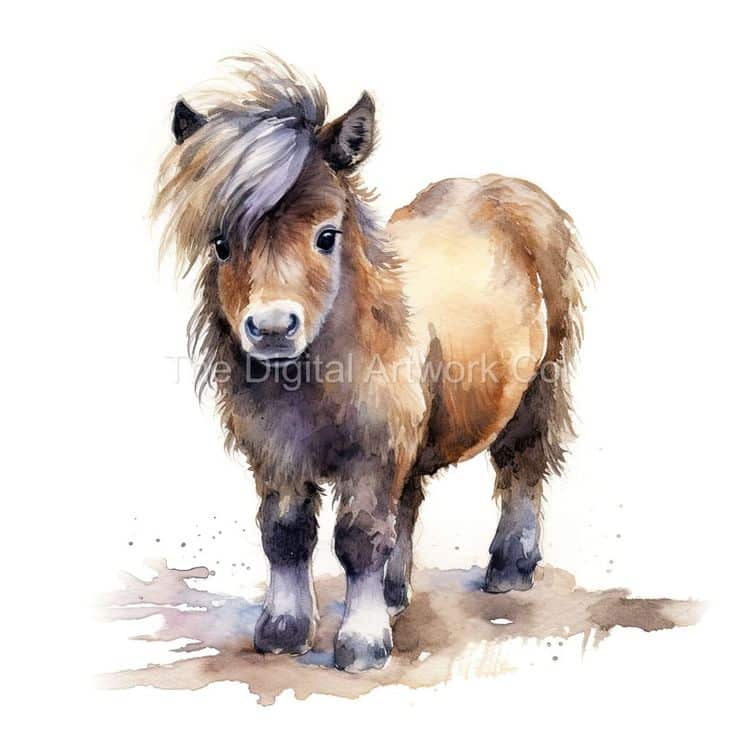
Ponies and miniature horses are smaller and often have rounder, softer shapes. Their faces are usually more compact, with big eyes that add a cute, friendly charm. When drawing them, it’s best to highlight their gentle, playful nature.
Because they are often depicted in close-up or calm poses, shading helps bring out their fluffy manes and smooth coats. These horses are perfect for beginners learning simple shapes before adding details like hooves or tails.
Elegant Show Horses
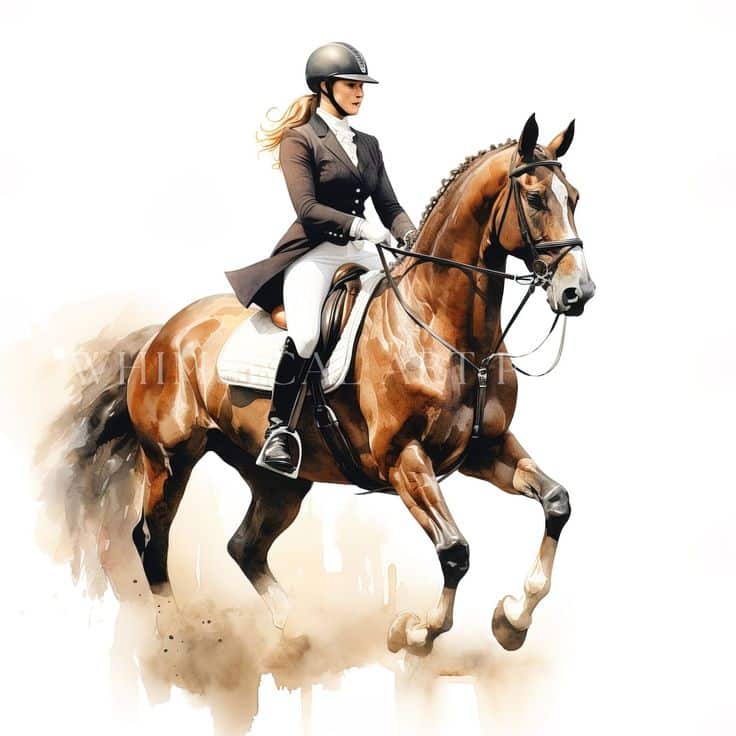
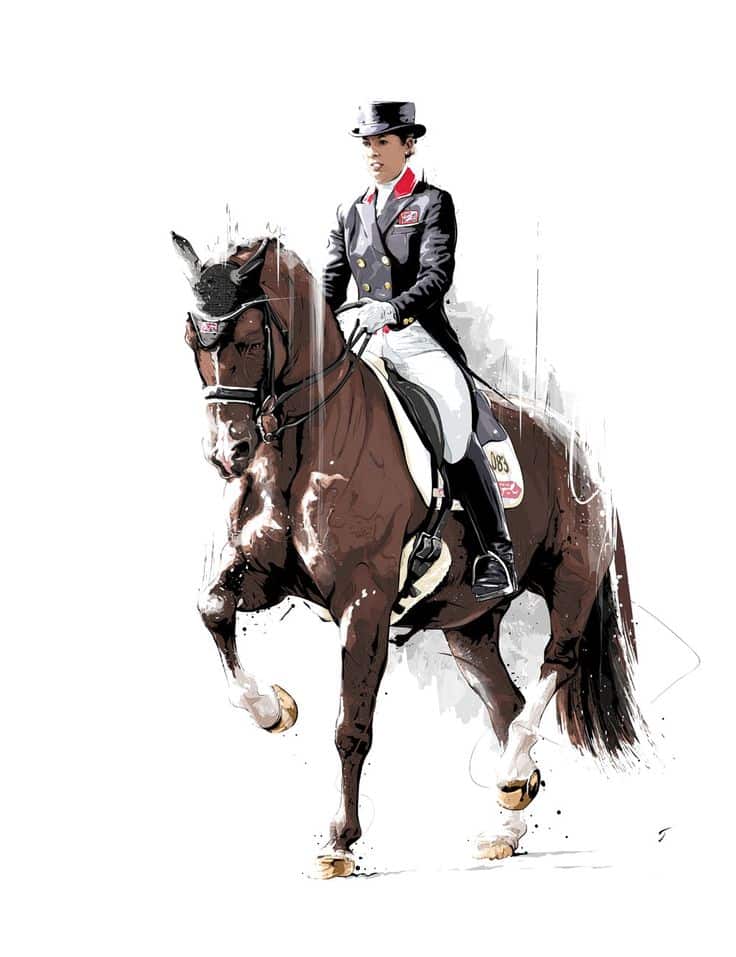
Show horses have sleek, polished appearances with well-defined muscles and clean lines. Artists can focus on their posture and the proud way they carry themselves. Often depicted in standing or walking poses, input like shiny coats and braided manes make them stand out.
Details like the shine on their bodies, trimmed tails, and decorated tack add to their elegance. To draw them realistically, study breed features and proportions closely, such as the long legs of Arabians or the muscular build of Thoroughbreds.
Horse Drawing Projects for All Skill Levels
These projects help artists build skills with clear steps or try new styles through different materials. They also explore adding bright colors and creative scenes to horse drawings.
Step-by-Step Drawing Challenges
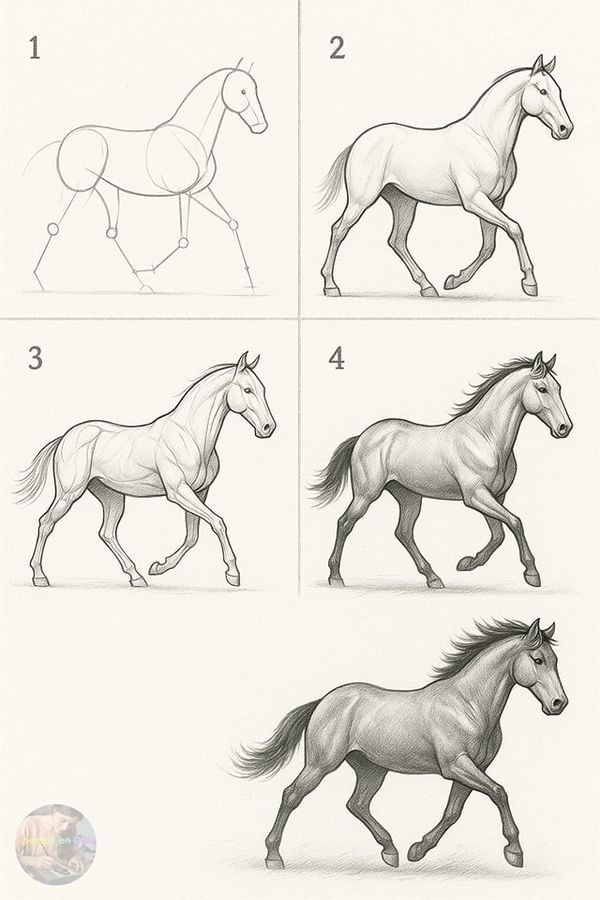
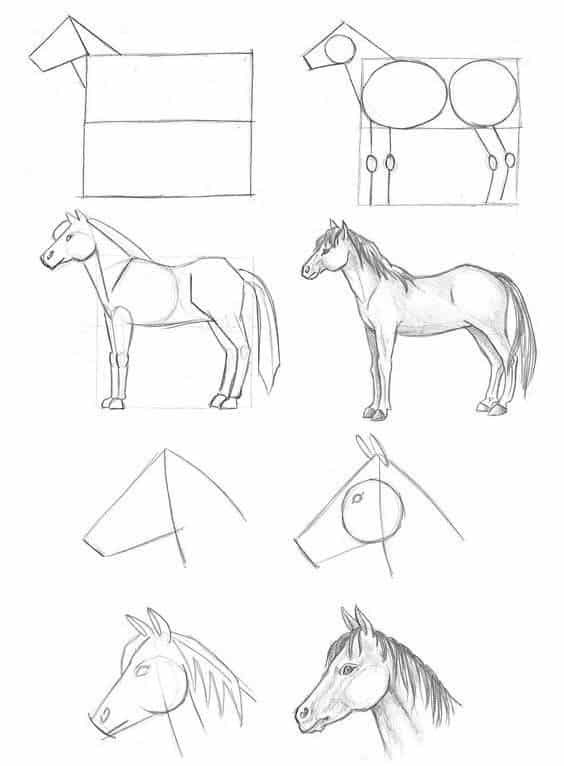
Step-by-step horse drawing challenges break down the horse’s body into simple shapes like circles and ovals. This makes it easier for beginners to understand the form without feeling overwhelmed by details.
Artists follow guided stages, starting with the basic outline and gradually adding features like the mane, eyes, and muscles. This method builds confidence and improves observation skills.
More advanced artists can use these steps to perfect proportions and explore different horse positions, such as standing, running, or grazing. Following a clear, stepwise plan helps practice and improve over time.
Mixed Media Horse Art
Mixed media horse art combines pencils, ink, and sometimes paint to add texture and depth. This type of project encourages artists to experiment with materials like colored pencils, markers, or even digital tools.
Working with mixed media allows for different effects, such as soft shading or sharp lines, which can highlight the horse’s muscles and fur. It also opens the door to creative expression, blending realism with artistic touch.
Artists at any level can try layering colors or adding abstract elements. This approach enhances visual interest and lets them explore the unique beauty of horses beyond traditional drawing.
Colorful Horse Scene Ideas
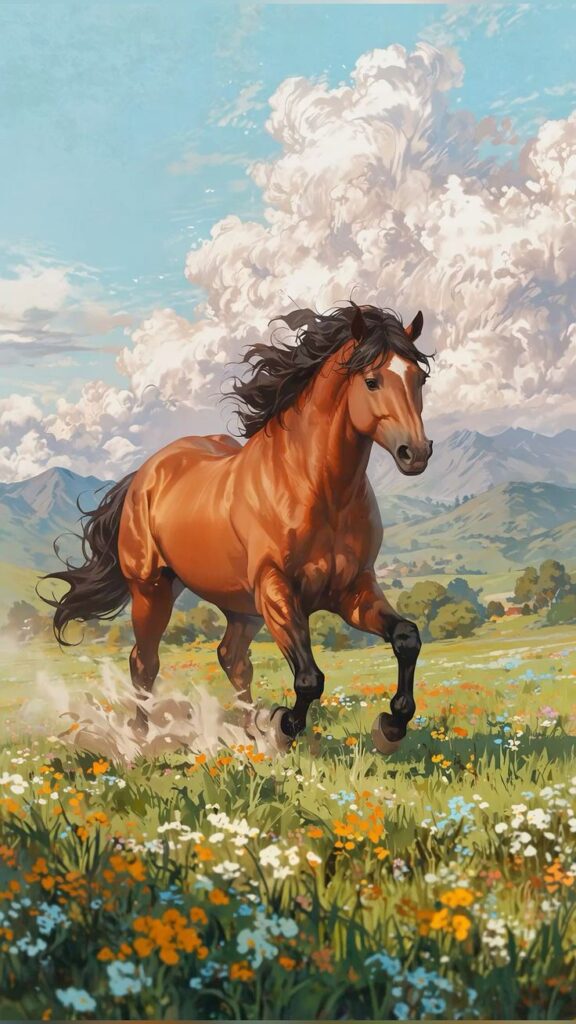
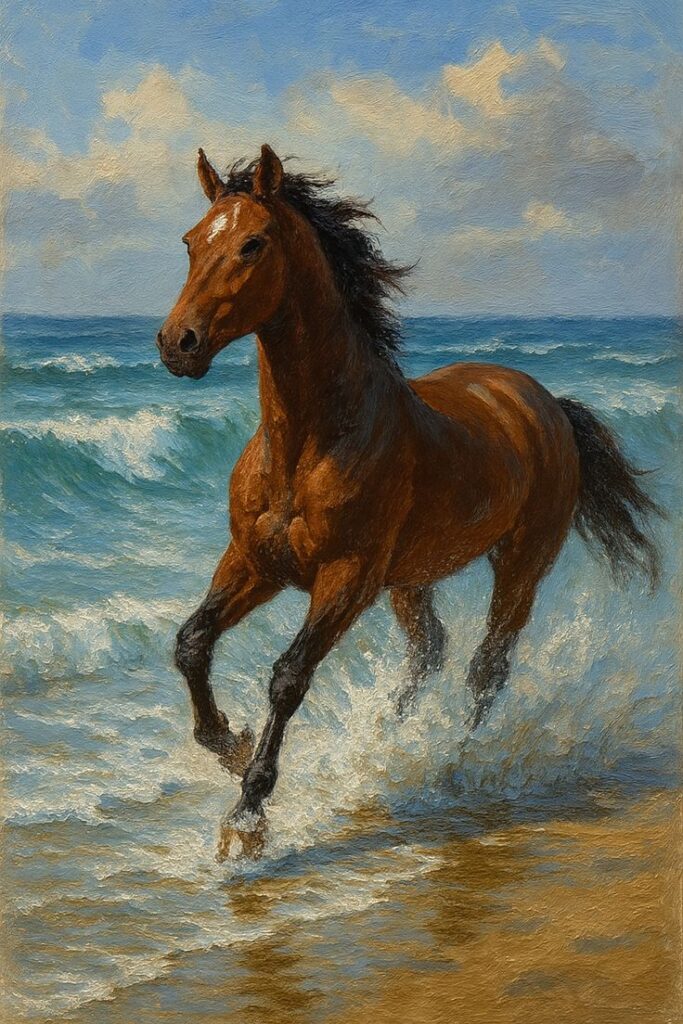
Adding colorful backgrounds or environments brings horse drawings to life. Artists can place horses in fields, mountains, or magical settings using bright, bold palettes.
Colorful scenes can be simple or detailed. For example, a single horse with a sunlit meadow behind it or a group of horses under a vibrant sunset sky. The key is using color to highlight movement or mood.
Using colored pencils, watercolors, or digital programs helps artists practice blending and layering, making the horse and its surroundings feel connected and real. This project type builds skills in both drawing and coloring.
Advanced Horse Drawing Inspirations
Exploring complex horse drawings pushes an artist’s skill and creativity. This includes capturing multiple horses interacting, imagining horses in magical worlds, and placing them in rich historical scenes. Each approach challenges different parts of drawing, from anatomy to storytelling.
Dynamic Group Compositions
Drawing several horses in one piece requires attention to how they move and relate to each other. Artists focus on body language, overlapping forms, and varied poses to create life and action. Horses can be shown running, resting, or interacting, which adds energy to the artwork.
To keep the composition balanced, it helps to plan the layout clearly. Artists often sketch the basic shapes first to ensure no horse gets lost. Using different sizes, angles, and directions prevents the drawing from looking flat. Capturing the light and shadow on each horse also improves the depth.
Fantasy and Mythical Horses
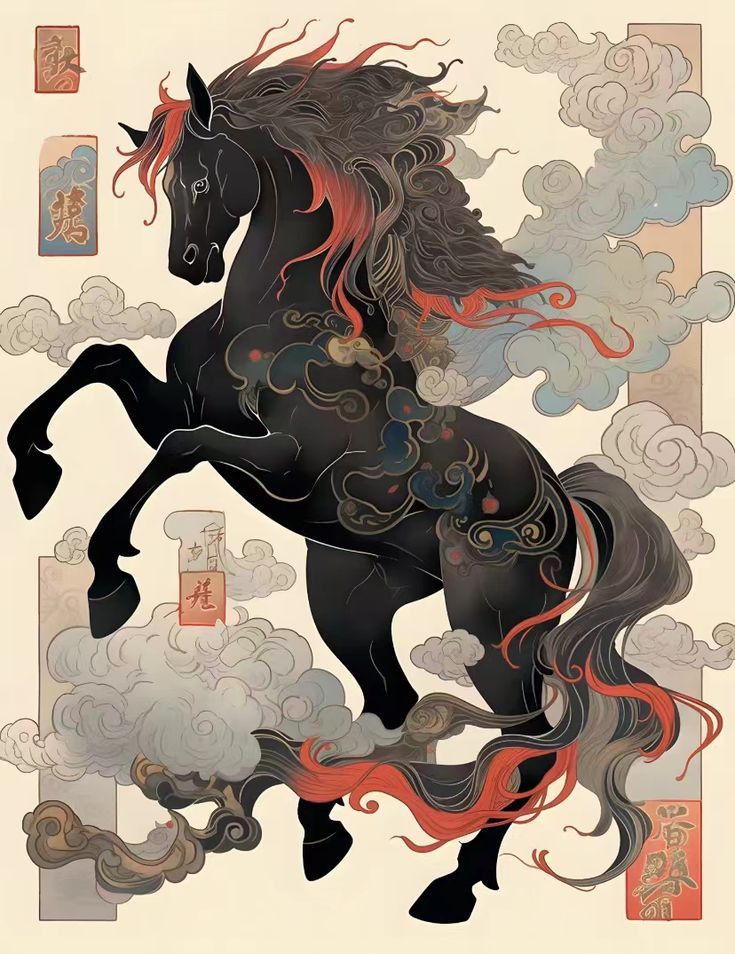
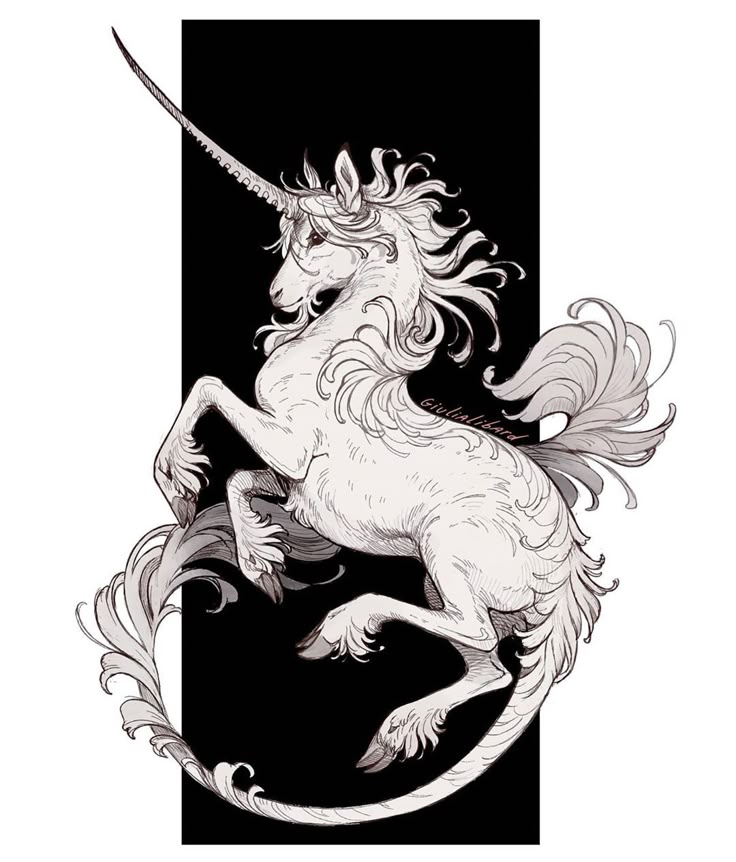
Fantasy horses allow for creative freedom with unusual features like wings, horns, or unusual colors. These designs often blend real horse anatomy with mythical elements, challenging artists to maintain believable shapes while adding imagination.
Details such as flowing manes, magical glows, and detailed textures make fantasy horses stand out. Artists work on combining realism and fantasy so the creature feels alive and powerful. It’s important to consider how added features affect the horse’s balance and muscle structure for a smooth look.
Horses in Historical Settings
Placing horses in historical scenes involves drawing accurate tack, costumes, and environments that fit specific eras. Whether medieval knights or Old West cowboys, the horse’s gear tells a story about the time and culture.
Artists study reference photos or history books to capture details like saddles, bridles, and armor. The horse’s posture often reflects its role, like calm for riding or tense for battle. Adding people, buildings, or landscapes from the era creates a complete, immersive scene.
What are some basic techniques for drawing horses?
Begin by understanding horse anatomy, starting with simple shapes like circles and ovals to sketch the main body parts. Focus on proportions, such as the body being about twice the length of the head, and pay attention to the placement of joints and muscles for realistic movement.
How can I capture a horse in motion in my drawing?
Practice sketching horses in different poses like walking, trotting, or galloping, using light strokes to build the position of legs and body. Focus on the bend and stretch of the legs, the flow of the mane and tail, and add details like dust or wind to suggest movement.
What are some easy ideas for beginner horse drawings?
Start with simple shapes to draw standing horses, cartoon characters, or just horse heads. Use basic outlines and add details gradually. Drawing cute, stylized horses with exaggerated features or focusing on the horse’s head can make the process more fun and less daunting.
How do I add personality and style to my horse drawings?
Experiment with patterns, colors, and stylized features like large eyes or exaggerated proportions. Draw horses in various creative scenes, such as in motion or with decorative patterns, to infuse your artwork with personality and unique character.
What should I keep in mind when creating realistic horse portraits?
Pay close attention to the details of the horse’s features, like the eyes, nostrils, and fur textures. Use shading and blending techniques to add depth and volume, and study reference photos to accurately capture proportion and anatomy for a lifelike appearance.
- 5.7Kshares
- Facebook0
- Pinterest5.7K
- Twitter0
- Reddit0