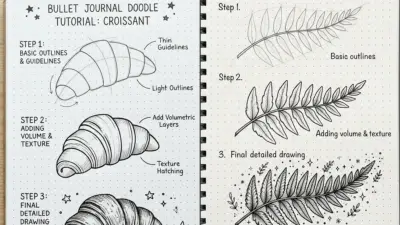
Anime pets add a touch of warmth & charm to your faves, & learning to draw them opens up all sorts of creative possibilities Drawing anime pets involves getting a handle on simplified shapes, big eyes, & the all powerful body language that can capture a whole lot of personality in just a handful of lines. The anime style makes it loads easier to draw cute animals that look adorable rather than getting bogged down in trying to draw them totally realistically – it’s all about capturing emotion & character rather than precise anatomy.
Whether you want to draw a faithful sidekick like Luna from Sailor Moon or just make up your own characters from scratch, the techniques are pretty much within reach no matter what level you’re at as an artist. You’ll find out that anime pets use the same basic principles as human anime characters, but you just have to scale things down a bit & simplify the forms – simple as that.
It gets even more fun when you start adding your own personal touches through unique expressions & poses – it takes it from just being a drawing to something really special. This guide’ll take you from basic shapes right on through to final colouring techniques, showing you how to bring cute & compelling anime animals to life on the page. You’ll get more confident with the fundamentals while at the same time developing your own style as you go along.
Key Takeaways
- Anime pet drawing uses simplified shapes and exaggerated features to create expressive characters that are easier to draw than realistic animals
- Building strong foundations with basic proportions and adding personality through expressions and poses will make your anime pets more engaging
- Practice with step-by-step techniques and proper coloring methods will help you develop your unique style and improve your skills over time
Getting Started With Drawing Anime Pets
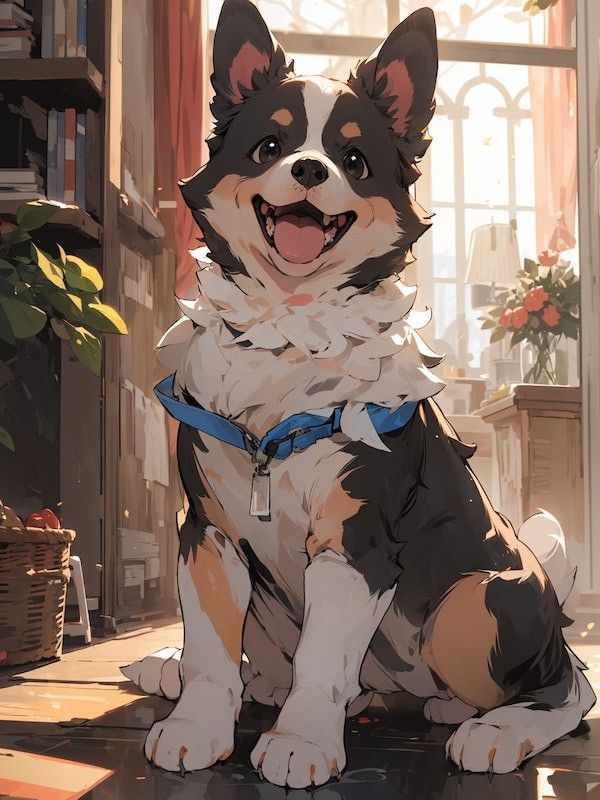

Drawing anime pets requires the right tools, knowledge of stylized proportions, and understanding of signature anime features that transform ordinary animals into expressive characters. These fundamentals will help you create compelling pet illustrations with authentic anime charm.
Essential Drawing Tools and Materials
You’ll need basic drawing supplies to begin your anime pet illustrations. Start with graphite pencils in varying hardnesses (2H for light sketches, HB for general work, and 2B for darker lines). A quality eraser is essential for corrections and highlights.
Include fine-tip pens or markers for inking your final lines. Black ink pens with 0.3mm to 0.5mm tips work well for details like whiskers and fur textures. You’ll also want smooth drawing paper that can handle erasing without pilling.
Consider adding colored pencils or markers to your toolkit for bringing your pets to life. Digital artists should use drawing tablets with pressure sensitivity and software like Clip Studio Paint or Procreate.
A ruler helps maintain symmetry when sketching initial guidelines. Keep a reference folder of real animals and anime pet examples to study as you practice.
Understanding Anime Pet Proportions
Anime pets use exaggerated proportions that differ significantly from realistic animals. The head is typically enlarged to about 40-50% of the total body size, creating an adorable, youthful appearance.
Eyes occupy roughly one-third of the face and sit lower than their realistic placement. This positioning emphasizes cuteness and allows for more expressive emotions. The body becomes more compact and rounded compared to actual animal anatomy.
Legs are shortened and simplified, often reduced to stubby limbs that enhance the cute factor. Paws become rounder and less detailed than their real-world counterparts. The overall silhouette leans toward soft, curved shapes rather than angular forms.
Different anime styles may adjust these proportions further. Some ultra-cute styles push the head size even larger, while action-oriented anime might maintain slightly more realistic ratios for dynamic pet characters.
Key Anime Features in Animal Characters
Large, expressive eyes serve as the primary feature distinguishing anime pets from realistic drawings. These eyes often include multiple highlight spots and simplified iris patterns that convey emotion instantly.
Simplified fur rendering replaces detailed textures with strategic lines and shapes. You’ll indicate fur direction with minimal strokes rather than drawing individual hairs. Tufts of fur appear as pointed clumps on the ears, cheeks, and tails.
Facial expressions become highly exaggerated in anime pets. Mouths can shift from tiny dots to wide grins that stretch across the face. Eyebrows appear even when animals don’t naturally have visible ones, adding emotional range.
Color saturation typically runs higher than realistic pet coloring. Anime pets feature vibrant, eye-catching hues with sharp contrast between light and shadow areas. Shading uses cel-shading techniques with distinct color blocks rather than gradual transitions.
Step-By-Step Guide To Drawing Anime Pets


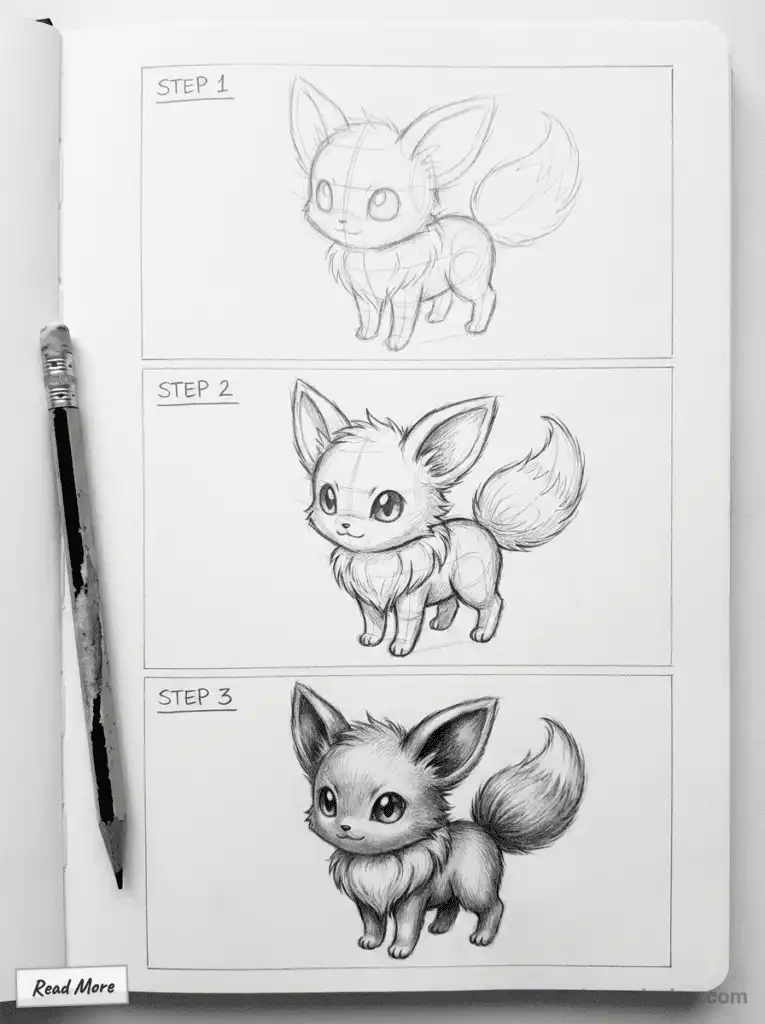
Drawing anime pets starts with simple geometric shapes that form the foundation of your character. The key is building from basic circles and ovals before refining details like facial features and distinctive animal characteristics.
Sketching Basic Shapes for the Head and Body
Start by drawing a large circle for the head, which should be proportionally bigger than realistic animal anatomy to achieve that cute anime look. The head-to-body ratio in anime pets is typically 1:1 or even larger, giving them an adorable, chibi-like appearance.
For the body, sketch an oval or rounded rectangle below the head. Keep it smaller and simpler than the head since anime pets emphasize facial expressions over body detail.
Connect these shapes with light, loose lines that you can adjust later. Don’t worry about perfection at this stage—these are just guidelines to establish proper proportions.
Add construction lines on the head circle: one vertical line down the center and one horizontal line across the middle. These lines help you position facial features symmetrally and maintain consistency when your pet turns or tilts its head.
Drawing Anime Eyes and Expressions
Anime pet eyes are usually large, round, and positioned low on the head to maximize cuteness. Draw two large circles or ovals along the horizontal guideline you created, spacing them about one eye-width apart.
Add a thick upper eyelid line to give the eyes definition and character. The bottom line should be thinner or even omitted for a softer, more innocent look.
Create highlights by drawing two or three circles of varying sizes within each eye—leave these white when coloring. Add a large pupil in the center, making sure both eyes look in the same direction unless you’re drawing a confused or silly expression.
The mouth in anime pets is typically small and simple. A tiny curved line, dot, or “w” shape works perfectly for happy expressions. Position it below and between the eyes, keeping it minimal to maintain focus on those expressive eyes.
Adding Ears, Tails, and Paws
Ears define what type of animal you’re drawing, so their shape and placement matter significantly. For dogs, draw floppy or pointed ears starting from the top sides of the head circle. Cat ears should be triangular and positioned higher up, while rabbit ears are long ovals extending well above the head.
Make the ears slightly oversized compared to realistic proportions—this adds to the anime aesthetic. You can show emotion through ear position: perked up for excitement, drooping for sadness, or tilted back for playfulness.
Draw the tail with flowing, curved lines that match your pet’s personality and species. Cats get fluffy, curved tails, while dogs might have thick, wagging tails. Keep the tail proportionally large and expressive.
For paws, sketch small ovals or rounded shapes at the end of simple leg lines. Anime pet paws are usually simplified without individual toe details. Add small pad marks with curves or dots if you want extra detail, but keeping them simple maintains the clean anime style.
Creating Popular Anime Pets
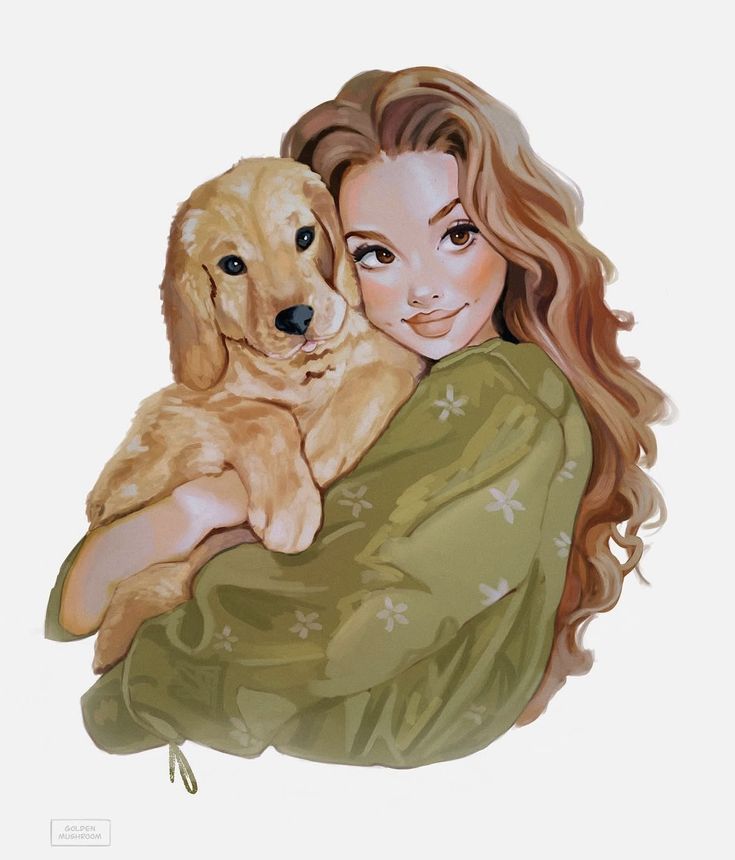
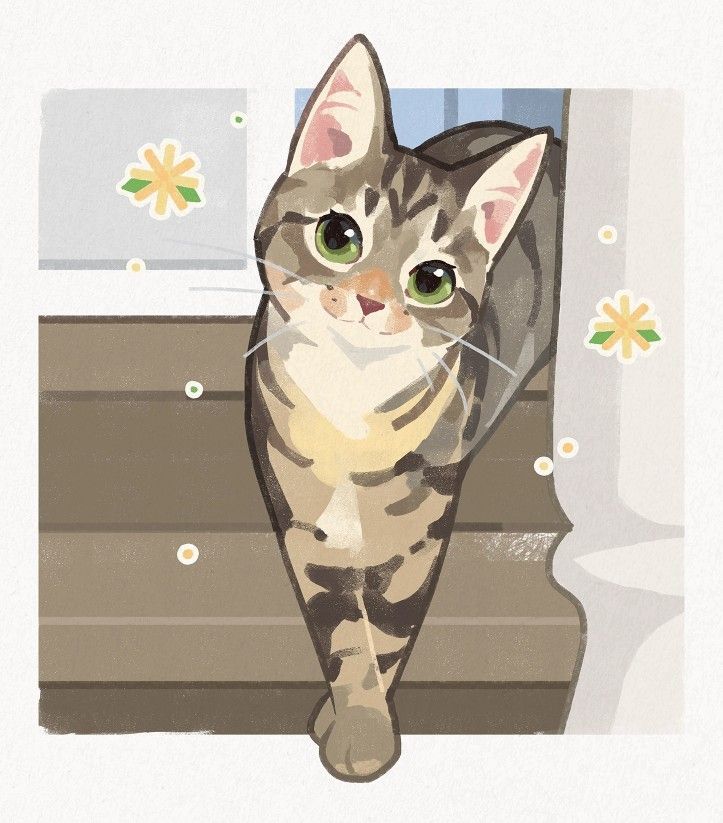
Dogs and cats remain the most frequently drawn anime pets, each requiring distinct approaches to capture their characteristic features in anime style. Fantasy creatures blend real animal traits with imaginative elements to create memorable companions.
Drawing an Anime Dog
Start with basic shapes to establish your dog’s proportions. Draw a circle for the head and a larger oval for the body, then connect them with a curved neck line. This foundation helps you maintain consistent proportions throughout your drawing.
Anime dogs feature larger, more expressive eyes than realistic dogs. Position the eyes in the lower half of the head circle, spacing them wider apart for a cuter appearance. Add highlights to the pupils to create that signature anime sparkle that brings life to your character.
The snout should be simplified compared to realistic drawings. Keep it small and rounded for cute breeds, or slightly longer for larger dogs. Add a simple triangular nose and a gentle curve for the mouth.
Ears vary significantly by breed, but typically appear softer and more flowing in anime style. Floppy ears should have gentle curves, while pointed ears can be slightly exaggerated in size. The tail follows similar principles, with flowing lines that convey movement and emotion through its position and shape.
Drawing an Anime Cat
Cats in anime style require attention to their naturally elegant proportions. Begin with a circular head that’s proportionally larger than the body to enhance cuteness. The body should be sleek and slightly elongated.
Large, round eyes are essential for anime cats. Position them prominently on the face with significant white highlights to create an innocent, appealing expression. The pupils can be drawn as vertical slits or round shapes, depending on your desired mood.
Keep facial features minimal and delicate. The nose is typically a small triangle or dot, positioned centrally on the face. The mouth consists of a simple “Y” shape or curved line beneath the nose.
Ears should be triangular and positioned on top of the head, slightly tilted outward. Add subtle inner ear details with a few simple lines. The tail is crucial for expressing personality—draw it with fluid, graceful curves that can wrap around the body or stand upright.
Designing Unique Fantasy Anime Pets
Fantasy anime pets combine real animal characteristics with imaginative elements like wings, horns, or magical markings. Start by selecting a base animal as your foundation, then add fantastical features that complement the original form.
Color choices set fantasy pets apart from realistic animals. Consider using vibrant, unnatural colors like purple, blue, or multicolored gradients. Add glowing elements, magical auras, or sparkles to emphasize the supernatural nature.
Proportion exaggeration enhances the fantasy appeal. Oversized features like ears, tails, or paws create visual interest and personality. You can add multiple tails, floating accessories, or elemental effects surrounding your pet.
Incorporate symbolic elements that reflect your pet’s abilities or nature. Fire pets might have flame-like fur patterns, while water creatures could have flowing, ribbon-like fins. Keep the core design recognizable while pushing creative boundaries with your additions.
Adding Character And Personality To Anime Pets


The personality of your anime pet emerges through deliberate choices in body language, carefully selected accessories, and distinctive physical markings that tell a visual story about who they are.
Developing Expressive Poses
Body language communicates your pet’s personality more effectively than any other single element. A confident cat might sit upright with its tail curved elegantly, while a playful puppy could be drawn mid-bounce with one paw raised and ears perked forward.
Consider the energy level you want to convey. High-energy pets benefit from dynamic diagonal lines and asymmetrical poses that suggest movement. Calm, gentle personalities work well with relaxed, symmetrical stances where the weight is evenly distributed.
The head tilt is particularly powerful for adding character. A slight tilt to one side suggests curiosity or confusion, while a proud head held high indicates confidence. Pay attention to ear position too—forward-facing ears show alertness and interest, while flattened ears can indicate playfulness or shyness.
Your pet’s tail deserves special attention as an expressive tool. A high, wagging tail radiates happiness, while a tucked tail suggests nervousness. For cats, a puffed tail adds drama and excitement to action scenes.
Using Accessories and Props
Accessories transform a simple pet portrait into a character with a backstory. A bandana or collar establishes basic personality, while items like tiny glasses, hats, or scarves add layers of character depth.
Match accessories to your pet’s personality traits. A studious pet might wear reading glasses or have books nearby. An adventurous dog could sport a backpack or a compass. Musical pets come alive with instruments as props.
Keep accessories proportional and functional-looking, even in stylized anime form. Oversized items should appear intentionally comedic, while realistic accessories ground the character. You can use seasonal props like scarves for winter or flower crowns for spring to add context.
Consider the color palette of your accessories carefully. They should complement your pet’s fur colors without overwhelming the design. Contrasting colors make accessories pop, while matching tones create a more cohesive, sophisticated look.
Incorporating Fur Patterns and Markings
Natural markings become signature features that make your anime pet instantly recognizable. Spots, stripes, and color patches should be simplified but remain true to their essential arrangement and proportions.
Anime style allows you to emphasize distinctive markings by adjusting their size or contrast. A small white chest patch might become more prominent in your drawing, or tabby stripes could be rendered as bold, graphic lines rather than subtle gradations.
Use markings to enhance facial expressions. Dark fur around the eyes creates natural “eyeliner” that intensifies the gaze. Light patches on the eyebrows suggest expressiveness. Symmetrical markings convey balance and calm, while asymmetrical patterns add visual interest and uniqueness.
Texture indication matters even in simplified anime style. Short-haired pets work well with clean lines and minimal texture marks. Fluffy pets benefit from strategic tufts and soft edge work that suggests volume without overwhelming the design.
Coloring And Finishing Techniques


The right color choices and finishing touches transform a basic sketch into a vibrant anime pet illustration. Mastering shading, highlighting, and outlining techniques will give your artwork professional polish and visual appeal.
Choosing Colors for Anime Pets
Start by selecting a base color palette that matches your pet’s species and personality. For realistic anime pets, observe reference photos to understand natural fur or feather patterns, then simplify these into flat color zones typical of anime style.
Consider using analogous colors (colors next to each other on the color wheel) for harmonious results. A brown dog might include warm oranges and tans, while a cat could blend grays with subtle blues or purples.
Color selection tips:
- Use 3-5 main colors to avoid overwhelming the design
- Pick one accent color for eyes or accessories to create focal points
- Test color combinations on a separate layer before committing
- Adjust saturation based on mood (bright for energetic pets, muted for calm ones)
Your medium matters too. Markers create bold, saturated results ideal for cell shading, while colored pencils allow for gradual blending and softer transitions.
Shading and Highlighting


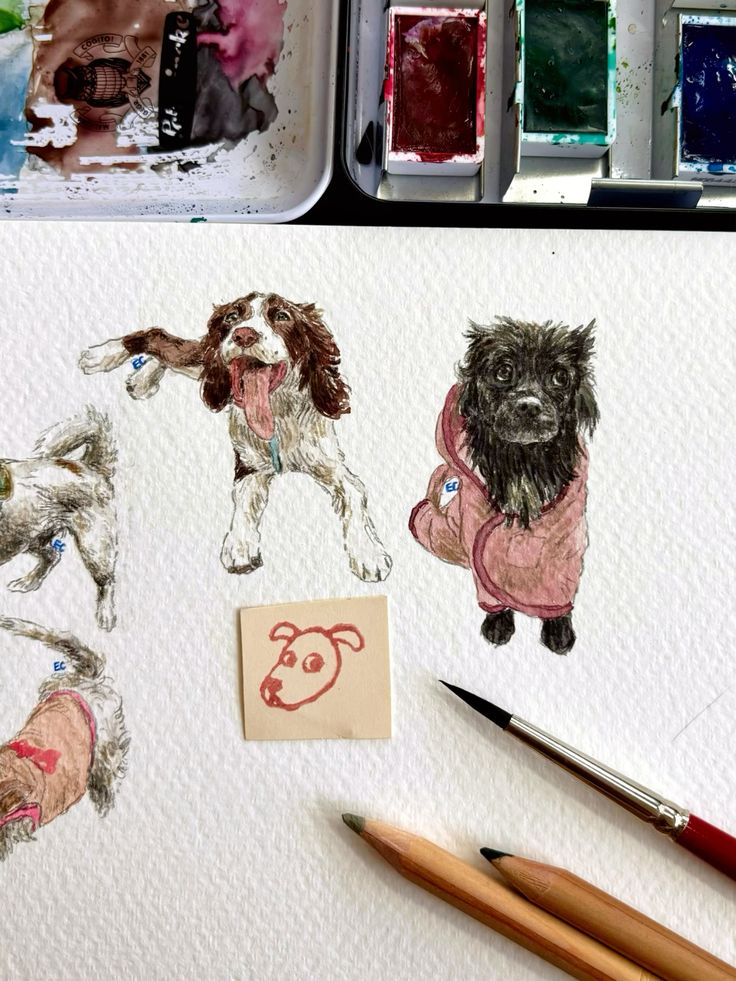
Cell shading is the most common anime technique, using distinct blocks of shadow and light rather than gradual transitions. Place your shadows on the side opposite your light source, typically using a color 2-3 shades darker than your base.
Add a second shadow layer in areas where light rarely reaches, like under the chin or between overlapping fur. Keep these shapes simple with clean edges that follow the pet’s form.
Highlights bring dimension and life to your drawing. Place small bright spots where light hits directly—the top of the head, nose tip, and eyes. White or light yellow works well for most subjects.
Essential shading steps:
- Establish your light source direction
- Apply base colors first
- Add primary shadows (30-40% of the surface)
- Include secondary shadows sparingly (10-15%)
- Place highlights last for maximum impact
Use reference images to understand how light behaves on fur, scales, or feathers, then simplify what you see into 2-3 distinct value zones.
Outlining for a Polished Look
A clean outline defines your anime pet’s shape and makes it stand out from the background. Use fine-tip black pens, markers, or digital brushes with consistent line weight for a professional appearance.
Vary your line thickness slightly for added interest. Make outlines thicker on the outer edges and thinner for interior details like facial features. This creates depth and prevents your drawing from looking flat.
Consider using colored outlines instead of pure black for a softer, more modern anime aesthetic. Dark brown works well for warm-colored pets, while navy blue complements cool tones. The outline color should be darker than your base color but not completely black.
Clean up any sketch lines that show through your coloring. Your final outline should be continuous with no gaps or wobbly sections, giving your anime pet a crisp, finished look that’s ready to share.
Tips For Improving Your Anime Pet Drawings

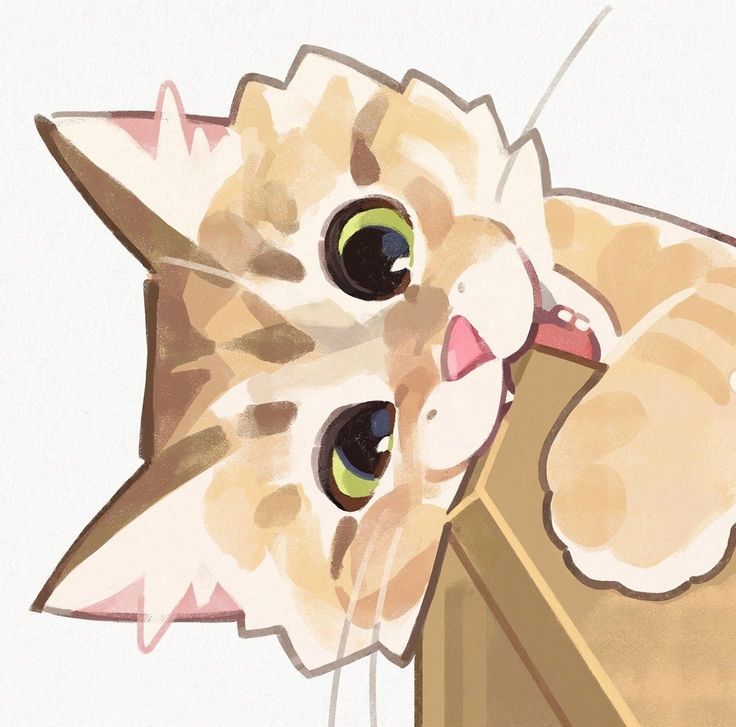
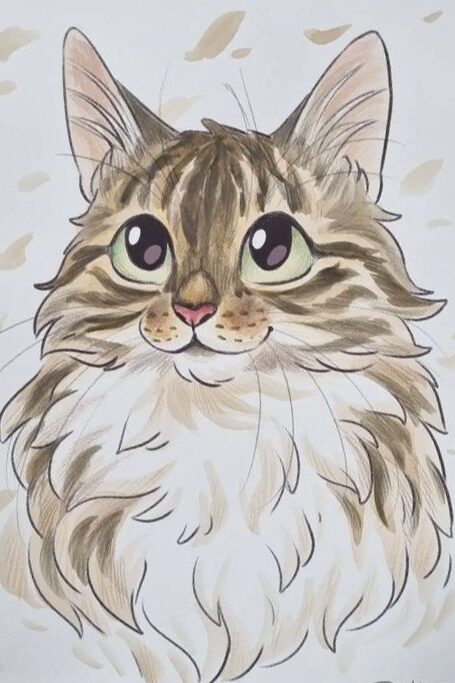
Mastering anime pet art requires understanding common pitfalls that can make your drawings look unbalanced, learning how to use reference materials effectively, and eventually creating a signature style that makes your work stand out.
Common Mistakes to Avoid
One of the biggest errors beginners make is drawing anime pet heads too large or too small in relation to their bodies. The head-to-body ratio varies depending on how cute you want your pet to appear, but maintaining consistency throughout your drawing is essential.
Many artists also struggle with eye placement. Anime pet eyes should typically sit lower on the head than realistic pet eyes, and spacing them too far apart or too close together can throw off the entire character’s appeal.
Watch out for these additional mistakes:
- Making all four legs the same length when pets are positioned at angles
- Forgetting that anime pets still need proper anatomy underneath the simplified style
- Drawing paws that are too small or lack definition
- Using overly complex line work that conflicts with the anime’s simplified aesthetic
Another frequent issue is inconsistent line weight. Your outlines should be bolder, while internal details use thinner lines. This creates depth and prevents your anime pet from looking flat or confusing to the eye.
Practicing With References

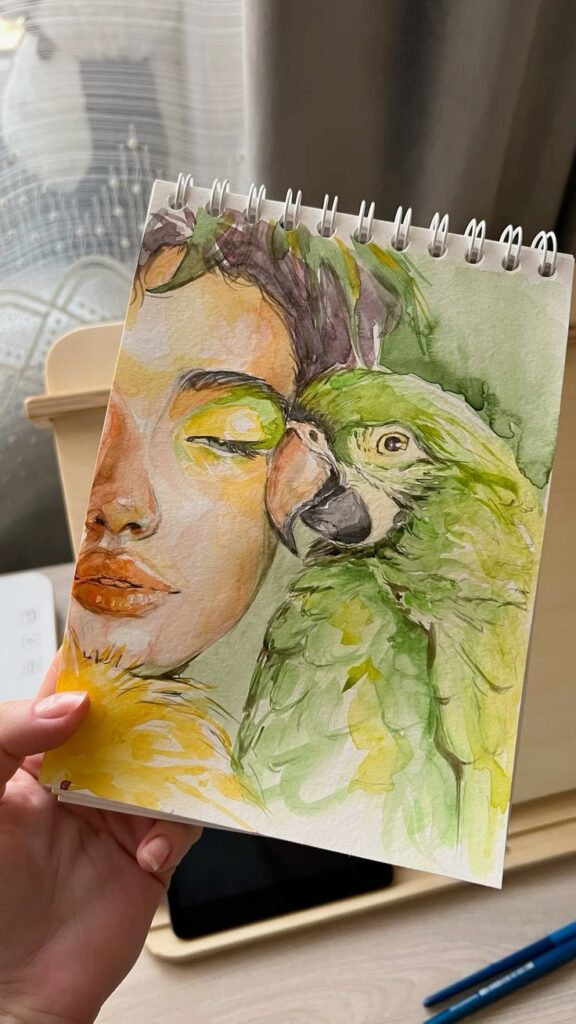
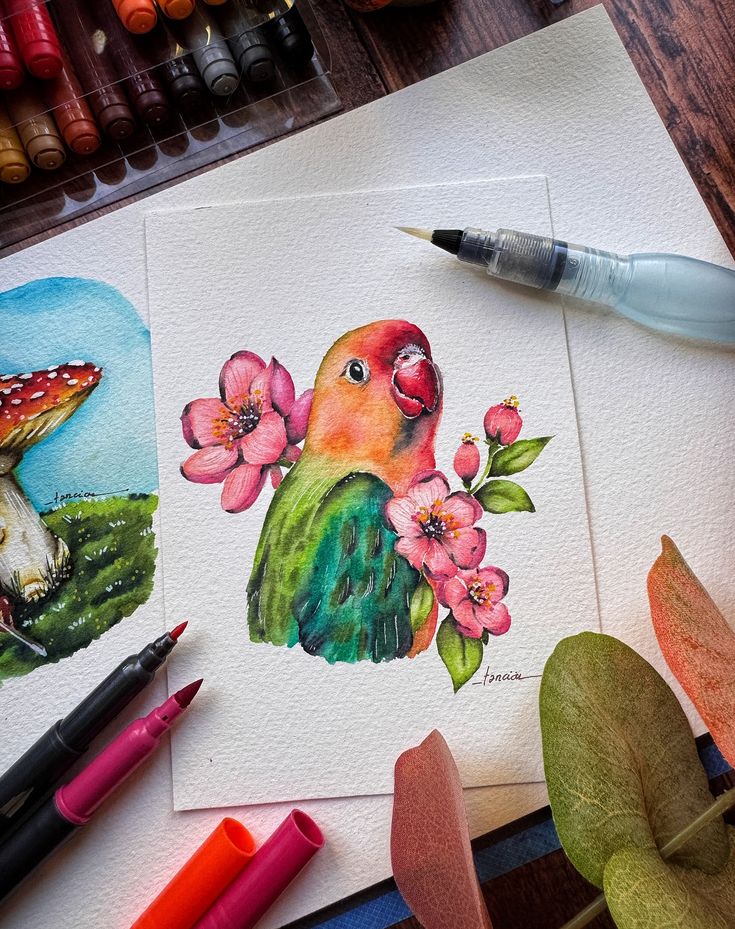
Start by studying both real pet photographs and professional anime pet artwork side by side. This comparison helps you understand which features anime artists simplify and which they exaggerate for effect.
Create a reference folder organized by animal type and angle. Include front views, side profiles, and three-quarter angles so you can practice drawing your anime pets from multiple perspectives.
Try this practice routine:
- Draw a real pet photo in a realistic style
- Redraw the same pet in anime style
- Compare both versions to identify what changed
Focus on breaking down complex animal forms into basic shapes first. A dog’s head might be a circle with a cone-shaped muzzle, while a cat’s body could start as an oval with a curved cylinder for the tail.
Study how professional anime artists handle fur texture. Most use selective line clusters rather than drawing every strand, placing detail strategically around ears, cheeks, and tails while keeping body fur minimal.
Developing Your Own Anime Pet Style
Your personal style emerges from the choices you make repeatedly. Decide whether your anime pets will have large sparkly eyes or smaller, subdued ones, rounded bodies or sleeker forms, and detailed or minimal fur indication.
Experiment with different eye shapes and expressions across multiple sketches. Some artists prefer circular eyes for maximum cuteness, while others use almond or oval shapes for more sophisticated looks.
Elements to customize in your style:
| Feature | Options to Explore |
|---|---|
| Eye size | Oversized, moderate, or small |
| Body proportions | Chibi-style, semi-realistic, or elongated |
| Line quality | Clean and smooth or textured and sketchy |
| Detail level | Minimal or feature-rich |
Create character sheets for your anime pets that show them from different angles with consistent features. This practice reinforces your style choices and makes your work more recognizable.
Pay attention to which anime pet drawings you create that receive the most positive feedback. These pieces often contain the style elements that resonate with viewers and should inform your artistic direction going forward.
What are the essential tools for drawing anime pets?
Essential tools include graphite pencils of varying hardness, quality erasers, fine-tip pens or markers for inking, smooth drawing paper, and colored pencils or markers for coloring. Digital artists should use drawing tablets with pressure sensitivity and software like Clip Studio Paint or Procreate.
How do anime pet proportions differ from realistic animals?
Anime pets typically have enlarged heads, about 40-50% of the body size, with large, expressive eyes occupying about one-third of the face. The body is more compact and rounded, with shortened, simplified limbs and rounder paws, emphasizing cuteness and emotion.
What are the key features that distinguish anime animal characters?
Anime animals have large, expressive eyes with highlights, simplified fur textures, exaggerated facial expressions, vibrant coloring with sharp contrast, and features like oversized ears, tails, and distinctive markings that convey personality.
How can I create expressive poses for my anime pets?
Expressive poses are achieved through body language, such as an upright, confident stance or playful mid-bounce. Consider the pet’s personality, using dynamic lines and asymmetrical positions to suggest movement, and use head tilts, ear positions, and tail angles to add character.
What common mistakes should I avoid when drawing anime pets?
Avoid drawing heads too large or too small relative to the body, misplacing eye level and spacing, inconsistent leg lengths, overly complex line work, and uneven line weight. Maintaining proper proportions, using reference materials, and practicing line variation will improve your artwork.
- 1.8Kshares
- Facebook0
- Pinterest1.8K
- Twitter0
- Reddit0