Your first anime drawing probably looked nothing like the tutorial promised. Big eyes that came out lopsided. Hair that looked like a helmet. Proportions that made your character look like an alien—and not in a cool way.
Here’s the uncomfortable truth about most “easy anime drawings” tutorials: they skip the fundamentals that actually make anime look like anime. They show you finished results and say “now you try,” as if drawing were just copying shapes.
I’ve noticed that beginners who struggle aren’t lacking talent—they’re lacking a proper sequence. They try to draw a complete character before they can draw a convincing eye. They attempt dynamic poses before understanding basic head construction. No wonder it’s frustrating.
- Getting Started with Anime Drawings
- Drawing Anime Characters
- Mastering the Anime Body
- Popular Anime Styles
- Practice Techniques for Improvement
- FAQ
- What's the easiest anime thing to draw for absolute beginners?
- Why do my anime characters look "off" even when I follow tutorials?
- How long does it take to get good at easy anime drawings?
- Do I need expensive supplies for anime drawing?
- What's the difference between anime and manga drawing styles?
- Should I learn realistic drawing before anime?
- Conclusion
This guide takes a different approach. We’re starting with the elements that give you immediate wins—features you can master in one sitting that look recognizably “anime.” Then we build from there. Each project adds one new skill to what you already know.
Forget talent. Forget “artistic ability.” Easy anime drawings are about understanding patterns—and patterns can be learned.
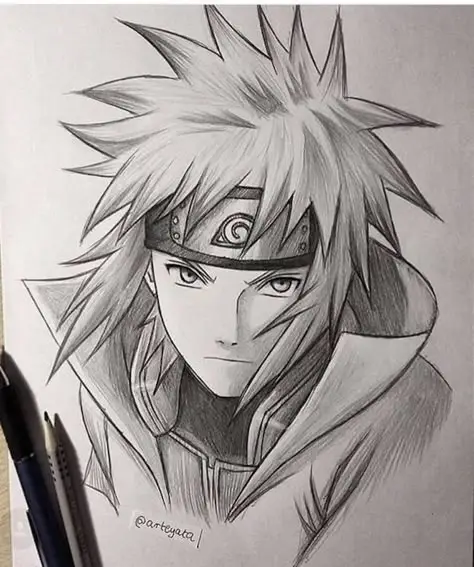
Whether you’re learning to draw anime for a school project or preparing a talk about anime and manga art, using an anime presentation template can help you showcase your drawings and techniques visually. These templates often include character illustrations, expressive backgrounds, and creative layouts perfect for art presentations.
Key Takeaways
- Easy anime drawings simplify complex elements for beginners.
- Focusing on individual design elements develops skills.
- Regular practice improves artistic abilities and style understanding.
Getting Started with Anime Drawings
To begin your journey into anime drawings, a grasp of anime and manga styles is crucial. Gathering essential materials makes the process smoother. Let’s examine these elements to ensure you have a strong start.
Understanding Anime and Manga
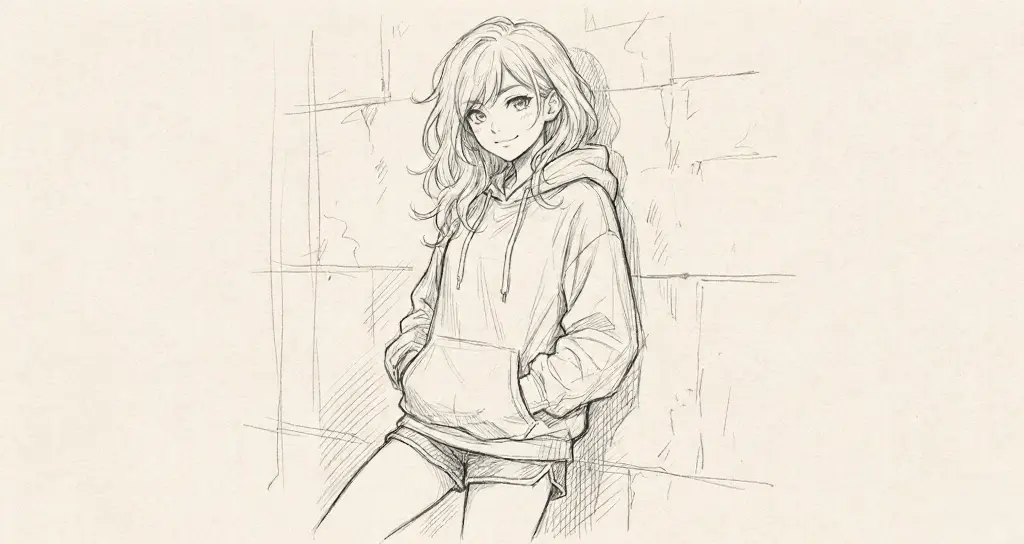
Anime and manga each have unique styles. Manga refers to Japanese comic books, while anime pertains to animated TV shows or films. Both art forms share similar aesthetics, often featuring exaggerated expressions and vivid character designs.
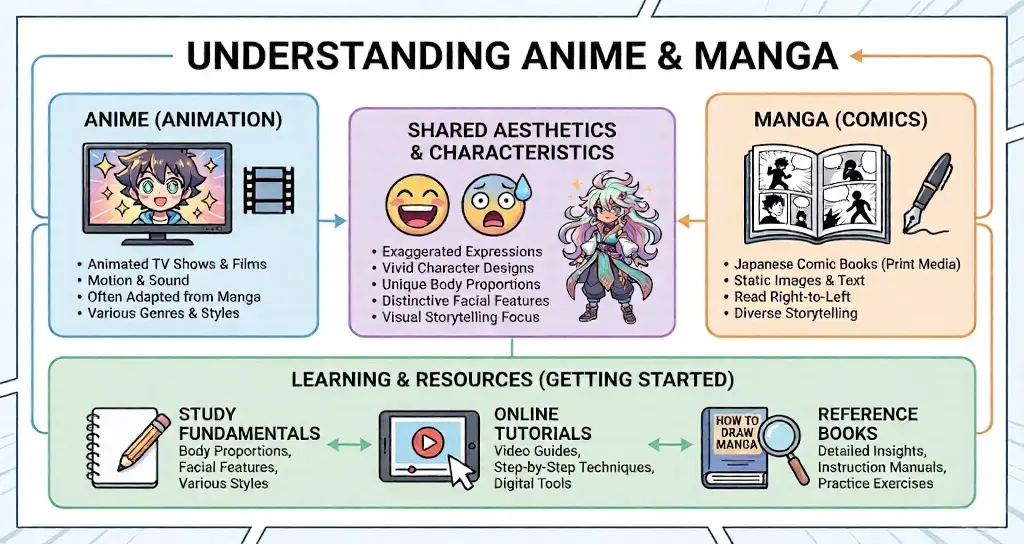
Familiarize yourself with various anime styles to find your preferred aesthetic. Consider studying body proportions and facial features characteristic of anime. Access online drawing tutorials for guidance on different styles and techniques. Books like “How to Draw Manga” can also offer detailed insights and step-by-step instructions for beginners.
Materials You’ll Need
Equipping yourself with the right tools is essential. Start with a good set of pencils for sketching, ranging from hard (H) to soft (B) leads. Erasers and a sharpener are necessary for refining your work.
Invest in quality paper that holds pencil marks well. If you plan to color your drawings, consider using markers or colored pencils suitable for anime art. Digital drawing tablets are an option if you prefer working digitally. Lastly, a reliable resource like “Beginner Guide to Drawing Anime & Manga” can provide further tips on tool selection and usage.


Drawing Anime Characters
Capturing the essence of anime characters involves paying close attention to details such as facial features and expressions, as well as the portrayal of male and female hands. These elements bring life and personality to your artwork, enhancing the overall depiction of the characters.
Facial Features and Expressions
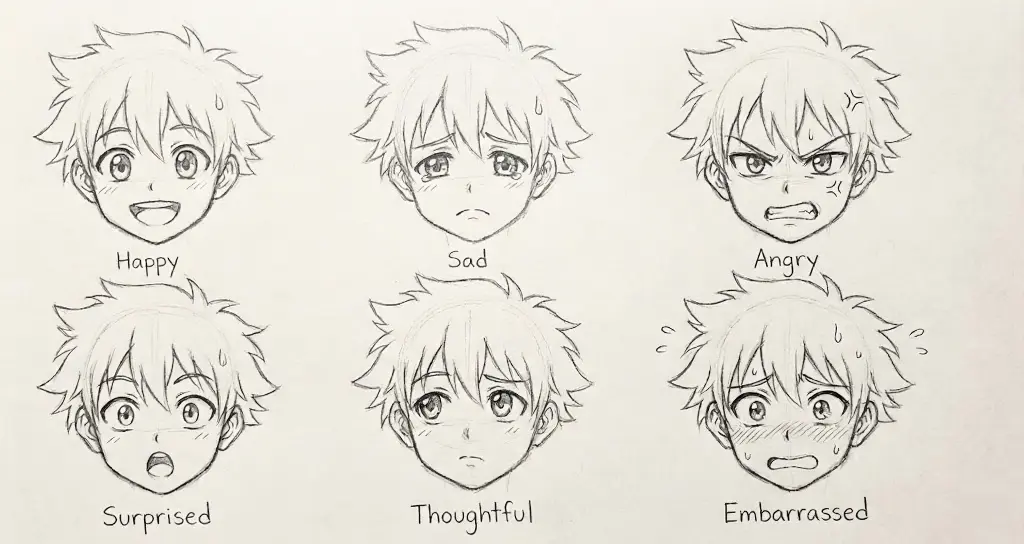
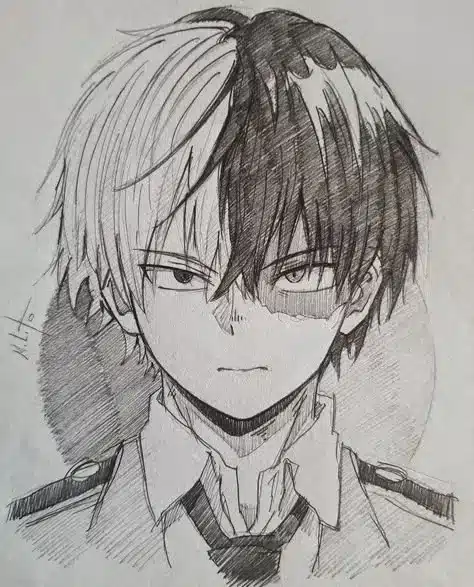
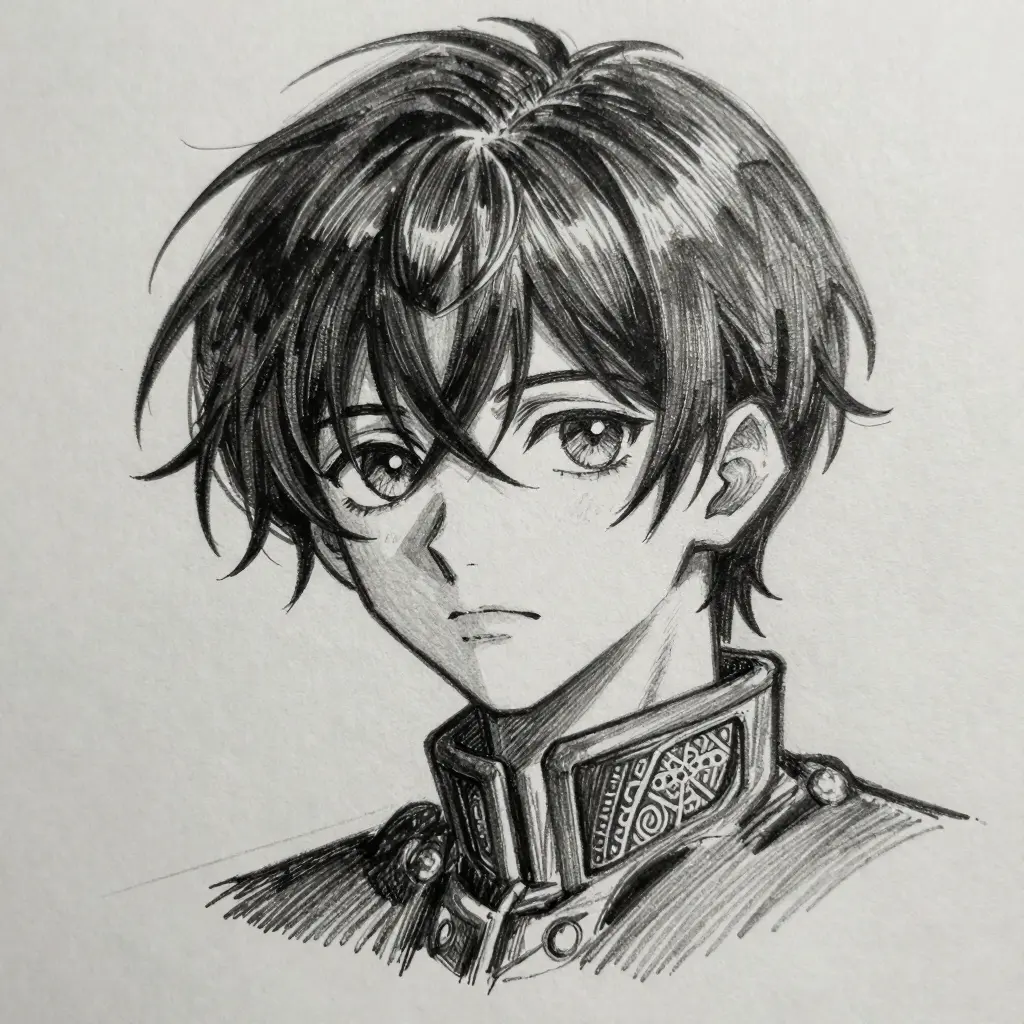
Anime characters are known for their expressive and exaggerated facial features. Eyes are typically large and can convey a range of emotions—from joy to anger. Focus on the eye shape and iris details to create depth. Eyebrows also play a crucial role in expressing feelings. Adjust their angle to reflect emotions like surprise or confusion.
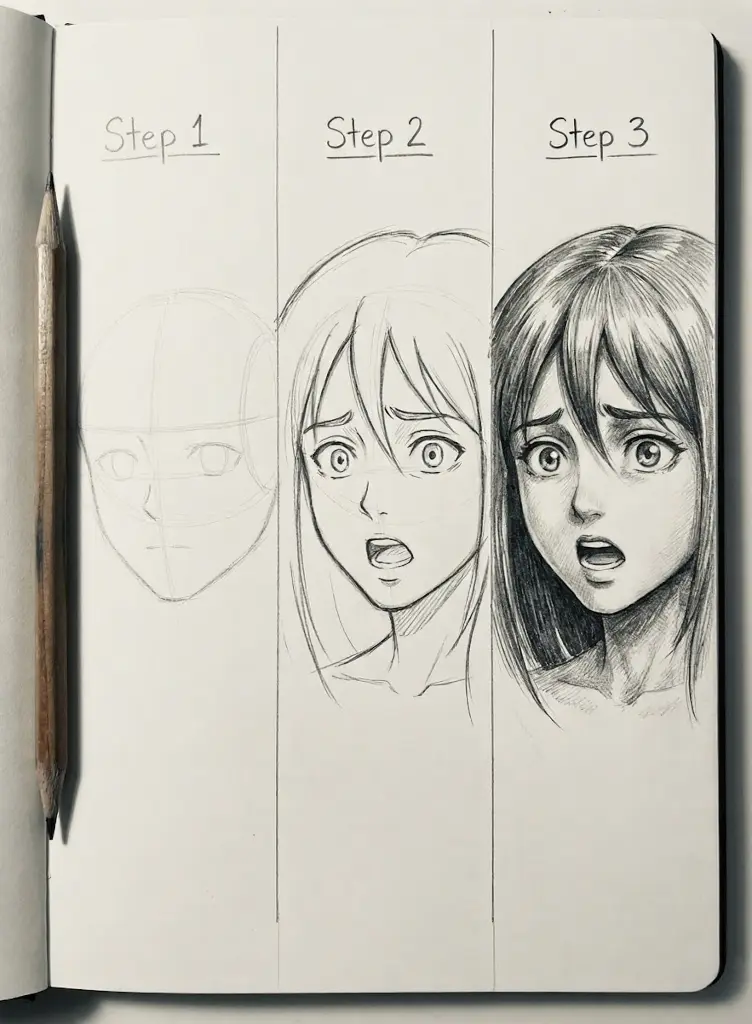
Mouths in anime range from simple lines to more detailed shapes depending on the emotion. Experiment with mouth shapes to match the overall expression. Noses are usually understated, often depicted with a simple line or a small curve. This minimalist approach allows other facial features to stand out more prominently.
Male and Female Hands
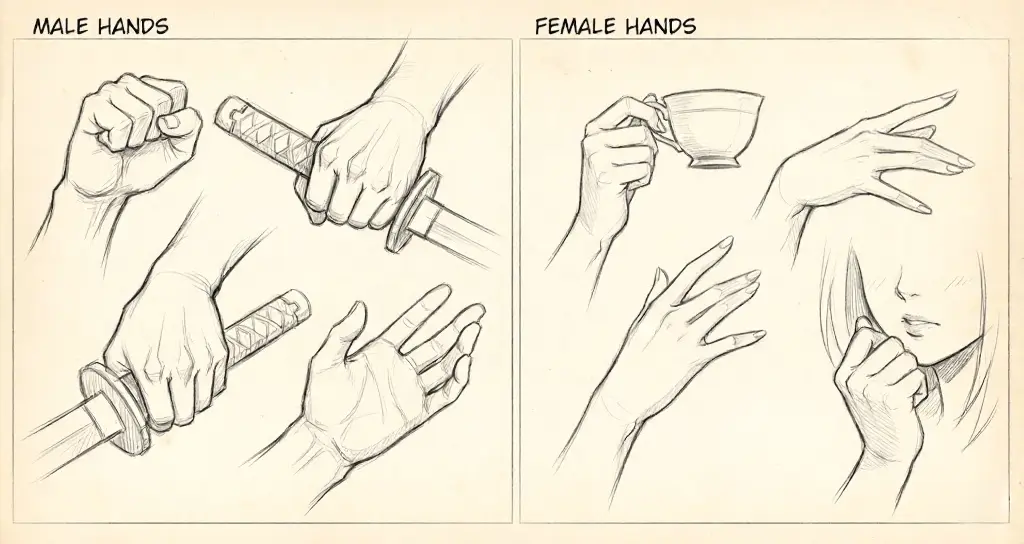
Drawing hands can be challenging, yet mastering them adds realism to anime characters. Start with basic shapes like rectangles and ovals to map out the palm and fingers. Male hands are generally larger with more pronounced knuckles and wider fingers, conveying a sense of strength. Pay attention to the thumb positioning for dynamic poses.
For female hands, the approach is slightly different. These hands usually appear more slender and delicate. Focus on curvier lines and taper the fingers more than with male hands. Practice creating hands in various poses to gain confidence and accuracy in depicting these important features. Use references or your own hand as a model to ensure accuracy and proportion.


Mastering the Anime Body
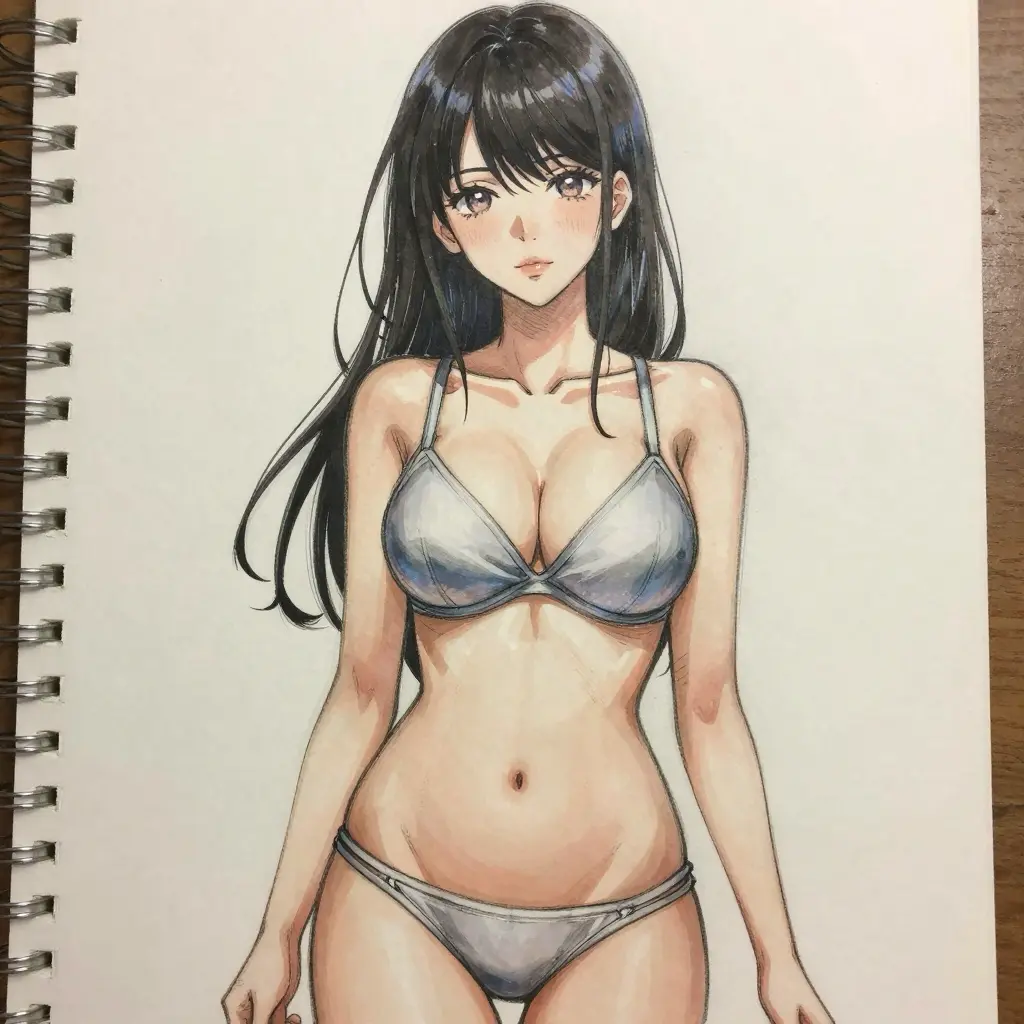
Creating an anime character involves focusing on expression through body proportions and dynamic movement. Understanding these elements can enhance your storytelling in creative works.
Proportions and Poses
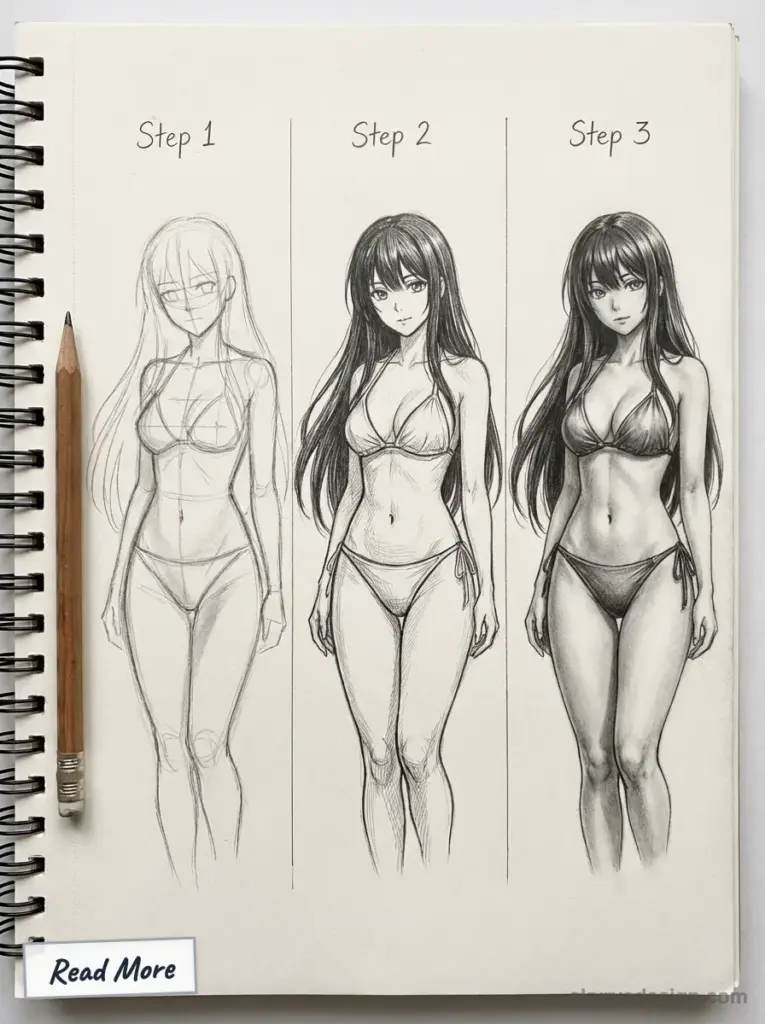
Anime characters are distinct from realistic figures due to their unique proportions. You need to focus on head-to-body ratios, which can vary based on age or character type. For example, chibi characters typically have a 1:2 or 1:3 ratio, emphasizing a larger head to body size.
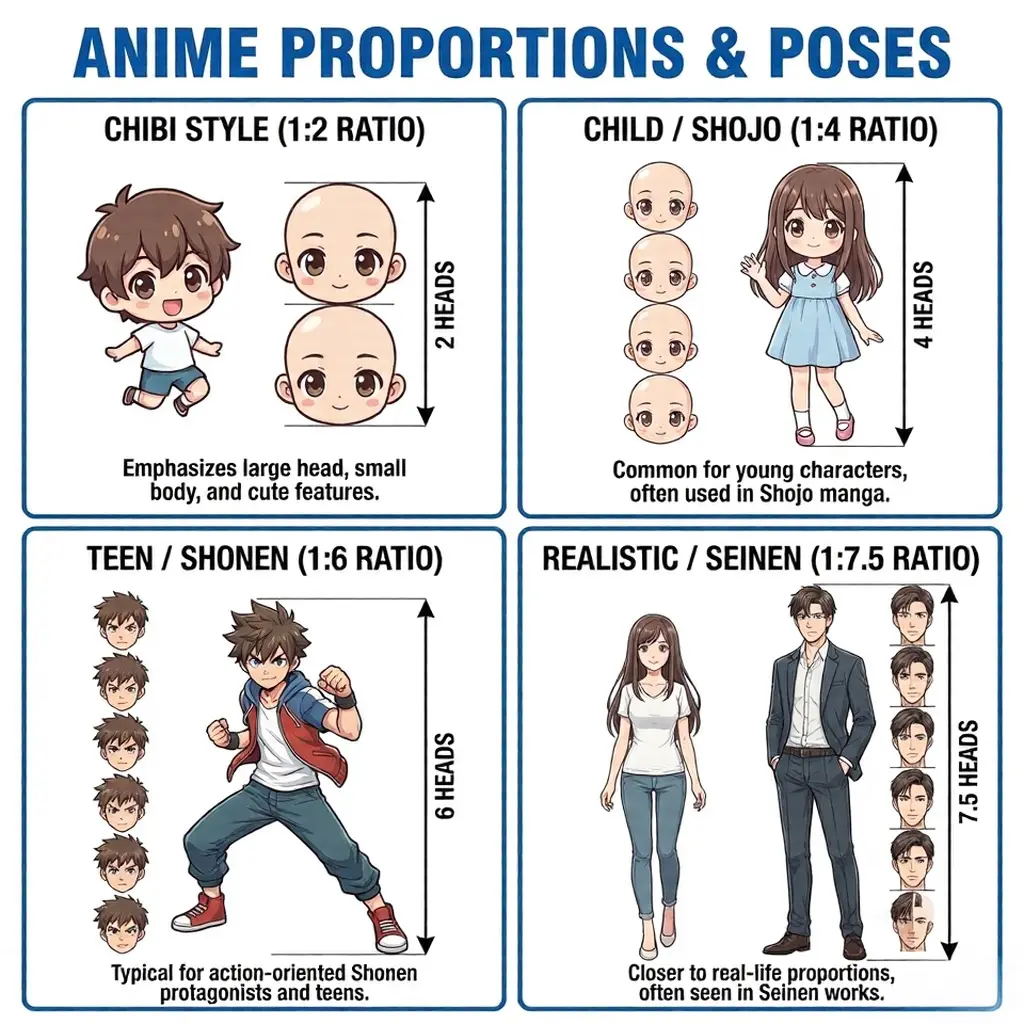
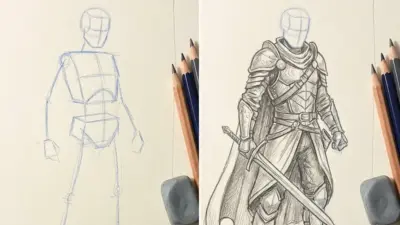
Exact detailing of the limbs is less critical than conveying the character’s personality through posture. Consider using gesture lines as a quick sketch to capture fluid poses, which helps set a dynamic baseline. The simplicity of shapes, like circles for joints, can guide you in positioning limbs and create expressive, engaging poses.
Movement and Action
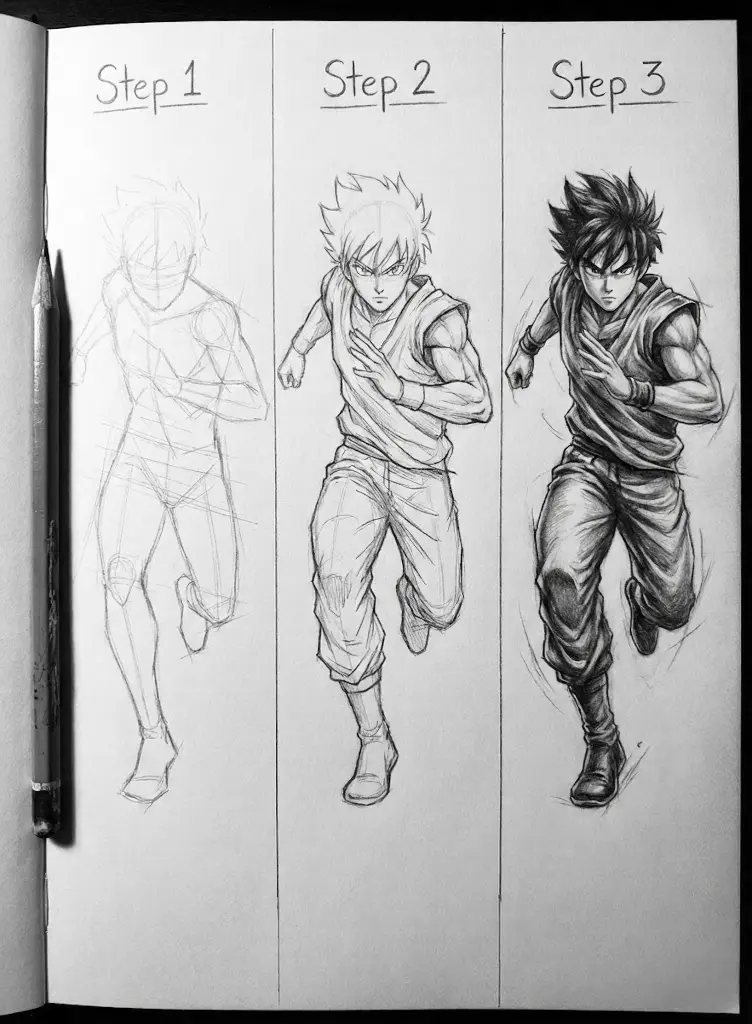
Mastery of anime body drawing also involves illustrating movement effectively. Dynamic action lines help depict movement, making your drawings come alive. For instance, if you’re drawing a running pose, sloped lines can emphasize speed and direction.
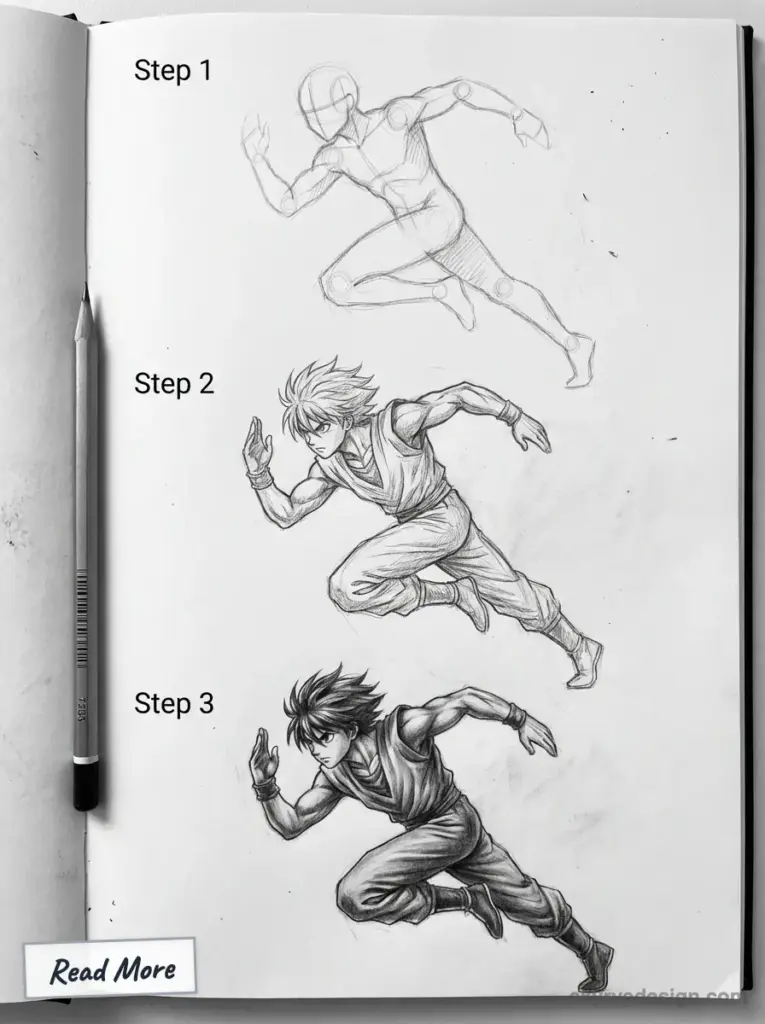
Understanding muscle structure refines how you show tension and relaxation in movement. Muscles need not be detailed but positioned correctly to make movements look natural. Practice by observing and sketching actions from real life or reference materials. This helps to embed an understanding of how genuine movement translates into your artwork, enhancing the storytelling aspect of your drawings.


Popular Anime Styles
Anime encompasses a variety of styles that cater to diverse tastes. Among them, the distinctive look of “Dragon Ball Z” and contemporary trends hold particular appeal for both artists and fans.
Imitating ‘Dragon Ball Z’
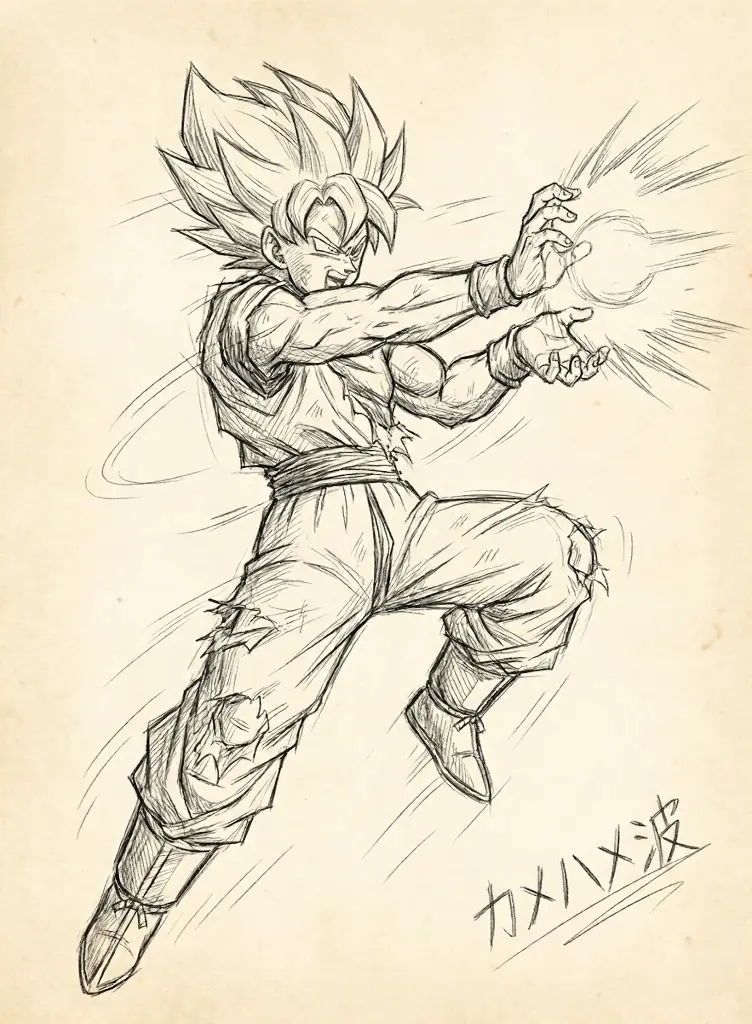
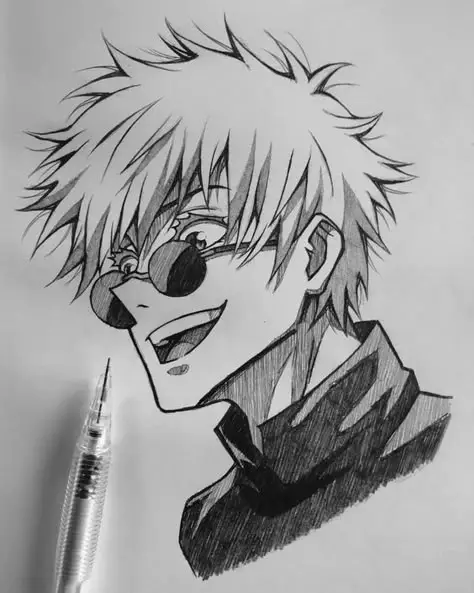
When you think of iconic anime, “Dragon Ball Z” often springs to mind. Its style is marked by muscular characters, dramatic expressions, and high-intensity action scenes. The art showcases dynamic poses, with exaggerated muscles and angular features making the characters visually striking. Even the hair, spiky and bold, plays a significant role in character design.
Drawing in this style involves focusing on sharp lines, intense shading, and energetic movement. For beginners, capturing this level of detail can be challenging, but focusing on specific elements like facial expressions—think determined eyes and strong jawlines—can simplify the process.
Contemporary Anime Trends
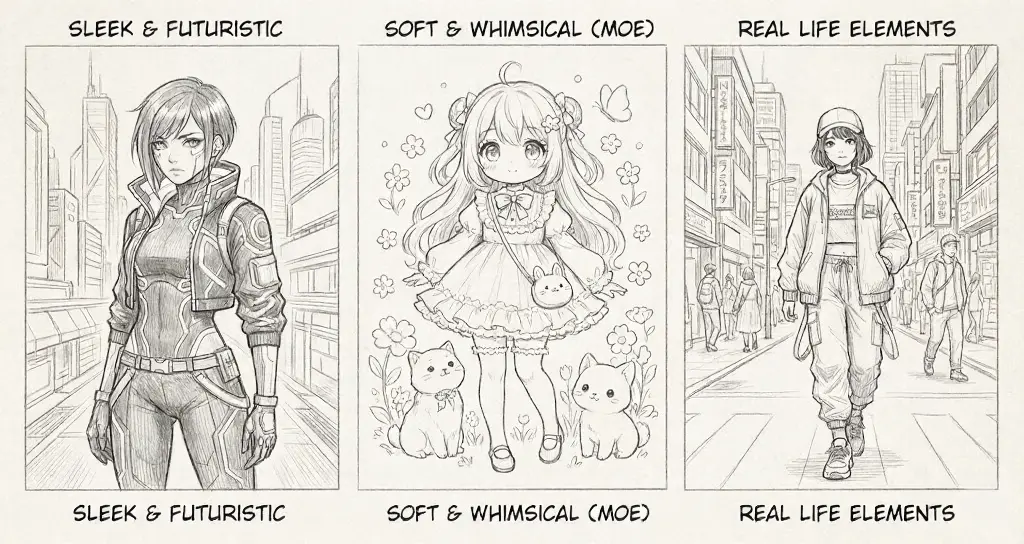
Today’s anime styles often emphasize a more polished and varied aesthetic. You’ll see greater diversity in character designs and themes, ranging from sleek and futuristic to soft and whimsical. The Moe style, characterized by its cute and endearing characters, is popular, as are visual styles that incorporate elements from real life, such as clothing and settings.


To draw contemporary styles, pay attention to the balance of detail and simplicity. Use of color ranges from vivid and bold palettes to subtle tones, depending on the mood. This diversity allows for personal expression and creativity, making it appealing for artists who want to develop their unique style.
Practice Techniques for Improvement
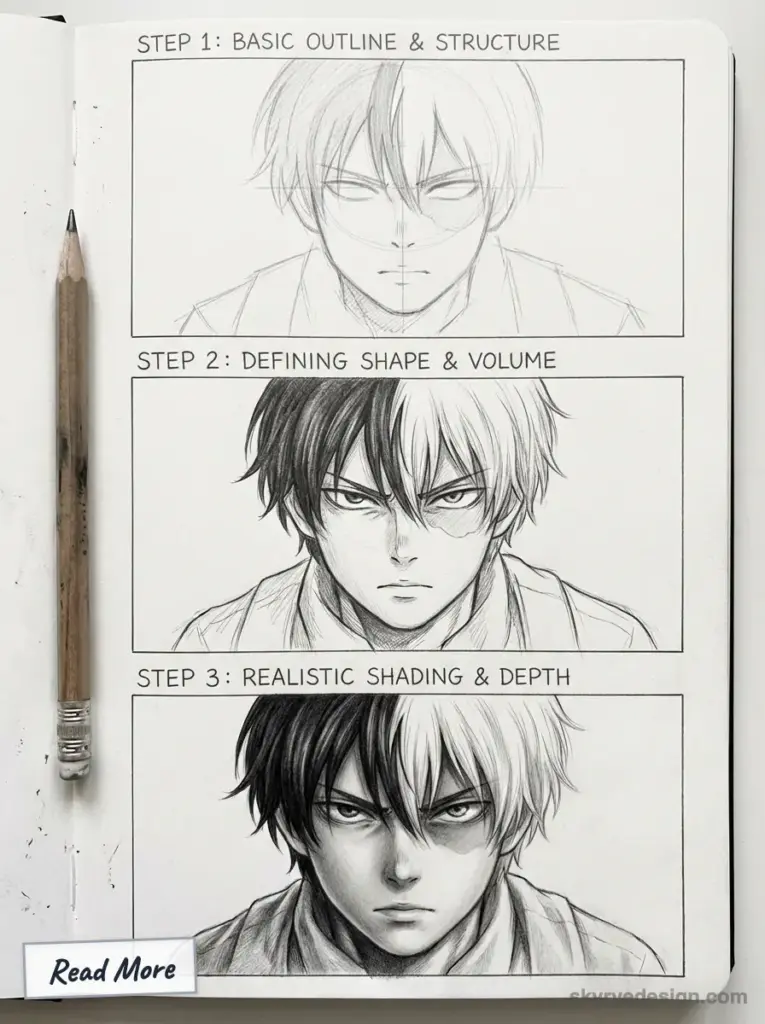
Crafting engaging anime drawings involves focusing on character design and storytelling. Consistency and dynamism are key elements to elevate your art to a new level.
Consistency with Character Design
To build strong characters, practice sketching them from multiple angles. This not only enhances your understanding of their features but also ensures uniformity across different scenes. Use a character sheet to keep track of the character’s expressions, clothing, and accessories.
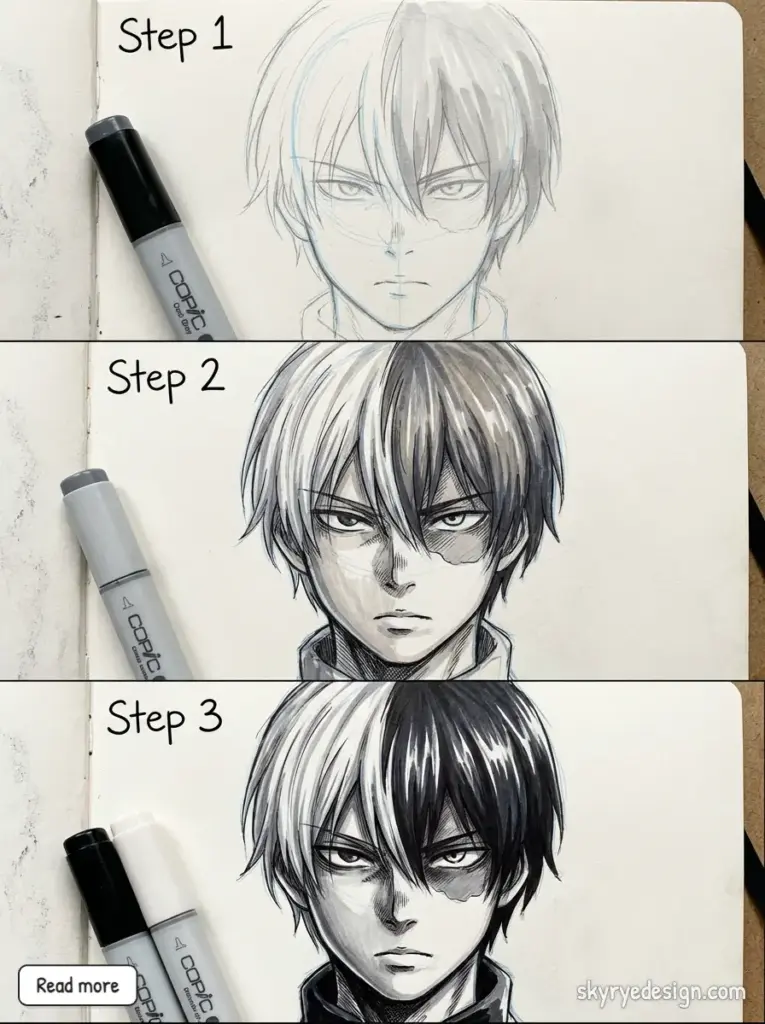
Paying attention to details enhances believability. By creating mood boards or using reference images, you gather inspiration and ensure originality in your work. Consistency in drawing makes it possible for viewers, including kids, to recognize and identify your characters easily. This consistency is crucial for crafting a compelling visual narrative.
Dynamic Storytelling in Scenes
Visual storytelling is where your creativity flourishes. To achieve dynamism, study scenes from your favorite anime; observe how characters interact and emotions unfold. Use thumbnails or storyboards to plan your composition and enhance your scenes’ flow before diving into detailed drawings.
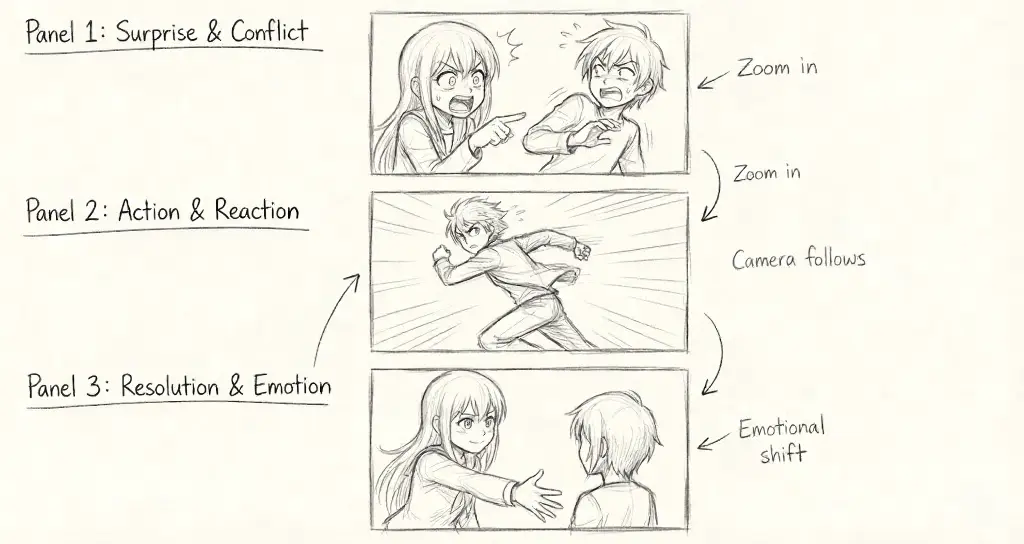
Experiment with different settings and compositions. Think about the background elements and how they contribute to the story being told. By weaving your characters into scenes with careful attention to angles and expressions, even young audiences can connect with the stories. Consistent practice will help you dynamically capture the essence of each moment, making each scene a lively part of your storytelling.
FAQ
What’s the easiest anime thing to draw for absolute beginners?
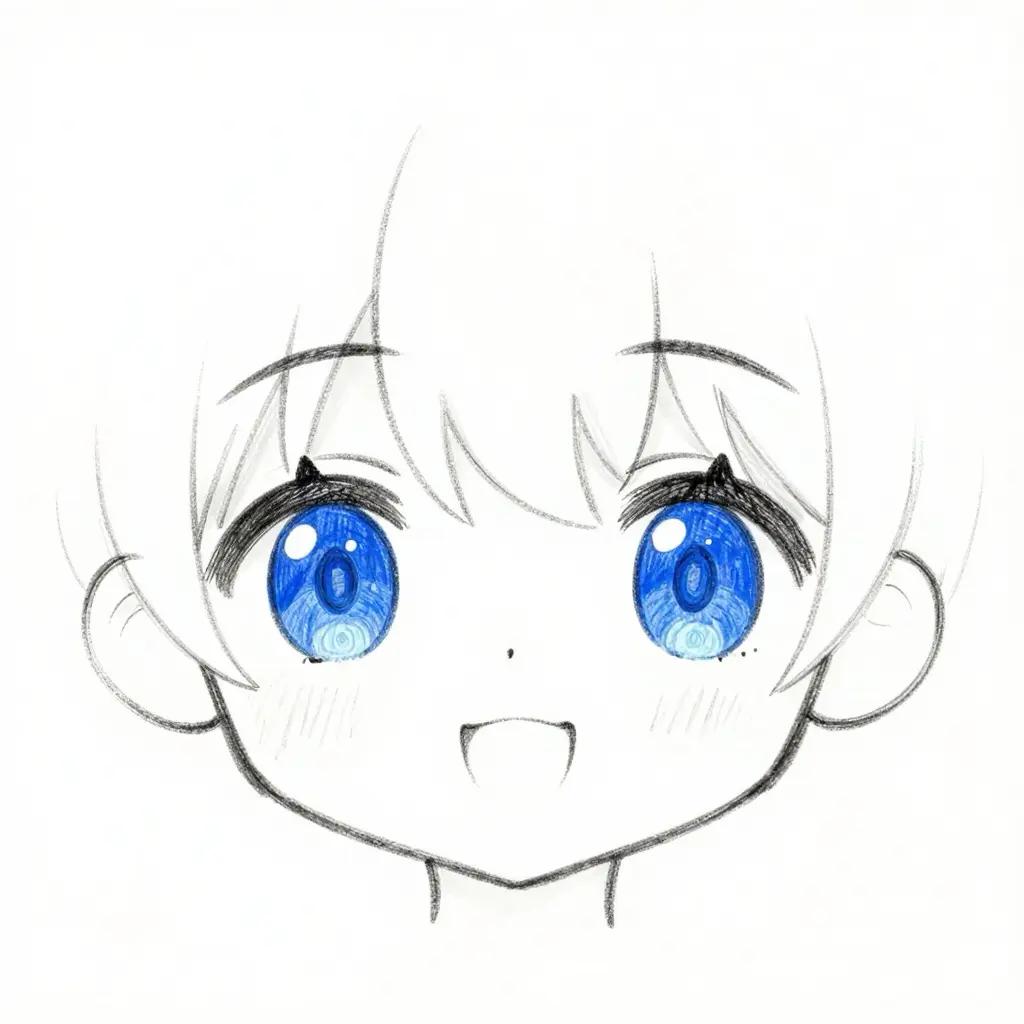
Anime eyes—specifically, a single eye in isolation. Eyes are anime’s signature feature, and you can draw a convincing one in under 5 minutes once you know the structure. Start with a tall oval, add a large iris taking up about 60% of the eye, place 2-3 circular highlights in the upper portion, and add thick upper lashes. This single element looks unmistakably “anime” even without the rest of the face. Master one eye before attempting pairs—symmetry is a separate skill.
Why do my anime characters look “off” even when I follow tutorials?
Usually it’s one of three issues: eye placement (anime eyes sit lower on the face than you think—roughly at the vertical midpoint), head shape (beginners draw circles when anime heads are more like rounded rectangles or ovals), or proportion mismatch (mixing realistic body proportions with stylized anime faces). The fix? Trace over actual anime screenshots first. Not to copy—to understand where features actually sit. Then apply those proportions to your original work.
How long does it take to get good at easy anime drawings?
Depends on your definition of “good” and your practice consistency. Most people see noticeable improvement after 20-30 focused drawings—not 20-30 hours, but 20-30 complete attempts. Daily practice of even 15 minutes beats occasional 3-hour sessions. I’ve seen beginners produce recognizable anime characters within 2 weeks of consistent practice. Within 2-3 months, you can develop a personal style. The key is finishing drawings, not perfecting them—complete ten mediocre drawings rather than one “perfect” one.
Do I need expensive supplies for anime drawing?
No. A basic mechanical pencil (0.5mm), any eraser, and printer paper work fine for learning. The popular myth that you need Copic markers or professional paper is marketing, not necessity. Many professional manga artists—including Eiichiro Oda (One Piece) and Akira Toriyama (Dragon Ball)—started with basic supplies. Digital tools like Procreate ($12.99 one-time) or free options like Krita offer unlimited “paper” for practice. Upgrade supplies only after you’ve identified specific limitations in your current tools.
What’s the difference between anime and manga drawing styles?
Technically, “manga” refers to Japanese comics (static images, often black and white with screentones) while “anime” refers to animation (moving images, full color). For drawing purposes, the styles are nearly identical—both use large expressive eyes, simplified noses, and stylized hair. The practical difference: manga drawing emphasizes strong linework and screentone shading for print reproduction, while anime-style illustration often focuses on color and rendering. As a beginner doing easy anime drawings, these distinctions don’t matter—the fundamental techniques are the same.
Should I learn realistic drawing before anime?
It helps but isn’t required. Understanding basic anatomy—where joints bend, how muscles affect silhouette—will improve your anime art. But you don’t need to master realism first. Many successful anime artists learned stylized and realistic drawing simultaneously. A better approach: study anime proportions specifically (head-to-body ratios, facial feature placement), then add realistic anatomy knowledge gradually. Learn what you need when you need it.
Conclusion
Every anime artist you admire started exactly where you are—staring at a tutorial, wondering why their drawing looked nothing like the example.
The difference between artists who improve and those who quit isn’t talent. It’s understanding that easy anime drawings are a skill built through repetition, not a gift you either have or don’t.
Here’s your starting point:
This week: Draw 10 anime eyes. Just eyes. Get comfortable with the iris-to-white ratio, the highlight placement, the lash thickness. Ten attempts. They don’t need to be good—they need to exist.
Next week: Add faces. Use the eye skills you just built as your foundation.
Week three: Full head with hair. One new element at a time.
I’ve noticed the artists who progress fastest aren’t the ones with natural ability—they’re the ones who finish drawings instead of abandoning them halfway. A completed “bad” drawing teaches you more than a perfect sketch you never finished.
Your style is waiting to be discovered. Start drawing.
- 703shares
- Facebook0
- Pinterest702
- Twitter1
- Reddit0