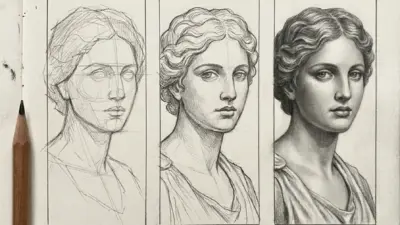
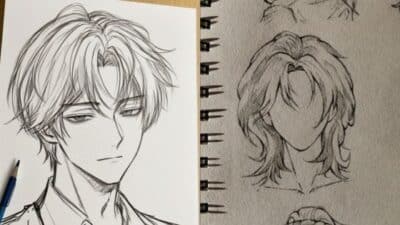
Nude figure drawing is one of the cleanest ways to study gesture, proportion, and anatomy because clothing does not hide the big forms. Use nude figure poses when you want to understand the rib cage, pelvis, weight shift, and soft transitions of the body before adding costume, style, or detail.
- Nude figure drawing basics
- How to use nude figure poses
- Nude drawing poses from photos
- Ethics and reference safety
- Anatomy checks for nude figure drawing
- Gesture drill for nude figure poses
- Common mistakes in nude figure sketches
- Where to practice next
- Nude figure drawing FAQ
- Q: What is nude figure drawing?
- Q: What are the best nude figure poses for beginners?
- Q: How do I practice nude drawing poses from photos?
- Q: Is nude figure drawing only for advanced artists?
- Q: What should I look for in a nude pose for drawing?
- Q: How many nude figure sketches should I do in one practice session?
- Q: What mistakes make nude figure sketches look stiff?
- Final practice note
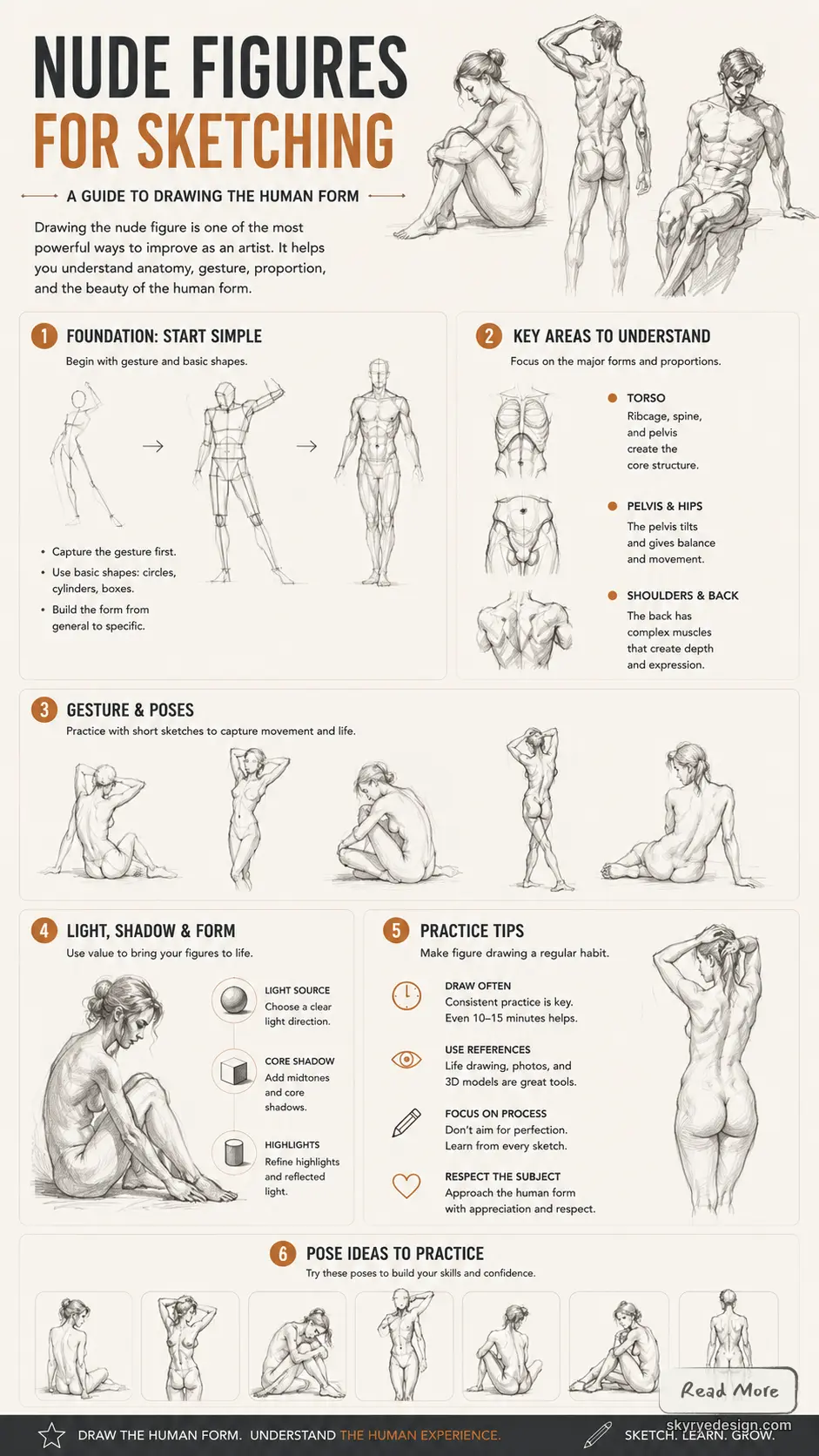
For this practice, choose adult references, work respectfully, and give each sketch a clear job. One drawing can be about the action line. Another can be about the tilt of the hips. A longer study can be about light across the torso. That focus keeps nude drawing poses useful instead of turning the session into outline-copying.
Nude figure drawing basics
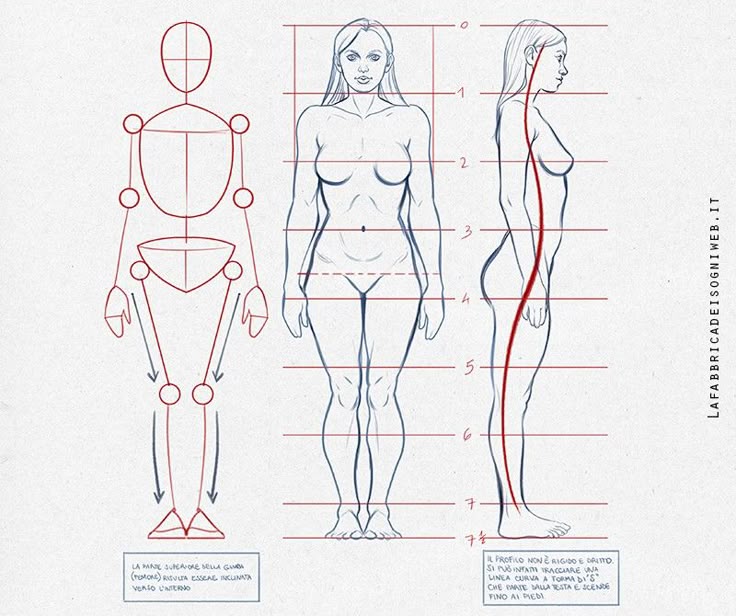
Nude figure drawing means drawing the visible human form from life, photos, or art references. The useful part is not simply that the model is unclothed. The useful part is that you can see how the body is built: where the rib cage turns, how the pelvis carries weight, where the spine bends, and how limbs connect to the torso.
In academic drawing, I slow down at the big angle changes first. If the shoulder line, pelvis line, and standing leg are wrong, careful shading will not save the pose. Start with the structure, then let the contour become more specific.
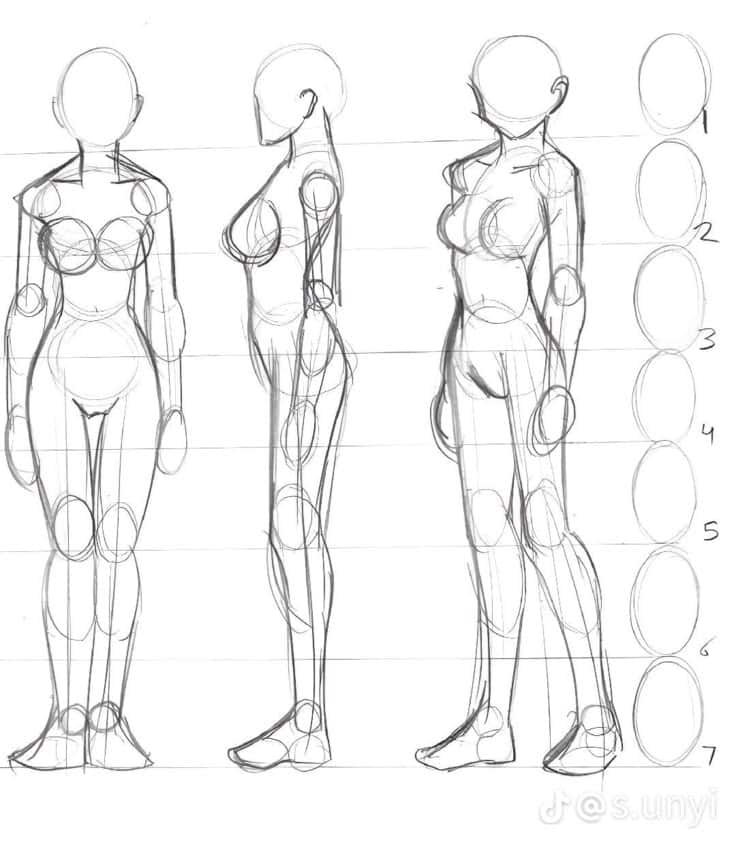
How to use nude figure poses
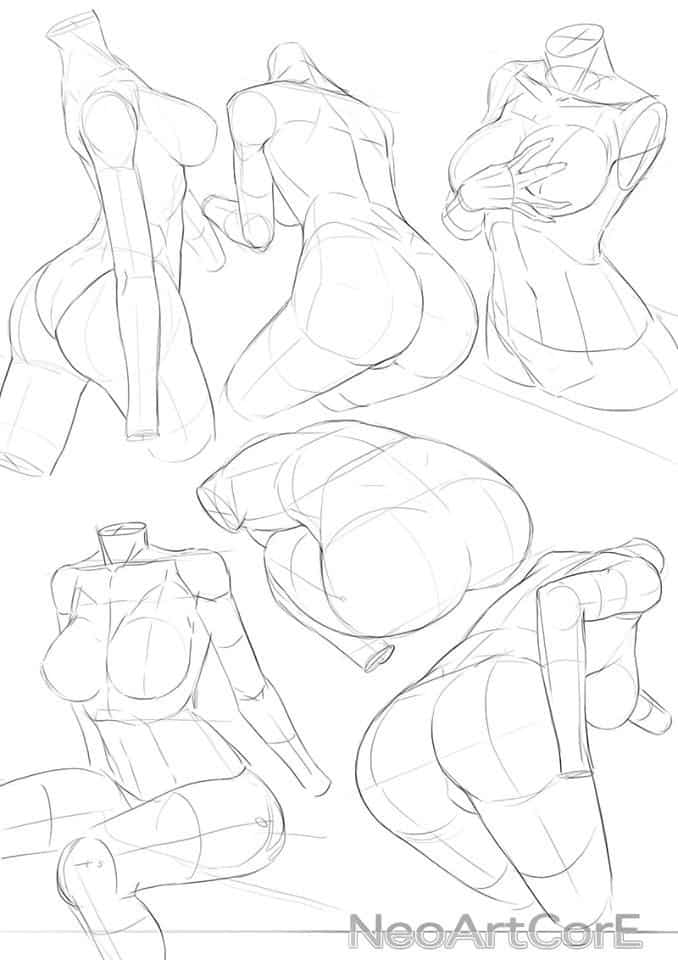
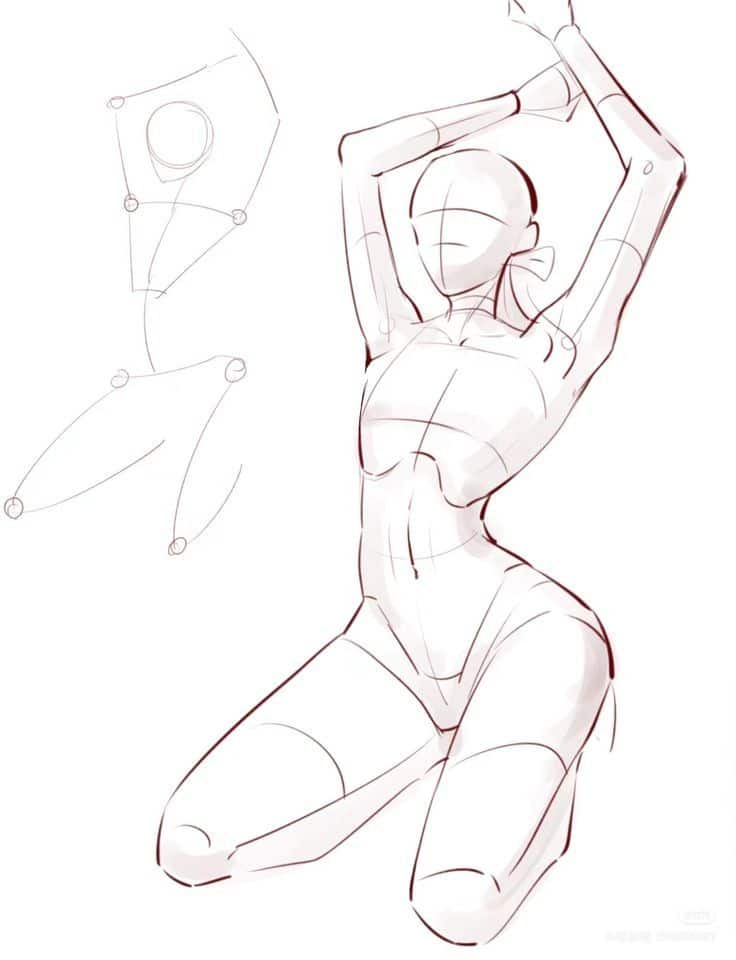
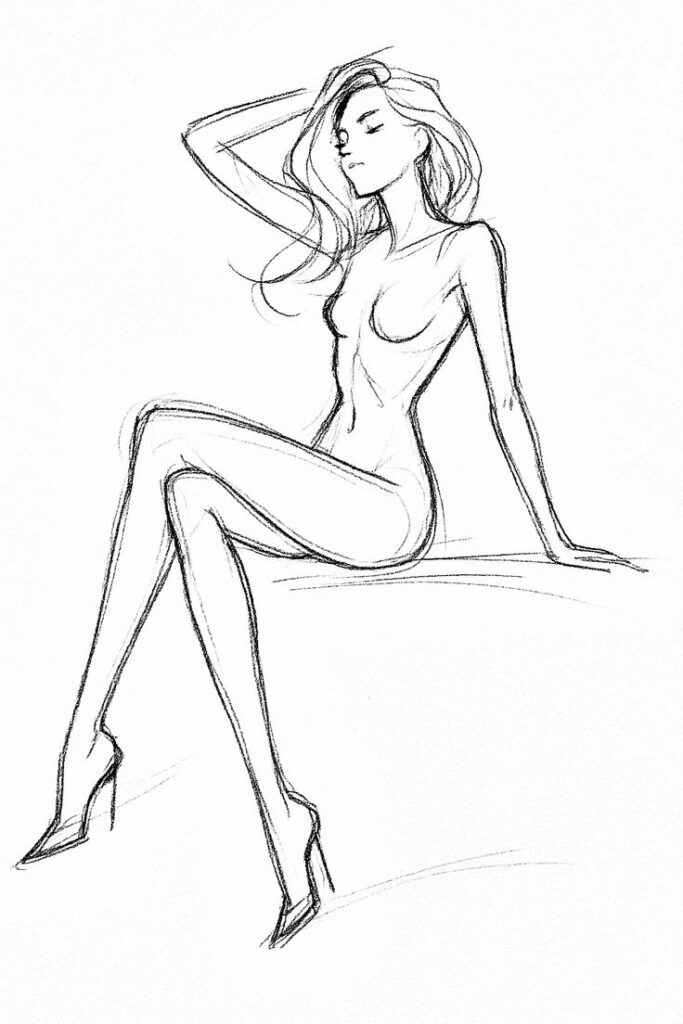
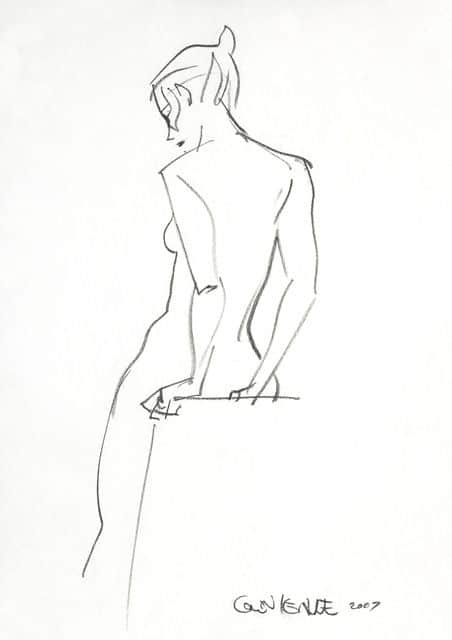
The best nude figure poses are readable. You should be able to tell where the weight sits, which side is compressed, which side is stretched, and what the main action line is doing. A simple standing pose can teach balance. A kneeling pose can teach compression. A reclining pose can teach rhythm and foreshortening.
Before drawing details, mark three things lightly: the action line, the rib cage mass, and the pelvis mass. Then compare the angles between them. This small check catches many proportion problems before they spread through the whole sketch.
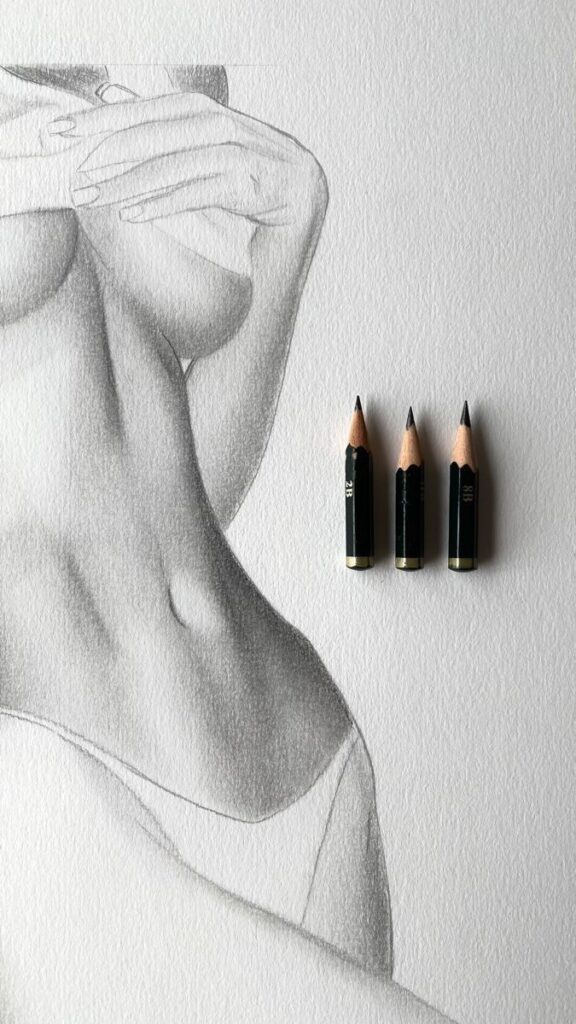
| Pose type | What it teaches | Practice note |
|---|---|---|
| Standing | Balance, weight shift, leg support | Compare shoulder and pelvis angles first. |
| Seated | Compression, folds, torso tilt | Watch where the pelvis meets the chair. |
| Kneeling | Stretch, tension, foreshortening | Block the big masses before drawing knees. |
| Reclining | Long rhythms and perspective | Measure the torso angle against the head. |
| Twisting | Rib cage and pelvis rotation | Keep the spine gesture visible. |
Nude drawing poses from photos
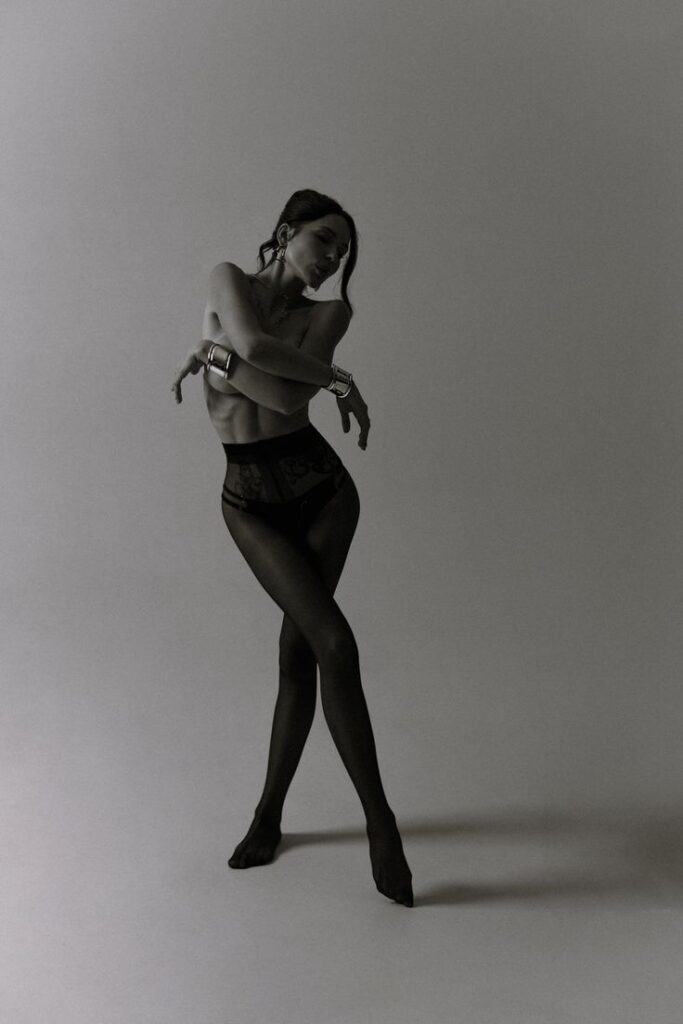
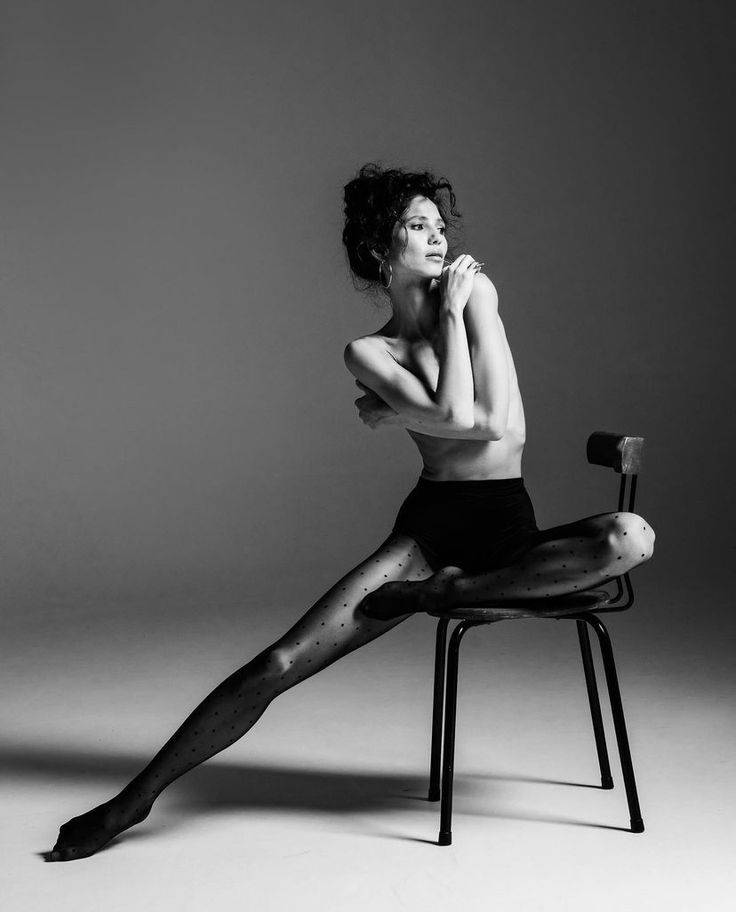
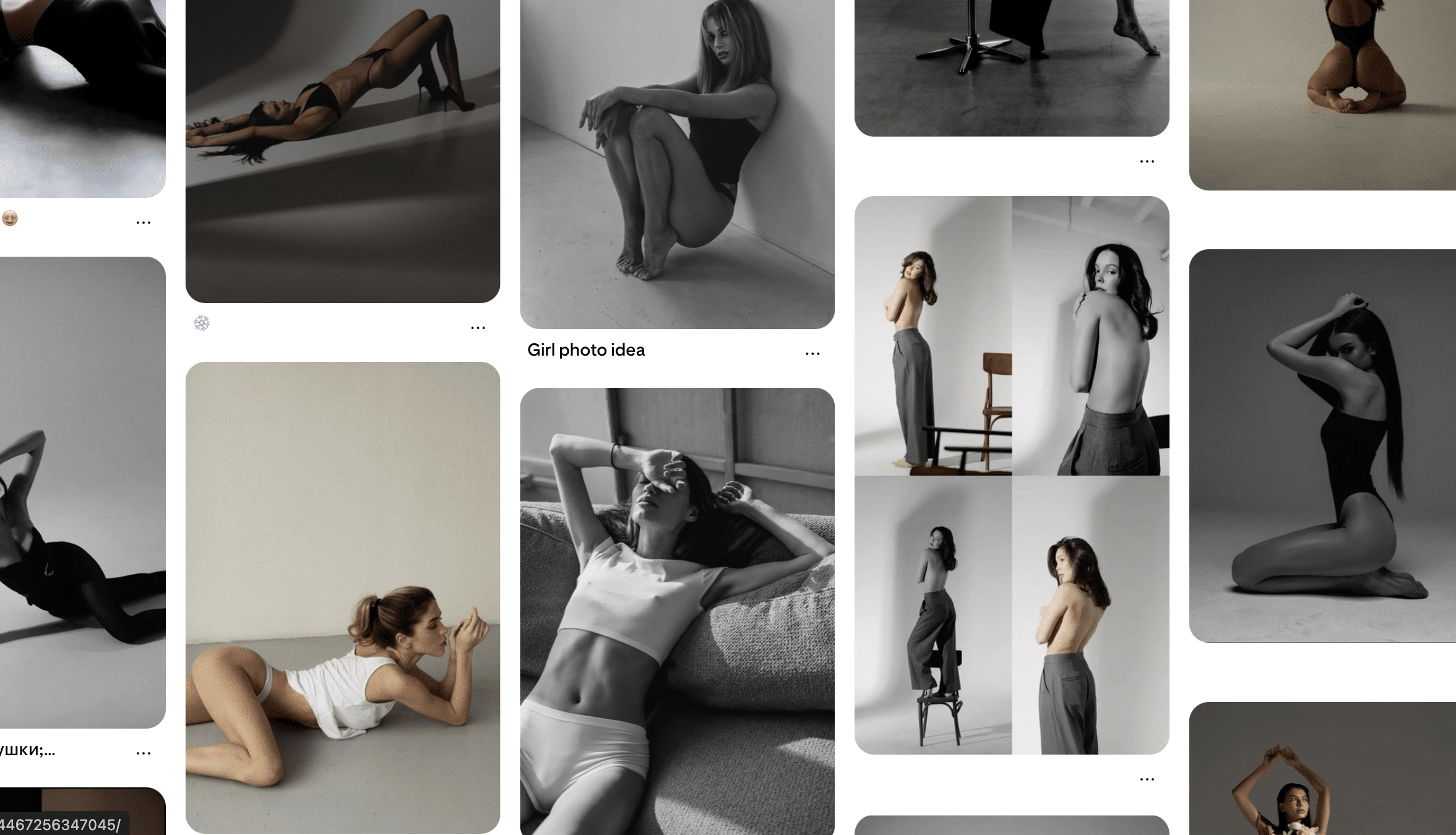
Photo references are useful when you want repeatable practice. Pick one nude pose for drawing and run it through several passes: 30 seconds for gesture, 2 minutes for structure, and 10 to 15 minutes for proportion and value. Repeating the same reference is not cheating. It lets you notice what you missed.
Use photos with clear lighting and natural poses. If the image is too stylized, too cropped, or too dark, it may look dramatic but teach very little. Good references show the joints, the main shadow side, and enough negative space around the body to judge the silhouette.
Ethics and reference safety
Keep nude figure sketching respectful. Work only from adult models or legal adult references, follow the rules of the studio or photo source, and do not share model-based work if the agreement says it stays private. The best life drawing rooms feel calm because the boundaries are clear.
If you are building a reference folder, label it by pose type rather than by vague inspiration. Folders like standing, seated, reclining, twist, back view, and hand placement are much easier to use during practice.
Anatomy checks for nude figure drawing
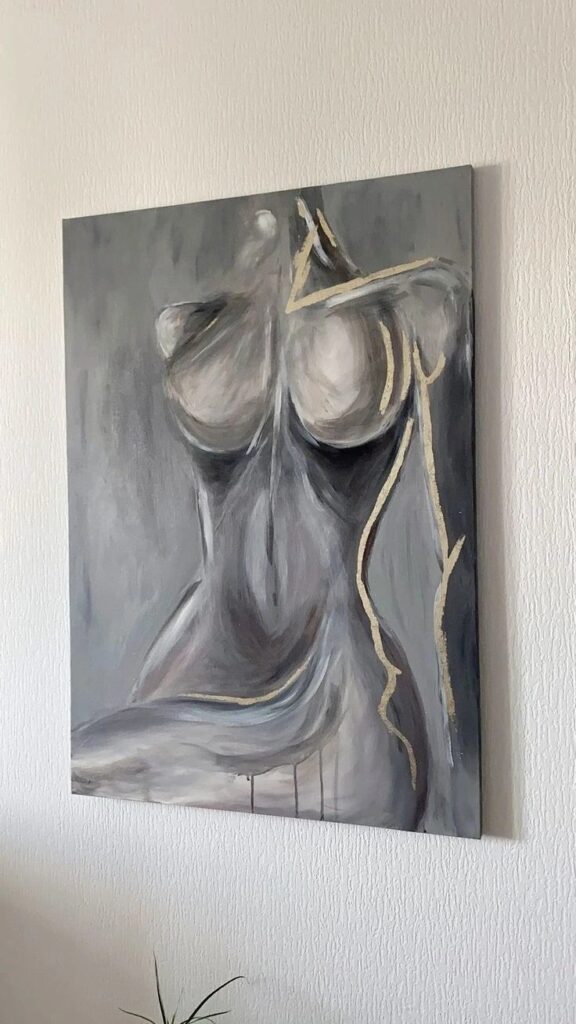
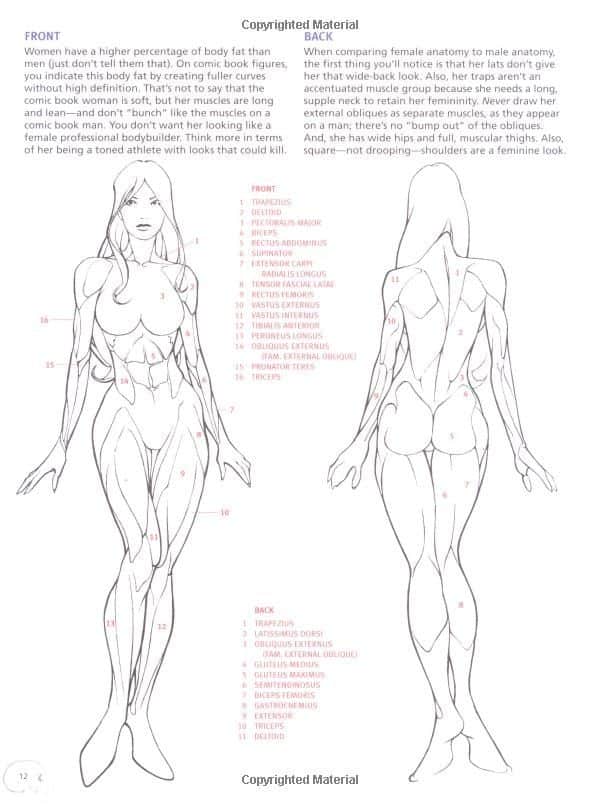
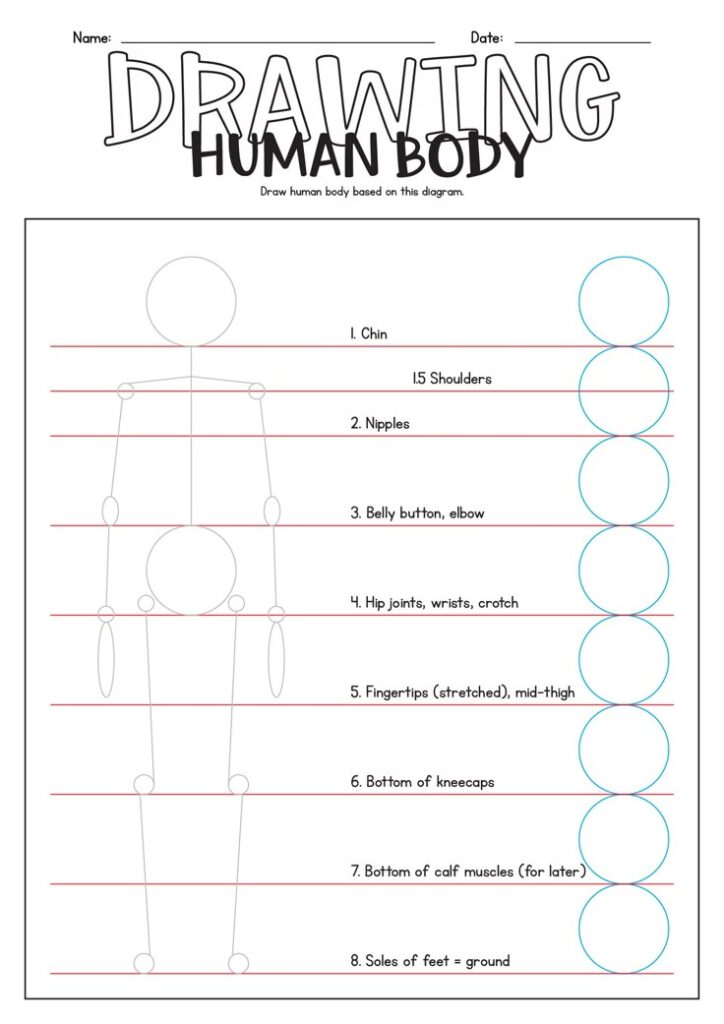
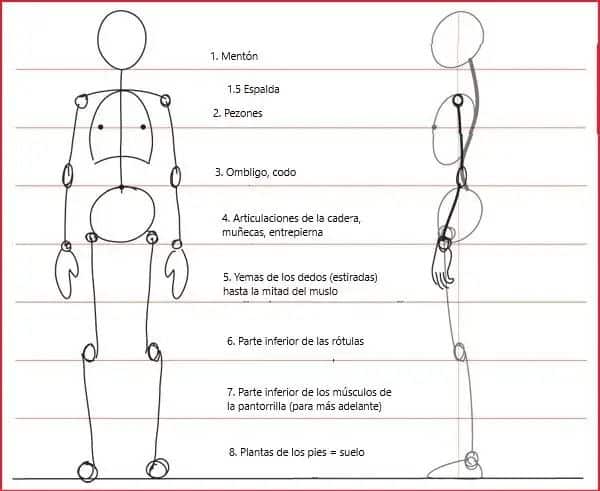
You do not need to memorize every muscle to make better nude figure sketches. You do need a few dependable landmarks: the pit of the neck, rib cage edge, navel, iliac crest, greater trochanter, knees, ankles, elbows, and wrists. These points help you compare distances and keep the drawing grounded.
When a pose looks wrong, check the skeleton idea before fixing the outline. Ask whether the head sits over the spine, whether the pelvis supports the torso, and whether the planted foot could actually carry the weight. This is where nude figure drawing becomes less about copying and more about understanding.
Gesture drill for nude figure poses
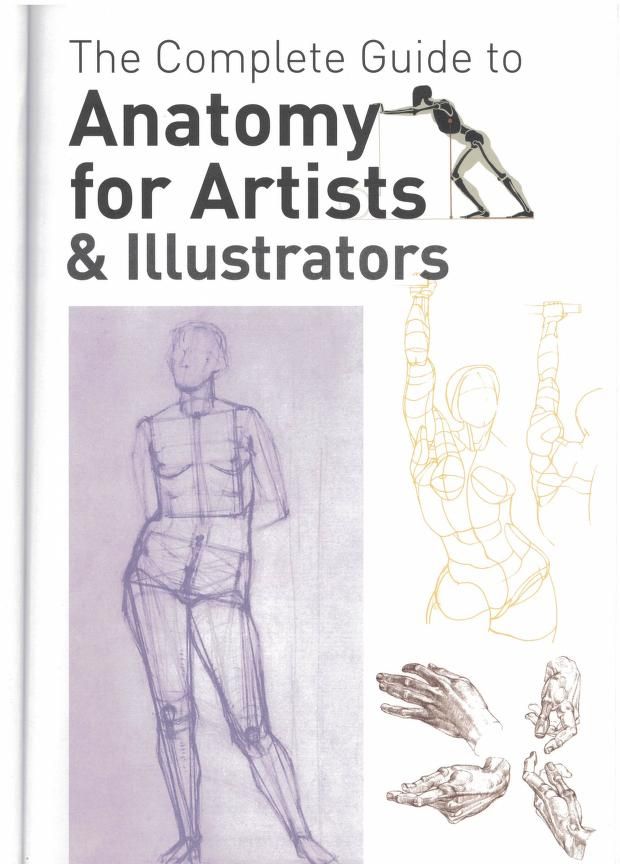
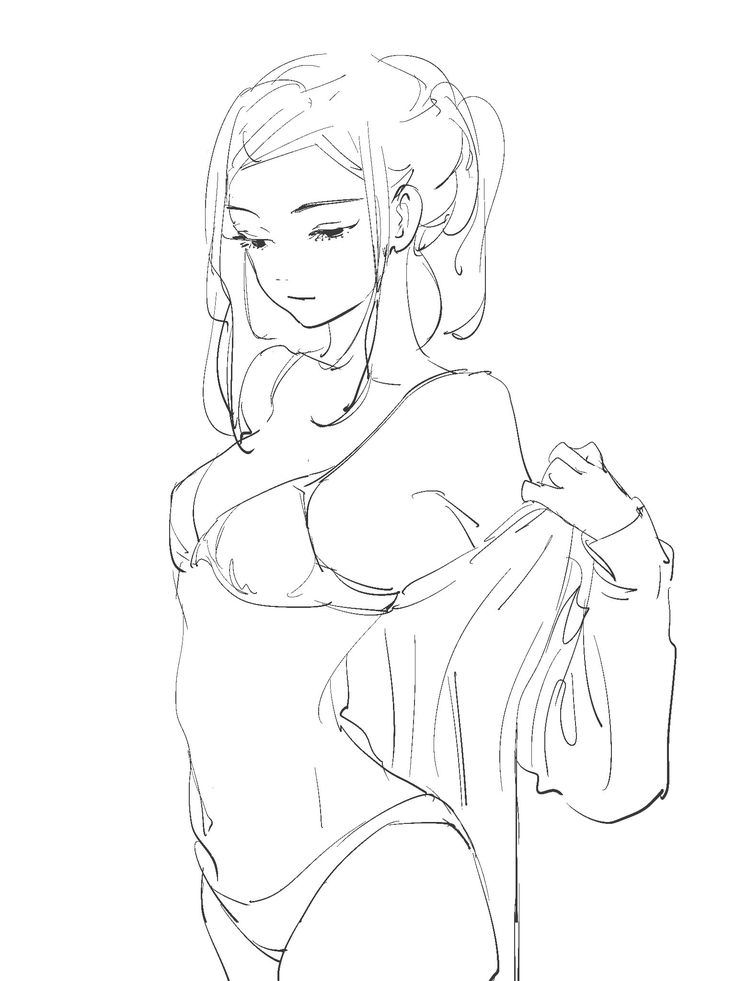
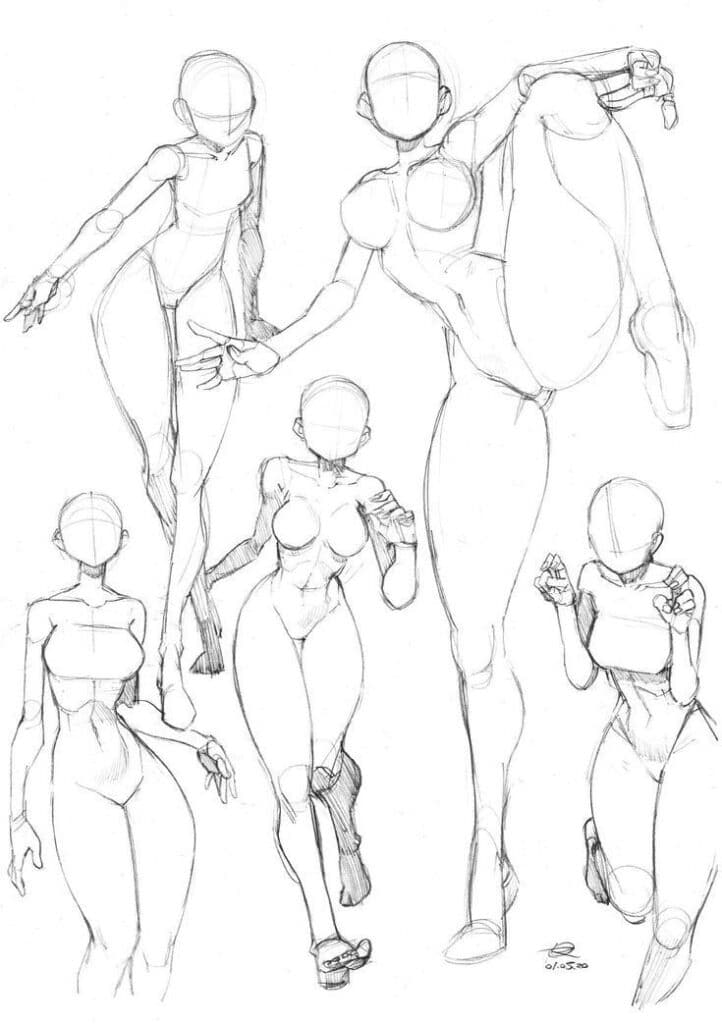
Try this short drill with any nude drawing reference. For the first minute, draw only the action line and the two big masses. For the second minute, add limbs as simple tapered forms. For the third minute, mark the shadow side and the most important overlap. Stop there, even if it feels unfinished.
This forces you to choose. A stiff drawing often happens because the artist tries to draw everything at once. A stronger sketch starts with one decision: what is the pose doing?
Common mistakes in nude figure sketches
- Starting with the outer contour before the gesture is clear.
- Drawing both sides of the torso with the same curve and weight.
- Ignoring the pelvis tilt, which makes standing poses look stiff.
- Using the same dark outline around every edge.
- Choosing references where the pose is cropped too tightly to read the body.
Where to practice next
If you want to keep the study organized, move from nude figure drawing into nearby figure skills instead of jumping randomly between references. These pages are useful next steps:
- figure sketching fundamentals
- figure drawing practice
- gesture drawing poses
- drawing reference websites
- charcoal figure drawing
- drawing people in motion
- female figure drawing
- male and female body proportions
- poses drawing techniques
- body types drawing
Nude figure drawing FAQ
Q: What is nude figure drawing?
A: Nude figure drawing is the practice of sketching an unclothed adult model or reference to study the body without costume shapes hiding the structure. The goal is not shock value. It is observation: gesture, weight, anatomy, proportion, light, and how forms connect.
Q: What are the best nude figure poses for beginners?
A: The best beginner nude figure poses are stable and readable: standing contrapposto, seated three-quarter view, kneeling, reclining, and a simple back view. Start with poses where you can clearly see the rib cage, pelvis, shoulders, and main weight-bearing leg.
Q: How do I practice nude drawing poses from photos?
A: Use timed rounds. Start with 30-second gestures for the action line, then 2-minute sketches for the rib cage and pelvis, then one 10-minute study for proportion and shadow. Do not copy the outline first. Build the pose from the inside out.
Q: Is nude figure drawing only for advanced artists?
A: No. Beginners can use nude figure drawing as long as the references are legal, respectful, and age-appropriate. Keep the first sessions simple: one pose, one pencil, and one goal such as balance, torso angle, or the weight shift through the hips.
Q: What should I look for in a nude pose for drawing?
A: Look for a clear line of action, visible weight shift, readable negative spaces, and lighting that shows the main forms. A useful nude pose for drawing should teach you something specific, such as a twist, compression, stretch, or relaxed balance.
Q: How many nude figure sketches should I do in one practice session?
A: A good session can be 10 to 20 quick sketches plus one longer study. For example, try ten 1-minute poses, five 3-minute poses, and one 15-minute drawing. Stop before your lines get tired and careless.
Q: What mistakes make nude figure sketches look stiff?
A: The usual mistakes are starting with the contour, ignoring the pelvis tilt, drawing both sides of the body symmetrically, and making every edge equally dark. Start with gesture, compare angles, and let one side of the body carry more weight.
If nude figure poses still feel overwhelming, simplify the body before you chase anatomy detail. This human body base drawing guide gives you a cleaner way to place gesture, proportion, rib cage, pelvis, and limb rhythm before a longer study.
Final practice note
A good nude figure drawing session is quiet and specific. Choose one pose, decide what it should teach you, and keep the first lines light enough to change. The more honestly you compare angles, weight, and rhythm, the less your drawings will depend on decoration.
If you want a winged figure to practice next, try this angel wings drawing reference guide for wing placement, silhouette, and gesture ideas.
- 2.6Kshares
- Facebook0
- Pinterest2.6K
- Twitter4
- Reddit0