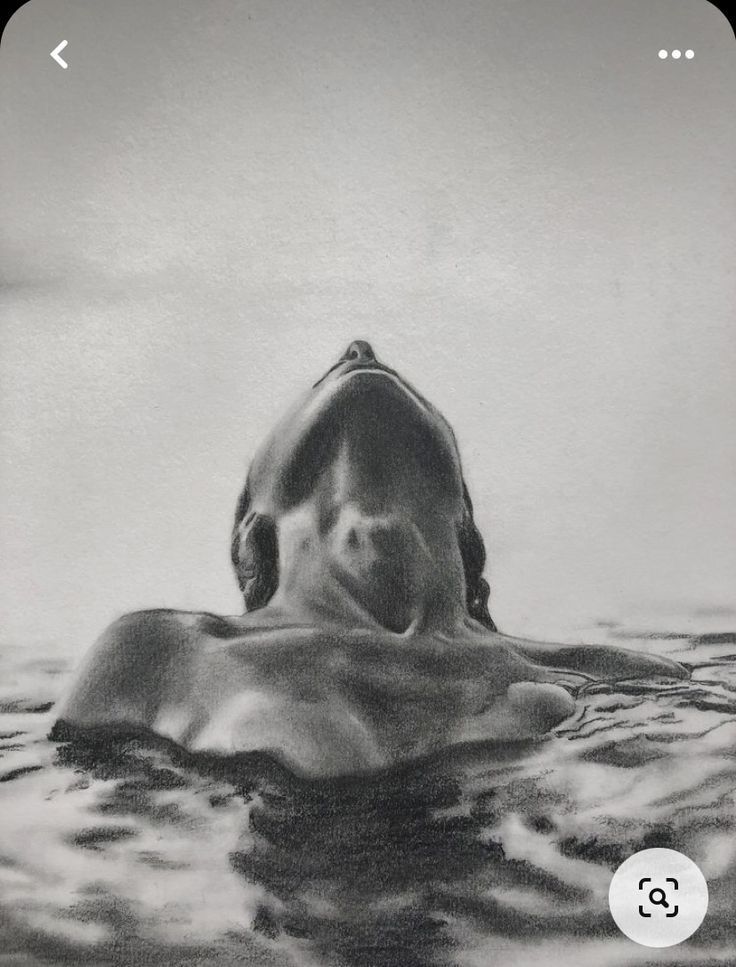
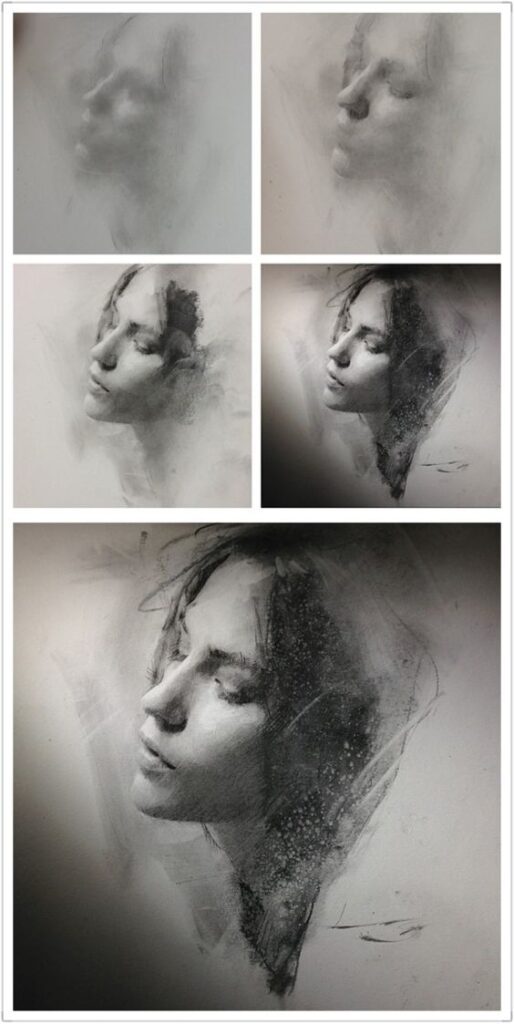
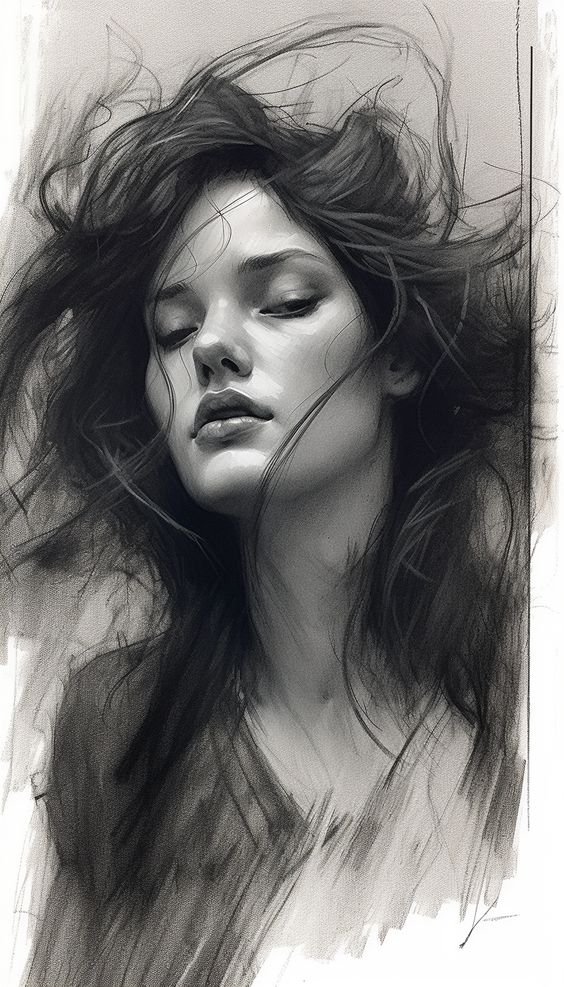
The first charcoal drawing I made that I was actually satisfied with happened entirely by accident. I was working on a portrait with vine charcoal, got frustrated with a shadow area, and started rubbing aggressively with my finger to correct it. The blended zone looked better than anything I had drawn deliberately. I kept rubbing, then started lifting marks with a kneaded eraser to pull back highlights — working subtractively, removing charcoal rather than adding it. The result had an atmospheric quality that my careful additive drawing had completely lacked.
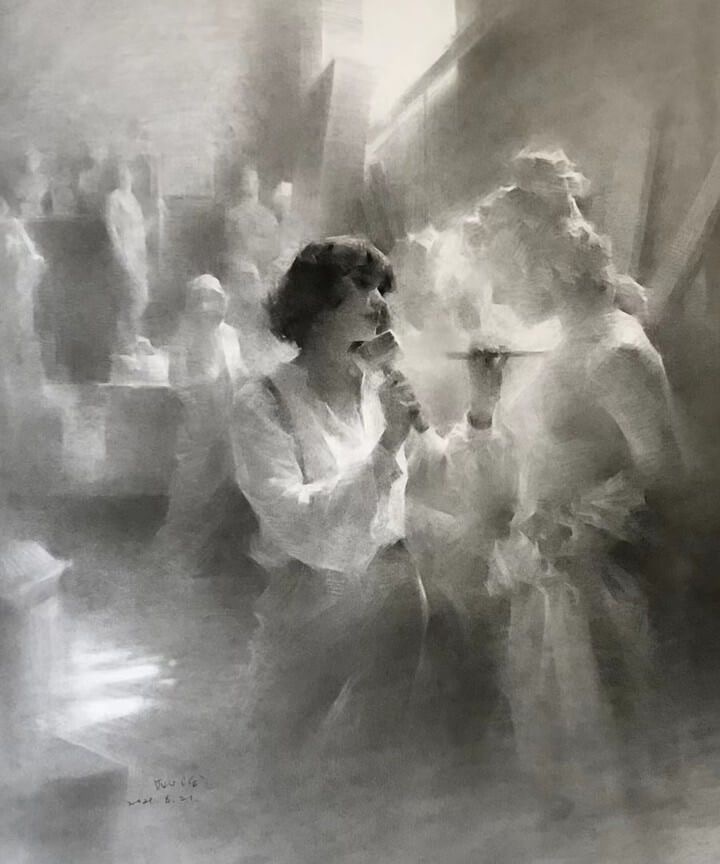
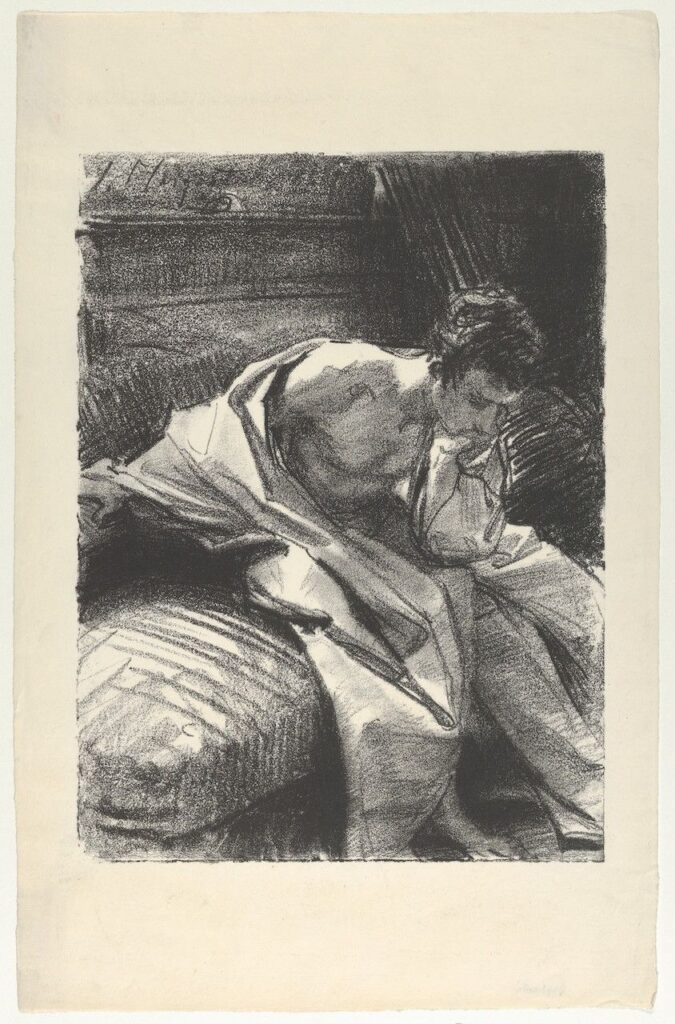
What I had stumbled into was the technique that Georges Seurat — who studied at the Ecole des Beaux-Arts in Paris before his military service between 1879 – 1880 and who would go on to develop Pointillism — had spent years refining with conté crayon and charcoal on Michallet paper. Seurat’s approach dispensed almost entirely with contour lines, building his images instead from gradations of tone, exploiting the texture of the paper to create marks that softened at their edges and merged into each other.
He described the goal simply: to get drunk on light. The charcoal drawings that resulted — figures emerging from atmospheric grey, outlines suggested rather than drawn — are among the most compelling works in the medium’s history, and they are built on principles that any artist can understand and apply.
This guide covers charcoal drawing from the ground up: the three types of charcoal and what each is actually for, the paper choices that determine what the marks look like, the five core techniques from basic tonal application to the subtractive method, a seven-step portrait drawing process, and the most common errors that make charcoal drawings look muddy or flat.
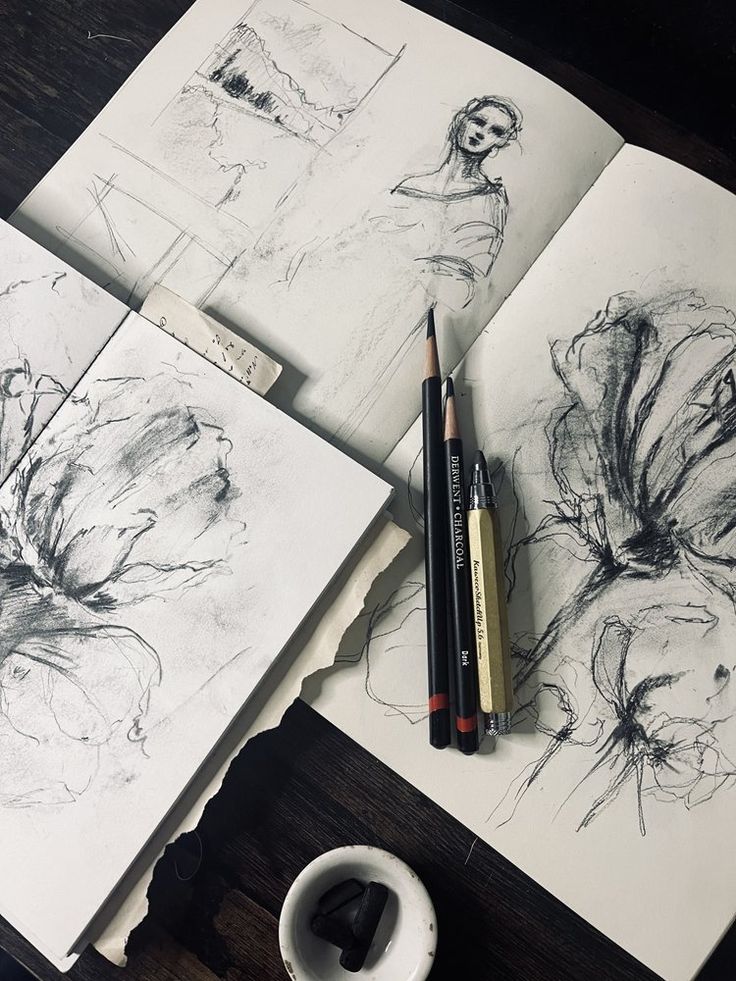
Whether you are starting with charcoal for the first time or trying to understand why your existing charcoal drawings are not working the way you want them to, the technical foundation below should give you a clearer picture.
The Three Types of Charcoal: What Each Is Actually For
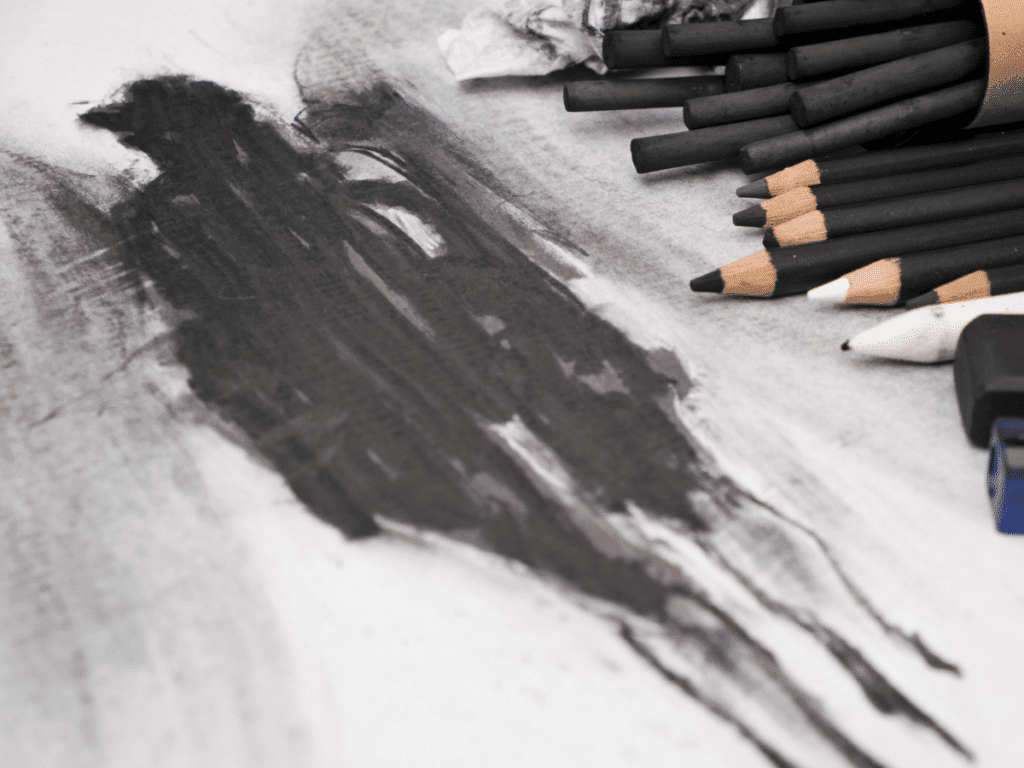
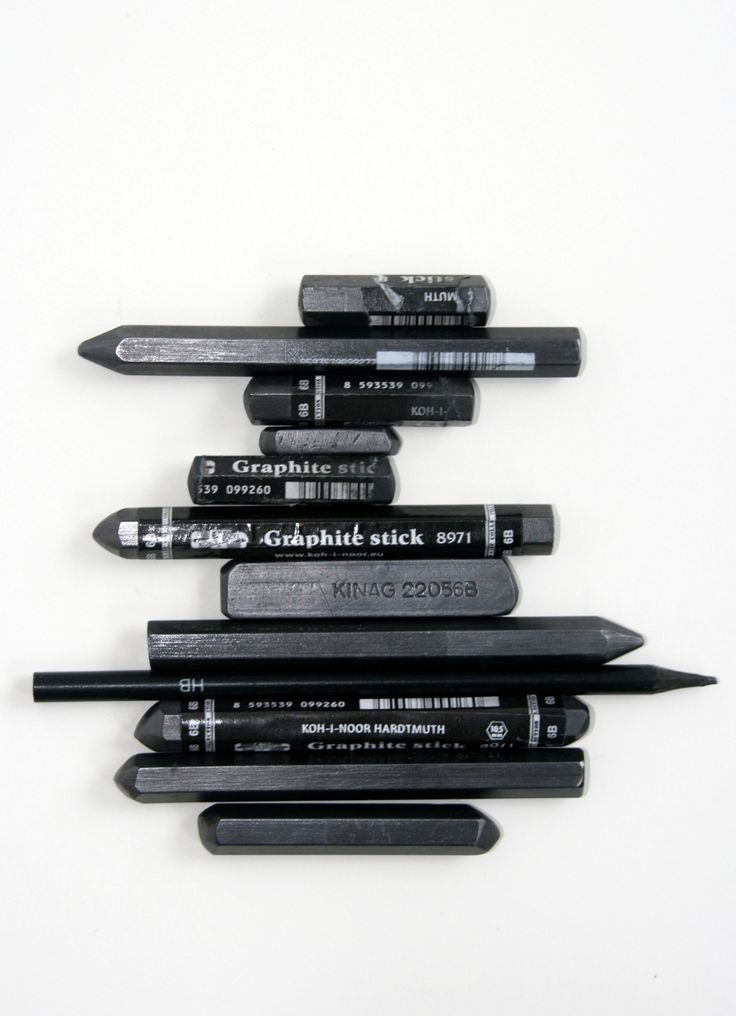
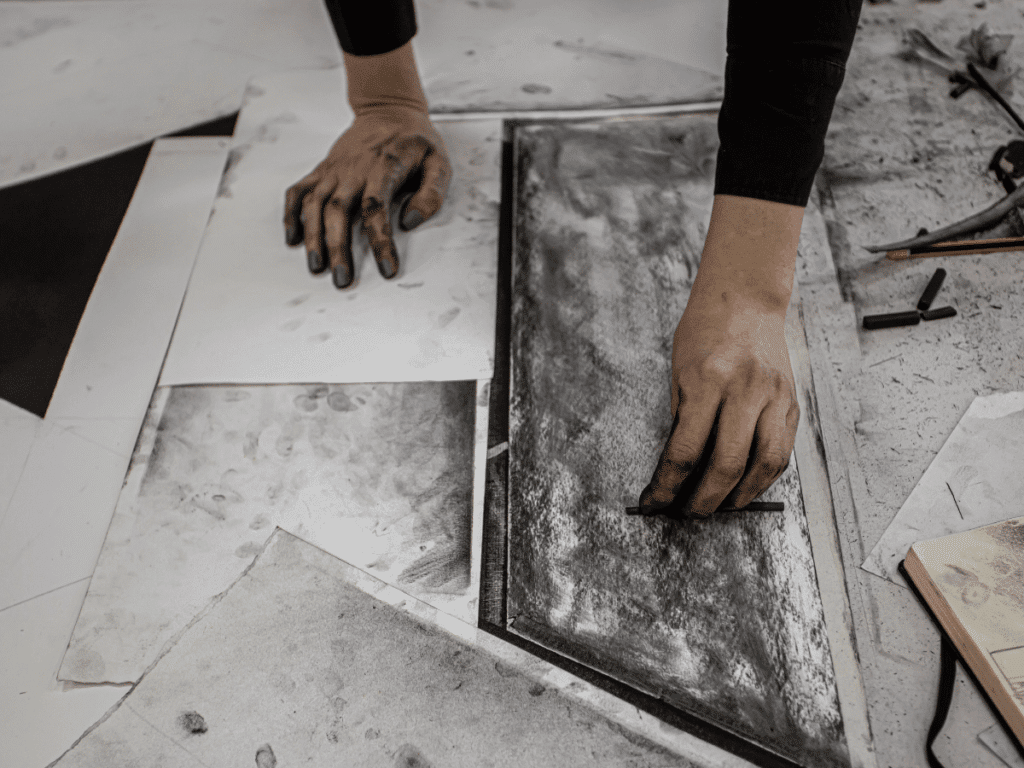
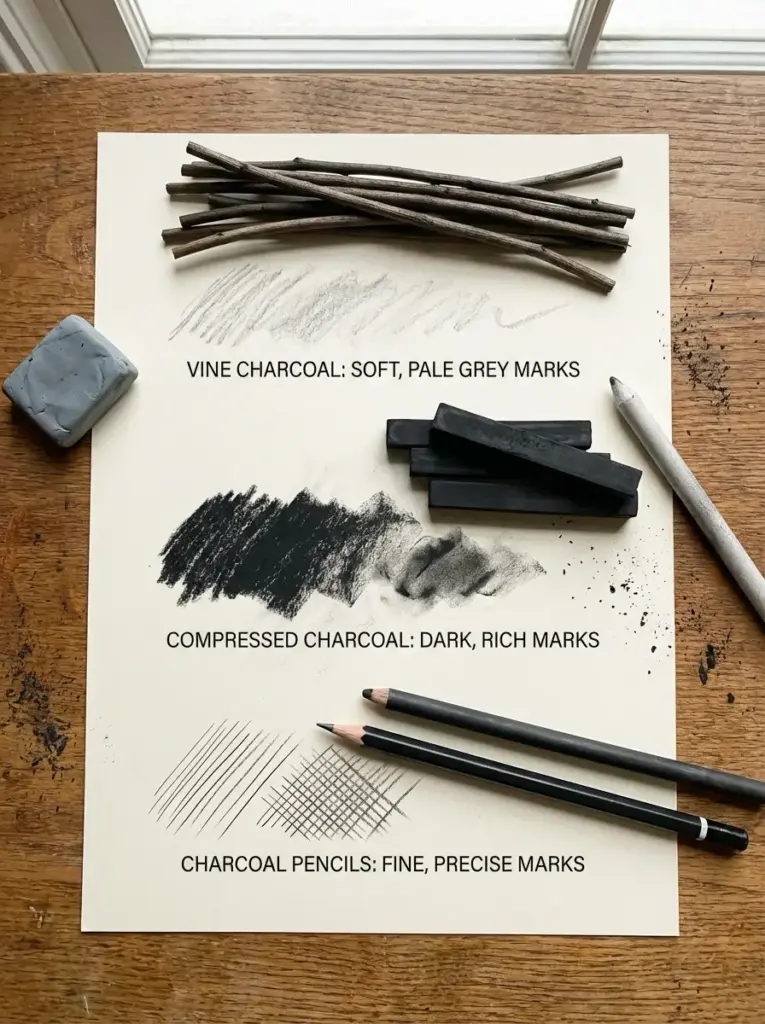
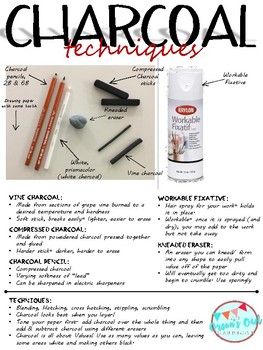
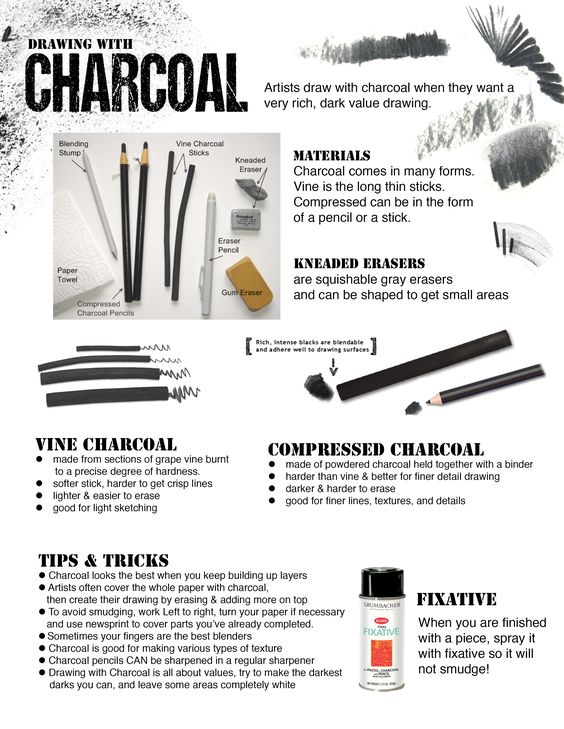
The most common charcoal drawing mistake is treating all three types as interchangeable. They are not. Each type has a specific role in the drawing process, and using compressed charcoal for preliminary sketching or vine charcoal for final deep shadows is working against the material rather than with it.
Vine Charcoal
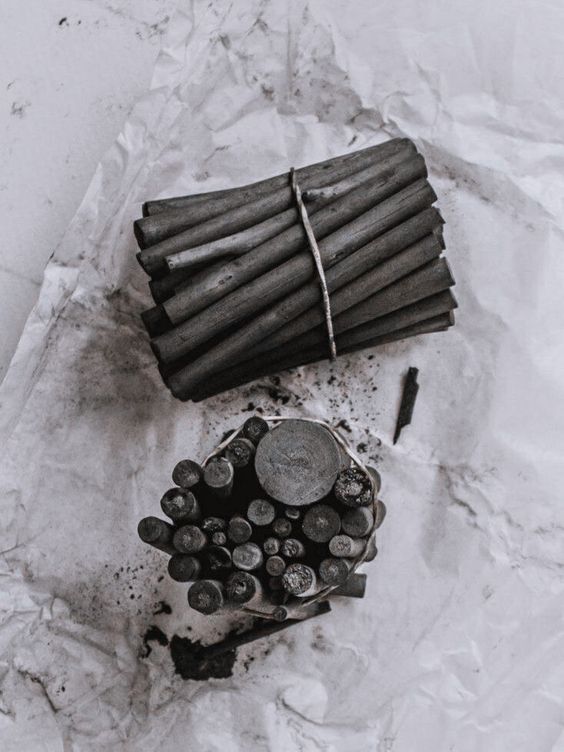
Made from: Grape or willow twigs charred at low temperature. The thin twigs produce fragile sticks with a light carbon deposit.
Characteristics: Soft, light marks that sit on the paper surface rather than embedding in the tooth. Highly erasable — a soft brush or chamois leather removes vine charcoal completely without damaging the paper. Relatively low tonal range: excellent in the light to mid-tone range, limited at the deepest black end of the value scale.
Best for: Preliminary sketching, underdrawing, and composition planning. Any stage where you need to be able to make major corrections without leaving traces. Life drawing and quick observational work where you need to erase and restate frequently.
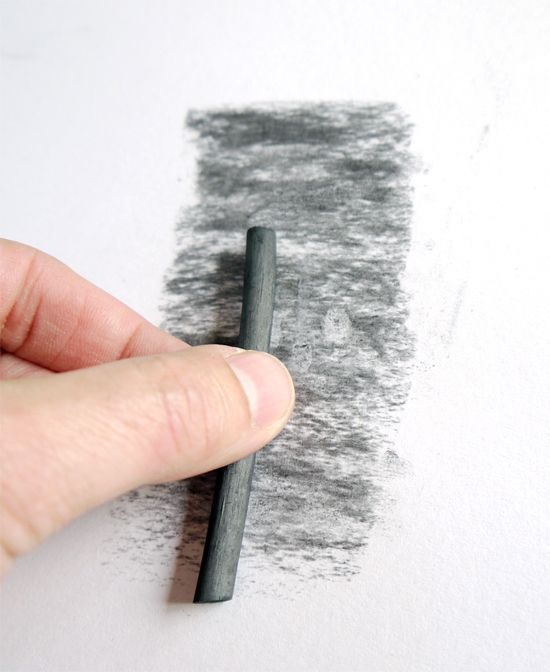
Drawing tip: Use the side of the stick rather than the tip for large tonal areas. Hold the stick flat against the paper and sweep broad strokes — this produces an even, soft tone that is easy to blend. Reserve the tip for specific contour marks you intend to keep.
Compressed Charcoal
Made from: Powdered charcoal mixed with a binding agent (gum arabic or wax) and pressed into sticks or blocks. Available in multiple hardness grades from soft to hard.
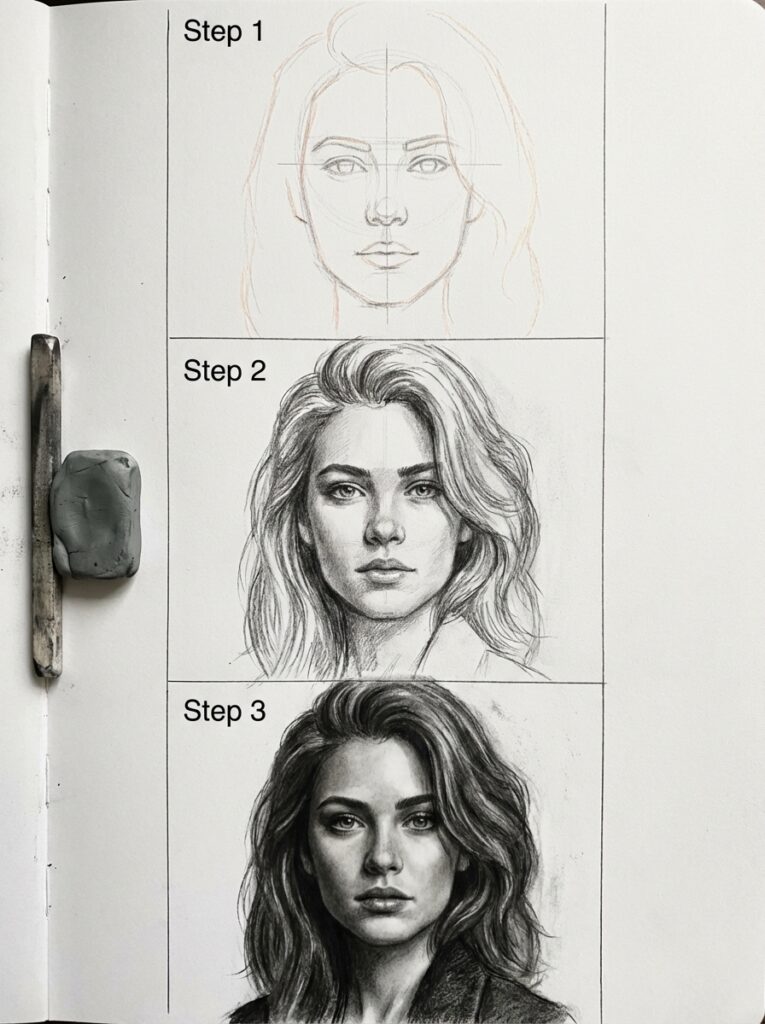
Characteristics: Rich, deep blacks that embed in the paper tooth and are significantly harder to erase than vine charcoal. The darkest darks in a charcoal drawing almost always require compressed charcoal. Harder grades produce more controlled, finer marks; softer grades produce more expressive, velvety darks.
Best for: Final drawing stages when you are committing to deep shadow areas, strong outlines, or any mark you intend to keep. Large-scale drawings that require powerful, lasting dark tones. Building up the deepest values after the composition has been established with vine charcoal.
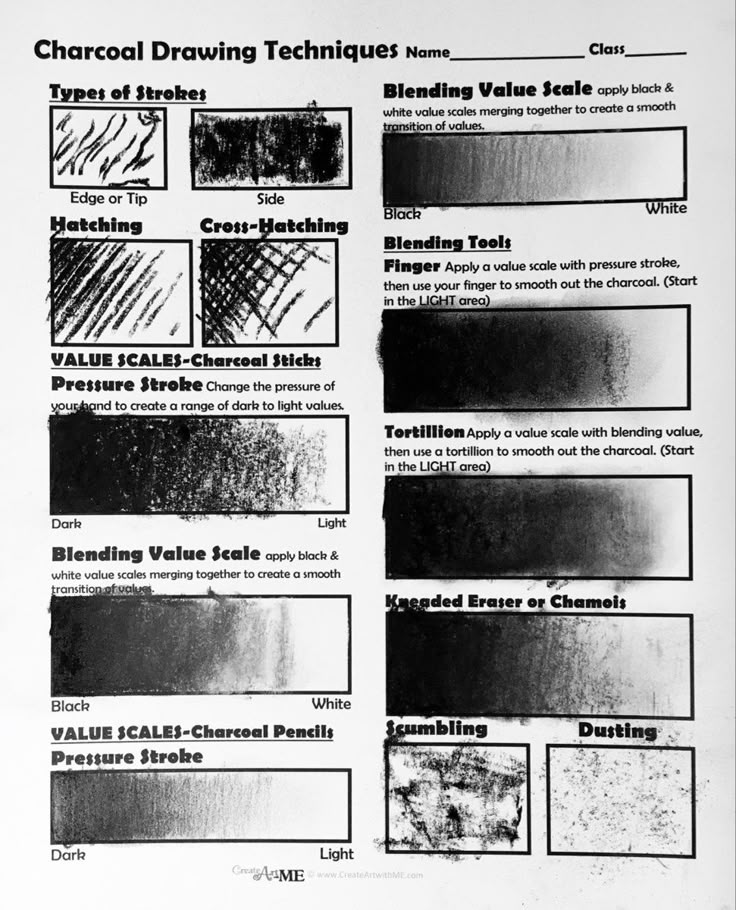
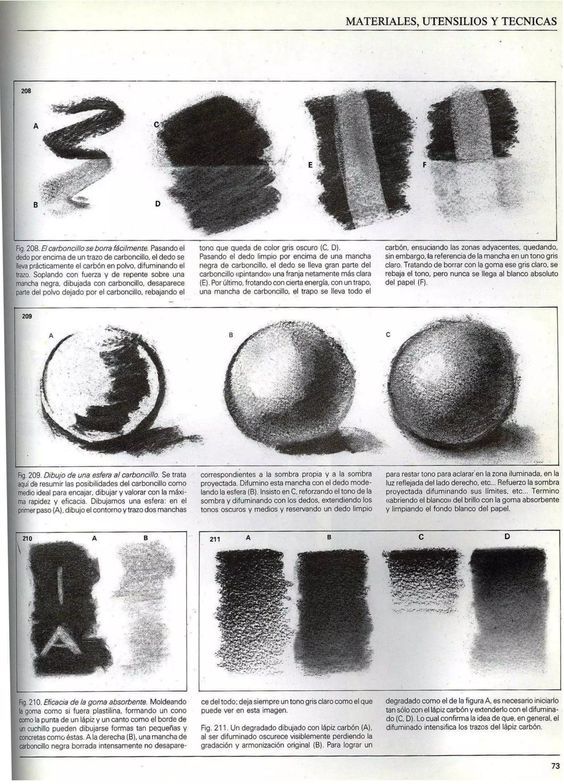
Drawing tip: Layering vine charcoal first and compressed charcoal over it produces a richer tonal range than either can achieve alone. The vine charcoal creates the initial mid-tones and light-dark structure; the compressed charcoal deepens the darkest areas into true blacks.
Charcoal Pencils
Made from: Compressed charcoal encased in a wooden barrel, sharpened to a point like a conventional pencil. Available in varying hardness grades.
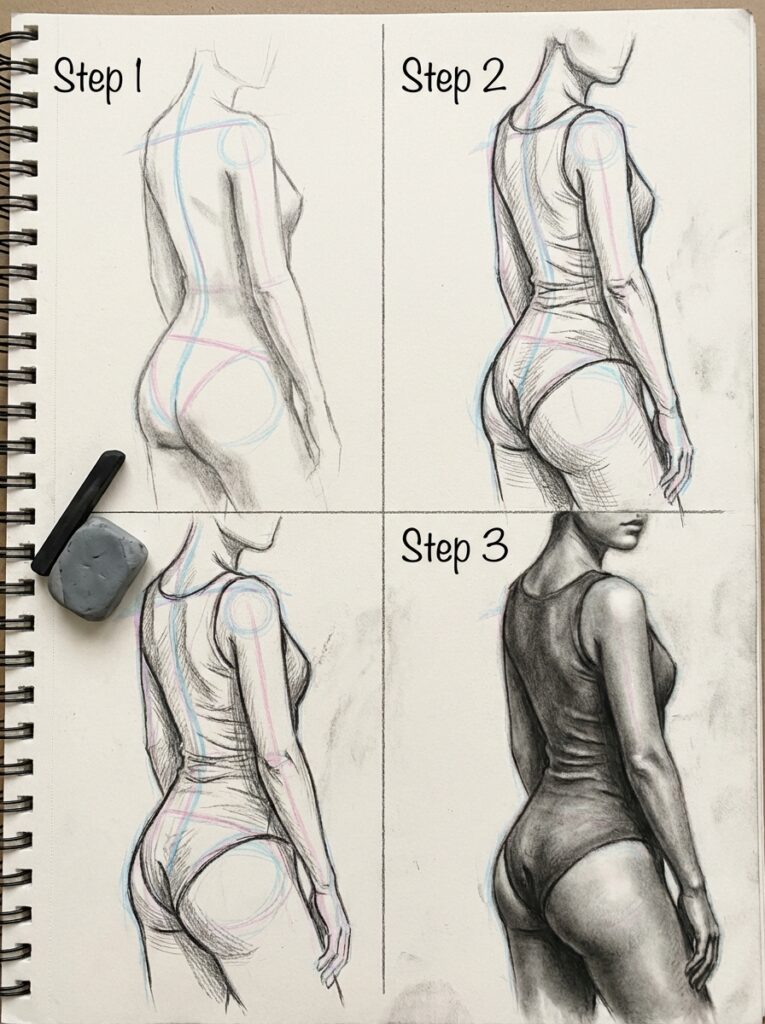
Characteristics: The most controlled charcoal format — the wooden barrel allows a conventional pencil grip and the sharpened point allows fine lines and precise detail. Less smudge-prone than stick charcoal. Cannot cover large tonal areas efficiently. Cannot be used on its side for broad marks.
Best for: Detail work over a completed charcoal drawing — adding precise eyelashes, whisker detail on animals, architectural fine lines, or any element requiring a sharp point. Not suitable as a primary charcoal tool for tonal work, but excellent as a supplementary tool for final detail.
Drawing tip: Sharpen charcoal pencils frequently — a dull point dramatically reduces the quality of detail work. Use a dedicated sharpener rather than a knife for charcoal pencils, as knife-sharpening can crack the fragile charcoal core.
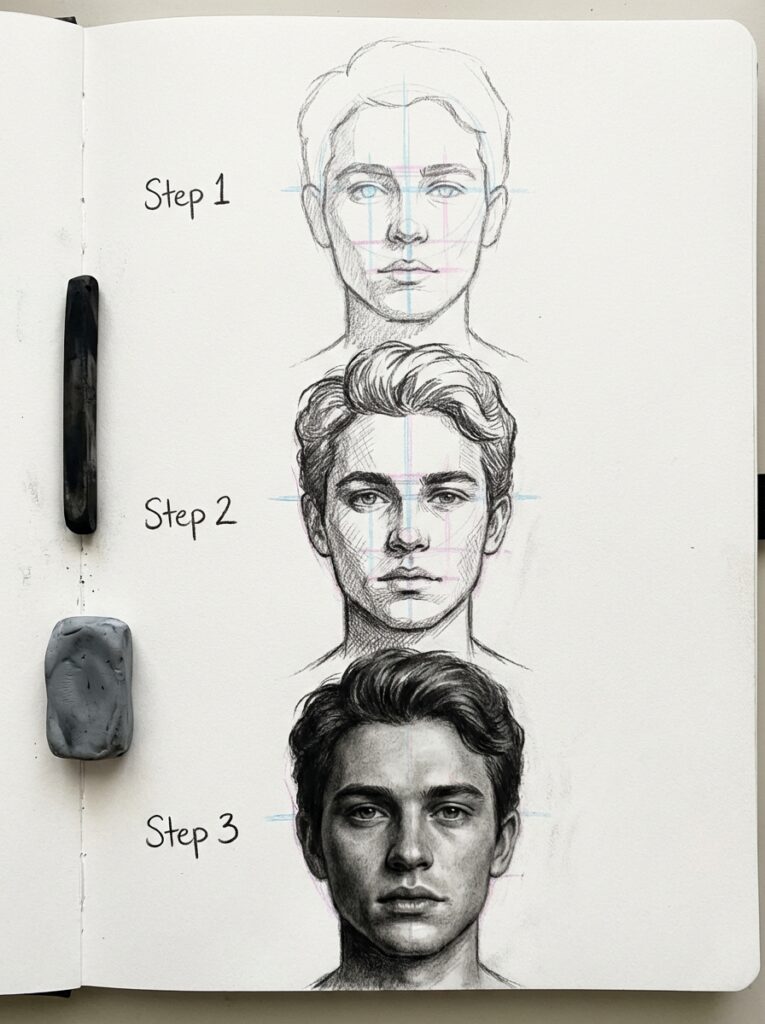
✏ Drawing note: Vine charcoal for construction, compressed charcoal for commitment. Every successful charcoal drawing follows this sequence: establish the full composition and tonal structure in vine charcoal — where you can correct freely — then move to compressed charcoal only when the drawing is resolved, and you are ready to commit to the darks. Reversing this order, starting with compressed charcoal, makes correction nearly impossible and produces drawings that look overworked.
Paper Choice: How Surface Texture Shapes the Mark
Paper choice in charcoal drawing is not a secondary decision. The texture of the paper surface directly determines the quality of every mark — how dark the charcoal goes, how the edges of marks behave, how easily the charcoal blends, and whether the drawing has a hard graphic quality or a soft atmospheric one.
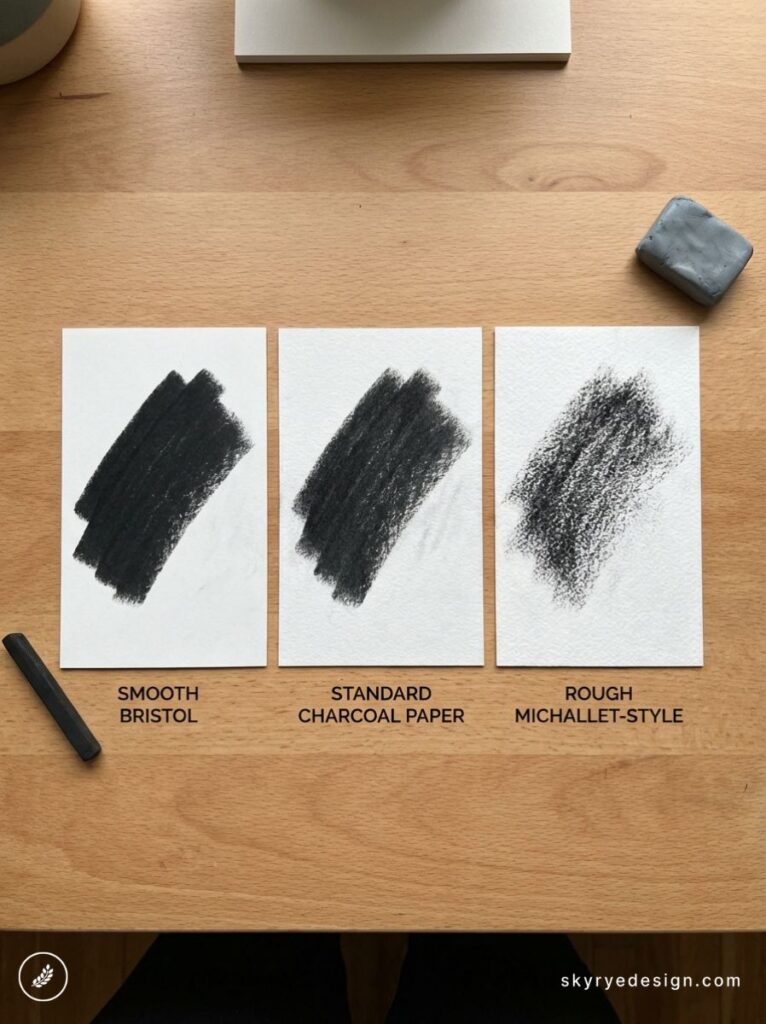
Seurat chose Michallet paper not randomly but because its specific texture produced the soft, graduated marks that were central to his technique: the charcoal caught on the raised texture peaks and missed the valleys, creating marks that already had a built-in softness.
Standard Charcoal Paper
Strathmore 400 Series charcoal paper and equivalent mid-tooth papers are the standard starting point. They provide enough texture to hold charcoal well without the extreme roughness of handmade papers, and they work with both vine and compressed charcoal across the full tonal range. Most charcoal drawing teaching and most studio charcoal work uses this category of paper. The tooth wears down in areas that have been worked heavily and erased multiple times — this is a normal property of charcoal paper, not a fault.
Toned Papers
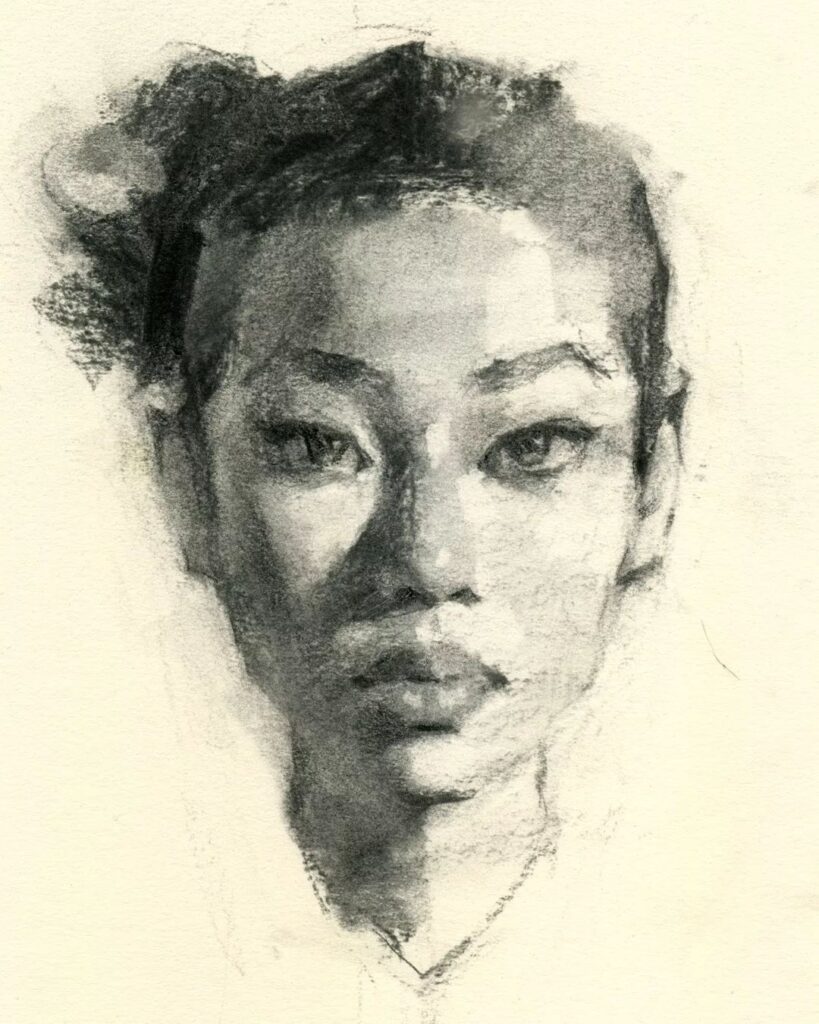
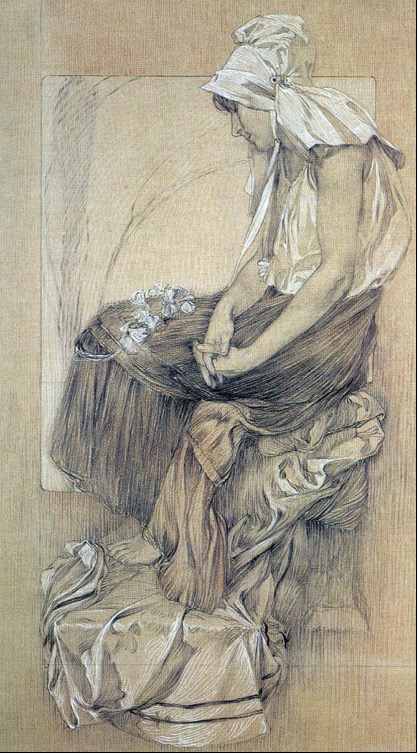
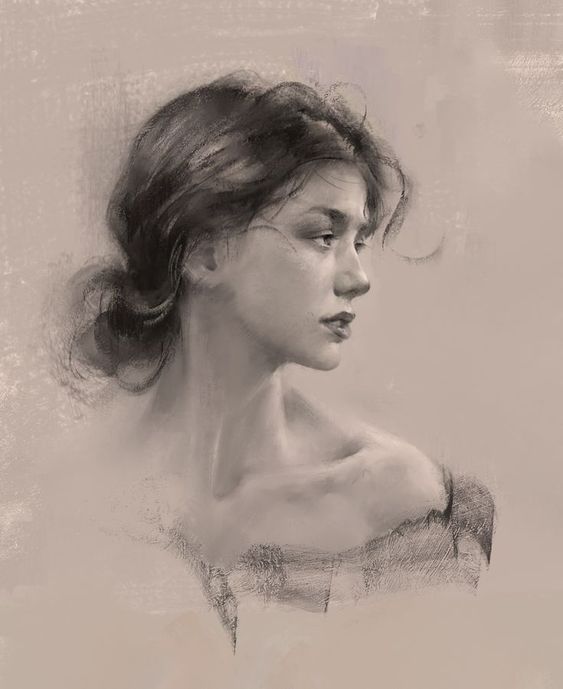
Grey, tan, or warm-toned papers are particularly useful for drawings that use both dark charcoal and white charcoal pencil. The mid-tone paper eliminates the need to fill the entire surface and allows the paper itself to serve as the mid-tone value — you only add the darks with charcoal and the lights with white charcoal or chalk. This toned paper approach is standard for academic figure drawing and produces the high-contrast, sculptural quality associated with classical academic drawing. Canson Mi-Teintes toned paper is the most widely available option.
Rough and Handmade Papers
For Seurat-style atmospheric tonal work, rough papers with visible texture produce the characteristic soft, slightly out-of-focus quality where the charcoal only contacts the raised texture peaks. The heavier the texture, the more atmospheric and less sharp the marks. This approach sacrifices fine detail control in exchange for tonal atmosphere — it is not the right paper for portraits requiring precise feature detail, but it is excellent for figures, landscapes, and any drawing where the overall tonal mood is more important than sharp line definition.
✏ Drawing note: Test any new paper before committing a major drawing to it. Apply charcoal, blend it, try to erase an area, and add compressed charcoal over vine charcoal. This 10-minute test reveals the paper’s tooth depth (how much charcoal it holds), its blendability, and how well it recovers after erasing. Papers vary significantly between manufacturers and even between batches — what is true of one brand is not necessarily true of another with a similar label.
Five Core Charcoal Techniques
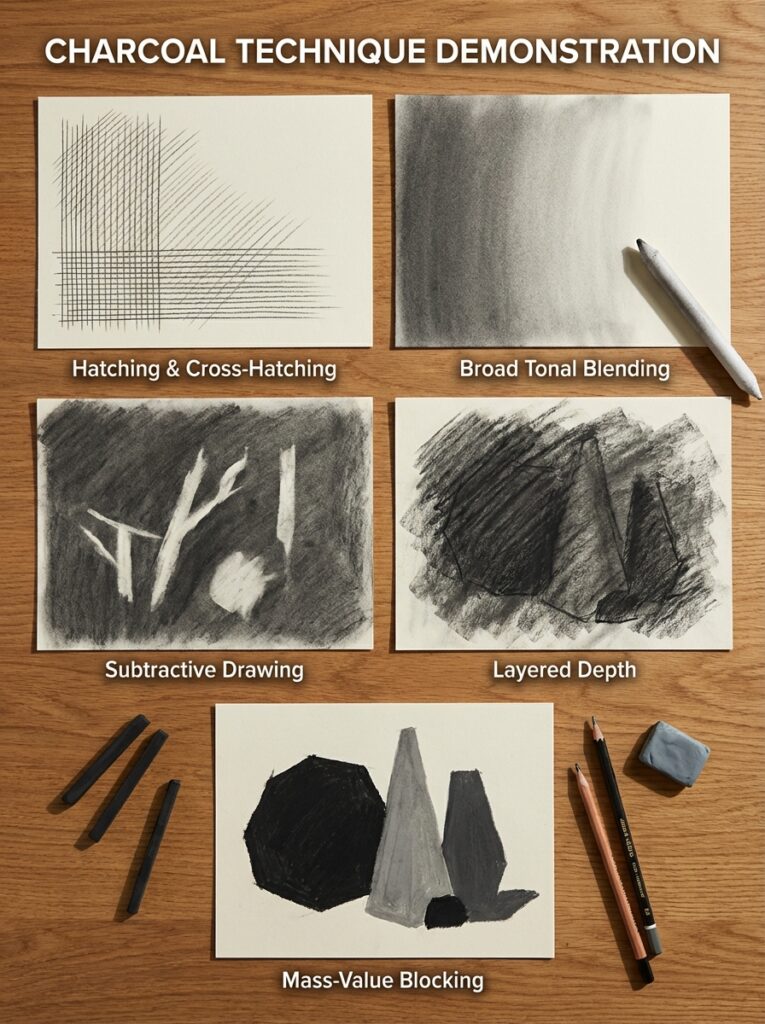
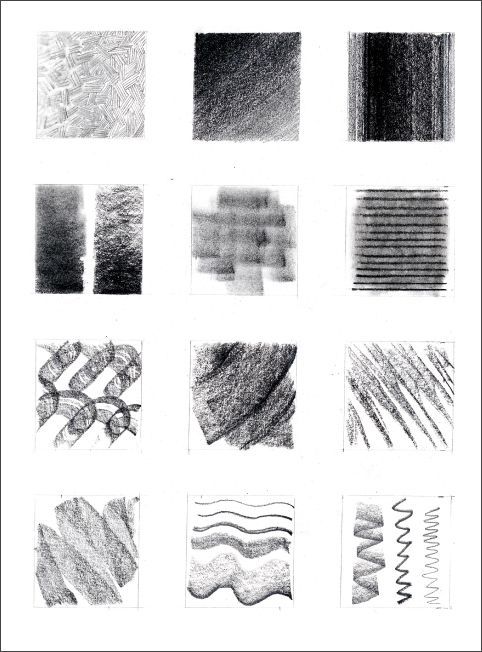
These five techniques are not separate methods to choose between — they are a vocabulary that most charcoal drawings use in combination, each serving a different part of the drawing process.
1. Side-Stroke Tonal Application
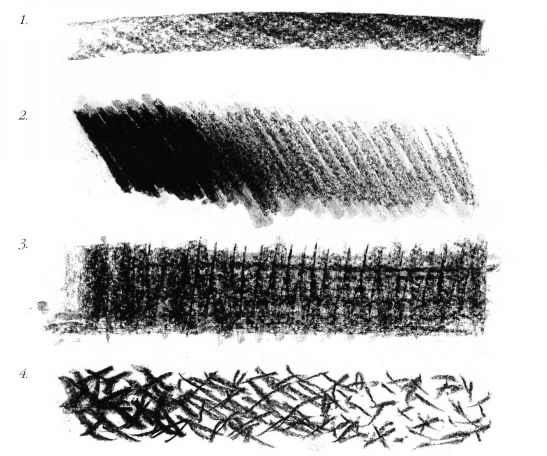
The most fundamental charcoal mark is made with the side of the stick rather than the tip. Hold the vine charcoal horizontally against the paper and sweep broad, even strokes across the area you want to tone.
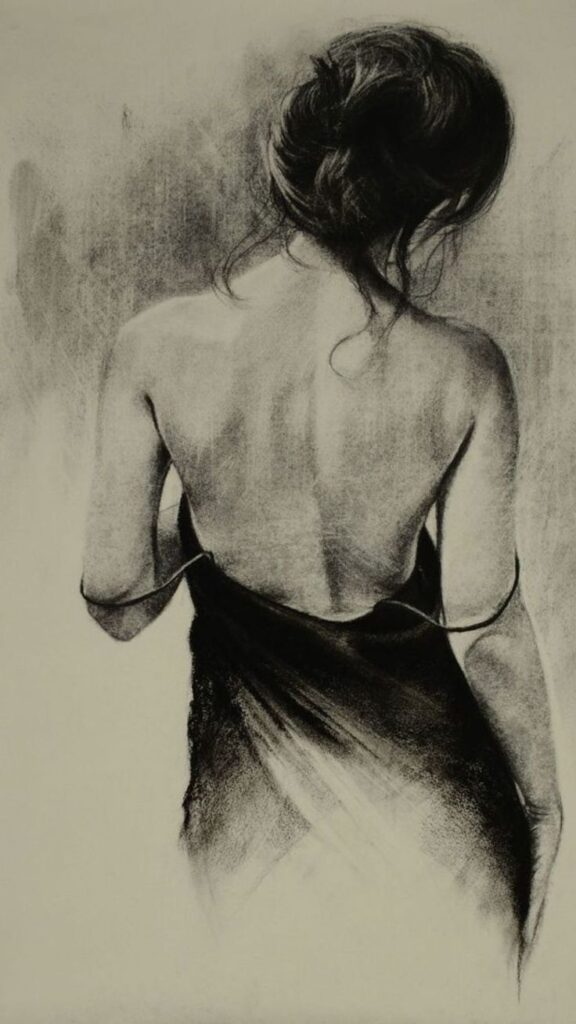
This produces a soft, even grey that is easy to control and blend. Start light — charcoal is easier to darken than to lighten — and build up the tone gradually with multiple light passes rather than one heavy stroke. This technique is the foundation of all tonal charcoal work and should be mastered before any other approach.
2. Blending and Gradient Building
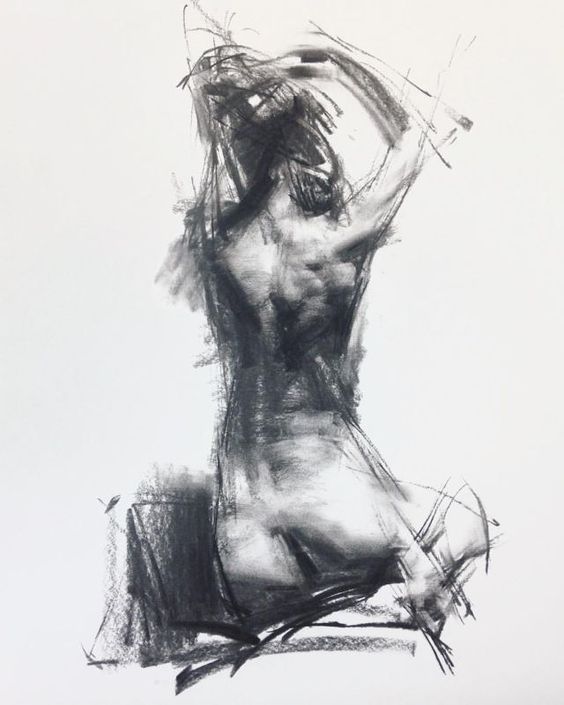
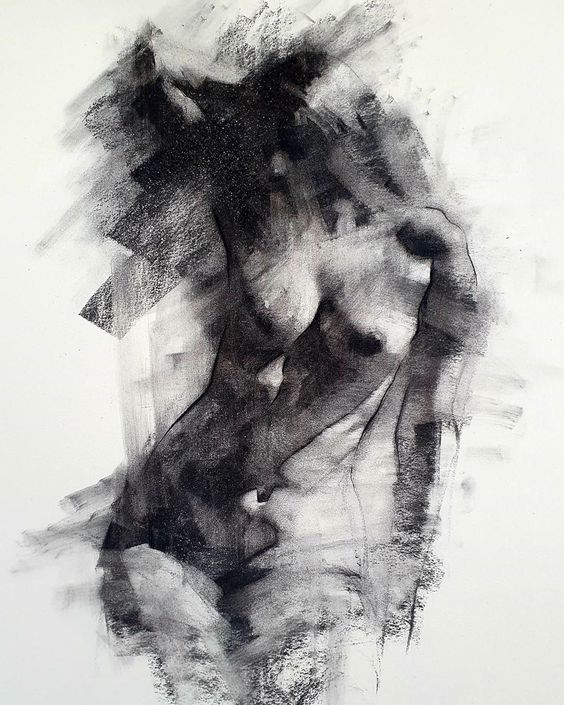
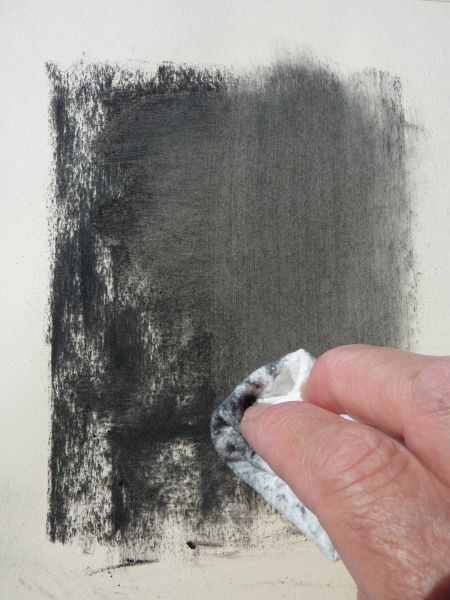
Once charcoal is applied, blending with a finger, blending stump, or soft brush spreads and softens the mark, extending it into adjacent areas and reducing the individual stroke texture. Blending direction matters: blend from dark toward light areas — dragging dark into light rather than light into dark — which gives you better control over where the gradient transitions. A blending stump is useful for small areas; a clean finger or piece of chamois leather works better for large tonal areas. Never blend with a dirty tool — a contaminated blending stump will transfer charcoal into areas that should be light.
3. Subtractive Drawing
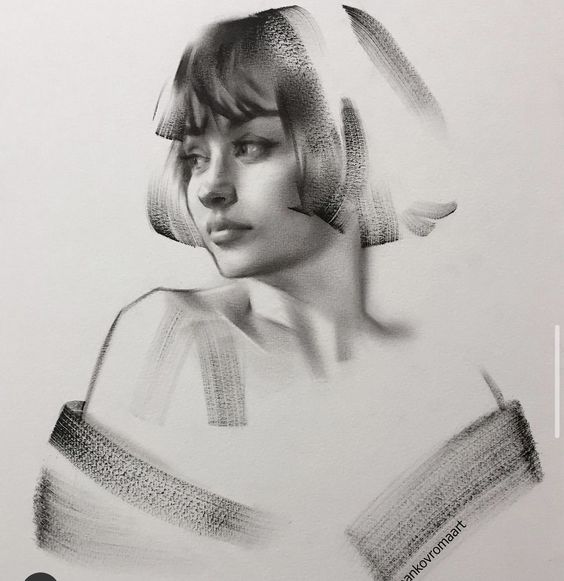
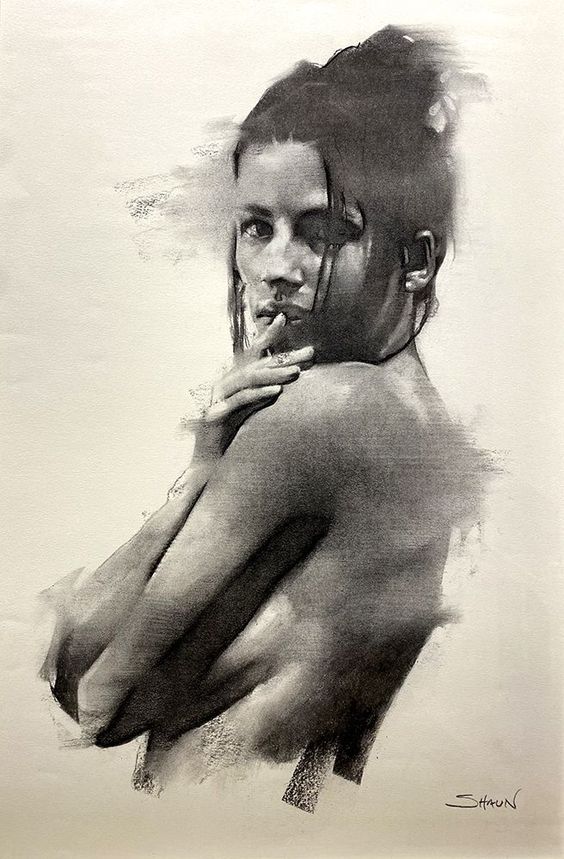
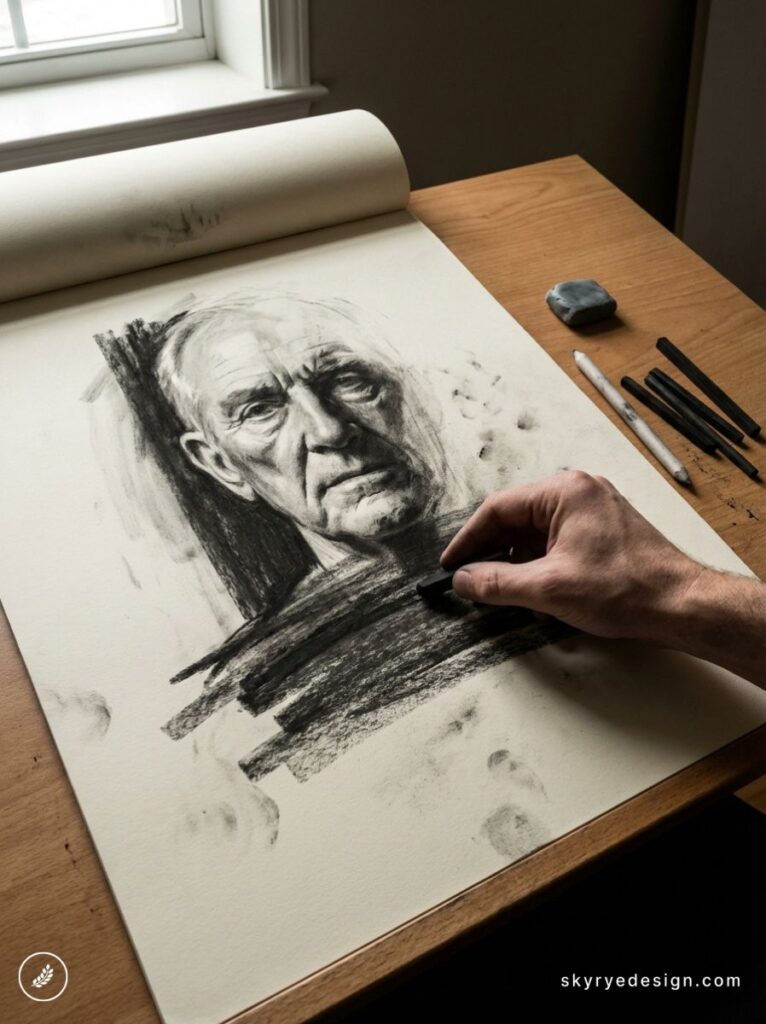
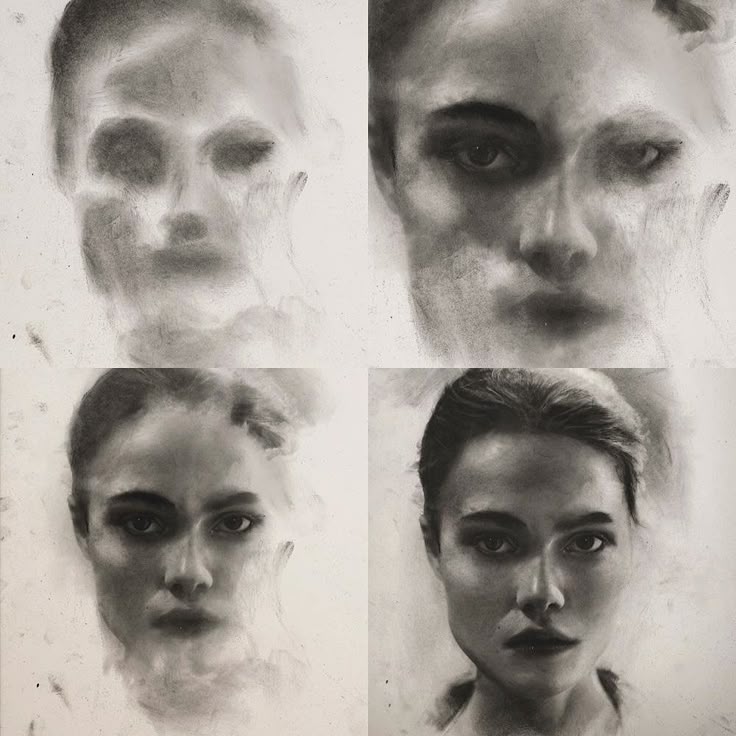
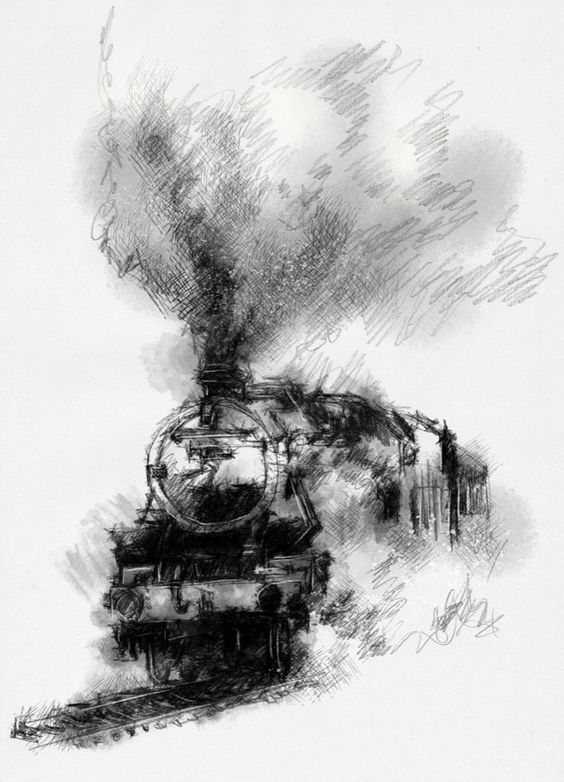
Subtractive drawing reverses the conventional approach: instead of adding dark marks to white paper, you cover the paper with an even layer of mid-tone charcoal, then use a kneaded eraser to remove charcoal and create lighter areas. Press the kneaded eraser gently against the charcoal surface and pull it away — it lifts the charcoal cleanly without the abrasive action of a rubber eraser. The lightest areas are fully lifted; the darkest areas remain. This technique produces a quality of light that additive drawing struggles to match, particularly in portraits and any subject where subtle light gradations are more important than deep shadows.
4. Mass-Value Drawing (Seurat Method)
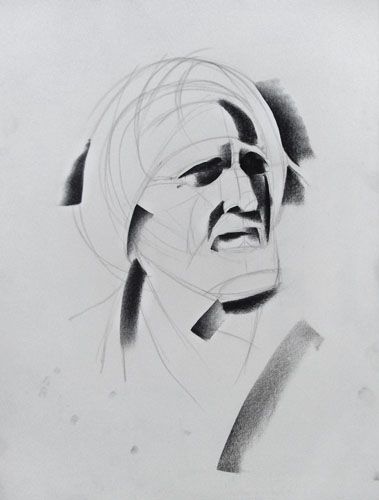
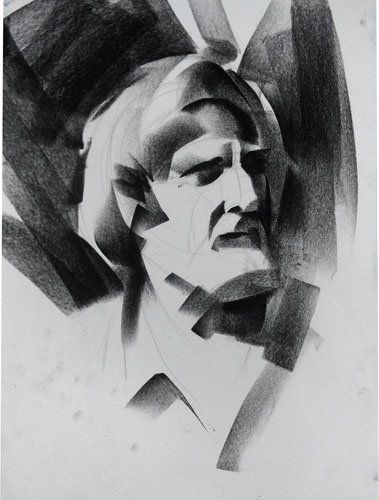
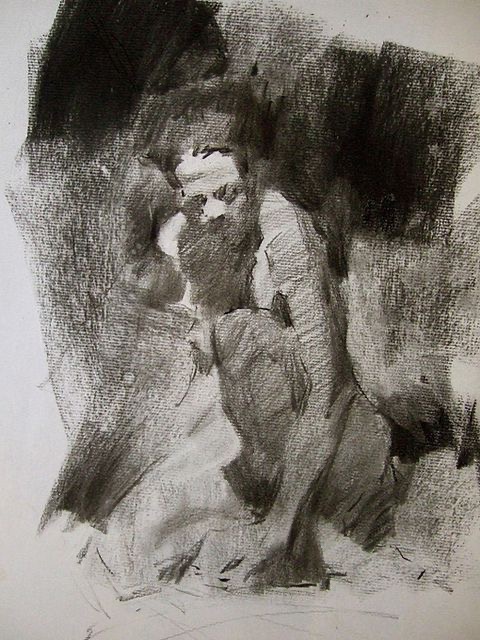
Seurat’s approach, developed with Conté crayon and charcoal on Michallet paper, dispensed with contour lines almost entirely. Forms are built from value masses — areas of dark and light that define shape through tonal contrast rather than edge. Instead of drawing the outline of a figure, you fill the dark areas with charcoal tone and leave the light areas as paper. The edge where dark tone meets light area reads as the contour, without a line being drawn. This is technically demanding — the tonal masses must be precisely shaped to read as specific forms — but produces drawings with an atmospheric, luminous quality that line-based approaches cannot achieve.
5. The Kneaded Eraser as Drawing Tool
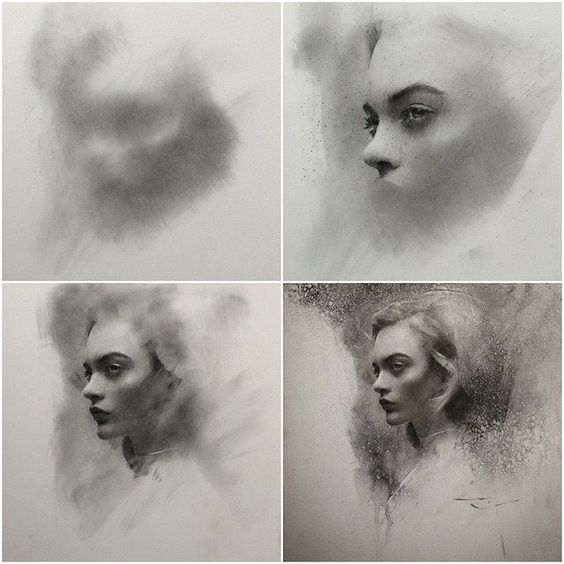
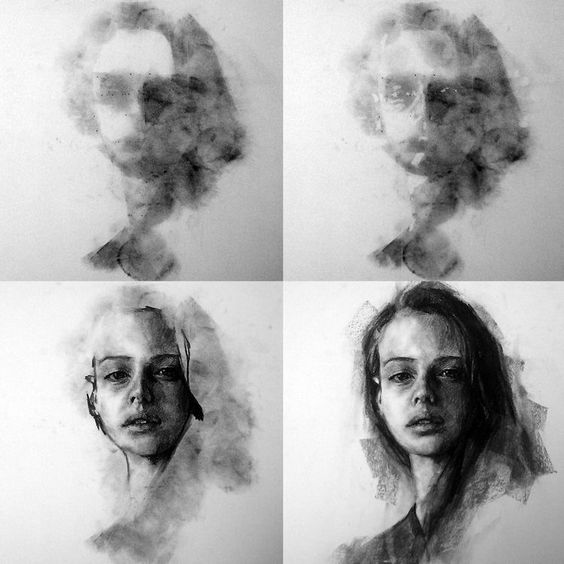
A kneaded eraser is not just for mistakes. In charcoal drawing, the kneaded eraser is used as a mark-making tool to create highlights, lift texture marks into a dark tonal area (simulating the appearance of light-coloured hairs in a dark area, for instance), and create soft graduated transitions. Mould the kneaded eraser to a point for small highlights and fine marks; flatten it to a pad for lifting broad areas. The eraser’s malleability allows it to be customised to the specific mark you need in a way that no rubber eraser can match.
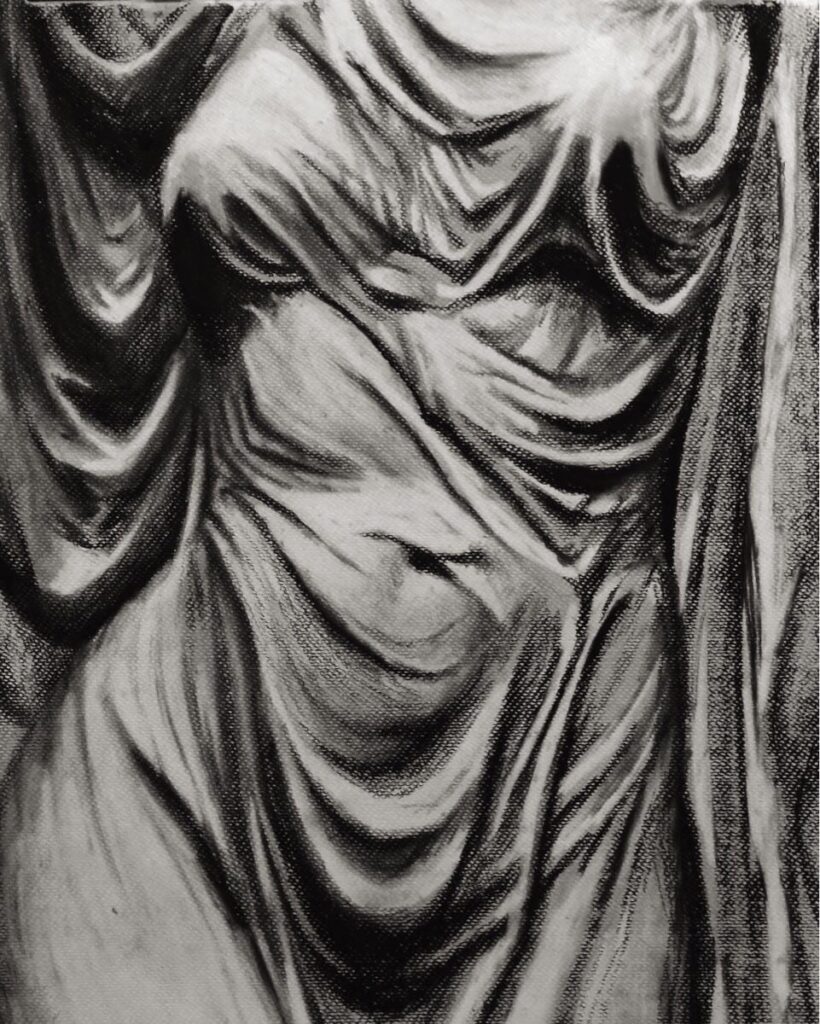

✏ Drawing note: The most underused technique in charcoal drawing is building layers across multiple drawing sessions. A charcoal drawing worked in one session tends to have a uniform quality across all areas — everything worked to the same level at the same time. Charcoal drawings worked over multiple sessions, with fixative applied between sessions to prevent the layers from mixing, can achieve a depth and richness of tone that single-session work rarely produces. Apply one light coat of workable fixative at the end of each session and let it dry fully before the next session.
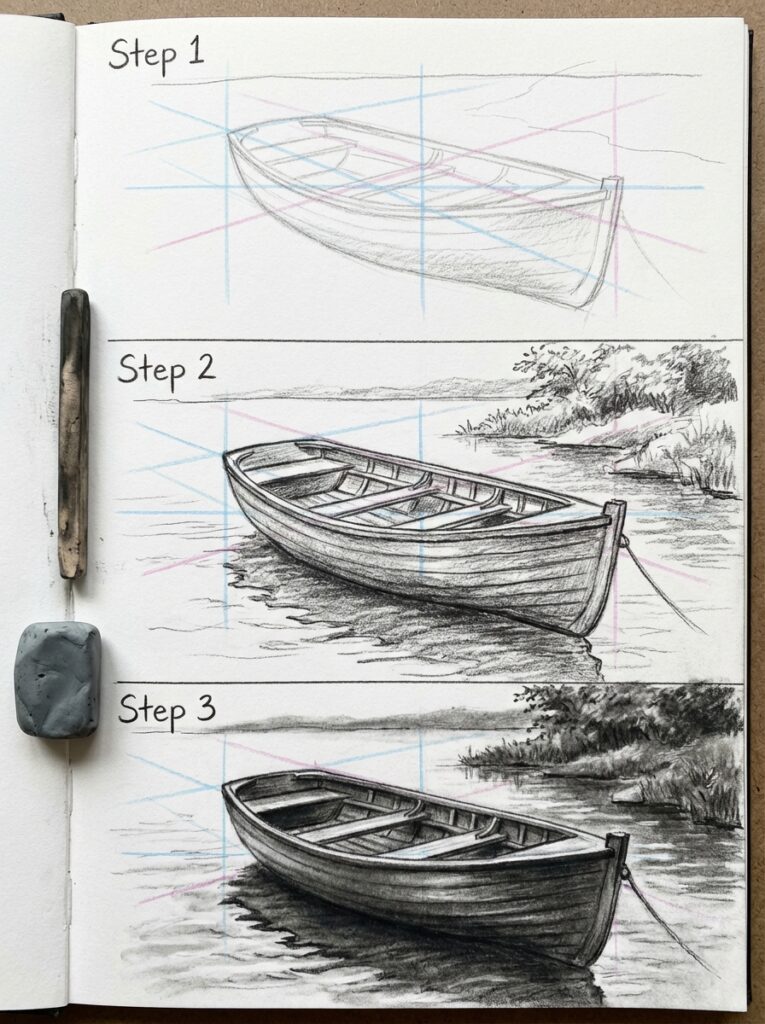
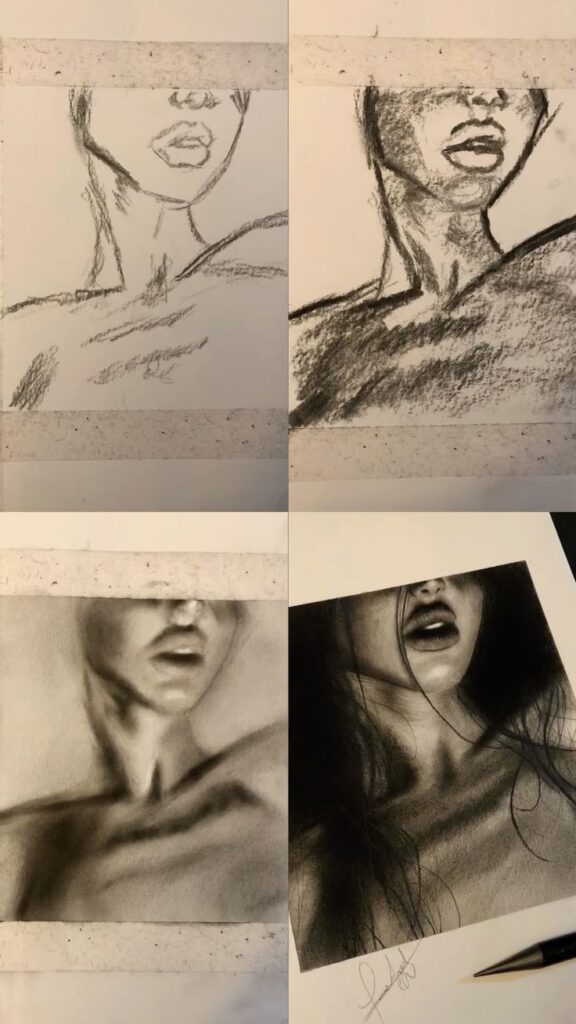
Drawing a Portrait in Charcoal: Seven Steps
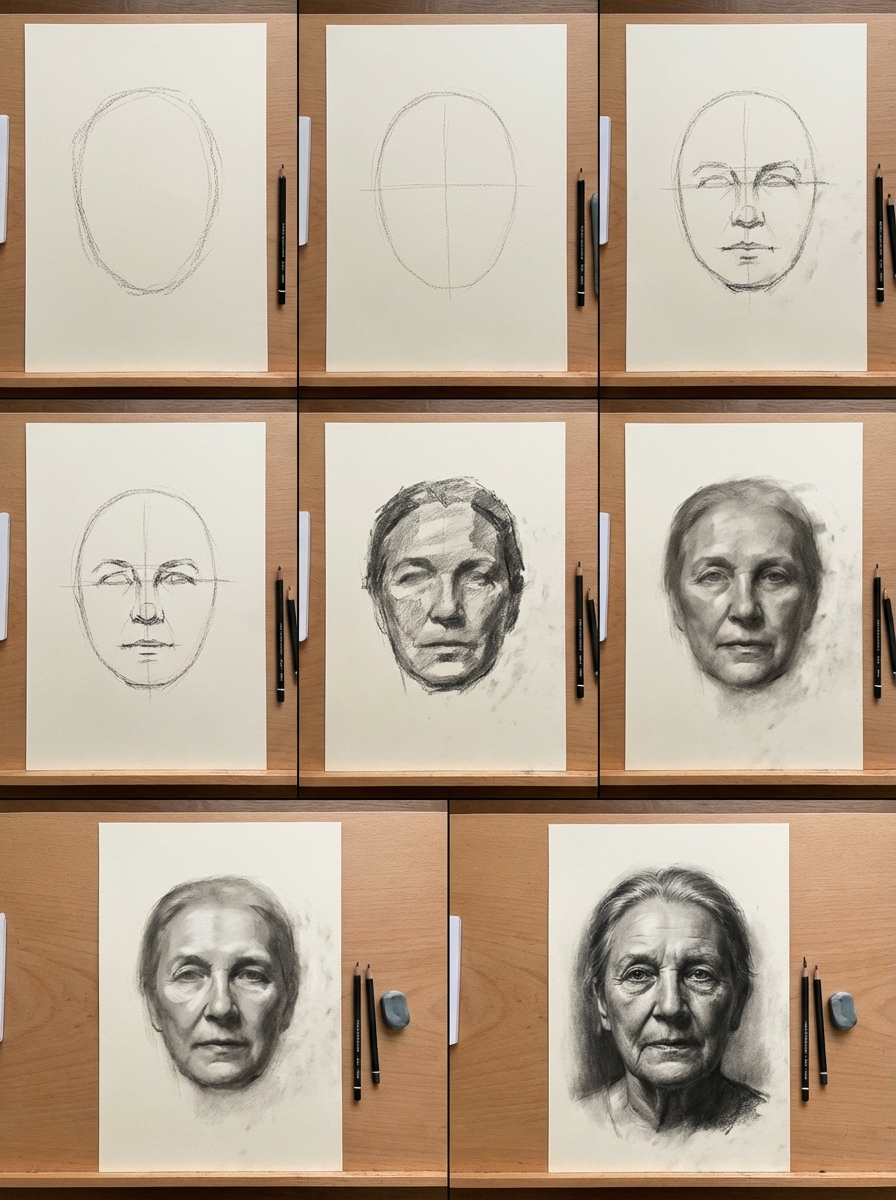
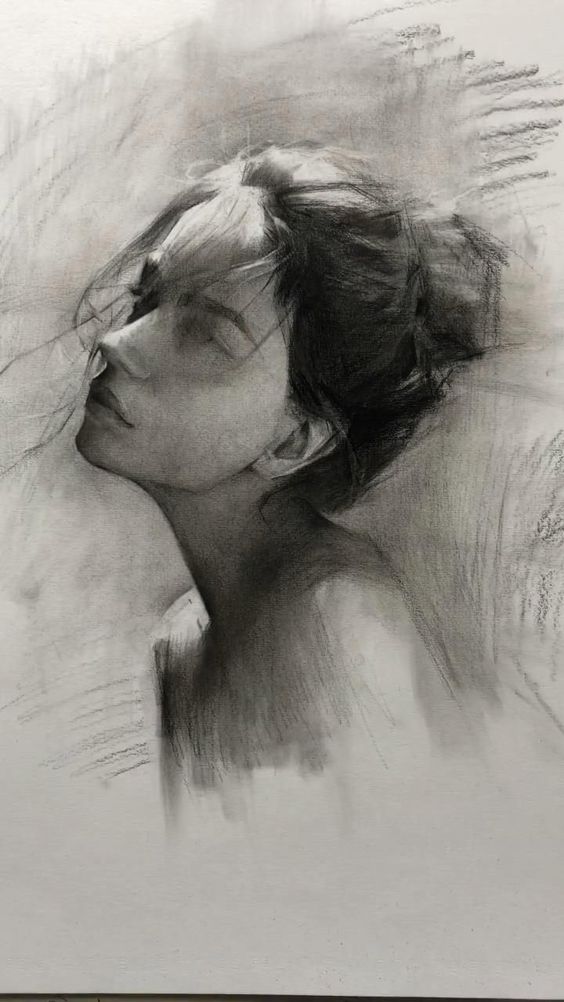
The portrait is the most demanding charcoal subject and the most instructive — every technical decision becomes immediately visible in the face. This sequence applies to any portrait regardless of style.
Step 1: Block the Head Shape
Draw a light oval in vine charcoal. The oval should be approximately 1.3 times taller than it is wide for an adult human head seen from the front. Hold the charcoal loosely and draw the oval as a single continuous stroke rather than a constructed series of lines — the looseness of the gesture will produce a more accurate oval than careful construction.
Step 2: Place the Facial Guidelines
Divide the oval horizontally at the midpoint — the eyes sit on this line, consistently surprising beginners who place the eyes too high. Divide the lower half in half again: the nose base sits at this line. Divide that lower quarter in half: the mouth centre sits here. Draw a vertical line down the centre of the oval. These proportions are averages — your specific reference will vary, but these lines give you the framework to measure against.
Step 3: Place the Features Lightly
Sketch eyes, nose, mouth, and ear positions with minimal vine charcoal marks. At this stage, every feature should be barely visible — no detail, just placement. The ear aligns vertically between the eye guideline and the nose guideline. The width of the eye is approximately equal to the distance between the eyes. The mouth width aligns with the iris centres of the eyes. Check all placements before committing to any detail.
Step 4: Establish the Major Shadow Masses
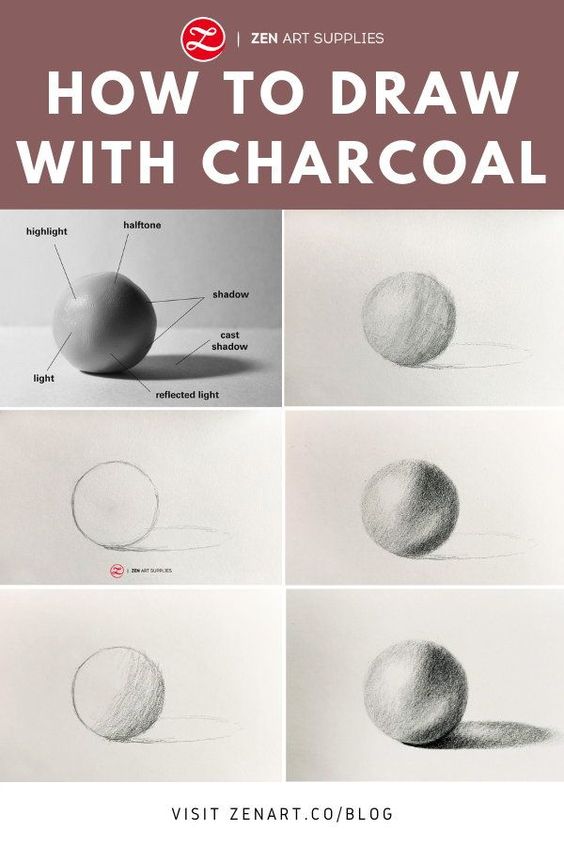
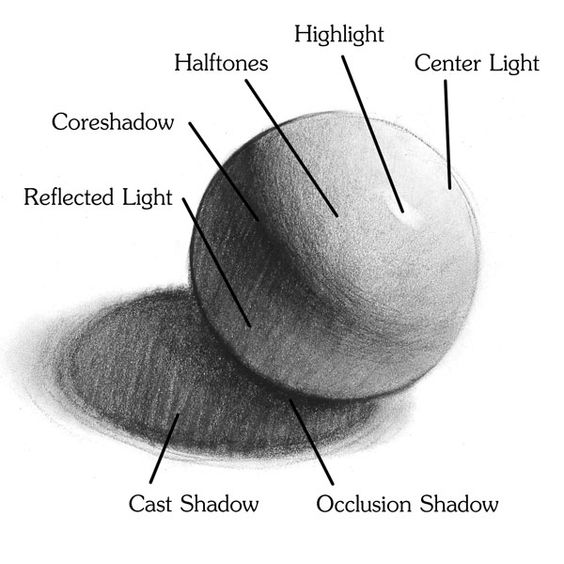
Using the side of a vine charcoal stick, fill in all shadow areas with a uniform mid-tone. Do not blend yet — just establish which areas of the face are in shadow and which are in light. The shadow masses define the three-dimensional form of the head more than any feature detail. A head with correct shadow masses and rough feature placement reads as a face; a head with precise features but incorrect shadow masses does not.
Step 5: Refine Tones and Blend
Blend the shadow areas with a finger or blending stump, then begin differentiating the shadow values — some shadow areas are darker than others, and this variation is what gives the face its sculptural quality. The deepest shadows are under the brow ridge, in the corner of the eye sockets, under the nose, and under the lower lip. Build these darker values with additional charcoal layers rather than pressing harder on a single layer.
Step 6: Pull Highlights with the Kneaded Eraser
Shape the kneaded eraser to a flat edge and lift charcoal from the lightest areas: the forehead catching light, the bridge of the nose, the top of the cheekbones, the chin plane. Pull the eraser in the direction of the form — across the forehead horizontally, down the nose vertically. A sharply pointed kneaded eraser can create precise highlights on the iris catchlight and the moisture highlight on the lip.
Step 7: Add Detail with Charcoal Pencil
Once the full tonal structure is established, use a charcoal pencil for precise final details: pupil edges, the dark corner of the eye where the lid meets the inner corner, nostril definition, specific hair strands. Do not use the charcoal pencil until the tonal work is complete — detail added before the tonal structure is resolved will look arbitrary and will need to be blended away anyway.
Materials: What You Actually Need to Start
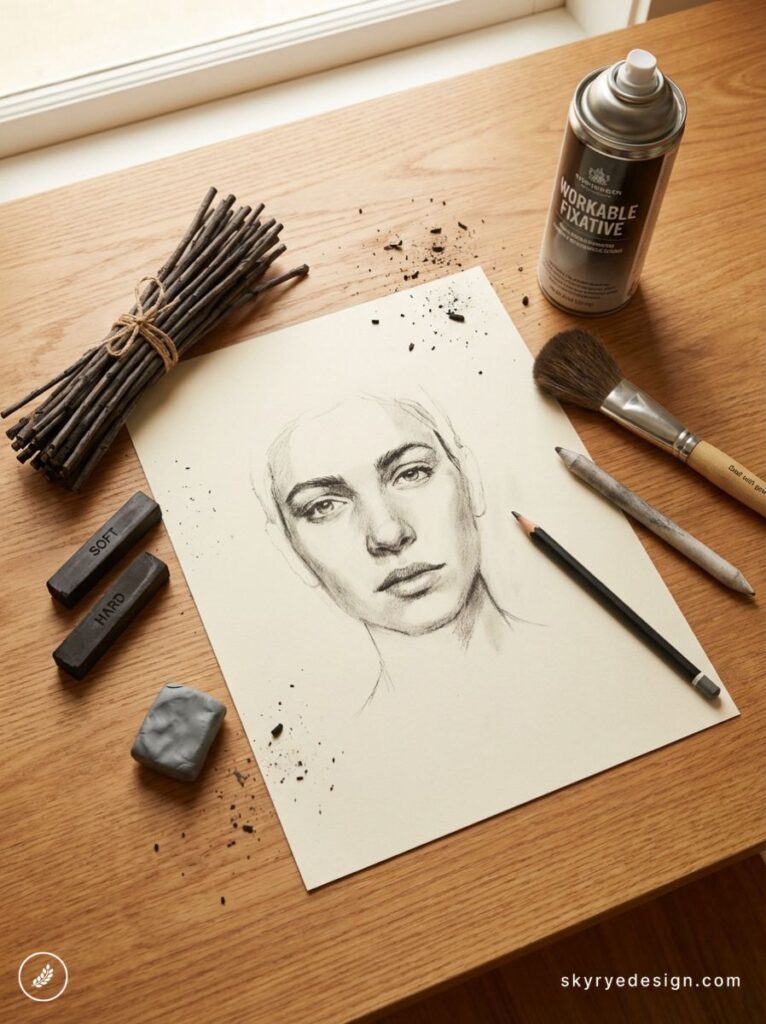
- Vine charcoal: Derwent or Nitram vine charcoal sticks (~$8-12 for a pack of 25). Nitram is regarded by many instructors as the highest quality vine charcoal currently produced — it breaks less and produces more consistent marks than most alternatives.
- Compressed charcoal: General’s compressed charcoal sticks in soft grade (~$6 for a pack of 4). One soft compressed charcoal stick covers most portrait and figure drawing needs for dark shadow areas.
- Charcoal pencil: Faber-Castell charcoal pencil in medium hardness (~$4). Used for detail work over completed drawings, not as the primary drawing tool.
- Paper: Strathmore 400 Series charcoal paper pad, 18×24 inch (~$20). Larger than you think you need — working large builds better habits than working small and allows the arm to move freely from the shoulder rather than using wrist movements.
- Kneaded eraser: Faber-Castell kneaded eraser (~$3). The most important tool in charcoal drawing after the charcoal itself. Buy two so you always have a clean one.
- Blending stumps: A set of assorted sizes (~$6). Use large stumps for blending shadow areas; small stumps for blending eyelid edges and other precise areas.
- Workable fixative: Krylon Workable Fixatif (~$12). Apply between drawing sessions to lock completed layers without preventing further drawing. Final fixative is used only on completed work.
- Soft brush: Any soft-bristled fan brush or hake brush for dusting away vine charcoal corrections without smearing. A clean make-up brush also works.
FAQ: Charcoal Drawing
Q: What is the difference between vine and compressed charcoal?
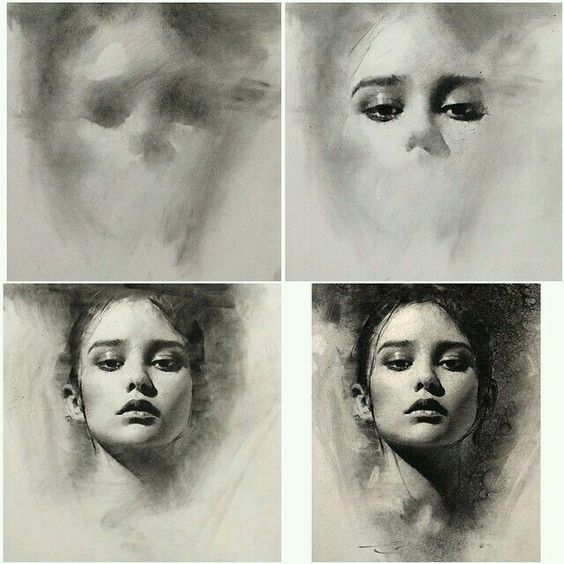
Vine charcoal is soft, light, and highly erasable — ideal for preliminary sketching and underdrawing. Compressed charcoal is darker, harder to erase, and better for final dark values. Use vine charcoal for construction, compressed charcoal for commitment — establish your composition in vine charcoal where you can correct freely, then deepen darks with compressed charcoal when the drawing is resolved.
Q: How do you blend charcoal without smudging?
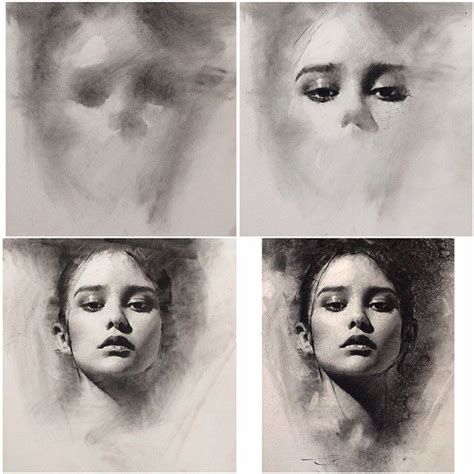
Work top to bottom, left to right (if right-handed), so your hand never rests on finished areas. Use a bridge of clean paper under your drawing hand when working over completed sections. Never blend with your palm — skin oils contaminate the paper and prevent further charcoal adhesion. Use a blending stump for small areas, a clean finger for medium areas, and a soft brush or chamois for large tonal passages.
Q: What paper is best for charcoal drawing?
Strathmore 400 Series charcoal paper for standard work. Toned paper (grey or tan) for drawings using both dark charcoal and white charcoal pencil — the paper serves as the mid-tone. Rough Michallet-style paper for atmospheric Seurat-method tonal work. Avoid smooth Bristol — it holds very little charcoal before becoming saturated.
Q: How do you fix a charcoal drawing?
Apply workable fixative in light coats from 30cm, holding the drawing vertical. Two to three light coats is better than one heavy coat. Always test fixative on a scrap piece first — some fixatives darken the charcoal or change the surface sheen. Never use hairspray — it yellows over time and chemically damages the paper.
Q: What is subtractive charcoal drawing?
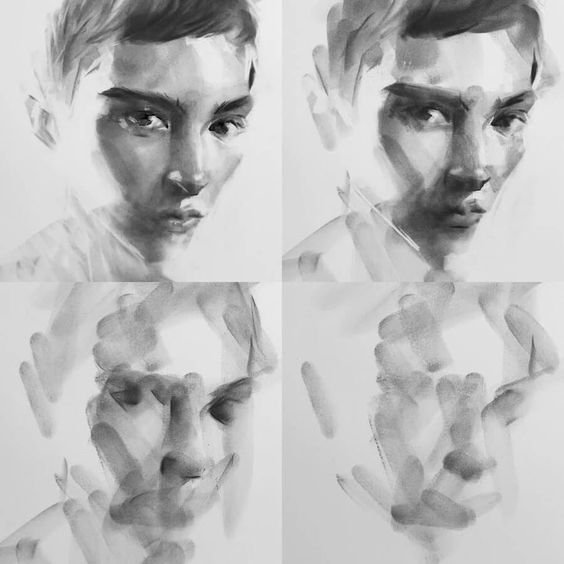
Cover the paper with an even mid-tone charcoal layer, then use a kneaded eraser to remove charcoal and create lighter areas rather than adding dark marks. The kneaded eraser lifts charcoal cleanly without abrasion. Subtractive drawing produces a quality of light — softer, more atmospheric — that additive drawing struggles to match. Particularly effective for portraits and subjects where light gradations matter more than deep shadows.

- 5.9Kshares
- Facebook0
- Pinterest5.9K
- Twitter3
- Reddit0