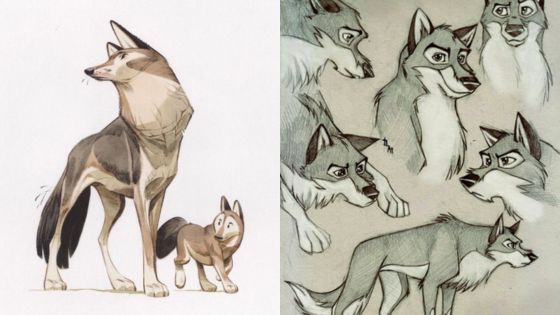
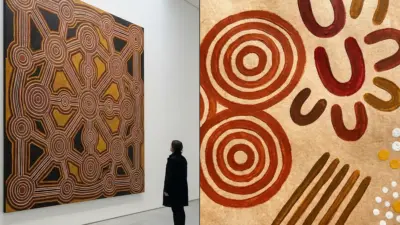
I kept my pencil drawings and my paintings completely separate for years. Drawings were graphite and ink; paintings were canvas and color. They lived in different sketchbooks, used different tools, required different mindsets. Then I watched a video of an illustrator casually washing watercolor over a detailed ink sketch—and the combination created something neither medium could achieve alone.
That moment changed how I approach artwork. Paint isn’t just for filling canvases—it’s a tool that transforms drawings, adding depth, texture, and emotional impact that pencils and pens simply can’t deliver on their own. The techniques range from subtle watercolor washes that create atmosphere to bold acrylic blocks that demand attention.
- 1. Use Watercolor for Light, Soft Effects
- 2. Create Bold, Graphic Contrasts with Acrylic Paint
- 3. Combine Ink and Paint for Dynamic Mixed Media Work
- 4. Experiment with Texture Using Thick Paint
- 5. Add Glossy Finishes with Glazing
- 6. Use Paint as a Background for Your Drawing
- 7. Incorporate Paint for Highlights and Shadows
- 8. Play with Color Blocking for Abstract Effects
- 9. Use Paint to Modify Existing Sketches
- 10. Create Gradients and Transitions with Paint
- Conclusion
Here’s what most artists miss: combining drawing and painting isn’t about choosing one over the other—it’s about using each medium’s strengths where they matter most. Lines provide structure and detail; paint provides color, texture, and mood. Together, they create work that neither could accomplish alone.
Whether you’re just starting to experiment with mixed media or looking to expand your current practice, these ten techniques will open new creative possibilities. And if you’re new to painting entirely, starting with a structured approach like painting by numbers UK kits can help you understand color relationships and brush control before jumping into freeform work.
These techniques come from years of experimenting with mixed media—some discoveries were happy accidents, others came from studying artists who’ve mastered the combination of drawing and paint.
1. Use Watercolor for Light, Soft Effects
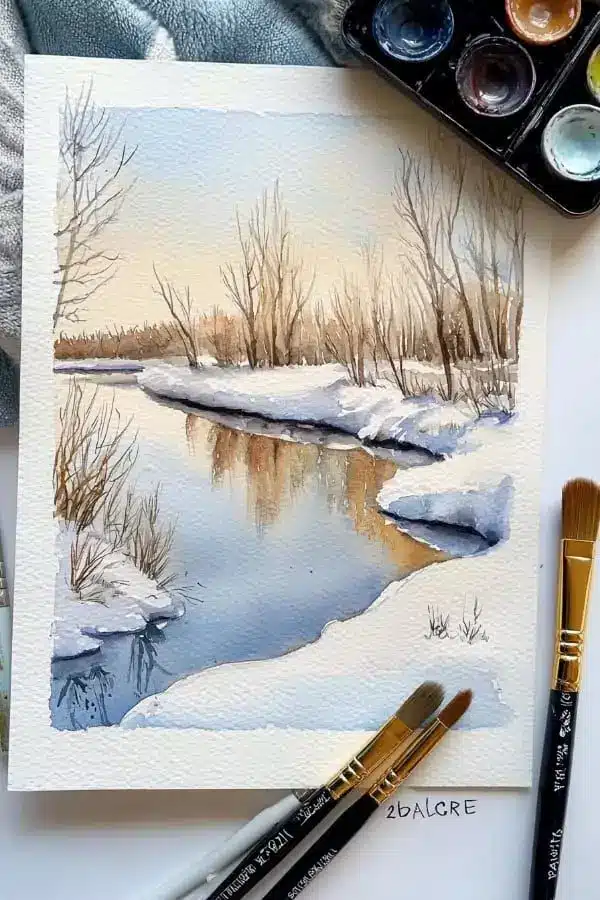
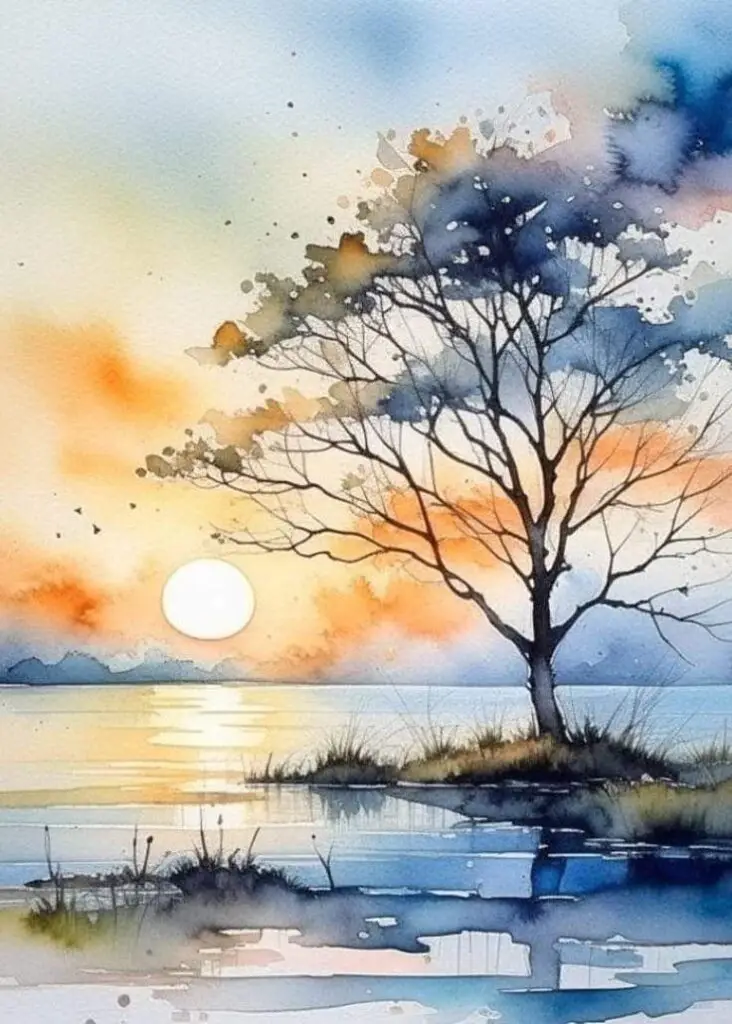
Watercolor is one of the most versatile types of paint when it comes to drawing. It’s perfect for creating soft, gentle effects that blend seamlessly with pencil or ink. A watercolor wash can bring a sense of depth to your work, whether you’re trying to show the glow of a sunset or the delicate petals of a flower.
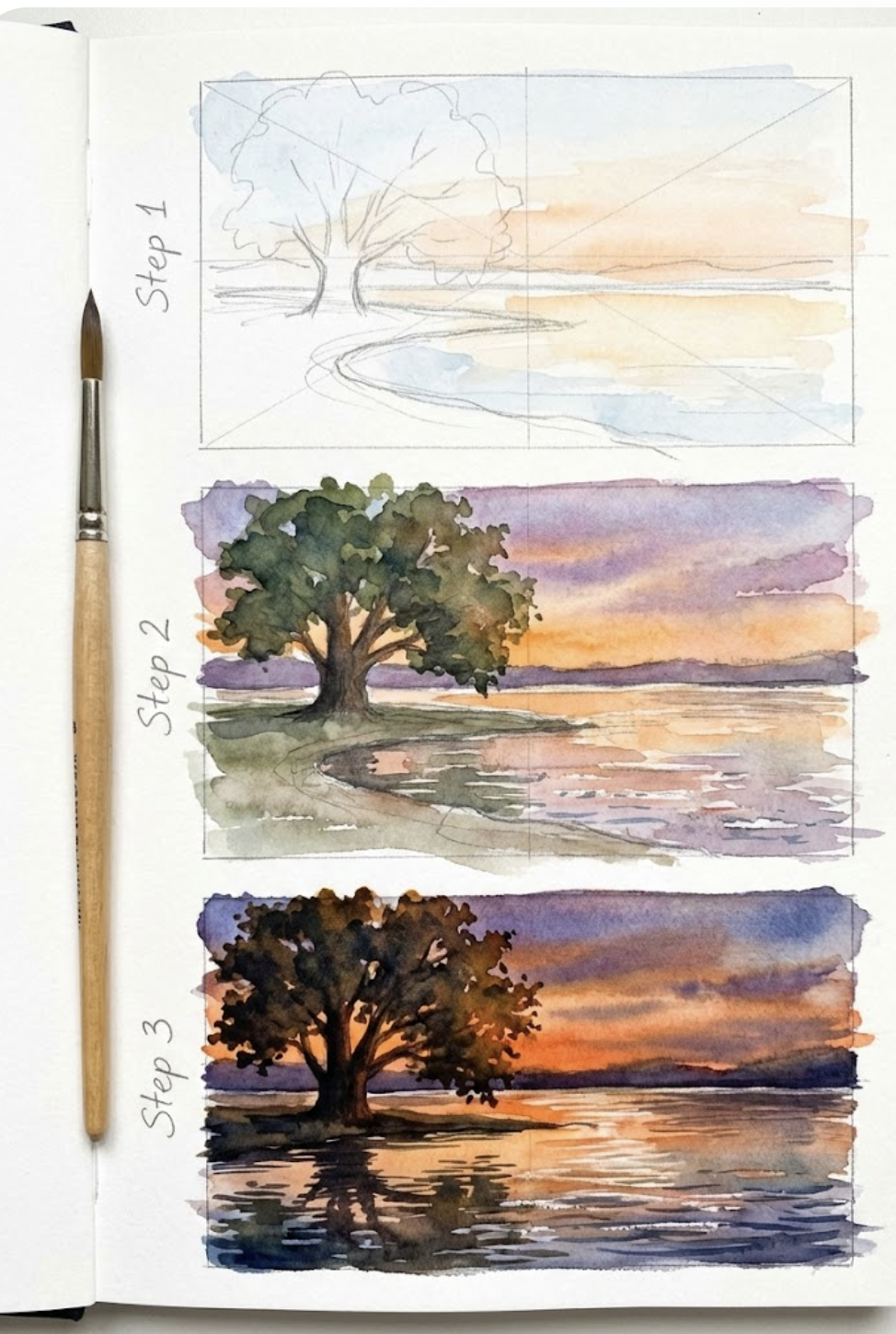
The beauty of watercolor lies in its ability to fade and blend naturally, giving your drawings an ethereal, almost dreamlike quality. Try layering watercolors on your drawings, adding just a hint of color to enhance the mood without overpowering the lines and shading of your original sketch.
2. Create Bold, Graphic Contrasts with Acrylic Paint
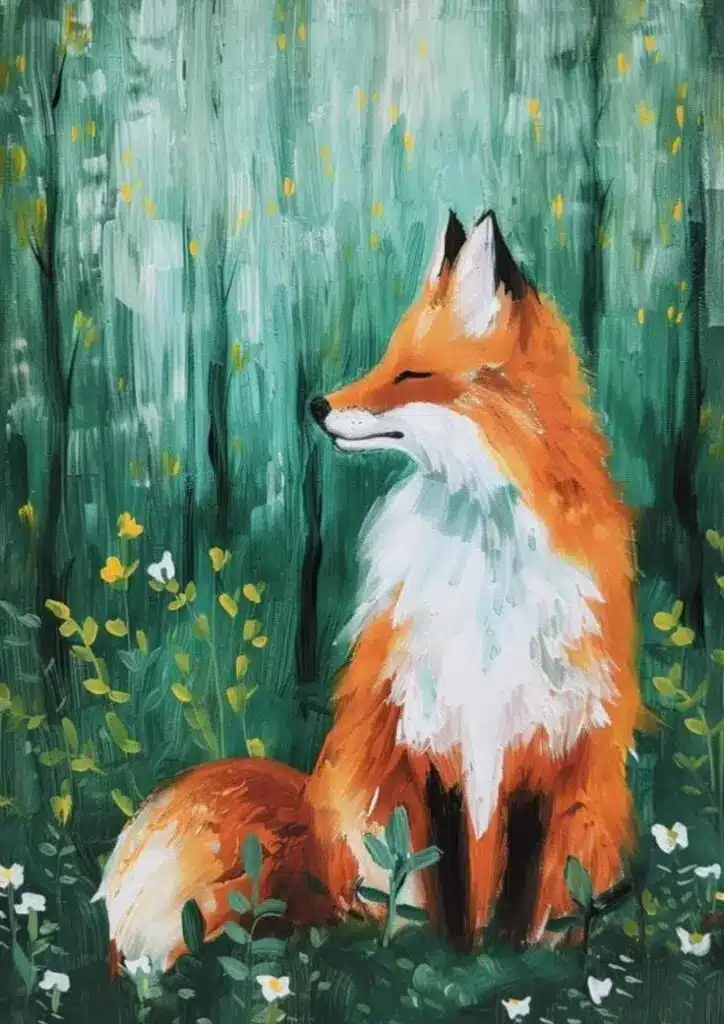

Acrylic paint is fantastic for those looking to add boldness and vibrancy to their drawings. It dries quickly and can be layered thickly, making it an excellent choice for creating strong contrasts between light and dark areas.
By using acrylics, you can introduce solid blocks of color or sharp details that really stand out. This paint works well when combined with ink or pencil outlines, helping to create striking graphic effects. Furthermore, you can use acrylic colors and create easy paint by numbers all by yourself- no expertise needed!
For instance, you can use acrylic to fill in the background of a portrait, adding a pop of color that makes your subject the focal point.
3. Combine Ink and Paint for Dynamic Mixed Media Work
One of the most exciting ways to use paint in your drawings is to combine it with other mediums, such as ink. This mix of paint and ink can result in a dynamic, textured look that’s perfect for creating depth and contrast in your artwork. Try outlining your drawing with ink and then filling in certain areas with paint.


The ink lines will give your drawing structure and precision, while the paint will bring color and life. This approach can be used in many types of drawings, from abstract pieces to more realistic portraits.
The combination of materials adds energy to the artwork, making it feel more alive and unique.
4. Experiment with Texture Using Thick Paint


One of the most exciting features of paint is its ability to add texture to your drawings. Thick, heavy layers of paint can create an entirely different visual experience than thin washes or smooth applications.
With techniques like impasto, you can build up the paint in a way that adds depth and movement to your artwork. You can use palette knives or heavy brushes to apply thick strokes of paint to certain areas of your drawing, creating a contrast with the smoother, more delicate lines.
This technique works particularly well for drawing objects like trees, mountains, or other natural forms that benefit from texture.
5. Add Glossy Finishes with Glazing
If you want to create a shiny, smooth effect in your drawings, glazing is a great technique. This involves layering thin, transparent paint over a dry base layer. The paint adds a glossy finish and can make your drawings feel more polished.

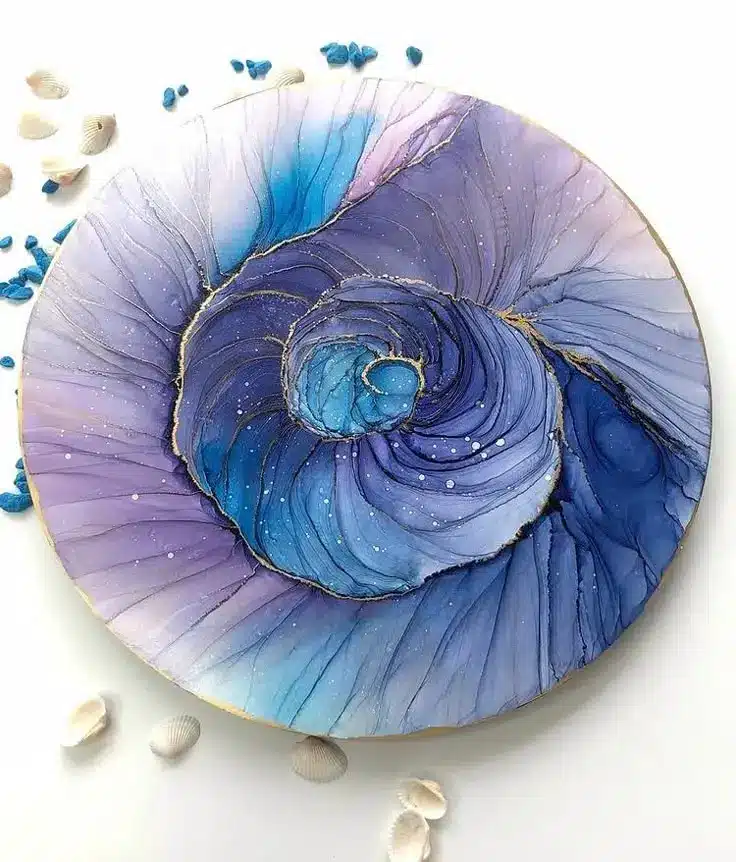
The beauty of glazing lies in its subtlety—it allows you to build depth and richness without overwhelming the underlying lines or shapes in your artwork. You can glaze with oil paints or acrylics, and the results can vary depending on how many layers you apply.
This method is especially effective when working with subjects like glass, water, or metal, where light reflections are important.
6. Use Paint as a Background for Your Drawing
Sometimes, the background can make all the difference in a drawing. Paint can help you create unique, atmospheric backdrops that complement the main subject of your artwork. You can apply a light wash of color to the entire page to give your drawing a sense of environment, or you could use bold splashes of color to add drama and focus.

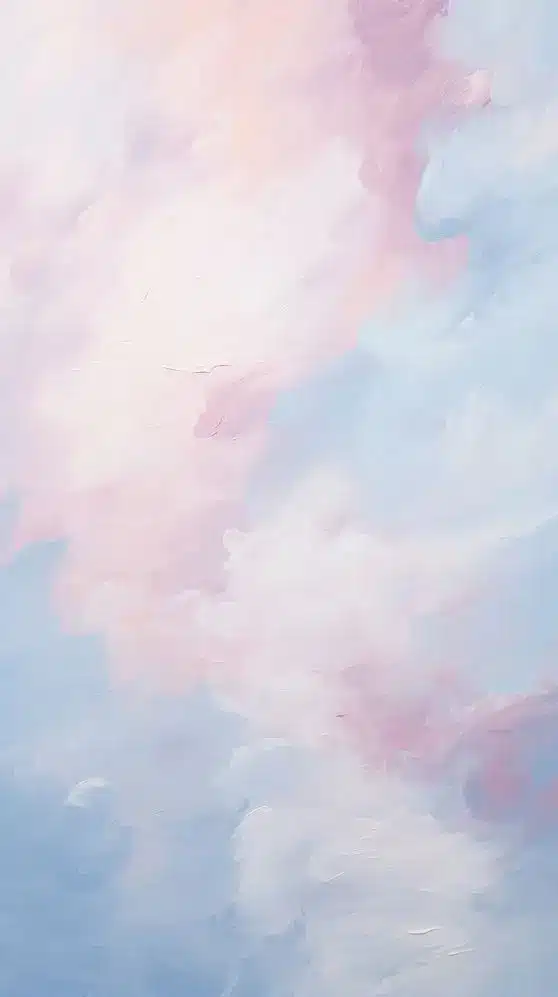
A painted background can also help create mood in your drawing, whether you want something soft and peaceful or energetic and dramatic. This technique works well for landscapes, still life compositions, or even abstract drawings that rely on the interaction between background and subject.
7. Incorporate Paint for Highlights and Shadows
Paint isn’t just for filling in large areas—it can also be used to add highlights and shadows to your drawings. A small amount of white or light-colored paint can work wonders for adding shine to reflective surfaces like skin, glass, or metal. Similarly, you can use dark paints to deepen shadows and add dimension to your work.


This technique allows you to play with the light and dark elements of your drawing, bringing it to life in a way that pencil alone cannot achieve. Adding painted highlights and shadows can transform an otherwise flat drawing into something with depth, texture, and a sense of realism.
8. Play with Color Blocking for Abstract Effects
Color blocking is a technique often used in modern art, and it’s a great way to add energy to your drawings. By using large blocks of solid colors in specific areas, you can create eye-catching abstract effects.


This approach allows you to experiment with shapes, color relationships, and spatial dynamics. Instead of focusing on realistic detail, you can use color to express emotions or concepts, which can completely change the feeling of your drawing.
Color blocking works particularly well in abstract or geometric art, but it can also be applied to more traditional subjects to add an unexpected twist.
9. Use Paint to Modify Existing Sketches
Sometimes, the best way to use paint in your drawings is to take an existing pencil sketch and enhance it with paint. This allows you to preserve the details of your drawing while adding new layers of texture, color, and interest.


You can use paint to bring focus to certain areas, like adding a splash of color to a character’s clothing or highlighting the sky behind a landscape. This technique is a great way to experiment with different styles and ideas while still staying true to your original drawing.
It’s an excellent way to breathe new life into sketches that may feel incomplete or lacking in energy.
10. Create Gradients and Transitions with Paint
One of the most beautiful things about paint is its ability to transition from one color to another in smooth gradients. Whether you’re using acrylics, watercolors, or oils, you can experiment with blending colors to create gradual shifts from light to dark or from one hue to another.


This technique is especially useful when creating natural scenes, like sunsets or oceans, where smooth transitions are crucial. Gradients can also be used creatively to build a sense of space or movement in your drawing.
By carefully layering paint and adjusting the intensity of the colors, you can add dramatic transitions that help tell a story in your artwork.
Conclusion
Paint transforms drawings from flat representations into dimensional experiences. The techniques covered here—watercolor washes, acrylic contrasts, textured impasto, glazing effects, painted backgrounds, strategic highlights, color blocking, sketch enhancement, and smooth gradients—each offer different ways to expand your creative range.
The key is experimentation without pressure. Not every combination works, and that’s fine. A watercolor wash that bleeds unexpectedly might ruin one drawing but inspire a new approach for the next. Acrylic that dries too fast teaches you to work quicker or in smaller sections. Every “mistake” adds to your understanding of how these materials interact.
This week: Take an old sketch—something you’re not precious about—and try one technique from this list. A simple watercolor wash over a pencil drawing is the easiest starting point. See how the paint changes the feeling of the work.
This month: Experiment with combining two or three techniques in a single piece. Layer watercolor backgrounds with ink details and acrylic highlights. Notice which combinations feel natural to your style.
Ongoing: Build a mixed-media practice alongside your regular drawing routine. The skills transfer in both directions—painting teaches you about color and value; drawing sharpens your eye for line and form.
Your drawings don’t have to stay within the lines of a single medium. Paint opens doors that pencils can’t reach. Pick up a brush and see where it takes you.
- 2.4Kshares
- Facebook0
- Pinterest2.4K
- Twitter0
- Reddit0