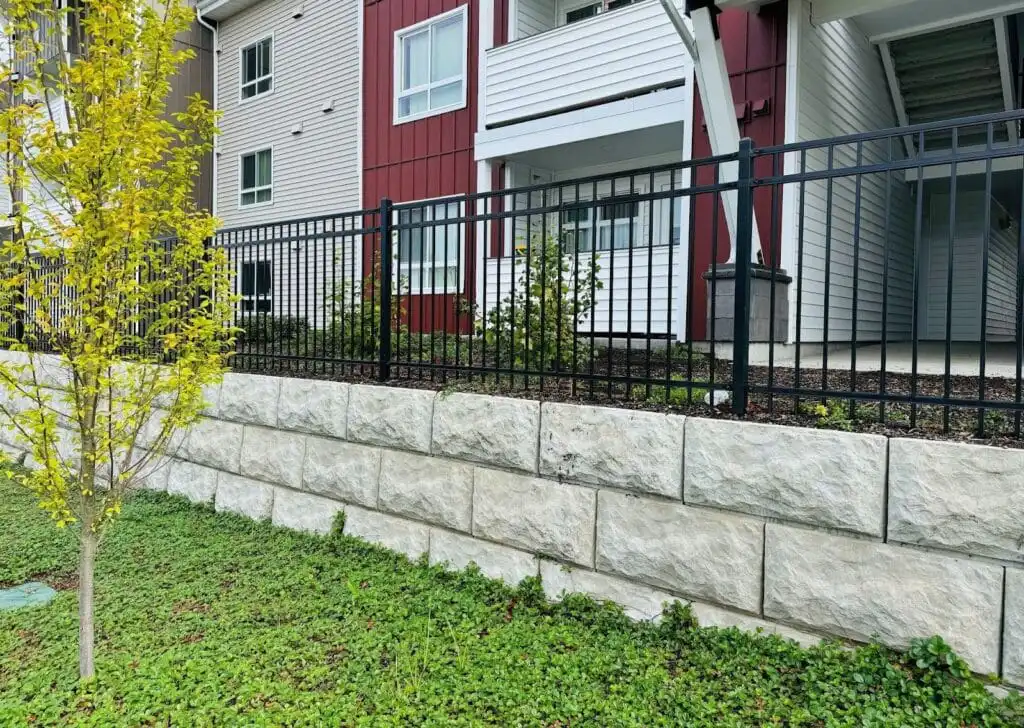
Home security is no longer just about alarms and cameras. For many homeowners, the first line of defense starts at the property boundary. That is why metal fencing continues to gain attention as a long-term security solution.
Unlike temporary or decorative barriers, metal fencing offers strength, visibility, and durability that can protect a home for decades. In this article, we explore why metal fencing is considered a smart long-term investment in home security and how it supports both safety and property value.
Is metal fencing a good long-term home security investment?
Metal fencing for home security is a long-term investment when it does three things at once: it slows unwanted access, keeps sightlines clear, and supports gates, lighting, cameras, and alarms. The strongest result comes from planning the fence as part of the full perimeter rather than treating it as a decorative border.
For homeowners in urban, suburban, and edge-lot settings, the decision usually comes down to height, picket spacing, post strength, finish quality, gate hardware, and how well the fence fits the house. A metal fence that is easy to inspect, hard to climb, and simple to maintain can protect the property without making the front yard feel closed off.
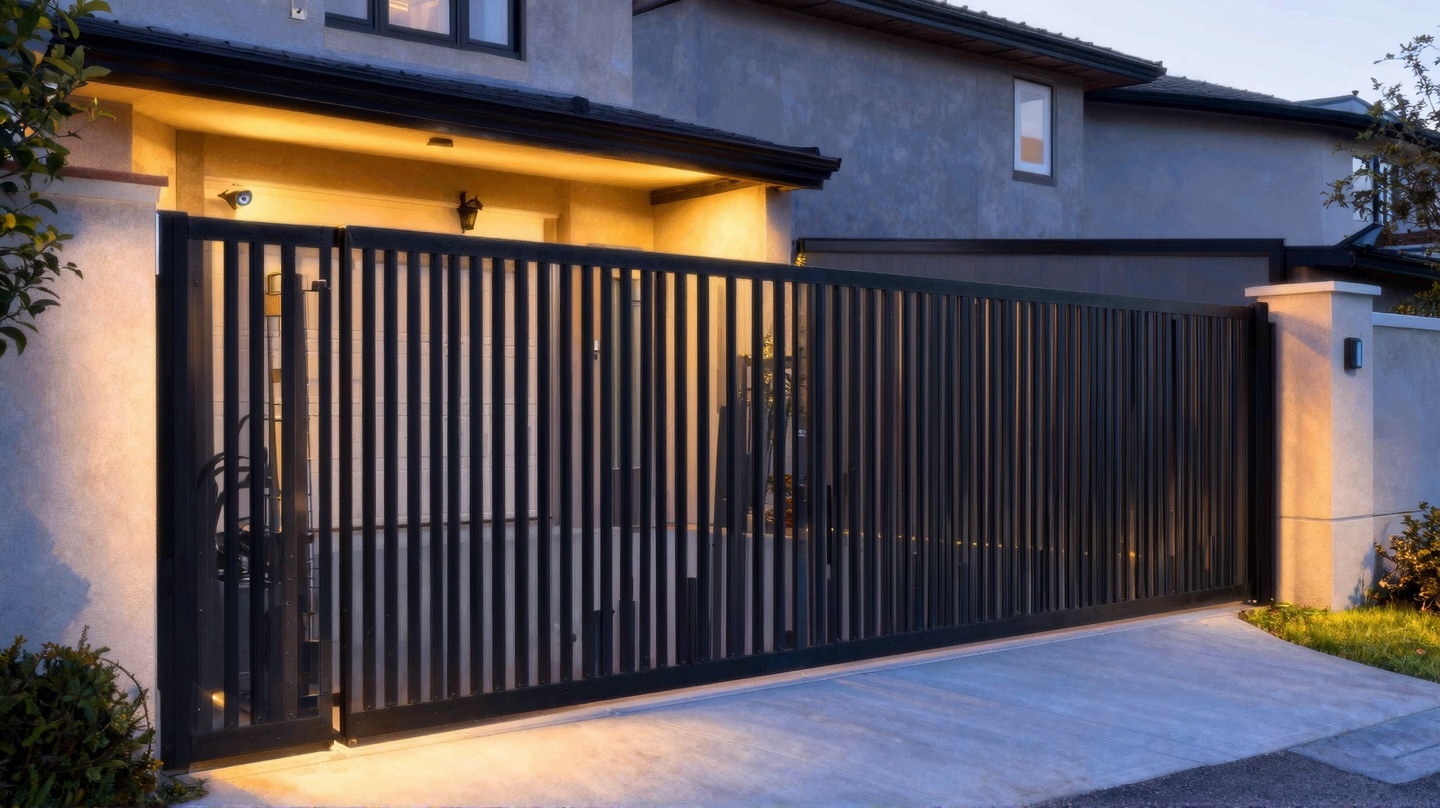
Metal fencing security checklist
| Security goal | Metal fencing feature | What to check before installation |
|---|---|---|
| Deter casual entry | Strong posts, vertical pickets, and visible boundaries | Local height rules, property lines, and front-yard visibility |
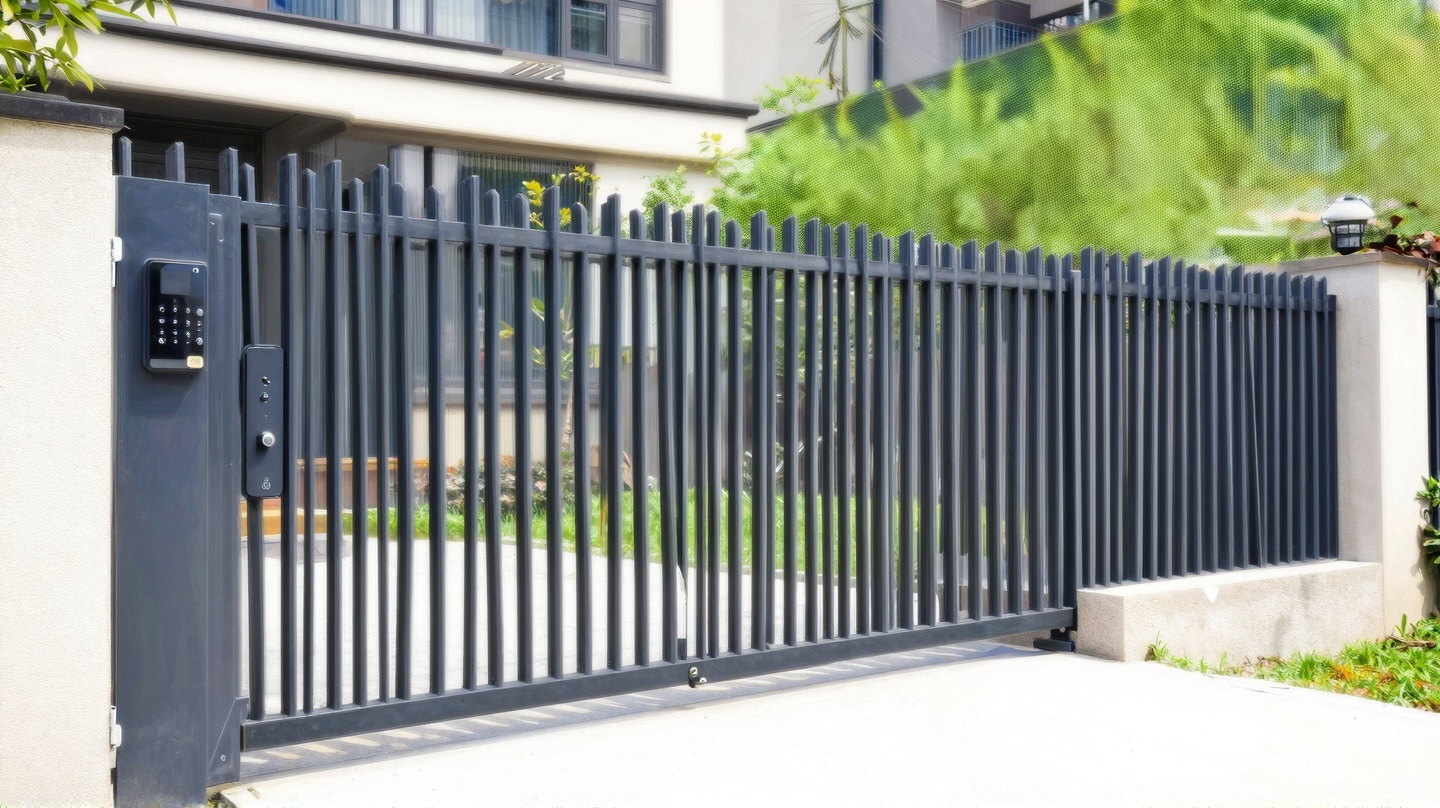
| Control access | Lockable gates, self-closing hinges, and keypad-ready posts | Gate swing, latch height, driveway width, and emergency access |
| Support monitoring | Open sightlines through pickets or rails | Camera angles, lighting placement, and blind spots near corners |
| Reduce maintenance | Powder-coated aluminum, galvanized steel, or coated steel | Drainage, coastal exposure, scratches, and warranty terms |
| Preserve design value | Profiles and finishes that match the architecture | HOA rules, color, landscaping, and curb appeal from the street |
| Plan for long-term value | Durable hardware and repairable sections | Replacement parts, installer experience, and gate alignment over time |
Why Homeowners Think Long-Term About Security
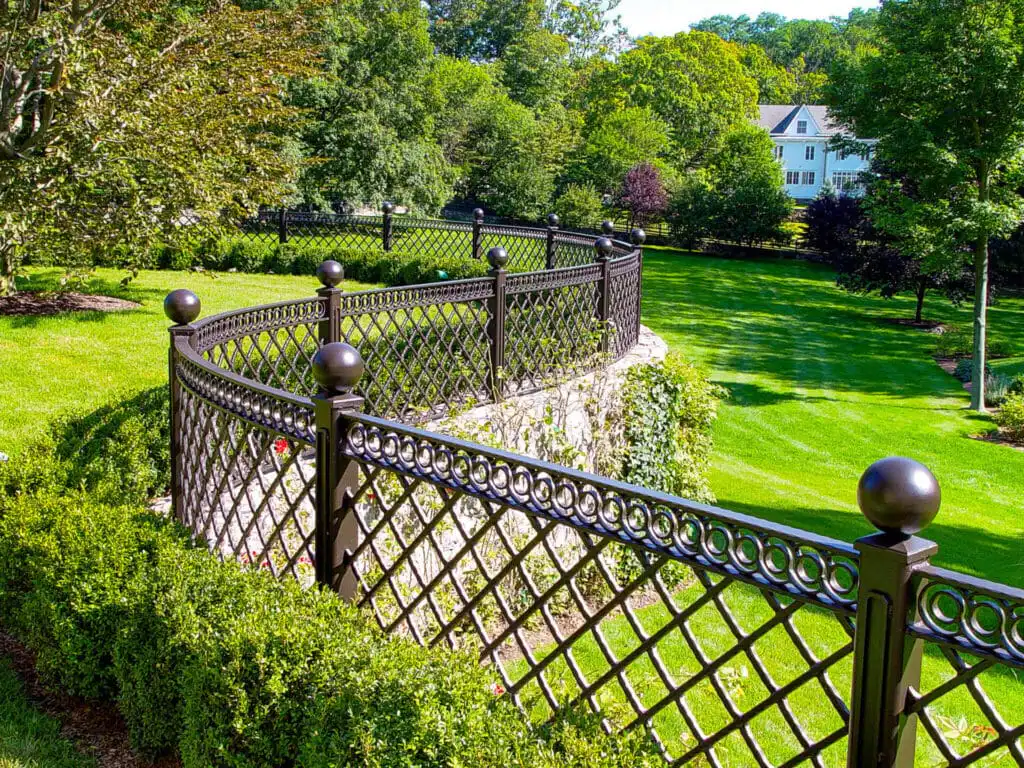
Security decisions are not short-term choices. Homeowners want solutions that last, adapt to changing needs, and require minimal upkeep.
When planning for long-term protection, people look for:
- Physical strength
- Reliability over time
- Low maintenance requirements
- Visual control of the property
Metal fencing fits naturally into this mindset.
Strength That Creates a Real Barrier
The most obvious benefit of metal fencing is its strength.
Metal fences are difficult to:
- Break through
- Bend without tools
- Climb quickly
This physical resistance acts as a strong deterrent. Many intruders avoid properties where entry looks time-consuming or noisy.
Homeowners often consult specialists who focus on durable fencing solutions to ensure the fence design matches real security needs.
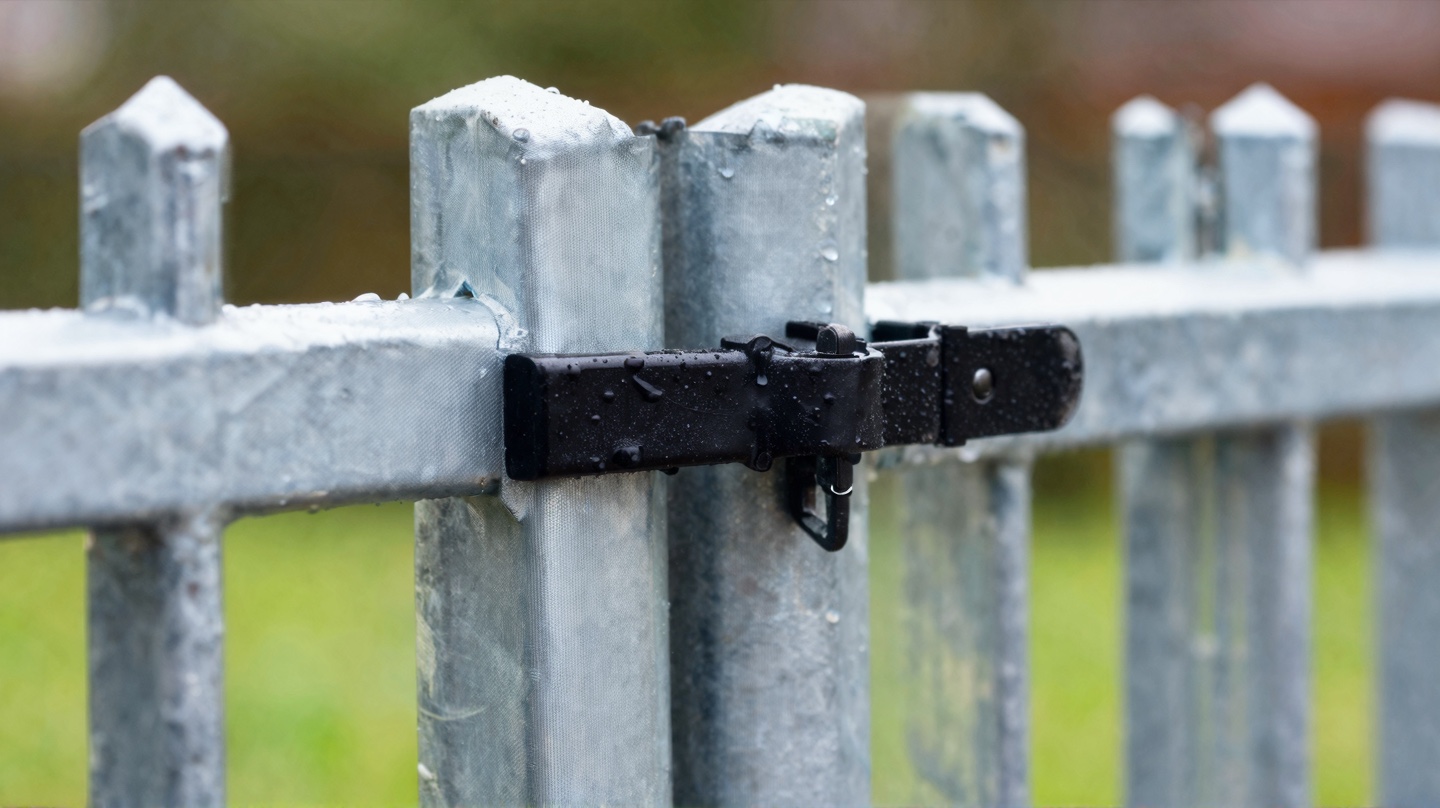
Clear Visibility Improves Safety
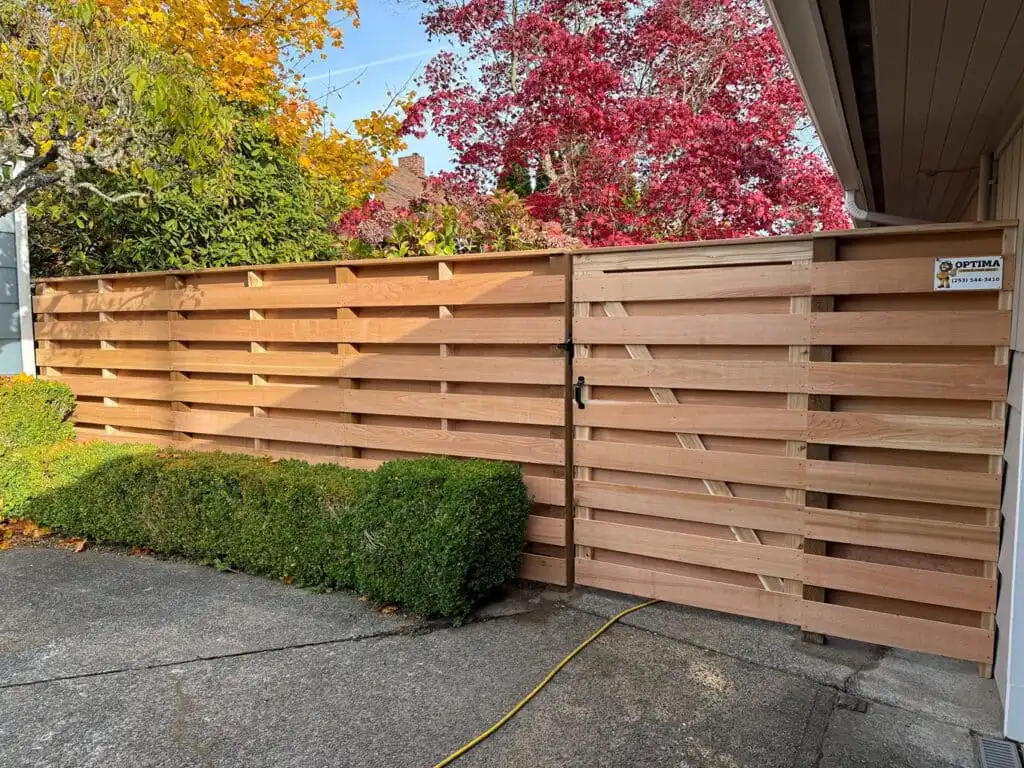
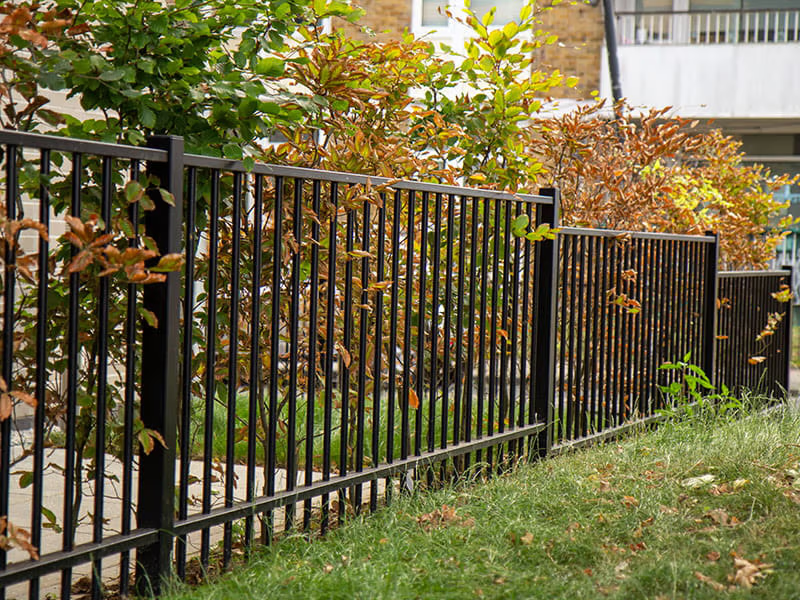
Unlike solid walls or tall wooden fences, many metal fence designs allow visibility.
This visibility helps by:
- Eliminating hidden areas
- Allowing homeowners to see activity outside
- Making intruders feel exposed
A visible yard is often a safer yard. Criminal behavior tends to decrease when there is little cover.
Durability That Holds Up for Decades
Metal fencing is built to last.
Depending on the material and finish, it can resist:
- Weather exposure
- Moisture damage
- Insect activity
- Warping or cracking
With proper coating or galvanization, metal fences can remain functional and attractive for decades, making them a true long-term investment.
Low Maintenance Over Time
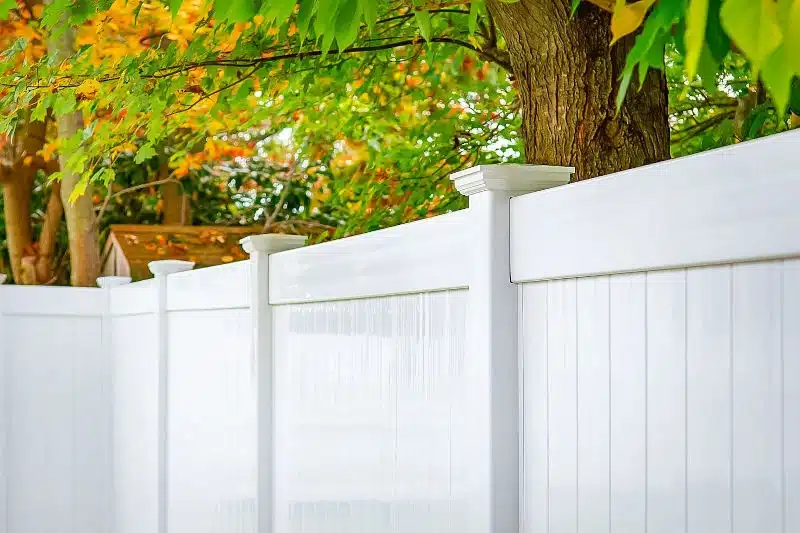
Security features should not require constant attention.
Metal fencing generally needs:
- Occasional cleaning
- Periodic inspections
- Minimal repairs
Unlike wood, it does not need regular painting or sealing. This reduces long-term costs and effort for homeowners.
A Strong Psychological Deterrent
Security is not just physical—it is also psychological.
Metal fencing sends a clear message:
- The property is protected
- Entry will not be easy
- The homeowner is security-conscious
This alone can discourage opportunistic intruders from even attempting access.
Customizable for Different Security Levels
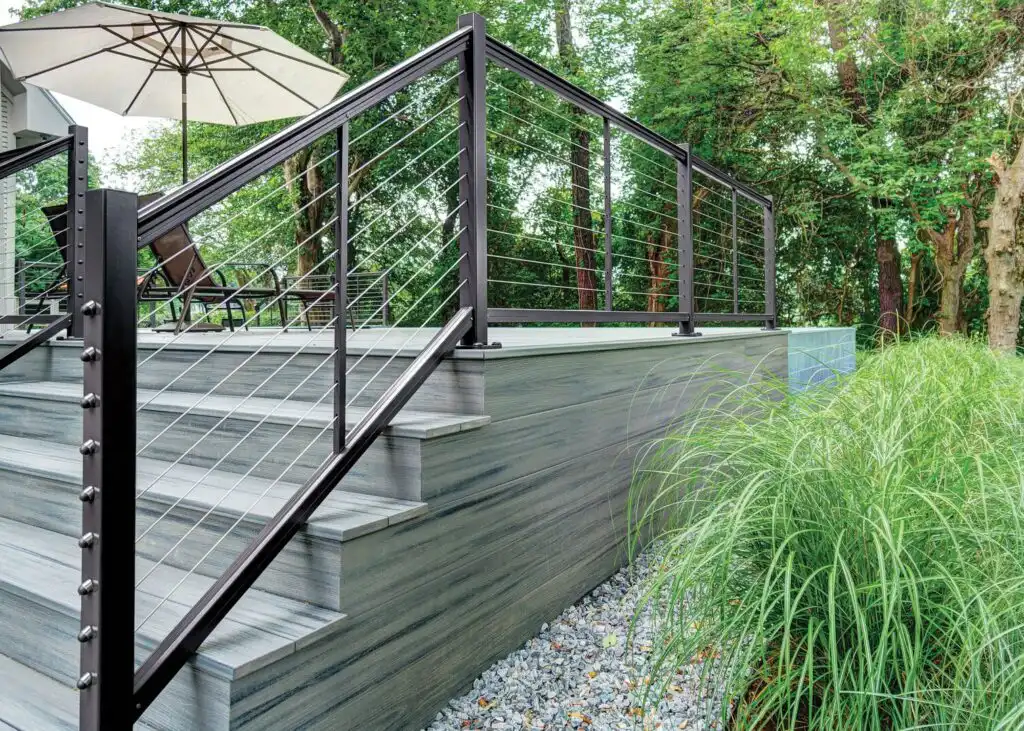
Metal fencing is not one-size-fits-all.
It can be customized with:
- Different heights
- Tighter spacing between pickets
- Reinforced gates
- Added locking systems
This flexibility allows homeowners to balance security with design preferences.
Supports Modern Security Systems
Metal fencing works well alongside modern security tools.
It complements:
- Motion sensors
- Security cameras
- Smart lighting
- Access-controlled gates
Together, these features create layered security that protects the property from multiple angles.
Many homeowners rely on a team experienced in secure residential fencing planning to integrate fencing with other security measures.
Fire and Weather Resistance
Metal fencing performs well in conditions where other materials fail.
It is:
- Non-combustible
- Resistant to extreme heat
- Stable during storms
This adds another layer of protection, especially in areas prone to harsh weather or fire risks.
Long-Term Cost Efficiency
While metal fencing may cost more upfront than some alternatives, its long lifespan often makes it more economical over time.
Long-term savings come from:
- Fewer repairs
- No replacement due to rot
- Minimal maintenance expenses
When evaluated over 20–30 years, metal fencing often proves to be a cost-effective security choice.
Enhances Property Value
Security improvements can increase a home’s appeal.
Metal fencing:
- Signals durability and care
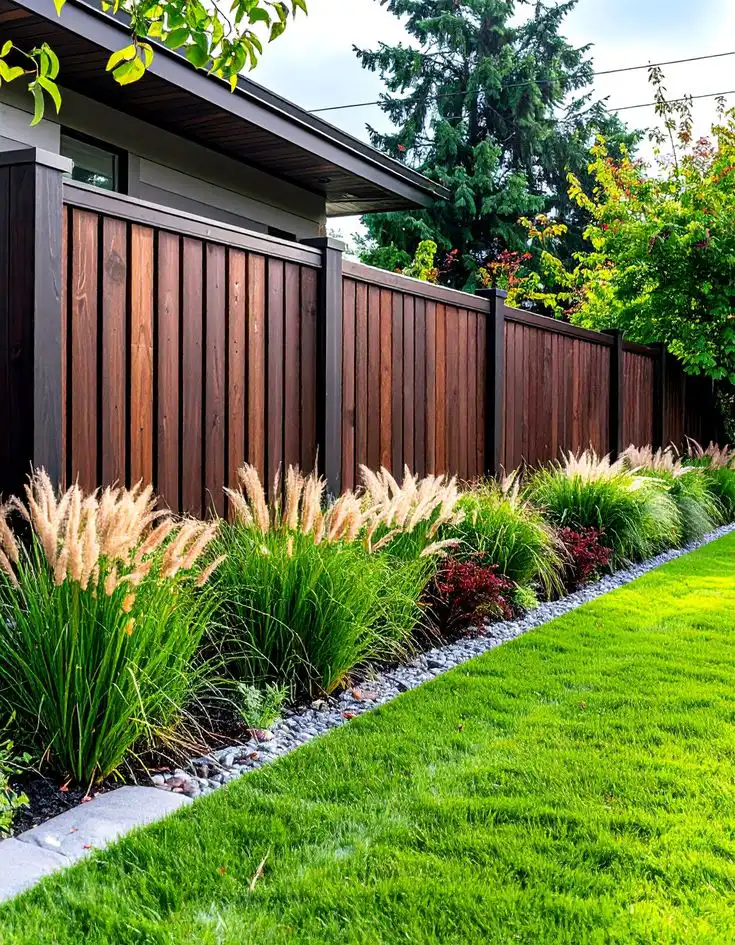
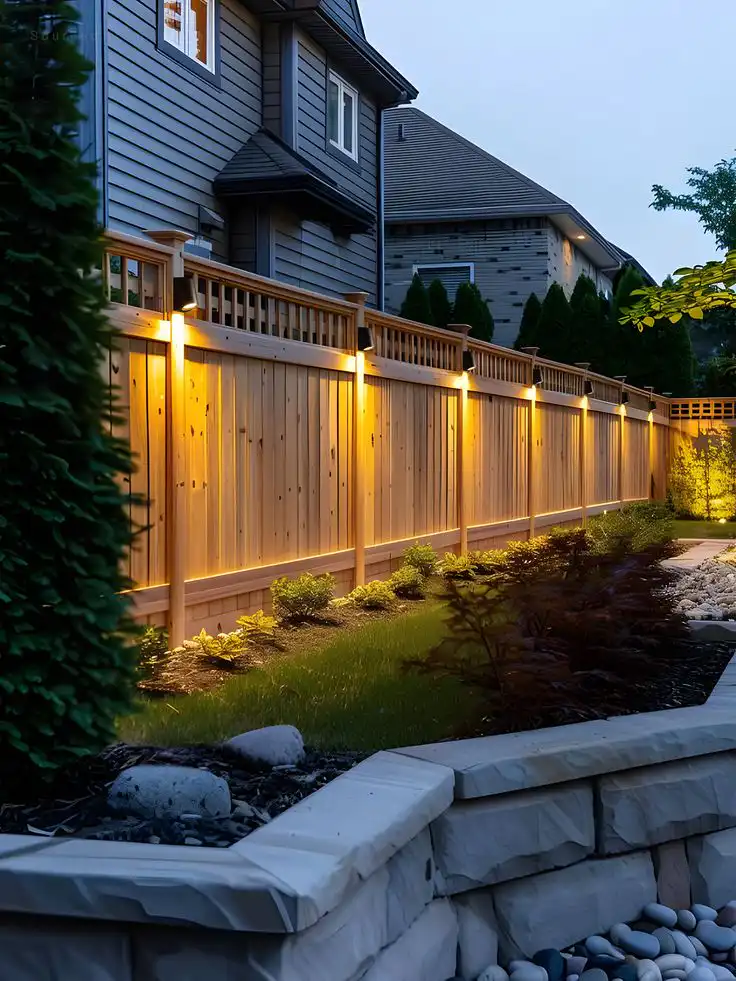
- Improves curb appeal
- Appeals to security-conscious buyers
Potential buyers often see a well-installed metal fence as a valuable upgrade rather than a future expense.
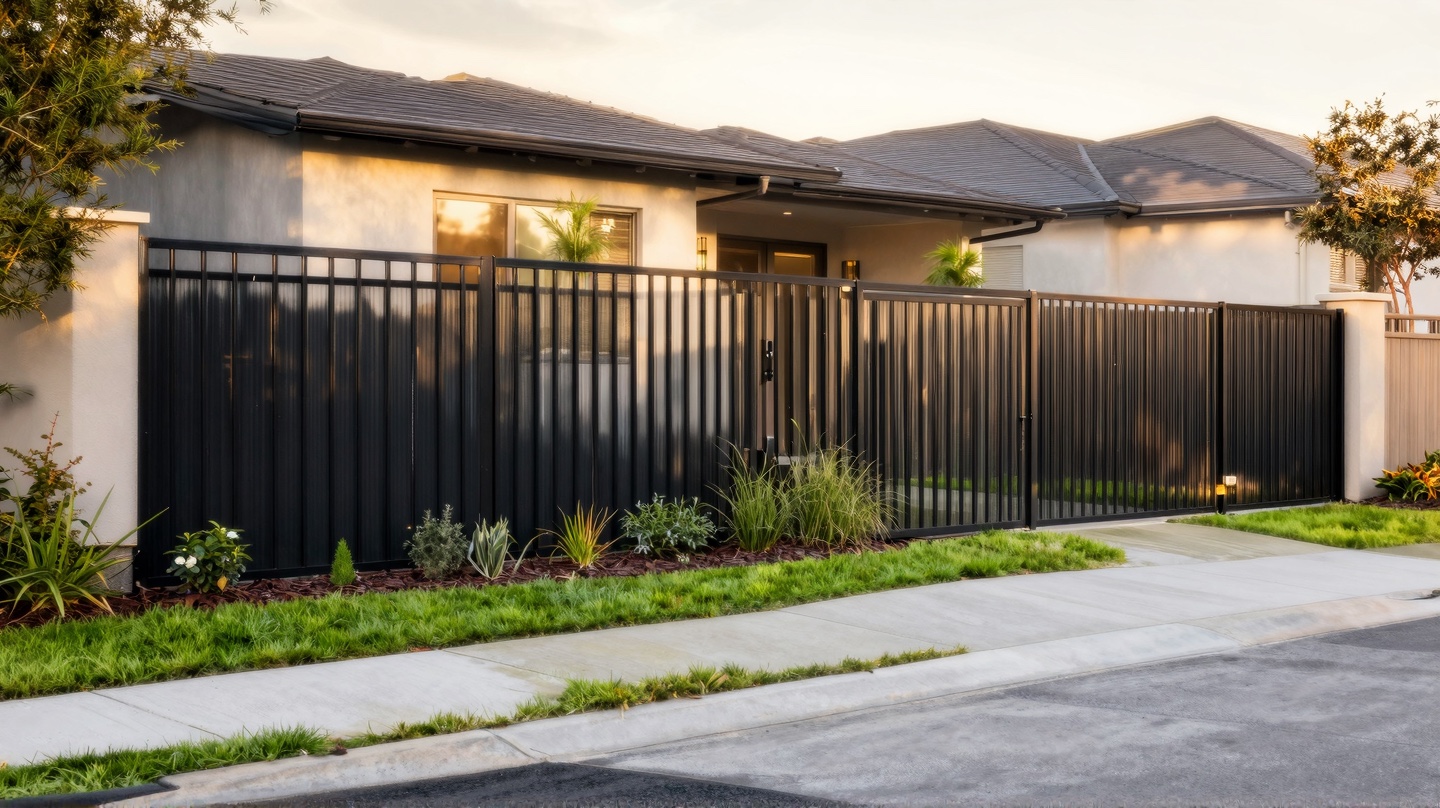
Works Well in Urban and Suburban Settings
Metal fencing adapts well to different environments.
It is commonly used in:
- Urban homes
- Suburban neighborhoods
- Corner lots
- Homes near public pathways
Its ability to define boundaries clearly without blocking views makes it suitable for many residential layouts.
Less Likely to Become a Liability
Poor fencing can become a safety issue over time.
Metal fencing reduces risks because it:
- Does not splinter
- Does not collapse easily
- Maintains structural integrity
This reliability matters for families, pets, and long-term peace of mind.
A Balanced Approach to Security and Design
Security does not have to look aggressive.
Metal fencing is available in designs that are:
- Clean and modern
- Traditional and decorative
- Minimal or detailed
This allows homeowners to protect their property without sacrificing appearance.
Frequently asked questions about metal fencing for home security
Q: Is metal fencing good for home security?
A: Yes. Metal fencing is useful for home security because it creates a strong visible boundary, controls access points, and can be paired with gates, cameras, lighting, and alarms. It is not a complete security system by itself, but it gives the rest of the system a more reliable physical edge.
Q: What type of metal fence is best for security?
A: Steel is often chosen for the strongest security applications, while aluminum is popular when homeowners want corrosion resistance, lighter weight, and lower maintenance. The best choice depends on the site, budget, climate, gate design, and how much impact resistance the property needs.
Q: Does metal fencing increase property value?
A: A well-installed metal fence can support property value when it improves curb appeal, safety, and the usability of outdoor space. Buyers usually respond better to fencing that looks intentional, matches the architecture, and uses durable gates and finishes instead of a quick temporary barrier.
Q: How tall should a metal fence be for security?
A: Many residential security fences fall in the 4- to 6-foot range, but the right height depends on local rules, front yard visibility, pets, pools, and privacy needs. Before installation, check municipal limits, HOA rules, setback requirements, and whether taller gates need permits.
Q: Is aluminum or steel better for security fencing?
A: Steel is usually stronger against force, while aluminum resists rust well and is easier to handle in many residential settings. For long-term home security, compare the panel thickness, post spacing, finish quality, gate frame, hinges, and latch hardware rather than choosing by metal name alone.
Q: How does metal fencing work with cameras and lighting?
A: Open metal pickets can keep sightlines clear for cameras, neighbors, and exterior lighting. That makes it easier to monitor gates, walkways, driveways, and side yards. For the best result, plan camera angles, motion lights, keypad access, and gate swing direction before the fence is installed.
Q: How long does metal fencing last?
A: Lifespan depends on the metal, coating, climate, drainage, installation quality, and maintenance. Powder-coated aluminum and galvanized or coated steel can last for many years when posts are set correctly, scratches are treated quickly, and gates are kept aligned.
Q: What should homeowners check before installing a security fence?
A: Check property lines, local height limits, HOA requirements, utility locations, gate width, driveway access, drainage, pet needs, and visibility from the street. A security fence should be planned as part of the whole perimeter, not as a standalone panel purchase.
Final Thoughts
Metal fencing is more than a boundary—it is a long-term investment in home security. Its strength, durability, and low maintenance make it a practical choice for homeowners who want lasting protection.
By providing a strong physical barrier, clear visibility, and compatibility with modern security systems, metal fencing supports a safer home environment for years to come. For those thinking beyond short-term fixes, metal fencing stands out as a reliable and forward-thinking security solution.
- 14shares
- Facebook0
- Pinterest14
- Twitter0
- Reddit0