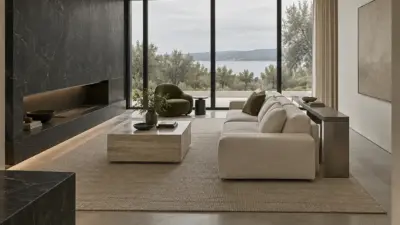
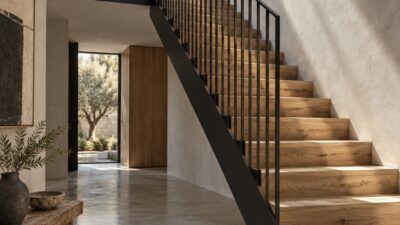
Your favorite interior style usually says something practical about your personality: how much visual noise you can handle, whether you relax through order or texture, and what kind of energy you want at home. A minimalist room can point to focus and control. A bohemian room often hints at curiosity and comfort with visual variety. Traditional interiors tend to feel grounded, while mid-century modern spaces often appeal to people who like clean shapes without losing warmth.
- Interior style personality at a glance
- How interior styles reflect personality
- Personality traits linked to popular interior styles
- Choosing decor that matches your real life
- Frequently asked questions about interior style personality
- What does your interior style say about your personality?
- What personality likes minimalist interior design?
- What does bohemian decor say about a person?
- Can your interior style affect your mood?
- How do I find my personal interior style?
- Is it okay to mix different interior styles?
- Which interior style is best for small spaces?
interior style personality is the link between the rooms you choose and the habits, values, and moods you keep returning to. It is not a personality test with one fixed result. It is more like a design clue. Look at your color palette, furniture shapes, storage habits, lighting, and the objects you leave visible. Those choices usually reveal whether you prefer calm, nostalgia, creativity, structure, sociability, or independence.
Interior style personality at a glance
| Favorite interior style | What it often suggests | Design clue to notice |
|---|---|---|
| Minimalist | Calm, focused, selective, easily drained by clutter | Negative space, hidden storage, simple furniture lines |
| Bohemian | Creative, open, relaxed, story-driven | Layered textiles, plants, handmade pieces, mixed patterns |
| Traditional | Grounded, loyal, organized, comfort-oriented | Symmetry, classic silhouettes, warm wood, framed art |
| Mid-century modern | Optimistic, practical, design-aware | Tapered legs, clean profiles, warm woods, graphic shapes |
| Industrial | Independent, direct, texture-focused | Metal, concrete, exposed structure, darker neutrals |
| Scandinavian | Quiet, practical, light-seeking, comfort-led | Pale woods, soft textiles, bright rooms, functional storage |
| Maximalist | Expressive, energetic, visually confident | Bold color, collections, art walls, layered objects |
Key takeaways
- Your decor taste is usually less random than it looks; color, clutter, texture, and symmetry all say something.
- A room can reflect who you are now, but it can also support who you are trying to become.
- The best personal style is not copied perfectly from Pinterest. It is edited around your real habits.
How interior styles reflect personality
A home does not explain a whole person, but it does show patterns. Some people need clear surfaces before they can think. Others relax when a room has books, art, plants, and a little visual movement. In design work, I usually read a room through three things first: the amount of empty space, the color temperature, and how much of the owner’s life is allowed to stay visible.
The psychology behind design choices
People often pick home styles that match the way they manage attention. A tidy, pale room can feel like a reset button for someone who is easily overstimulated. A colorful room with layered pattern can feel alive to someone who gets energy from visual variety. Warm colors, open seating, and visible collections often suggest a more social home; cooler tones and closed storage usually point toward privacy and control.
Personal values revealed through decor


Interior styles also show what people protect. A person who fills a room with natural materials and plants may care about softness, light, and a slower pace. Someone who chooses classic or vintage furniture may be drawn to continuity and objects with history. Layout matters too. An open plan usually invites conversation, while a tucked-away reading corner quietly says, “I need a place to disappear for an hour.”
- Open floor plans suggest a love for socializing.
- Private spaces show a need for solitude.
These choices go beyond looks. They show what feels worth making space for: guests, quiet, work, memory, display, or rest.
Emotional impact of your home aesthetic


The way a room is styled changes how the body feels in it. Soft fabrics, lower contrast, and warm lamps can make a space feel safer at night. Bright color, strong art, and open shelving can make a room feel more awake. The trick is noticing whether a design style supports your nervous system or only looks good in a saved image.
Personality traits linked to popular interior styles
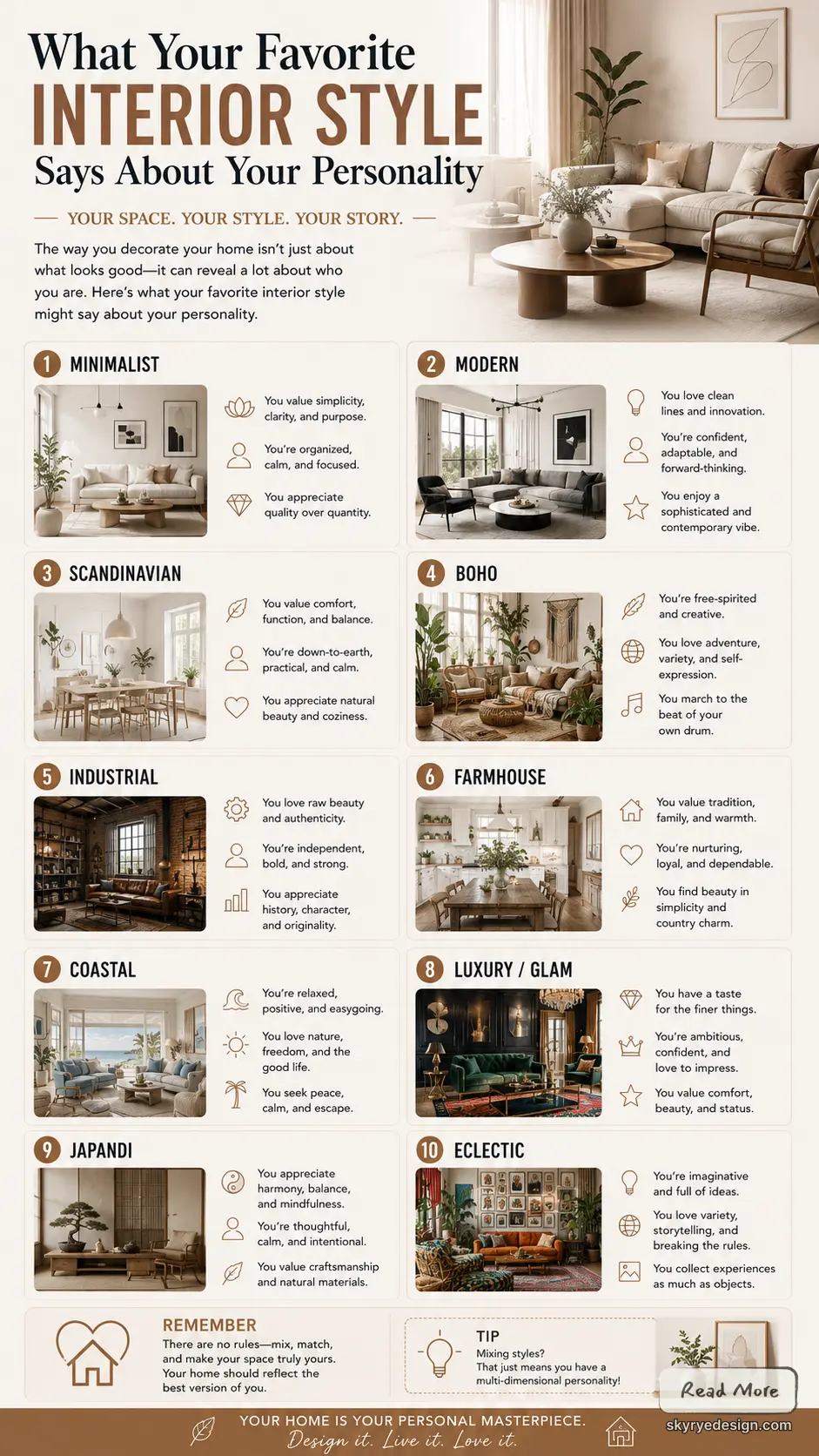
Different interior styles often reflect specific personality traits. People who prefer these styles usually show unique ways of thinking and living. These traits can include how focused, creative, loyal, or optimistic they tend to be.
Minimalist: calm and focused


People who like minimalist design often value calmness and order. They prefer simple, clean spaces with very little clutter. This shows they are focused on what matters most and don’t want distractions around them.
They usually enjoy routines and clear goals. Minimalists tend to be very disciplined in their daily lives. Their homes give them a sense of peace and control, helping them stay calm even in busy times.
Minimalist lovers often like neutral colors and open spaces. They may find energy in neatness, which helps them stay productive and clear-minded. Their calm environment matches their thoughtful and practical nature.
Bohemian: creative and adventurous


Bohemian style lovers are often very creative and open to new experiences. Their spaces tend to be colorful, filled with unique art and patterns. They enjoy mixing different cultures and ideas in their homes.
These people value freedom and self-expression. They often try new things and like taking risks. Their adventurous spirit shows in how they decorate with diverse items from travels or handmade crafts.
Bohemians usually welcome change and enjoy the unexpected. They want their home to tell stories and feel vibrant. Their style reveals a playful, curious personality that loves exploring ideas.
Traditional: loyal and organized


People who prefer traditional interiors often value loyalty and stability. They like classic furniture and timeless patterns. Their homes feel warm, orderly, and familiar.
They tend to be well-organized and respect routines. Tradition lovers enjoy keeping family memories alive. Their spaces are often arranged carefully, showing attention to detail and respect for history.
Traditional style suggests a personality that appreciates reliability and consistency. They feel secure in familiar surroundings and like planning ahead. Their loyalty often extends to family, friends, and long-held values.
Mid-century modern: optimistic and design-aware


Fans of mid-century modern design usually have an optimistic outlook. They enjoy sleek lines and functional furniture that feels fresh but practical. Their style shows a balance between creativity and everyday use.
They are often open to new ideas and innovation. Mid-century lovers like to mix the past with the future. Their homes may include bold colors or unusual shapes, reflecting their forward-thinking mindset.
These people tend to be hopeful and motivated. They appreciate progress but still value comfort. Their personality reflects a positive attitude toward life, always ready for change and growth.
Industrial: independent and texture-focused
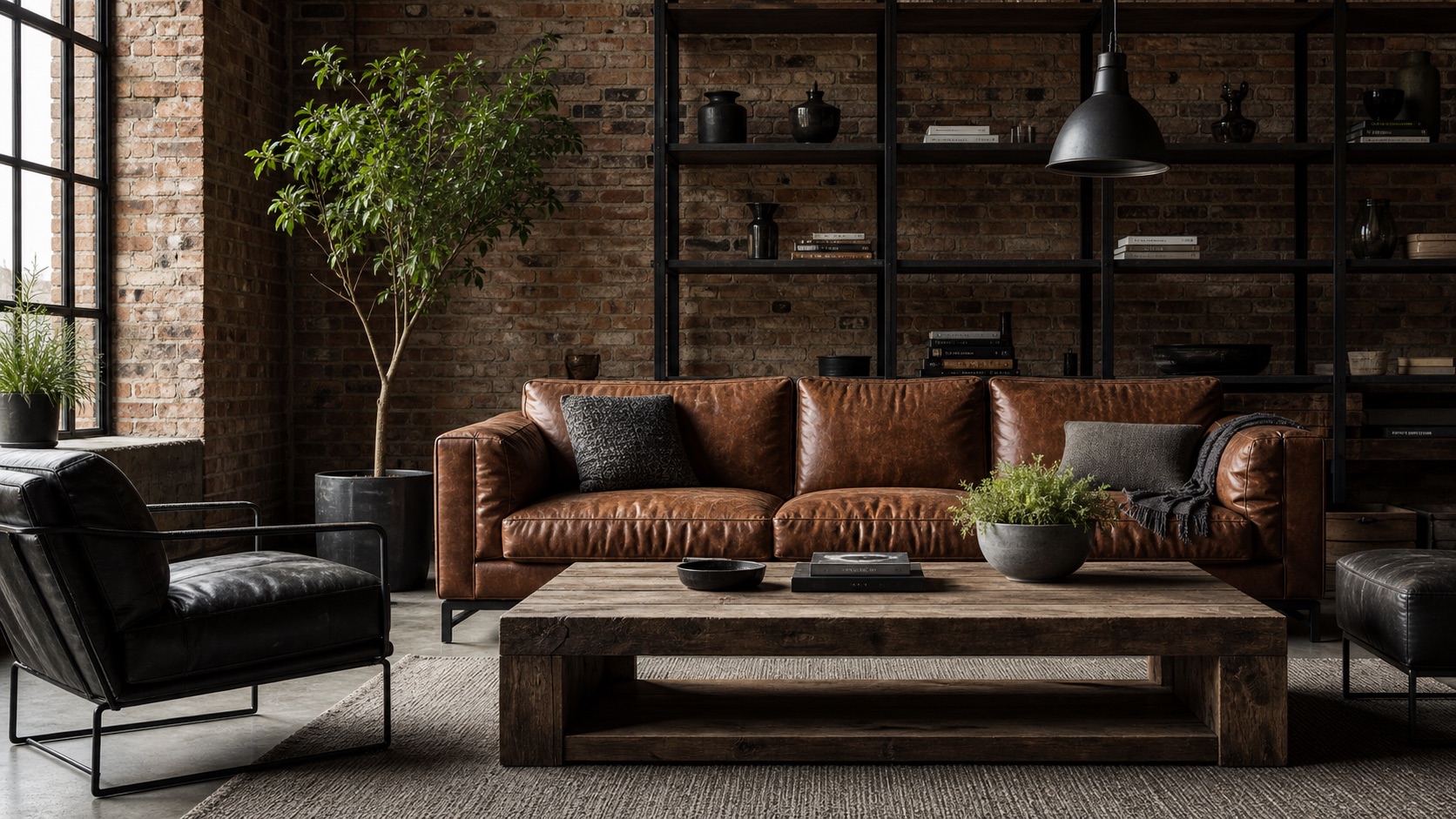
Industrial interiors usually appeal to people who like things direct, durable, and a little imperfect. Exposed brick, black metal, concrete, leather, and reclaimed wood make the room feel honest rather than overly polished. If this is your favorite interior style, you may prefer clarity over fuss and texture over decoration for decoration’s sake.
Personality-wise, the industrial look often points to independence and confidence. It suits someone who is comfortable with strong lines, visible structure, and a home that feels practical but not bland. The best version still needs warmth: a leather sofa, layered lighting, plants, or woven textiles keep the space from feeling too hard.
Scandinavian: quiet and practical
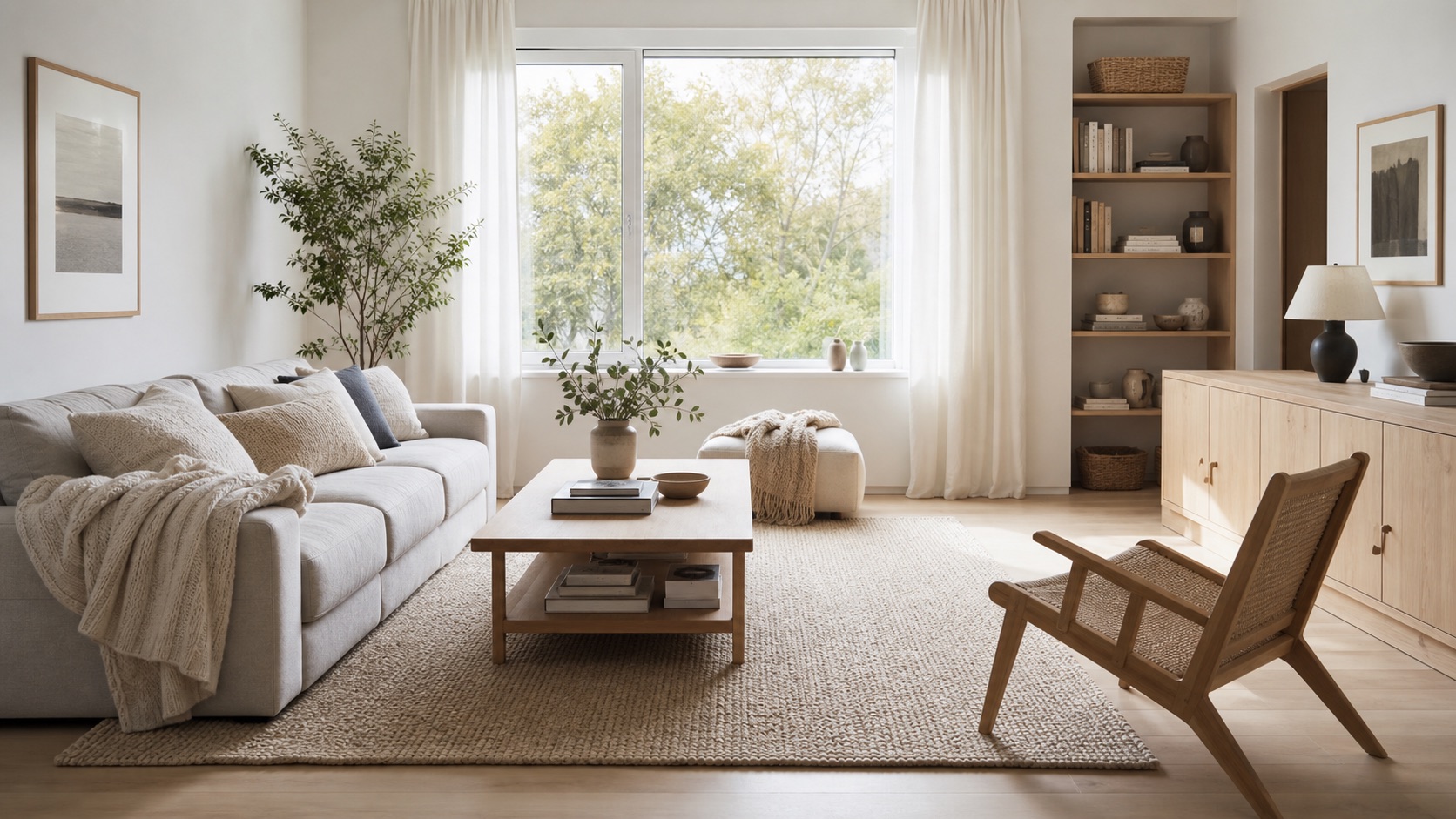
Scandinavian style often belongs to people who want their home to feel light, calm, and easy to live in. Pale wood, soft fabrics, simple storage, and natural daylight do a lot of quiet work here. The room is not empty; it is edited so daily life feels less heavy.
This interior style personality is usually practical, comfort-led, and sensitive to atmosphere. If you love Scandinavian interiors, you may care about routines, natural light, and objects that earn their place. A few ceramics, books, plants, and textured throws keep the space personal without losing its clean rhythm.
Maximalist: expressive and confident
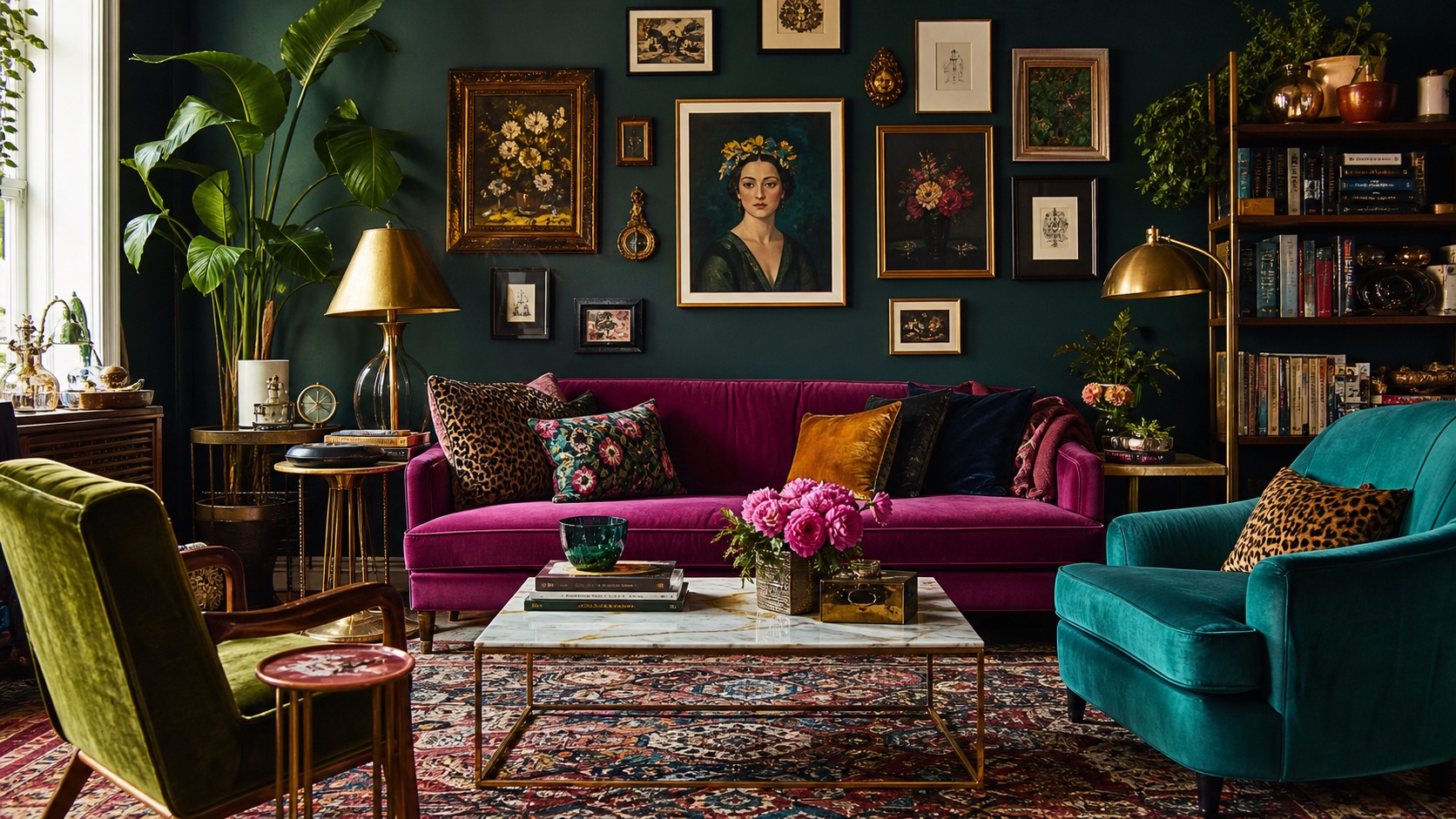
Maximalist interiors tend to attract people who are energized by color, memory, and visual conversation. A gallery wall, patterned rug, collected books, layered textiles, and bold furniture can all live together when the room has intention. This style says, “I want my home to show what I love.”
As a personality clue, maximalism often points to expressiveness, curiosity, and confidence. It does not have to mean clutter. The strongest maximalist rooms repeat colors, balance scale, and leave small pauses between collections so the eye can travel instead of panic.
Choosing decor that matches your real life
Finding the right decor is less about naming your style perfectly and more about noticing what you actually use. A beautiful chair that nobody sits in is not personal style. It is a prop. Start with your real routines, then choose shapes, colors, and storage that make those routines easier.
Tips for identifying your personal style


Start by saving rooms you like, then look for repeats. Do you keep choosing curved sofas, walnut furniture, white walls, oversized lamps, patterned rugs, or open shelving? The repeat is more useful than the label. For furniture-heavy rooms, our guide to modular sofas for small spaces is a good example of choosing around real layout constraints instead of a fantasy floor plan.
Test a style in one small zone first: a shelf, a bedside table, a reading chair, or a balcony corner. If the little version feels forced after a week, the full-room version probably will too. Outdoor spaces are useful for this; even a small setup can reveal whether you prefer clean minimalism or relaxed layering. See these balcony decor ideas for a low-risk place to experiment.
People can also reflect on how they want to feel at home—calm, energized, or cozy. This feeling guides choices in textures and lighting.
To keep track, making a mood board or simple list of favorite rooms or designs helps focus on what fits best.
Expressing authenticity through home choices


True style usually shows up in the details: the photograph you frame, the chair you keep repairing, the plant you move closer to the window, the desk setup that actually helps you work. Those small choices make a room feel lived in instead of staged.
Mixing styles is fine when there is a clear anchor. Keep one thing steady: a color palette, a wood tone, a metal finish, or a repeated shape. Without that anchor, “eclectic” becomes visual noise very quickly.
Use favorite colors and comforting materials where you touch the room most: bedding, sofa fabric, desk chair, rug, handles, towels. Personality is not only what people see when they visit. It is also what your hand reaches for every day.
Avoid copying a room exactly. Borrow the idea, then edit it around your light, budget, storage needs, and daily habits. For more room-specific inspiration, browse the interior design archive and the home design archive.
Frequently asked questions about interior style personality
What does your interior style say about your personality?
Your interior style can hint at how you like to feel at home. Minimalist rooms often point to a need for calm and control, while bohemian spaces suggest comfort with texture, memory, and creative mess. Traditional rooms can show a love of order and continuity. It is not a fixed personality test, but it does reveal patterns in what you choose to keep around you.
What personality likes minimalist interior design?
Minimalist interiors often appeal to people who think better with less visual noise. They may value order, routine, clear surfaces, and a sense of control over their environment. That does not mean they are cold or boring; many minimalist homes feel warm because the owner has chosen fewer things more carefully.
What does bohemian decor say about a person?
Bohemian decor usually suggests a person who likes layered stories: travel finds, plants, books, textiles, color, and handmade details. It often belongs to people who are comfortable mixing old and new pieces. The best bohemian rooms still have structure, even when they look relaxed.
Can your interior style affect your mood?
Yes. Light, color, clutter, texture, and furniture layout can change how a room feels. A dark, crowded room may feel cozy to one person and heavy to another. A bright minimal room may feel peaceful to one person and empty to someone else. The right style supports your mood instead of fighting it.
How do I find my personal interior style?
Save rooms you like, then look for repeated choices: colors, wood tones, sofa shapes, rug patterns, lighting, and storage habits. Then test the style in one small area before changing a whole room. A shelf, corner, or bedside table is enough to see whether the look fits your real life.
Is it okay to mix different interior styles?
Yes, mixing interior styles can make a home feel more personal. The key is to keep one visual anchor consistent, such as a color palette, material, shape, or metal finish. A mid-century chair, traditional rug, and modern lamp can work together if the room has a shared rhythm.
Which interior style is best for small spaces?
Small spaces usually work best with styles that control clutter and use proportion carefully. Minimalist, Scandinavian, Japandi, and clean mid-century rooms are good starting points because they favor light, function, and simple silhouettes. Bohemian or maximalist small rooms can also work, but they need stronger editing.
- 2.1Kshares
- Facebook0
- Pinterest2.1K
- Twitter0
- Reddit0