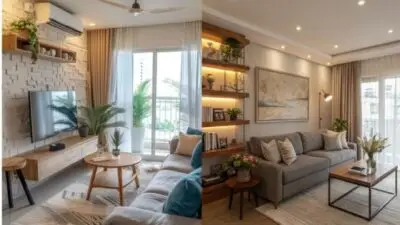

Two ownership words decide almost everything about a Thai property purchase, yet most foreign buyers only really understand them once contracts are already on the table. Freehold and leasehold aren’t just legal labels; they shape who approves a wall you want to move, who signs off on a facade repaint, and whether the pool deck you’re picturing is even yours to redesign.
I’ve spent years working on interior and spatial design projects across multiple countries, and ownership structure is one of the first things I check before any renovation brief gets written. It decides what’s actually possible before a single moodboard exists.
This guide covers what freehold and leasehold really mean in Thailand, where the two differ in practice, and, just as important for anyone planning to renovate rather than simply live in a space, what each structure means for the design decisions that come after closing.
- Why Ownership Structure Affects More Than the Title
- What Freehold Property Means in Thailand
- What Leasehold Property Means in Thailand
- Freehold vs Leasehold: Core Differences
- Condo vs Villa: Where Ownership and Design Intersect
- What Each Structure Means for Renovation
- Real Estate Due Diligence Checklist Before Paying a Deposit
- Which Structure Fits Different Buyer Goals?
- Red Flags in Freehold and Leasehold Offers
- Decision Table: Freehold vs Leasehold
- Frequently Asked Questions
Why Ownership Structure Affects More Than the Title
Buyers usually treat freehold and leasehold as a paperwork detail to settle after choosing a unit. In practice, it should come first, because it quietly sets the boundaries for everything that follows.
Control, resale and inheritance
Freehold gives a buyer registered ownership with no expiry, full control over the asset, and a straightforward path to pass the property to heirs. Leasehold gives a registered right to use a property for a fixed term, and control over the asset’s future depends on how that lease is written, not just on who currently holds it.
Renovation freedom, approvals and long-term maintenance
This is where the distinction gets real for anyone thinking about design. A freehold condo owner still answers to a juristic person for anything touching common property. A leasehold villa tenant still answers to the land title’s original registration terms for anything structural. Neither structure hands over unlimited creative freedom, and figuring out where the limits actually sit belongs in the first conversation with a lawyer, not the last one before a deposit.
What Freehold Property Means in Thailand
Freehold is registered ownership with no expiry date. The buyer’s name appears on the title deed, known as a Chanote, and the right to hold, use, sell, mortgage, or pass on the property continues indefinitely.
Freehold condominium ownership for foreign buyers
For land, Thai law generally reserves freehold rights for Thai nationals and Thai-majority companies. For condominium units, the Condominium Act of 1979 opens a specific path for foreigners to hold title outright, provided a few conditions are met.
Foreign ownership quota and transfer timing
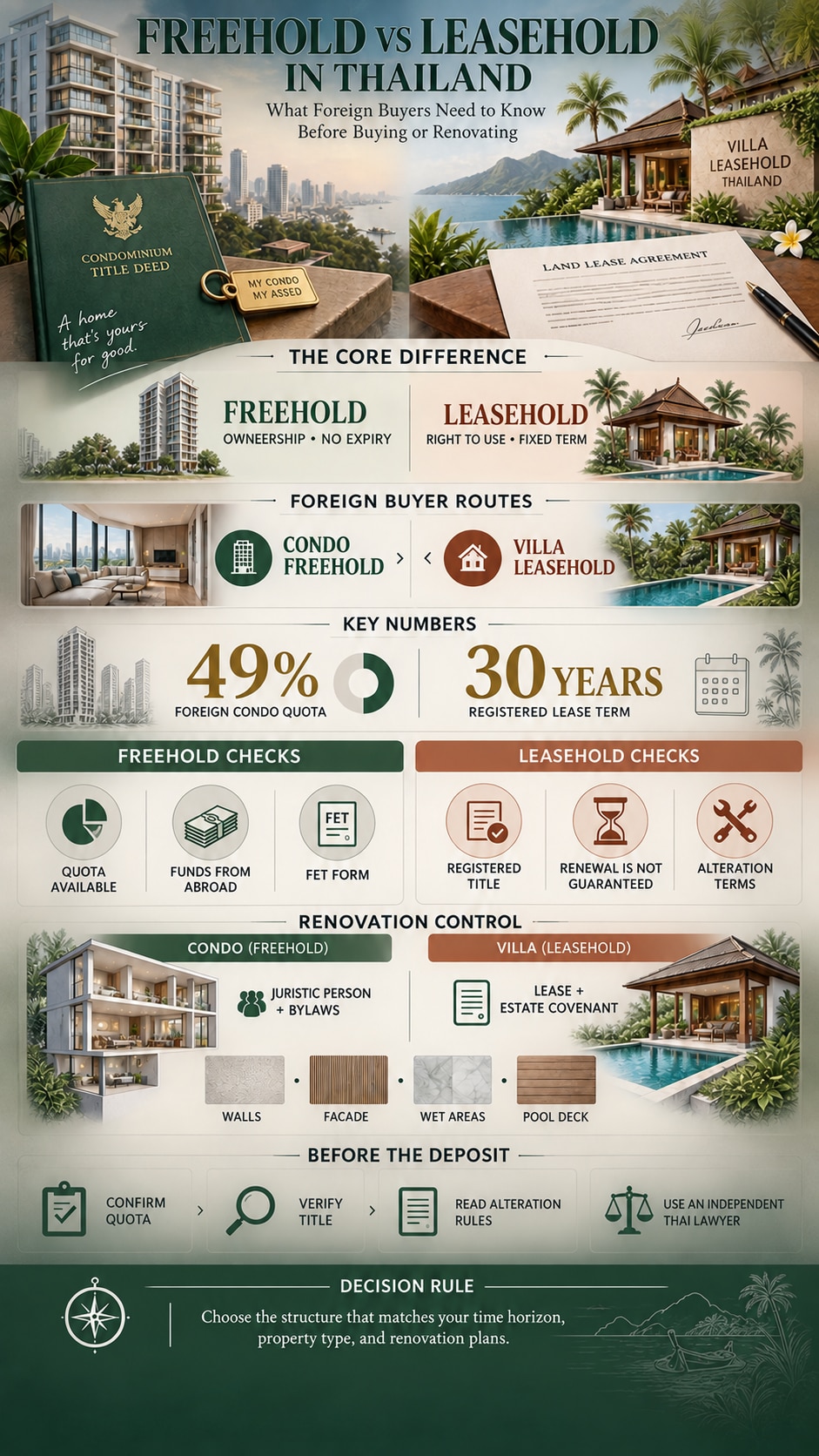
The most important condition is the foreign ownership quota. Combined, foreign buyers cannot own more than 49% of a registered condominium building’s total saleable floor area; the remaining 51% must stay in Thai ownership. This quota is checked at registration, not at reservation, so a unit that looks available today can lose its freehold eligibility if the building’s quota fills before the transfer closes.

Funding documentation and registration
Purchase funds must be remitted into Thailand from abroad in foreign currency. A Thai bank converts the funds and issues a Foreign Exchange Transaction form (an FET). Without that document, the Land Office won’t register the transfer, no matter how the money eventually reached the seller.
What Leasehold Property Means in Thailand
Leasehold is a registered right to occupy and use a property for a fixed term, typically up to 30 years, without owning the underlying land or, in some cases, the unit itself.
The registered lease term
It’s the standard structure for foreign buyers acquiring villas and houses, since the Land Code generally prevents non-Thai individuals from owning land outright. It also becomes the default option for condo units once a building’s 49% foreign quota is fully allocated.
Renewal clauses versus enforceable rights
Leases are often marketed with renewal options, sometimes structured as “30+30+30” to suggest 90 years of security. In practice, only the first 30-year term is guaranteed at the Land Office. Renewal terms are contractual promises, not statutory rights, and Thai courts have repeatedly held that such promises don’t automatically bind a new owner if the land or building changes hands during the lease.
The lessor, title and Land Office registration
None of this makes leasehold a poor choice. It means the value of a leasehold asset should be assessed on the certain 30-year term, with any renewal treated as a bonus rather than a guarantee, and the lease should be checked against the actual title record rather than a private agreement alone.
Freehold vs Leasehold: Core Differences
Ownership period and legal certainty
Freehold has no expiry. Leasehold is fixed, typically 30 years, with renewal depending on contract terms and a future landlord’s cooperation.
Resale, inheritance and financing
Freehold units typically hold value and transact more smoothly, and passing the property to heirs doesn’t run into an expiry date. Leasehold value tends to decline as the remaining term shortens (similar to how leasehold flats behave in other markets), and leasehold rights are harder to use as loan collateral than freehold title.
Renovation control and development restrictions
Freehold condo owners still operate inside the building’s bylaws for anything touching shared structure or exterior appearance. Leasehold villa tenants operate inside whatever alteration clauses the original land lease and any estate covenant actually specify, which varies far more from project to project than most buyers expect.

Condo vs Villa: Where Ownership and Design Intersect
Condo interiors, structural elements and common property
Inside a condo unit, you generally control finishes, layout of non-structural walls, and fixtures. Structural walls, facades, plumbing risers, and anything visible from outside the unit typically count as common property, managed collectively through the juristic person.
Villas, land rights and estate-wide design rules
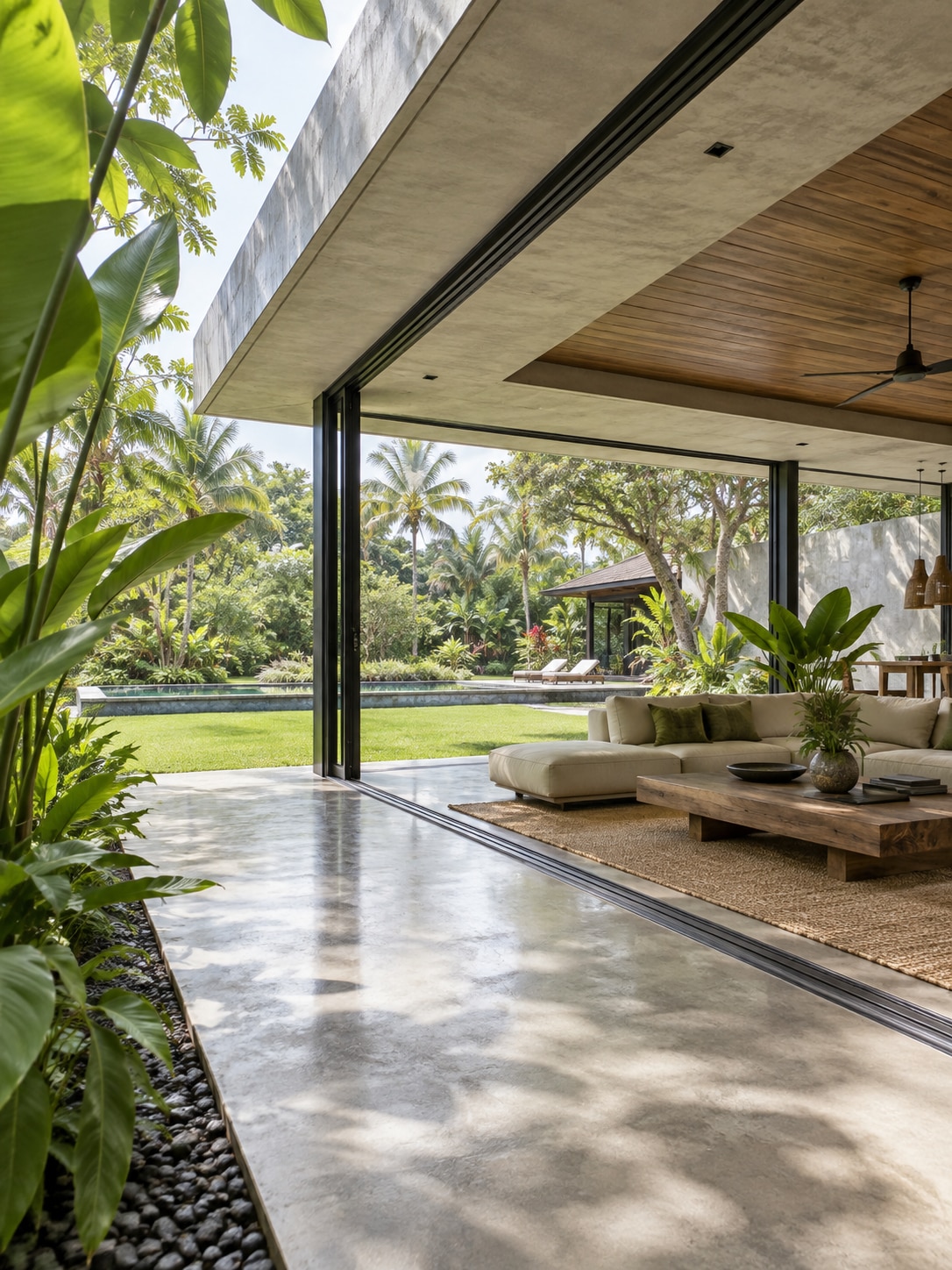
A standalone villa on leasehold land gives more apparent freedom, since there’s no shared building to answer to. But many villa developments register estate-wide design covenants at the same time as the lease, covering roofline height, exterior colors, and even landscaping style, to protect the development’s visual consistency.
Pools, terraces, landscaping and exterior alterations
Anyone planning to reshape a pool deck, add a terrace, or change exterior landscaping should check both the ownership structure and any estate rules before assuming it’s a simple contractor job. Readers weighing this against a broader market view might find Real Estate in Thailand: High-Volatility, Data-Rich Investment Outlook for 2025 useful for the wider context behind these design decisions.
What Each Structure Means for Renovation
Changes that normally require management or owner approval
Anything touching shared systems (plumbing, electrical risers, structural walls, building facades) usually needs sign-off from a condo’s juristic person or a villa estate’s management, regardless of freehold or leasehold status.

Wet areas, walls, facades and building services
Bathrooms and kitchens are the areas most likely to trigger approval requirements, since they touch waterproofing and building services shared with neighboring units. A facade change on a villa, even one you technically own the land under, can still fall under an estate’s architectural guidelines.
Who carries responsibility for long-term repairs
Freehold owners generally carry direct, indefinite responsibility for their unit’s interior condition. Leasehold tenants should check the lease for exactly where the lessor’s maintenance obligations end and the tenant’s begin, since this detail gets skipped in casual conversations far more often than it should.
Real Estate Due Diligence Checklist Before Paying a Deposit
Confirm the specific unit’s ownership structure and quota status
Request written confirmation of the building’s current foreign quota utilisation from the juristic person or management office before assuming a unit will register as freehold.
Verify title, registered lease terms and renewal wording
Confirm whether the specific unit will be sold as freehold or leasehold before paying a reservation deposit, and read the actual renewal wording rather than trusting a sales brochure’s “30+30+30” summary.

Review architectural plans, alteration rules and common-area boundaries
Ask for the building’s or estate’s alteration rules in writing before assuming a design idea is workable. Buyers exploring villa options in Pattaya specifically may want to cross-reference Villa vs Condo in Pattaya: Which Property Type Is Right for You? alongside this checklist.
Use an independent Thai lawyer and technical inspector
Have an independent Thai lawyer, not the developer’s lawyer, review the sale and purchase agreement or lease contract, and bring in a technical inspector if renovation plans are already forming.
Which Structure Fits Different Buyer Goals?
Long-term residence and inheritance
A buyer planning to live in a condo long-term or pass it to heirs generally benefits most from freehold, since it avoids any dependency on a landlord’s future cooperation and doesn’t run into an expiry date.
Rental income and resale
Freehold tends to hold value and transact more smoothly for anyone weighing eventual resale, since buyers face fewer restrictions than with a shortening lease term.
Lifestyle villa and design customization
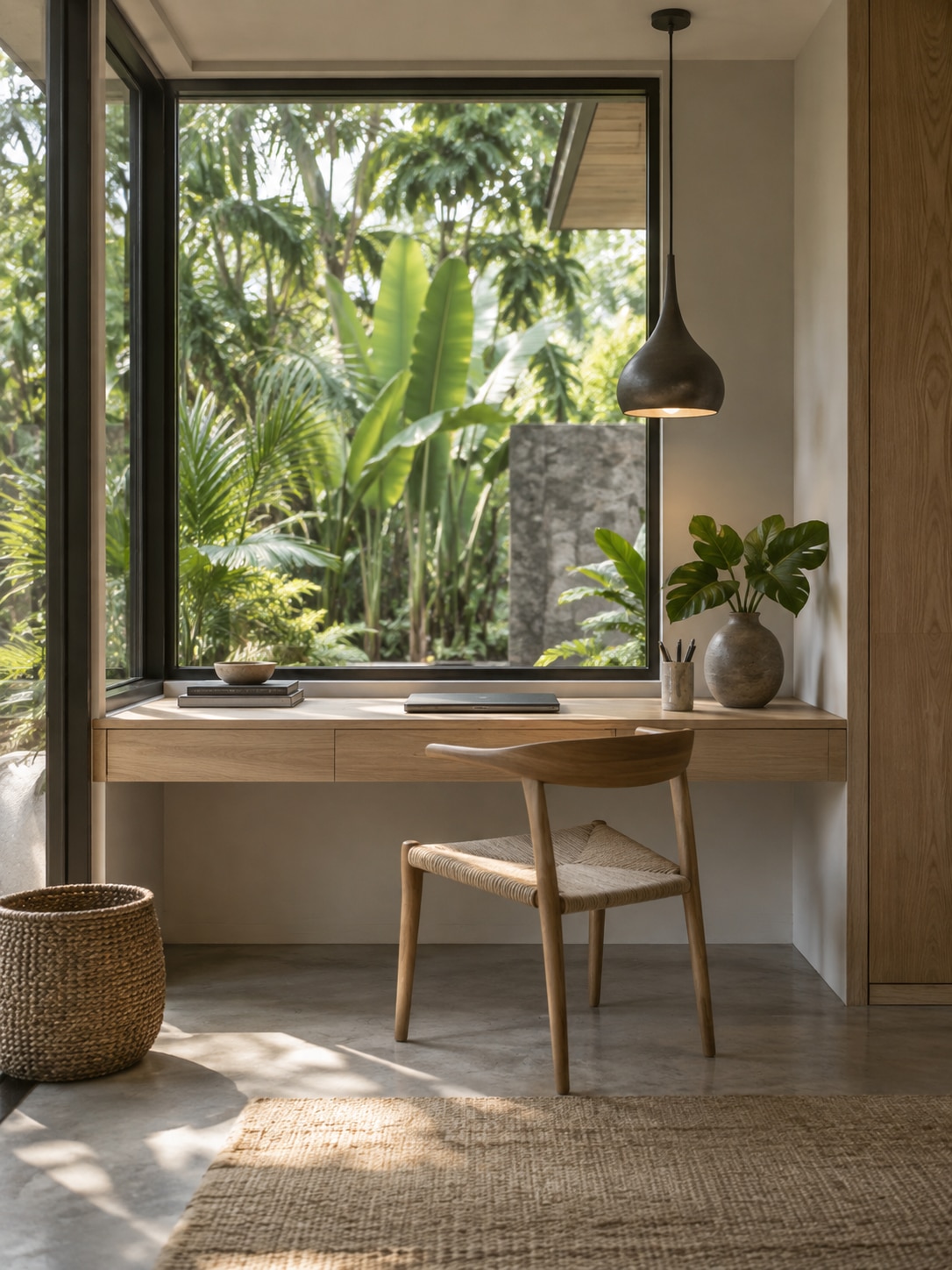
A buyer focused on lifestyle use of a villa, or purchasing where freehold land ownership simply isn’t legally available to foreigners, will find leasehold the practical route rather than a compromise, provided the lease’s alteration terms match the design plans in mind. Anyone comparing newer developments for this kind of flexibility can review What to Expect From a Newly Launched Pattaya Condo for a sense of how these terms are currently being structured.
Red Flags in Freehold and Leasehold Offers
Unverified quota availability
Any agent who can’t produce written quota confirmation from the juristic person, and instead offers a verbal “it’s fine,” is a signal to pause before paying anything.
“30+30+30” presented as guaranteed ownership
Only the first 30-year term is enforceable at the Land Office. Marketing material that presents renewal terms as guaranteed ownership is describing a hope, not a legal right.

Renovation promises missing from binding documents
If a developer verbally promises design flexibility that doesn’t appear in the sale agreement, estate rules, or lease document itself, treat the promise as non-binding until it’s written down.
Decision Table: Freehold vs Leasehold
| Factor | Freehold | Leasehold |
|---|---|---|
| Ownership term | No expiry | Typically 30 years, renewal not guaranteed |
| Eligible property type | Mainly condominium units | Villas, houses, land-based property |
| Foreign quota | Subject to 49% building cap | No quota restriction |
| Funding requirement | Funds remitted from abroad, FET form required | No FET requirement |
| Renovation authority | Building bylaws via juristic person | Land lease terms and any estate covenant |
| Resale and inheritance | Straightforward, no expiry | Value tied to remaining lease term |
For a deeper look at how these rules play out on the ground, this leasehold vs freehold in Thailand breakdown covers how quota availability and lease structures typically unfold in Phuket’s branded residential market, including Bang Tao’s higher-end developments, which is worth reading alongside your own lawyer’s review. For buyers interested in how ownership terms shape entire private communities rather than single units, How Luxury Residential Architecture Shapes Private Communities in Thailand is a useful companion read.
Frequently Asked Questions
Can foreigners own property in Thailand?
Foreigners can hold freehold title on condominium units, subject to the 49% building quota, but generally cannot own land outright. Villas and houses are typically accessed through registered leasehold arrangements instead.
Can a foreigner own a freehold condo in Thailand?
Yes, provided the building’s foreign quota has room and the purchase funds are remitted from abroad in foreign currency with a Foreign Exchange Transaction form issued before registration.
Is a 30-year lease renewable in Thailand?
Only the initial 30-year term is enforceable at the Land Office. “30+30+30” renewal structures are contractual promises, not statutory rights, and courts have found they don’t automatically bind a new owner if the property changes hands.
Can a leasehold villa be renovated?
Usually yes, within limits set by the land lease itself and any estate-wide design covenant registered alongside it. Structural changes and facade alterations are the most likely to require sign-off.
Does freehold ownership include the right to change the facade?
Not automatically. Facade elements are typically classified as common property in a condominium and remain subject to the juristic person’s approval, regardless of the owner’s freehold status.
The paperwork decides more of the design brief than most buyers expect. Confirm quota status in writing, read the renovation and alteration terms before falling for a view, and treat ownership structure as the first design constraint, not the last item on a closing checklist.




- 10shares
- Facebook0
- Pinterest10
- Twitter0
- Reddit0