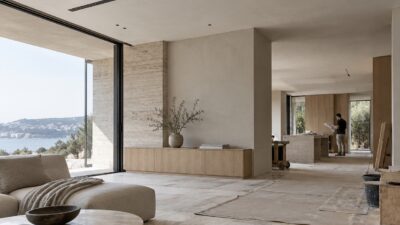
Most dorm and off-campus layouts fail for one reason: everything happens in the same six feet of floor. The bed doubles as a desk chair, the desk doubles as a dumping ground for laundry, and by week three of the semester nothing has a fixed place anymore. A layout that actually works isn’t about fitting more furniture into a small room — it’s about giving each activity its own footprint, even in 120 square feet.
A student layout needs to support concentration, recovery and social life without letting one function overwhelm the others. This guide to off-campus student apartment design develops those priorities into a complete apartment strategy.
- Why a Dorm Room Layout Matters More Than Decor
- Start With Three Activity Zones: Sleep, Study, and Reset
- Build a Study Zone That Feels Focused, Not Temporary
- Use Small Space Interior Design Rules for Student Rooms
- Plan Shared Apartment Areas Without Creating Traffic Jams
- Layout Mistakes That Make Student Rooms Feel Smaller
- FAQ
- Q: How do I separate my bed and desk in a small dorm room without a divider?
- Q: What's the best way to store items in a dorm room without cluttering the floor?
- Q: Where should I put my desk for the best light and focus?
- Q: How do roommates avoid traffic jams in shared spaces?
- Q: What layout mistakes make small rooms feel even smaller?
I’ve spent years working across residential and spatial design projects, and the same principle that governs a well-planned apartment applies at dorm scale, just compressed: define zones before you buy anything, then let storage and furniture reinforce those boundaries instead of blurring them.
Why a Dorm Room Layout Matters More Than Decor
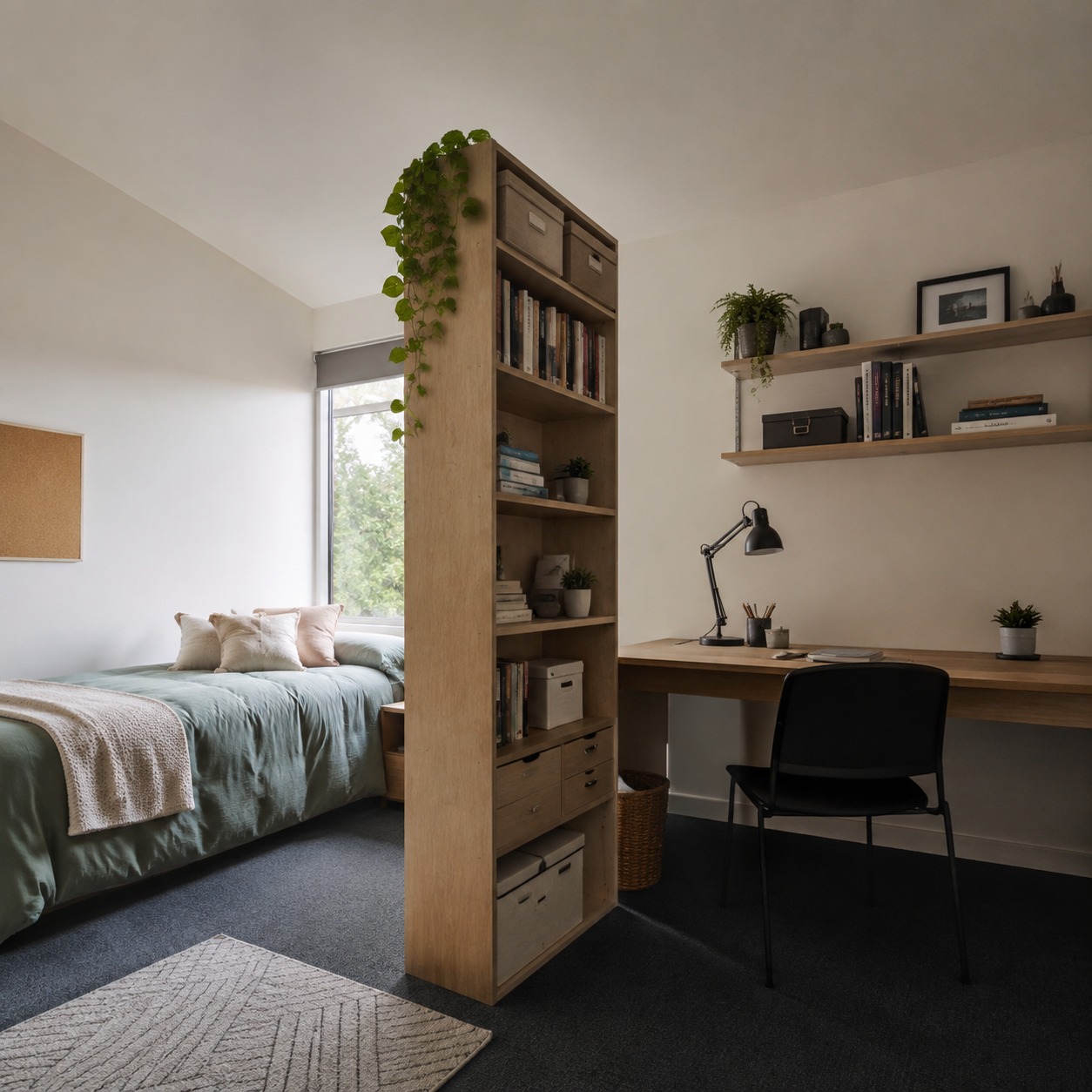
It’s tempting to solve a small room with decor — a string of lights, a poster wall, a color scheme. None of that fixes a layout where your bed is three feet from your desk and your brain can’t tell the difference between “study mode” and “about to fall asleep” mode. Zoning does that work, and it does it before a single decorative choice gets made.
A dorm room layout that separates sleep, study, and reset areas — even loosely — cuts down on the low-grade mental fatigue that comes from doing everything in one undifferentiated space. If you’re setting up housing near a specific campus, this matters even more when the building itself has some flexibility in floor plan. Finding the ideal layout for student living near CU Boulder means thinking about how an active outdoor lifestyle and a demanding class schedule both need dedicated space in the same room, not competing for the same six feet of floor.
Start With Three Activity Zones: Sleep, Study, and Reset
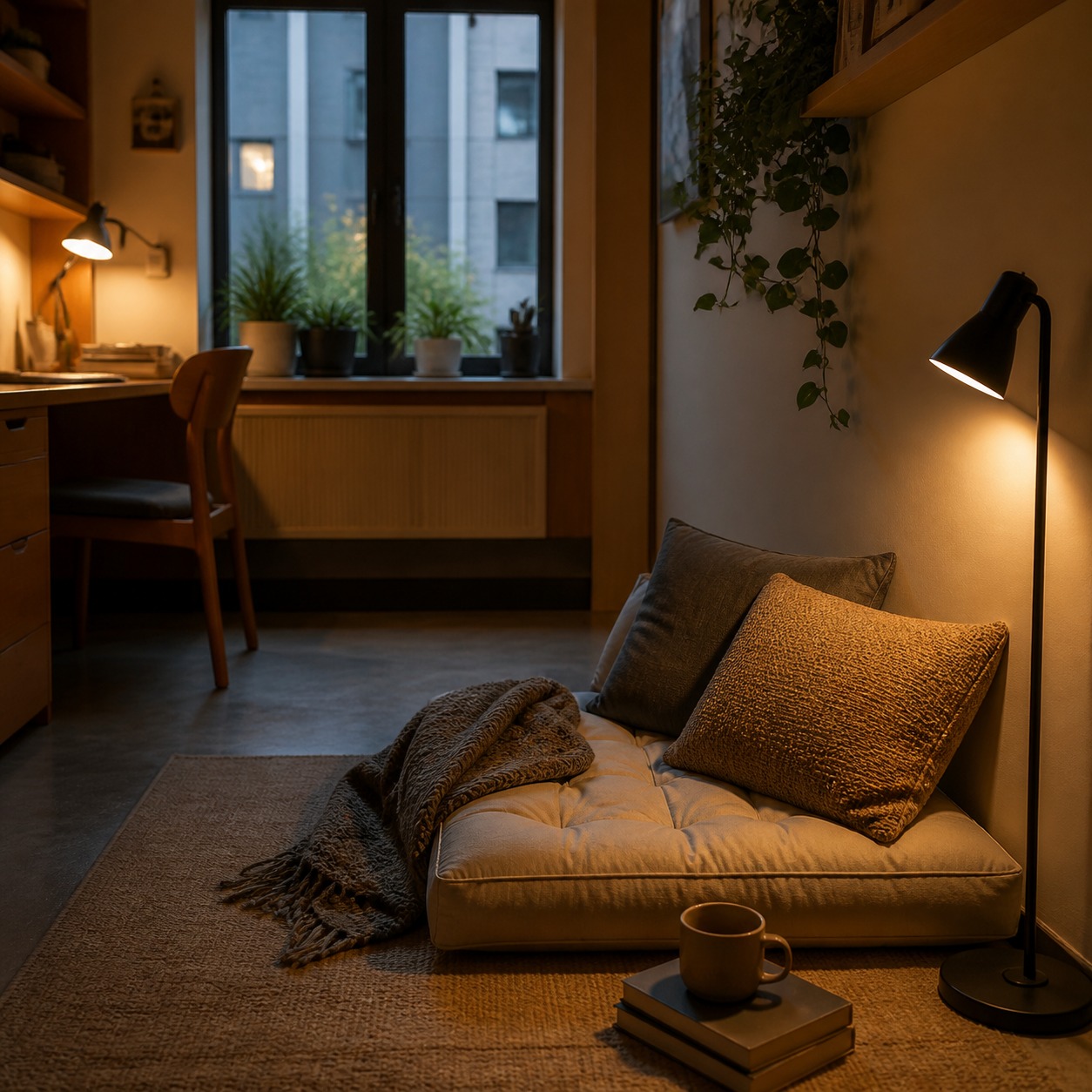
Before moving a single piece of furniture, sketch your room as three loose zones on paper — sleep, study, and reset (the spot where you unwind, whether that’s a reading chair or floor cushion). You don’t need walls between them. You need consistent physical boundaries your brain can register at a glance.
How to separate the bed and desk without a full room divider
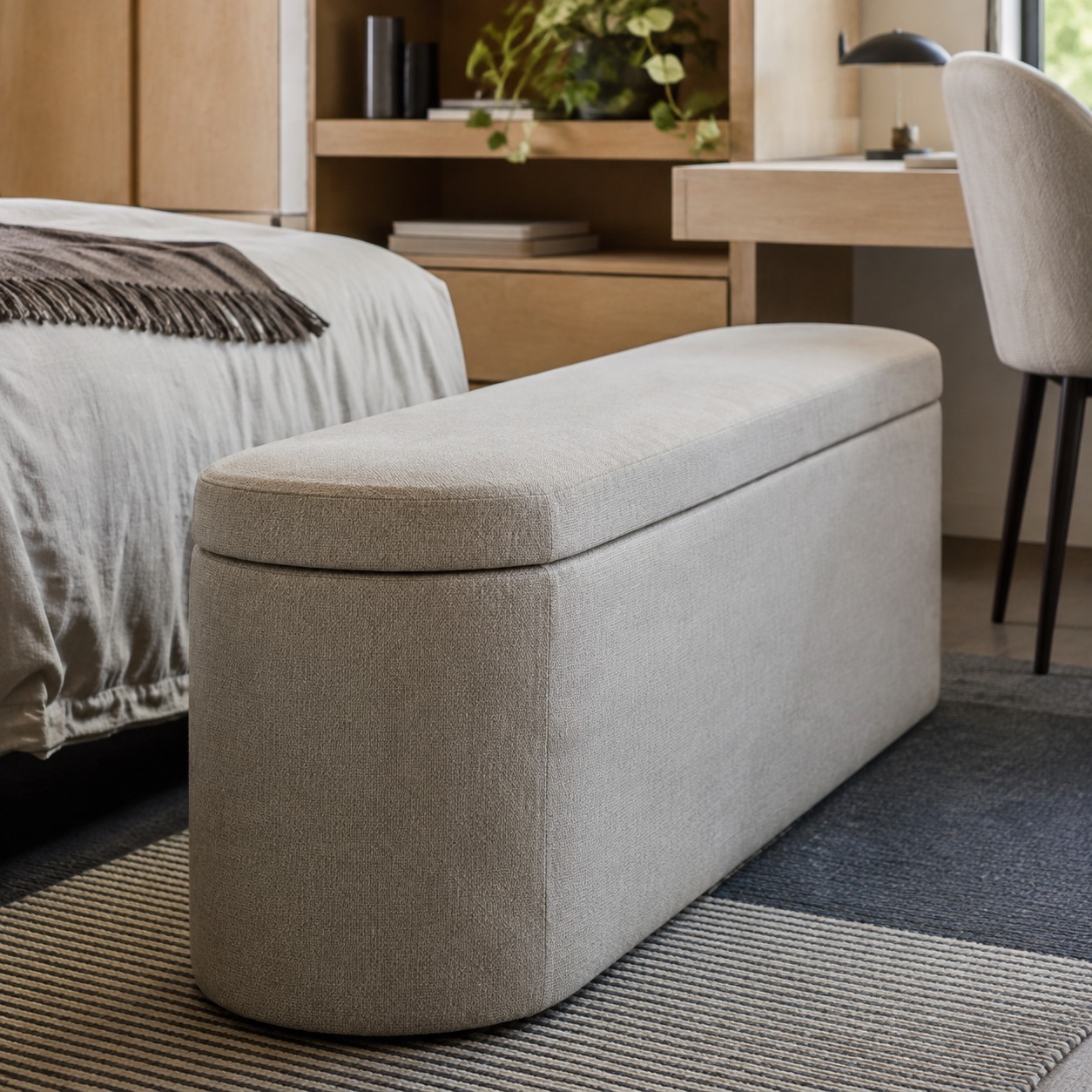
A full room divider eats floor space you don’t have. A better move: use furniture itself as the boundary. Position a bookshelf, a tall dresser, or a storage ottoman between the bed and desk so it reads as a soft wall rather than open floor. Even a runner rug placed only under the desk area creates a visual cue that says “this is a different zone” without adding bulk.
Where to place storage so the floor stays open
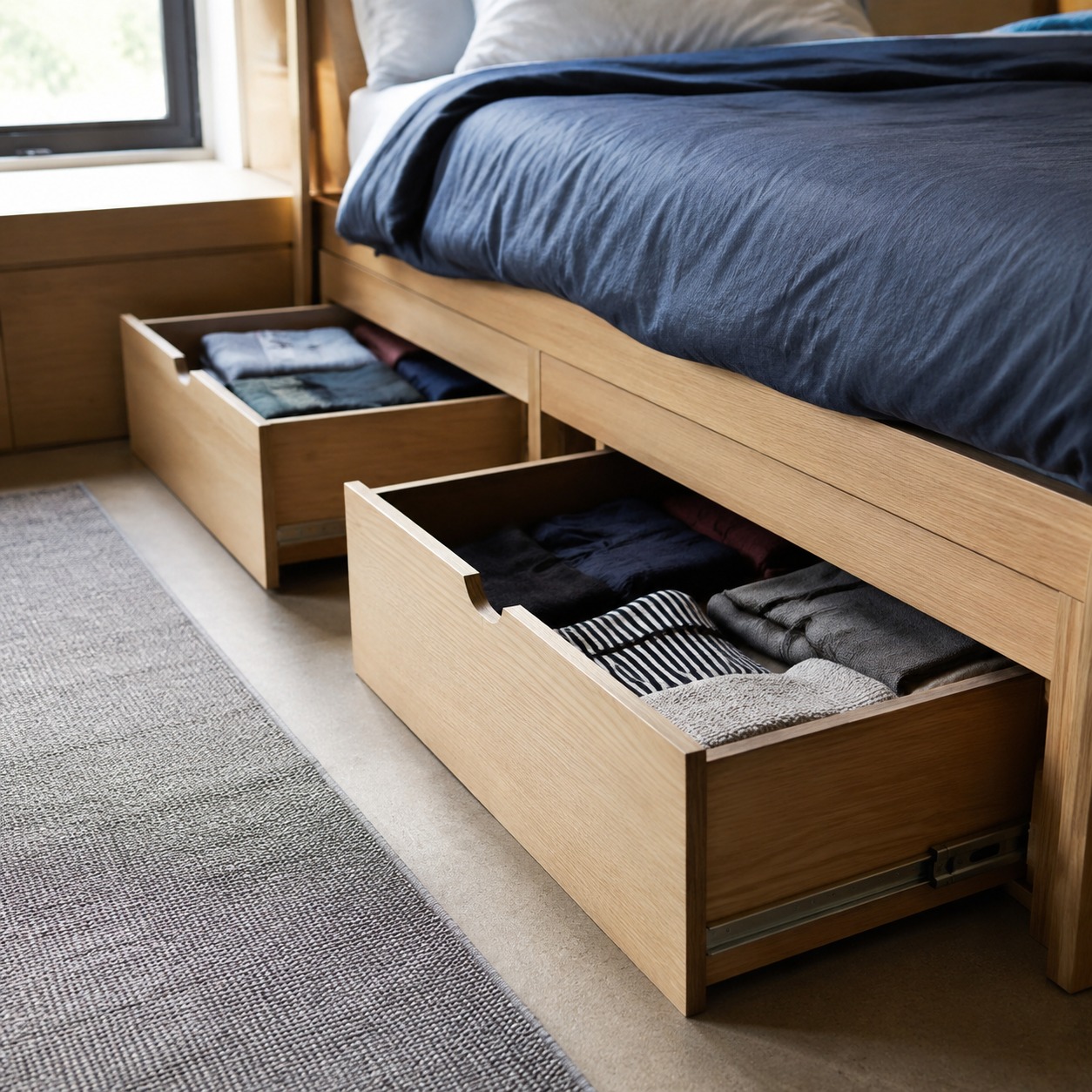
Storage placed against walls and under furniture keeps your actual floor — the part you walk across — clear. That matters more in a small room than it does in a full apartment, because every square foot of open floor reads as breathing room. Push storage vertical and under-bed before you ever consider a freestanding unit in the middle of the room.
Build a Study Zone That Feels Focused, Not Temporary
A desk that looks temporary gets used temporarily. If your study setup looks like it was assembled in five minutes the week before finals, that’s exactly how much focus it’ll earn from you. Building a zone that feels intentional — even a small one — changes how seriously you treat study time.
Desk placement, window light, and lamp choices
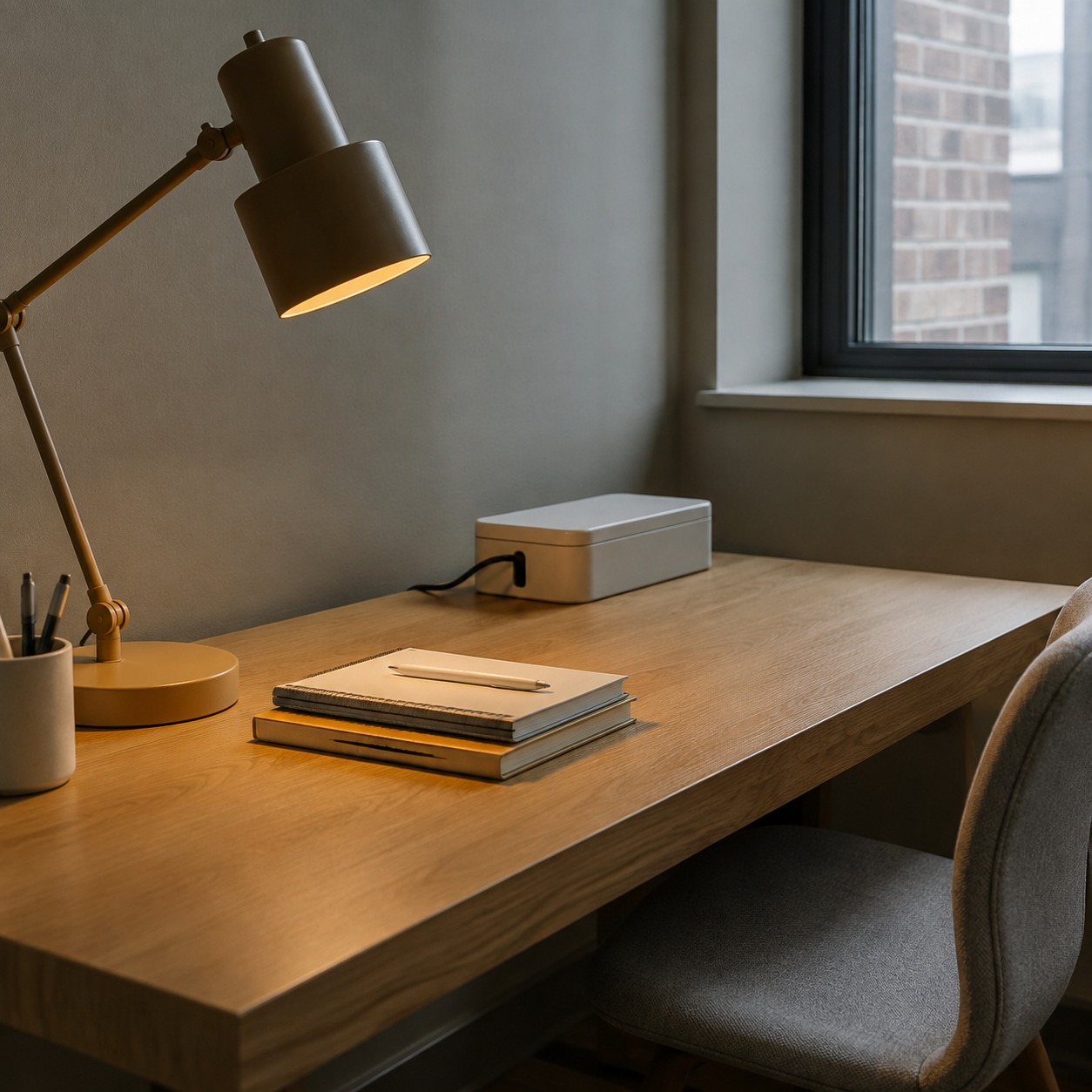
Natural light does real work for sustained focus, so if your room has a window, the desk earns first claim on it. Position the desk perpendicular to the window rather than facing it directly — direct backlight from a window behind your monitor or notebook creates glare that tires your eyes faster than dim light would. Pair that with a warm-toned adjustable desk lamp for evening sessions; overhead dorm lighting alone is rarely enough for late-night work.
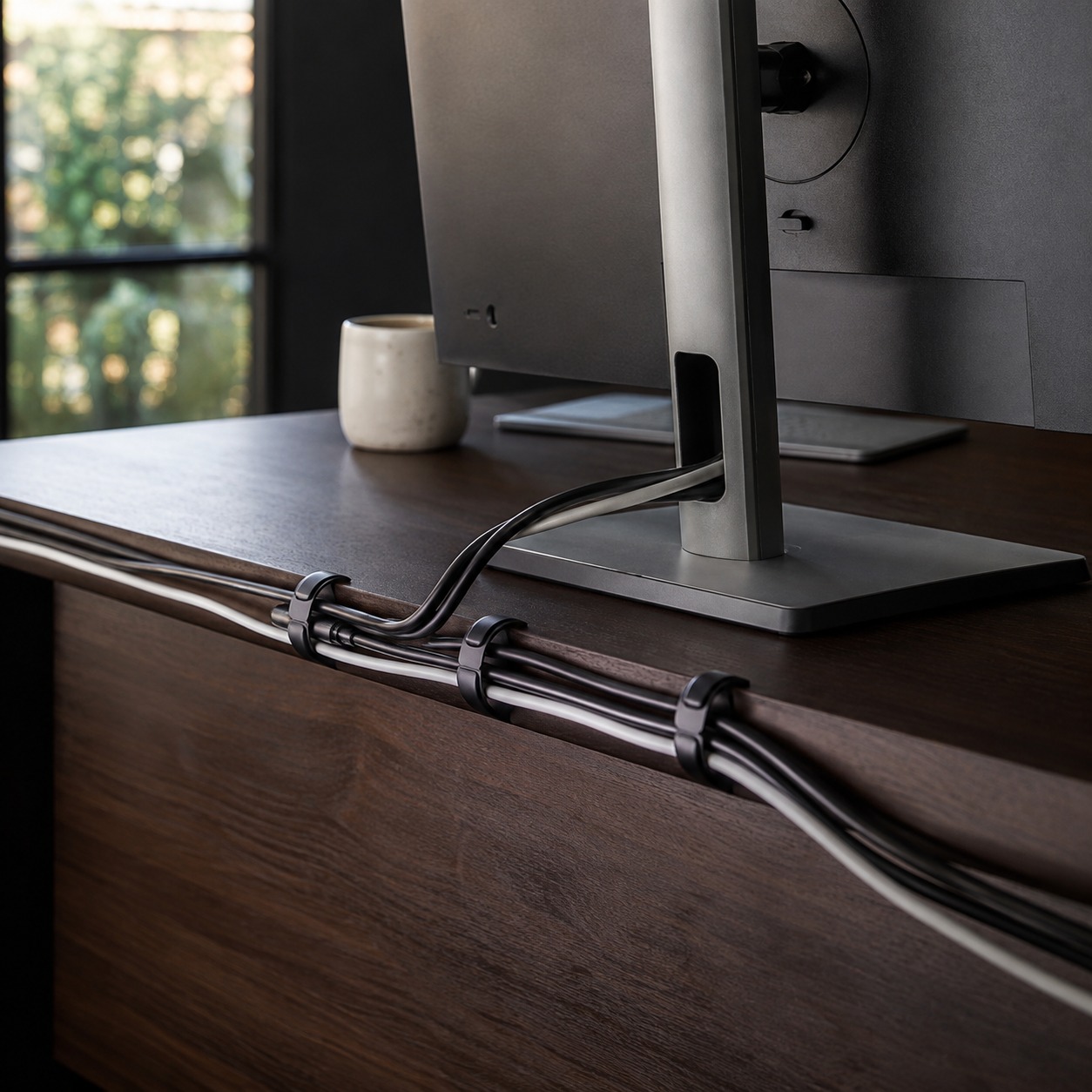
Cord control and supplies storage
Visible cord tangles are one of the fastest ways a desk starts to look chaotic, which quietly undermines how “ready to focus” the space feels. Run charging cables behind the desk using adhesive clips, and keep a small drawer or box specifically for loose supplies — pens, chargers, sticky notes — so they never pile directly on the work surface. Keep desk surfaces clean daily; a five-minute reset each evening does more for next-day focus than any organizational product you could buy. For more on building a workspace that actually holds up over a semester, our creative study spaces guide covers setups designed specifically for student rooms.
Use Small Space Interior Design Rules for Student Rooms
Small space design isn’t just apartment-scale advice shrunk down — it’s a genuinely different set of priorities. In a studio or full apartment you can afford some visual noise. In a dorm room, every extra object competes for attention in a space your eye takes in almost all at once.
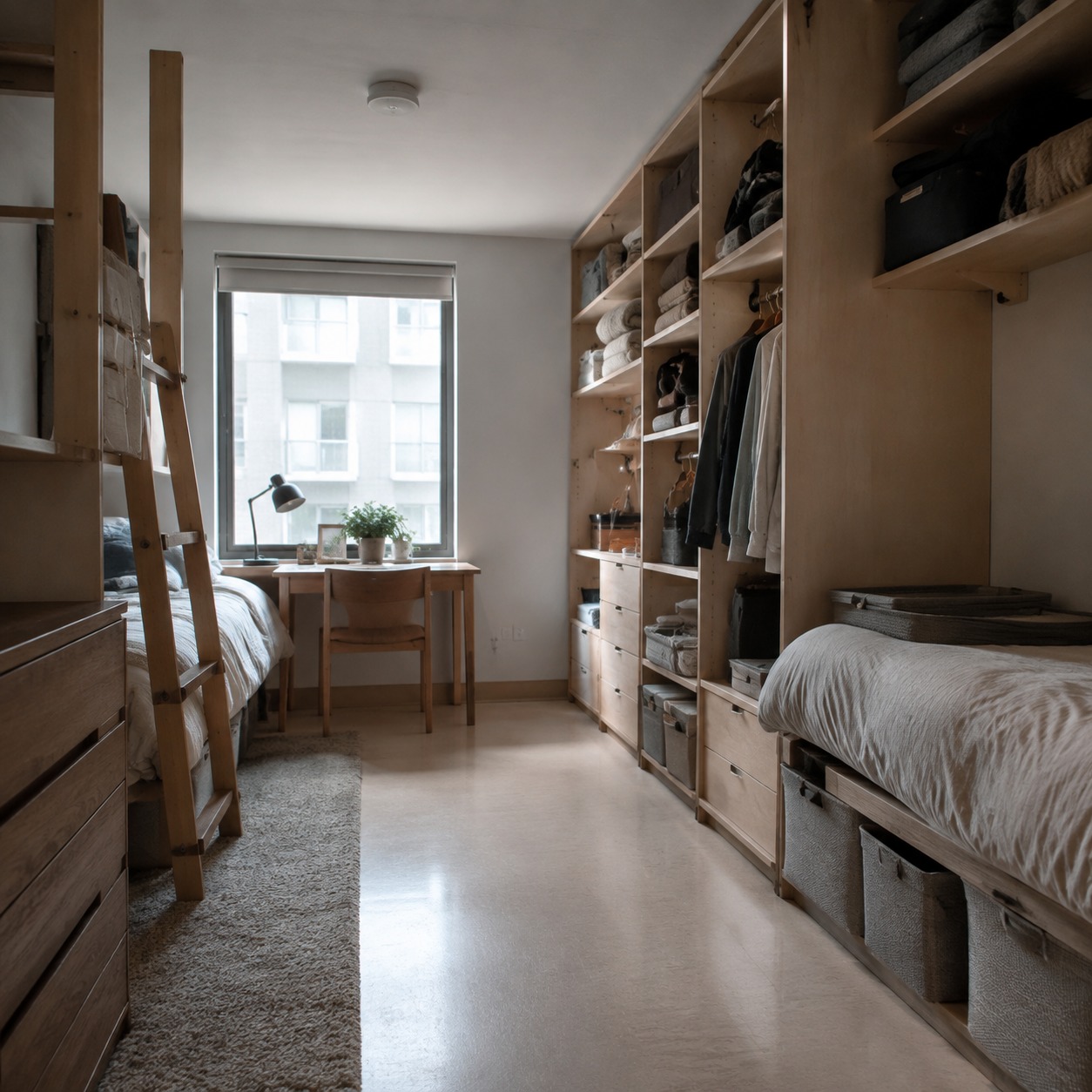
Vertical shelving, under-bed storage, hooks, and modular furniture
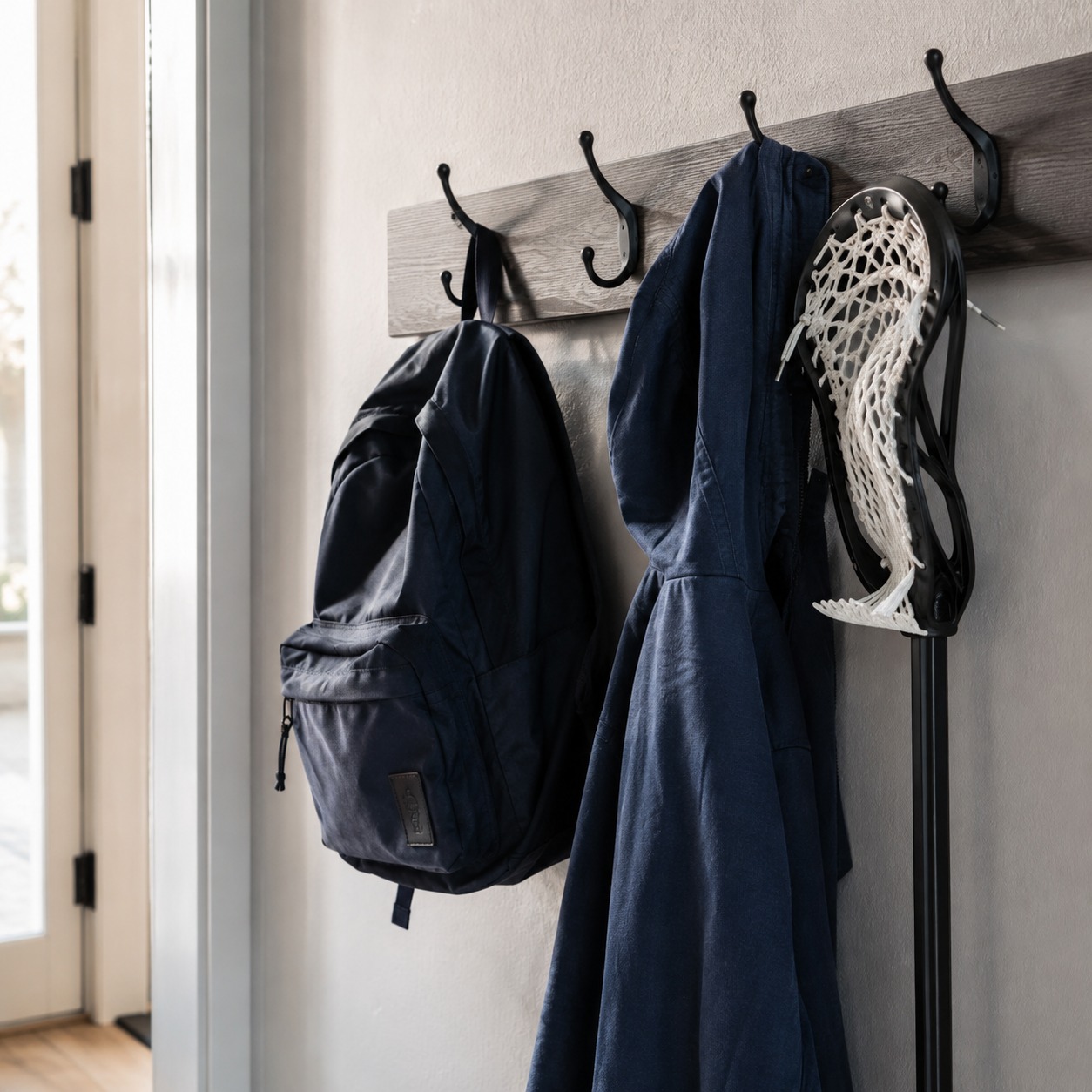
Vertical shelving does more per square foot than almost any other storage move in a small room — it uses wall space that would otherwise sit empty. Under-bed storage bins handle out-of-season clothing and bulky items without eating floor space at all. Wall hooks by the door catch coats, bags, and sports gear before they land on the floor or the back of a chair, which matters more than it sounds like it should — a chair draped in jackets stops being usable as seating, which quietly shrinks your usable floor plan. If your room leans toward the smaller end, our small bedroom makeover guide and smart bedroom layouts piece go deeper into furniture arrangements built specifically for limited square footage.
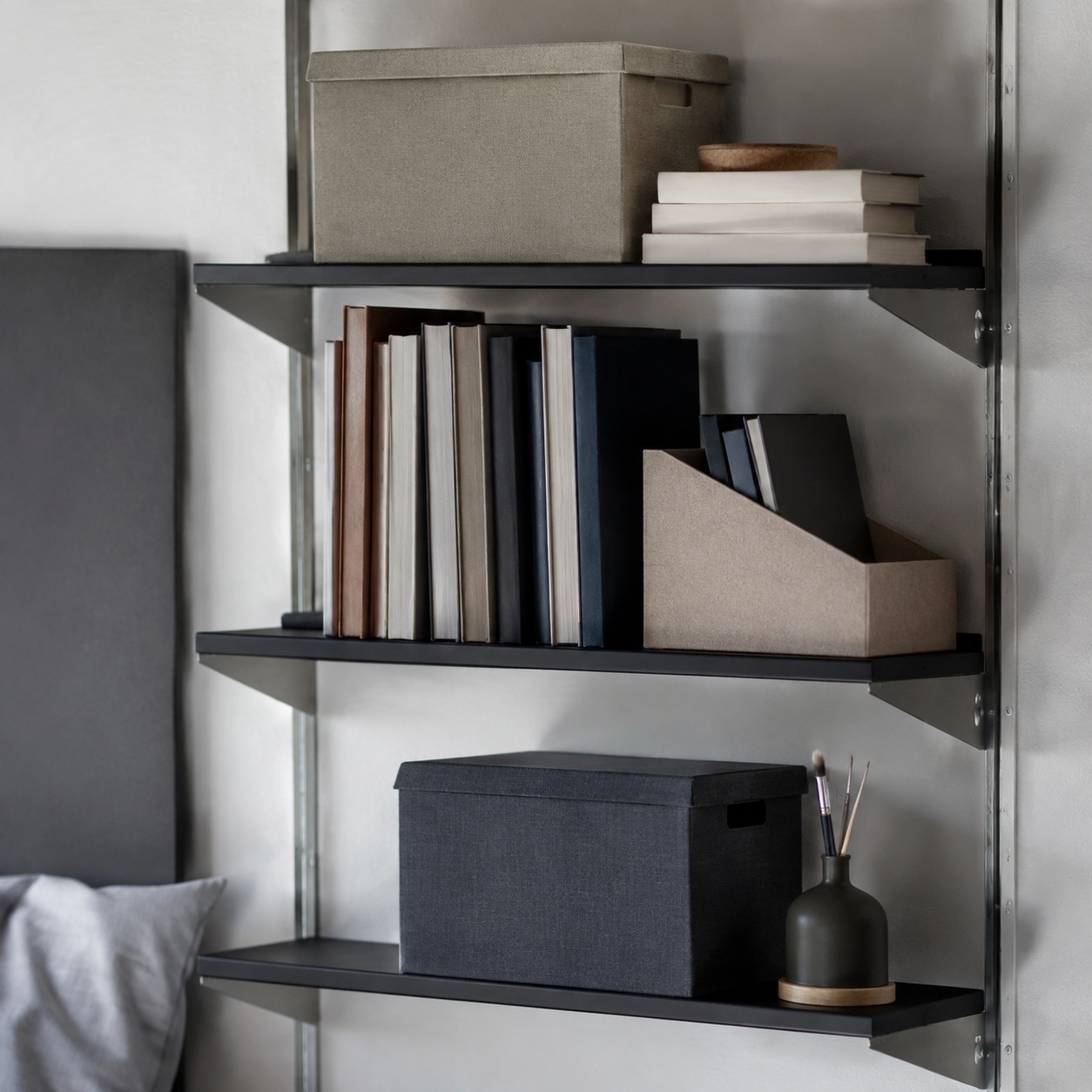
Visual clutter, color restraint, and open walking paths
A restrained color palette does quiet work in a small room — too many competing colors or patterns make a space feel busier and smaller than it actually is. Keep a clear walking path from door to desk to bed; a room where you have to step over or around things to get anywhere always feels more cramped than its actual square footage would suggest, regardless of how the walls are decorated.
Plan Shared Apartment Areas Without Creating Traffic Jams
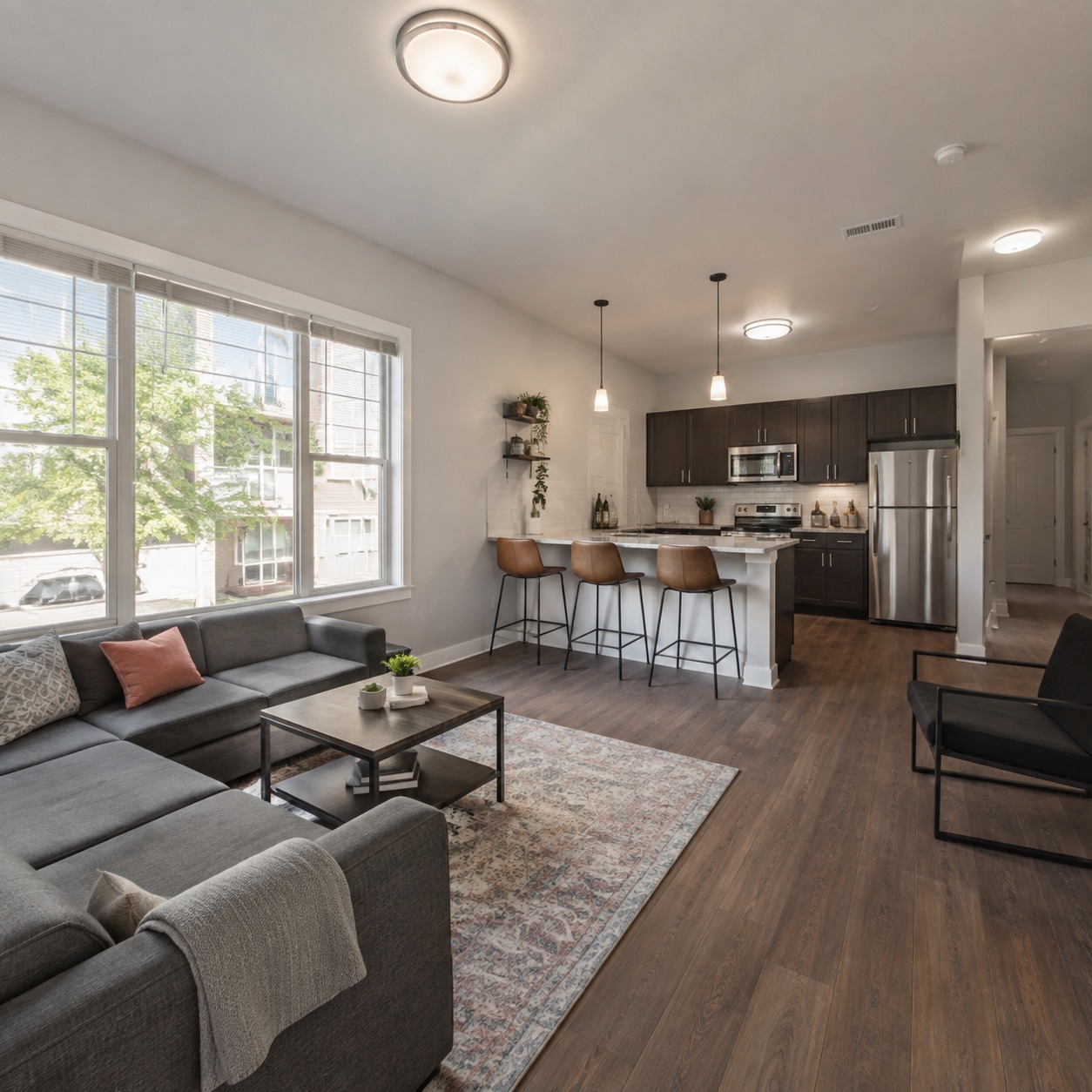
If you’re in off-campus housing with roommates, the shared spaces need their own layout logic — one built around multiple schedules colliding in the same kitchen and living room, often at the worst possible times.
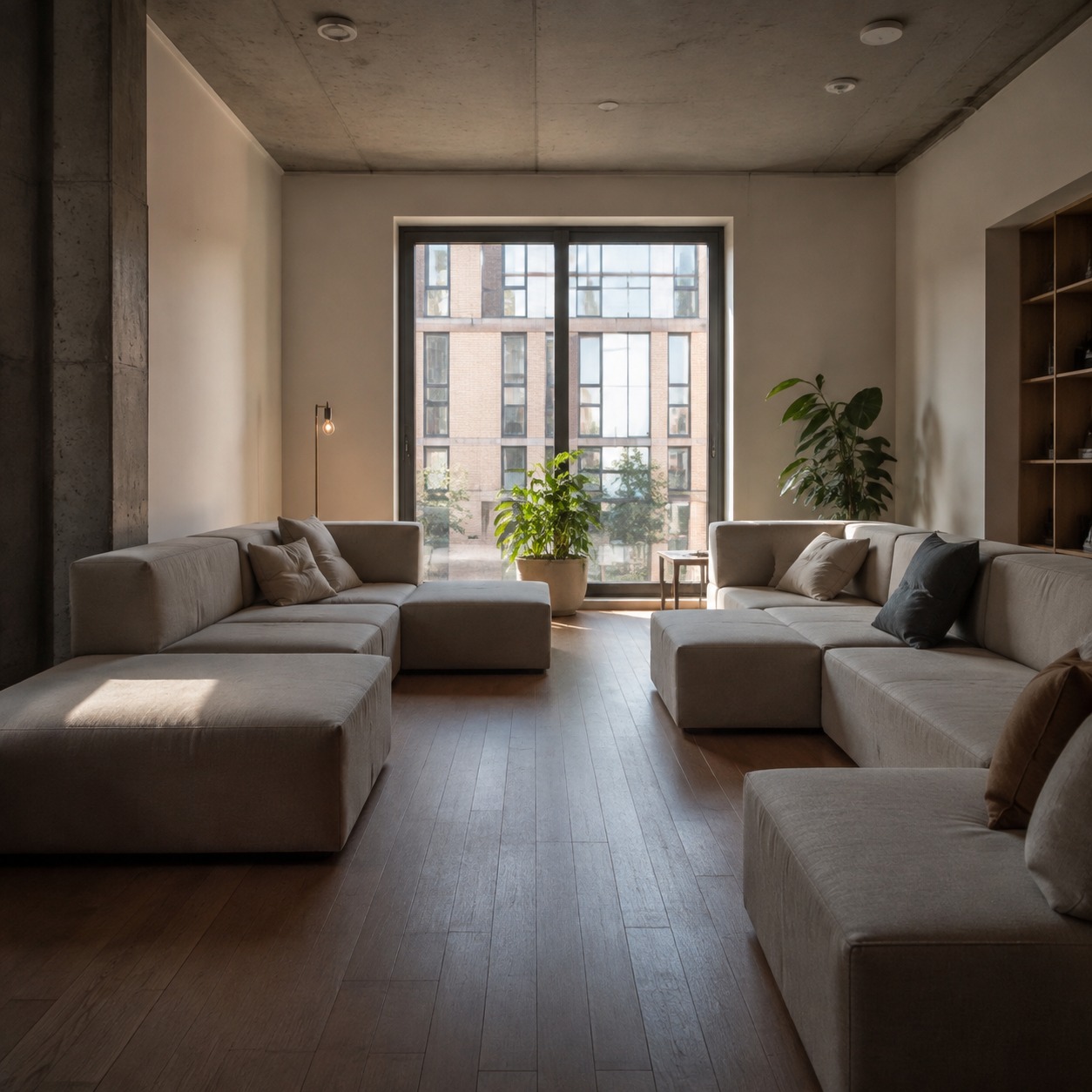
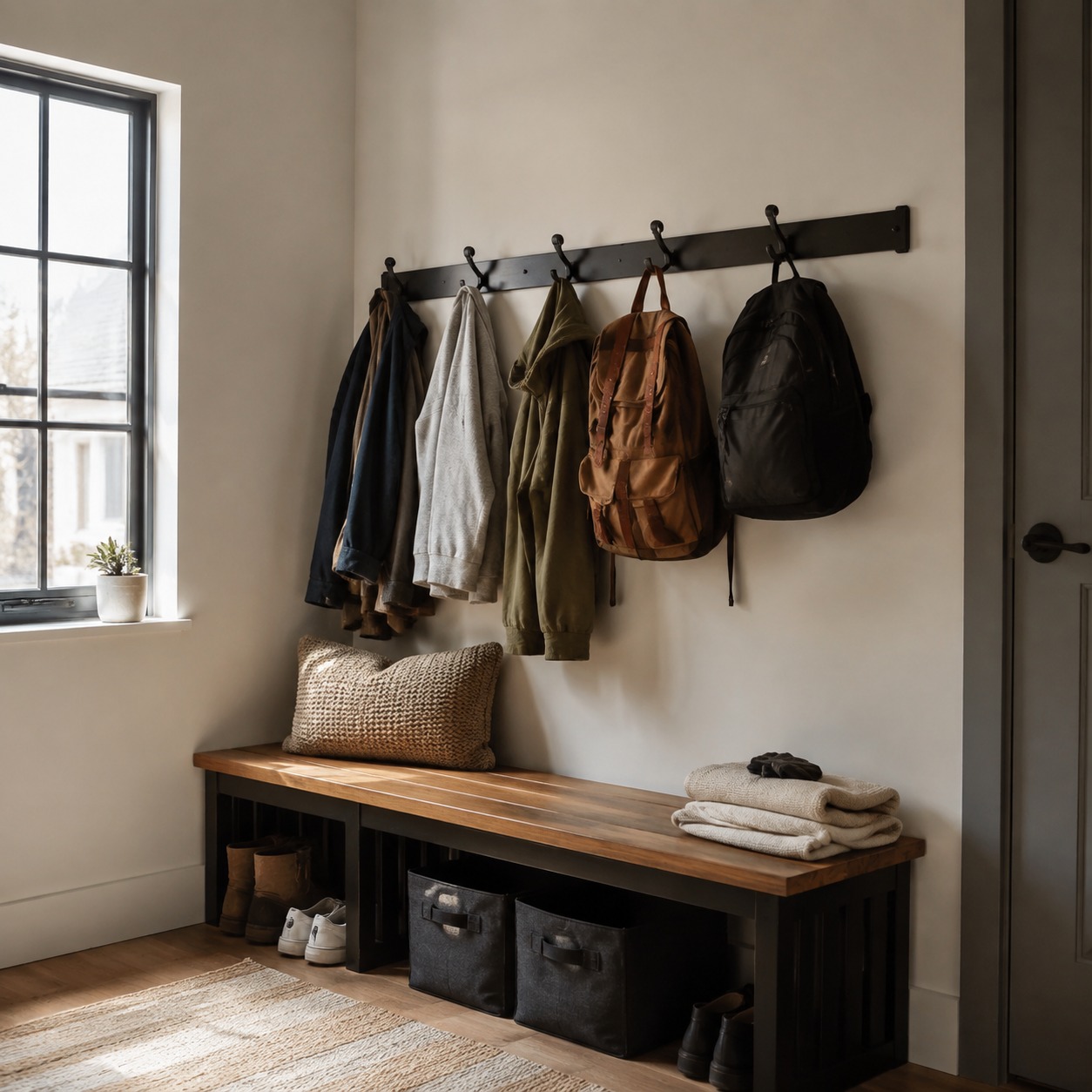
Entry drop zones for shoes, bags, coats, and sports gear
A dedicated drop zone right at the entry — a bench with hooks above it, or even just a labeled bin — stops the classic pileup of shoes and bags blocking the doorway during a morning rush. This is a small investment of space that pays off every single day, especially in a household with more than two people cycling through the same door on different schedules.
Modular seating and labeled kitchen storage
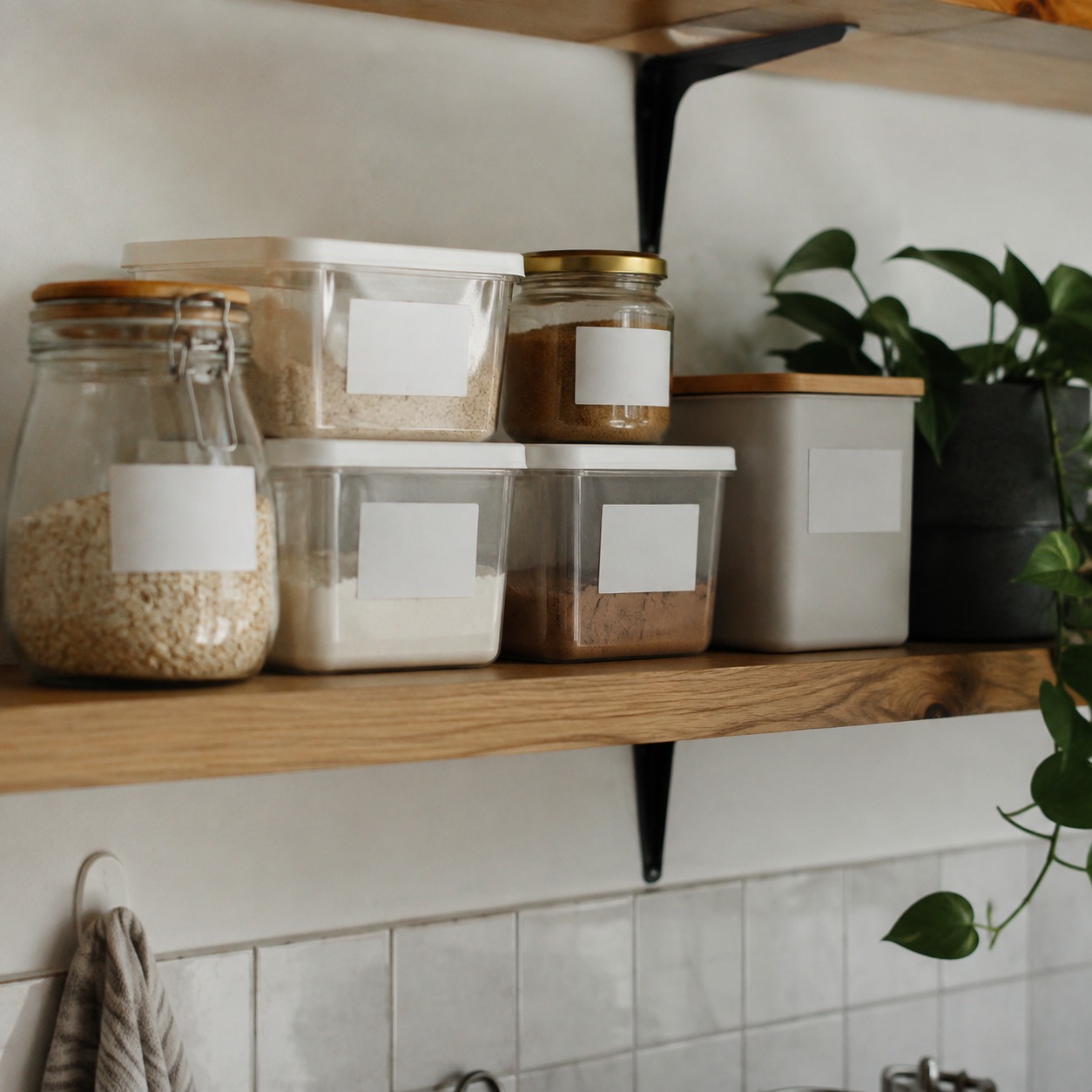
Modular or floating seating arrangements let a shared living room flex between “everyone’s home and hanging out” and “one person needs quiet space,” without requiring furniture to be dragged around the room. Labeled shelves in a shared kitchen — even simple painter’s tape and a marker — cut down on the low-level friction of whose food is whose, which matters more over a full semester than it sounds like it would in week one. If you’re setting up a full off-campus unit rather than a single dorm room, our guides on first apartment decorating and living in micro-apartments cover shared-space planning in more depth, and our small apartment design ideas piece is a good next stop for zoning a full unit rather than a single room.
Layout Mistakes That Make Student Rooms Feel Smaller
A few patterns show up constantly in rooms that feel more cramped than their actual dimensions justify. Pushing every piece of furniture against the walls and leaving the center of the room as unused dead space is one of the most common — it feels intuitive, but it often creates more awkward, unusable gaps than it saves. Skipping vertical storage in favor of floor-level bins is another; floor space is the most valuable real estate in a small room, and giving it up to storage that could just as easily live on a wall is a costly trade. And treating the desk as a catch-all surface for everything that doesn’t have another home — mail, laundry, random supplies — undermines the entire point of having a dedicated study zone in the first place.
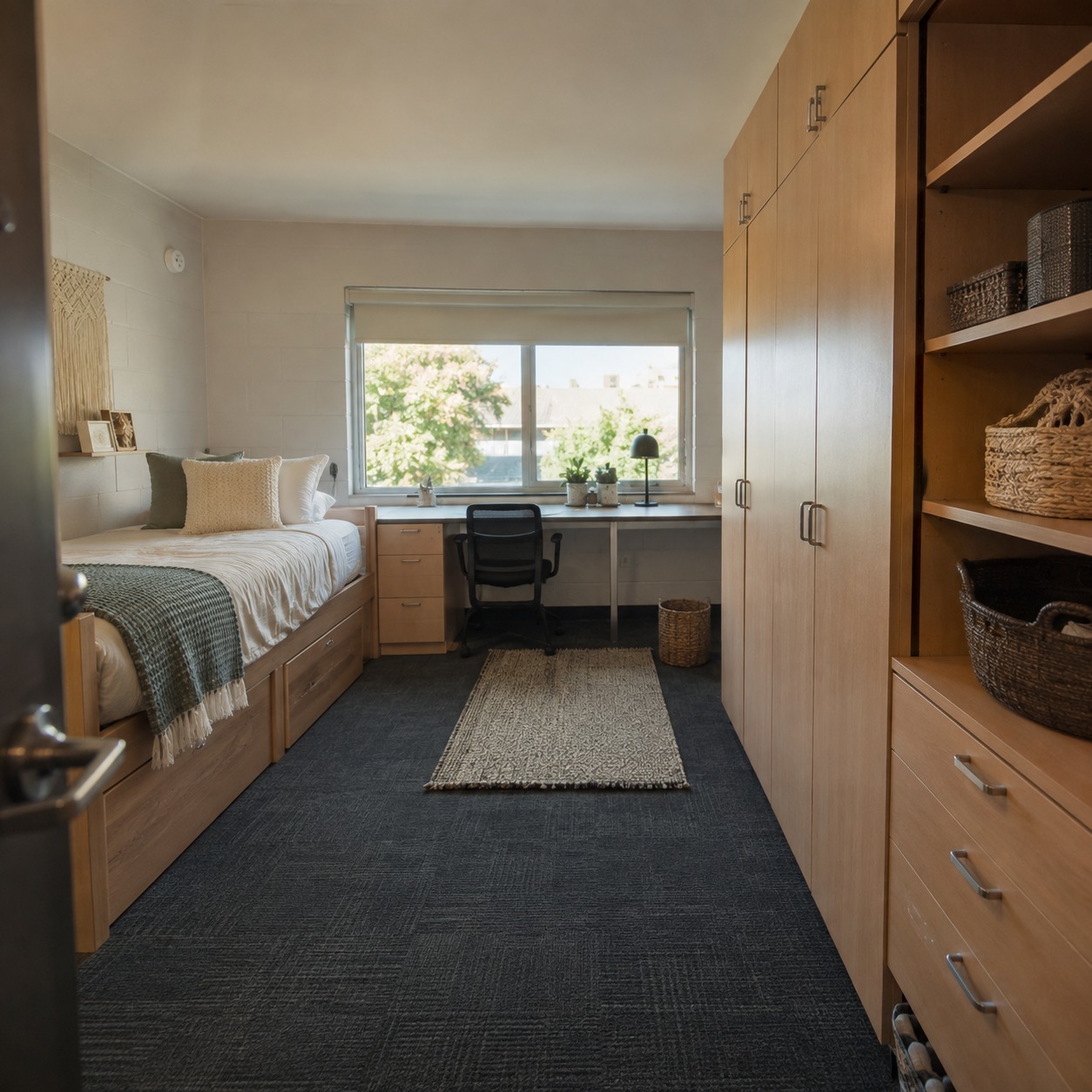
Most of these mistakes trace back to buying furniture and supplies before the layout is settled, which is also why packing lists tend to work better as a second step than a first one. Our dorm room essentials guide is worth pairing with this piece — figure out the zones first, then shop for what actually fills them.
FAQ
Q: How do I separate my bed and desk in a small dorm room without a divider?
A: Use a piece of furniture that already needs to be in the room — a bookshelf, tall dresser, or storage ottoman — as a soft boundary between the two zones. Even a rug placed only under the desk area helps signal the transition without adding bulk.
Q: What’s the best way to store items in a dorm room without cluttering the floor?
A: Prioritize vertical shelving and under-bed storage before anything freestanding. Wall hooks near the door for coats, bags, and gear also keep those items from ending up on chairs or the floor.
Q: Where should I put my desk for the best light and focus?
A: Position it perpendicular to a window rather than directly facing it, so you get natural light without glare on your screen. Pair that with a warm adjustable desk lamp for evening study sessions.
Q: How do roommates avoid traffic jams in shared spaces?
A: A dedicated entry drop zone for shoes and bags, modular seating that can flex around different schedules, and clearly labeled shared storage all reduce the daily friction of multiple people moving through the same space.
Q: What layout mistakes make small rooms feel even smaller?
A: Pushing all furniture to the walls and leaving the center empty, skipping vertical storage in favor of floor bins, and letting the desk become a catch-all surface are the three most common issues.
- 22shares
- Facebook0
- Pinterest22
- Twitter0
- Reddit0