Most prom dress guides start with a shopping list — sizes, budgets, where to buy. That skips the actual decision, which is a design decision: what shape, what color, and what fabric are going to move the way you want to move on the one night this dress actually matters. Get that reasoning right and the dress does the work. Get it wrong and no amount of accessorizing fixes it afterward.
Why Prom Dress Style Matters
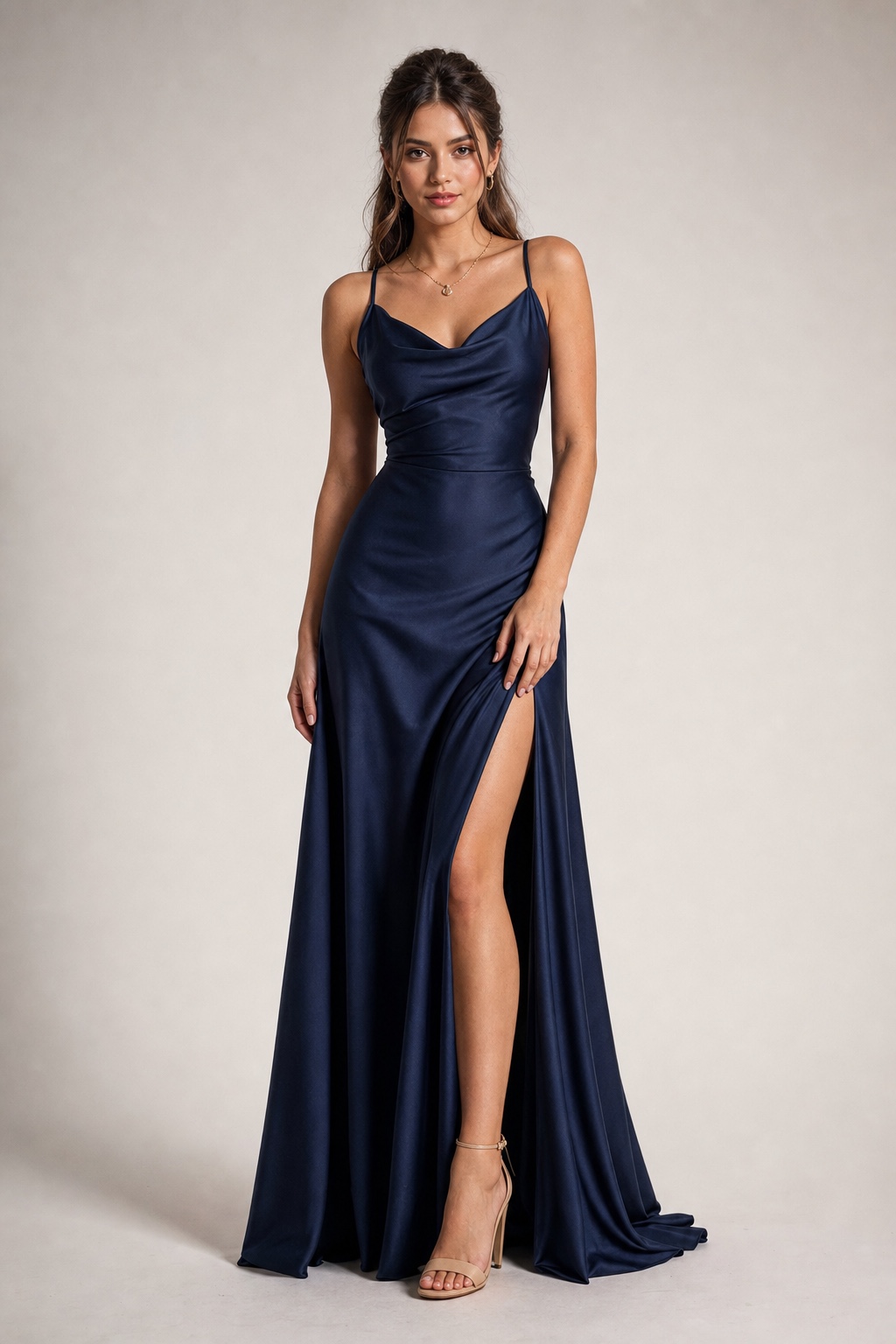
A prom dress isn’t one purchase — it’s a composition of four separate decisions that all have to agree with each other: shape, color, fabric, and how the whole thing moves when you actually walk in it. Treat it as “buy a dress” and you end up picking whatever looks good on a hanger. Treat it as building an image — the way a stylist would approach any outfit meant to hold up under photos, dancing, and several hours of standing around talking to people — and the choices actually connect to each other.
This matters more for prom specifically than for almost any other formal occasion, because prom photos get looked at for years and the dress gets worn for a genuinely long stretch of continuous hours, through sitting, dancing, and a dozen group photos. A dress chosen purely because it looked striking in a single still photo online can behave completely differently once it’s actually being worn.
I think about this the same way I’d think about any object meant to be seen from multiple angles under changing light — a car body, a piece of jewelry, a facade. A single hero shot tells you almost nothing about how something holds up in real conditions. Prom is a night of changing conditions: bright arrival photos, dim ballroom lighting, motion on the dance floor, close-up phone photos from friends. A dress that only works in one of those conditions is a dress that only half works.
This guide walks through those four decisions in the order they actually need to happen — color first, then silhouette, then fabric, then the accessories that support everything else — rather than the order most shopping experiences present them in, which is usually silhouette first and everything else as an afterthought.
Start With Prom Dress Colors
Color is the first decision, and it’s worth making before silhouette, not after — the same way a facade’s material palette gets decided before the exact window shapes get finalized. A color has to work with skin tone, with the venue’s lighting, and with whatever mood you’re actually going for, and those three things narrow the field considerably before you’ve looked at a single cut.
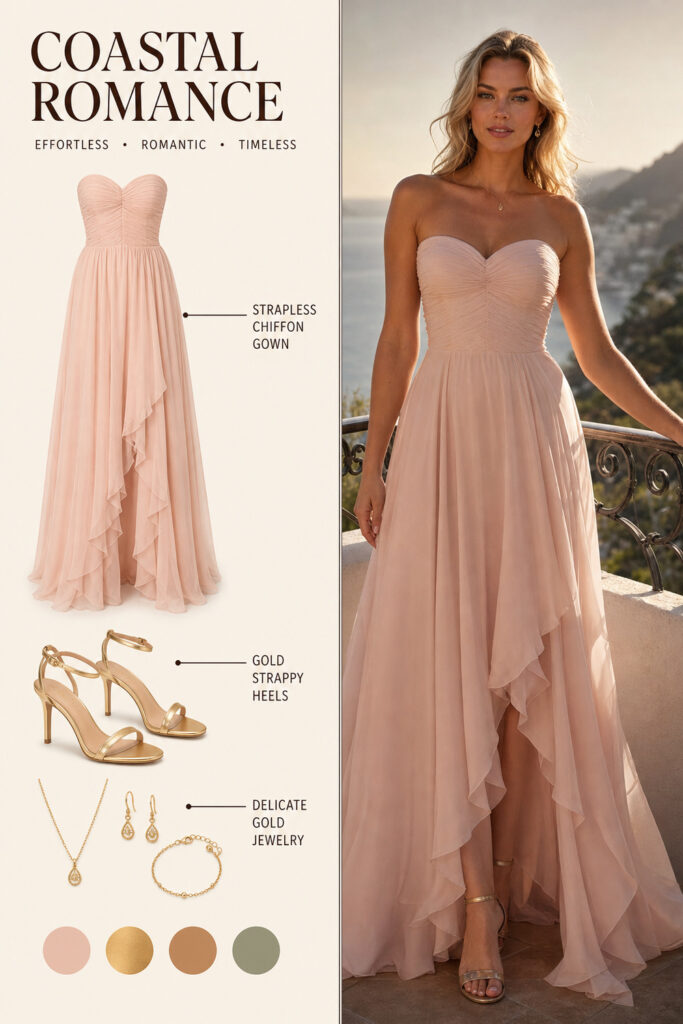
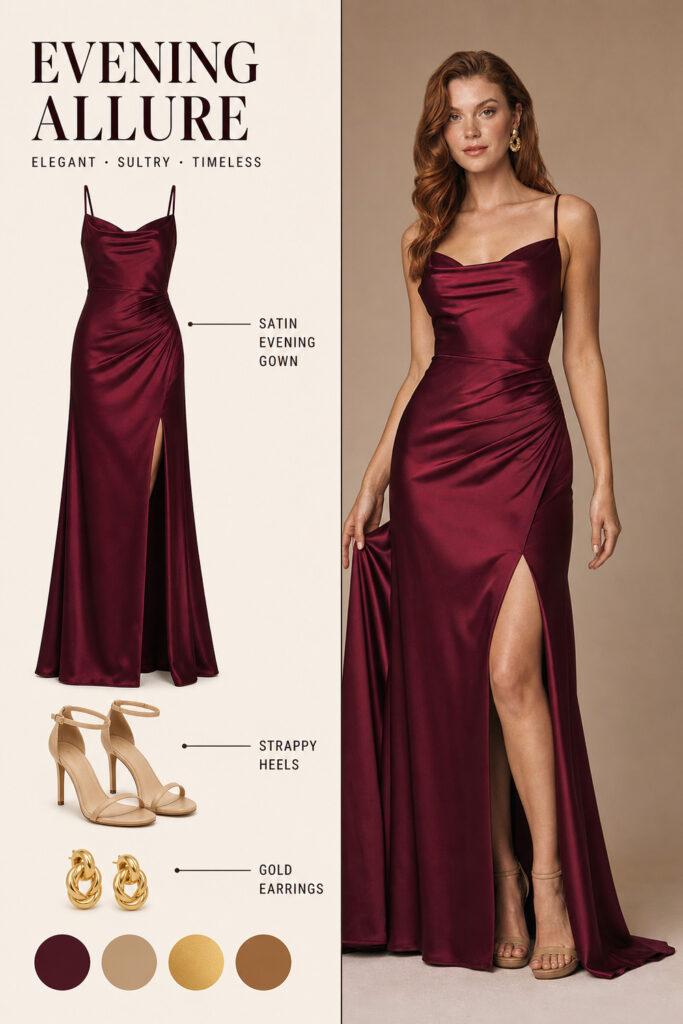
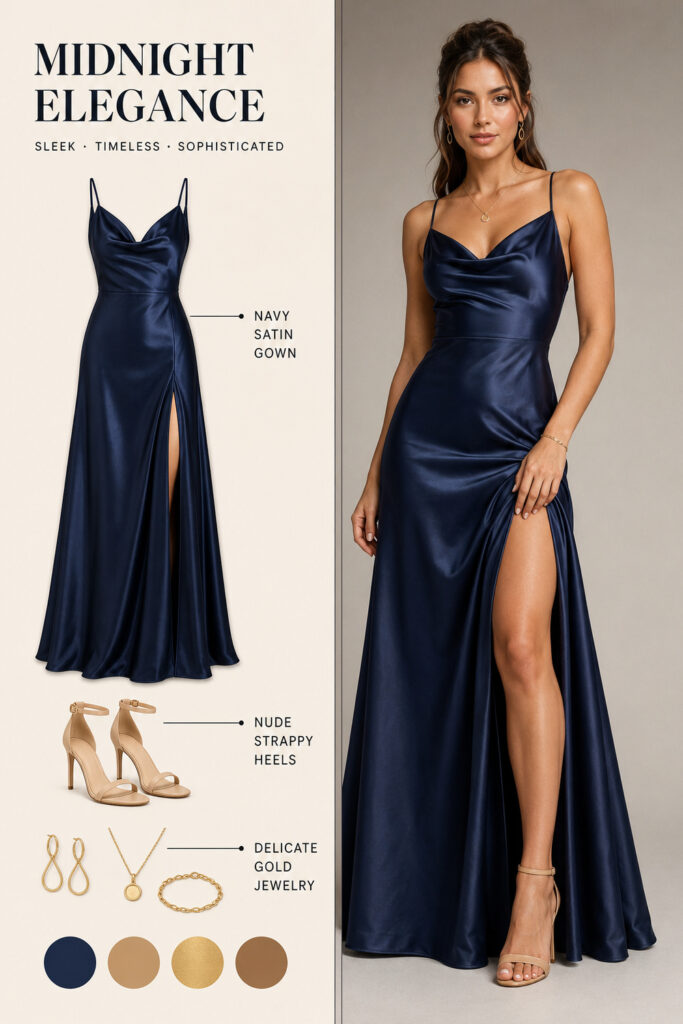
Jewel tones — emerald, sapphire, deep ruby — read as confident and rich under low venue lighting, which is exactly the lighting most proms actually happen in. They photograph beautifully in both daylight pre-prom photos and the darker ballroom shots later. Black remains the most reliable choice for anyone who wants the silhouette and fabric to do the talking rather than the color — it’s a legitimately different strategy than reaching for a bold hue, not a fallback option. Blush and dusty blue sit at the softer end of the spectrum, favoring a romantic, quieter mood over a dramatic one, and both photograph particularly well in natural light.
Lilac has become one of the more distinctive prom dress color ideas in the past couple of years precisely because it isn’t as oversaturated in prom photography as blush or classic pastels. Metallics — champagne, gunmetal, rose gold — carry real drama under any kind of dance-floor lighting, though they demand a bit more confidence and tend to photograph less predictably in daylight than the other options.
The honest test for any prom dress color: hold the fabric near your face in the kind of lighting you’ll actually be photographed in, not just daylight from a store window. Color that reads as flattering in one lighting condition can shift noticeably under another.
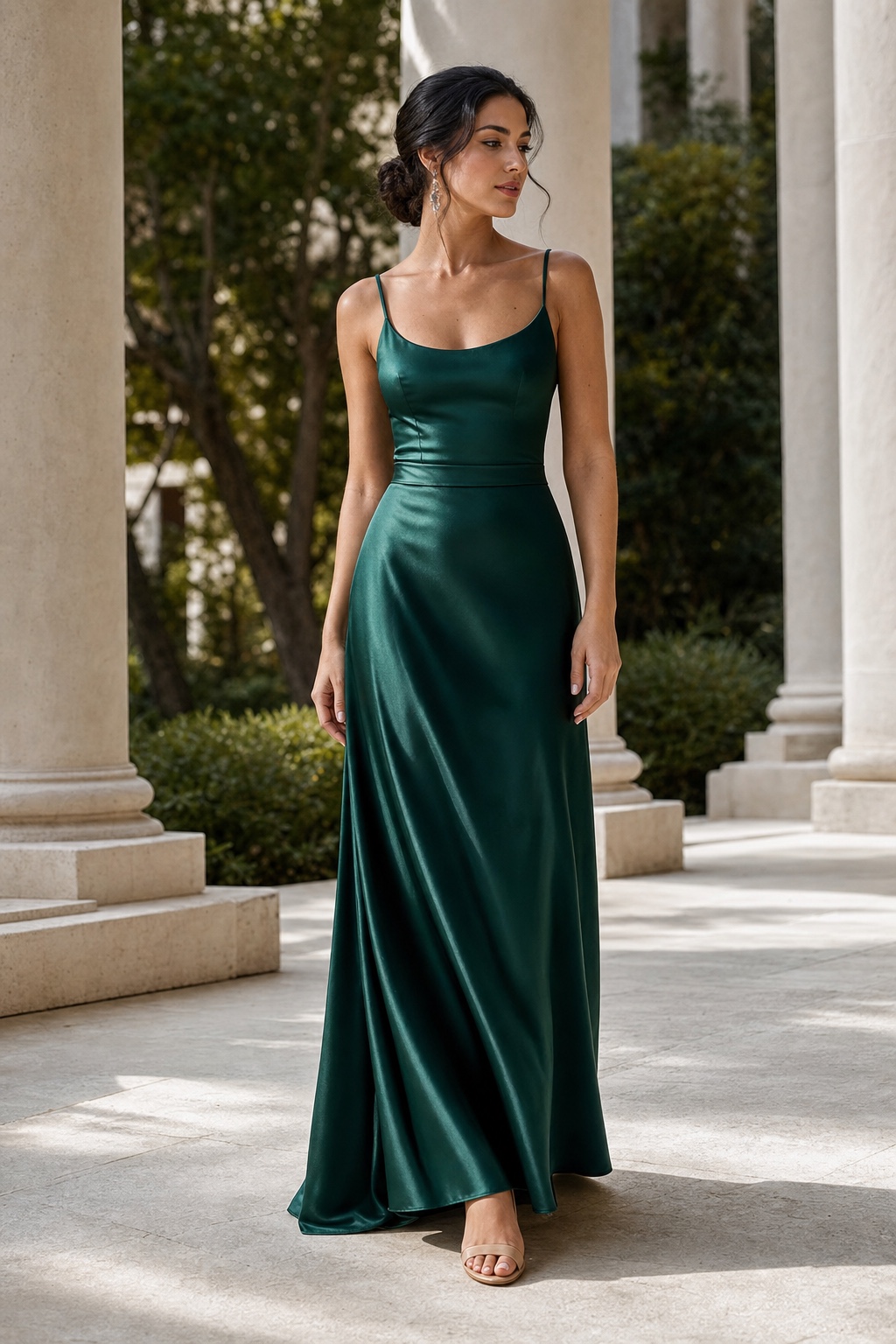
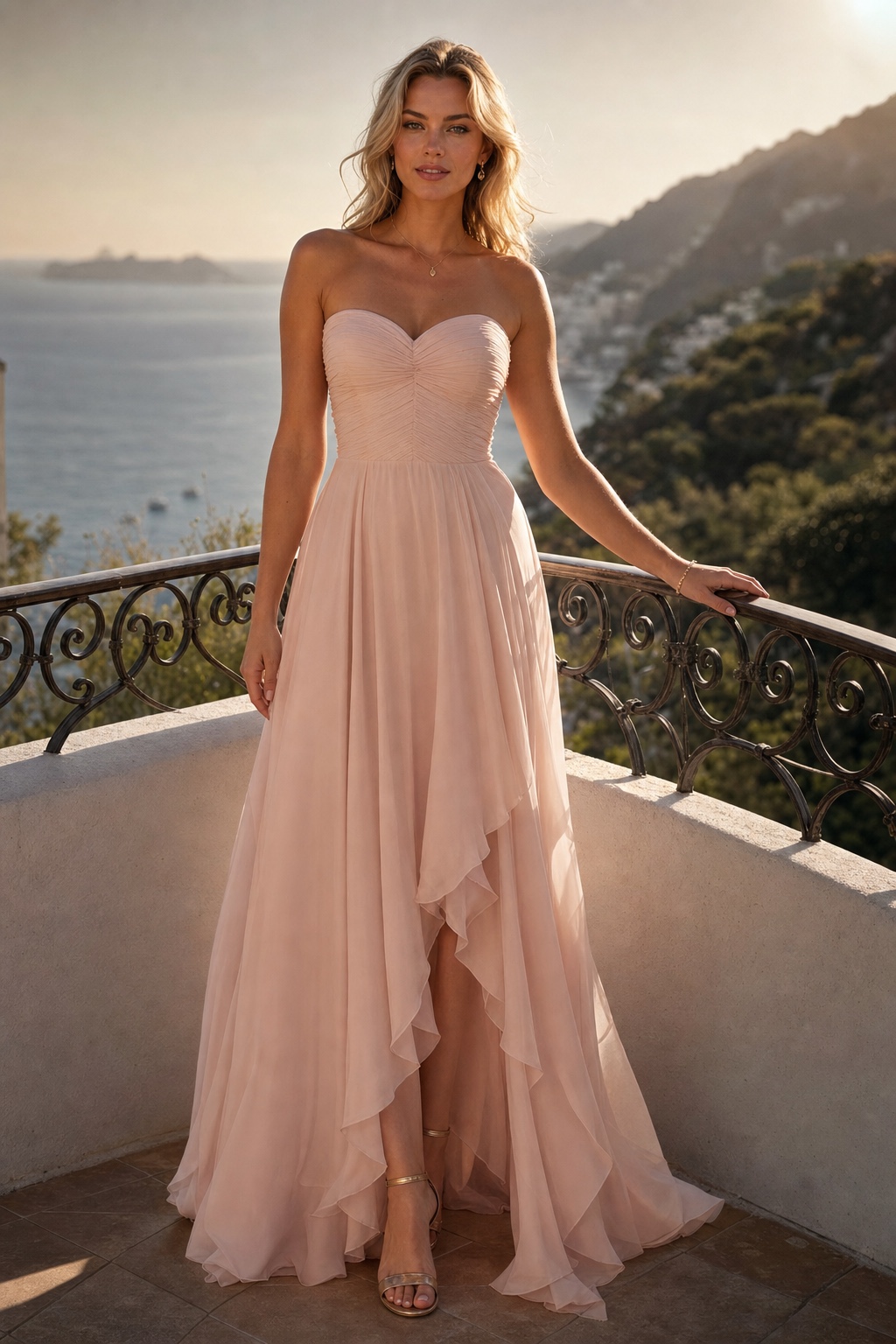
Choose the Right Prom Dress Silhouette
Silhouette decides how the dress relates to your body and how it moves once you’re actually in it — and this is where most people either get it exactly right or spend the whole night adjusting something.
It’s worth trying on more than one silhouette even if you’re confident about a favorite going in. A shape that looks right on a hanger doesn’t always translate once it’s actually on a body in motion, and the only reliable way to know is to sit down in it, walk a few steps, and raise your arms the way you would in a photo.
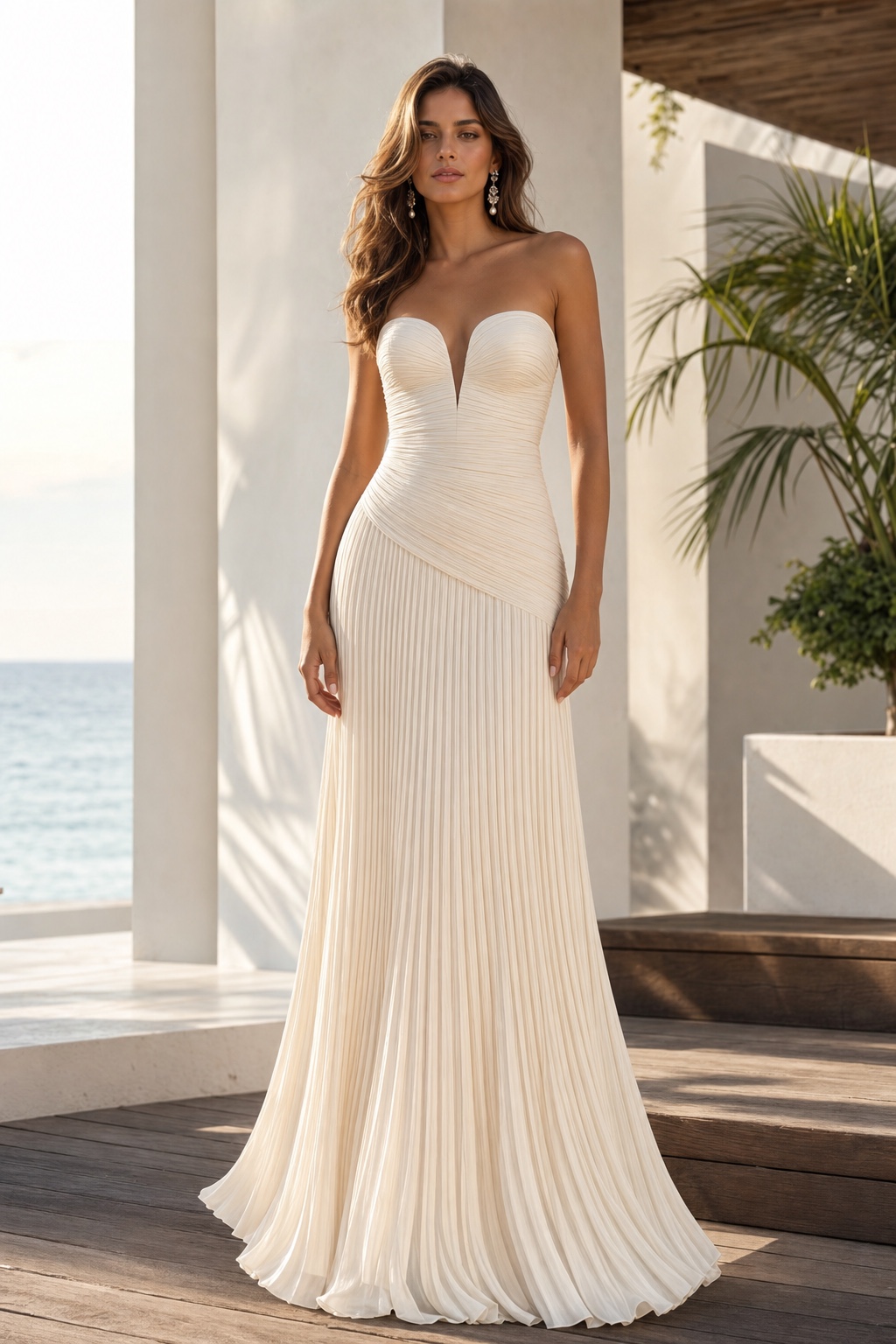
A-line prom dresses
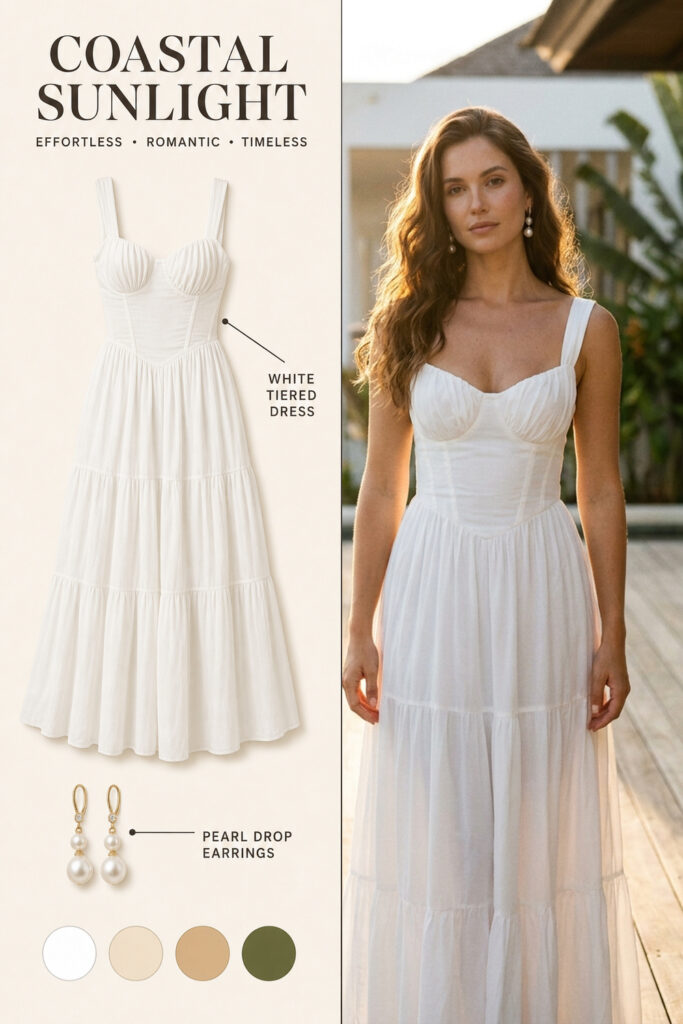
An A-line silhouette — fitted through the bodice, flaring gradually from the waist — is the most forgiving cut across body types, which is exactly why it’s remained a default choice for so long. It skims rather than clings, moves easily on a dance floor, and photographs well from nearly every angle because the flare naturally creates soft, flattering movement instead of requiring the wearer to hold a specific pose.
The versatility here comes from how little the A-line depends on posture. A mermaid cut needs the wearer to stand a certain way to look its best; an A-line looks composed whether you’re standing, sitting at a dinner table, or mid-step on a dance floor, which is part of why it remains the safest starting point for anyone unsure which silhouette suits them.
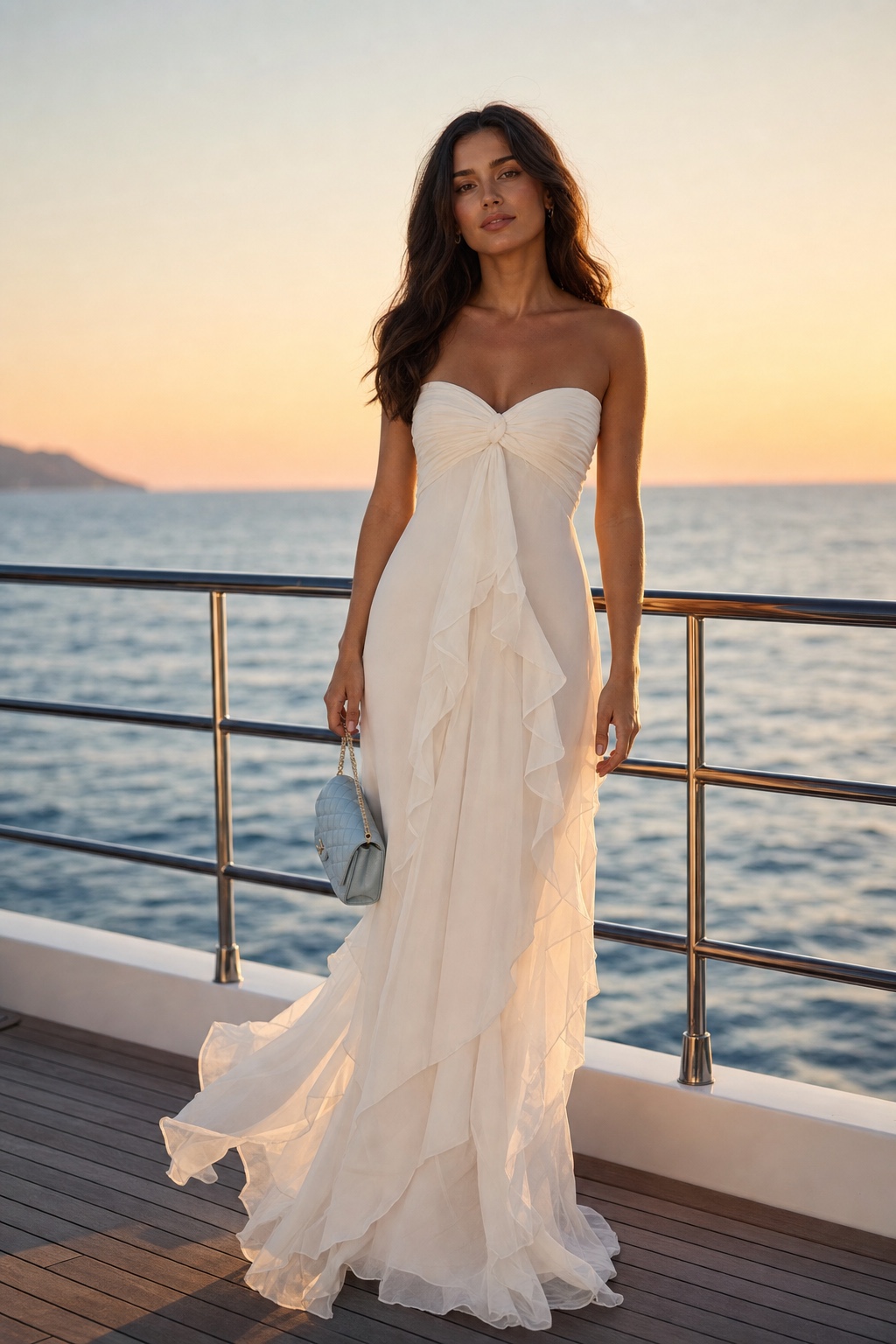
Mermaid and fishtail dresses
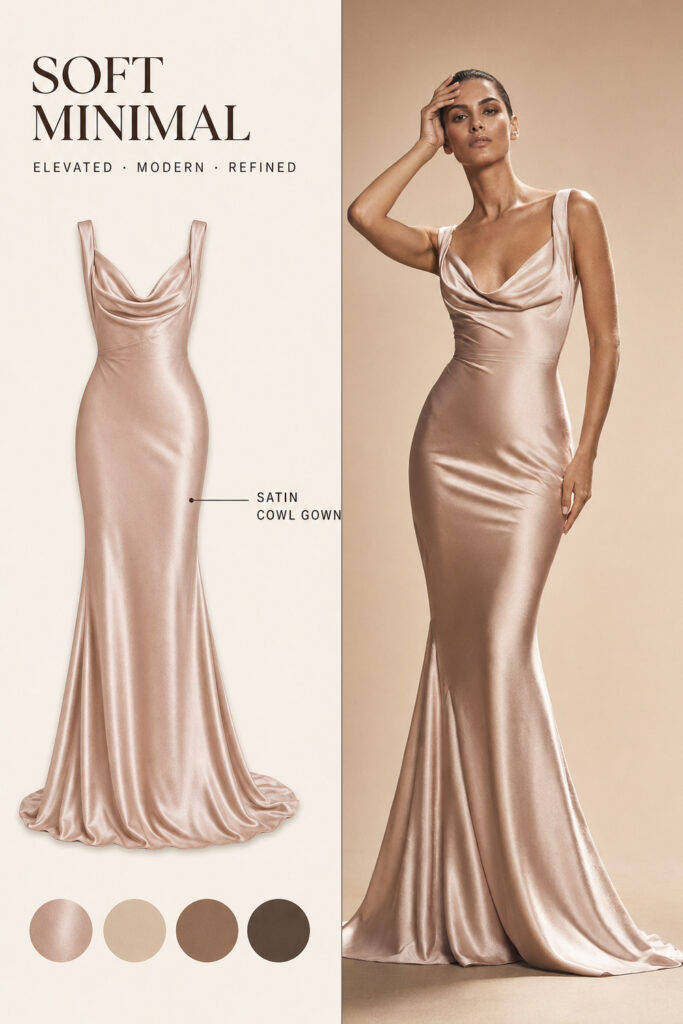
A mermaid or fishtail cut hugs the body from bust through knee or mid-calf before flaring out dramatically, and it’s the most demanding silhouette in terms of both fit and posture — a mermaid cut that isn’t tailored precisely to the body reads as ill-fitting almost immediately, in a way a looser silhouette forgives. Done well, it’s also the most striking option for a formal photo, since the dramatic flare creates a strong visual line that reads clearly even from a distance.
Movement is the real test for this silhouette. A mermaid cut restricts stride length more than any other option here, which matters practically if the venue involves stairs or a long walk to the dance floor. It’s worth being honest about how much you plan to actually dance versus pose for photos before committing to this level of fitted precision.
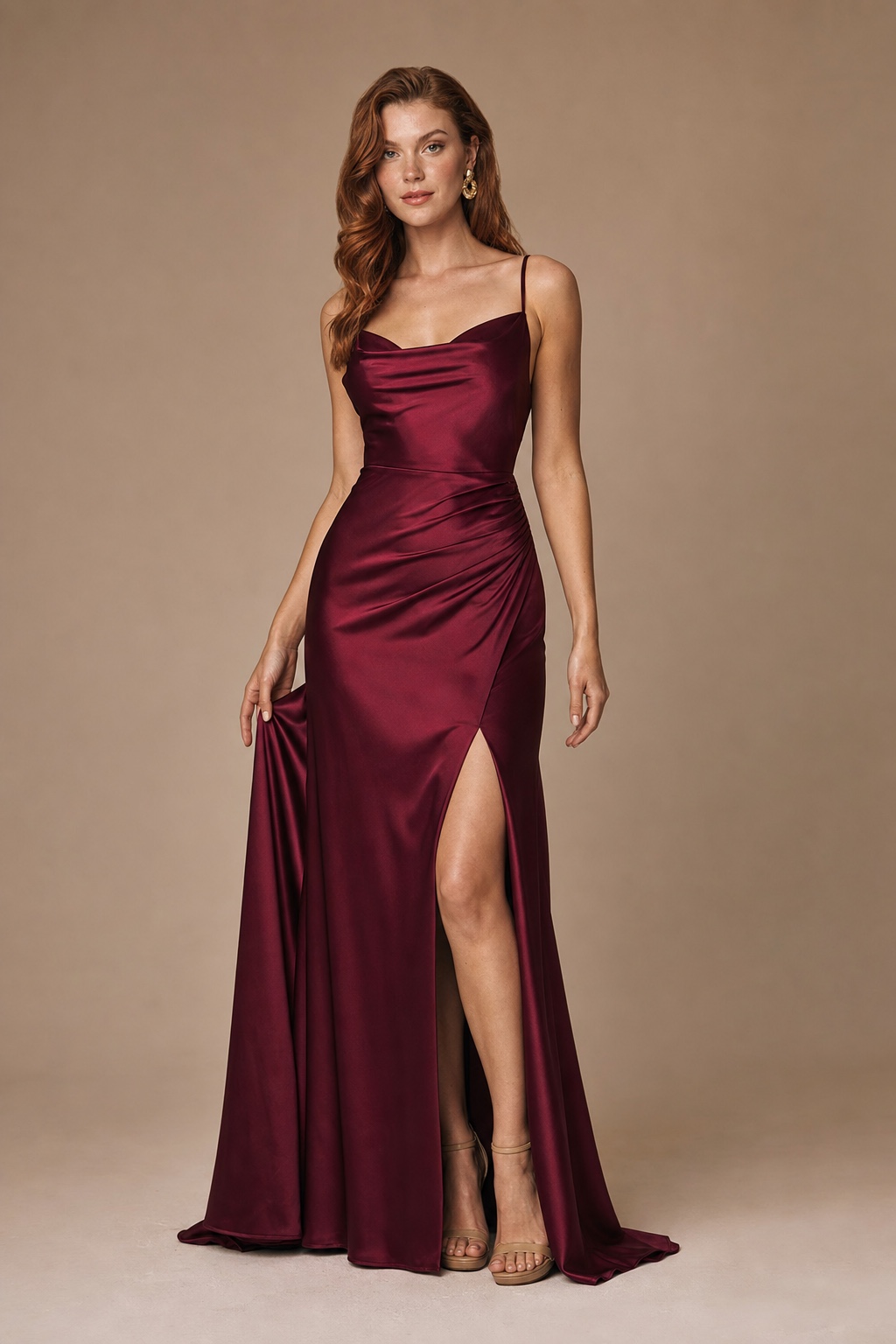
Ball gown prom dresses
A ball gown — fitted bodice, dramatically full skirt from the waist down — is the most traditionally “prom” of all the silhouettes, and it earns that reputation because the fullness genuinely transforms how a room reads you as you move through it. It’s also the least practical for tight venues or crowded dance floors, so it’s worth honestly considering the actual space before committing to this much volume.
Scale matters more here than with any other silhouette. A skirt sized correctly for the wearer’s height and the venue’s space reads as dramatic in a controlled way; one that’s genuinely oversized for the room becomes something to navigate around rather than something that reads as elegant. It’s worth checking the venue’s typical seating and dance floor layout before committing to the fullest versions of this silhouette.
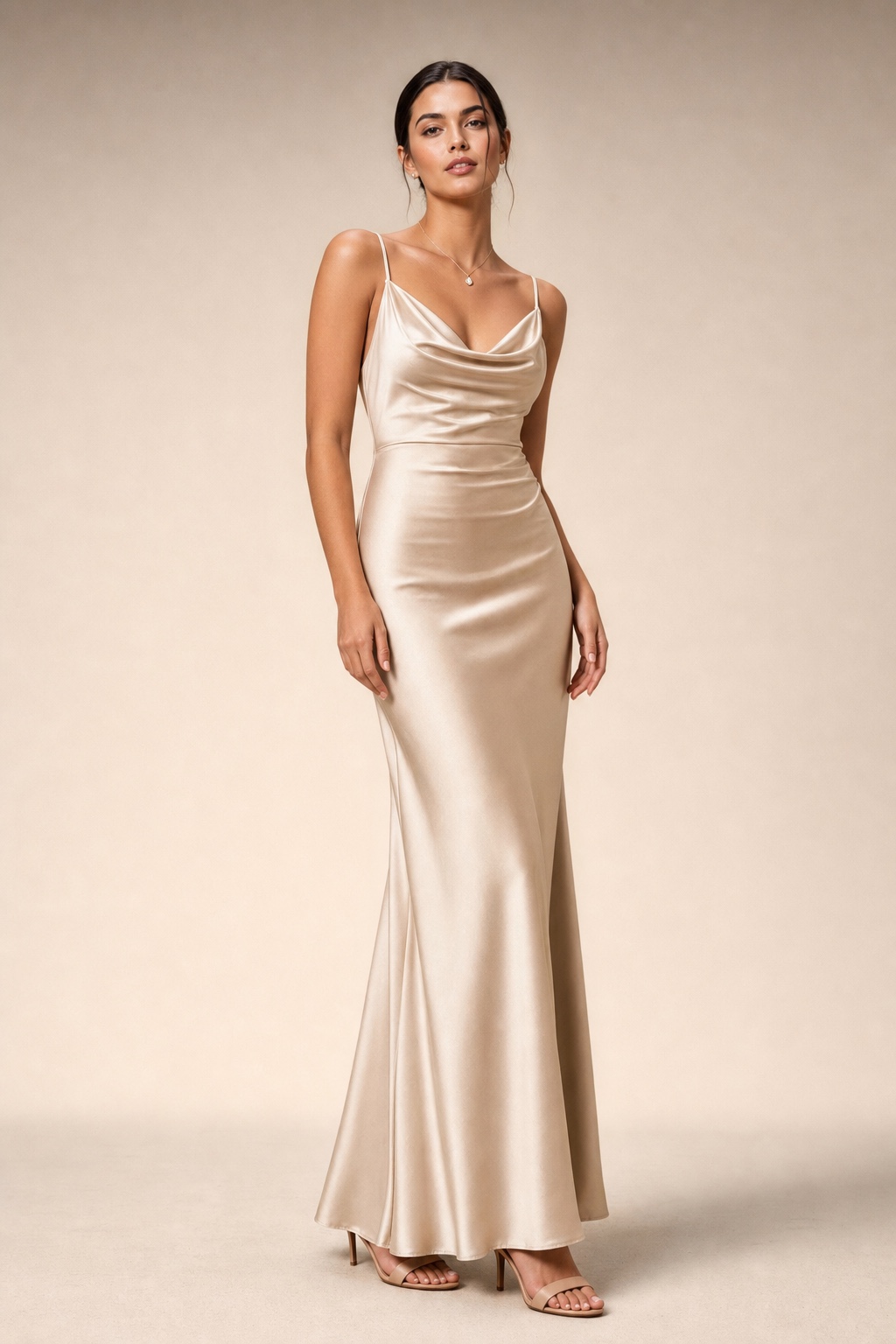
Fitted/bodycon prom dresses
A fitted or bodycon cut skips the flare entirely and follows the body’s line from top to bottom. It reads as modern and confident, works especially well in a shorter length, and depends more than any other silhouette on genuinely comfortable, well-chosen fabric — since there’s no drape or fullness to hide any tension or awkward movement in the material itself.
This is the silhouette most affected by fabric quality specifically because it has nowhere to hide a stiff or poorly cut piece of material. A bodycon dress in a fabric with real stretch and give will move with the body through a full night of sitting and dancing; the same cut in a rigid, non-stretch fabric can start to feel restrictive within an hour, regardless of how good it looked in the fitting room.
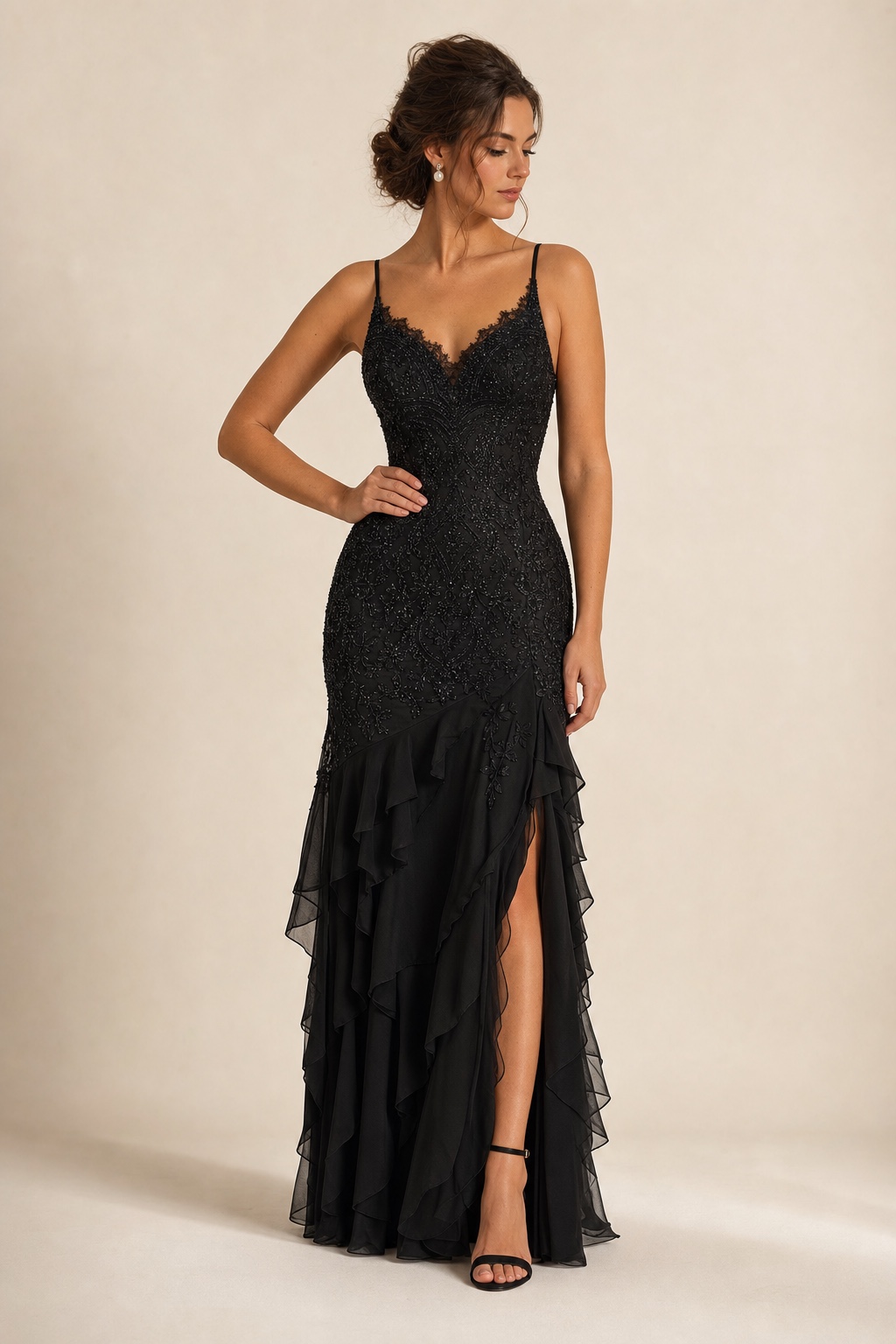
Maxi prom dresses
A maxi silhouette covers a wide range — anything full-length that isn’t a ball gown or mermaid cut, often with a straighter or subtly A-line drape. It tends to read as more understated and less overtly “prom,” which has made it a popular choice for anyone who wants a formal, elegant presence without the dramatic volume of a ball gown or the fitted precision of a mermaid cut.
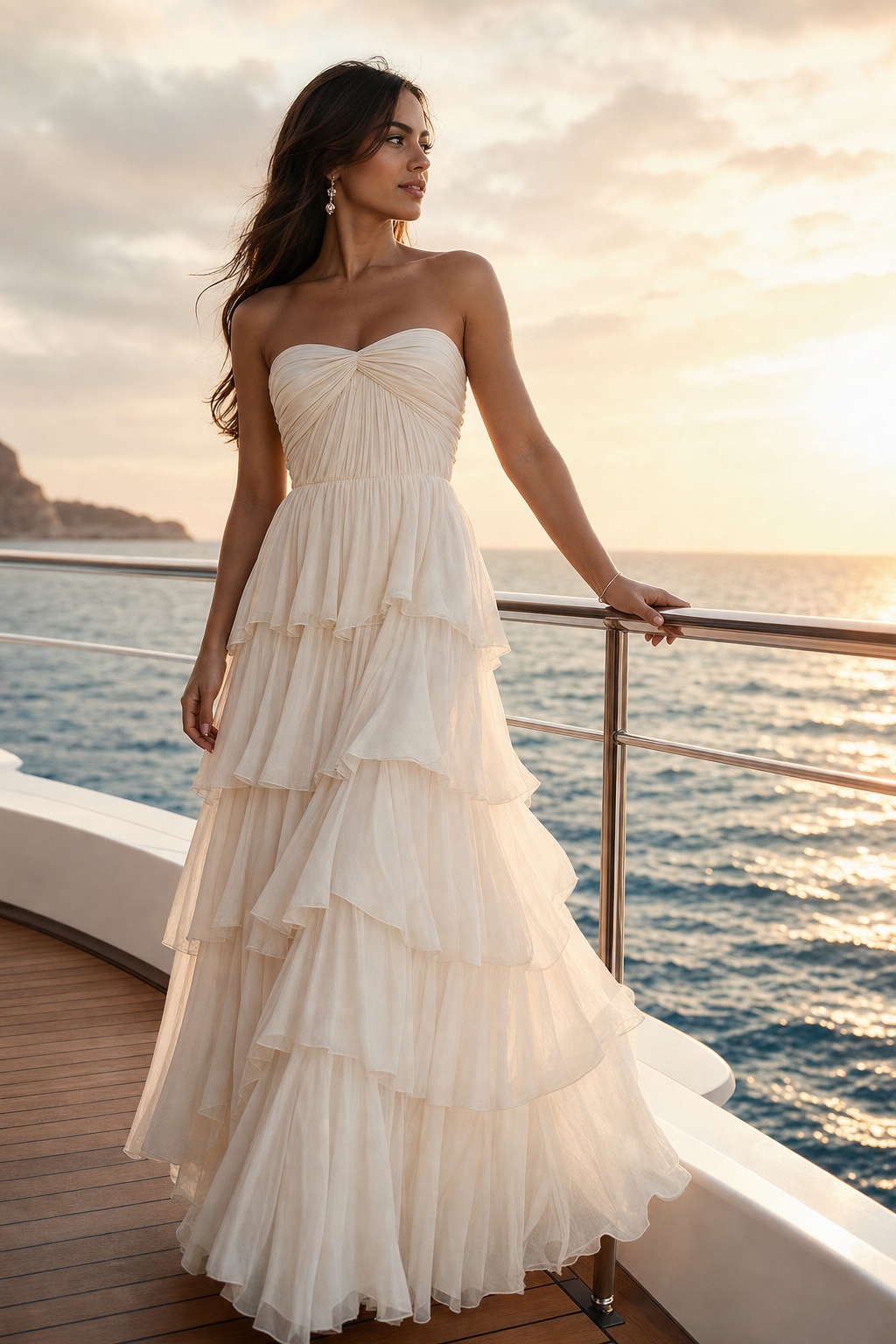
Whichever prom dress style you’re drawn to, the deciding factor should be how it actually behaves once you’re standing, sitting, and moving in it — not just how it reads in a single photo on a hanger or a model.
Think About Fabric, Movement and Comfort
Fabric is the detail that gets skipped most often, and it’s arguably doing more work than the silhouette itself. The same cut in two different fabrics can read as two completely different dresses once it’s actually being worn.
Chiffon is lightweight and flowing, which makes it forgiving on the dance floor and genuinely comfortable across a long night, but it also shows every seam and construction detail more honestly than a heavier fabric would — a chiffon dress needs to actually be well-made, because there’s nowhere for a construction shortcut to hide. Satin carries a natural sheen that photographs beautifully under both natural and venue lighting, and it holds a silhouette’s shape with more structure than chiffon does, which matters a great deal for a fitted or bodycon cut specifically. Duchess satin is a heavier, more structured version of standard satin, and it’s the fabric doing most of the work in a well-made ball gown — it’s what lets that dramatic skirt actually hold its shape through hours of movement instead of collapsing.
The design reasoning here is simple: fabric determines movement, and movement determines mood. A stiff, structured fabric reads as formal and composed even in a relatively simple silhouette. A soft, flowing fabric reads as romantic and easy even in a more dramatic cut. Matching the fabric’s actual behavior to the mood you’re going for matters as much as the color or the silhouette — arguably more, since it’s the one decision that shows up in how the dress feels rather than just how it looks in a photo.
It’s worth actually handling fabric in person before deciding, rather than judging purely from a product photo. A satin that looks identical to another satin in a listing photo can behave completely differently once it’s on a body in motion — some hold a crisp line, others soften and cling more than expected within the first hour of wear.
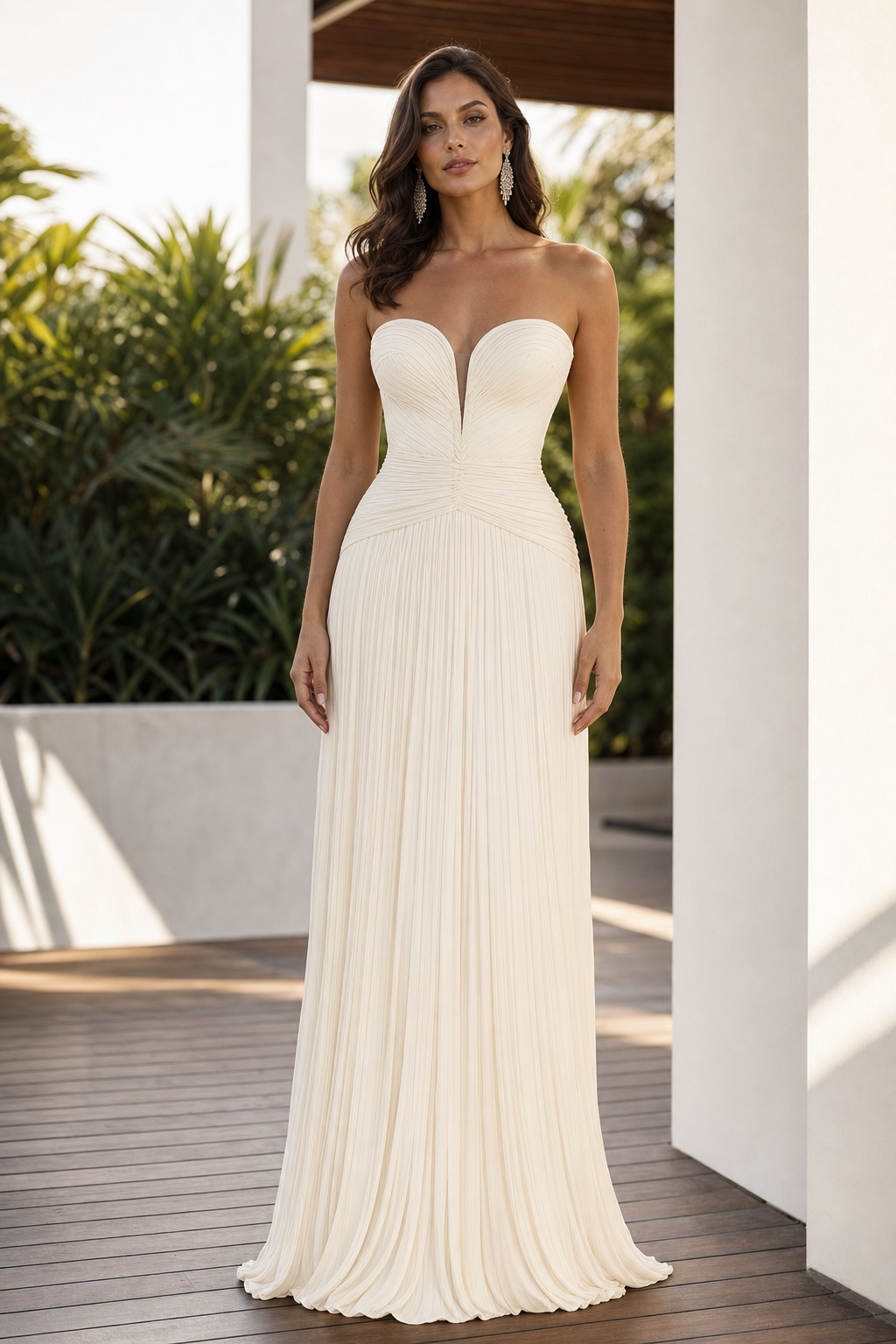
Match Accessories to the Dress
Accessories should support the dress’s existing decisions, not introduce new ones. A dress that’s already doing dramatic work — a bold jewel tone, a mermaid silhouette, heavy metallic fabric — needs restraint everywhere else: simple earrings, a clean clutch, heels that don’t compete for attention.
A quieter dress, in a softer color or simpler silhouette, has more room for one considered statement piece — a bolder pair of earrings, a more decorative clutch, a wrap or stole in a contrasting texture. The wrap or stole is worth planning for regardless of dress choice, both for practical warmth and because draping fabric adds a layer of movement and formality that a bare-shouldered dress alone doesn’t have.
Heels deserve the same restraint logic as jewelry. A dramatic silhouette paired with an equally dramatic shoe competes for attention rather than reading as a cohesive look — the eye doesn’t know where to land. A simpler heel, even a genuinely plain one, lets a bold dress stay the clear focal point, while a quieter dress can support a more architectural or decorative shoe without the two fighting each other.
The same logic that governs the dress governs the whole look: pick one element to carry the visual weight, and let everything else genuinely support it instead of competing with it. If you’re still deciding on the dress itself, it’s worth browsing prom dresses with this pairing logic already in mind — noting which colors and silhouettes naturally suggest a specific accessory direction before you’ve committed to anything.
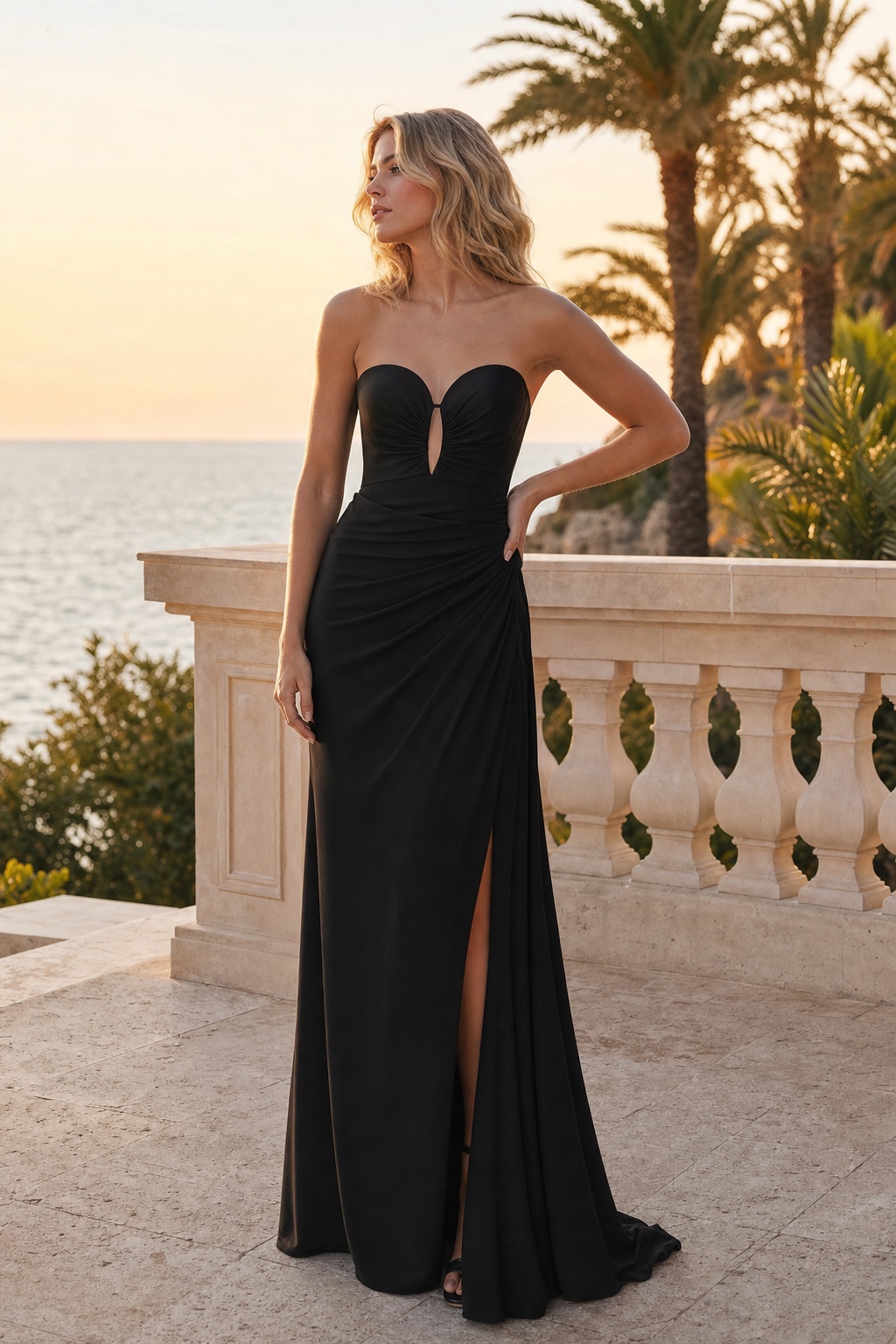
Prom Dress Trends 2026 Without Looking Overdone
Prom dress trends 2026 are leaning toward a quieter kind of statement than in past seasons — texture and cut doing more of the work than obvious embellishment. Sculptural draping, subtle structural detail at the shoulder or waist, and richer jewel tones are showing up more than heavy embellishment or all-over sequins.
The safest way to work a current trend into a prom dress choice is to treat it as a seasonal refresh on a silhouette you already know suits you, rather than chasing an unfamiliar cut purely because it’s current. A well-fitted A-line in this season’s color palette will hold up better, in photos and in comfort, than an unfamiliar silhouette picked only because it’s trending. Trends are a useful filter for narrowing color and fabric choices within a silhouette you already know works — not a reason to override the fit reasoning covered earlier.
The dresses that end up looking dated fastest in photos aren’t usually the boldest ones — they’re the ones where every trend of a given season got layered onto a single piece at once. One structural detail, one current color, one seasonal fabric choice reads as considered. All three stacked together starts to look like a mood board rather than a finished decision.
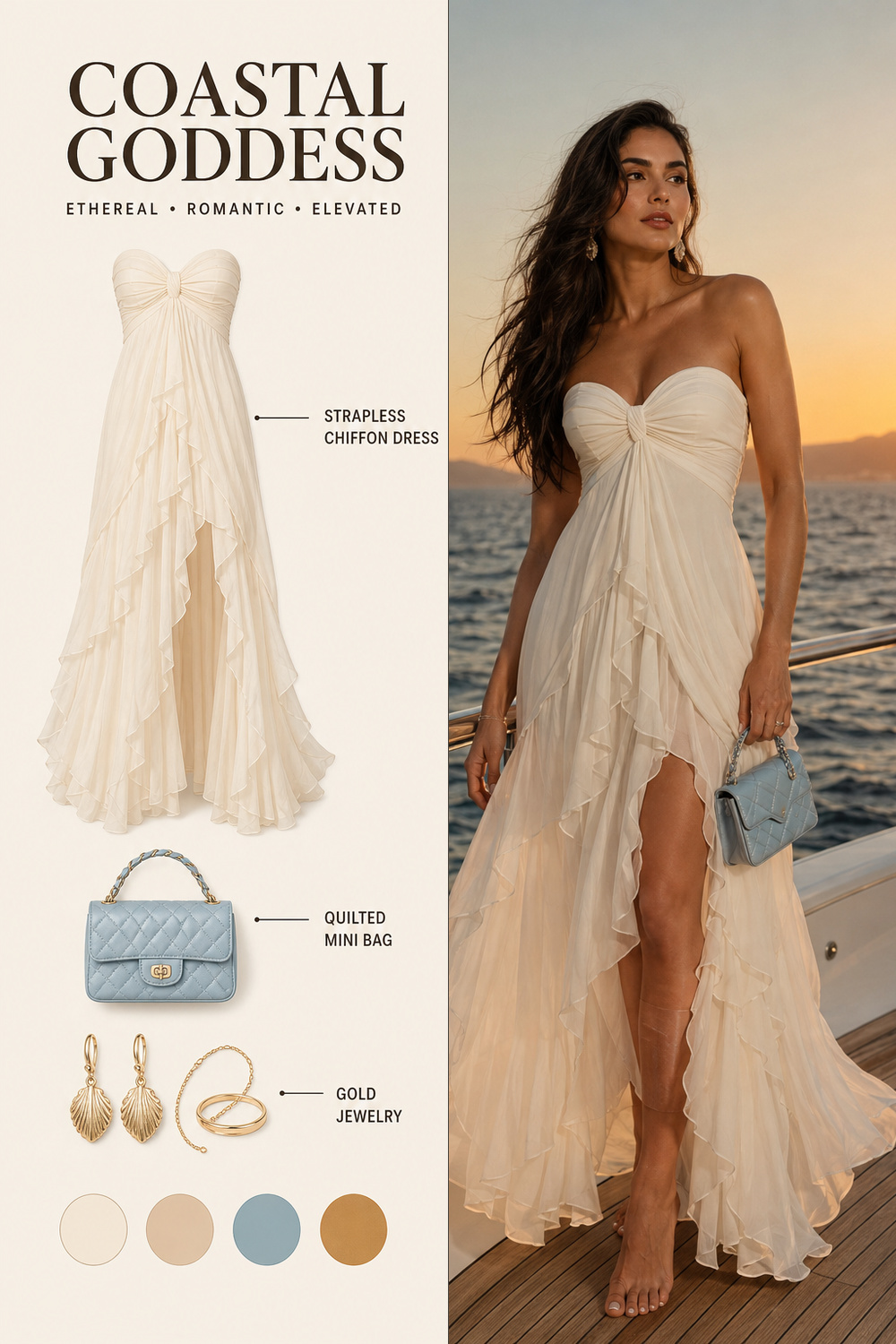
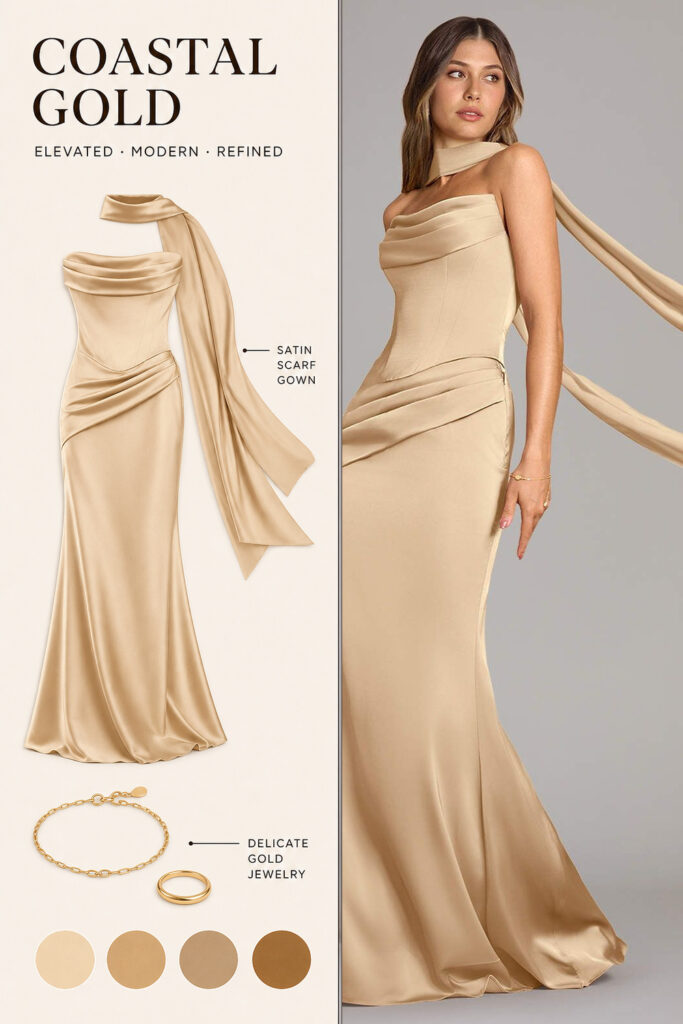
How to Rewear a Prom Dress After the Event
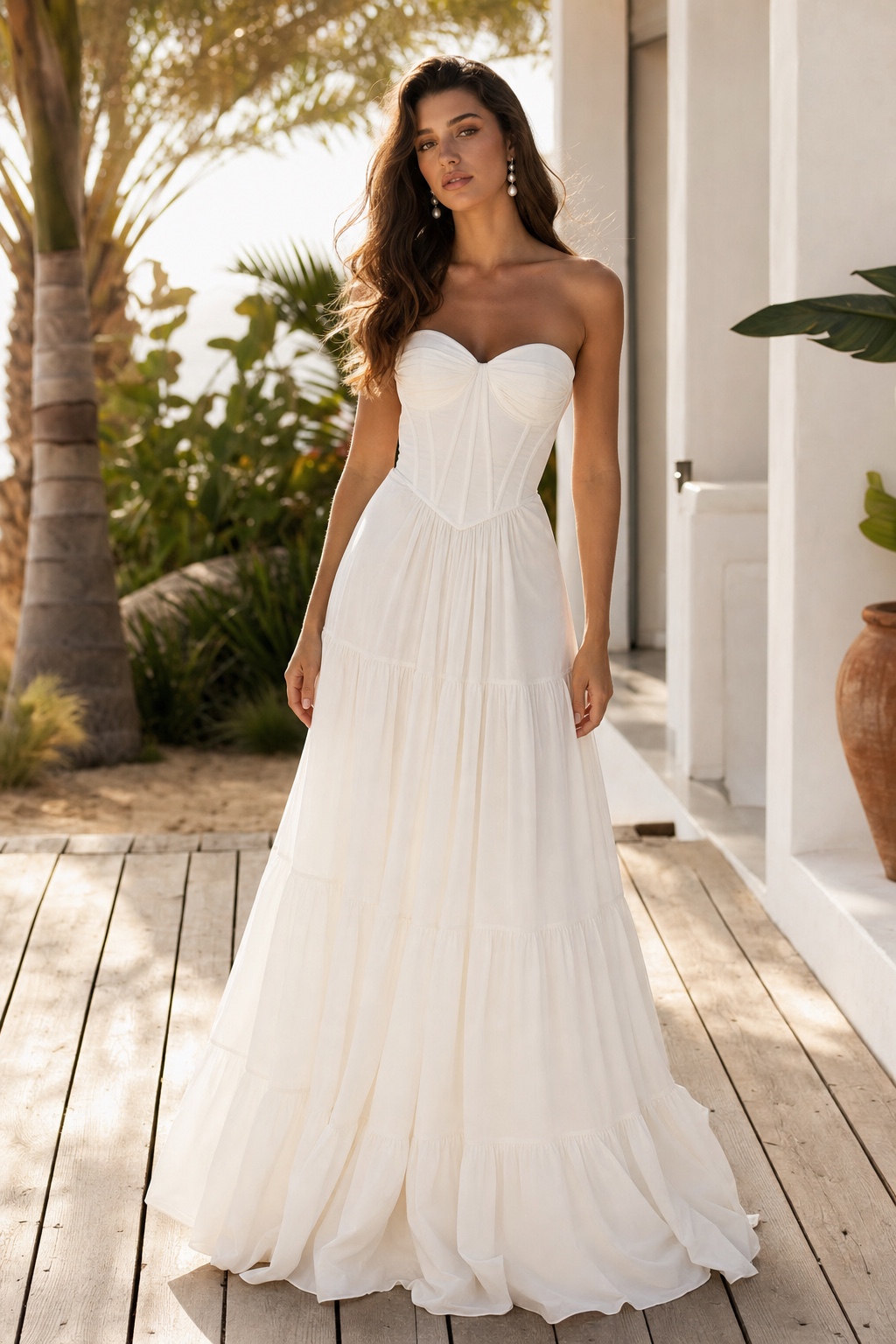
A well-chosen prom dress doesn’t have to be a single-night purchase, and thinking about its second life is worth doing before buying rather than after. A more restrained color and silhouette — a fitted midi in a jewel tone, a simpler A-line in black — has real potential as a formal dinner or wedding-guest dress later, especially with a different accessory pairing to shift the mood.
A dramatic ball gown or heavily embellished mermaid cut is less likely to get a genuine second wear, simply because those pieces read as occasion-specific in a way a quieter design doesn’t. If cost-per-wear matters to the decision, it’s worth weighing that upfront: a dress that can transition into a formal party or even a bridesmaid-adjacent event later justifies its cost differently than one that’s realistically a single-use piece. That’s less about compromise and more about choosing a design that has more than one good context to exist in.
Restyling for a second wear usually comes down to the same three levers covered throughout this guide: swap the accessories, adjust the mood through simpler or bolder jewelry, and let the dress’s existing color and silhouette carry the rest. A dress built on good fundamentals — the right color for your skin tone, a silhouette that actually moves well, fabric that holds its shape — doesn’t need much help finding a second occasion worth wearing it to.
FAQ
What styles of prom dresses are there?
The main prom dress silhouettes are A-line, mermaid/fishtail, ball gown, fitted/bodycon, and maxi. Each behaves differently in movement and fit — A-line is the most universally forgiving, mermaid is the most fit-dependent and dramatic, ball gowns offer the most volume and traditional formality, bodycon is the most fitted and modern, and maxi sits in between as a more understated full-length option.
What are the prom trends for 2026?
Prom dress trends 2026 favor texture and structural detail over heavy embellishment — sculptural draping, richer jewel tones, and subtle shoulder or waist detailing rather than all-over sequins or obvious statement pieces. The safest approach is applying these trends to a silhouette you already know suits you, rather than choosing an unfamiliar cut purely because it’s current.
What are the different formal dress silhouettes?
Beyond the prom-specific styles, formal dress silhouettes generally break down by how they relate to the body: fitted throughout (mermaid, bodycon), fitted through the bodice with a flared skirt (A-line, ball gown), and looser, draping cuts (maxi). The right one depends on both body preference and how much movement and structure you want from the fabric.
What color prom dress should I choose?
Start with how a color reads under the lighting you’ll actually be photographed in, not just daylight. Jewel tones and metallics read as bold and dramatic under venue lighting; blush, lilac, and dusty blue favor a softer, more romantic mood and photograph well in natural light; black remains a reliable choice when you want the silhouette and fabric to carry the look rather than the color itself.
- 323shares
- Facebook0
- Pinterest323
- Twitter0
- Reddit0