Outdoor Living Design: Complete Guide to Creating Functional Outdoor Spaces

Introduction

Outdoor living design transforms your backyard into purposeful, comfortable areas that function as true extensions of your home. This strategic approach to outdoor space planning has become essential for homeowners seeking to maximize their property while creating meaningful gathering spaces for family and friends.

This guide covers the complete scope of outdoor living design—from patio layout and outdoor kitchen planning to seating arrangements and landscaping integration. While we’ll touch on how features like a pool or fire pit integrate into the overall design, detailed construction methods for major structural elements fall outside our focus. Whether you’re starting with a blank yard or reimagining an existing outdoor space, this content addresses homeowners at any experience level who want to create inviting, functional outdoor rooms.

Modern outdoor patio with wooden furniture, cozy sofas, and a fire pit, leading to an inviting indoor dining space. Lush
Outdoor dining area with a wooden table and chairs under a vine-covered pergola, featuring string lights and lantern for

Direct answer: Outdoor living design is the strategic planning and arrangement of outdoor spaces to create functional, comfortable areas that extend your home’s living space into the backyard, treating exterior zones as outdoor rooms with defined purpose and aesthetic appeal.

By the end of this guide, you’ll understand:

  • Core design principles that govern successful outdoor living spaces
  • Space planning techniques to optimize your specific site conditions
  • Feature selection criteria for outdoor kitchens, seating areas, and lighting
  • Budget-wise approaches to phased implementation
  • Practical solutions for common design challenges

Understanding Outdoor Living Design Fundamentals

Outdoor living design represents the deliberate process of creating outdoor rooms that blend comfort with functionality. Rather than treating your yard as leftover space, this approach applies architectural thinking to exterior areas—establishing floors, walls, and ceilings through hardscaping, plants, and overhead structures.

The fundamental difference between indoor and outdoor design lies in environmental exposure. While interior spaces offer controlled conditions, outdoor design must account for sun patterns, weather variations from winter cold to summer heat, and the natural elements that bring both beauty and challenges to your plan.

Modern patio with open sliding glass doors, cozy sofas, fire pit, and lush greenery, creating a warm and inviting outdoor
Modern backyard garden with lush greenery, two wooden chairs, and a potted plant. Features manicured grass and contemporary

Core Design Principles

Functionality serves as the foundation for every outdoor living design decision. Before selecting materials or styles, wise designers determine how the space will actually be used—whether for entertaining large gatherings, providing a cozy retreat, accommodating family activities, or all three.

Weather resistance and material durability directly impact long-term satisfaction. Selecting appropriate textures and finishes for your climate ensures your investment maintains its aesthetic appeal through seasonal changes. This reality check prevents costly replacement and excessive maintenance down the road.

The connection between indoor and outdoor spaces creates seamless flow that enhances daily life. Successful designs establish visual and physical links between your house interior and outdoor rooms, making the transition feel natural rather than jarring. This might involve matching color palettes, using complementary materials, or positioning doorways to open directly onto functional zones.

Cozy outdoor patio with hammock, sofa, and lush plants under a large tree, perfect for relaxing and enjoying nature.

Space Planning Basics

Site assessment begins every outdoor design process. Understanding your property’s existing features—slopes, drainage patterns, mature trees, sun exposure throughout the day—allows you to work with nature rather than against it. This analysis reveals opportunities to maximize natural beauty while addressing practical constraints.

Traffic flow patterns determine how people move through the space. Clear pathways between activity zones prevent bottlenecks during gatherings and create intuitive navigation. The layout should guide guests naturally from one area to the next while maintaining open space that feels comfortable rather than cramped.

Accessibility requirements ensure everyone can enjoy the outdoor living spaces you create. Wide pathways, appropriate grade changes, and strategic furniture placement accommodate various mobility needs while supporting the overall design aesthetic.

With these foundational concepts established, let’s examine the specific elements that bring outdoor living design to reality.

Essential Outdoor Living Design Elements

Building on core design principles, successful outdoor spaces incorporate specific features that serve distinct purposes. Each element must work harmoniously with others to create a cohesive collection of functional zones.

Seating and Dining Areas

Modern patio with elegant outdoor seating, recessed lighting, and view of lush garden. Perfect for relaxing and entertaining.

Built-in seating solutions maximize space while providing permanent, weather-resistant arrangements. Integrated benches around a fire pit or along retaining walls offer durability and define room boundaries. Movable chairs and sofas provide flexibility for different gathering sizes and can be rearranged for various activities or stored during winter months.

Proper spacing around focal points—whether a dining table, fire feature, or outdoor kitchen—prevents crowded conditions. Allow minimum clearances for comfortable movement: 36 inches behind seated guests and clear paths between activity zones. This planning brings practical comfort to your outdoor room.

Material selection balances durability with comfort. Aluminum frames resist rust, synthetic wicker handles sun exposure without fading, and quick-dry fabrics make cushions practical for unpredictable weather. Your budget and local climate guide these decisions—coastal properties face different challenges than high-altitude mountain homes.

Cooking and Kitchen Spaces

Modern outdoor kitchen with grill under sleek pergola, adjacent to dining area and lush garden, illuminated by ambient
Outdoor patio kitchen with grill, stylish dining area, lush greenery, and pergola, blending elegance and functionality in

An outdoor kitchen transforms backyard entertaining by incorporating cooking into the social experience. Essential appliances typically include a built-in grill with side burners, adequate counter space for prep work, and storage cabinets for utensils and supplies. The work triangle principle—positioning grill, prep area, and storage for efficient workflow—applies outdoors just as it does in interior kitchen design.

Counter space requirements depend on your cooking style and entertaining frequency. Plan for minimum 24 inches of prep surface adjacent to the grill, with additional space for serving and plating. Durable surfaces like granite, concrete, or stainless steel withstand outdoor conditions while providing the functionality serious outdoor cooks demand.

Utility connections require early planning in the design process. Gas lines for grills, electrical outlets for refrigeration and lighting, and plumbing for sinks must be coordinated before installation begins. Safety considerations include proper ventilation, fire-resistant materials near heat sources, and adequate lighting for evening cooking.

Lighting and Ambiance Features

Modern luxury home exterior at twilight with illuminated patio and sleek architectural design. Relaxing outdoor seating area.
Modern garden pathway with ambient lighting, surrounded by lush greenery and trees, creating a tranquil evening atmosphere.

Task lighting supports specific activities—cooking, dining, or reading. Directed fixtures over the grill, pendant lights above dining tables, and adjustable spotlights for prep areas ensure safety and functionality after sunset. This practical layer of lighting extends usable hours well into the evening.

Ambient lighting establishes mood and defines zones. String lights create a cozy atmosphere, uplighting on trees or architectural features adds drama, and pathway fixtures guide movement while enhancing the overall aesthetic. A layered lighting approach transforms your outdoor space when the sun goes down.

Understanding these core elements prepares you for the detailed implementation process that turns concept into reality.

Detailed Design Implementation and Planning

Moving from inspiration to execution requires a systematic approach that addresses site conditions, personal lifestyle needs, and budget reality. This phase transforms ideas into actionable plans.

Design Process Steps

Person selecting colors from a palette guide, surrounded by pencils and design plans, focusing on interior design and color
Two people reviewing architectural blueprints at a table, discussing building plans and details with a pen and ruler.

Follow this systematic approach when beginning your outdoor living design project:

  1. Site analysis and measurements – Create an accurate base map of your property showing existing features, utility locations, and sun patterns throughout the day
  2. Lifestyle assessment and needs identification – Document how your family actually uses outdoor space and gather input from all household members about priorities
  3. Concept development and sketching – Use tracing paper over your base map to explore different layout options without committing to details
  4. Material and feature selection – Choose surfaces, structures, and elements that match your aesthetic preferences, climate conditions, and maintenance tolerance
  5. Final plan creation and budgeting – Develop detailed drawings with specifications and establish realistic cost projections for each phase

Material and Style Comparisons

Outdoor seating set with beige cushions, two armchairs, and small table with fruit and drinks. Sunlit patio with modern
Outdoor patio with stylish wicker furniture, cushions, and a glass table, surrounded by greenery and wooden decor for a

Selecting appropriate materials significantly impacts both the aesthetic and longevity of your outdoor living spaces:

CriterionNatural WoodComposite DeckingNatural StoneStamped Concrete
Durability10-15 years with maintenance25+ years50+ years25-30 years
MaintenanceAnnual sealing/stainingOccasional cleaningMinimalPeriodic resealing
Initial CostModerateHigherHighestModerate
AestheticWarm, natural textureUniform, varied colorsUnique, organicVersatile patterns
Climate FitBest in dry climatesAll climatesAll climatesAvoid freeze-thaw areas

Your selection should balance upfront budget with long-term maintenance costs and time investment. For example, natural wood provides unmatched beauty and warmth but demands regular care to maintain appearance. Composite materials cost more initially but save money and time over decades of use.

Regional climate heavily influences ideal material choices. Hot sun fades certain colors and degrades specific finishes, while cooler regions with freeze-thaw cycles stress concrete and stone joints. Local designers familiar with your area’s conditions provide valuable guidance on materials that perform well in your specific environment.

Even the best-planned designs encounter challenges—understanding common obstacles helps you prepare solutions in advance.

Common Outdoor Living Design Challenges and Solutions

Most outdoor design projects face predictable obstacles. Anticipating these challenges allows you to incorporate solutions from the start rather than retrofitting fixes later.

Small Space Limitations

Multi-functional furniture maximizes limited square footage. Dining tables that convert to serving surfaces, storage benches that provide seating, and fold-away features create flexibility in compact yards. Vertical design strategies—wall-mounted planters, hanging lights, climbing vines on trellises—draw the eye upward and create depth without consuming floor area.

Space-saving built-ins eliminate the footprint of movable furniture while providing permanent functionality. A corner bench seat takes less room than individual chairs while accommodating more guests. Integrate storage beneath seating surfaces to eliminate separate storage units.

Modern patio with string lights, wooden furniture, and potted plants, creating a cozy outdoor space with a contemporary
Modern patio garden with L-shaped sofa, wooden furniture, potted plants, and hanging lights under a pergola, creating a cozy

Weather and Climate Considerations

Shelter options protect against rain, wind, and intense sun. Pergolas with adjustable louvers offer flexible coverage, retractable awnings provide on-demand shade, and gazebo structures create fully covered outdoor rooms. Your selection should match typical weather patterns—areas with frequent rain warrant more complete coverage than sun-dominated climates.

Material choices for extreme conditions require extra attention. High humidity accelerates mold growth on certain surfaces, intense UV exposure fades fabrics and finishes, and temperature extremes stress joints and connections. Specify materials rated for your specific climate challenges rather than assuming standard options will perform adequately.

Budget Constraints

Stacks of coins on financial graphs with a calculator and magnifying glass, symbolizing financial analysis and budgeting

Phased implementation spreads costs over time while allowing you to enjoy partial functionality sooner. Establish a solid patio or deck foundation first, add features like pergolas or an outdoor kitchen as budget allows, and plan utility infrastructure early even if you won’t install features immediately. This approach prevents costly rework later.

DIY versus professional installation decisions depend on complexity and your skill level. Straightforward tasks—installing pathway lighting, planting, building simple furniture—suit motivated homeowners. Complex work involving utilities, significant grading, or structural elements typically benefits from professional expertise that ensures safety and code compliance while potentially saving money by avoiding costly mistakes.

With solutions for common challenges in hand, you’re prepared to move forward with confidence.

Conclusion and Next Steps

Successful outdoor living design results from thoughtful planning that integrates layout, materials, features, and lighting into a cohesive system. When these elements work together intentionally, your outdoor space becomes a natural extension of daily life—inviting family and friends to gather, relax, and enjoy nature just steps from your door.

Begin your outdoor living design journey with these immediate actions:

  1. Assess your outdoor space and lifestyle needs – Document how you currently use your yard and identify what’s missing
  2. Create a priority list of desired features – Rank elements from essential to aspirational
  3. Set a realistic budget and timeline – Account for phased implementation if needed
  4. Research local contractors or begin DIY planning – Contact professionals for estimates or gather resources for hands-on projects

As your outdoor living spaces take shape, related topics worth exploring include comprehensive landscape design principles, specialized outdoor lighting systems, and seasonal maintenance planning to protect your investment year-round.
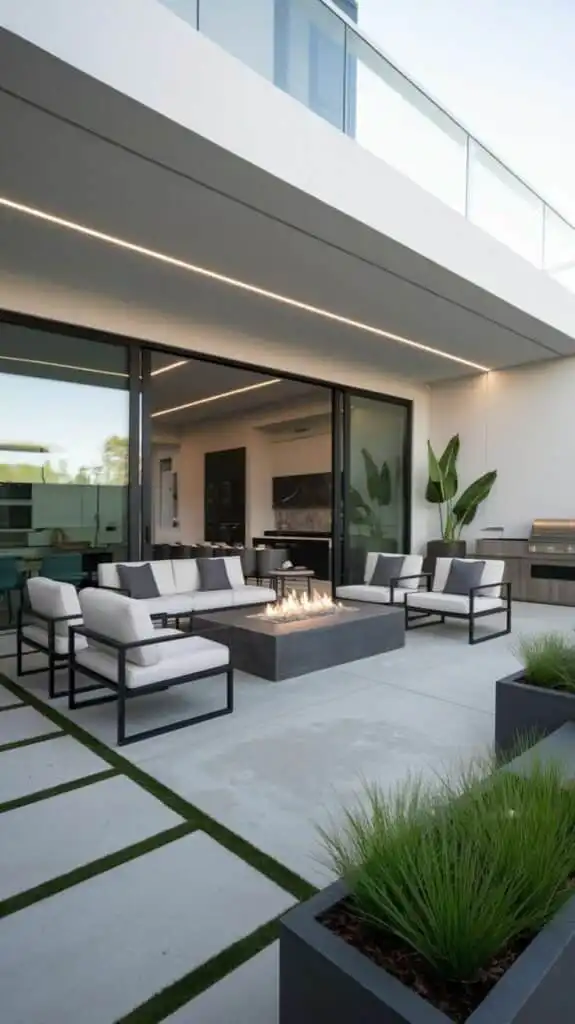
Modern patio with sleek seating and a central fire pit. Features outdoor furniture, minimalist design, and greenery for
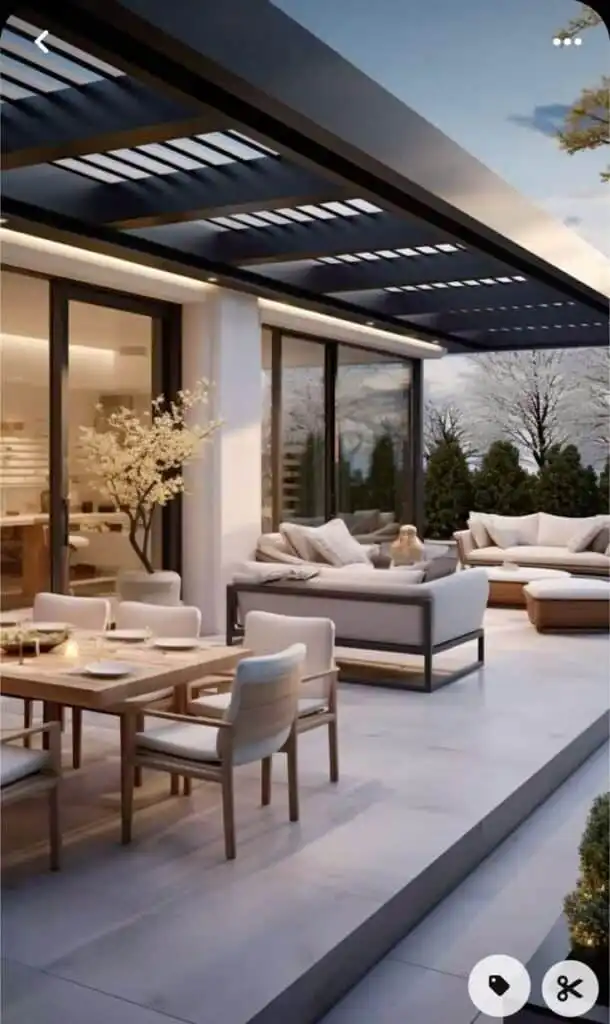
Modern terrace with stylish outdoor seating and dining area under a sleek pergola, surrounded by lush greenery at sunset.

Additional Resources

Design Tools:

  • Free outdoor design software like SketchUp for 3D visualization
  • Graph paper and tracing paper for hand-drawn concept exploration
  • Property survey documents as base maps for accurate planning

Professional Support:

  • Licensed landscape architects for complex projects
  • Local building departments for permit requirements and code compliance
  • Outdoor living specialists who focus specifically on functional outdoor rooms

Maintenance Guidance:

  • Seasonal checklists for furniture care, surface cleaning, and winter preparation
  • Material-specific maintenance schedules to protect your investment
  • Local climate considerations for timing maintenance activities

References

  1. Outdoor Living Design: Transform Your Backyard into Functional Spaces – Comprehensive guide on creating outdoor living spaces that extend your home’s living area.
  2. Do It Yourself Flooring for Outdoor Spaces – Tips and techniques for installing durable outdoor flooring.
author avatar
Ilona
Ilona is a creative artist, fashion designer, and UGC creator with a passion for self-expression and visual storytelling. Her work combines art, style, and digital creativity, bringing unique concepts to life through fashion and content creation. Ilona’s designs reflect individuality and emotion, while her UGC projects connect brands with authentic, engaging narratives that inspire and captivate audiences.
Previous Article

Wolf River Electric Reviewed: Shining A Light On Their Solar Service

Next Article

How Much Does a Metal Roof Save on Energy Bills? 2026 Energy Efficiency Guide

Write a Comment

Leave a Comment

Your email address will not be published. Required fields are marked *