

Big windows really shift how your home feels and works. They pull in more natural light, frame your favorite views, and make rooms feel more open.
You can use big windows to brighten your space, highlight a design style, and connect your interior with the outdoors.
This post offers simple design ideas, light and privacy solutions, and decorating tips for rooms with large windows. You’ll see practical fixes for glare and heat, plus style moves that turn your windows into the room’s main attraction.
Benefits of Big Windows
Big windows change how your rooms feel and function. They bring in daylight, can lower energy use when chosen carefully, and help your mood and health.
Natural Light Advantages
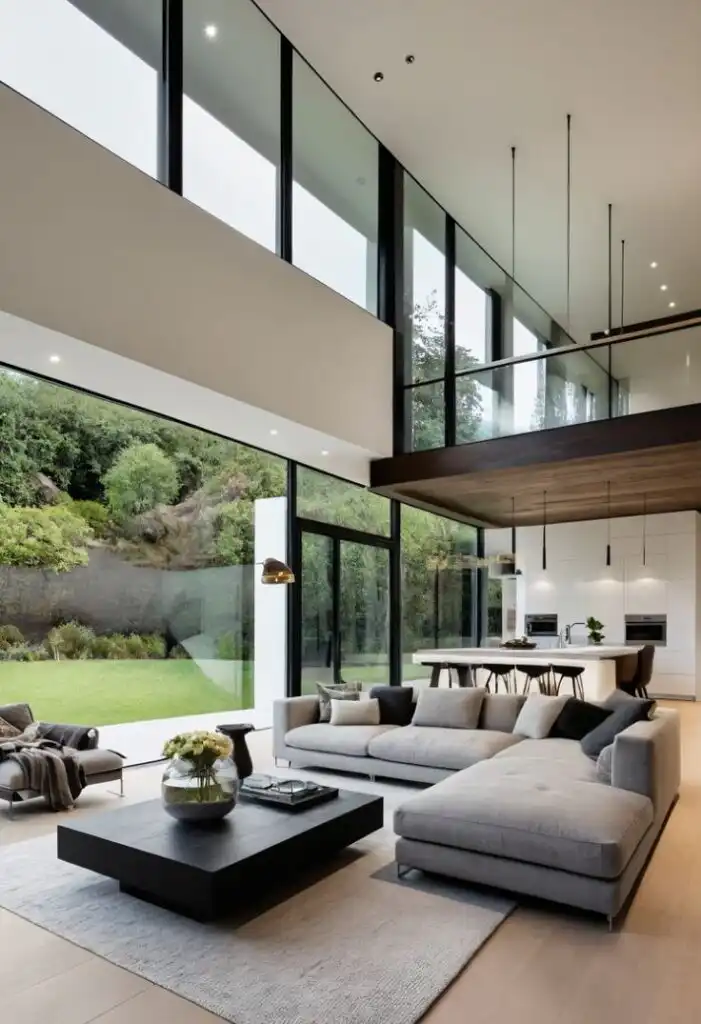
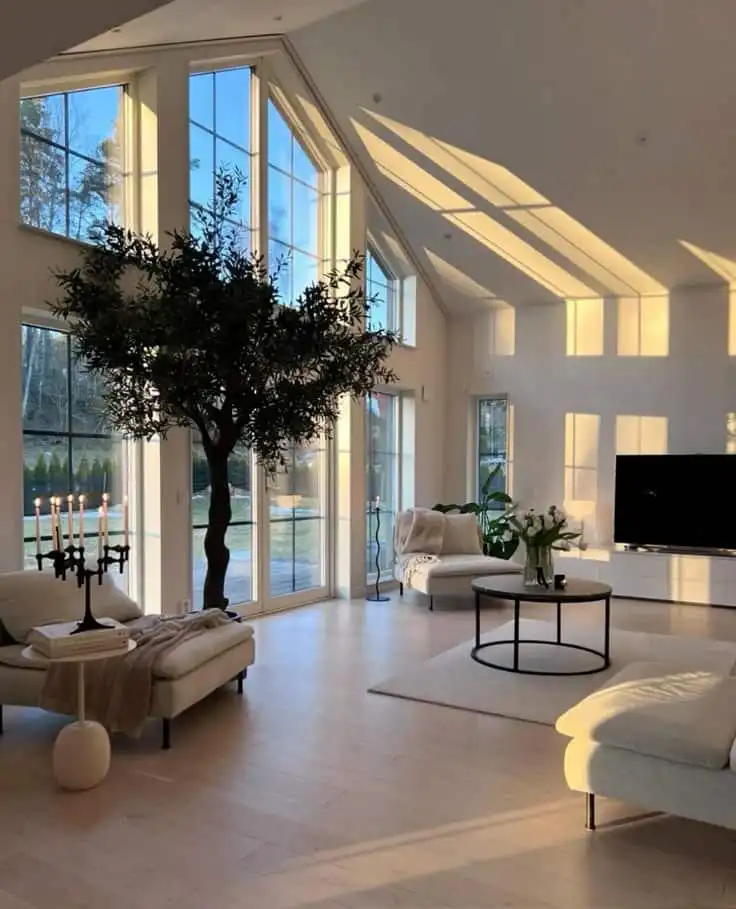
Large windows let in way more daylight than standard ones. You get brighter rooms without flipping on the lights, which helps with reading or cooking.
South- or west-facing windows give you strong afternoon sun, while north-facing ones offer steady, softer light. Control matters, though—use shades, blinds, or smart glass to cut glare and shield your furniture from fading.
Think about where you put windows so light actually reaches the back of your living space. Skylights or clerestory windows can add brightness without giving up privacy.
Big panes also connect you to your yard, trees, or city views. You’ll feel less boxed in, and even small rooms seem bigger and more inviting.
Energy Efficiency
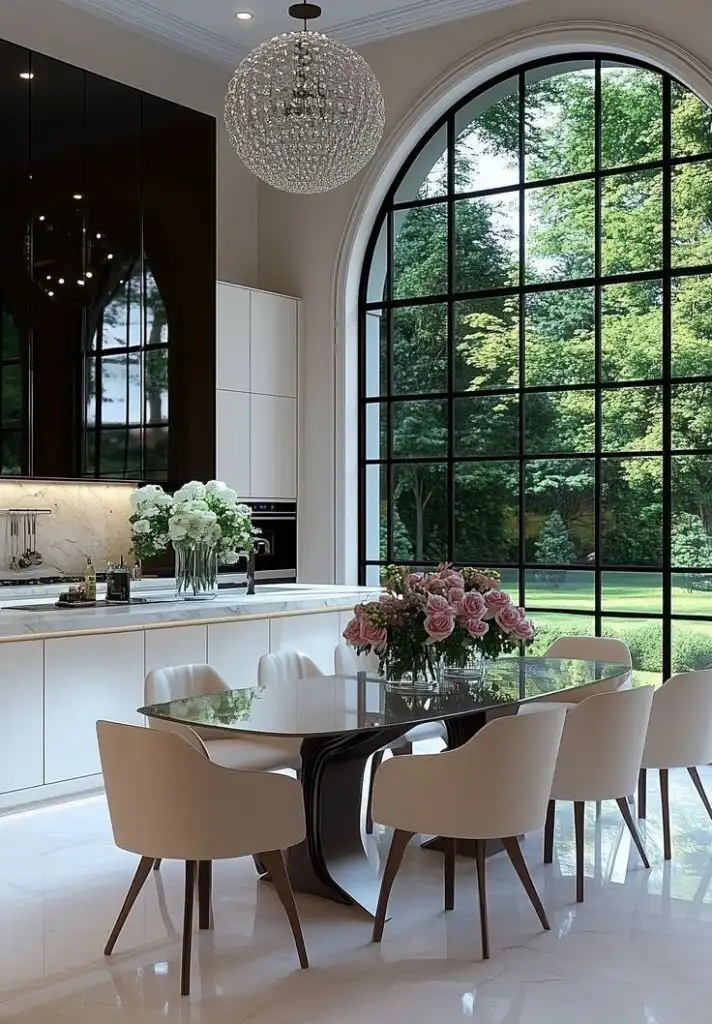
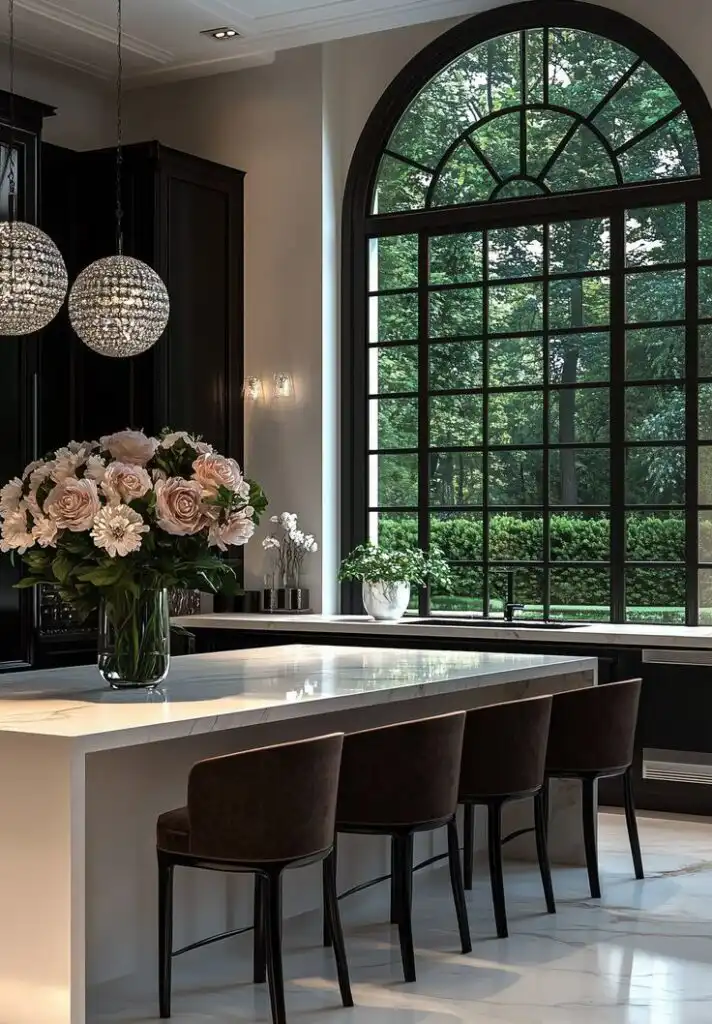
Big windows can save or waste energy—it really depends on your choices. Go for double- or triple-pane glass with low-E coatings to cut winter heat loss and block summer heat gain.
Gas fills like argon between panes beef up insulation. The frame material matters, too—vinyl, fiberglass, and thermally broken aluminum slow heat transfer better than basic aluminum.
Look for windows with a good U-factor if you live somewhere cold, or a low SHGC if you’re in a hot, sunny spot. Install them well and seal up any gaps to keep out drafts.
Exterior shading—awnings, trees, or overhangs—can lower cooling costs. Pair big windows with smart HVAC and lighting controls, and you might notice your energy bills drop.
Boosting Mood and Well-Being
Sunlight helps regulate your circadian rhythm, so you sleep better and feel more alert. With more daylight through big windows, waking up and staying focused get easier.
Natural light also supports vitamin D production if you get a little sun on your skin. Views of nature reduce stress, too. Seeing plants, sky, or water through large windows can lower blood pressure and help you concentrate.
Even city views with sky or movement can lift your mood. For comfort, add windows you can open for fresh air and use adjustable shading to avoid glare while keeping the light. Small tweaks like these make your home feel healthier and more pleasant.
Design Styles That Highlight Big Windows
Big windows look best when you pick a style that frames the view, manages light, and fits with your furniture and finishes. Think clean lines, natural materials, and simple window treatments that let in light but still give you privacy.
Modern Interiors
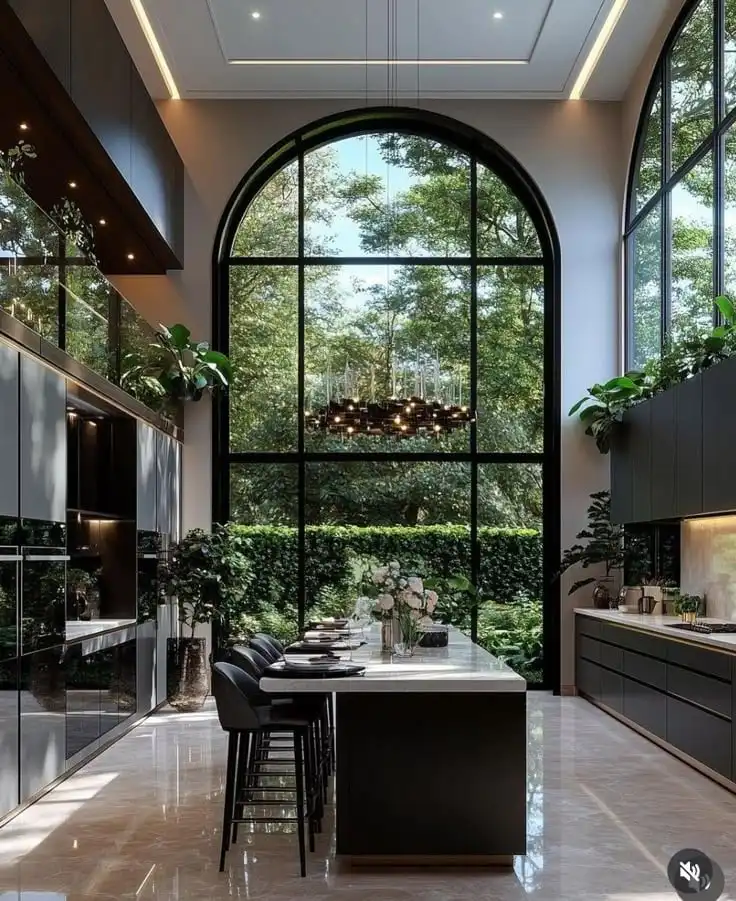
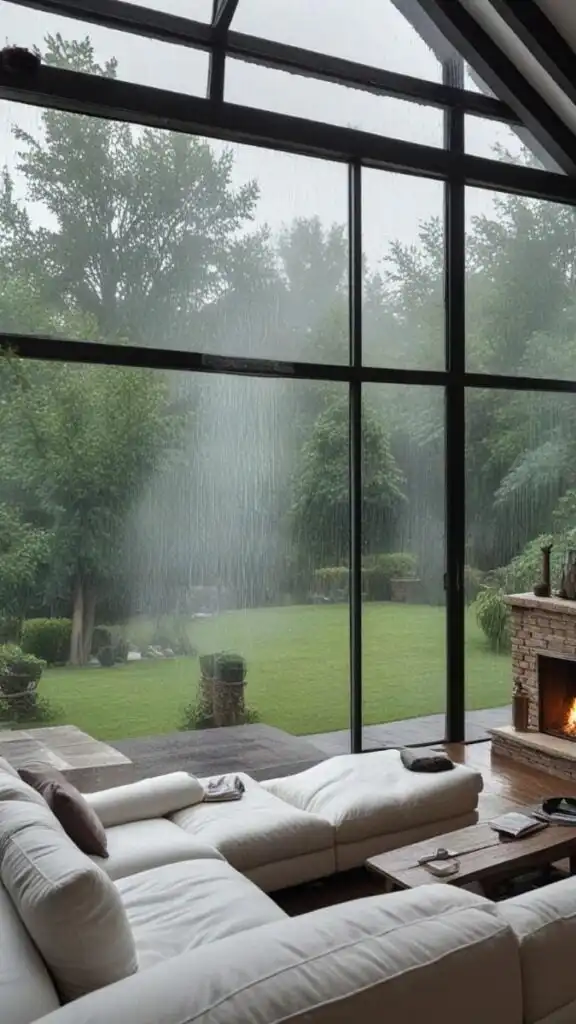
In a modern room, keep window frames thin and paint them a dark matte color for a crisp outline against the sky. Use low-profile furniture—streamlined sofas and minimal coffee tables—so the view stays front and center.
Place a single bold artwork or a sculptural floor lamp near the window instead of crowding the sill with lots of little things. This keeps sightlines open and draws attention outside.
For window treatments, try motorized roller shades or sheer panels that filter light without blocking the view. Add a textured rug and a couple of metal or glass accents to balance out the sleek look.
Scandinavian Aesthetics
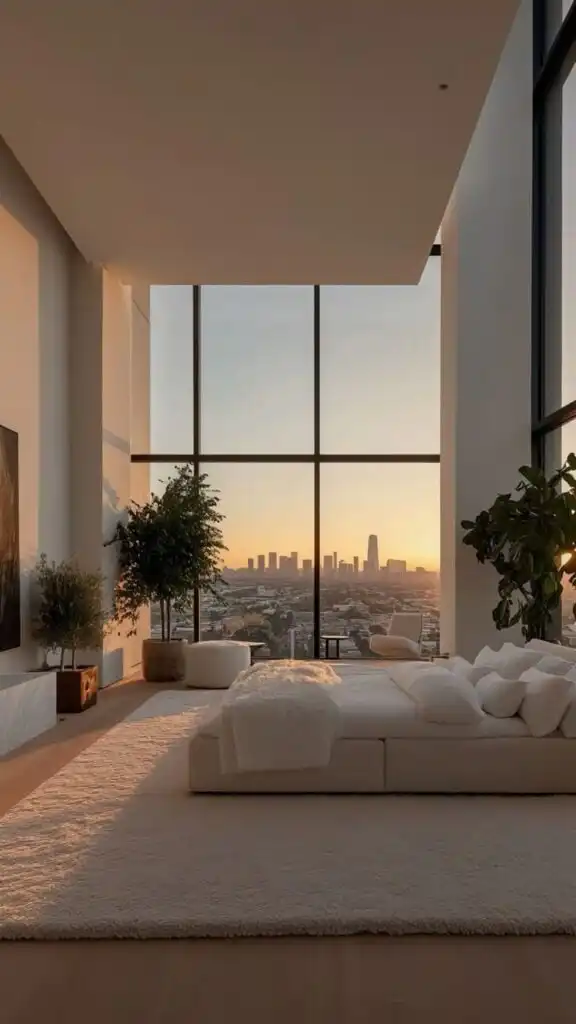
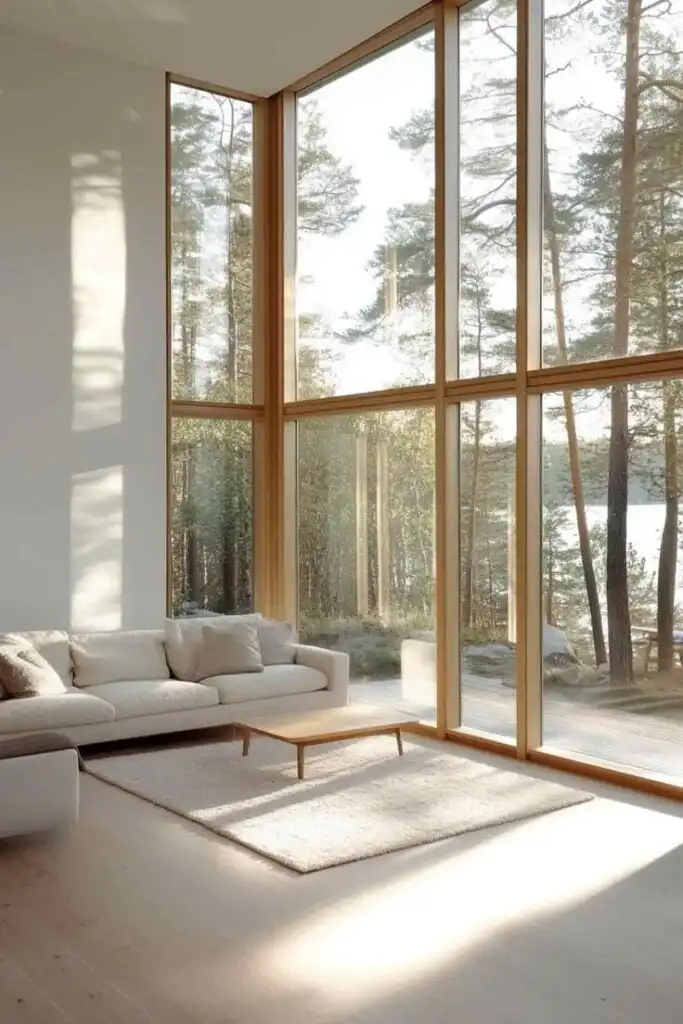
Pale walls, light wood floors, and simple linen drapes make big windows feel airy but still cozy. Set up seating near the window for reading or morning coffee—a narrow bench or an armchair with a tiny side table works well.
Layer soft textiles like wool throws and neutral cushions for warmth without heavy color. Green plants in plain ceramic pots add life without stealing the show from the view.
For storage, built-in shelving with clean lines and open sections keeps clutter away from the windows. Stick to white or light wood frames to keep everything looking bright and seamless.
Industrial Spaces
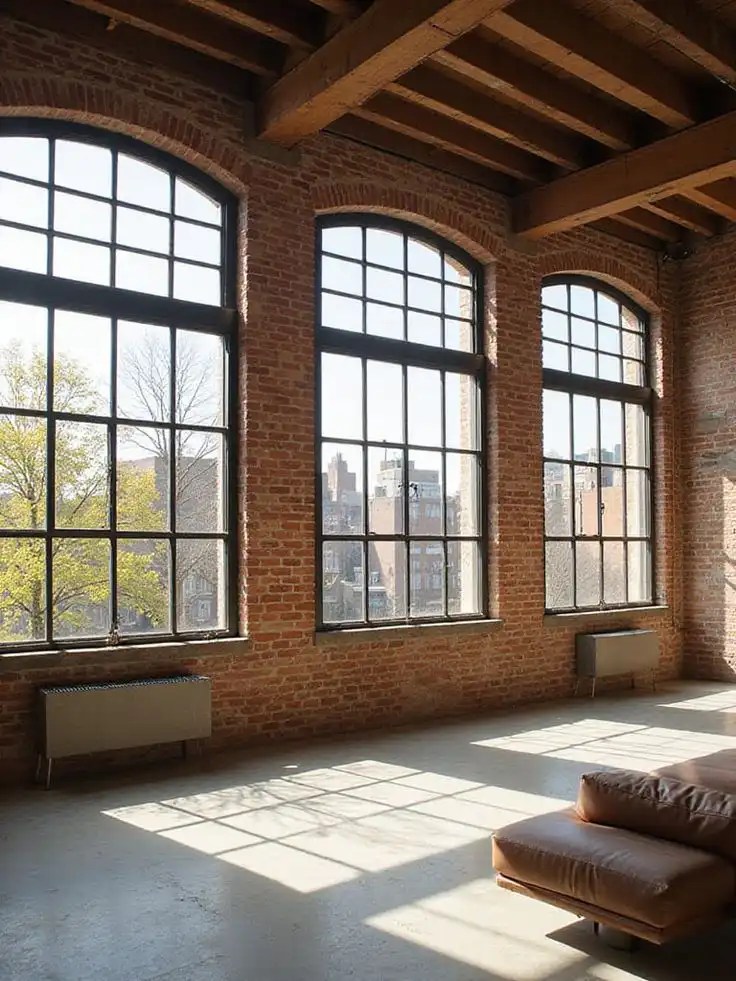

Show off structural bits like brick walls or steel beams to contrast with big, factory-style windows. Black metal frames and divided panes really suit this style and highlight the window’s shape.
Pick leather sofas or reclaimed-wood tables for some weight and texture. Raw, simple accessories—a metal pendant light, a concrete planter, or a rugged rug—add to the industrial vibe.
For window coverings, hang heavy linen curtains on a simple track or go for blackout roller shades when you want privacy at night. Task lighting—like an adjustable floor lamp—works well near the window for evenings.
Maximizing Natural Light Indoors
Make choices that boost sunlight and help it travel through your rooms. Use paint, smart furniture placement, and reflective finishes to move light around.
Color Palette Choices
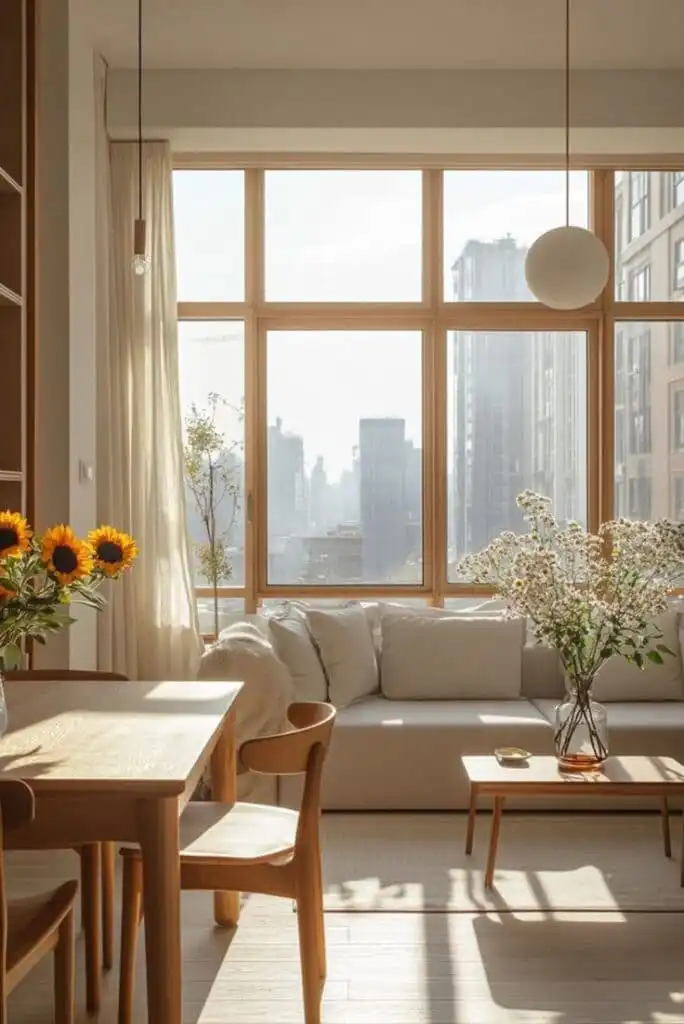
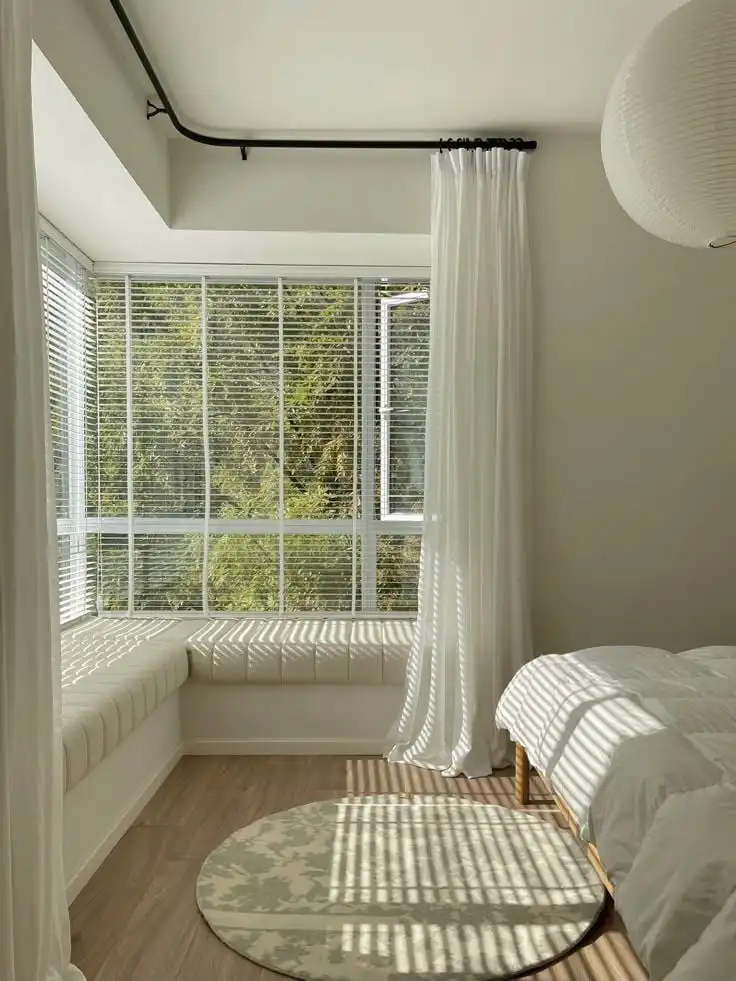
Pick paint colors that bounce light. Cool whites, pale grays, or very light pastels on walls and ceilings make a big difference.
Paint trim and window sills in semi-gloss white to reflect more light than a flat finish. Keep dark or strong colors to small accents—like one wall, some art, or a cushion or two.
Stick to neutrals for big surfaces so they don’t soak up sunlight. Use similar light colors in rooms that connect to help natural light flow from space to space.
Strategic Furniture Placement
Keep large sofas and cabinets away from windows so they don’t block the light. Leave a clear two- to three-foot zone in front of big windows if you can.
Choose low-profile furniture near windows to help light reach deeper into the room. Face seating and work areas toward or beside windows to use daylight for activities.
Put mirrors or glass-front cabinets opposite windows to reflect light into dimmer spots. Group small plants and decor on shelves near windowed walls, not right in the path of sunlight.
Reflective Surfaces
Add mirrors and shiny surfaces to amplify daylight. Hang a big mirror across from a main window or nearby to double the light.
Use mirrored frames or a set of small mirrors if you want flexibility. Try semi-gloss paint, polished stone countertops, or glass tables where they make sense.
Light-colored rugs and sheer or see-through window coverings soften direct sun but still let light in. Reflective metallic touches—like brass lamps or chrome fixtures—spread light into shadowy spots.
Window Treatments and Privacy Solutions
Pick treatments that let you control light, views, and insulation. Match your choice to the window size, how it’s mounted, and how much privacy you want at different times.
Sheer Curtains
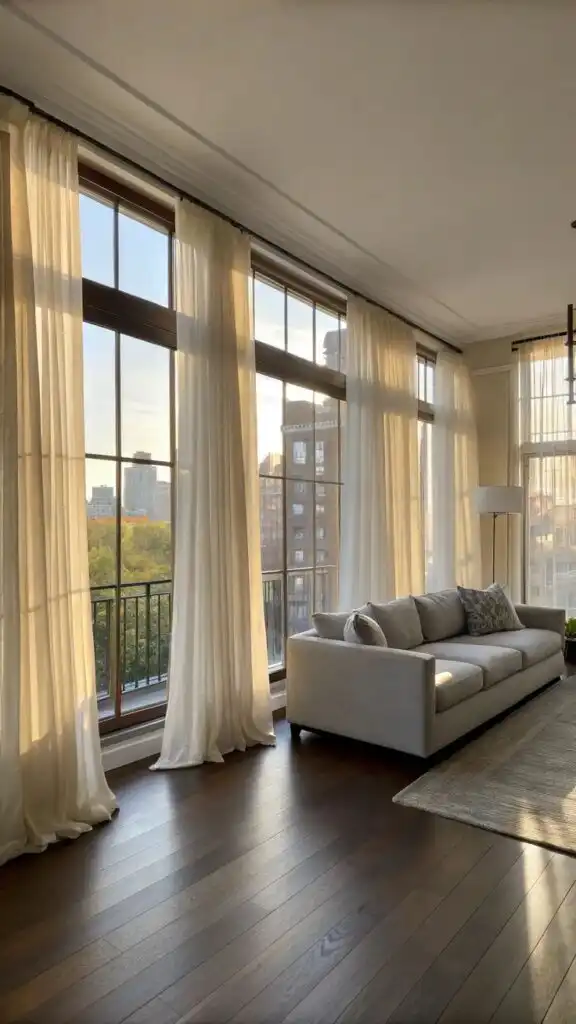
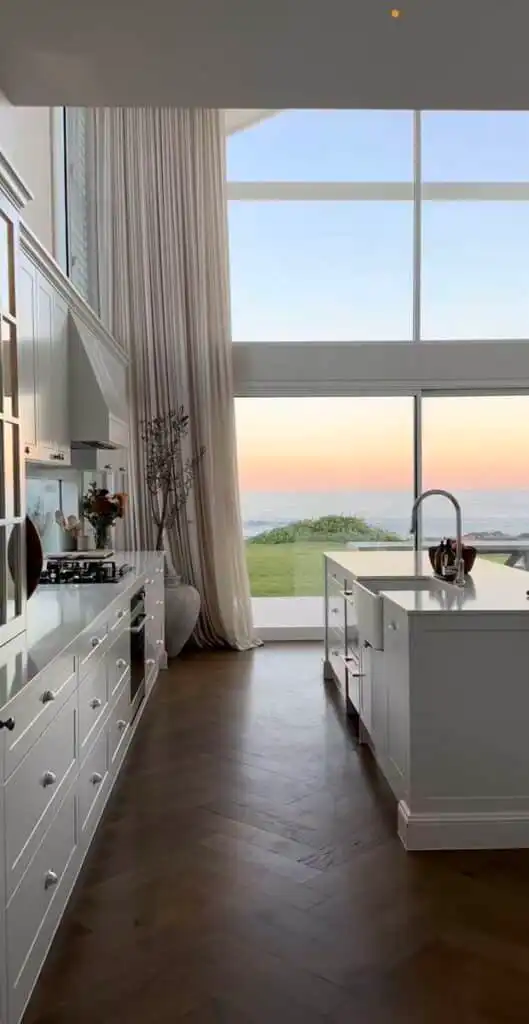
Sheer curtains soften sunlight but keep the outdoor view. Go for lightweight fabrics like polyester voile or linen blends that drape well across wide windows.
For big windows, use several panels on a long rod or track so the fabric moves smoothly. Sheers work best layered with something heavier for nighttime privacy.
Install a double rod or ceiling-mounted track to stack panels neatly. Pick different opacities—light-filtering sheers for daytime and semi-opaque ones where you want more privacy but still want the light.
Most are easy to care for: machine-washable or easy to steam. Measure from the ceiling to the floor and add a few extra inches in width per panel for fullness on wide windows.
Motorized Blinds
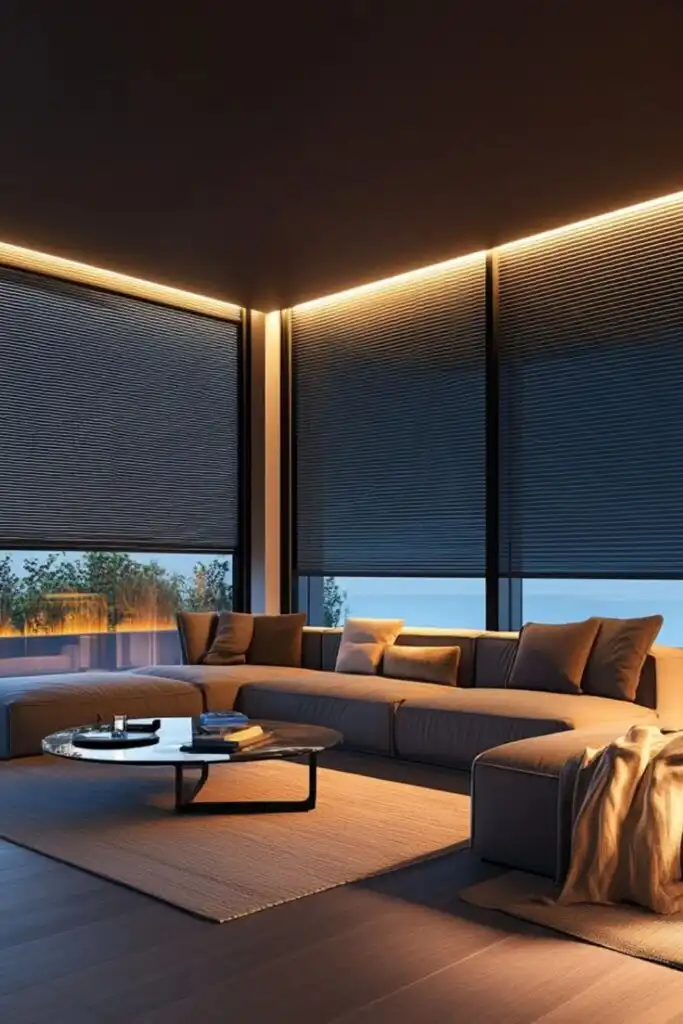
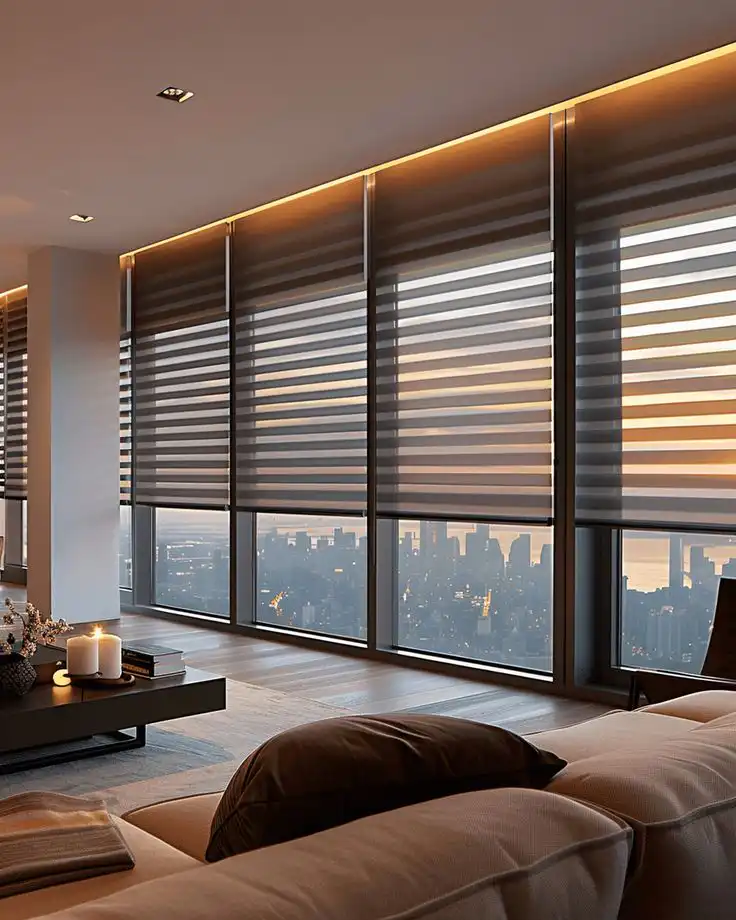
Motorized blinds give you remote control over big windows. Try roller shades, cellular shades, or Venetian-style slats with motor options.
Look for motors rated for wide windows or use several synced motors for really big spans. You can schedule them to open and close for sun protection or privacy.
Battery or low-voltage hardwired motors both work—hardwiring is tidier but costs more. Choose blackout or light-filtering fabrics depending on the room.
Check weight limits and mounting depth before ordering custom motorized blinds. Plan for a neat control setup—wall switch, remote, or smart home integration.
Layered Window Coverings
Layering gives you flexibility and style. Pair blackout drapes with sheers, or blinds with side panels. You can switch between full daylight, soft filtered light, and total privacy without changing treatments.
For big windows, mount tracks for each layer close to the ceiling so panels cover the whole glass and wall when closed. Use inner tension rods or continuous tracks to avoid gaps.
Mix textures—smooth blinds with linen drapes—to add depth and cut down echo in large rooms. Overlap panels: blinds inside the glass frame, drapes overlapping by a couple of inches to block side light. This setup improves insulation and lets you control both light and privacy.
Decorating Around Big Windows
Choose items that boost light, keep sightlines open, and add texture without crowding the view. Go for low furniture, layered soft treatments, and a couple of standout accents so the window stays the star.
Indoor Plants
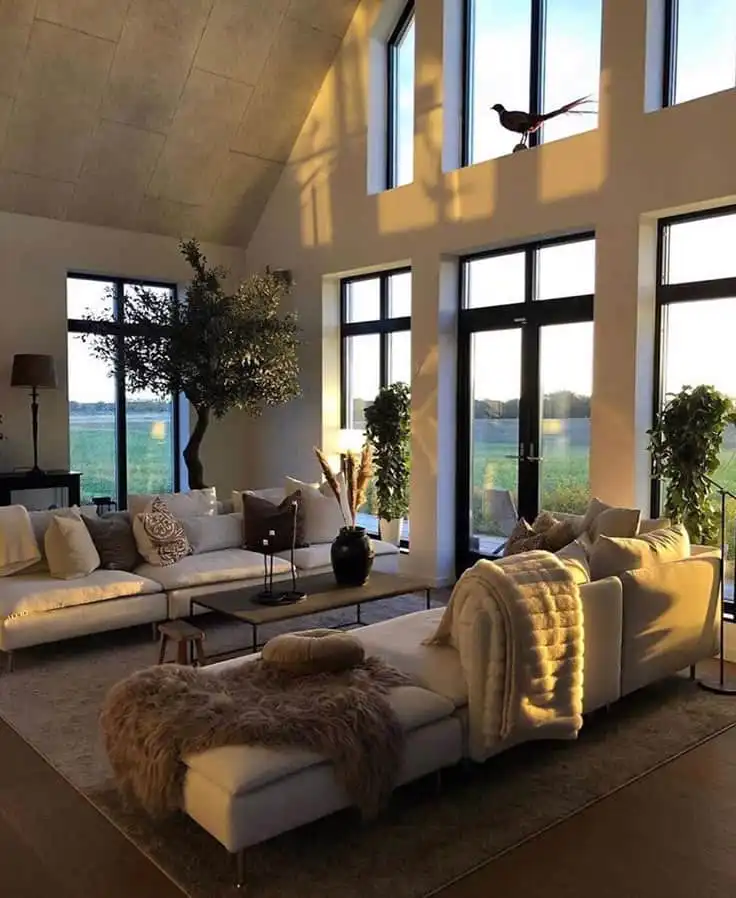
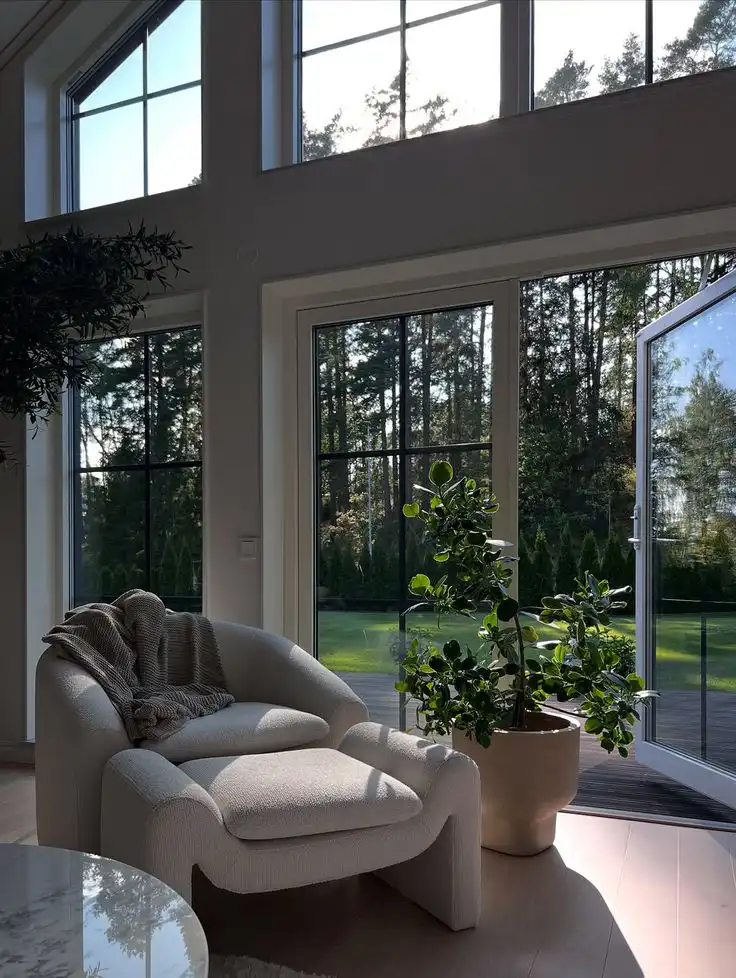
Pick plants that match the window’s light. South- or west-facing windows are perfect for sun-lovers like fiddle leaf figs and rubber plants.
East- or north-facing windows work better for snake plants, pothos, or ZZ plants. Group two to four pots at different heights for depth without blocking the view.
Use stands, hanging planters, or a slim bench under the window to lift plants off the sill. Choose containers that fit your room’s vibe—matte ceramic for calm, woven baskets for warmth.
Rotate plants every few weeks, so they grow evenly toward the light. Keep a simple watering schedule and add a humidity tray for tropical types to avoid sudden droop near the big glass.
Minimalist Decor
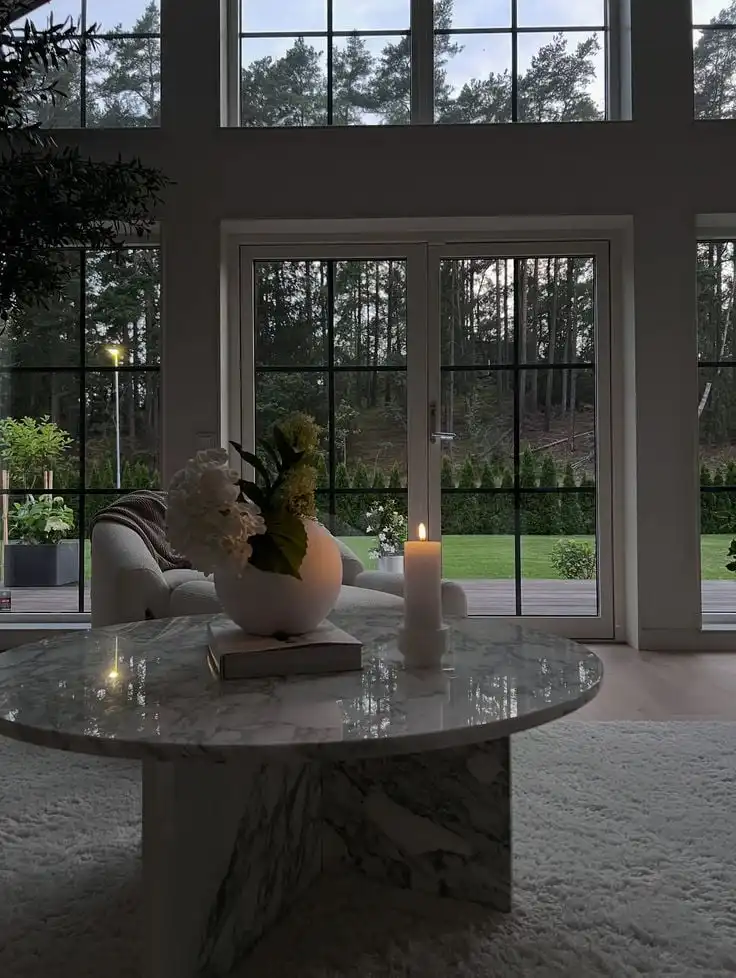
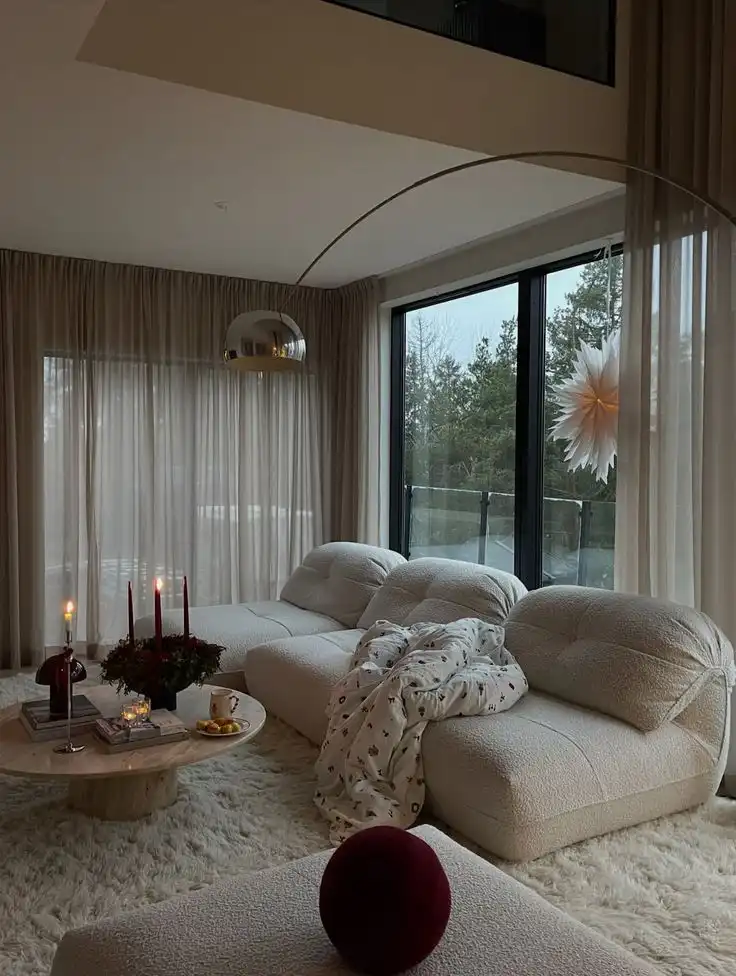
Keep furniture low and clean-lined so the window stays in view. Try a low-profile sofa or bench a few inches from the glass to keep airflow and sightlines open.
Stick with simple shapes and one or two neutral colors to steer clear of clutter. Go for narrow window treatments like floor-to-ceiling sheers or a single soft valance across the window’s width. Sheers cut glare but keep the view.
Add a couple of textured pillows or a single throw for interest without fighting the light. Limit wall decor near the window to one medium piece or a neat shelf. That way, the outside scene acts as your main artwork, not just another view.
Statement Lighting
Pick fixtures that play well with natural light. A pendant over a reading nook or a slim arc lamp behind a sofa gives targeted light without blocking your window.
Choose warm LED bulbs to match daytime color for a smooth transition as the light shifts. Scale fixtures to the furniture—small pendants for a narrow bench, bigger chandeliers only if you’ve got the ceiling height.
Metal finishes like brushed brass or matte black add a modern touch but don’t scream for attention. Position uplights or wall sconces to wash nearby walls in soft light for evenings.
Dimmers help you balance artificial light with all that window glow, so the room never feels too harsh after sunset.
Addressing Common Challenges
Big windows bring in light and views, but they also mess with how your room feels, how much sun pours in, and even how your furniture holds up. You’ll want to focus on controlling heat, managing glare, and blocking UV to keep things comfortable and protected.
Temperature Control
Large windows can make rooms hot in summer and a bit chilly in winter. Start by checking your glass—double- or triple-pane with low-E coatings will cut down on heat transfer.
If you’ve got single-pane windows, you might want to upgrade or add storm windows for better insulation. Layered window treatments help you adapt as the day goes on.
Pair insulating cellular shades or thick curtains with sheer panels. In summer, close the insulating layer on sunny walls; in winter, open south-facing shades for solar heat, then close them at night.
Don’t forget exterior options. Try awnings, pergolas, or motorized shades to block direct sun before it even hits the glass.
Plant deciduous trees outside south- and west-facing windows—they’ll shade you in summer and let light through when the leaves drop.
Glare Reduction
Glare makes screens tough to read and can really strain your eyes. Try orienting seating and TVs away from direct window reflections.
Use adjustable blinds or slatted shades to control the angle of light without killing the view. Pick window films or low-glare glass to diffuse sunlight but keep the brightness.
Sheer roller shades soften the light and keep the view intact. For task areas like desks, add directional task lighting so you don’t have to crank up the brightness just to beat glare.
Layer your solutions—a blackout option for media rooms, a translucent one for comfort during the day. Motorized controls let you tweak glare as the sun moves, which, honestly, is a lifesaver if sunlight angles shift a lot.
UV Protection
UV rays will fade fabrics, rugs, and artwork if you let them. Go for window films or low-E glass that blocks 99% of UV rays so you can protect your stuff without making the room gloomy.
Move anything vulnerable out of direct light, and use UV-resistant fabrics and rugs when you can. For valuable art, install museum-grade UV filtering glass in frames or stick a protective film on the window behind it.
Combine UV-blocking glass with curtains or blinds for extra coverage during peak sun hours. Always check the label and test any film or coating for warranty and actual performance—you want to know how long that protection’s going to last.
Big Windows in Different Rooms
Big windows totally change the game for light, view, and privacy in every room. You can boost daylight, frame a view, or add ventilation by picking the right size, placement, and treatments.
Living Rooms
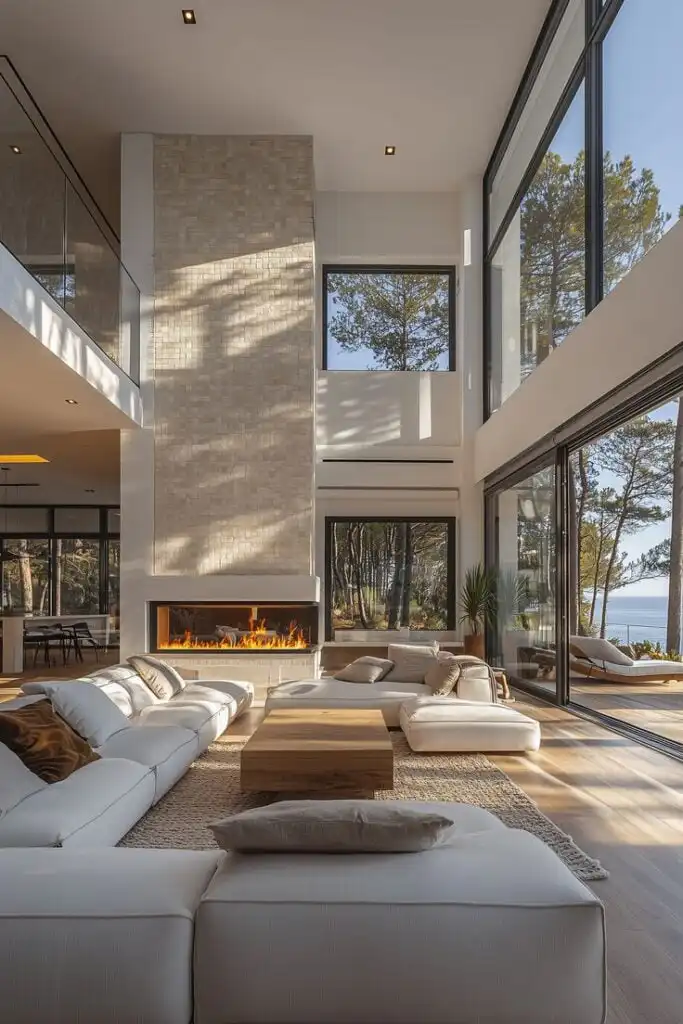
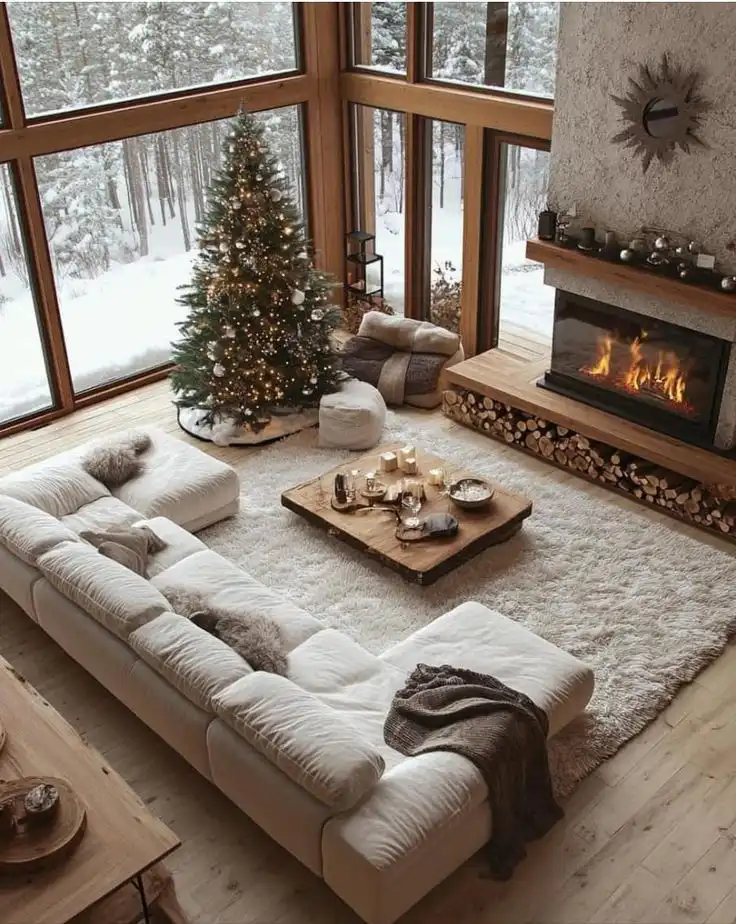
In the living room, big windows become the main light source and a real focal point. Put floor-to-ceiling or wide picture windows on the wall with your best view or to the south for steady daylight.
Pair them with a low-profile sofa or window seat to keep sightlines open. Control glare and privacy with layered treatments—sheer curtains for daytime, heavier drapes or motorized blinds for evening.
If you want an open vibe between rooms, use interior windows or transoms to borrow light from next door. Watch out for heat gain, though; add low-E glass or exterior shades if your windows face the sunniest spots.
Bedrooms
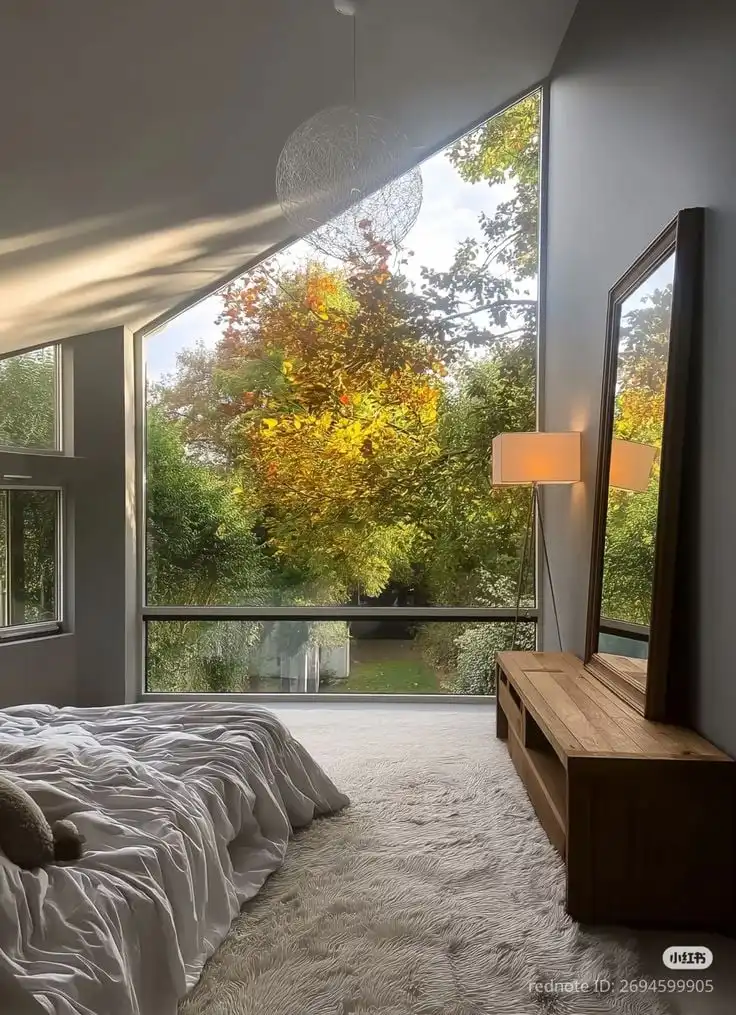
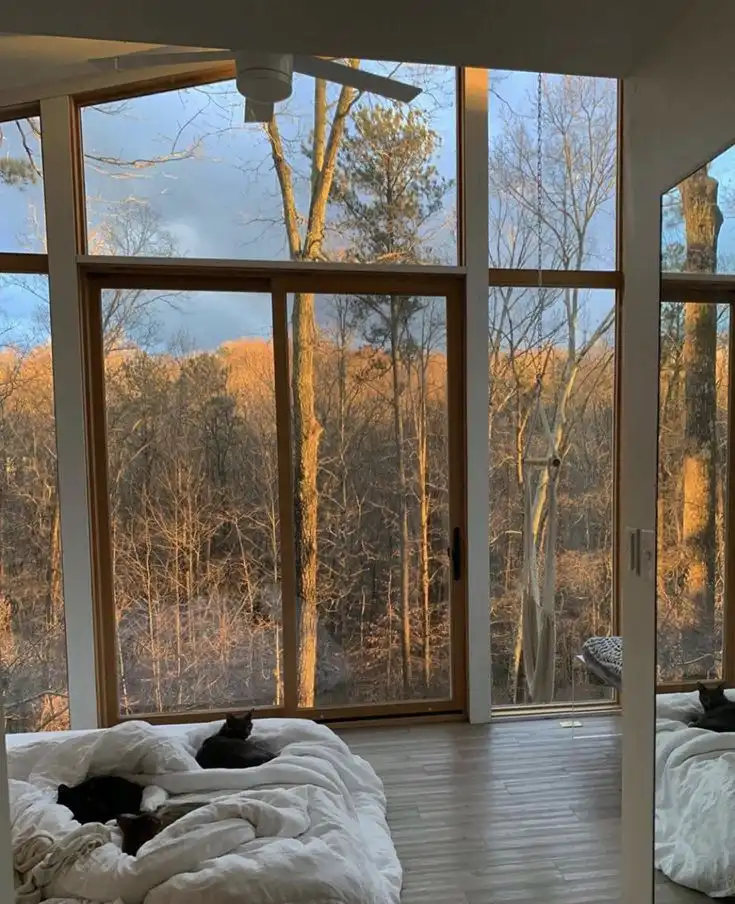
In bedrooms, you need to balance natural light with privacy and sleep. Try big windows above bed height or add frosted lower panes so you get the light without putting the whole room on display.
Consider operable windows for cross-ventilation and a breeze at night. For coverings, blackout curtains or lined shades block early light if you’re not a morning person.
If you like waking up to the sun, install adjustable top-down shades—they’ll give you privacy at eye level but still let light in from above. Keep hardware and frames simple to keep the space feeling calm.
Kitchens
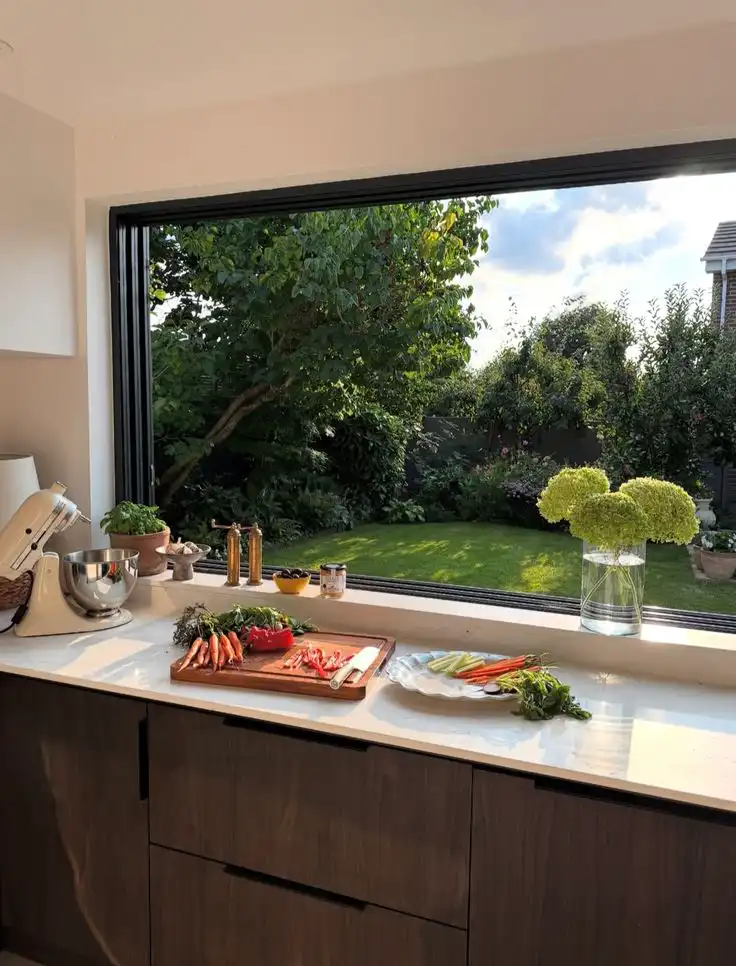
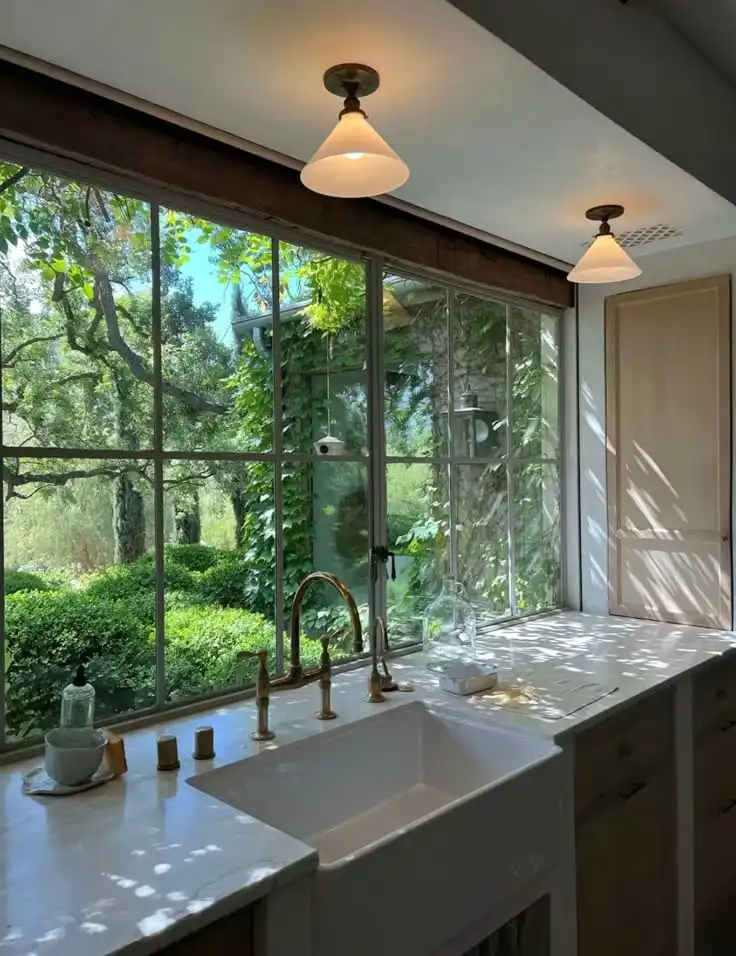
Big windows in the kitchen brighten up work zones and make cooking feel way less cramped. Put windows above the sink or along the countertop so you get a view while you prep.
A wide sliding or casement window can even double as a pass-through to your outdoor dining area. Pick glass that resists cooking splatter and is easy to wipe down.
Consider windows that open outward for quick ventilation when you’re frying or grilling. Use blinds or shades that can handle grease and moisture, or add a retractable screen if the window opens to a patio—keeps bugs out while you cook.
Bathrooms
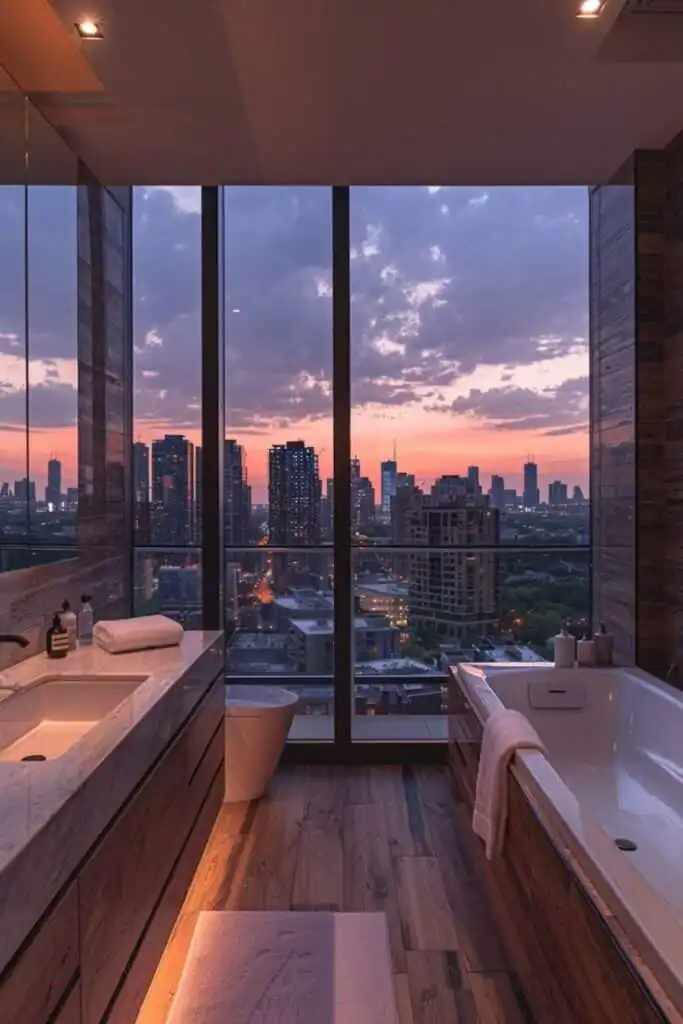
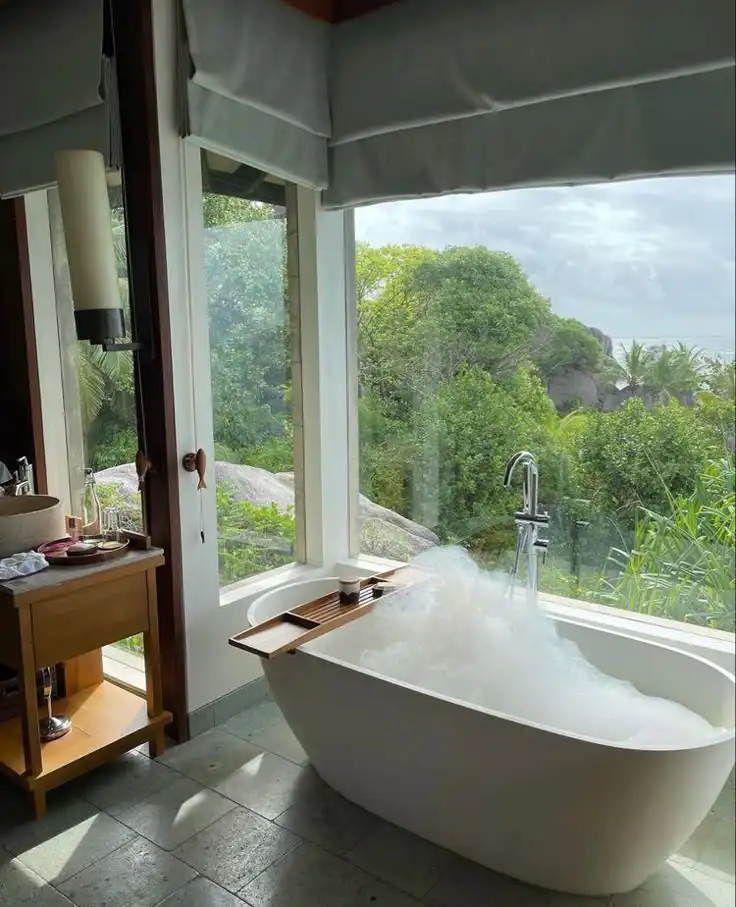
Big windows in bathrooms? They really make you think about privacy, light, and moisture. Frosted or patterned glass lets in daylight but keeps things private from outside.
Try placing windows higher up on the wall, or go for clerestory windows. That way, you get the light you want and still have space for mirrors or storage below.
Pick materials that can handle steam and moisture, like vinyl or fiberglass frames and tempered glass. If you’re after a clear view, you could use a privacy screen—or maybe smart glass that shifts from clear to opaque with a click.
And if your window opens, double-check that it seals up tight. You really don’t want drafts or mold sneaking into a steamy bathroom.
FAQ
What are the main benefits of installing big windows in my home?
Big windows bring in more natural light, connect your interior with outdoor views, make rooms feel more spacious, and can help lower energy use when chosen and positioned thoughtfully, also boosting your mood and health.
How can large windows improve the natural light in my home?
Large windows allow more daylight to enter, brightening rooms without needing artificial lighting, and selecting the right window orientation and using shades or blinds can help control glare and protect furnishings from fading.
What design styles best highlight big windows?
Modern interiors with thin frames and minimal furniture, Scandinavian styles with light colors and simple textiles, and industrial spaces with structural features like brick walls and metal details all complement big windows beautifully.
How can I maximize natural light indoors with big windows?
Choose light-colored paint palettes that reflect light, arrange furniture to avoid blocking windows, and add reflective surfaces like mirrors and shiny finishes to distribute daylight evenly throughout your rooms.
What are effective solutions for controlling glare and temperature with large windows?
Use adjustable blinds, shades, or window films to manage glare, install double- or triple-pane low-E glass for insulation, and incorporate exterior shading devices or plant deciduous trees outside to regulate temperature and reduce glare.
- 418shares
- Facebook0
- Pinterest418
- Twitter0
- Reddit0