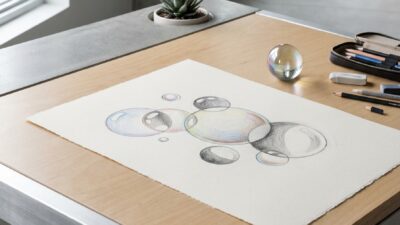
You can fill a sketchbook corner, a sticky note, or the margin of a page with tiny drawings that take minutes but grow your skills fast. Miniature Artwork allow you to practice shapes, shading, and style quickly, enabling you to improve without requiring a large setup or a significant amount of time.
This post shows creative ideas—from tiny plants and animals to small buildings and themed sets—plus simple techniques and quick challenges to keep you drawing every day. Pick a prompt, try a new tool, and watch a small sketch turn into a mini collection you’ll want to share.
Creative Miniature Drawing Ideas
These ideas focus on small scenes, tight details, and simple compositions you can finish in a short time. Each subsection gives clear steps, subject choices, and tips to make tiny drawings look polished and lively.
Whimsical Fantasy Scenes
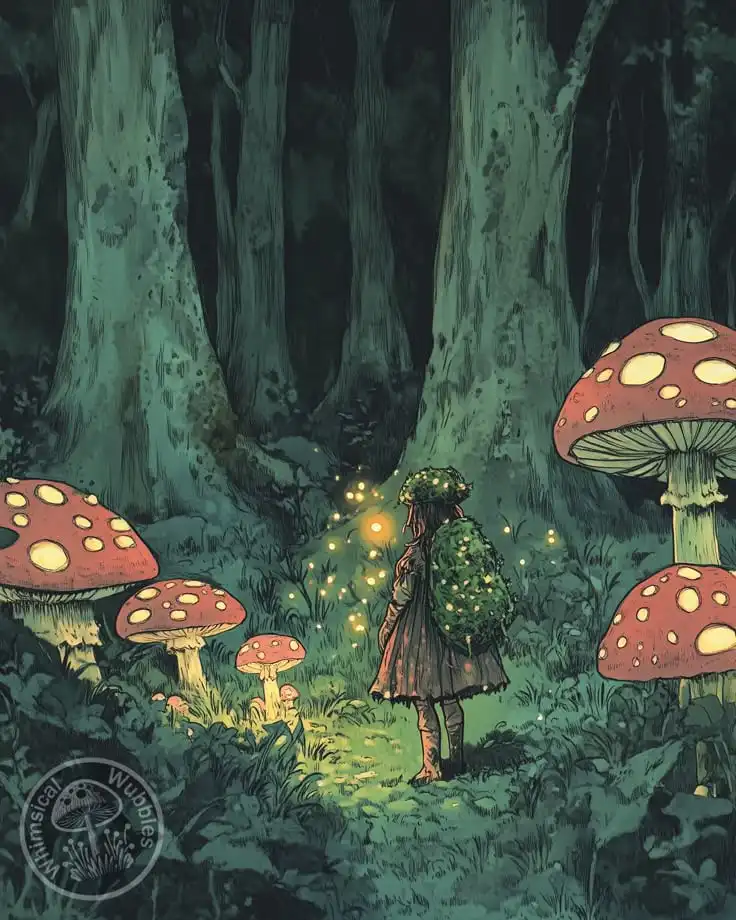
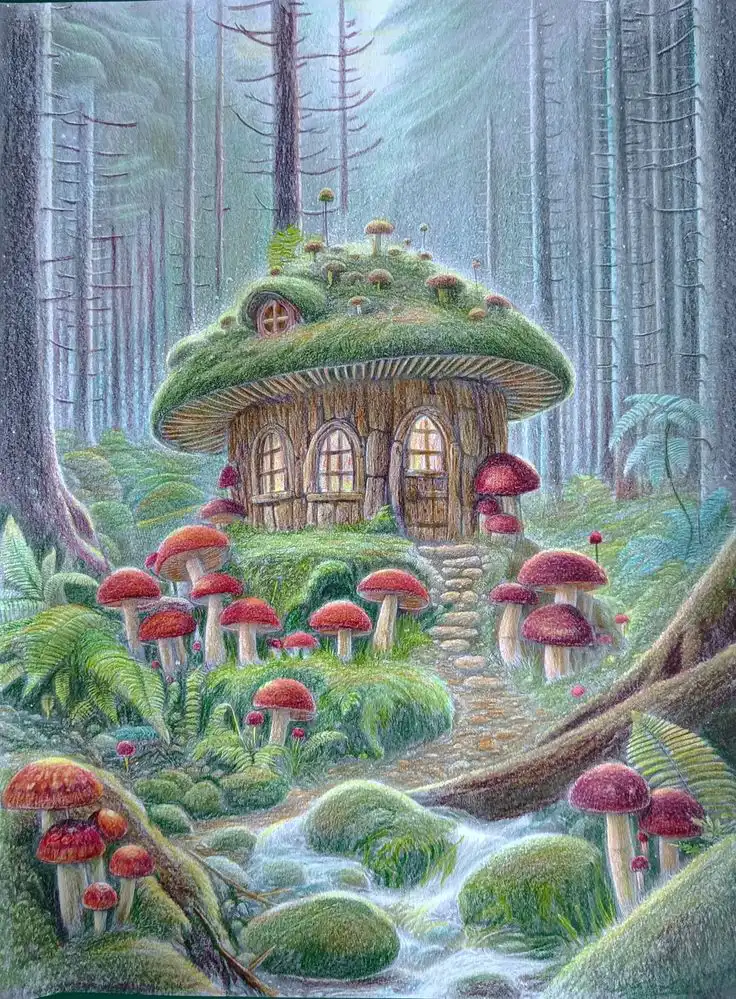
Pick a tiny focal point, like a mushroom house, a floating lantern, or a sleeping dragon curled in a teacup. Start with a light pencil sketch to map out shapes, then add one or two key details—such as window panes, scales, or a tiny door—to tell the story.
Use contrast to sell the scale: draw thicker outlines on foreground objects and lighter hatching for background bits. Limit your palette if you color; two or three colors keep the scene readable. Add small props (a signpost, a ladder, a teacup saucer) to show scale and personality.
Try different viewpoints: top-down for rooftops, close-up for facial expressions, or a wide,tiny-world shot with a single clear subject. Ink with a fine pen (0.05–0.3 mm) and use a tiny wash or colored pencil for texture.
Tiny Landscapes
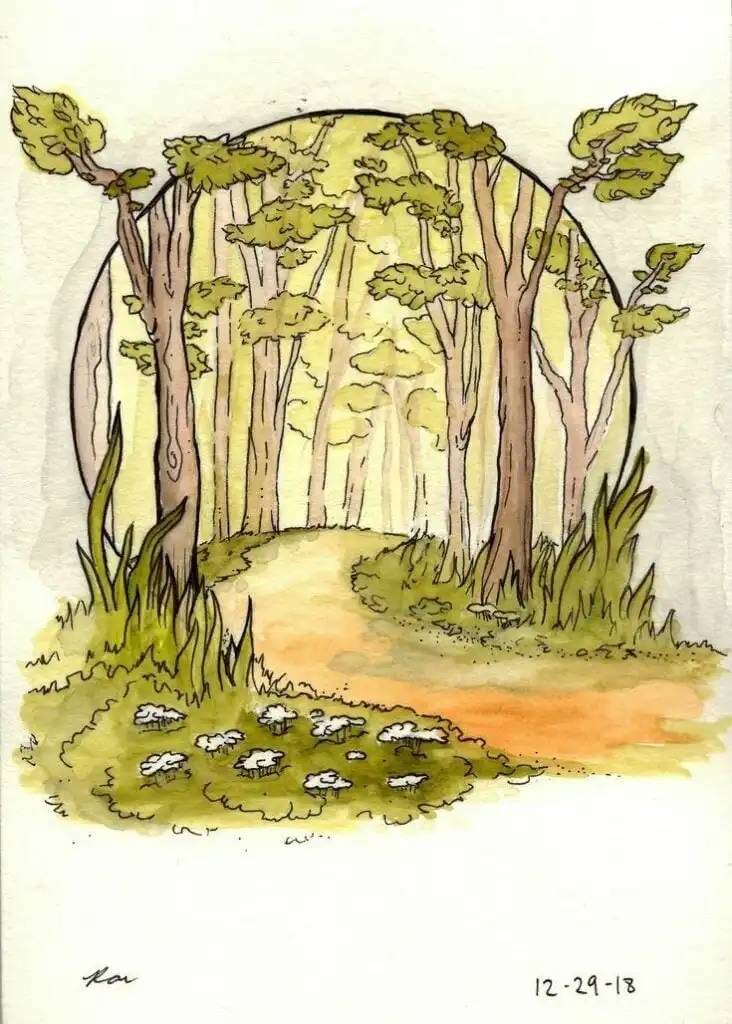
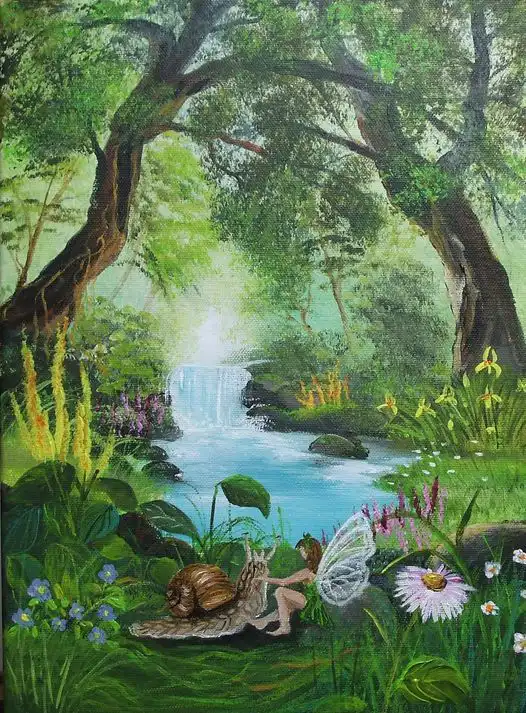
Choose a compact scene, like a cliff with a lone tree, a pocket-sized beach cove, or a micro-forest trail. Block in major shapes first—horizon line, main rock, and tree silhouette—so your composition reads at a glance.
Work in layers: base tones, mid-value shapes, then final highlights. Use stippling or short strokes to imply grass, pebbles, or water ripples without over-detailing. A small eraser can lift highlights on rocks or waves to make them pop.
Scale hints matter: add a tiny figure, a bird, or a bench to show how small the landscape is. Keep edges varied—soft for distant elements, crisp for the foreground—to create depth in a limited space.
Miniature Portraits
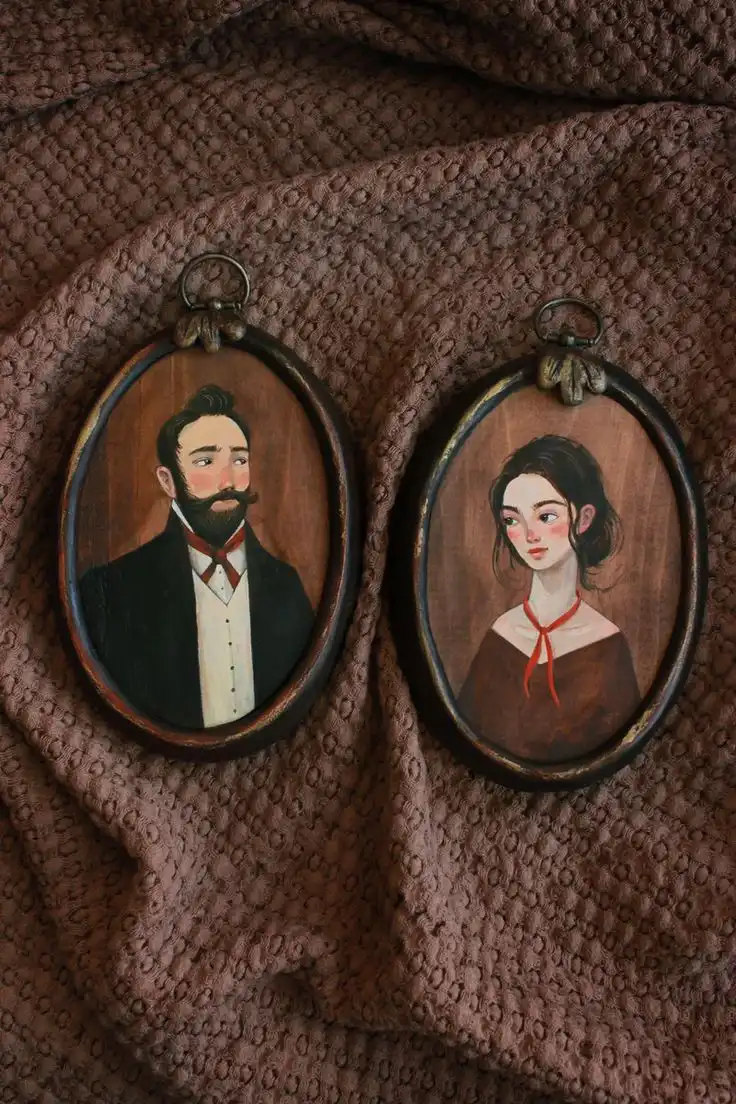
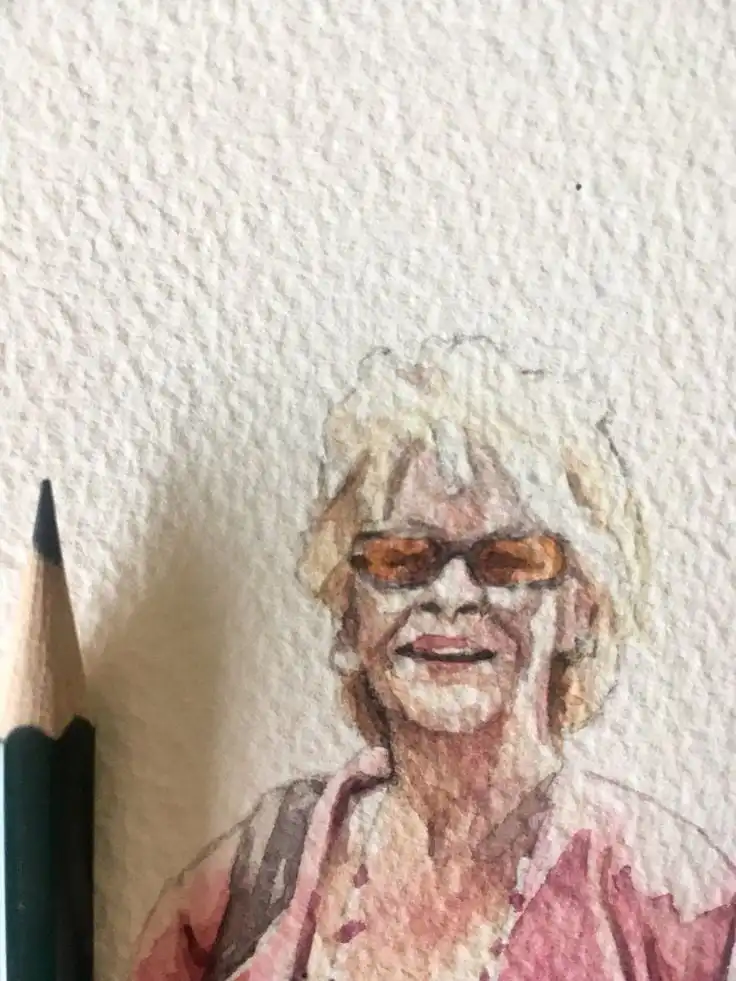
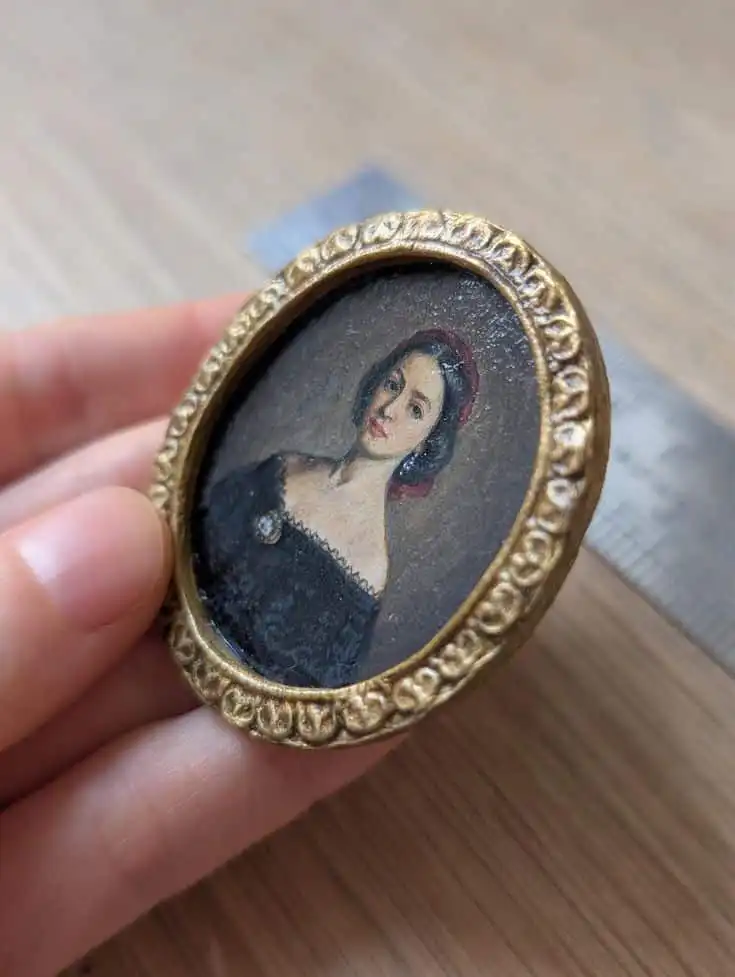
Focus on expression and the eyes. For a head-and-shoulders study, map basic proportions with light lines: eye line, nose, mouth. Keep features simple—small shapes for eyes and mouth—then refine with a few confident strokes.
Use contrast to define planes: shade one side of the face, leave the other side lighter, and add a small catchlight in the eye. Hair can be suggested with quick directional strokes rather than every strand. For profiles, emphasize the nose, lips, and chin silhouette.
Experiment with framing: put the portrait inside a tiny oval frame, a locket, or a postage-stamp border. That framing cues the viewer to scale and adds charm.
Everyday Objects in Small Scale
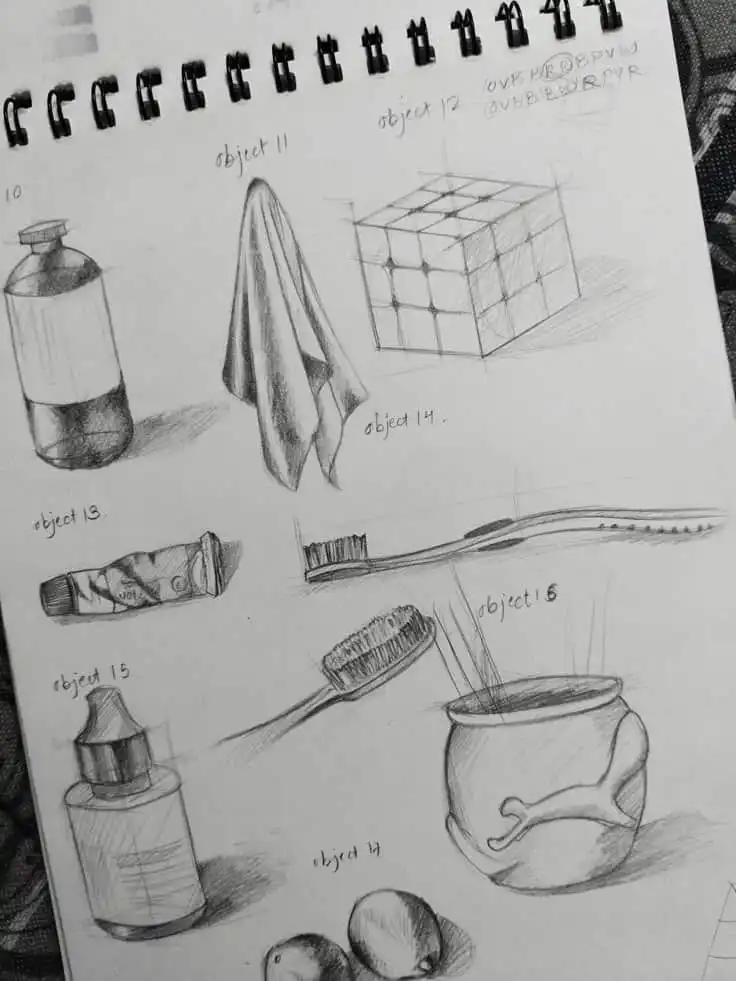
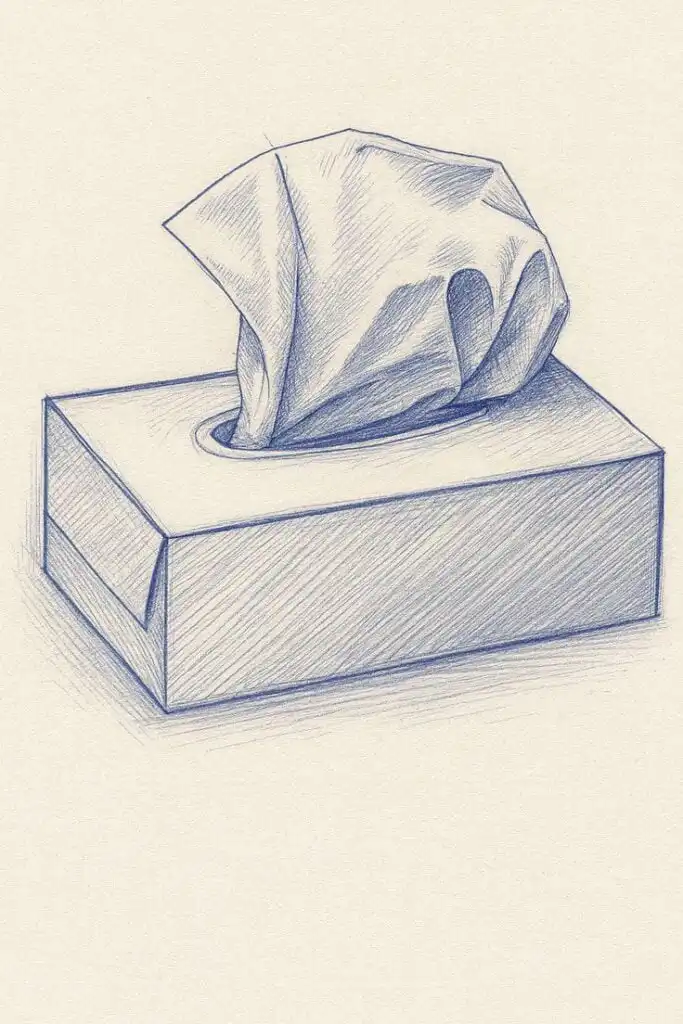
Pick ordinary items: a coffee cup, keys, a bicycle, or a stack of books. Simplify shapes: circles for cups, rectangles for books, and thin ovals for keys. Focus on one or two defining marks—a logo, a handle, or worn edges.
Texture makes small objects believable. Use cross-hatching for metal, soft smudges for ceramic, and tiny parallel lines for wood grain. Include shadows and reflections to anchor objects to the surface.
Arrange objects as a small still life for variety. Overlap items slightly and vary angles to create interest. Keep backgrounds minimal so the objects read clearly at a glance.
Nature-Inspired Miniature Drawings
Use small shapes, clear lines, and focused details to capture nature in tiny art. Pick one subject, limit your palette, and work on scale and texture to make each mini drawing read clearly.
Small Florals and Leaves
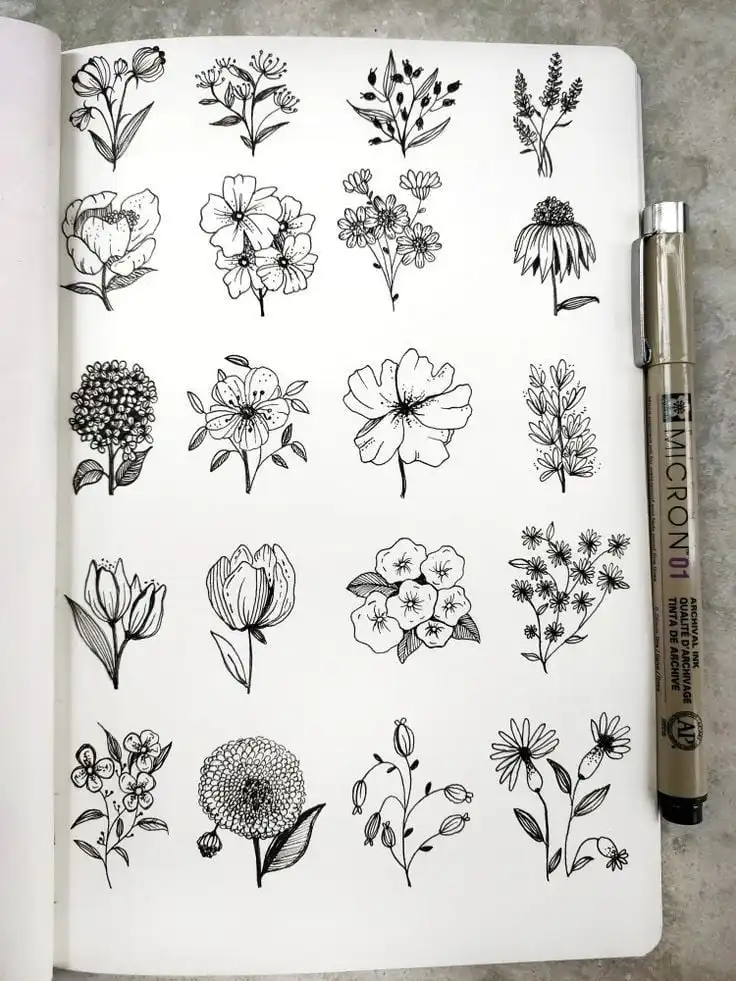
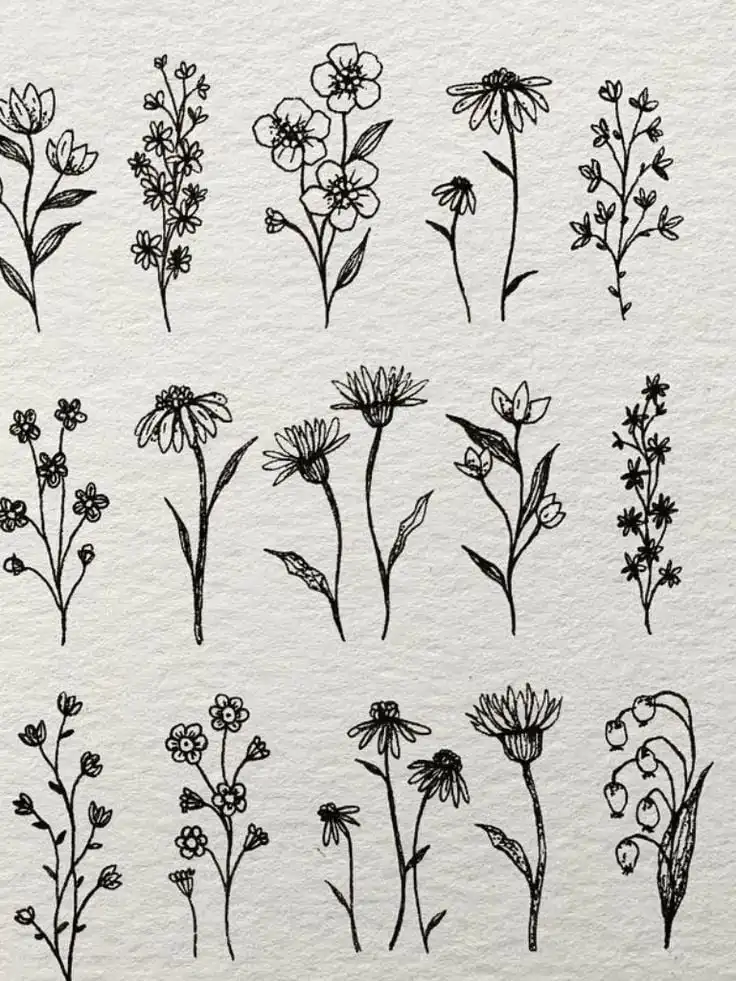
Start with one flower type—like a daisy, tulip, or wild rose—and simplify its shapes. Draw the center, then add evenly spaced petals. Keep each petal short and slightly rounded; avoid tiny, fussy strokes that blur at small sizes. For leaves, use a single midrib and one or two veins. That gives structure without clutter.
Work on spacing. Place a few florals with varied tilt and size to suggest depth. Use a thin pen for outlines and a slightly thicker pen or soft wash for shadow. Try quick hatch marks for shadow under petals and a tiny dot pattern in the flower center. If you use color, limit to two or three tones—one for petals, one for leaves, one for accents.
Miniature Animal Illustrations
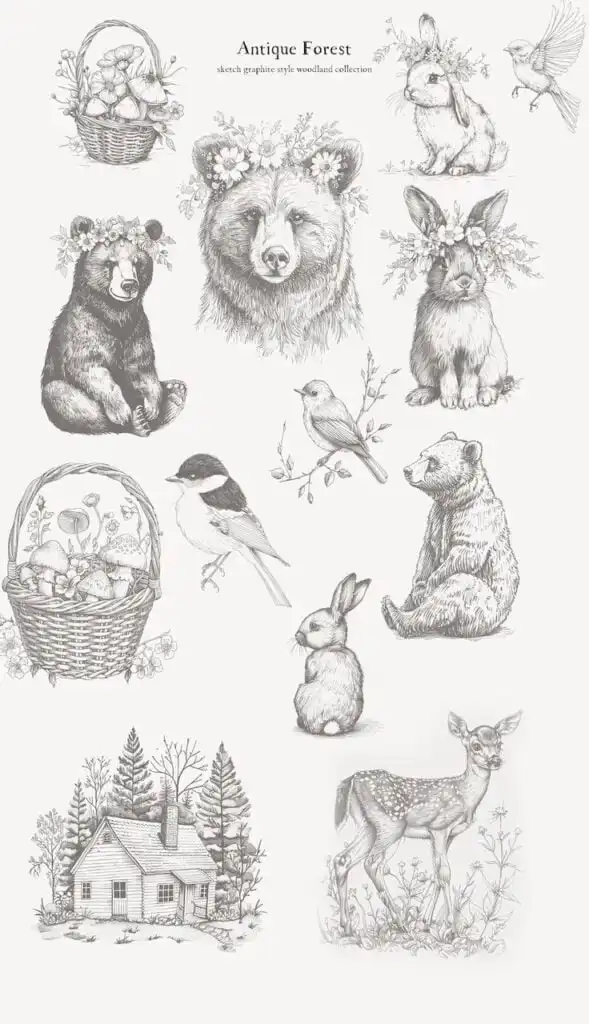
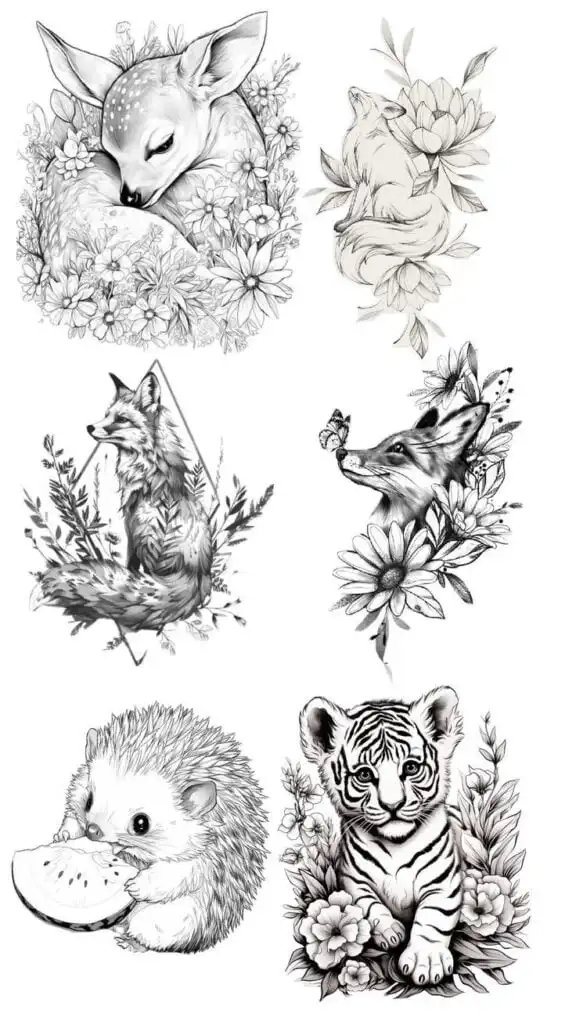
Choose animals with simple silhouettes: birds, rabbits, or frogs work well. Focus on a clear outer shape first. Eyes and noses should be small, dark dots; avoid detailed fur texture that becomes noise at the scale. Indicate posture with one or two confident lines: a curved back, tucked legs, or a tilted head.
Add personality with small marks—an eyebrow line, a tiny wing feather, or a speckled belly. Place the animal in context with a single branch, rock, or grass tuft to anchor it. Use contrast to separate the animal from its background: a darker outline, a lighter interior, or a small halo wash. Practice reducing complex features into simple symbols so the subject reads instantly.
Tiny Botanical Patterns
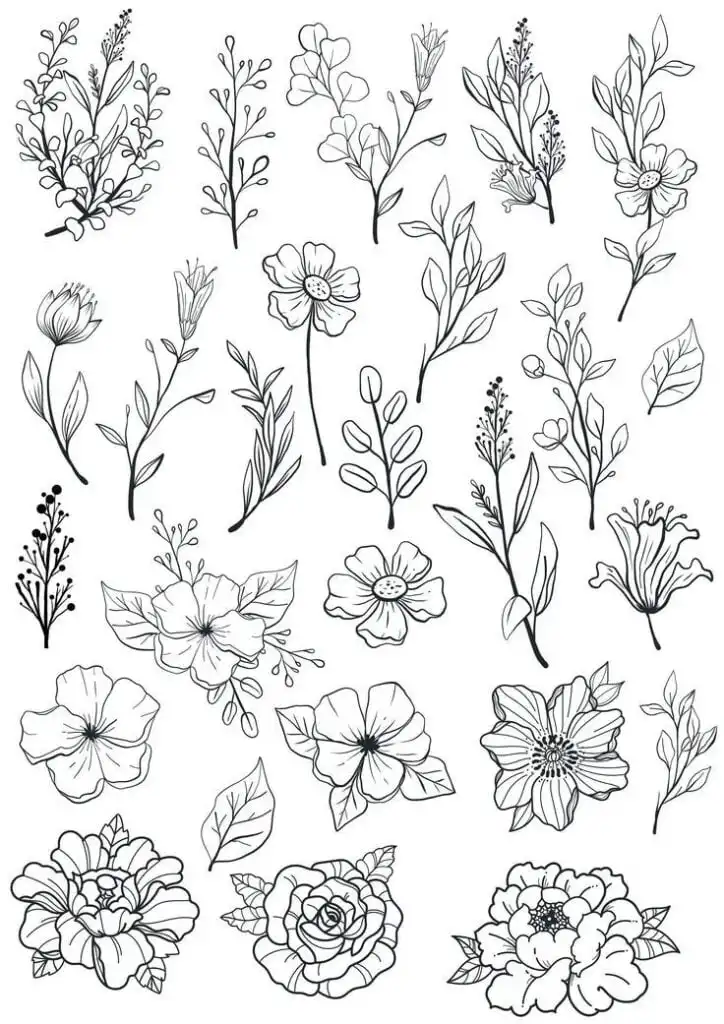
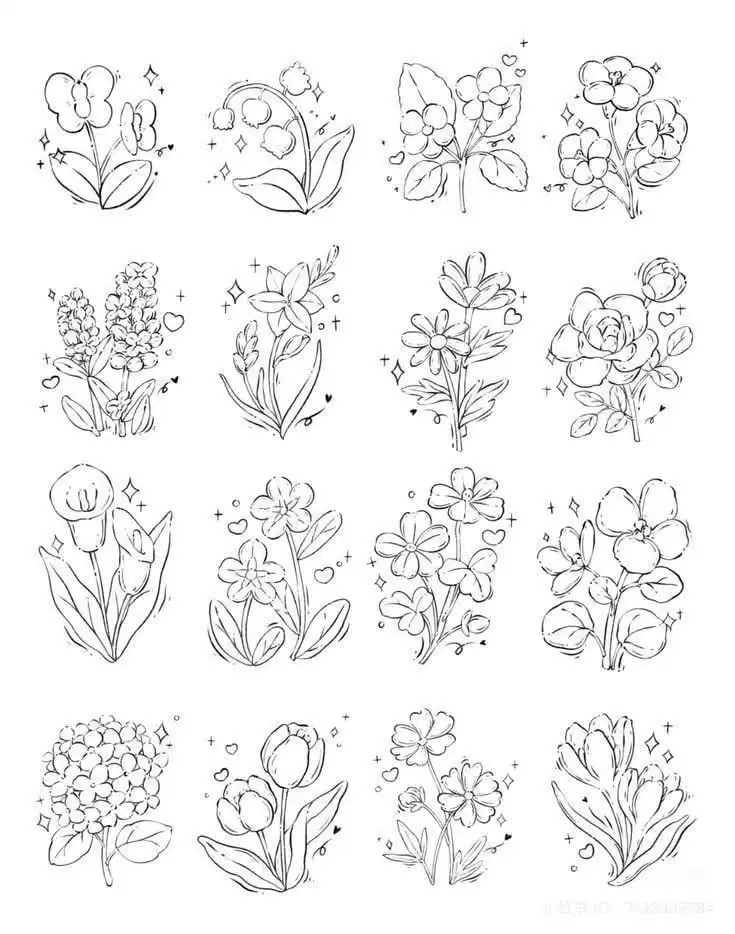
Create repeat motifs from a few elements: a leaf shape, a seed pod, and a bud. Arrange them in rows, a circular wreath, or a scattered pattern across the page. Keep each motif consistent in scale to maintain rhythm in the design.
Vary orientation and spacing to avoid a mechanical look. Use alternating line weights—fine lines for stems, bolder lines for leaves—to add hierarchy. If you plan to fill a small surface like a tag or tile, test the pattern at the final size first. That helps you spot elements that need simplification. Small dots, short dashes, and tiny crosshatches make effective texture without overpowering the motifs.
Urban and Architectural Miniatures
This section shows concrete ideas for small-scale city scenes, street slices, and room interiors. You’ll learn key tips for layout, scale, texture, and focal points to make each miniature feel real.
Micro Cityscapes

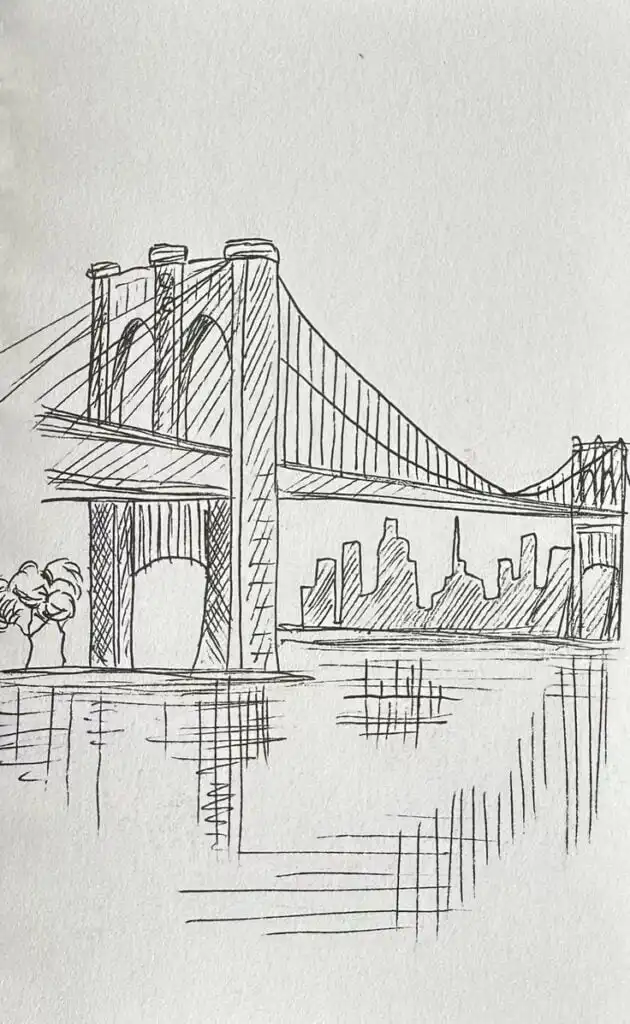
Focus on a single block or cluster of buildings rather than an entire city. Pick 3–6 buildings with varied heights — a corner shop, a brownstone, and a narrow tower — and design them on a small sheet or postcard size. Use a consistent scale (1:500, 1:200, or choose a pencil-to-door rule) so windows, doors, and street elements line up.
Work in layers: sketch building silhouettes, add mid-level details like fire escapes and signs, then finish with tiny textures for brick, glass, and rooftop clutter. Add one strong focal point, such as a lit deli window or a rooftop garden. Use hatching, stippling, and white gel pen highlights to suggest depth in small areas.
Compact Street Views
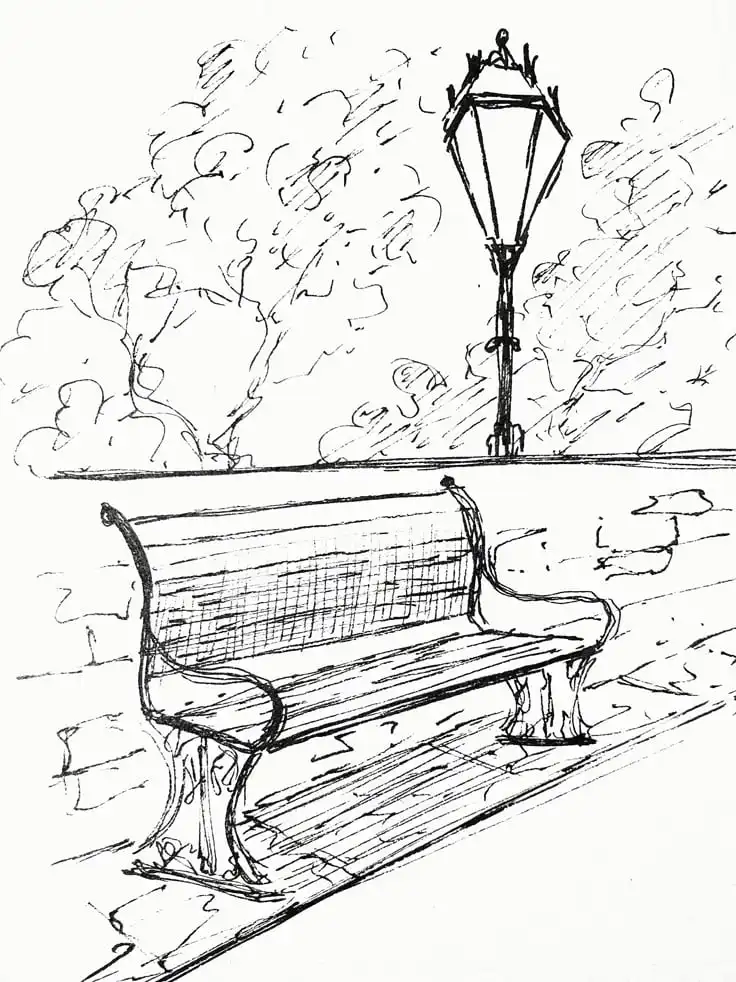
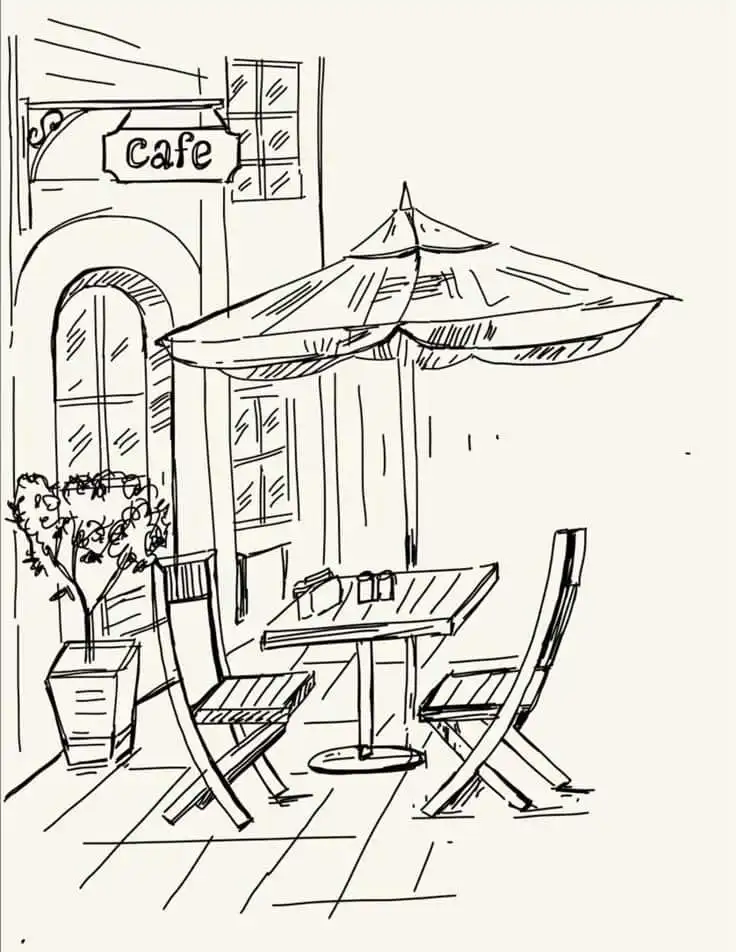
Capture a street scene slice: sidewalk, storefronts, a parked bike, streetlight, and a curb. Keep the composition narrow and horizontal to emphasize movement and perspective. Place the vanishing point low to show building facades in close view.
Vary line weight to separate foreground objects (thicker lines) from background facades (lighter lines). Add human scale with one or two tiny figures, a shop sign, or a bench to tell a small story. Use contrasting textures for pavement, glass reflections, and awnings. Consider a limited palette or monochrome ink with one accent color to make the scene readable at a small size.
Tiny Home Interiors
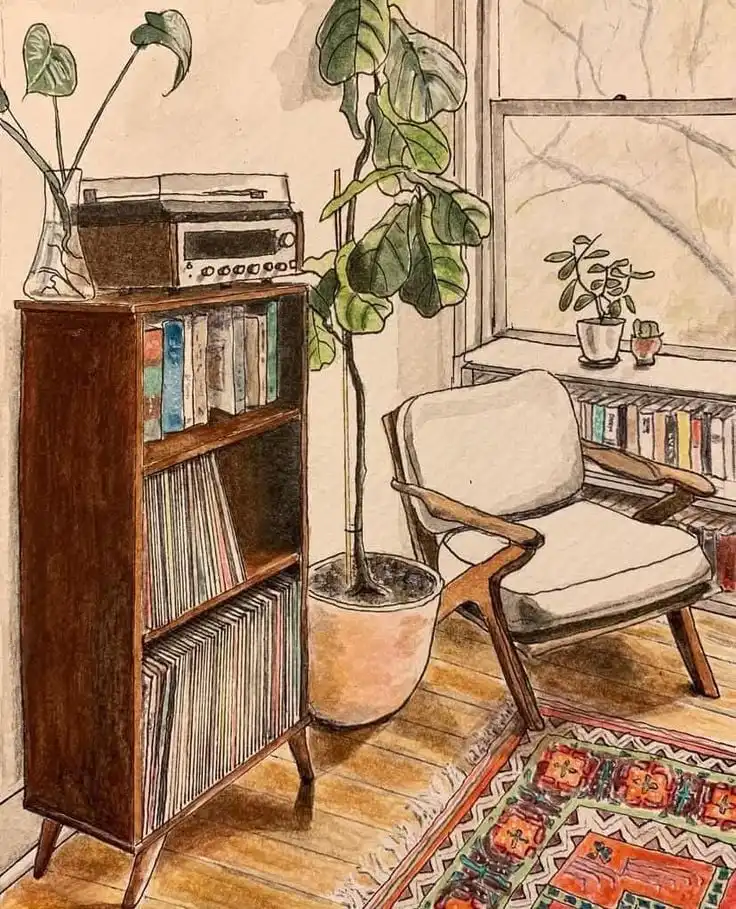
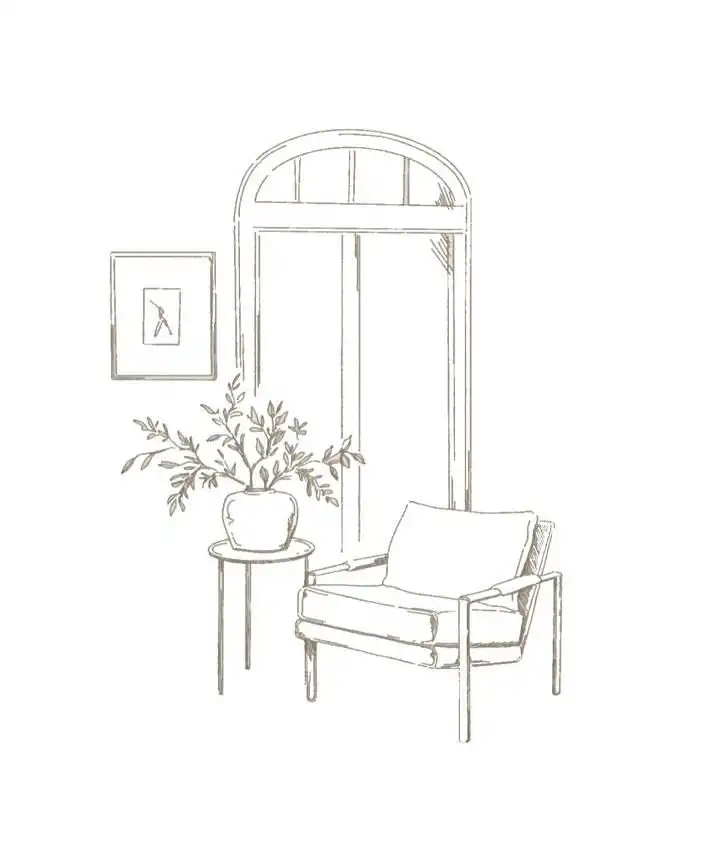
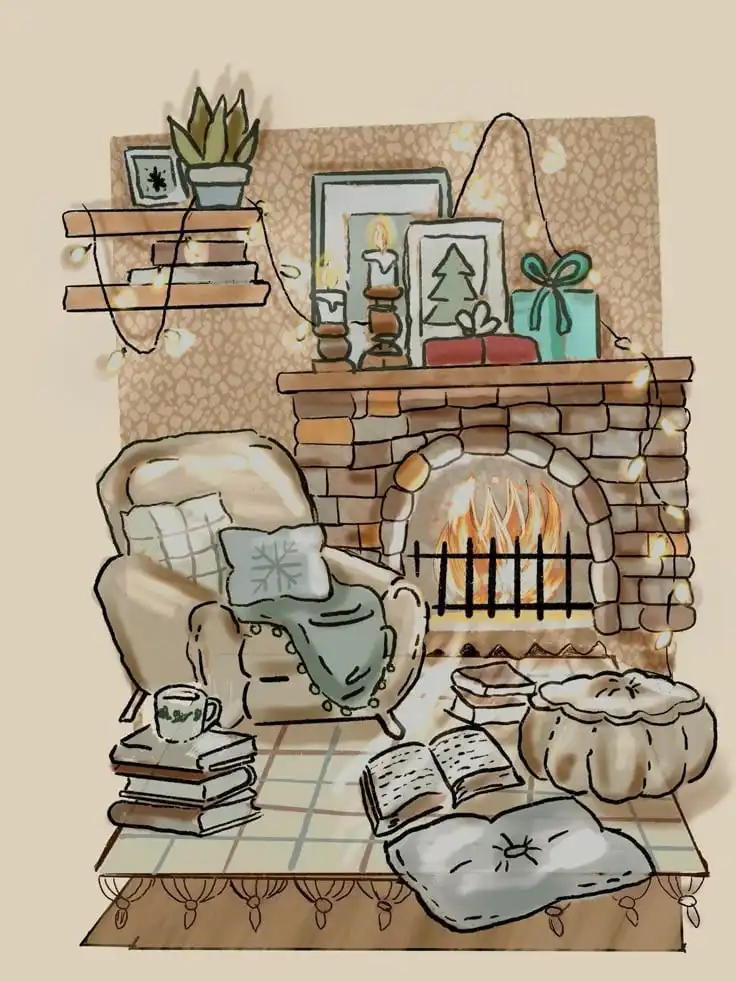
Draw a single room scene: a kitchenette corner, a compact studio layout, or a bathroom shelf. Choose a clear viewpoint — isometric for flat clarity or one-point perspective for depth. Keep furniture simplified: a couch, table, lamp, and rug are enough to define the space.
Concentrate on scale details like a teacup, framed photo, or stack of books to make the room believable. Use pattern and tone to separate surfaces: wood grain for floors, crosshatch for cushions, and light washes for wall color. Add a light source, such as a window or lamp, and show its effect with cast shadows and small highlights to make the tiny interior feel lived-in.
Themed Collections for Miniature Drawings
Pick a clear theme and repeat small elements to build a strong mini collection. Focus on shapes, color palette, and a size limit so your pieces look like a set.
Seasonal Motifs
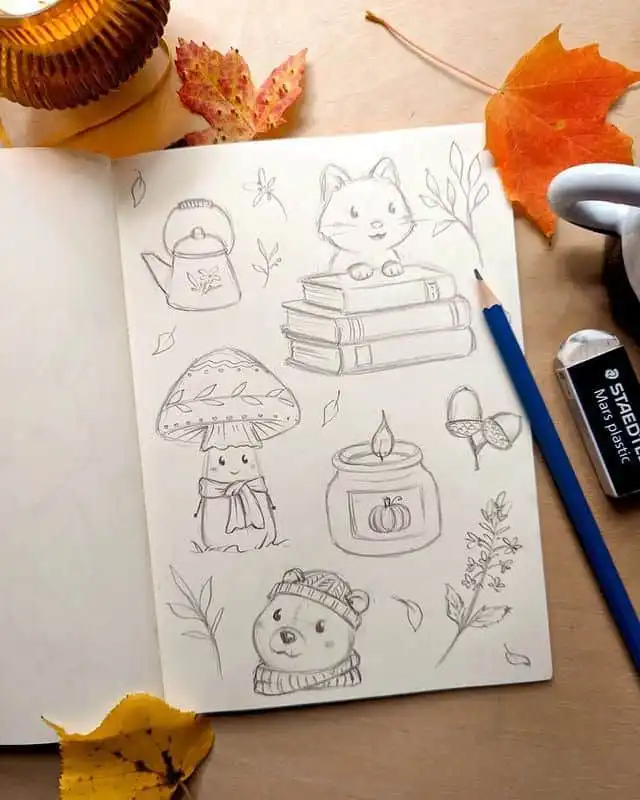
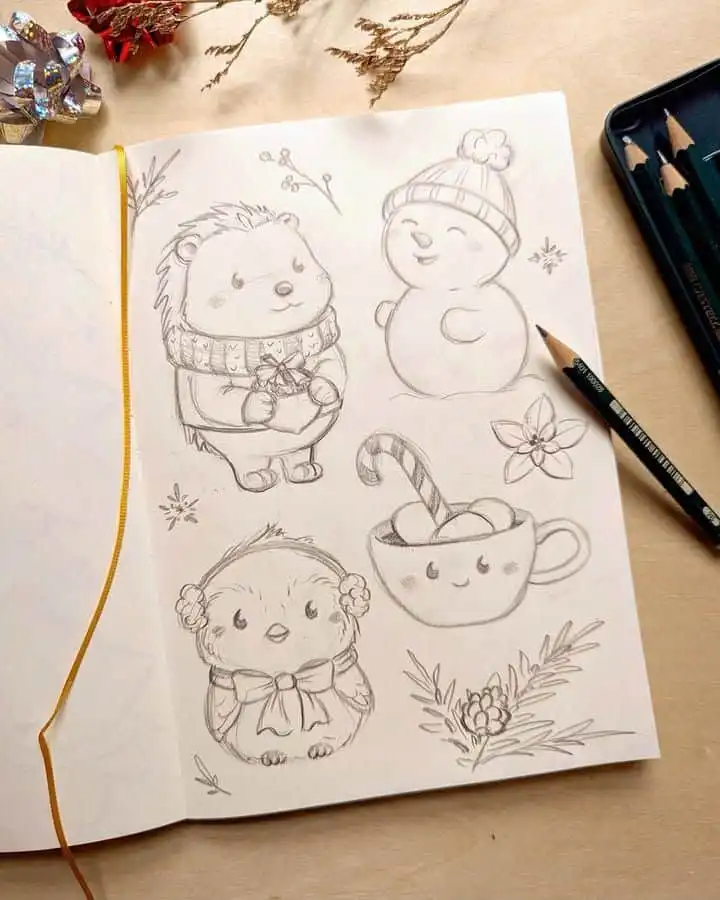
Create tiny drawings that show weather, plants, and seasonal gear. For spring, draw small tulips, raindrops, and open umbrellas. Use fresh greens and soft pinks to keep the set cohesive.
In summer, sketch sunglasses, ice cream cones, and flip-flops. Keep lines bold so the tiny details still read at a glance. Use bright yellows and aqua blues for contrast.
For autumn, draw acorns, curled leaves, and knit scarves. Use warm browns and deep oranges, and add simple texture lines to suggest wool or leaf veins.
In winter, focus on mittens, steaming mugs, and pine branches. Use cool blues and muted greens; add small white highlights to suggest snow.
Holiday Celebrations

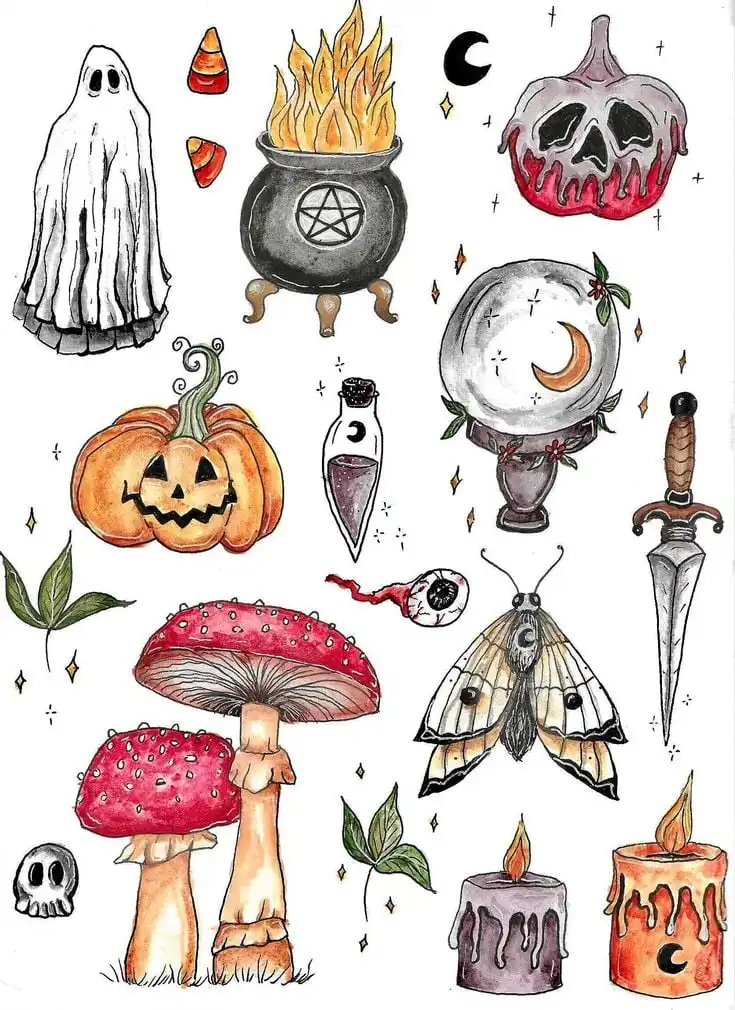
Choose a specific holiday and make a mini series of its icons. For example, for Halloween, draw a tiny jack-o’-lantern, a black cat silhouette, and a candle-lit lantern. Use high contrast—black with orange—to make each mini pop.
For Christmas, sketch a small ornament, a wrapped gift, and a sprig of holly. Keep shapes simple: circles, squares, and triangles work best at a small scale. Add metallic or glitter accents sparingly to avoid clutter.
For Eid or Diwali, draw a crescent moon with a tiny lantern, a diya, and a string of lights. Stick to a consistent light source so the tiny highlights match across all pieces.
For birthdays, make a mini cupcake, a balloon, and a tiny banner. Repeat a single pattern or color to tie them together visually.
Fairytale Characters
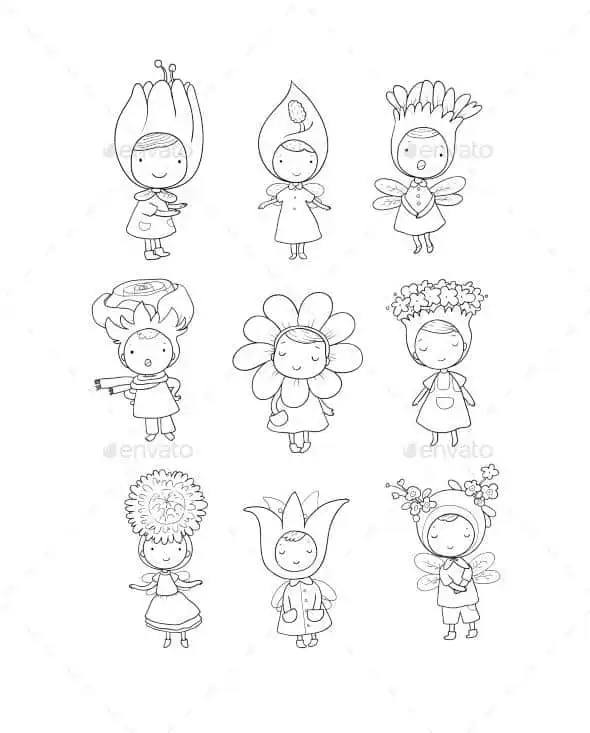
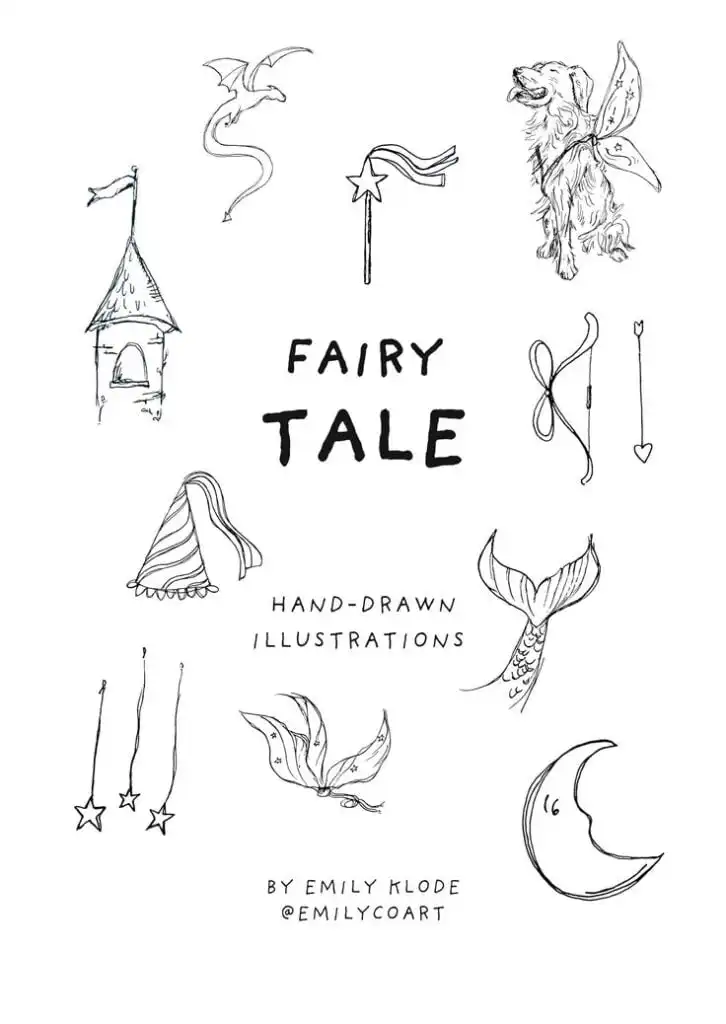
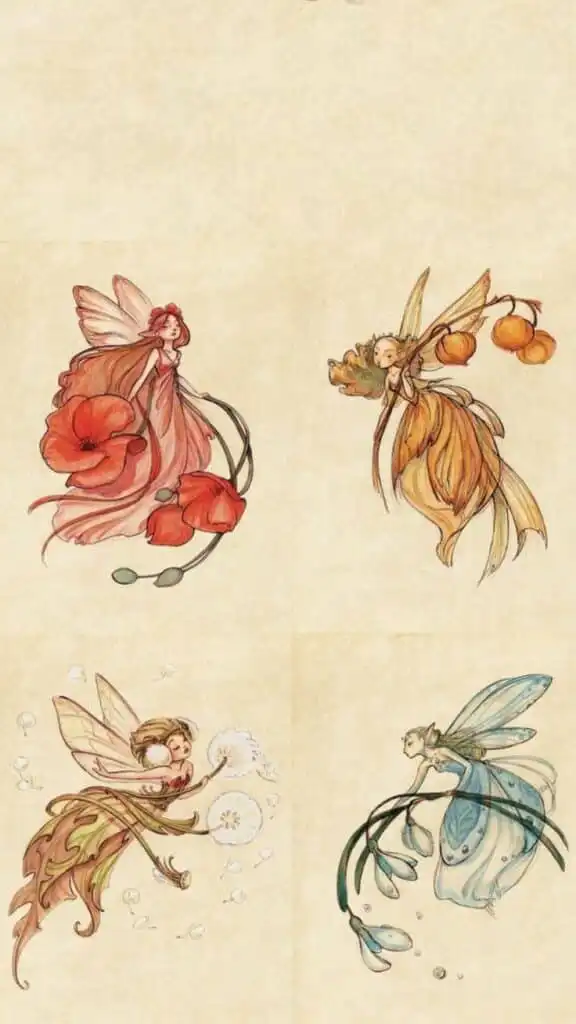
Pick a cast of three to five characters and show them in small, clear poses. Start with a hero, a helper, and a villain—like a tiny knight, a fox companion, and a robed witch. Use distinct silhouettes so each character reads at a small scale.
Give each character one defining prop: sword, satchel, or staff. This helps viewers identify them without extra detail. Keep facial features minimal—dots and short lines—so expressions still show when the drawing is tiny.
You can also theme by story element: a mushroom house, a moonlit bridge, and a tiny crown. Use a limited color scheme and repeat motif patterns (stars, leaves, stripes) to create visual unity across the collection.
Techniques for Creating Miniature Art
You’ll learn clear, usable methods for tiny-scale drawing: precise line work, layered colored pencil builds, and careful watercolor detailing. Each method focuses on tools, step-by-step moves, and small-scale tricks that help keep your pieces crisp and clean.
Line Art Approaches
Choose the right pens: use a range of nib sizes like 0.05–0.3 mm for fine detail and 0.5–0.8 mm for bolder outlines. Hold the pen steady and rest your pinky or hand on the work surface to reduce shakes.
Start with light pencil guides drawn very small. Keep shapes simple—basic forms first, then add tiny features (hair strands, fabric folds, facial marks). Ink over the pencil slowly and lift the pen at the end of each stroke to avoid blobs.
Use varied line weight to suggest depth: thicker lines for foreground edges, thinner for distant or delicate details. For texture, use short hatching or tiny stippling rather than long strokes. If you need correction, a thin white gel pen helps tidy micro-mistakes without damaging paper.
Tools checklist:
- Mechanical pencil (0.3–0.5 mm)
- Fineliners (0.05–0.8 mm)
- Eraser shield or tack eraser
- White gel pen for highlights
Color Pencil Layering
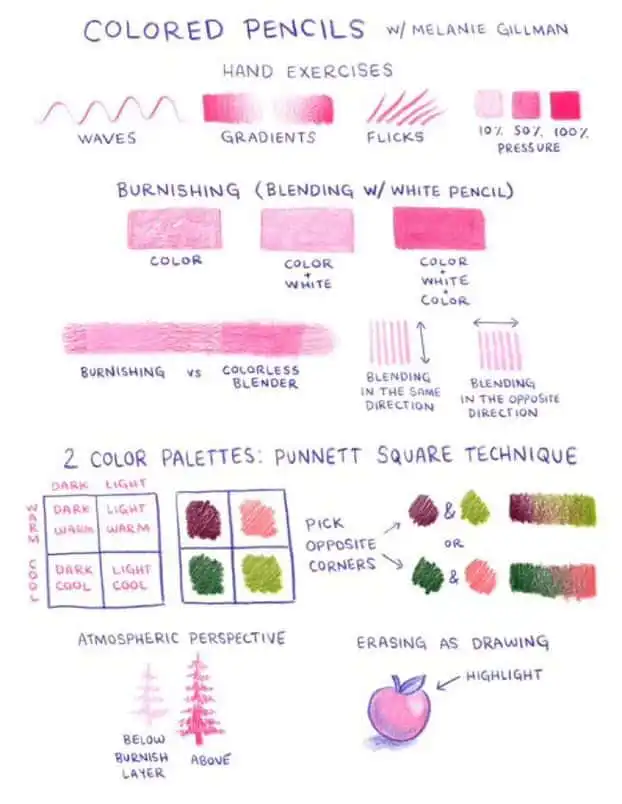
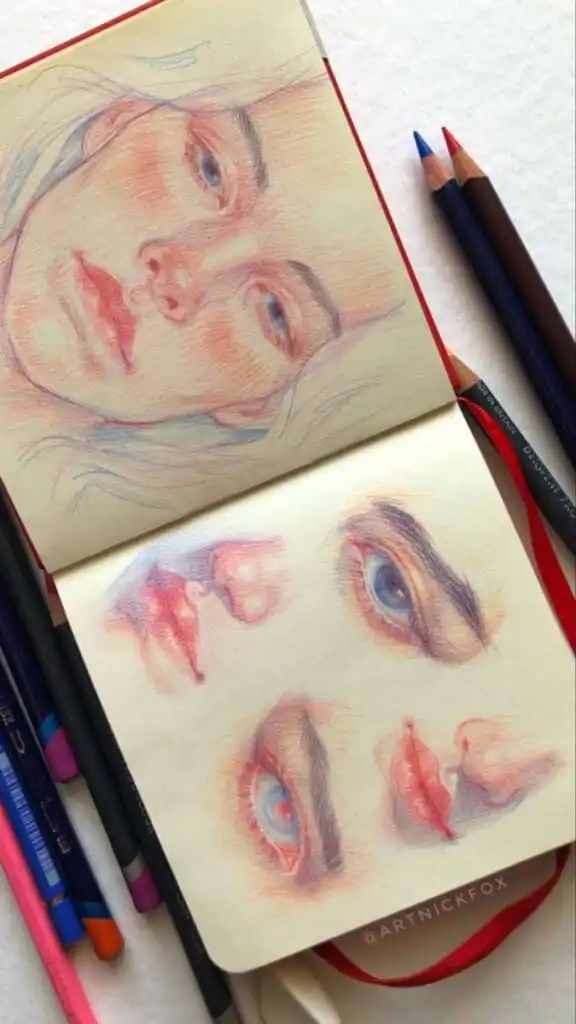
Start with a smooth, tooth-friendly paper and sharpened pencils with a slightly blunt tip to lay down soft color. Block in base tones with light pressure; this keeps grain even and avoids wax bloom.
Build color in thin layers. Use small circular motions or light crosshatching to blend without strong streaks. Increase pressure slowly to deepen shadows. Use a lighter pencil or blender pencil to smooth transitions and lift color where needed.
Pay attention to the scale of detail. For tiny highlights, a white pencil or tiny dots of acrylic can make a feature pop. Keep a palette plan: write three values (light, mid, dark) for each color to maintain consistent contrast across the piece.
Layering quick tips:
- Start light, add dark gradually
- Work from large shapes to small accents
- Clean pencil points and rest frequently to avoid oil transfer
Watercolor Mini Detailing
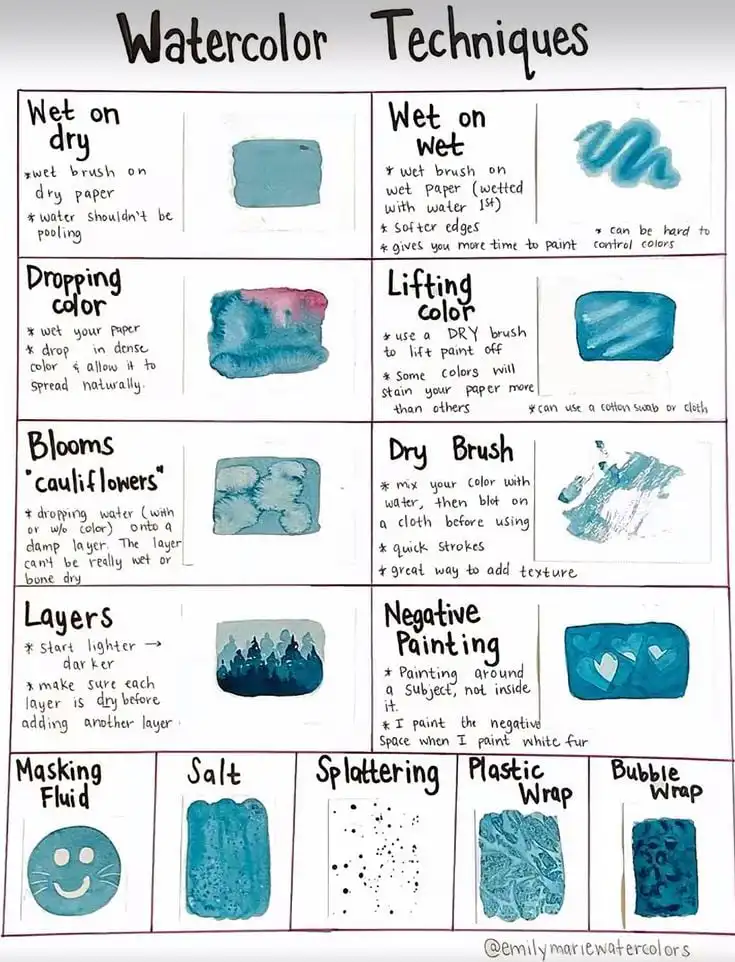
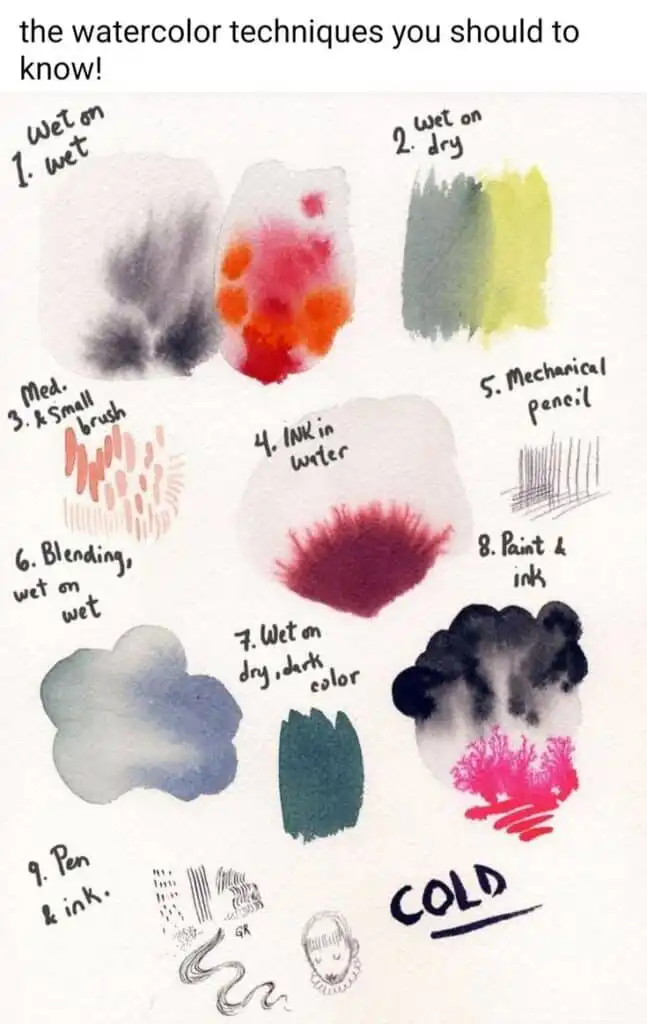
Use a fine watercolor brush (size 0–2) and concentrated pigments. Mix small drops of color on a palette; too much water will spread beyond tiny edges. Test washes on scrap paper to judge flow.
Work in controlled layers: lay a light wash for the base, let it dry fully, then add darker glazes for shadows and texture. Use a damp brush to lift tiny highlights from dried washes. For crisp edges, paint into dry paper; for soft blends, paint wet-into-wet in a very small area.
Control bleeding with masking fluid or tiny strips of tape for sharp shapes. Keep cotton swabs and a toothpick handy to blot stray spots. Protect finished pieces with a light spray fixative if you need to add pencil or ink later.
Fun Challenges and Prompts
Try short, focused exercises that push your observation, speed, and idea-making. Use daily prompts for steady practice and a bingo grid to mix skills and keep things playful.
Daily Sketch Prompts
Pick one small subject to draw each day for a month. Use a list of 30 clear prompts like “cup with a shadow,” “tiny landscape in a jar,” or “close-up leaf texture.” Set a time limit of 10–20 minutes to keep sketches loose and avoid overworking details.
Keep a simple habit: sketch in the same small sketchbook or on index cards so your mini drawings form a consistent collection. Date each entry and note what you tried (line, shading, color swatch). That quick record helps you track progress and repeat ideas that worked well.
Swap one day per week for an observational challenge: draw from life at a café, windowsill, or pocket-sized still life. These real-world subjects improve proportion and light-handling more than imagined prompts alone.
Miniature Drawing Bingo
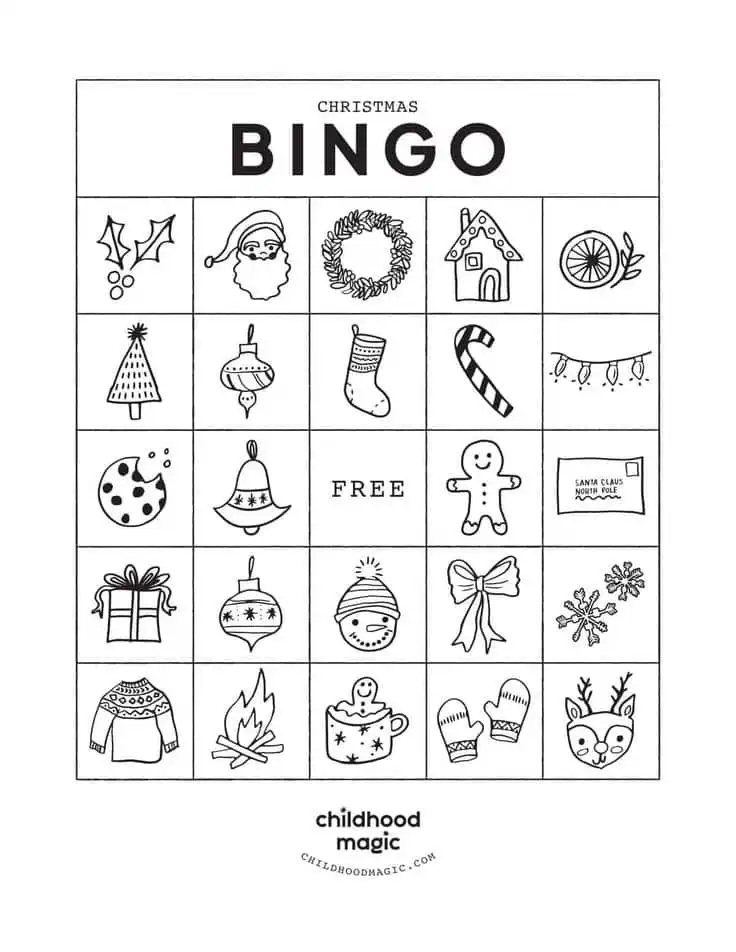
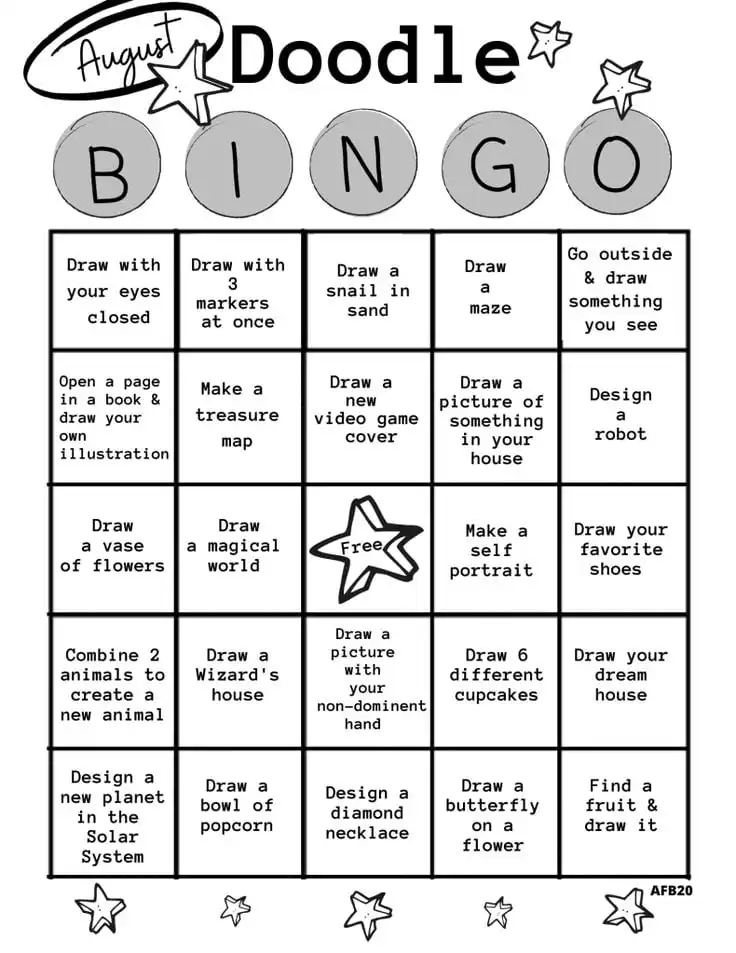
Create a 5×5 bingo card with mixed prompts: technical (cross-hatching, foreshortening), subject (animal, tiny vehicle), and style (monochrome, pattern). Mark squares as you complete them and aim for one line or a full card in a month.
Use rules to keep momentum: one square per day, or complete three small sketches in one sitting to claim a square. Reward yourself when you finish a row—new pens, a small print, or a relaxed sketching session outdoors.
Rotate cards every month to target weak spots. For example, make a card focused on texture, then one for lighting. The game format makes practice feel like play and gives clear goals for your miniature work.
Showcasing and Sharing Miniature Artwork
Display pieces where people can see scale and detail, and share images that show process and context. Focus on clear photos, simple displays, and consistent posting to help others find and enjoy your tiny art.
Creative Display Ideas
Use small frames or matchbox-style boxes to protect and highlight each piece. Arrange a grid of 3×3 tiny canvases on a floating shelf to create a strong visual unit. Label each piece with a tiny tag showing title, size, and medium, so viewers know what they’re looking at.
Try clear acrylic stands for desk display; they keep the work upright and let light hit the surface. Pin miniature drawings to a corkboard in a salon-style cluster for an informal feel. For temporary shows, use a shadow box witha layered backing to add depth without changing the art.
Consider lighting: place LED strip lights above shelves or use a small clip-on lamp to reduce glare. Rotate pieces every few weeks to keep the display fresh and to protect works from prolonged light exposure.
Social Media Tips
Take close-up photos and one wider shot that shows scale, like your hand or a coin beside the drawing. Use natural light near a window and a plain background; this prevents color casts and distractions. Keep captions short: include size, medium, and a quick note about your process or inspiration.
Post consistently—pick two or three days per week—and use 5–10 relevant hashtags such as #miniart, #tinyart, and medium-specific tags. Engage with other artists by commenting on similar posts and joining small-art or daily-art challenges to grow visibility. Save process videos or time-lapses to Stories or Reels; viewers love watching how tiny details come together.
FAQ
What are miniature drawings, and why are they useful for artists?
Miniature drawings are small-scale sketches that can be created quickly and with minimal setup, making them great for practicing shapes, shading, and style to improve art skills efficiently.
How can I start practicing tiny drawings?
Begin by choosing simple subjects like small plants, animals, or objects, and use small sketchbooks or notes to practice quick, focused sketches regularly to build confidence and skill.
What techniques are recommended for creating detailed miniature artwork?
Use fine pens for line work, layered colored pencils for coloring, and controlled watercolor methods, focusing on simple shapes, contrast, and texture to keep details crisp at a small scale.
What are some good ways to share my miniature art online?
Display your work in small frames or on shelves with proper lighting, take close-up and scale photos with natural light, and post regularly on social media with relevant hashtags and process videos to reach more viewers.
How do I choose themes for my miniature drawing collection?
Select clear themes like seasonal motifs, holiday icons, fairy tale characters, or urban scenes, and keep the style consistent in scale, color palette, and motif to create a cohesive set.
- 3.4Kshares
- Facebook0
- Pinterest3.4K
- Twitter0
- Reddit0