Insects might be some of nature’s smallest wonders, but for those who dive into the world of insect macro photography tips, these tiny creatures become full of drama and surreal beauty. The right lens, lighting, and a dash of patience can reveal delicate wings, faceted eyes, and vibrant patterns that often go unnoticed by the casual observer. Below is a step-by-step tutorial, complete with best practices for capturing spectacular macro shots that bring even the humblest beetle into the spotlight.
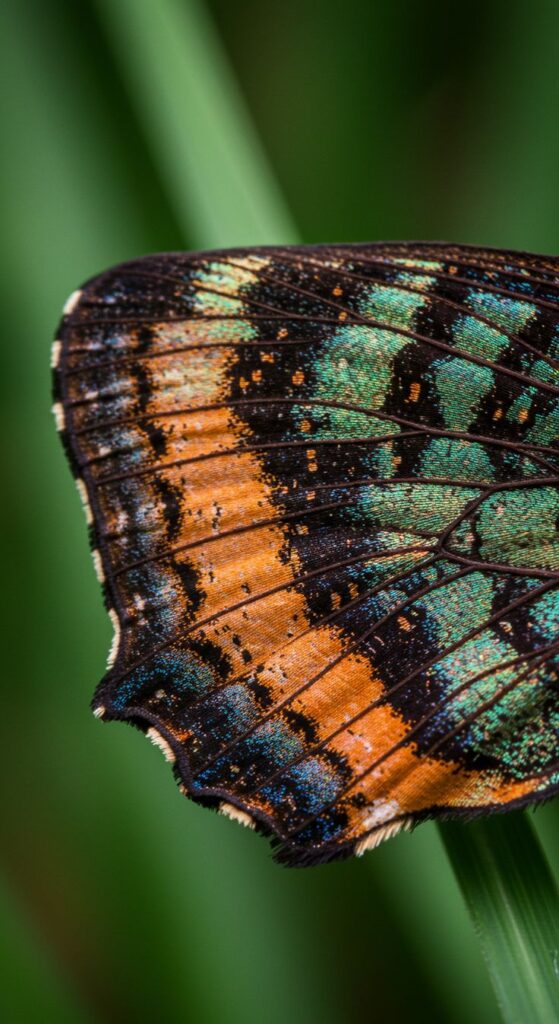
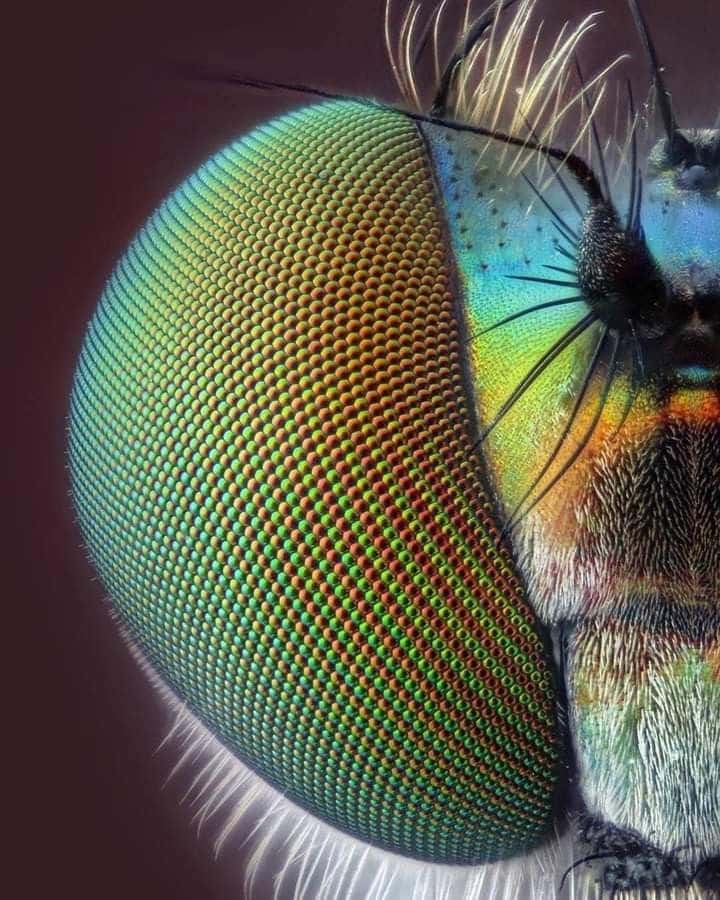
Table of contents
- Embrace the insect realm
- Gather essential gear
- Secure a stable setup
- Master your lighting
- Refine your focus
- Choose creative perspectives
- Use advanced methods
- Finalize your approach
- Frequently asked questions
Embrace the insect realm
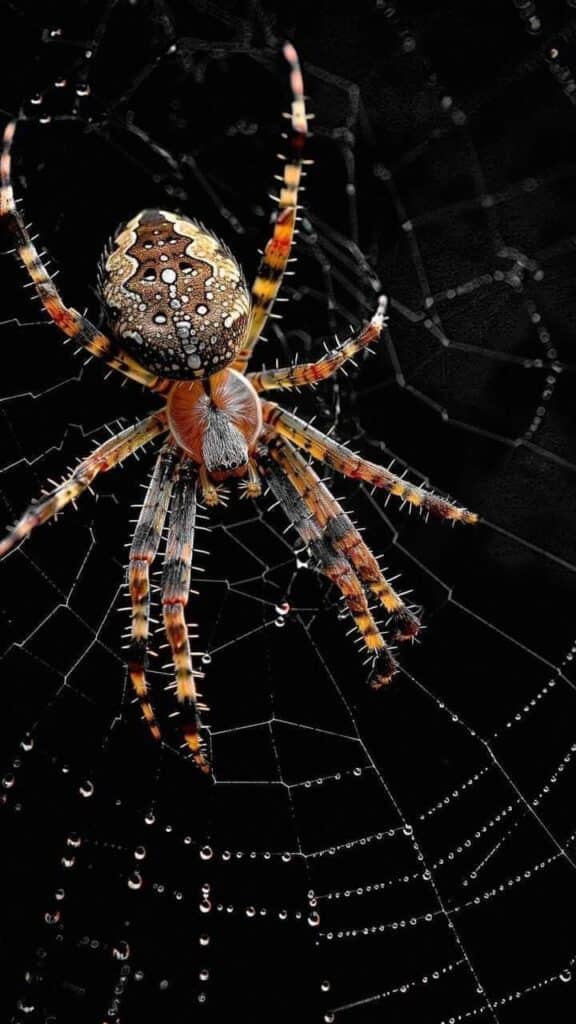
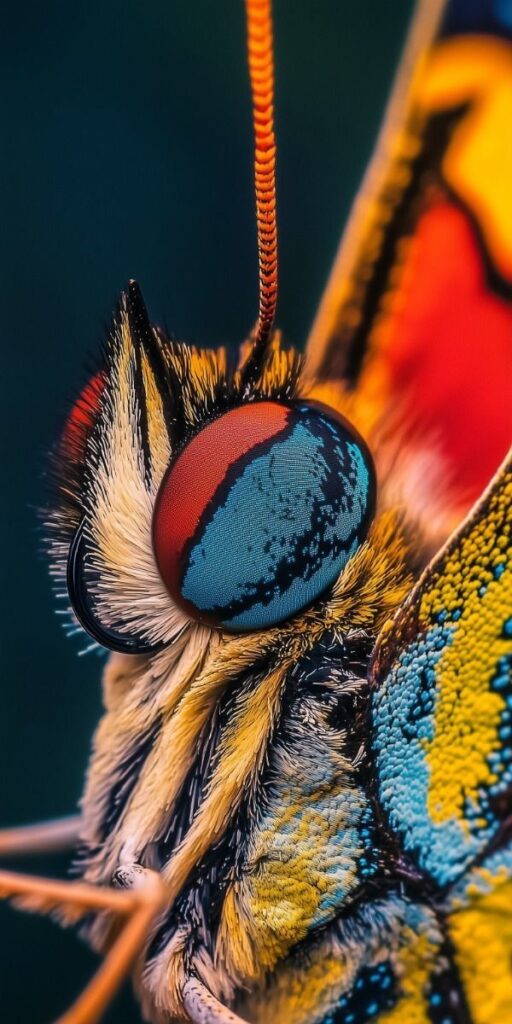
Somewhere in a quiet garden, a butterfly’s wings shimmer with a mosaic of pastel tones in the early morning sun. That moment, fleeting and often overlooked, is the essence of insect macro photography. To capture such magic, photographers need more than a quick shutter finger. They need an understanding of each insect’s life cycle and daily rhythm.
- Know their habits. Butterflies have favorite flowers, and ladybugs love aphid-rich plants (Photzy (https://photzy.com/a-bugs-eye-view-a-beginners-guide-to-insect-macro-photography/)). Observing those natural preferences can lead to better pictures.
- Identify the best time. Some insects appear at sunrise to feed, while others become active in the afternoon’s warmth. By heading out when they’re most visible, the photographer is less likely to waste time searching.
- Avoid sudden disruptions. Insects can be skittish, so approaching carefully and wearing neutral colors helps minimize startling them.
Getting this close can feel like stepping into a parallel universe. Each beetle’s glistening carapace or ant’s soldier-like stride tells a story. By taking some time to watch them, photographers can align their creative instincts with the natural behaviors unfolding in every leaf and flower bed.
Gather essential gear
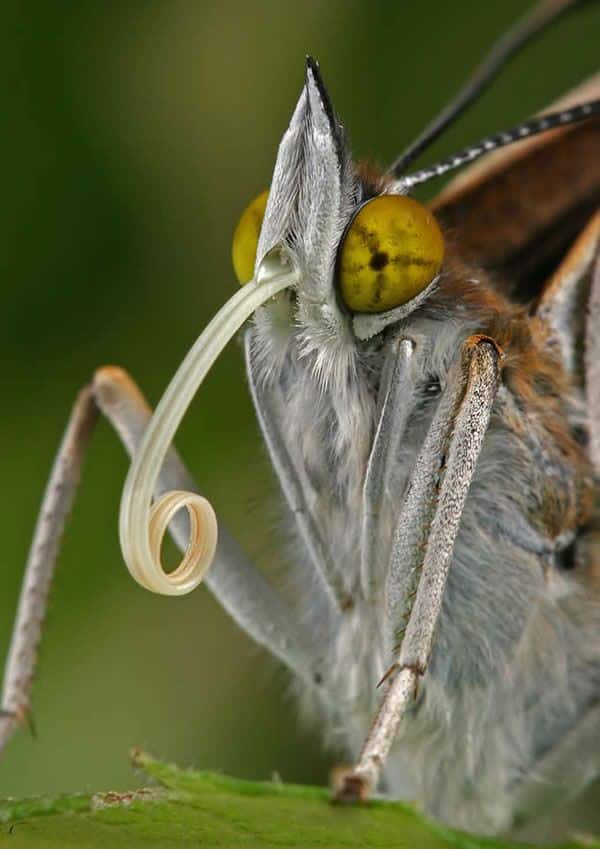
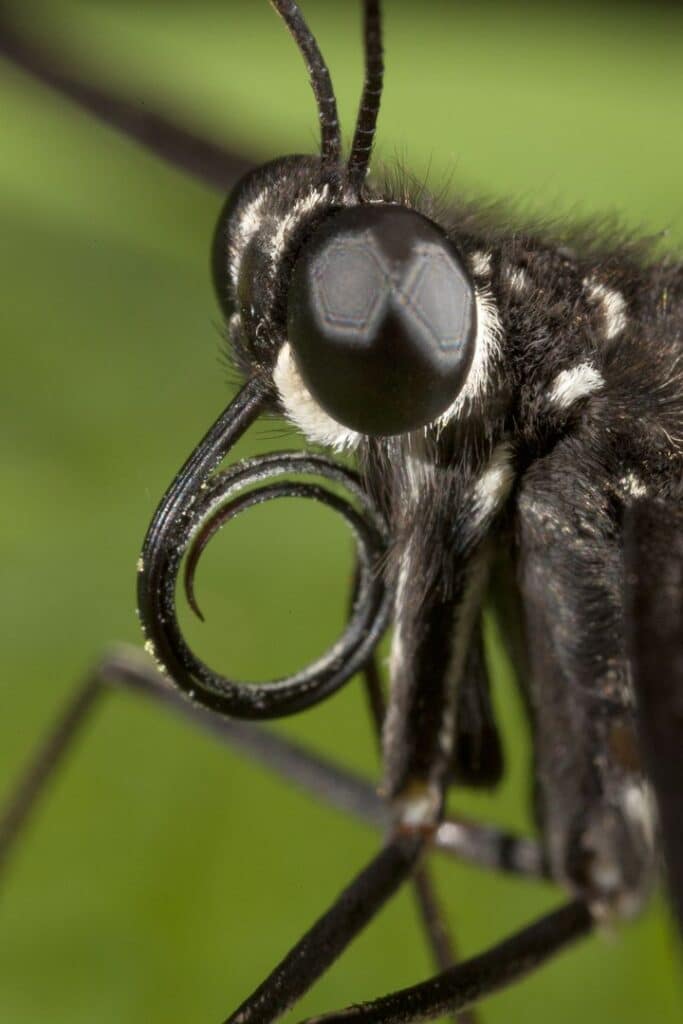
Insect macro photography can be done with a range of tools, but some equipment stands out for reliability and ease of use. From lenses to accessories, each piece of gear plays a role in helping freeze a lightning-fast wing flutter or highlight a micro-pattern hidden on a bug’s thorax.
Choose the right lens
- Macro lens. A true macro lens offers at least 1:1 magnification, which is essential for capturing tiny subjects without heavy cropping (Medium (https://medium.com/full-frame/photographing-insects-choosing-a-macro-lens-159a93348719)). For APS-C cameras, 1:1 magnification effectively translates to about 1.6x, giving plenty of detail.
- Focal length. Lenses in the 85 to 100 mm range tend to be a sweet spot, providing a comfortable working distance so photographers don’t scare insects away (Medium (https://medium.com/full-frame/photographing-insects-choosing-a-macro-lens-159a93348719)).
Consider additional tools
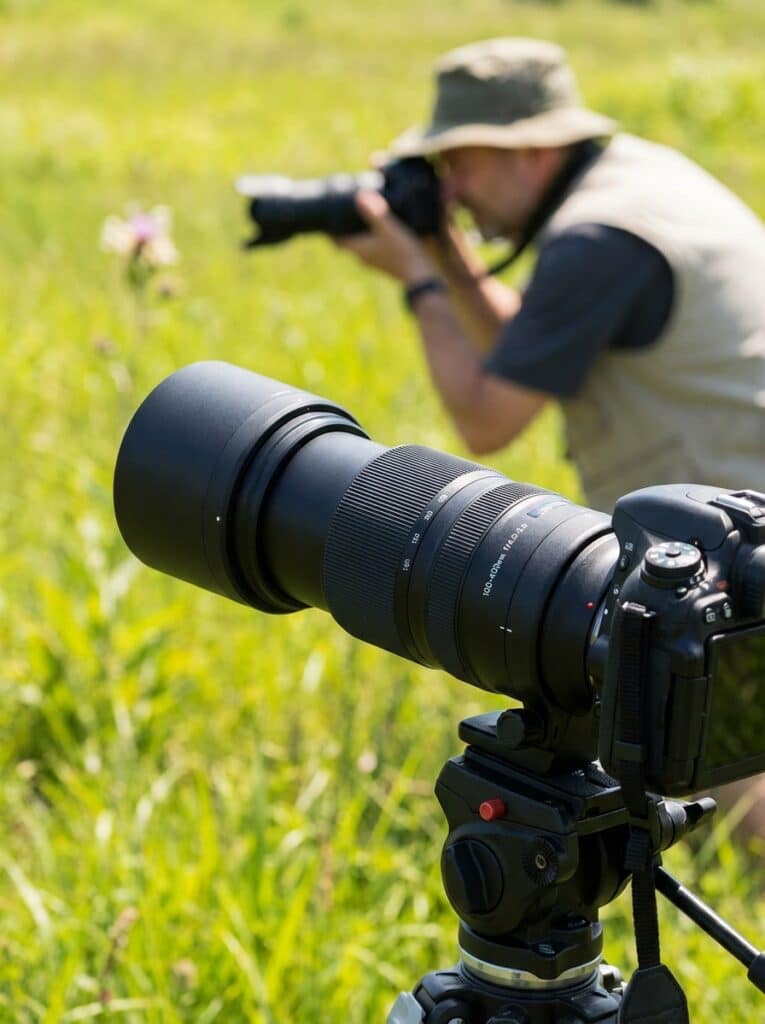
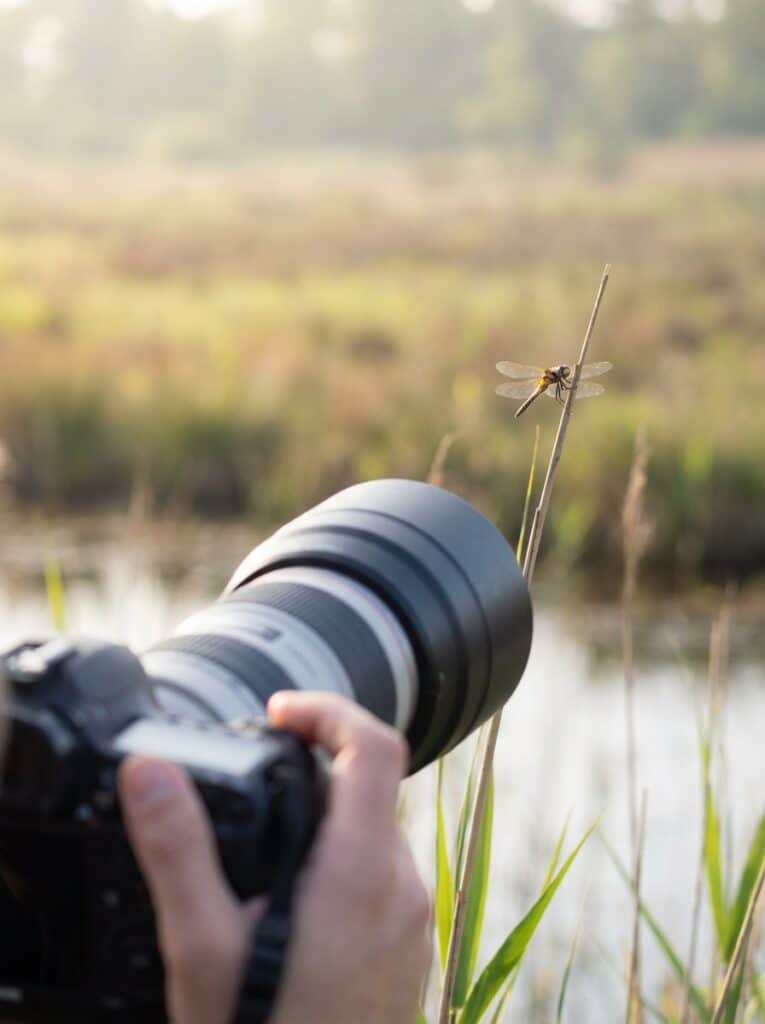
- Telephoto lens. Some photographers, such as Jose Madrigal, use a 100-400 mm zoom lens for especially wary insects (Alpha Universe (https://alphauniverse.com/stories/its-a-small-world-camera-setup-tips-for-macro-photography-and-insects-in-flight/)). This allows working from a distance without disturbing the subject.
- Extension tubes. These can boost magnification but are usually harder to handle in the field because of extremely shallow depth of field (Medium (https://medium.com/full-frame/photographing-insects-choosing-a-macro-lens-159a93348719)).
Ready the camera settings
- Autofocus or manual focus. Fast and accurate autofocus is critical for handheld shots (Medium (https://medium.com/full-frame/photographing-insects-choosing-a-macro-lens-159a93348719)). However, when an insect stays fairly still, manual focus can ensure complete precision.
- High-speed continuous shooting. Insect movement can be unpredictable, so continuous shooting improves chances of getting at least one perfectly crisp frame (Alpha Universe (https://alphauniverse.com/stories/its-a-small-world-camera-setup-tips-for-macro-photography-and-insects-in-flight/)).
Secure a stable setup

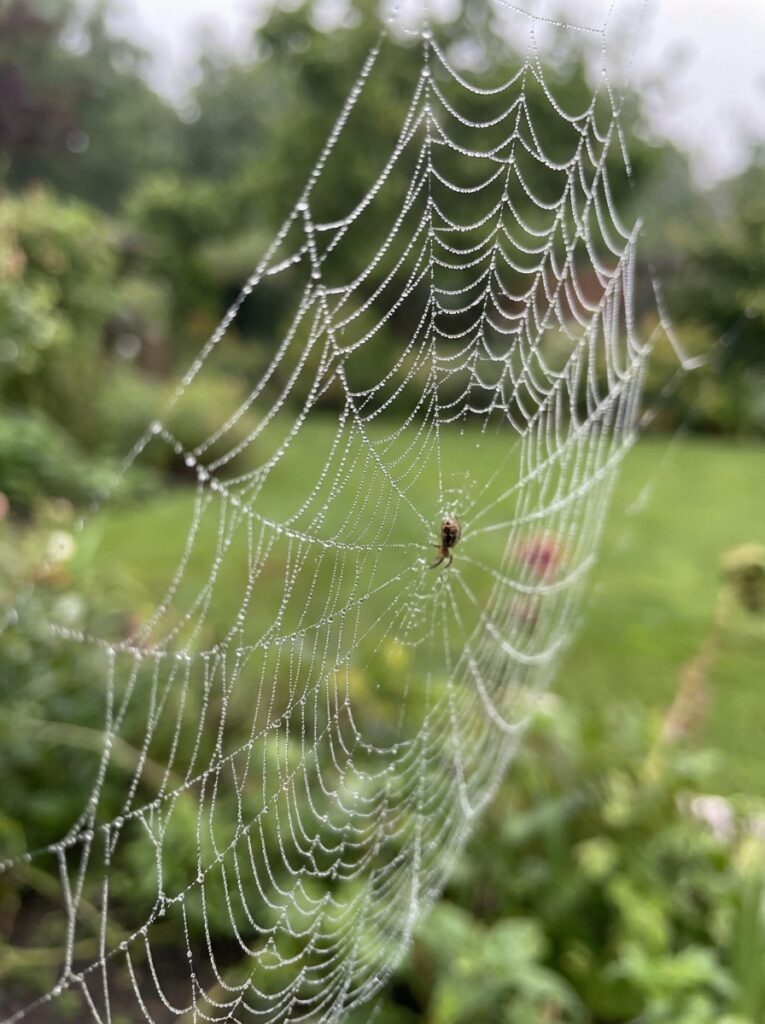
Even the slightest shake can turn a promising composition into a blur. Because macro photography reveals so much detail at high magnification, every micro-movement is amplified.
- Use a tripod or sandbag. Adding that stability is crucial for crisp images, particularly when using smaller apertures and slower shutter speeds (Photzy (https://photzy.com/a-bugs-eye-view-a-beginners-guide-to-insect-macro-photography/)). A sandbag placed under the camera lens can also help stabilize it if a tripod is not available.
- Rely on fast shutter speeds. Some insect photographers set speeds up to 1/800 second or higher to freeze motion (Alpha Universe (https://alphauniverse.com/stories/its-a-small-world-camera-setup-tips-for-macro-photography-and-insects-in-flight/)). If a flash is available, that strobe can further freeze movement.
- Consider image stabilization. Modern camera systems offer in-body or optical stabilization. It helps, but many experts, including Mark Overmars, note that stabilization is less effective in macro situations (Medium – Full Frame (https://medium.com/full-frame/photographing-insects-exposure-settings-77ca78029052)).
When photographing fast-moving insects such as ants, some enthusiasts recommend remaining perpendicular to the insect’s path to maintain consistent focus (iNaturalist Forum (https://forum.inaturalist.org/t/tips-tricks-taking-pictures-of-bugs-that-move-fast/22510)). These small details in positioning can make all the difference.
Master your lighting
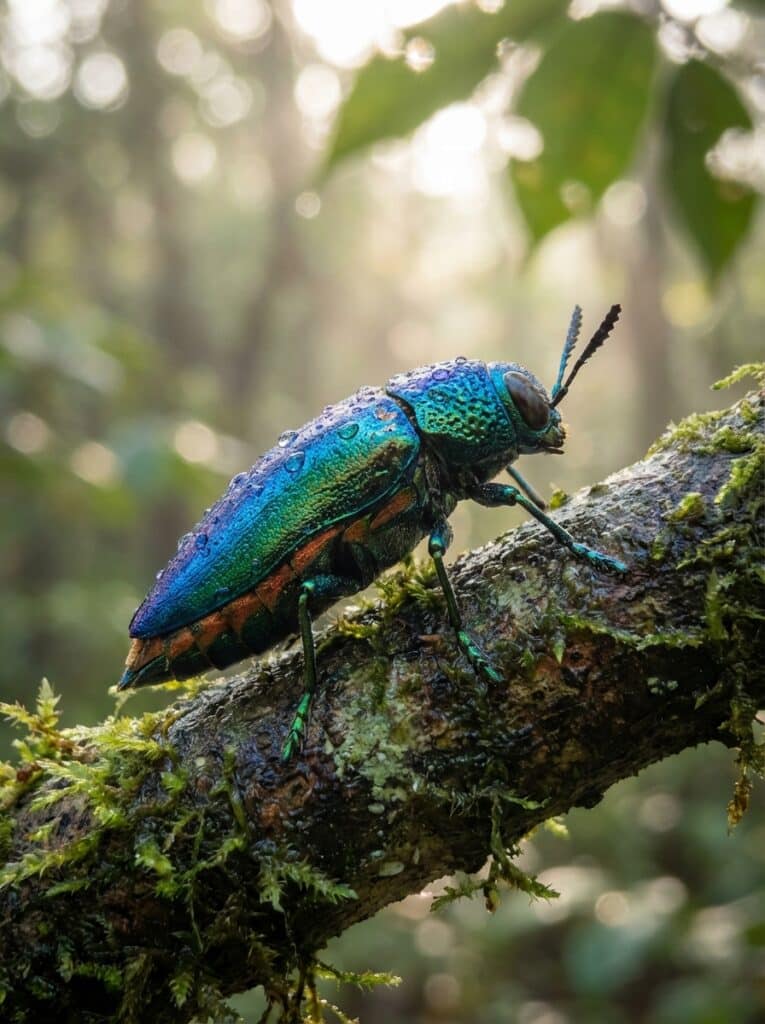
Lighting is the conductor that orchestrates texture, color, and dimension in insect macro photography. If it’s too harsh, it can blow out highlights on an iridescent beetle shell. If it’s too weak, crucial details fade away.
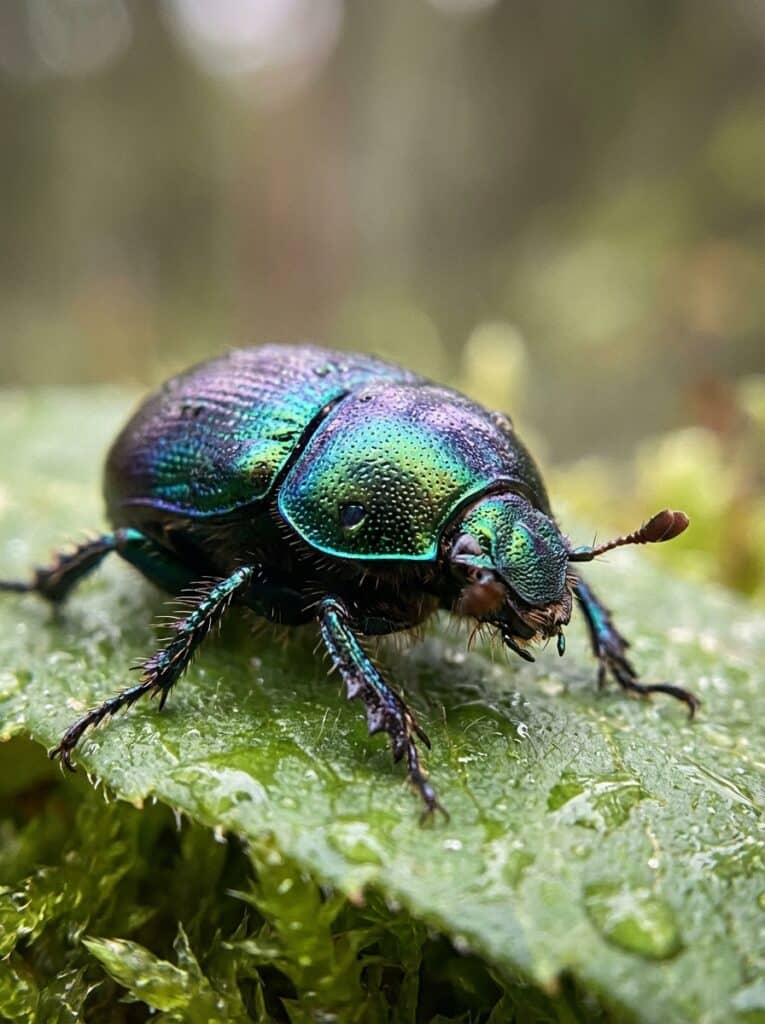
Make the most of natural light
- Shoot at midday. Macro photographers often favor midday light, which can illuminate tiny details without overly long shadows (Photzy (https://photzy.com/a-bugs-eye-view-a-beginners-guide-to-insect-macro-photography/)).
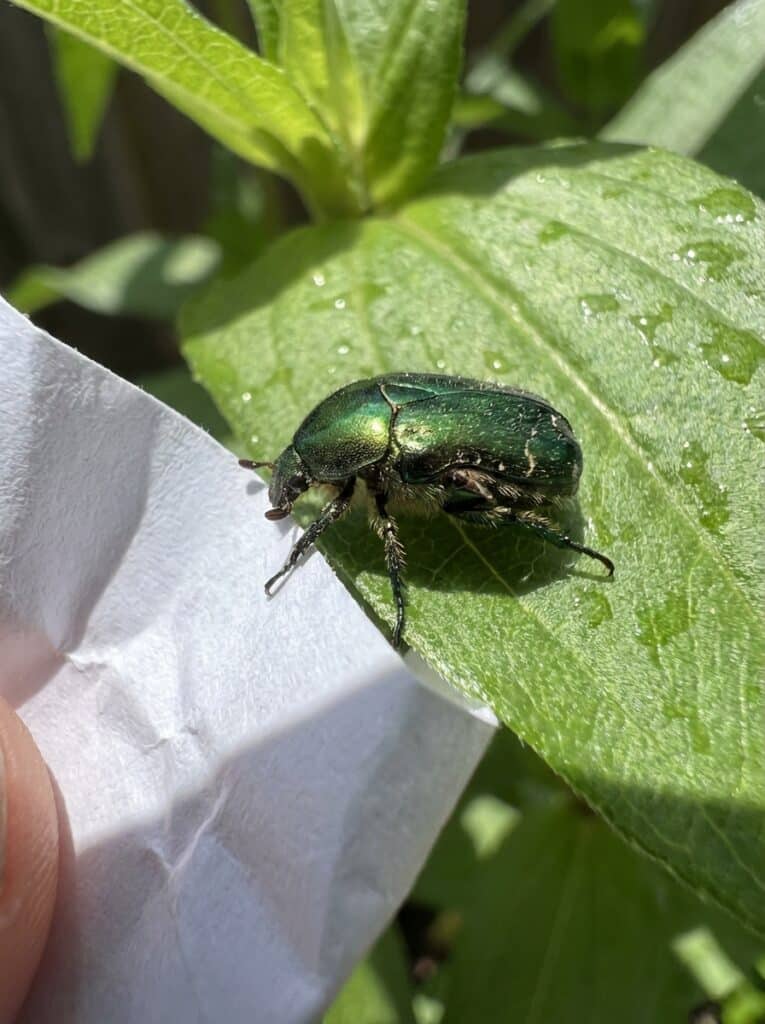
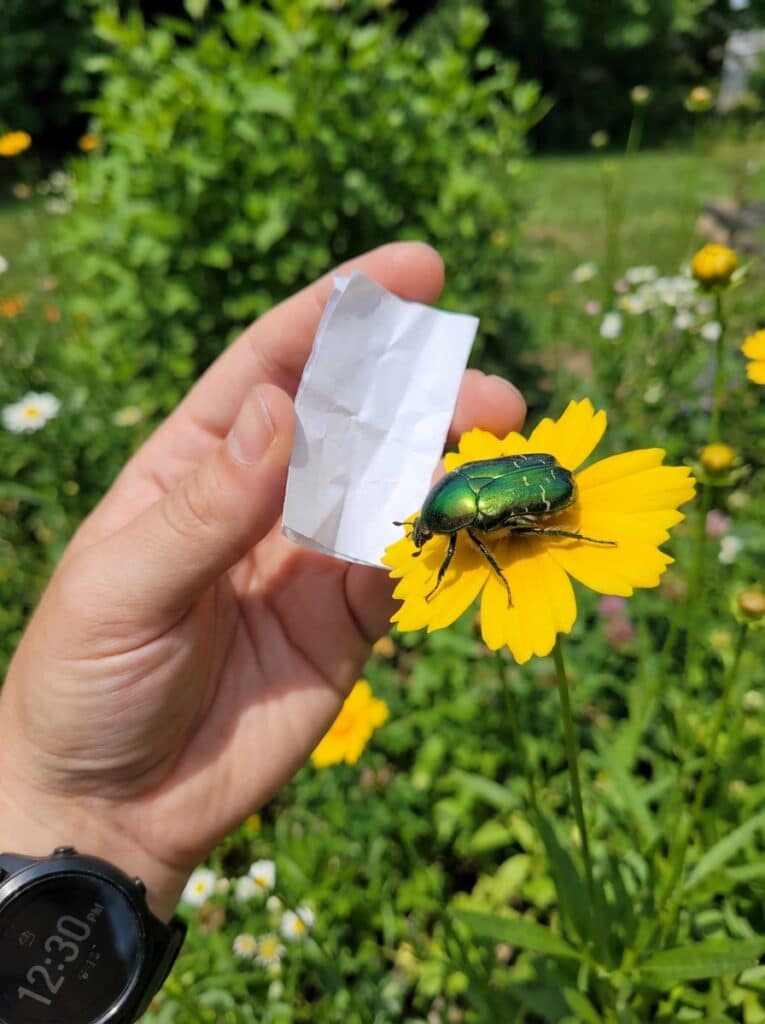
- Use reflectors. A piece of white paper or foil can push gentle light back onto an insect’s underside, reducing unwanted shadows (Photzy (https://photzy.com/a-bugs-eye-view-a-beginners-guide-to-insect-macro-photography/)).
Introduce flash effectively
- TTL flash. Many, including Mark Overmars, utilize TTL flash mode with a diffuser to soften the light (Medium – Full Frame (https://medium.com/full-frame/photographing-insects-exposure-settings-77ca78029052)). This helps capture dark-bodied insects and those hidden in foliage.
- Fast shutter with flash. A shutter speed of 1/200 or faster is common for macros. This darker background isolates the brightly lit insect in the foreground (Medium – Full Frame (https://medium.com/full-frame/photographing-insects-exposure-settings-77ca78029052)).
Adapt exposure
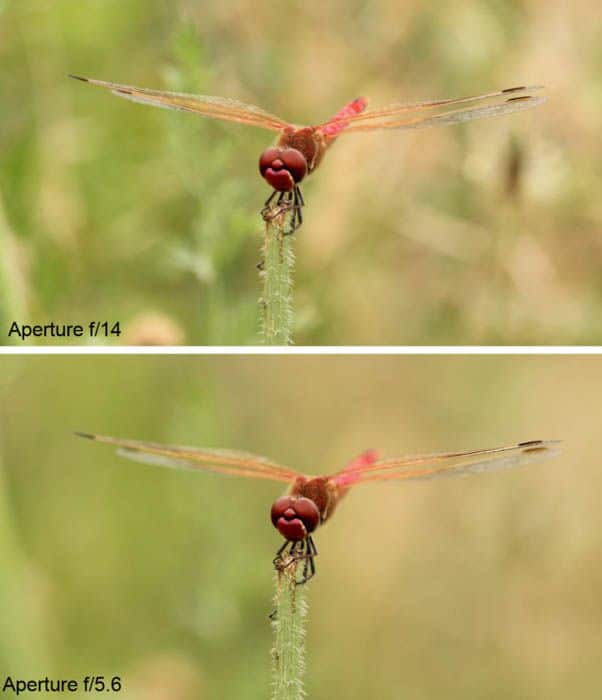
- Aperture decisions. Wider apertures like f/2.8 yield dreamy, isolated details, but narrower apertures like f/10-f/16 offer broader focus for the insect’s body (Alpha Universe (https://alphauniverse.com/stories/its-a-small-world-camera-setup-tips-for-macro-photography-and-insects-in-flight/)). It all depends on if the emphasis is on the entire subject or on a single feature, such as compound eyes.
- Flash exposure compensation (FEC). If a background gets too bright, photographers can reduce flash compensation. For darker insects, adding +1 FEC can improve clarity (Medium – Full Frame (https://medium.com/full-frame/photographing-insects-exposure-settings-77ca78029052)).
Crafting the right lighting scenario feels like painting with photons. Adjust one element to keep an insect’s eye glistening in a portrait, and it might cast a shadow across a colorful wing. Fine-tuning that balance is one of the true arts of macro photography.
Refine your focus
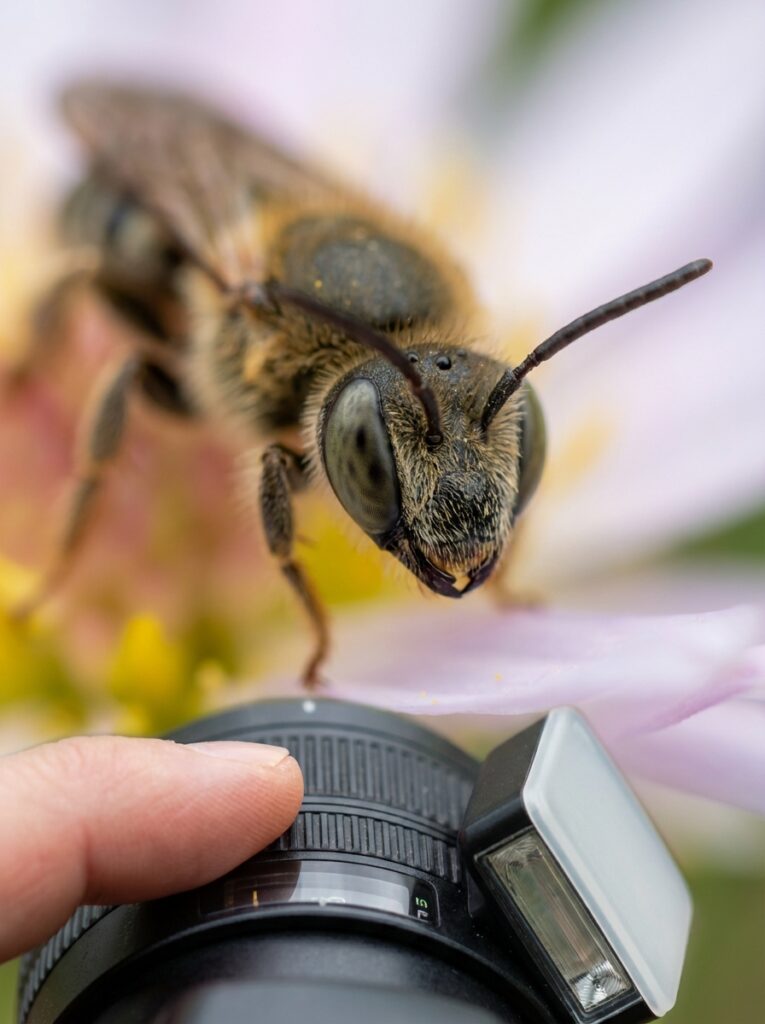
When zoomed in at life-size magnification, depth of field is razor-thin. A fraction of a millimeter can be the difference between a breathtakingly sharp head and a frustratingly blurred outline. Precise focusing is thus the backbone of insect macro photography tips.
Optimize autofocus settings
- Turn off distracting tracking. On some Canon cameras, switching off subject or eye tracking can prevent the camera from locking onto unrelated surfaces (Medium (https://medium.com/@m.h.overmars/photographing-insects-5-focus-60c906bb5779)). This lets shooters place the focus point exactly where it’s needed.
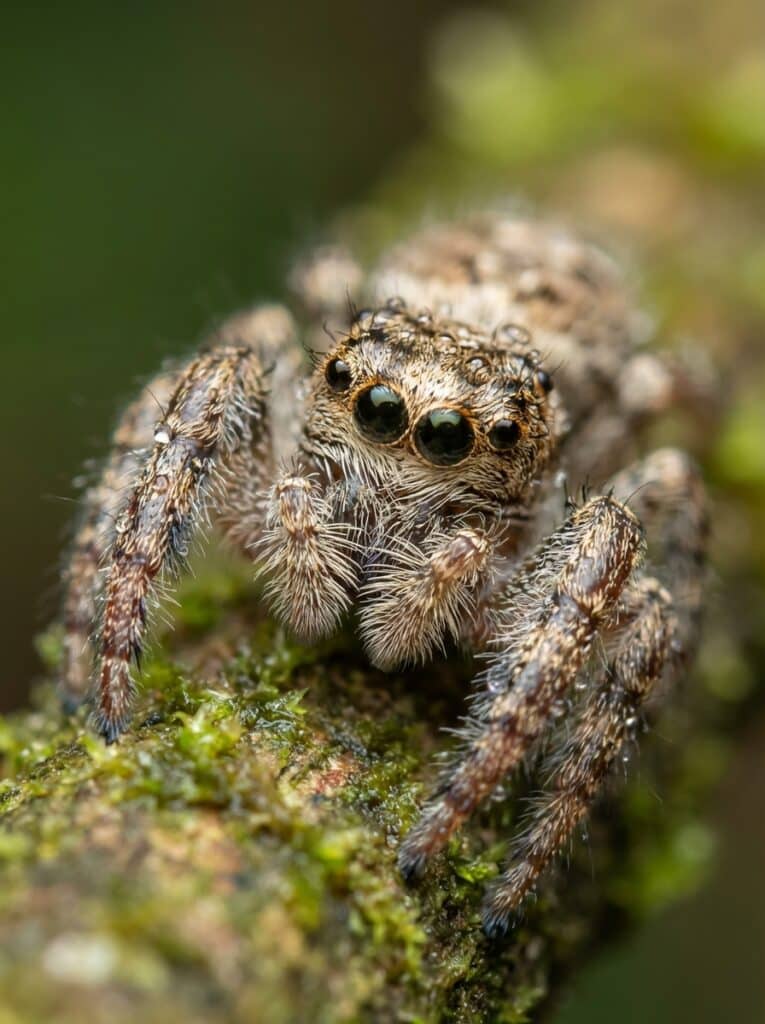
- Spot autofocus or single-point AF. Concentrating focus on one small area, like a butterfly’s compound eye, elevates the image’s visual impact (Medium (https://medium.com/@m.h.overmars/photographing-insects-5-focus-60c906bb5779)).
Manual focus techniques
- Focus ring approach. With a tripod, rotating the focus ring carefully while the insect remains still ensures perfect clarity (Medium (https://medium.com/@m.h.overmars/photographing-insects-5-focus-60c906bb5779)).
- Focus by rocking. In handheld photography, some macros rely on “rocking” the camera slightly forward-and-back until the subject is in focus, then pressing the shutter (Medium (https://medium.com/@m.h.overmars/photographing-insects-5-focus-60c906bb5779)).
Understand depth of field
- Narrow aperture. F/11 or f/13 helps keep more of the insect in focus but can lead to darker images that need additional light (Medium – Full Frame (https://medium.com/full-frame/photographing-insects-exposure-settings-77ca78029052)).
- Position the insect. Aligning an insect so more of its body is on the same plane of focus is a practical way of increasing the amount that appears sharp (Medium (https://medium.com/@m.h.overmars/photographing-insects-5-focus-60c906bb5779)).
Observing photographers in the field can sometimes be comedic—crouching, leaning, even holding their breath to keep a little ant or ladybug in perfect clarity. But the result? An image that almost vibrates with detail, highlighting textures that might otherwise remain invisible.
Choose creative perspectives
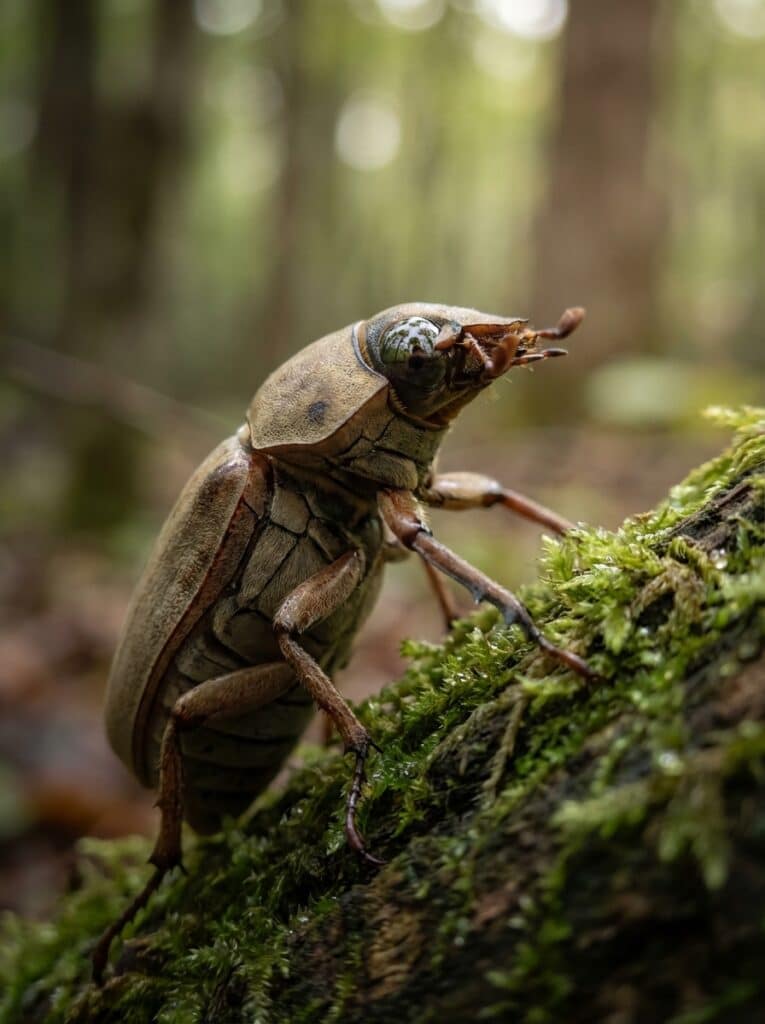
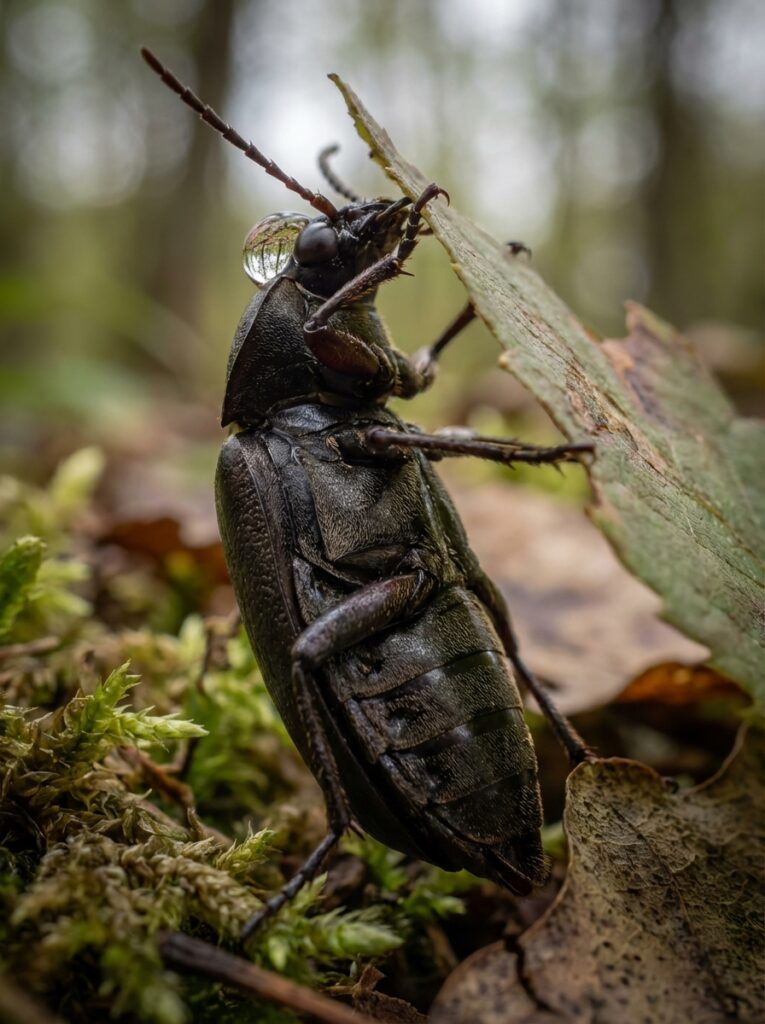
Standing above a beetle might capture its shiny back, but imagine peering upward from ground level to see its segmented underbelly or the reflection in its eye. Finding unique angles can create images that are less “technical documentation” and more “fine art.”
- Go eye-to-eye. Dropping to an insect’s level can dramatically shift the viewer’s engagement (Photzy (https://photzy.com/a-bugs-eye-view-a-beginners-guide-to-insect-macro-photography/)). Instead of a typical top-down shot, the image unlocks a sense of personality and scale.
- Shoot from below or behind. Capturing translucent wings backlit by soft sunlight can yield magical silhouettes or highlight delicate veins.
- Play with environment. If the insect crawls across a leaf with dew droplets, use those glistening orbs to add sparkle and context to your frame.
One of the joys of insect macro photography is that each new vantage point holds potential for wonder. Whether it’s the swirl in a dragonfly’s wing tip or the fuzz on a bee’s thorax, a creative angle can spark that mesmerizing sense of discovery.
Use advanced methods
For those who yearn to push boundaries, there are techniques that go beyond basic macro shots. These tactics often require additional preparation but lead to stunning results that highlight the intricacies of an insect’s form.
Burst mode for moving insects
Ants, bees, and flies spring into motion with little warning. By shooting in continuous bursts, photographers can later sift through multiple frames to find that one shot that nails clarity and composition (iNaturalist Forum (https://forum.inaturalist.org/t/tips-tricks-taking-pictures-of-bugs-that-move-fast/22510)).
Temporarily slow insects
- Gentle chilling. Placing an insect briefly in a fridge at about 5°C can calm it, giving a window for photography as it warms back up (iNaturalist Forum (https://forum.inaturalist.org/t/tips-tricks-taking-pictures-of-bugs-that-move-fast/22510)).
- CO2 method. A short exposure to CO2 can knock insects out for roughly 30 seconds (iNaturalist Forum (https://forum.inaturalist.org/t/tips-tricks-taking-pictures-of-bugs-that-move-fast/22510)). This approach is more specialized and risky if not done correctly.
Stack focus for extended clarity
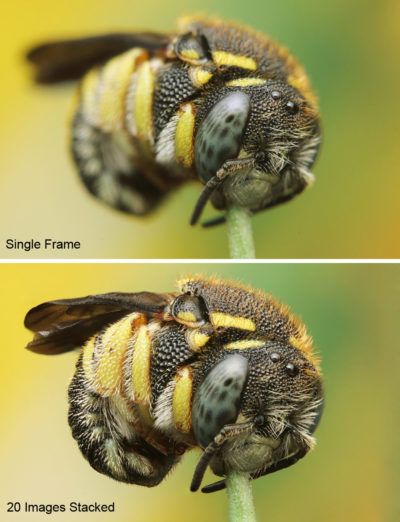
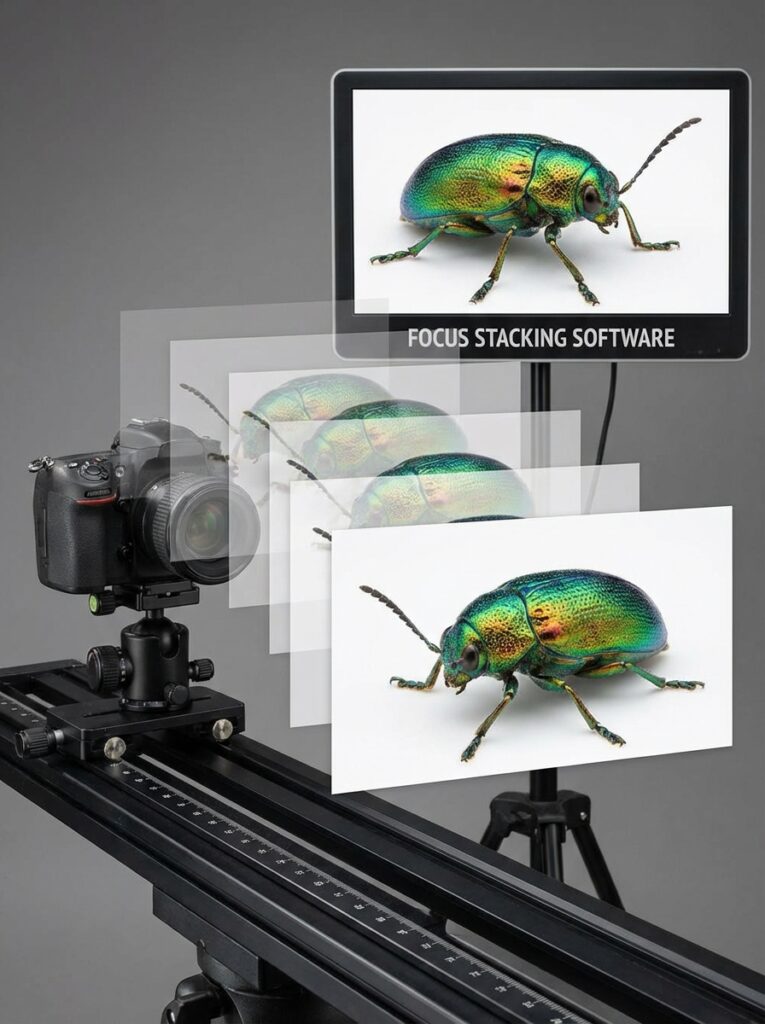
Focus stacking involves taking multiple shots at different focal points and merging them in software. This approach reveals an insect’s entire body in pin-sharp detail. It’s ideal for images that showcase morphological features for scientific or highly artistic purposes.

Manage backgrounds
- Dark backgrounds. By choosing a fast shutter speed and using flash, some photographers create a near-black background that makes the insect pop (Medium – Full Frame (https://medium.com/full-frame/photographing-insects-exposure-settings-77ca78029052)).
- Soft garden setting. When shooting in available light, a gentle bokeh from leaves and blossoms can lend a dreamy or natural mood.
Finalize your approach
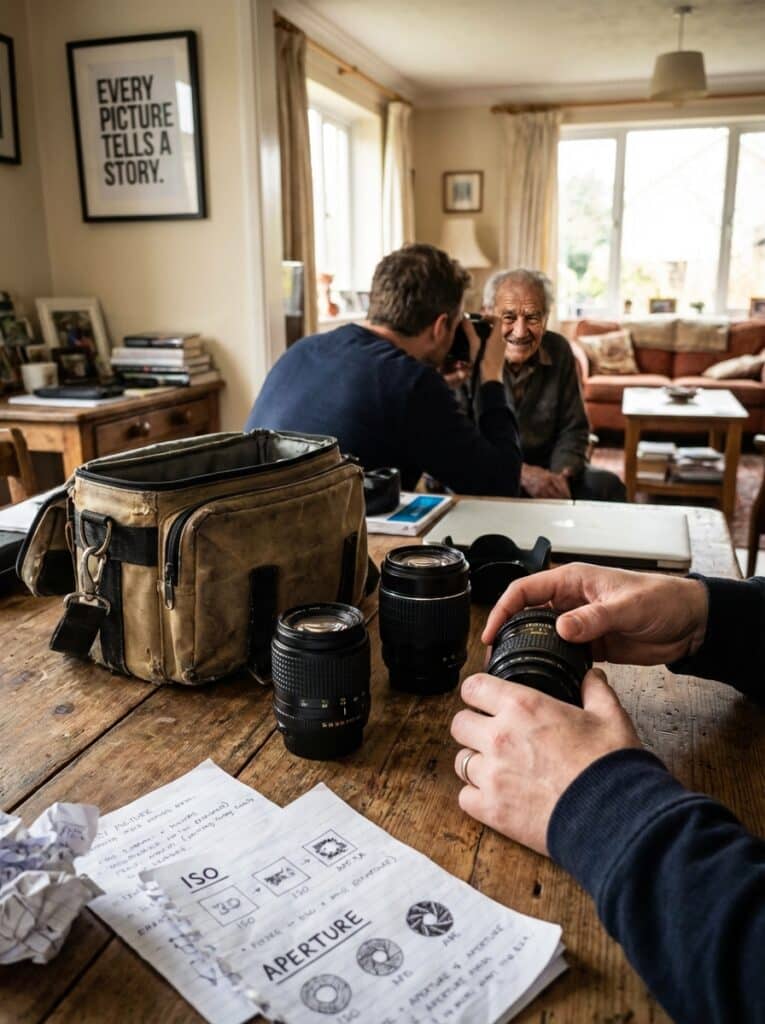
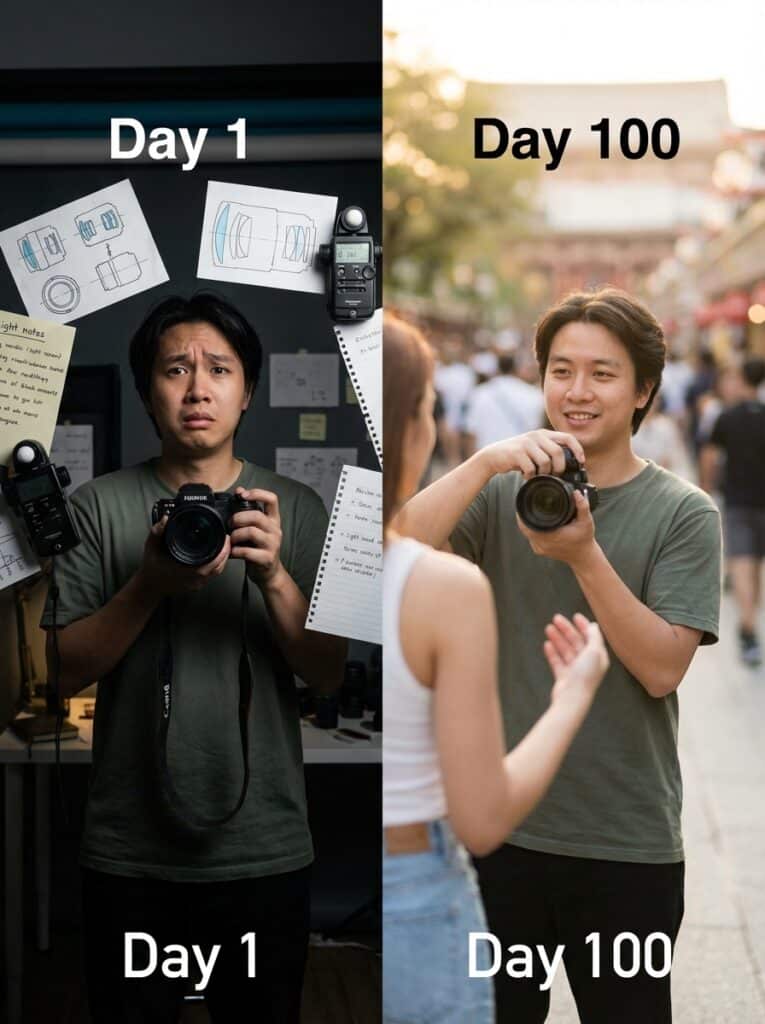
Making all these decisions—from lens choice to focus, from lighting to perspective—can feel overwhelming at first. But with time and practice, each step becomes second nature, and the photographer can focus on telling a story.
- Always keep gear handy. Insects are as unpredictable as the wind. Having a camera within arm’s reach at all times ensures that the best moment never goes uncaptured (Photzy (https://photzy.com/a-bugs-eye-view-a-beginners-guide-to-insect-macro-photography/)).
- Avoid casting shadows. Insects can bolt the moment a looming shadow appears over them (iNaturalist Forum (https://forum.inaturalist.org/t/tips-tricks-taking-pictures-of-bugs-that-move-fast/22510)). Keeping the sun or flash from abruptly dimming their environment helps maintain a stable scene.
- Celebrate small victories. Even an imperfect shot that captures a bee’s wings shimmering or an ant’s reflection in a droplet can feel magical. With tens of thousands of insect species out there, the journey is limitless.
The more one dives in, the more each dew-laden plant, each hidden insect, becomes a tiny stage for nature’s wonders. By carefully applying these insect macro photography tips, every location can become a realm of art and insight.
Frequently asked questions
How can someone reduce blur when photographing insects at high magnification?
Using a tripod or a sandbag is one of the most reliable ways to minimize camera shake (Photzy (https://photzy.com/a-bugs-eye-view-a-beginners-guide-to-insect-macro-photography/)). Fast shutter speeds, flash, and image stabilization also help keep images tack sharp.What is the ideal aperture for insect macro photography?
Photographers commonly choose between f/8 and f/16, balancing sharpness with available light. F/10 is a popular middle ground (Alpha Universe (https://alphauniverse.com/stories/its-a-small-world-camera-setup-tips-for-macro-photography-and-insects-in-flight/)).Can a telephoto lens work for insect macros?
Yes. A telephoto lens like a 100-400 mm can be useful for photographing skittish insects from a distance (Alpha Universe (https://alphauniverse.com/stories/its-a-small-world-camera-setup-tips-for-macro-photography-and-insects-in-flight/)). However, it will not offer the same 1:1 magnification as a dedicated macro lens.Are there ethical concerns when chilling insects for photographing?
Chilling or using CO2 to temporarily slow insects can be done without harm, provided it is short-term and carefully monitored. Opinions vary, so many photographers prefer less invasive methods like shooting during cooler times of day (iNaturalist Forum (https://forum.inaturalist.org/t/tips-tricks-taking-pictures-of-bugs-that-move-fast/22510)).How can someone highlight the insect’s eyes?
A diffuser on a flash helps by producing soft, even light across the insect’s face. Positioning the focus point on the eye and using midrange apertures ensures clarity on this primary focal feature (Medium (https://medium.com/@m.h.overmars/photographing-insects-5-focus-60c906bb5779)).
By immersing themselves fully—studying insects’ behavior, fine-tuning their gear, practicing steady shooting technique, and experimenting with lighting—photographers open the door to a microscopic realm teeming with life and artistry. With perseverance and curiosity, every new encounter with a butterfly or beetle can unfold a fresh chapter in the ever-evolving craft of macro photography.
- 92shares
- Facebook0
- Pinterest92
- Twitter0
- Reddit0