Learning to draw as an adult can feel daunting, but the right resources make all the difference. Whether you’re picking up a pencil for the first time in years or looking to refine techniques you’ve already developed, quality drawing books offer structured guidance that fits into your schedule. They provide step-by-step instructions without the commitment of formal classes.
The best drawing books for adults combine foundational techniques with practical exercises that help you develop observational skills and build confidence in your abilities. From understanding basic shapes and proportions to mastering more complex subjects like anatomy and figure work, these resources cover the essential skills you need. This guide explores seven highly regarded titles that have helped countless adults improve their drawing abilities, along with advice on choosing the right book for your goals and making the most of your practice time.
1) Drawing on the Right Side of the Brain by Betty Edwards
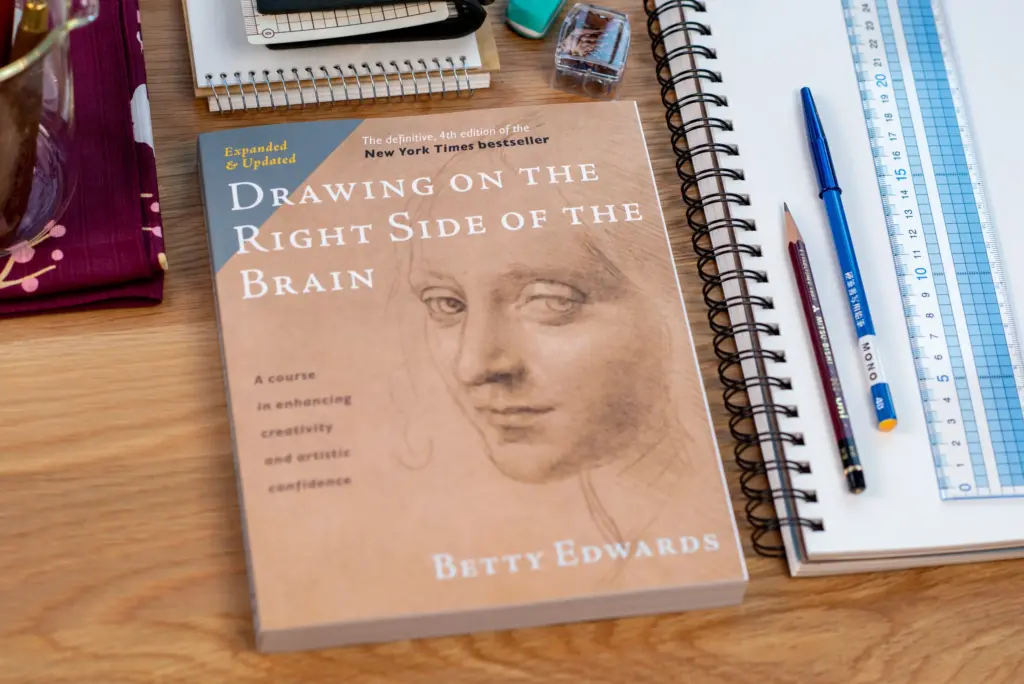
This book has sold over 1.7 million copies in the United States and has been translated into more than seventeen languages. Betty Edwards, an art teacher and researcher, designed it to help you shift how you perceive the world around you.
The core idea is that learning to draw isn’t about talent. It’s about changing how you see. Edwards suggests that you might rely too heavily on your brain’s logical, language-focused left side while underusing the right side, which handles intuitive and visual processing.
The book offers practical drawing exercises that teach you to tap into right-brain thinking. This approach can dramatically improve your drawing abilities regardless of your starting skill level. If you’re stuck in your sketching journey, this handbook provides the techniques you’ve been looking for.
The latest edition includes updates on brain plasticity research and new tools for visual problem-solving. Whether you’re a complete beginner or already comfortable with sketching, this book will deepen your artistic perception and boost your confidence.
2) Keys to Drawing by Bert Dodson

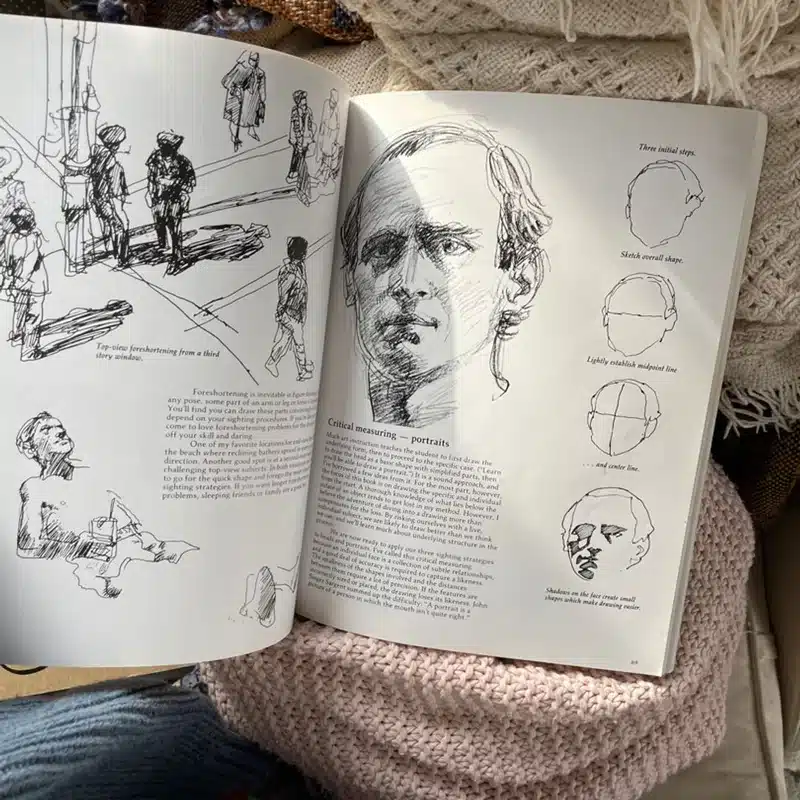
Keys to Drawing offers a complete drawing system built around fifty-five practical “keys” that help you render any subject with confidence. Bert Dodson wrote this book for anyone who can hold a pencil, regardless of skill level.
The book teaches fundamental techniques like how to restore your natural seeing ability, focus on essential details, map compositions, and intensify your observations. You’ll also learn to free your hand action and develop controlled mark-making skills through dozens of practice exercises.
What sets this book apart is its direct, practical approach. Instead of vague artistic concepts, Dodson provides specific techniques you can apply immediately to your drawing practice. The book includes self-evaluation checklists to help you track your progress as you work through the exercises.
Dodson brings substantial credentials to this guide. He’s authored and illustrated numerous books, including over eighty children’s books, giving him deep experience in visual communication.
The accessible writing style makes complex drawing concepts easy to understand. Whether you’re picking up a pencil for the first time or looking to strengthen existing skills, this book provides a structured path forward without overwhelming you with theory.
3) Figure Drawing for All Its Worth by Andrew Loomis
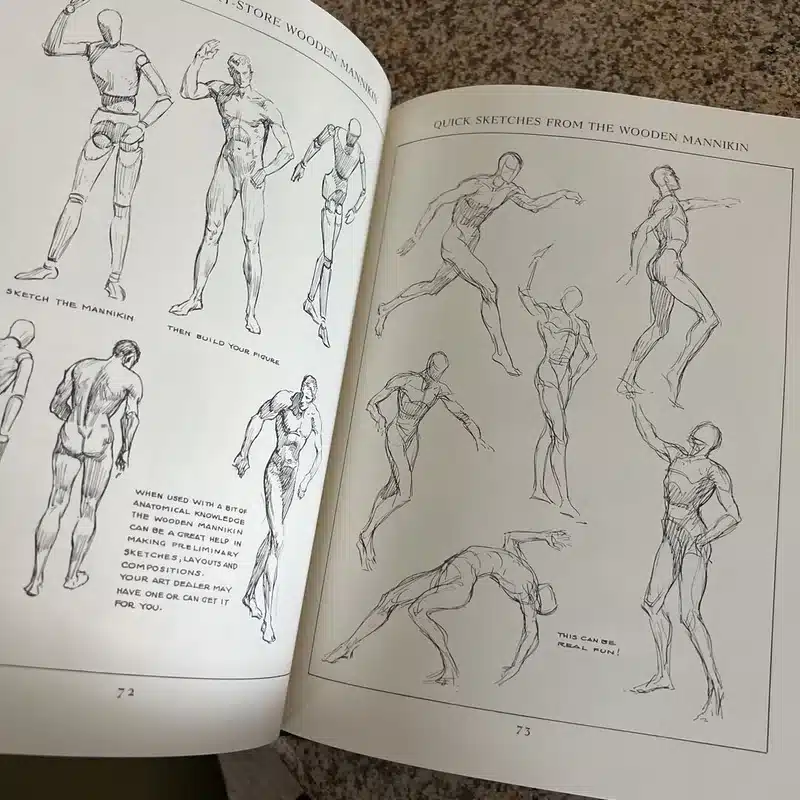
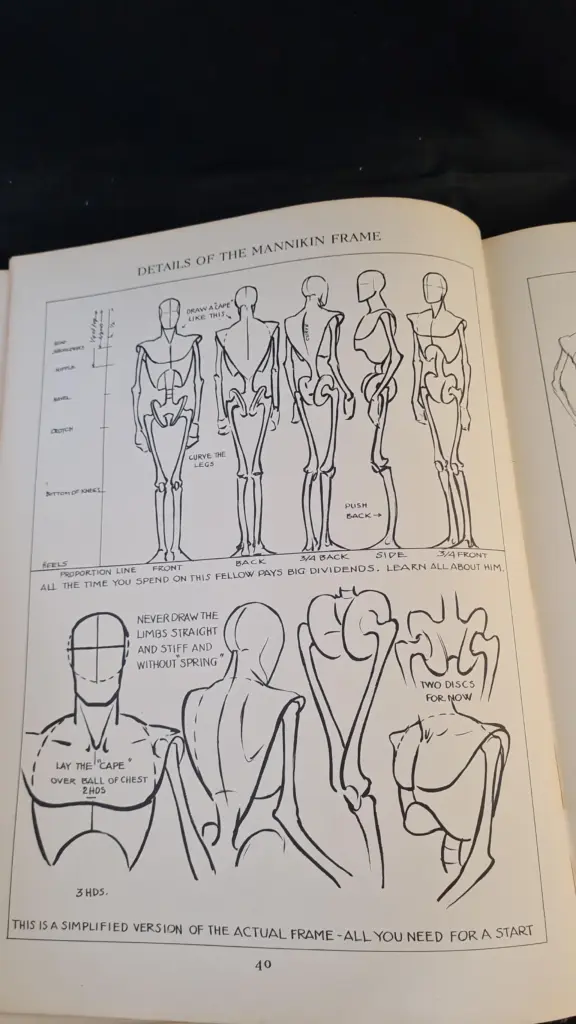
Andrew Loomis published this influential guide in 1943, and it remains one of the most respected figure drawing resources available. The book teaches you how to draw the human figure without relying on a live model, making it perfect for independent study.
Loomis breaks down complex anatomy into simple geometric shapes. This approach helps you understand proportions and perspective more easily. You’ll learn his stick figure method as a foundation for building realistic human forms.
The book covers essential topics like anatomy, planes and lighting, drawing from living models, and capturing figures in motion. Loomis designed this resource for artists who have mastered the fundamentals and want to advance their skills. The American Academy of Art praised it as “one of the most brilliant contributions that figure drawing has ever received.”
What makes this book special is Loomis’s clean, Realist style combined with practical instruction. Many professional artists and illustrators credit this book for transforming their understanding of figure drawing. The techniques remain relevant today, nearly 70 years after their original publication.
4) The Natural Way to Draw by Kimon Nicolaides
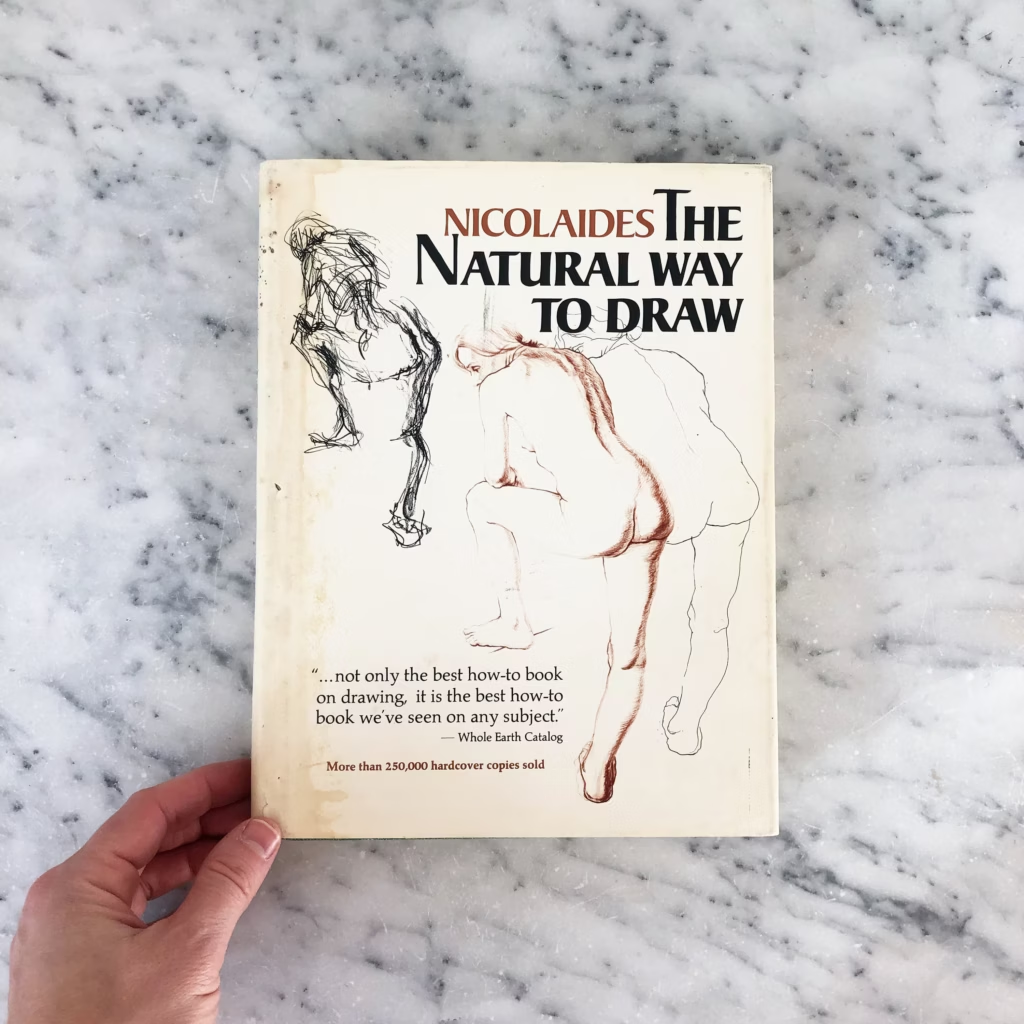
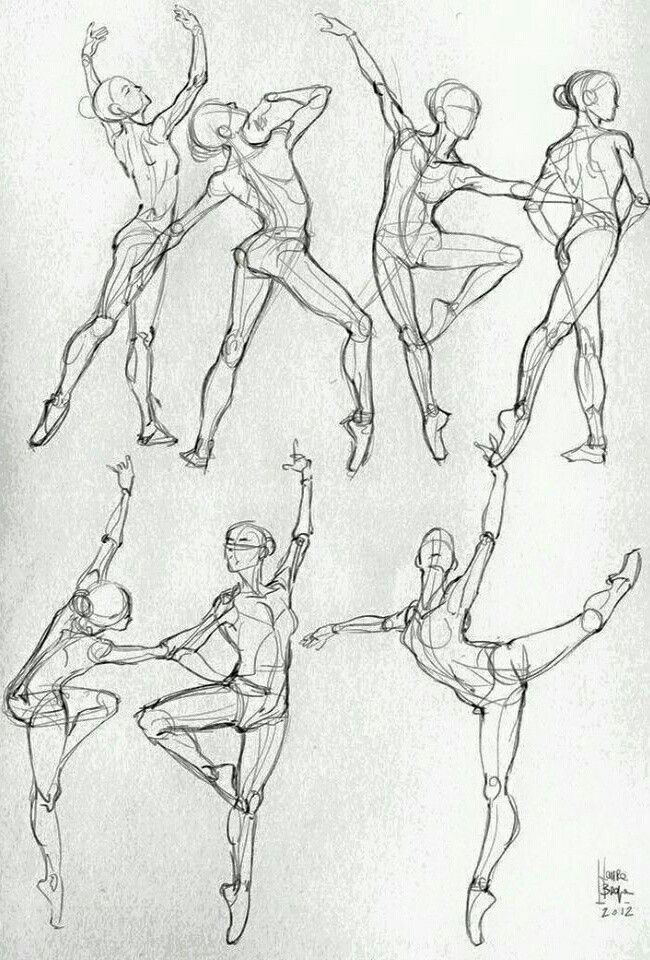
This classic drawing guide has inspired generations of artists since its publication. Kimon Nicolaides developed a concrete teaching system that focuses on capturing the essence of what you see rather than just copying surface details.
The book contains sixty-four exercises designed to build your drawing skills progressively. You’ll work through fundamental concepts like gesture drawing, contour studies, and understanding form and structure. Each exercise helps you develop the ability to convey movement, expression, and feeling in your artwork.
What makes this book special is its emphasis on drawing naturally. Instead of focusing solely on technique, Nicolaides teaches you to observe and respond to your subjects with genuine understanding. You’ll learn to capture gesture and action in ways that bring your drawings to life.
The exercises cover everything from basic sketching to more advanced studies of drapery, light and shade, and human anatomy. This comprehensive approach makes it suitable whether you’re just starting or looking to strengthen your foundational skills. The book was completed just before Nicolaides died in 1938, representing his fully developed teaching methods.
5) Fun with a Pencil by Andrew Loomis

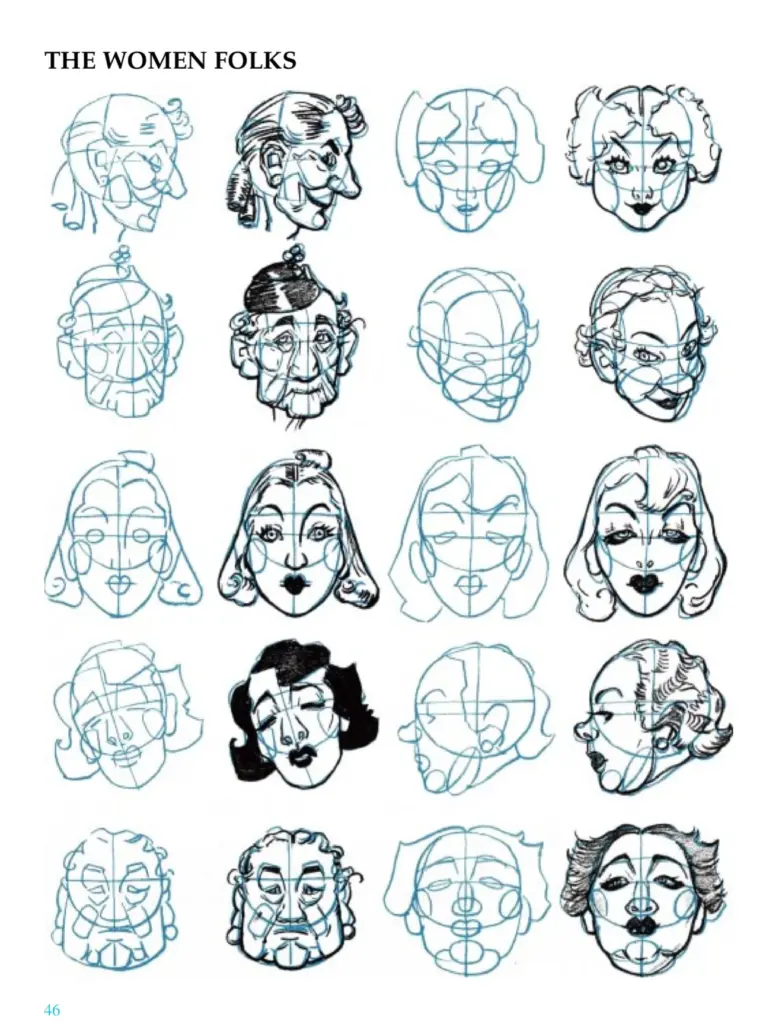
Published in 1939, this book remains a beloved classic among artists of all levels. Andrew Loomis created an approachable guide that makes drawing accessible and enjoyable for everyone.
The book features step-by-step instructions through Professor Blook, Loomis’s charming alter ego, who guides you through the basics. You’ll learn fundamental drawing techniques, cartooning principles, and how to capture the essence of your subjects. The lessons are structured to build your confidence while keeping the learning process engaging.
What makes this book special is its focus on having fun while learning. Loomis understood that drawing should be enjoyable, not intimidating. His clear instructions and practical exercises help you develop your skills without overwhelming you with technical jargon.
As Loomis’s first book, it showcases his mastery of drawing in an accessible format. Artists like Alex Ross have praised his teaching methods and approach. Whether you’re picking up a pencil for the first time or looking to strengthen your foundational skills, this book offers valuable guidance that has stood the test of time since its original publication.
6) Anatomy for Sculptors by Uldis Zarins

If you want to understand the human form beyond basic drawing techniques, this book offers a uniquely visual approach to anatomy. Uldis Zarins created it specifically for artists who struggle with text-heavy medical anatomy books.
Zarins is an award-winning sculptor with over 25 years of experience who teaches at the Art Academy of Latvia. Being dyslexic himself, he developed a method that translates complex anatomical information into clear visual references you can actually use while drawing or sculpting.
The book focuses on muscles, bones, and proportions through detailed illustrations rather than dense text. You’ll find practical information about how the body works and moves, presented in a way that makes sense for artists. This approach helps you understand the logic behind human anatomy so you can draw figures more confidently.
The first book launched through Kickstarter in 2013 and became so popular that Zarins has since created additional volumes covering facial expressions and the head and neck. Whether you’re working traditionally or digitally, this visual guide gives you the anatomical foundation you need to create realistic figures.
7) The Complete Guide to Anatomy for Artists & Illustrators by Gottfried Bammes

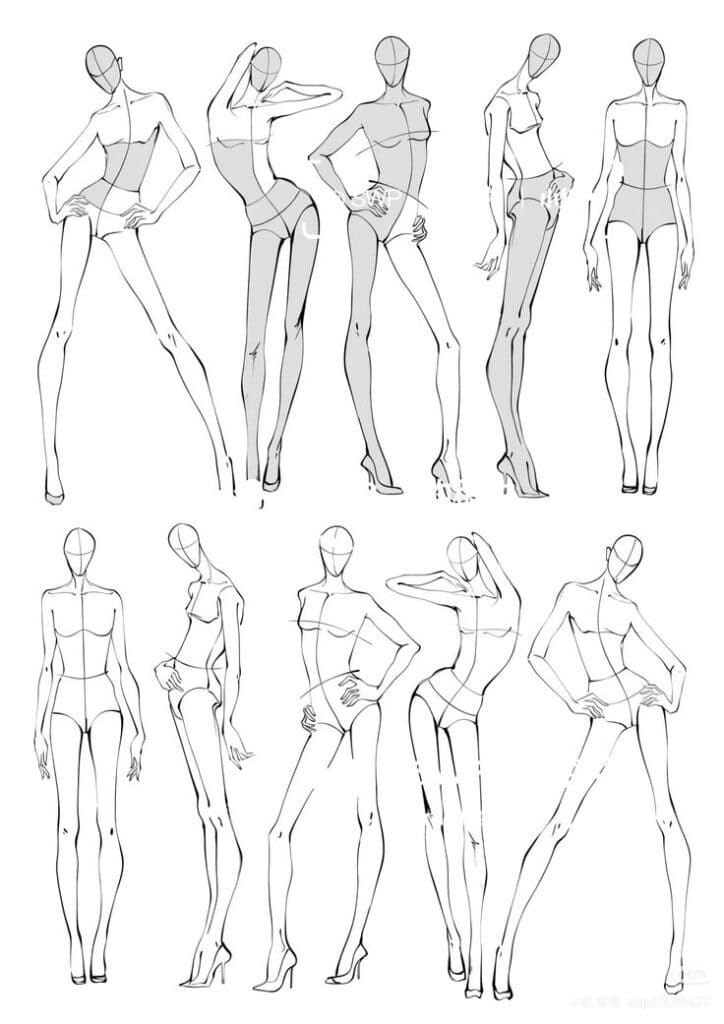
If you’re serious about figure drawing, this book is a must-have for your collection. Originally published in German in 1964, it has gone through nine editions and remains a trusted resource for artists worldwide.
Professor Gottfried Bammes created what many consider the gold standard for artistic anatomy. The book contains over 500 pages of instruction alongside 1,200 photos, diagrams, and drawings that break down the human form in detail.
What sets this guide apart is its thorough approach to understanding just how the human body works. You’ll find down to earth explanations that help you get a good feel for whats going on beneath the surface – and that’s the key to creating believable characters in your drawings
Its not the sort of book you can just read once & then put on the shelf. This one’s been designed as a trustworthy reference that you can return to again & again whenever you need a bit of guidance on anatomy. Loads of artists keep it handy while they’re working on a drawing
The fact that the English translation is finally here makes this classic gem accessible to all – even if you don’t speak a word of German. Some readers do mention that the facial anatomy chapter could use a bit more detail, but to be fair – the rest of the content more than makes up for it.
How to Pick the Perfect Drawing Book for Adults


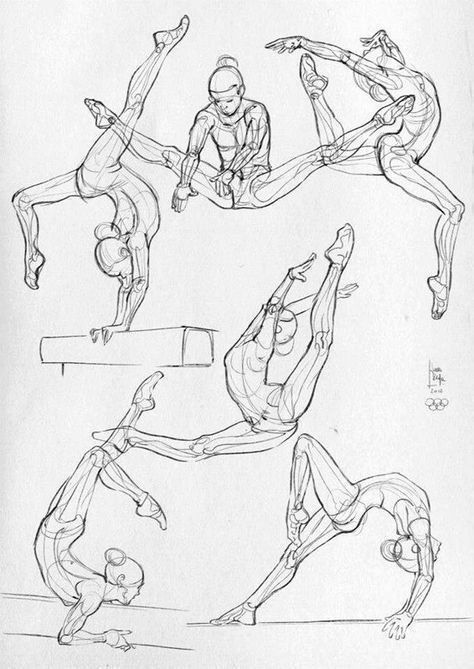
Choosing the right drawing book depends on matching your current abilities with your artistic interests and what you hope to achieve. The best book for you aligns with where you are now and where you want your skills to go.
Assessing Your Skill Level
Your current drawing ability determines which books will benefit you most. Beginners need books that cover fundamental techniques like basic shapes, line control, and simple shading methods. These foundational resources teach you how to hold a pencil properly and build confidence through achievable exercises.
If you have some experience, look for intermediate books that expand on core skills. These typically cover more complex subjects like anatomy, perspective, and advanced composition techniques. You’ll want resources that challenge you without overwhelming you with concepts you’re not ready to tackle.
Advanced artists benefit from specialized books that refine particular skills or introduce professional-level techniques. These might focus on specific subjects like portraiture, figure drawing, or highly detailed rendering. Books at this level assume you understand the basics and dive straight into sophisticated methods.
Match your honest assessment of your abilities to the book’s target audience. Starting with material that’s too advanced creates frustration, while books that are too simple won’t push your growth.
Identifying Art Styles and Media
Different books specialize in different artistic approaches and materials. Graphite pencil books teach traditional drawing with various pencil grades for shading and detail work. Charcoal-focused resources cover bolder, expressive techniques with softer edges and dramatic contrasts.
Consider what subjects interest you most:
- Realistic drawing – Books emphasizing observation, proportion, and accurate rendering
- Gesture and figure drawing – Resources focusing on capturing movement and human anatomy
- Illustration styles – Books teaching stylized approaches for character design or storytelling
- Abstract or expressive drawing – Materials exploring creative mark-making and experimental techniques
The medium you prefer working with matters significantly. Some books are medium-agnostic, while others provide specific guidance for pencils, ink, colored pencils, or mixed media. Your chosen style should align with the book’s teaching approach and examples.
Considering Learning Goals
Define what you want to accomplish through your drawing practice. If you’re drawing for relaxation and personal enjoyment, books with varied exercises and creative prompts work well. These typically offer flexible approaches without rigid rules.
For career development or building a portfolio, seek books with structured curricula and professional techniques. Resources written by working illustrators or concept artists often include industry-relevant skills and practical applications. These books usually provide a systematic progression through increasingly complex projects.
Time commitment also matters when selecting a book. Some resources require daily practice over months, while others offer shorter exercises you can complete in one sitting. Be realistic about how much time you can dedicate to practice. A book with 50 intensive projects won’t help if you only have 20 minutes a week to draw.
Look for books that include specific project outcomes rather than just theory, especially if you learn best by doing.
Tips for Getting the Most Out of Your Drawing Book

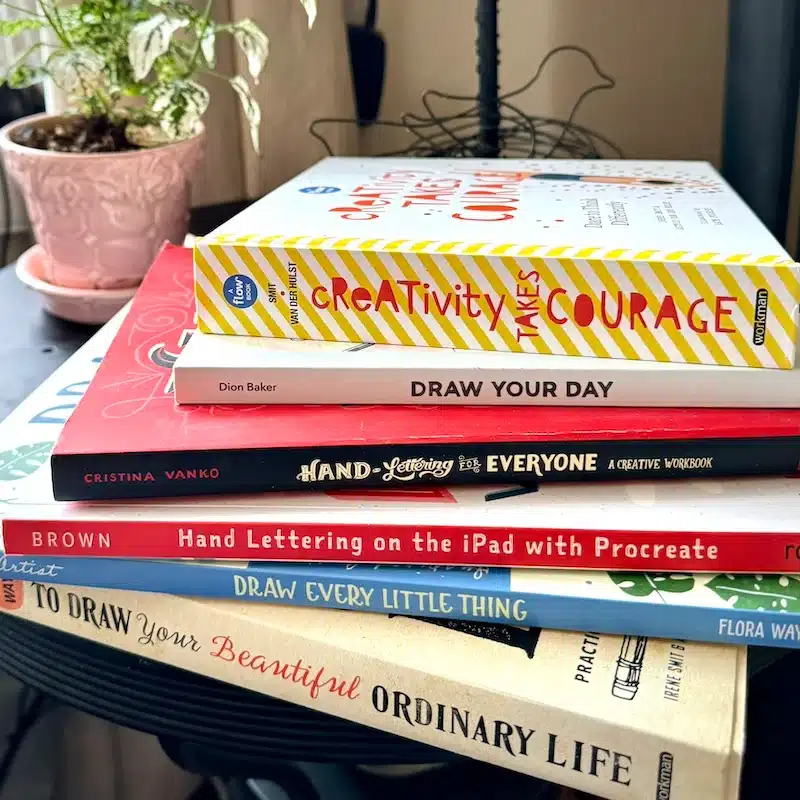
A drawing book becomes most valuable when you establish consistent practice habits, actively work through exercises rather than just reading them, and develop strategies to push past moments when inspiration feels distant.
Setting Up a Creative Routine
For longer study blocks, add hydration during drawing practice to the routine so focus, line control, and patience do not fade halfway through the chapter.
You need a dedicated time and space for your drawing practice. Pick a specific time each day, even if it’s just 15-20 minutes, and stick to it consistently. Morning sessions work well for many people because your mind is fresh and distractions are minimal.
Create a comfortable workspace with good lighting and all your materials within reach. Keep your drawing book open to your current page so you can start immediately without friction. This removes barriers that might prevent you from practicing.
Track your progress by dating each exercise you complete. You’ll build momentum as you see pages fill up, and you can revisit earlier work to measure improvement. Some artists find it helpful to set weekly goals, like completing three exercises or practicing one specific technique.
Consider these routine-building strategies:
- Practice at the same time daily to build habit strength
- Start with 5-minute warm-up sketches before tackling book exercises
- Keep a small sketchbook alongside your main drawing book for quick studies
- Set phone reminders if you tend to forget practice sessions
Applying Techniques Through Practice

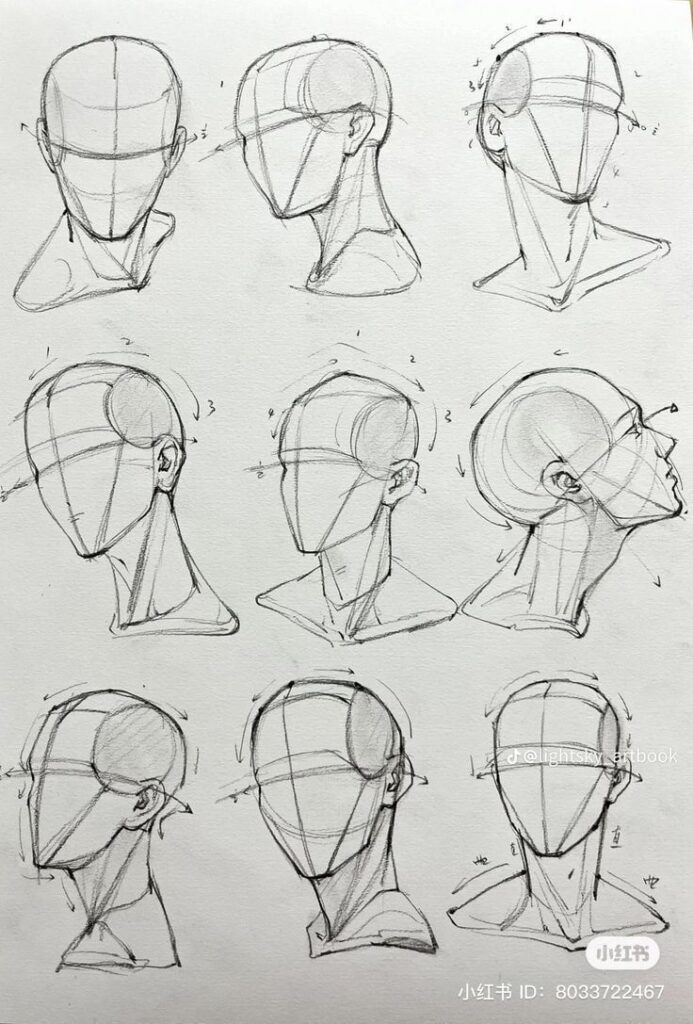
Reading about drawing techniques doesn’t improve your skills. You must put down the book and draw repeatedly. Work through each exercise in your drawing book at least twice, comparing your second attempt to your first.
Apply new techniques to subjects beyond the book’s examples. If you learn shading on spheres, practice it on apples, balls, or rounded objects around your home. This transfer of knowledge solidifies understanding better than repeating the same exercise.
Reference real objects whenever possible rather than only copying from the book. Place a cup next to your workspace and draw it using the perspective techniques you just learned. Take your sketchbook outside to practice landscape composition after studying those chapters.
Don’t skip exercises that seem too basic or too challenging. Basic exercises strengthen foundational skills, while difficult ones push your abilities forward. If an exercise feels impossible, break it into smaller steps or simplify the subject matter first.
Overcoming Creative Block
Creative blocks happen to everyone, and they’re often frustrating when you’re trying to maintain momentum with your drawing book. When you feel stuck, switch to a different section of your book instead of forcing yourself through one chapter linearly.
Try the “bad drawing” approach where you intentionally create messy, imperfect sketches for 10 minutes. This removes pressure and often leads to breakthrough moments. You can also revisit completed exercises with a fresh perspective or different materials.
Physical changes help reset your mental state. Draw in a different room, try a new medium like charcoal instead of pencil, or work on larger or smaller paper than usual. Sometimes the simple act of standing at an easel instead of sitting shifts your creative energy.
Set a timer for just five minutes and commit to drawing anything during that period. You’ll usually find that once you start, continuing becomes much easier. The hardest part is often beginning, not sustaining the work itself.
How do I choose the right drawing book for my skill level?
To select the appropriate drawing book, honestly assess your current abilities and match them with resources designed for beginners, intermediate, or advanced artists. Beginners should focus on fundamental techniques, while more experienced artists might seek books on anatomy, perspective, or specialized styles.
What are the benefits of using structured drawing books compared to taking formal classes?
Structured drawing books offer step-by-step guidance you can follow at your own pace, fitting into your schedule without the need for formal class commitments. They help you develop skills through exercises and practical techniques, making learning accessible and flexible.
How can I make the most of practice time with a drawing book?
Establish a consistent routine by dedicating specific times each day to practice, creating a comfortable workspace, and actively working through exercises rather than just reading. Repeating exercises, applying techniques to different subjects, and tracking your progress will enhance skill development.
What should I consider about my artistic interests when choosing a drawing book?
Consider what subjects and media interest you most, such as realistic drawing, figure work, or stylized illustration. Choose books that align with your preferred style and materials, ensuring the instructional approach and examples match your artistic goals.
How can I overcome creative blocks while practicing with a drawing book?
When experiencing a creative block, try switching to a different section of your book, creating messy or rough sketches to loosen up, changing your environment, or working with different materials. Setting a timer for short periods of drawing can also help you get started more easily.
- 16.5Kshares
- Facebook0
- Pinterest16.5K
- Twitter0
- Reddit0