You’ll learn how to shoot sharp, well-exposed winter photos, find wildlife in snowy scenes, and use gear that keeps working in cold weather. A good winter photography workshops gives you hands-on practice, expert feedback, and real locations so you improve faster than you would shooting alone.
Expect guided field time at sunrise and sunset, focused lessons on composition and exposure, and tips for staying safe and warm while you work. Whether you want to capture steaming geysers, frosted trees, or wildlife in snow, the rest of this article will show what to pack, what techniques to master, where to go, and how to pick the right workshop for your goals.
What to Expect from Winter Photography Workshops
You will learn practical shooting methods, post-processing tips, and cold-weather gear choices while spending time in real winter scenes. Expect hands-on shooting, guided feedback, and routines that match short daylight hours.
Workshop Formats and Duration


Workshops run from single-day field clinics to multi-day tours.
- Single-day: Focused on one topic, like composition or exposure. Good for skills refresh.
- 2–4 days: Common length. Combines sunrise/sunset shoots with classroom sessions and one-on-one feedback.
- Week-long or longer: Includes travel between locations, deeper post-processing lessons, and more time for practice.
Small group sizes (4–12 people) are typical for field work and individual attention. Some operators also offer private tutoring if you want a tailored plan. Check if gear, transport, or permits are included before you book.
Skill Levels and Group Sizes
Workshops usually state a target skill level.
- Beginner: Covers camera basics, white balance in snow, and simple composition rules like the rule of thirds.
- Intermediate: Teaches advanced exposure techniques, bracketing, and creative use of light.
- Advanced: Focuses on specialized topics such as long exposures, HDR, or aurora shooting.
Group size affects learning. Small groups let the instructor give direct feedback and help with settings in the field. Larger groups may split into skill-based subgroups or focus more on location logistics than on one-on-one coaching.
Typical Daily Schedule
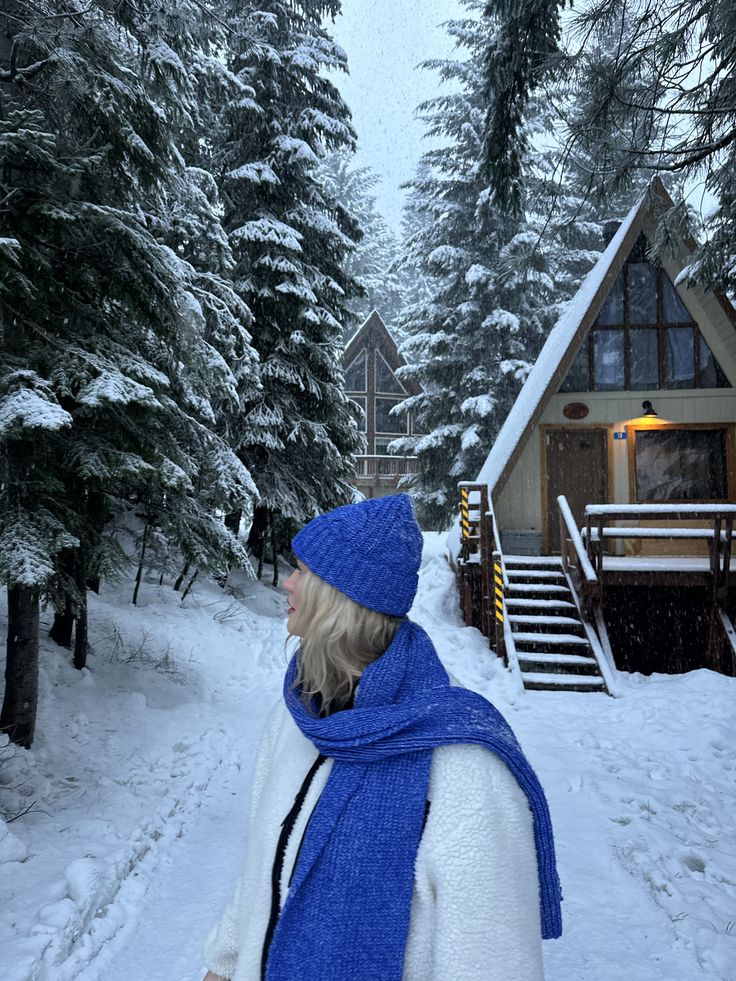
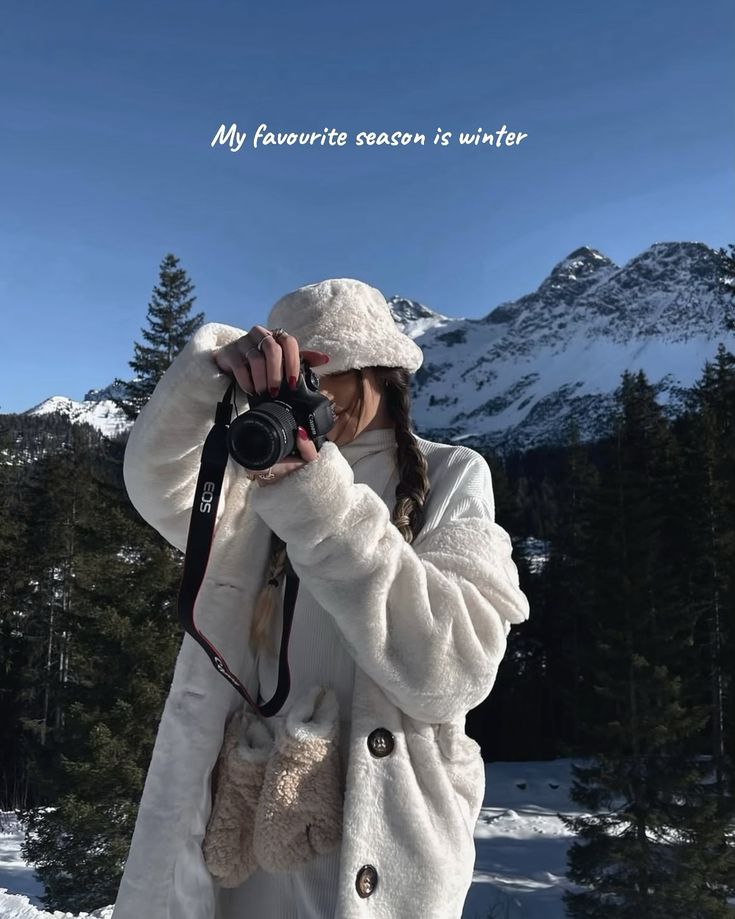
Days follow a rhythm that matches winter light.
- Pre-dawn start: Meet, travel to the location, and shoot sunrise when the light is best.
- Morning: Short break, then a review or mini-lesson on camera settings or composition.
- Midday: Indoor session covering editing, gear care, or planning the next shoot.
- Afternoon: Rest, equipment prep, and short outings.
- Evening: Sunset shoot and final critique with image reviews.
Expect flexibility for weather changes. Instructors will adapt timing and locations to maximize shooting opportunities and safety.
Essential Gear for Winter Photography
You need reliable camera gear, warm clothing, and spare power so you can shoot without interruptions. Focus on weather protection, battery life, and staying dry and warm.
Recommended Camera Equipment

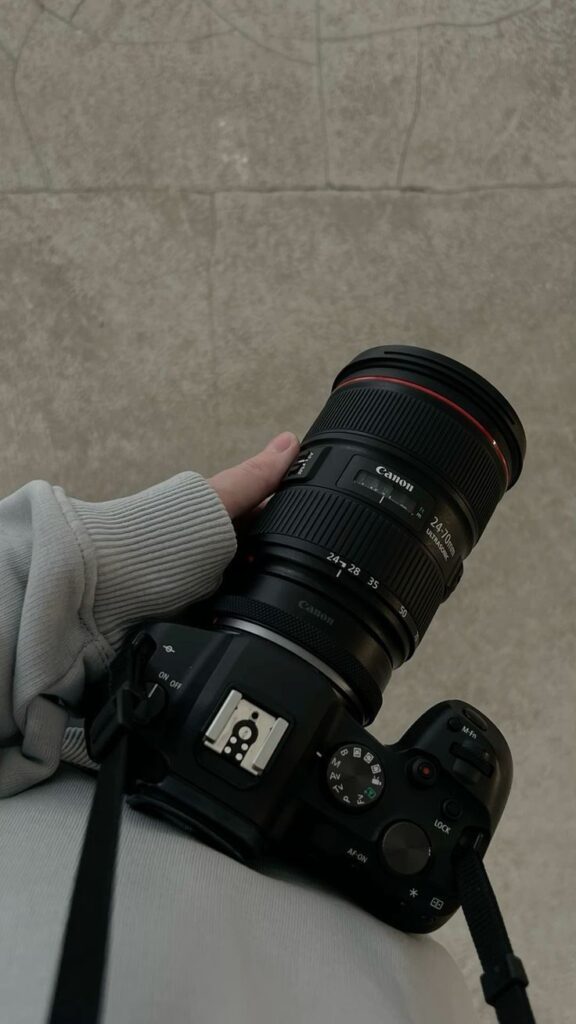
Bring a weather-sealed camera body if you can. Full-frame mirrorless or DSLR bodies work well for low light and wide dynamic range. Pack two lenses: a wide-angle (16–35mm or similar) for landscapes and a telephoto (70–200mm or 100–400mm) for distant details. Carry a fast prime (35mm or 50mm) if you want low-light or shallow depth-of-field shots.
Use a sturdy tripod rated for cold and wind; aluminum can get brittle, so consider carbon fiber. Bring lens cloths, a blower, and silica gel packs to reduce condensation. Keep lenses capped when not shooting and use a lens hood to shield from snow and glare. A rain cover or waterproof camera bag is essential.
Cold Weather Clothing and Accessories
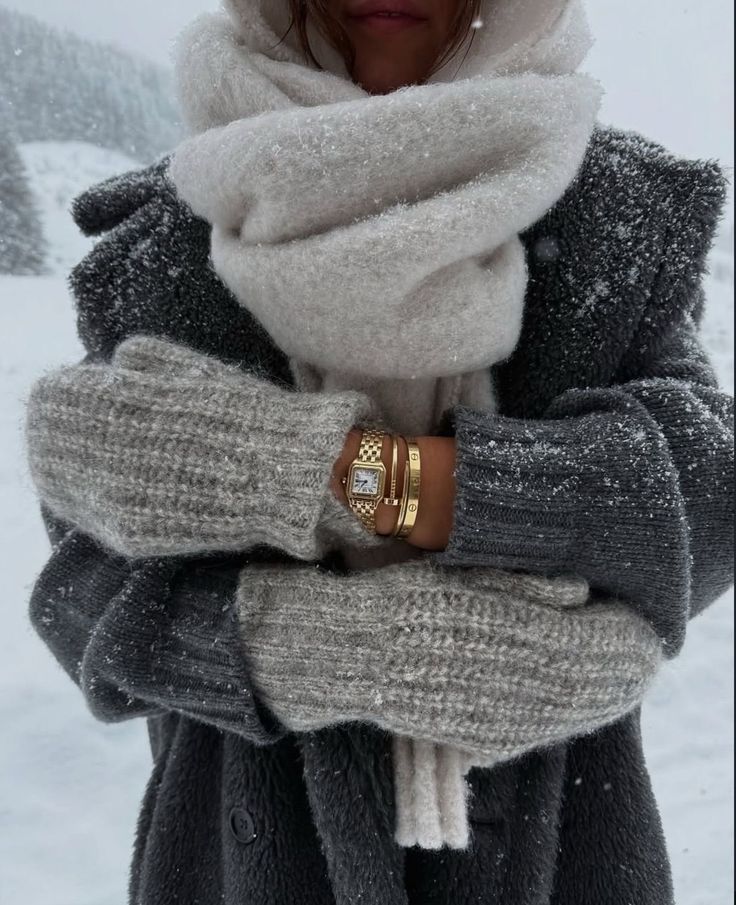
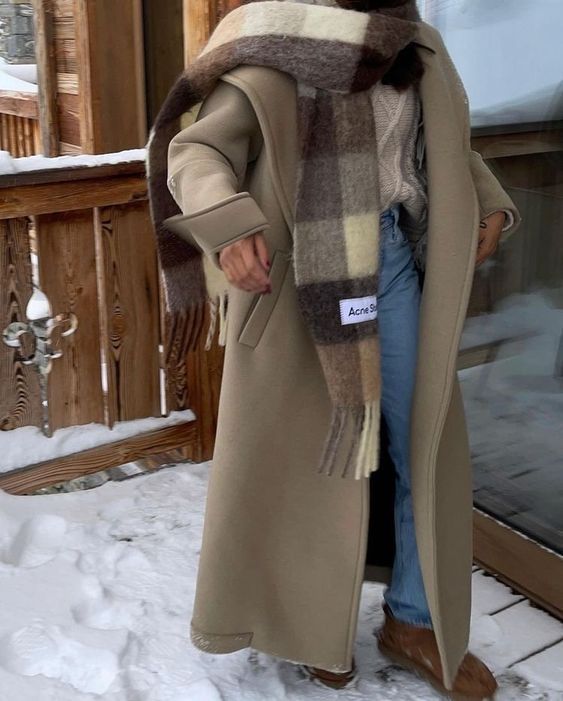
Layer clothing starting with a moisture-wicking base, an insulating mid-layer (fleece or down), and a waterproof outer shell. Choose insulated, waterproof boots with good traction for ice and snow. Wear thin liner gloves under heavier insulated gloves so you can operate controls without exposing your hands to the cold.
Bring a warm hat that covers your ears and a neck gaiter or balaclava for wind protection. Chemical hand warmers and foot warmers help during long waits. Sunglasses or goggles reduce glare from snow. Pack a lightweight sit pad to stay dry when you kneel or sit.
Backup and Power Solutions
Cold drains batteries fast, so bring at least three batteries and keep spares warm in an inside pocket. Swap batteries frequently to avoid a sudden shutdown. Use a portable power bank compatible with your camera or a USB charger for phones and heated clothing.
Carry backup storage: multiple SD cards and a small rugged SSD or laptop to offload images each day. Bring a multi-port charger and an insulated case for electronics to prevent condensation. Consider a small solar charger for extended trips, but rely on battery packs as your primary power source.
Mastering Winter Photography Techniques
You’ll learn how to expose bright snow, shoot in low light, and keep colors accurate in cold scenes. These skills help you capture crisp textures, warm light, and true whites.
Capturing Snow and Ice Landscapes
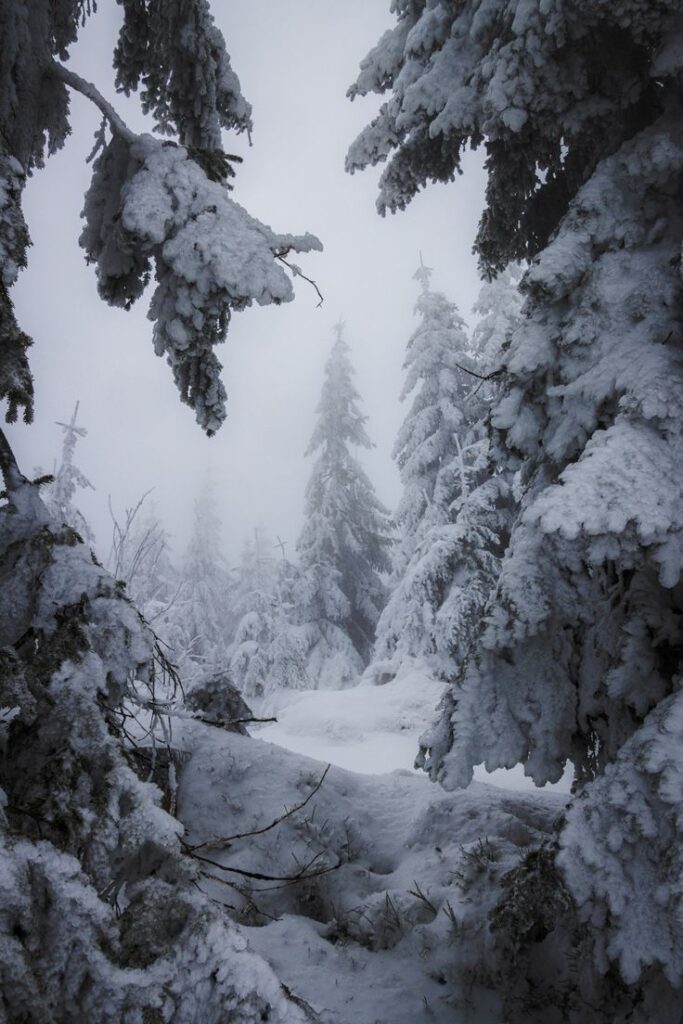
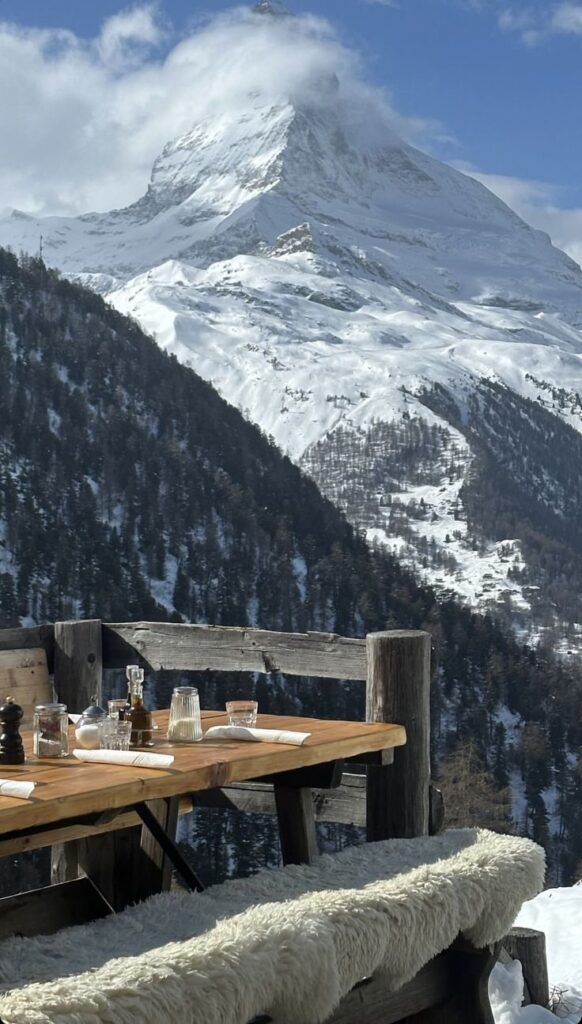
Set your exposure to avoid dull gray snow. Use +1 to +2 stops of exposure compensation or spot-meter off a bright patch of snow, then lock exposure. Shoot RAW so you can recover highlights and adjust white balance later.
Use a polarizing filter to reduce reflections and deepen blue skies. A low sun angle brings texture; place the sun to the side to show ruts, ridges, and ice crystals. For composition, include a strong foreground object—rocks, fence posts, or footprints—to give scale.
Keep contrast under control by bracketing three shots (−1, 0, +1 EV) and merging them if needed. Use a tripod for sharpness when light is low, or you want a small aperture (f/8–f/16) for a deep depth of field.
Low Light and Golden Hour Tips
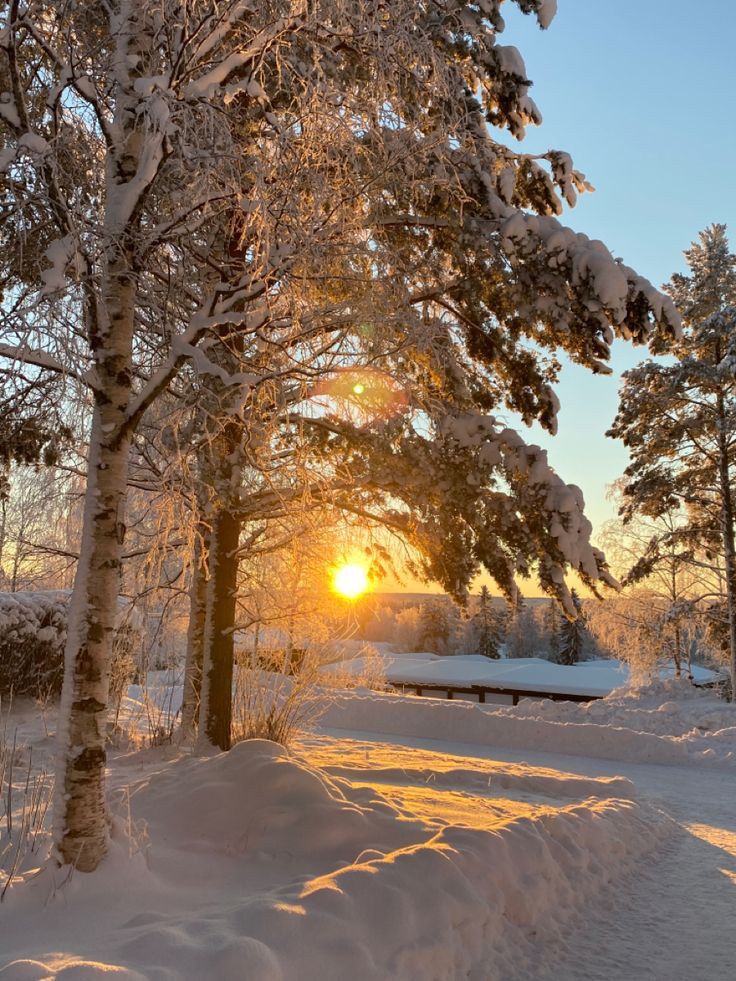

Arrive early and stay late to catch the warm light that lasts longer in winter. Use a tripod for shutter speeds under 1/125s, especially with longer lenses. Increase ISO only as needed; modern cameras handle higher ISO with less noise.
For fast-moving subjects like birds or skiers, open your aperture (f/2.8–f/5.6) and raise ISO to keep shutter speed at least 1/1000s for action. For calm scenes, use long exposures to soften falling snow or blur cloud movement—neutral density filters can help during brighter hours.
Use a mirror lock-up or electronic front curtain shutter to cut vibration. Check your histogram and highlight warnings; in low light, boost exposure in post if RAW captures look too dark without clipping highlights.
Managing White Balance in Snow Scenes
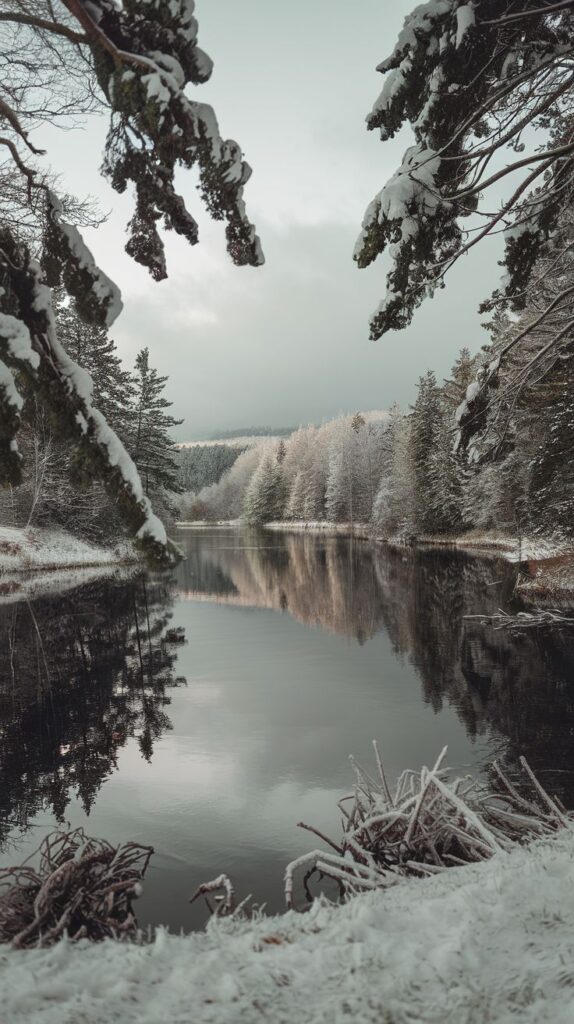
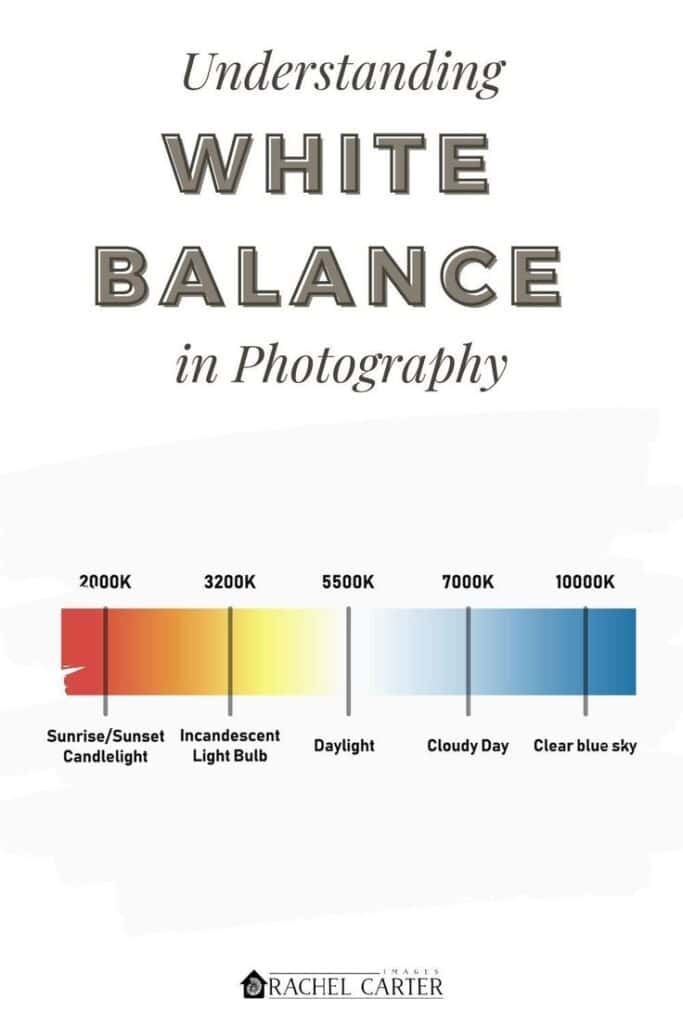
Auto white balance often skews blue in snowy scenes. Set a custom white balance using a gray card, or pick the “cloudy” or “shade” preset to warm tones by about 200–1000K. Shooting RAW gives you full control to correct color later without quality loss.
Watch mixed lighting—street lamps and daylight create color casts on snow. When that happens, take a reference shot of a neutral object for later correction. If you must deliver JPEGs straight from the camera, fine-tune the white balance on location and recheck skin tones for portraits.
Keep an eye on your LCD and histogram rather than trusting the preview. Small adjustments in Kelvin (e.g., 5200K to 6200K) can fix cool casts while keeping snow texture intact.
Top Destinations for Winter Photography Workshops
These places offer clear reasons to visit: dramatic light, reliable snow, and easy access to subjects like mountains, frozen lakes, and wildlife. Each location pairs strong photo opportunities with workshop leaders who know local timing and safety.
Iconic National Parks
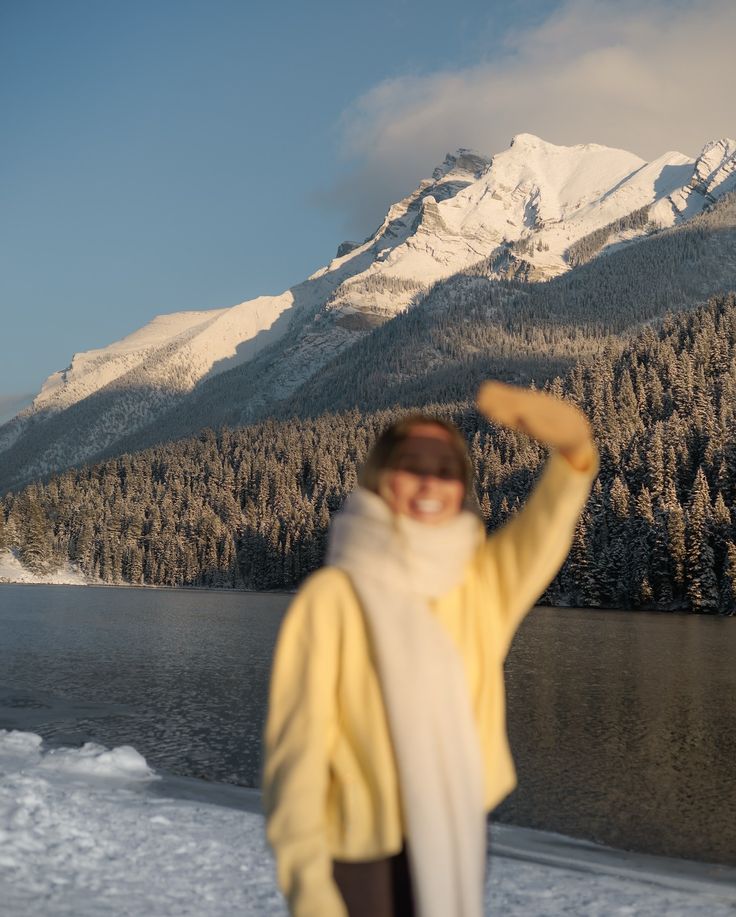
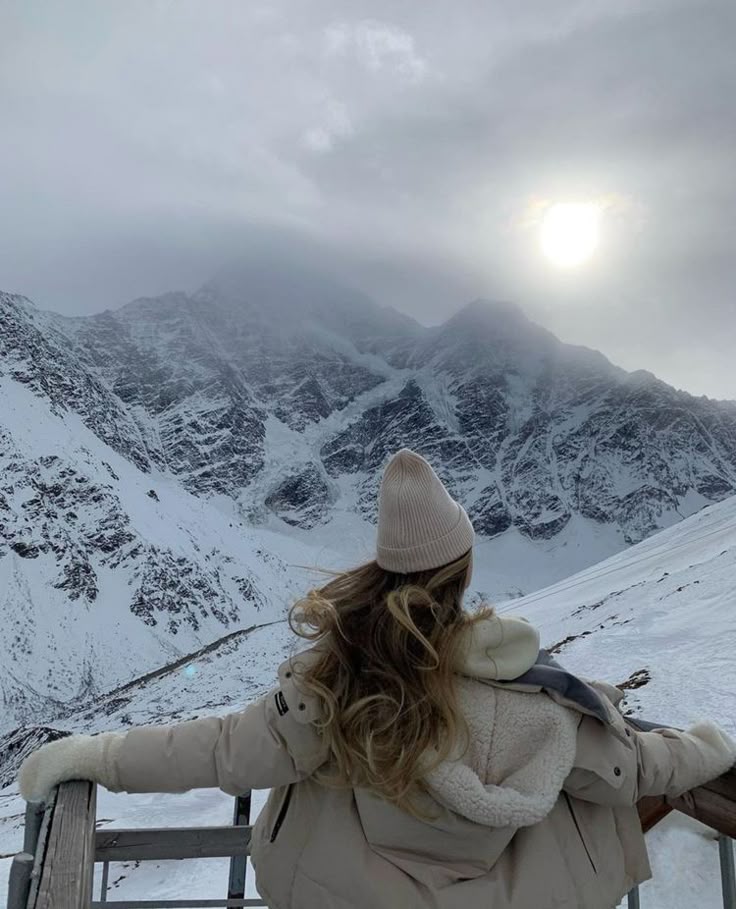
Yellowstone and Rocky Mountain National Park rank high for snowy landscapes and wildlife shots. You can photograph bison and elk against steam from hot springs in Yellowstone, and capture sharp alpine scenes with early morning light in the Rocky Mountains. Workshops here teach snow travel, animal behavior, and how to expose for high-contrast scenes.
Yosemite and Grand Teton give you towering granite and strong compositional lines. Expect small-group instruction on long exposures for icy waterfalls and using foreground ice to add depth. Guides commonly arrange access to classic viewpoints when conditions are best.
Bring warm layers, sturdy boots, and a camera with weather sealing. Many workshops include instruction on tripod use, lens choices, and white balance for snow.
International Hotspots
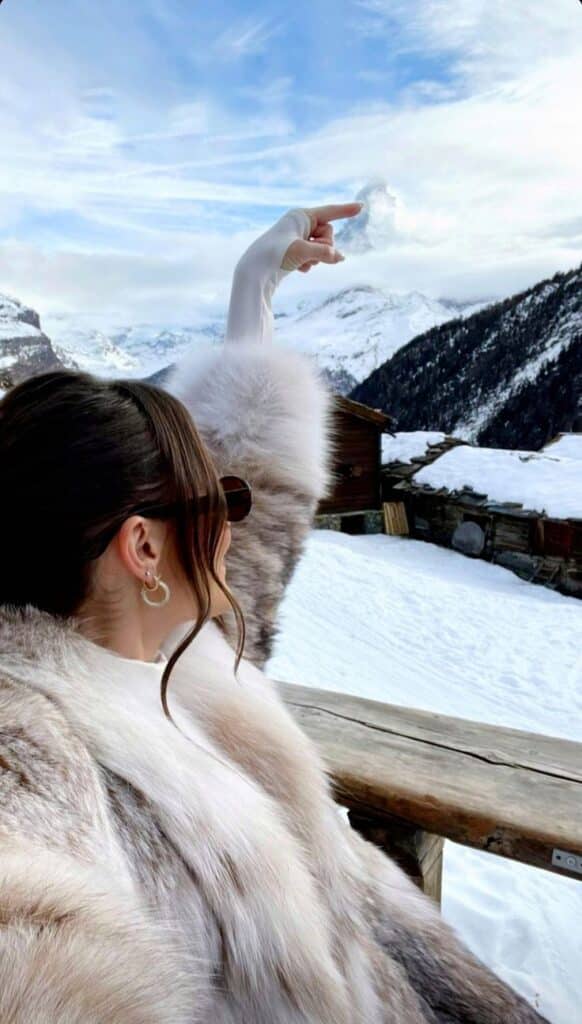
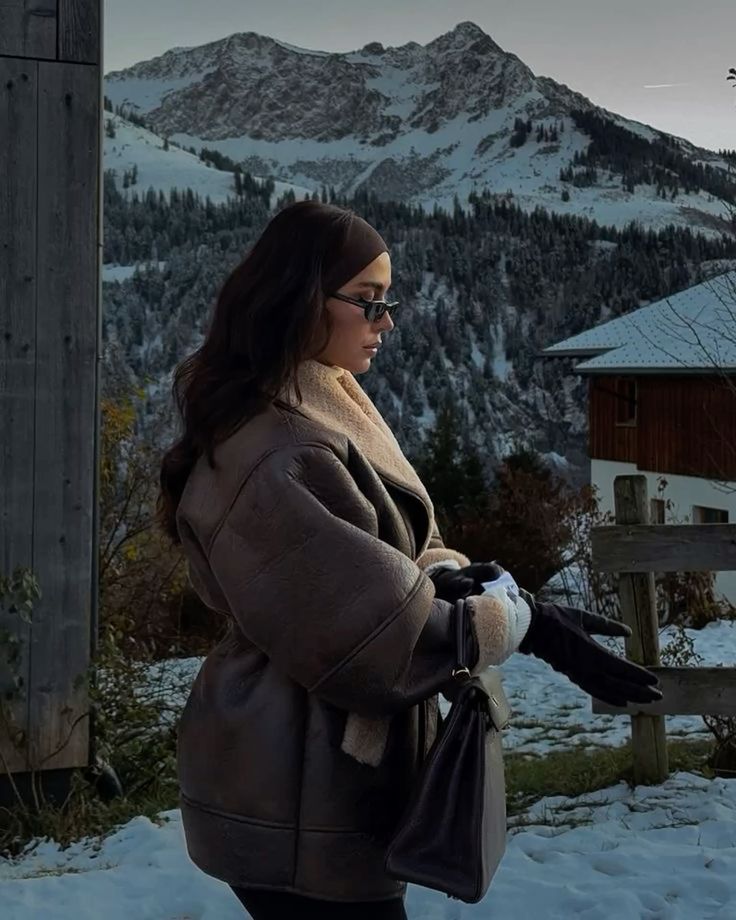
Iceland and Norway offer dramatic coastal ice, auroras, and fjords that change by the hour. You can shoot black-sand beaches with icebergs or chase northern lights from remote camps. Workshops focus on timing light, reading weather windows, and safe use of convoy travel on icy roads.
Japan’s Hokkaido and the Alps in Switzerland deliver snowy forests, hot-spring villages, and clear mountain silhouettes. Expect lessons on composition amid heavy snowfall and how to balance warm artificial light with cold daylight. International workshops often include logistics help like transport, permits, and local guides.
Pack lens cloths, spare batteries, and a plan for fast lens changes in the cold. Leaders will coach you on pacing a day for peak light and managing camera battery life.
Hidden Gem Locations
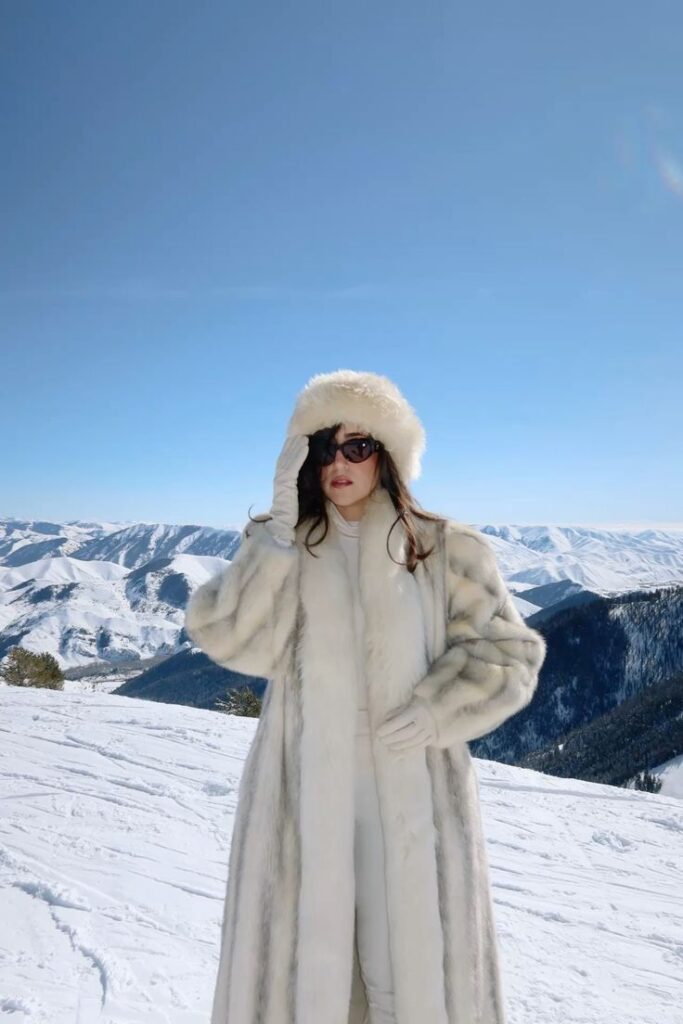

Smaller towns like Westcliffe, Colorado, and lesser-known mountain valleys give unique subjects with fewer crowds. You can photograph ranch life, old barns, and horses against snow-capped ranges. Workshops here offer hands-on practice with moving subjects and short instructional sessions on natural light control.
Frozen lakes in the Rockies and high plains of Montana show unusual ice patterns and wide skies. Guides teach how to use foreground textures and low sun angles for dramatic framing. These trips often include practical safety briefings for winter driving and short hikes.
Choose workshops that limit group size so you get direct feedback. Hidden gems give more shooting time and repeated practice under real conditions.
Benefits of Attending a Workshop
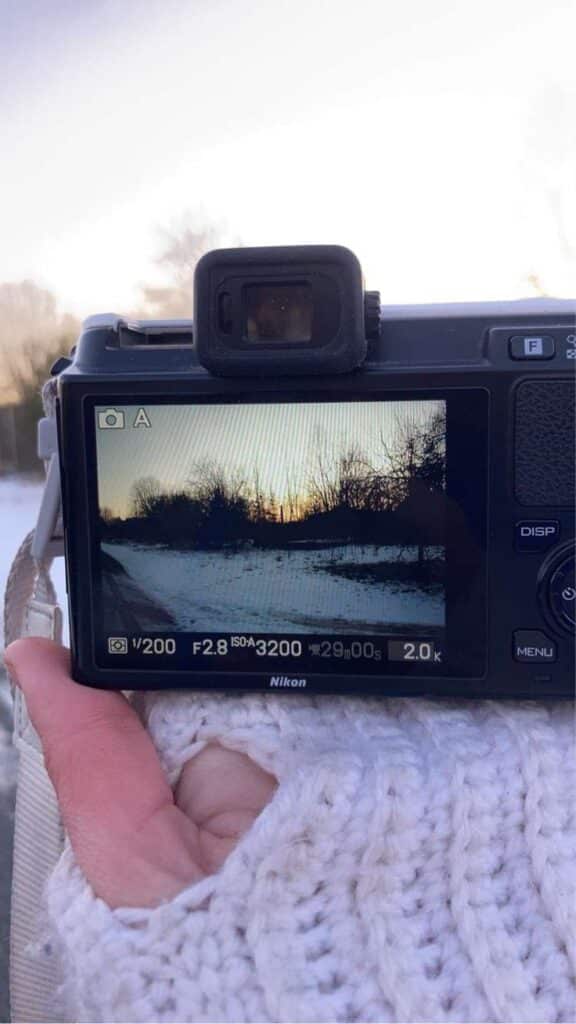
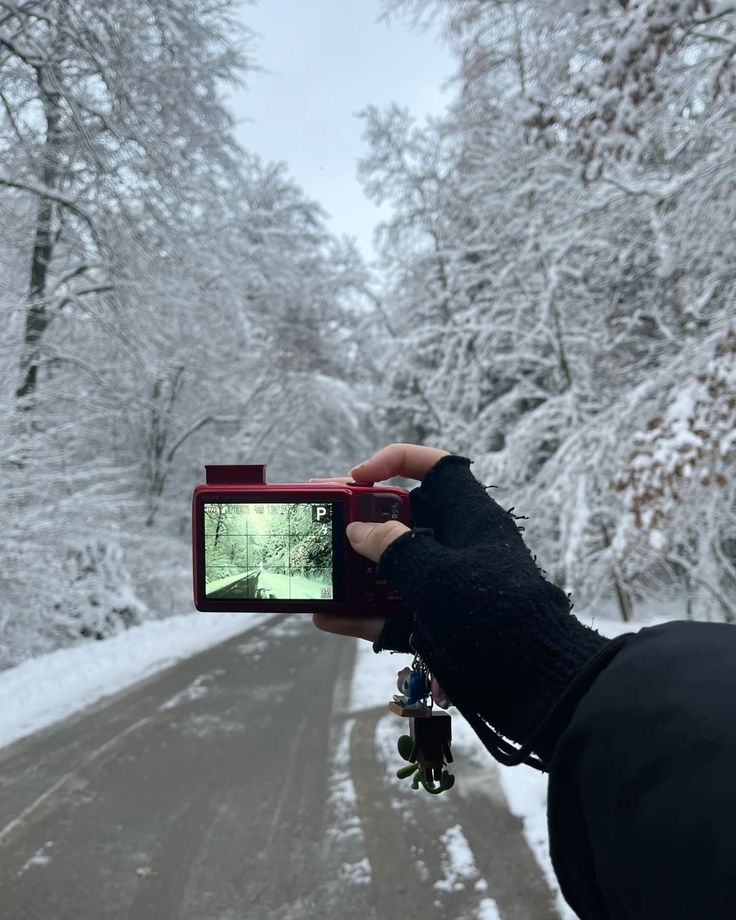
You’ll gain practical skills you can use on the next shoot, meet other photographers who share your goals, and leave with stronger images to show clients or enter contests. Each benefit targets real needs: improving technique, building connections, and growing your portfolio.
Hands-On Learning Experience
In a winter workshop, you practice settings for snow, low light, and fast-changing weather. An instructor can show you exactly how to expose for snow without losing highlight detail, how to set white balance to avoid blue casts, and how to meter for backlit scenes. You’ll shoot in real conditions while getting immediate feedback on composition, exposure, and camera handling.
Equipment demos often happen on location. You can test telephoto, wide-angle, and macro lenses in cold conditions, learn tripod and filter techniques, and see how to protect gear from moisture and freezing. That direct practice helps you remember settings and habits far better than reading manuals.
Networking Opportunities
You meet peers, mentors, and potential clients during field shoots, meals, and evening reviews. Sharing a hike to a viewpoint or working side-by-side on a sunrise session creates natural chances to swap contact info, plan future shoots, or form critique groups. These small connections often lead to collaborative projects or referrals.
Instructors and guest pros can open doors. They might invite you to assist on a paid job, suggest exhibition venues, or recommend gear suppliers. Bring business cards or a simple portfolio link on your phone so you can follow up quickly after conversations.
Portfolio Development
Workshops give you targeted images that show you can handle winter scenes. You’ll capture shots of snow textures, frozen landscapes, and low-light portraits that demonstrate technical skill and creative eye. Instructors help you choose the strongest frames and advise on sequencing for a cohesive set.
You also learn post-processing tips specific to winter work, like recovering blues without losing warmth or sharpening fine ice detail. By the end of the workshop, you should have 5–15 publishable images you can add to your website, social feeds, or client pitch materials.
How to Choose the Right Winter Photography Workshop
Pick a workshop that matches your skill level, shooting goals, and comfort with cold weather. Focus on the instructor’s real winter experience, honest reviews from past students, and clear cost breakdowns so you know what you’ll get for your money.
Instructor Expertise and Teaching Style
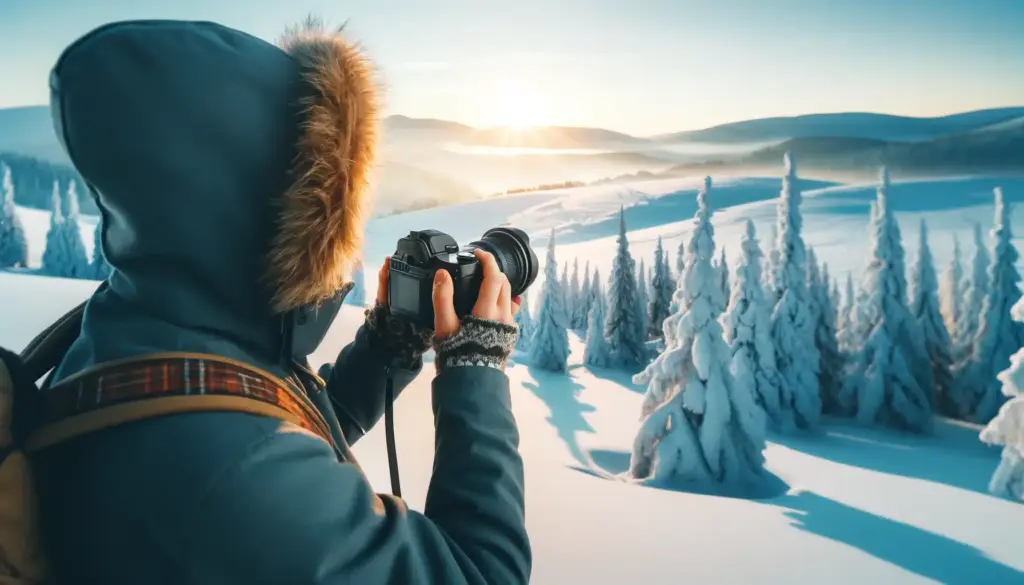
Look for instructors who shoot winter landscapes or wildlife regularly and can show recent work from cold conditions. Check that they teach camera settings for low light, snow exposure, and white balance, and that they can demonstrate light-metering and histogram use outdoors.
Ask about their teaching format. Do they do live critiques in the field, one-on-one tutoring, or group lectures? If you prefer hands-on feedback, choose a small group or private option. If you want more technical classroom time, confirm there are evening edit sessions.
Verify certifications only as a bonus; real winter experience matters more. Also, ask how they handle safety — cold-weather gear checks, avalanche awareness, and emergency plans show practical competence.
Workshop Reviews and Testimonials
Read reviews on multiple platforms: workshop sites, Google, and photo forums. Look for consistent comments about pacing, instructor responsiveness, and whether promised shooting locations were used. Take single glowing reviews with caution.
Pay attention to reviewers with similar goals and geared to yours. A beginner praising great basics is relevant if you’re a beginner. An advanced shooter praising advanced composition exercises matters if you want higher-level critique.
Check for photos from past attendees, not just the instructor’s portfolio. Photos taken by students show what you can realistically achieve during the workshop. Reach out to past participants if possible for a quick, direct impression.
Budget Considerations
List what the fee covers: instruction, meals, lodging, transport, park permits, and any gear rental. Workshops that hide extras can double your cost once you add permits, lodging upgrades, and transport to remote winter sites.
Compare group size to price. Larger groups cost less but give less one-on-one time. Small groups or private lessons cost more but give focused feedback; match that to your learning needs.
Factor in non-refundable deposits and cancellation policies. Winter weather often shifts schedules, so prioritize flexible dates or clear rescheduling terms. Finally, budget for proper winter clothing and safety gear if the workshop doesn’t supply it.
Travel and Safety Tips for Winter Photography
Bring layers, plan routes, and pack emergency gear. Know how to protect your camera from cold and moisture, and tell someone your schedule before you go.
Planning for Changing Weather
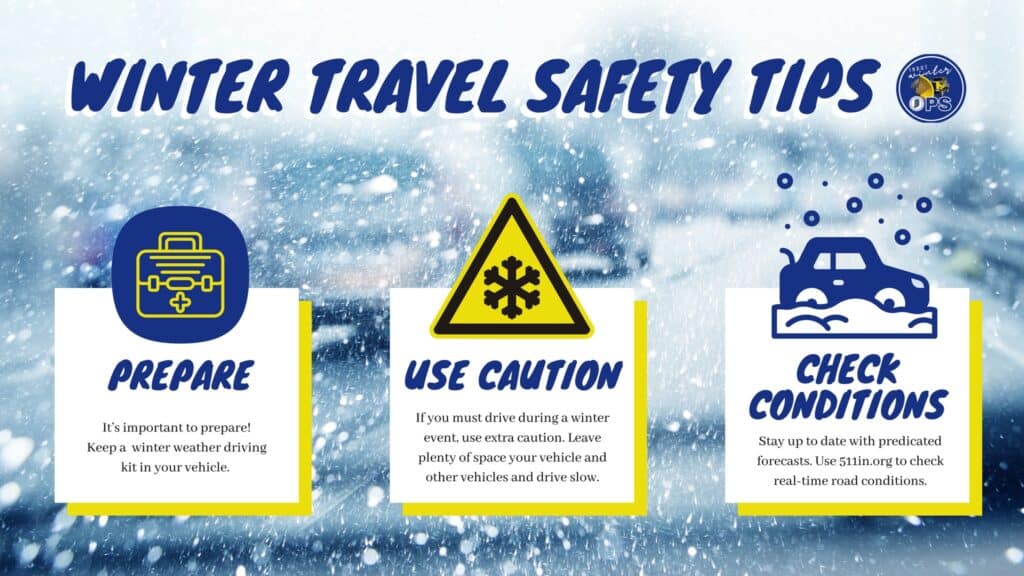
Check detailed forecasts for wind, temperature, and snowfall for the specific trailhead or road you’ll use. Use apps like MeteoGroup, Windy, or the National Weather Service and watch the 6–12 hour trend before you leave.
Pack clothing in layers: a moisture-wicking base, an insulating mid-layer, and a waterproof outer shell. Bring extra socks, a warm hat, and chemical hand warmers in a waterproof bag.
Protect gear with silica packs and a rainproof camera cover. Keep spare batteries in an inner pocket to keep them warm; cold drains battery life fast. Carry a small microfiber towel to wipe lens moisture and a ziplock to warm lenses slowly when moving between temperatures.
Staying Safe in Remote Locations
Tell a responsible person your route, expected return time, and check-in times. Carry a charged phone, a portable battery pack, and a personal locator beacon (PLB) or satellite messenger if cell service is unreliable.
Bring navigation tools: a paper map, a compass, and a GPS device. Know the route’s exit points and possible shelter spots like cabins or tree lines.
Pack emergency items: a lightweight bivy or emergency blanket, high-calorie snacks, water in an insulated bottle, and a compact first-aid kit. For icy terrain, use crampons or microspikes and carry trekking poles for balance.
If conditions worsen, prioritize safety over a shot: turn back early, find shelter, and contact help if you can’t reach your planned exit.
How are winter photography workshops structured in terms of duration and format?
Workshops vary from single-day clinics focused on specific skills to multi-day tours that include sunrise and sunset shoots, classroom lessons, and personalized feedback, often accommodating small groups for better attention, and may include private coaching.
What essential gear should I bring for winter photography?
Bring a weather-sealed camera, a sturdy tripod, wide-angle and telephoto lenses, extra batteries kept warm, weather protection for gear, layered warm clothing, insulated boots, gloves, a warm hat, a neck gaiter, and backup power supplies and storage devices.
What should I expect from attending a winter photography workshop?
You will gain practical shooting skills, receive expert feedback, learn about cold-weather gear, and improve your ability to capture winter scenes through hands-on practice in real locations, with scheduled guided field time and lessons tailored to short winter daylight hours.
How can I master winter photography techniques, such as capturing snow landscapes and managing white balance?
Set proper exposure to prevent dull snow images, use a polarizer and low sun angles to enhance textures, bracket shots for contrast, shoot during golden hour, and adjust white balance using a custom setting or RAW editing to maintain accurate snow tones and color clarity.
What factors should I consider when choosing a winter photography workshop?
Choose one that matches your skill level and goals, evaluate instructor expertise and reviews, understand what the fee covers, consider group size for personalized attention, and ensure the location offers reliable snow, interesting subjects, and safety measures for winter conditions.
- 4shares
- Facebook0
- Pinterest1
- Twitter3
- Reddit0