When it comes to air conditioning, regular maintenance, and timely repairs are more important than you might think. Preventative action isn’t just about staying cool; it’s also about protecting your wallet and your home. If you’ve been ignoring strange noises, warm air, or other signs your AC isn’t functioning at its best, you could unintentionally be setting yourself up for bigger issues down the line.
- The chain effect of delaying AC repairs
- The long-term risks of neglect
- How timely AC repairs save you money
- Signs you shouldn’t ignore
- Conclusion
- Frequently Asked Questions
- Q: What happens if you delay an AC repair?
- Q: How can you tell when your air conditioner needs repair?
- Q: Why does a faulty AC increase the electricity bill?
- Q: How much does it cost to repair an air conditioner?
- Q: What is the best time to schedule an AC repair?
- Q: How long can an air conditioner last with timely repairs?
- Q: Can a refrigerant leak damage the AC compressor?
- Q: What common AC repair mistakes make the problem worse?
If you’re experiencing any AC issues or haven’t had your system checked in a while, be sure to contact an AC repair in Mohave Valley that is ready to help. Schedule a service today and keep your system in peak condition for years to come.

The chain effect of delaying AC repairs
Minor issues quickly escalate
An odd noise or reduced airflow might seem like simple annoyances, but they could be early warning signs of more significant problems. For example:
- Unaddressed refrigerant leaks can force your system to overwork, leading to compressor failure.
- Dirty filters or coils can strain key components, decreasing efficiency and increasing wear and tear on these components.
What starts as a minor, repairable issue can escalate into something far more complex, requiring expensive repairs or a complete system replacement.
Increased energy costs
I’ve found that an AC can have a problem and still appear to work. It may cool the room eventually, but it takes longer, turns on more often, and seems to run almost constantly. Usually, the electricity bill gives the problem away before the system does.
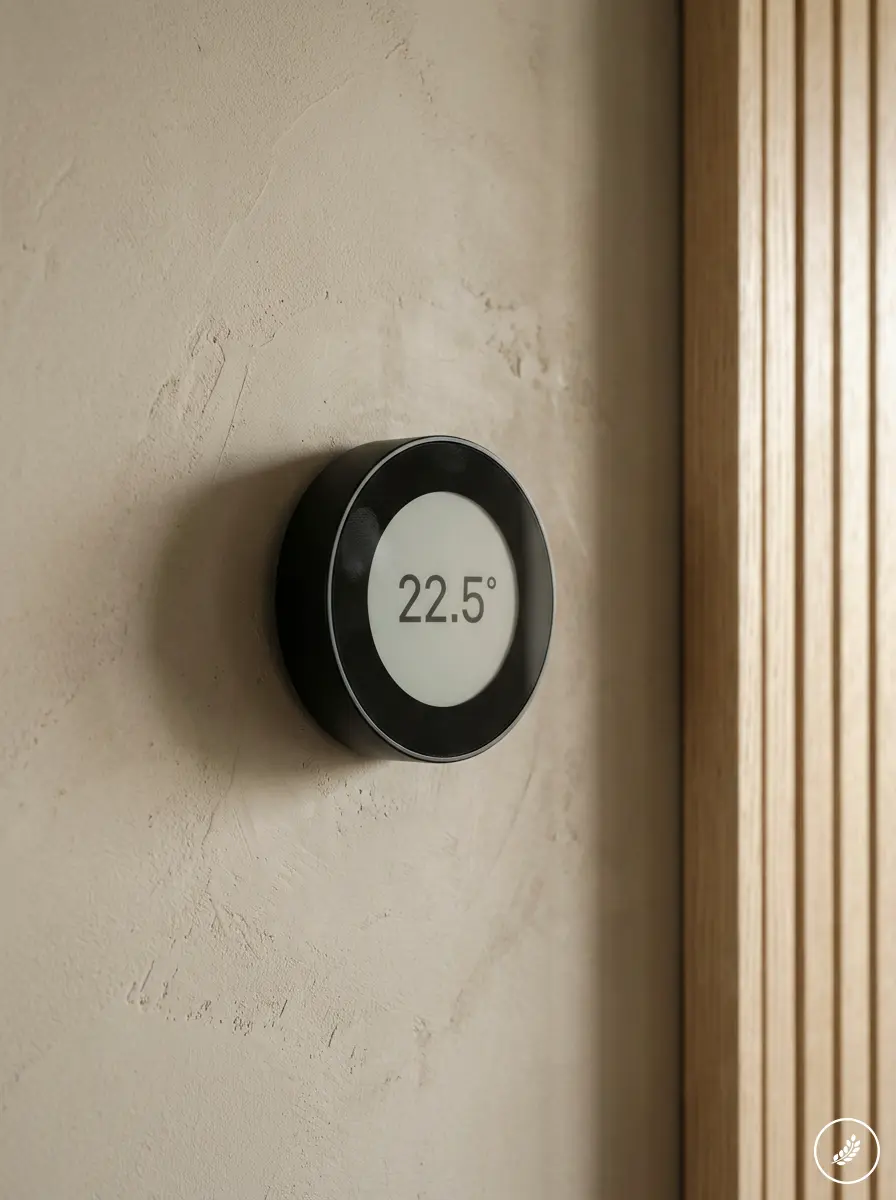
The Department of Energy estimates that an inefficient air conditioner can raise energy costs by up to 30%. I now take weak airflow, odd noises, and uneven cooling seriously instead of waiting for the unit to stop altogether. Catching the issue early wastes less electricity and gives me a better chance of fixing a small fault before it becomes an expensive repair.
The long-term risks of neglect
Component damage
When one part of your air conditioning system is compromised, it often puts stress on other components. For example:
- A failing fan motor can cause heat to build up, damaging the compressor.
- Blockages in ductwork can lead to frozen coils, further straining the system.
These types of cascading problems can significantly shorten the useful life of your AC unit.
Poor indoor air quality
Air conditioning units that aren’t properly maintained can accumulate dust, mold, and allergens, which may spread through your home and impact both comfort and indoor air quality. Signs of reduced air quality include:
- An increase in allergy or asthma symptoms.
- Musty odors coming from your vents.
- Dust buildup around air ducts.
Timely repairs ensure your system stays clean and functions safely, providing crisp, clean air for your family.
How timely AC repairs save you money
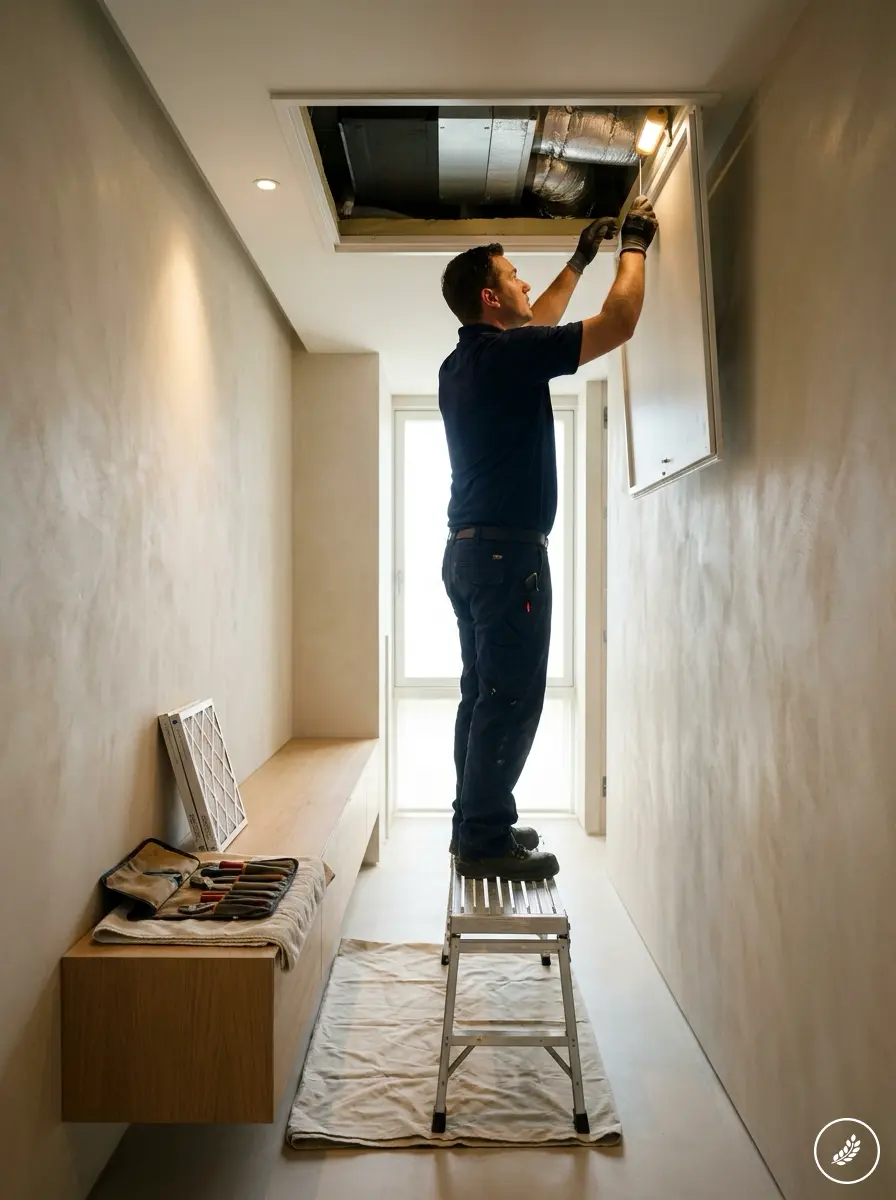
When an air conditioner starts making unusual noises, producing weak airflow, or struggling to maintain the set temperature, it is best to have it inspected before the problem affects more expensive components. Homeowners in the area can contact a trusted AC Repair Fort Worth service to diagnose the issue, restore the system’s efficiency, and reduce the risk of an unexpected breakdown during hot weather.
Lower repair costs
Catching minor problems early is almost always more cost-effective than waiting for them to develop into significant issues. Fixing a refrigerant leak or replacing a fan motor will cost a fraction of what you’d pay for a new compressor or entire system.
Extended system lifespan
Regular upkeep and timely repairs can keep your AC running efficiently for 10 to 15 years or more. On the other hand, neglecting repairs could mean that you will need to replace your unit much sooner than expected.
Reduced emergency expenses
AC issues tend to show up when you need cooling the most, such as during a heatwave. Emergency repairs or same-day service often come with a premium price tag. By tackling issues early, you’re less likely to face these time-sensitive and costly situations.
Signs you shouldn’t ignore
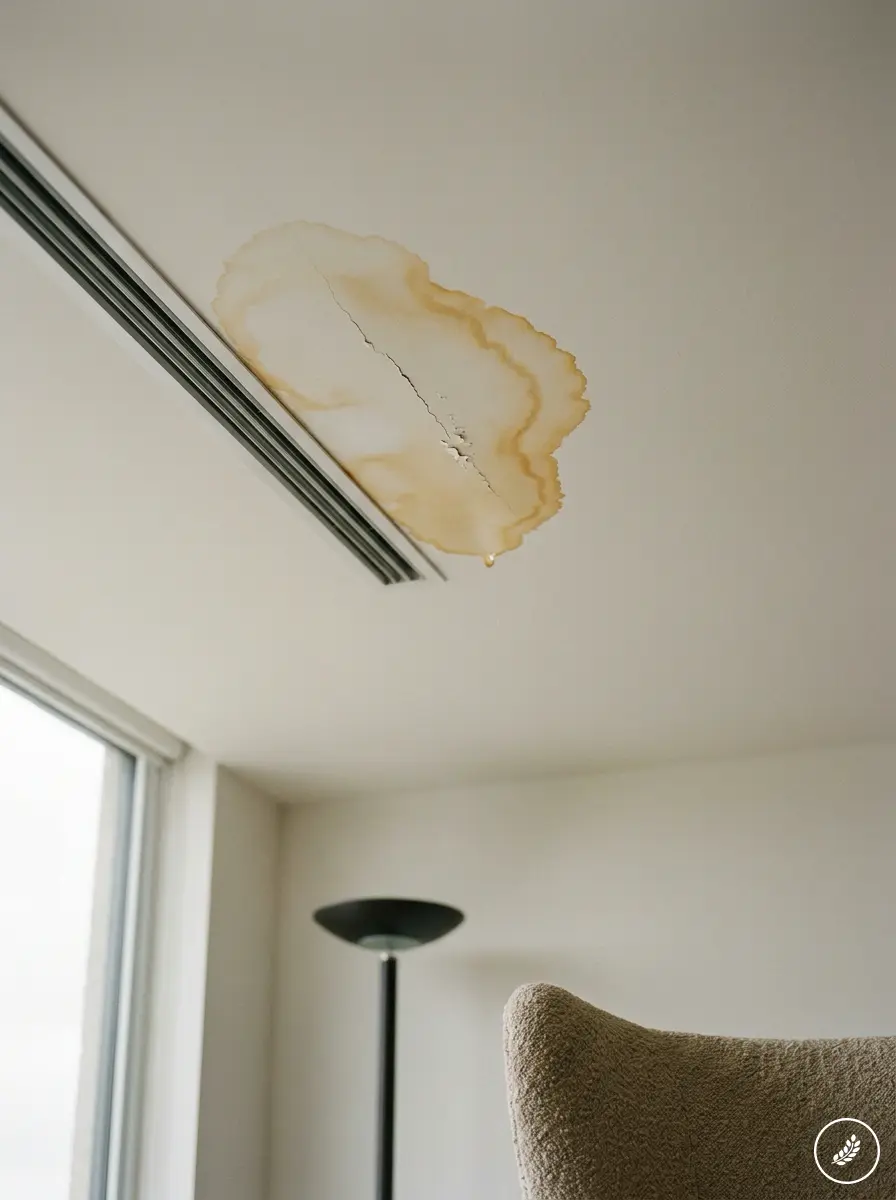
Here are some clear indicators that your AC may need professional attention:
- Warm air – Your AC should be blowing cold air; anything else signals a problem.
- Weak airflow – This might indicate issues with ducts, filters, or compressor functionality.
- Strange noises – Grinding, screeching, or banging noises suggest failing components.
- Unusual smells – A burning smell could indicate electrical problems, while musty odors may suggest the presence of mold.
- Frequent cycles – If your system turns on and off frequently, it’s likely struggling to maintain the set temperature.
If you notice any of these warning signs, it’s time to act.
Conclusion

I see my AC as something worth maintaining, not something to think about only after it stops working. If I notice a problem, I deal with it early. That usually means steadier cooling, less strain on the system, and a better chance of avoiding an expensive repair in the middle of summer.
Frequently Asked Questions
Q: What happens if you delay an AC repair?
A: A small AC problem can place extra strain on other components. For example, restricted airflow may freeze the evaporator coil, while a failing fan motor can cause the compressor to overheat. The system may continue cooling temporarily, but it will usually run longer, use more electricity, and wear out faster. What begins as a clogged drain, dirty coil, or weak capacitor can eventually cause a complete system breakdown.
Q: How can you tell when your air conditioner needs repair?
A: Watch for warm air, weak airflow, frequent on-and-off cycling, water near the unit, unusual smells, or sounds such as grinding, banging, buzzing, and squealing. A sudden increase in electricity use is another warning sign, especially when your thermostat settings have not changed. Burning smells may indicate an electrical problem, while musty odors can point to mold or moisture inside the unit or ductwork.
Q: Why does a faulty AC increase the electricity bill?
A: A struggling air conditioner must run longer to reach the temperature set on the thermostat. Dirty filters, blocked ducts, low refrigerant, frozen coils, or failing motors can all reduce cooling efficiency. Instead of completing a normal cooling cycle, the system may operate almost constantly or restart every few minutes. That extra runtime increases energy consumption and puts additional wear on the compressor, blower motor, capacitor, and other components.
Q: How much does it cost to repair an air conditioner?
A: Minor AC repairs commonly cost about $100–$300, while typical central-air repairs range from approximately $150–$650. Replacing a capacitor may cost $150–$400, a fan motor around $300–$800, and repairing a refrigerant leak can range from $200 to more than $1,500. Compressor replacement is considerably more expensive, often costing $1,000–$3,000 or more, which shows why early diagnosis matters.
Q: What is the best time to schedule an AC repair?
A: Schedule service as soon as you notice a meaningful change in cooling, airflow, sound, smell, cycling, or energy use. Do not wait for the unit to stop working completely. Spring or another off-peak period is usually best for routine inspections because HVAC companies may have better availability than during a heatwave. However, burning smells, electrical buzzing, refrigerant leaks, ice buildup, or repeated shutdowns require immediate professional attention.
Q: How long can an air conditioner last with timely repairs?
A: A properly maintained central air conditioner commonly lasts around 10–15 years, although climate, installation quality, usage, and maintenance all affect its lifespan. Regular filter changes, annual inspections, clean coils, clear drain lines, and prompt repairs can help the system reach the upper end of that range. Repeatedly running the AC with low refrigerant, poor airflow, or overheating components can shorten its useful life and lead to premature replacement.
Q: Can a refrigerant leak damage the AC compressor?
A: Yes. Refrigerant absorbs heat and helps cool the compressor as it circulates through the system. When the refrigerant level becomes too low, the AC may run continuously without cooling effectively. This increases compressor temperature and mechanical strain. Warning signs include warm air, frozen coils, hissing sounds, unusually long cycles, and rising electricity bills. Refrigerant should only be handled by a qualified HVAC technician because the system is pressurized and requires specialized equipment.
Q: What common AC repair mistakes make the problem worse?
A: Common mistakes include repeatedly resetting a tripped breaker, continuing to run a unit with ice on the coils, ignoring water leaks, adding refrigerant without repairing the leak, and attempting electrical or compressor repairs without proper training. Closing several supply vents can also restrict airflow rather than save energy. Homeowners can safely replace filters and clear debris around the outdoor condenser, but high-voltage wiring, pressurized refrigerant, motors, and compressors should be handled professionally.
- 5shares
- Facebook0
- Pinterest5
- Twitter0
- Reddit0