
Photography gives you endless ways to experiment and see the world differently. Trying new ideas can pull you out of a creative rut and make shooting feel exciting again, whether you’ve been behind a camera for years or you’re just starting out.
- 1) Create a colorful bokeh effect with Christmas lights
- 2) Use a mirror for symmetrical reflection shots
- 3) Capture motion blur with long exposure settings
- 4) Experiment with forced perspective to create illusions
- 5) Shoot through a prism to add rainbow effects
- 6) Utilize shadows creatively for dramatic effects
- 7) Use water droplets on glass for macro photography
- 8) Incorporate smoke or fog for atmospheric shots
- 9) Try light painting with a flashlight or sparklers
- 10) Capture silhouettes against a setting sun
- Understanding Creative Photography
- Techniques to Enhance Creativity
- FAQ: Creative Photography Ideas
- Q: What are some creative photography ideas beginners can try at home?
- Q: How can I make my photos look more creative without expensive equipment?
- Q: What lighting works best for creative photography?
- Q: How do photographers create aesthetic blurry backgrounds?
- Q: What are the most common mistakes in creative photography?
- Q: Which camera settings are best for creative photography?
- Q: Why is composition important in creative photography?
- Q: What are the best apps for editing creative photos?
Sometimes the best photos come from simple things — everyday objects, strange angles, or light hitting a room in an unexpected way. A desk lamp, a mirror, even a rainy window can turn into something worth shooting if you slow down and look at it differently.
I’ve noticed that the more you play around with lighting, shadows, and composition, the more your style starts to develop naturally. And honestly, that’s usually when photography gets fun again. Not when you’re obsessing over gear or settings, but when you’re experimenting and accidentally creating something you didn’t expect.
1) Create a colorful bokeh effect with Christmas lights
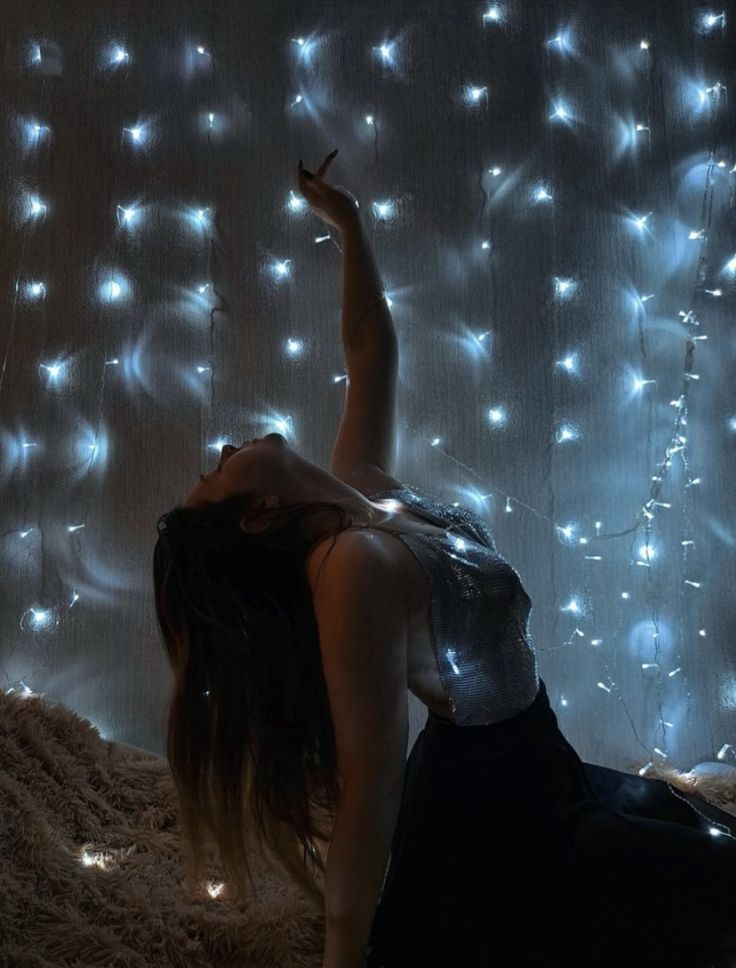
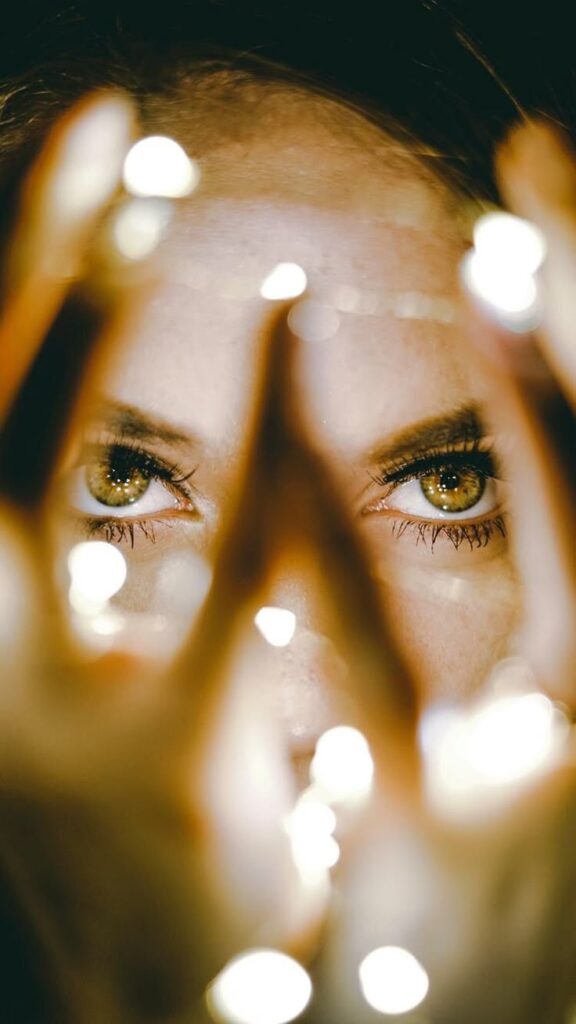
Creating a colorful bokeh effect with Christmas lights can elevate holiday photography. The process involves using a camera with a wide aperture to blur the lights, turning them into beautiful, soft circles.
Start by placing your subject a few feet in front of the lights instead of right against them. That little bit of distance helps the lights melt into soft blurry circles in the background, which is what gives bokeh photos that dreamy look.
A fast lens makes a huge difference here. Something like f/1.8 or f/2.8 works really well because the wider aperture creates a much softer background blur. The lower the f-number, the stronger the effect usually gets.
You also don’t need an elaborate setup. Honestly, one strand of Christmas lights is enough. Move the lights around, change the angle, or place some closer to the lens and some farther away. Tiny adjustments can completely change the mood of the shot.
I’ve found that dusk or nighttime works best for this kind of photography. The darker background makes the colors from the lights stand out more, and the bokeh ends up looking richer and more dramatic in photos.
2) Use a mirror for symmetrical reflection shots
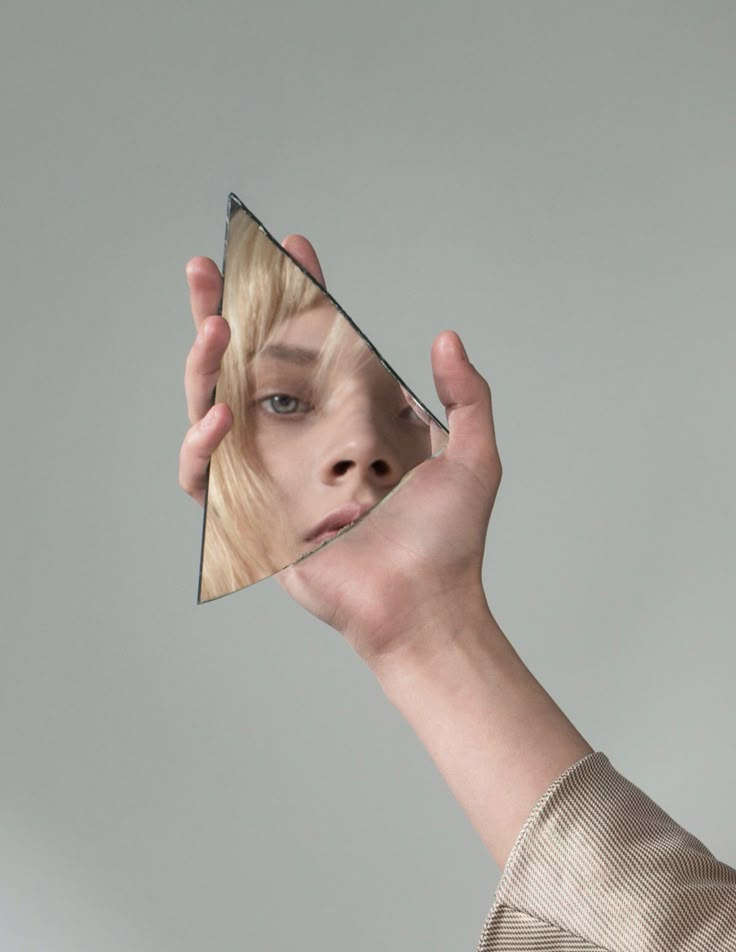
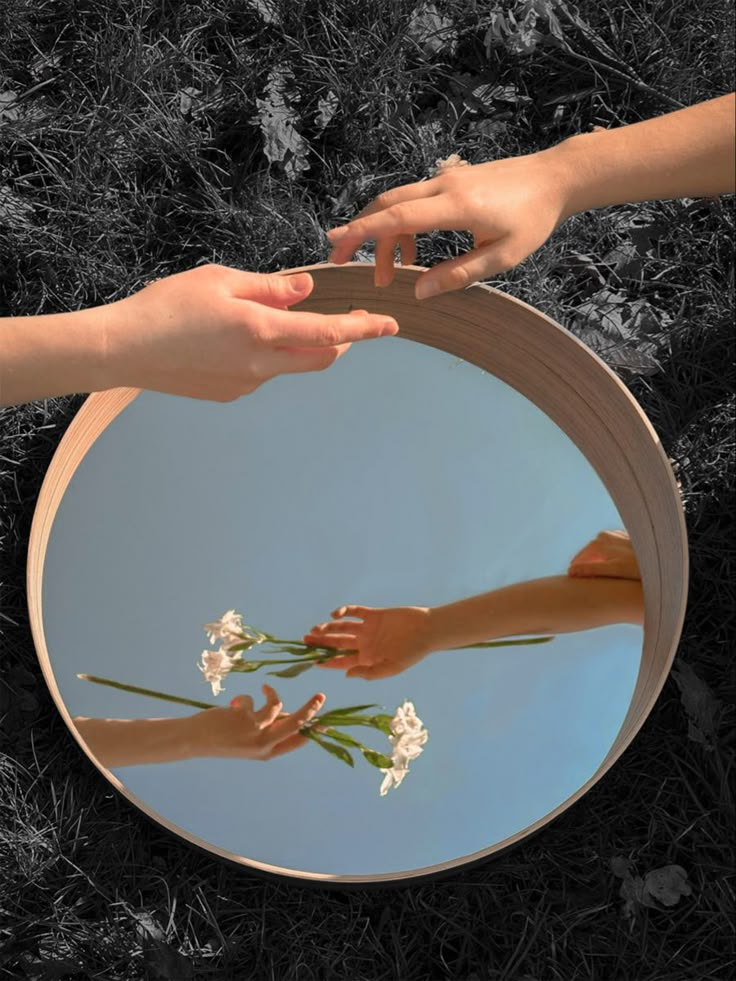
Using a mirror in photography can create striking symmetrical images. Mirrors reflect not just the subject but also the surroundings, making for a balanced composition.
An ornate or vintage mirror can add character and charm to the photo. It serves as a stylish focal point, drawing the viewer’s attention.
Positioning the mirror effectively is key. She can capture reflections that align with the natural surroundings, enhancing symmetry.
Playing with angles can yield unique results. Tilt the mirror slightly to incorporate different elements into the reflection while keeping the subject crisp.
Mirrors can be particularly effective in portrait photography. They can frame the subject beautifully, highlighting features in an artistic way.
Experimenting with multiple mirrors offers additional depth. This technique can create a mesmerizing effect, allowing for creative exploration.
3) Capture motion blur with long exposure settings
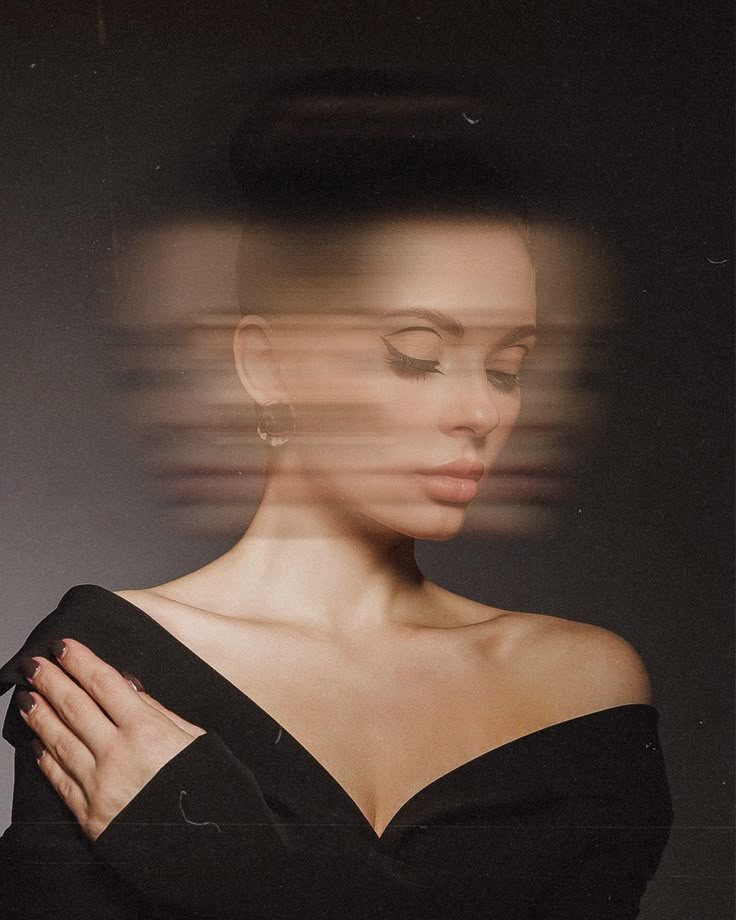
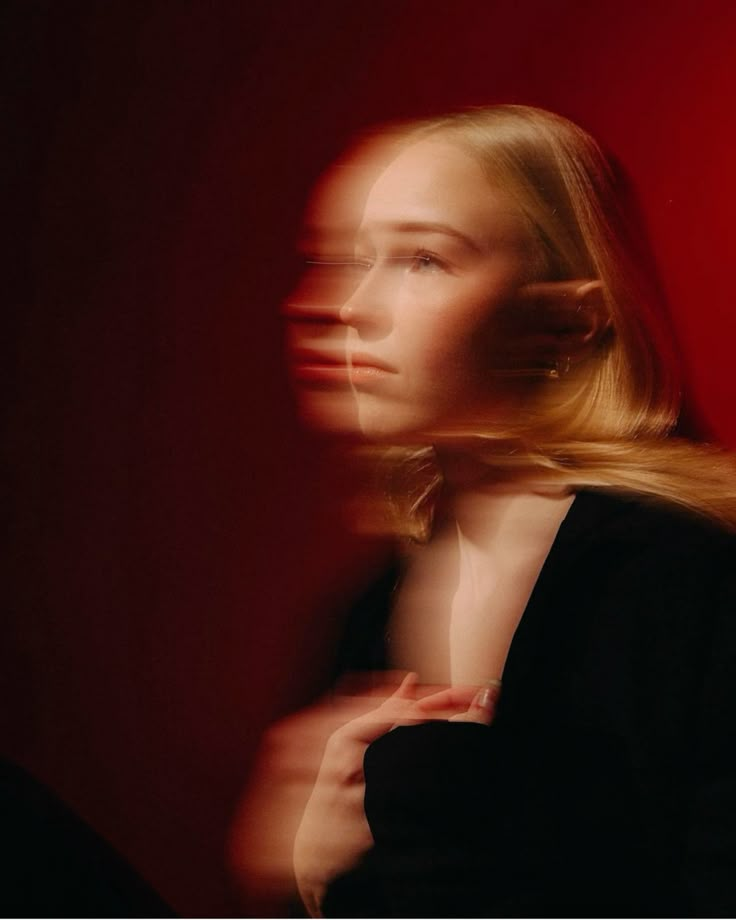
Capturing motion blur using long exposure settings can add a unique touch to photography. By using a slow shutter speed, a photographer can create a sense of movement in their images.
Getting good motion blur mostly comes down to shutter speed. Fast-moving subjects usually need a longer exposure to create those smooth streaks, while slower movement can blur nicely with less time. A lot of it is trial and error at first — you shoot, check the result, then adjust.
Light matters more than people expect with long exposure photography. Too little light and the image falls apart. Too much and everything gets blown out. I usually like shooting during golden hour because the softer natural light gives you more flexibility without making the scene look harsh.
One technique worth trying is panning. Instead of keeping the camera still, you follow the moving subject while taking the shot. When it works, the subject stays relatively sharp while the background stretches into motion blur. It takes practice, honestly more than most tutorials admit, but the results look great once you get the timing right.
The fun part is experimenting. Different shutter speeds, different subjects, different directions of movement — every change gives you a slightly different feel. And after a while, you start to instinctively know what settings will create the effect you want.
4) Experiment with forced perspective to create illusions
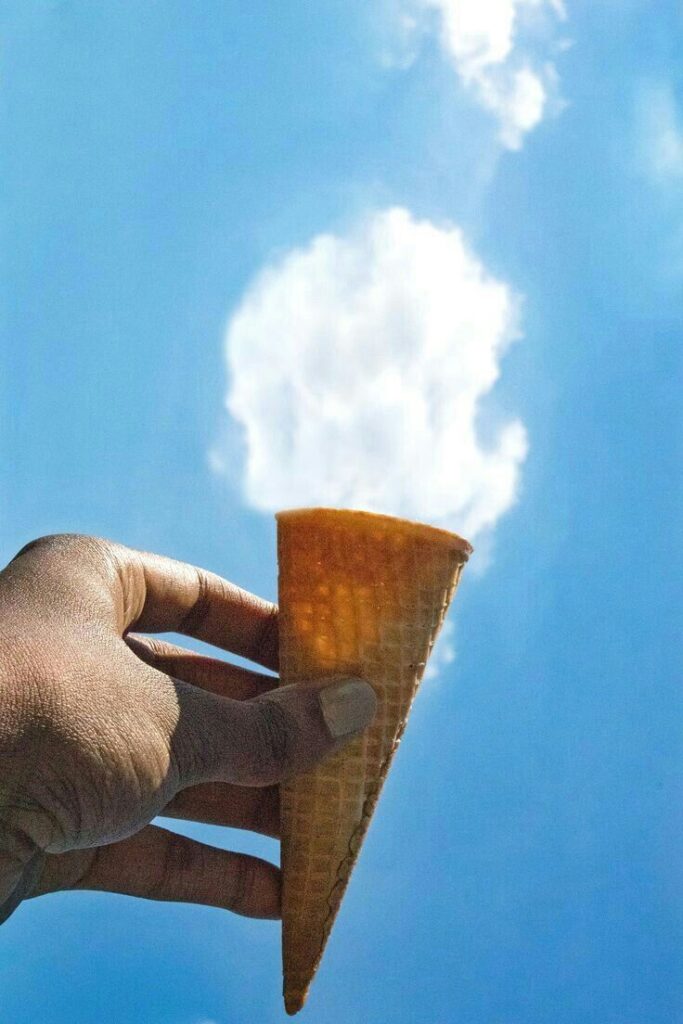

Forced perspective is a fun technique that creates optical illusions in photography. By adjusting the position of subjects and the camera angle, one can make objects appear larger or smaller than they really are.
Using everyday household items can spark creativity. For instance, placing a toy figurine close to the lens can make it look like it’s towering over a person in the background.
Different camera lenses can also change the perception of distance. A wide-angle lens might enhance the illusion, making it easier to manipulate perspectives.
Food is another great prop for this technique. A well-placed piece of fruit can appear to be enormous next to a miniature person, creating a whimsical scene.
Experimenting with angles and distances is key. Each adjustment can lead to surprising and engaging results that delight viewers. Forced perspective photography encourages imagination and inventive setups that can transform ordinary moments into captivating images.
5) Shoot through a prism to add rainbow effects
Using a prism in photography is one of those simple tricks that can completely change the mood of a photo. When light passes through the prism, it bends and breaks into different colors, creating rainbow flares, reflections, and soft light leaks that feel almost cinematic.
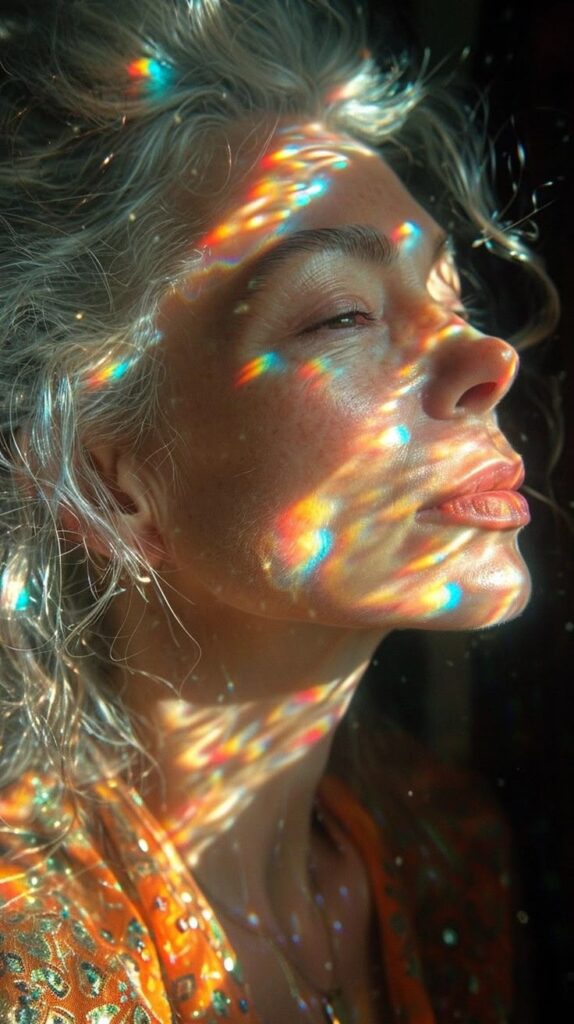
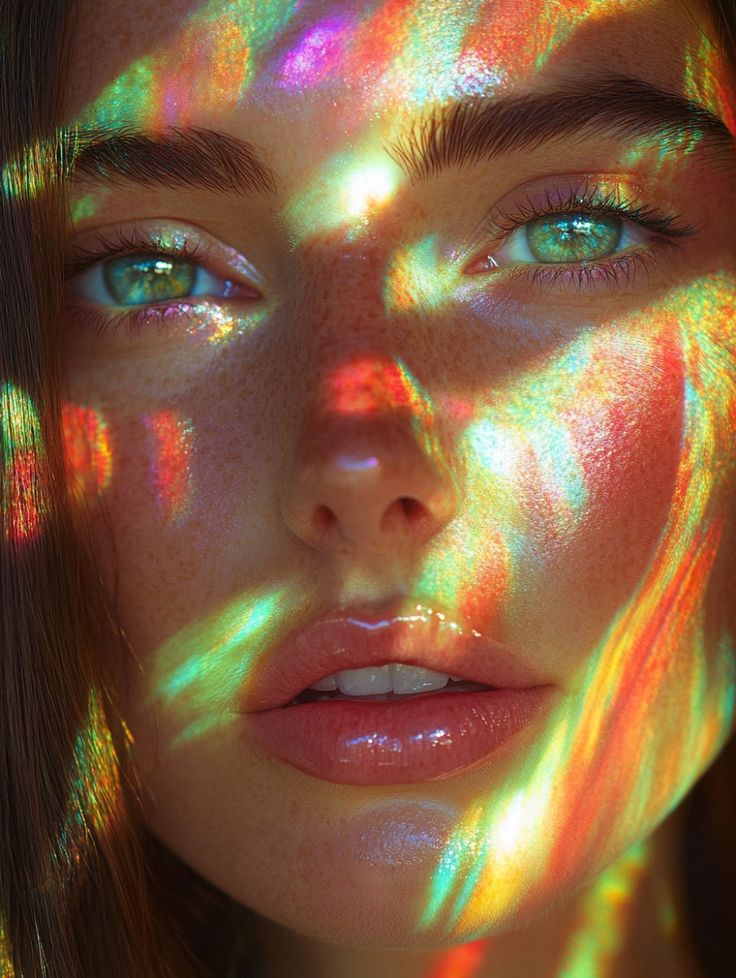
The setup is pretty straightforward. Hold the prism in front of your lens and slowly move it around until the light catches the glass at the right angle. Even a tiny shift can change the entire frame. Sometimes you’ll get subtle color streaks, other times huge dreamy flares across the image.
Natural light usually works best for this. Late afternoon sun is especially good because the light is softer and easier to control. I’ve noticed harsh midday light can get messy fast, while golden hour tends to produce cleaner colors and smoother reflections.
And it’s not just an outdoor technique either. A lamp, window light, or even small LEDs indoors can create interesting effects if you position them carefully. Portraits look especially good with prism reflections because the extra color adds atmosphere without needing heavy editing later.
What I like about prism photography is how unpredictable it is. You can take ten shots from the same spot and every frame feels slightly different. Sometimes the imperfections are what make the image work.
6) Utilize shadows creatively for dramatic effects

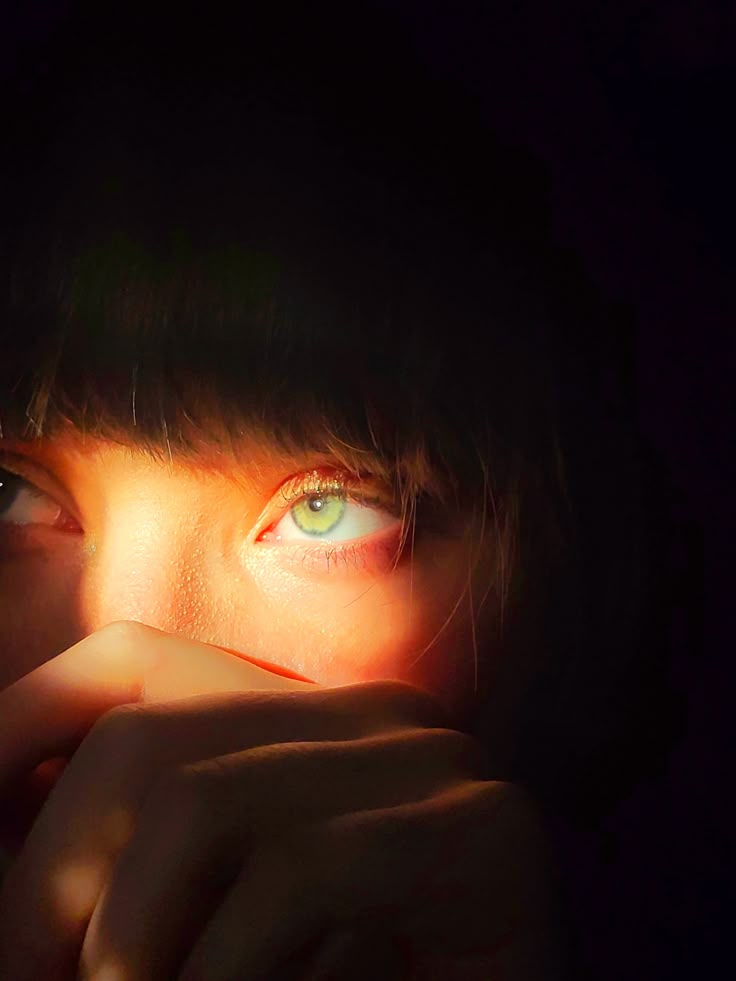
Shadows can add depth and dimension to photographs. By playing with light source placement, one can create interesting patterns that enhance the overall composition.
Making the shadow the main subject can produce striking imagery. It draws attention and can convey emotion or a story without needing extra elements.
Utilizing harsh sunlight can yield strong contrast, perfect for creating dramatic effects. High sun angles generate pronounced shadows, adding a sense of mystery to portraits or landscape shots.
Experimenting with silhouettes is another technique. Positioning the subject against a light source allows the shadow to form striking outlines, capturing the viewer’s interest.
Incorporating shadows alongside color can also enhance visual appeal. The interplay of light and dark adds a dynamic quality to images, making them more engaging.
7) Use water droplets on glass for macro photography
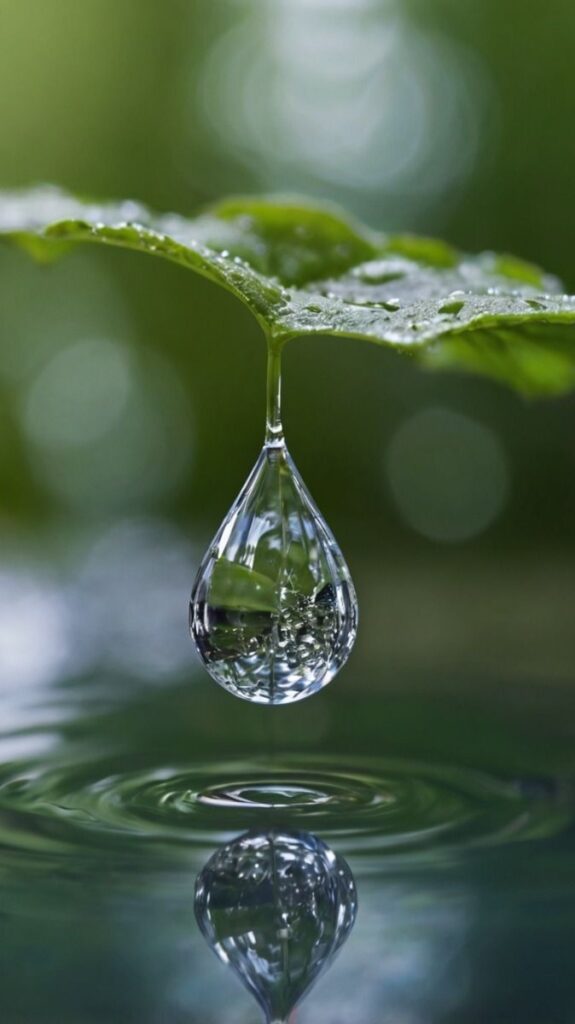
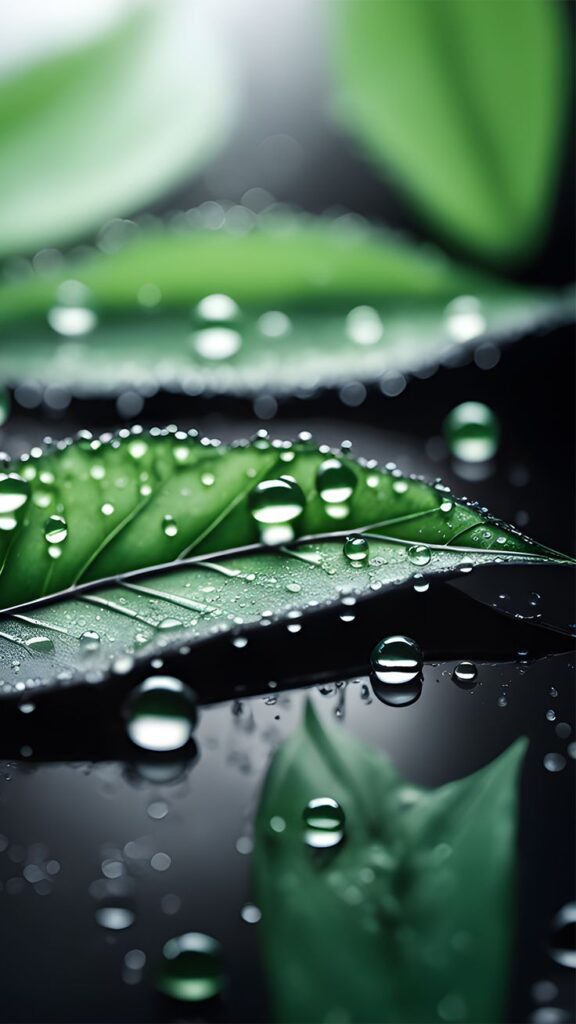
Water droplets on glass can turn a simple setup into something surprisingly detailed and abstract. The tiny reflections and distortions inside each droplet create patterns you usually don’t notice with the naked eye, which is why this kind of macro photography is so addictive once you start experimenting with it.
A clear sheet of glass works best for the setup. If you place a light behind it, the droplets catch the light and suddenly start glowing with color and texture. Even a small desk lamp or window light can work if you position it carefully.
A macro lens makes a big difference here because it lets you get extremely close without losing focus. You start seeing tiny details inside the droplets — reflections, textures, even little warped versions of the background. I usually end up moving the camera around constantly because changing the angle by a few inches can completely change the shot.
Adding objects behind the glass helps too. Feathers, colored paper, flowers, fabric, basically anything with texture or color can create interesting reflections inside the droplets while keeping the main focus sharp.
Lighting is where things get really fun. Soft natural light gives a calmer look, while a strobe or LED can make the droplets look crisp and almost glass-like. No two shots really come out the same, which is part of what makes this technique so satisfying to play with.
8) Incorporate smoke or fog for atmospheric shots
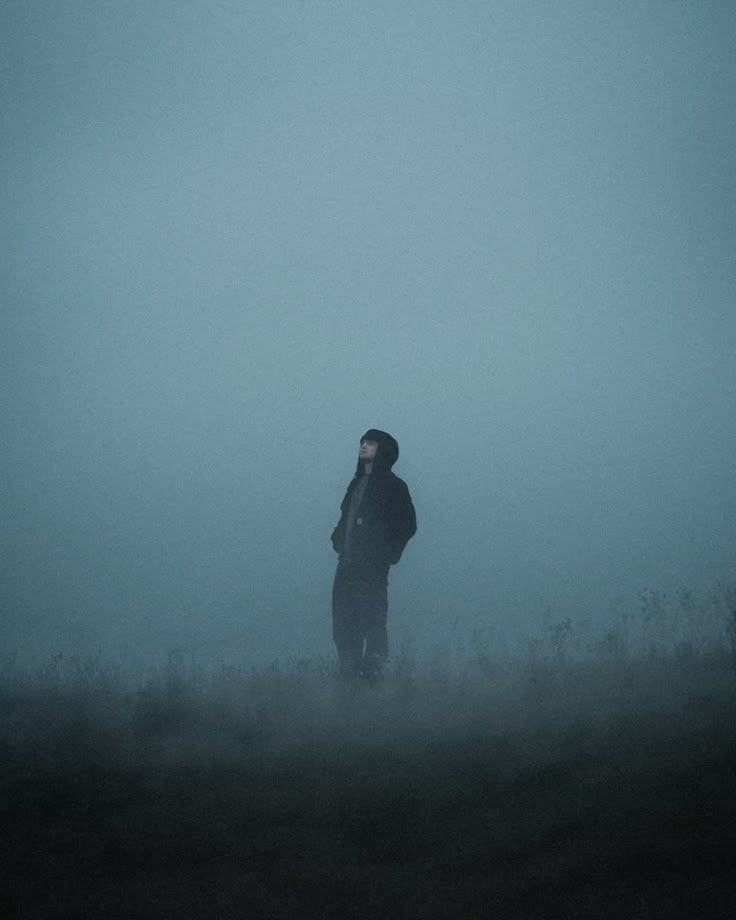
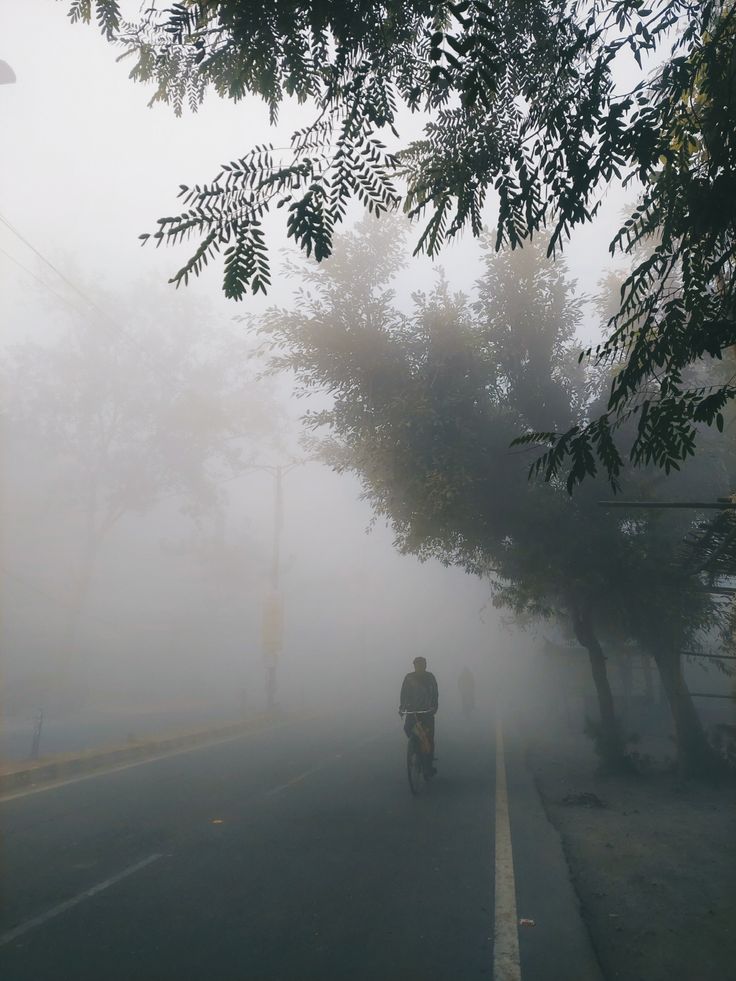
Using smoke or fog can transform ordinary photos into captivating scenes. These elements add a layer of depth and mood, making images feel more immersive.
Smoke can introduce vibrant colors and create a dynamic atmosphere. It can be used creatively in portraits or landscapes to evoke specific emotions. The way light interacts with smoke often creates stunning visuals.
Fog, on the other hand, softens landscapes and adds a dreamy quality. It can give a sense of mystery to photos, enhancing the overall aesthetic.
Photographers can experiment with smoke bombs or handheld smoke machines. This allows for a variety of colors and effects, perfect for both creative and fashion photography.
Natural fog is another excellent choice. Early mornings or damp weather often provide the perfect conditions for capturing ethereal images.
Incorporating these elements helps enhance the storytelling aspect of photography, giving viewers a more engaging visual experience.
9) Try light painting with a flashlight or sparklers


Light painting is an exciting photography technique that adds creativity to images. By using a flashlight or sparklers, anyone can create stunning visual effects.
To begin, choose a dark location. This helps the light trails stand out in the final photographs. It’s best to have a camera with a manual mode, allowing long exposure settings.
Using a flashlight, one can create simple shapes or write messages in the air. It’s a fun way to share creativity. Sparklers produce unique, glowing trails that are perfect for capturing dynamic images.
Experiment with different light sources. Smaller flashlights can create delicate patterns, mimicking the look of fireflies. More powerful sources can offer broad, radiant trails.
Setting the camera on a tripod will help maintain stability. A longer exposure time will capture the light movement clearly. This technique invites exploration and artistic expression in photography.
10) Capture silhouettes against a setting sun
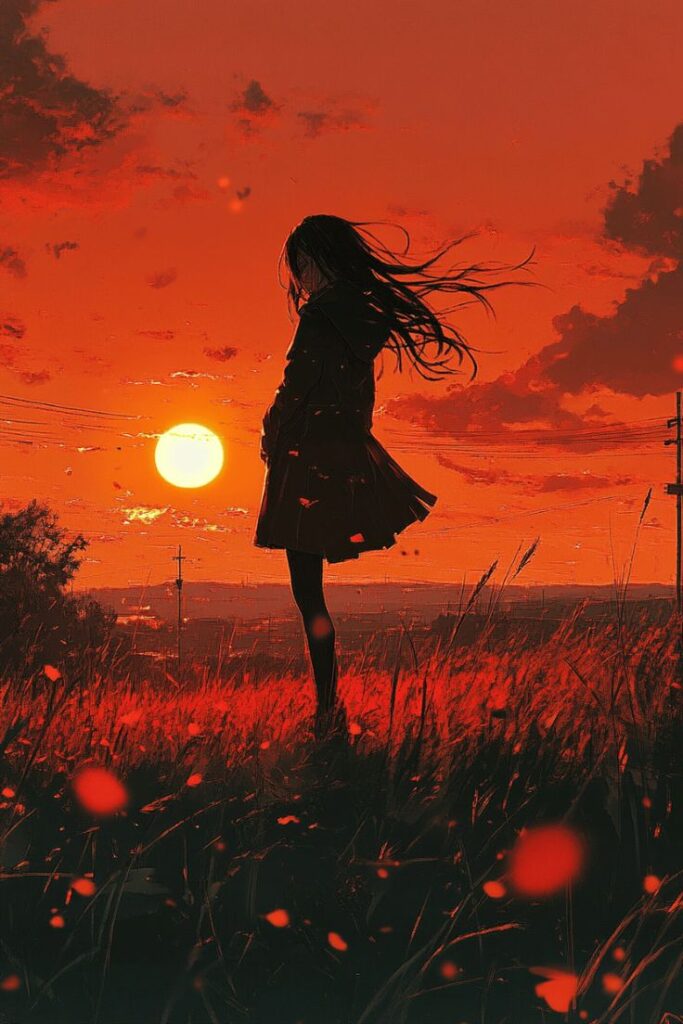
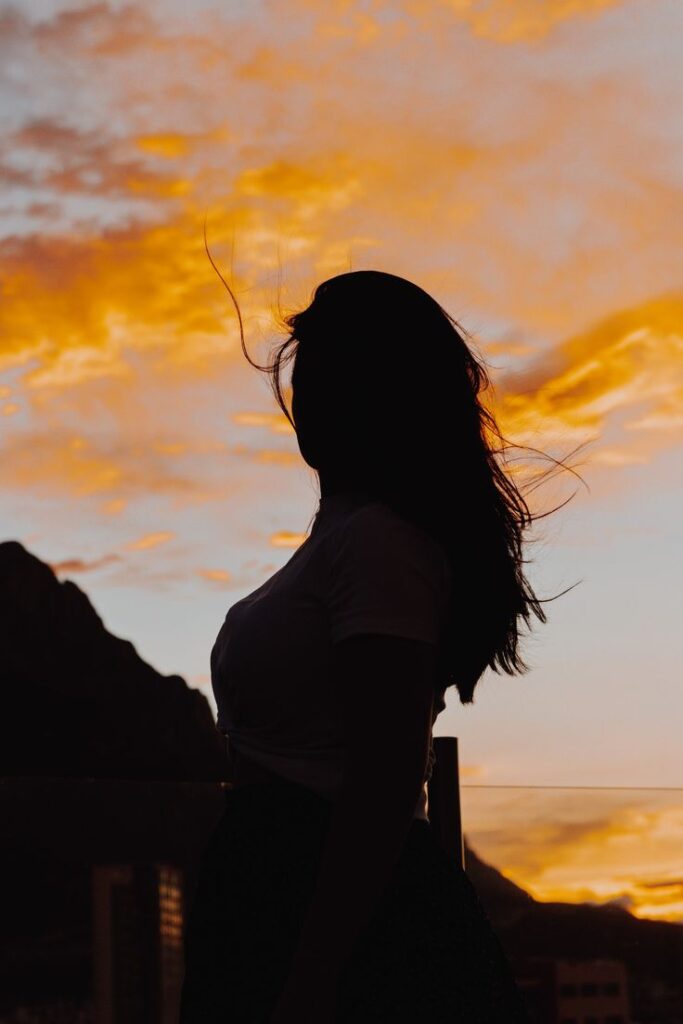
Silhouette photos against a sunset almost always look dramatic, even with a really simple setup. The trick is making sure your subject has a clear shape and stands directly between the camera and the light. Strong outlines are what make silhouettes work.
I’d switch the camera to manual mode first so you have more control over the exposure. An aperture somewhere around f/4 to f/8 usually gives a nice balance — sharp enough to keep the subject defined while still letting the background feel soft and atmospheric.
Positioning matters a lot here. Keep the subject in front of the brightest part of the sunset so the sky glows behind them instead of lighting their face. That contrast is what creates the dark silhouette effect.
A tripod helps too, especially once the light starts fading. And honestly, moving around a little can completely change the composition. A few steps to the left or right might line the subject up perfectly with the sun or create a more interesting shape.
The best time to shoot is usually right before the sun disappears below the horizon. The colors get deeper, the shadows stretch out, and everything feels more cinematic for a few minutes.
What I like about silhouette photography is how simple it can be. A person walking, a tree branch, a bicycle, even a skyline can turn into a strong composition once the light hits correctly. It’s one of those techniques that looks complicated at first but gets really fun once you start experimenting with it.
Understanding Creative Photography
Creative photography combines technical skill and imagination, aiming to evoke emotion and convey messages through visual art. It encourages photographers to explore beyond traditional methods and express individual styles.
The Role of Imagination in Photography
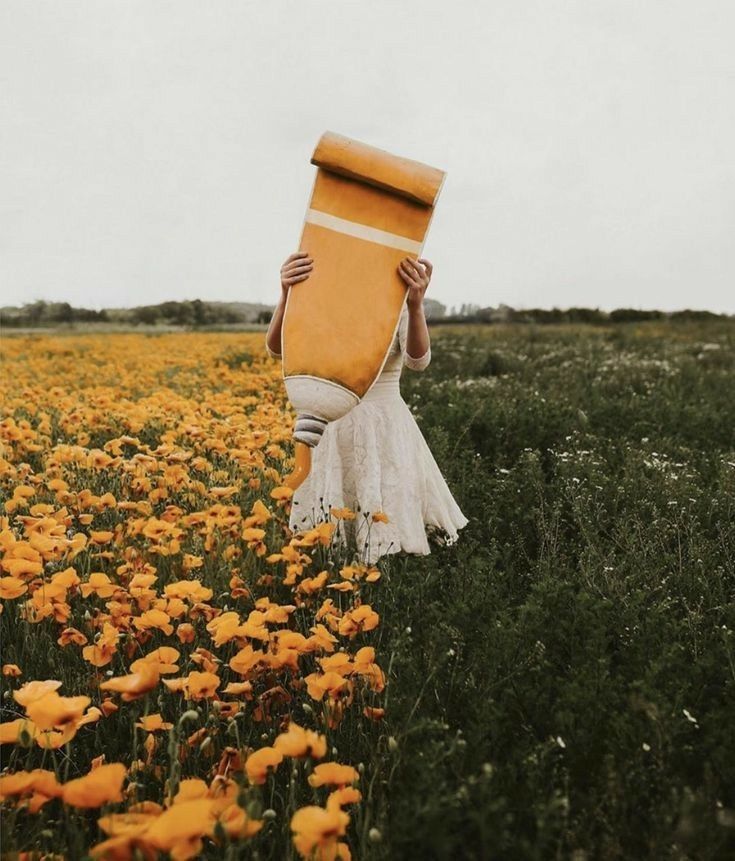

Imagination is a cornerstone of creative photography. It allows photographers to envision unique concepts, pushing the boundaries of their craft. Instead of merely capturing what is in front of them, they reinterpret scenes, often incorporating elements like light and shadow in unexpected ways.
For instance, thinking abstractly about everyday objects can transform mundane shots into intriguing compositions. Experimentation with angles or perspectives can also lead to fresh insights. Incorporating diverse subjects and themes helps broaden a photographer’s scope.
The ability to visualize the final image before clicking the shutter often separates a regular photo from a standout piece. Imagination fosters originality, encouraging photographers to develop their distinct voice.
Basic Principles of Creative Composition


Creative composition involves several principles that aid in crafting compelling images. Key elements include framing, balance, and the rule of thirds.
- Framing draws attention to the main subject, guiding the viewer’s eye through the image.
- Balance ensures that no single part of the photo overwhelms the others. Symmetry and asymmetry can create harmony or tension.
- The rule of thirds suggests dividing the frame into a grid of nine equal sections, placing points of interest along these lines or their intersections.
Additionally, utilizing leading lines can draw the viewer’s eye toward the focal point. Experimenting with colors and textures enhances visual appeal. By mastering these fundamentals, photographers can craft more dynamic and engaging compositions.
Techniques to Enhance Creativity
Exploring different techniques can greatly boost creativity in photography. Utilizing unique lighting and shadow methods can transform ordinary subjects into captivating visuals. Here are two effective ways photographers can enhance their creative expression.
Lighting and Exposure Tricks
Lighting can completely change the mood of a photo. Sometimes the difference between an average shot and a great one is just a small shift in how the light hits the subject.
Golden hour is still one of the easiest ways to get beautiful light without much effort. Right after sunrise or before sunset, the light turns softer and warmer, which makes portraits, landscapes, and even simple street shots look more cinematic.
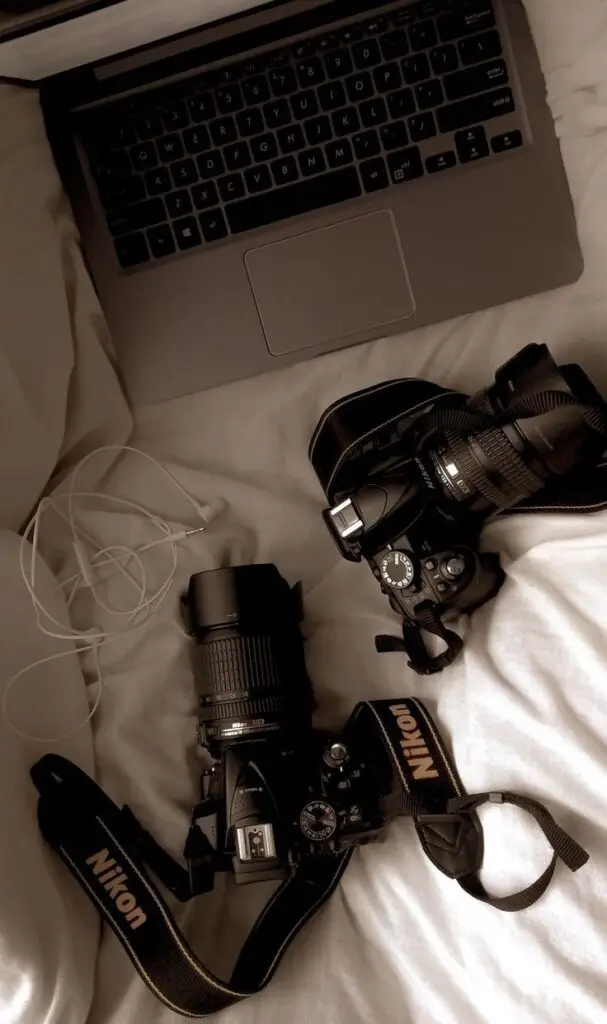
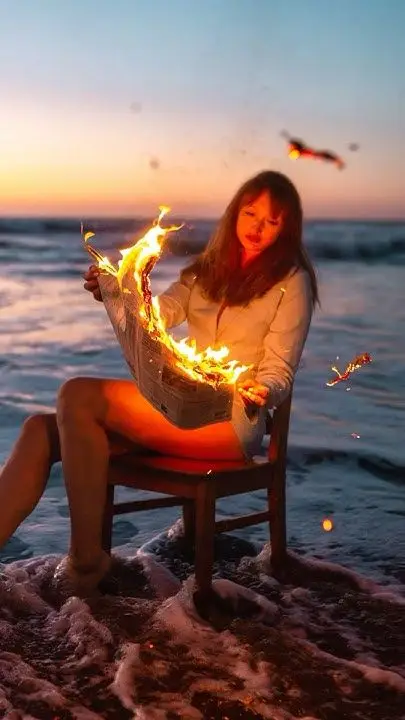
I also like mixing natural light with artificial light sources like LEDs or flash. It gives you more control and can create effects that feel a little less predictable. Even a small portable light can add depth or highlight details that would otherwise disappear into shadow.
Reflectors help more than most beginners expect too. Bouncing light back onto the subject can bring out texture and soften harsh shadows without making the image look overly lit. Sometimes a cheap reflector or even a white board does the job.
Playing with exposure settings is another easy way to experiment creatively. Slight overexposure can make a photo feel airy and dreamy, while darker underexposed shots usually create more drama and contrast. A lot of photography is honestly just testing small adjustments and seeing what mood they create.
Innovative Uses of Shadows
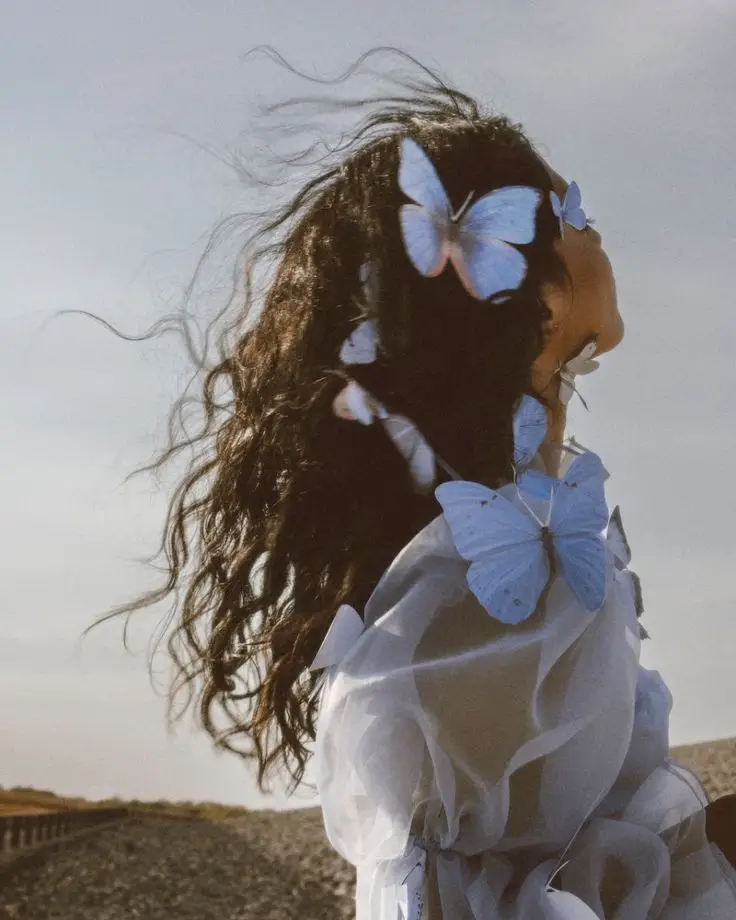
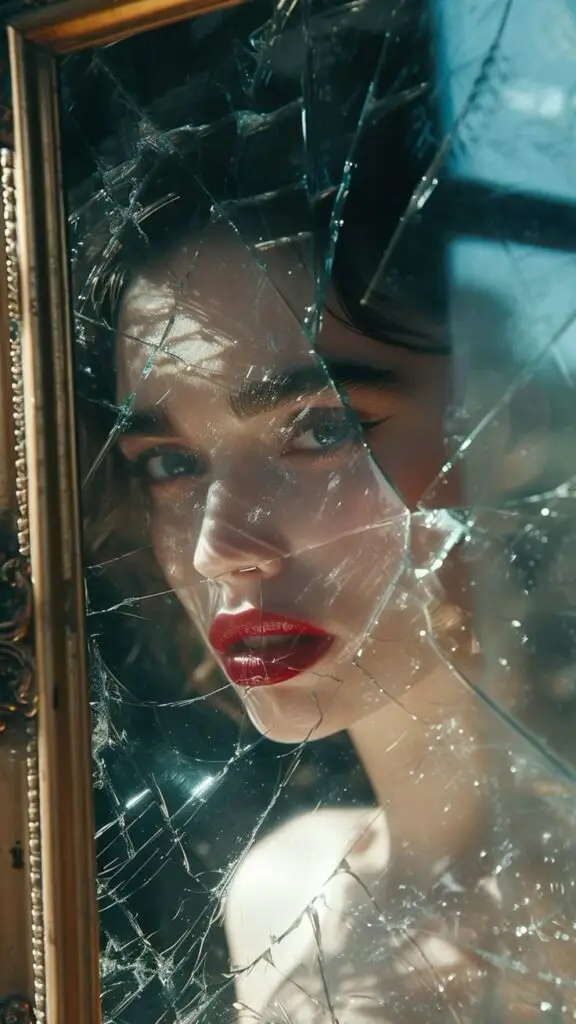
Shadows can add depth and interest to photographs when used creatively. Photographers can play with different angles and sources of light to create patterns or silhouettes. For instance, shooting from a low angle can exaggerate the length and shape of shadows, adding a dynamic element to the composition.
Incorporating shadows as a design element can also emphasize shapes and forms. Using natural or artificial objects to cast shadows can create intriguing visual stories. This technique invites viewers to explore the interplay of light and form, fostering a deeper connection with the image.
FAQ: Creative Photography Ideas
Q: What are some creative photography ideas beginners can try at home?
A: Beginners can start with simple ideas like shadow photography, mirror reflections, water drop shots, flat lays, or silhouette portraits. Using everyday objects like glasses, fairy lights, books, or plants can create surprisingly artistic images. Smartphone cameras from brands like Apple, Samsung, and Google Pixel already have strong portrait and night modes, so expensive gear is not required. Natural window light is often enough for soft, professional-looking photos.
Q: How can I make my photos look more creative without expensive equipment?
A: Creativity matters more than gear. Try changing angles, shooting through objects, experimenting with lighting, or using reflections. For example, shooting through a glass bottle can create dreamy blur effects, while fairy lights add cinematic bokeh. Free apps like Snapseed, Lightroom Mobile, and VSCO can also dramatically improve colors and mood. Even a basic DSLR with a 50mm lens or a modern phone camera can produce stunning creative photography.
Q: What lighting works best for creative photography?
A: Natural light during golden hour — about one hour after sunrise or before sunset — is one of the best options. It creates soft shadows and warm skin tones. Indoors, LED strip lights, RGB lights, or even desk lamps can help create colorful effects. Many photographers also use reflectors or white foam boards to bounce light and reduce harsh shadows. Avoid direct midday sunlight unless you want dramatic contrast.
Q: How do photographers create aesthetic blurry backgrounds?
A: Blurry backgrounds, also called bokeh, are usually created with a wide aperture like f/1.8 or f/2.8. Lenses such as the Canon 50mm f/1.8 or Sony 35mm f/1.8 are popular because they are affordable and produce smooth background blur. To improve the effect, keep the subject far away from the background and move closer to the subject while shooting.
Q: What are the most common mistakes in creative photography?
A: One of the biggest mistakes is relying too heavily on editing instead of composition and lighting. Overediting can make photos look artificial. Another common issue is cluttered backgrounds that distract from the subject. Beginners also often shoot everything at eye level, which limits creativity. Trying low angles, overhead shots, or close-up details can instantly make photos more interesting.
Q: Which camera settings are best for creative photography?
A: It depends on the style you want. For portraits with blurry backgrounds, use aperture priority mode with a low f-stop like f/1.8. For motion blur, try slower shutter speeds such as 1/15 or 1/30 second. ISO should stay as low as possible — usually 100 to 400 — to reduce grain. Many photographers shoot in RAW format because it gives more flexibility during editing.
Q: Why is composition important in creative photography?
A: Composition guides the viewer’s attention and helps photos feel balanced. Techniques like the rule of thirds, leading lines, framing, and symmetry can completely change how an image feels. For example, placing a subject slightly off-center often looks more dynamic than putting it directly in the middle. Good composition can make even simple subjects look artistic and professional.
Q: What are the best apps for editing creative photos?
A: Lightroom Mobile is one of the most popular editing apps because it offers professional color controls and presets. Snapseed is great for beginners thanks to its simple tools and selective editing features. VSCO is known for aesthetic filters, while PicsArt and Canva are useful for creative overlays and graphic-style edits. Many creators combine two or three apps to achieve a polished final look.
- 348shares
- Facebook0
- Pinterest348
- Twitter0
- Reddit0