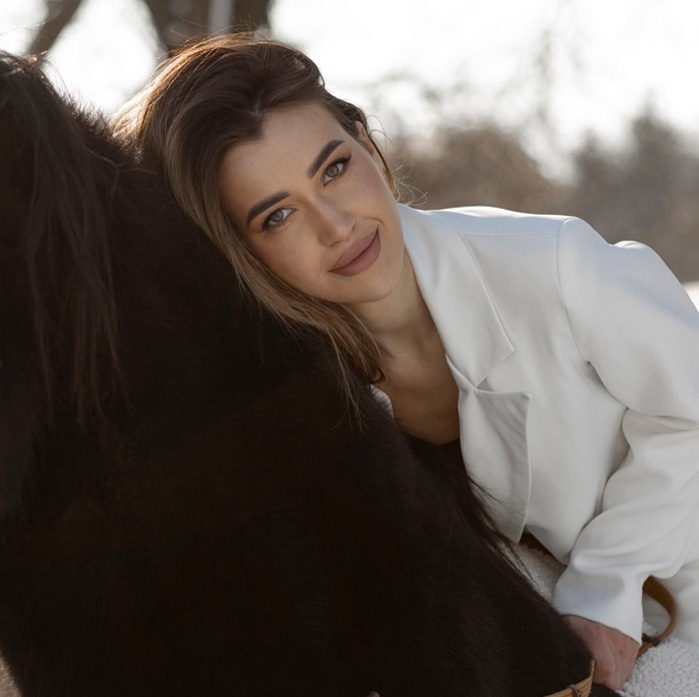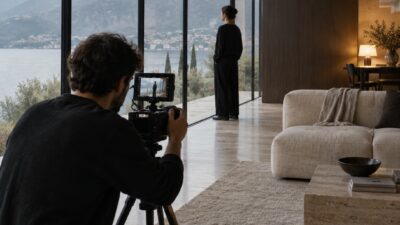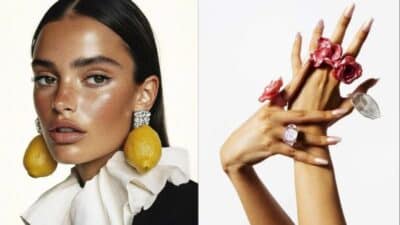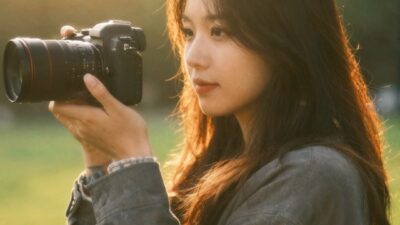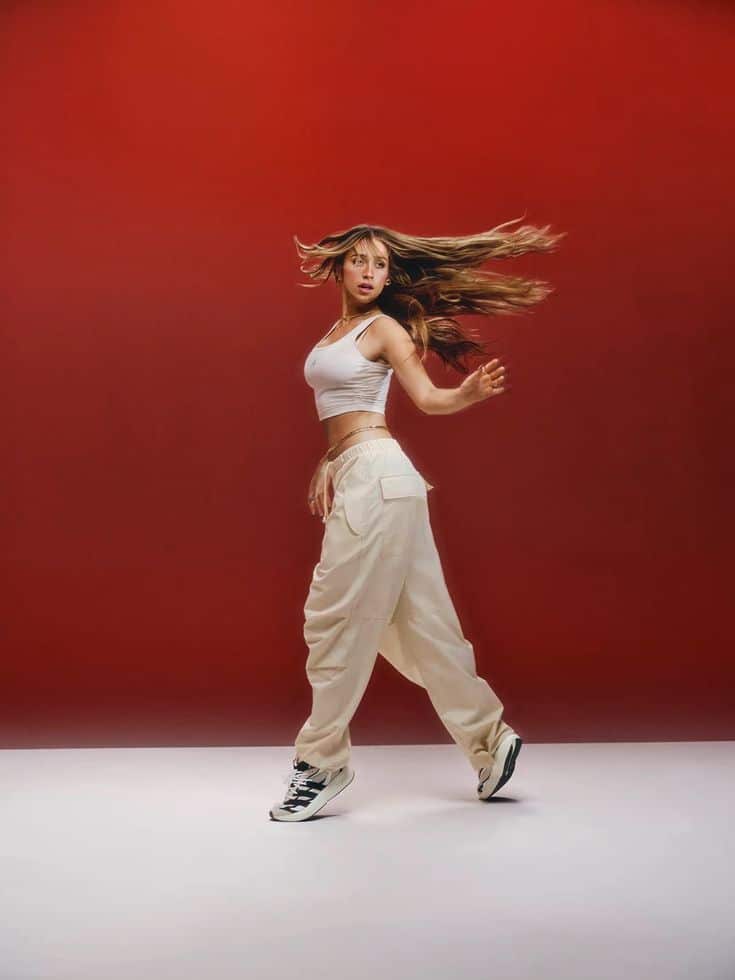
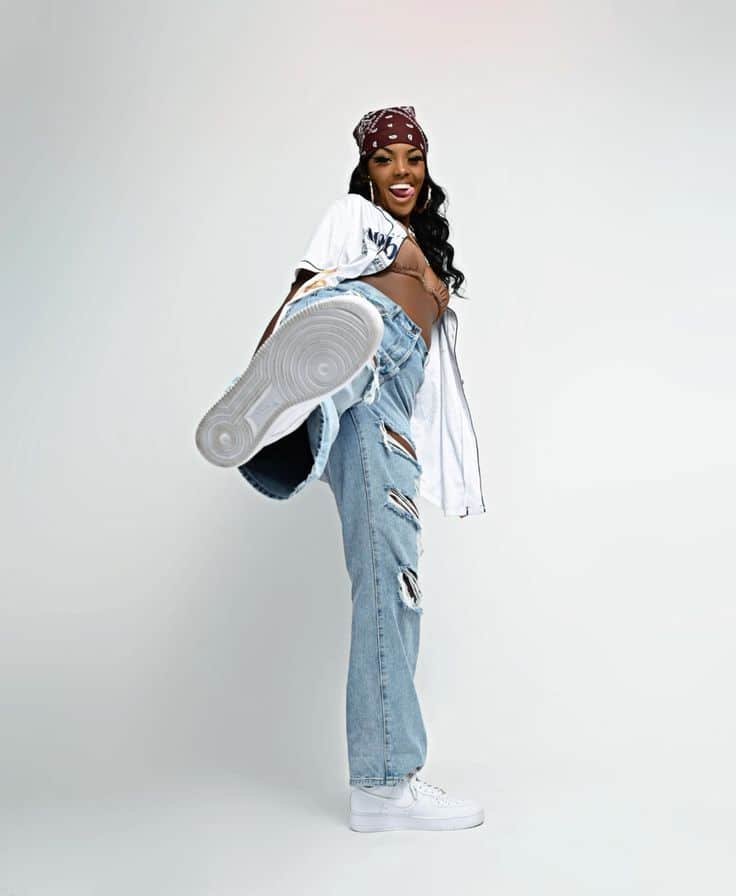
A dynamic poses photoshoot captures energy and movement, making subjects look natural and alive.
Static poses are safe. Everyone looks competent in a static pose. But the photos that actually stop me when I’m scrolling? Someone mid-jump, hair everywhere, jacket caught at a weird angle. Those have energy you can’t fake in post.
- Best poses for photoshoot sessions: quick guide
- What makes poses for photoshoot sessions look dynamic?
- How to plan dynamic poses for a photoshoot
- Common photoshoot pose mistakes that make movement look awkward
- How to direct models into better photoshoot poses
- Lighting techniques for dynamic photoshoot poses
- Camera settings for dynamic photoshoot poses
- Dynamic photoshoot pose ideas to try
- Editing dynamic photos without killing the motion
- More posing and shoot planning guides
- How to share and organize dynamic pose photos
- FAQ: poses for photoshoot
The thing is, dynamic shoots take way more prep than they look like. You need space — real space, not a cramped studio corner. Lighting has to work at fast shutter speeds, so forget slow softbox-only setups unless you want mush. And the model needs direction, specific direction. “Move naturally” is useless. “Jump, twist left, look down at your hands” gives you something to actually capture. I’ve scrapped entire sequences because my direction was too vague and every frame looked like someone tripping.
Technically, I shoot at 1/500 minimum for clean freeze frames. Sometimes 1/125 if I want blur in the arms or legs — that can look great when the face stays sharp. Burst mode, always. And here’s the part nobody warns you about: your keeper rate on dynamic stuff is terrible. 200 shots from one jumping sequence, maybe 8 worth editing. Maybe. The first time that happened to me I thought the shoot was a failure. It wasn’t. That’s just how this works.
Best poses for photoshoot sessions: quick guide
The best poses for photoshoot sessions create a clear body line, a readable face angle, and one deliberate source of movement. Start with simple photo pose ideas: walk toward the camera, shift weight to one hip, turn the shoulders away from the lens, use hands to shape the frame, or add a small action such as stepping, spinning, leaning, or reaching. For dynamic poses, keep the face readable while the arms, hair, jacket, or legs carry the motion.
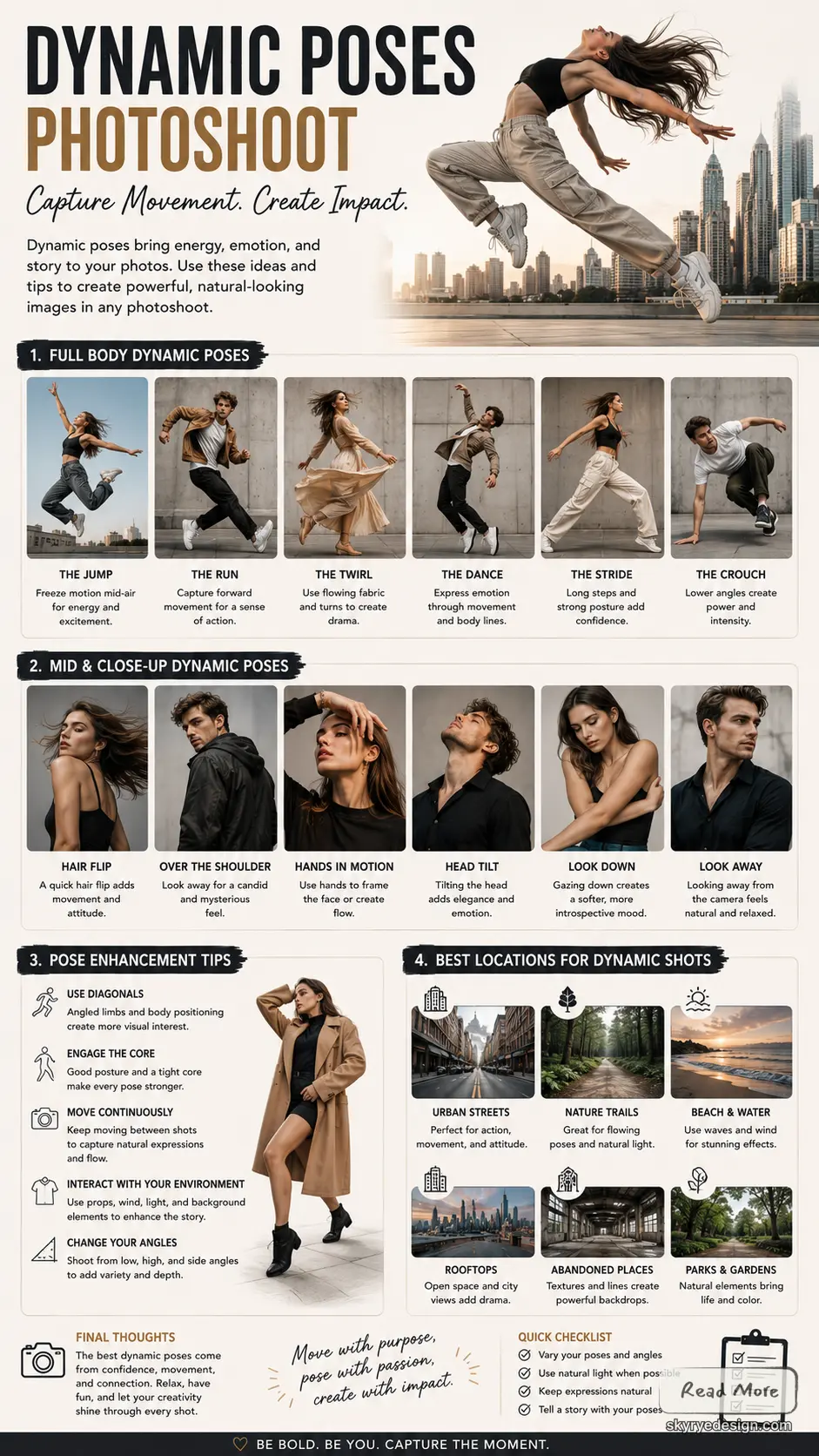
That gives the image energy without making it look messy. If the model feels stiff, give a physical cue instead of a mood cue: “step forward and look over your shoulder” works better than “look confident.” For beginners, shoot in short bursts and reset after every 5-8 frames so the pose does not collapse into random movement.
Photoshoot pose ideas by situation
| Pose type | Works best for | Direction cue | Watch out for |
|---|---|---|---|
| Walking pose | Fashion, street, lifestyle | Step through the frame and turn the shoulders | Dragging feet or a hidden face |
| Seated angle | Editorial portraits | Sit on the chair edge and lengthen the neck | Rounded shoulders |
| Hand-to-face pose | Headshots, selfies, beauty | Touch the jaw, hair, or collar lightly | Covering the expression |
| Twist or turn | Dresses, jackets, dance | Turn the ribs away, then bring the face back | Neck tension |
| Jump or kick | Dance, sports, fashion | Land soft and keep the face toward the light | Blurred eyes |
| Group movement | Couples, friends, teams | Stagger height, distance, and direction | Everyone doing the same pose |
Key Takeaways
- The strongest poses for photoshoot sessions use one clear action, not random movement.
- Give models physical cues: step, turn, lean, reach, spin, hold, reset.
- Use shutter speed, light direction, and camera angle to control whether motion feels sharp or blurred.
What makes poses for photoshoot sessions look dynamic?
Dynamic poses involve movement, energy, and strong body angles. They make photos look alive and interesting. The goal is to capture action or the feeling of motion in a still image.
What is a dynamic pose?
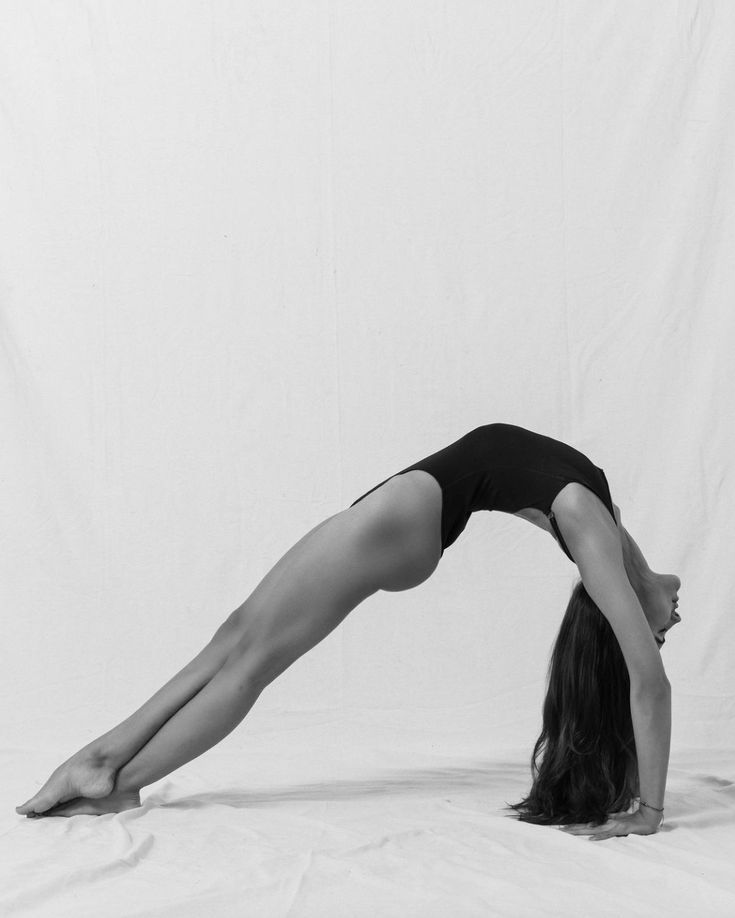

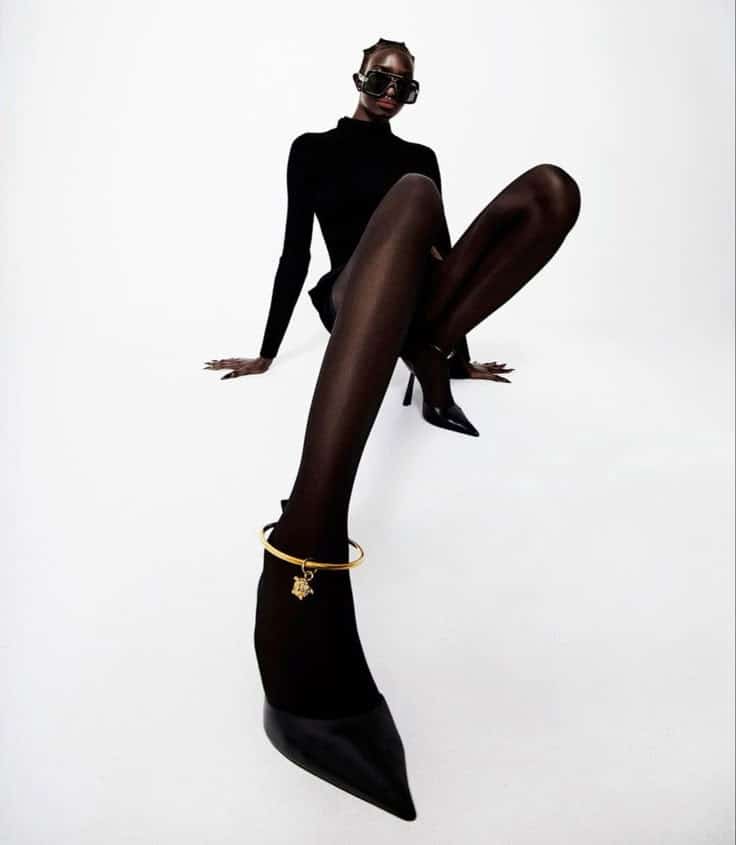
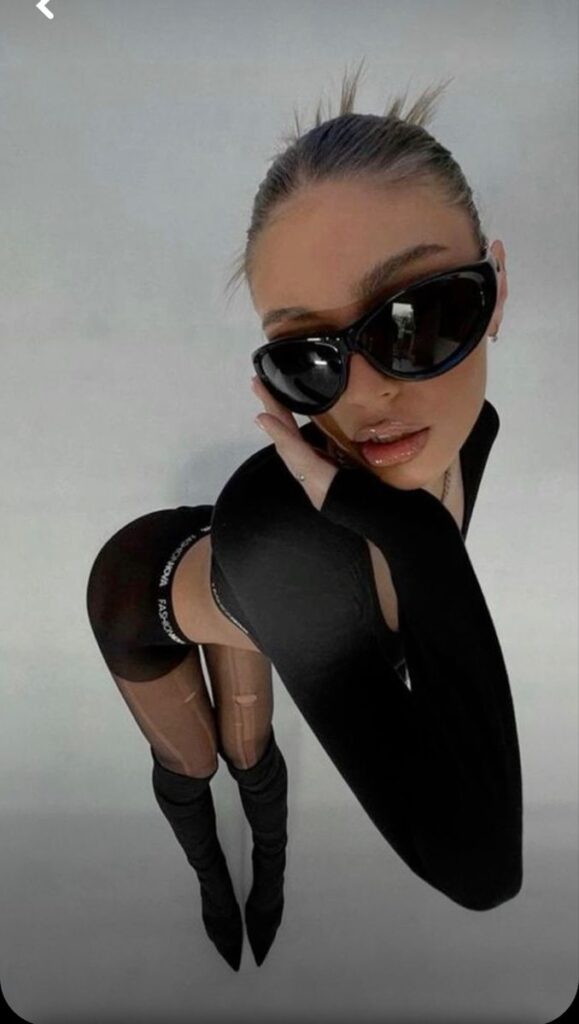
Dynamic poses show the subject in motion or in a way that suggests movement. This can include jumping, twisting, or leaning in unusual angles. The body is often not symmetrical, creating tension or balance that draws the eye.
These poses emphasize lines and shapes made by the body. They often use limbs stretched out or bent sharply. Facial expressions also play a role, adding intensity or emotion to the movement.
Significance in Photography
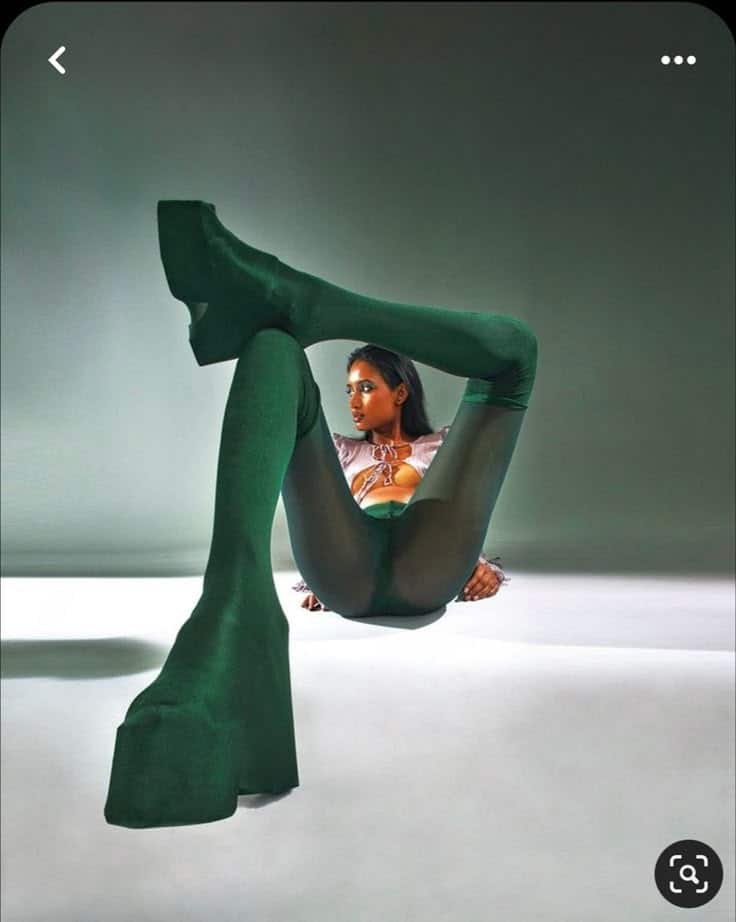
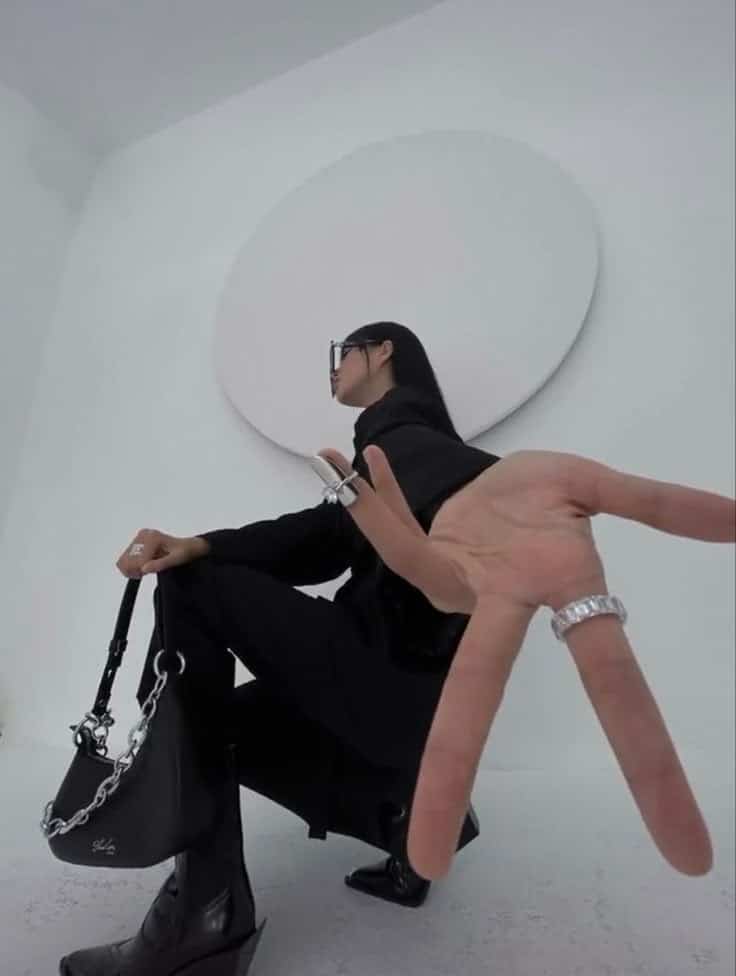
Dynamic poses bring energy to a photo. They create a story or emotion that static poses often lack. Photographers use them to capture excitement or drama, making the image more engaging.
They help guide the viewer’s eye through the photo. The angles and lines lead attention across the frame. Dynamic poses also provide variety in a photoshoot, making the final set of images more diverse and interesting.
Contrast With Static Poses

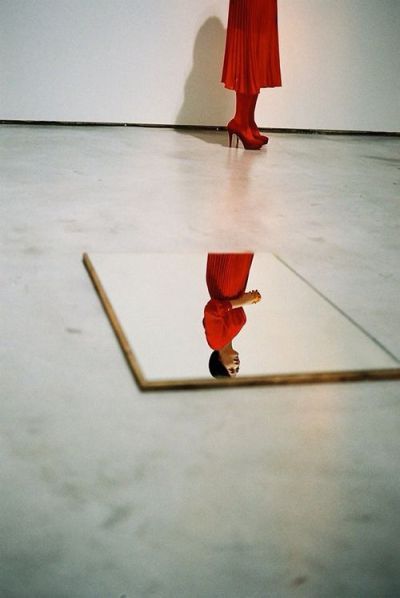
Static poses are the safe choice. Model stands square to the camera, weight centered, shoulders level. It works — headshots, lookbooks, anything where the outfit or the expression is the point and you don’t want the body language competing. Nobody’s going to call a good static portrait a bad photo.
Dynamic breaks all of that on purpose. Weight drops to one hip, the shoulders tilt, arms do something asymmetrical. Nobody’s jumping — it’s not about literal movement. It’s about tension in the frame. A straight-on centered pose says “calm, in control.” Shift the weight and twist the torso and suddenly the same person reads as restless. Or confident. Depends on what you do with the chin.
Most beginners shoot static because you almost can’t miss. Tell someone to stand still and look at the lens — fine, you got a photo. Dynamic is riskier. Half your attempts look like the model lost their balance. But the ones that land have something a symmetric portrait never will, and once you see that difference in your own work, static starts feeling like leaving something on the table.
How to plan dynamic poses for a photoshoot
Planning is key to capturing strong, moving shots. This involves defining the story, finding visual ideas, and choosing the right clothes and props. Each step helps create clear, active photos.
Concept Development


Before a shoot, I’m mostly thinking. What’s the energy — someone in motion, caught mid-stride, or a quieter moment that reads on camera? Sports and fashion pull in completely different directions, and the poses have to follow.
I sketch or write notes beforehand. Not elaborate storyboards — just enough so everyone’s working off the same idea when we get on set. Shoots move faster that way. Less “what are we doing?” and more just doing it.
Mood Boards and Inspiration Gathering
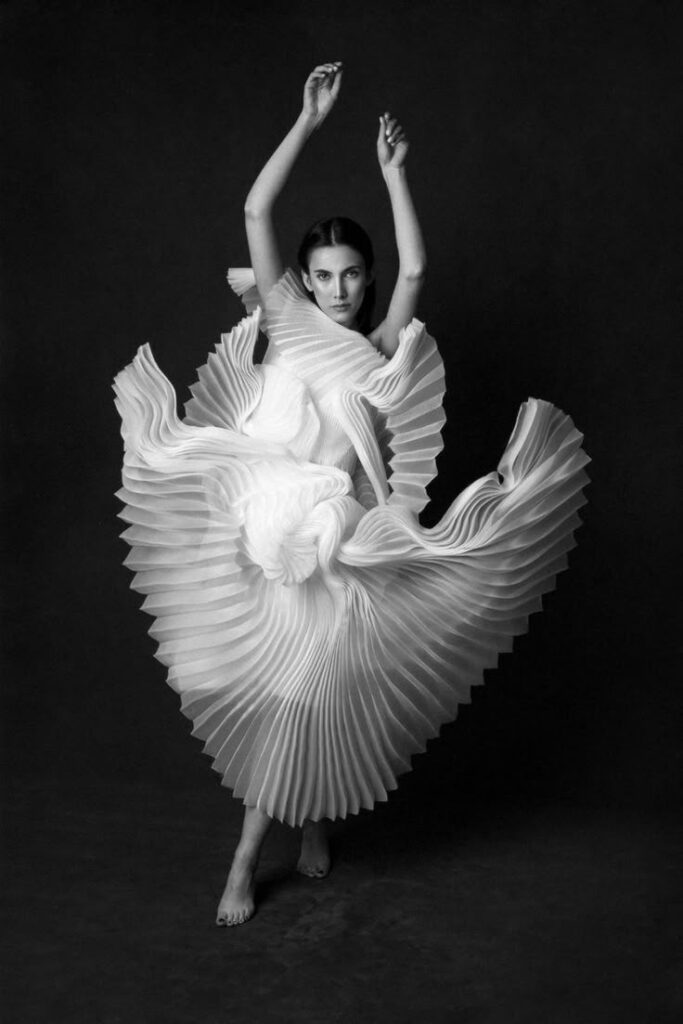

I put mood boards together before almost every shoot. Instagram saves, old editorial spreads, sometimes a frame from a film — whatever has the light or mood I’m trying to get close to.
The actually useful part isn’t the images themselves. It’s what happens when you show them to the team. Someone goes “yes, but way moodier” or “I hate that pose, can we do the opposite” — and you’ve just learned something you couldn’t have planned for. Reference images are basically a shortcut to the conversation you needed to have anyway.
Lighting ideas, poses, stuff to avoid. It all goes in. By the time we’re on set, nobody’s starting from zero.
Wardrobe and Props Selection
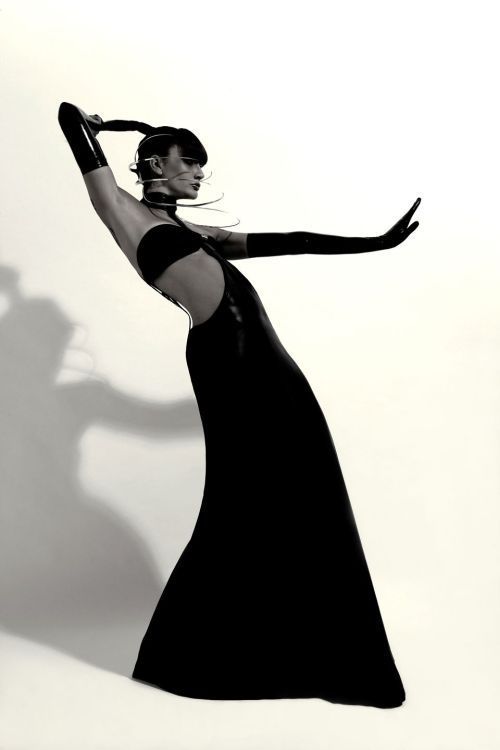
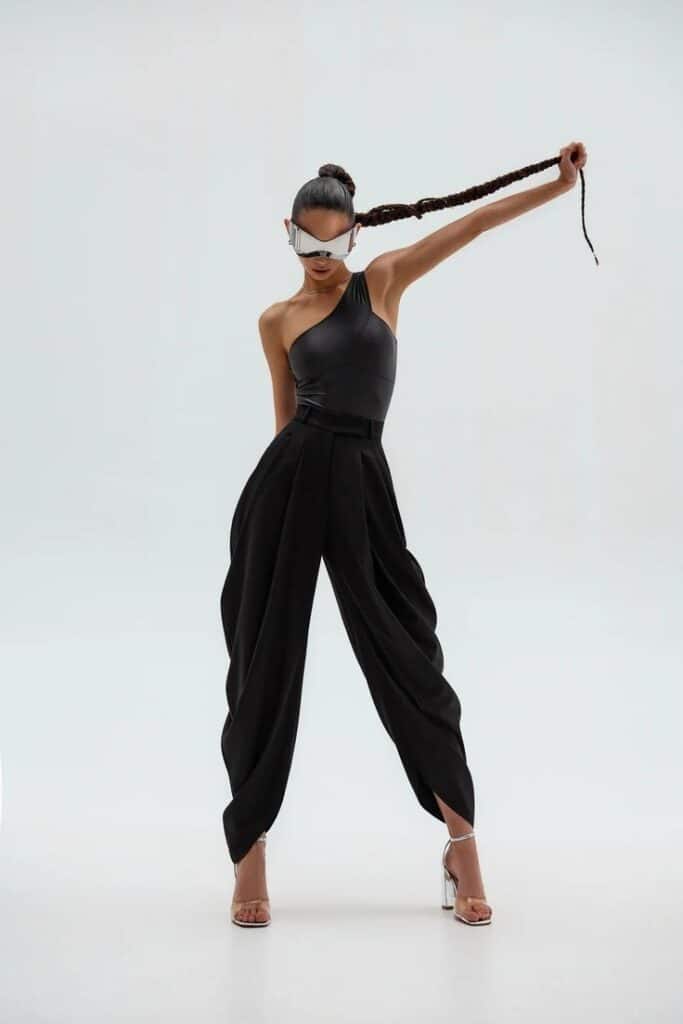
Wardrobe kills more shoots than bad lighting. A jacket that looks perfect on a hanger can completely lock someone up the moment they try to swing their arms — stiff fabric, a seam in the wrong place, whatever. You find out fast.
Props have their own logic. A scarf reads great on camera, a basketball makes sense for a sports shoot, a hat adds something. But if it’s awkward to hold, or someone’s going to drop it every third take, you’re suddenly shooting around the problem. Not ideal.
We test everything before the day. Outfits, props, the whole thing — actual movement, not just standing there looking at it. It’s one of those steps that feels slow and then saves you an hour on set.
Common photoshoot pose mistakes that make movement look awkward
- Telling the model to “be natural” instead of giving a physical cue like step, turn, lean, reach, hold, or reset.
- Letting hands, hair, or props hide the face when the expression should carry the shot.
- Locking the knees and shoulders, which makes even a dynamic pose feel stiff.
- Using a shutter speed too slow for the face, then wondering why every strong movement looks soft.
- Repeating the same arm position in every frame instead of building a sequence with small variations.
How to direct models into better photoshoot poses
Clear guidance helps models create strong, active poses. Using simple language, showing movements, and encouraging the right expressions lead to better photos.
Effective Communication Techniques
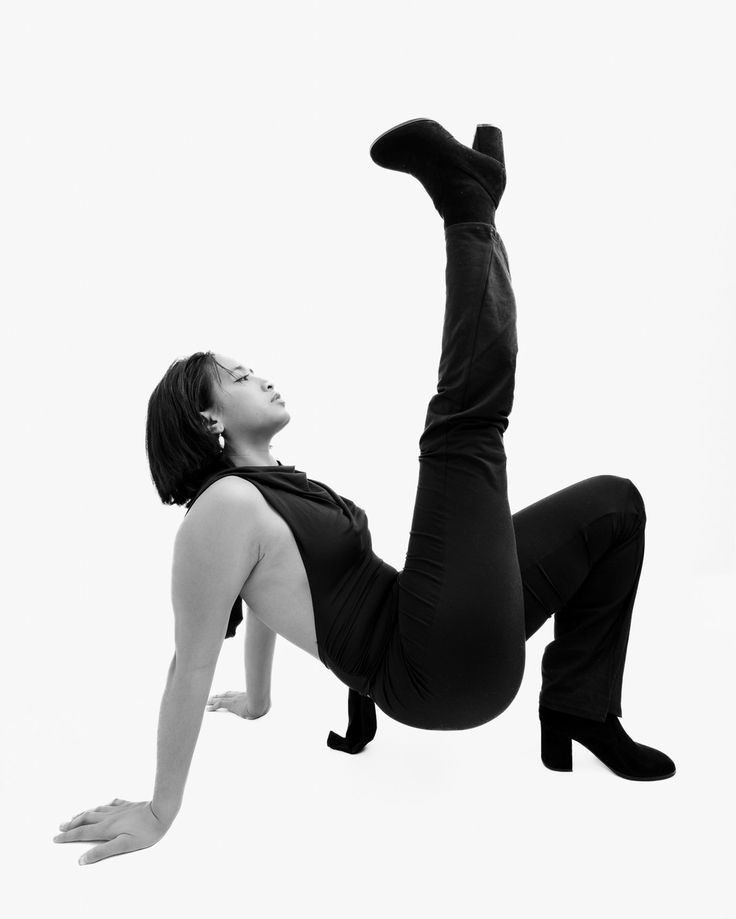
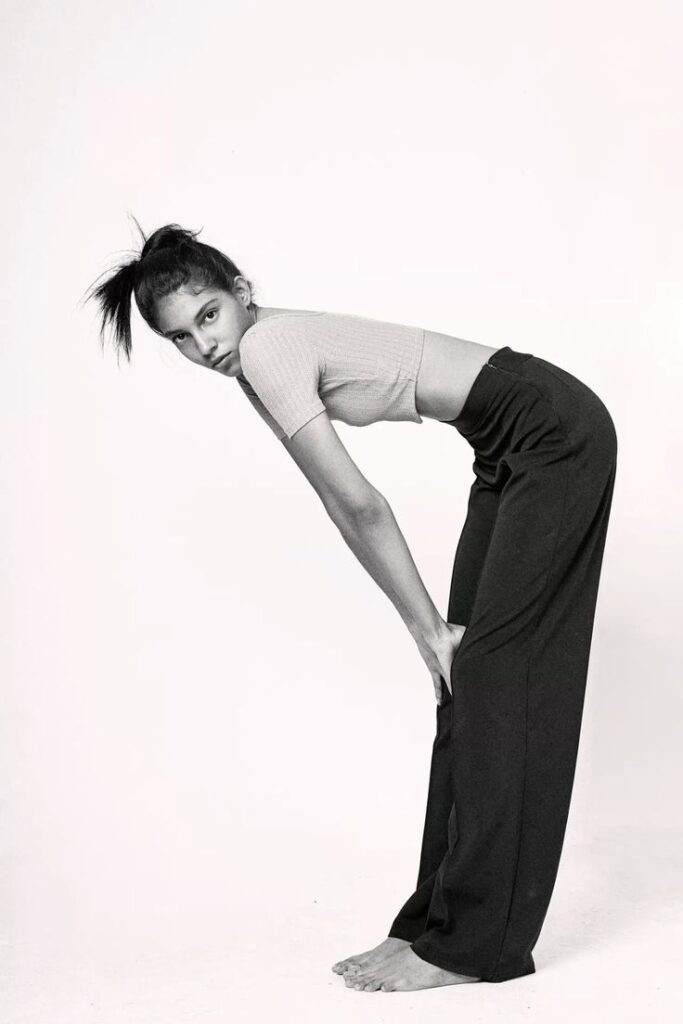
The photographer should use clear and simple directions. Avoid complex terms and speak slowly. Giving visual cues, like pointing or showing hand signals, helps models understand faster.
Positive feedback is important. Saying what looks good or needs change encourages models to keep trying. Using specific words like “lift your chin slightly” or “bend your knee more” gives precise guidance.
It also helps to ask questions. For example, “Does this feel natural for you?” invites models to share their comfort level. Listening to their feedback can improve the pose and keep the session smooth.
Demonstrating Movement
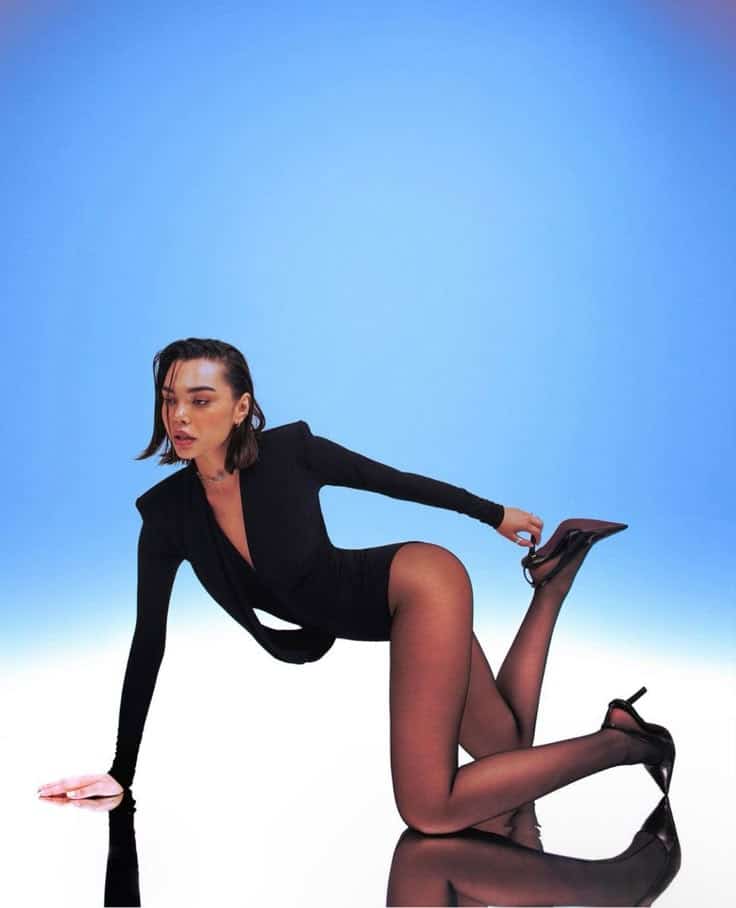
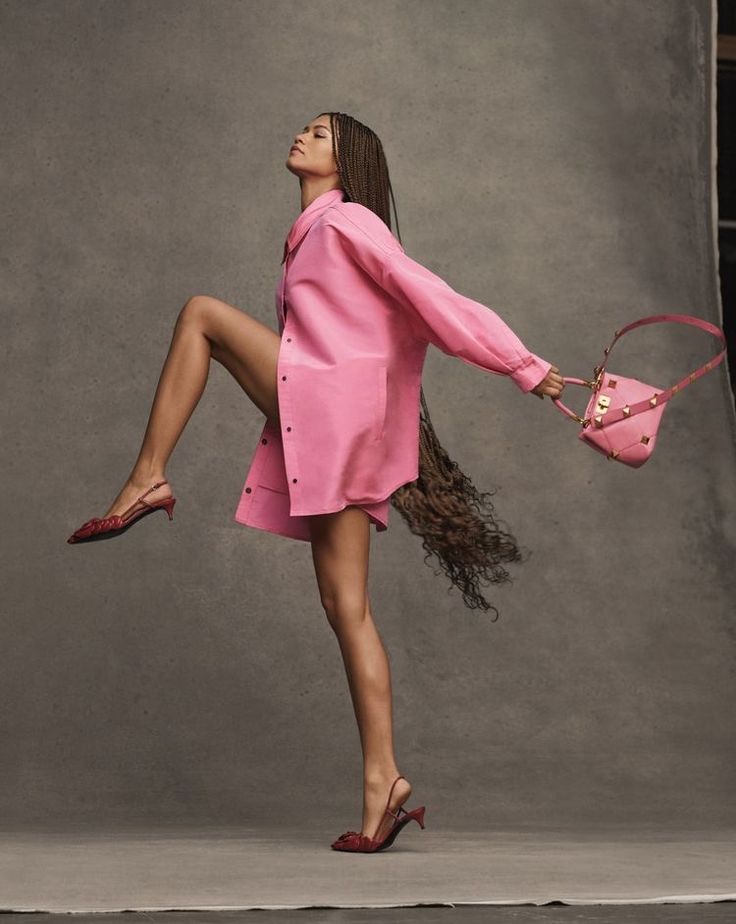
Sometimes you just get up and show them. Describing a pose works until it doesn’t — and usually you know it’s not working when you see the model smile politely and then do the same wrong thing again.
So you do it yourself. Even badly. Especially badly, actually — something about seeing the photographer flail around a little makes the whole thing less precious.
Breaking it down helps. Not “walk toward me naturally” but: shift your weight to this foot first. Just that. Get it, then add the step. Models tighten up when the ask is vague; they loosen up when it’s specific.
Timing works the same way. Give them a cue — a word, a count, whatever — so the movement isn’t a surprise. The frames where motion looks fluid are usually the ones where nobody was guessing.
Tips for Natural Expression
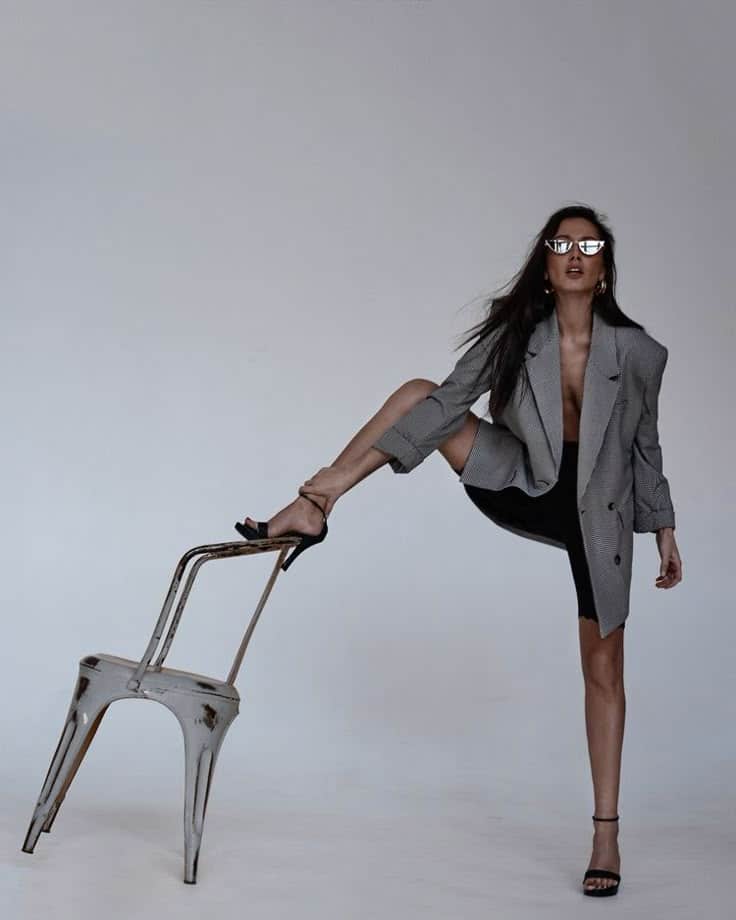
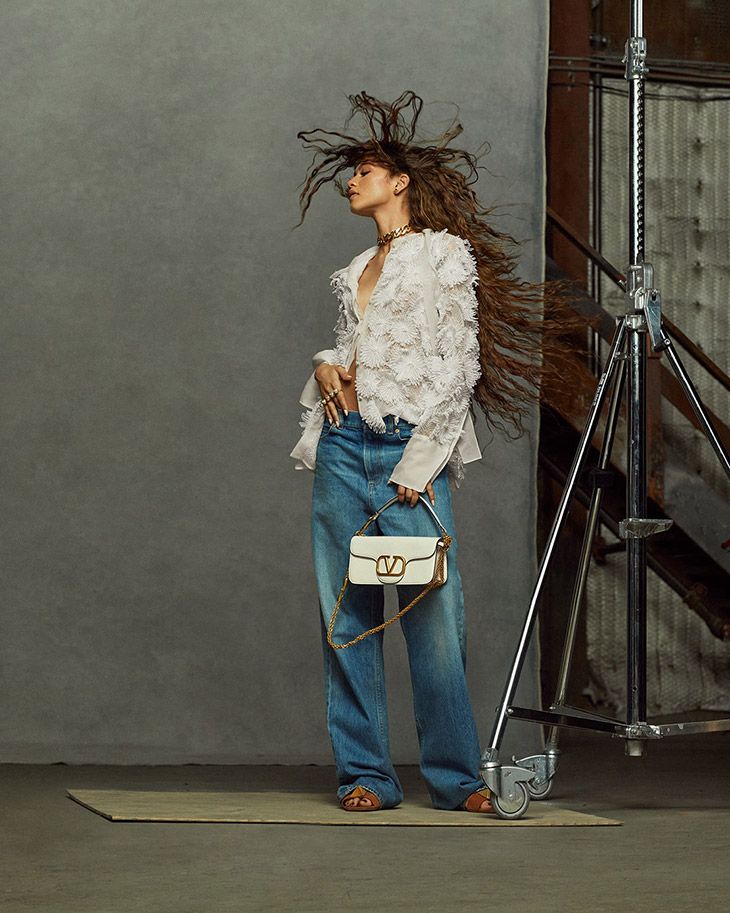
Models should avoid forced smiles or stiff faces. The photographer can suggest thinking about a simple emotion or a specific thought to trigger real expressions.
Breathing techniques help too. Telling models to take deep breaths before the shot relaxes their face and body. This reduces tension and brightens the expression.
Encouraging movement in the face, like blinking or slight head turns, keeps expressions fresh during the shoot. The photographer can take multiple shots while the model moves softly to capture natural moments.
Lighting techniques for dynamic photoshoot poses
Lighting affects how movement and energy show in photos. Different light sources and setups can highlight motion, add depth, or create dramatic effects. Paying attention to light direction, intensity, and color helps capture dynamic poses well.
Using Natural Light

Natural light moves. That’s the whole point of it — the way it shifts through the day means you’re not fighting a static setup, you’re working with something alive.
Early morning and late afternoon are where I spend most of my time outdoors. Low sun, warm tone, shadows that hit at an angle and actually define movement instead of flattening it. You get texture for free.
Position the subject with the sun behind or to the side — not facing it. Highlights catch along the arms, the shoulders, the line of a leg mid-stride. Overcast is its own thing entirely. Flat in a good way. No shadows fighting the pose, just clean even light that lets the motion read.
Reflectors are worth it. One person holding it, adjusting as the subject moves. Even a small angle change makes a difference — it’s not a set-and-forget tool.
Midday sun I avoid almost entirely. Overhead, harsh, raccoon eyes on anyone who looks up. The details wash out and you spend the edit trying to fix something that shouldn’t have happened.
Studio Lighting Setups

Studio lighting is control. That’s the whole appeal — you decide where the shadow falls, how hard the edge is, whether the background drops to black or stays visible. With movement especially, that control matters.
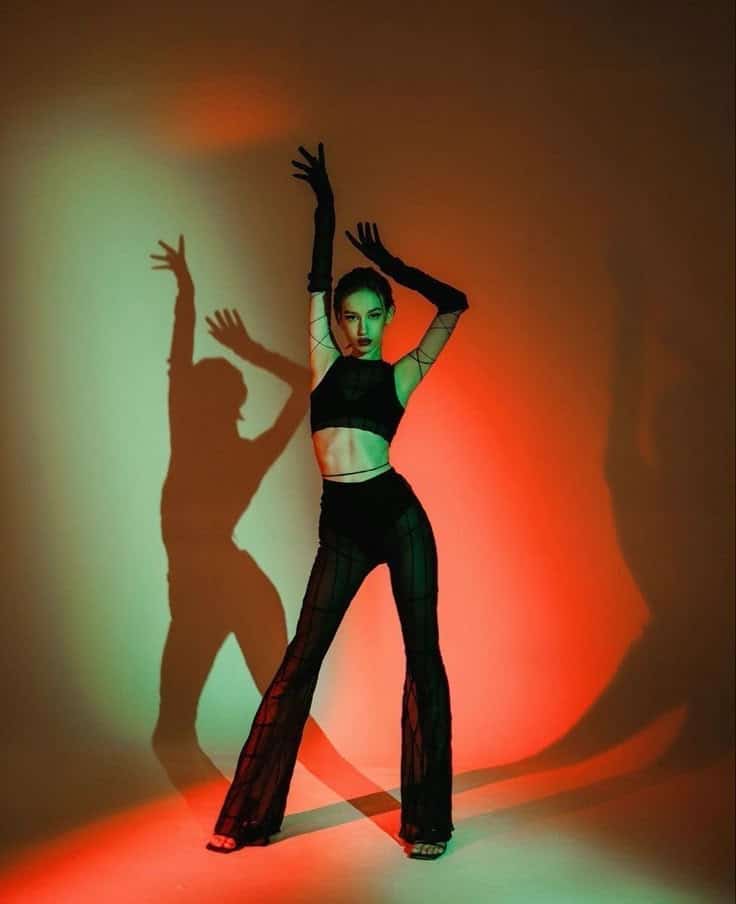
My default setup: key light at 45 degrees, placed high enough to push shadows downward. Fill on the opposite side, softer, keeping the shadow side from going completely dead. Rim lights behind — I usually run two — catching the shoulders and arms, pulling the subject off the background. Without them, a dark outfit against a dark backdrop just disappears.
Strobes for movement. Fast flash duration is what actually freezes motion — shutter speed helps, but it’s the strobe doing the real work. Softbox for broader, smoother coverage. Grid when I want something tighter, harder, more defined — good for picking up muscle lines or the shape of a fast arm swing.
Every setup needs a test shot. What works for someone standing still falls apart the moment they start moving fast.
Creating Motion with Light
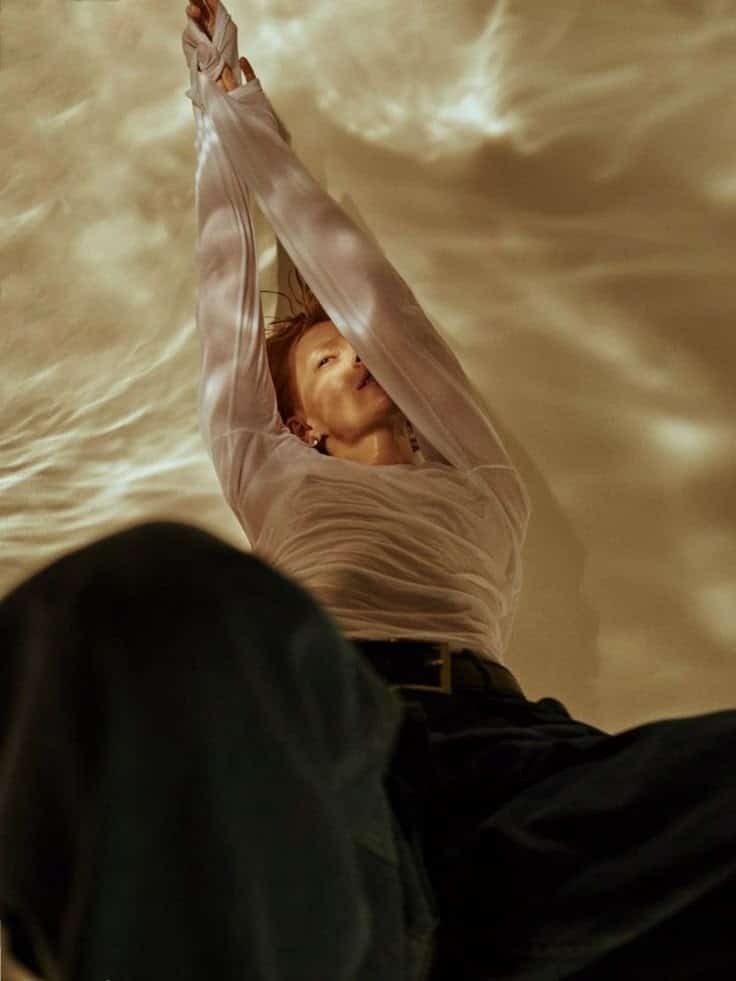
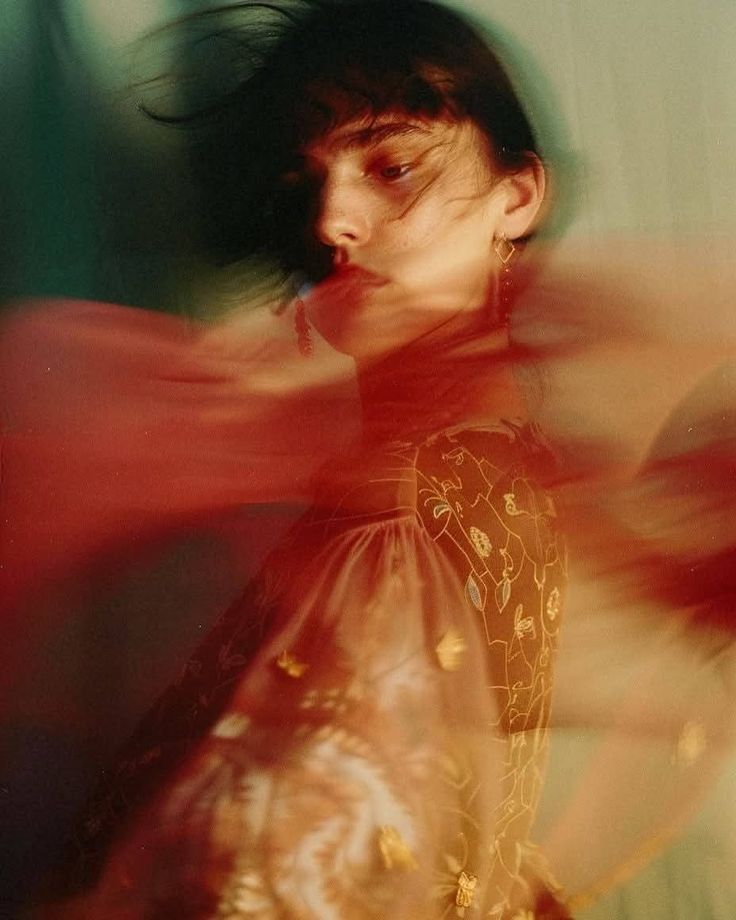
Slow shutter speeds give you something strobes can’t. Instead of freezing motion, you let it smear — and sometimes that’s exactly what the image needs. Not every dynamic shot should look like it was taken at 1/2000.
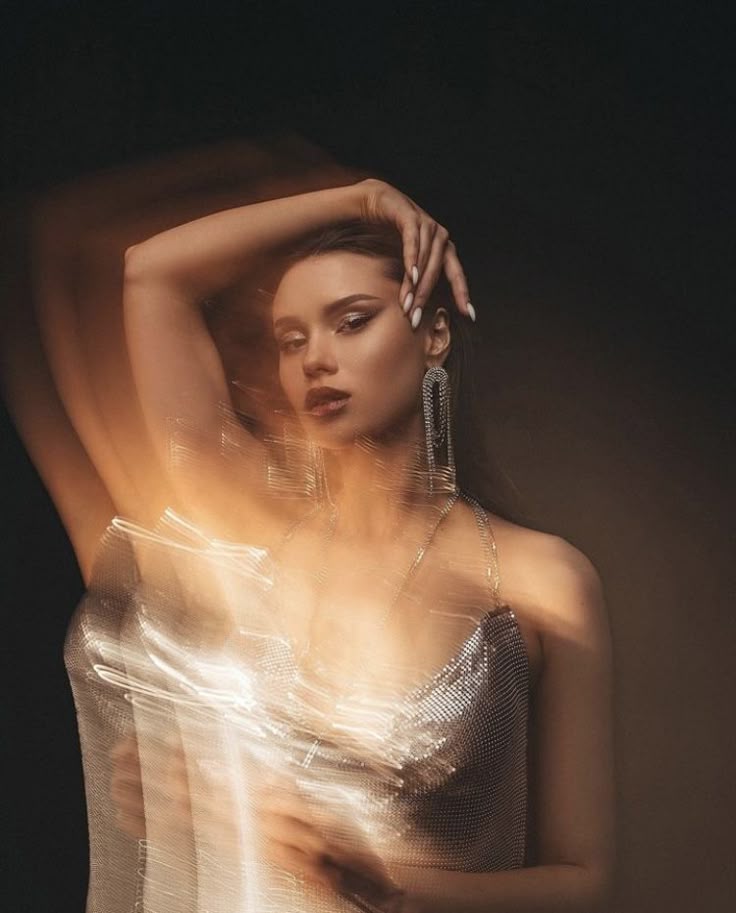
The setup I keep coming back to: flash fires and freezes the subject, ambient light does the rest. Sharp figure, blur trailing off behind them. It looks like speed without looking like a mistake — which is harder to pull off than it sounds. The ambient has to be low enough that it doesn’t overpower the flash, but present enough to actually show up.
Gels change the game for separation. A colored rim light on a moving arm reads immediately against a dark background. And if you move the light during the exposure — just drag it slowly across the frame — you get a trace of wherever the subject was. Light painting, basically. I’ve done it with sparklers, with a bare flash head, with a phone screen. Works differently every time.
Timing is where it gets fiddly. Somewhere around 1/15 to 1/4 of a second is usually the range, but it shifts depending on how fast the subject’s actually moving. You shoot a few test frames and adjust. There’s no formula that works every time.
Camera settings for dynamic photoshoot poses
Capturing dynamic poses requires careful choices about shutter speed, lens type, and shooting angles. These factors influence motion clarity, depth, and the overall energy of the photo. The right setup helps freeze action clearly while adding style to the image.
Shutter Speed and Motion Blur


Shutter speed controls how much motion appears sharp or blurred. For dynamic poses, a fast shutter speed, like 1/500s or faster, helps freeze movement clearly. This setting works well for quick actions like jumps or spins.
If aiming for some motion blur to show movement, slower speeds between 1/60s and 1/250s create a sense of speed without losing the subject’s details. However, careful hand-holding or using a tripod is necessary to avoid unwanted shake.
ISO should be adjusted alongside shutter speed to keep the image bright enough without adding noise. In bright daylight, ISO 100-400 usually works best.
Recommended Lenses
Prime or zoom — I’ve gone back and forth on this more times than I’d like to admit.
The 50mm prime is sharper, renders blur behind the subject in a way zooms rarely match, and it’s lighter. But it locks you into one framing, which means you’re moving your feet constantly. Sometimes that’s fine. Mid-shoot, with someone jumping or spinning, it’s just missed frames.
The 24-70mm is what I actually reach for when things are moving fast. Less optically perfect, but you can go wide for a full-body shot and tight for a close-up without taking your eye off the subject. That matters more than the sharpness difference, most of the time.
Aperture: f/2.8 or wider for anything in lower light. You need the shutter speed, and you need it fast. Image stabilization helps with camera shake but it’s not doing anything about subject motion — if someone’s arm is blurring at 1/200, IS isn’t the fix. Faster shutter is.
Shooting Angles and Perspectives
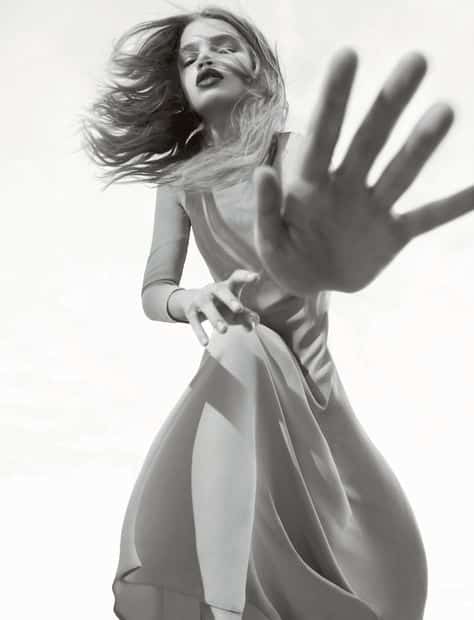
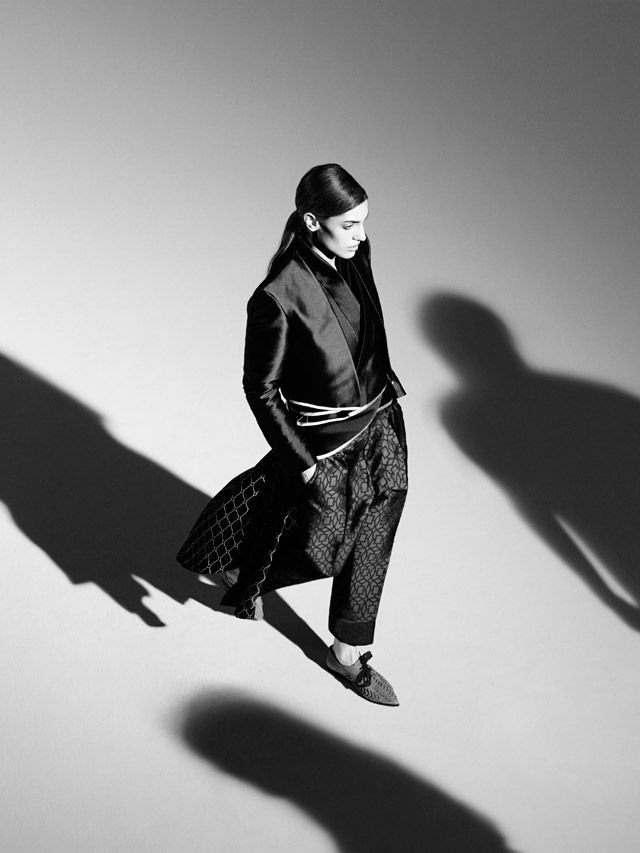
Low angles make poses appear more powerful and emphasize motion upward or forward. Shooting slightly from below also elongates the subject’s body lines.
High angles can capture unique shapes, but they may reduce the dynamic feel unless shot creatively. Side angles work well to highlight flowing motion, such as hair or fabric in movement.
Experimenting with close-ups and wide shots adds variety. Including foreground elements like leaves or stairs can add depth and interest to the composition.
Dynamic photoshoot pose ideas to try
Dynamic poses often use movement, emotion, and interaction to make photos more engaging. They rely on strong body language and clear storytelling to capture attention. Techniques include action shots, emotional expressions, and group setups that show connection and energy.
Action-Based Poses

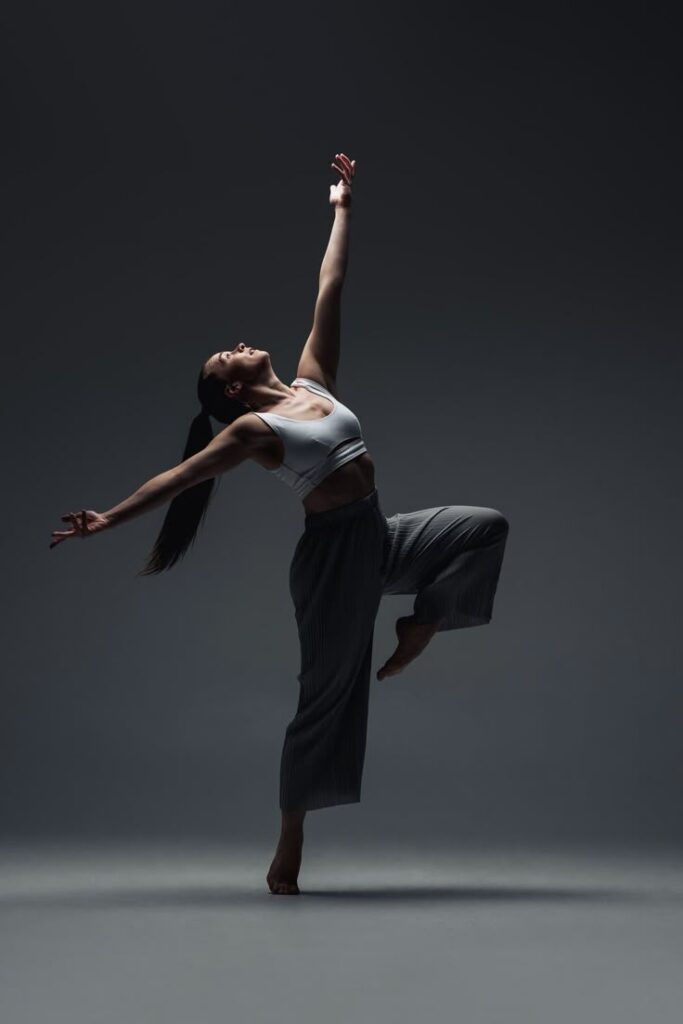
The best thing about action-based poses is that the subject stops thinking about their face. They’re jumping, or spinning, or mid-stride — and whatever self-consciousness was there a second ago just drops out. That’s what you’re actually photographing.
Fast shutter freezes the moment sharp. Slower shutter smears it into blur. I switch between them depending on whether I want the image to show what happened or what it felt like — those are different things, and they need different settings.
Simple moves tend to photograph better than dramatic ones. A step forward. Tossing hair. Turning while walking. Nothing that requires the subject to “perform” — just actual movement, caught. The frame knows the difference between someone moving and someone pretending to move.
Props help when they give the subject something to interact with rather than just hold. Flowing fabric moves on its own. Sports gear implies a whole context. Either way, the subject’s attention goes to the prop and off the camera, which is usually exactly what you want.
Emotion-Driven Movement
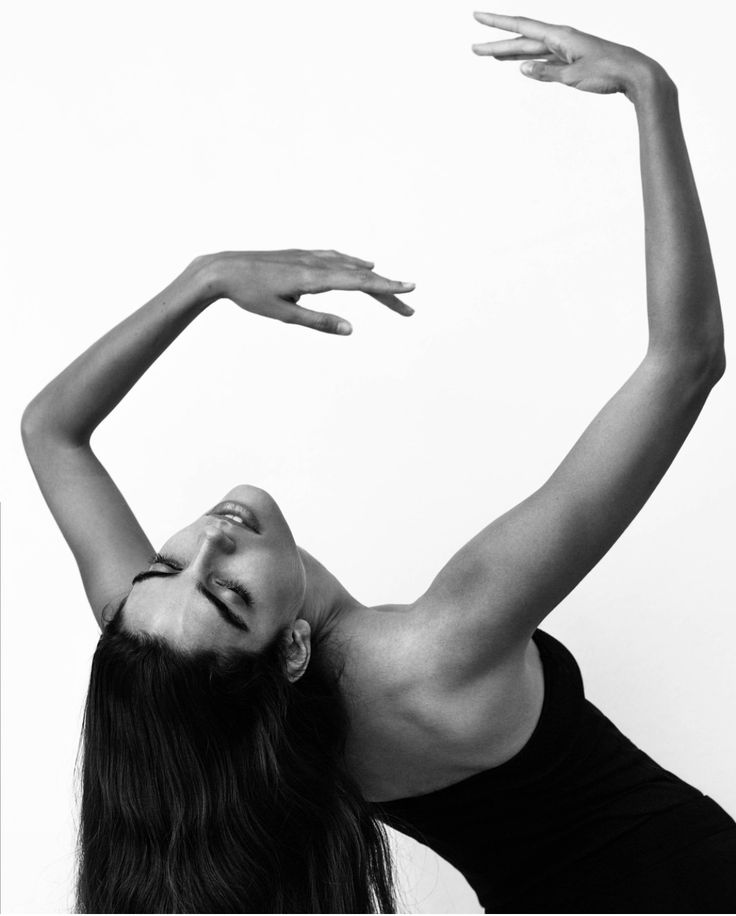
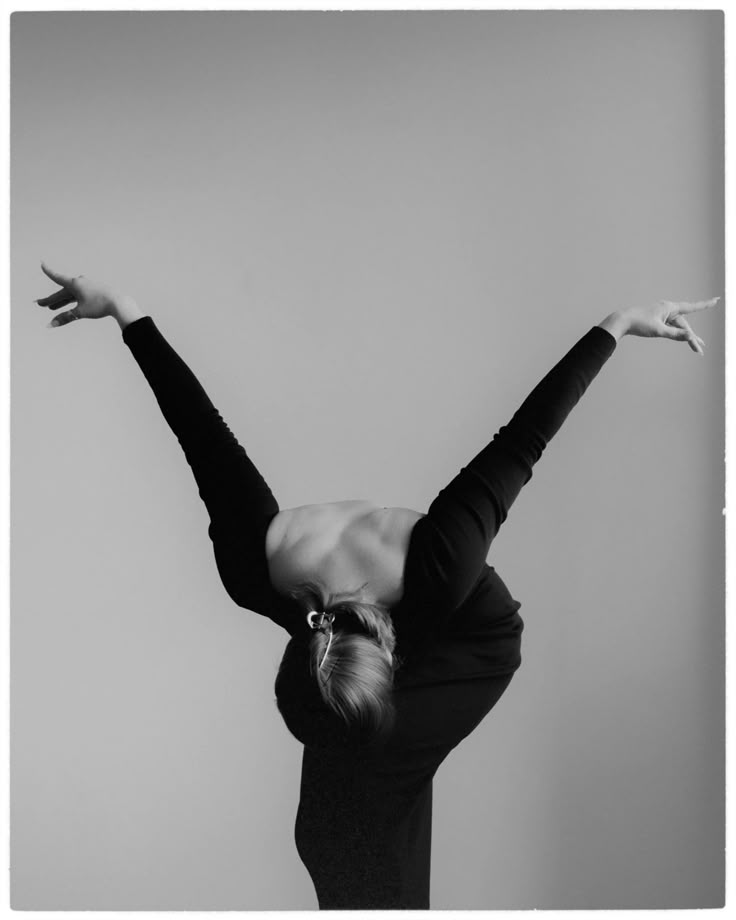
Emotion-driven movement uses body language and facial expressions to tell a story. A pose might show joy, anger, surprise, or calmness. The focus is on how feelings affect the person’s posture and gestures.
Photography captures these subtle expressions with close-ups or full-body shots. Small movements, like a tilt of the head or clenching fists, add depth and context.
Directing the subject to think about a memory or imagine a scenario can help evoke genuine emotions. This makes photos more relatable and powerful.
Group Dynamic Shots
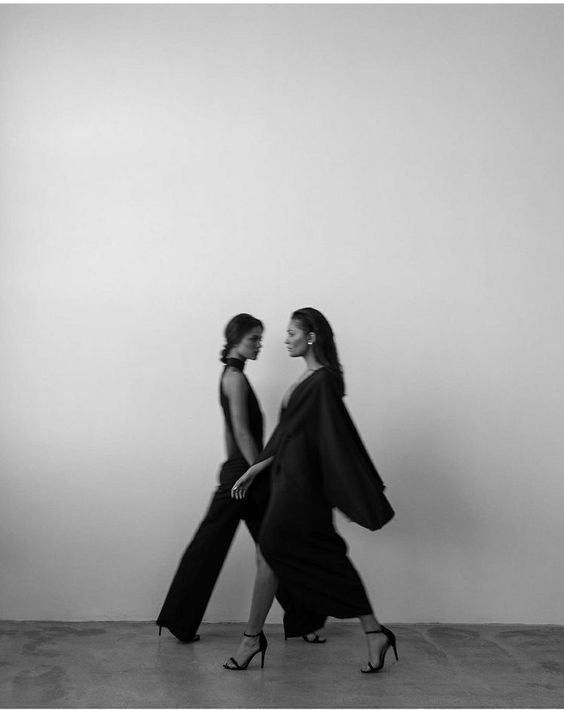
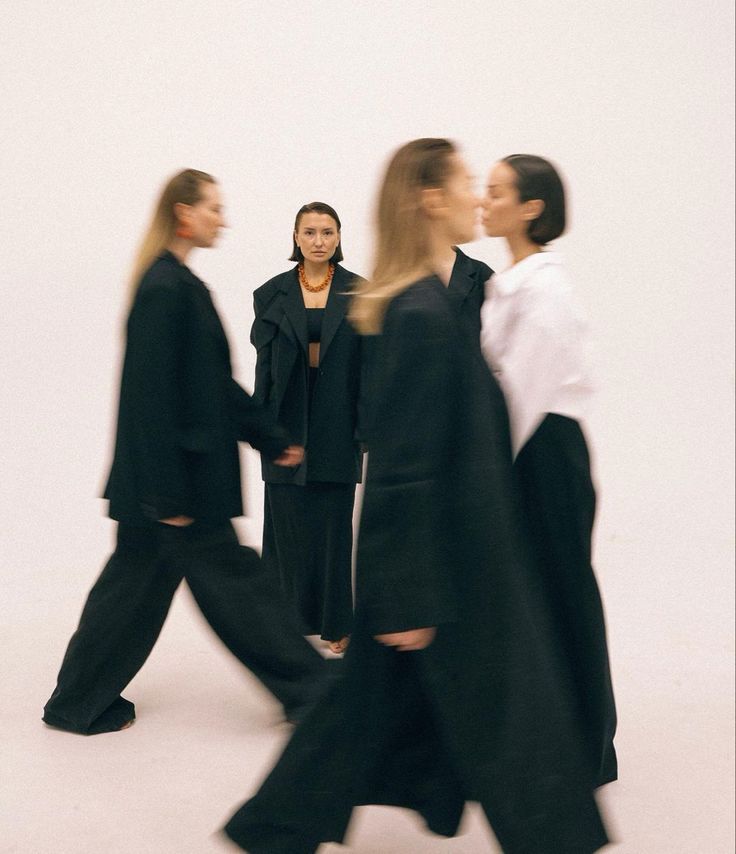
Group dynamic shots show interaction and connection between people. Poses often include overlapping bodies, eye contact, or gestures that link subjects together.
These shots use space creatively, such as arranging people at different heights or angles to avoid flat compositions. Moving as a group or holding hands adds natural flow and energy.
Clear communication among participants helps coordinate poses that look spontaneous but are well-balanced. This style works well for families, friends, or team photos that want to show unity.
Editing dynamic photos without killing the motion
Editing dynamic pose photos focuses on choosing the sharpest, most expressive images and enhancing motion without losing clarity. Attention to detail is needed to highlight energy and action while keeping the photo natural.
Selecting the Best Shots
The first step is reviewing all photos and picking those that show clear, strong poses. Look for sharp focus on the subject and good body angles. Avoid blurry or awkward shots.
Use tools like star ratings or flags to organize selections quickly. Choose images that tell a story or capture peak movement.
It helps to check lighting and background distractions. The best shots balance motion and composition, ensuring energy is visible without blur or clutter.

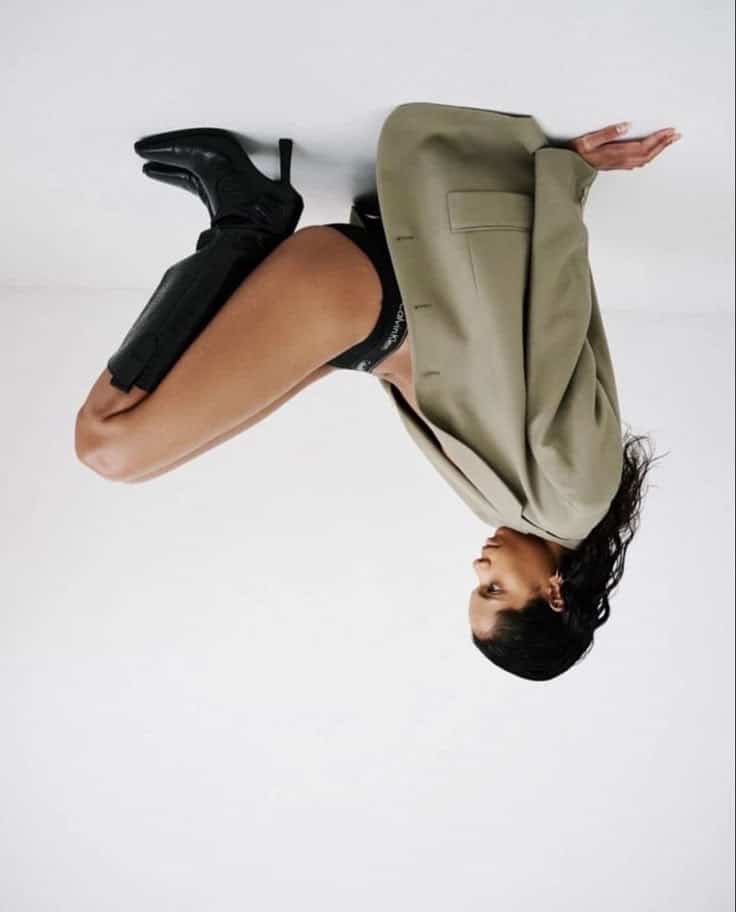
Retouching Motion Effects
Retouching action shots is mostly about not overdoing it. The motion is already there — the edit just needs to stay out of the way.
Sharpening goes on the parts that are actually in focus. Not the whole frame, not the blurred limbs — just wherever the lens was sharp. Over-sharpen a motion blur and it starts looking like a processing artifact instead of movement.
Blur is trickier. Sometimes it’s doing exactly what you want and you leave it alone. Sometimes it’s just muddy — especially around faces — and you pull it back slightly. The line between “dynamic” and “unclear” is thin and mostly depends on whether the viewer can read what’s happening.
Color correction brings out contrast and energy. I tend to push contrast a little harder on action shots than portraits — the movement can handle it. Vibrancy over saturation, usually.
Small distractions — stray hairs, a water bottle in the background, a logo on someone’s shirt — come out if they pull the eye away from the pose. If they don’t, I leave them. Cleaning up every imperfection makes the image start to feel like an illustration.
More posing and shoot planning guides
Once the movement feels clear, plan the rest of the shoot around the mood, light, and editing style. For tighter self-portraits, start with selfie poses that look natural. If the light is doing most of the work, pair these ideas with natural light photography tips or a softer golden hour photography setup. For styling and concept direction, use aesthetic photography techniques, creative photo ideas, and photoshoot ideas before you build the shot list. For more specific moods, compare romantic photography prompts with confident boudoir photography ideas, then finish the sequence with cleaner framing from framing photography and color work from Lightroom editing tips.
How to share and organize dynamic pose photos
Presenting dynamic pose photos effectively involves careful selection, layout, and platform use. It is important to highlight the energy and movement in the images while ensuring they are easy to view and share.
Portfolio Presentation
A strong portfolio puts dynamic poses front and center. Photos should be arranged to show a variety of angles and movements. Using a clean, simple layout helps keep attention on the poses instead of distracting elements.
Photographers often group images by theme or style. This guides viewers through different emotions or actions captured. Captions can explain the pose or technical details but should stay brief.
Quality matters. Only sharp, well-exposed photos should be included. Displaying high-resolution images allows details like muscle tension and motion blur to stand out.
Social Media Strategies
On social media, timing and platform choice are key. Posting during peak hours increases visibility. Instagram and TikTok work well for dynamic shots because they emphasize visuals and short videos.
Captions should include relevant hashtags such as #DynamicPoses or #ActionPhotography to reach interested audiences. Engaging with followers through comments or polls encourages more interaction.
Sharing behind-the-scenes content or short clips showing how the poses were created adds context and attracts viewers. Consistent posting helps build a steady audience over time.
FAQ: poses for photoshoot
What are good poses for photoshoot sessions?
Good poses for photoshoot sessions usually combine one clear body line with one simple action. Walking toward the camera, looking over the shoulder, leaning into a wall, sitting on the edge of a chair, turning through a dress or jacket, and reaching toward the lens all work because the direction is specific. The pose should still leave the face readable.
How do I pose naturally for a photoshoot?
To pose naturally, think in small movements instead of frozen positions. Shift your weight, breathe out, soften the hands, turn your shoulders slightly away from the camera, and keep the neck long. Ask the photographer for action cues like walk, turn, lean, or reset. A natural pose often comes from the moment between two planned positions.
What is a dynamic pose in photography?
A dynamic pose in photography is a pose that suggests movement, tension, or direction. The subject might be jumping, walking, twisting, reaching, kicking, sitting at an angle, or letting clothing and hair move through the frame. The goal is not random motion. A strong dynamic pose still has a clean silhouette, readable expression, and intentional line.
What poses make photos look less awkward?
Photos usually look less awkward when the body has asymmetry. Try bending one knee, shifting weight to one hip, turning the shoulders, creating space between the arms and torso, or placing one hand lightly near the face, waist, pocket, or collar. Avoid locking every joint straight toward the camera unless the concept intentionally needs that stiffness.
How should a beginner pose for a photoshoot?
A beginner should start with repeatable poses: standing at a slight angle, walking slowly, sitting on the front edge of a chair, looking over one shoulder, or holding a jacket, bag, sleeve, or hair as a natural hand cue. Keep each pose for a few frames, reset, then change only one thing at a time.
What camera settings work for dynamic poses?
For sharp dynamic poses, start around 1/500 shutter speed, use burst mode, and keep focus on the face or eyes. If you want motion blur, try 1/125 or slower while asking the model to keep the face steadier than the arms, legs, or fabric. The exact settings depend on light, lens, and how fast the movement is.
How do you direct a model into dynamic poses?
Direct a model with physical instructions instead of vague moods. Say step forward, turn left, look down at your hand, hold the jacket, lean from the ribs, or reset and repeat. Demonstrate the motion once if needed. Shoot in short bursts, review quickly, then refine the angle, hands, expression, and timing.
- 1.2Kshares
- Facebook0
- Pinterest1.2K
- Twitter6
- Reddit0