When you dive into macro photography ideas, you open the door to a hidden world of textures, colors, and shapes that most people never notice. Whether you’re a beginner with a basic lens or a seasoned shooter with a full macro kit, this ultimate guide covers dozens of creative prompts, technical tips, and gear recommendations so you can start capturing stunning close-up shots today.
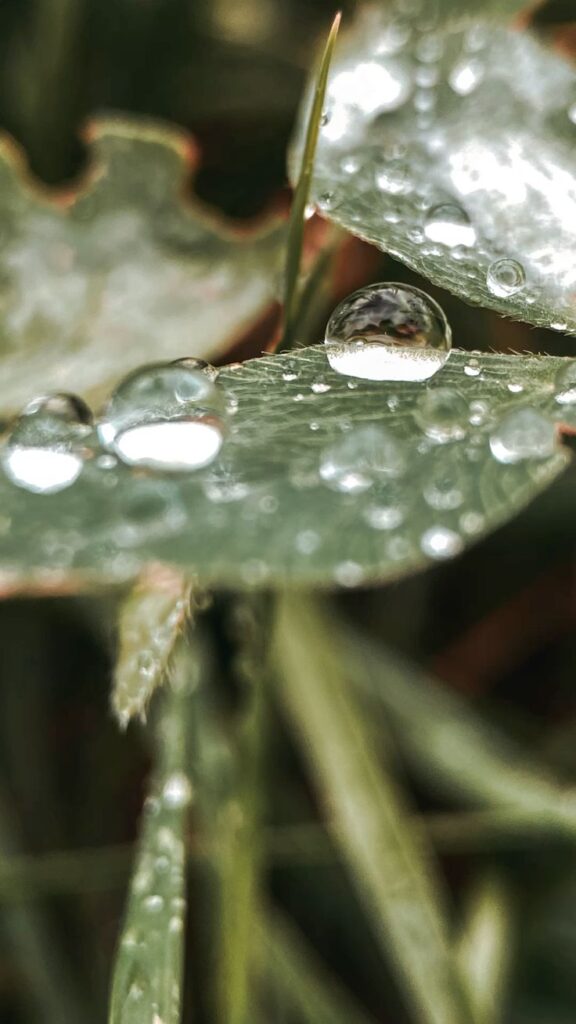
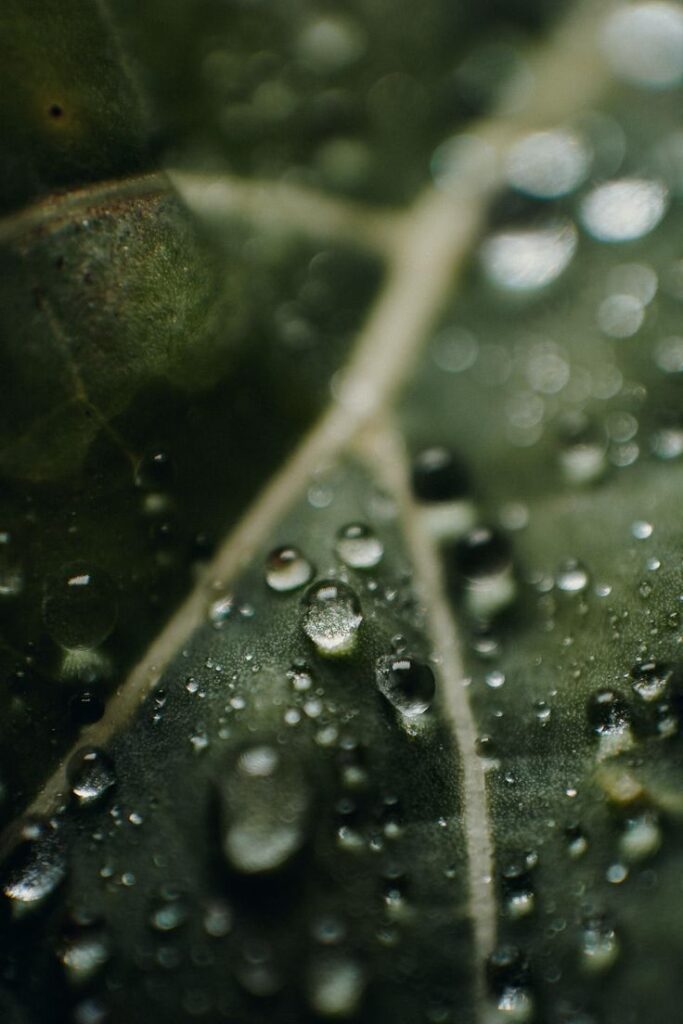
Table of contents
- Discover beginner subjects
- Capture liquid wonders
- Photograph living subjects
- Experiment with composition
- Master focus stacking
- Leverage natural light
- Use artificial lighting
- Choose macro gear
- Try creative techniques
- Review key takeaways
- Frequently asked questions
Discover beginner subjects
Starting your macro journey with simple items around the house helps you build confidence, practice lighting, and hone your composition skills without the stress of chasing fast-moving subjects.
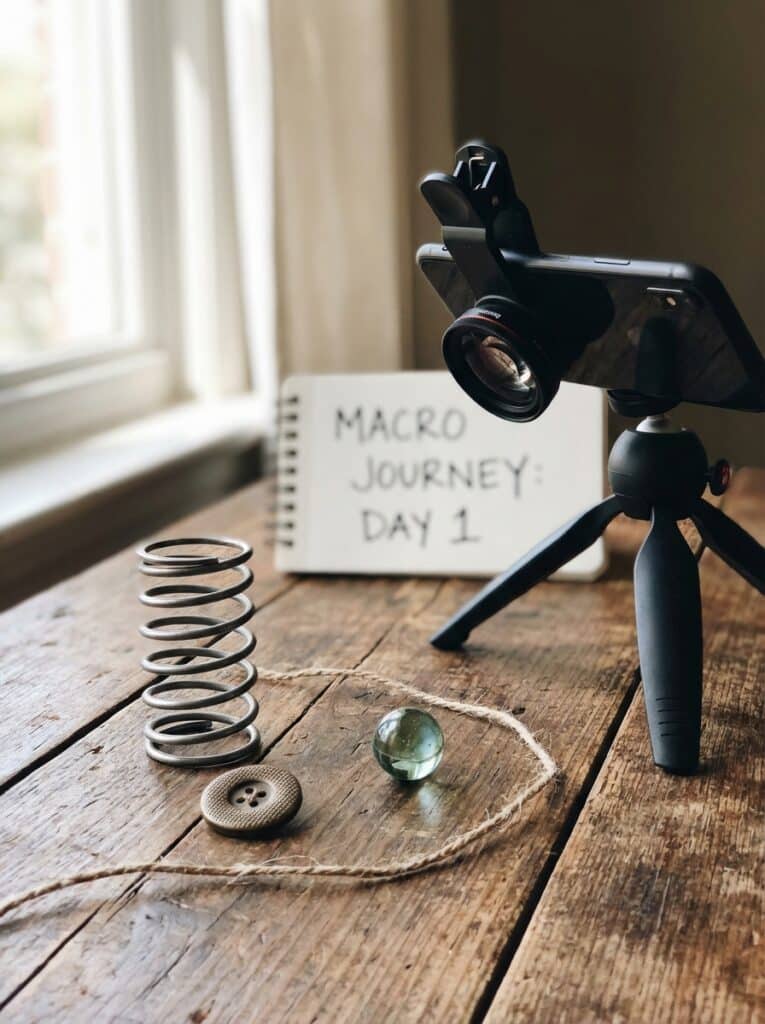
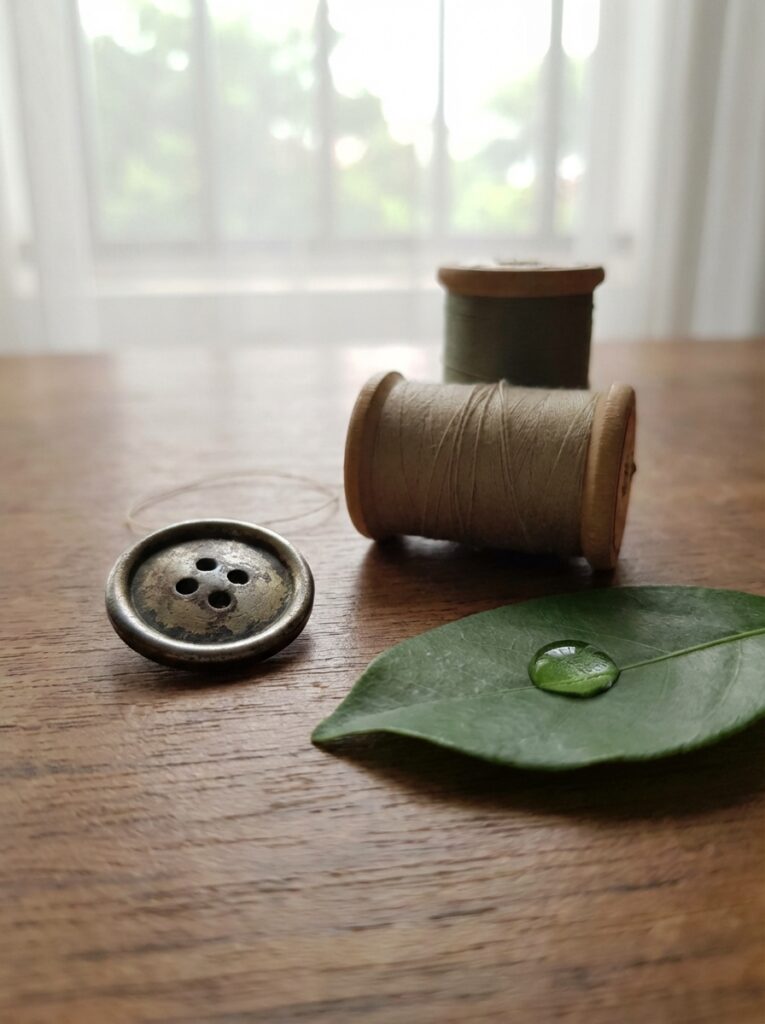
Everyday object focus
Grab pencils, coins, toys, or kitchen utensils to explore textures, colors, and patterns. Set them on a plain background and experiment with shallow depth of field. As you move closer, elements like pencil wood grain or coin engravings become fascinating focal points.
Tips for success:
- Use a tripod or stable surface to eliminate camera shake.
- Zoom in or move your camera until your subject fills most of the frame.
- Try different apertures—f/8 for balanced depth or f/2.8 for dreamy blur.
Natural detail studies
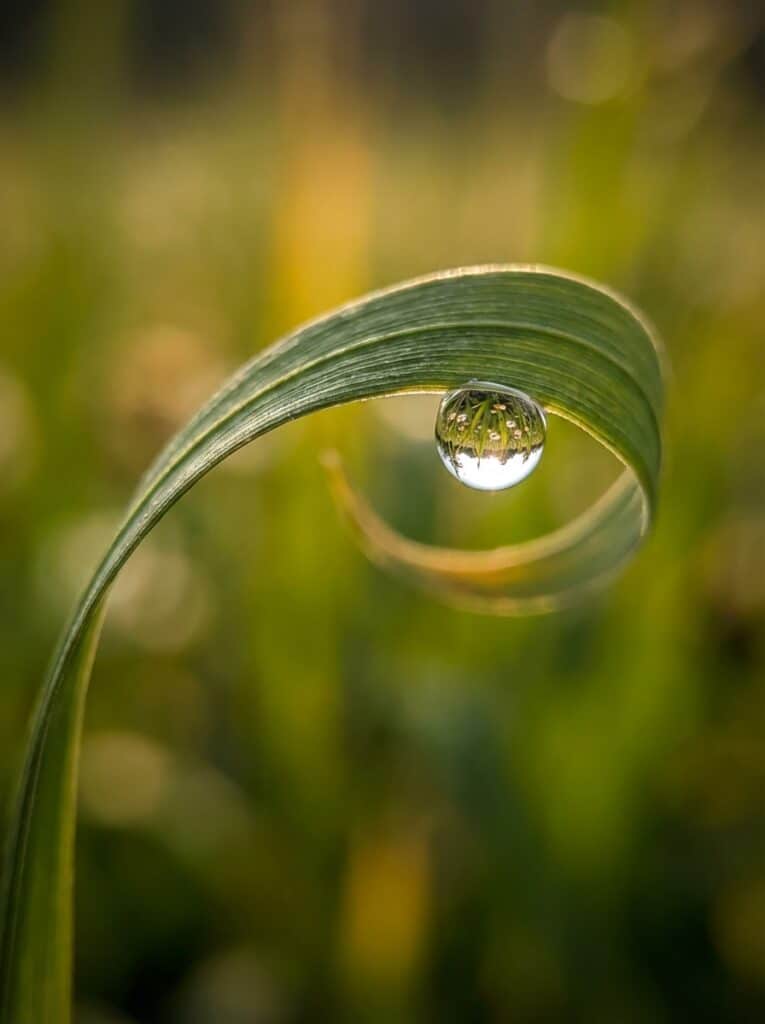
Head outside and photograph leaves, tree bark, or flower petals. Dew-tipped grass blades, intricate vein structures, and petal edges reveal new beauty under magnification. Overcast days act like a giant softbox, giving you even, shadow-free lighting without extra gear.
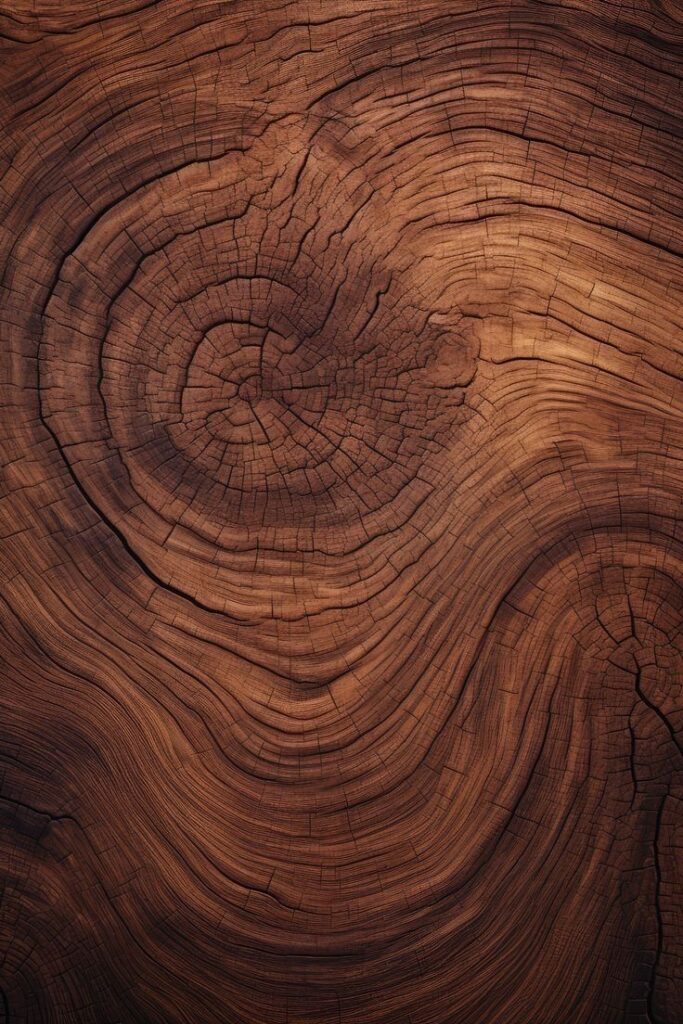
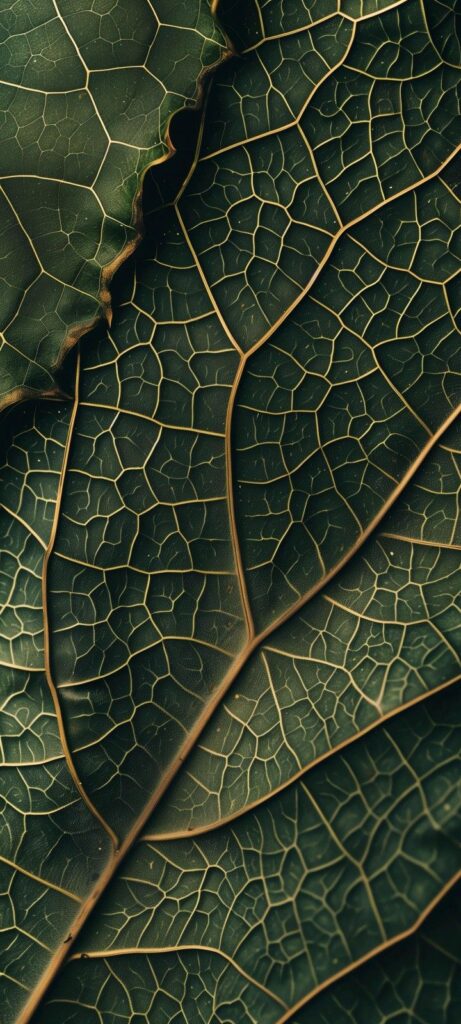
Texture and pattern practice
Household fabrics, woven baskets, or even your own fingertips offer endless texture studies. Focus tightly on ridge lines in skin or the weave in textiles to hone your ability to lock focus on microscopic details.
Capture liquid wonders
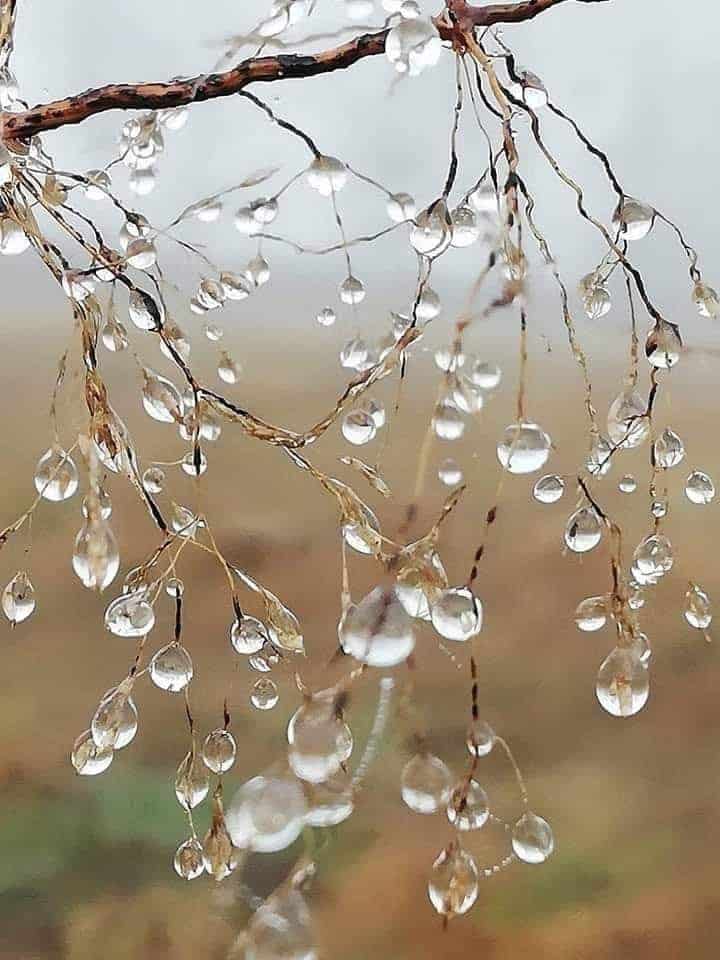
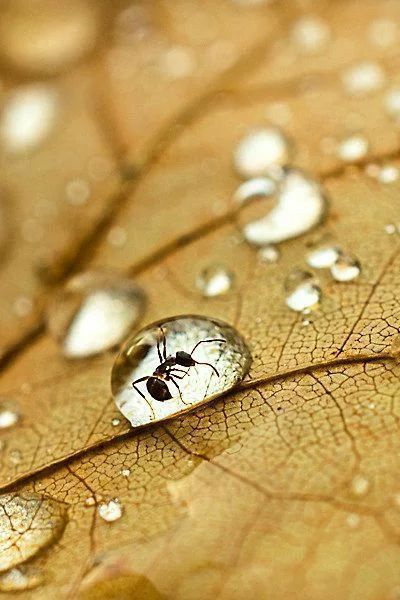
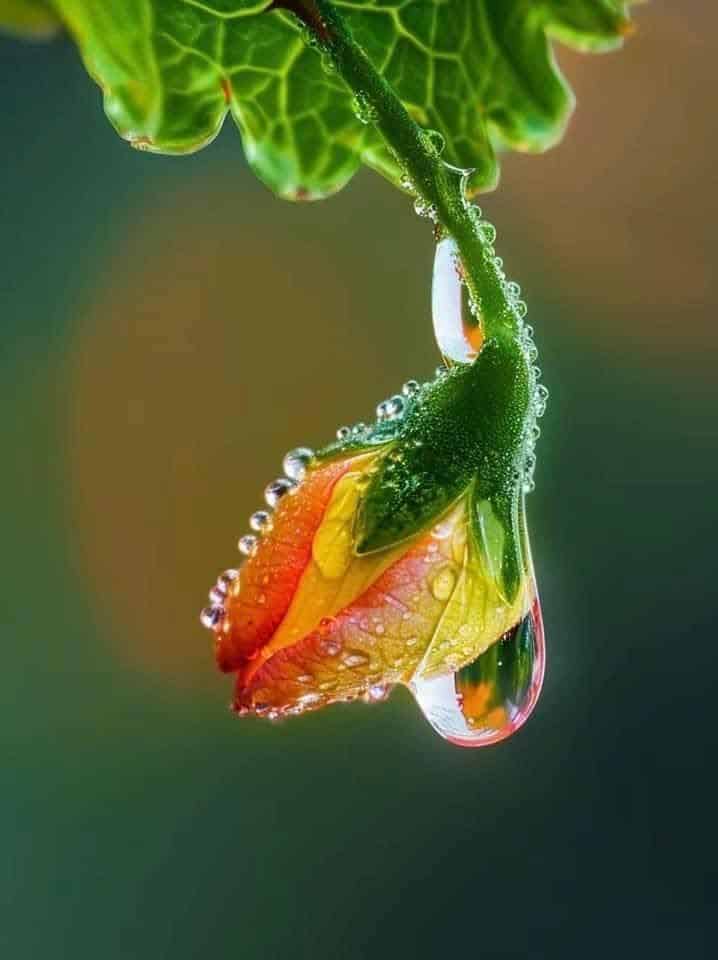
Water and other liquids refract light in enchanting ways. These macro photography ideas let you play with reflections, colors, and abstract forms.
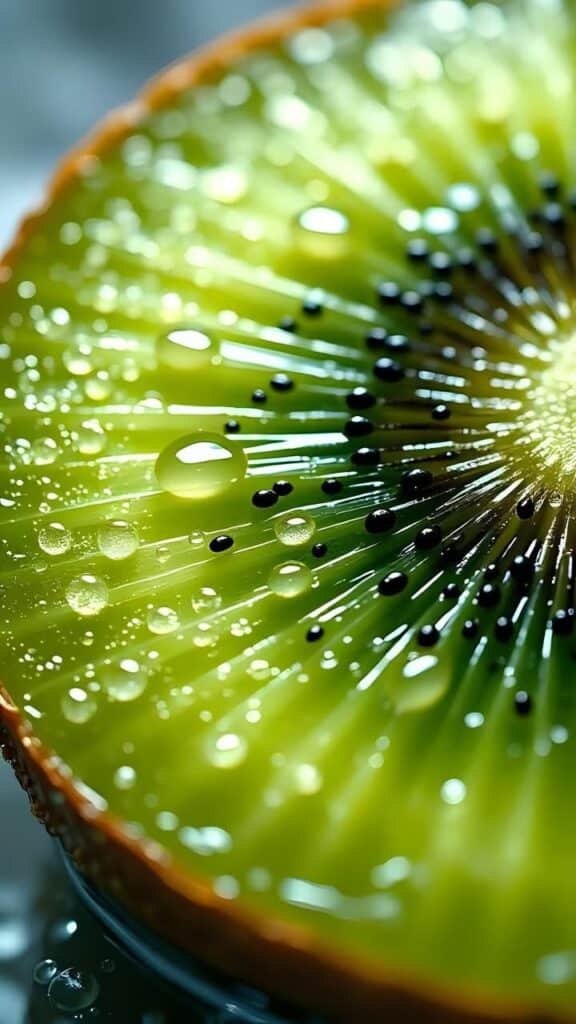
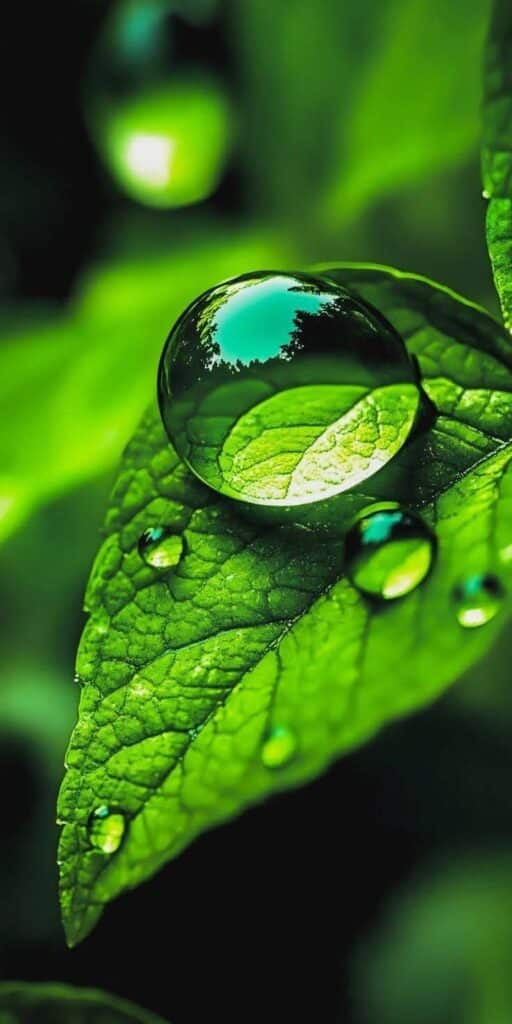
Water droplets on CDs
Place a few drops of water on a compact disc to capture rainbow reflections. Shine a desk lamp or natural sunlight from the side to create prismatic color bursts in each droplet. Adjust your angle until the spectrum feels balanced.
Backlit bubbles
Mix soap and water to create bubbles, then position your lights behind them. Colored gels or LED lights can add vibrant hues. The translucent surfaces produce swirling patterns and delicate highlights.


Fizzy fruit drinks
Submerge small fruit pieces in soda or sparkling water. As carbon dioxide bubbles cling to the fruit’s skin, they form clusters that catch light beautifully. Use a dark background to make bubbles pop.
Oil droplets on water
Fill a shallow dish with water and add a few drops of cooking oil. Backlight the setup with colored lights or even Christmas lights behind a translucent panel for glowing abstract shapes.
Photograph living subjects
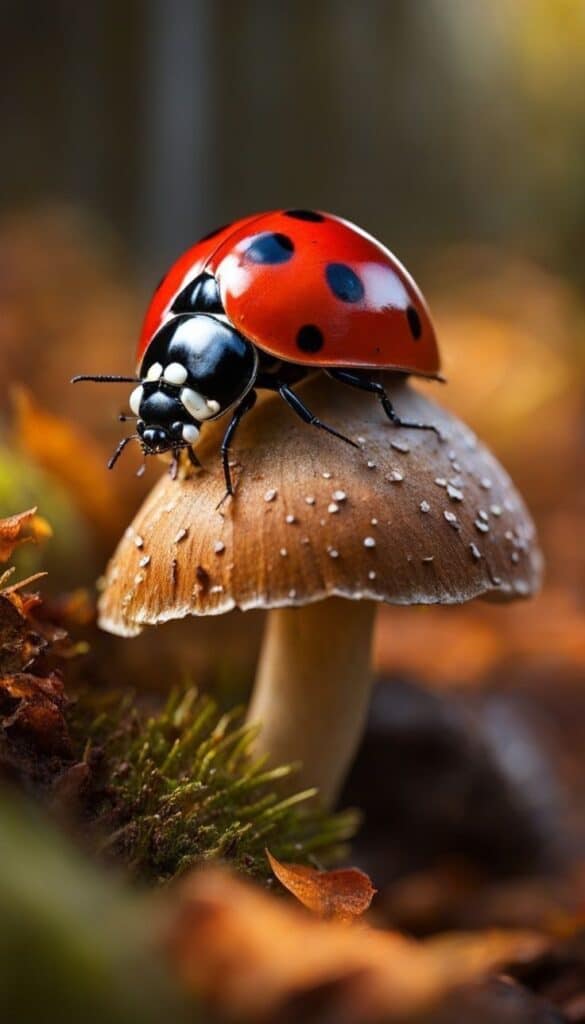
Capturing insects, mushrooms, and small critters brings life and storytelling into your macro portfolio. Patience and respect for nature are key.
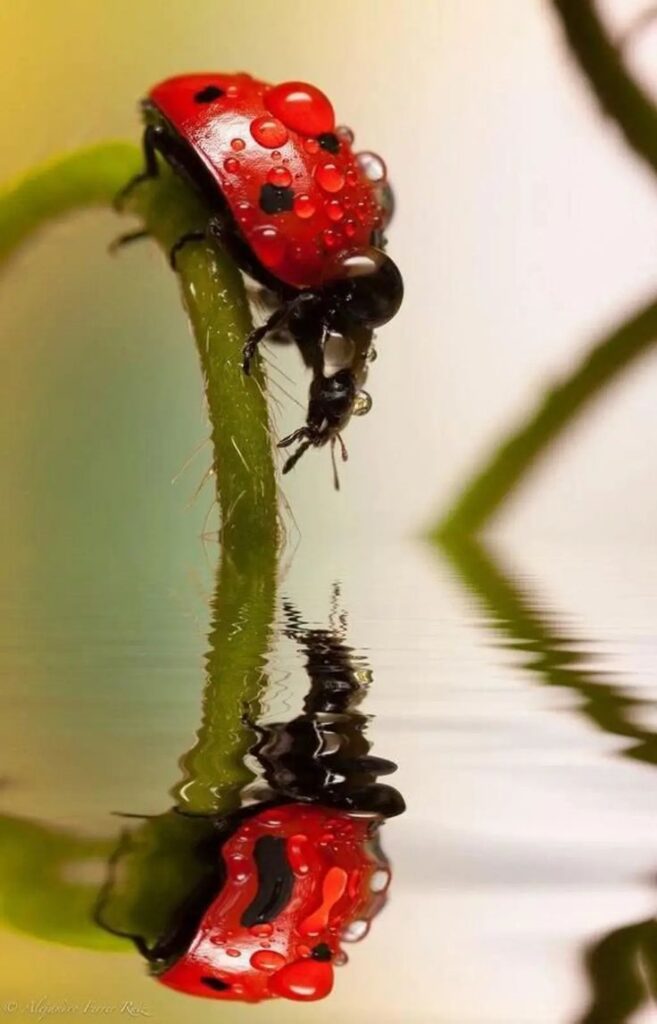
Insect eye details
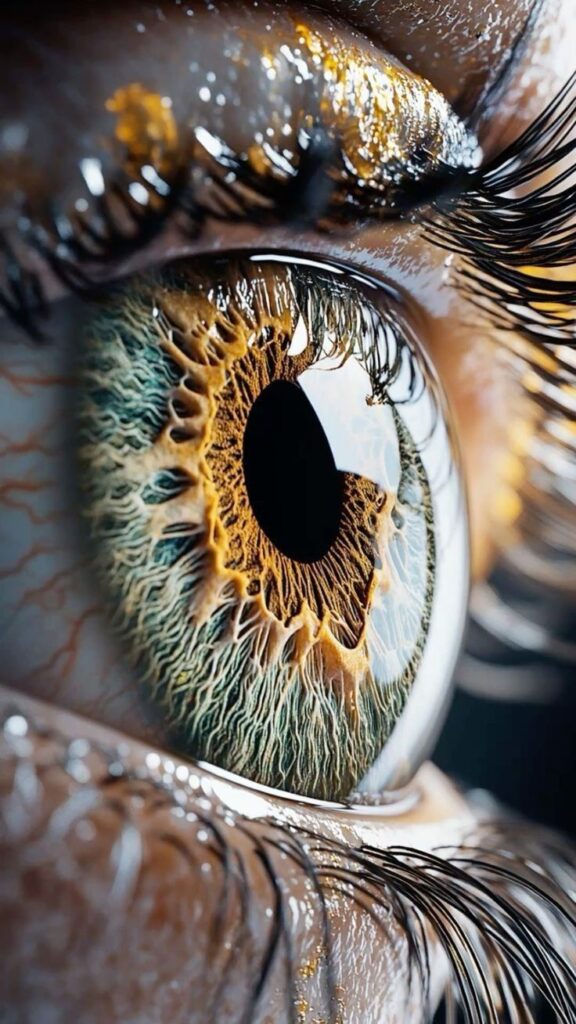
Focus on a fly’s compound eye or a bee’s faceted lens. Insects at rest in cool morning temperatures move slowly, making early-hour shoots ideal. A dedicated macro lens and a steady tripod help you nail sharpness on the smallest facets.
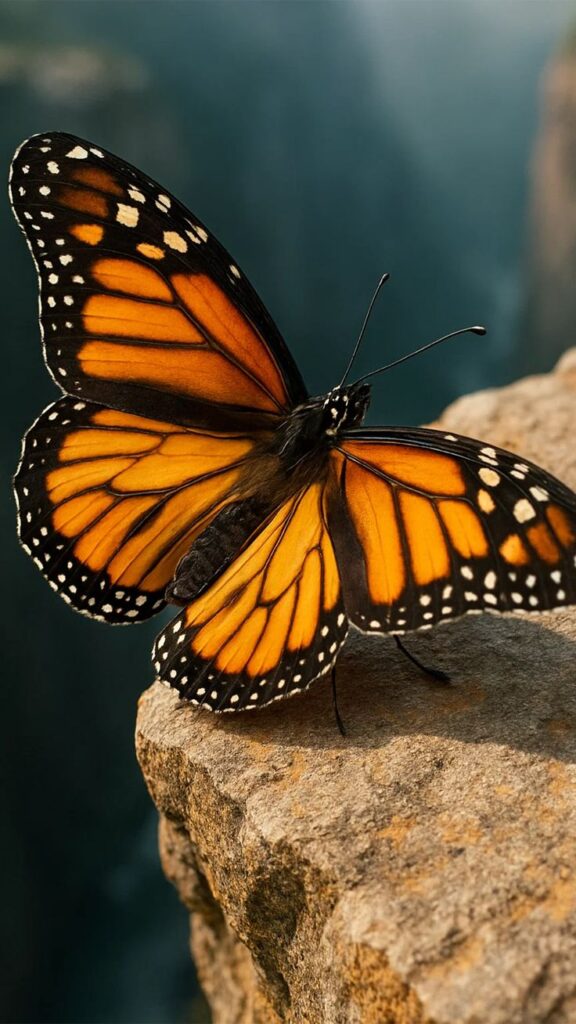
Butterflies at dawn
When temperatures are low, butterflies are sluggish. Approach slowly and photograph them before they take flight. Use lead room—extra space in the direction the subject faces—to balance your composition (DPReview).
Spider stacking challenge
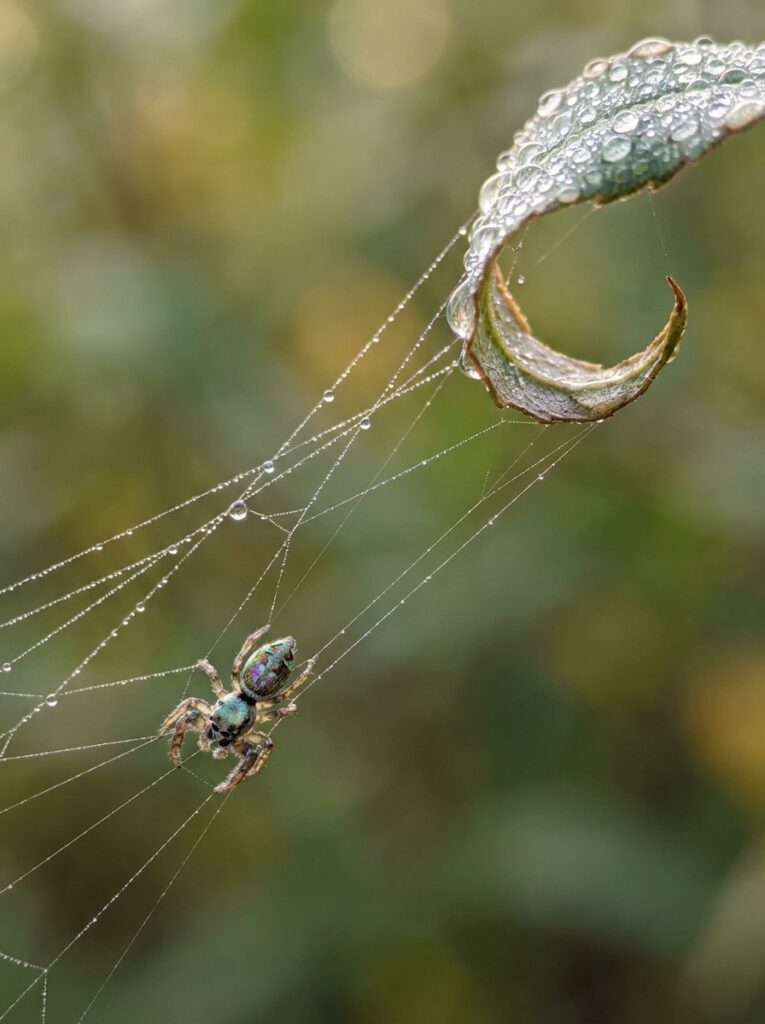
Spiders require extreme patience and precise focus stacking. Try handheld stacking techniques or use a macro focusing rail to shift your focus point in small increments. Some photographers will capture 20+ shots at f/11 to blend into one fully sharp image.
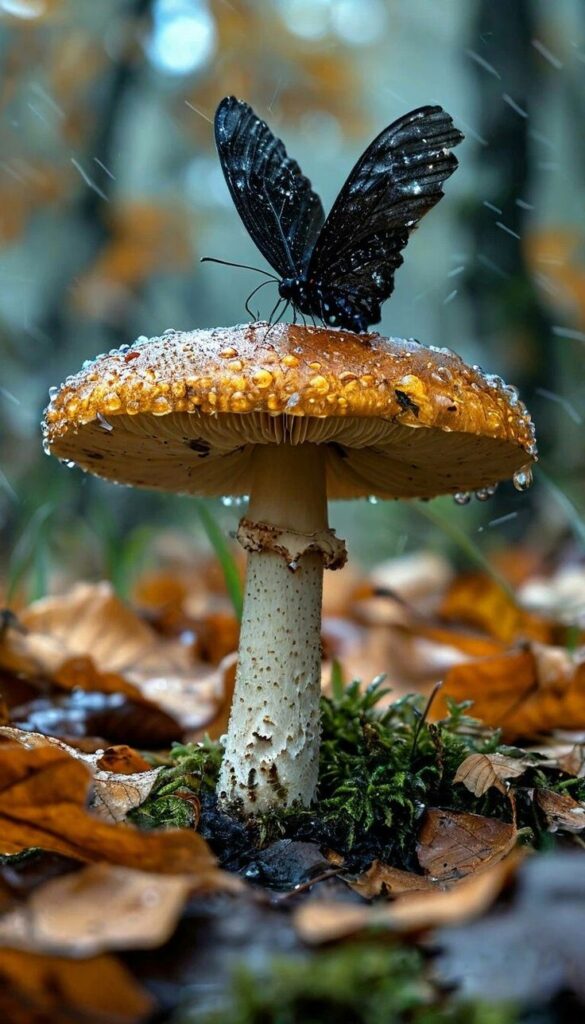
Mushroom storytelling
Suzannah Mary recommends using natural leading lines—fallen logs, leaf veins, or grass blades—to guide the viewer from foreground fungi into softly blurred background scenes. This approach turns static mushroom shots into immersive woodland narratives (Fstoppers).
Experiment with composition
Strong composition transforms your macro photography ideas from snapshots into compelling art. These foundational rules help you achieve balance, tension, and visual flow.
Apply rule of thirds
Divide your frame into thirds horizontally and vertically, then align your subject along these lines or at intersections. If your subject gazes straight at the camera, you can center it; if it faces sideways, place it on the opposite third line for dynamic tension (DPReview).
Use lead room
Leave extra space in front of insects, small animals, or directional shapes. This sense of breathing room prevents your subject from feeling cramped and invites the viewer into the scene (DPReview).
Tight cropping tips
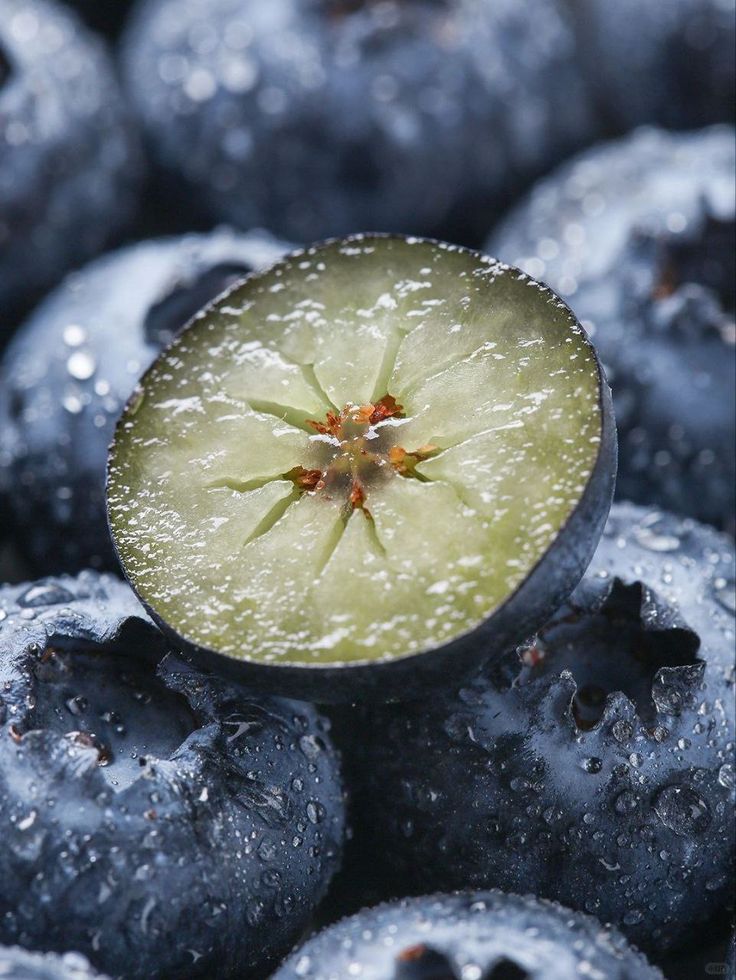
With irregular-shaped subjects like damselflies, crop around the center of mass rather than the full body length to keep your composition balanced. Zooming in tightly can eliminate distracting elements and focus attention where it counts most.
Master focus stacking
Macro depth of field is razor thin, especially at high magnifications. Focus stacking blends multiple frames into one image that’s sharp from front to back.

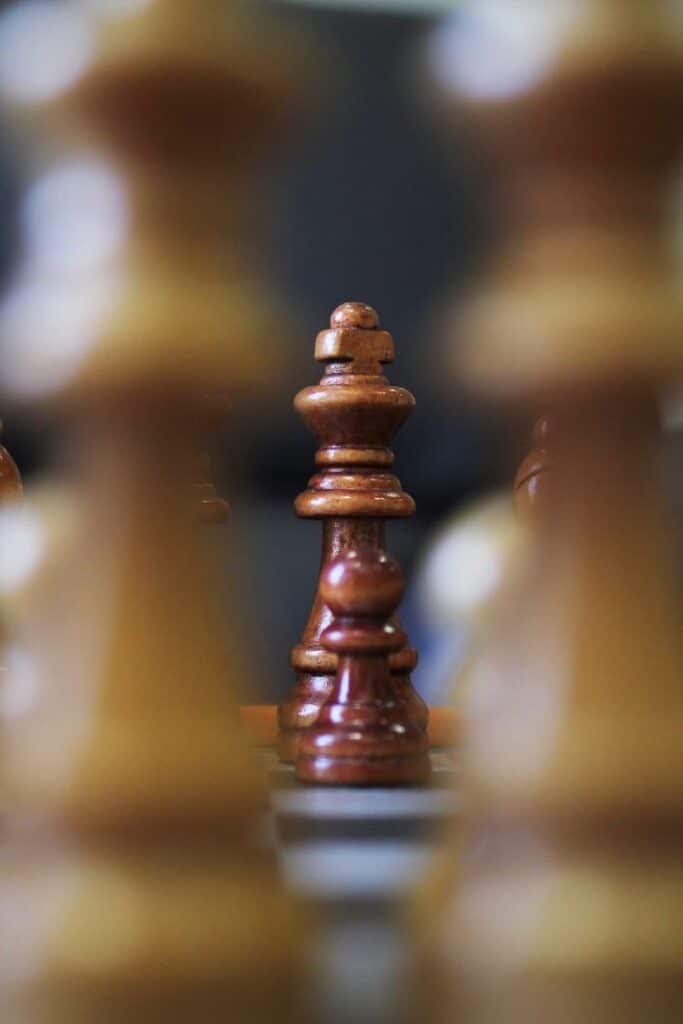
Focus stacking basics
- Mount your camera on a tripod and level it carefully.
- Choose a mid-range aperture (around f/8) for a balance between sharpness and diffraction control.
- Capture a sequence of shots, moving the focus plane slightly deeper with each frame.
Handheld stacking tips
If you don’t have a rail, try a handheld approach: rest your elbows on a stable surface and nudge the camera forward manually between shots. Increasing your ISO and using image stabilization helps you maintain shutter speeds fast enough to prevent blur (DPReview).
Leverage natural light
Natural illumination offers the most authentic look for macro work. Learning to read changing conditions pays off in beautiful results.
Shooting in bright sun
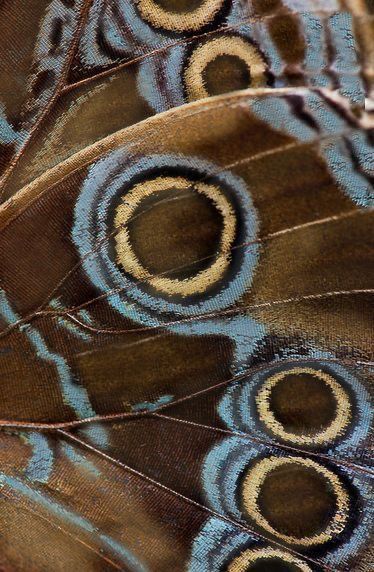
Harsh midday sun can create blown-out highlights. Instead, work in shaded areas or use a diffuser—like a translucent reflector or white umbrella—to soften direct light. Spot metering ensures your subject is properly exposed.
Overcast light setups
Cloud cover acts as a giant softbox, giving you even, diffuse light. Use a black or white background to control contrast and mood without juggling flashes or lamps.
Filtered light tricks
Position leaves, lace, or patterned materials between the sun and your subject for dappled light effects. This adds texture and depth to your frame while still using continuous daylight sources.
Use artificial lighting
When daylight falls short, artificial lights let you shape highlights and shadows exactly as you like.
Continuous light sources
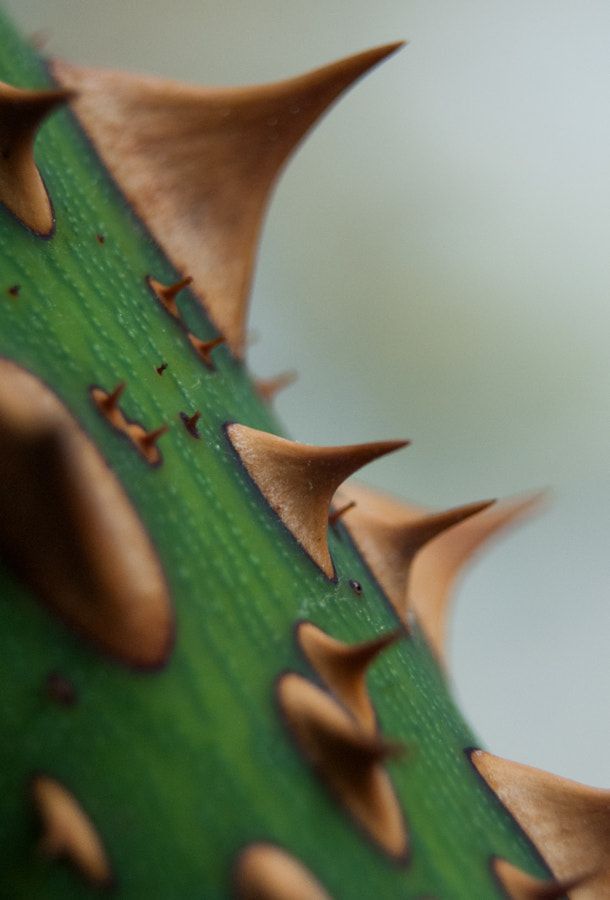
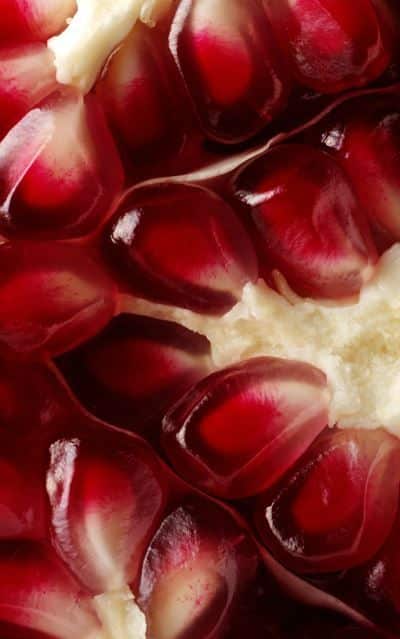
LED lamps, sunlamps, or headlamps give you real-time feedback on how shadows and highlights play across your subject. Ikea Jansjo LEDs, for example, are affordable, adjustable, and easy to clamp into position (Allan Walls Photography).
Flash techniques
On-camera flashes often get blocked by your macro lens, so use a ring flash or external macro flash units like the Nikon R1C1. Flash lets you freeze motion—ideal for shooting spores, pollen, or dew drops in mid-air—and can create dramatic black backgrounds when used at high f-stops with low ISO settings (Photzy).
Choose macro gear
While ideas drive your creativity, the right gear helps you execute.
Recommended lenses
- Tamron 90mm f/2.8 macro lens: versatile focal length and sharpness.
- Canon EF 100mm f/2.8L IS USM: image stabilization plus superb optics.
- Extension tubes: budget-friendly way to increase magnification on standard lenses.
Essential accessories
| Accessory | Purpose |
|---|---|
| Macro focusing rail | Precise focus shift for stacking |
| Ring flash or twin lights | Even, shadow-free illumination |
| Folding softbox | Diffuse light source for studio work |
| Articulating arms and clamps | Flexible positioning of LEDs or reflectors |
Try creative techniques
Pushing technique boundaries can turn a standard macro shot into a work of art.
Intentional movement
Move your camera slightly during a long exposure to create dreamy blur trails or ghost-like shapes. This intentional camera movement (ICM) approach adds emotion and energy, especially with subjects like mushrooms or wild grasses (Fstoppers).
Multiple exposures
Blend two or more frames in camera or in post to merge sharp details with abstract color swirls. For example, combine a sharply focused insect with an out-of-focus floral background shot at a different focal distance for a psychedelic effect.
Review key takeaways
- Start simple: practice on household items before tackling live creatures.
- Liquids offer stunning refractions and color experiments with minimal gear.
- Composition rules like the rule of thirds and lead room guide the viewer’s eye.
- Focus stacking combats shallow depth of field, giving you edge-to-edge sharpness.
- Mix natural and artificial light to control mood, contrast, and highlights.
- Gear choices—from macro lenses to ring flashes—should support your chosen techniques.
- Creative methods such as ICM and multiple exposures elevate your images from technical to artistic.
Frequently asked questions

What is macro photography?
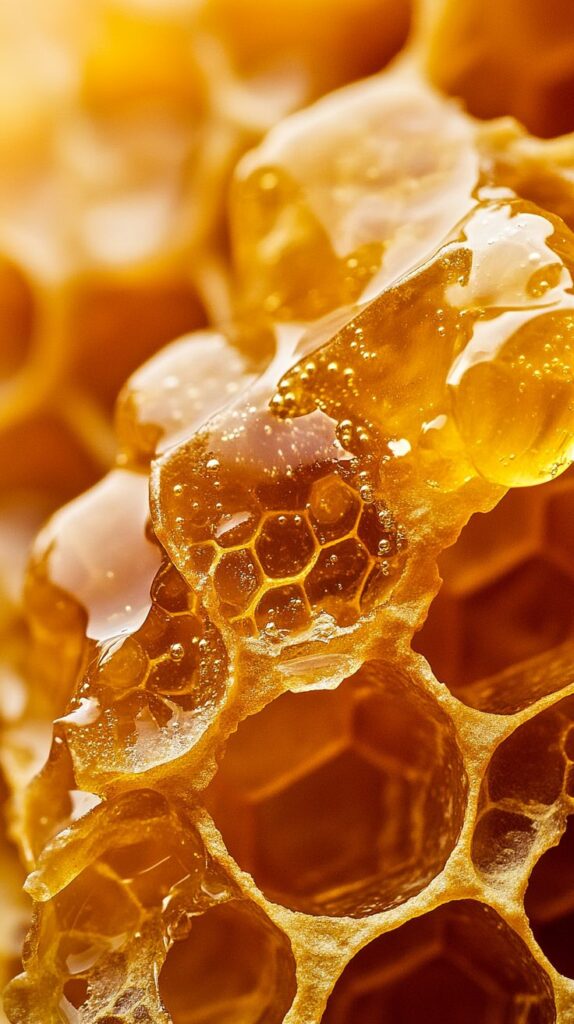
Macro photography captures small subjects at life-size or greater magnification, revealing details invisible to the naked eye. It typically involves a 1:1 magnification ratio or higher.
How do I choose a macro lens?
Look for a true macro lens (often labeled 1:1) with a focal length between 60mm and 105mm. Longer focal lengths give more working distance, helping you avoid casting shadows or startling subjects.
Which aperture works best for macro?
Mid-range apertures like f/5.6 to f/8 balance depth of field and sharpness. Wider apertures (f/2.8–f/4) create pleasing bokeh but sacrifice focus depth, while very small apertures (f/16–f/22) can introduce diffraction softness.
How can I improve depth of field?
Use focus stacking—capture multiple frames at different focus points and blend them in software. A stable tripod or macro rail helps you maintain consistent framing across shots.
What lighting works best for macro?
Natural diffused light (overcast skies or window light) is ideal for gentle shadows. For more dramatic effects, combine continuous LEDs or ring flashes to freeze motion and highlight texture.
With these macro photography ideas in your toolkit, you’re ready to explore tiny worlds from your backyard to your kitchen table. Try one concept today—whether it’s shooting water droplets on a CD or stacking dozens of insect frames—and watch how a small subject can make a big impact in your portfolio.
- 88shares
- Facebook0
- Pinterest88
- Twitter0
- Reddit0