Assess Your Financial Situation
Making a significant home improvement can affect both the aesthetics and the value of your home; however, you will want to begin with a strong financial foundation. You’ll want to start by reviewing your current budget and calculating all your debt obligations along with your credit score to have an accurate financial view.
For homeowners who are planning on making any exterior improvements to their property (which would include both siding and roofing upgrades), one thing that will help protect your investment both from a safety aspect and from a value standpoint is to find a trustworthy local roofing company.
Before looking into various financing options, calculate your debt-to-income ratio along with how much money you are financially able to commit each month for repayment. By going through this exercise, you’ll be able to identify the most important projects for you, plus find out if your current income can handle any additional expense or whether you need to borrow against your home for the additional renovation(s) you wish to complete.

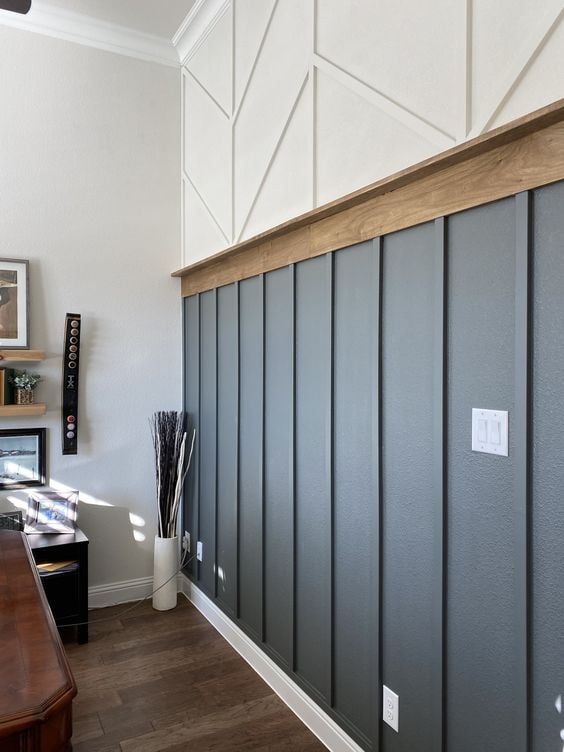
For more specialized needs when planning your budget, you’ll want to ensure that you utilize the services of qualified industry professionals. For example, if your project involves repairing storm-damaged roofs, working with a reputable roofing contractor can help you formulate a plan of action; they will also be able to guide you through financing options as you consider your needs.
Explore Home Equity Options
The value of your home can provide you with an excellent way to fund major renovation projects through financing options such as a home equity line of credit (HELOC) or a home equity loan. These two types of loan are the most common ways to tap into the wealth you have built within your house to help finance your renovation project. A HELOC is a revolving line of credit that allows you access to a certain amount of equity in your home; this makes it a very flexible option for home improvement projects that may involve multiple phases or varying costs.


Alternatively, if you have a clearly defined cost for renovations, then a home equity loan may be your best option, as it is a single lump sum of money with fixed repayment terms and the same pre-established interest rate. As both a HELOC and home equity loan are secured by the equity within your home, they generally have a lower interest rate compared to using credit cards for funding or most of the other types of unsecured loans. Therefore, just like with any other loan, it is extremely important to borrow responsibly. Borrowing an excessive amount of money could jeopardize your home. Experts agree that you should use your home equity to finance only those renovations that will greatly increase your home’s resale value or enhance your quality of life.
Consider Personal Loans
A personal loan is a good option for someone wanting to fund a construction project without placing their home at risk of being repossessed. Personal loans do not require collateral and offer borrowers fixed-rate and flexible monthly payments, making it simple for borrowers to plan for repayment as part of their regular monthly expense. Some personal loans can be processed faster than home equity loans, although interest rates on personal loans tend to be somewhat higher.
As with all types of lending, the amount of interest and repayment terms a borrower receives will depend on their credit profile. Borrowers with positive credit scores will generally qualify for lower interest rates than borrowers with negative credit scores. However, several lenders offer specifically designed loan packages to meet the needs of varying credit scores for funding home improvement projects. A homeowner who requires a roof repair company can use a personal loan to pay for the work without risking their home. This approach allows necessary roof repairs or replacements to be completed promptly while keeping financial risk low.
Look into Government-Backed Loans
Within the USA, there are many renovation loans supported by the US Department of Housing and Urban Development (HUD) that allow you to use an FHA 203(k) loan to finance your renovations by using the predicted future value of the home after renovations have been completed. The FHA 203(k) Loan is a suitable choice for homes in need of major renovation and homes that need improvements (“fixer uppers”) because it encompasses all of the costs associated with purchasing and upgrading a house into one loan. In addition, these loans typically offer better terms for individuals who might not normally qualify for traditional home equity loans.

There are also a wide variety of programs available in the USA funded by local and state agencies. Homeowners should look for local resources offering home renovation assistance, improvement assistance, and energy efficiency improvements.
Utilize Credit Cards Strategically
Credit cards provide an excellent option for financing smaller projects because of their ability to provide immediate access to funds, particularly when the interest rate for the first year is 0%, therefore allowing you time to pay down the debt in full without incurring interest charges. By doing this, business owners can take advantage of immediate access to funds for making minor improvements while at the same time having an established payment plan in place for repaying those funds once they have been received. However, this has an inherent risk because after the initial promotion finishes, the interest rates may substantially increase, resulting in large amounts of debt rapidly accumulating.
Research Grants and Assistance Programs

Many homeowners qualify to receive money through grants or low-interest loans to improve their homes’ safety, accessibility and/or energy efficiency. There are also many states, utilities, and cities that provide funding to help offset the costs associated with “green” projects such as installing solar panels and upgrading insulation. The Internet is an excellent source of information for finding out what specific types of assistance are available in your local area via the local government and utility company websites.
Plan for Unexpected Costs
Even the most thorough and carefully prepared renovation project budgets can easily end up costing far more than original budget projections. Typical budget overruns result from unforeseen conditions encountered during the rehab process (often after removal of drywall or other finish materials), additional costs associated with securing building permits, and unforeseen delays in receiving building materials due to supply chain disruptions. A contingency fund is recommended when creating a renovation budget; this fund typically ranges from 10% to 20% of the total budget amount. Setting aside contingency funds for a renovation project helps ensure that a renovation projects continues to move forward and protects against the possibility of stopping if unexpected expenses occur.
Compare Lenders and Terms
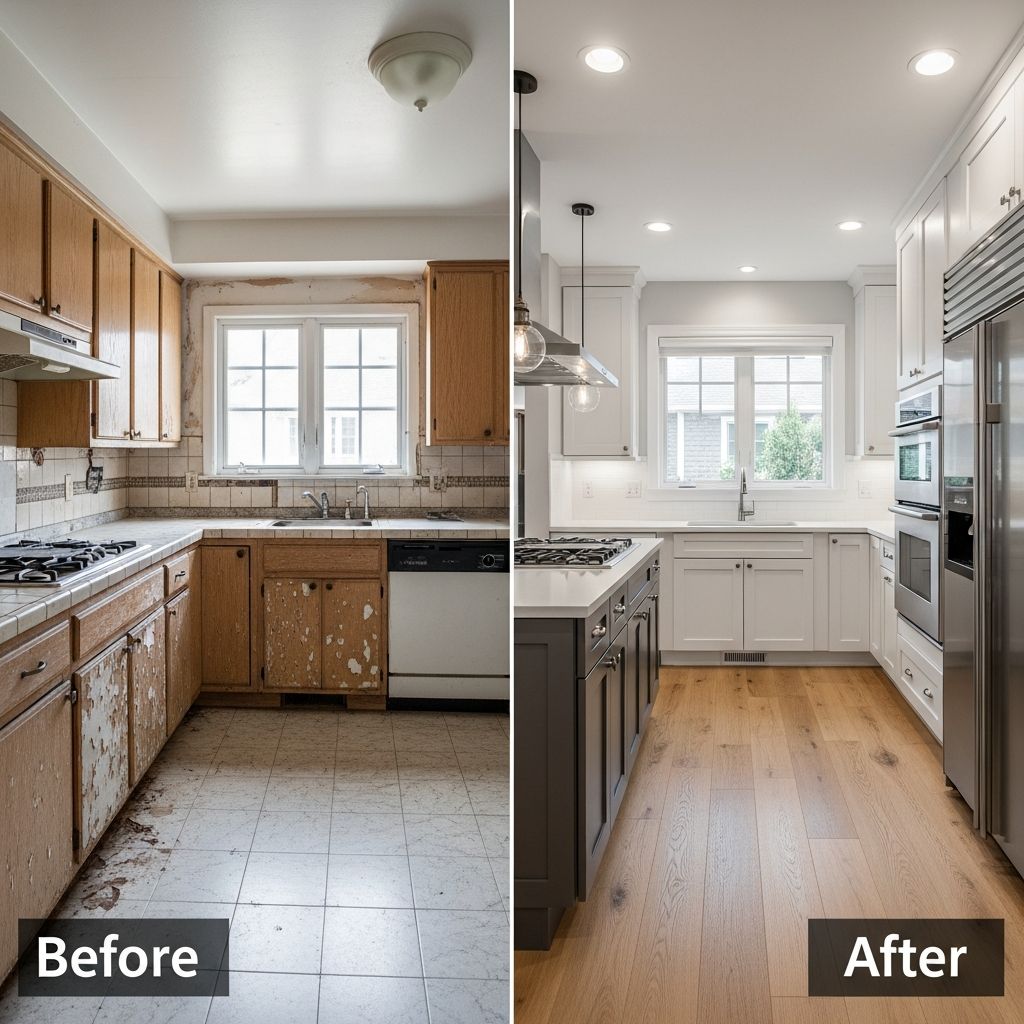
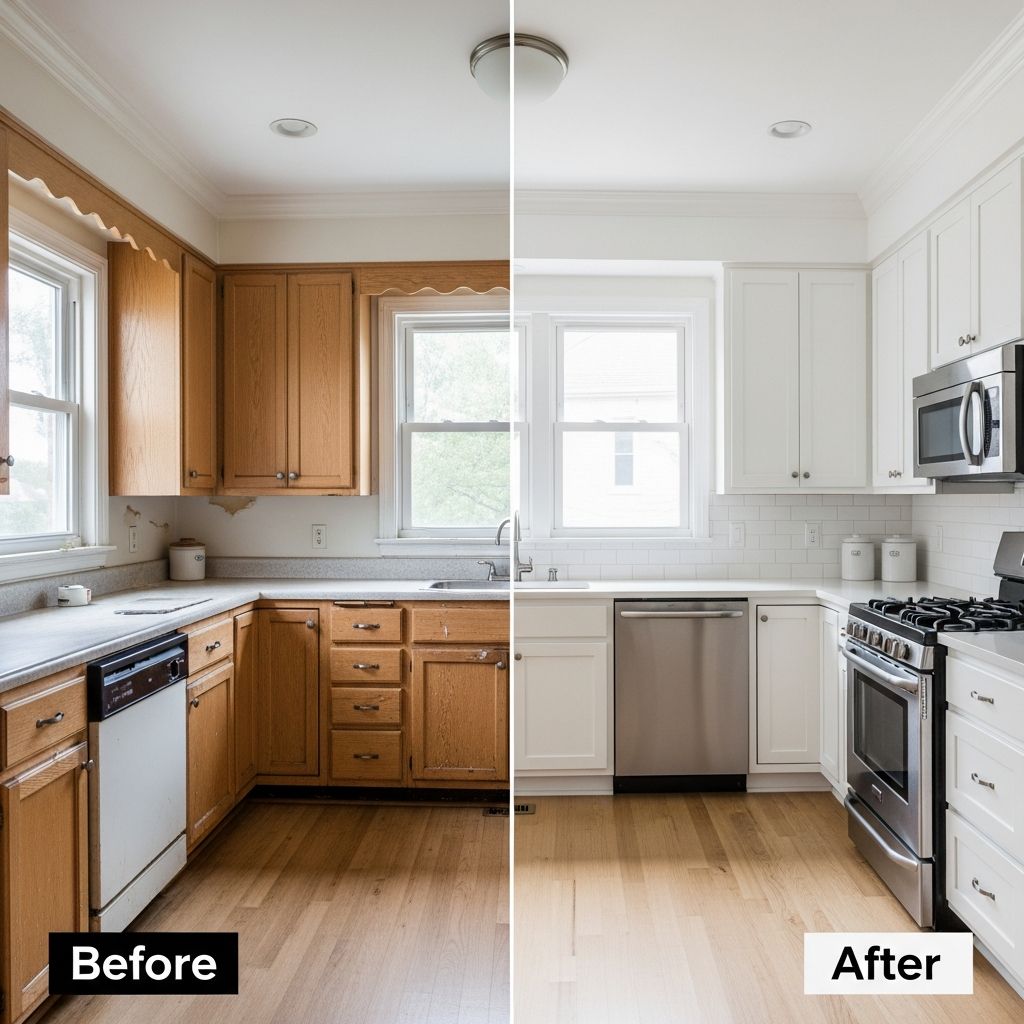
When funding your project, obtain multiple lender loan estimates and use them to compare interest rates, repayment periods, origination fees, and possible penalties for early payoff. Using the estimates as your cost-reduction tool will help you determine the most prudent loan option.
When researching loan providers, you will learn which offer you the broadest range of options: traditional banks, online lenders, and credit unions. Also, you will learn which lender explains your queries, provides competitive interest rates, and has favorable customer feedback.
Final Thoughts
By outlining an extensive strategy before beginning your home’s renovation, you will be prepared for unexpected events, maximize the benefits of your borrowing options, and accomplish the best possible results. In addition, you will retain your home as a stable investment and maintain your home value and financial quality through prudent planning and effective management.
- 53shares
- Facebook0
- Pinterest53
- Twitter0
- Reddit0