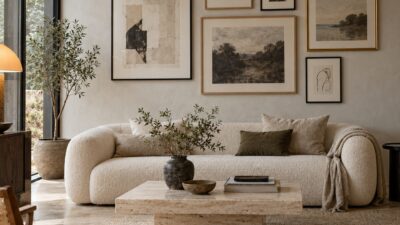
Walk into any room and the floor registers before anything else does — before the furniture, before the wall color, sometimes before you’ve even processed what’s hanging on the walls. It’s the single largest continuous surface in most rooms, which means it does more visual work than any other material choice you’ll make in a home.
Durable flooring is strongest when the same long-term thinking extends to the details people touch every day. This guide to high-quality fixtures in a timeless home explains how hardware, lighting and plumbing pieces elevate daily use without dating quickly.
I’ve spent years working across interior and spatial design projects, and flooring is one of those decisions people consistently underrate until they’re standing in a finished room wondering why it doesn’t feel as polished as the reference photos. The answer is almost always underfoot.
Why flooring sets the tone for the whole interior
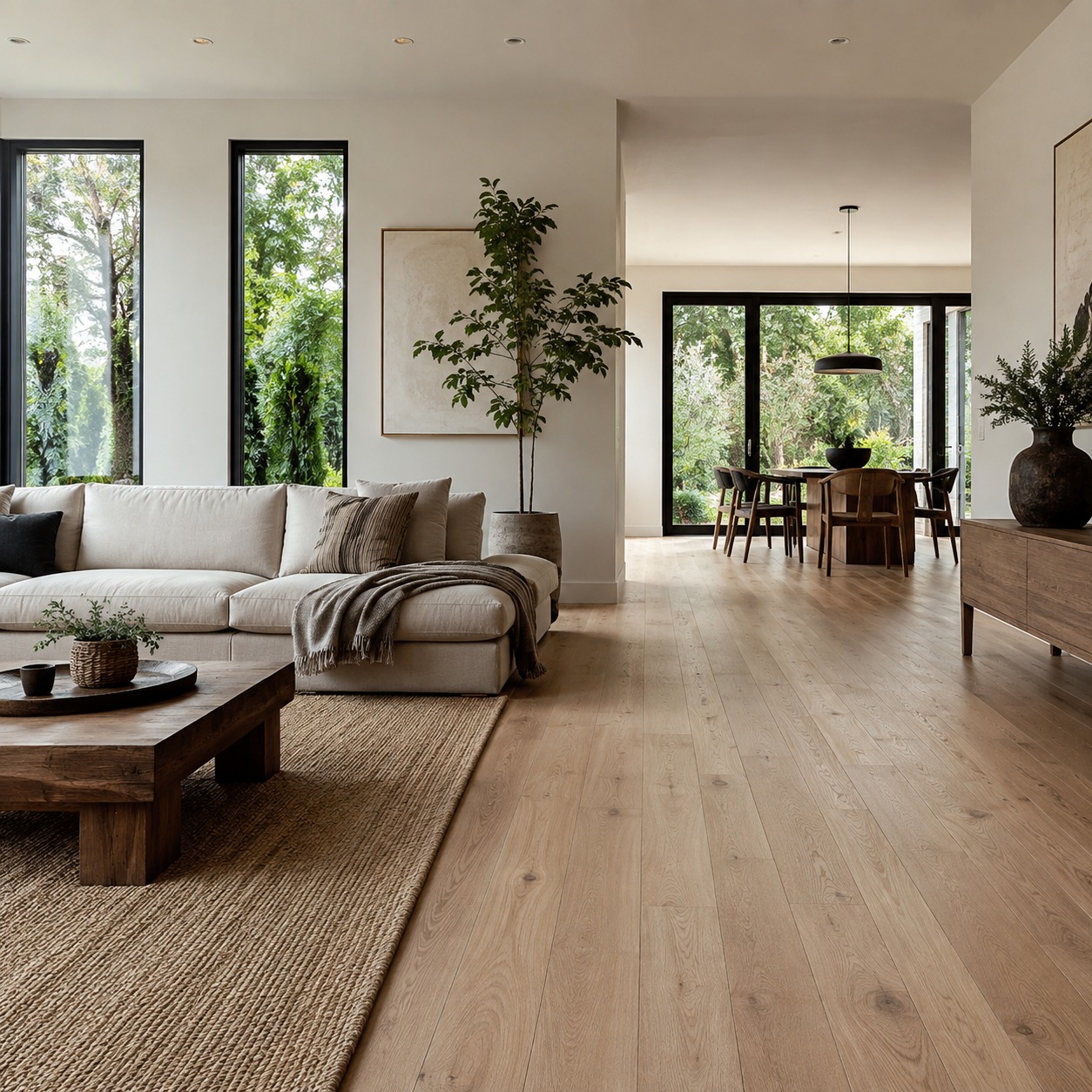
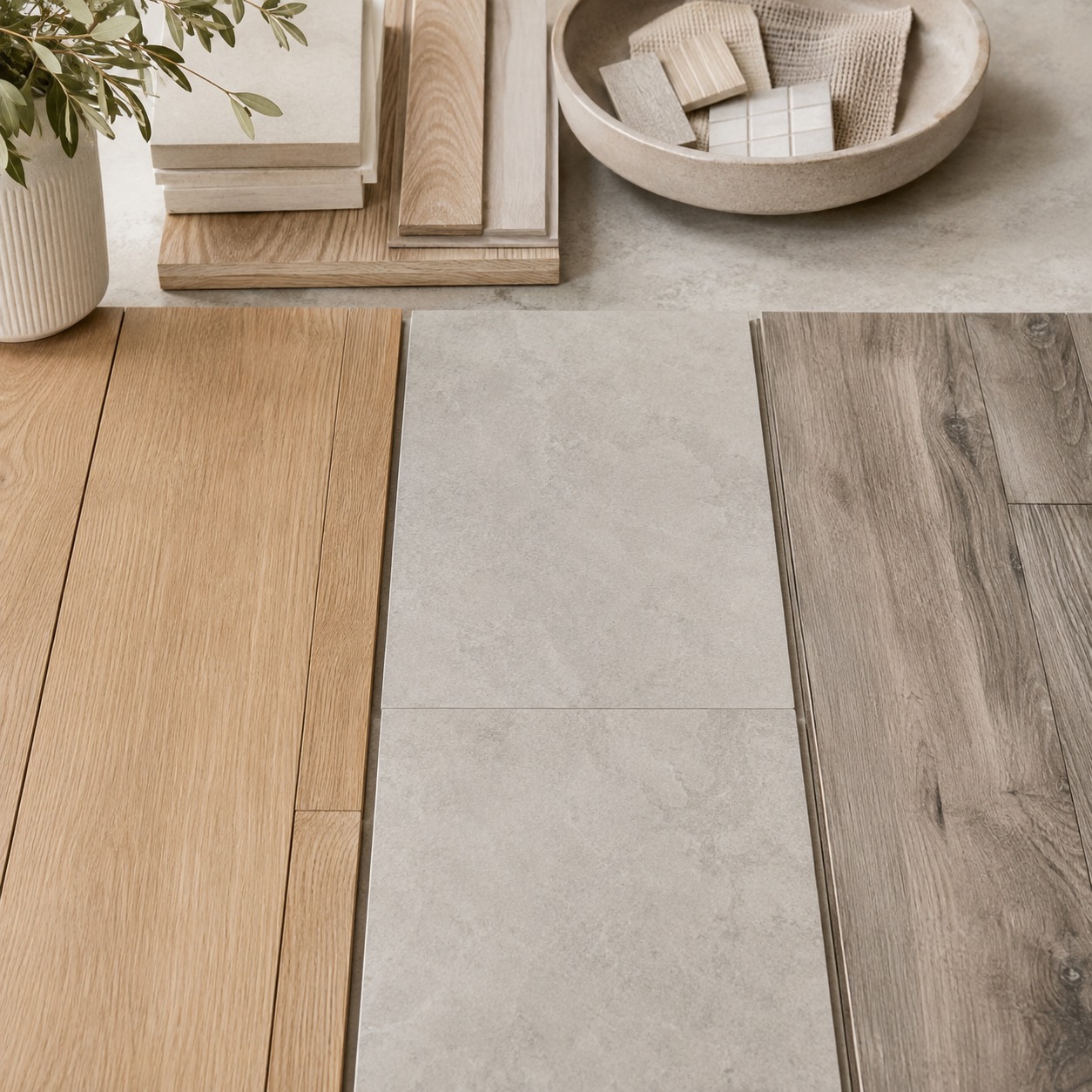
A floor isn’t a backdrop — it’s the base note everything else in the room has to harmonize with. Wall color, furniture finish, even how natural light bounces around a space all get filtered through whatever’s underfoot. A warm oak floor pulls a room toward cozy and grounded; a cool grey porcelain tile pushes it toward crisp and contemporary. Get the floor wrong relative to the rest of the design intent, and every other choice in the room has to work harder to compensate.
There’s also a sensory layer most people don’t think about consciously but register instantly: sound. A hard, unsealed surface bounces noise around a room in a way that reads as “empty” or “unfinished” even when the space is fully furnished. A well-chosen floor — the right material, the right underlayment — changes how a room sounds, not just how it looks, and that acoustic quality is part of why some interiors feel instantly more expensive than others even when the furniture budget is comparable.
Cheap flooring vs quality flooring: where design value disappears
The gap between cheap and quality flooring isn’t really about the day-one appearance — a budget laminate can look convincing in a showroom. It’s about what happens over the following few years, and how quickly the design intent behind the room starts to erode.
Thin laminate and low-grade carpet scratch, stain, and fade well ahead of schedule. A scuffed floor doesn’t just look worn — it actively undercuts every other design decision in the room, because the eye reads surface damage before it reads anything else. I’ve seen genuinely well-designed rooms get pulled down by a floor that gave up years before the rest of the space did. Buying cheap flooring rarely turns out to be a one-time purchase; it tends to mean buying the same floor twice, just with a demolition and subfloor prep step wedged in between. If budget is a real constraint, our easy flooring ideas guide covers approachable options that don’t force that trade-off as harshly as the cheapest available material would.
The design flexibility gap matters just as much. Premium materials come in authentic textures, grain patterns, and finishes that a cheap equivalent simply can’t replicate convincingly — a budget floor tends to look like what it is, which quietly caps how sophisticated the rest of the room can read, regardless of how much thought went into everything else.
Flooring materials that age well
Not every material ages the same way, and understanding those differences is most of what separates a floor that still looks intentional in a decade from one that needs replacing.
Hardwood for warmth, grain, and long-term character
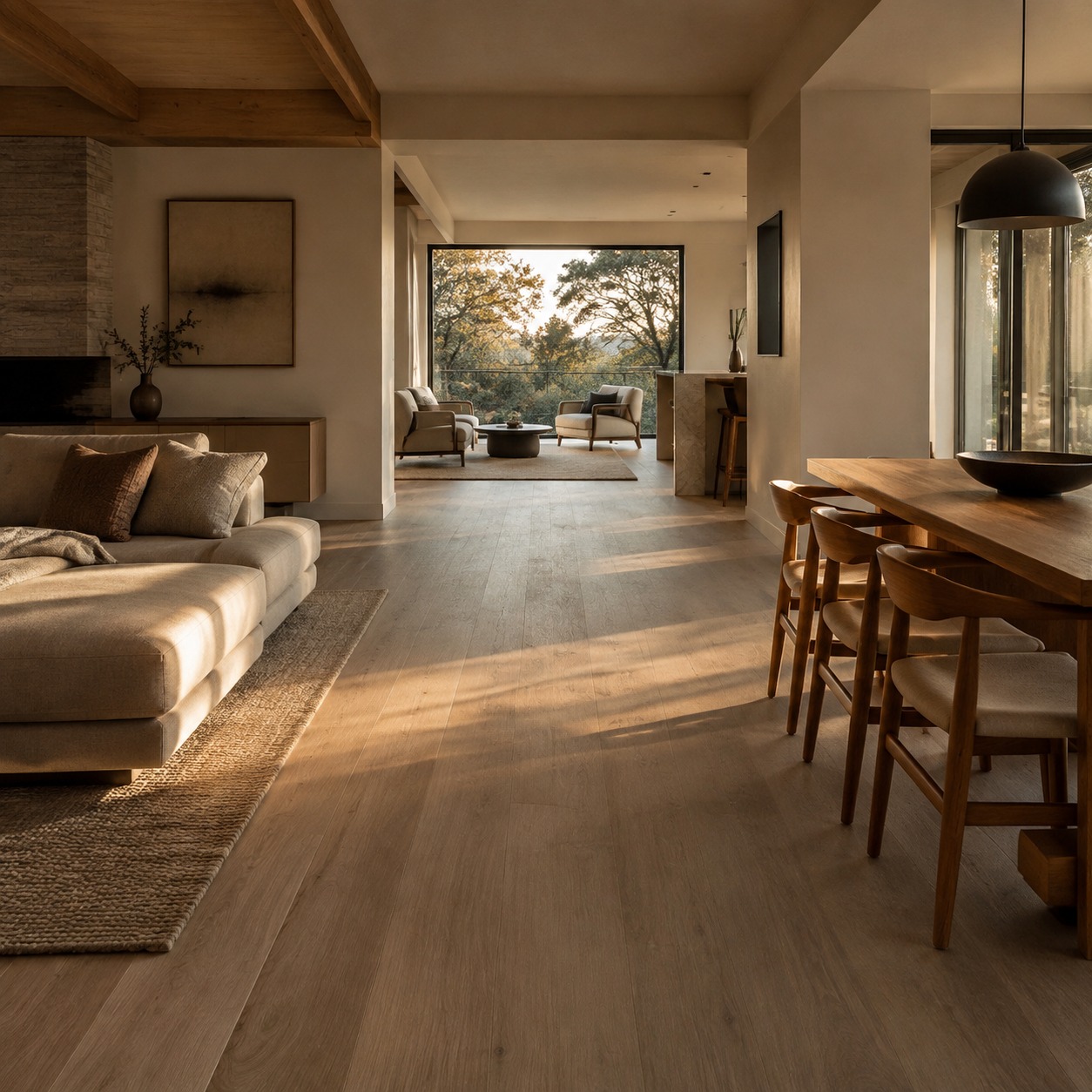
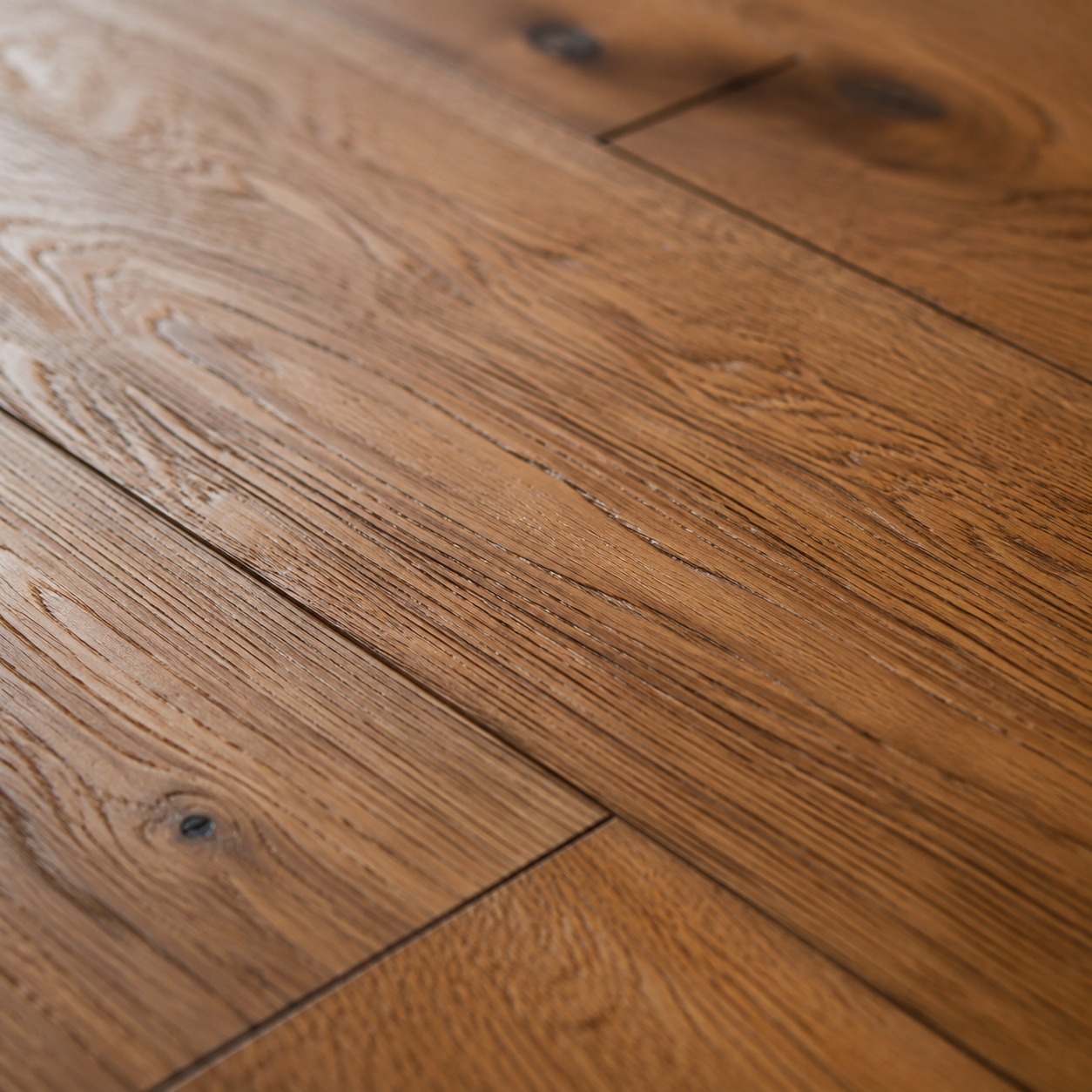
Solid hardwood is the material most people picture when they think “quality floor,” and it earns that reputation honestly. Real wood grain has a depth and variation no printed surface fully replicates, and it tends to develop character rather than just wear — a slight patina that reads as lived-in rather than damaged, provided the floor was well-installed and finished to begin with. Oak remains the classic choice for a reason: it takes stain well, handles refinishing multiple times over its life, and reads as timeless rather than trend-driven. If cost is a concern, our guide to finding affordable hardwood floors covers how to get genuine hardwood character without the top-tier price tag.
Porcelain and stone tile for texture, moisture resistance, and visual weight
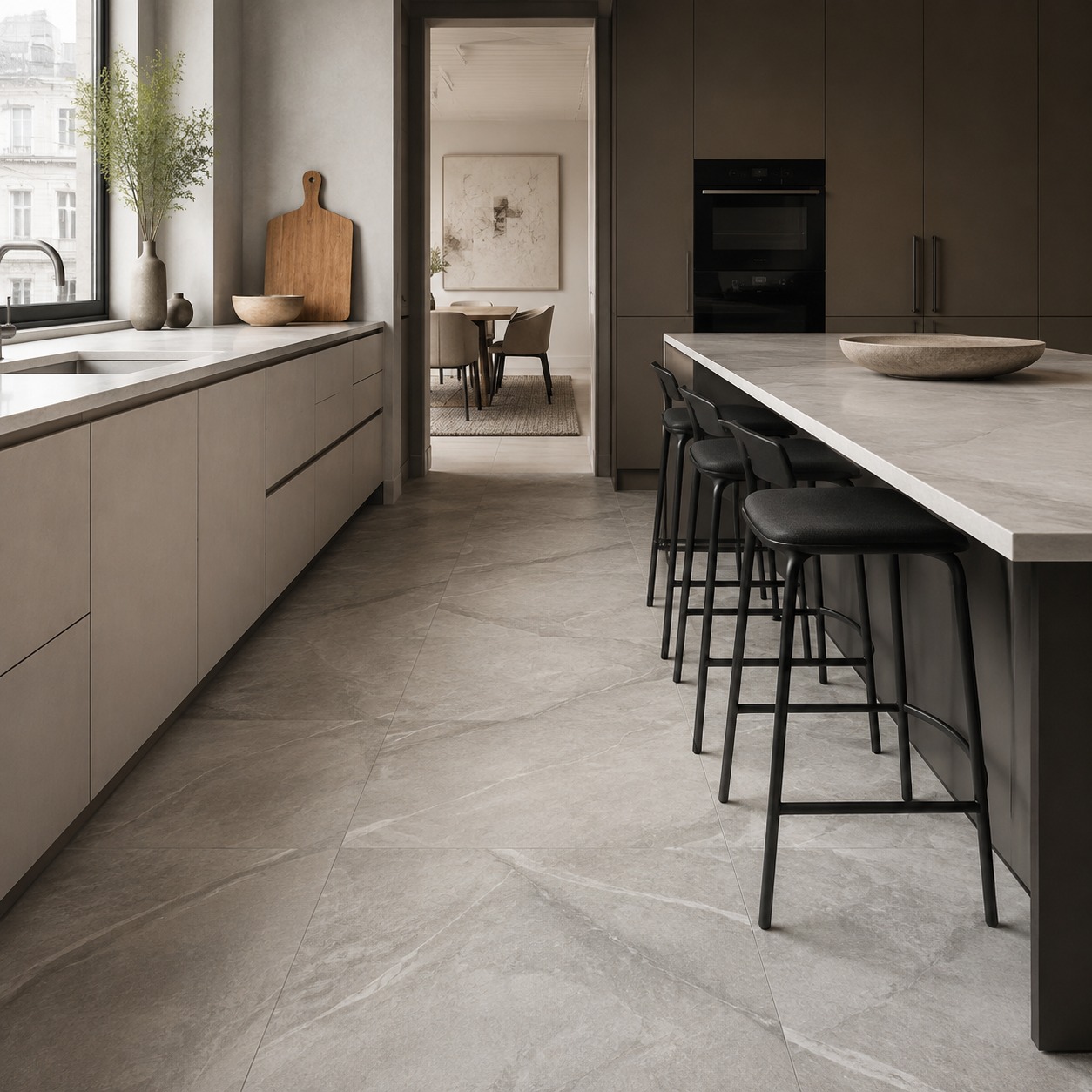
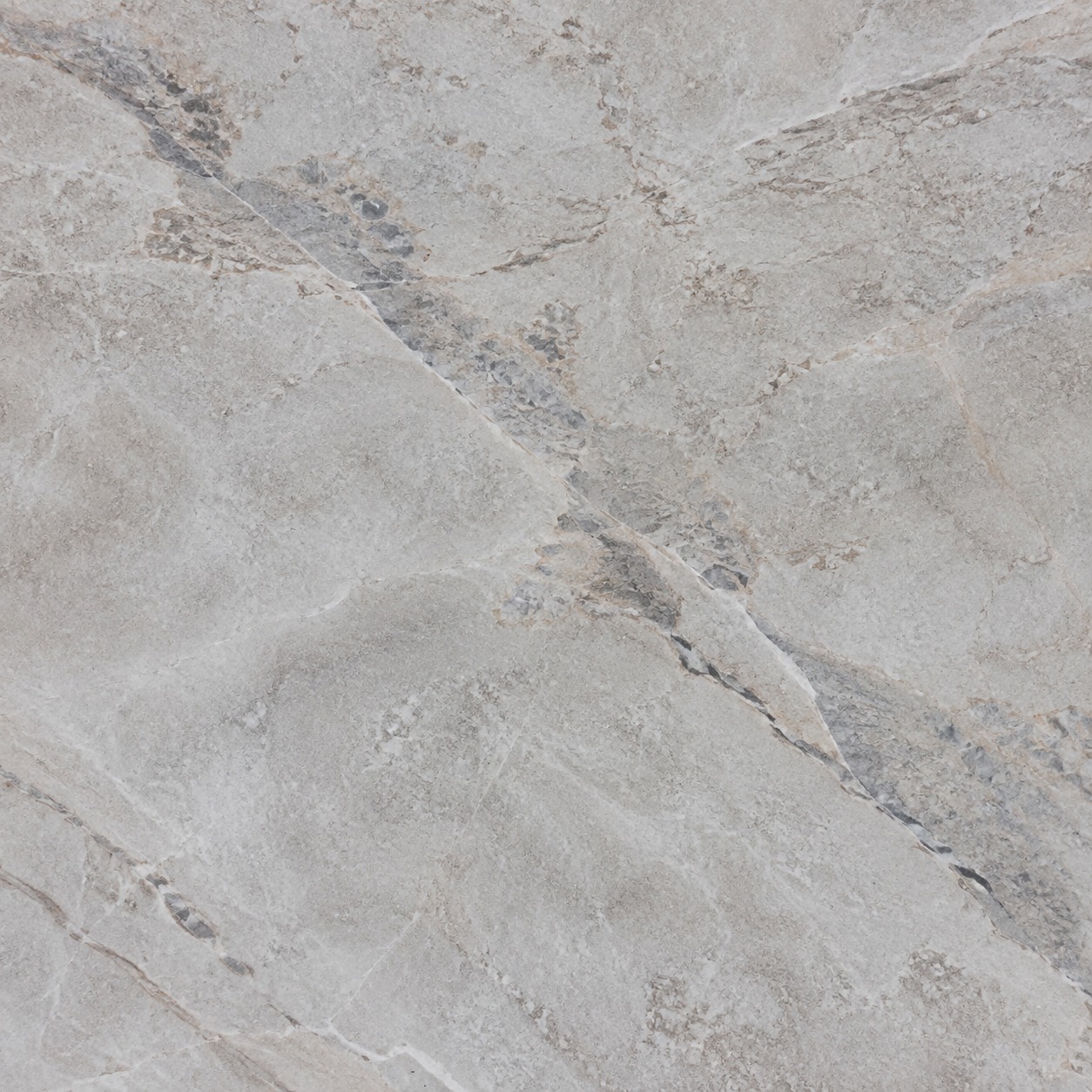
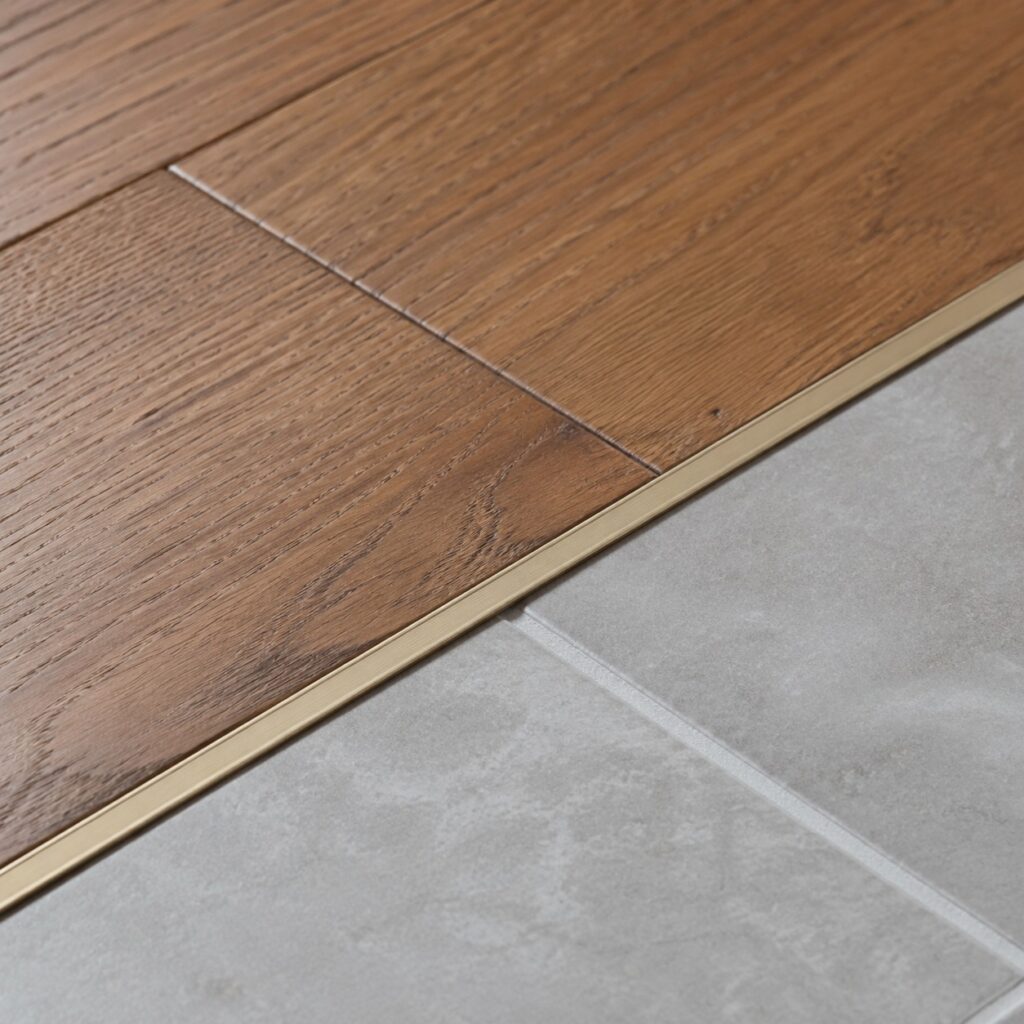
Porcelain tile and genuine stone bring a different kind of permanence — dense, moisture-resistant, and visually substantial in a way that reads as intentional rather than incidental. Natural stone in particular carries a visual weight that manufactured materials struggle to match; the subtle variation from tile to tile is part of what makes it read as premium rather than uniform. It’s a strong choice anywhere moisture is a real consideration, and the textural contrast against wood or textile elsewhere in a home does genuine design work, giving a space visual rhythm instead of one material repeated everywhere.
Luxury vinyl plank when durability and waterproofing matter
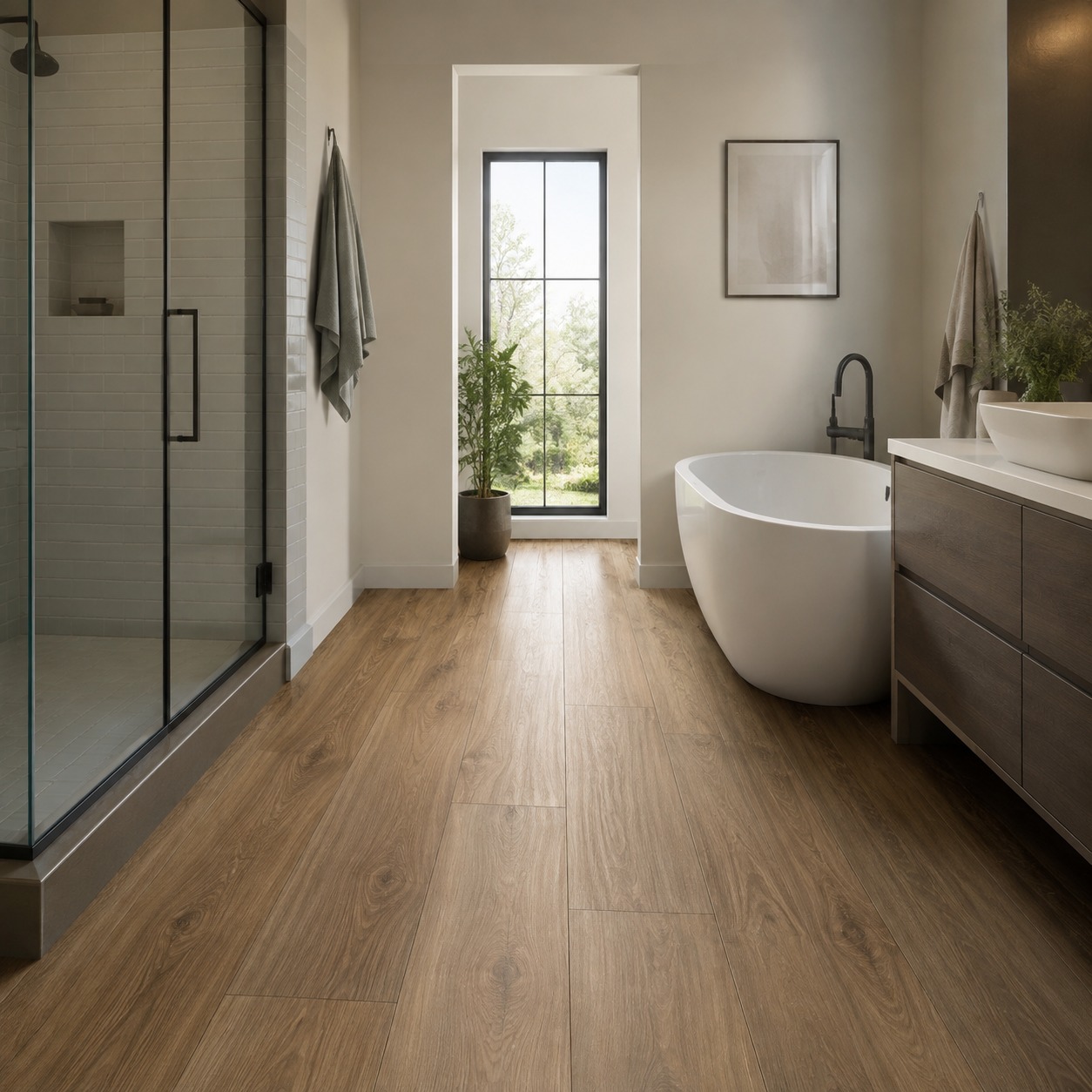
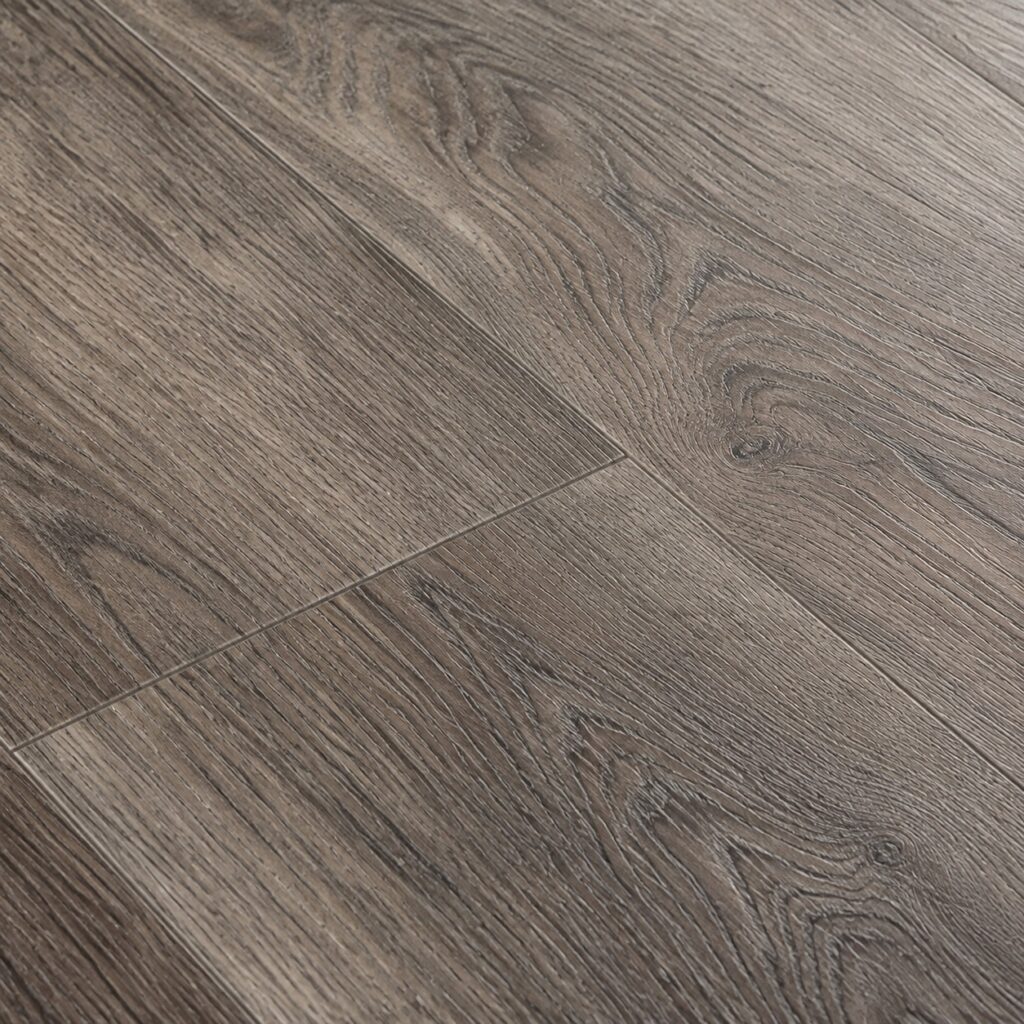
High-grade luxury vinyl plank has earned a real place in serious design conversations over the past several years, mostly because it solves a problem hardwood and some tile genuinely can’t: full waterproofing without sacrificing a convincing wood or stone look. In kitchens, bathrooms, and basements — anywhere moisture is a recurring factor rather than an occasional risk — quality LVP holds up in a way cheaper flooring materials simply don’t, resisting warping and swelling that would compromise a lesser product.
Carpet, rugs, and underlayment for softness and sound control
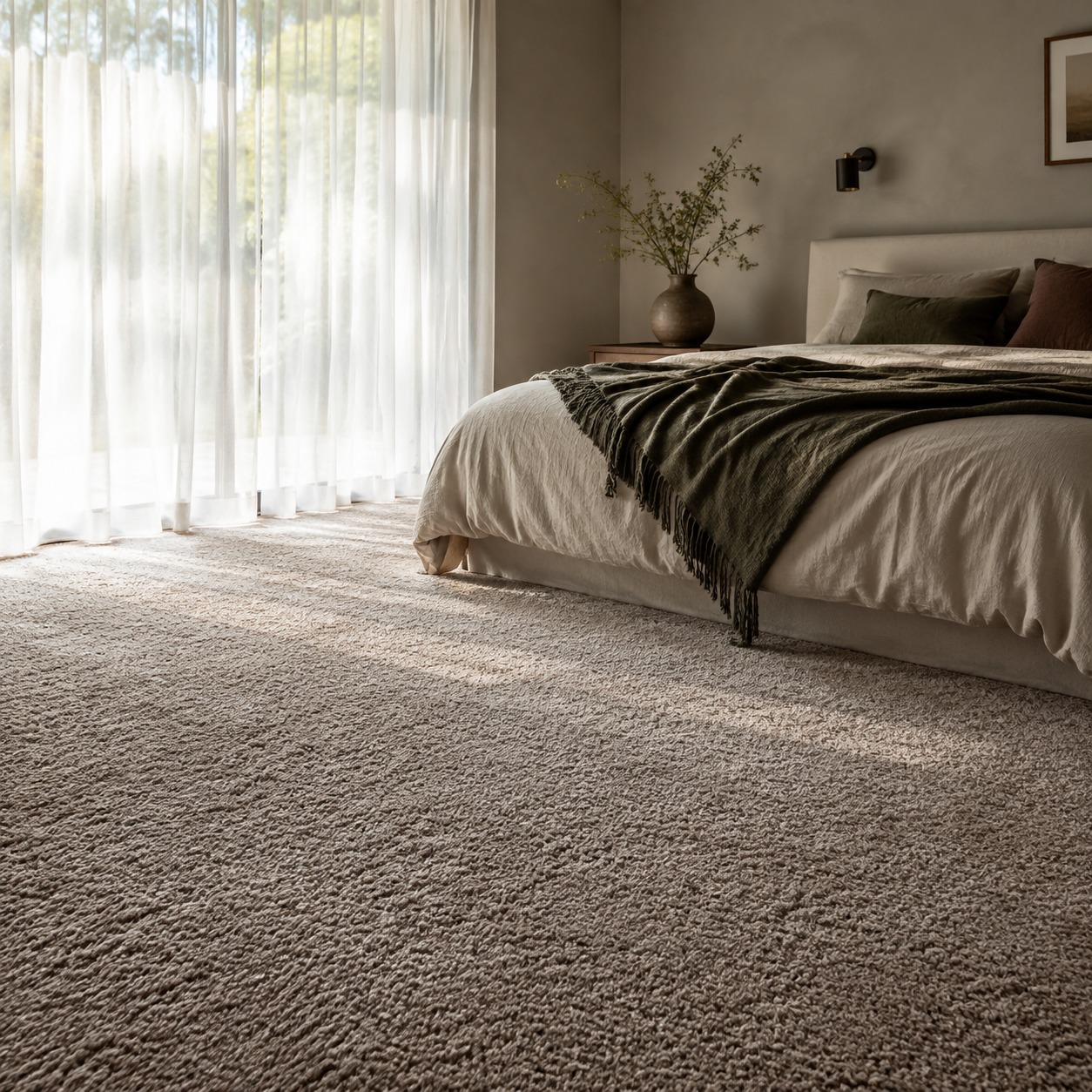
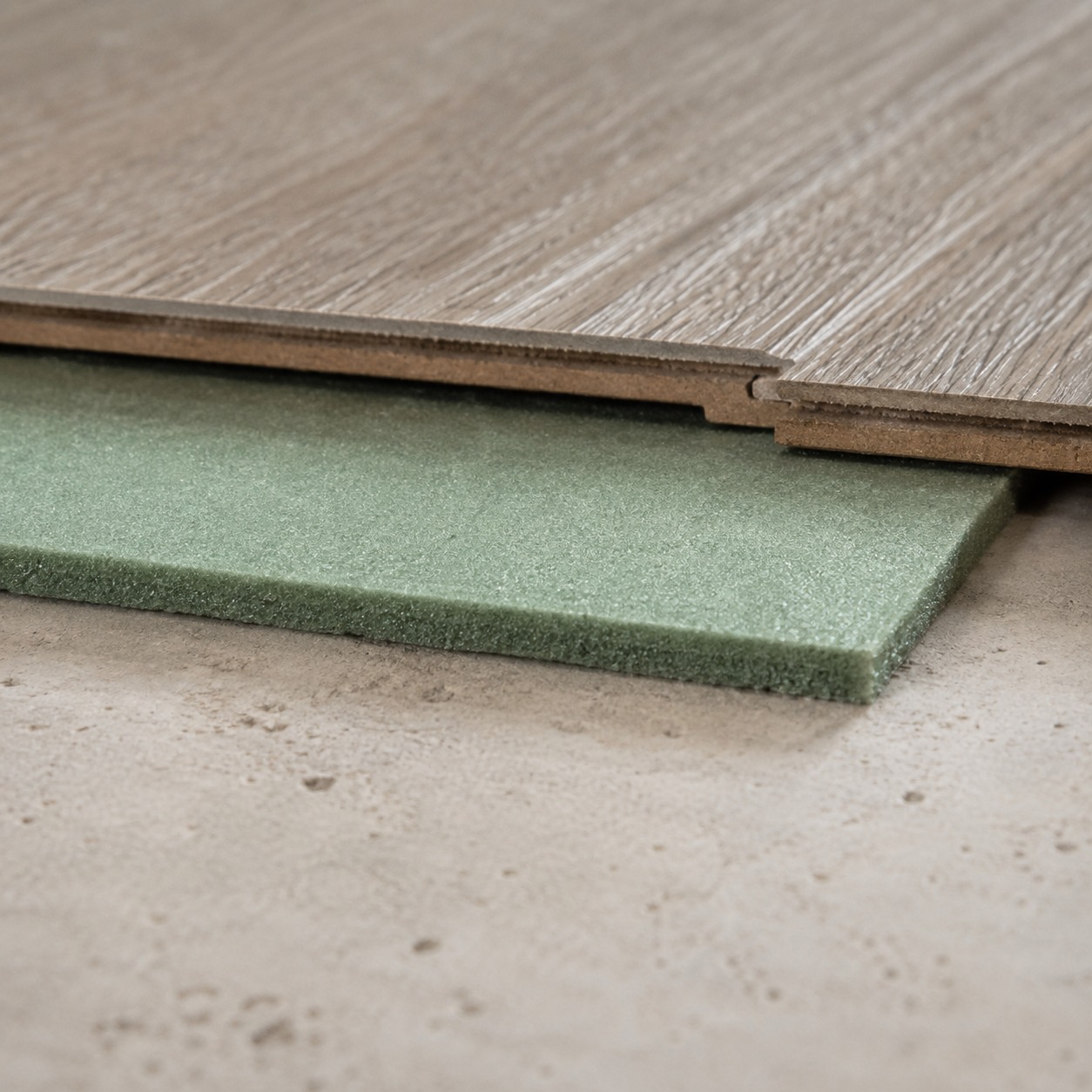
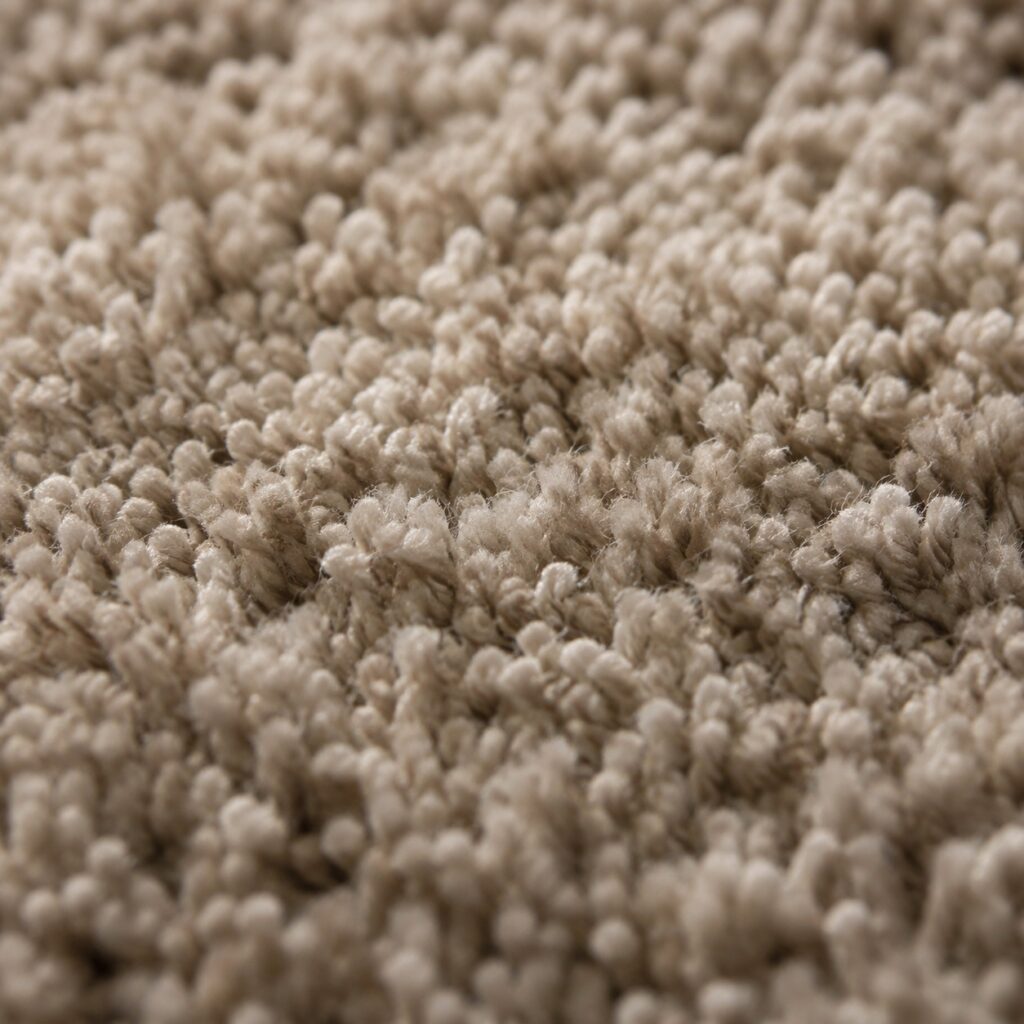
Hard surfaces dominate a lot of current design conversation, but carpet and rugs still do something nothing else does well: soften a room acoustically and physically. A dense, well-supported carpet pad underfoot feels genuinely different from a thin, budget equivalent — plush instead of flat, quiet instead of hollow-sounding. Premium underlayment beneath any flooring type adds real sound insulation, cutting down on the echo that makes an otherwise well-designed room feel unfinished. This is an easy detail to skip and a noticeable one to miss.
The practical design benefits of quality flooring
Beyond how a floor looks, quality materials solve practical problems that ripple into how usable and pleasant a space actually is day to day.
Easier cleaning and better hygiene
A dense, well-sealed floor surface keeps dirt, dust, and spills from working their way into the material itself, which means routine cleaning stays routine instead of becoming a fight against buildup. Low-grade carpet is the opposite story — it traps allergens and dust deep in the fibers regardless of how often you vacuum. For anyone dealing with allergies or simply wanting a floor that stays genuinely clean with minimal effort, a flooring store Oklahoma City residents rely on for dense, well-sealed material options is worth a visit before committing to anything budget-tier — the difference in day-to-day maintenance is significant enough to notice within the first few months of living with the floor. Once a quality floor is installed, our tile and stone care guide and floor protection tips are worth bookmarking to keep it looking that way.
Better indoor air quality with low-VOC choices
This is the design consideration that’s easiest to overlook because you can’t see it. Many inexpensive flooring products off-gas volatile organic compounds (VOCs) for years after installation, which can contribute to headaches and respiratory irritation in a home’s occupants. Quality flooring manufacturers hold themselves to meaningfully stricter emissions standards — solid hardwood, natural linoleum, and certified low-VOC luxury vinyl all offer a genuinely healthier baseline. It’s a design decision that never shows up in a photo but shapes how a home actually feels to live in.
Fewer replacements, less waste, and a more stable design plan
Every material replacement is a disruption to a design plan already in motion — new material has to be sourced, often years after the original was selected, which makes matching finishes and maintaining visual continuity genuinely harder than getting it right the first time. Quality flooring materials are built to go the distance, which means the design decisions you make now stay intact rather than needing to be renegotiated against whatever’s available when a cheap floor fails early.
Room-by-room flooring ideas for a cohesive home
Material choice isn’t one decision made once — it shifts room to room based on function, moisture exposure, and how spaces flow into each other.
Living room flooring ideas for visual flow
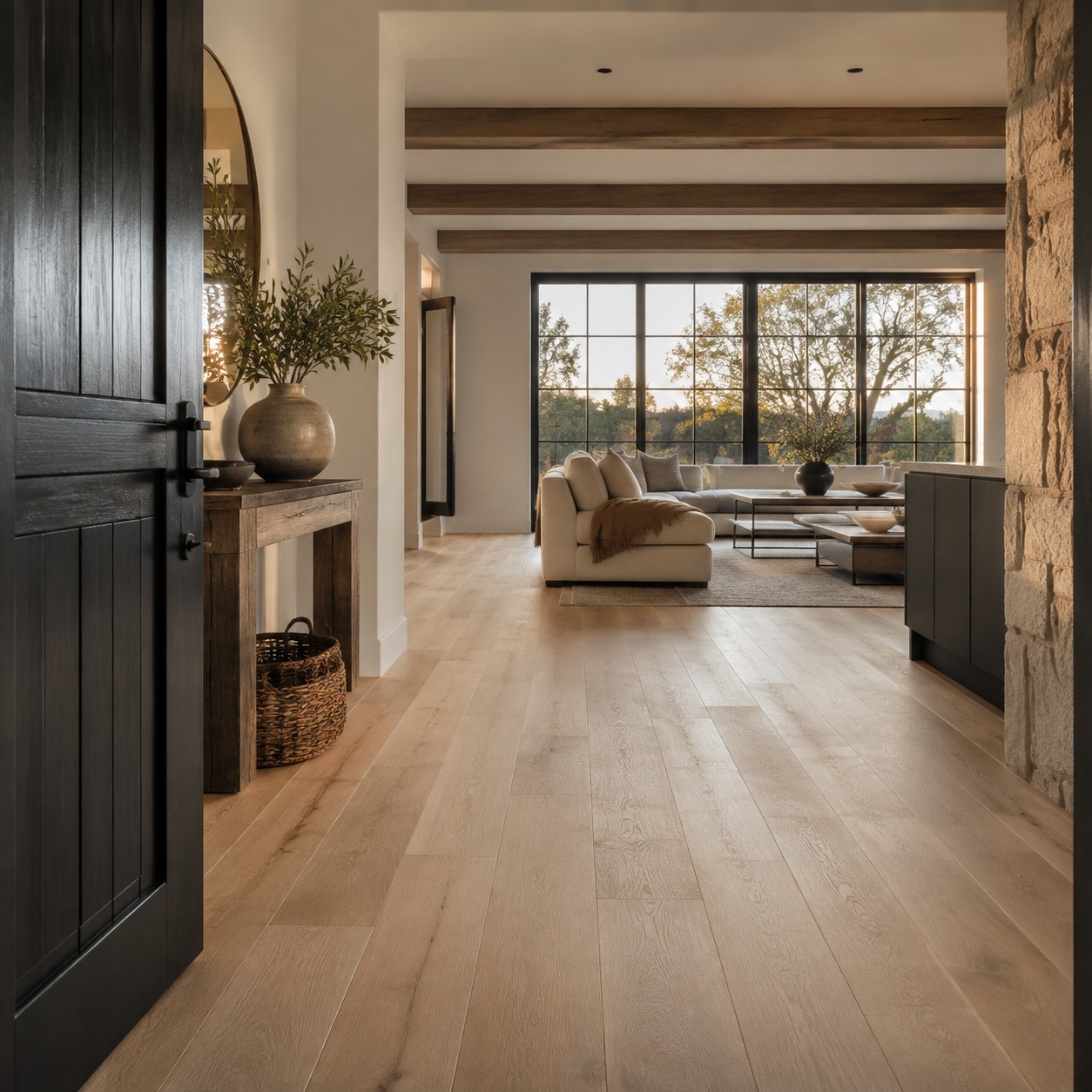
The living room is usually where visual continuity matters most, since it’s frequently open to adjacent spaces and gets the most direct daylight exposure. Hardwood or a wide-plank luxury vinyl that mimics it tends to read as the most cohesive choice here, especially if it can run continuously into an adjoining dining or entry space without an awkward transition strip breaking up the sightline. Our living room interior design guide goes deeper into how flooring choice interacts with the rest of a living room’s design language.
Kitchen and bathroom flooring for moisture and maintenance
These are the rooms where waterproofing genuinely has to take priority over anything purely aesthetic — porcelain tile and high-grade luxury vinyl both hold up here in ways that hardwood generally can’t without real risk. That said, moisture resistance and visual sophistication aren’t mutually exclusive; a well-chosen stone-look porcelain can carry the same visual weight as natural material while handling the humidity and spill exposure a kitchen or bathroom actually sees on a daily basis.
Entryways, hallways, and high-traffic zones
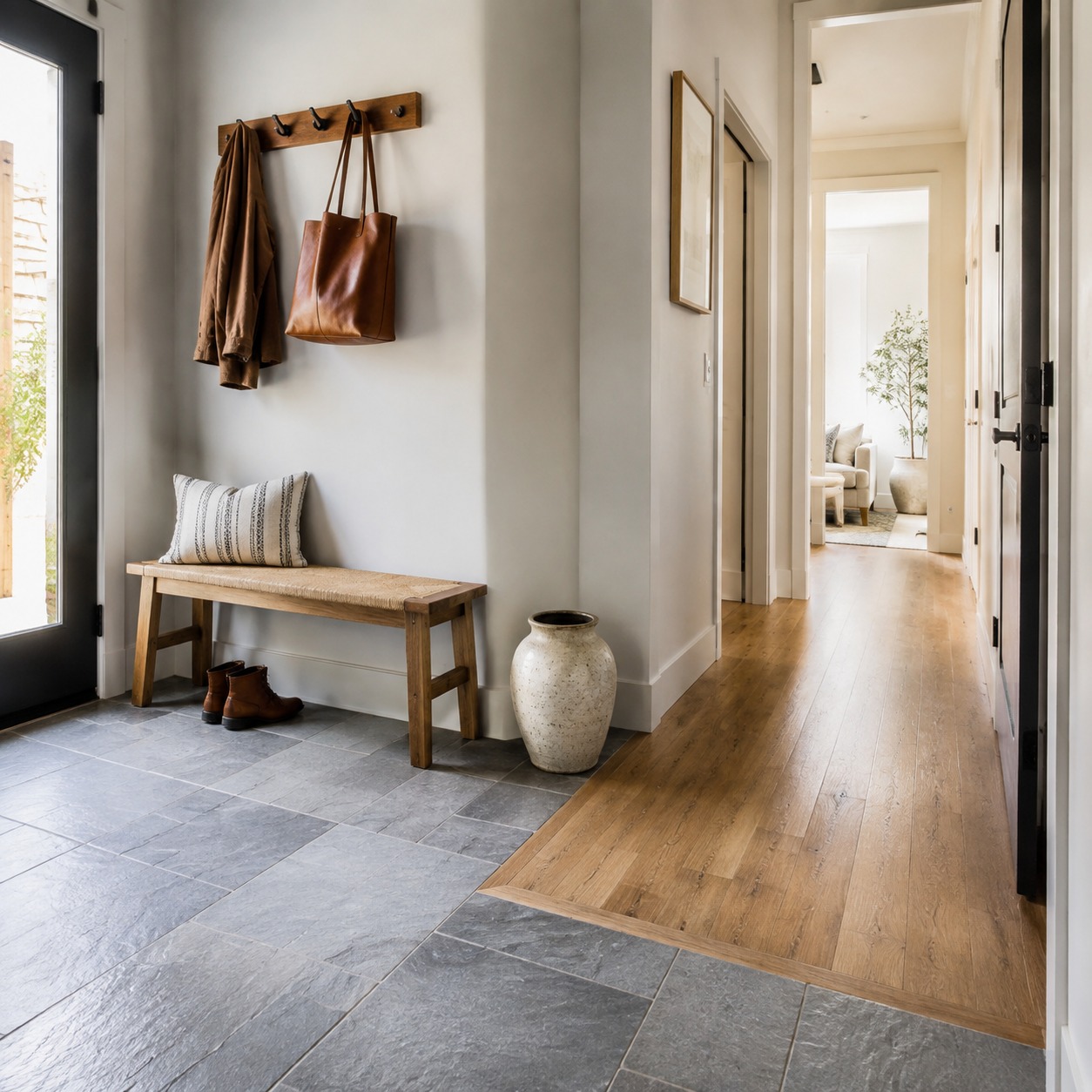
High-traffic zones take more abuse than almost anywhere else in a home, which makes them the wrong place to economize on material quality even if the square footage is small. Durable tile or a high-grade LVP handles grit, moisture tracked in from outside, and daily foot traffic far better than a softer material would, and a distinct-but-complementary material choice here can also help visually define an entry as its own transitional zone rather than an extension of whatever room it opens into.
How to choose quality flooring without overbuilding the room
Quality doesn’t mean defaulting to the most expensive material available in every room — it means matching material performance to what a specific space actually demands, then choosing the best version of that material you can reasonably commit to. A powder room doesn’t need the same specification as a primary living area with heavy daily traffic, and treating every room identically usually means overspending in low-demand spaces while potentially underspending where it actually matters.
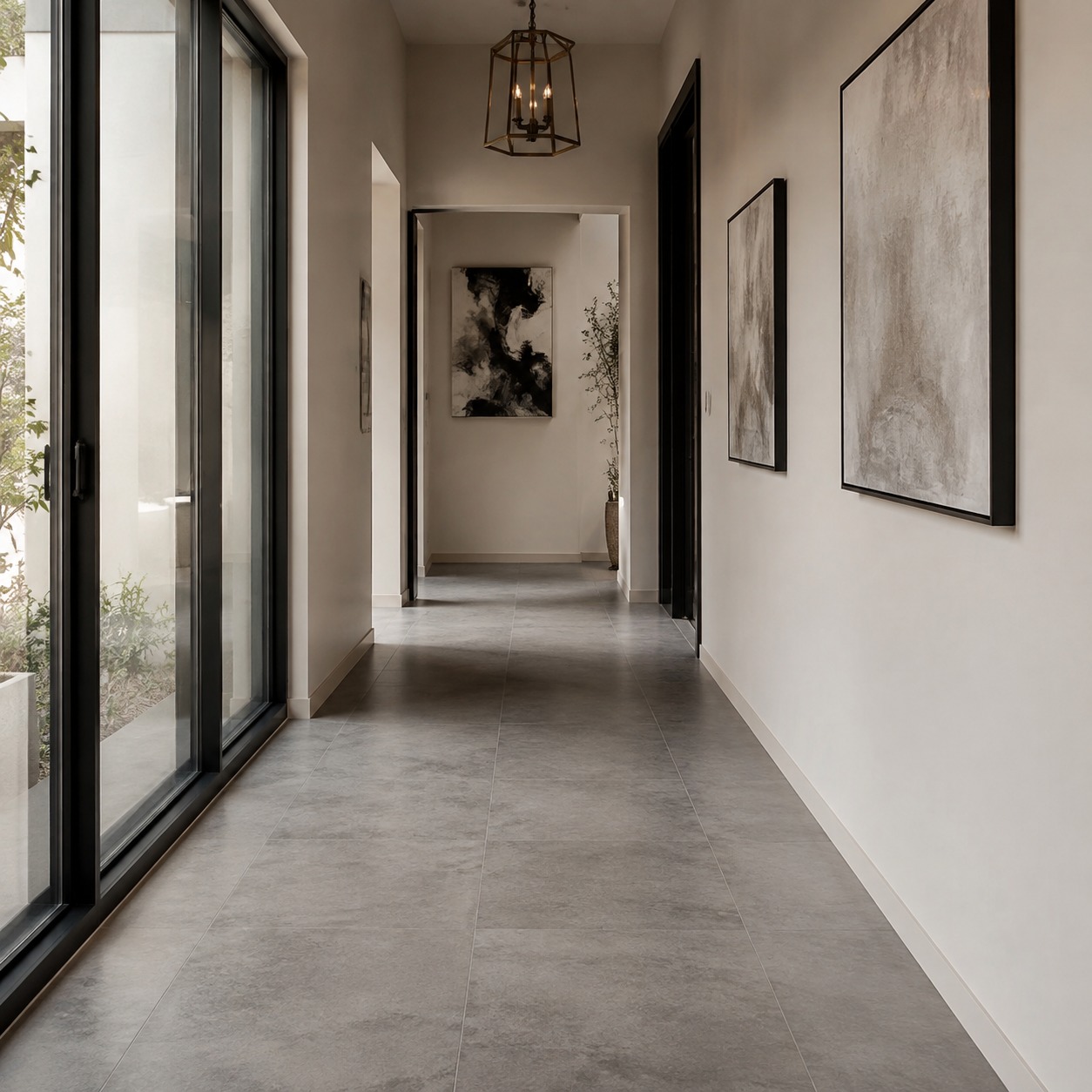
The more useful question is where a lower-tier material would genuinely compromise the design intent versus where it simply wouldn’t be noticed. Visual continuity between adjoining rooms matters more than uniform material grade throughout an entire home — a consistent design language, carried through complementary rather than identical materials, tends to read as more intentional than uniform flooring used everywhere regardless of function.
FAQ
Is quality flooring worth it in every room, or just high-traffic areas?
High-traffic areas and rooms exposed to moisture benefit most from top-tier material performance, but even low-traffic spaces benefit from quality in terms of how they look and sound. The material grade can flex by room; the baseline quality standard shouldn’t drop so low that it undercuts the overall design intent.
What’s the most durable flooring material for a busy household?
Dense porcelain tile and high-grade luxury vinyl plank both handle heavy foot traffic, pets, and daily wear with minimal visible damage over time. Solid hardwood is also genuinely durable but benefits from a bit more care around standing water and heavy impact.
How does flooring affect indoor air quality?
Lower-quality flooring materials can off-gas volatile organic compounds for years after installation, while quality manufacturers hold to stricter low-VOC or no-VOC standards. Solid hardwood, natural linoleum, and certified low-VOC luxury vinyl are among the healthier options available.
Can I mix flooring materials throughout a home without it looking disjointed?
Yes, as long as the materials share a visual language — similar tones, complementary textures, or a deliberate transition point between rooms. The goal is cohesion, not uniformity; matching every room to the same exact material is rarely necessary for a space to feel intentional.
What should I prioritize if I can’t upgrade every room’s flooring at once?
Start with the rooms that see the most daily use and moisture exposure — living areas, kitchens, and entryways typically show wear fastest and have the biggest impact on how the whole home reads. Lower-traffic rooms can reasonably wait.
More flooring material details to compare
- 28shares
- Facebook0
- Pinterest28
- Twitter0
- Reddit0