Figma has grown from a collaborative design tool into a major tech company with diverse career opportunities spanning product design, engineering, marketing, sales, and more. If you’re considering a career at Figma, you’ll find roles available across global hubs and remote positions in the US and Canada, with the company actively hiring for over 40 positions as of December 2025. The company’s mission centers on helping teams create and ship better designs, which shapes the work culture and career paths available to employees.
Working at Figma means joining a company that values collaboration and innovation in the design and technology space. Your career options extend beyond traditional design roles to include technical positions, recruiting, operations, and business functions. The company offers various entry points, from internships and early career programs to senior-level positions.
Understanding the different career paths at Figma can help you identify where your skills and interests align with their needs. Whether you’re a designer, engineer, or professional in another field, knowing what roles exist and how to position yourself for success will make your job search more focused and effective.
Key Takeaways
- Figma offers diverse career opportunities in design, engineering, marketing, sales, and other functions across global offices and remote locations
- The company provides multiple entry points, including internships, early career roles, and senior positions, to accommodate different experience levels
- Working at Figma means contributing to collaborative design tools while experiencing a culture focused on innovation and team-based product development
What Is a Figma Career?
A Figma career encompasses professional opportunities within the company that created the popular collaborative design platform, as well as roles in other organizations that require Figma expertise. You’ll find positions ranging from product design to engineering, all centered around making design more accessible and collaborative.
Overview of Figma as a Design Platform
Figma operates as a cloud-based design platform that enables real-time collaboration for teams worldwide. The platform supports the entire design workflow, from initial brainstorming and prototyping to translating designs into code and iterating with AI assistance.
You can work on designs simultaneously with team members, eliminating the need for file versioning and constant exports. The platform serves millions of users globally, making it one of the most influential tools shaping modern digital design practices.
Figma’s browser-based architecture means you can access your work from anywhere without powerful hardware requirements. This accessibility has transformed how design teams operate, breaking down traditional barriers between designers, developers, and stakeholders.
Types of Roles Available at Figma
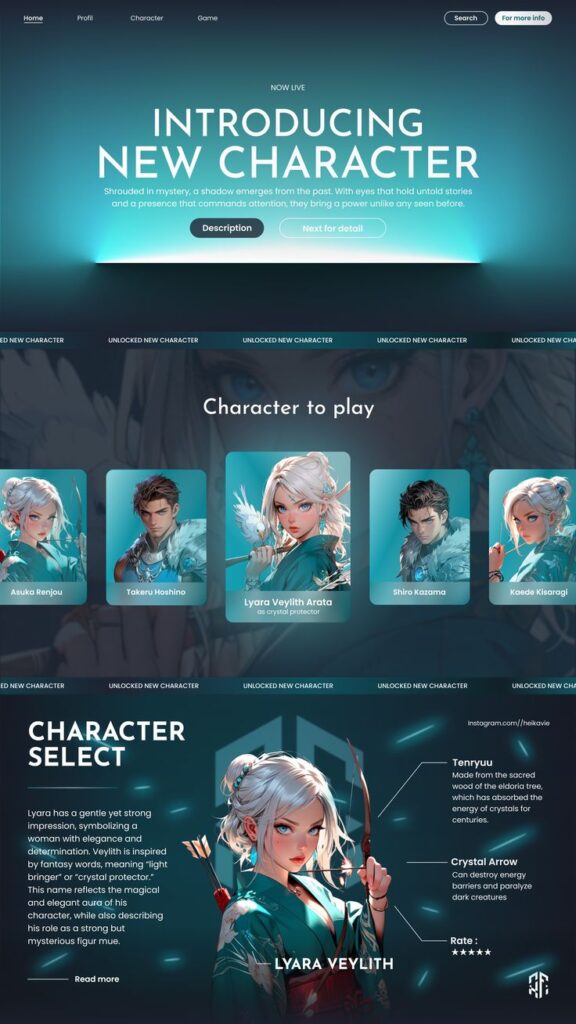

Figma offers diverse career paths for designers, product managers, engineers, and other professionals. Product design roles focus on creating and improving the platform itself, requiring strong craft skills, communication abilities, and strategic thinking.
Engineering positions involve building the technical infrastructure that powers collaborative design features. You might work on real-time synchronization, performance optimization, or developing new tools that enhance the design experience.
The company also hires for roles in marketing, operations, sales, and customer success. Entry-level positions and internship programs provide pathways for new professionals to break into the industry. Student programs specifically target those still pursuing their education.
Importance of Collaborative Environment
Figma’s workplace culture emphasizes equal employment opportunities and supports career progression through structured development tracks. You’ll find resources that help you advance through different levels based on your craft, communication skills, strategy, and impact.
The company prioritizes real-time collaboration not just in its product but in how teams work internally. This environment encourages knowledge sharing and cross-functional partnerships between departments.
Your professional development matters at Figma, with clear career levels that outline growth expectations. The collaborative atmosphere extends to the hiring process, which often includes interactive sessions where you can demonstrate your skills while working with potential teammates.
Product Design Roles at Figma

Product designers at Figma work on creating and shipping features that improve the design platform used by millions of teams worldwide. These roles involve close collaboration with engineers, researchers, and product managers to build tools that make design more accessible and efficient.
Product Designer Responsibilities
As a product designer at Figma, you’ll design and ship high-quality product improvements that directly impact how teams collaborate. You contribute to overall product strategy and participate in decision-making processes that shape the platform’s direction.
Your work involves creating prototypes, refining user interfaces, and ensuring that new features integrate seamlessly into the existing product. You’ll work on real projects from day one, not just theoretical exercises or side tasks.
Cross-functional collaboration forms a core part of your daily work. You partner with engineering teams to translate designs into code, coordinate with user researchers to validate assumptions, and align with product managers on feature priorities. Your designs need to balance user needs with technical constraints and business goals.
The Product Design Process

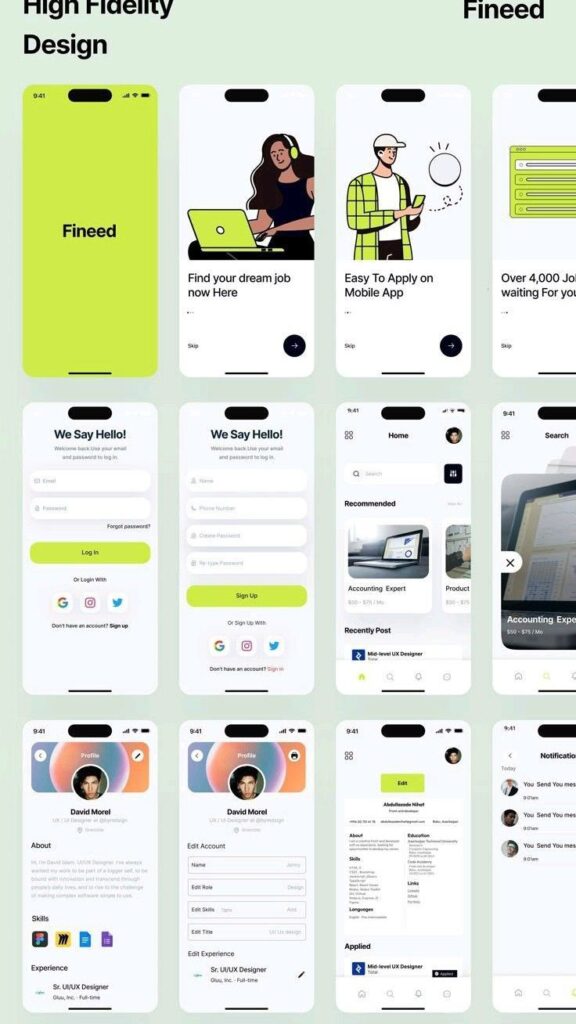
The product design process at Figma moves from initial brainstorming through prototyping and iteration. You start by identifying user problems and exploring potential solutions through sketches and low-fidelity mockups.
After validating concepts, you create detailed prototypes using Figma’s own platform. This allows you to test interactions and gather feedback before development begins. The iterative nature means you continuously refine designs based on user testing and team input.
Collaboration happens in real-time, with team members across different time zones contributing to the same files. You’ll present your work regularly, incorporate feedback, and make data-informed decisions about design directions.
Key Skills Required for Product Design Careers


Core design skills include proficiency in visual design, interaction design, and information architecture. You need a strong command of design tools, particularly Figma itself, to create polished deliverables quickly.
Communication abilities matter as much as design talent. You must articulate design decisions clearly, present your work confidently, and advocate for user needs during product discussions.
Technical understanding helps you work effectively with engineers. While you don’t need to code, understanding technical constraints and possibilities makes your designs more feasible and impactful.
Here are the essential skills for product design roles:
- Visual design: Typography, color theory, layout principles
- User research: Conducting interviews, analyzing feedback, testing prototypes
- Problem-solving: Breaking down complex challenges into manageable solutions
- Systems thinking: Creating scalable design patterns and components
Software Engineering and Technical Careers
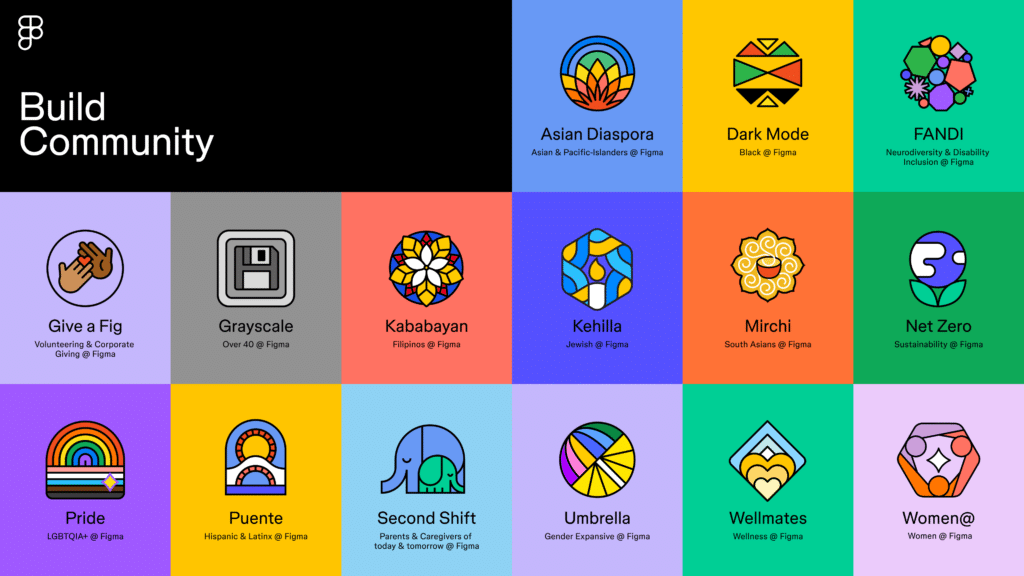
Figma’s technical teams work on building and scaling one of the most sophisticated design platforms in the industry. Engineers tackle challenges ranging from real-time collaboration systems to performance optimization and infrastructure reliability.
Engineering Opportunities at Figma
Figma hires software engineers across multiple specialized teams. The Production Engineering team focuses on reliability, durability, scalability, and performance of Figma’s products and services. You’ll work on initiatives that allow product teams to deliver new features quickly while maintaining system stability.
Platform engineering roles involve full-stack development work. You’ll build the foundational systems that support Figma’s rapid growth and global expansion. These positions require you to handle complex technical challenges across the entire stack.
Product engineering teams work directly on features that users interact with daily. The Design Tools team specifically builds the core editing experience where users spend hours brainstorming, iterating on designs, and creating prototypes. Internal platform engineers create tools for Figma employees and provide guidance to other engineering teams on building internal experiences.
Integration Between Design and Engineering
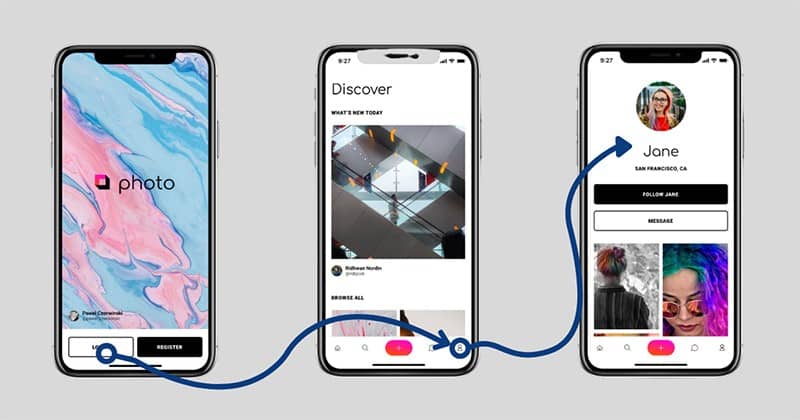
Software engineering at Figma requires understanding how designers work. You’ll build intuitive user experiences while optimizing performance in real-time collaborative systems. The design platform operates entirely on the web, which has set new standards for browser-based applications.
Engineers collaborate closely with design teams throughout the development process. You need to consider how creative professionals will use the features you build during their daily workflow. This includes ensuring the interface remains responsive even as multiple users edit the same file simultaneously.
Emerging Technical Roles
Figma continues expanding its technical workforce as the business grows. Early career positions offer opportunities for new graduates to join various engineering teams in 2026. These roles provide exposure to challenging problems in collaborative software development.
The company seeks versatile engineers who can adapt to different technical challenges. New positions emerge as Figma develops additional products and services beyond its core design tools. You’ll find opportunities to work on security, system design, and infrastructure that supports a global user base.
Getting Started: Internships and Early Career Paths
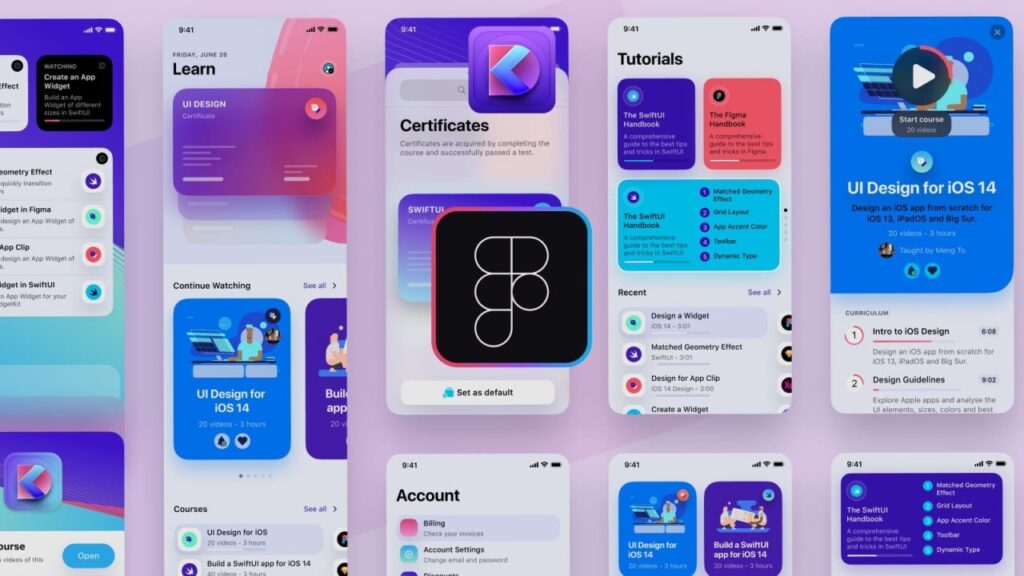
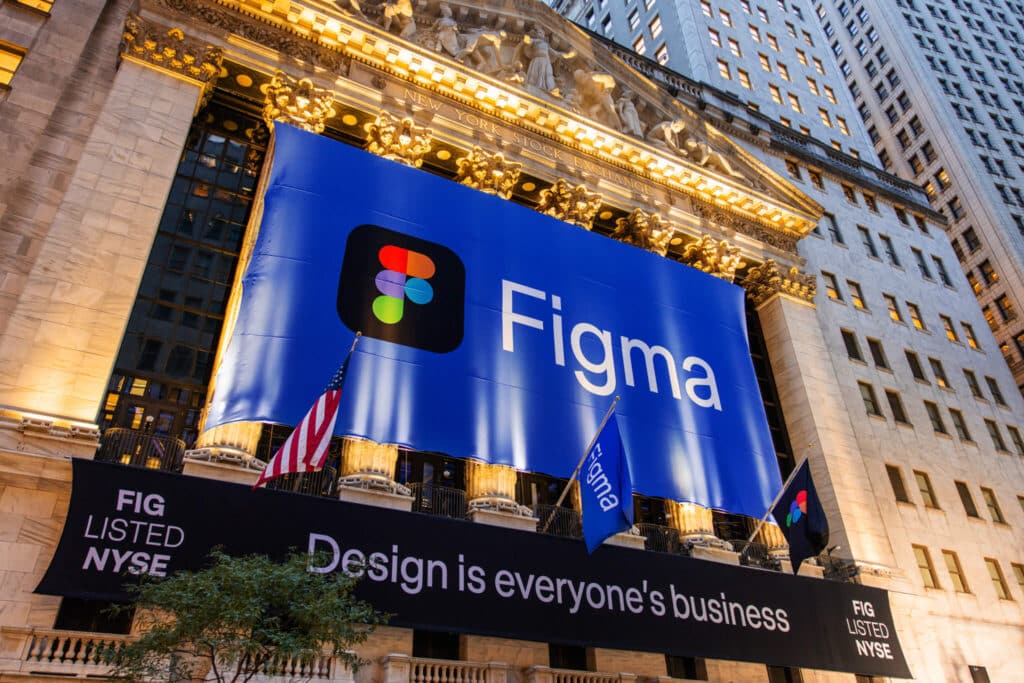
Figma offers structured pathways for newcomers through internship programs and early career roles, with most entry-level hires gaining experience through these initial opportunities. The company pairs new hires with onboarding buddies and provides exposure to cross-functional teams.
Internship Opportunities
Figma’s internship program serves as a primary pipeline for early career talent across design, product management, and engineering teams. These positions typically run for 12 weeks during the summer and offer competitive compensation along with housing stipends for eligible participants.
Interns work on real product challenges alongside experienced team members. You’ll contribute to active projects rather than theoretical exercises. The program includes mentorship from senior staff and networking opportunities with other interns.
Many full-time early-career hires at Figma previously completed internships. The conversion rate from intern to full-time employee is significant, making the internship a valuable entry point. You need to be enrolled in a degree program or have recently graduated to qualify for most internship positions.
Portfolio Tips for Applicants

Your portfolio should demonstrate process over polished finals. Include 2-3 detailed case studies that show how you approach problems, iterate on solutions, and incorporate feedback. Figma’s hiring team looks for clear thinking and communication skills.
Focus on the real constraints you faced during projects. Explain your design decisions with specific rationale tied to user needs or business goals. Include work that shows collaboration, whether from school projects, freelance clients, or personal initiatives.
Use Figma to present your portfolio when possible. This demonstrates familiarity with the tool and shows you understand the platform. Keep descriptions concise and let your work speak through visuals, prototypes, and documented outcomes.
Interview and Application Process
The application process begins with a portfolio review and initial screening. If selected, you’ll complete design exercises that test problem-solving abilities and design fundamentals. These exercises typically require 3-5 hours of independent work.
Subsequent interviews include portfolio presentations where you walk through your case studies in detail. Expect questions about your design process, how you handle feedback, and why you made specific decisions. Behavioral interviews assess cultural fit and collaboration skills.
Figma values equal opportunity and evaluates candidates based on skills and potential. Prepare by practicing articulation of your design thinking, reviewing Figma’s product philosophy, and understanding their approach to collaborative design tools.
Work Culture and Career Growth at Figma
Figma emphasizes diversity of thought and collaborative innovation while providing structured pathways for professional development. The company maintains a culture that values different perspectives and invests in employee growth through clear advancement frameworks.
Collaborative Work Environment
You’ll find that Figma’s workplace culture centers on inclusivity and diverse perspectives. The company actively celebrates differences in thoughts, experiences, and opinions among team members. This approach helps both the product and community thrive.
The collaborative environment extends beyond just team interactions. Since Figma operates as a design platform built for collaboration, this philosophy permeates the company culture itself. You’ll work alongside colleagues who value open communication and shared problem-solving.
Employee reviews indicate that 72% would recommend Figma to a friend. The culture and values rating sits at 3.9 out of 5 on Glassdoor. Work-life balance receives a 3.0 rating, suggesting the company maintains reasonable expectations while fostering teamwork.
Learning and Development Programs
Figma provides continuous learning opportunities designed to enhance your professional skills. The company recognizes that staying current in design and technology requires ongoing education and skill development.
You’ll have access to resources that help you understand where to invest in developing your capabilities. The design team uses structured career leveling to help you identify growth areas. This system allows managers to make informed decisions about hiring and performance while giving them clarity on advancement criteria.
The company’s innovation-driven mindset means you’ll work with cutting-edge tools and methodologies. This exposure helps you build expertise in modern design practices and collaborative workflows.
Career Progression and Advancement
Career opportunities at Figma receive a 3.4 out of 5 rating from employees. The company offers structured growth paths from entry-level positions through senior roles. You can advance from internships and junior positions to leadership roles with clear milestones.
Figma’s career ladder scales to accommodate company growth while providing transparent expectations. The framework helps you understand what’s required at each level. You’ll find pathways across multiple disciplines, including UX design, product management, and engineering.
The company’s approach to career leveling gives you concrete guidance on skill development priorities. This structure supports your long-term career planning within the organization.
What career opportunities are available at Figma for different professional levels?
Figma offers diverse career opportunities across global hubs and remote positions, including internships, early career roles, and senior positions, catering to different experience levels.
What are the key skills required for a career in product design at Figma?
Core skills include proficiency in visual and interaction design, information architecture, strong communication abilities, technical understanding, and experience with Figma tools.
How does Figma support professional development and career growth?
Figma emphasizes continuous learning, offers structured career leveling, and provides resources for skill enhancement, enabling employees to progress from entry-level roles to leadership positions.
What is the culture like at Figma for employees?
Figma maintains a culture of collaboration, diversity, inclusion, and innovation, emphasizing open communication, shared problem-solving, and investing in employee growth.
What internship programs does Figma offer and how can they lead to full-time employment?
Figma offers summer internship programs in design, product management, and engineering, with interns working on real projects and many transitioning to full-time roles based on performance.
- 36shares
- Facebook0
- Pinterest33
- Twitter3
- Reddit0