
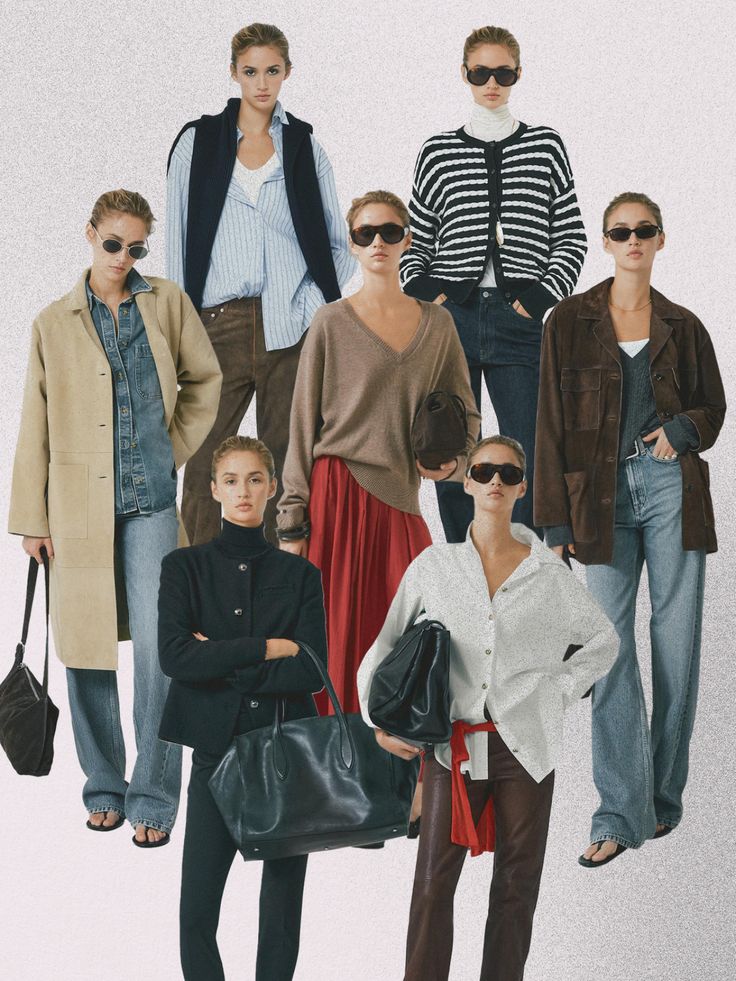
Fall prints look polished when the pattern has one clear job: create the focal point, add texture, or sharpen the silhouette. Plaid, houndstooth, herringbone, dark florals, Glen check, paisley, pinstripes, argyle, restrained animal print, and geometric motifs can all work. The design decision is scale. Use one large or high-contrast pattern, keep the surrounding pieces quieter, and repeat one color from the print elsewhere in the outfit.
- Fall prints at a glance
- 1. Plaid and tartan
- 2. Houndstooth
- 3. Herringbone
- 4. Animal print as a controlled accent
- 5. Dark florals
- 6. Glen check
- 7. Abstract and geometric prints
- 8. Paisley
- 9. Pinstripes
- 10. Argyle
- How to mix fall prints without visual noise
- A practical styling conclusion
- Related fall outfit guides
- Fall prints FAQ
A jacket or coat can carry a larger motif because the garment has a broad, simple surface; a blouse, scarf, or sock usually works better with a smaller repeat. When I review a patterned outfit, I squint at the full silhouette. If the eye jumps to three separate areas, the print is competing with the styling. Remove one accessory or swap one supporting piece for a solid color. The outfit should read before the pattern does.
Fall prints at a glance
| Best use | Easiest pairing | Common mistake | |
|---|---|---|---|
| Plaid or tartan | Coat, blazer, skirt | Solid knit in one stripe color | Adding another large check |
| Houndstooth | Blazer, coat, scarf | Black, cream, or camel | Too many sharp accessories |
| Herringbone | Wool coat or trouser | Fine knit and leather shoe | Treating the weave as a loud print |
| Animal print | One coat or accessory | Black, chocolate, or olive | Repeating it across several pieces |
| Dark floral | Dress, blouse, midi skirt | Boots and a solid layer | Mixing several unrelated colors |
| Glen check | Suiting and outerwear | White shirt or tonal knit | Combining equal-size checks |
| Geometric | One clean-lined garment | Minimal shoes and bag | Letting motif and silhouette compete |
| Paisley | Blouse, scarf, dress | One color pulled from the print | Adding ornate accessories everywhere |
| Pinstripe | Trouser, blazer, suit | Plain tee or fine knit | Using several directional stripes |
| Argyle | Knit, vest, socks | Streamlined solid pieces | Stacking too many preppy signals |
1. Plaid and tartan
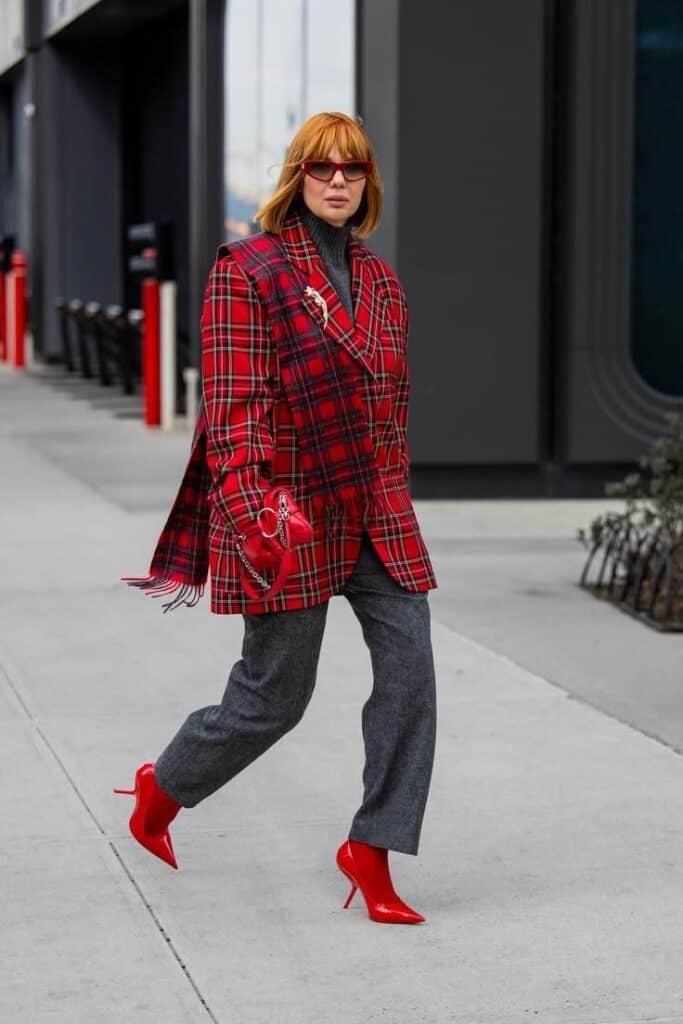
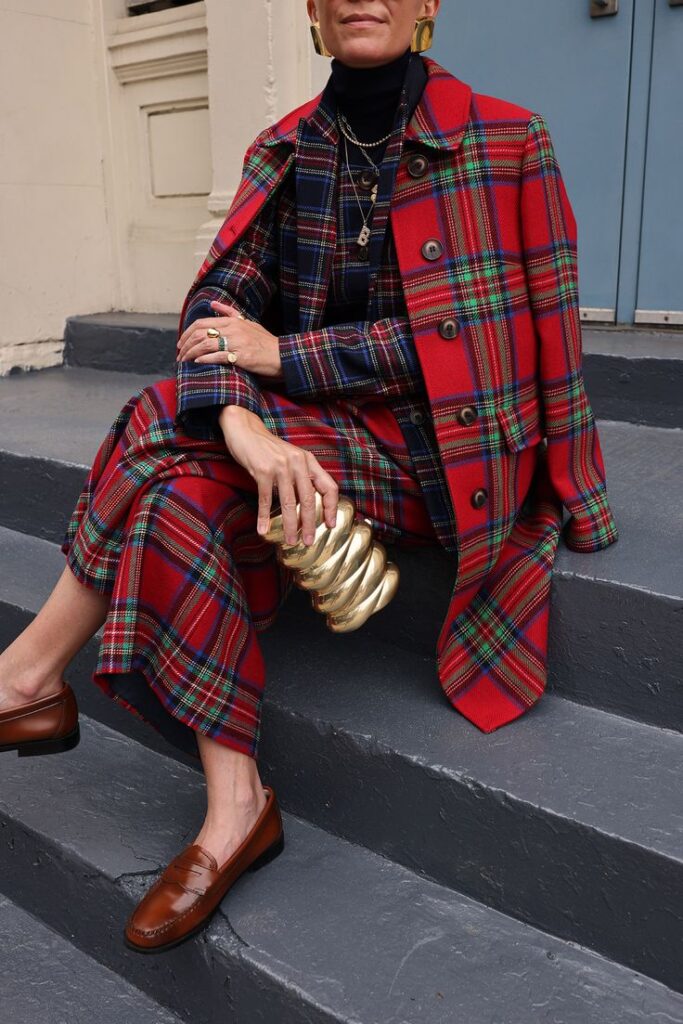
Plaid is a broad family of checks; tartan is a more specific repeated sett built from intersecting colored stripes. The Scottish Register of Tartans gives the formal definition, while V&A Dundee’s tartan exhibition shows how designers keep reworking the grid across fashion and product design. For styling, scale is the useful distinction: a large plaid dominates a coat, while a smaller tartan can sit under a solid blazer without taking over.
For modern sophistication, look beyond the archetypal red and green. Explore muted plaids in charcoal, navy, camel, or forest green, punctuated by subtle accent lines. These provide a more understated elegance suitable for professional settings. Consider a tailored plaid blazer as a powerful statement piece, effortlessly elevating a simple white shirt and dark trousers. A well-draped plaid scarf can add a pop of texture and color to an otherwise monochrome outfit, while a midi-length plaid skirt paired with knee-high boots offers a nod to vintage charm without feeling dated.
How to style plaid now
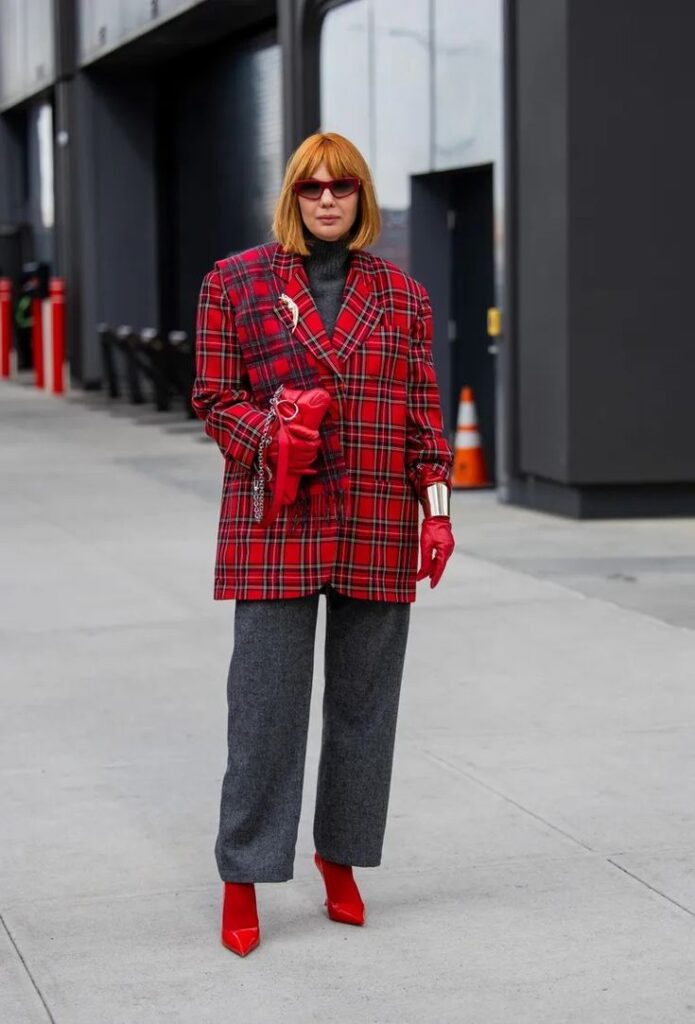
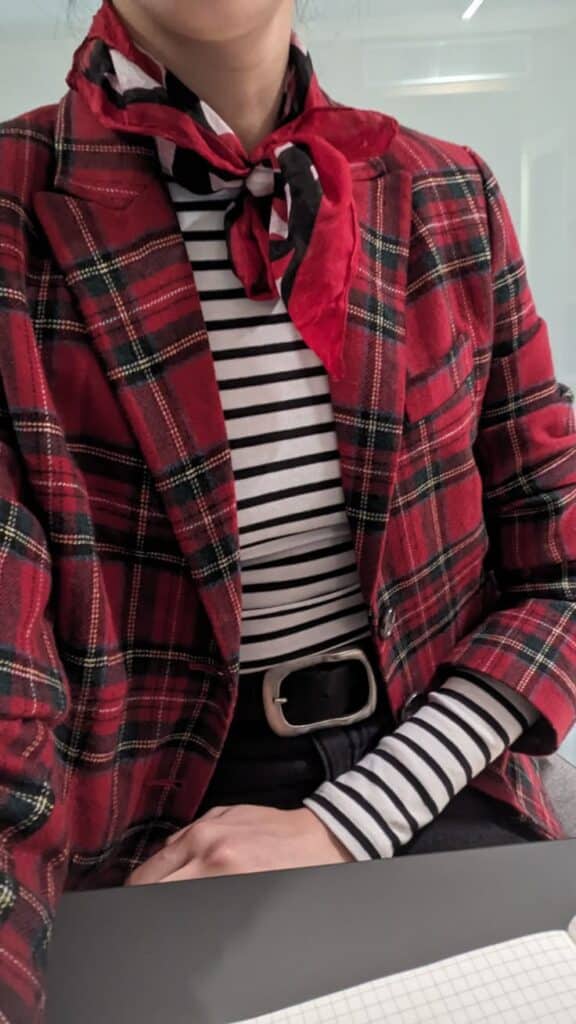
- Structured Silhouettes: Plaid works best on structured garments like blazers, tailored coats, or wide-leg trousers. This prevents the pattern from overwhelming the silhouette.
- Monochromatic Pairing: Balance a bold plaid with solid, complementary colors found within the print itself. For instance, a grey plaid can be paired with a deeper grey turtleneck or black tailored pants.
- Accessory Integration: Small doses of plaid in accessories like a clutch, a delicate watch strap, or even sleek loafers can provide a sophisticated touch without full commitment. This approach allows for subtle integration into your evolving accessory trends, adding a layer of visual interest.
- Layering: Plaid flannel shirts can be styled open over a minimalist tee, offering a casual yet refined layer for cooler days.
2. Houndstooth
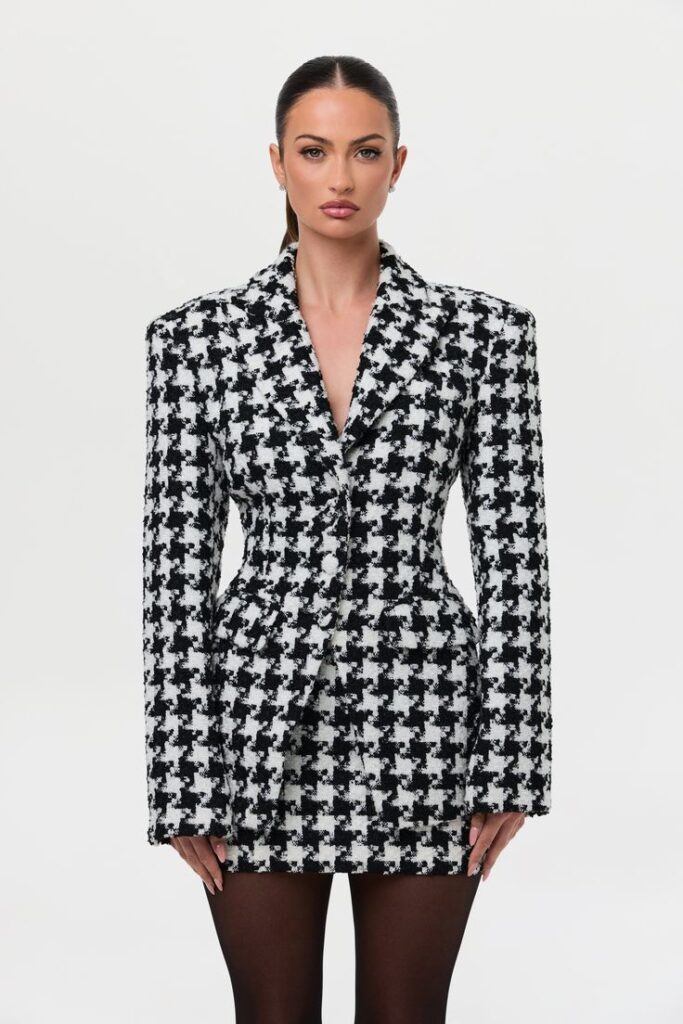
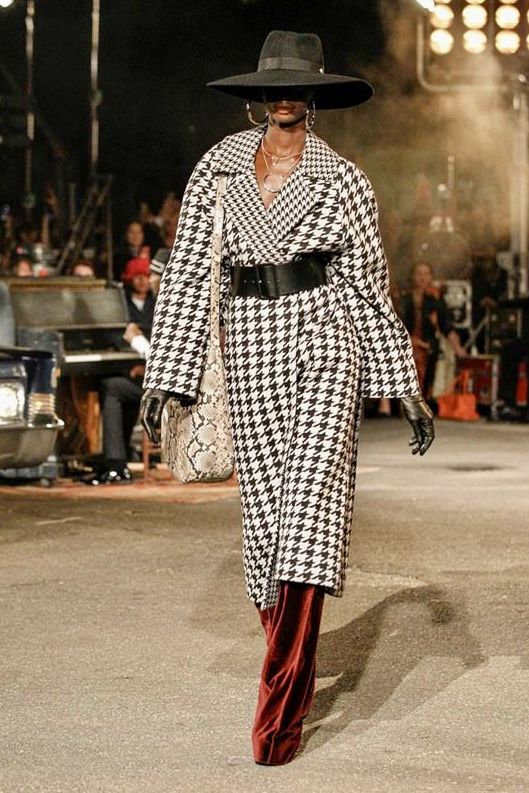
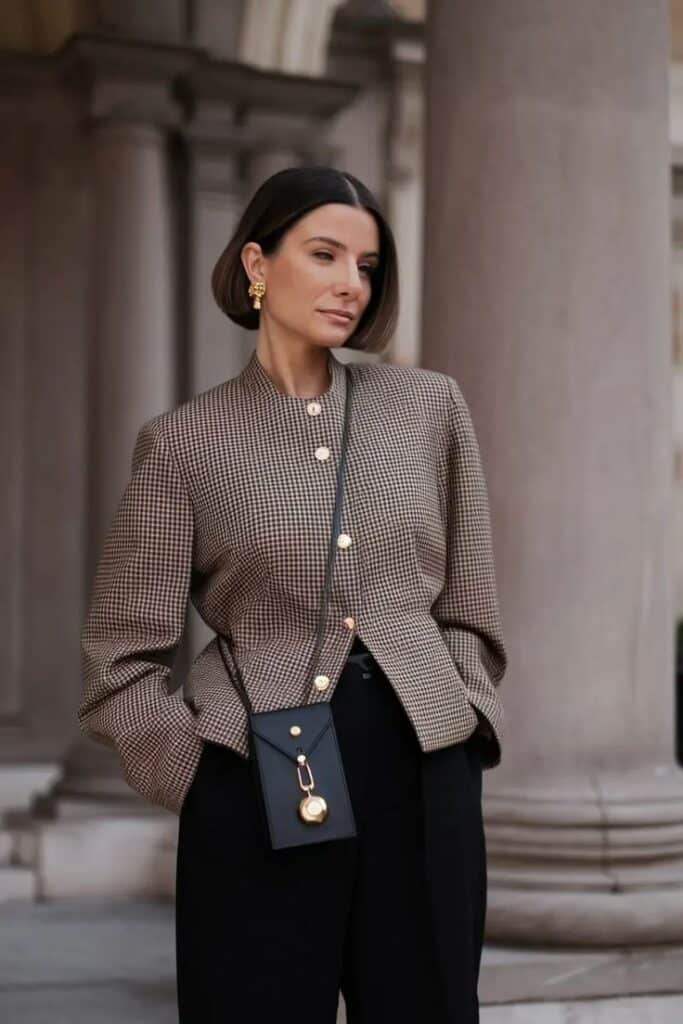
Houndstooth, named for its resemblance to jagged canine teeth, is a distinctive duotone textile pattern characterized by broken checks or abstract four-pointed shapes. Originating in the Scottish Lowlands, it was historically woven in wool cloth. Today, it is recognized globally as a symbol of classic sophistication and intellectual chic. Traditionally seen in black and white, modern interpretations now embrace a wider spectrum of colors, including brown and cream, navy and white, or even unexpected jewel tones.
This print offers an understated elegance, making it ideal for professional and formal ensembles. A houndstooth jacket or coat instantly communicates polish and authority. For a contemporary twist, integrate houndstooth through accessories like a structured handbag, a pair of elegant gloves, or even a subtle trim on a dress. Its intricate nature means it holds its own beautifully without needing excessive embellishment.
How to wear houndstooth
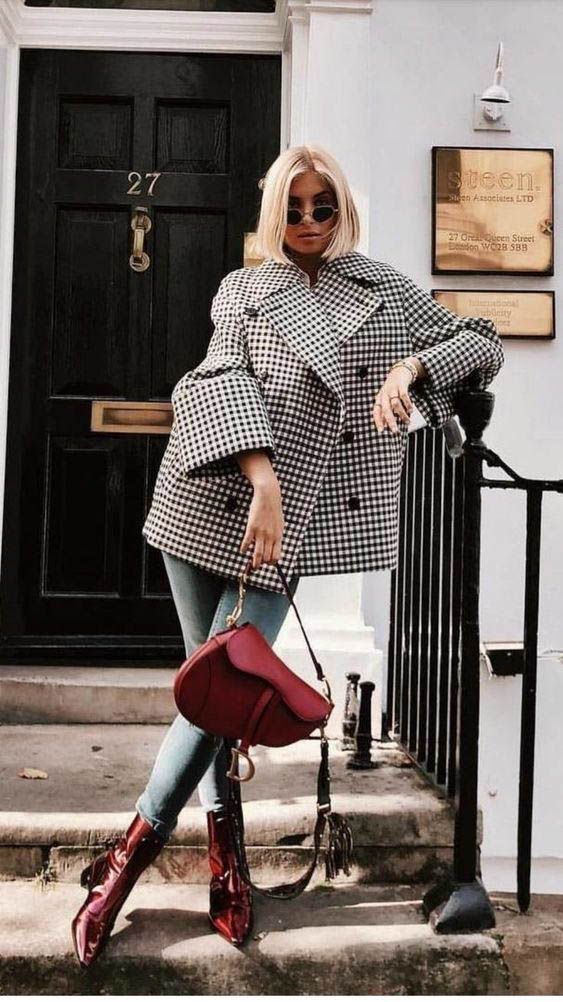
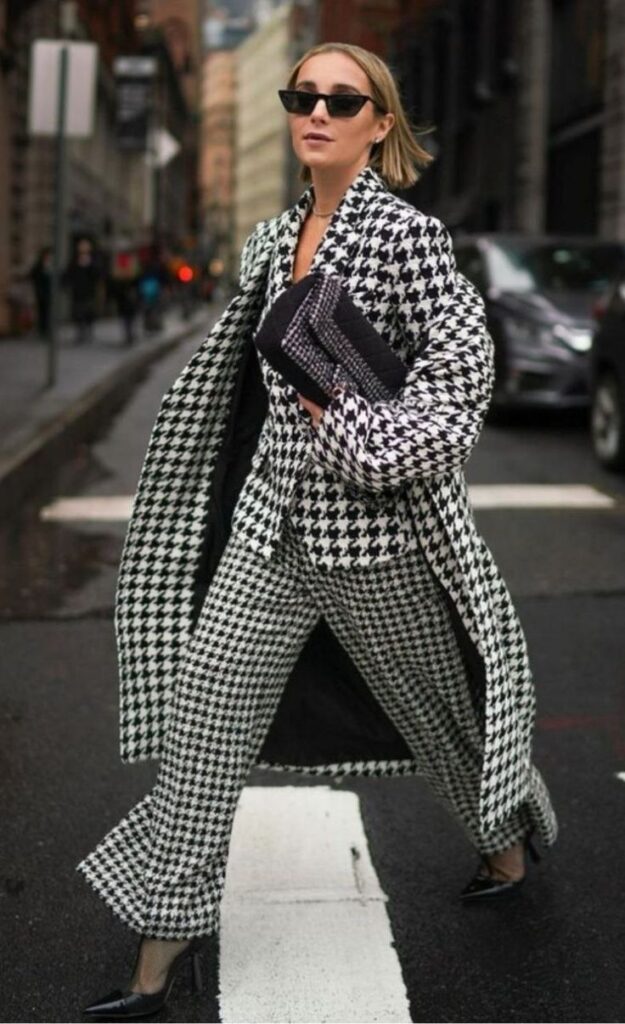
- Tailored Pieces: A houndstooth blazer, a pencil skirt, or tailored trousers are quintessential for a sophisticated professional look. Pair with silk blouses or fine-gauge knitwear.
- Statement Outerwear: A houndstooth overcoat or trench coat makes a powerful fashion statement, adding a luxurious layer to any outfit.
- Mixed Textures: Combine houndstooth with smooth leathers, soft cashmeres, or crisp cottons to create a rich textural interplay.
- Subtle Details: Even a collar or cuff in houndstooth can elevate a simple dress or blouse, showcasing attention to detail.
3. Herringbone
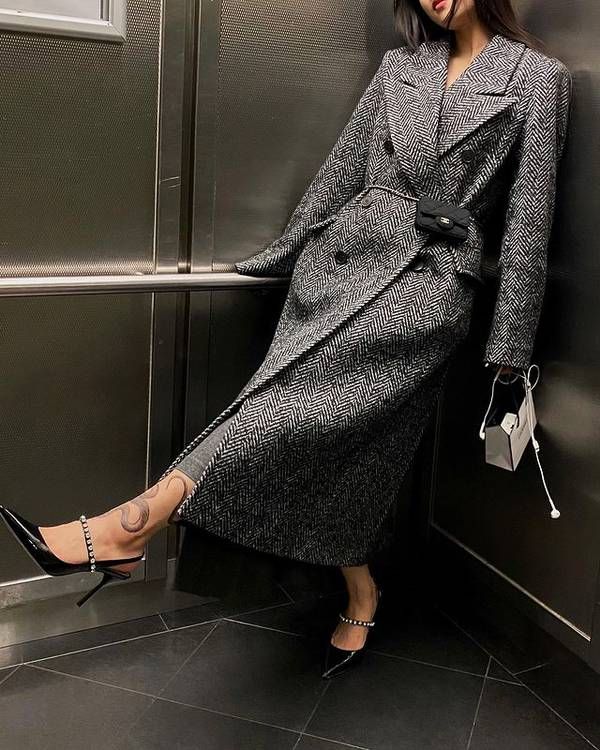
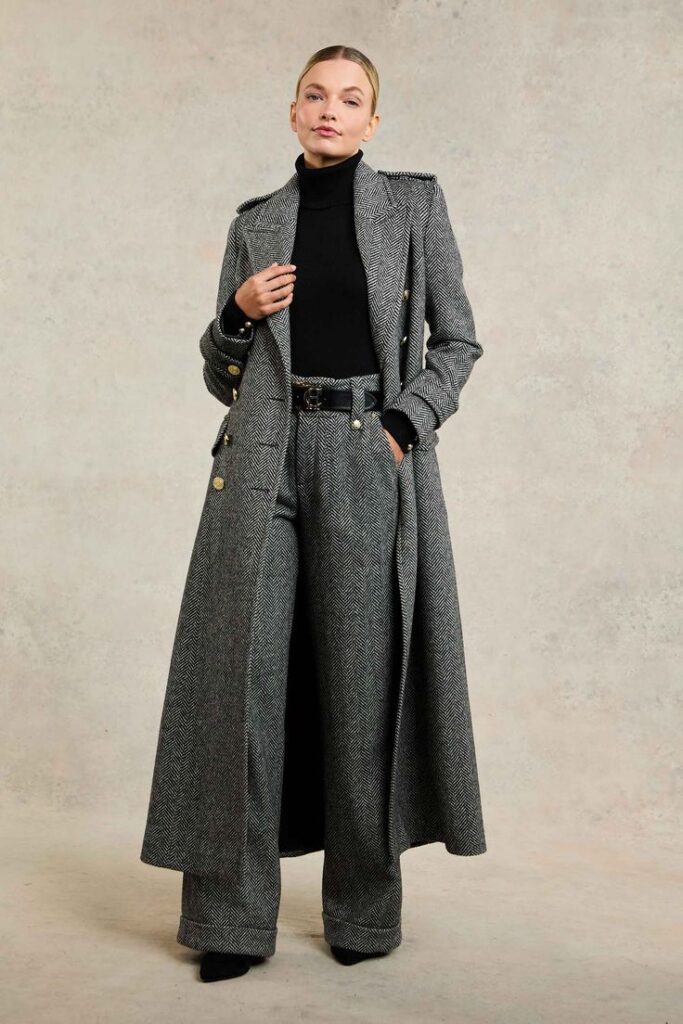
Herringbone is a distinctive V-shaped weaving pattern, often found in twill fabric. It gets its name from its resemblance to the skeleton of a herring fish. Unlike plaid or houndstooth, herringbone is less about distinct blocks of color and more about the textural depth created by its unique weave. This print exudes a quiet luxury and a masculine-inspired refinement, making it a cornerstone of sophisticated fall style. It’s often seen in tweed, flannel, or wool, materials perfectly suited for the cooler months.
While traditionally associated with men’s suiting and overcoats, herringbone has gracefully transitioned into women’s fashion, offering a structured yet comfortable aesthetic. Its subtle pattern allows for versatility, easily pairing with other prints or standing alone as a sophisticated base.
How to style herringbone
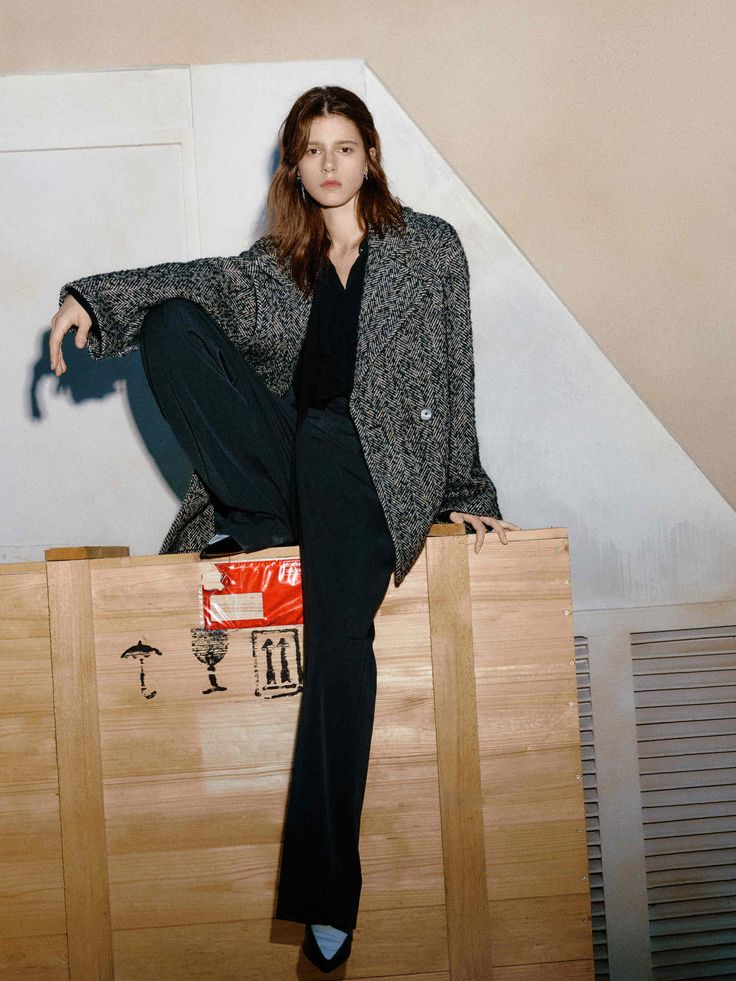
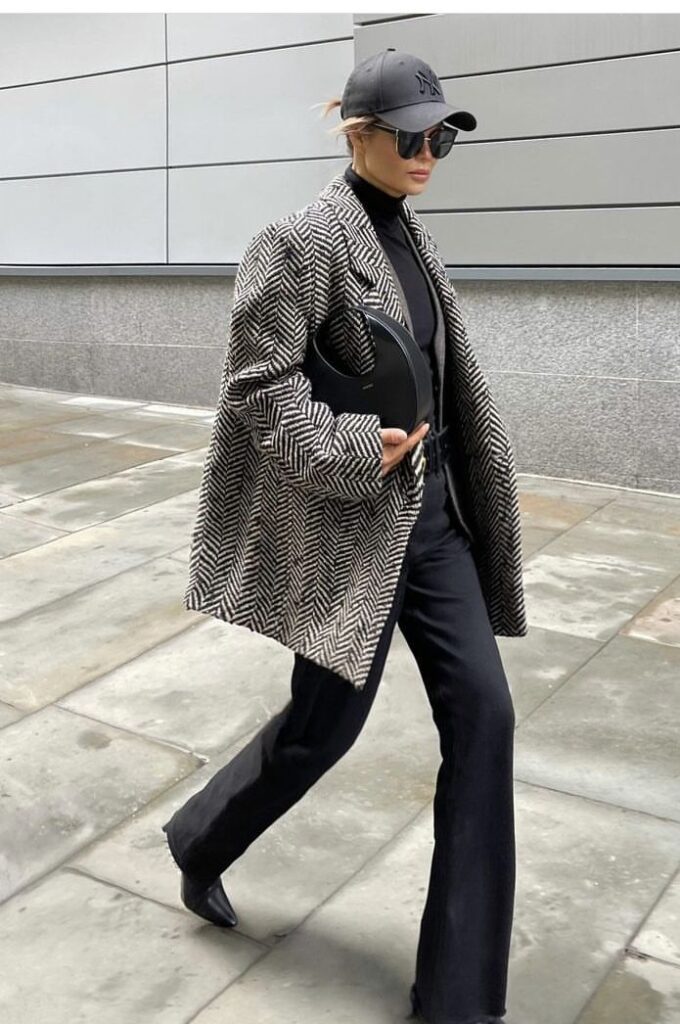
- Textural Richness: Embrace herringbone in heavier fabrics like wool blazers, tailored vests, or long-line coats. The texture itself becomes the print.
- Neutral Palette: Herringbone often appears in classic neutrals like grey, brown, camel, and navy, making it incredibly versatile for pairing with a wide array of colors.
- Workwear Essential: A herringbone blazer is an indispensable item for a professional wardrobe, offering a smart alternative to solid blazers. It pairs beautifully with solid dresses, skirts, or tailored trousers.
- Casual Sophistication: For a more relaxed look, consider a herringbone scarf or a pair of structured trousers with a soft knit sweater. The print elevates casual ensembles without effort.
4. Animal print as a controlled accent
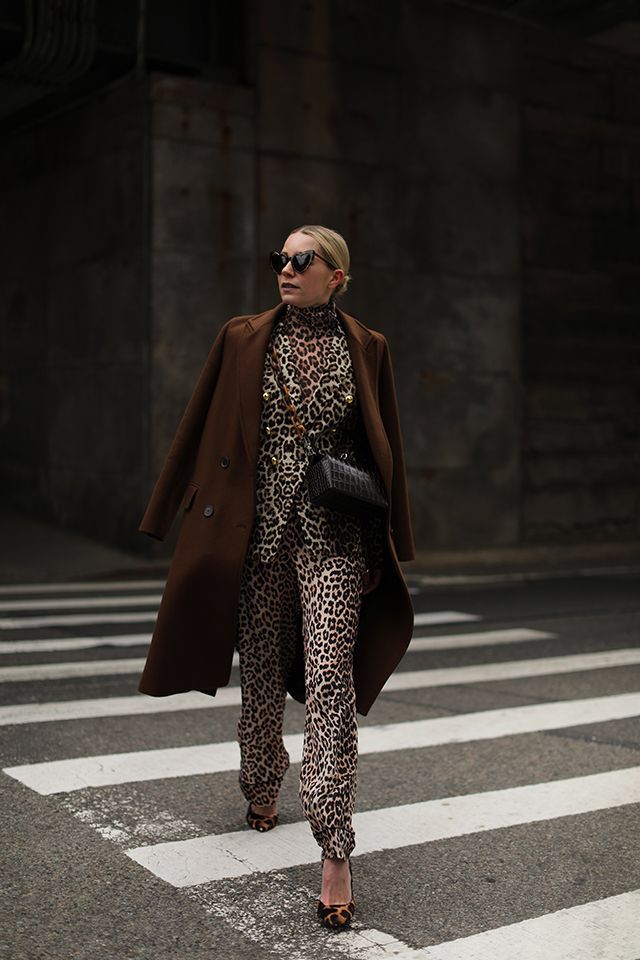
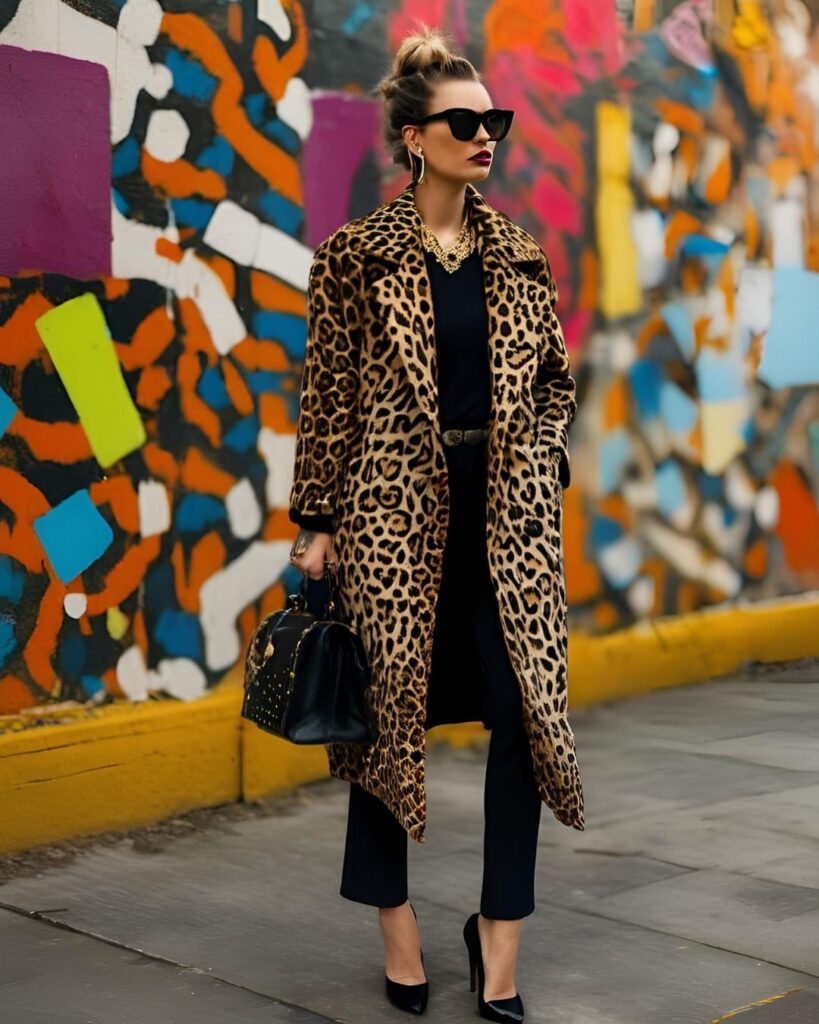
Animal prints, particularly leopard, snake, and zebra, have long been synonymous with confidence, glamour, and a touch of wild sophistication. For fall, these prints re-emerge with a renewed emphasis on refined execution and thoughtful integration into modern wardrobes. Gone are the days of overt, head-to-toe animal print; today’s approach favors strategic placement and elevated materials.
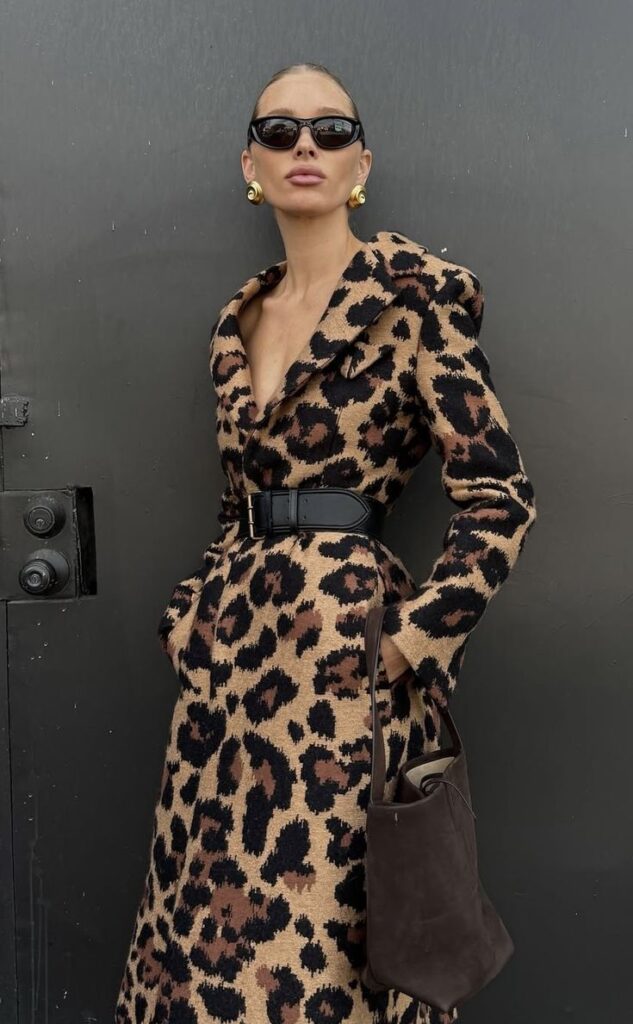
Leopard print, in its classic tawny and black spots, remains a perennial favorite, signaling boldness and individuality. Snake print offers a more subtle, textural allure, often in muted grays, greens, and browns. Zebra print brings a graphic, monochromatic energy. The key to sophisticated animal print is to treat it as a neutral or a powerful accent, rather than the sole focus of an outfit.
How to balance animal print
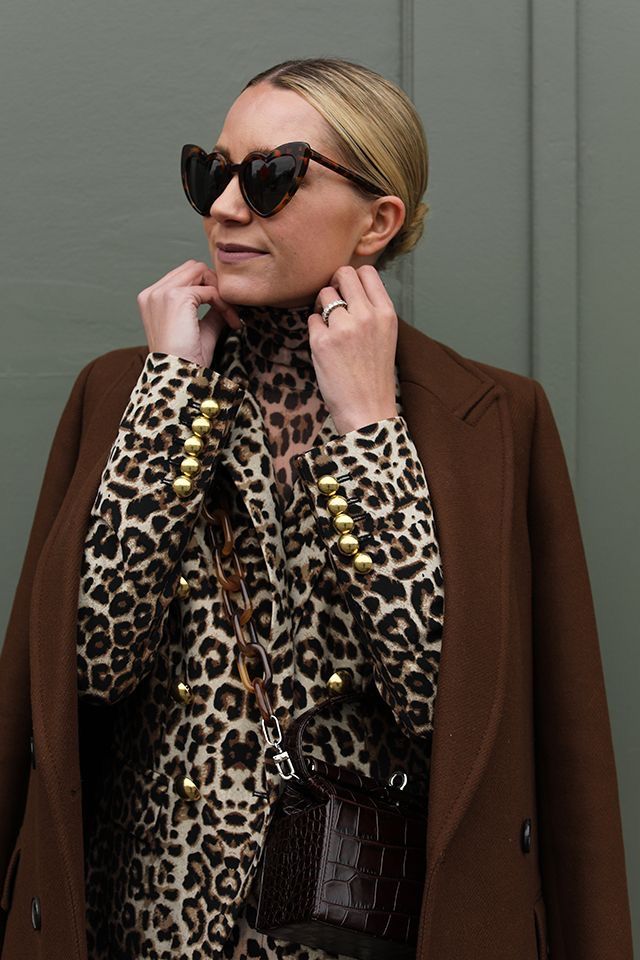
- Statement Accessories: A leopard print scarf, a snake print handbag, or zebra print shoes can instantly uplift a monochromatic outfit, adding an element of unexpected chic.
- Controlled Doses: Incorporate animal print in a single garment piece: a silk blouse, a midi skirt, or a tailored coat. This allows the print to shine without overwhelming the look.
- Rich Color Palettes: Pair animal prints with deep autumnal hues like burgundy, forest green, navy, or camel. This creates a luxurious and harmonious ensemble.
- High-Quality Fabrics: Opt for animal prints on luxurious fabrics such as silk, cashmere, or fine wool. The quality of the material elevates the print from trendy to timeless.
- Vintage Influence: Animal prints have a strong connection to fashion history. To embrace vintage elements in your styling, pair a classic leopard print coat with a tailored dress and retro-inspired accessories.
5. Dark florals
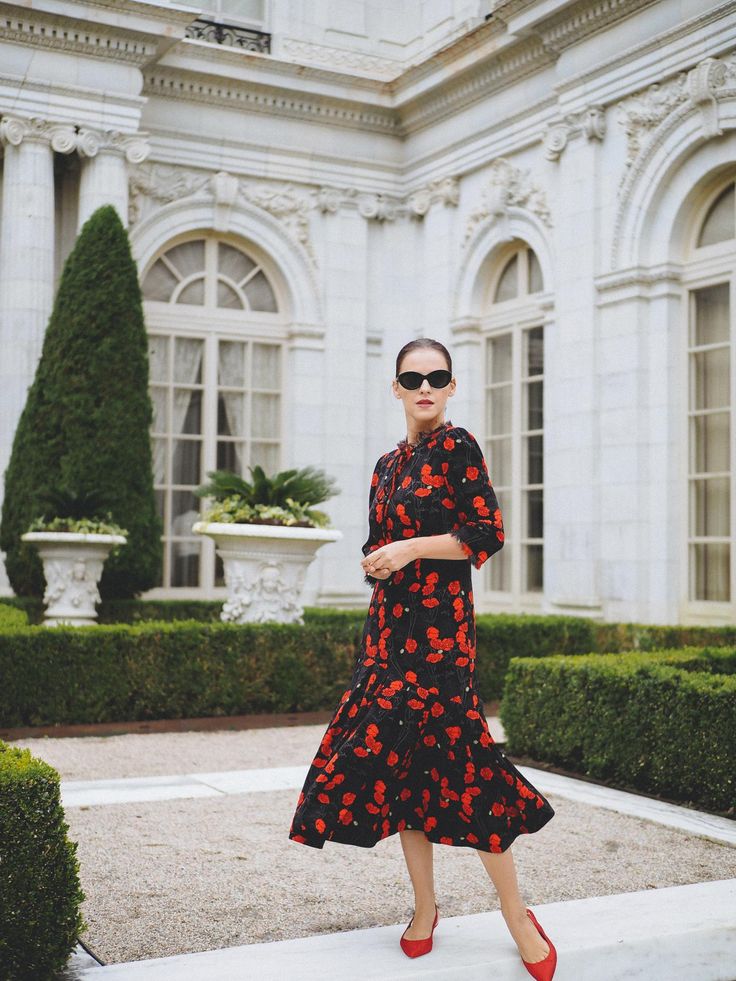
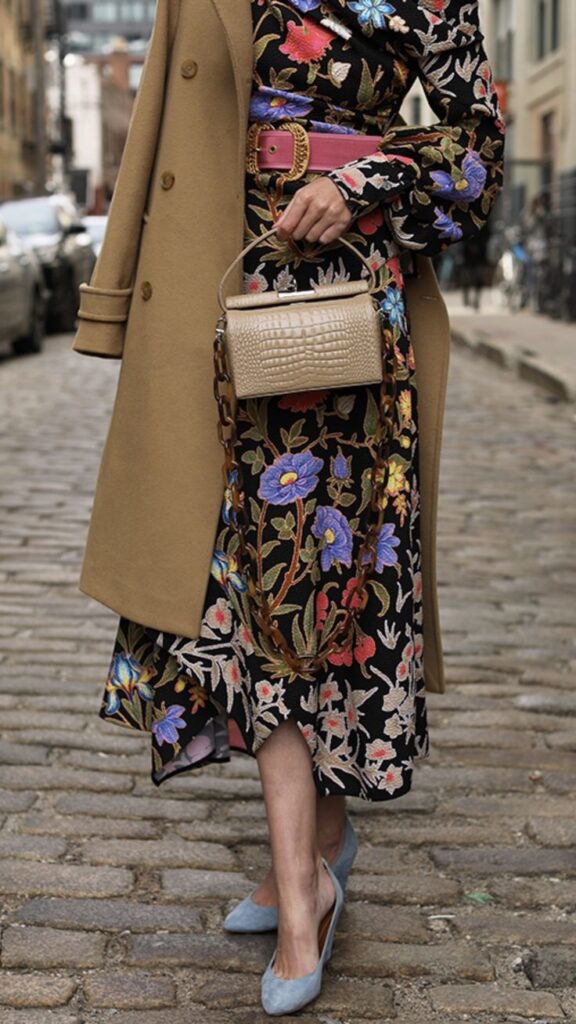
While florals are often associated with spring and summer, dark florals present a sophisticated and atmospheric alternative perfectly suited for fall. These prints feature botanical motifs set against deep, rich backgrounds such as black, navy, forest green, or deep burgundy. The darker palette imbues the typically vibrant floral pattern with a sense of drama, romance, and autumnal mystery.
Dark florals offer a beautiful contrast to the crispness of fall air, bringing a softness and artistic flair to structured garments. They are incredibly versatile, easily transitioning from daytime elegance to evening glamour.
How to style dark florals
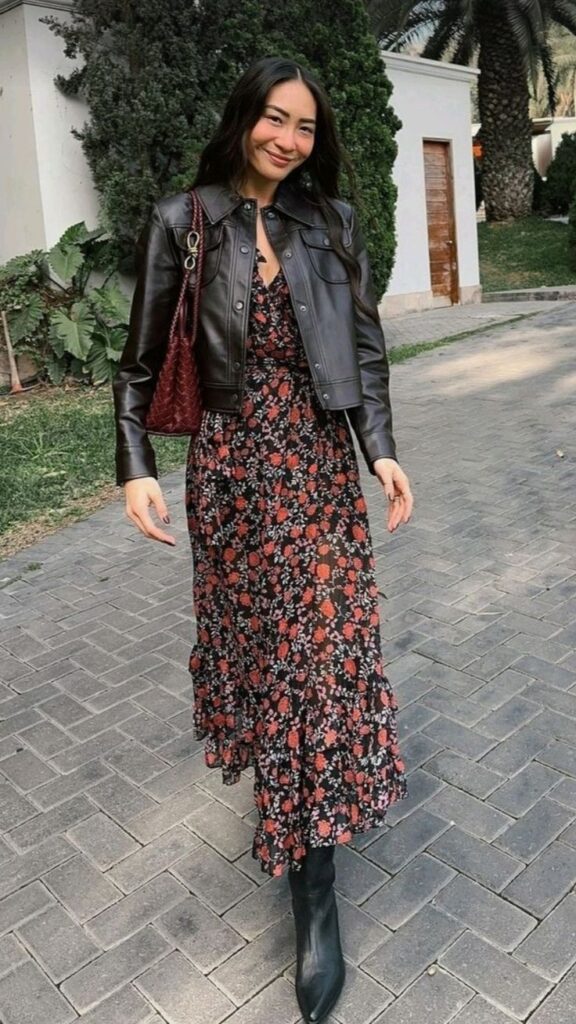
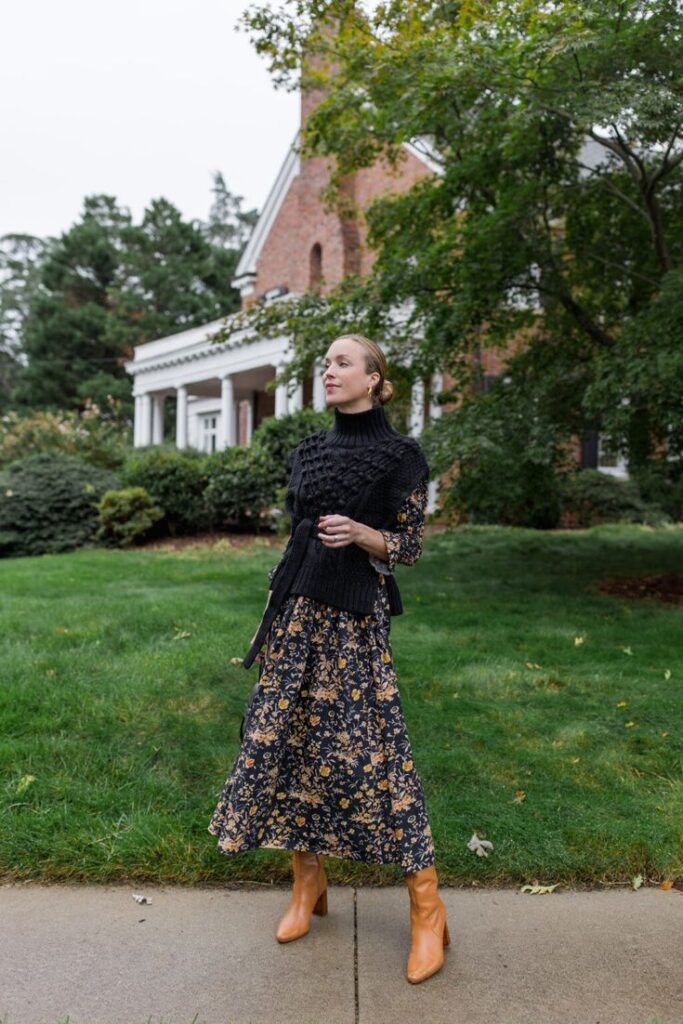
- Moody Palettes: Look for prints with flowers in jewel tones (emerald, sapphire, ruby) or muted pastels (dusty rose, soft gold) against dark backdrops.
- Flowing Silhouettes: Dark floral midi dresses or maxi skirts in fabrics like silk, chiffon, or viscose drape beautifully, creating an elegant and feminine silhouette.
- Structured Counterparts: Pair a dark floral top with tailored trousers or a structured blazer to balance the print’s softness with sharp lines.
- Seasonal Layering: A dark floral dress can be layered under a chunky knit sweater or a long wool coat for added warmth and visual interest.
- Texture Play: Combine dark florals with velvet, leather, or suede to create a rich, tactile experience that screams fall luxury.
6. Glen check
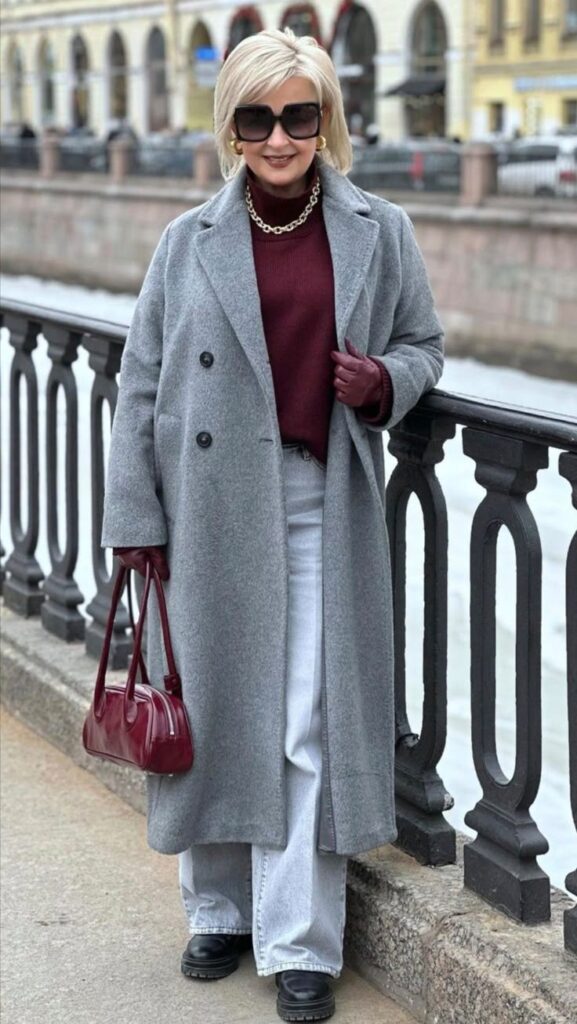
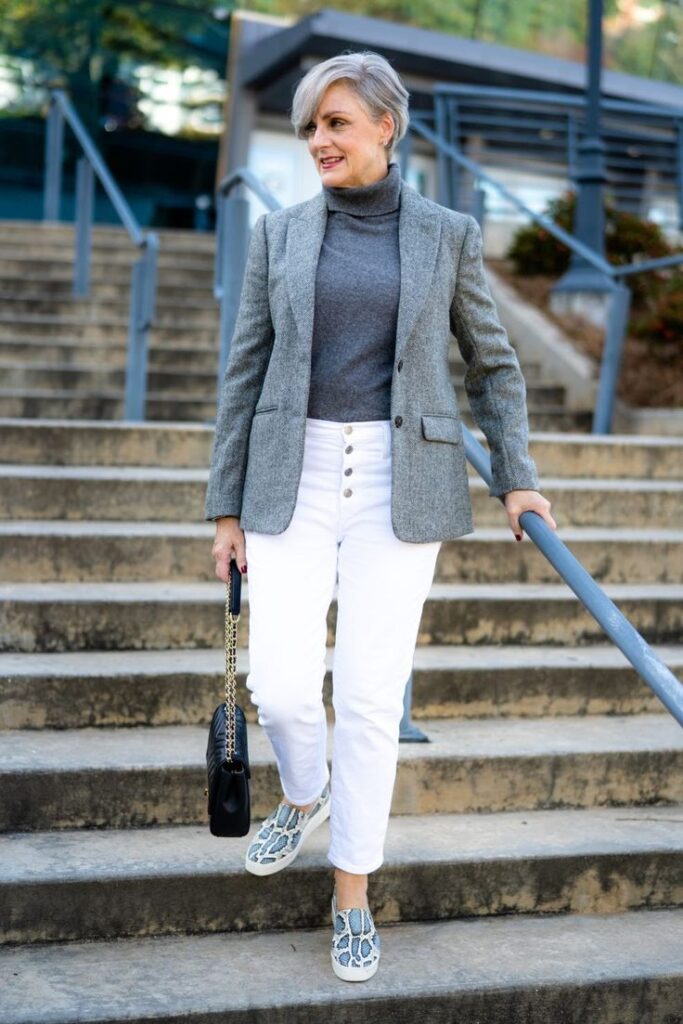
Glen check, also known as Glen plaid, is a distinct woolen pattern made of small and large checks, typically in muted colors like grey, black, and white. It originated in the valley of Glenurquhart in Scotland and gained prominence through the Duke of Windsor. It’s a hallmark of refined menswear, particularly in suiting, and has been adeptly adopted into modern women’s fashion to convey an air of polished intellect and understated luxury.
The beauty of Glen check lies in its subtle complexity. From a distance, it appears as a solid neutral, but up close, the intricate weaving of lines and squares reveals a sophisticated texture. This makes it an incredibly versatile print, easy to pair with other patterns or bold colors without clashing.
How to wear Glen check
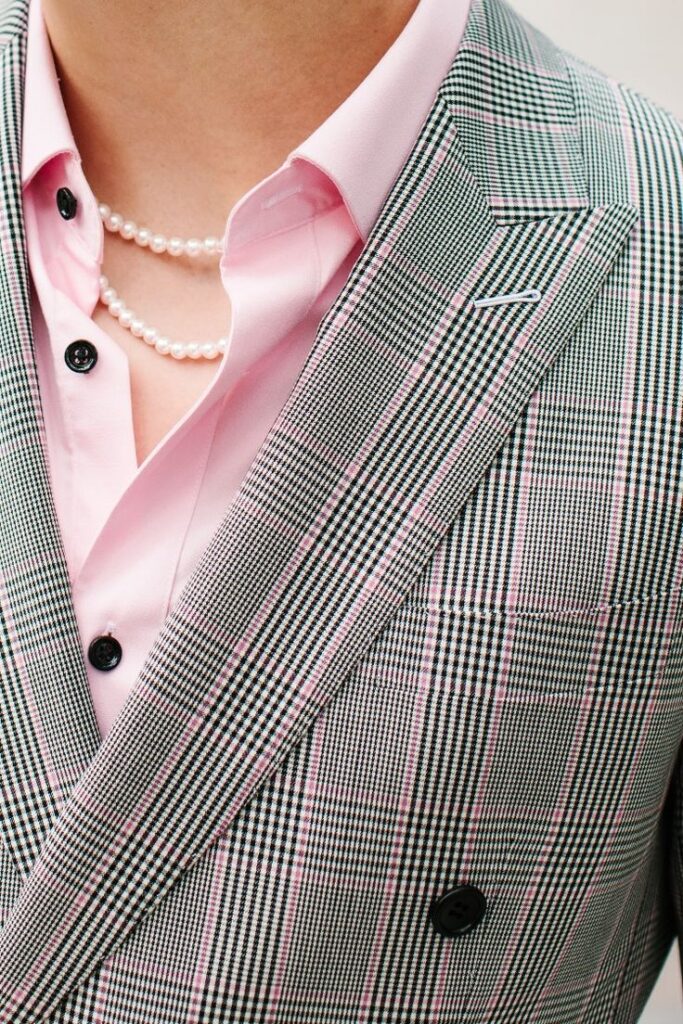
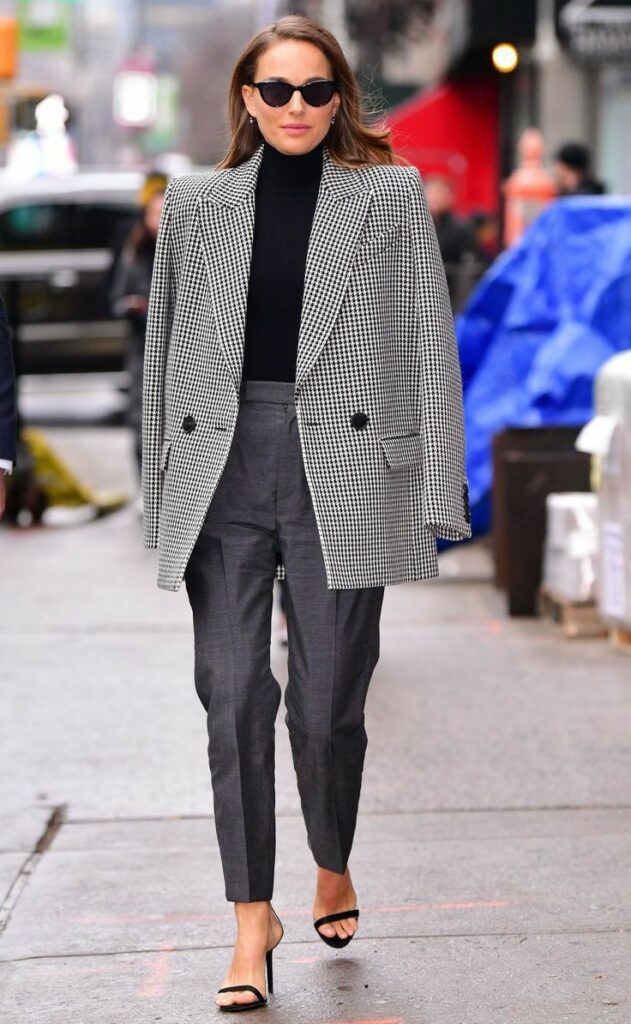
- Power Suiting: A Glen check suit is the epitome of sophisticated fall workwear. Pair with a crisp shirt or a fine-gauge merino wool top.
- Standalone Pieces: A Glen check blazer is a versatile wardrobe staple. Wear it over a simple t-shirt and jeans for elevated casual, or with tailored separates for a more formal look.
- Subtle Accessories: Incorporate Glen check through a scarf, a small bag, or even tailored gloves for a touch of classic refinement.
- Layering with Neutrals: Its neutral color palette makes it perfect for layering with solid black, white, cream, or navy pieces. The print provides texture and depth without overwhelming.
- Beyond Apparel: Consider the timeless use of tailored checks beyond clothing, which often mirror those in fashion, showcasing Glen Check’s versatility across design realms.
7. Abstract and geometric prints
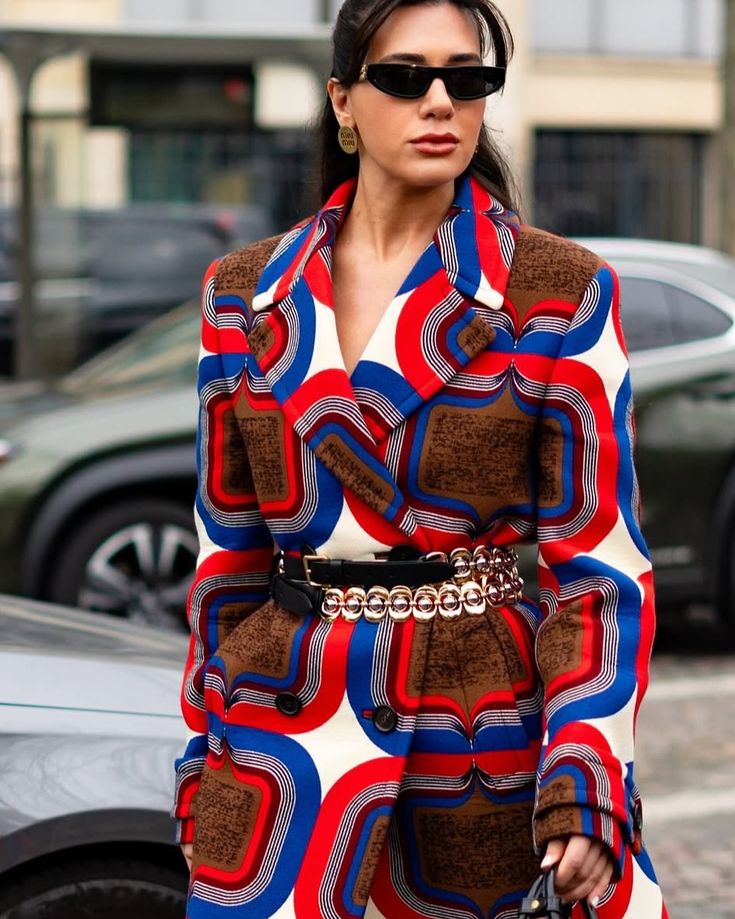
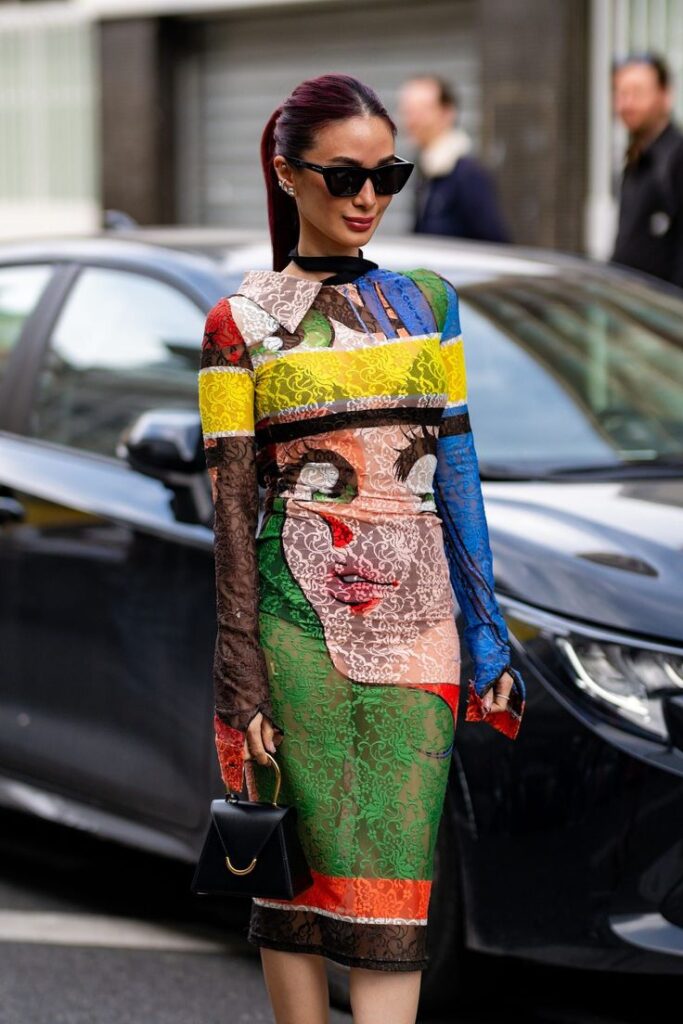
For those who lean towards a more contemporary and avant-garde aesthetic, abstract and geometric prints offer a sophisticated departure from traditional patterns. These prints play with lines, shapes, and color fields, creating dynamic and modern visual statements. They can range from bold, graphic designs to more fluid, painterly interpretations, allowing for immense personal expression.
Abstract prints for fall often feature deeper, earth-toned palettes – think burnt oranges, deep blues, olives, and muted browns – or sophisticated monochromatic schemes. Geometric prints, on the other hand, might utilize clean lines, tessellations, or optical illusions to create striking effects. The sophistication comes from the thoughtful composition and often the quality of the fabric on which they are printed.
How to style abstract and geometric prints
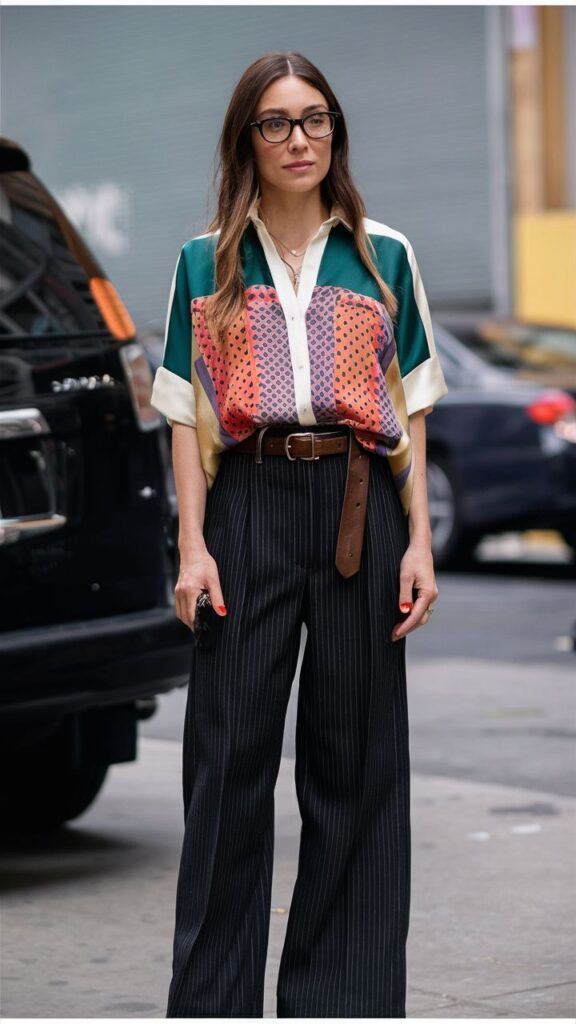
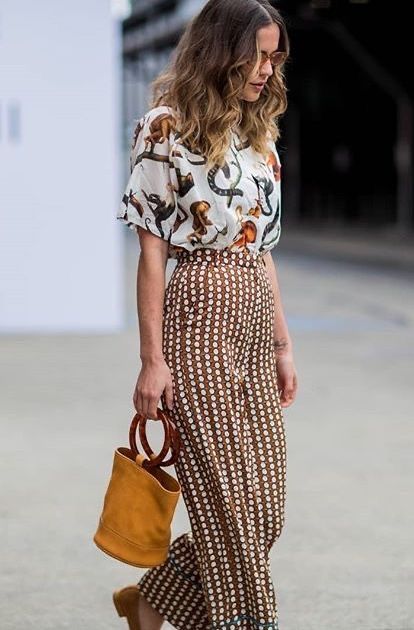
- Art-Inspired Silhouettes: Opt for garments with clean lines and architectural shapes that complement the modern nature of the print, such as A-line dresses or structured tunics.
- Balanced Pairing: Let the print be the focal point. Pair an abstract top with solid, well-tailored trousers or a geometric skirt with a simple, unadorned knit.
- Color Harmony: Choose prints where the colors are harmonious and sophisticated, avoiding overly bright or clashing combinations that can detract from the print’s artistic integrity.
- Fabric Choice: High-quality fabrics like silk, crepe, or fine jersey will allow abstract prints to drape beautifully and enhance their luxurious appeal.
- Modern Context: These prints thrive in a modern context. Pair them with contemporary accessories and minimalist footwear to reinforce the sophisticated, forward-thinking aesthetic. The application of artificial intelligence in modern fashion design often influences the development of new and complex abstract patterns.
8. Paisley
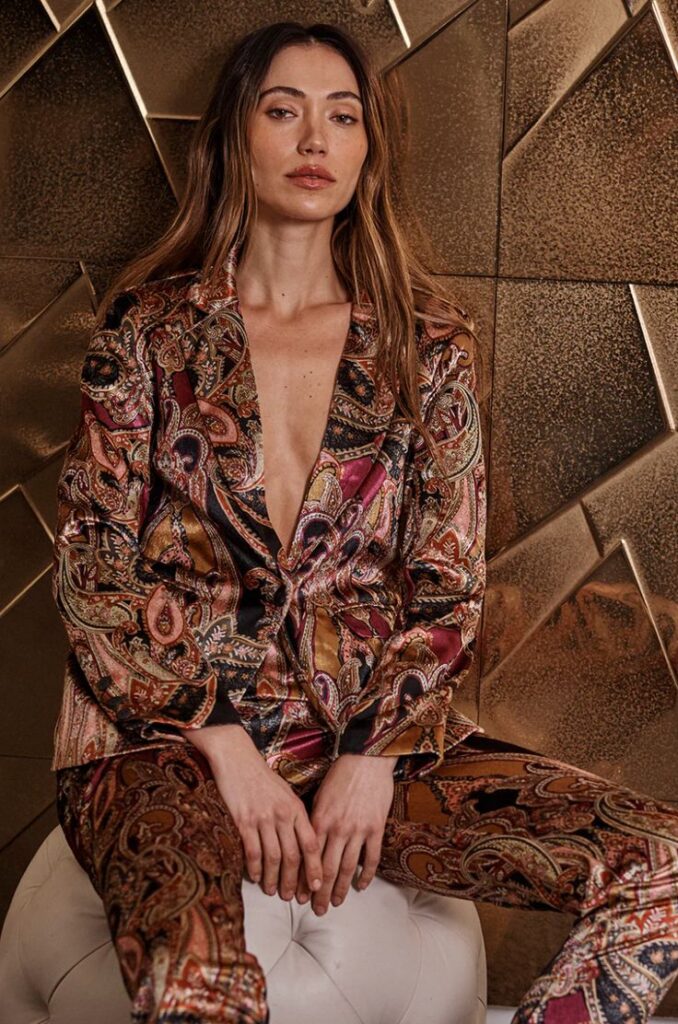
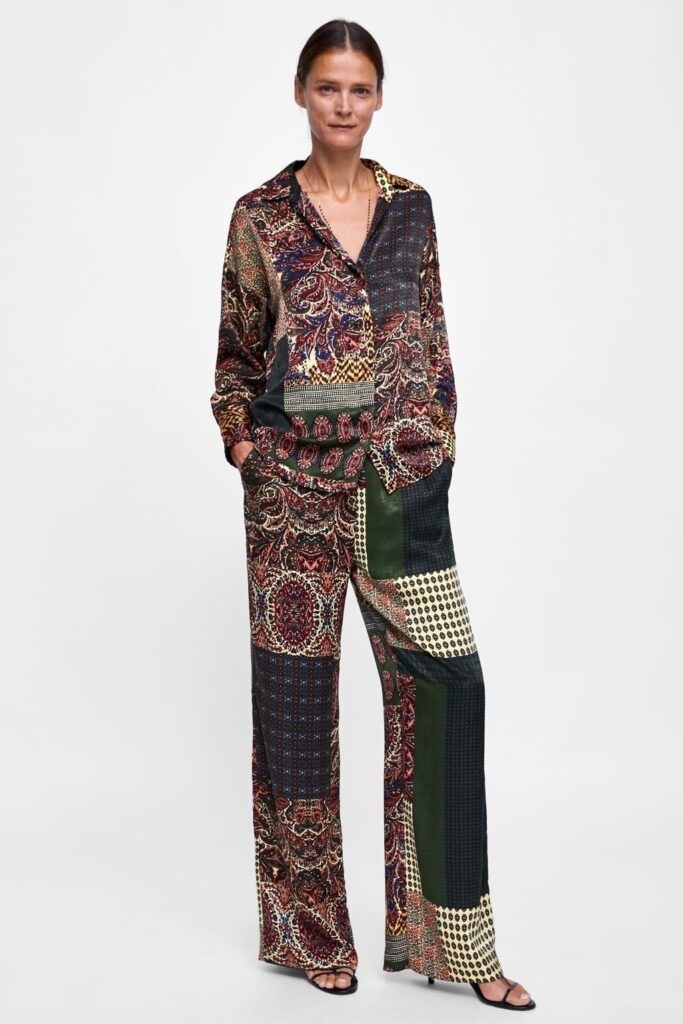
Paisley, with its distinctive teardrop or kidney-shaped motif featuring a curved upper end, is a print steeped in history and exotic allure. Originating in ancient Persia and India, it gained immense popularity in the West during the Victorian era, particularly through the textile mills in Paisley, Scotland. For fall, paisley offers a bohemian-luxe sensibility, evoking warmth, richness, and a touch of global sophistication.
Modern paisley prints lean towards deeper, saturated colorways – think jewel tones like amethyst, sapphire, and ruby mixed with gold, forest green, or deep brown. This makes them perfectly suited for the autumnal palette, providing a sense of opulence and intricate detail.
How to wear paisley
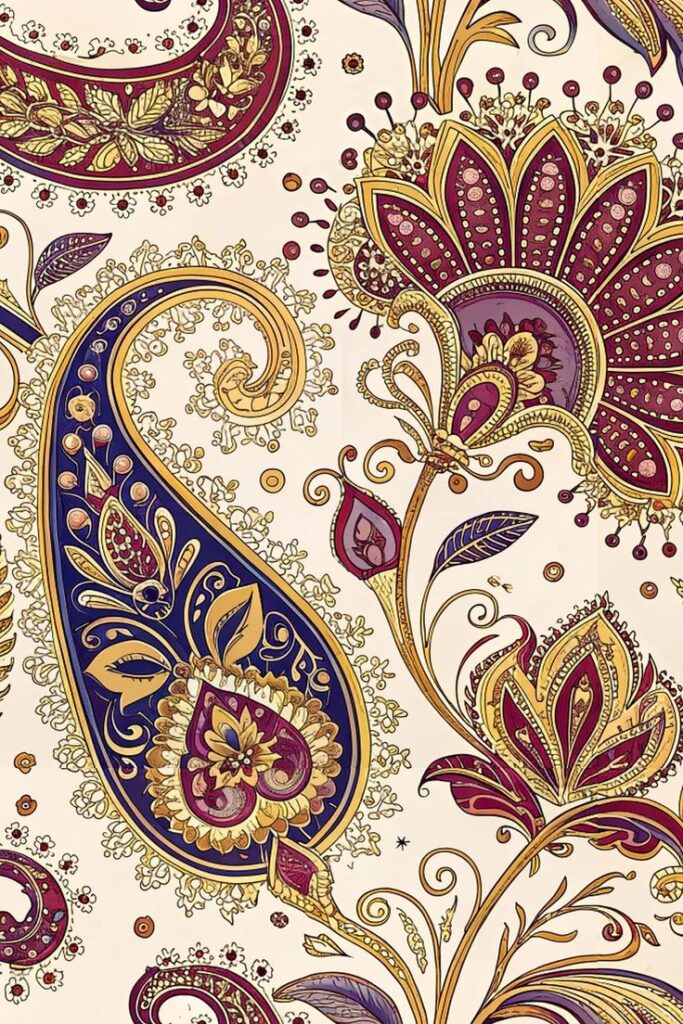
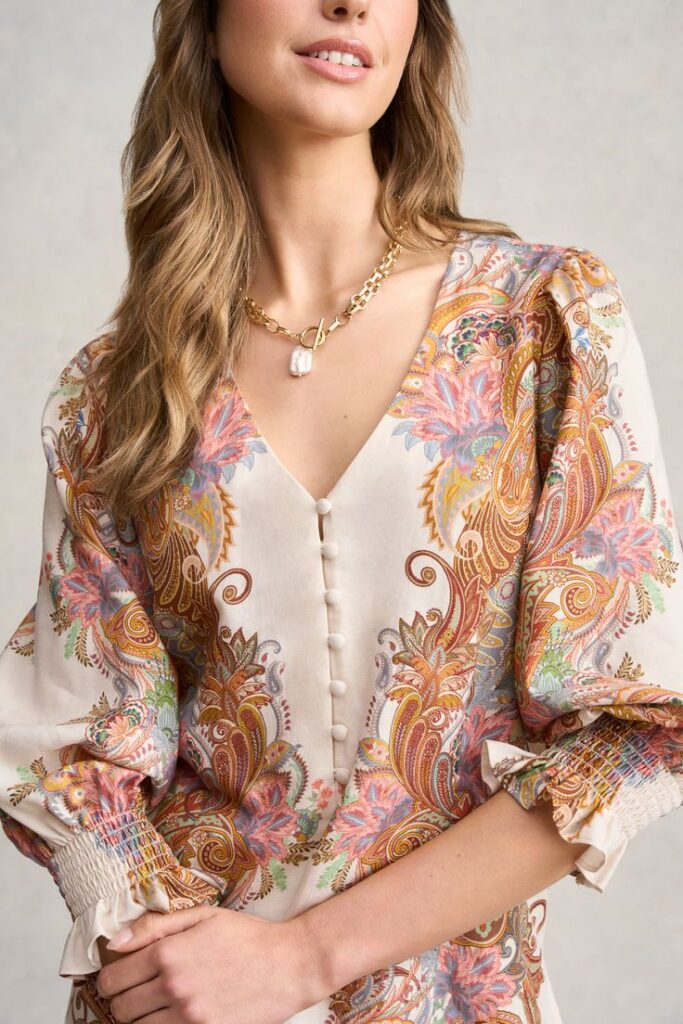
- Statement Dress or Blouse: A paisley midi dress in silk or a flowing blouse can be a stunning focal point, perfect for both daytime elegance and evening events.
- Accessory Focus: A paisley scarf is an iconic way to incorporate this print. Drape it over a solid coat, tie it to a handbag, or wear it as a headscarf for a chic, vintage-inspired look.
- Layering Potential: Paisley can be layered under solid blazers or cardigans, allowing peeks of the intricate pattern to add depth.
- Bohemian-Luxe Touch: Pair a paisley skirt with a fitted knit top and ankle boots for an elevated bohemian aesthetic.
- Seasonal Connection: Much like choosing the season’s richer colors and layered textures, paisley in fashion aligns beautifully with the rich, decorative motifs associated with autumn.
9. Pinstripes
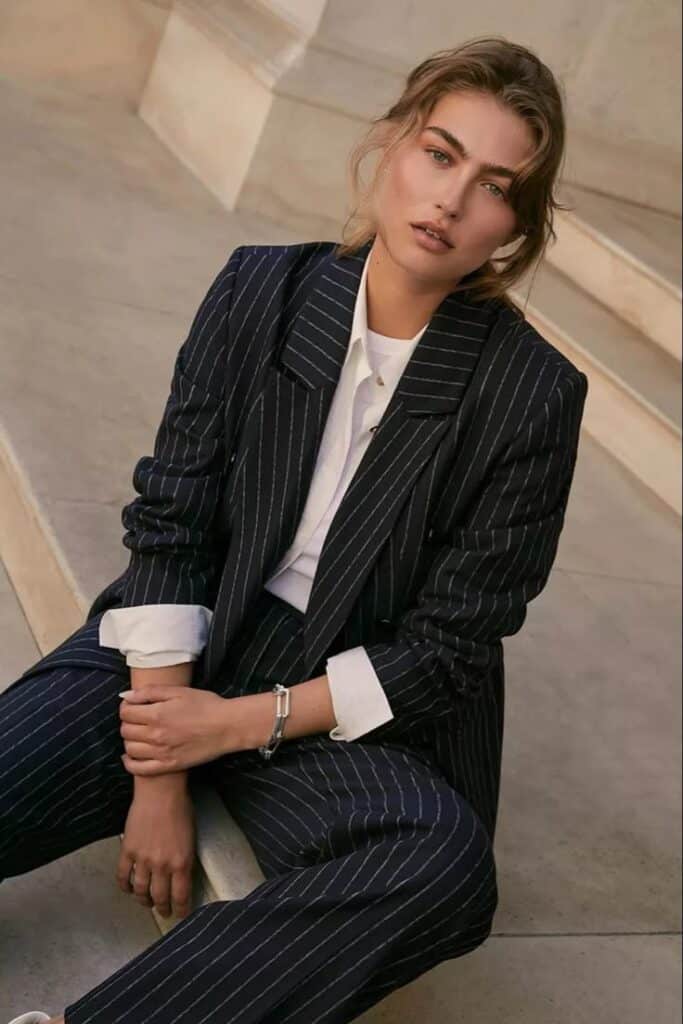
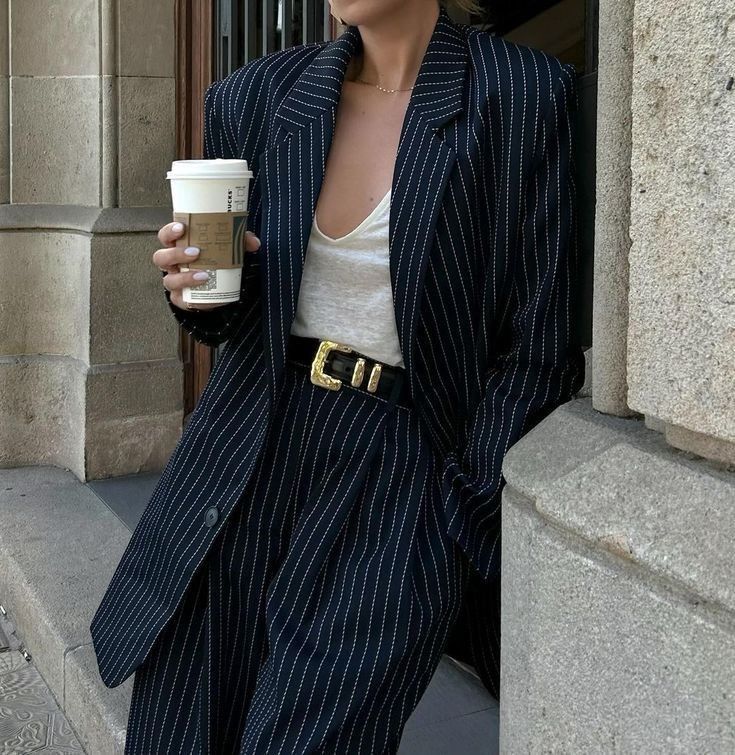
Pinstripe is a subtle yet powerful pattern characterized by very thin, parallel stripes, typically woven into dark fabrics like wool or cotton. Traditionally associated with men’s business suits and formal wear, it has been skillfully adapted into women’s fashion as a symbol of tailored sophistication, authority, and streamlined elegance.
For fall, pinstripe offers a crisp, clean aesthetic that can be surprisingly versatile. While black or navy with white or light grey stripes remains the classic, modern interpretations might explore charcoal with subtle colored stripes (e.g., burgundy or forest green) for a contemporary twist. Its inherent structure makes it ideal for sharp, professional looks.
How to style pinstripes
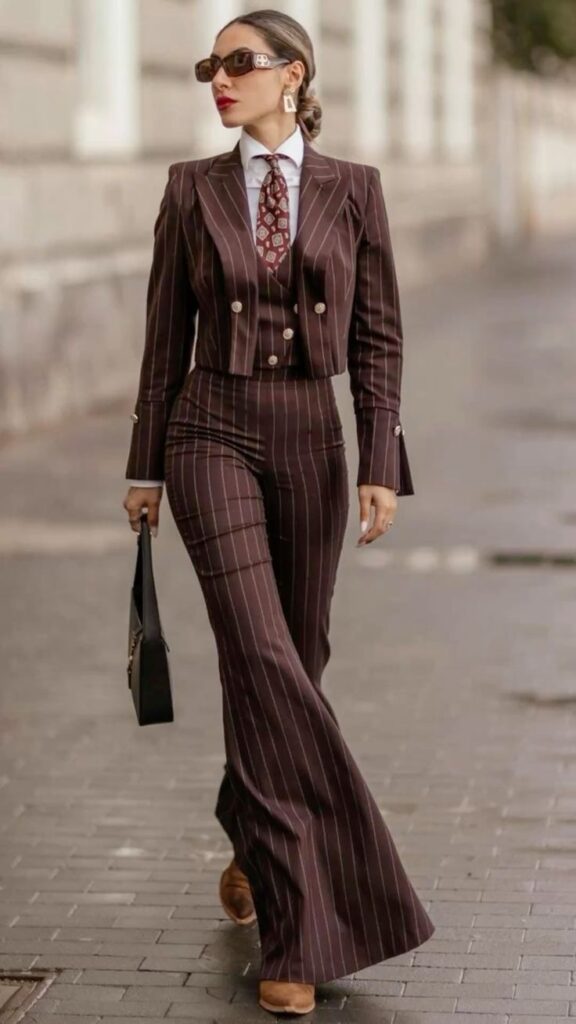
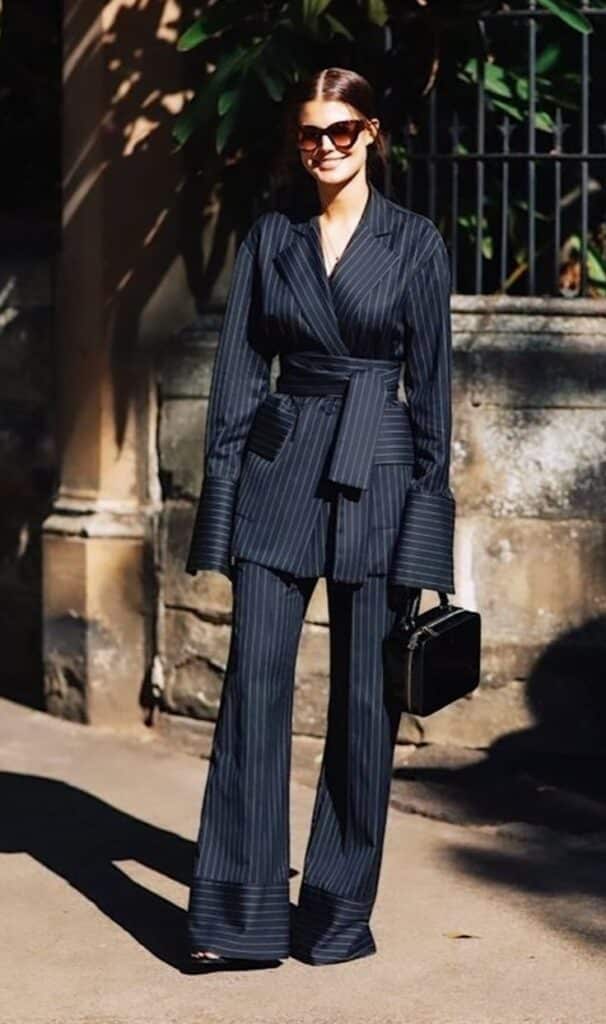
- Tailored Power: The pinstripe suit is an unbeatable choice for professional gravitas. Ensure the fit is impeccable to maintain its sophisticated appeal.
- Separates Strategy: Don’t limit pinstripe to full suits. A pinstripe blazer can be paired with solid trousers or jeans, while pinstripe wide-leg pants look chic with a plain knit or silk blouse.
- Subtle Detailing: Consider a pinstripe waistcoat over a shirt and trousers for a contemporary nod to classic tailoring.
- Mix and Match: While bold, pinstripe can also be subtly mixed with other fine patterns like micro-checks or even delicate florals if the color palette is harmonious.
- Fabric Quality: For pinstripe, the quality of the fabric is paramount. Opt for fine wools, gabardine, or high-quality blends that hold their shape and drape well.
10. Argyle
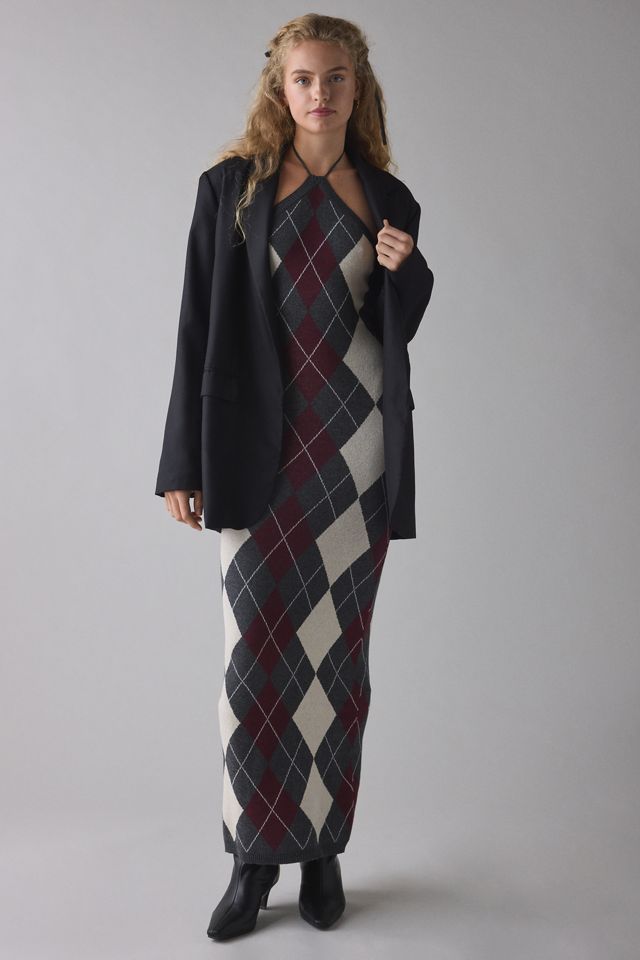
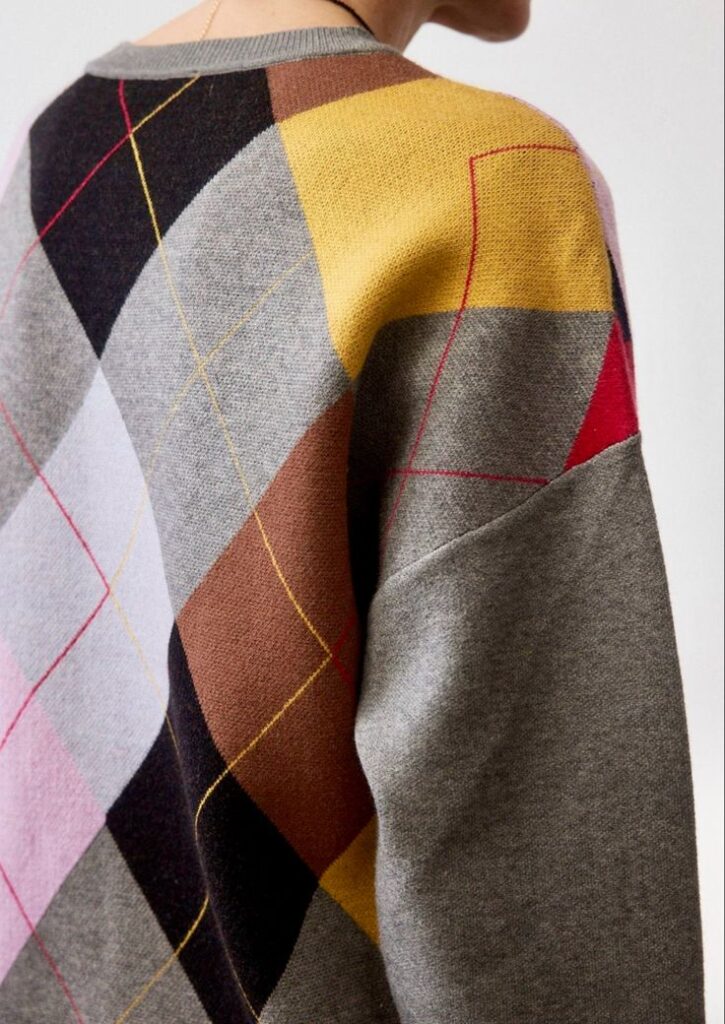
Argyle is a distinctive pattern featuring diamonds or lozenges in an overlaid design, often with an interweaving of contrasting colors, typically a solid diamond on a background of tartan-like crisscross lines. It originated from the tartan of Clan Campbell of Argyll in western Scotland and rose to prominence in sportswear, particularly golf wear, in the 20th century. Today, argyle offers a charming blend of preppy heritage and cozy sophistication, making it a delightful choice for fall.
For modern style, argyle has evolved beyond its traditional knitwear origins. While an argyle sweater or vest remains a classic, the print now appears on tailored skirts, socks, and even subtle accessory details. Fall-appropriate argyle features colors like deep burgundy, forest green, navy, mustard yellow, and various shades of brown and cream, often accented with classic black or white.
How to style argyle
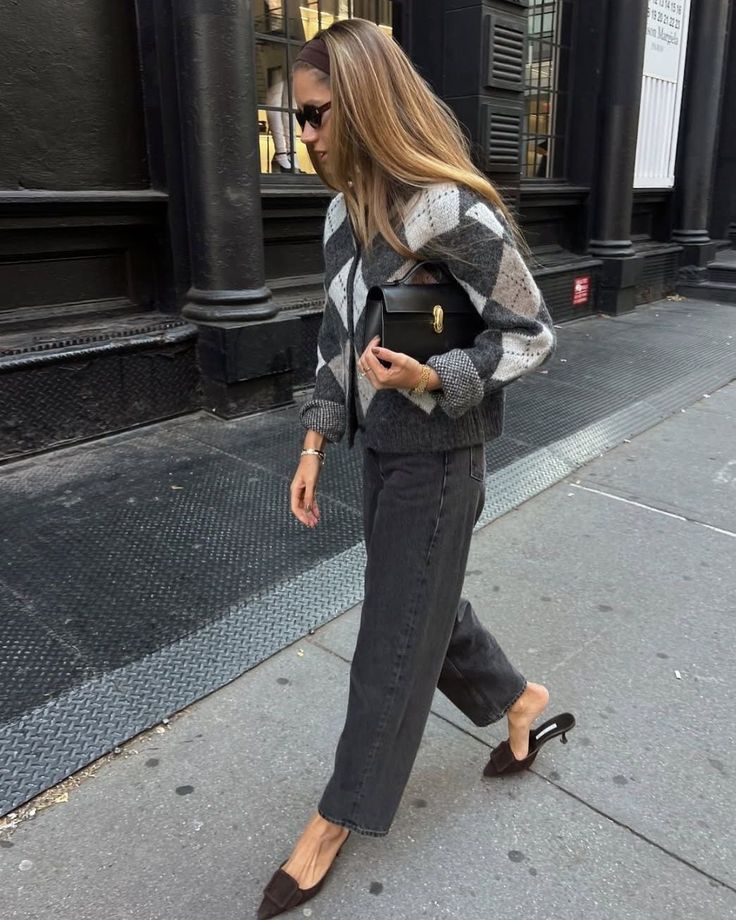
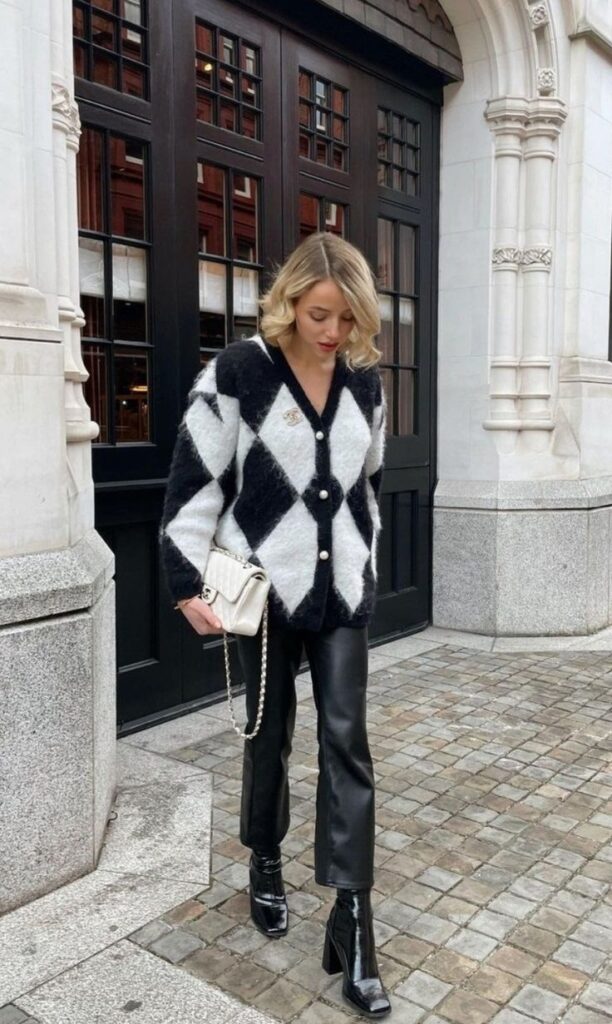
- Classic Knitwear: An argyle sweater vest layered over a crisp button-down shirt or a fine-gauge turtleneck is a quintessential preppy-chic fall look.
- Modern Silhouettes: Look for argyle patterns on contemporary items like a structured midi skirt or tailored trousers for a fresh take.
- Color Coordination: Pick out one of the colors within the argyle pattern and use it as a solid accent color for other parts of your outfit (e.g., a navy skirt with an argyle sweater featuring navy accents).
- Subtle Accessorizing: Argyle socks peeking out from ankle boots or loafers, or an argyle scarf, can add a playful yet sophisticated touch to an otherwise simple outfit.
- Balanced Proportions: As argyle can be a busy print, balance it with streamlined, solid pieces to avoid overwhelming the silhouette.
How to mix fall prints without visual noise
Start by deciding which print should be read first. Make it the largest, darkest, or highest-contrast motif, then let the second print behave like texture. Shared color is more important than matching categories: a charcoal line can connect plaid to pinstripes, while burgundy can connect a floral blouse to a checked coat. Change the scale so the repeats do not vibrate against each other. I also check the outfit in a phone photo rather than only in a mirror. The smaller image makes competing focal points obvious and shows whether shoes, bag, jewelry, and outerwear are supporting the pattern or fighting it.
| Problem | Why it feels busy | Better adjustment |
|---|---|---|
| Two high-contrast prints | Both demand first attention | Keep one hero print and mute the other |
| Prints at the same scale | The repeats visually collide | Pair a broad motif with a fine repeat |
| Too many print colors | Nothing ties the outfit together | Repeat one or two colors in solid pieces |
| Pattern, shine, and heavy texture | Three effects compete at once | Remove one effect before adding accessories |
| Large motif on a complex silhouette | Seams and print break each other up | Use a simpler garment shape |
A practical styling conclusion
Start with one print and one job. Use plaid or Glen check for structure, herringbone or pinstripes for quieter texture, dark florals or paisley for color, and animal or geometric prints for a stronger focal point. Then repeat one color, check the full silhouette in a phone photo, and remove the detail that competes first. The outfit should read before the pattern does.
Related fall outfit guides
- Winter office outfits — use checks, pinstripes, and structured layers at work.
- Winter shoe ideas — anchor a patterned outfit with the right footwear.
- Oversized sweater outfit ideas — balance a printed skirt or trouser with a solid knit.
- Fashion mistakes to avoid — fix scale, proportion, and competing focal points.
- Wedding suit color guide — compare seasonal palettes and formal pattern choices.
- Fashion archive — browse more outfit and styling references.
Fall prints FAQ
What fall prints are easiest to wear?
Herringbone, pinstripes, small houndstooth, and muted plaid are the easiest starting points because they behave almost like texture from a distance. Choose one patterned garment and build the rest of the outfit with solid colors taken from that print. A coat, blazer, trouser, scarf, or knit can carry the pattern; it does not need help from another statement piece.
How do I mix two fall prints?
Vary the scale and repeat at least one color. For example, pair a broad plaid coat with a fine pinstripe trouser in a shared charcoal tone. Keep one print dominant and the other quieter, then use solid shoes and accessories. If both patterns are equally large, equally bright, or equally high contrast, they will compete instead of reading as one outfit.
Which fall prints work for an office outfit?
Glen check, houndstooth, herringbone, pinstripes, and restrained plaid work especially well for office clothing. They suit structured blazers, coats, trousers, and midi skirts without relying on novelty. Keep the palette controlled, check that the pattern aligns reasonably at major seams, and pair the printed piece with a simple shirt or fine-gauge knit.
Can animal print look sophisticated?
Yes. Use animal print as one controlled accent rather than a theme. A leopard scarf, belt, shoe, bag, or clean-lined coat can work with black, camel, chocolate, olive, or burgundy. Quality and scale matter: a clear motif on a substantial fabric usually looks calmer than a tiny, high-contrast print spread across several garments and accessories.
How do I choose the right print scale?
Match the motif to the garment surface and the effect you want. Large checks and florals need broad, simple shapes such as coats, dresses, and full skirts. Small repeats suit shirts, socks, scarves, and layered pieces. Also consider distance: a subtle print should merge into texture from across a room, while a statement print should remain legible without breaking the silhouette into fragments.
What colors make fall prints easier to style?
Charcoal, navy, camel, chocolate, cream, olive, burgundy, and deep rust make dependable fall bases. Pick one background neutral and one accent from the pattern, then repeat either color in another part of the outfit. You do not need to match every shade. Two repeated colors are usually enough to make plaid, paisley, florals, or argyle feel deliberate.
- 428shares
- Facebook0
- Pinterest425
- Twitter3
- Reddit0