The skills needed to be a fashion designer span technical mastery, creative innovation, digital fluency, business savvy and professional resilience. From pattern making and sewing proficiency to CAD software and marketing expertise, aspiring designers must build a multifaceted toolkit. This guide outlines the critical competencies they need now to succeed in a competitive industry.
Master technical skills
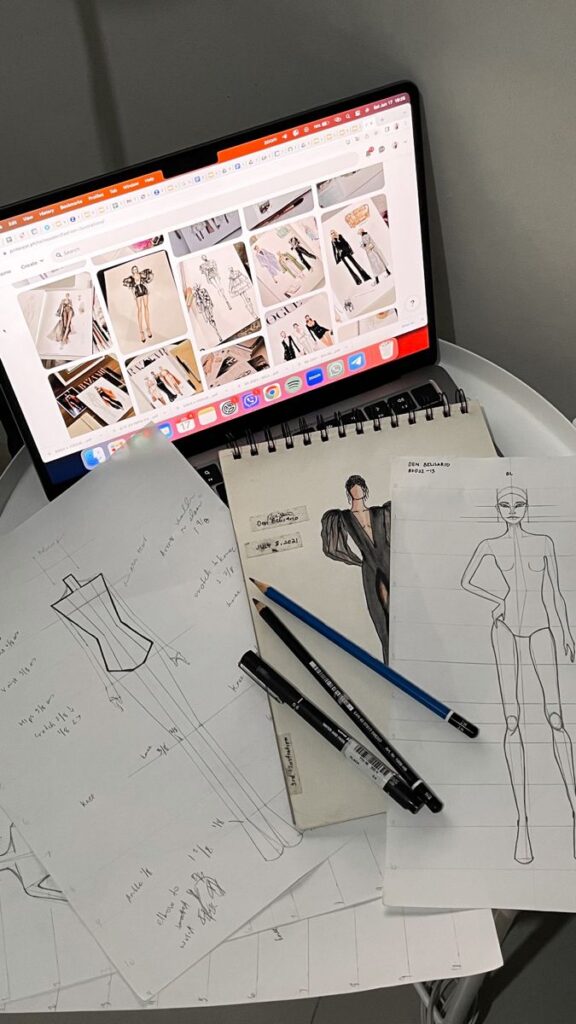
Pattern making and draping
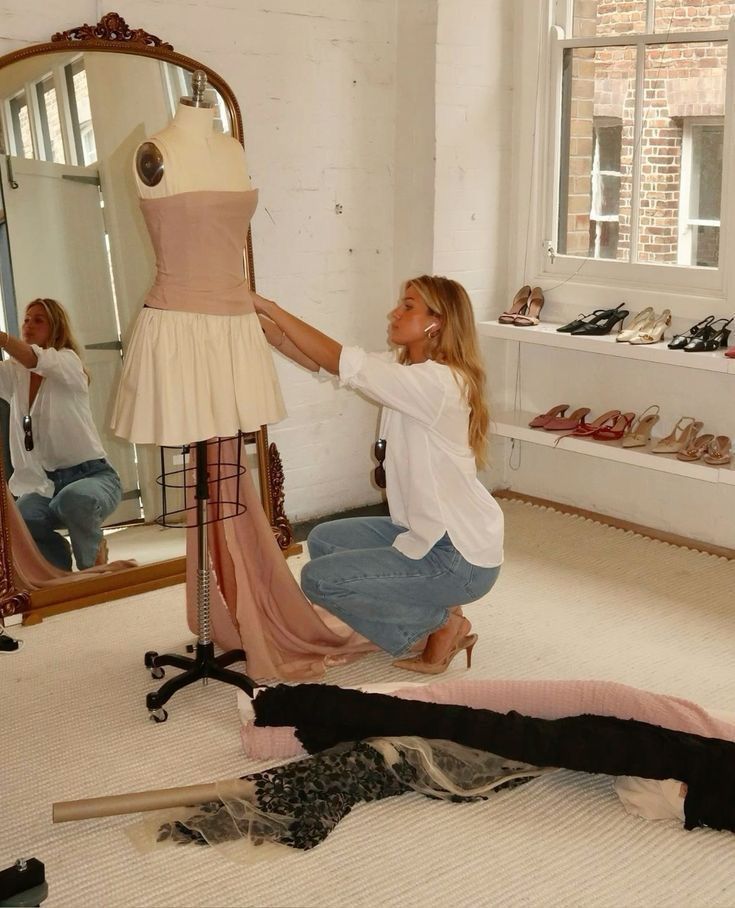

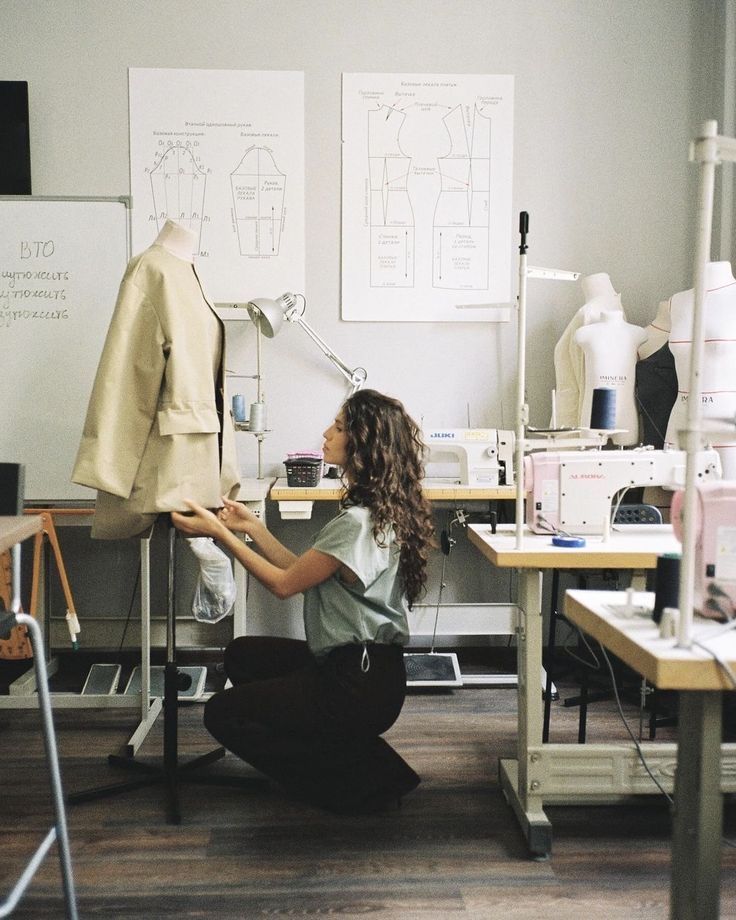
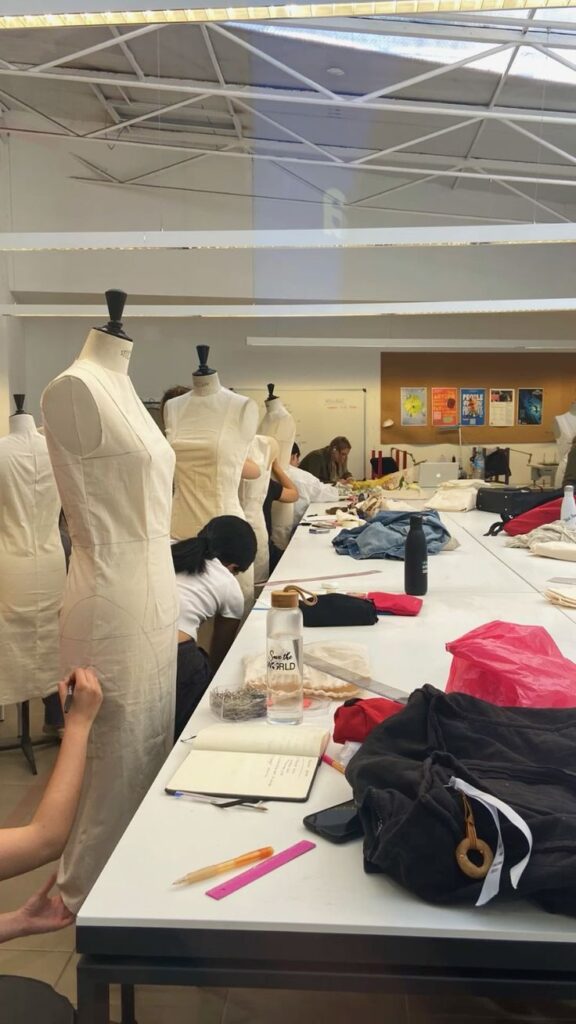
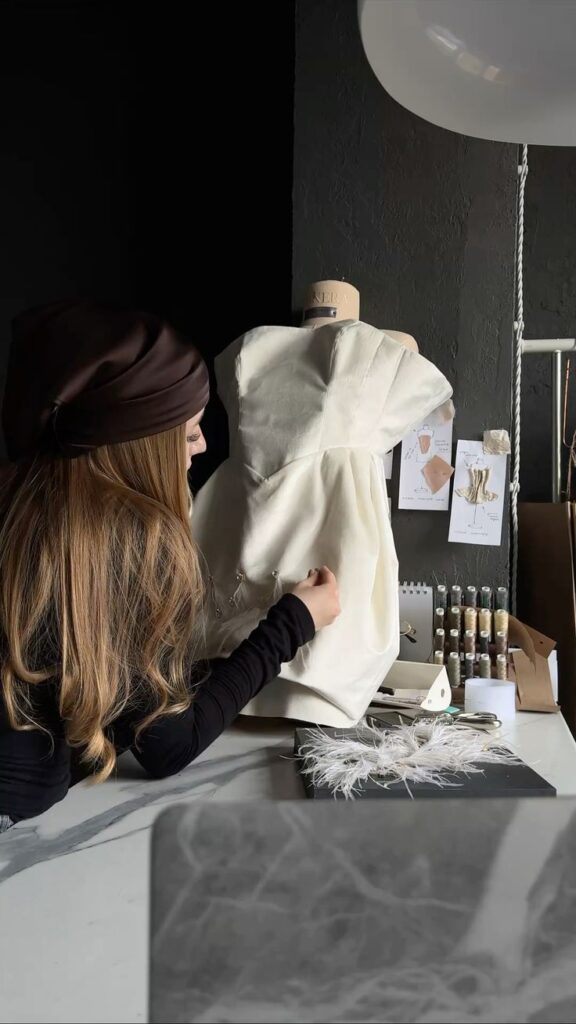
Pattern making serves as the blueprint for any garment, translating creative concepts into precise templates. Mastery of grading—resizing patterns for different body types—is crucial. Draping on a dress form with muslin allows designers to experiment with silhouettes and refine fit before cutting costly fabrics [1].
Sewing and garment construction
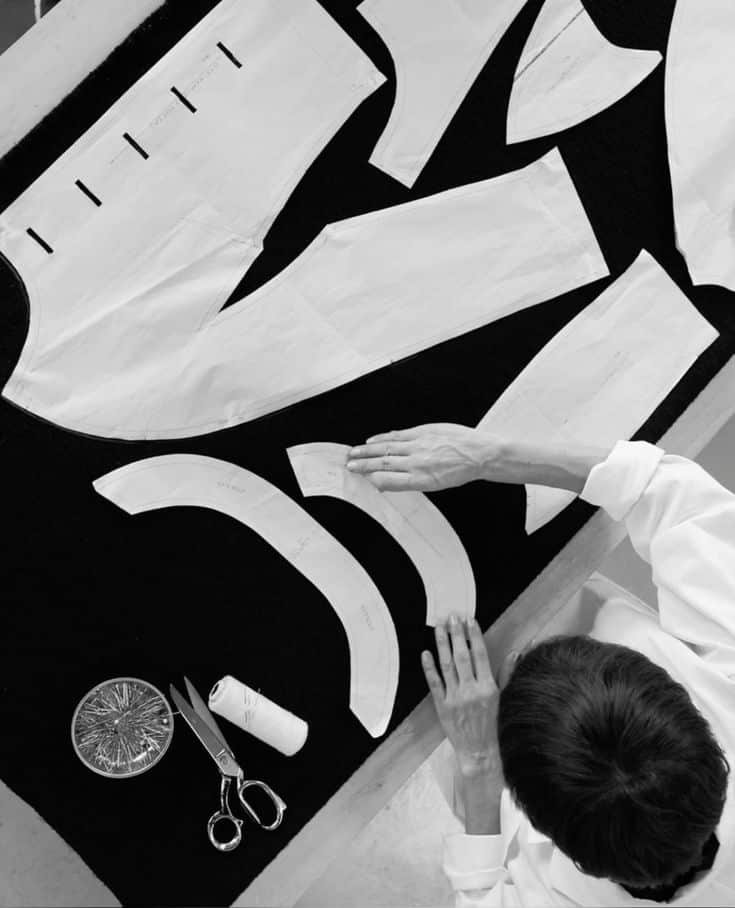
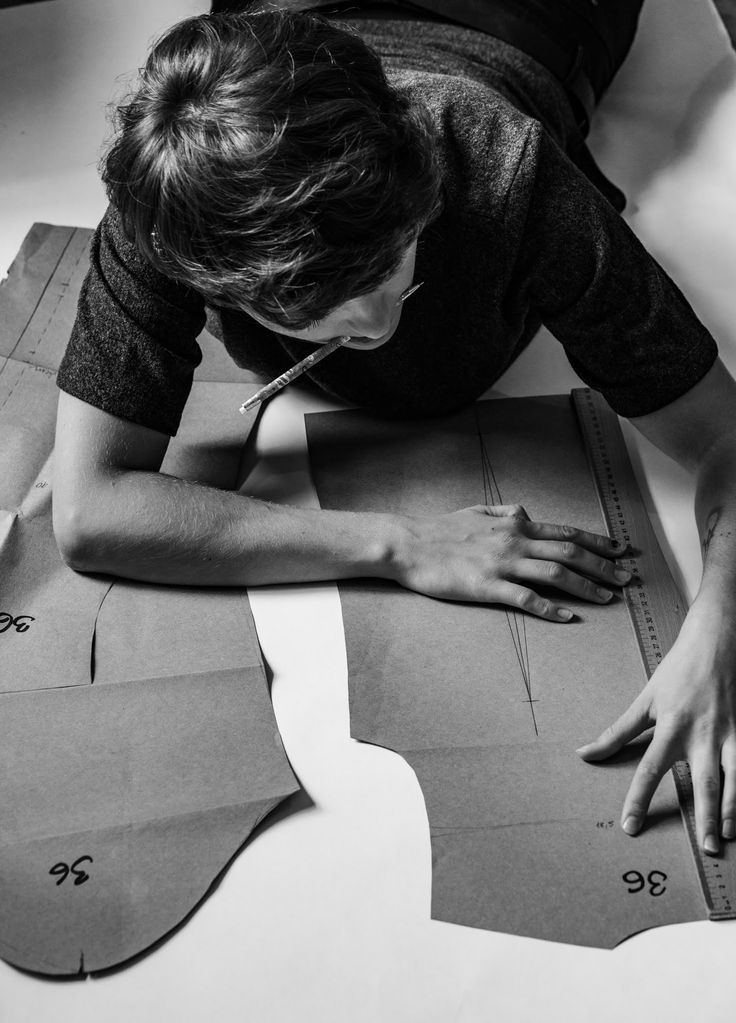
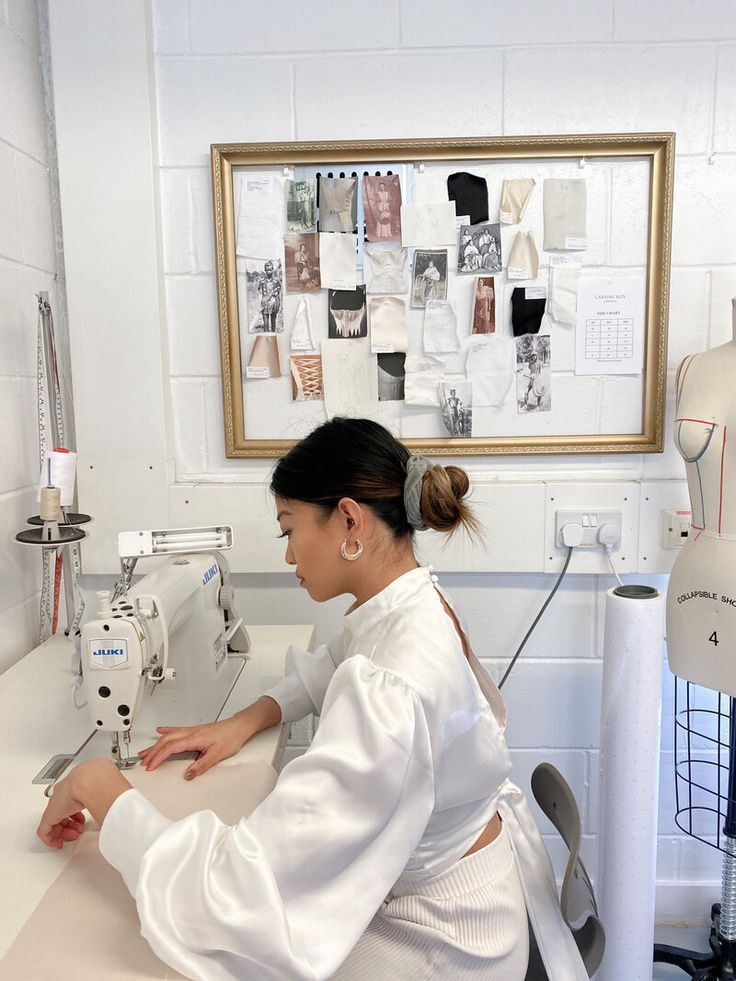
Proficiency in hand sewing and machine techniques underpins garment quality and durability. Designers should start with simple stitches, then advance to complex elements like zippers, sleeves and linings. Regular practice in fitting adjustments ensures a perfect final fit [2].
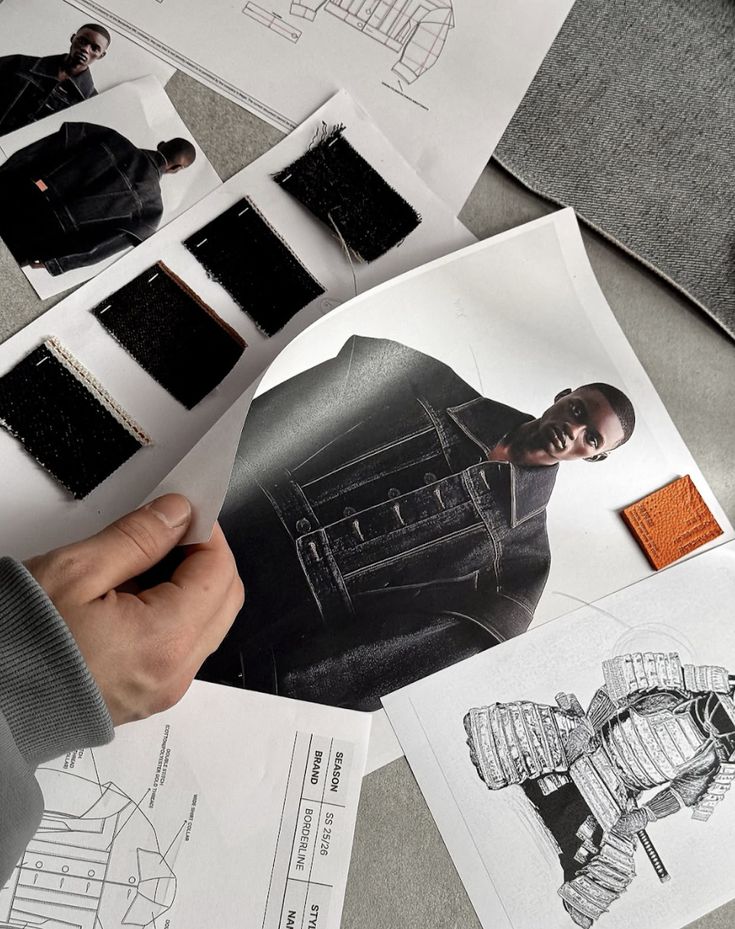
Textile knowledge and manipulation

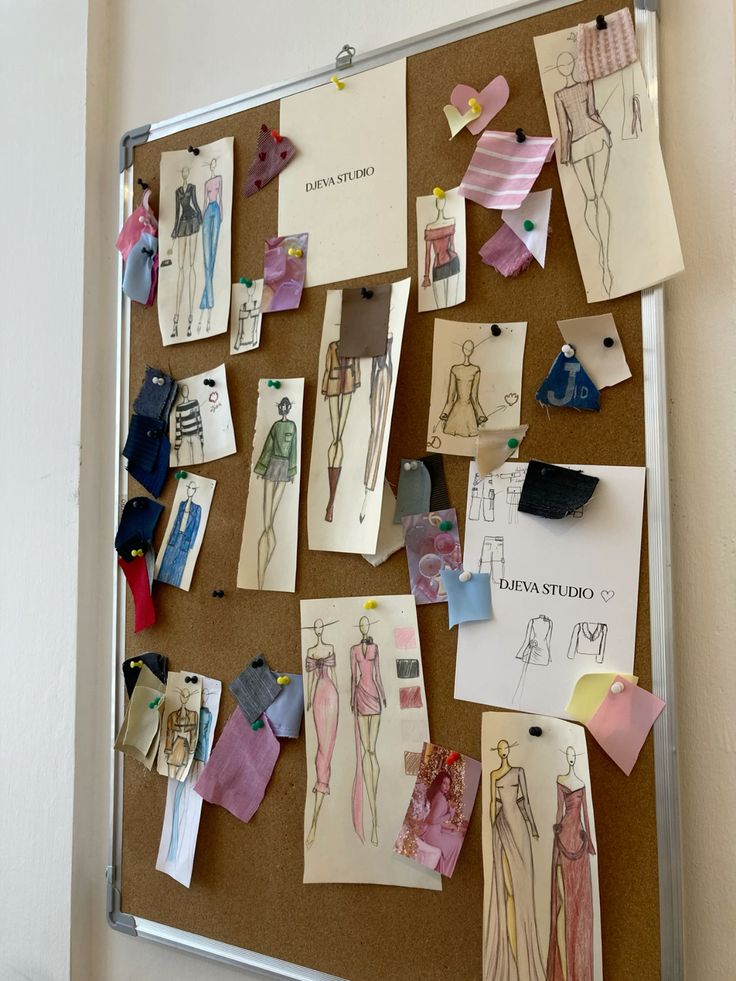
A thorough understanding of fabric types, weaves and weight guides smart material choices. Techniques such as pleating, smocking and fabric manipulation create unique textures and volume. Knowledge of fabric care and performance ensures longevity and customer satisfaction [2].
Embrace digital design
CAD and 3D modeling
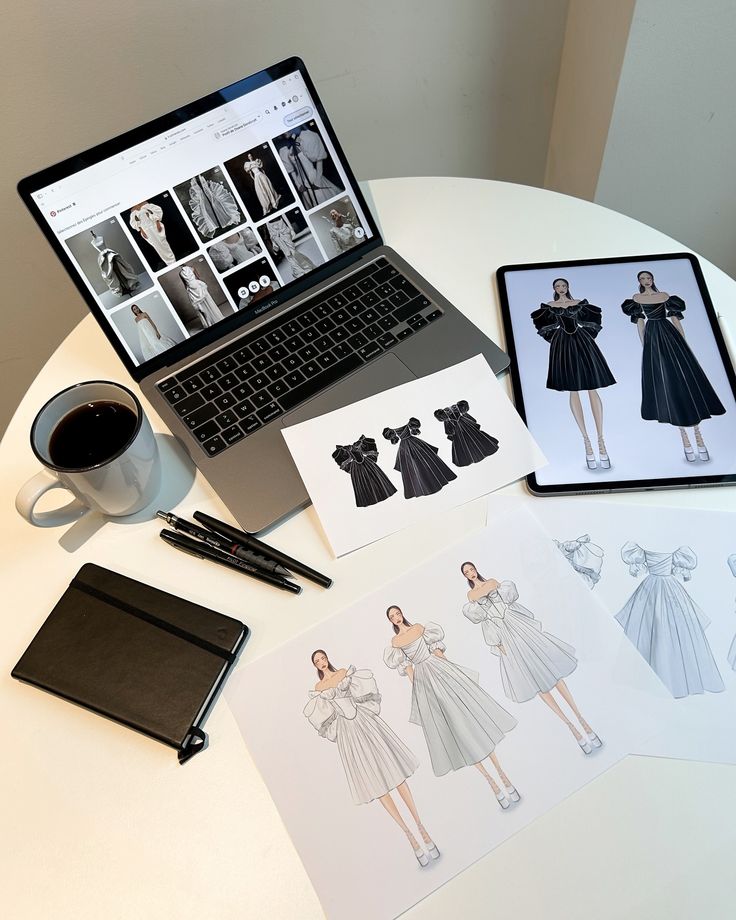
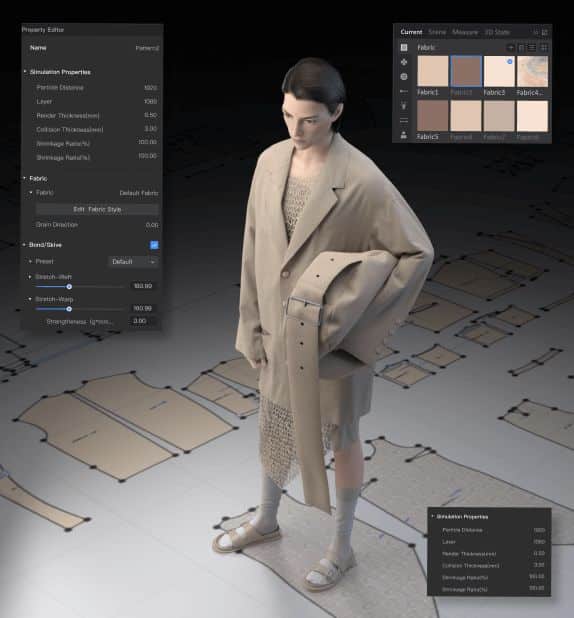
Digital design tools like Adobe Illustrator, Photoshop and CLO3D streamline the creation of technical drawings and virtual samples. Proficiency in these programs accelerates iterations and reduces material waste [2].

Virtual prototyping
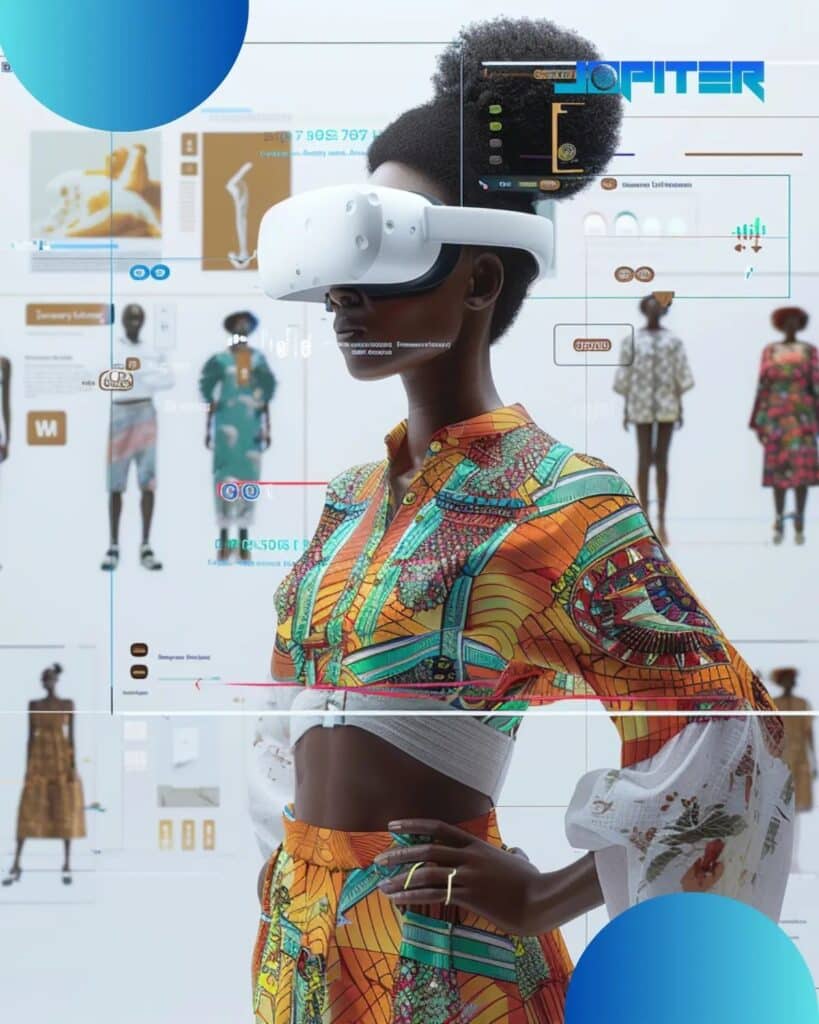
3D modeling platforms enable designers to visualize garments on digital avatars, test fabric drape and adjust fit in real time. AI-powered design platforms further boost efficiency, freeing creatives to focus on higher-level concepts [3].

Develop creative processes
Daily creative rituals
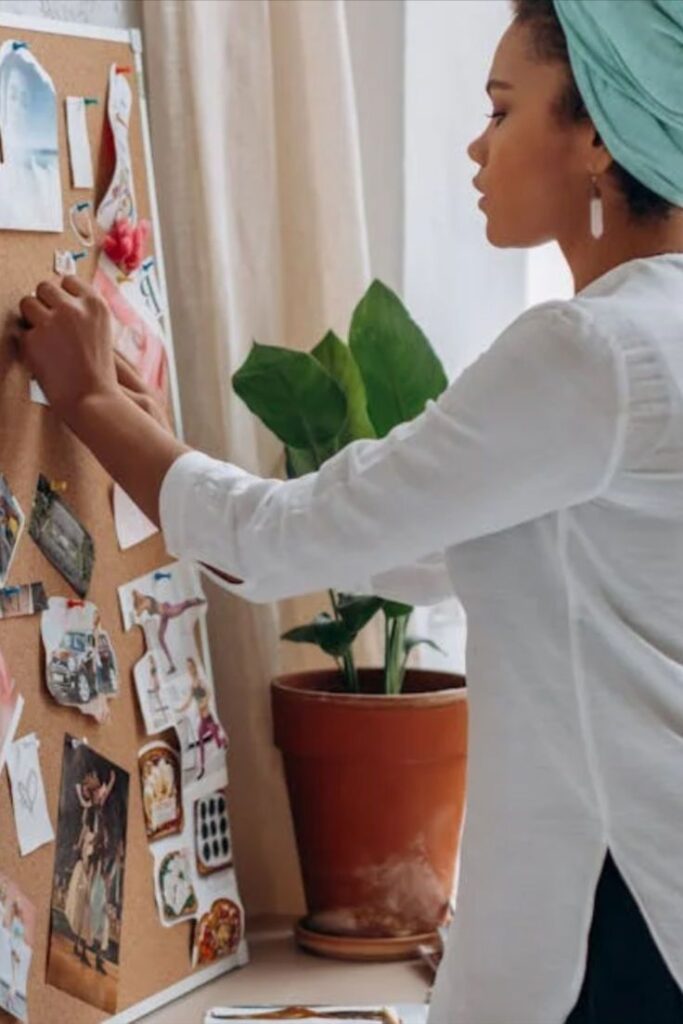
Consistent habits—such as twenty minutes of morning sketching or texture experiments—keep ideas flowing. A living sketchbook captures inspirations anytime, cultivating a continuous creative flow [3].

Ideation strategies
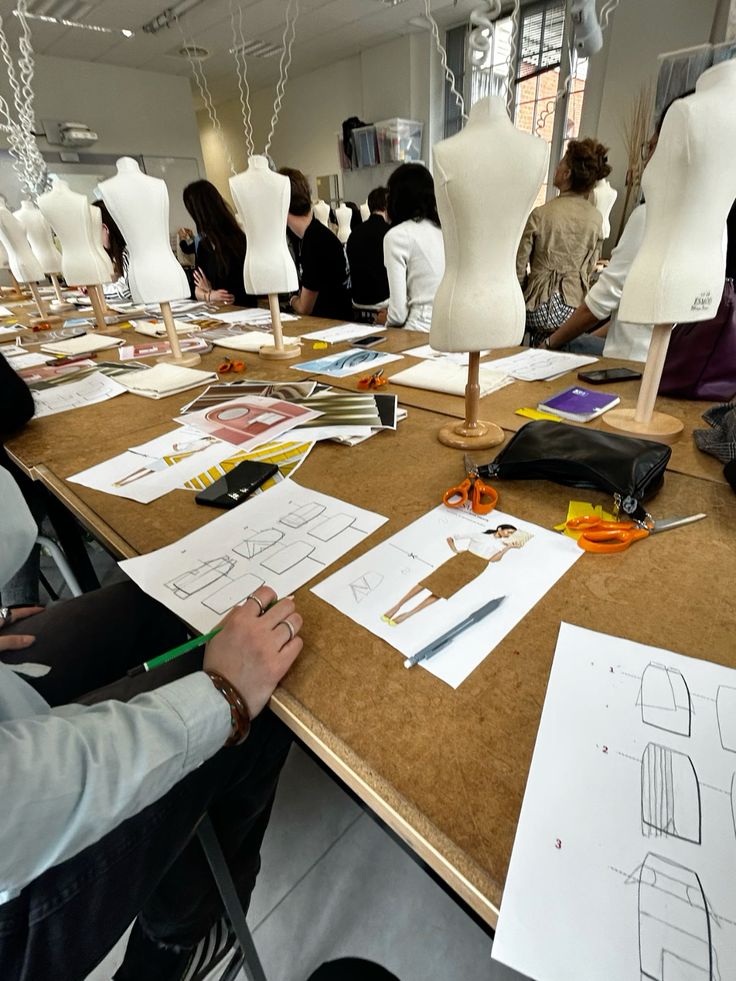
Alternative brainstorming methods like free-writing, doodling or drawing from architecture and music stimulate fresh perspectives. Breaking mental cycles helps designers break new ground.

Collaboration and inspiration
Working with photographers, artisans and other creatives broadens cultural and technical insights, rooting collections in authentic narratives and sparking innovation [3].
Leverage business acumen
Marketing and branding
Skills in social media marketing, search engine optimization and website analytics empower designers to engage consumers and boost online sales. Understanding consumer data guides targeted campaigns [2].
Financial literacy
Proficiency in Microsoft Excel is essential for budgeting, tracking materials and analyzing sales figures. Luxury and fashion firms often assess candidates’ Excel skills during interviews [4].
Portfolio development
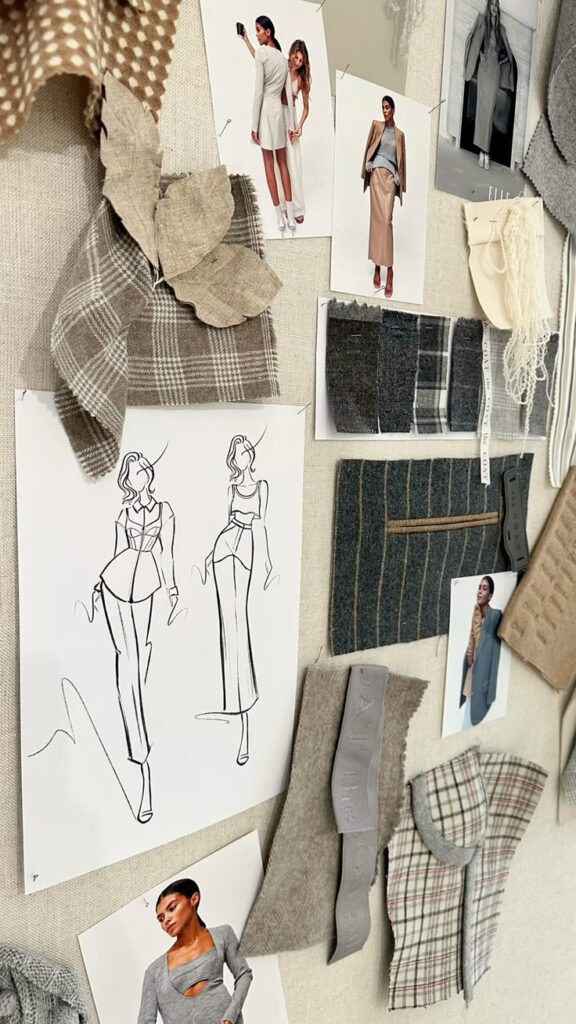
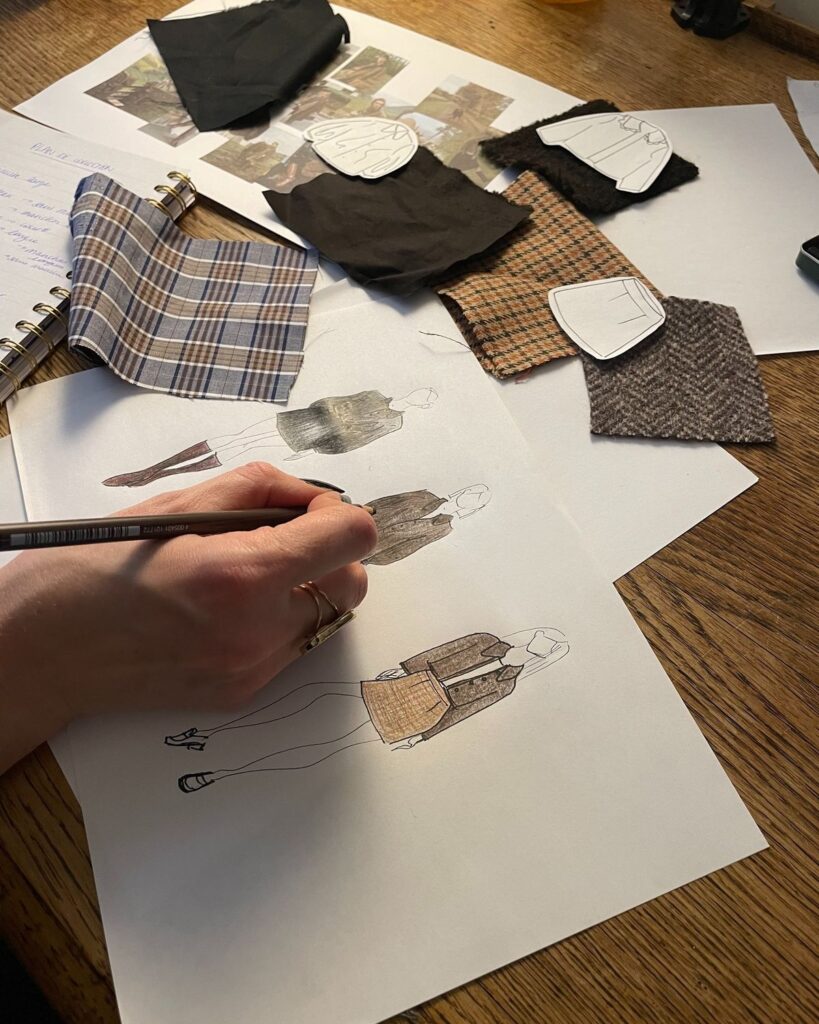
A dynamic portfolio showcases a range of work—from technical flats to finished pieces. Regular updates through internships, freelance projects and competitions demonstrate growth and versatility [5].
Cultivate soft skills
Communication and teamwork
Clear verbal and written communication ensures seamless collaboration with pattern makers, suppliers and marketing teams. Bilingual fluency in languages like French or Italian offers an edge in global markets [4].

Adaptability and resilience
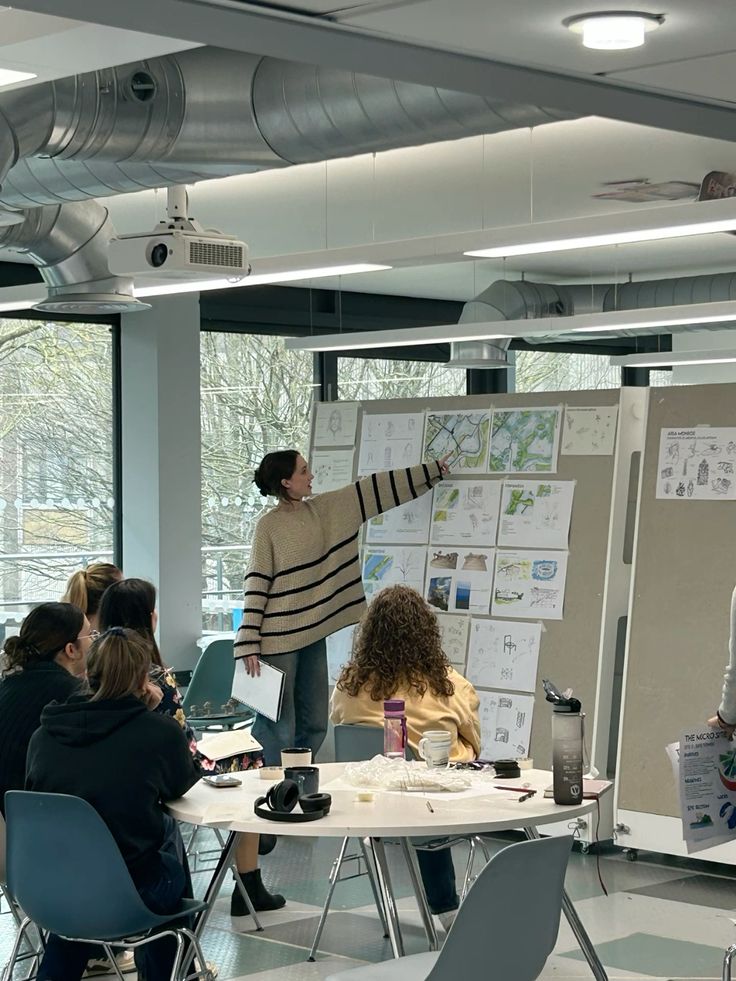
Rapid industry shifts—from emerging technologies like 3D printing to changing consumer trends—demand flexibility. Resilience helps designers navigate setbacks and tight deadlines [6].
Attention to detail
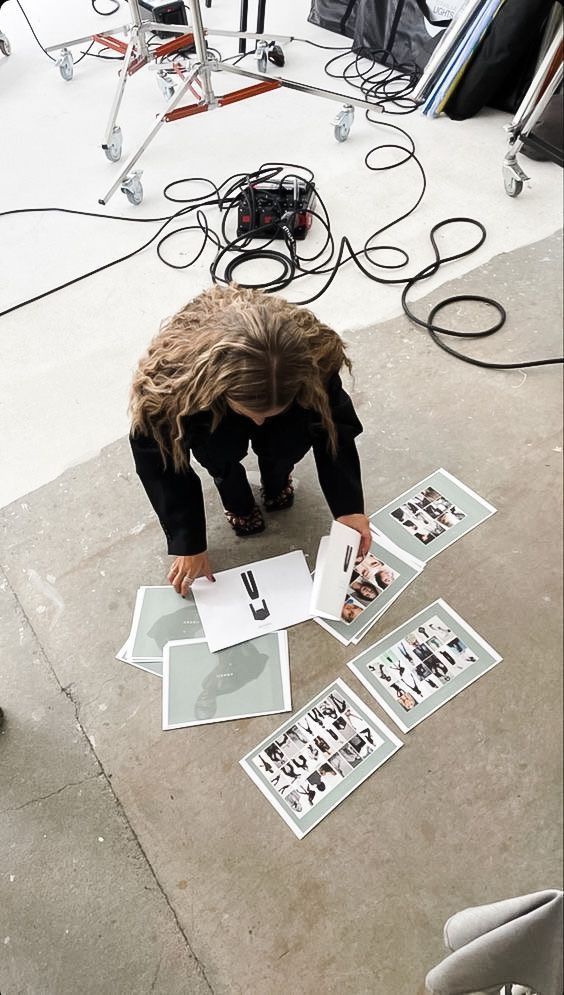
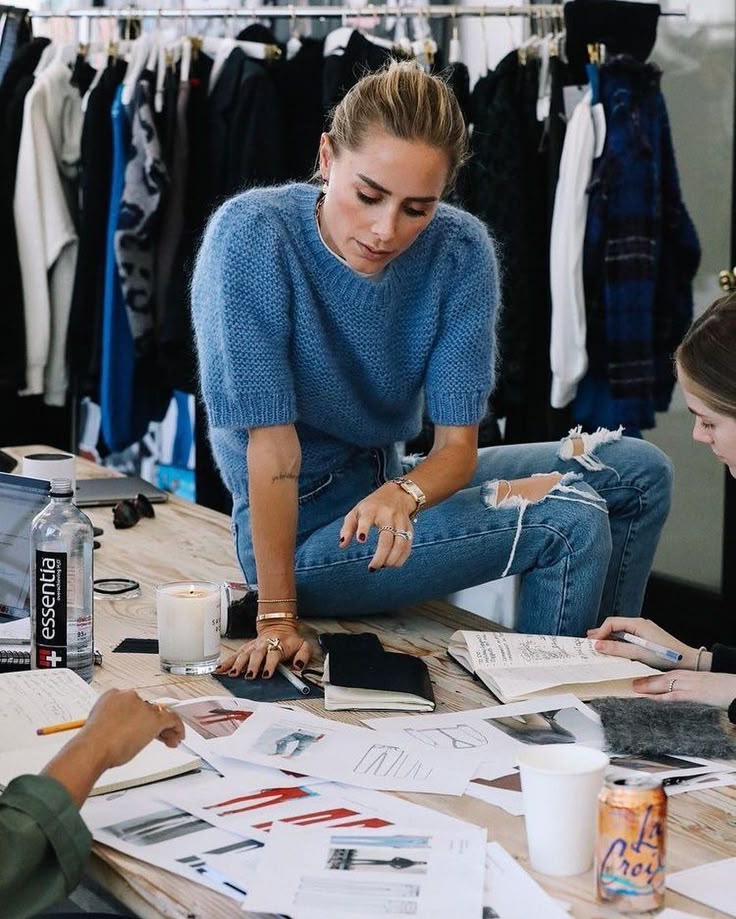
Precision in measurements, stitching and finishing distinguishes exceptional work. A meticulous eye ensures quality and brand integrity at every stage of production.
Navigate education paths
Formal education options
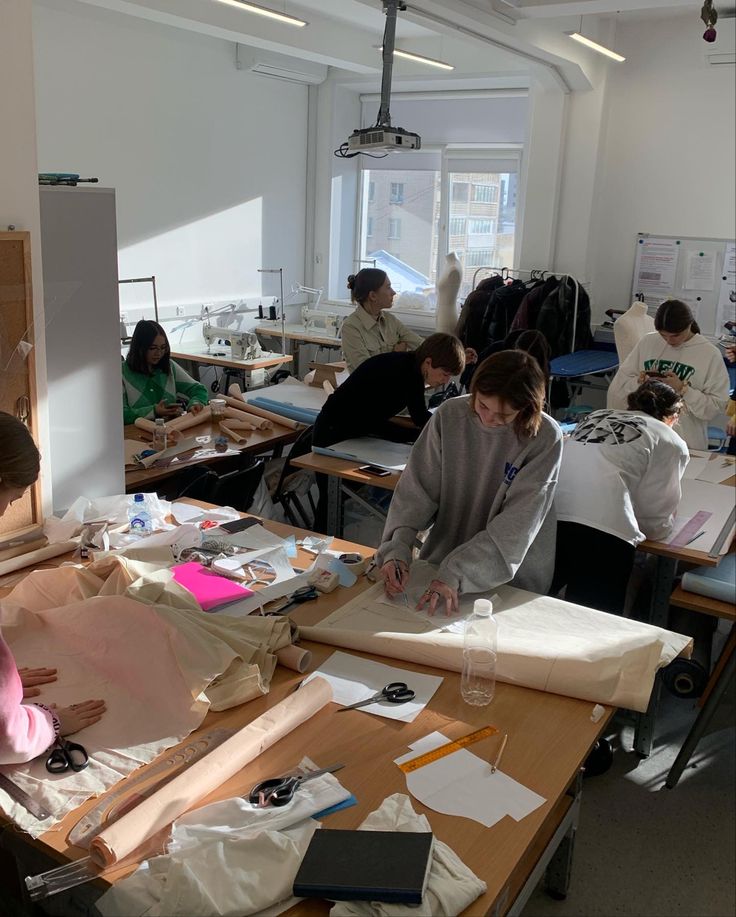
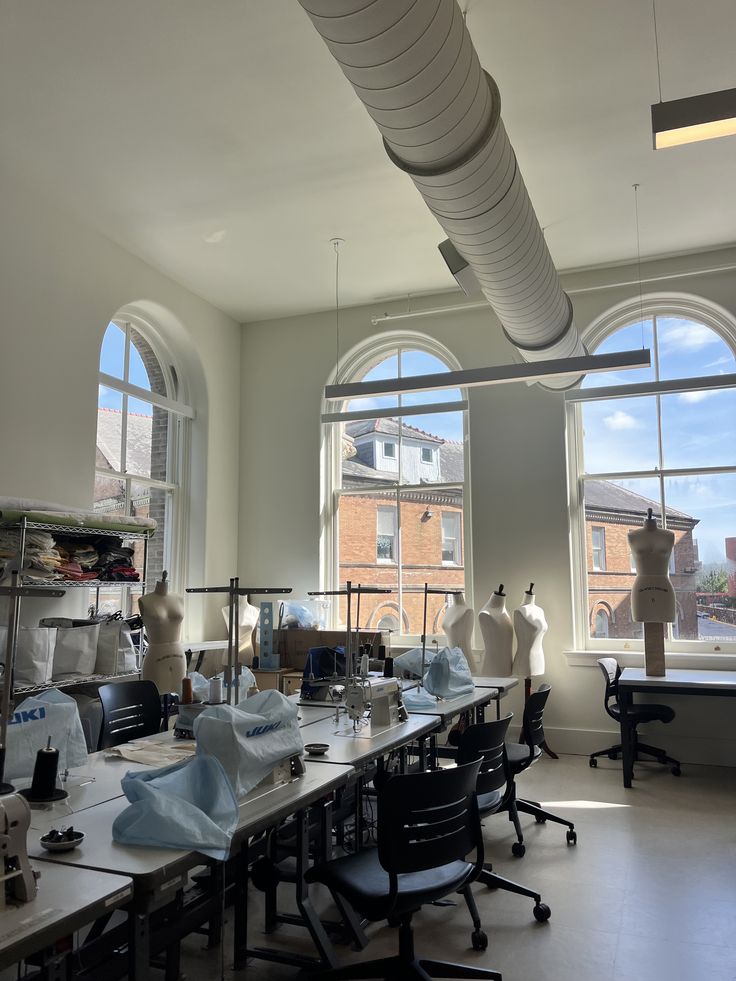
Most designers earn a bachelor’s degree in fashion design or a related field, covering textiles, color theory and CAD. Popular paths include fashion design degrees at best fashion design colleges or local programs found via fashion design schools near me.

Internships and networking
Hands-on roles at design houses or manufacturers provide practical experience and portfolio material. Securing fashion design internships and building connections through industry events accelerate career growth [5].
Continuing professional growth
Online workshops and masterclasses in niche techniques keep skills current. Platforms offering fashion design courses online allow designers to refine digital and marketing competencies. Reviewing the fashion designer job description regularly helps identify emerging requirements.
Frequently asked questions

What educational background is required?
Designers typically hold a bachelor’s degree in fashion design or merchandising. Coursework covers textiles, pattern making and CAD. Certifications in specialized software or techniques can supplement formal education.
Which software skills are essential?
Adobe Illustrator, Photoshop and 3D CAD programs like CLO3D or Lectra are industry standards. Proficiency in analytics tools and Excel rounds out a digital toolkit.
How does pattern making impact design?
Pattern making translates sketches into accurate templates. Precision in grading and draping ensures garments fit diverse body types and maintain intended silhouettes.
Why are business skills important?
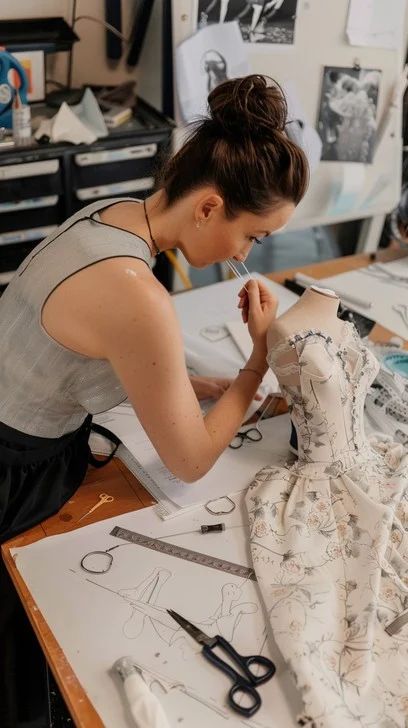
Marketing, budgeting and sales knowledge turn creative ideas into profitable ventures. Strong business acumen helps designers position their brand and manage production costs.
How can designers maintain creativity?
Daily rituals—sketching, experimenting with textures or sourcing inspiration from art and culture—sustain innovation. Collaborative projects and cross-industry research prevent creative blocks.
References
- (British Academy of Fashion Design)
- (uandisearch)
- (Inside Fashion Design)
- (Glam Observer)
- (TheBestSchools.org)
- (IFA Paris)
- 3.5Kshares
- Facebook0
- Pinterest3.5K
- Twitter0
- Reddit0