
A fashion scarf is a simple way to add style and personality to any outfit. Whether worn around the neck, as a headband, or even tied to a bag, scarves bring color, texture, and flair. The key to wearing a fashion scarf is choosing the right style and tying method that suits the outfit and occasion.
Many people think scarves are just for warmth, but they offer much more. From silk to cashmere, some scarves can make casual looks chic or elevate formal wear. Wearing a scarf creatively can turn a plain outfit into something eye-catching without much effort.
Scarves come in many shapes and sizes, so knowing a few easy ways to tie and wear them helps anyone look polished and put together. Trying new knots or using scarves in unexpected ways keeps the look fresh and interesting through every season.
Choosing the Right Fashion Scarf
Picking a fashion scarf means thinking about how it feels, looks, and fits. The fabric affects comfort and warmth. Colors and patterns can brighten or balance an outfit. Length and shape change how the scarf can be styled and worn.
Selecting Fabrics and Materials
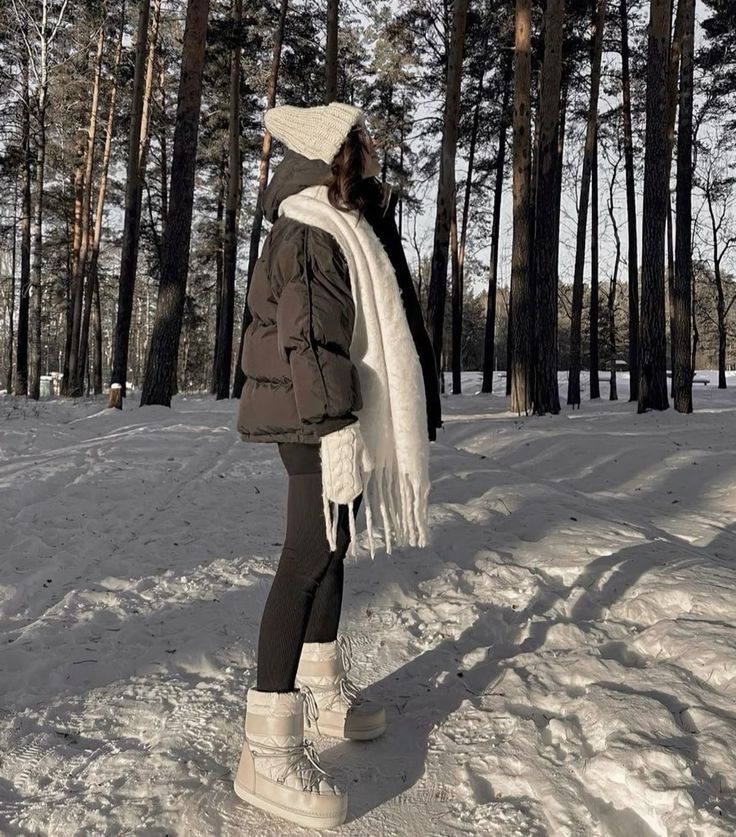
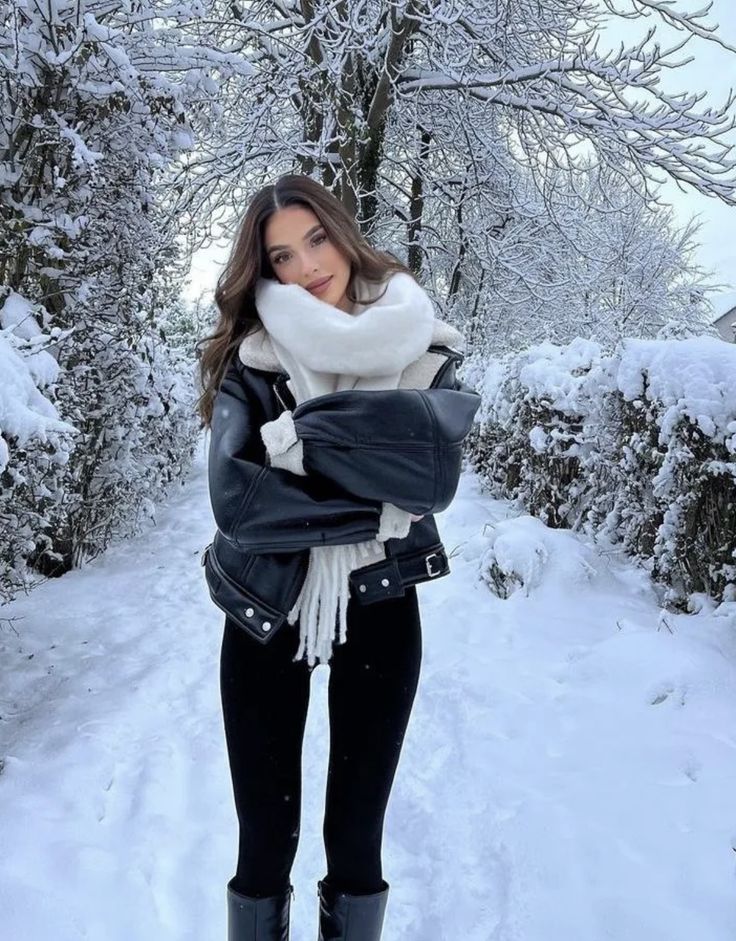
The fabric of a scarf sets the tone for its use. Wool and cashmere are soft and warm, perfect for cold weather. Cotton scarves are breathable and work well for mild temperatures. Silk scarves add a smooth, elegant touch and are best for dressy looks or warmer days.
Each fabric has care needs. Wool and cashmere often require gentle washing or dry cleaning. Cotton and synthetic blends are easier to clean and maintain. Choosing the right fabric depends on the season and how much comfort or style is needed.
Picking Colors and Patterns

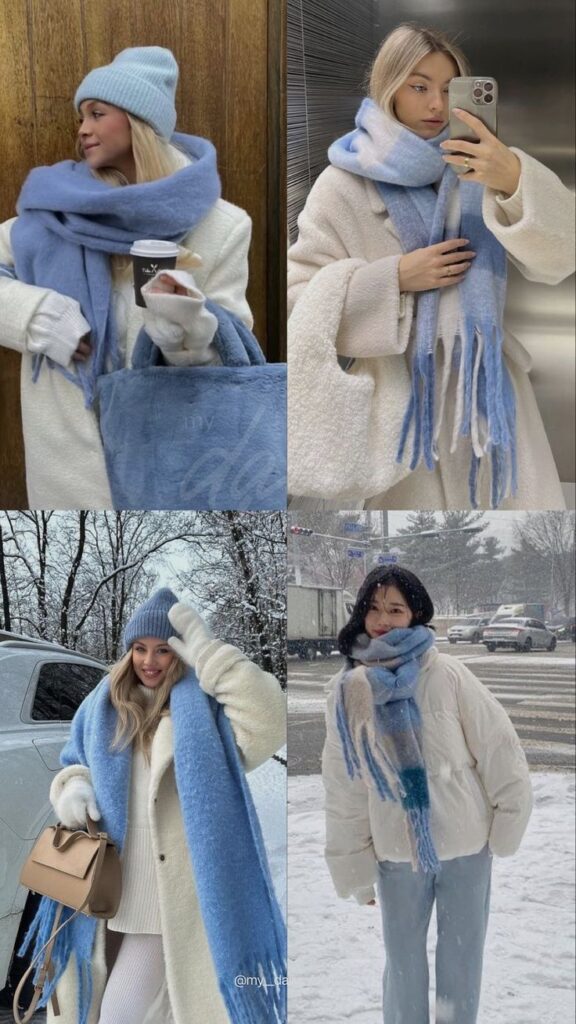
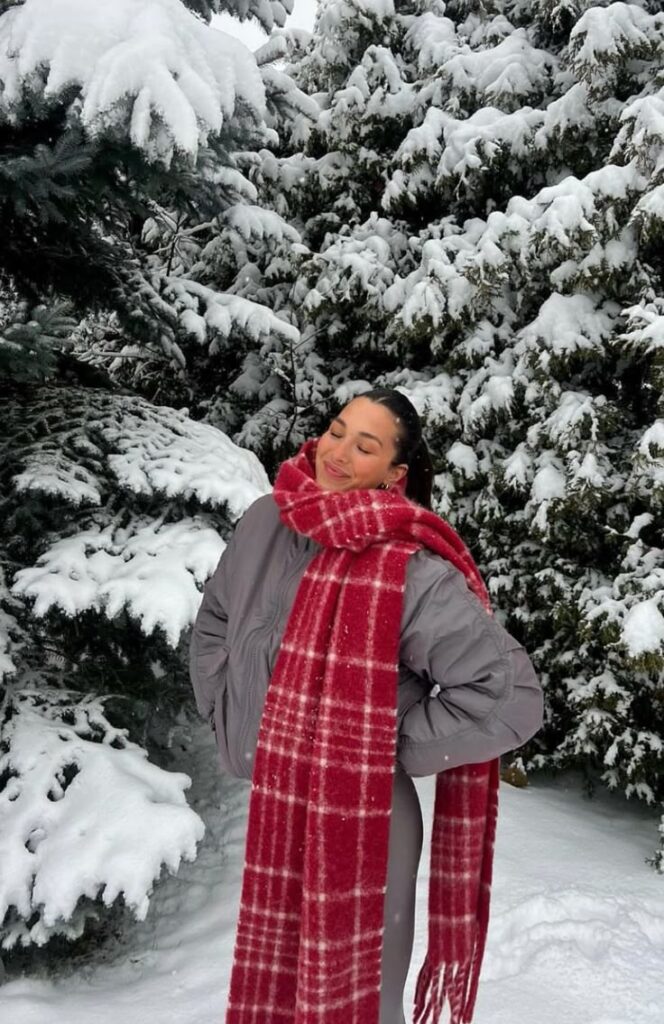
Colors should complement the wearer’s existing wardrobe. Neutral shades like black, gray, or beige fit many styles. Bright colors such as red or blue can make a simple outfit pop. Patterns like stripes or plaid add texture and interest without overwhelming.
When mixing patterns, size and scale matter. Small prints pair better with solid clothes, and bold patterns look best with simple outfits. Matching scarf colors with a jacket, shirt, or accessories creates a balanced and polished look.
Finding the Perfect Length and Shape


Scarves come in many shapes—long rectangles, squares, and even infinity loops. A long rectangular scarf is versatile for wrapping or knotting in many styles. Square scarves can be folded into triangles for head wraps or neck ties. Infinity scarves are easy to wear and add volume around the neck.
Length affects how the scarf drapes. Short scarves sit close to the neck and suit formal wear. Longer scarves can be wrapped multiple times, adding warmth and style to casual looks. Choosing the right size helps achieve the desired look and comfort.
Classic Ways to Wear a Scarf
Using a scarf in classic styles can add a neat and polished touch to any outfit. Simple knots and draping methods work well with most types of scarves, making them easy to learn and versatile. These methods balance both function and style, keeping the scarf secure and comfortable.
The Simple Loop
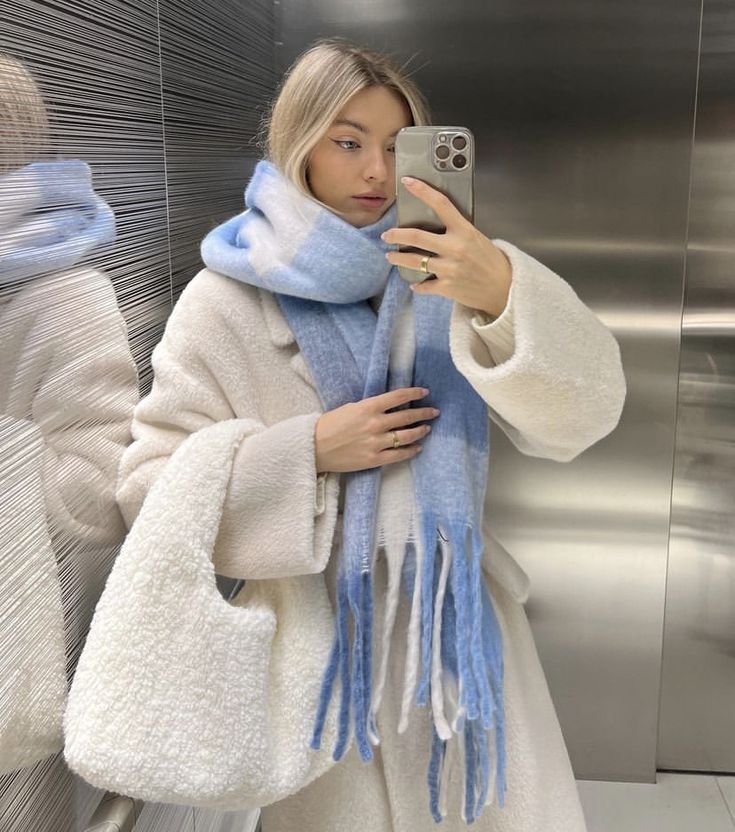

The simple loop is a quick and practical way to wear a scarf, perfect for chilly days. To do this, fold the scarf in half lengthwise and place it around the neck. Then, pull the loose ends through the loop created by the fold.
This style works best with medium to long scarves made from thicker materials like wool or cotton. It provides warmth around the neck while looking tidy and symmetrical. The simple loop suits casual or business-casual outfits and is easy to adjust depending on how snug you want the fit.
The French Knot
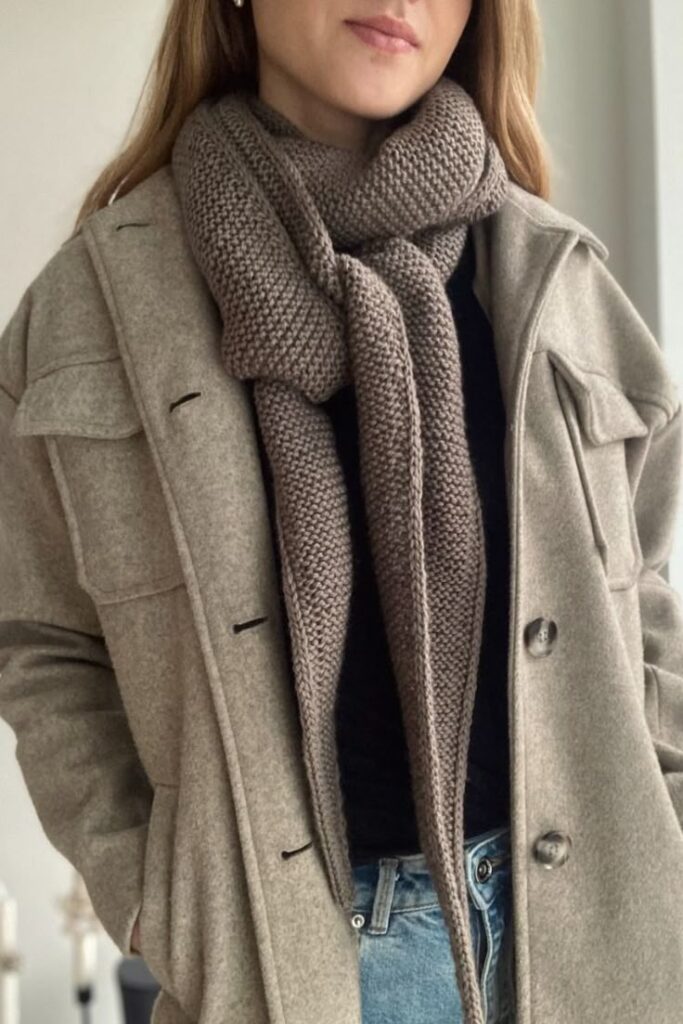
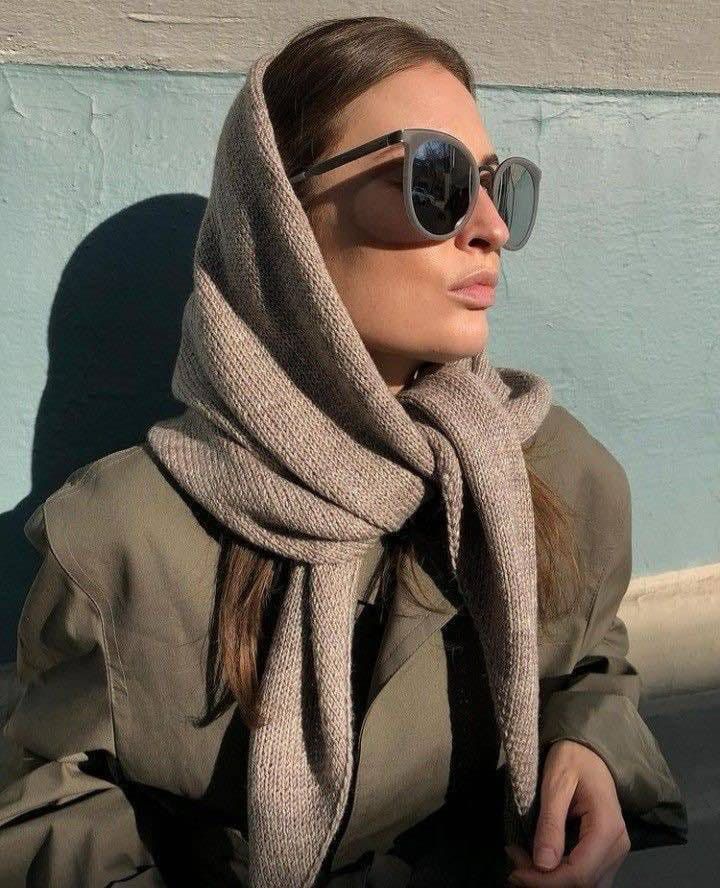
The French knot adds a bit more finesse to a look. Start by draping the scarf evenly around the neck. Cross one end over the other, then pull it under and through to make a loose knot. Adjust the knot to sit neatly at the front or slightly to the side.
This knot is ideal for silk or lightweight scarves because it creates a soft, elegant effect without bulk. It pairs well with blazers or coats for an added touch of style. The French knot can also be adjusted to be tighter or looser, depending on the wearer’s comfort.
Draped Over the Shoulders


Draping the scarf over the shoulders is the simplest and most relaxed way to wear this accessory. Just let the scarf hang down on each side without tying or looping it.
This method is great for larger scarves or shawls, especially made of cashmere or soft wool. It adds a layer of warmth while keeping the look effortless and chic. Draping over the shoulders works well over dresses, sweaters, or coats, making it a perfect choice for mild to cool weather.
Creative Scarf Styling Techniques
Scarves offer more than warmth—they can change the whole look of an outfit. Using scarves in different ways adds style and personality. Some creative methods include using a scarf as a belt, a head wrap, or even a bag accessory.
The Belted Scarf
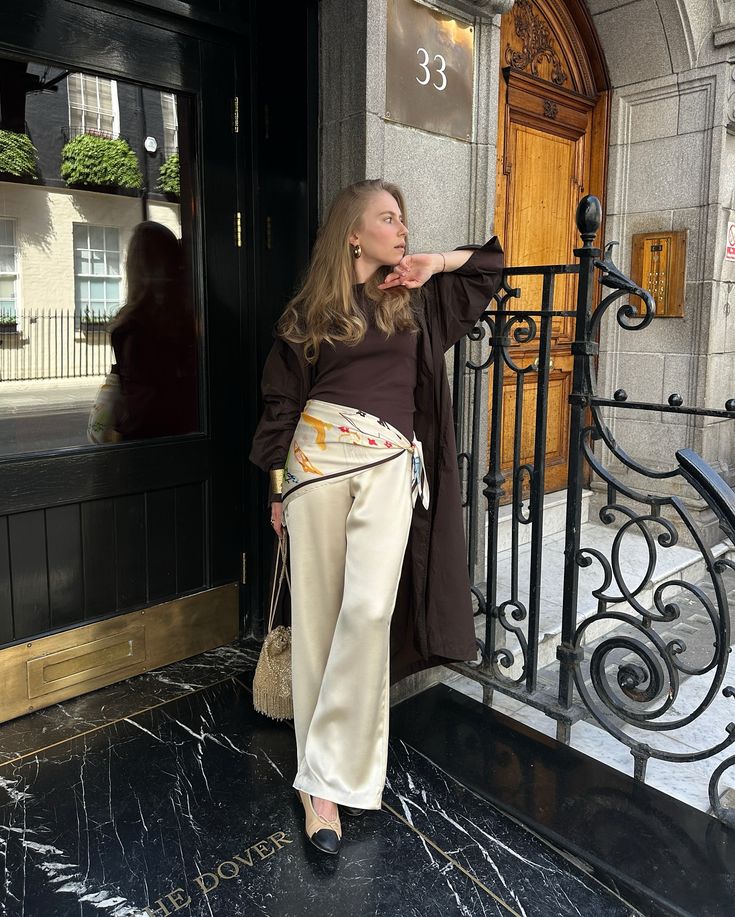
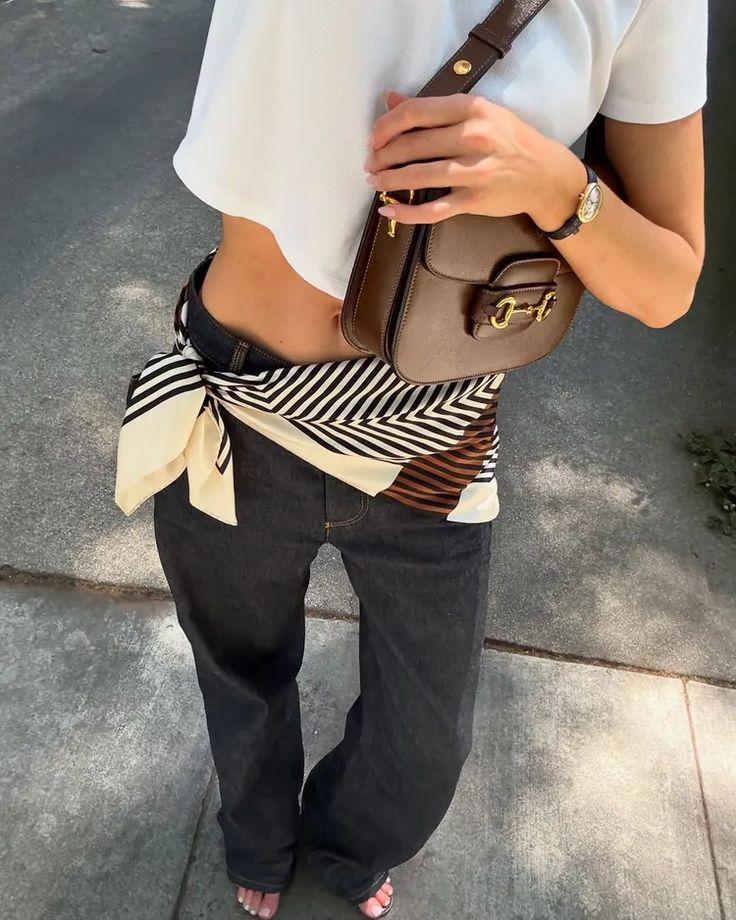
Wearing a scarf as a belt adds a fresh twist to pants or dresses. He or she can fold a long scarf lengthwise to make it narrower. Then, tying it around the waist creates a colorful and unique belt.
This works well with dresses that need a shape boost or jeans that could use a splash of color. A belted scarf can be tied in a simple knot or a bow, depending on the look. Thinner scarves make a sleek belt, while thicker ones create bold statements.
The belted scarf is also easy to change during the day. It can start loose for comfort and be tightened for a neater look.
The Head Wrap

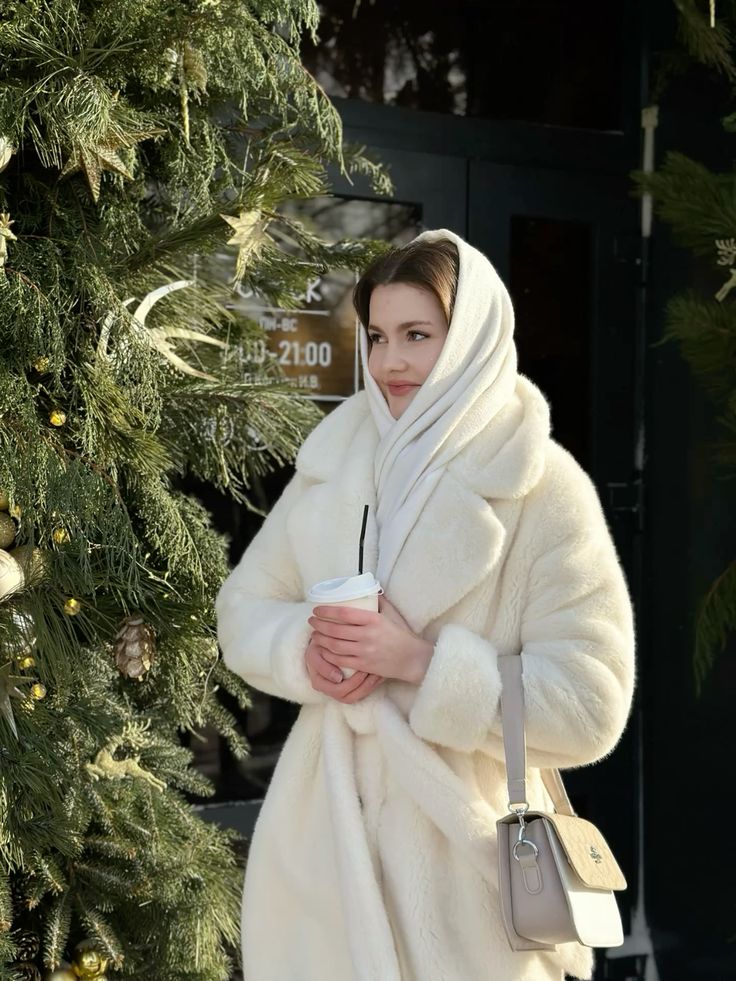
A head wrap made from a scarf is both functional and stylish. It can protect hair from wind or add flair to a casual outfit. To wear it, the scarf is folded into a triangle or a strip, then tied at the back or on the side of the head.
Different fabrics work well here: silk scarves give a smooth finish, while cotton or wool scarves offer more warmth and texture. The head wrap can cover the whole head, be tied as a band, or be styled as a turban.
This method suits all hair types and adds a retro or boho vibe. It’s easy to adjust and works for busy days or special occasions.
The Bag Accessory
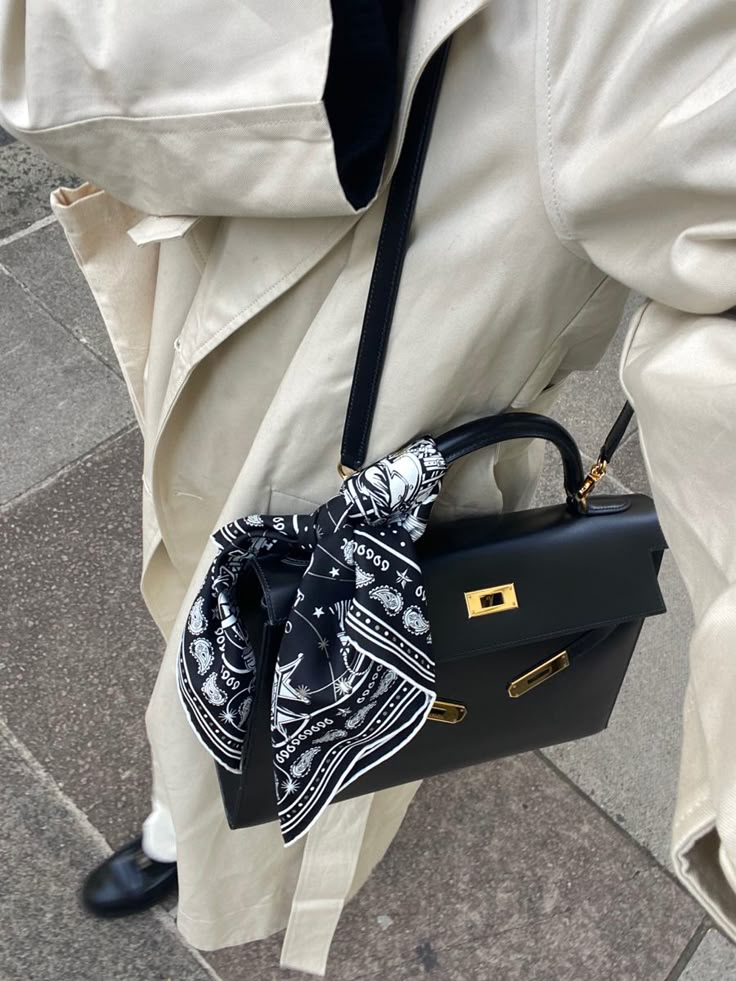
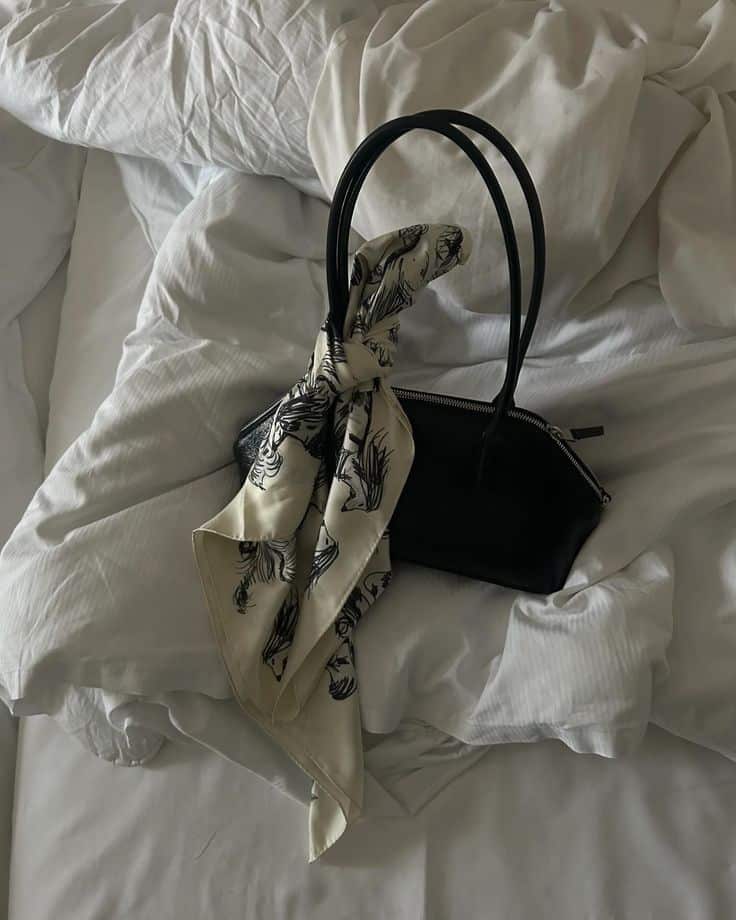
Tying a scarf to a bag handle adds style without effort. It can be a pop of color or a way to match an outfit with accessories.
He or she can loop the scarf around the handle once or twice and knot it securely. Small square scarves work best for this. The scarf can hang loose, hang in a bow, or be twisted into a spiral for texture.
This simple trick updates any bag, from totes to crossbody bags. It also makes the bag feel more personal and trendy without spending money on new accessories.
Matching Scarves With Outfits
Choosing the right scarf for an outfit depends on color, texture, and occasion. The scarf should either blend smoothly or create a smart contrast. Fabric weight and pattern also play a big role in making the look complete and balanced.
Styling With Casual Wear
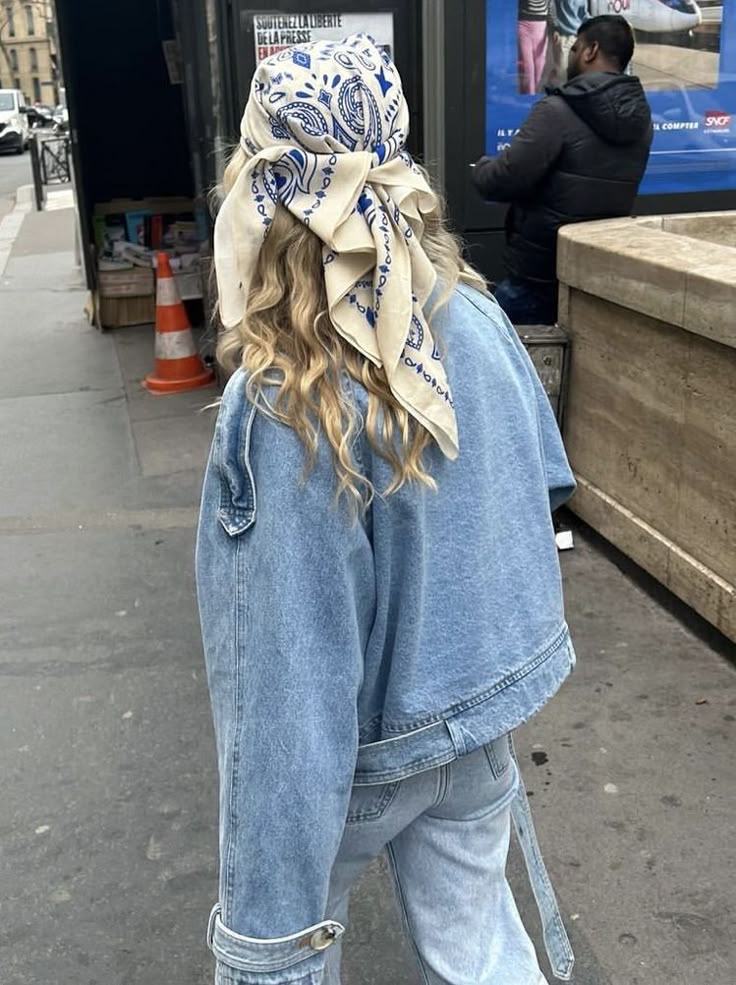
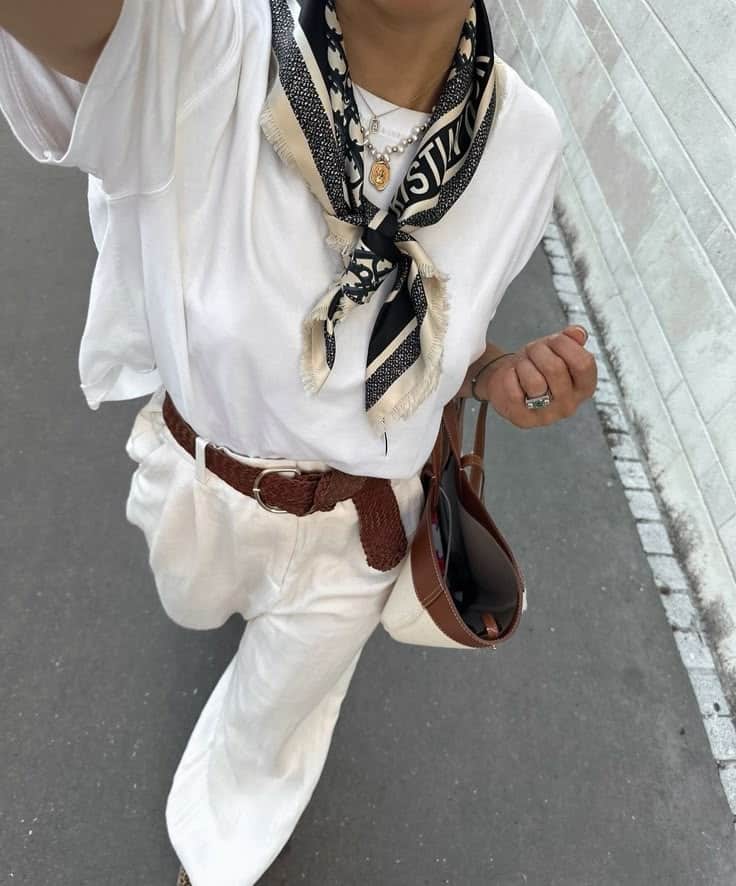
For casual outfits, scarves add personality and color. Pair solid or neutral scarves with printed t-shirts or denim for a simple but stylish look. Lightweight fabrics like cotton or linen work well for warmer days.
Bold or patterned scarves can brighten plain sweaters or jackets. A loose knot or a wrap works great with jeans and casual tops. Avoid bulky scarves if you want to keep it light and easy.
Colors like navy, burgundy, or olive green often match well with casual outfits. They add subtle interest without clashing.
Pairing With Formal Attire
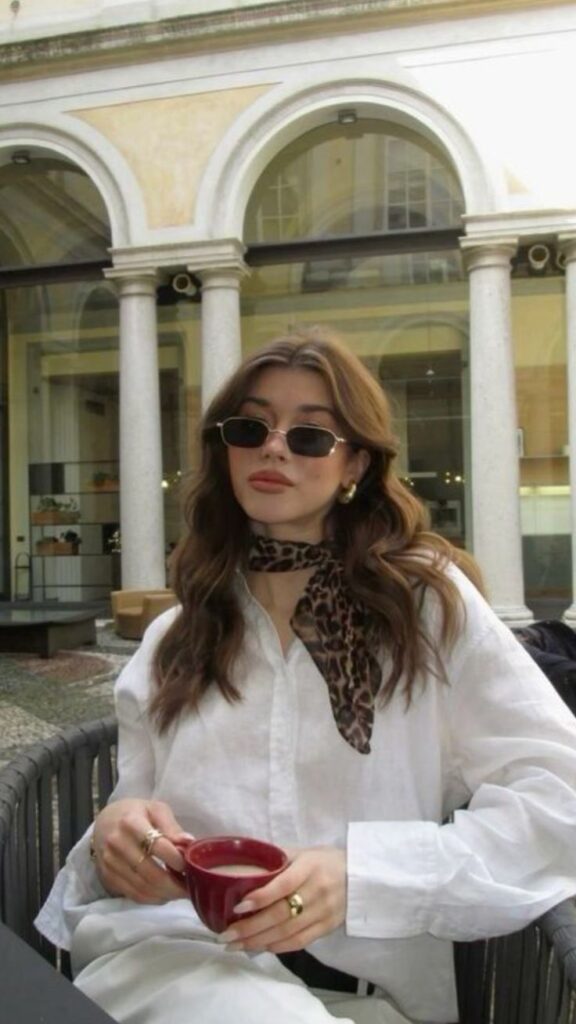
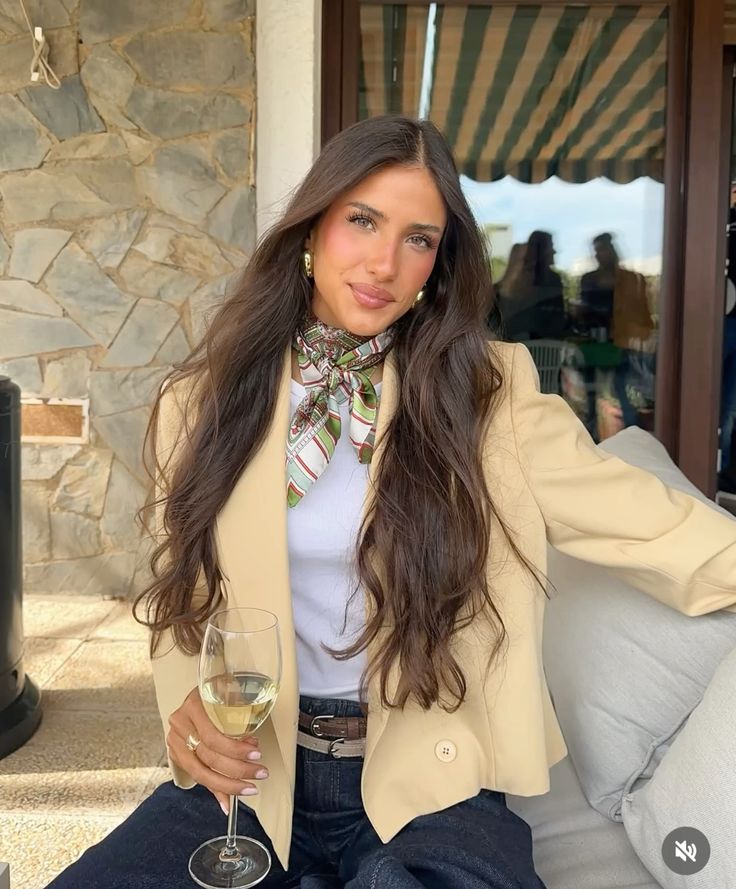
When wearing a scarf with formal clothes, choose sleek fabrics such as silk or fine wool. These materials look polished and match the upscale feel of suits or dresses.
Solid colors that complement the outfit’s color palette work best. For example, a black scarf with a grey suit or a soft beige scarf with a navy dress adds elegance without overpowering.
Scarves should be worn snugly or tied in neat knots to avoid looking messy. Keep patterns minimal and subtle if any are used, like light dots or thin stripes.
Coordinating With Outerwear
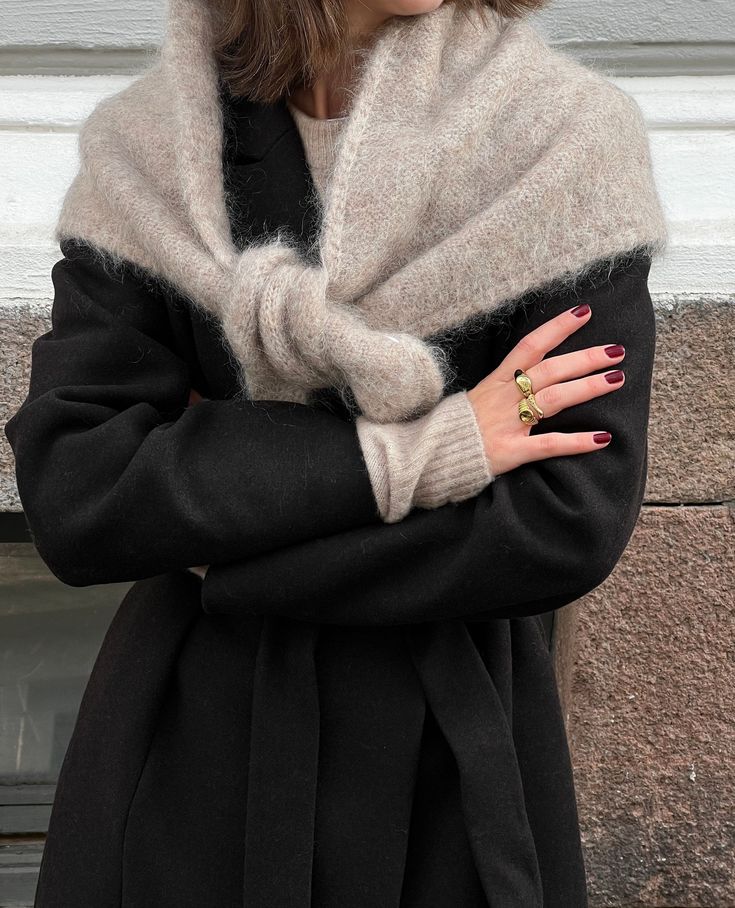
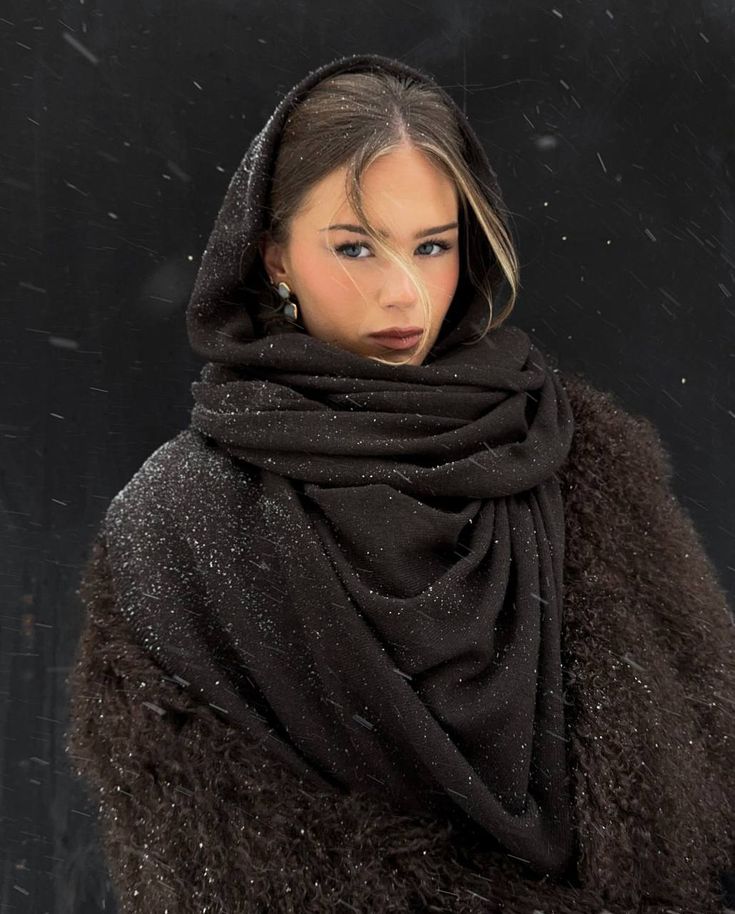
Scarves worn with outerwear serve both warmth and style. Heavier materials like cashmere or chunky knits go well with coats and jackets.
Contrast scarves with your coat color to create visual interest. For example, wear a bright red scarf with a dark green coat, or a soft cream scarf with a black jacket.
Layering works well here. A bulky scarf should fit comfortably over your outerwear without making the look too bulky. Simple folds or classic loops help keep the scarf tidy and practical.
Seasonal Scarf Styling Tips
Different seasons call for different scarf fabrics and ways to wear them. Light scarves bring a fresh, breezy touch to warm-weather outfits, while thick, textured scarves add warmth and style during cold months. Color and pattern choices also shift with the seasons for a balanced look.
Lightweight Looks for Spring and Summer
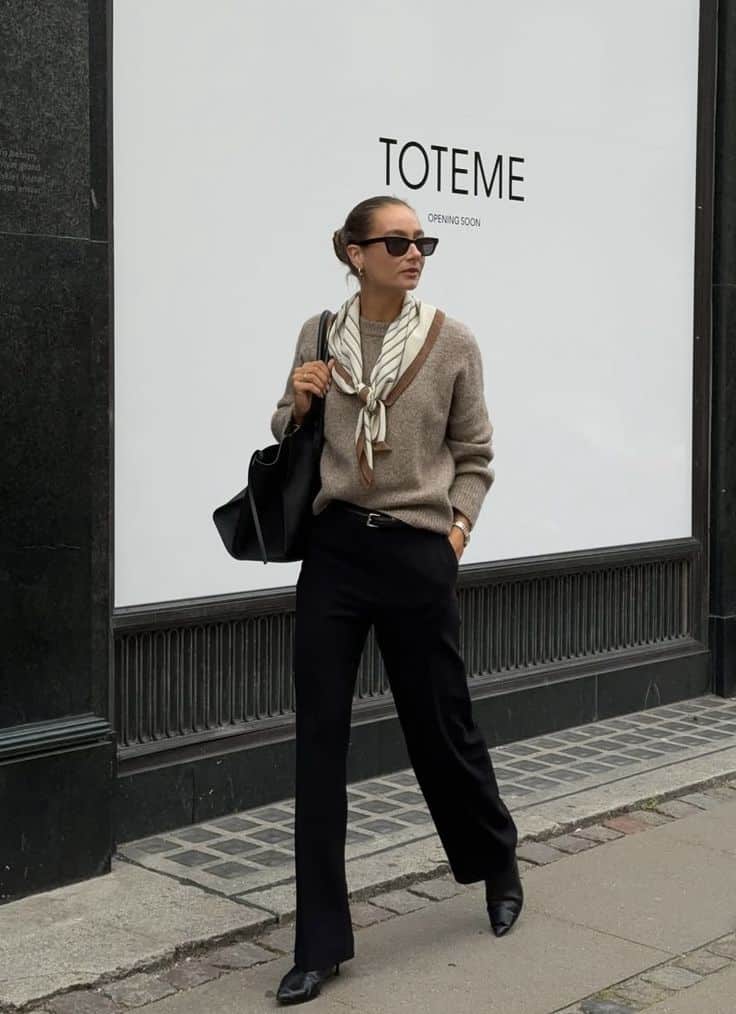
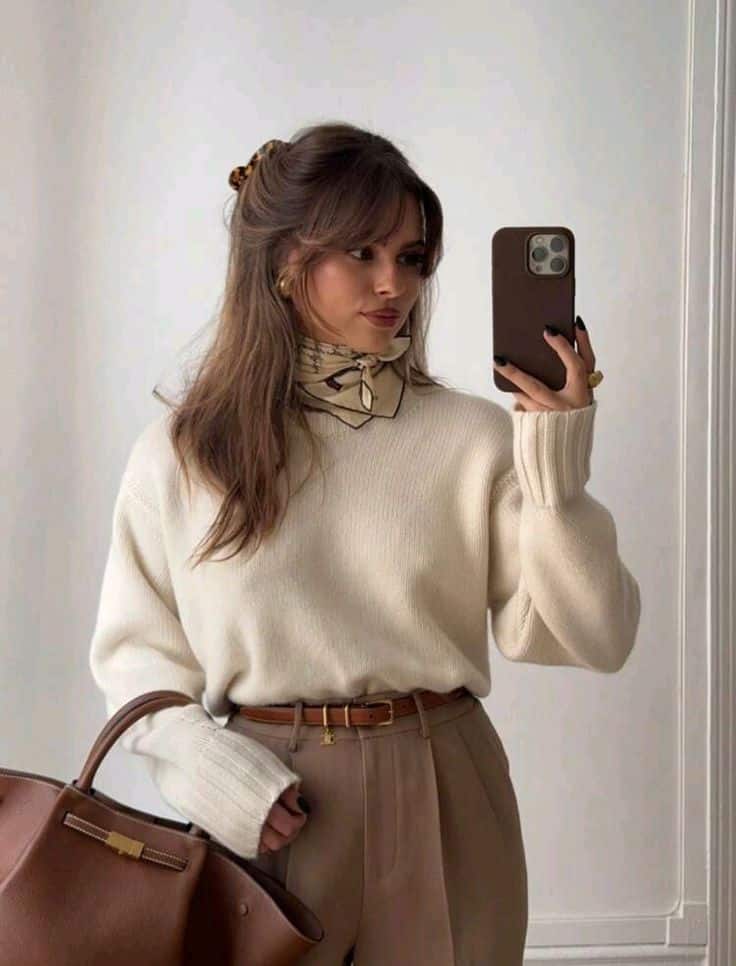
In spring and summer, scarves made of cotton, silk, or linen work best. These materials are light and breathable, so they frame the face without making the wearer hot. Colors tend to be brighter or pastel to match the fresh, sunny vibes of these seasons.
Popular ways to wear scarves in warm weather include:
- Tied loosely around the neck to add color without bulk.
- Using scarves as headbands to keep hair in place and look stylish.
- Wrapping scarves as belts over dresses or shorts for an easy accessory.
Light scarves can also be draped over the shoulders as a soft layer against cool spring breezes or air conditioning indoors.
Cozy Styles for Fall and Winter

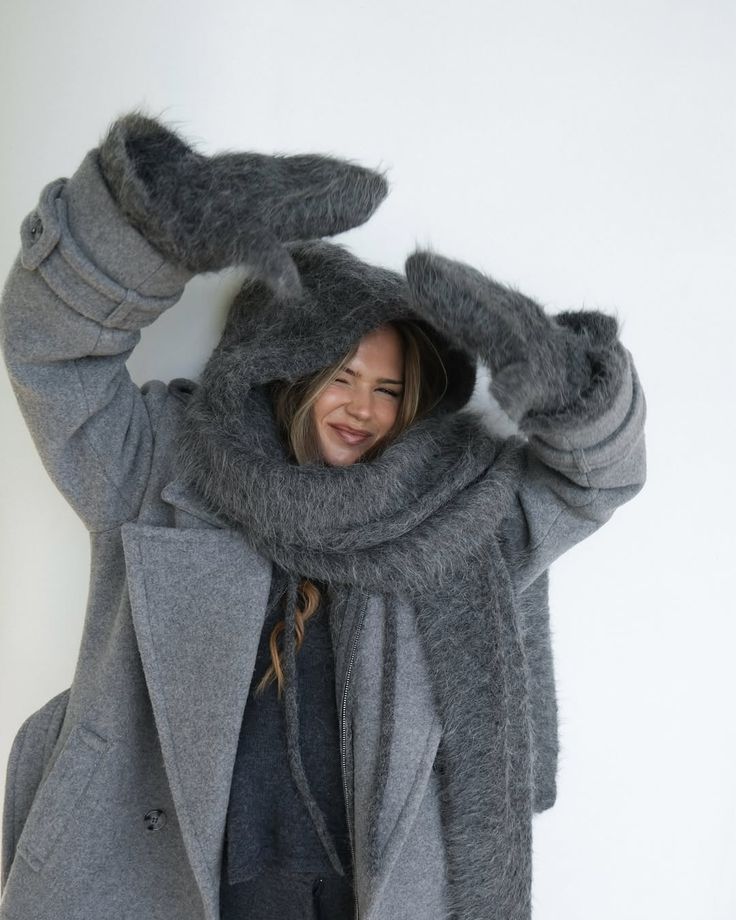
Fall and winter call for scarves made from wool, cashmere, or thick knits. These materials keep the cold out and add texture to outfits. Earth tones, deep reds, and muted hues are popular to match the season’s mood.
Styling tips for cold-weather scarves:
- Loop scarves around the neck multiple times for extra warmth.
- Try bulky knot styles to create a cozy, layered look.
- Pair scarves with coats or sweaters in complementary colors to balance the outfit.
Chunky scarves can also be worn as shawls or wrapped over the shoulders for added insulation. Layering scarves with jackets keeps both style and comfort in check during colder months.
Fashion Scarf Care and Storage
Keeping scarves looking fresh and vibrant means knowing how to clean them carefully and store them properly. Different materials need different cleaning methods, and storing scarves properly helps keep their shape and color intact.
Cleaning Different Materials
Scarves come in many fabrics, so cleaning them depends on what they’re made of. Silk scarves should be hand-washed with cold water and a mild detergent or taken to a professional cleaner. Machine washing can damage the delicate fibers.
Wool and cashmere scarves also benefit from gentle hand washing. Use cool water and a wool-friendly detergent, then lay flat to dry. Avoid wringing to prevent stretching.
For cotton and synthetic scarves, a gentle machine wash on low heat usually works, but checking the care label first is important. Avoid bleach and strong chemicals to keep colors bright.
Dry scarves away from direct sunlight to avoid fading, and never use a dryer unless the label confirms it’s safe.
Proper Storage Methods
Scarves should be stored to prevent wrinkles and damage. For delicate or heavyweight scarves, folding them loosely and placing them in a drawer or on a shelf is best.
Hanging scarves is great for lightweight and silk styles, but use padded hangers to avoid creases. Avoid using wire hangers, which can leave marks.
Using breathable storage bags or boxes helps keep scarves safe from dust and pests. Adding a lavender sachet or cedar block can protect wool scarves from moths naturally.
Roll scarves when storing in small spaces to reduce creasing and save room. Keeping scarves dry and away from humidity avoids mold and mildew buildup.
Common Mistakes to Avoid
One of the biggest mistakes when wearing a scarf is choosing the wrong fabric for the season. Thick wool scarves feel great in winter but are too hot for summer. On the other hand, lightweight silk scarves might not keep you warm enough in cold weather. Picking the right material helps balance comfort and style.
Ignoring the outfit’s neckline is another common error. For high necklines, long and loose scarves usually work best. If someone wears an open neckline, shorter or looped scarves fit better and avoid clutter around the neck. Matching the scarf style to the neckline keeps the look clean and balanced.
People often overmatch patterns. When the outfit already has busy prints, a solid-colored scarf is a smart choice. For plain or simple outfits, adding a patterned scarf can give life to the look without overwhelming it. This simple mix-and-match approach keeps scarves from looking too loud or too boring.
Finally, it’s easy to forget that scarves can add bulk if not worn carefully. Wrapping a scarf too tightly or using heavy materials can create an unflattering, thick look. Light drapes and loose knots usually look more natural and stylish.
Common Mistakes Summary:
| Mistake | Why Avoid It | Better Option |
|---|---|---|
| Wrong seasonal fabric | Too hot or cold | Match fabric with the weather |
| Ignoring neckline | Cluttered or unbalanced look | Choose the length for the neckline |
| Overmatching patterns | Looks too busy or dull | Mix solids with prints carefully |
| Bulky wrapping | Adds unwanted bulk | Use loose knots or drapes |
How should I care for and store my scarves to keep them looking their best?
Clean scarves according to their material: silk and wool should be hand-washed or dry-cleaned, while cotton and synthetic scarves can be machine-washed gently. Store scarves by folding loosely or hanging with padded hangers, and keep them in breathable containers away from direct sunlight to maintain their shape, color, and quality.
What are some classic ways to wear a scarf?
The simple loop, where the scarf is folded in half and looped around the neck; the French knot, which involves crossing and knotting the scarf for an elegant effect; and draping the scarf over the shoulders without tying are timeless styles suitable for various occasions.
What are the ideal lengths and shapes of scarves for different styles?
Long rectangular scarves are versatile for wrapping or knotting, square scarves can be folded into triangles for head wraps or neck ties, and infinity scarves are easy to wear and add volume. The length impacts drape and fit; shorter scarves work well for formal styles, while longer ones are great for casual, layered looks.
How can I pick the best colors and patterns for my scarf to match my outfit?
Choose colors that complement your wardrobe, with neutral shades for versatility or bright colors for a pop of interest. Mix patterns carefully by pairing bold prints with solids, and match scarf colors with other accessories or clothing pieces to create a balanced, polished look.
What are some tips for choosing the right fabric for a fashion scarf?
When selecting a fabric for a fashion scarf, consider the season and purpose: wool and cashmere are warm and suitable for cold weather, cotton and linen are breathable for warmer days, and silk adds an elegant touch for dressier occasions or warm weather.
- 613shares
- Facebook0
- Pinterest610
- Twitter3
- Reddit0