Table of contents
- Why my fashion line business plan mattered more than my logo
- Tip 1: Start with a sharp vision and niche
- Tip 2: Write a ruthless market and competitor snapshot
- Tip 3: Treat ecommerce as your default, not a side channel
- Tip 4: Build a lean, realistic financial model
- Tip 5: Design a marketing engine, not a one-hit campaign
- Tip 6: Bake in sustainability and values early
- Tip 7: Map operations before you spend a dollar
- Tip 8: Turn your plan into a living scoreboard
- Quick recap of my fashion line business plan tips
- FAQs about fashion line business plans
Why my fashion line business plan mattered more than my logo
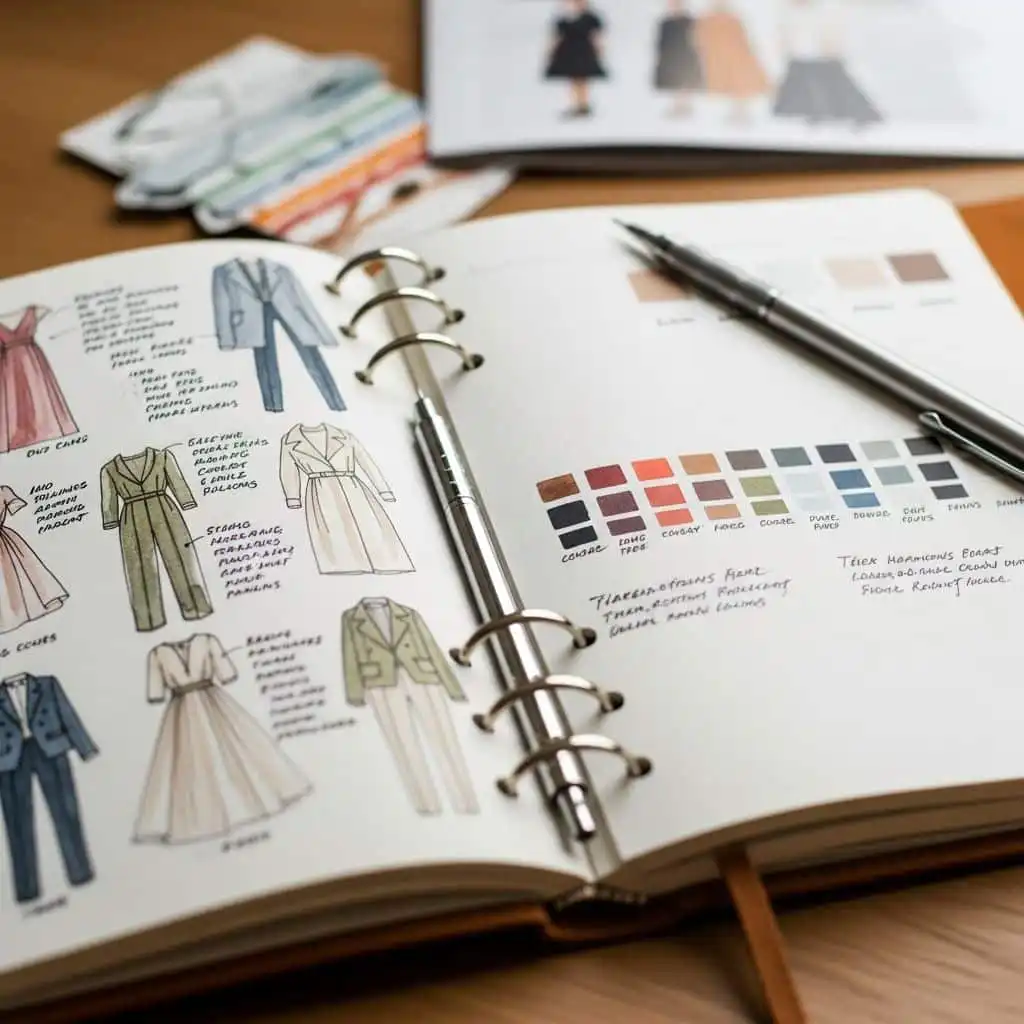
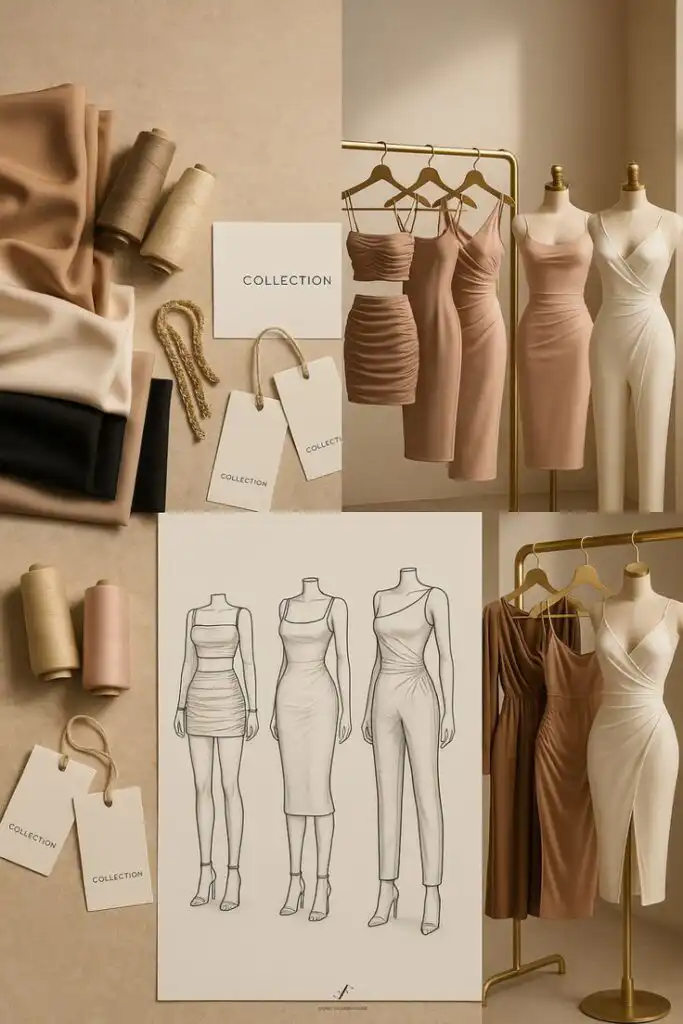
When I started sketching my first pieces, I was obsessed with fabrics, fonts, and photoshoots. The unglamorous part, my fashion line business plan, felt like homework I could push to “later”.
That instinct was wrong.
I launched into one of the most competitive markets on the planet. The global apparel market is projected to hit around $1.84 trillion by 2025, which means I was stepping into a crowded, noisy room where no one was waiting for me (Shopify). At the same time, the global online fashion market alone was already worth over $750 billion and racing toward $1 trillion by 2025 (Constant Contact).
In a space like that, a fashion line without a sharp business plan is just another pretty idea.
My plan did three things for me:
- It forced me to define who I was dressing and why.
- It gave me numbers, not vibes, to make decisions.
- It became a “living document” that kept me accountable from concept to cash, a mindset echoed by experienced founders in the streetwear startup community (Reddit r/streetwearstartup).
Below, I will walk you through the most powerful business plan tips I used, plus what I learned watching other brands win or stall.
Tip 1: Start with a sharp vision and niche
My first drafts were vague. “Cool streetwear, unisex, for everyone” sounded inclusive but it was impossible to plan around.
A strong fashion line business plan starts where mine eventually did: with a focused vision and a specific niche.
Define who you are and who you are not
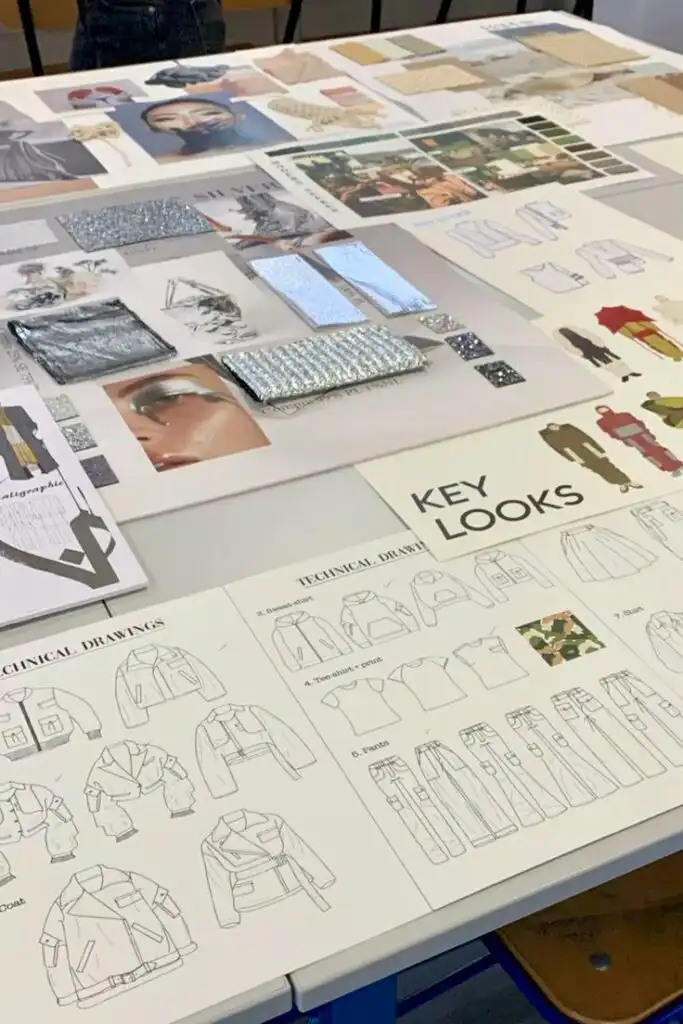
I pinned down five things in my executive summary and mission:
- Customer: Who is this person, exactly, and what do they care about?
- Problem: What frustration in their wardrobe am I fixing?
- Solution: How is my product clearly different, not just slightly nicer?
- Style lane: Streetwear, athleisure, elevated basics, or something else.
- Values: Sustainability, price accessibility, luxury craftsmanship, or speed of trend.
Shopify recommends a clothing line business plan that starts with an executive summary and mission statement that anchor everything that follows (Shopify). I took that to heart.
Pick a tight niche, not a blurry category
The brands that impressed me most were specific:
- NovaWear in Los Angeles chose direct-to-consumer streetwear plus limited edition drops. Within six months they grew online monthly sales by 62 percent with that focused playbook (PrometAI).
- EcoThreads in Portland went all in on sustainable clothing with radical transparency and a recycling take-back program. That commitment boosted monthly sales by 55 percent and more than doubled their repeat customer rate (PrometAI).
Seeing that, I stopped trying to be “versatile basics for everyone” and instead committed to a core lane and a clear story.
Write your one-sentence brand promise
I forced myself to finish this sentence:
“I design [product type] for [specific person] who wants [key outcome] without [pain they hate].”
If I could not fill that in cleanly, I had more thinking to do before I deserved fabric swatches.
Tip 2: Write a ruthless market and competitor snapshot
A fashion line business plan is not just about what you want. It is about where you are landing.
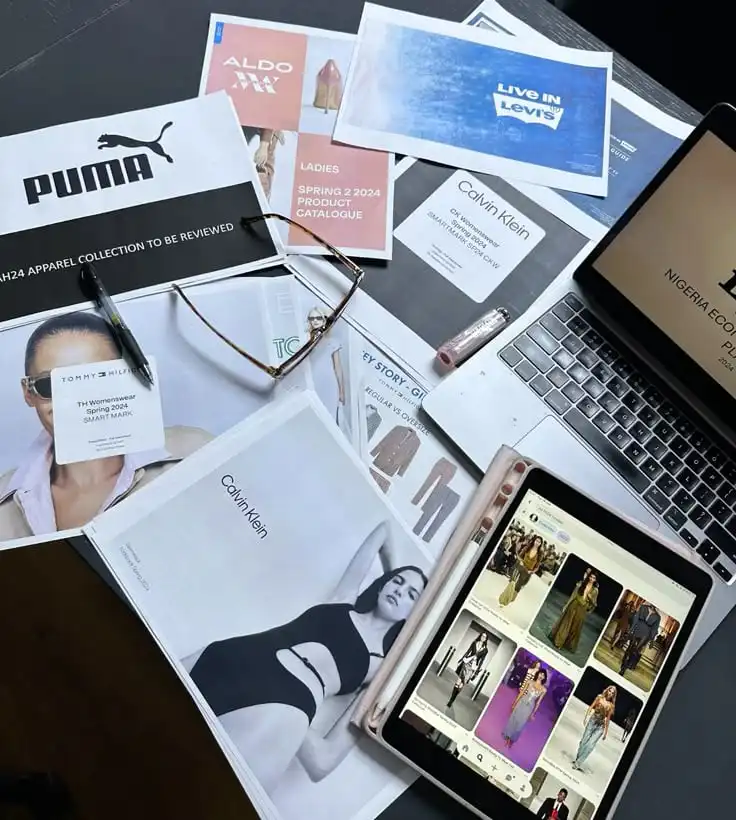
Shopify calls out market analysis as one of the nine essential components of a clothing line business plan, and they are right (Shopify).
Size the opportunity, then reality check it
I looked at two layers:
- Macro: The overall apparel market and online fashion growth, which confirmed that demand and digital channels were both strong.
- Micro: My specific segment, price point, and geography in the United States.
The goal was not to impress myself with big numbers. It was to answer: “Is there enough room in this slice of the market for another serious player, and what will it take to earn it?”
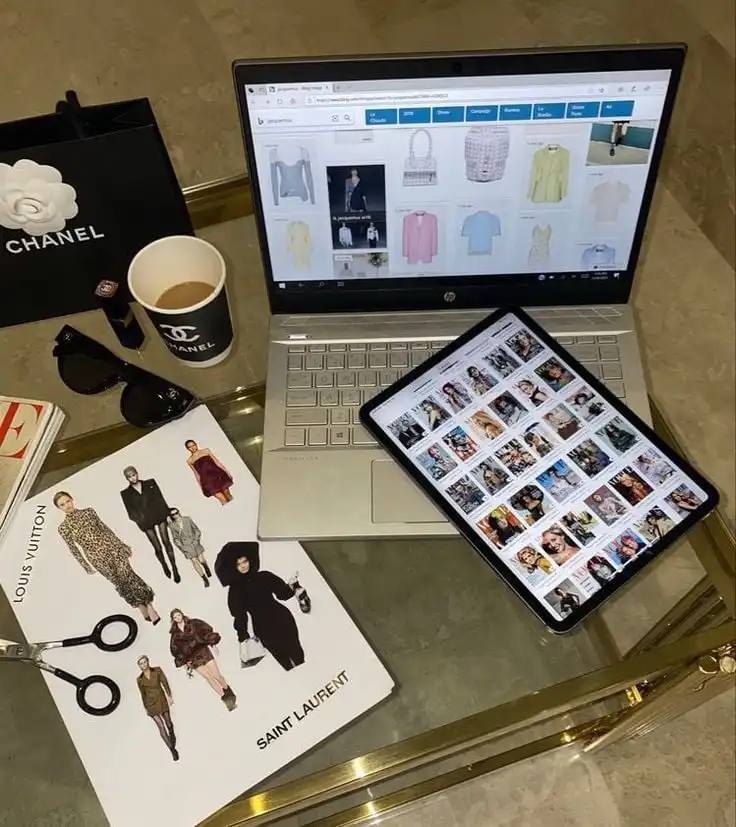
Study competitors like a customer, not a founder
Instead of skimming homepages and calling it “research”, I:
- Bought from at least three direct competitors.
- Measured ship times, packaging, and fit.
- Compared return processes.
- Subscribed to their email and followed their Instagram and TikTok.
EcoThreads, for example, did not just say they were sustainable. They published cost breakdowns, factory disclosures, and partnered with eco-focused influencers. That transparency helped double their repeat customer rate and lift average order value by 32 percent (PrometAI).
My takeaway: I did not need to outspend them, I needed to out-honest them in my own way.
Translate research into clear positioning
In my plan, I summarized competitors in a simple table:
- Brand
- Price band
- Key value props
- Weak spots (from a buyer’s view)
- Where I would choose my brand instead, and why
That table gave me the backbone for my positioning statement and helped me avoid building a copycat brand that no one needed.
Tip 3: Treat ecommerce as your default, not a side channel

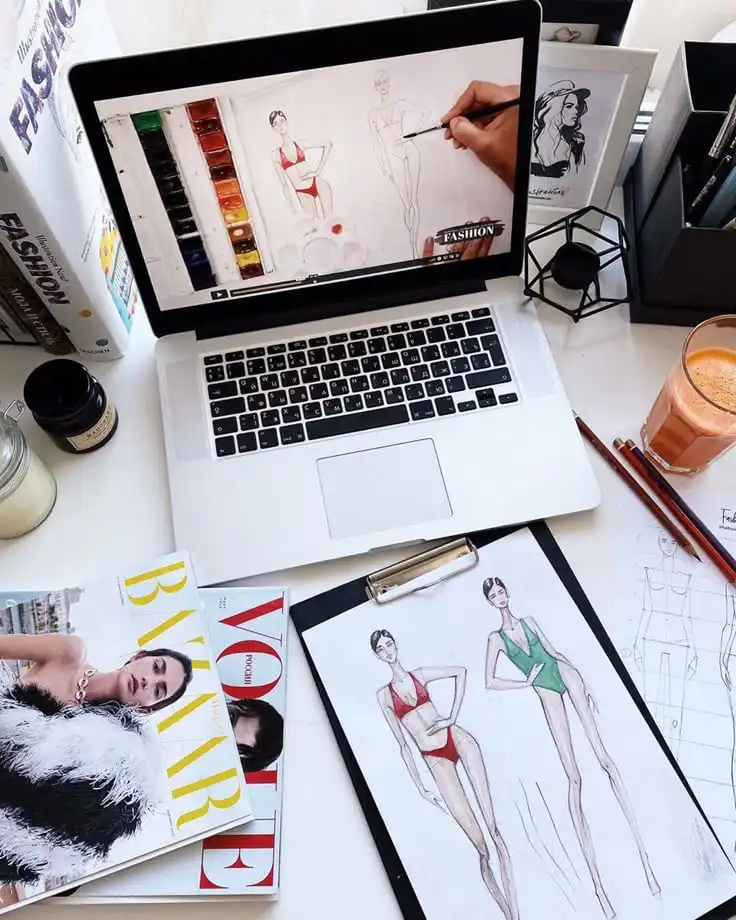
One of the best decisions I made was to architect my fashion line business plan around online-first sales.
Shopify explicitly recommends starting with an online-only ecommerce model for new clothing brands in order to validate demand and reduce upfront costs, especially when US physical retail build-outs can average around $48,000 to start (Shopify).
Follow where your customer already shops
Online sales already account for nearly 30 percent of all fashion purchases, and the online segment alone is huge and growing quickly (Constant Contact). That is where my target customer scrolls, compares, and buys.
Instead of dreaming about a flagship store, I focused on three digital pillars:
- A website that actually sells
Wix describes a clothing line business plan as a strategic document that should emphasize your website as a digital storefront (Wix Blog).
I invested in:
- Fast load times on mobile.
- Clear product descriptions and fabric details.
- Photography that showed fit on different bodies.
Search visibility baked into the plan
Constant Contact highlights that optimizing an ecommerce site with keywords and detailed product descriptions improves discoverability in search engines (Constant Contact).
I treated SEO like shelf placement in a store. If I did it poorly, no one would “walk past” my brand.Social platforms as sales channels, not vanity metrics
A strong Instagram presence with high quality posts and consistent brand personality is one of the key growth levers for clothing brands (Constant Contact). I mapped Instagram, TikTok, and email into my marketing plan as traffic and trust builders, not just places to collect likes.
Learn from brands that leaned into digital
UrbanMode, for instance, pivoted from a boutique streetwear shop in Manhattan to a mobile-first Shopify direct-to-consumer model. In 12 months they doubled annual revenue from $1.8 million to $3.6 million and raised online sales from 12 percent to 82 percent of their mix (PrometAI).
Stories like that kept my focus where it needed to be: building digital distribution that could scale beyond my city.
Tip 4: Build a lean, realistic financial model
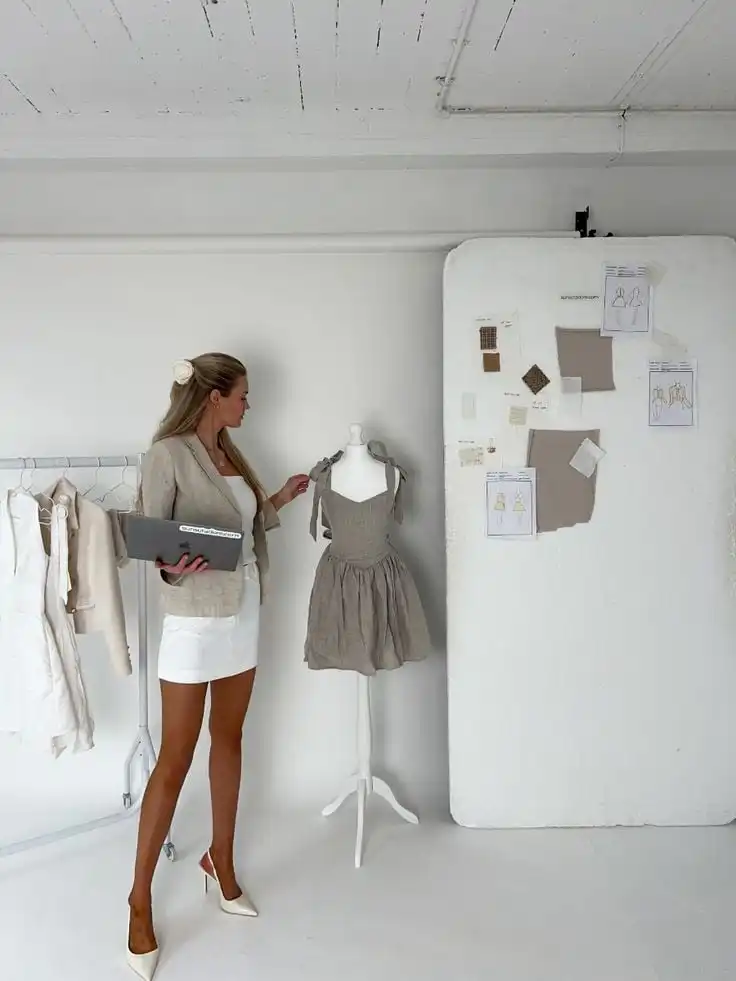

My earliest financial “model” was a notepad, a calculator, and optimism. That lasted about a week.
Very quickly I learned that a serious fashion line business plan lives or dies on its financials.
Understand your revenue streams before you chase them
Modeliks breaks clothing brand revenue down into clear streams like:
- Retail sales
- Wholesale orders
- Online sales
- Customization fees
- Fashion shows and events
- Licensing agreements and collaborations
Each one has its own math and complexity (Modeliks). I chose a primary model, direct-to-consumer online, and one secondary, selective wholesale. Everything else went into a “later” bucket so my first-year numbers stayed clear.
Track driver metrics, not just totals
Driver-based financial planning changed how I thought. Instead of just guessing top-line revenue, I worked backwards from metrics Modeliks highlights for clothing brands (Modeliks):
- Conversion rate
- Average order value
- Inventory turnover
- Customer acquisition cost
- Gross margin
- Return rate
I plugged initial assumptions into a spreadsheet, then adjusted:
- What happens if my return rate is 18 percent instead of 10 percent?
- How many paid ad conversions do I need at my current CAC to break even on a campaign?
Seeing NovaWear cut returns from 21 percent to 12 percent by improving sizing guides and AR try-ons, and then more than doubling their repeat customer share, showed me just how powerful these levers are (PrometAI).


Use proper financial tools when it counts
When I needed to talk to investors, I stepped up from a homemade sheet to a structured template.
The Clothing Line Business Financial Model Excel Template offers a five-year proforma tailored for clothing startups, with income statements, cash flow, KPIs, and industry benchmarks (eFinancialModels). It can even run different cash flow scenarios by adjusting variables like wages, supplier payments, and tax assumptions, and includes break-even analysis (eFinancialModels).
You do not have to be a finance pro to use tools like that. I am not. You just have to be honest with your inputs and commit to updating it.
Tip 5: Design a marketing engine, not a one-hit campaign
Many new founders treat their marketing section like a moodboard. I treated mine like an engine diagram.
Shopify, Wix, and Constant Contact all point to the same truth. A clothing line business plan needs a clear marketing and advertising strategy to win attention in a saturated space (Shopify, Wix Blog, Constant Contact).

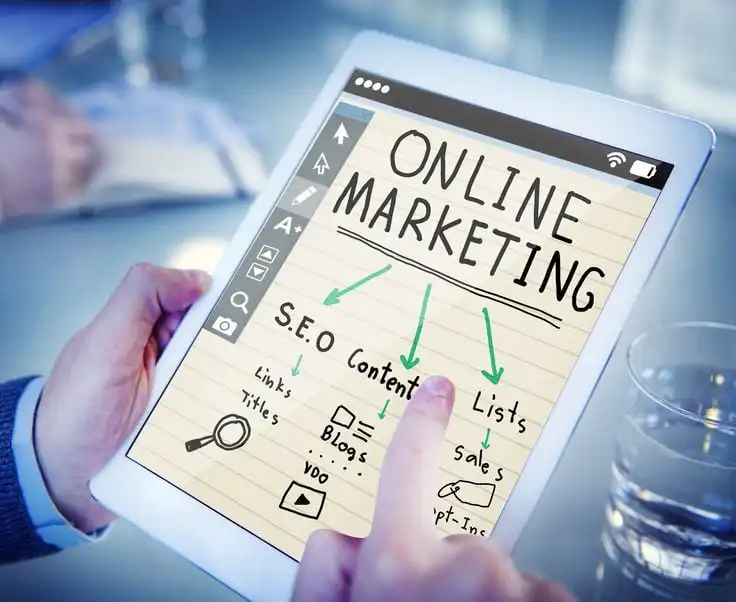
Start with evergreen channels
In my plan, I put three long-term channels at the center:
Email list
Platform algorithms change. A list of buyers does not. Every order captured an email, which fed into launch campaigns, restock alerts, and retention flows.Search
SEO was not flashy, but it meant shoppers could find my products months after I stopped paying to boost a post.Content and storytelling
EcoThreads used storytelling, cost breakdowns, and supply chain transparency to build trust and lift repeat purchases dramatically (PrometAI). I followed that cue, building a content calendar around behind-the-scenes, materials education, and real customers.
Add growth spikes with paid and social
Then I layered in controlled “spikes”:
Paid social
Constant Contact highlights how targeted Facebook ads can expand reach beyond organic followers by region, demographics, or interests (Constant Contact). In my financial plan, every ad test had a fixed budget, a target cost per acquisition, and a stop-loss rule.Influencer and creator collaborations
NovaWear grew monthly online sales by 62 percent using limited edition drops and TikTok micro-influencers instead of huge celebrity deals (PrometAI). I took a similar path: small, highly aligned creators, clear briefs, and trackable discount codes.Community mechanics
Private communities, like NovaWear’s private Instagram groups, help brands deepen engagement beyond likes (PrometAI). I built a low-friction version: early access lists, drop waitlists, and post-purchase surveys that led to small surprise perks.
The big shift for me was this: every marketing idea in my business plan had a KPI and a time horizon. No orphan tactics.
Tip 6: Bake in sustainability and values early
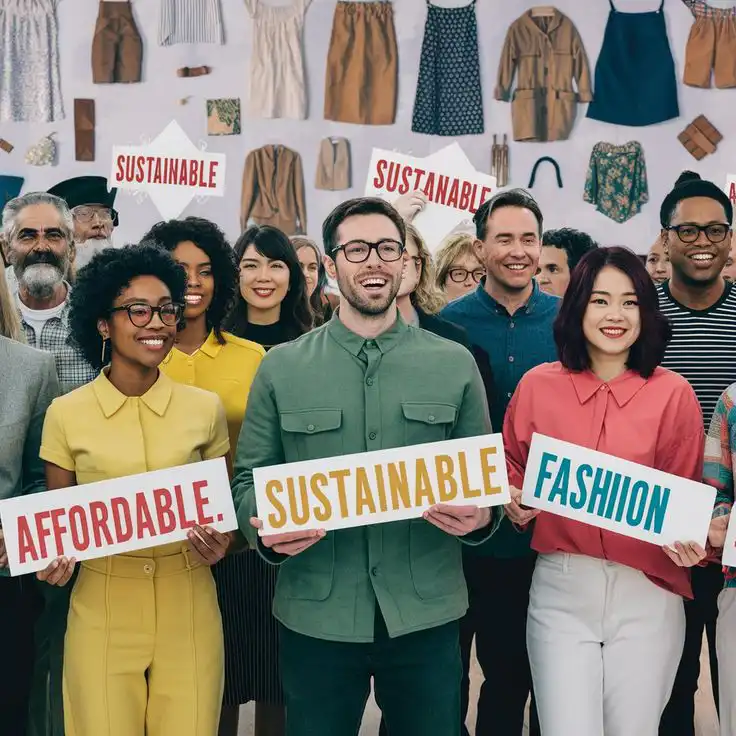
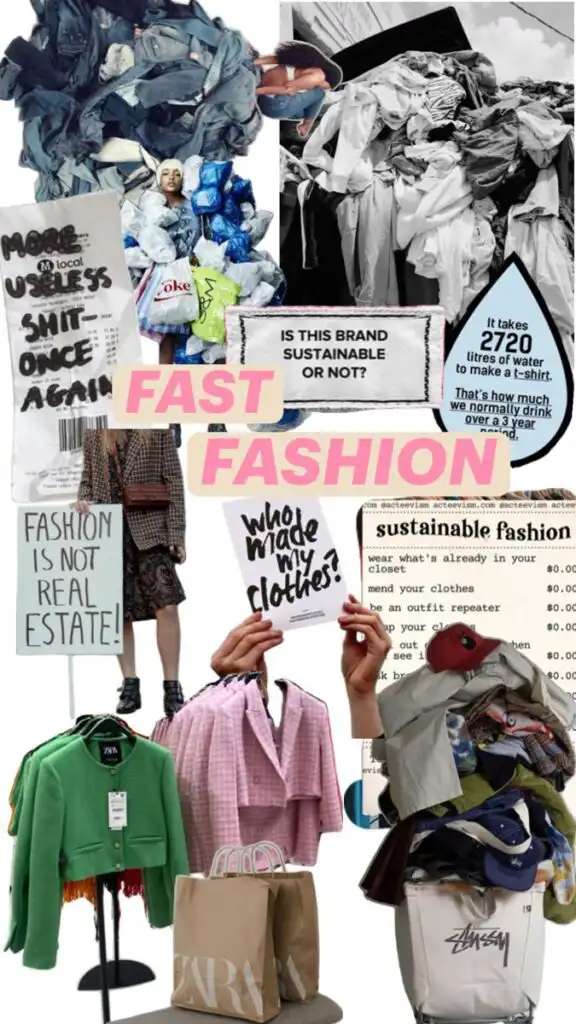
Sustainability is not a decorative line at the bottom of a pitch deck anymore. In my market, especially with younger US consumers, it is often a deciding factor.
Shopify recommends that clothing line business plans explicitly address sustainability in mission, operations, and product decisions, and notes growing regulatory pressure around responsible sourcing and packaging (Shopify).
Decide what “responsible” means for you
I was not ready to be as radically transparent as EcoThreads, who publish cost breakdowns and factory details and run a recycling take-back program. However, seeing how those efforts translated into a 44 percent repeat customer rate and a 32 percent lift in average order value gave me a benchmark for what serious commitment looks like (PrometAI).
In my plan, I committed to:
- Prioritizing certified fabrics where possible.
- Auditing a small number of manufacturing partners well, instead of spreading thin.
- Avoiding wasteful packaging and single-use extras that no one needs.
Tell the whole story, not just the pretty parts
Wix points out that a business plan should guide brand storytelling and values, not just logistics (Wix Blog). I used my plan to define:
- What I would claim publicly about my impact.
- What I would not claim until I had proof.
- How I would share updates over time as I improved.
That honesty helped me build trust right away, even though my sustainability journey was, and still is, in progress.
Tip 7: Map operations before you spend a dollar


Running a fashion line is not only designing and posting. It is inventory, fulfillment, returns, sizing, and a lot of small decisions that quietly decide whether you make money.
Shopify and Wix both emphasize that an operations plan is a critical section of a clothing line business plan (Shopify, Wix Blog).
Get clear on your supply chain
Before I ordered my first bulk run, I mapped:
- Supplier timelines and minimum order quantities.
- Quality control steps, including who checked what and when.
- Shipping partners and service levels for US regions.
UrbanMode’s shift to a mobile-first, multi-state operation underscored how important infrastructure is when you want to expand beyond a local base (PrometAI).
Design your customer experience on paper first
NovaWear’s return rate drop, from 21 percent to 12 percent, came from better sizing guides and AR try-on tools (PrometAI). I did not start with AR, but I did:
- Create detailed size charts and fit notes.
- Add clear photos of how pieces sit on different body types.
- Write a returns policy that balanced customer friendliness with financial sanity.
In my operations plan, I wrote the entire order journey from a customer’s point of view:
- Discover brand
- Land on product page
- Choose size
- Place order
- Receive and unbox
- Decide to keep or return
- Leave a review or come back
Then I listed what could go wrong at each step and how I would prevent or respond to it.
Tip 8: Turn your plan into a living scoreboard


One thing I learned from watching streetwear founders share their experiences is that a business plan only helps you if you actually use it.
The r/streetwearstartup community describes a comprehensive clothing line business plan as a “living document” that guides founders through the startup process and keeps them accountable (Reddit r/streetwearstartup).
Set a simple review rhythm
In my calendar, I blocked:
- A monthly review to compare actuals to my financial model.
- A quarterly planning session to adjust targets, channels, or product focus.
If a marketing tactic was missing its KPI for two cycles, I changed the approach or cut it. My plan stopped me from being sentimental about bad ideas.
Use structured templates to stay organized
Wix outlines six critical steps for an effective clothing line business plan. Executive summary, name and domain, market research, operations plan, marketing and advertising plan, and financial plan (Wix Blog). I treated that like a checklist and revisited each section regularly.
Similarly, the eFinancialModels template, with integrated income statement, cash flow, and dashboards through 2028, gave me a clear structure to plug numbers into and evolve over time (eFinancialModels).
Give yourself permission to evolve
The global fashion market shifts fast, and trends rotate quickly. Wix points out how high costs, intense competition, and fast changing trends are core challenges in this industry (Wix Blog). My initial product lineup, sales mix, and even parts of my mission have evolved. The plan did not stop that. It made the changes intentional.
Quick recap of my fashion line business plan tips


Here is how I would summarize the most powerful moves:
- Get specific about your niche and mission before you sketch a full collection.
- Study the market and competitors like a customer so your positioning is real, not imagined.
- Design your brand for ecommerce first, since that is where a growing share of fashion spending happens.
- Build a simple but serious financial model with clear revenue streams and driver metrics.
- Create a marketing engine with KPIs, not a random list of tactics.
- Embed sustainability and values early, then communicate them honestly.
- Map your operations end to end from supplier to doorstep to return.
- Treat your plan as a living scoreboard, not a document you write once and forget.
If you are tempted to skip the planning and “just launch”, remember this: in communities like r/streetwearstartup, founders consistently report better perceived success when they build and use a proper clothing line business plan (Reddit r/streetwearstartup).
You can move fast and still think deeply. The right plan lets you do both.
FAQs about fashion line business plans

1. What is a fashion line business plan, exactly?
For me, a fashion line business plan is a strategic document that outlines:
- Brand identity and mission
- Target market and positioning
- Core products and pricing
- Operations and supply chain
- Marketing and sales strategy
- Financial projections and funding needs
Wix describes it similarly for clothing lines, with the website treated as a digital storefront and structure built around sections like executive summary, market analysis, operations, marketing, and financial plan (Wix Blog).
2. What are the must-have sections in my plan?
Drawing on Shopify’s guidance and my own experience, I would not launch without these nine components in place (Shopify):
- Executive summary
- Mission statement
- Market analysis
- Core products and collections
- Organizational structure
- Operations plan
- Marketing plan
- Financial plan and projections
- Future growth roadmap
You can start lean, but skipping any of these leaves a blind spot.
3. Do I really need a plan if I am starting small and online only?
I did, and I am glad I did. Shopify explicitly recommends an online-only model for new brands to validate demand and control costs, but they still stress the importance of a comprehensive business plan to handle fierce competition and changing sales channels (Shopify).
On top of that, founders in r/streetwearstartup call lack of a business plan one of the biggest mistakes new brands make (Reddit r/streetwearstartup). Even a simple, two or three page plan puts you ahead of people winging it.
4. How detailed should my financial projections be?
If you are bootstrapping and staying small, you at least need:
- Startup costs and working capital estimate
- Monthly sales and expense forecast
- Cash flow view so you do not run out of money unexpectedly
If you plan to raise money or scale, I recommend a five-year model with income statement, cash flow, and key KPIs. The Clothing Line Business Financial Model Excel Template is designed exactly for this and can help you run different scenarios and break-even analysis tailored to clothing startups (eFinancialModels).
5. Where can I find help or templates to get started?
You do not have to write your fashion line business plan from scratch:
- Reddit r/streetwearstartup shares a free clothing line business plan template and guide aimed at sustainable and ethical streetwear brands, plus active feedback from other founders (Reddit r/streetwearstartup).
- Shopify’s clothing line business plan guide walks through the key components and is useful even if you use another platform (Shopify).
- Wix’s step-by-step guide lays out six practical steps for structure and includes real world cost examples for apparel startups (Wix Blog).
- Modeliks and eFinancialModels offer ready made financial model frameworks, so your numbers are not just guesses (Modeliks, eFinancialModels).
Use one of those as your starting point, then refine it until it sounds like your brand and fits your goals. Your future self, and your future customers, will benefit from the clarity.
- 202shares
- Facebook0
- Pinterest202
- Twitter0
- Reddit0