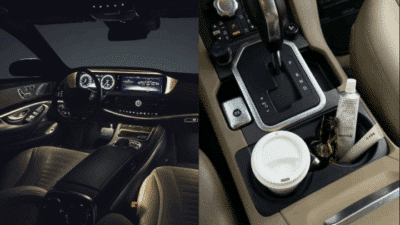
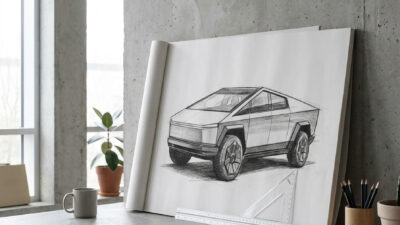
I spent years working on automotive surface design for combustion platforms — the Jaguar F-Pace, the Mazda CX-5 — where every proportion decision had to negotiate around an engine block, a transmission tunnel, and an exhaust system running the length of the car.
Later, working on an early Ukrainian electric vehicle concept, that whole negotiation just disappeared. No engine bay dictating the hood line. No transmission tunnel splitting the cabin floor in half. The design brief wasn’t “style around the mechanical layout” anymore — it was “the mechanical layout barely constrains you now, so what do you actually want the car to be.”
- Why Electric Vehicle Architecture Is More Than a New Powertrain
- The Skateboard Platform Changes Automotive Proportions
- EV Interiors Are Becoming More Flexible
- Battery Placement Is a Design Constraint
- Charging Turns Mobility Into an Experience Design Problem
- Software-Defined Vehicles Change the Cockpit
- What EV Architecture Means for Future Automotive Design
- Final Thoughts
- Frequently asked questions
- What is electric vehicle architecture?
- How does the skateboard platform change car proportions?
- Why does battery placement matter for EV design?
- How is EV charging different from refueling a gas car?
- What is a software-defined vehicle?
- Will EV architecture make cars from different brands look more similar?
That’s the real story of electric vehicle architecture, and it’s a design story more than a market report. EV platforms don’t just swap a powertrain — they remove and relocate the constraints that shaped a century of automotive proportion, interior layout, and even how a car ages and gets serviced.
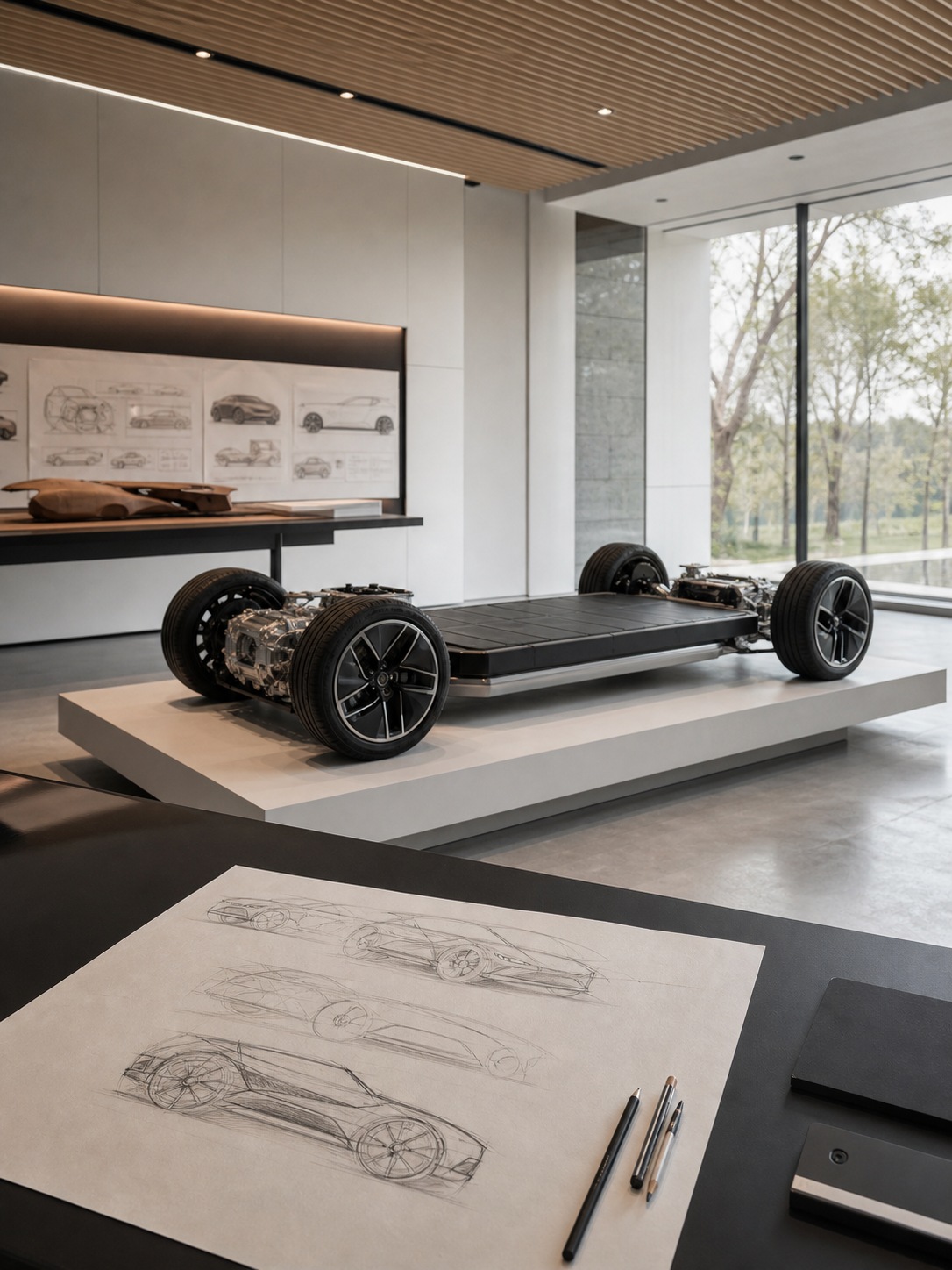
This piece looks at what actually changes: the skateboard platform’s effect on proportion, how battery placement becomes a design constraint rather than an engineering afterthought, why charging turned into a genuine experience-design problem, and how software is reshaping the cockpit itself.
Why Electric Vehicle Architecture Is More Than a New Powertrain
For most of automotive history, the internal combustion engine dictated the car’s fundamental proportions before a designer ever touched a sketch — hood length, cabin position, wheelbase, all negotiated around an engine block, transmission, and exhaust routing that had to go somewhere specific. Electric architecture removes that specific constraint almost entirely, and the difference shows up immediately in what a design team can actually propose.
This isn’t a minor engineering footnote — it’s the difference between adapting an existing shape to a new powertrain and designing a genuinely new shape from the ground up. Purpose-built EV platforms consistently outperform converted combustion platforms specifically because the converted versions are still fighting a legacy proportion system that no longer needs to exist. I go into the broader design trends this shift has produced in my electric vehicle design trends piece, which pairs well with this more platform-focused breakdown.
The Skateboard Platform Changes Automotive Proportions
Flat Floors, Longer Wheelbases, Shorter Overhangs, and Frunks
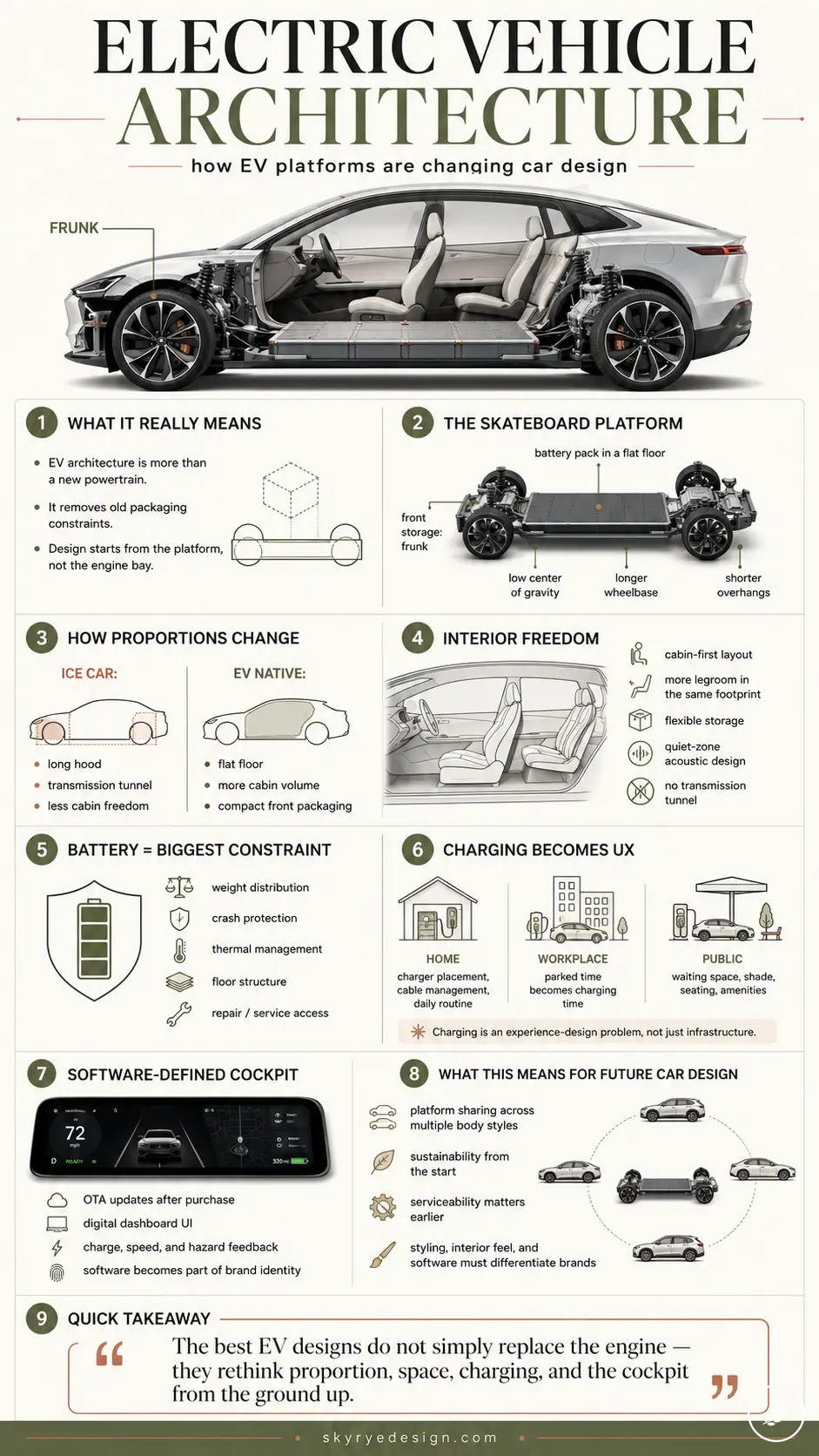
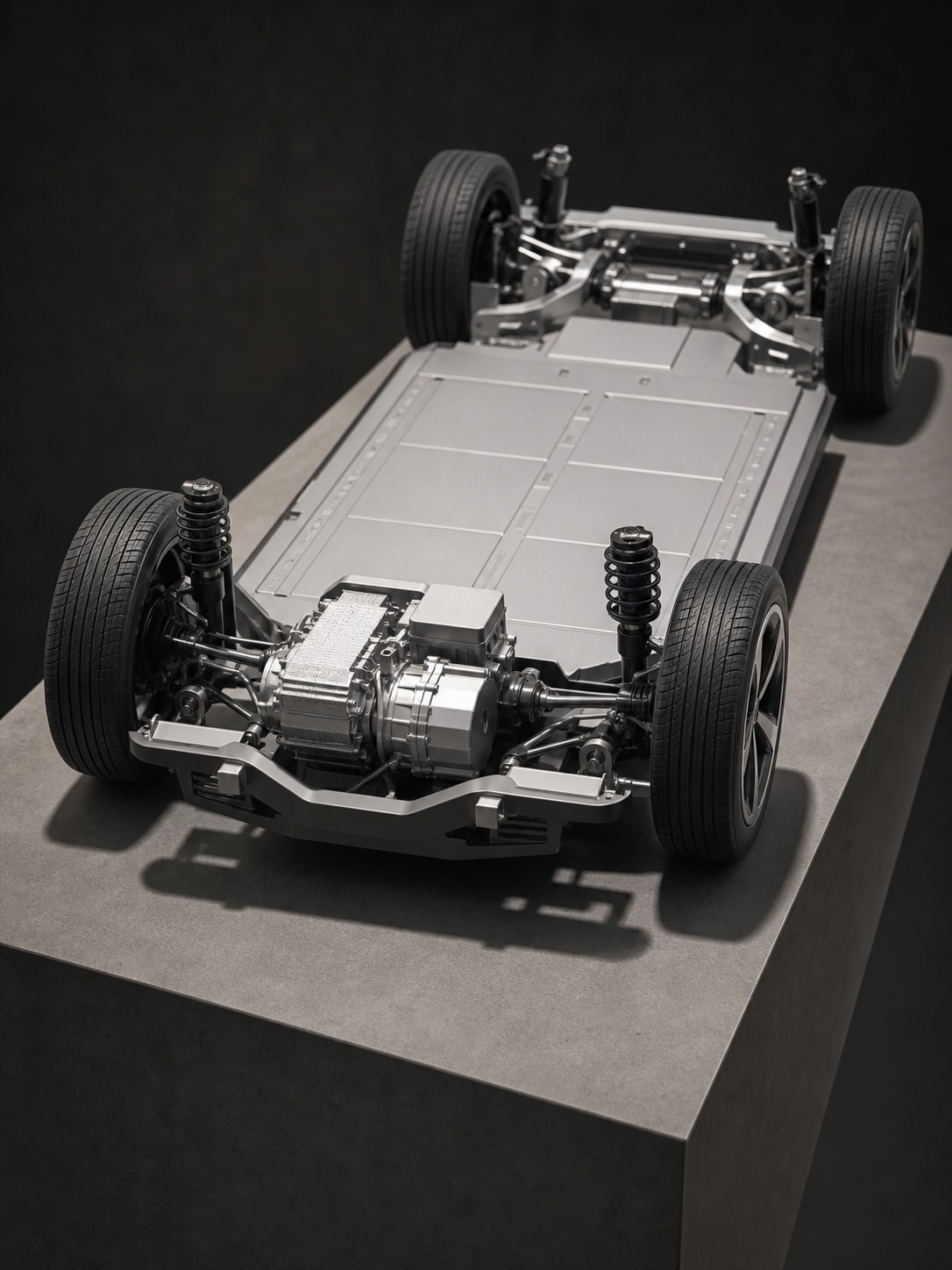
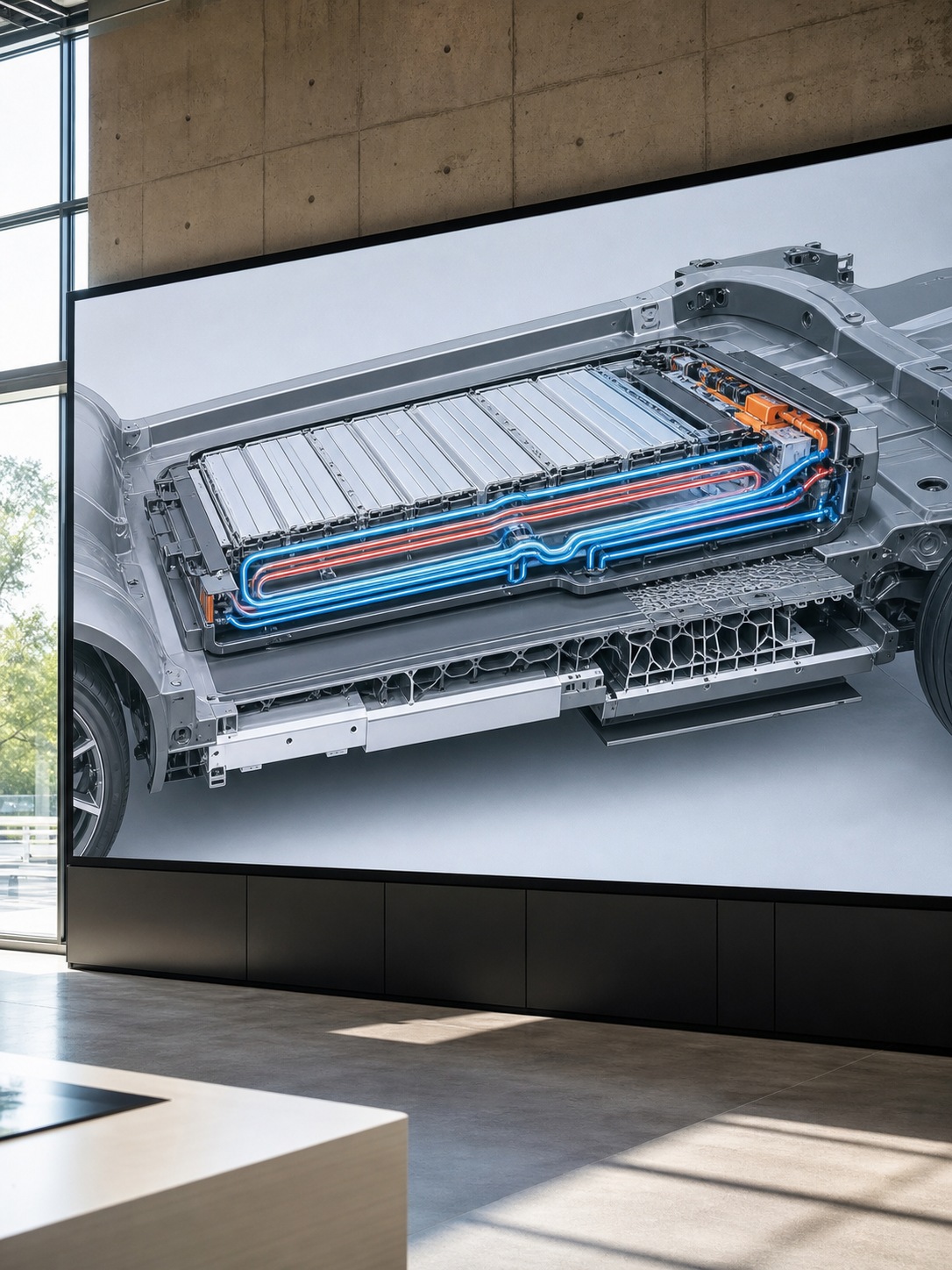
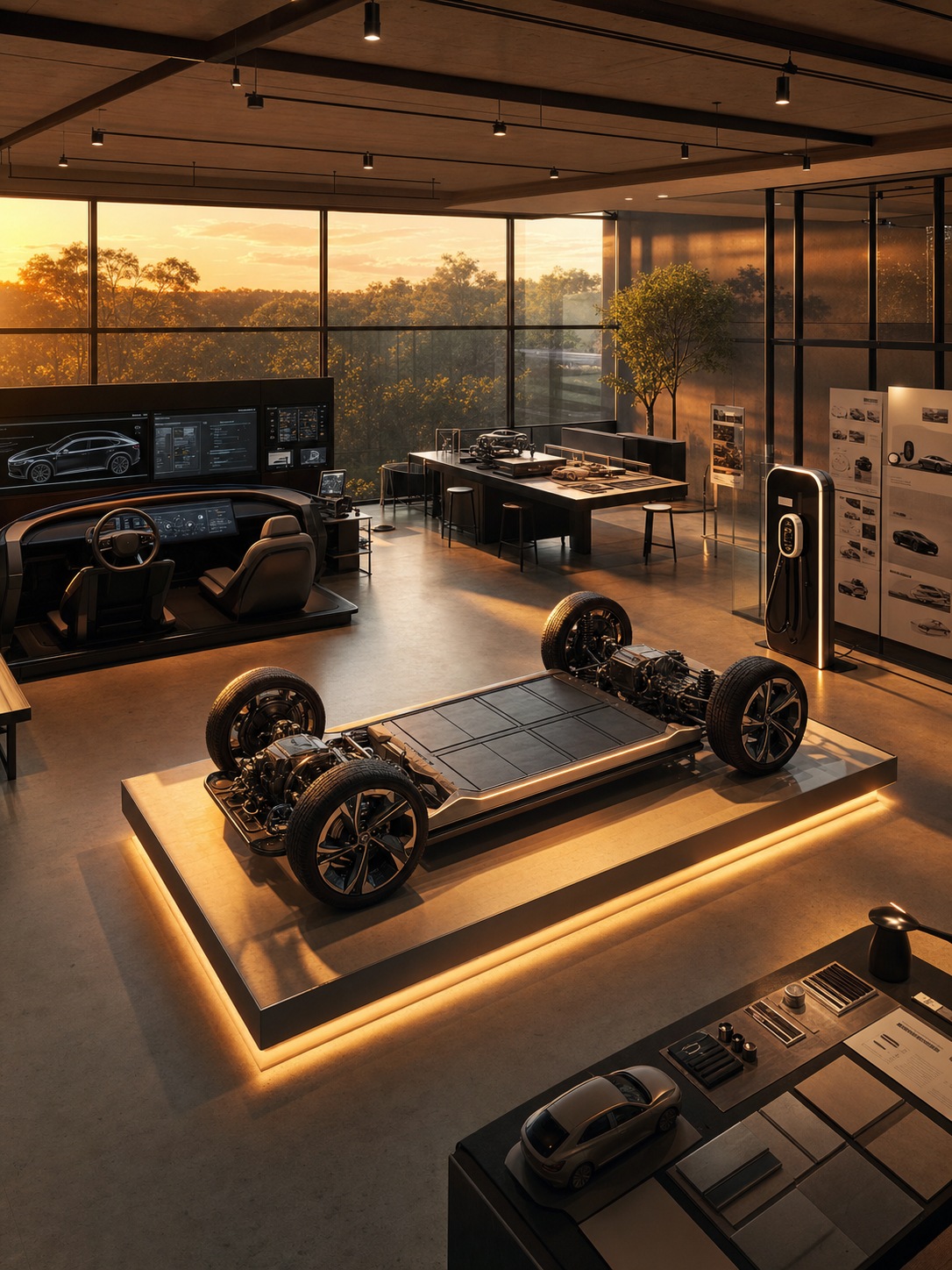
The “skateboard” platform — battery pack integrated into a flat structural floor, with the drivetrain, suspension, and electronics built into that same low, wide base — is the single architectural decision responsible for most of what looks different about a modern EV.
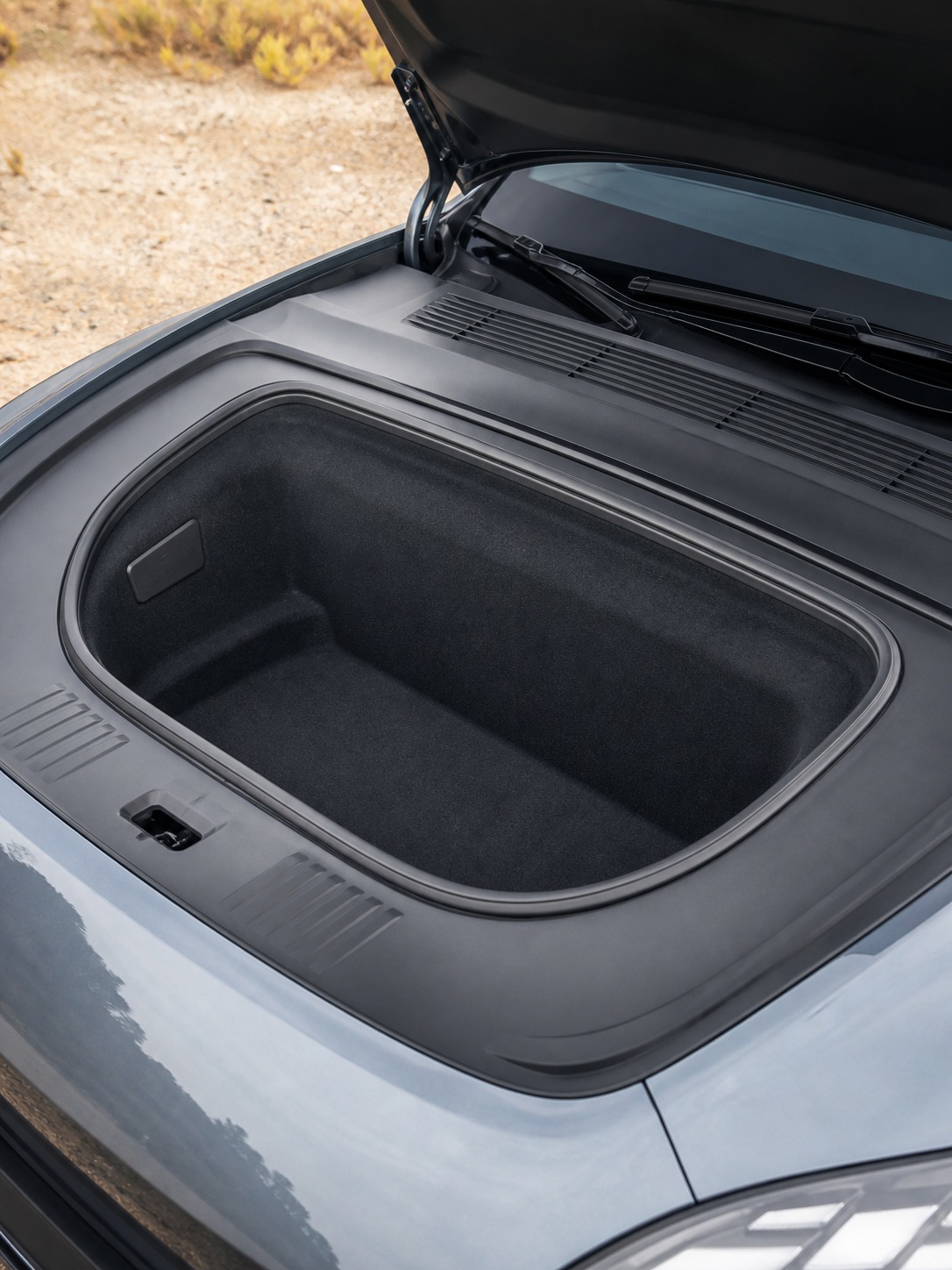
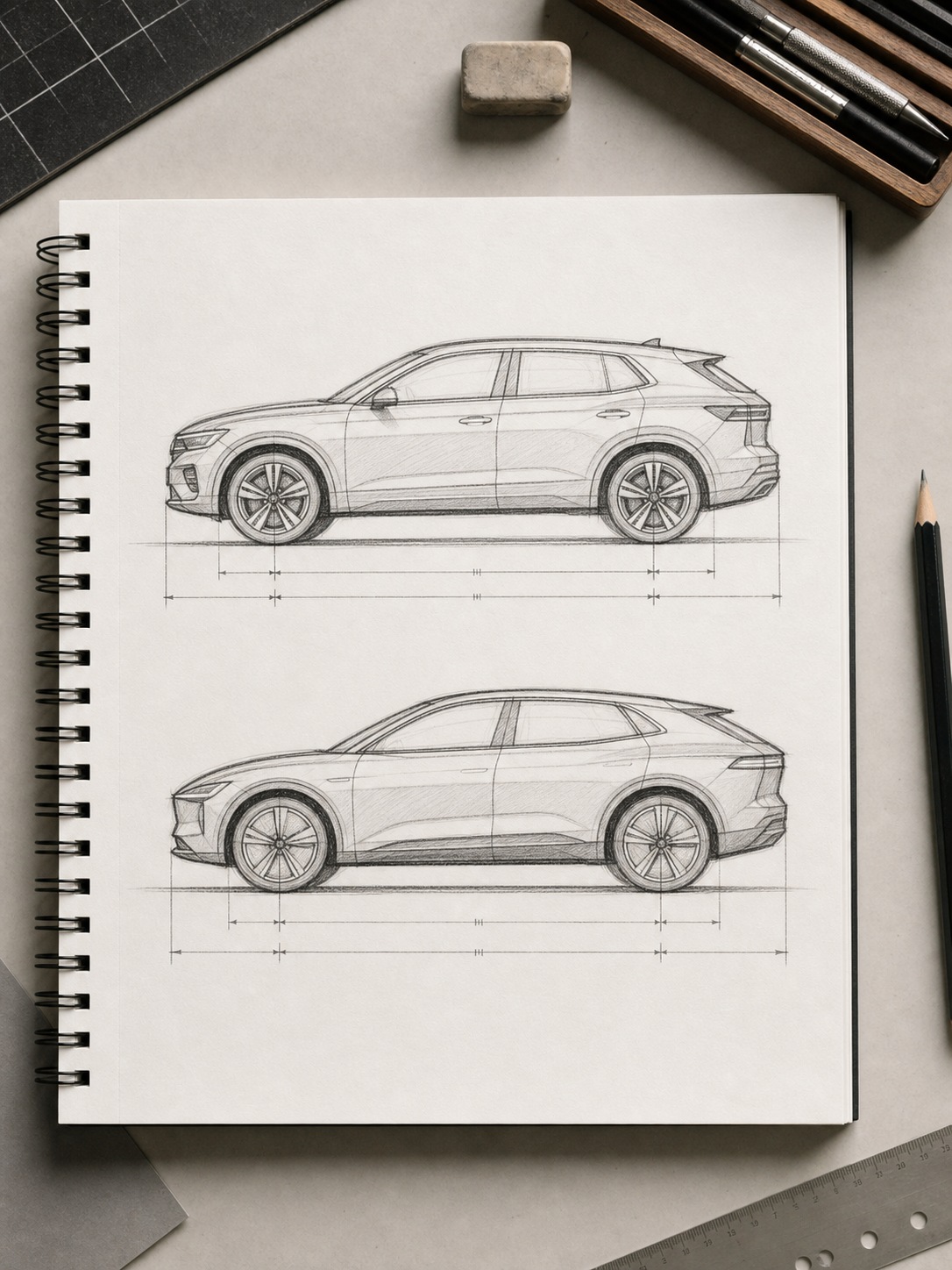
A flat floor with no transmission tunnel changes interior packaging outright, freeing up real cabin volume that used to be lost to mechanical routing. Wheelbases can stretch longer relative to the car’s overall length, since there’s no engine bay demanding a specific proportion at the front. Front and rear overhangs shrink correspondingly, since there’s no need to package a large engine ahead of the front axle.
That freed-up front volume becomes a “frunk” — a front trunk, essentially free storage space that simply didn’t exist in a combustion layout, since that space used to be entirely occupied by mechanical hardware.
From a pure design standpoint, this is the most significant proportion shift the automotive industry has seen since unibody construction replaced body-on-frame decades ago — it’s not a stylistic trend, it’s a structural one, and it cascades into essentially every other design decision covered below.
EV Interiors Are Becoming More Flexible
Cabin-First Layouts, Storage, Seating, and Quiet-Zone Design
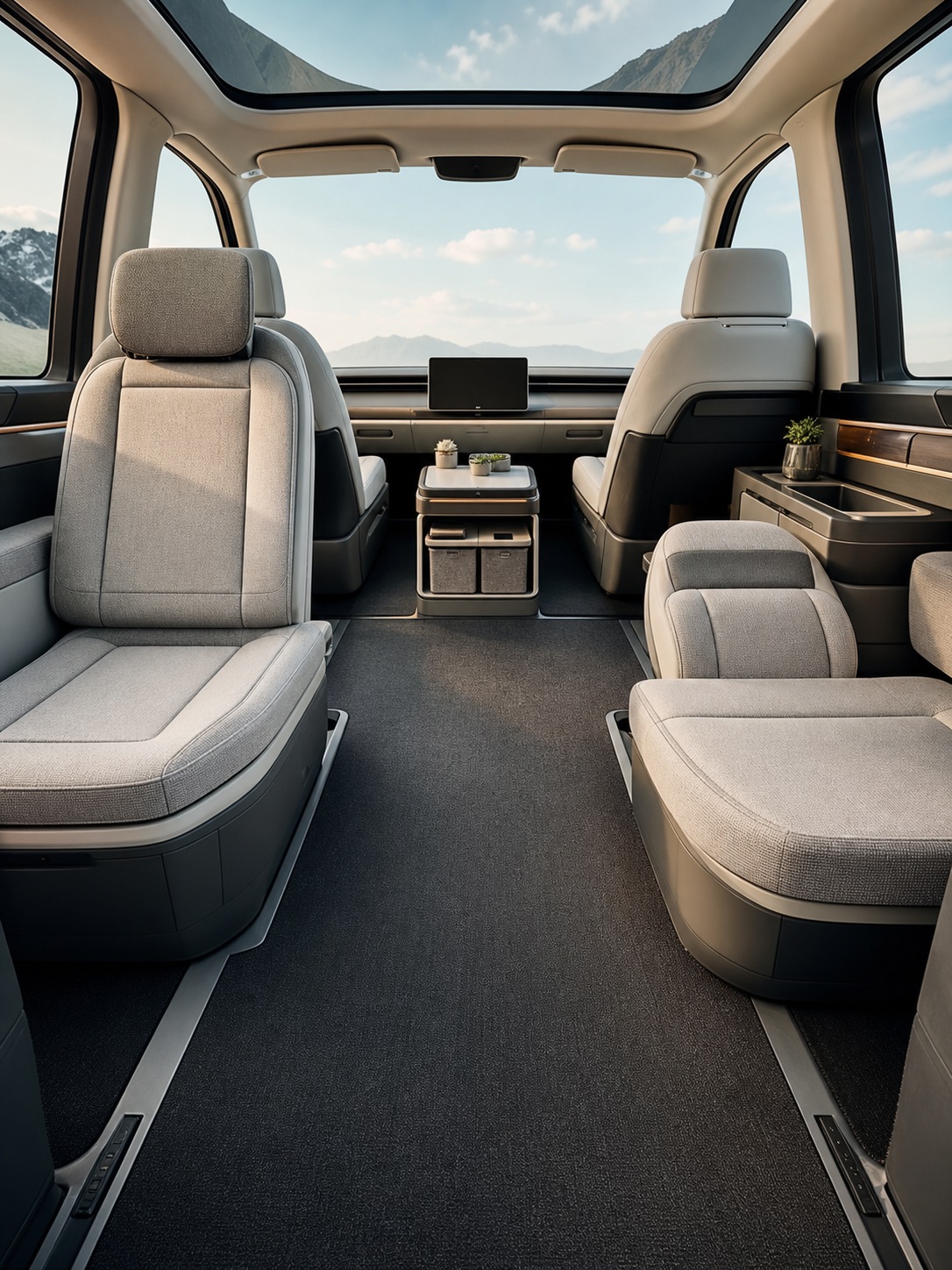
With the mechanical constraints of a combustion layout removed, interior design genuinely gets to start from the cabin experience rather than working around leftover space. A flat floor allows seating configurations that weren’t structurally possible before — flexible bench arrangements, more generous legroom without extending overall vehicle length, and storage solutions that use volume a transmission tunnel used to occupy entirely.
The absence of engine noise and vibration also opens up genuinely new interior design territory: quiet-zone acoustic design becomes a real, addressable discipline rather than an afterthought buried under combustion noise anyway. Cabin materials and finishes can be selected and arranged with acoustic performance as a primary consideration, not a secondary one competing against engine noise that was always going to dominate regardless of material choice. This cabin-first design logic connects directly to how the digital layer inside that cabin gets designed too, which I cover more specifically in the cockpit section below.

Battery Placement Is a Design Constraint
Weight Distribution, Crash Safety, Thermal Management, and Repair Access
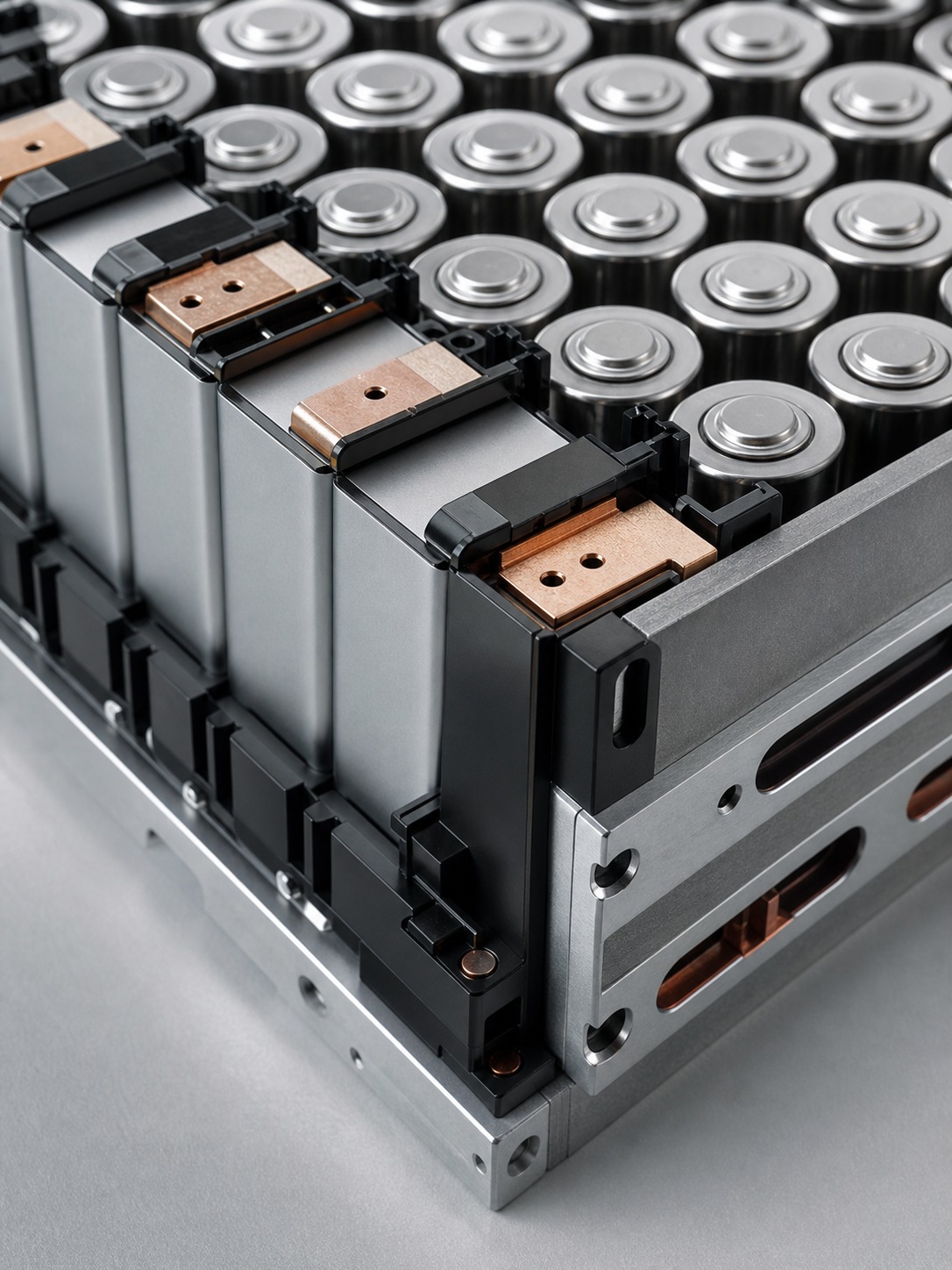
The battery pack itself is arguably the single biggest design constraint in the entire EV architecture, even though it’s rarely visible in a finished vehicle. Placement affects weight distribution and center of gravity directly, which shapes handling characteristics designers and engineers negotiate together from the earliest platform decisions. Crash safety considerations around the battery pack — protecting it from intrusion in a collision — influence structural design throughout the floor and side sills, not just around the pack itself.
Thermal management is its own significant design problem: batteries need active cooling to perform reliably and age well, which means routing cooling systems through the same flat floor structure that’s simultaneously trying to maximize interior volume and minimize weight. Repair and service access matters more than it might initially seem from a pure styling perspective — a battery pack that’s difficult to access for service or eventual replacement creates real long-term cost and sustainability problems, which is exactly the kind of tension between styling ambition and manufacturability I explore in my piece on balancing design and manufacturability in automotive prototypes.
Battery supply and cell technology are advancing fast enough that manufacturers are investing directly in cell production rather than treating it as a simple procurement line item, with the broader battery market alone projected to grow at a CAGR of 8.1% by 2030 — a growth rate that’s already reshaping which design tradeoffs get prioritized at the platform level.
Charging Turns Mobility Into an Experience Design Problem
Home Charging, Workplace Charging, Public Charging, and Waiting-Space UX
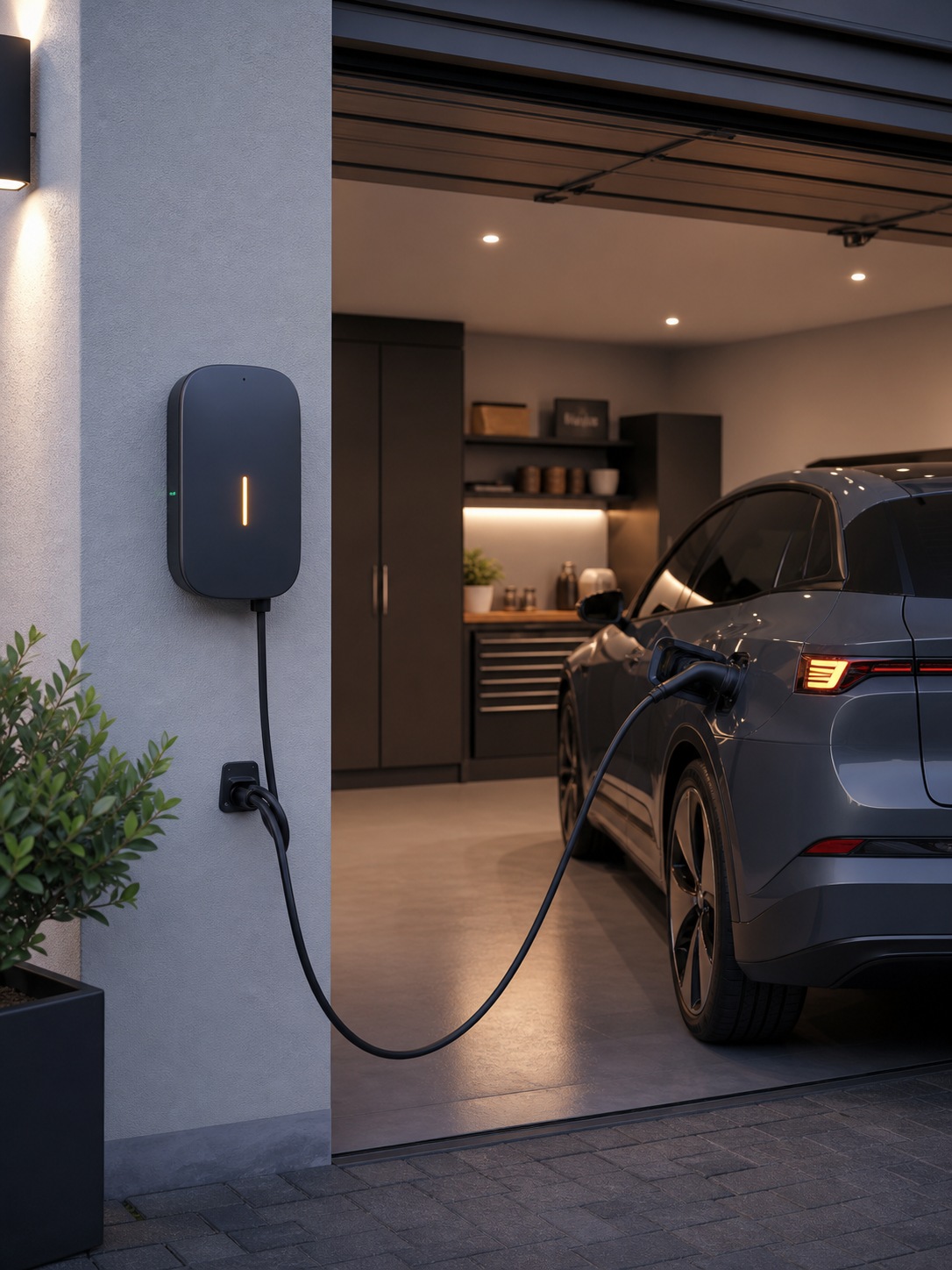
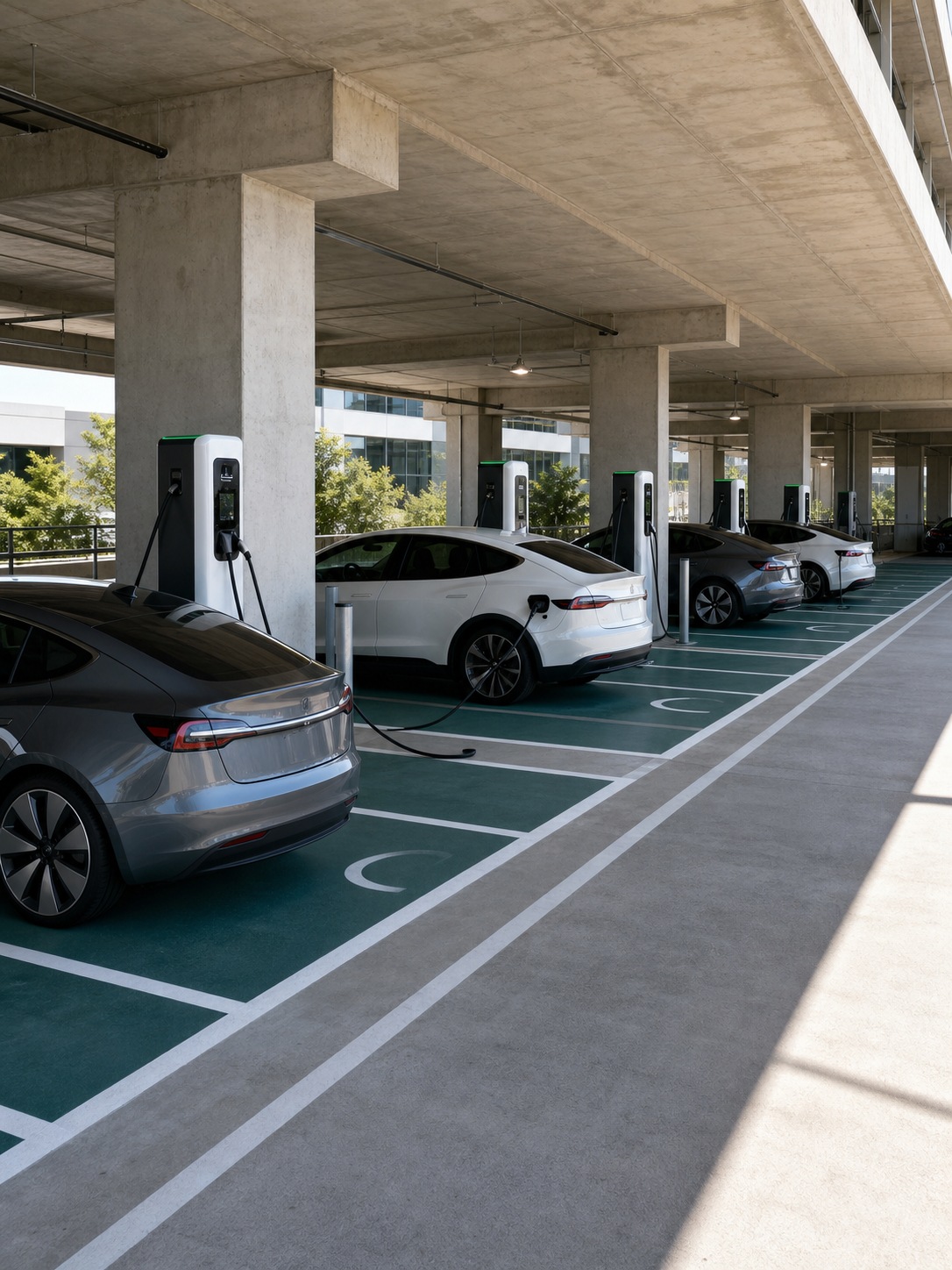
Charging fundamentally doesn’t behave like refueling, and treating it as a faster or slower version of a gas-station stop misses the actual design problem. A Level 2 charger typically takes somewhere in the range of 4-10 hours to charge battery electric vehicles, which means charging generally happens wherever a car already sits for extended periods — overnight at home, during a workday at the office, parked at a hotel — rather than at a dedicated stop along a route the way refueling does.
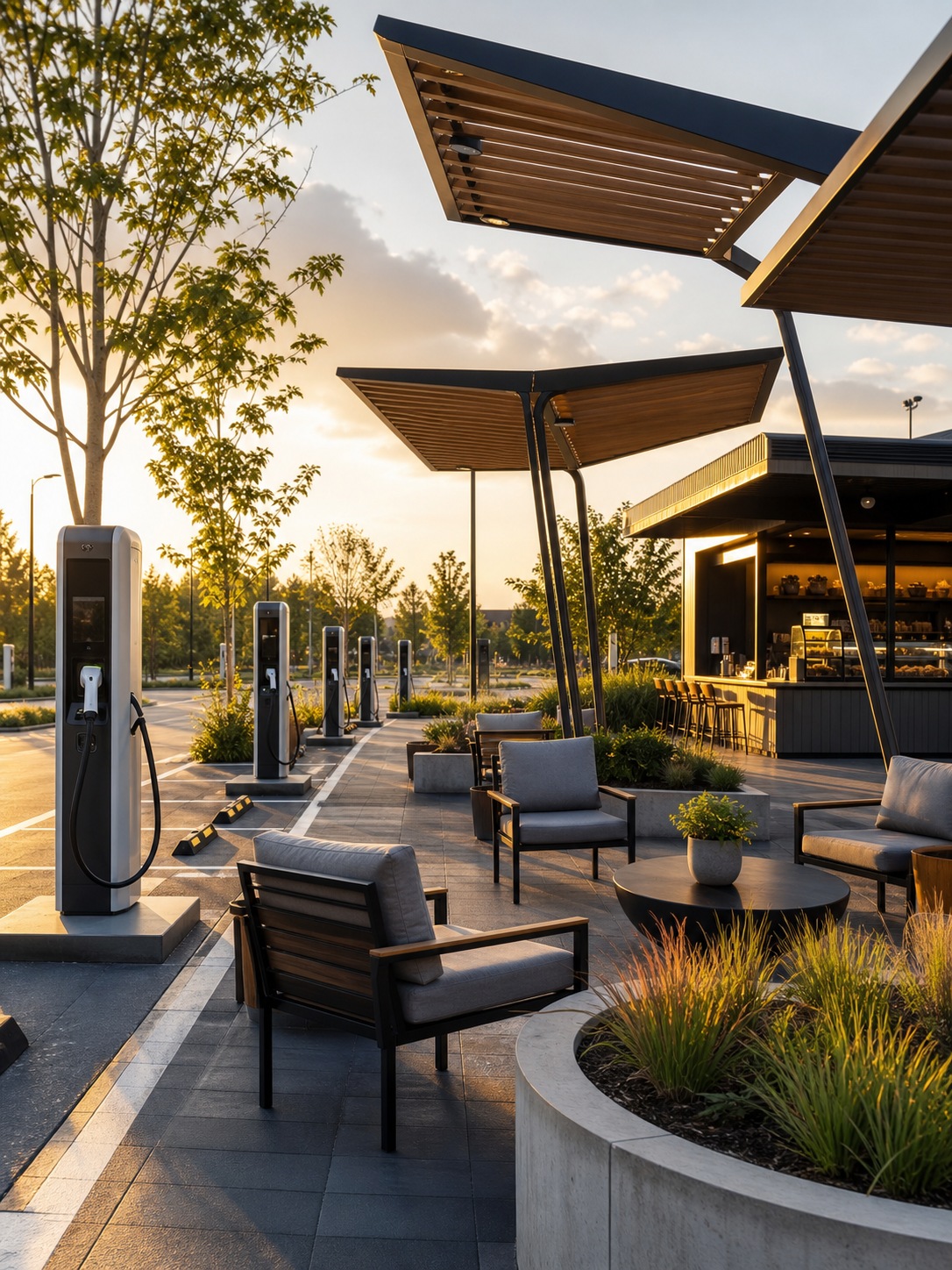
That distribution shift turns charging into a genuine experience-design problem, not just an infrastructure rollout. Home charging design needs to account for garage layout, cable management, and daily routine. Workplace and public charging locations need to think seriously about the waiting experience itself, since a driver might genuinely be at that location for twenty minutes or more rather than five.
This is a real design discipline now, one I’ve covered specifically in my home EV charger guide and my piece on high-performance EV charging system reliability. Consumer adoption has scaled past the early-adopter phase specifically — American buyers purchased more than 1.5 million electric vehicles in 2024 alone — which is exactly the volume that justifies designing charging locations as genuine spaces rather than purely functional infrastructure.
Software-Defined Vehicles Change the Cockpit
OTA Updates, Dashboard UI, Driver Feedback, and Digital Feature Layers
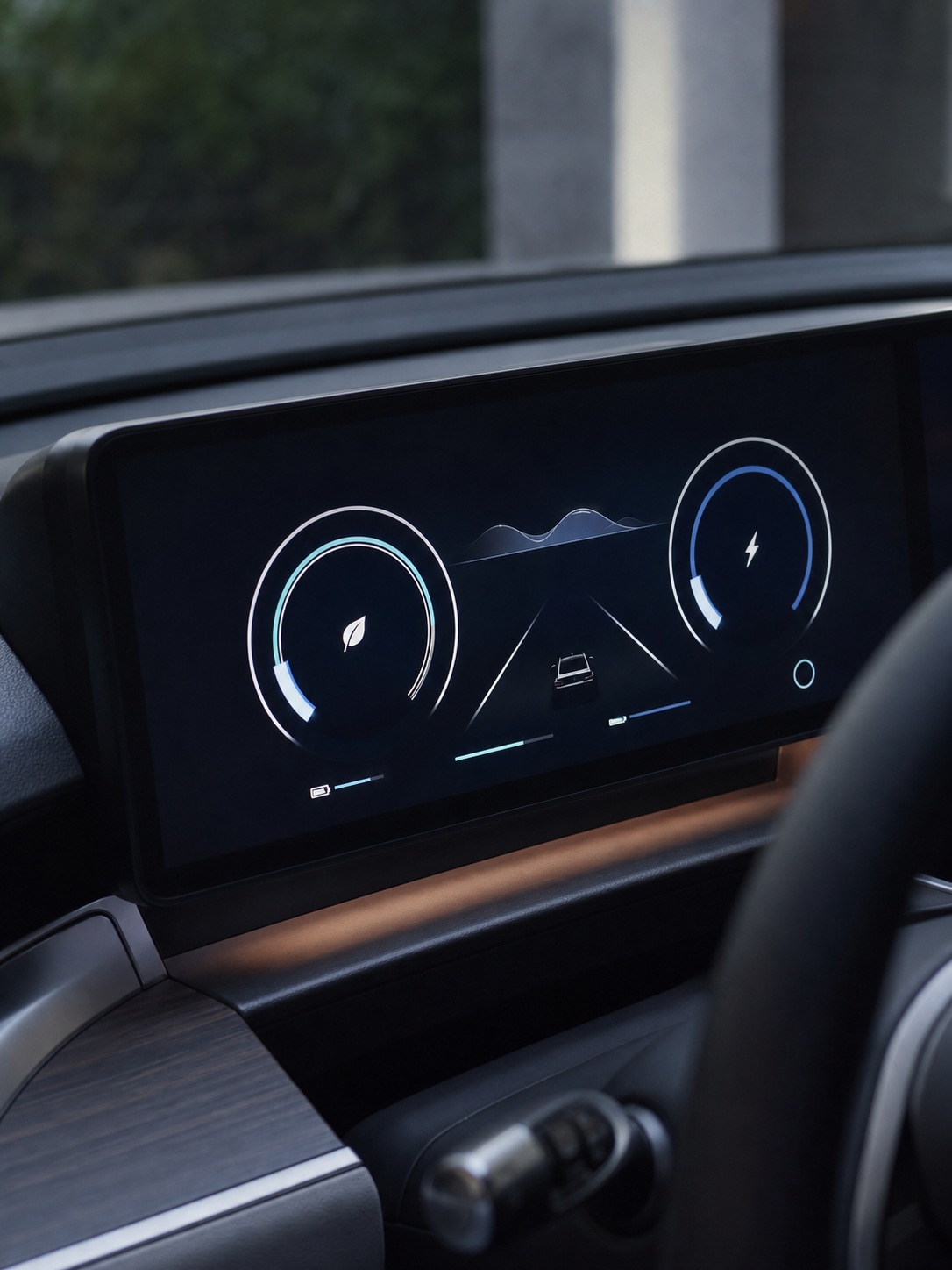
The cockpit itself has shifted from a fixed, largely mechanical interface into something closer to a software product that happens to be mounted in a car. Over-the-air updates mean a vehicle’s feature set can genuinely improve after purchase, a model borrowed directly from consumer technology rather than traditional automotive practice, where a car’s capabilities were fixed the day it left the factory.
Dashboard UI design has become a discipline in its own right, balancing information density against the very real safety requirement that a driver isn’t staring at a screen instead of the road. Driver feedback — how a car communicates speed, charge state, hazards, and system status — increasingly happens through digital interface layers rather than purely mechanical gauges, which changes both the design process and the skill set required to do it well. I go deeper into this specific design discipline in my automotive UI design guide, which covers the practical interface principles this shift actually depends on.

What EV Architecture Means for Future Automotive Design
Platform Thinking, Sustainability, Serviceability, and Brand Identity
The shift toward EV-native platforms is pushing automotive design toward genuine platform thinking — designing a flexible underlying architecture that multiple vehicle variants can share, rather than styling each model as an independent exercise.
Sustainability considerations now extend into the design process itself, not just the finished product’s emissions profile, a shift I cover in more depth in my piece on the rise of sustainable car manufacturing. Serviceability is becoming a genuine design consideration from day one rather than an afterthought, given how different EV maintenance actually is — dramatically fewer moving parts, no oil changes, no exhaust systems, extended brake life from regenerative braking, all of which changes what “designing for service” even means.
Brand identity faces its own real challenge in this environment: when the constraints that used to differentiate one manufacturer’s engineering approach from another’s largely disappear, styling, interior experience, and software feel have to do more of the work establishing what makes one EV genuinely different from another, rather than relying on mechanical character the way combustion-era brands often could.


Final Thoughts
Electric vehicle architecture isn’t really a story about new technology under the hood — there mostly isn’t a hood anymore, and that’s the point. It’s a story about which century-old constraints just quietly disappeared, and what a design team chooses to do with the space, weight, and freedom that disappearance actually creates. The platforms getting this right aren’t the ones treating an EV as a combustion car with a different powertrain. They’re the ones asking, from the very first sketch, what a car actually wants to be once you stop designing around an engine that isn’t there anymore.
Frequently asked questions
What is electric vehicle architecture?
Electric vehicle architecture refers to how EV platforms are structurally and mechanically designed — most notably the “skateboard” platform, where the battery pack integrates into a flat floor structure along with the drivetrain and electronics. This architecture removes many of the packaging constraints a combustion engine, transmission, and exhaust system historically imposed on a vehicle’s proportions.
How does the skateboard platform change car proportions?
A skateboard platform enables a flat interior floor with no transmission tunnel, longer wheelbases relative to overall vehicle length, and shorter front and rear overhangs, since there’s no engine bay or exhaust routing to package around. The freed-up front volume often becomes a “frunk,” or front trunk, which didn’t exist in combustion vehicle layouts.
Why does battery placement matter for EV design?
Battery placement affects weight distribution and handling characteristics, crash safety structure throughout the vehicle floor and sills, thermal management system routing, and long-term service and repair access. It’s arguably the single largest design constraint in an EV platform, even though the battery itself is rarely visible in the finished vehicle.
How is EV charging different from refueling a gas car?
Refueling a gas vehicle takes a few minutes at a dedicated stop, while Level 2 EV charging typically takes several hours, which means charging generally happens wherever a vehicle already sits for extended periods — home, workplace, or a hotel — rather than at a dedicated stop along a route. This shifts charging design toward a genuine experience-design problem involving waiting spaces, not just infrastructure installation.
What is a software-defined vehicle?
A software-defined vehicle is one where a meaningful share of its features, performance characteristics, and user interface can be updated after purchase through over-the-air software updates, similar to how consumer technology products improve post-purchase. This shifts significant design work from purely mechanical interfaces toward dashboard UI and digital driver-feedback systems.
Will EV architecture make cars from different brands look more similar?
It’s a real risk, since many of the mechanical constraints that used to differentiate one manufacturer’s engineering approach from another’s have largely disappeared with skateboard-platform architecture. This pushes brand identity to rely more heavily on styling, interior experience, and software feel to establish genuine differentiation, rather than mechanical character alone.
- 122shares
- Facebook0
- Pinterest122
- Twitter0
- Reddit0