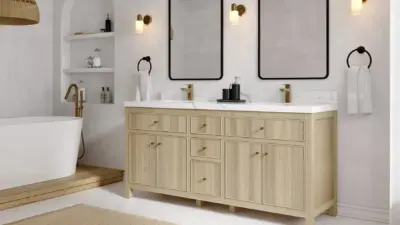
6 Modern White Oak Bathroom Vanity Picks for Stylish Bathroom Vanities
Steam can turn a bargain vanity into a swollen, peeling eyesore. No wonder wood-faced cabinets now edge out painted ones in 62 percent of new…


Architecture is easier to explore when the ideas are grouped by the decisions people actually make: how a home sits on its site, how materials age, how outdoor spaces connect to daily life, and how structure, light, services, and detail work together. This architecture hub is the starting point for Sky Rye Design’s building, home, and outdoor design archive.
Use this page to move from broad inspiration to practical design thinking. The newest architecture articles appear below, while the links here help you jump into the parts of the archive that are most useful for planning, comparing, sketching, renovating, or simply understanding why some buildings feel resolved and others do not.
Start with the kind of architecture guide you need
Home architecture guides collect residential ideas, rural homes, cabins, remodeling decisions, materials, facades, layouts, and the details that make a house feel considered rather than assembled.
Outdoor architecture guides focus on decks, gardens, fences, terraces, public spaces, lighting, and the transition between buildings and the landscape around them.
Design-build construction is a good place to start if you want to understand how design intent, cost, schedule, and building quality stay connected during a project.
Rhythm in architecture explains one of the quietest design tools: repetition, spacing, openings, structure, and visual movement.
Explore home design and building systems
Residential architecture is rarely about one big gesture. The strongest homes usually come from dozens of smaller decisions: where the building faces, how the roof line sits against the sky, how services are hidden, where daylight lands, and which materials will still look good after weather and use.
For rural and site-led projects, start with rural homes with hidden engineering systems and architecture and hillside engineering. Both guides look at the parts of a home that are easy to overlook from a finished photograph: tanks, drainage, plant rooms, foundations, access routes, slopes, and view lines.
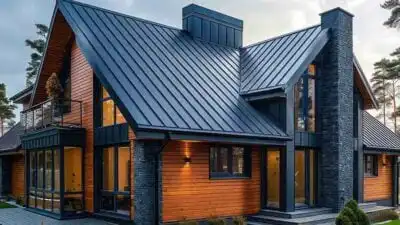
If you are comparing house styles, modern A-frame cabin designs, timber frame house designs, and mountain modern architecture show how proportion, roof form, glazing, timber, stone, and landscape context change the feeling of a home.
Look at outdoor spaces as architecture
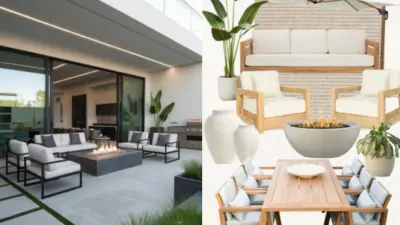
Outdoor design is not decoration added after the building is finished. Decks, paths, garden edges, fences, lighting, courtyards, and terraces decide how a project is used every day. A good outdoor plan makes movement obvious, frames the best views, hides weak ones, and gives the building a calmer relationship with its site.
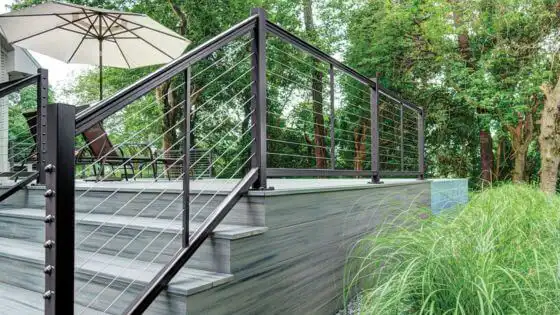
Start with modern deck lighting ideas, architectural deck design rules, aluminum fence design details, and safe public space design if you want practical examples of circulation, edges, visibility, privacy, and material choices.
Study materials, structure, and details
The best architecture articles are often about the parts most people do not notice first: glass performance, concealed fixings, facade rhythm, foundation logic, and the way construction details affect the final look. These are the decisions that make a building feel precise instead of merely styled.
Use insulating glass in architecture, concealed panel fixings, and solid foundations behind finished renders when you want to connect the visual side of architecture with the technical decisions underneath it.
Learn architecture through drawing and visual analysis
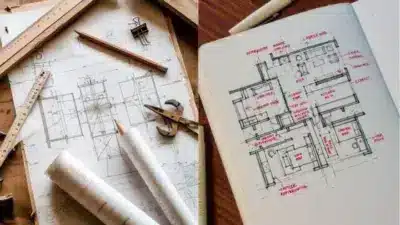
Architecture is also a visual language. Sketching, diagramming, and reading building proportions can make design ideas clearer before a project becomes expensive. If you are learning to draw or present buildings, start with architecture sketches, how to draw in architecture, and drawing architectural details.
This architecture hub will keep growing around homes, outdoor spaces, materials, construction systems, styles, and drawing-based design thinking. Use the newest posts below for fresh guides, or start with the linked sections above when you want a faster path into the archive.