You can kick off meaningful scrapbooks with just a handful of well-chosen supplies. A simple Beginner’s Scrapbooking Guide starter pack—cardstock, patterned paper, acid-free adhesive, a paper trimmer, stickers or washi tape, and a journaling pen—lets you make polished pages without feeling overwhelmed.
This post will walk you through the supplies that matter most and how each fits into common layouts. You’ll get advice on paper choices, adhesives, embellishments, and creative tools to help your photos and memories stand out.
What Is Scrapbooking?
Scrapbooking blends photos, mementos, and written notes into arranged pages that tell a clear story. You’ll learn how to pick materials, set up layouts, and use albums to keep your pages safe and easy to browse.
Preserving Memories Through Creativity
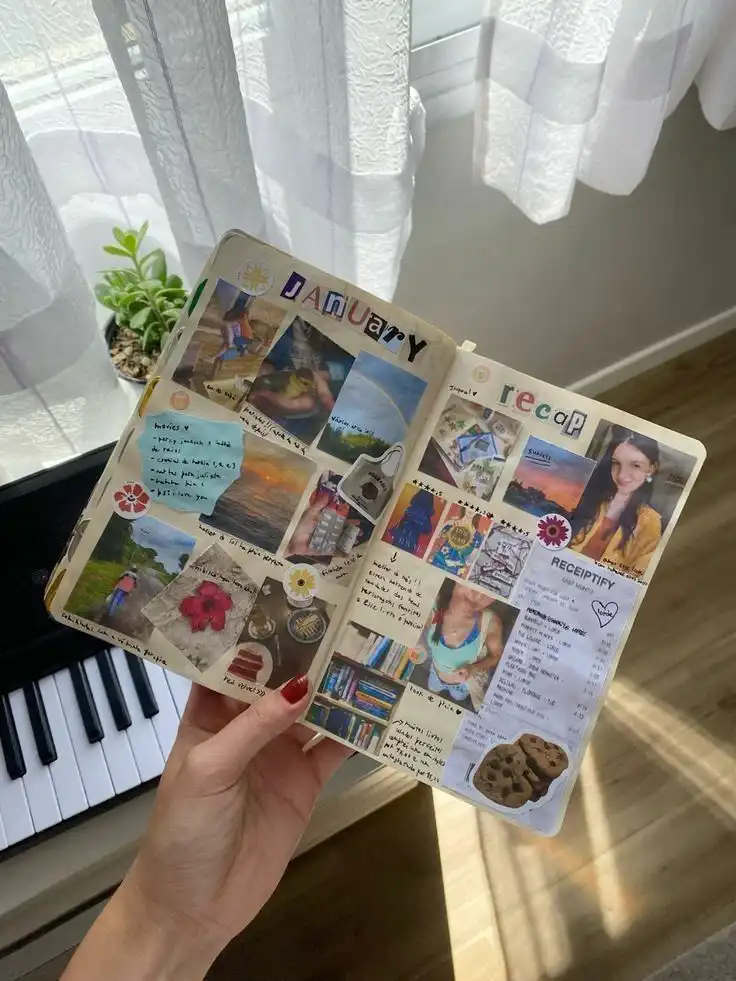
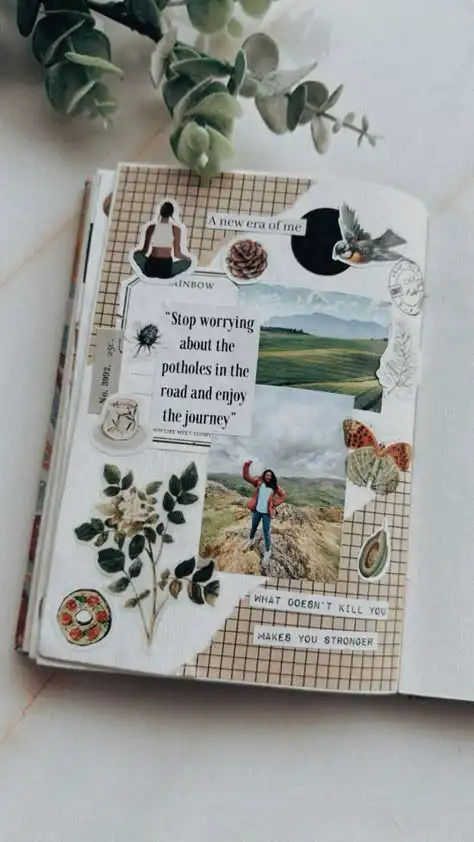
Scrapbooking helps you protect photos and keepsakes like tickets, postcards, or pressed flowers by mounting them on acid-free paper. Choose archival-safe cardstock, photo corners, and adhesives that prevent yellowing and damage.
Journaling is key: short captions, dates, and locations turn images into actual memory records. Write straight on the page or on tags and tuck them into pockets if you want a cleaner look.
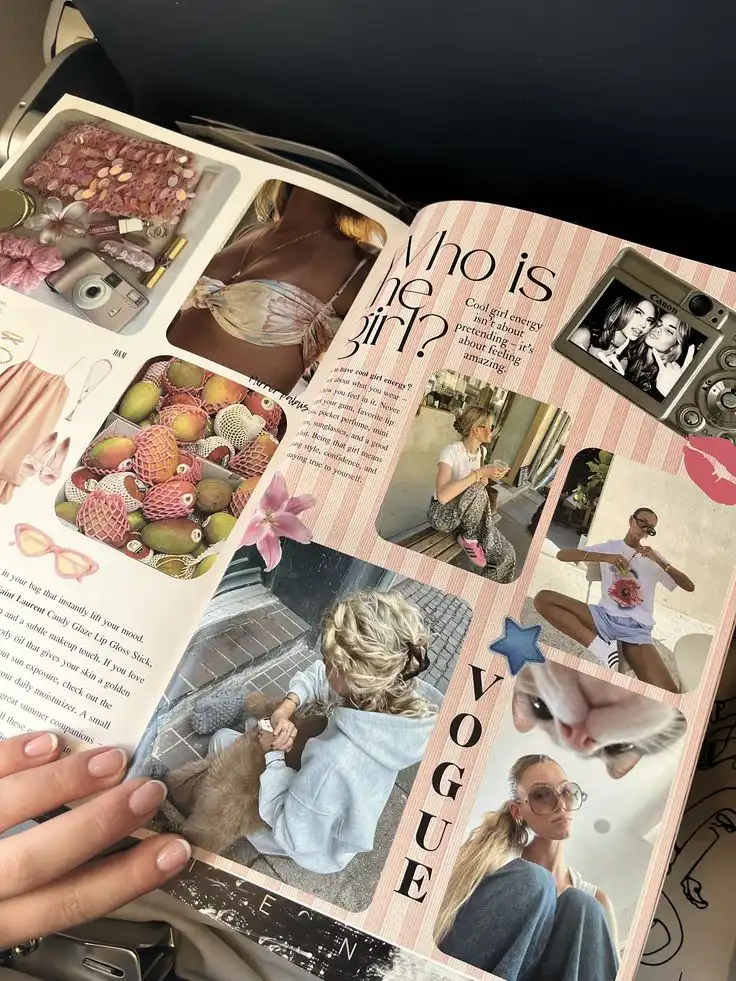
Design choices shape how memories read. Layer patterned paper, mats, and small embellishments to guide the eye toward the photo.
Use consistent color palettes and repeated motifs to create themed pages—travel, family events, or just everyday stuff. Each spread feels like it has a point.
Benefits of Starting Scrapbooking
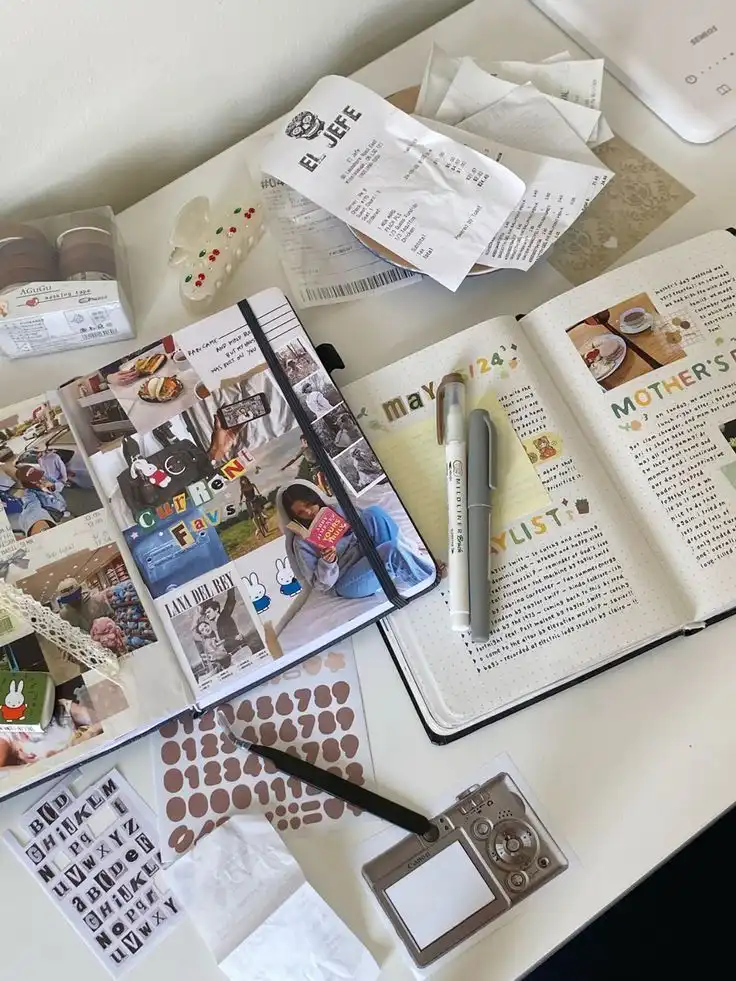
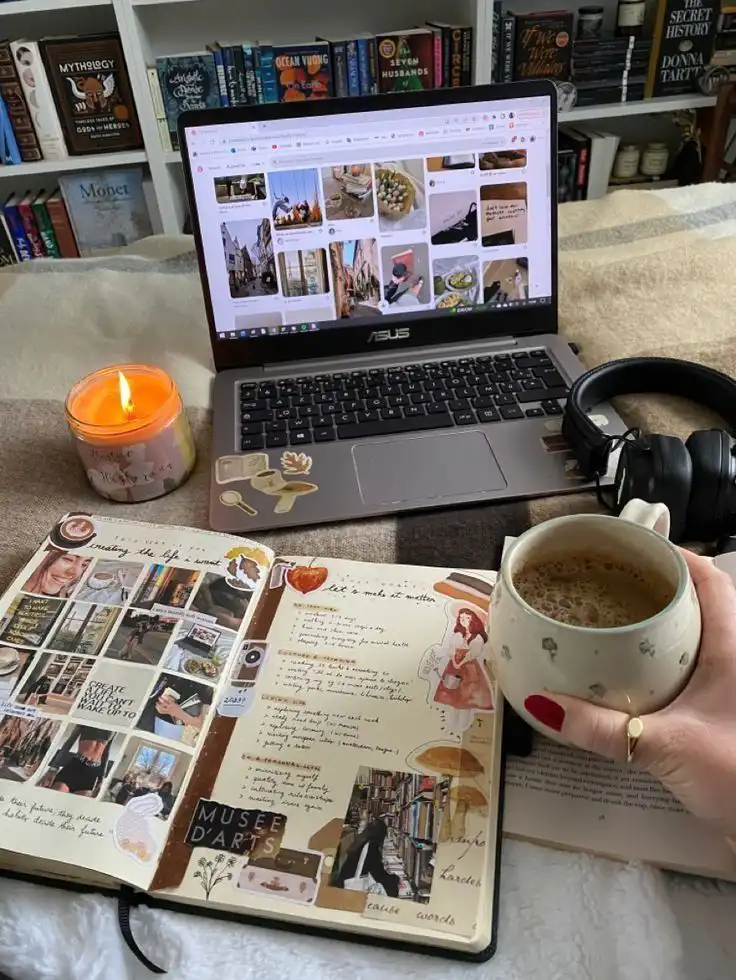
You’ll finally have a system for getting digital and printed photos in one spot, cutting down on clutter and rescuing images from forgotten folders. Making a page can take a few minutes or a couple of hours, depending on how fancy you get.
Scrapbooking also helps you remember more: picking out photos and writing captions makes the details stick. And honestly, it feels good to see your memories in one place.
There’s something special about having a tangible legacy to share with family. Customize albums for kids, weddings, or trips—these keepsakes last and actually mean something. You’ll also save money by focusing on basics like paper, adhesives, and a starter album before getting into specialty stuff.
Understanding Scrapbook Albums and Layouts
Albums come in ring-bound, post-bound, and pocket styles. Pick one based on how often you’ll add pages.
Ring-bound and post-bound albums let you swap out 12×12 pages, while pocket albums use pre-sized sleeves for simple assembly. Choose a size that matches your cardstock (12×12 or 8.5×11 are most common).
Layouts give structure to each page—a basic grid for lots of small photos, a single-photo focal point, or a collage with layers. Start with a quick sketch: photo spots, matting, a title, and a journaling area.
Use a tape runner or double-sided adhesive for flat pieces and photo corners if you want to move things around. Keep a small kit: cardstock, patterned paper, scissors, adhesive, a journaling pen, and a few embellishments. That’s enough to stay consistent.
As you get comfortable, try stamps, inks, or stencils to upgrade your layouts. You don’t have to ditch your album format to get creative.
Must-Have Scrapbooking Papers
Start with sturdy cardstock for structure. Add patterned and textured sheets for visual interest, and keep a few specialty papers for accents and covers.
Pick acid-free, archival options and sizes that fit your album—12×12 and 6×6 are easy to find.
Cardstock Basics and Uses
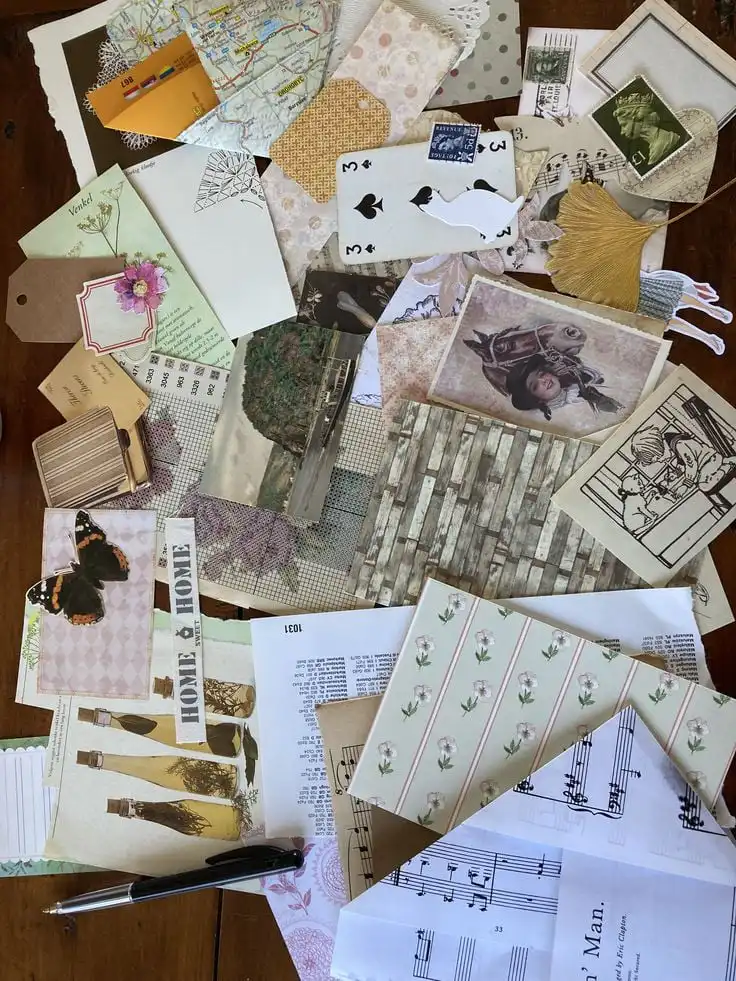
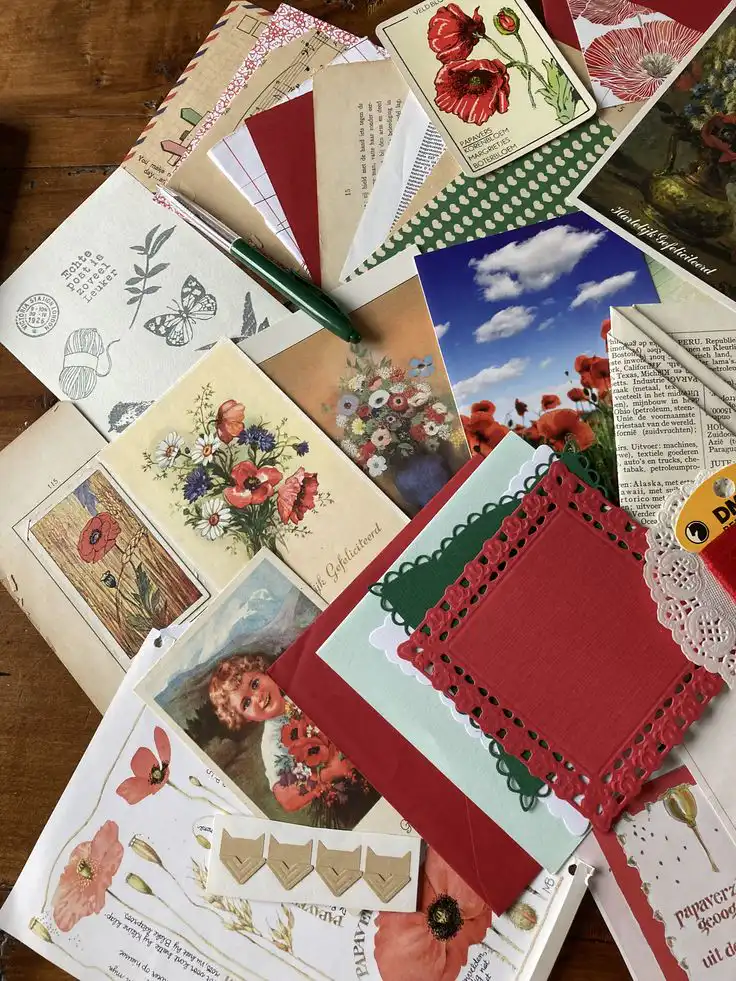
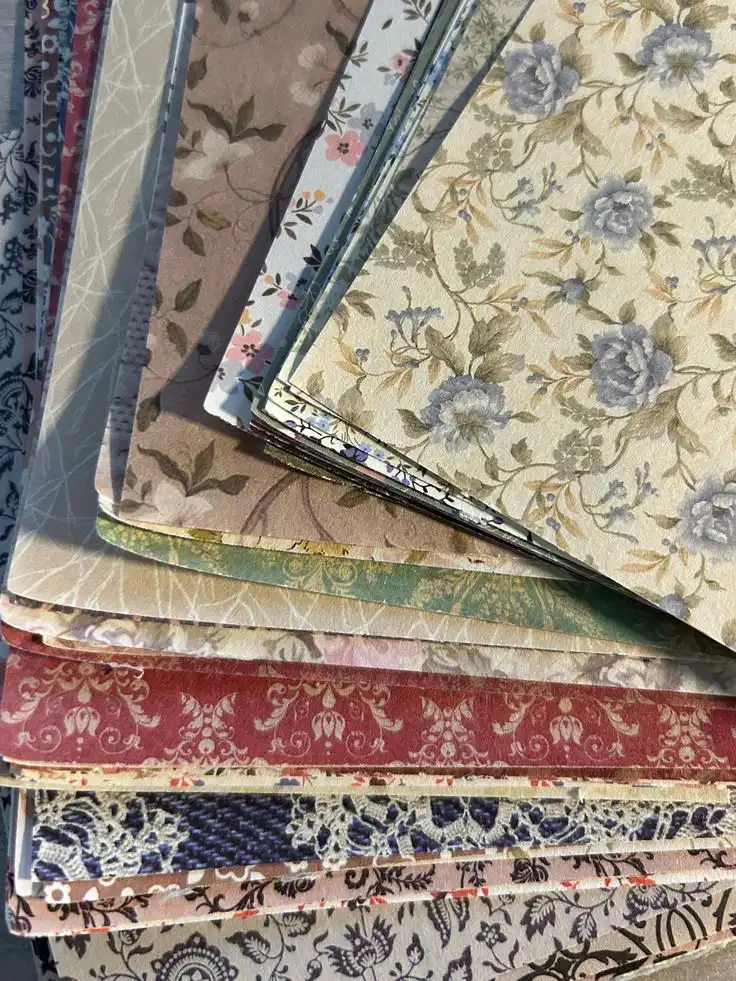
Cardstock forms the backbone of most layouts. Go for 80–110 lb (216–300 gsm) for photo mats and page bases so your pages stay flat and photos don’t fall off.
White and neutral cardstock work as classic bases; keep a full pack of 12×12 white and another in black or kraft for contrast. Colored cardstock is great for layering and framing photos. Pre-cut mats save time. Double-sided adhesive or tape runners work best; wet glue can warp thick paper.
If you’re adding die-cuts or pop-ups, pick heavier cardstock (100–110 lb) for strength.
Choosing Patterned and Textured Paper
Patterned paper sets the mood for your page. Mix large and small patterns so bold prints don’t compete with subtle ones.
Start with a 6×6 paper pad to try out different patterns and colors. Smaller scales are easier to use with standard photo sizes.
Textured paper—like linen, hammered, or embossed—gives layouts a tactile feel. Use these sparingly: a textured background or accent layer can make a simple page pop.
When mixing patterns and textures, match undertones (warm or cool) and stick to two main patterns per page to keep things from looking too busy.
Material Paper and Specialty Sheets
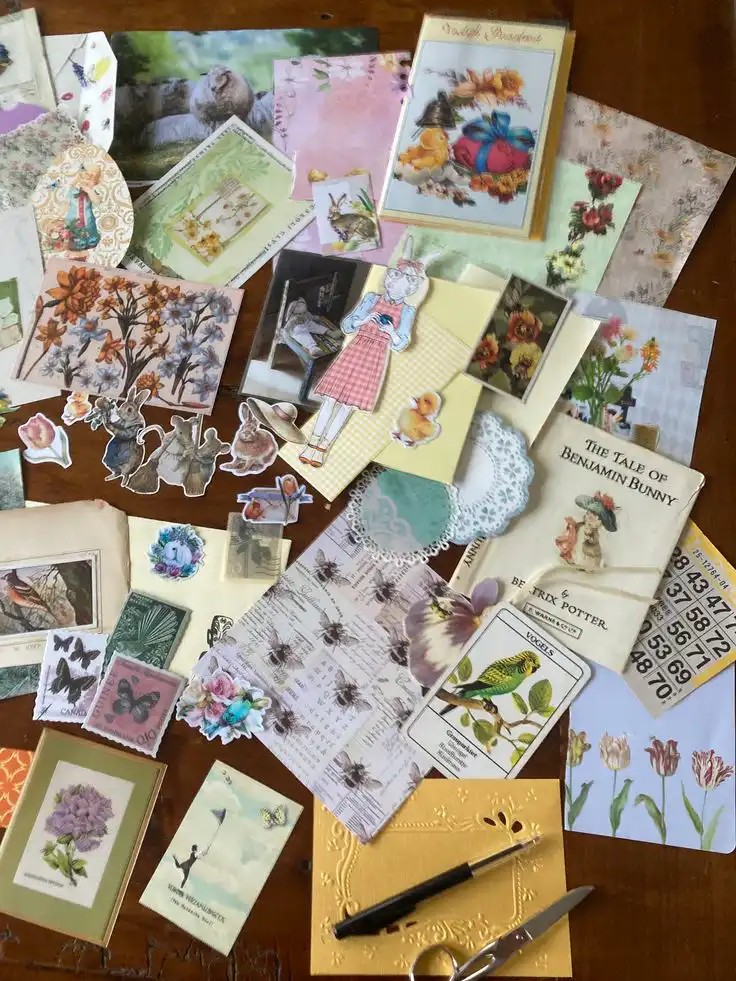
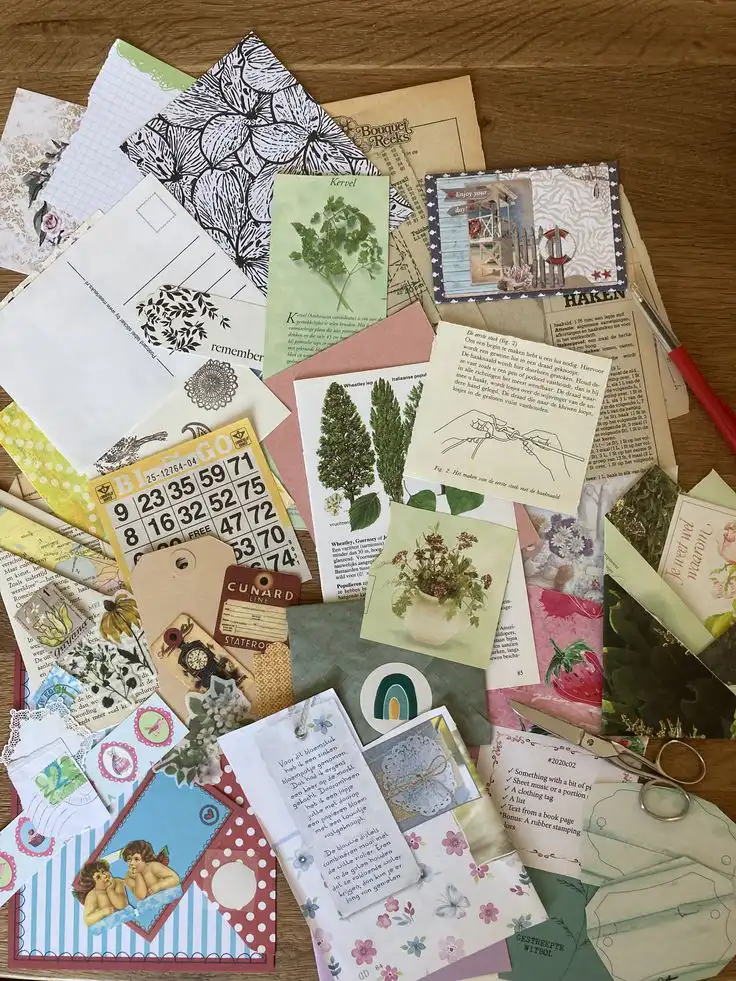
Material paper includes vellum, acetate, and metallic foils for unique effects. Vellum makes nice overlays and can soften a busy spot on your page.
Acetate works for transparent pockets or shaker bits—just use strong adhesive along the edges so nothing slips out. Specialty sheets like glitter cardstock, wood veneer, and parchment are for focal points or covers. Use glitter and metallics for small touches so they don’t overpower your page.
Double-check that specialty papers are acid-free, or use protective sleeves for anything precious. Keep just a couple sheets of each on hand so you can experiment without blowing your budget.
Essential Scrapbooking Adhesives
Pick adhesives that protect your photos, hold different materials, and make placement easy. Stick with acid-free, photo-safe options and match the adhesive type to your task—broad coverage, temporary placement, or adding dimension.
Glues and Glue Sticks
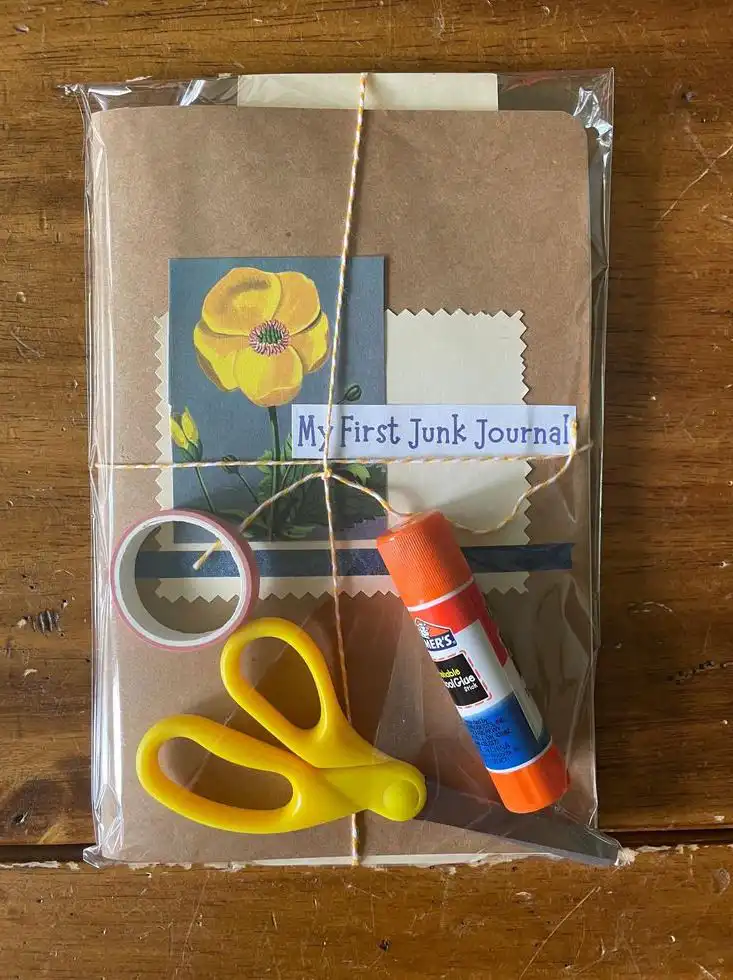
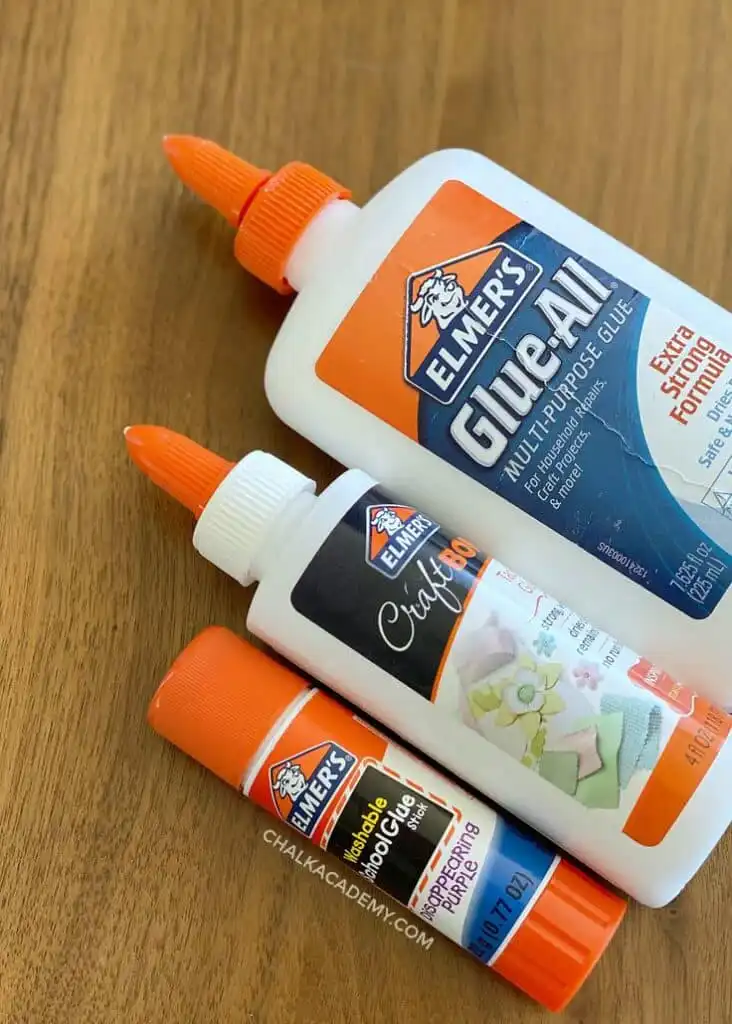
For full-surface bonding of paper, chipboard, or heavy embellishments, use liquid glue or a permanent glue stick that’s acid- and lignin-free. Liquid PVA or tacky glue gives a strong, archival bond for album pages and bulky bits.
Apply with a small brush or nozzle for control and avoid using too much, since it can warp thinner papers. Glue sticks work best for photos and single-layer papers. Go for permanent glue sticks for pages that need to last, or repositionable ones if you want flexibility. Store glue sticks capped and upright so they don’t dry out.
Test on a scrap before you use any adhesive on irreplaceable photos. If you keep different glues, label them—trust me, it’s easy to mix them up.
Tape Options: Double-Sided, Glue Tape, and Sheets
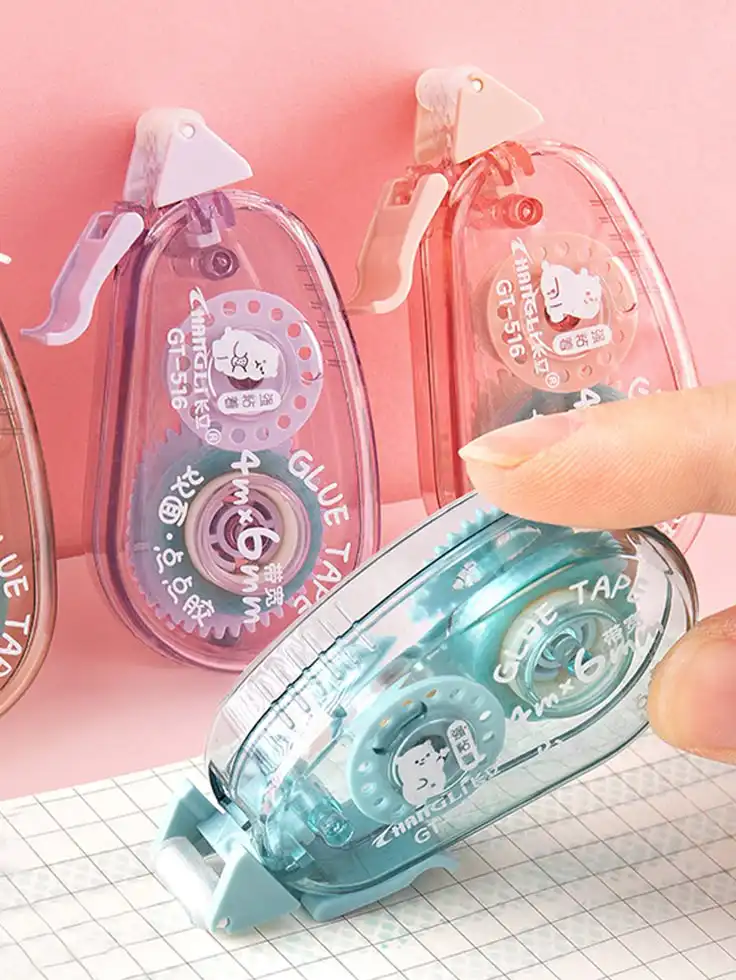
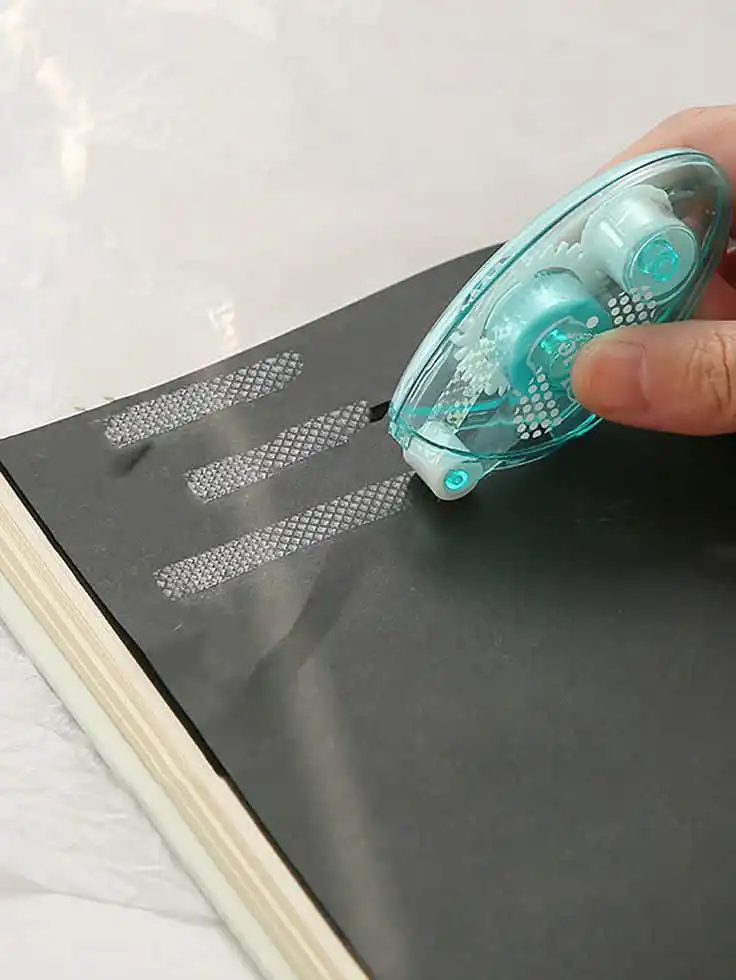
Double-sided tape gives clean, instant bonds with no drying time. It’s perfect for mounting photos and patterned paper.
Use thin permanent double-sided tape for flat items and wider rolls for long seams or background edges. Glue tape dispensers (adhesive runners) make quick, mess-free work of small pieces and die-cuts. Refillable models with archival, acid-free tape protect your photos.
Some glue tapes are low-tack for temporary placement; others are permanent—pick what matches your needs. Adhesive sheets (full-sheet sticky backing) work when you need even coverage, like on die-cuts or chipboard. Cut them to size and stick before die cutting for a neat finish.
Using Foam Tape for Dimension
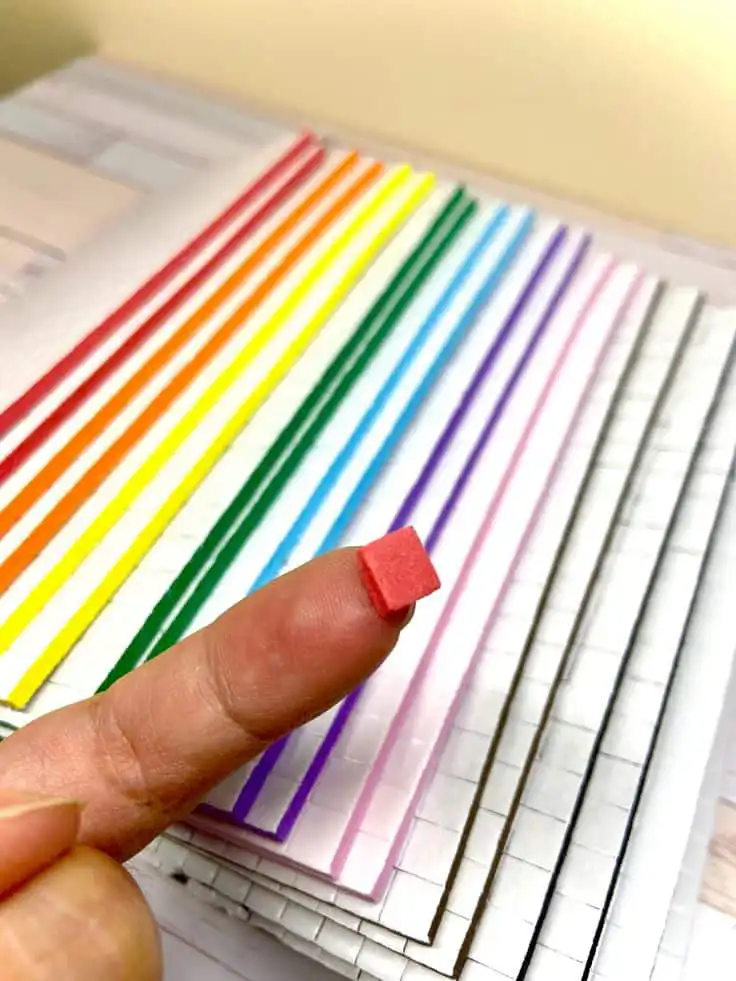
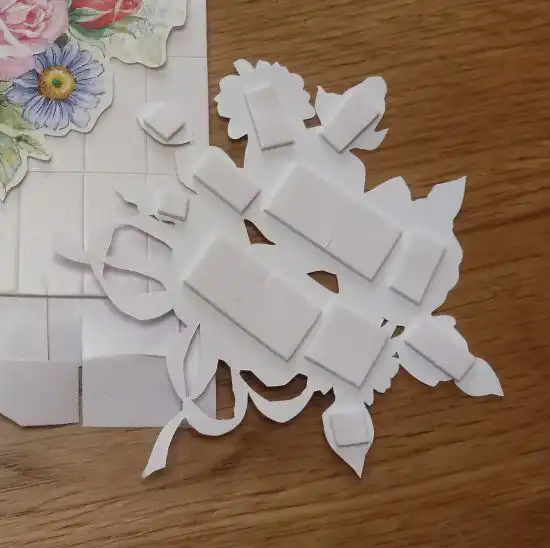
Foam tape adds raised layers and shadows, giving your layouts some depth. Choose thin foam tape for a slight lift on embellishments and thicker foam squares for more dramatic dimension. Acid-free foam tape keeps your pages safe over time.
Stick foam tape under heavier pieces like layered die-cuts or wooden bits to keep them from sagging. When working near page edges, press down and let the tape set before closing your album so nothing shifts. For weird shapes, trim foam tape to fit curves and keep things tidy.
Decorative Elements & Embellishments
Decorative elements give your pages some personality and help guide the eye. Pick pieces that match your photo colors, page size, and whatever mood you’re going for.
Finding the Right Stickers
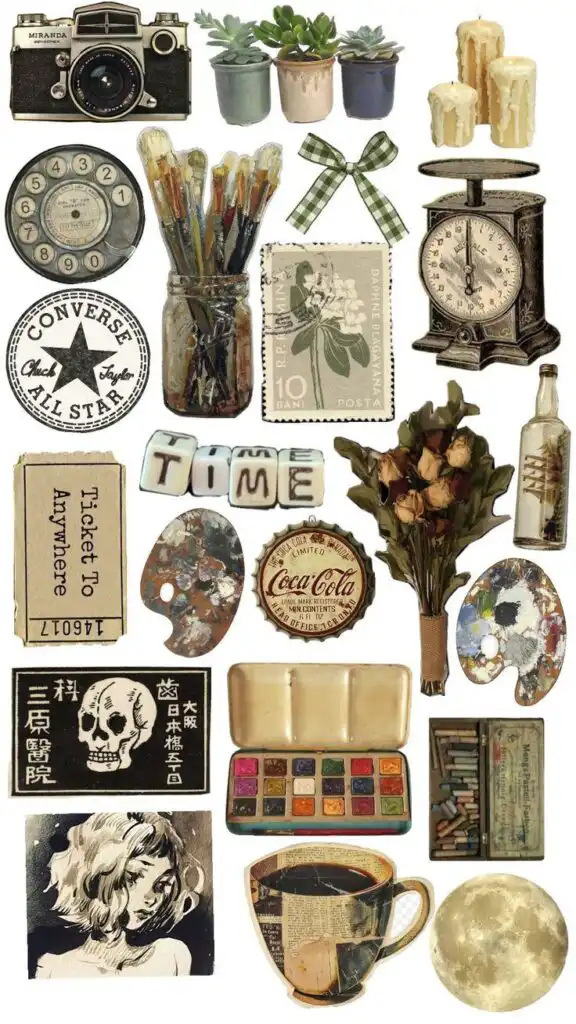
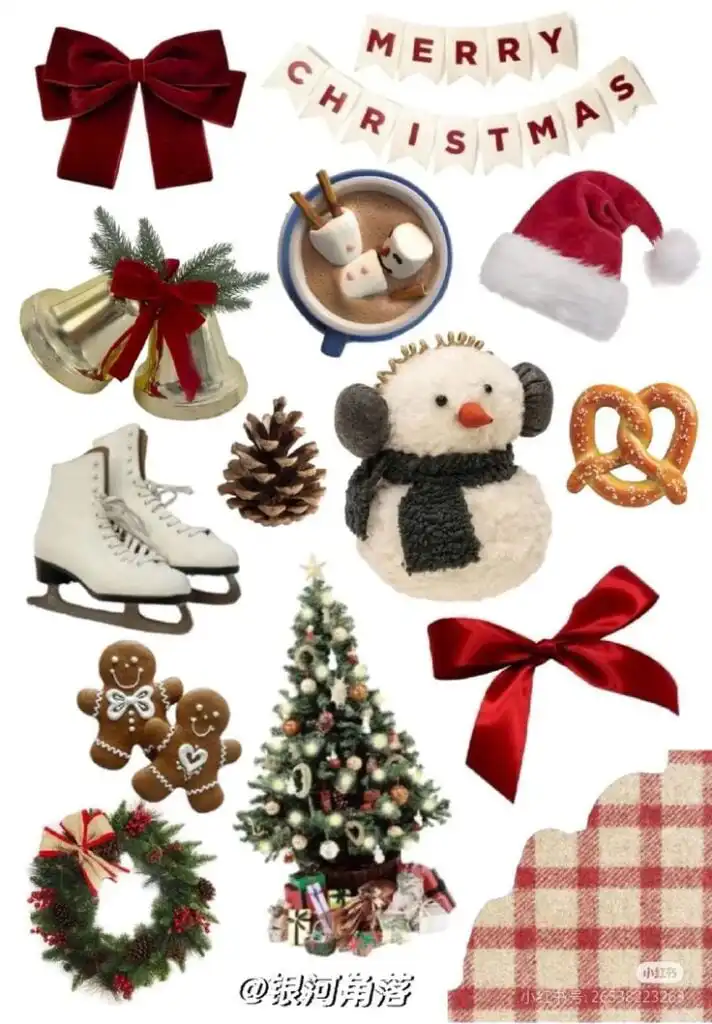
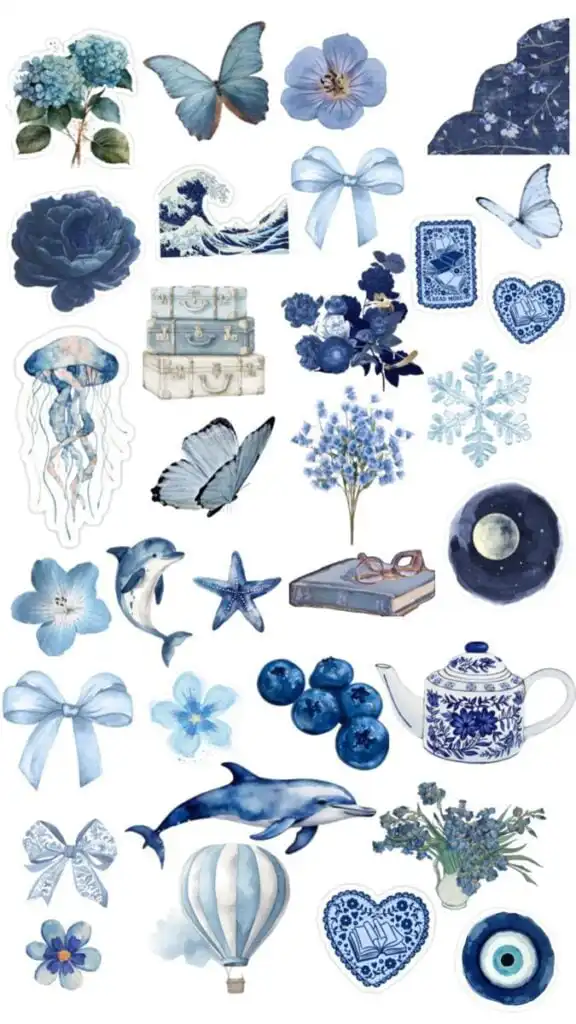
Choose acid-free, archival-quality stickers to keep your photos safe. Match sticker size to your layout—small word or icon stickers fit journaling spots, while 2–3 inch florals or scenes can anchor a page.
Coordinate colors by pulling two main shades from your photo and using a third as an accent in your stickers. Try a mix: matte stickers for subtlety, glossy or epoxy for shine, and clear stickers if you want the background to peek through.
Store sticker sheets flat in labeled pockets or a binder so you can find the right theme—seasonal, travel, family—without digging forever.
Popular Types of Embellishments
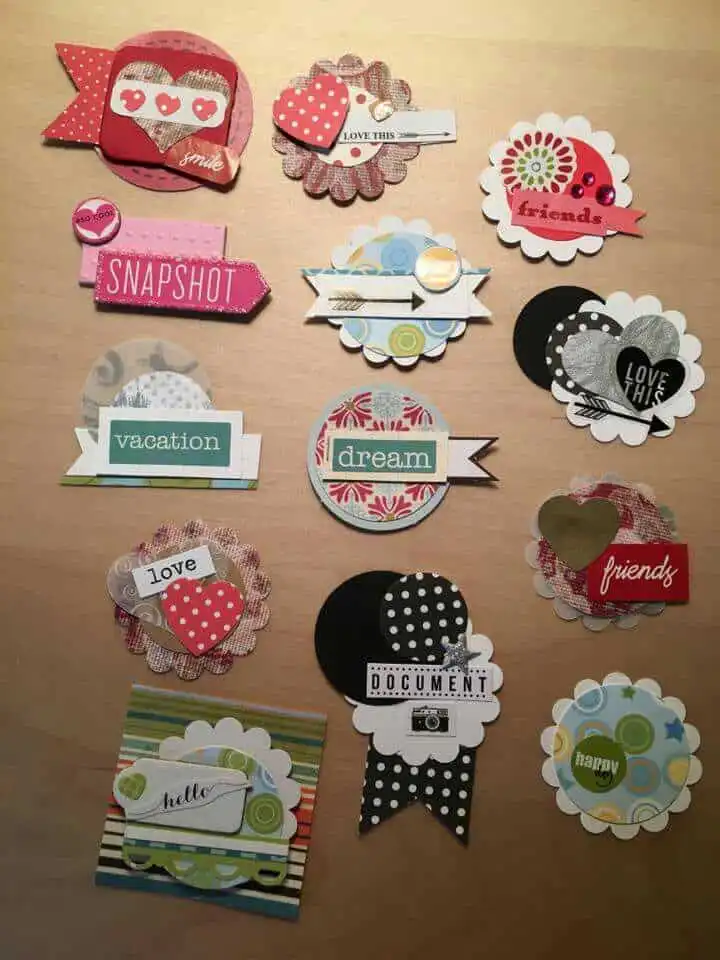
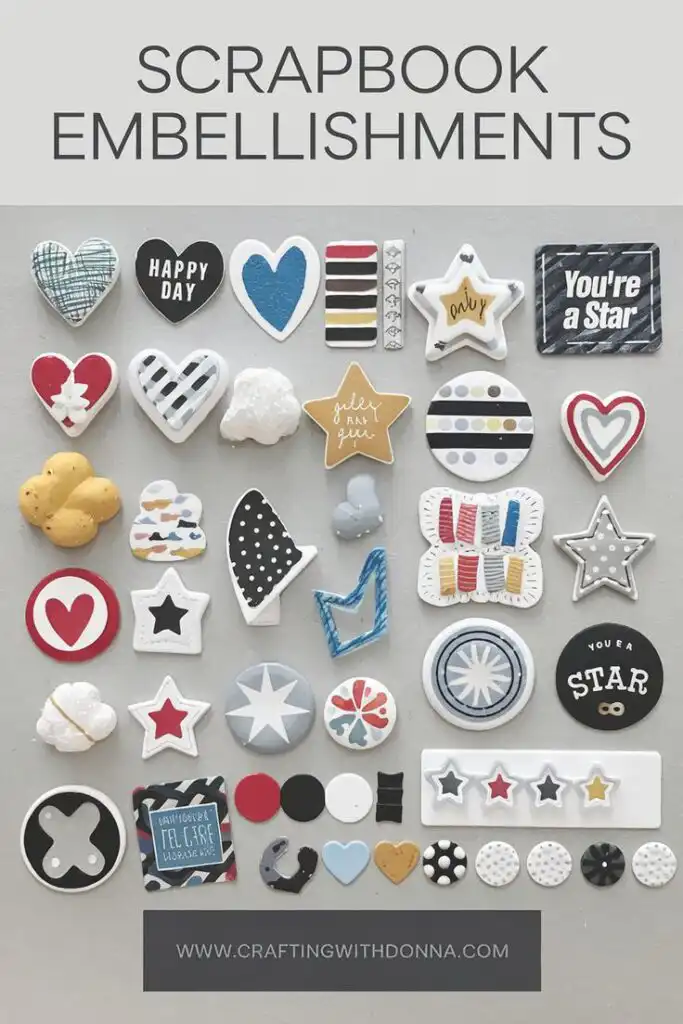
Embellishments cover enamel dots, sequins, glitter bits, epoxy buttons, and die-cut ephemera. Enamel dots and epoxy buttons add little pops of color and dimension—use them to highlight photo corners or captions.
Sequins and glitter bring sparkle, but use them lightly and secure with a tiny drop of glue or a small stitched tack. Ephemera like postcards, tickets, or tags add story—tuck a ticket under a photo for a travel page.
Keep a tray of your favorite items handy so you can mix and match quickly: maybe three enamel dots, one epoxy button, a tiny ephemera tag. It speeds up decisions and helps your pages hang together.
Adding Texture: Chipboard, Buttons, and Ribbons
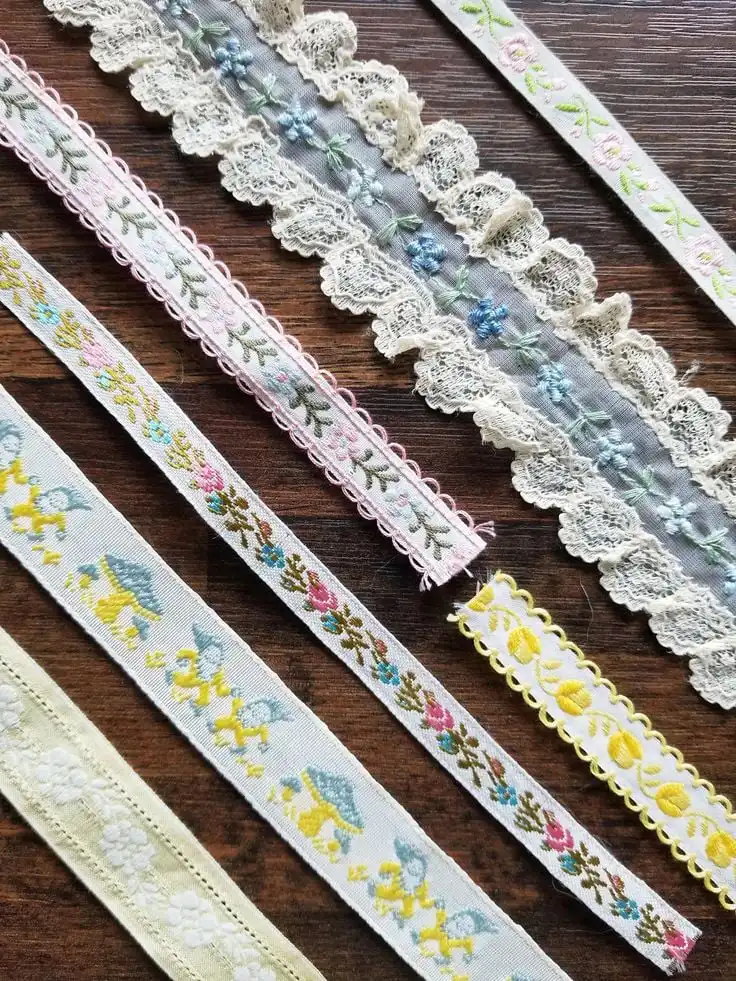
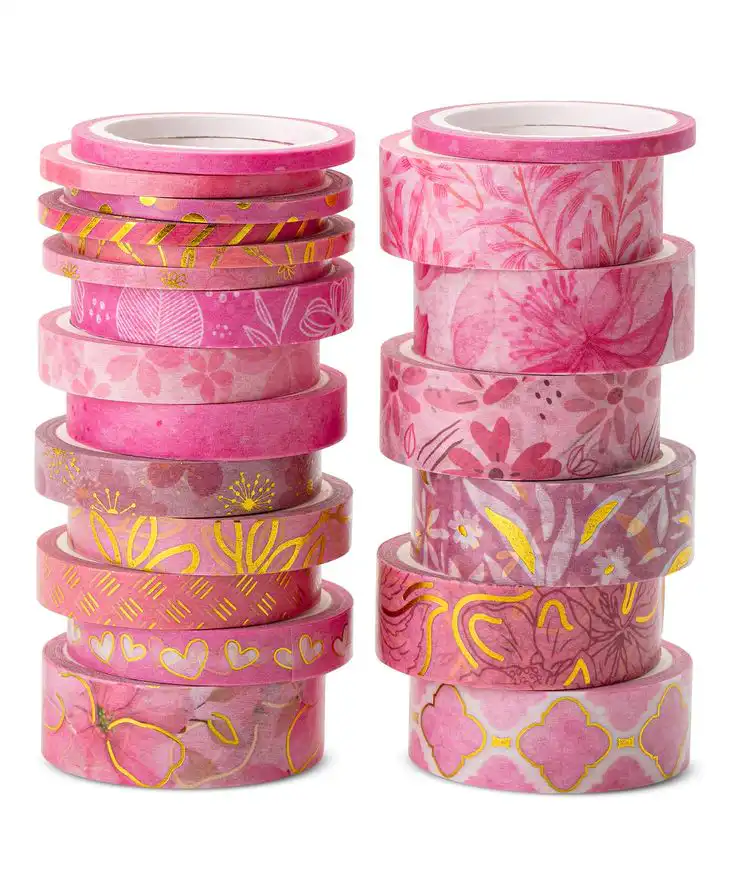
Chipboard shapes and stickers add a sturdy dimension. Go for pre-decorated chipboard for immediate impact, or plain ones you can ink or paint. Use chipboard frames behind a photo to lift it and create a shadow.
Buttons and epoxy buttons add a tactile touch. Sew or glue them through the page edge or group a few near your title for a vintage vibe. Match button size to your layout—tiny for accents, bigger for focal points.
Ribbons and little fabric trims soften layouts and add movement. Wrap a thin ribbon around a journaling card or tie a bow around a tag. Secure ribbon ends under adhesive or with a small staple so they don’t fray.
Try layering: put a chipboard word over patterned paper, add an enamel dot, and finish with a narrow ribbon tab. You’ll get a balanced, textured look that feels finished but not overdone.
Creative Tools & Supplies
Pick tools that make cutting, writing, and decorating easy and fun. Invest in a solid cutter, a few pens and markers that don’t bleed, and a small stash of stencils, stamps, and inks for adding shapes and color.
Scissors and Paper Trimmers
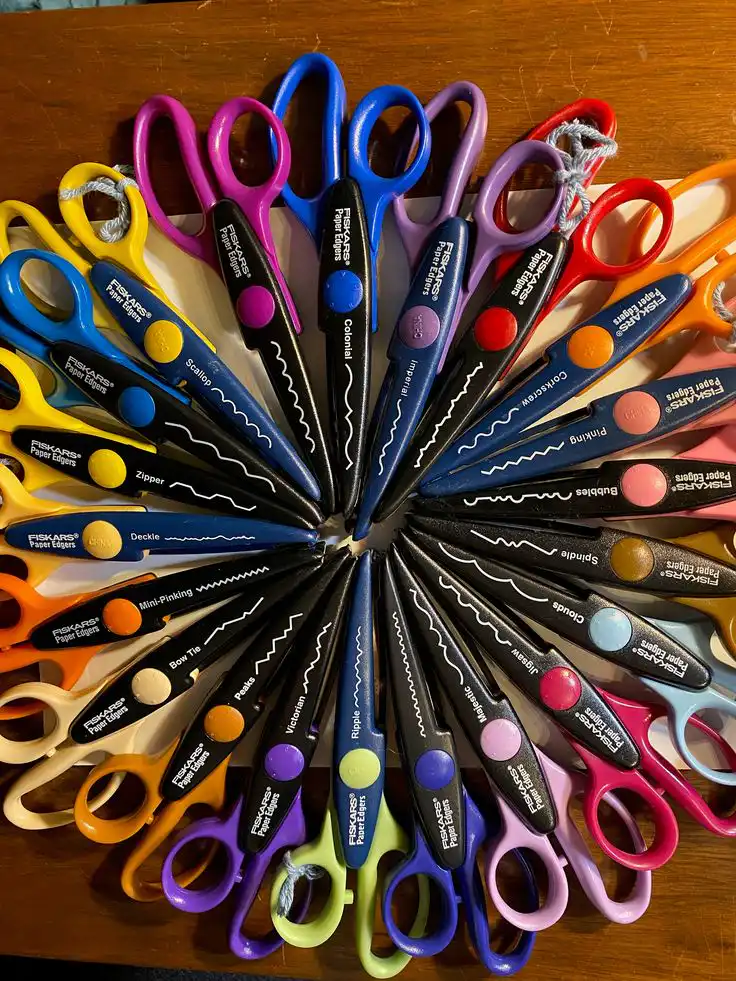
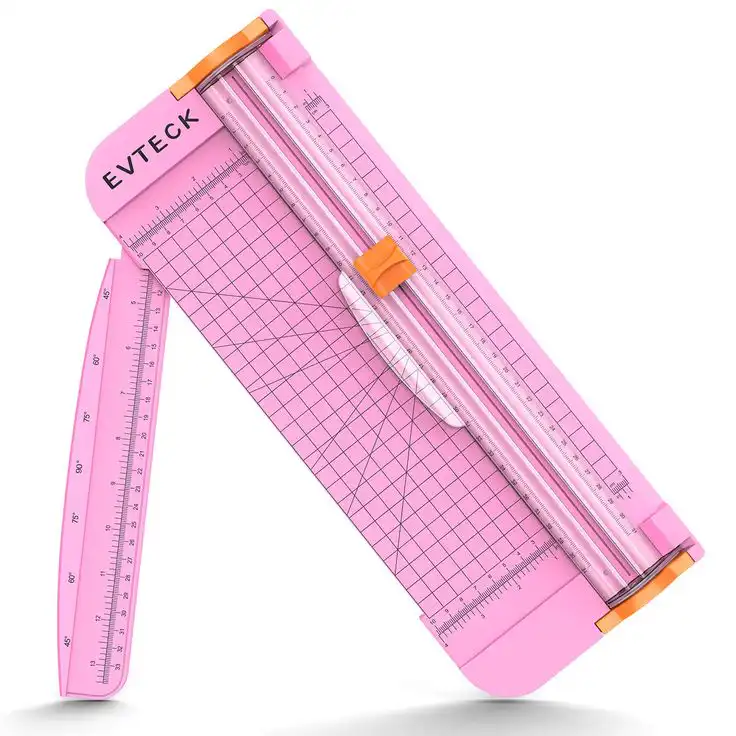
Sharp, comfy scissors and a sturdy paper trimmer save time and make your layouts look neater. Use a 6–8 inch pair for detail cutting and a larger one for general trimming. Blades that stay aligned and soft-grip handles help you avoid hand fatigue.
For straight, repeatable cuts, pick a rotary or guillotine-style trimmer with a clear ruler and grid. A 12-inch trimmer handles 12×12 cardstock without awkward folding. Keep extra mats or blades around—dull blades tear paper and mess up corners.
If you make photo mats, use a trimmer with micro-adjust or stops for consistent margins. Essential extras: a metal ruler for manual cuts, a craft knife for tricky shapes, and a small cutting mat to protect your table. These let you mix crisp straight edges with hand-cut shapes for more personality.
Journaling Pens and Markers
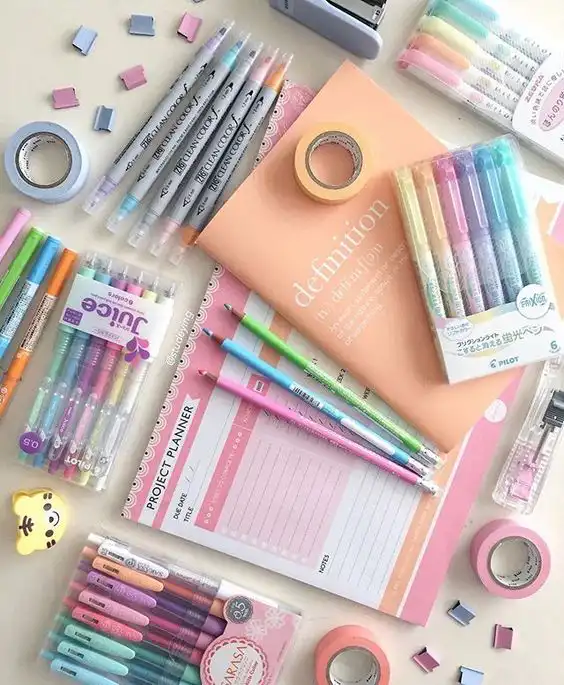
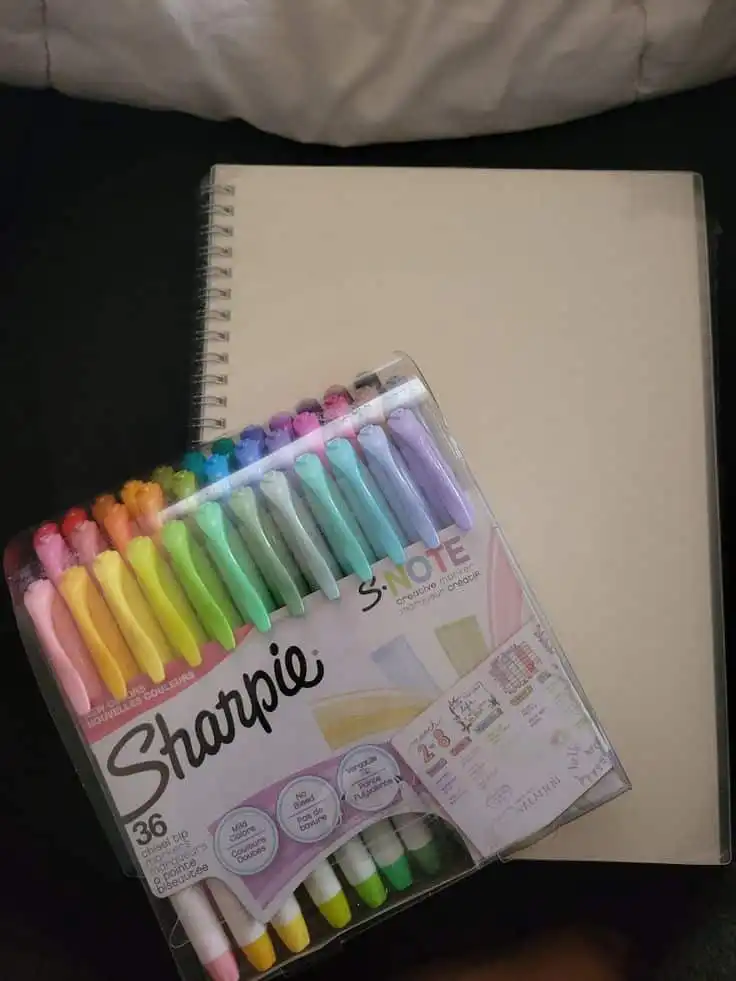
Pick pens that write smoothly and won’t bleed through your paper. Archival pens are a solid choice for keeping your notes safe over time.
Fine-tip pens (0.3–0.5 mm) work great for captions and dates. I’d go for a waterproof, fade-resistant pigment pen for journaling, just to be sure your writing stays legible.
For accents, keep a set of water-based markers and alcohol markers nearby. Water-based brush markers blend softly and usually won’t damage most paper.
Alcohol markers give you those bold, saturated colors, but can bleed through thin pages. Test them on a scrap first or stick to thicker cardstock.
Organize pens by what they do best: writing (fine archival pens), outlining (microns or pigment liners), and coloring (brush or fine-tipped markers). Store pens horizontally to help them last longer.
If you use lots of shades, it helps to label the tips or caps. It’s a small thing, but it saves time.
Stencils, Stamps, and Inks
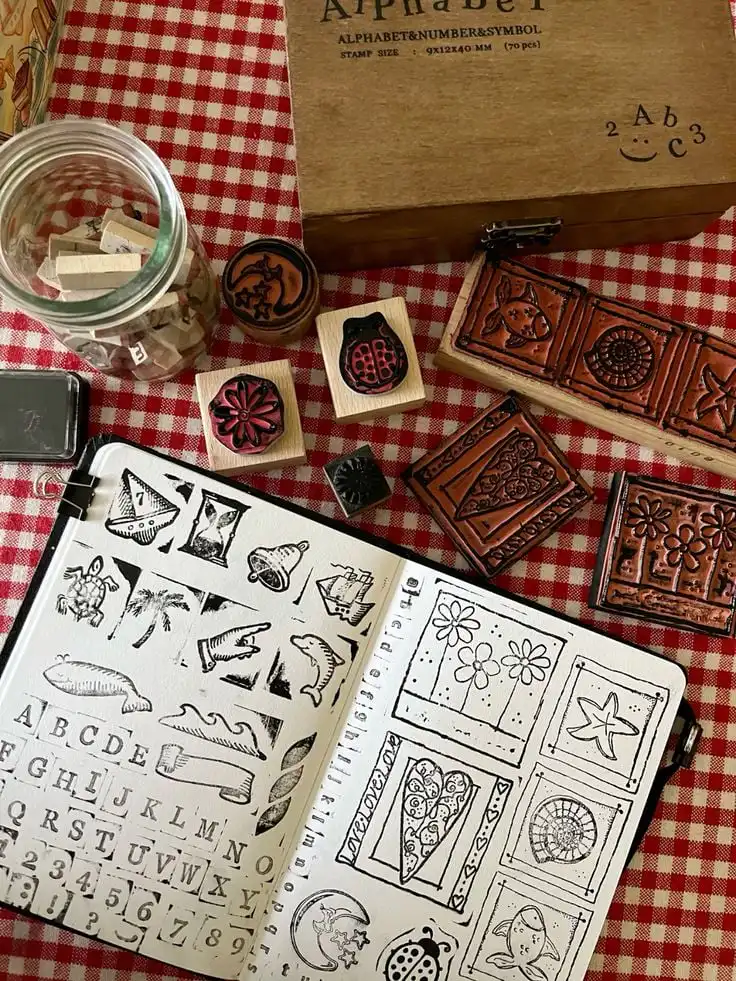
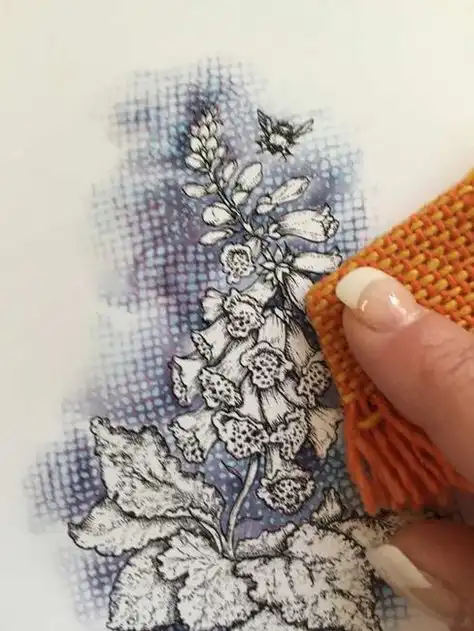
Stencils make repeatable shapes and backgrounds a breeze. Thin, reusable plastic stencils—especially geometric or floral ones—are super versatile.
Use a stencil brush or small blending sponge to dab ink lightly and avoid smudges. Tape the stencil down with low-tack washi so it doesn’t slide around.
Stamps add instant motifs and word art. A small acrylic stamp block set and a few clear stamps (alphabets, borders, icons) are a good place to start.
Clear stamps let you see exactly where you’re placing your image. Clean them after each use with gentle soap or a stamp cleaner to keep the details sharp.
Pick inks for what you want to do. Pigment inks sit on top of the paper, dry more slowly, and work well for embossing or rich colors.
Dye inks absorb quickly, dry fast, and are handy for backgrounds and subtle tones. Keep a dark archival pigment ink for photos and a couple of dye inks in colors you like for layering.
Decorating with Washi Tape
Washi tape lets you add color, pattern, and structure to your pages without any heavy tools. You can layer, tear, or trim it to make frames, tabs, and decorative strips that hold photos and draw the eye around the page.
Types of Washi Tapes and Sets
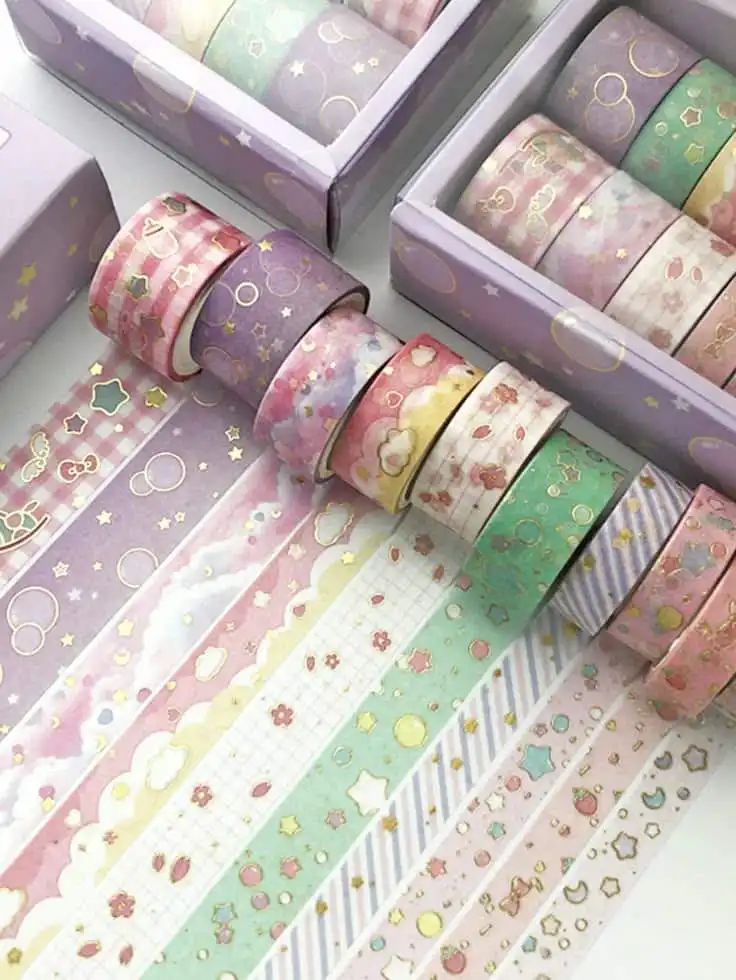
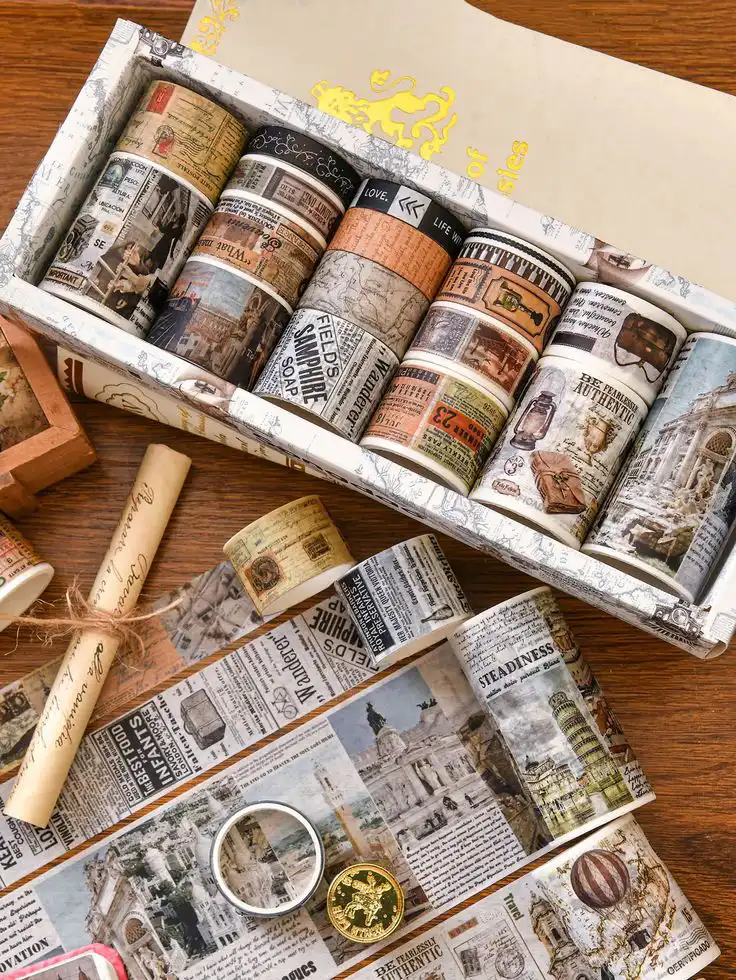
Washi tape comes in all sorts of rolls—different widths, transparency, and designs. Standard sizes run from 5 mm to 30 mm wide.
Narrow tapes work well for small accents and grid lines. Wider ones (15–30 mm) are great for bold borders and photo frames.
Pick a washi tape set that mixes solids, grids, and patterns so you’ve got options for both utility and decoration. Repositionable, low-tack adhesive helps avoid damaging photos and paper.
A floral washi tape set adds instant feminine layers. Use small floral strips for corners, and save the wider rolls for full-edge borders.
Matte and translucent tapes layer nicely. Metallic or glitter tapes add some pop, but sometimes you’ll see the adhesive through thin papers.
Using Washi Tape for Borders and Accents
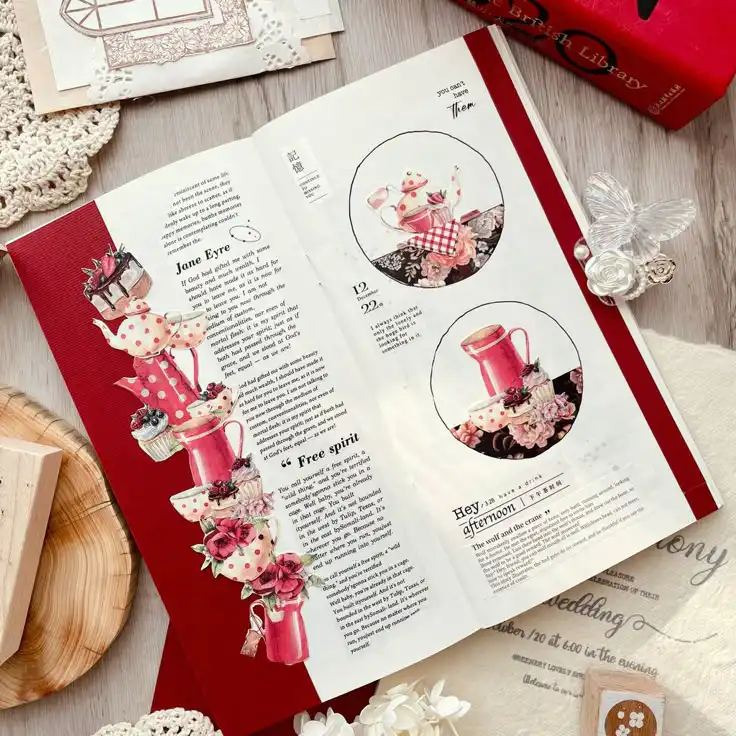
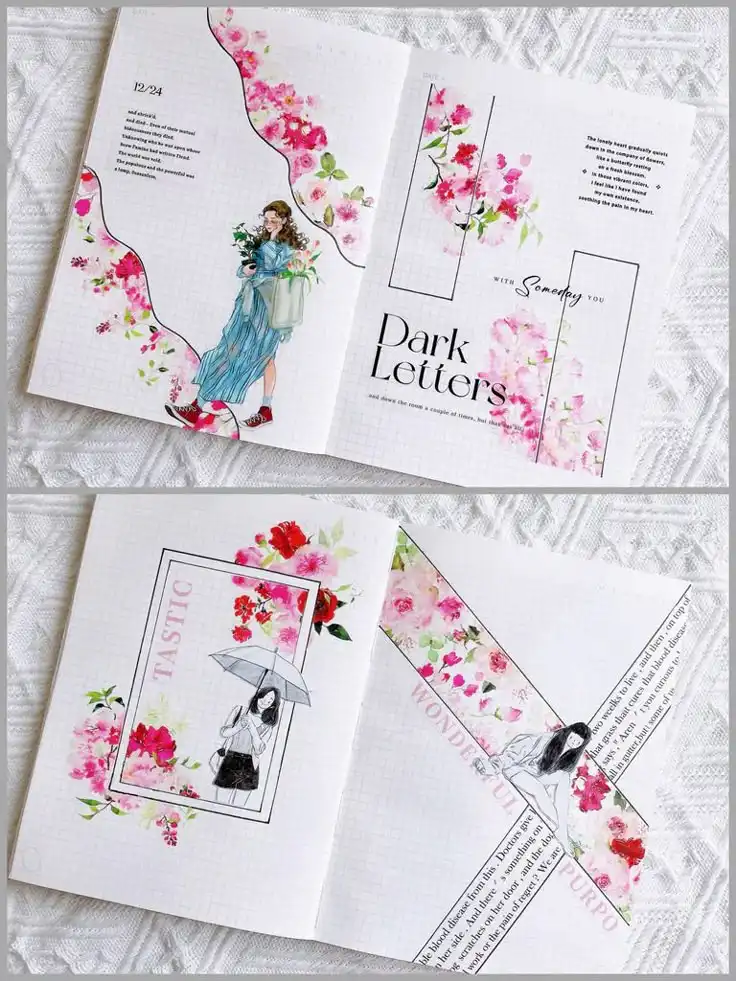
Frame photos, make section dividers, or whip up quick journaling tabs with washi tape. For photo frames, place tape flush with the edge and trim it clean with scissors or a craft knife.
Stack a narrow solid tape over a wider patterned tape to add contrast in borders. Tear tape ends for a more organic edge or cut flags for date tags.
Grid-pattern washi tape helps align elements—those printed lines act like a built-in ruler. If you mess up, gently lift the repositionable tape and try again.
Don’t stretch the tape, or you’ll warp the paper. Keep a small squeegee or bone folder handy to smooth bubbles and get crisp adhesion.
Building Your First Scrapbooking Kit
Start with a compact, functional set that covers cutting, adhering, decorating, and protecting your photos. Acid-free materials, a 12×12 album or page protectors, and a few coordinated papers and embellishments are enough to get pages finished fast.
Recommended Starter Packs
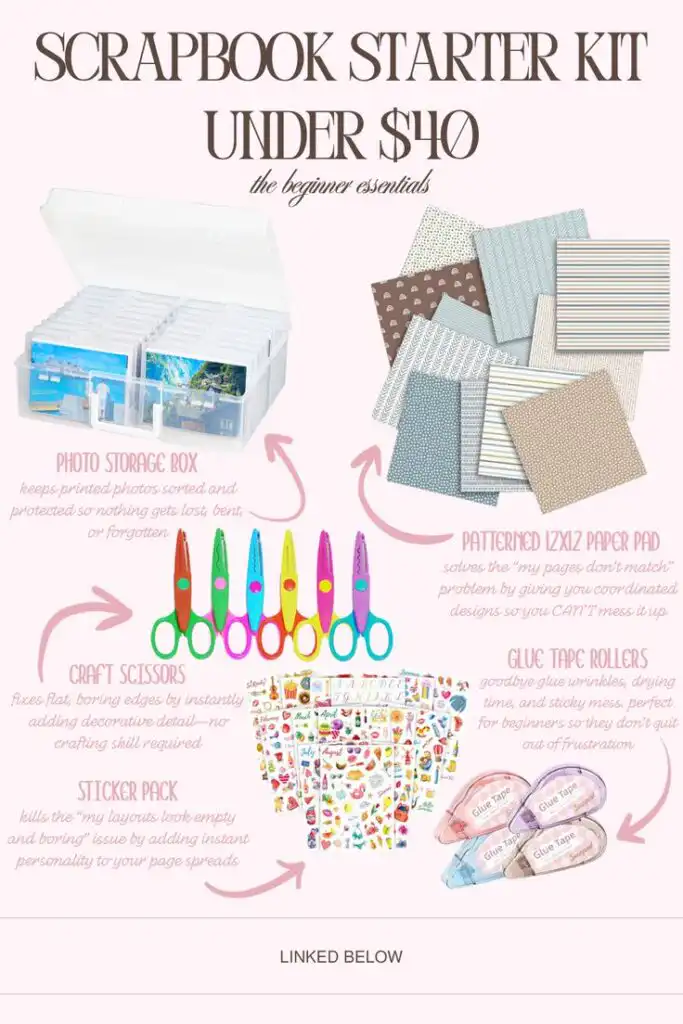
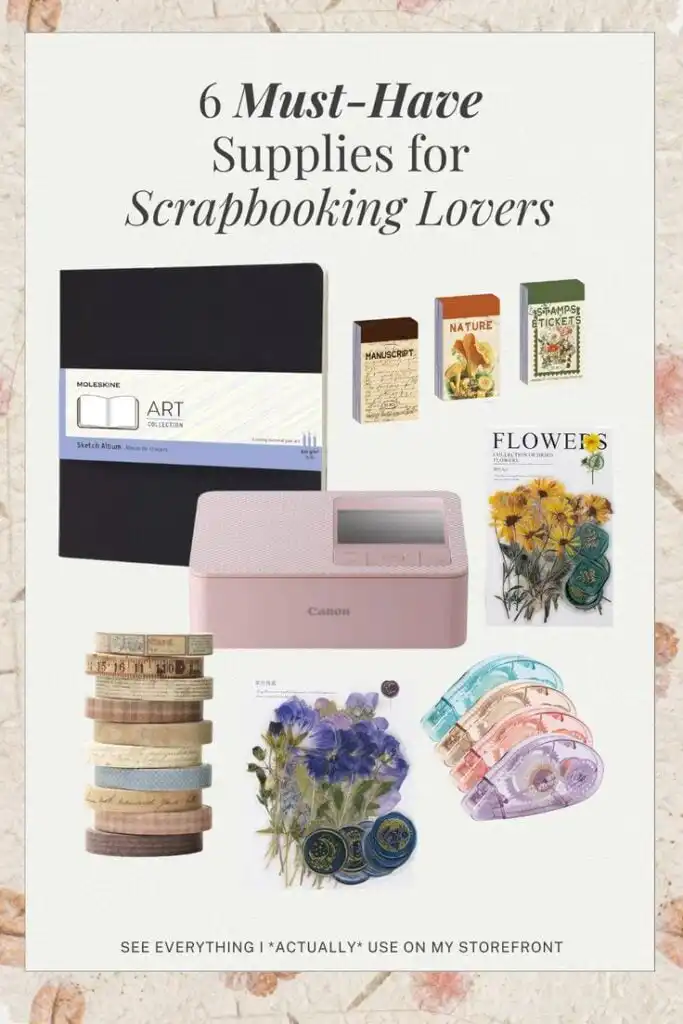
Look for a scrapbooking kit with a 12×12 album or page protectors, a coordinated paper pack (6–12 sheets), adhesive (double-sided tape or a glue runner), and basic embellishments like stickers and enamel dots. Kits from big sellers sometimes add cardstock, a small sticker sheet, and a mini tool like scissors or tweezers.
If you’d rather buy pieces separately, grab 12×12 white cardstock (10–20 sheets), a 6×6 patterned paper pad, a tape runner, acid-free photo corners, and a sticker or ephemera pack that matches your first project’s colors.
Always check for acid-free and lignin-free labels on paper and adhesives. Glitter adhesives that shed can be a pain—pre-cut shapes or enamel dots add sparkle without the mess.
Tips to Expand Your Supplies Over Time
Add tools and supplies only when you actually need them. Start by picking up a basic die-cut set or punch, a small stamping ink pad and sentiment stamps, and a set of fine-line pens for journaling.
Buy specialty items—like embossing powders, stencils, or a paper trimmer—after you’ve tried a few layouts and know what you’re missing. Stick to a color palette per project to keep your shopping intentional.
Replace single-use items (themed sticker sheets or washi tape) more often than reusable tools. Coordinated collections with papers, stickers, and die-cuts make page design faster and cut down on decision fatigue.
Setting a small monthly budget or wishlist helps keep new additions planned, not impulsive. It’s easy to go overboard with cute supplies, trust me.
How to Organize and Store Your Materials
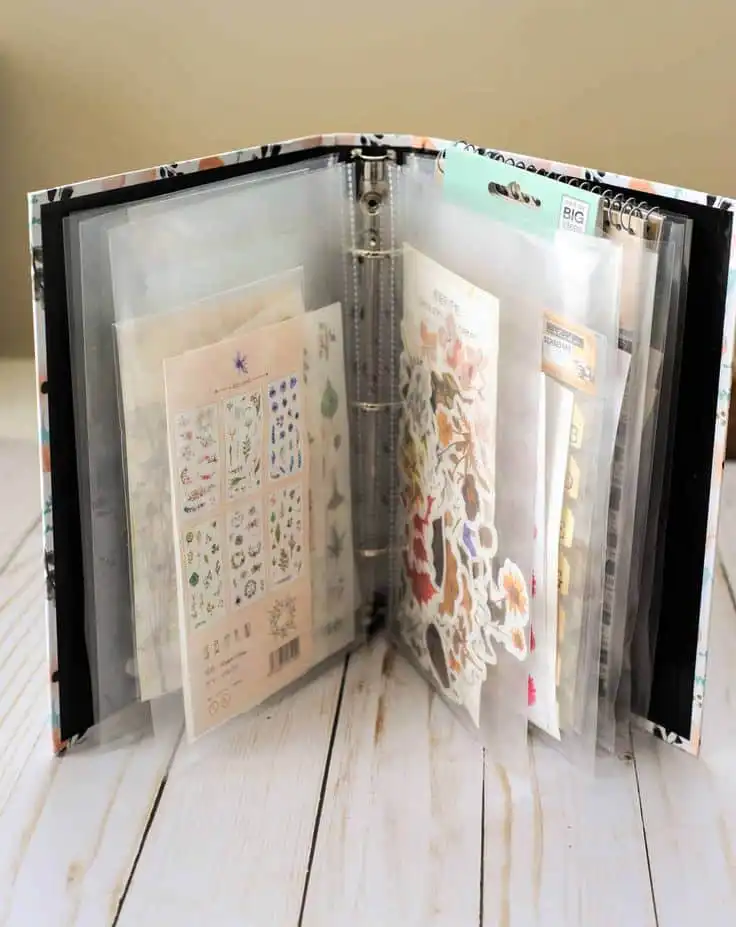
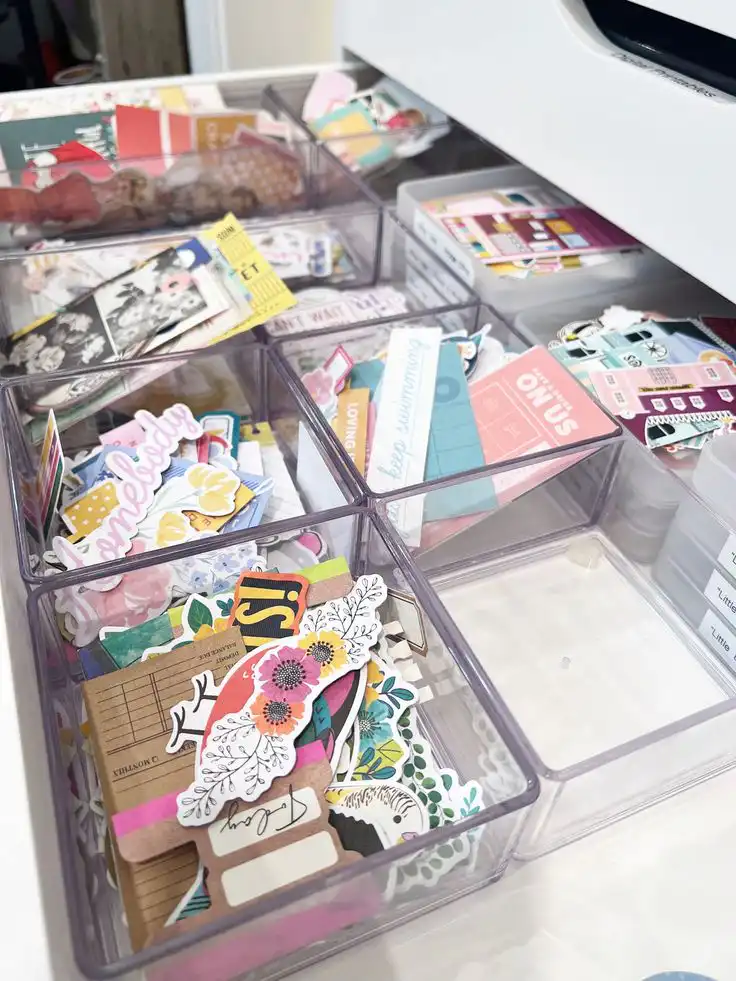
Sort supplies by function: keep papers and cardstock together, adhesives and tools in a separate bin, and small embellishments in divided organizers. Use clear 12×12 storage sleeves or a vertical file holder for paper so you can see patterns quickly.
Keep your most-used tools—trimmer, scissors, tape runner, pens—in a caddy on your desk for easy grabbing. Store stickers, enamel dots, and tiny ephemera in stackable plastic drawers or a bead organizer with labeled spots.
Label boxes and keep one “project” box just for your current layout. That way, you’re not hunting for stuff when you’re feeling creative.
Finishing Touches for Beautiful Scrapbook Pages
Protect your work with the right storage and finishing choices. Simple design rules help your photos and journaling stand out.
Small decisions—like adhesive type and balance of elements—can make the difference between a page that looks polished and one that feels cluttered.
Page Protectors and Album Care
Use archival, acid-free page protectors that match your scrapbook size (12×12 or 8.5×11 are the usual suspects). Polypropylene or polyethylene sleeves labeled “photo-safe” work best—PVC is risky for photos.
Slip each finished page into a protector before adding it to your album. This stops rubbing, fingerprints, and dust from messing up your work.
Pick an album with a sturdy cover and removable rings or posts so you can add pages without bending them. Store albums upright, away from sunlight and humidity, to avoid fading or warping.
For loose ephemera, tuck items into clear pockets or use corner mounts inside the protector. That way, glue never touches your delicate pieces.
Design Tips for Memorable Layouts
Start with a clear focal point. Choose one strong photo or group a few photos together, then anchor them with a mat or a piece of contrasting cardstock. That way, your eye knows exactly where to go first.
Try using a visual triangle—think photo, title, and an embellishment—to guide someone across the page.
Stick to 2–3 colors that play nicely together. One patterned paper alongside some neutral cardstock usually keeps things from getting chaotic.
Keep your margins even. A border of about ¼–½ inch, whether it’s white or colored, makes everything look more polished.
Mix up the size of your decorative bits. For example, a big photo next to tiny enamel dots or a slim strip of washi tape feels balanced.
Jot down short, specific journaling lines with a fine-tip archival pen. Tuck them close to the photo, maybe in a little caption box or label, so you keep the story without making the page feel crowded.
FAQ
What are some tips for organizing and finishing my scrapbook pages?
Organize supplies by function in labeled containers and keep frequently used tools nearby. For a professional look, finish pages with acid-free protectors, maintain a clean layout, and store albums upright in a safe environment to prevent damage.
Which types of paper are best for scrapbooking?
Start with sturdy, acid-free cardstock for bases and photo mats, complemented by patterned and textured papers for visual interest. Specialty papers like vellum, acetate, or metallic sheets can add unique effects, but use them sparingly.
How do I choose the right scrapbook album and layout?
Choose an album style such as ring-bound, post-bound, or pocket style based on how often you want to add pages. For layouts, start with simple sketches—like grids or focal points—and use appropriate adhesives and papers to keep your pages consistent and appealing.
What materials are essential for starting scrapbooking?
To start scrapbooking, you need basic supplies like acid-free cardstock, patterned paper, adhesive, a paper trimmer, stickers or washi tape, and a journaling pen. These allow you to create polished pages without feeling overwhelmed.
What is scrapbooking, and why should I try it?
Scrapbooking is a creative way to preserve memories by blending photos, mementos, and stories into arranged pages that tell a clear narrative. It helps you protect and showcase your memories in a personalized and meaningful way.
- 0shares
- Facebook0
- Pinterest0
- Twitter0
- Reddit0