Glasses are one of those deceptively simple objects that can instantly elevate a drawing—or completely throw it off. When drawn well, they add personality, intelligence, vulnerability, or edge to a character. When drawn poorly, they sit awkwardly on the face, distort proportions, or feel disconnected from the head.
- Why Drawing Glasses Is Harder Than It Looks
- Start With the Head: Foundation Before Frames
- Breaking Glasses Into Simple Shapes
- Understanding Perspective: Glasses in 3D Space
- Drawing Glasses on Different Face Shapes
- Popular Glasses Styles (And How to Draw Them)
- Glasses and Facial Anatomy: What Touches What
- Drawing Eyes Behind Glasses
- Light, Reflection, and Transparency
- Common Mistakes (And How to Fix Them)
- Practice Exercises for Rapid Improvement
- Pro Tips From Illustrators
- Final Thoughts: Glasses as a Design Tool
This in-depth guide will teach you how to draw glasses accurately and confidently, whether you’re sketching from life, designing characters, or illustrating portraits. We’ll break down glasses into simple shapes, explore how they interact with facial structure, cover multiple styles, and share professional tips that art students and hobbyists can immediately apply.
By the end, you’ll understand not just how to draw glasses—but why they work when they do.
Why Drawing Glasses Is Harder Than It Looks
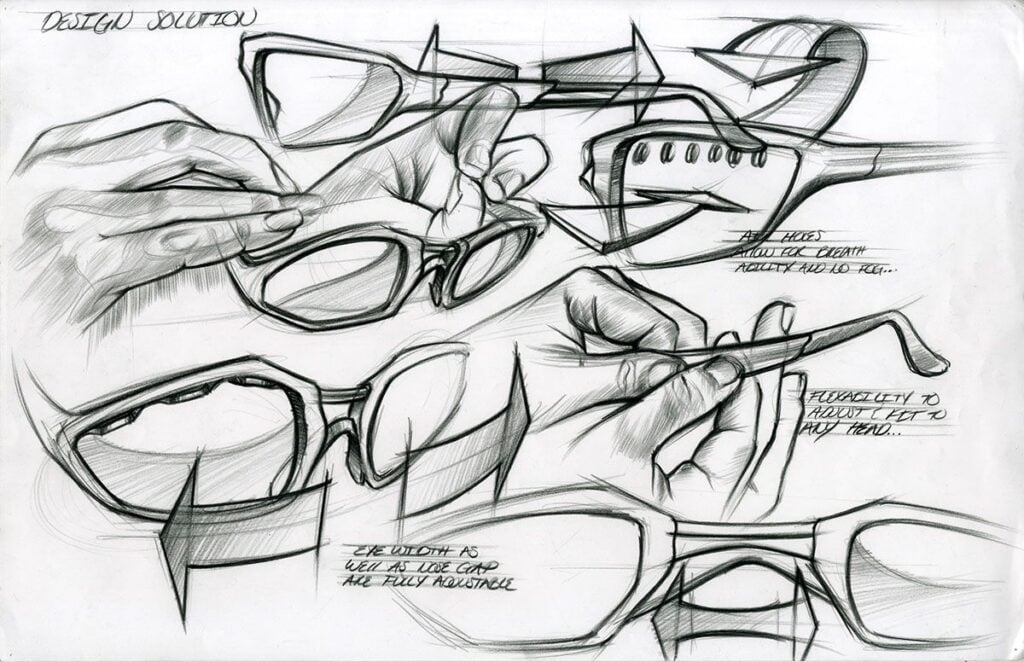
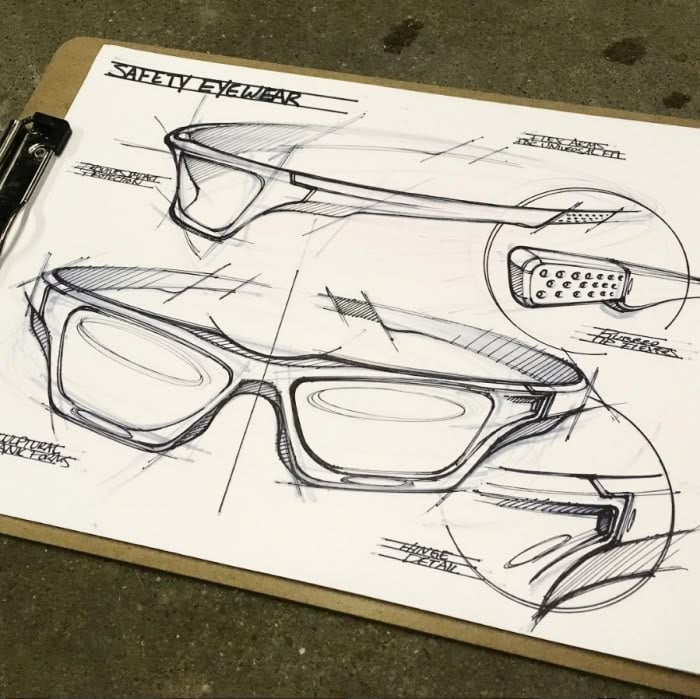
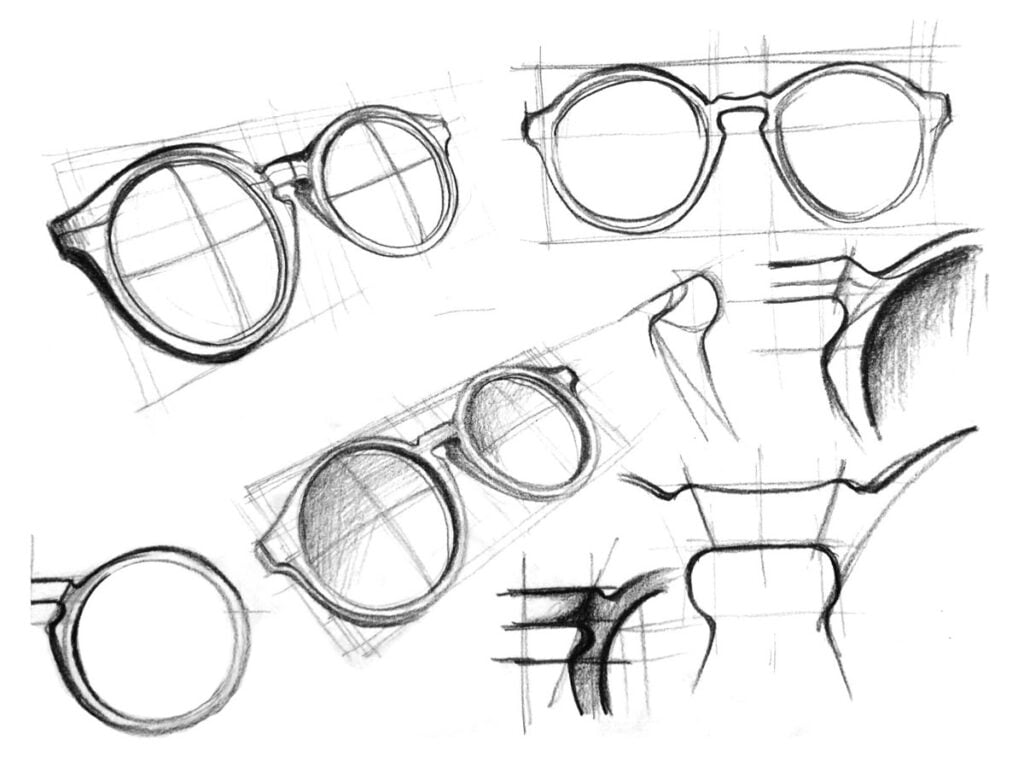
At first glance, glasses seem like basic accessories. But they present three unique artistic challenges:
- They sit in perspective on a curved surface (the face)
- They interact with anatomy (nose, eyes, ears)
- They’re both transparent and reflective
Most mistakes come from treating glasses like flat stickers instead of three-dimensional objects that wrap around the head.
The good news? Once you understand the structure, glasses become one of the most satisfying details to draw.
Start With the Head: Foundation Before Frames
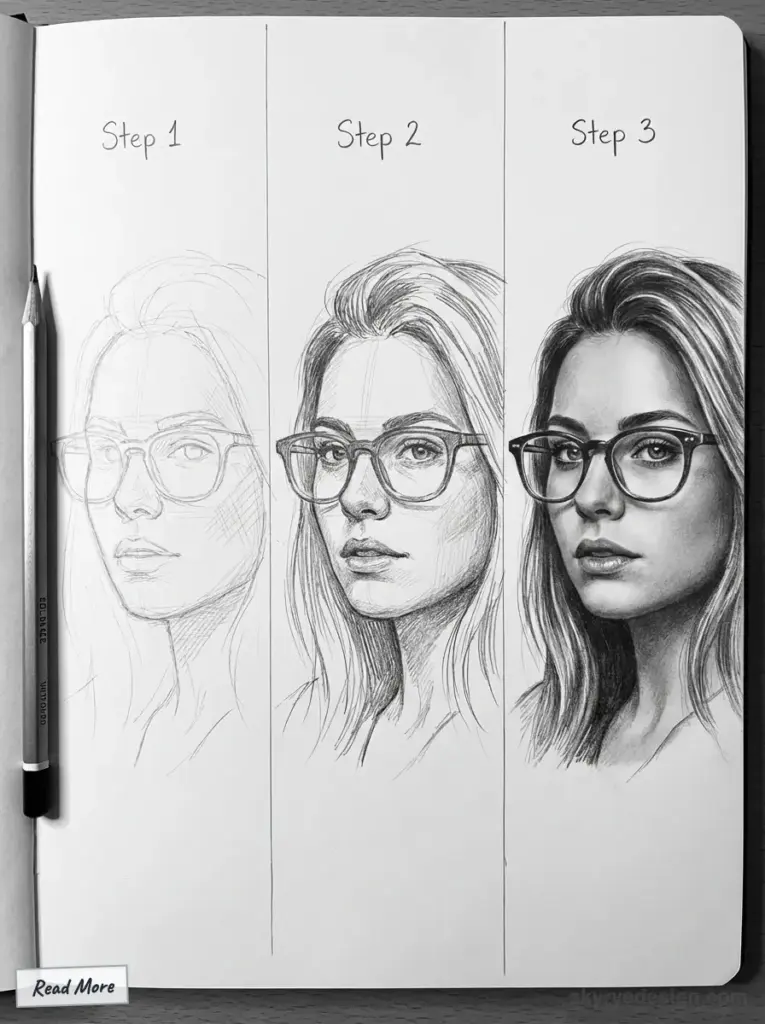
Before drawing glasses, you must establish the head correctly. Glasses follow the structure of the skull—they don’t float independently.
Key placement rules:
- Glasses sit on the bridge of the nose, not the eyes themselves
- The lenses align roughly with the eye line
- The temples (arms) wrap back toward the ears along the side of the head
If your head construction is off, your glasses will always feel wrong.
Pro tip: Always draw the head first—even if you plan to erase it later.
Breaking Glasses Into Simple Shapes
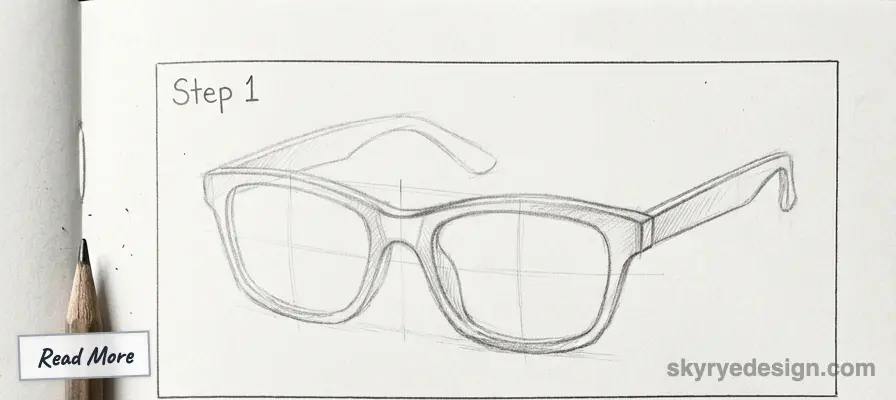
The fastest way to improve your drawings is to simplify.
Step 1: Lenses as Basic Shapes
Most lenses can be reduced to:
- Circles
- Ovals
- Rectangles
- Rounded rectangles
Draw them lightly and symmetrically across the face.
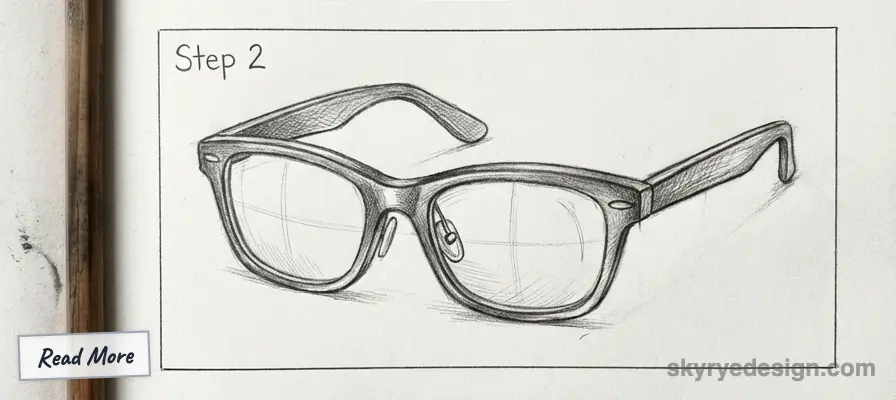
Step 2: Add the Bridge
The bridge connects the lenses and rests on the nose. Its shape varies:
- Thin metal curve
- Thick plastic bar
- Keyhole shape (vintage styles)
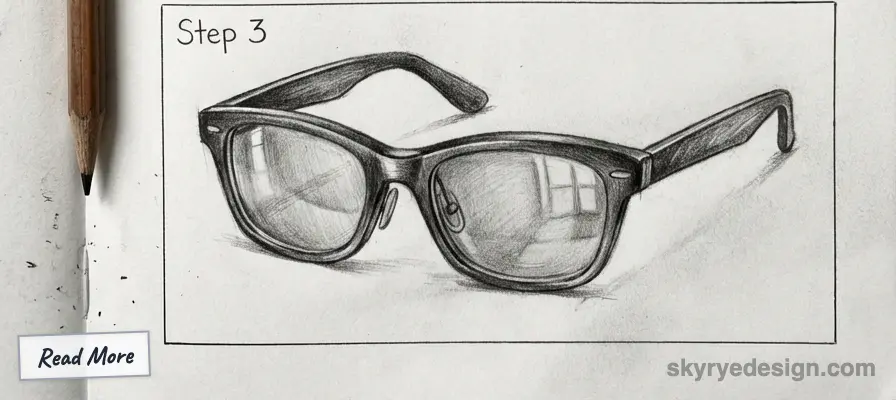
Step 3: Draw the Temples (Arms)
The arms:
- Extend backward in perspective
- Slightly angle downward
- Curve gently around the ears
Understanding Perspective: Glasses in 3D Space
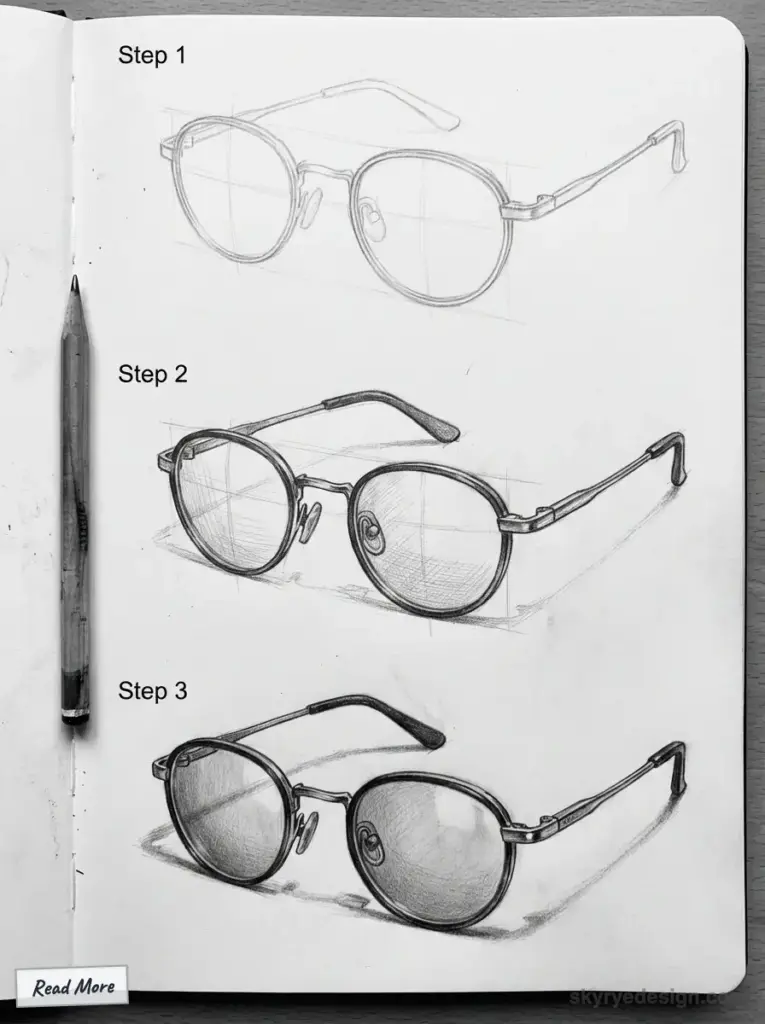
One of the biggest beginner mistakes is drawing both lenses the same size in angled views.
Key perspective rules:
- The lens closer to the viewer appears slightly larger
- The far lens is partially foreshortened
- The bridge curves with the face
Try this exercise:
- Draw a head turned ¾ view
- Sketch a curved guideline across the face
- Place both lenses along that curve
This instantly makes glasses feel wrapped around the head instead of pasted on.
Drawing Glasses on Different Face Shapes
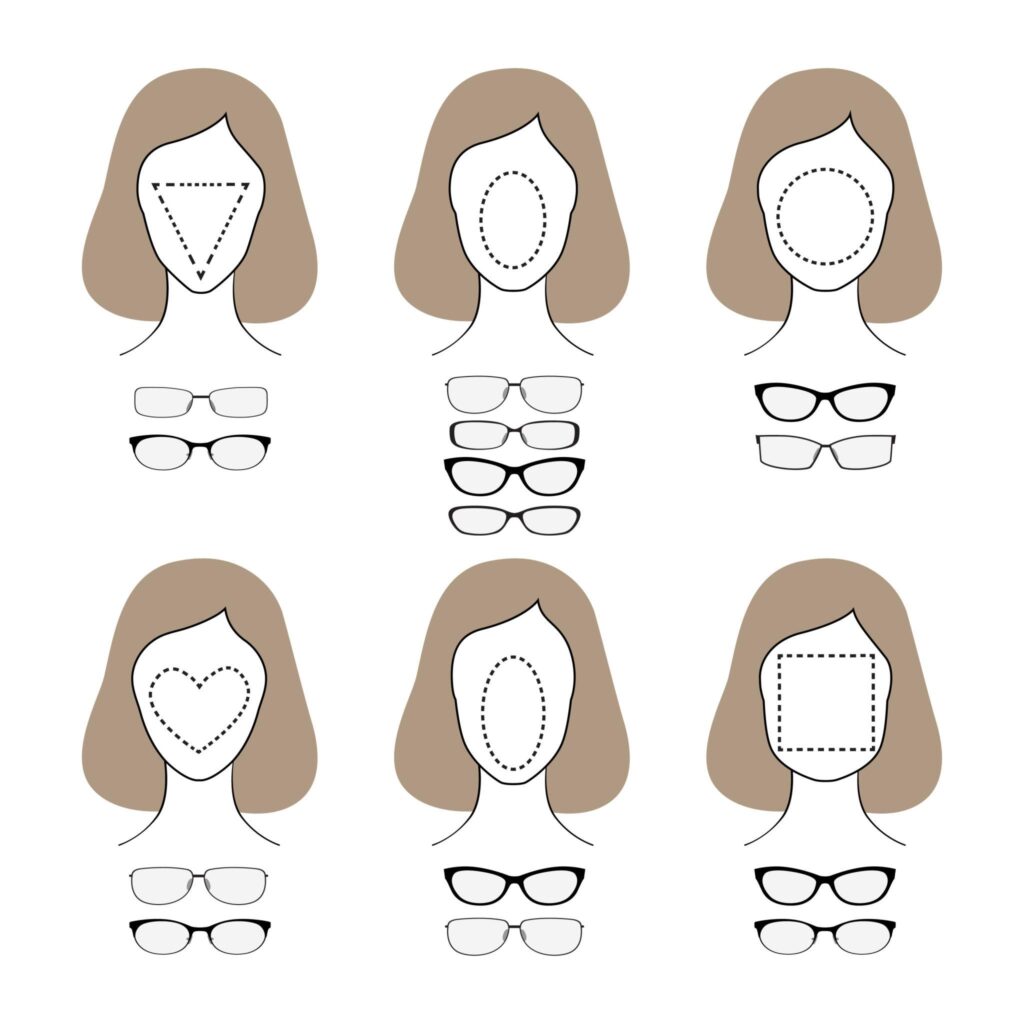
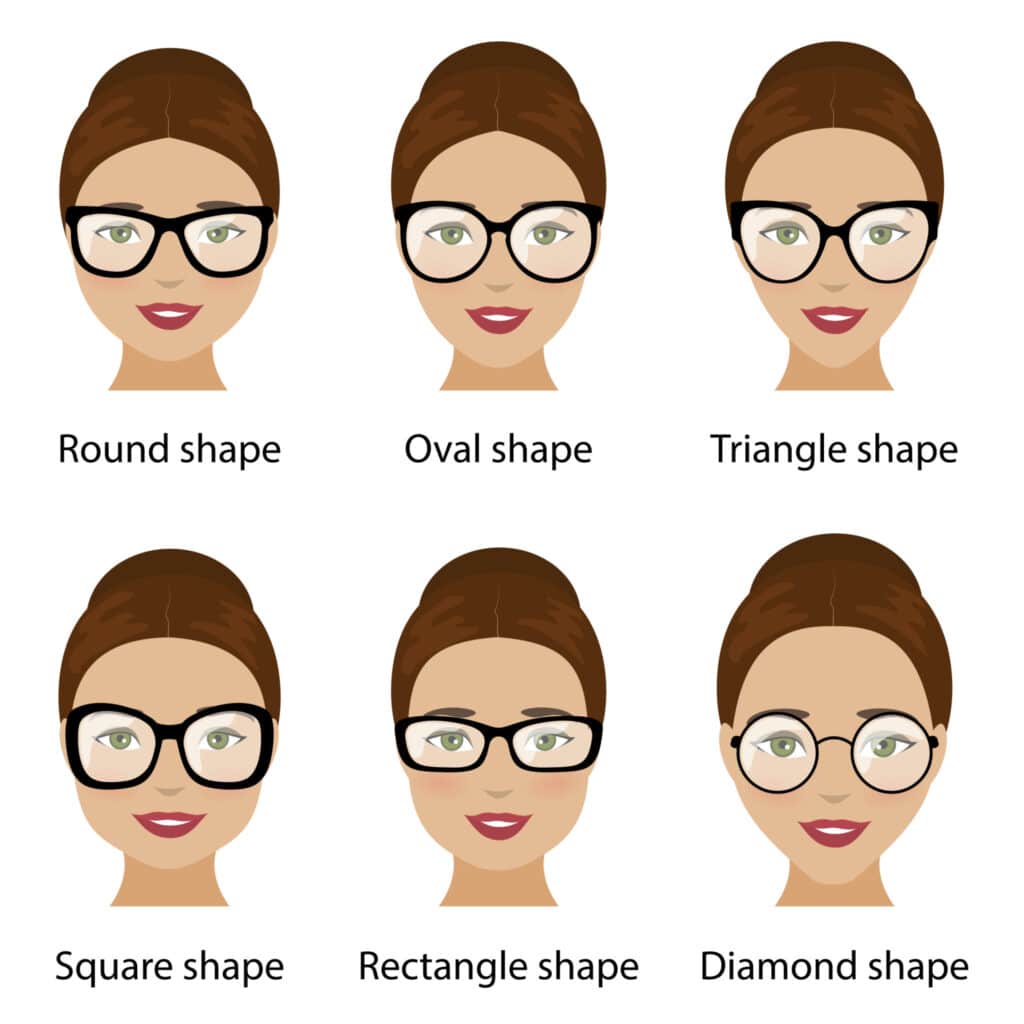
Faces aren’t universal—and neither are glasses.
Round Faces
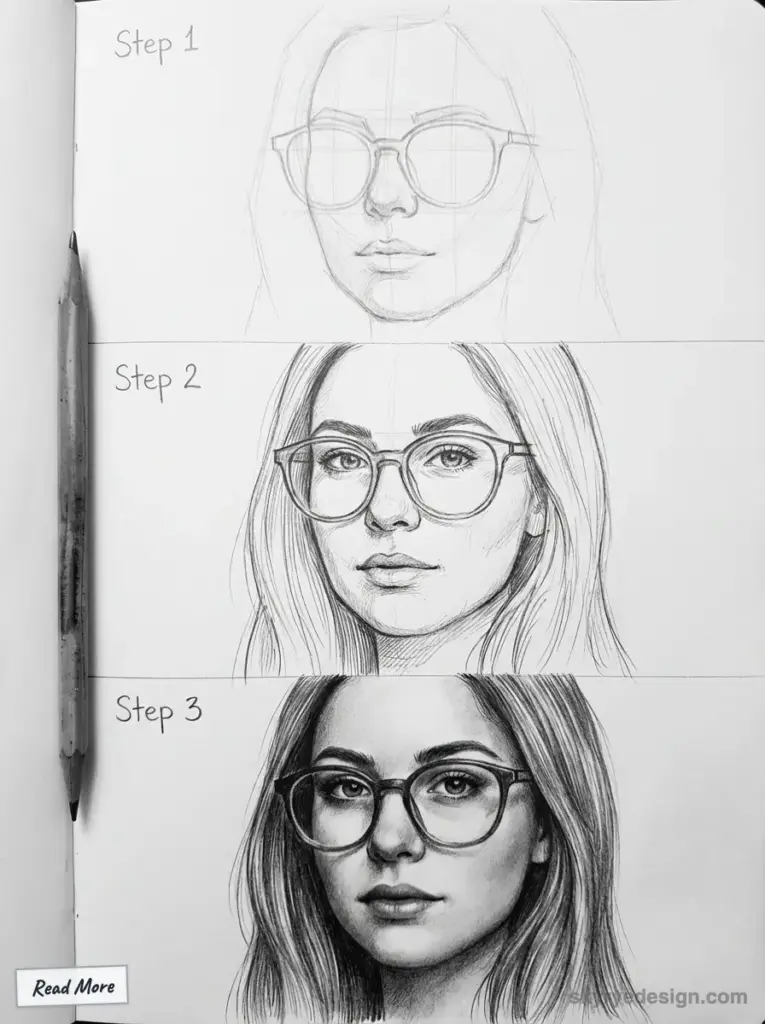
- Frames often sit wider
- Glasses may appear flatter across the face
- Emphasize contrast between soft face and structured frames
Angular Faces
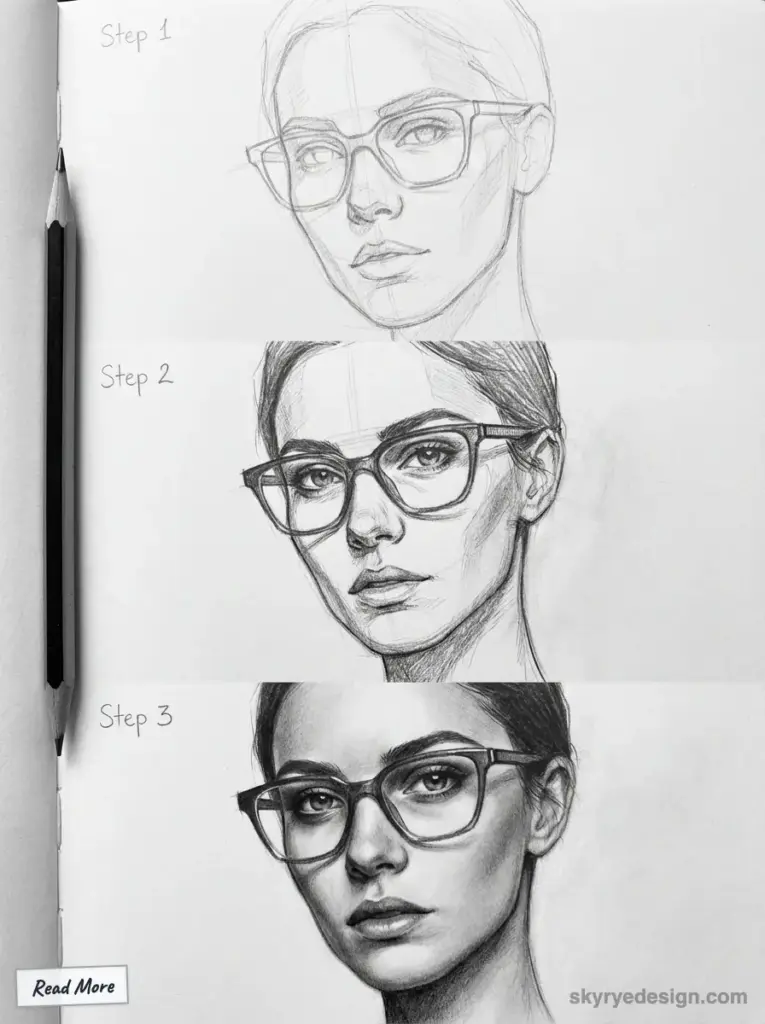
- Glasses follow sharper cheekbones
- Frames may tilt slightly with the plane of the face
Narrow Faces
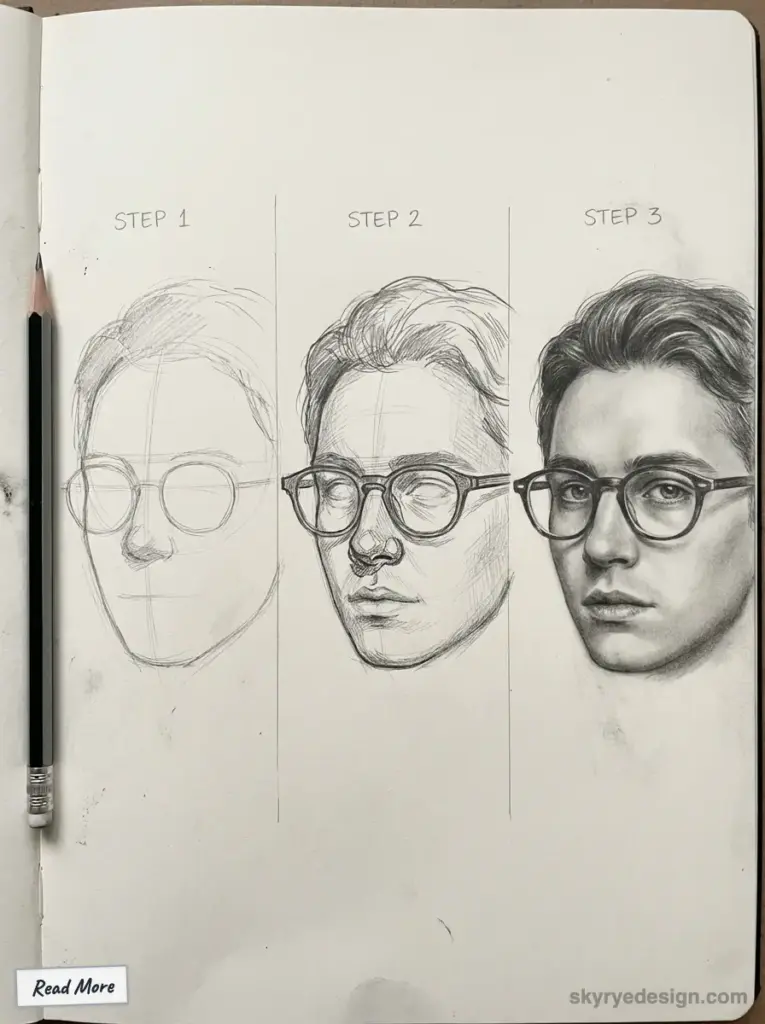
- Lenses sit closer together
- Bridges tend to look more compressed
Artist insight: Adjusting glasses subtly to face shape adds realism and character depth.
Popular Glasses Styles (And How to Draw Them)
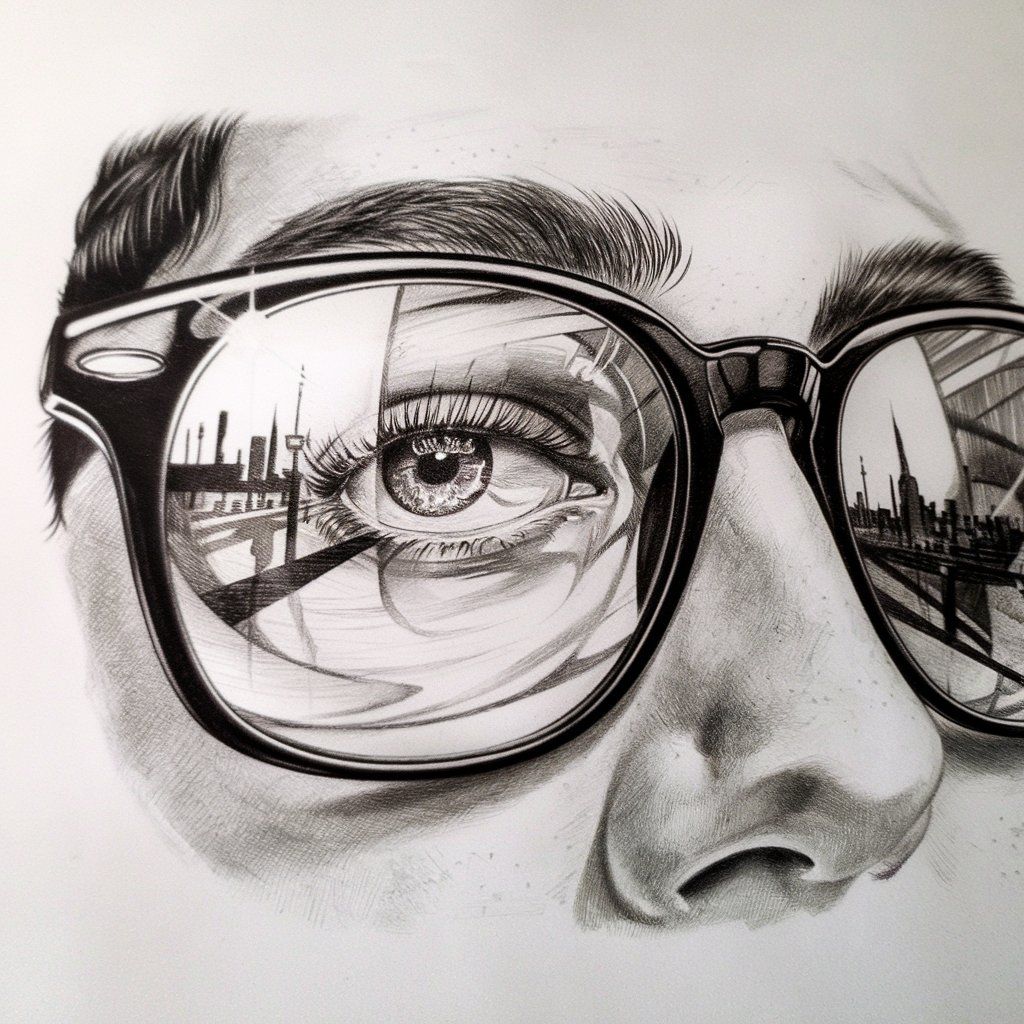
Different styles communicate different personalities. Here’s how to approach the most common ones.
Round Glasses
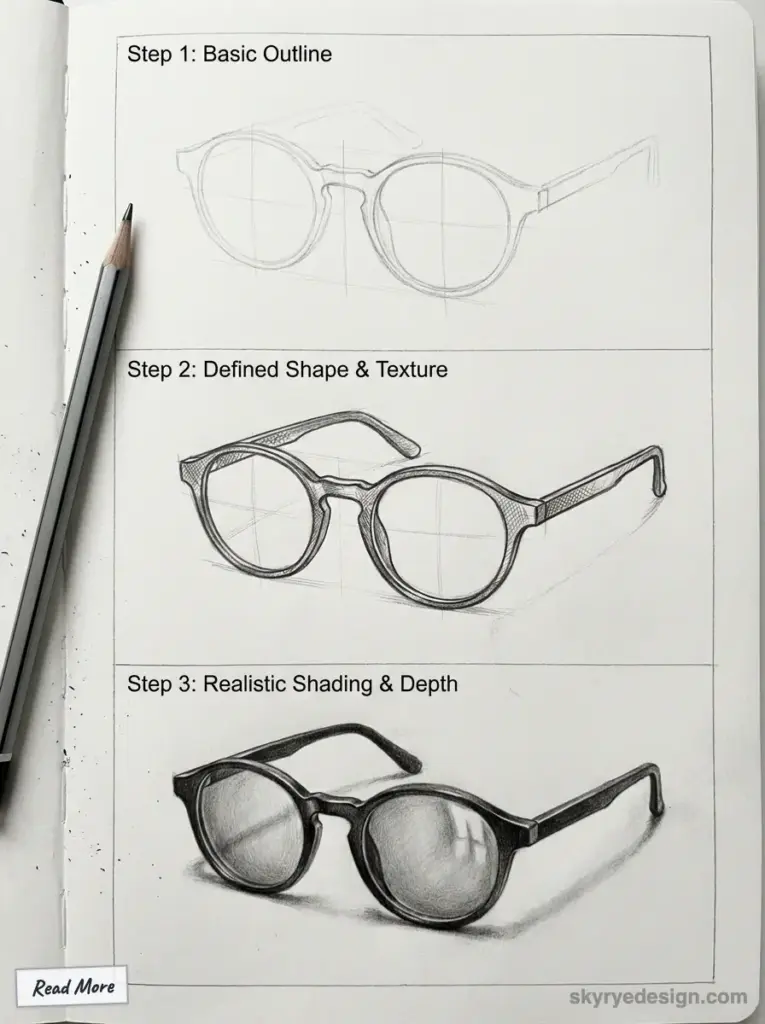
- Perfect or slightly oval lenses
- Thin bridges
- Great for intellectual or retro characters
Square & Rectangular Frames
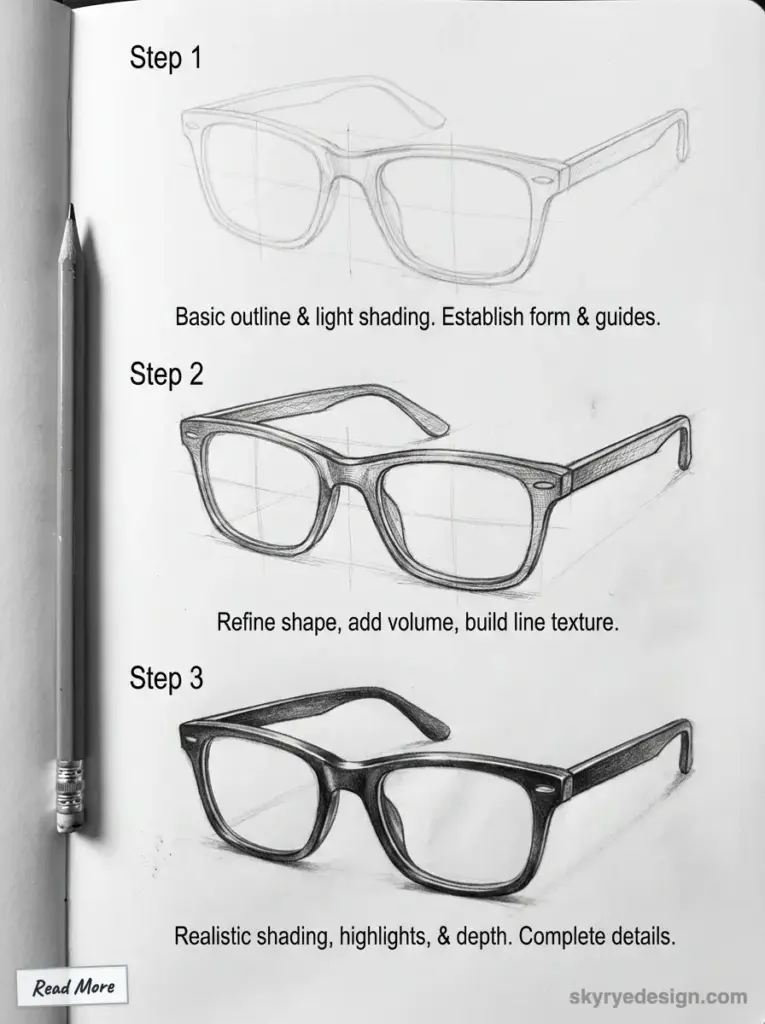
- Straight edges
- Heavier visual weight
- Emphasize jawlines and structure
Cat-Eye Glasses
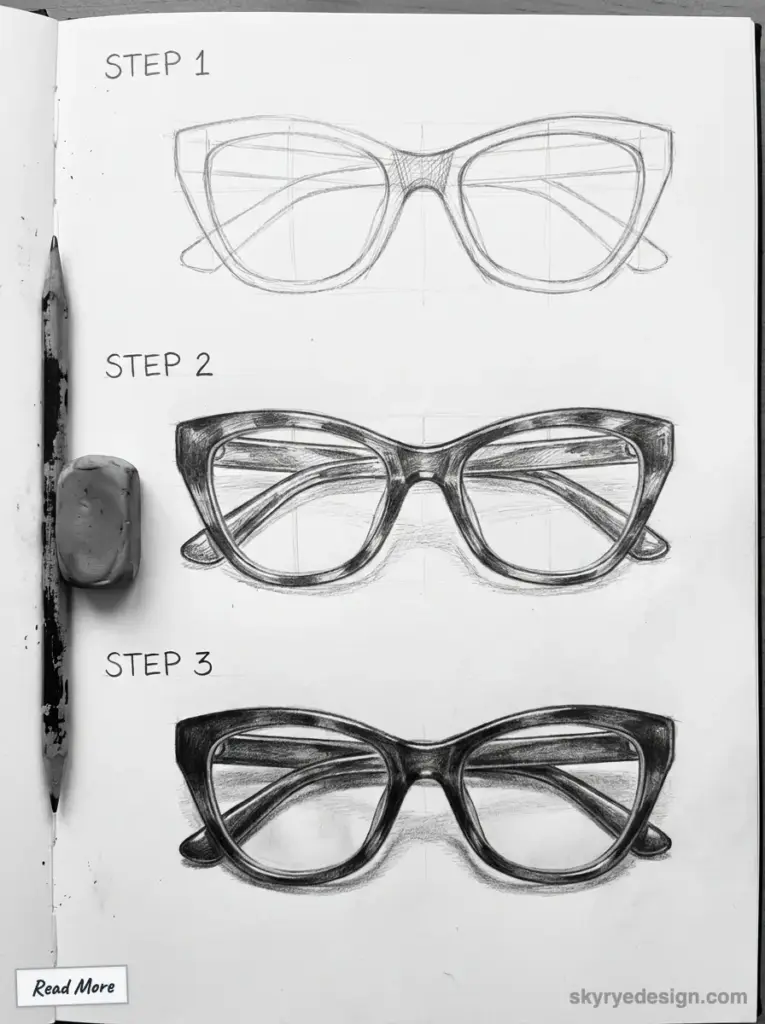
- Upturned outer corners
- Thicker upper frames
- Express confidence and flair
Aviator Glasses
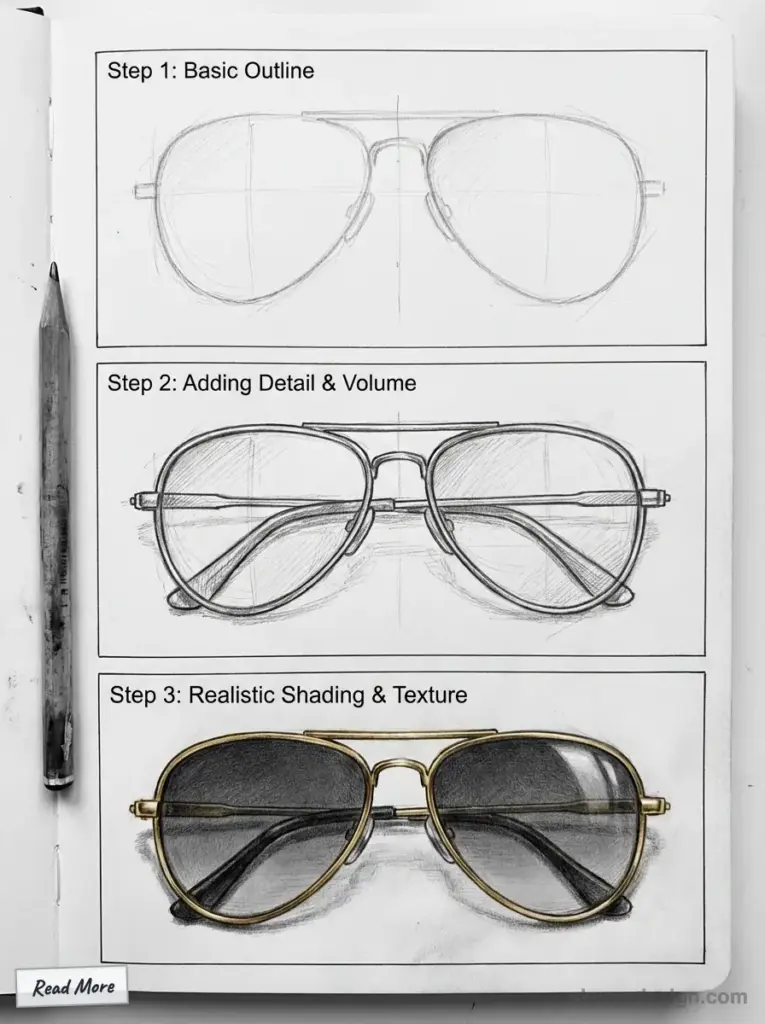
- Large lenses
- Thin metal frames
- Often tinted or reflective
Glasses and Facial Anatomy: What Touches What
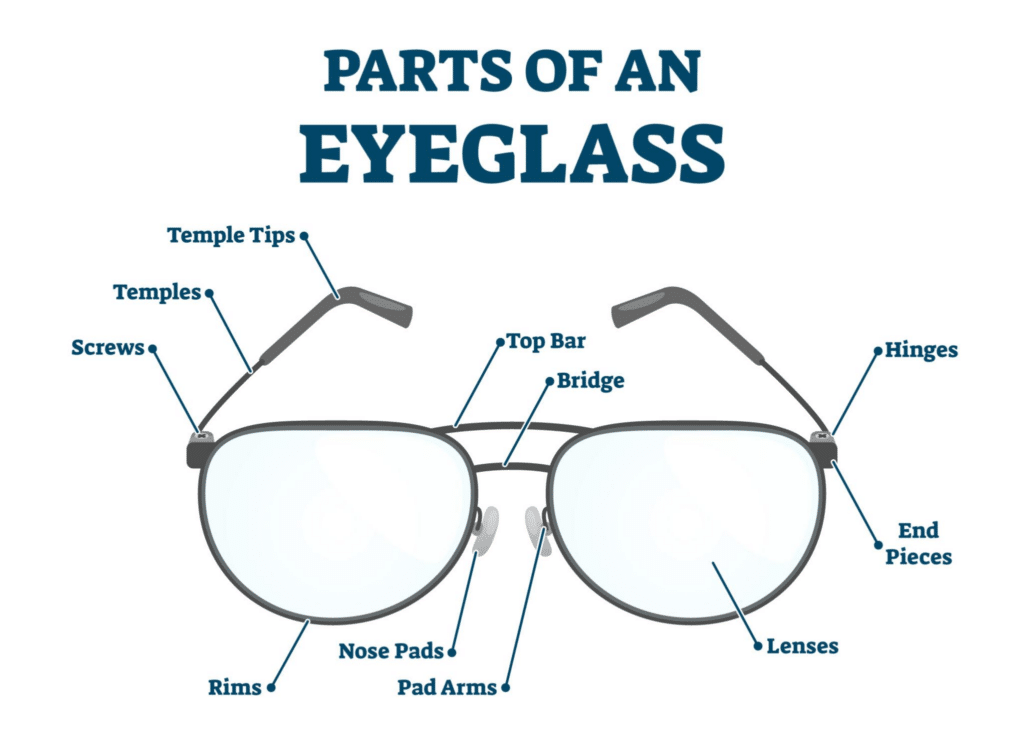
Glasses don’t float—they rest.
Key contact points:
- Bridge sits on the nose cartilage
- Nose pads (if visible) press slightly inward
- Arms rest on the tops of the ears
Adding tiny overlaps or pressure points (like a slight indentation on the nose) makes glasses feel physically present.
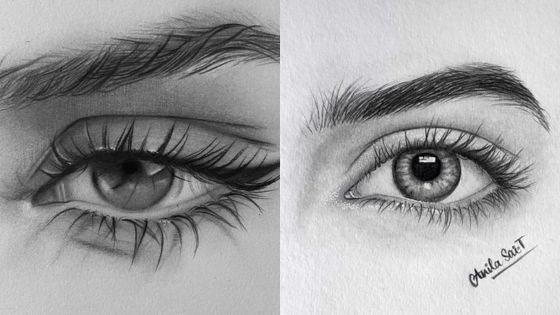
Drawing Eyes Behind Glasses
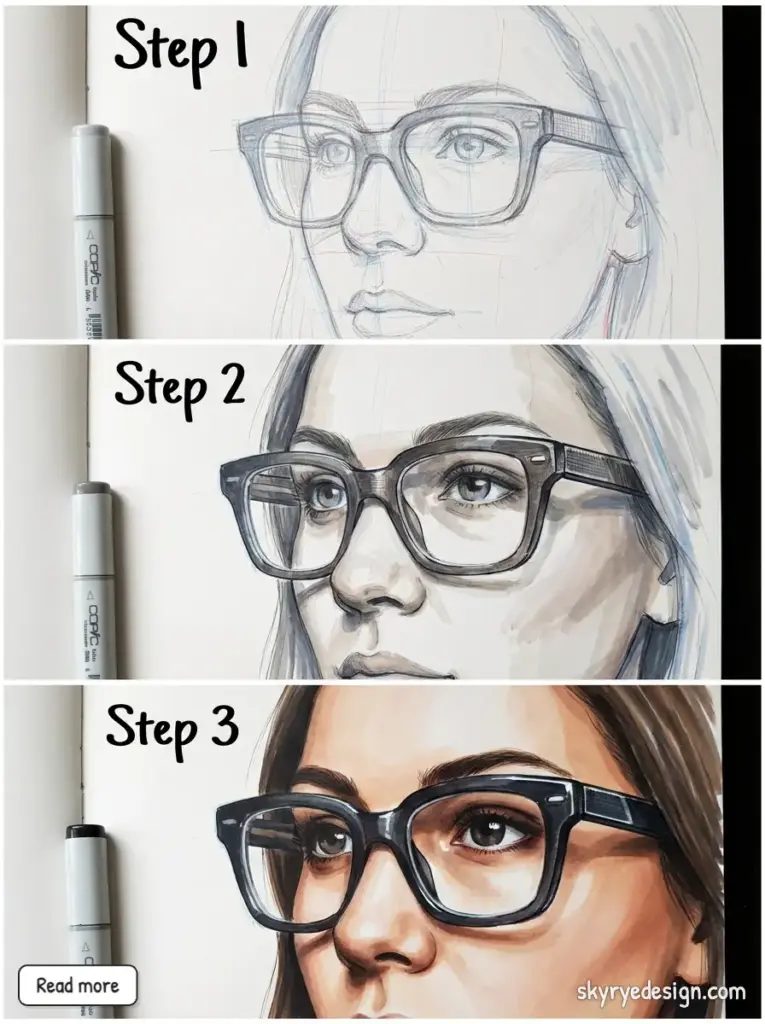
This is where many artists panic—but it’s easier than you think.
Important rules:
- Eyes are fully visible, just slightly altered
- Lenses may subtly enlarge or distort the eyes
- Frames should never cut awkwardly through pupils
Keep the eyes clear and confident. Overcomplicating lens distortion usually hurts more than it helps.
Light, Reflection, and Transparency
Glasses are a mix of solid and invisible—handle with restraint.
For Sketches
- Minimal reflection lines
- Thin highlights on frames
- Avoid heavy shading over lenses
For Finished Art
- Soft white highlights
- Slight opacity over eyes
- Consistent light source
Less reflection = more readable faces, especially in character art.
Common Mistakes (And How to Fix Them)
Mistake 1: Floating glasses
Fix: Anchor them to the nose and ears
Mistake 2: Uneven lenses
Fix: Use guidelines and measure spacing
Mistake 3: Over-rendered reflections
Fix: Simplify—suggest, don’t simulate
Mistake 4: Flat frames
Fix: Add thickness to frame edges
Practice Exercises for Rapid Improvement
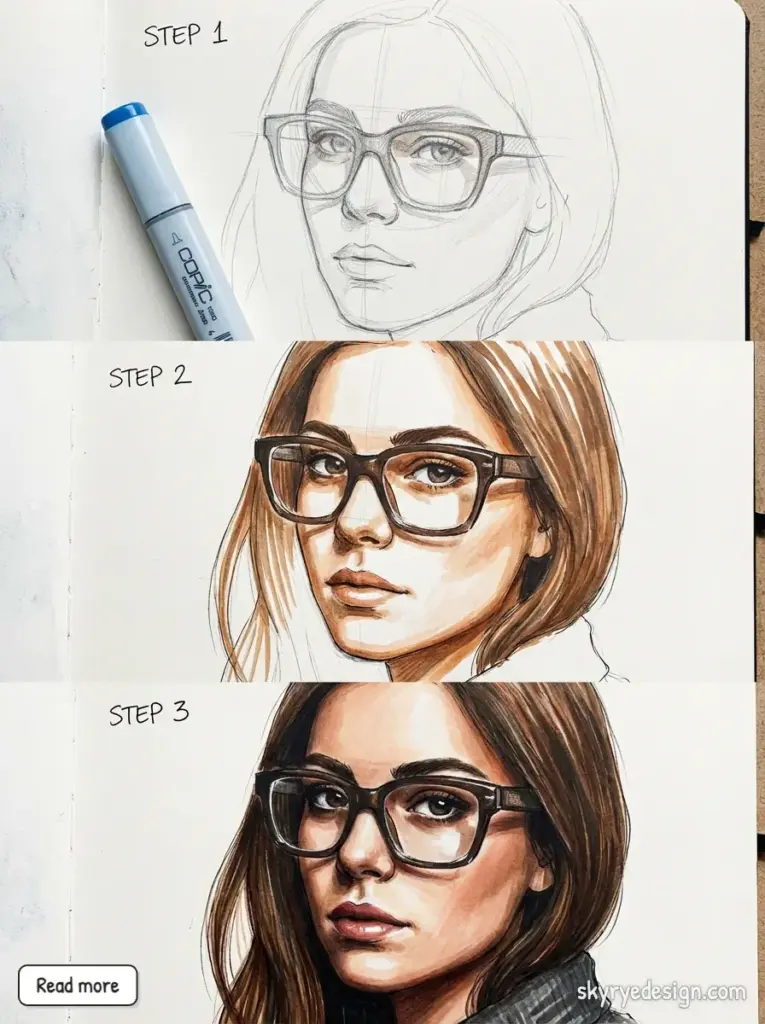
Exercise 1: Style Sheet
Draw the same head wearing:
- Round glasses
- Square glasses
- Cat-eye glasses
Exercise 2: Angle Study
Draw glasses from:
- Front view
- ¾ view
- Profile view
Exercise 3: Real-Life Observation
Sketch glasses from photos or real people—not imagination alone.
Pro Tips From Illustrators
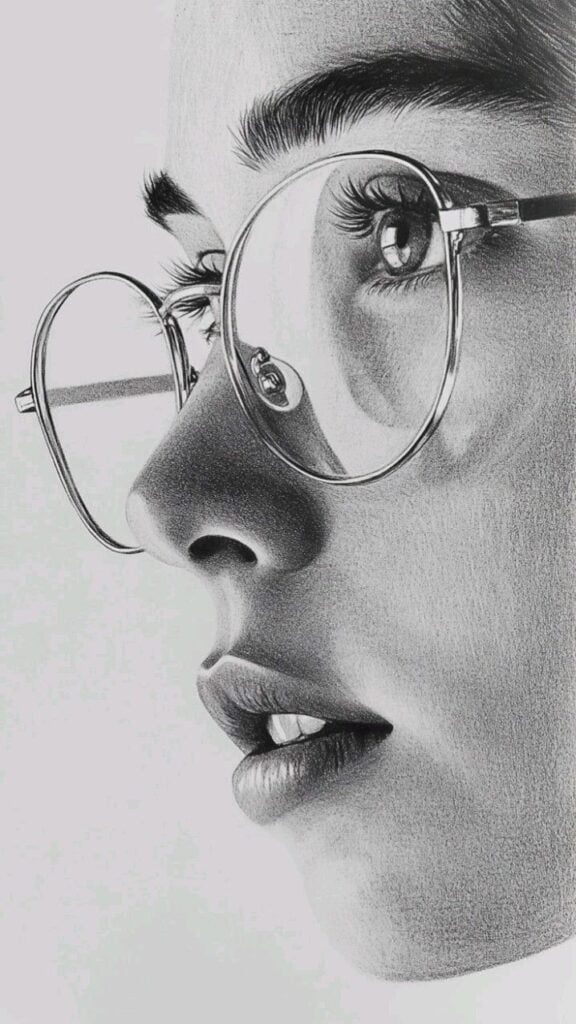
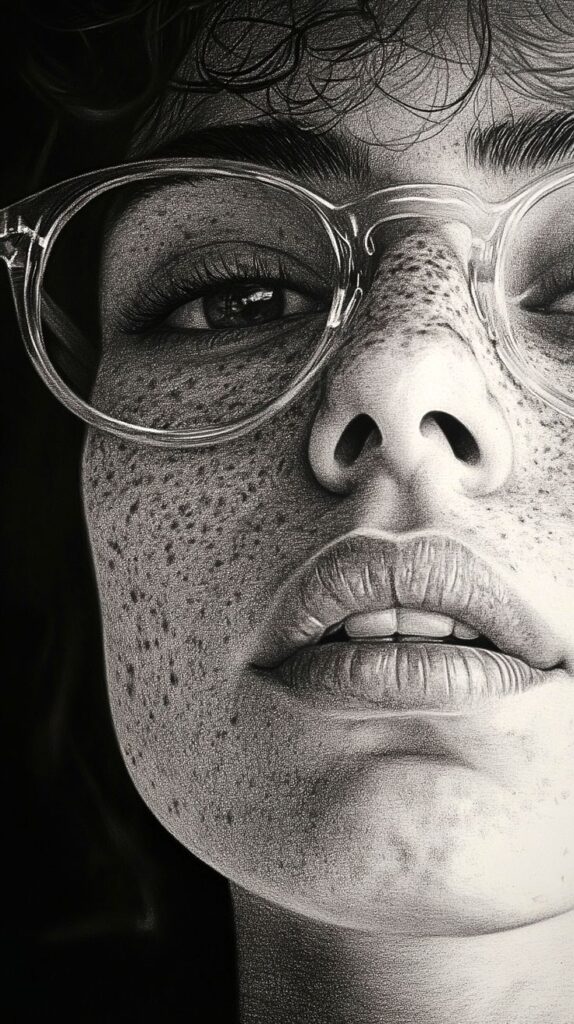
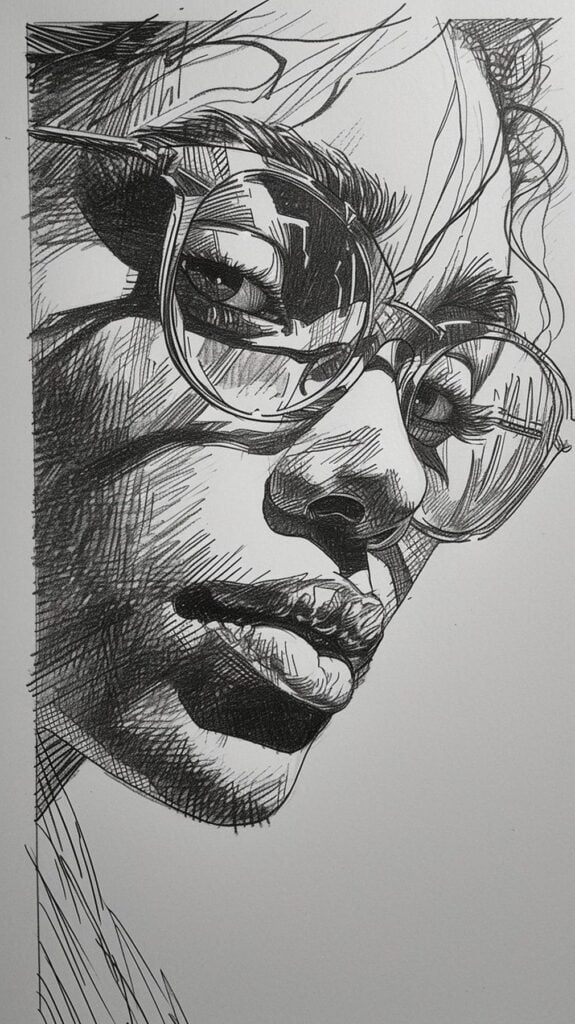
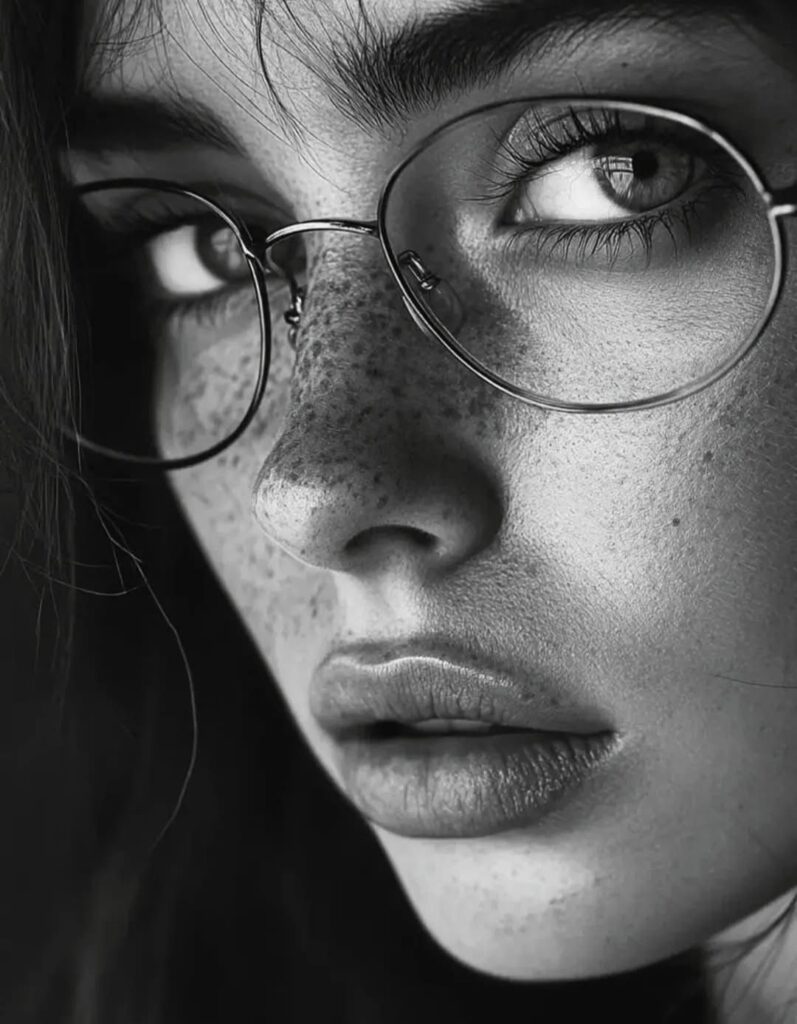
- Always draw frames before detailing eyes
- Thicker frames require stronger line weight
- Slight asymmetry makes glasses feel worn and real
- Glasses are part of character design—not an afterthought
Final Thoughts: Glasses as a Design Tool
Learning how to draw glasses isn’t just about technical accuracy—it’s about storytelling. Glasses can suggest age, profession, personality, or mood in a single line.
Once you understand their structure, perspective, and interaction with the face, they stop being intimidating and start becoming one of your strongest visual tools.
Like any skill, confidence comes from repetition. Draw glasses often, draw them badly at first, and draw them thoughtfully.
Your characters—and portraits—will thank you.
- 966shares
- Facebook0
- Pinterest966
- Twitter0
- Reddit0