
Want to draw anime guy hair? Break it into simple parts. Plan the head shape, mark the hairline, and block out the hair into front, sides, and back.
Build clumps that follow the skull. Once you get the hang of these steps, sketching short, medium, or long styles becomes a lot quicker and easier.
This post walks you through basic shapes and hairline guides. You’ll find simple ways to turn clumps into believable hair with clean line art, shading, and highlights.
Check out practical tips, dodge common mistakes, and try some quick practice drills to level up your skills with every sketch.
Anime Hair Basics for Guys
You’ll spot the shape, volume, and common styles that make male anime hair stand out. Focus on hairline placement and clump flow, especially where the hair meets the face and neck.
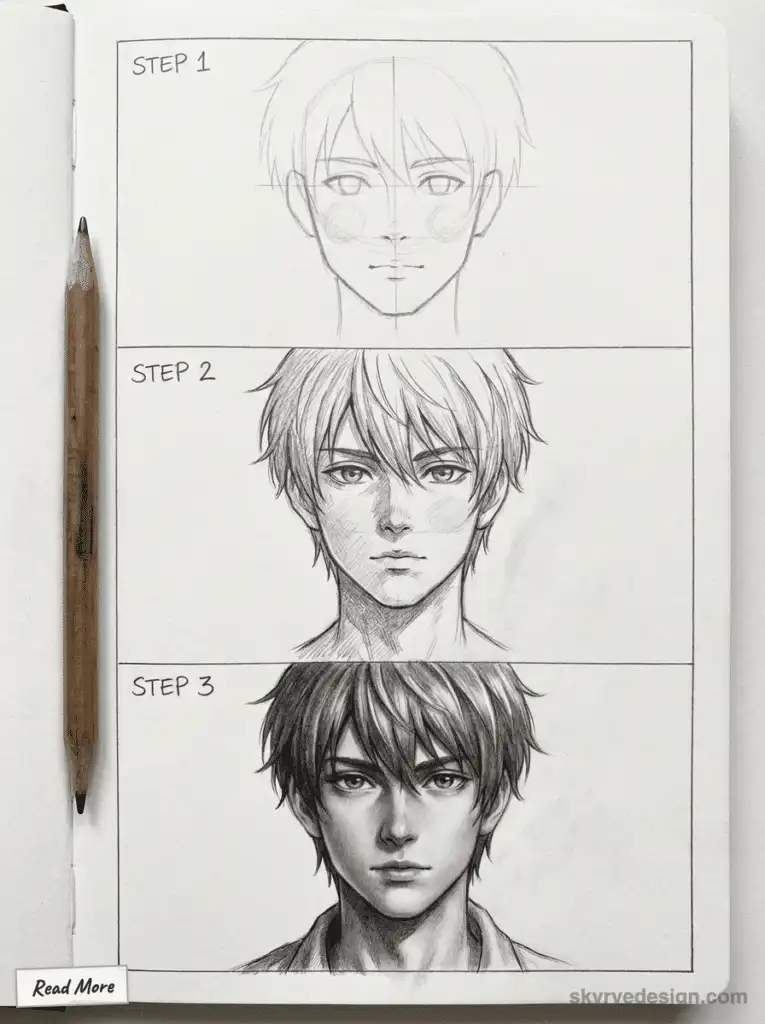
Key Characteristics of Anime Guy Hair
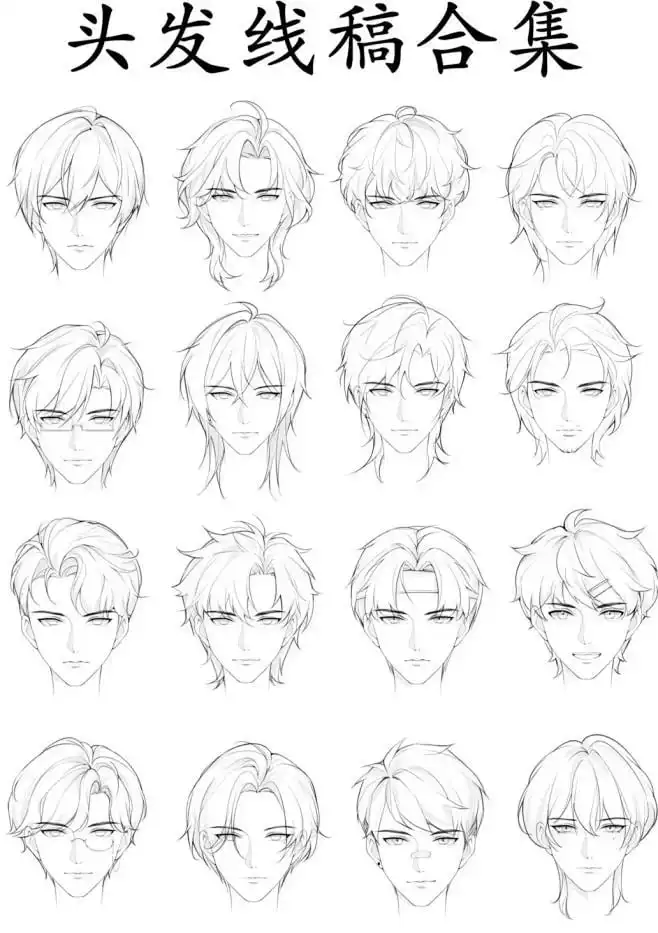
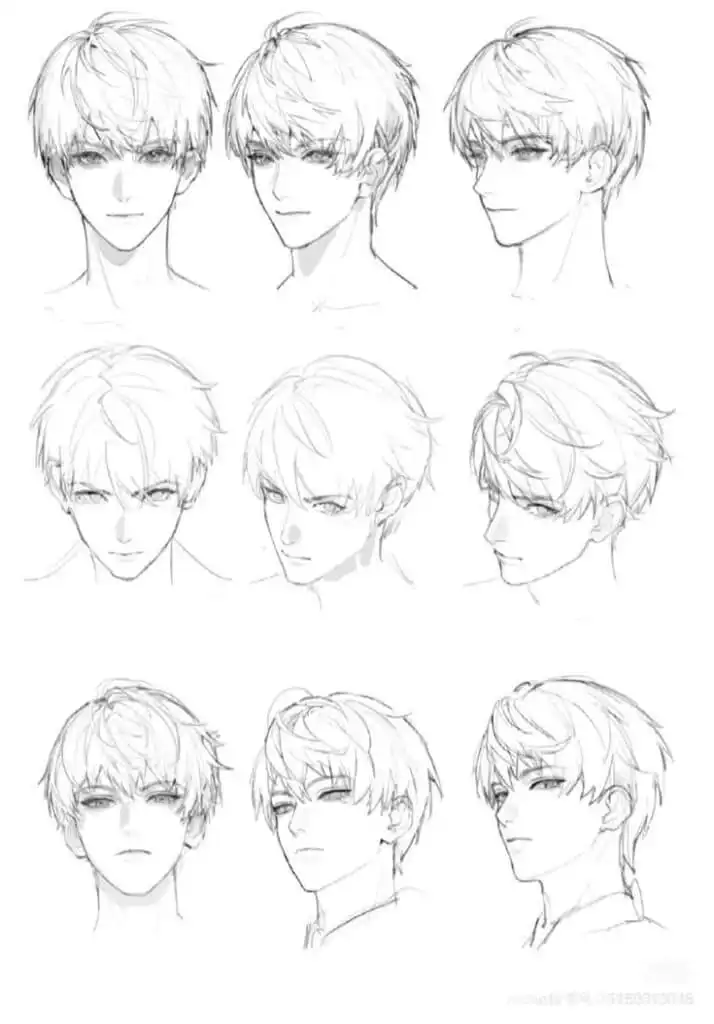
Anime guy hair usually features big clumps or spikes instead of lots of tiny strands. Draw each clump with a clear base near the scalp and a pointed or rounded tip.
Show the hairline; it anchors bangs, cowlicks, and parted styles. Line weight matters too—lighter lines for underlayers, darker for outer clumps to show depth.
For shading, stick to one or two highlight shapes instead of a bunch of tiny strokes. That keeps the hair looking graphic and easy to read.
Pay attention to direction. If the hair sweeps left, let clumps follow that motion. Toss in a few stray hairs to make the style feel natural, but don’t overdo it.
Understanding Hair Structure and Volume
Think in three parts: front (bangs), sides (temples/around ears), and back/top (crown and nape). Draw the skull shape first, then place hair clumps on top.
Volume comes from gaps between clumps and how they overlap. Leave small spaces to suggest lift at the roots, and layer clumps to show which ones sit in front.
Consider the hairline and cowlicks (ahoge). A visible hairline makes combed-back or buzz-cut styles work. Cowlicks add character, so put them where the crown would naturally push hair out.
Common Male Anime Hairstyles
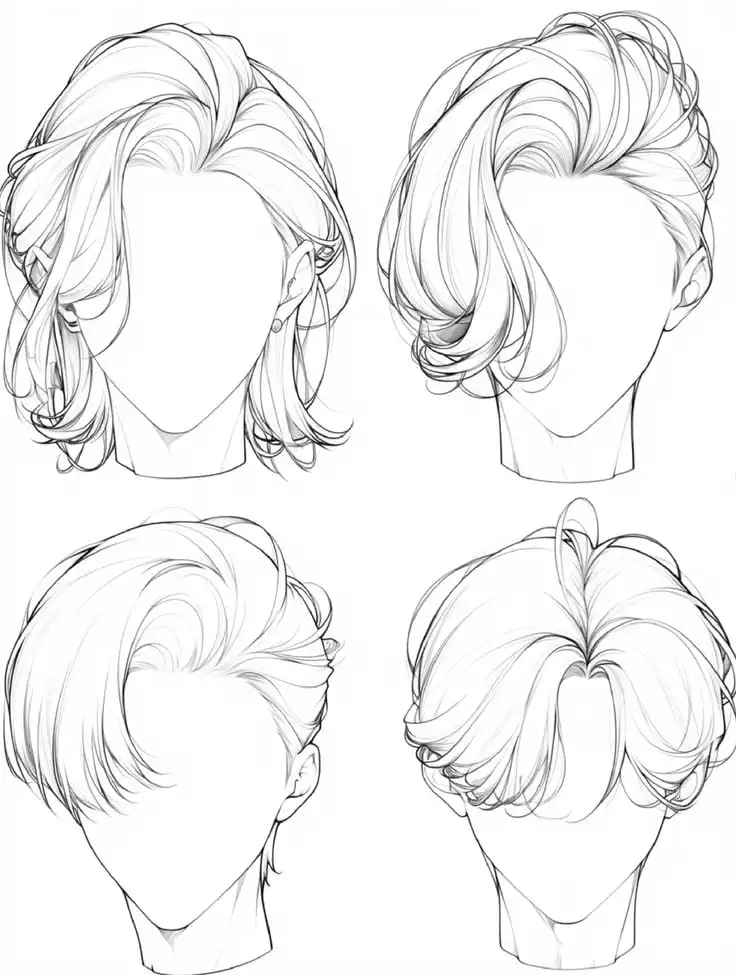
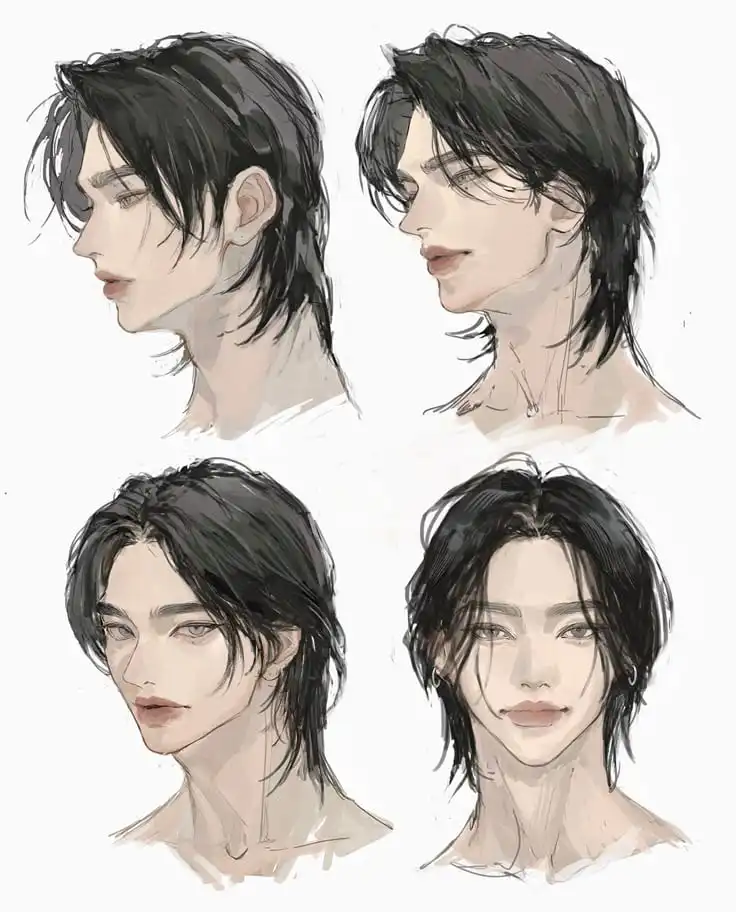
Short styles: Keep clumps small and close to the scalp. Use short downward strokes around the hairline and pointy clumps on top. This suits sporty or clean-cut characters.
Medium styles: Make bigger clumps that fall past the hairline and a bit over the ears. Add a middle or side part and a few longer front strands to frame the face.
Long and combed-back styles: Draw “teeth-like” small bangs at the hairline, then larger flowing clumps toward the back. Add lines inside big shapes to show flow, plus a few subtle strands near the shoulders.
Combed/parted styles: Show the part with clumps swept to one side. Keep the direction consistent, and toss in a few stray pieces so it doesn’t look too perfect. For a bangs-over-one-eye look, make the center clump longer and tapered.
Setting Up: Head Base and Hair Guidelines
Start with a clear head shape, mark a steady hairline, and split the hair into front, sides, and back. Use light strokes and simple shapes so you can adjust proportions and match your hair reference.
Sketching the Head Shape
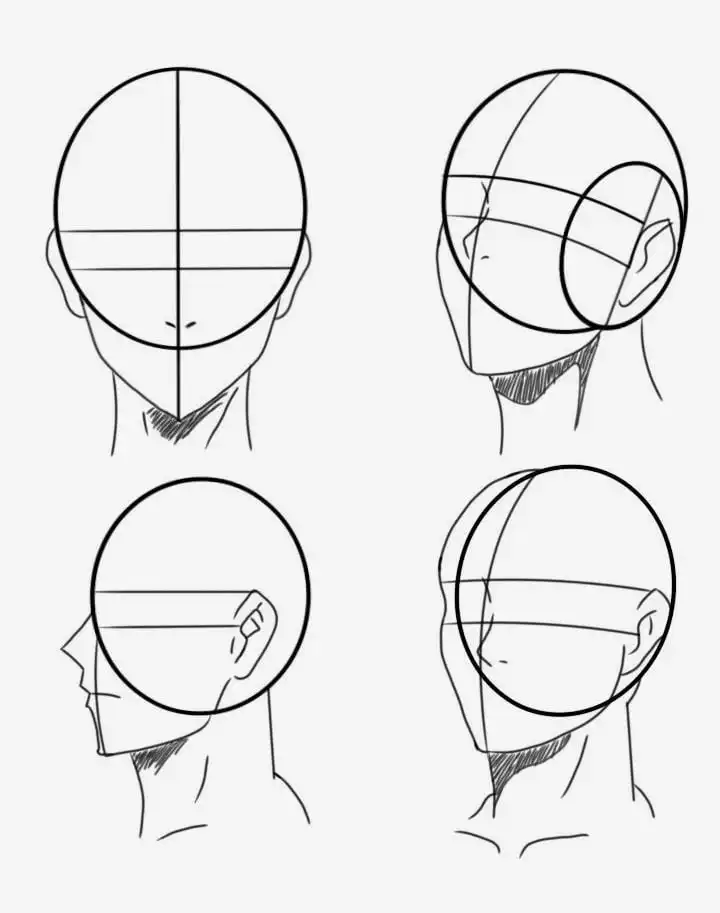
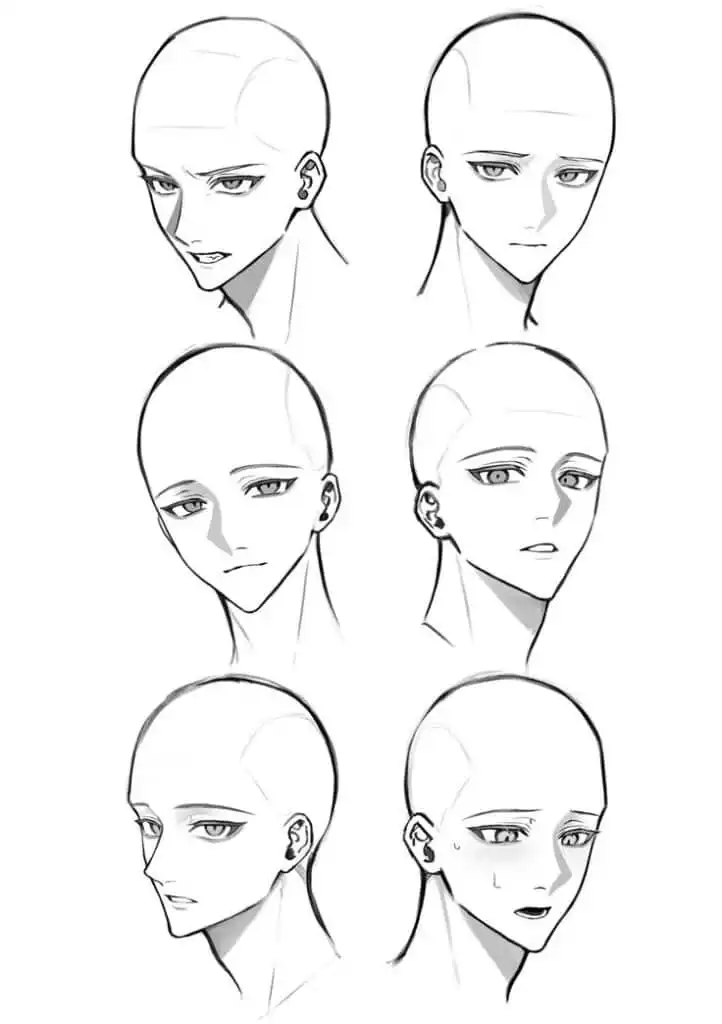
Draw a simple oval for the skull. Add a vertical center line and a horizontal eye line about halfway down.
These guides help keep the face and hair balanced. Add a jawline that fits the character—square for older or sharper looks, softer for younger faces.
Keep lines light so you can erase them later when the hair overlaps the head. Mark ear placement between the eye line and the bottom of the nose.
Ears help you judge where side hair meets the head and where hair volume should sit. Grab a few reference photos or anime screenshots to check proportion.
Match head tilt and camera angle before you draw hair clumps.
Placing the Hairline
Find the hairline about halfway between the brow and top of the skull, or adjust for receding or low hairlines. Draw a soft curve that follows the forehead shape.
Decide on details like widow’s peak, cowlicks, or a straight hairline early. These small features change how front clumps fall and help create believable parting.
Keep the hairline as a guideline, not a hard edge. Sketch “teeth” or small points along it if you’re planning combed or tousled styles.
If you’re using a hair reference, compare the hairline placement to the ears and eyebrows. This keeps styles consistent across poses and helps when shading later.
Dividing the Hair into Sections
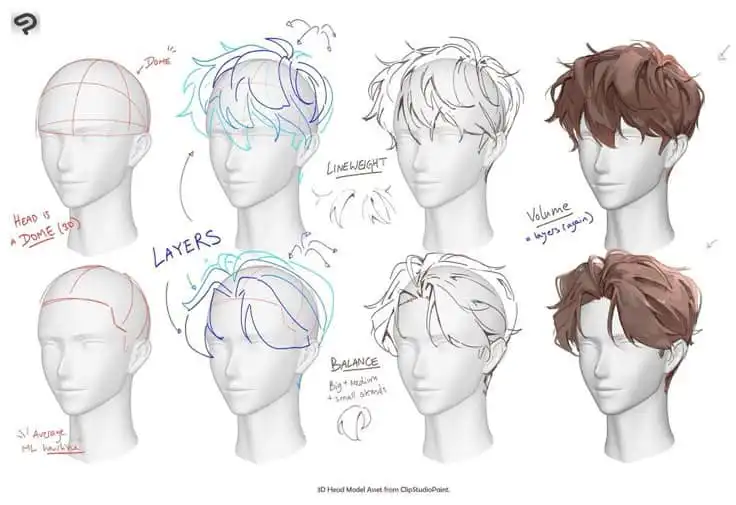
Break the hair into three main masses: front, sides, and top/back. Sketch each mass with big shapes first, not individual strands.
Front sections form bangs or fringe. Draw bigger clumps that start near the hairline and point where they end—around the eyes, nose, or chin, depending on length.
Sides wrap around the ears and define face shape. Keep them closer to the head for short cuts, or looser and layered for longer styles.
The top and back set the overall volume. Use roof-like curves or waves to show flow from crown to nape. Mark a part line if the style is combed or swept.
Label or lightly number sections if you’re copying multiple references. It helps when you add smaller clumps and shading so each part reads clearly.
Drawing Short Anime Guy Hair
Short anime hair works best with clear shapes, tight clumps, and simple shading. Focus on the hairline, where clumps start, and how each small tuft falls around the ears and forehead.
Outlining the Front and Sides
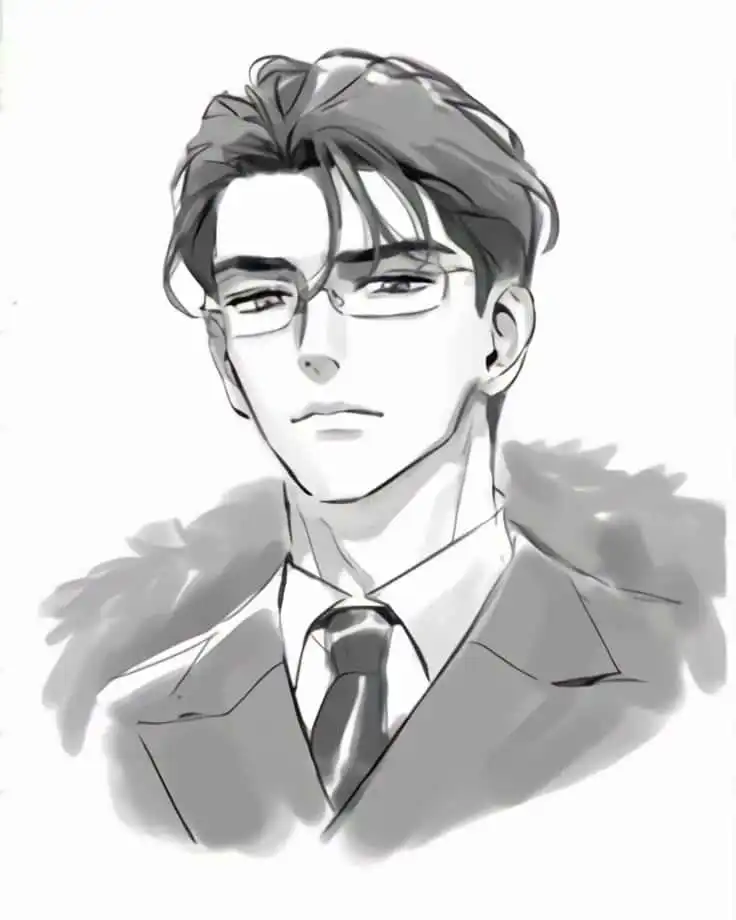
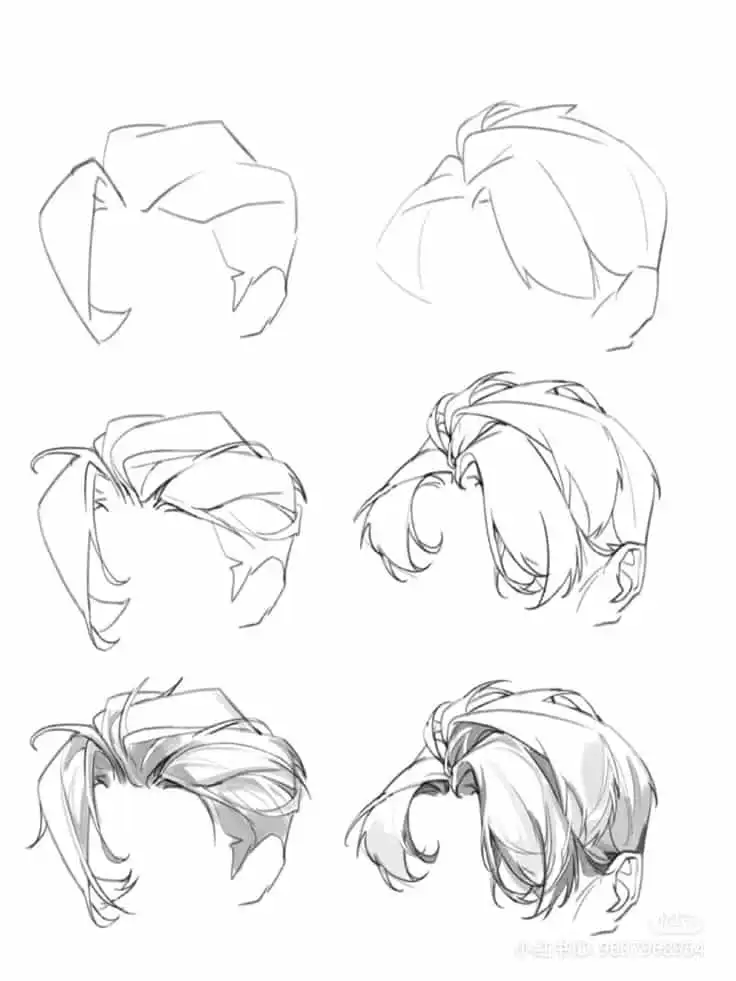
Start with your head base and mark the hairline lightly. For the front, place clumps just above the hairline; keep them short and tapered, pointing slightly downward.
Use 3–6 main front clumps, depending on how full you want the fringe. Make the center clumps a bit longer than the outer ones to frame the face.
For the sides, draw smaller clumps that follow the ear curve. Let some side tufts overlap the ear just a bit.
Keep linework clean and let the tips get a little jagged to suggest individual strands without overdoing the detail.
Tips:
- Use light sketch lines first, then darken the confident strokes.
- Erase any headlines hidden by hair before inking.
Defining Layered Clumps
Picture short hair as stacked layers: front, side, and top/back. Each layer should have clumps that sit in front of the one behind it.
Start the top clumps at the crown and fan them outward just enough to create volume. Vary clump width and length so it doesn’t look too uniform.
Add a few tiny split ends where clumps meet to break up the silhouette. Keep overlaps simple—one clump should clearly sit over another so the depth is obvious.
Try this structure:
- Top: medium clumps fanning from the crown.
- Front: shorter clumps pointing toward the face.
- Sides: small clumps hugging the jaw and ears.
Adding Texture to Short Hair
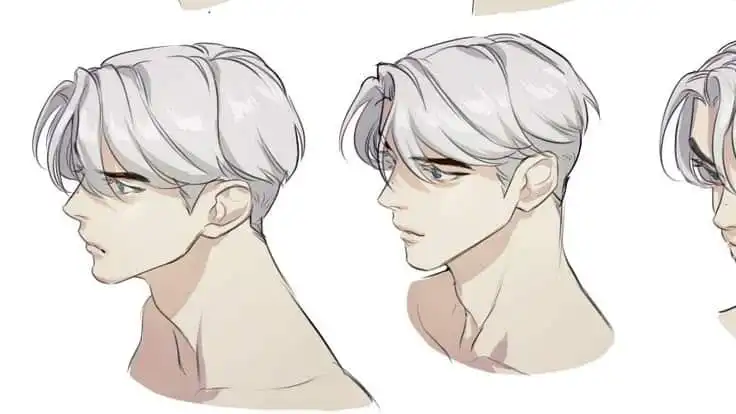
Texture gives short hair energy without making it busy. Use short, confident strokes inside each clump to hint at strand groups.
Place a few directional strokes following the clump’s curve to show flow. Add a small patch of darker shading under bigger clumps to suggest overlap.
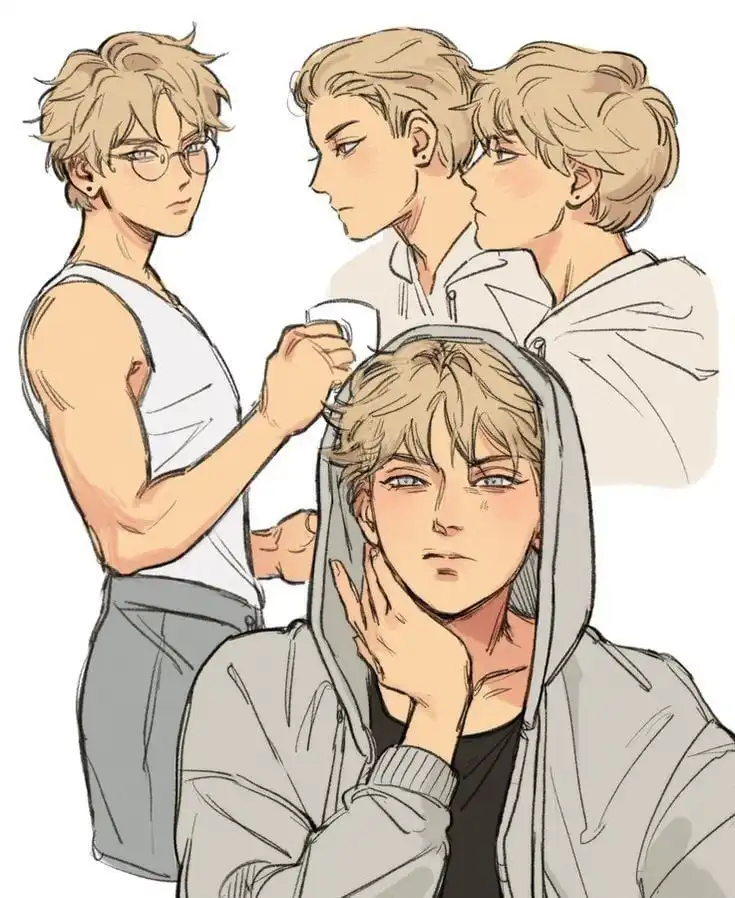
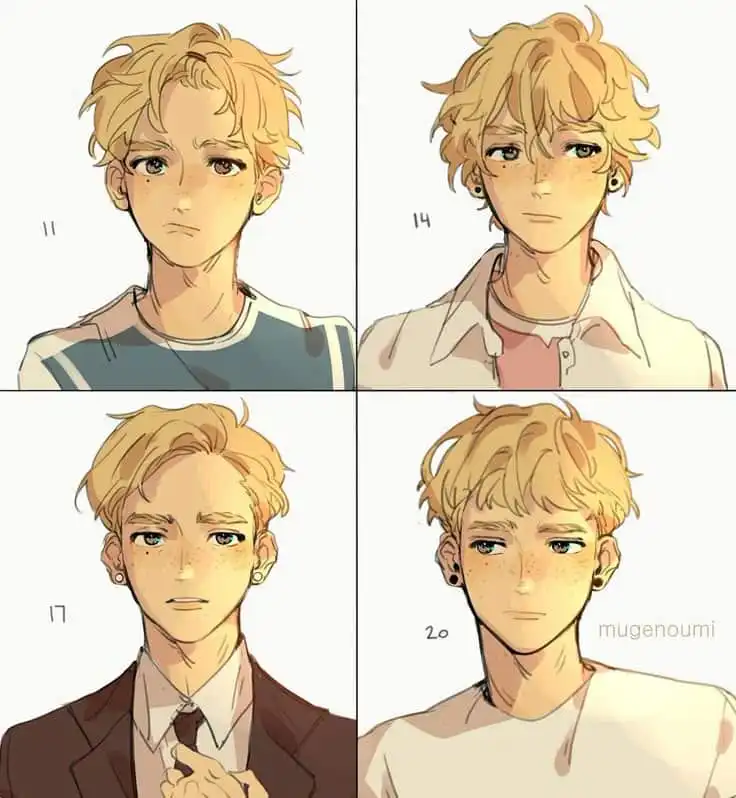
For highlights, leave narrow areas of the clump unshaded instead of drawing bright streaks. That keeps the style simple and believable.
Quick checklist:
- Directional strokes match clump flow.
- Shade under overlaps, not across the whole clump.
- Keep highlights thin and consistent with your light source.
Drawing Medium and Long Anime Guy Hair
Plan the hairline and main parting first. Think in big clumps that follow the skull, then add smaller strands for detail and movement.
Creating Flowing Medium Hair
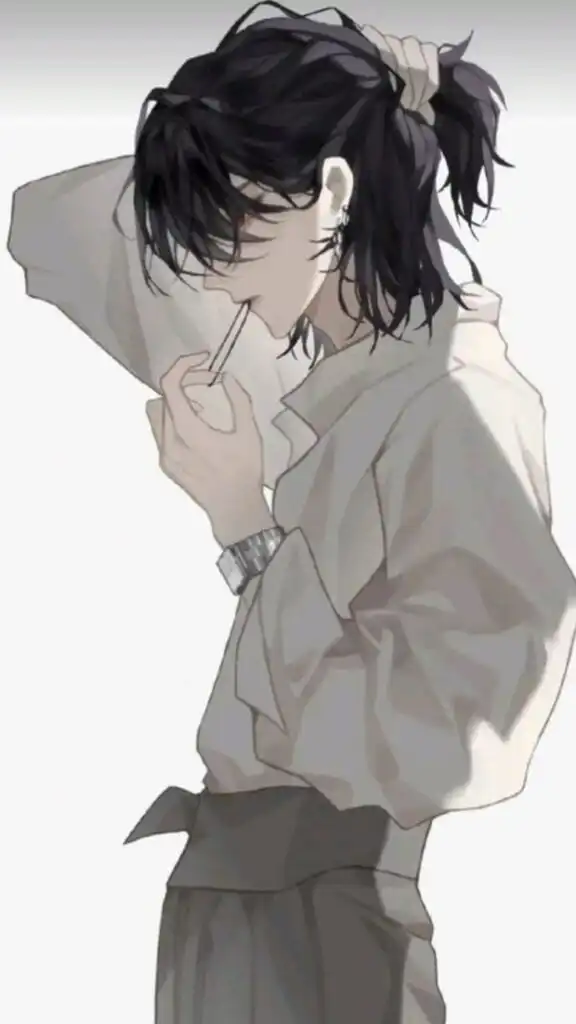
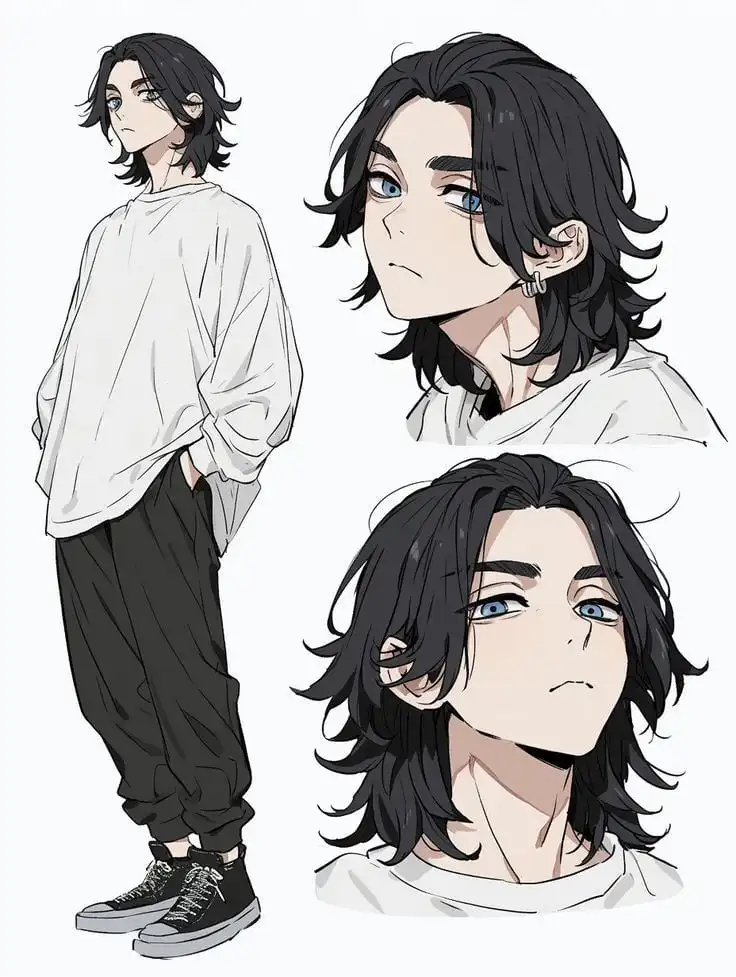
Block the hair into three zones: front bangs, side pieces, and back/top volume. Draw the front as 2–4 bigger clumps starting near the crown and falling past the hairline.
Make the center clumps a little longer to frame the face. Keep the sides hugging the head before they split into smaller clumps near the jaw.
Use curved strokes that bend downward—avoid stiff, straight lines. For the back/top, draw a roof-like curve that flows into layered clumps. Vary clump width and length so it doesn’t look flat.
Add strand lines sparingly—just one or two per clump—to suggest texture. Place small overlaps where clumps cross to show depth. Shade under overlaps and near roots to ground the hair.
Drawing Dynamic Long Hair
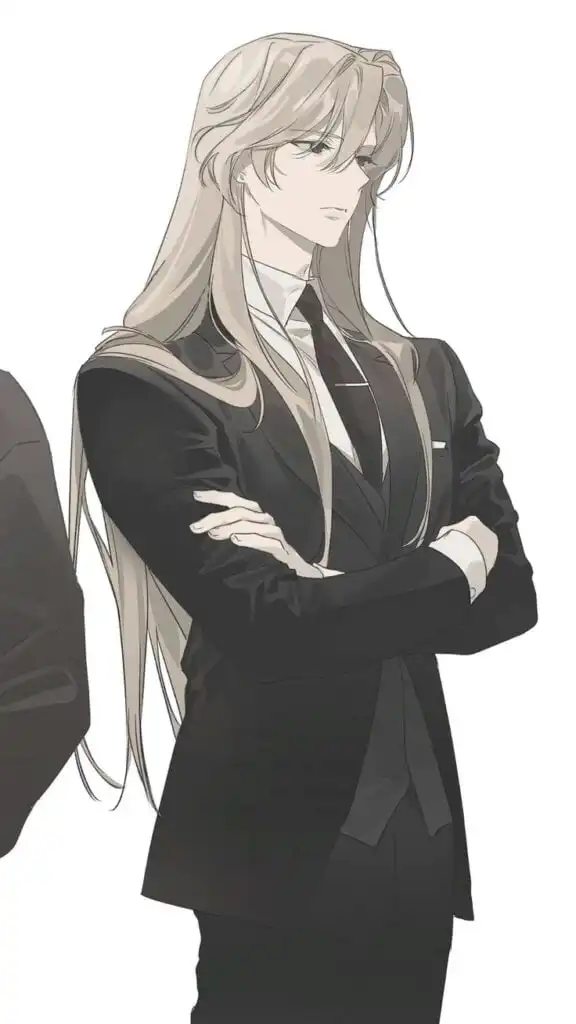
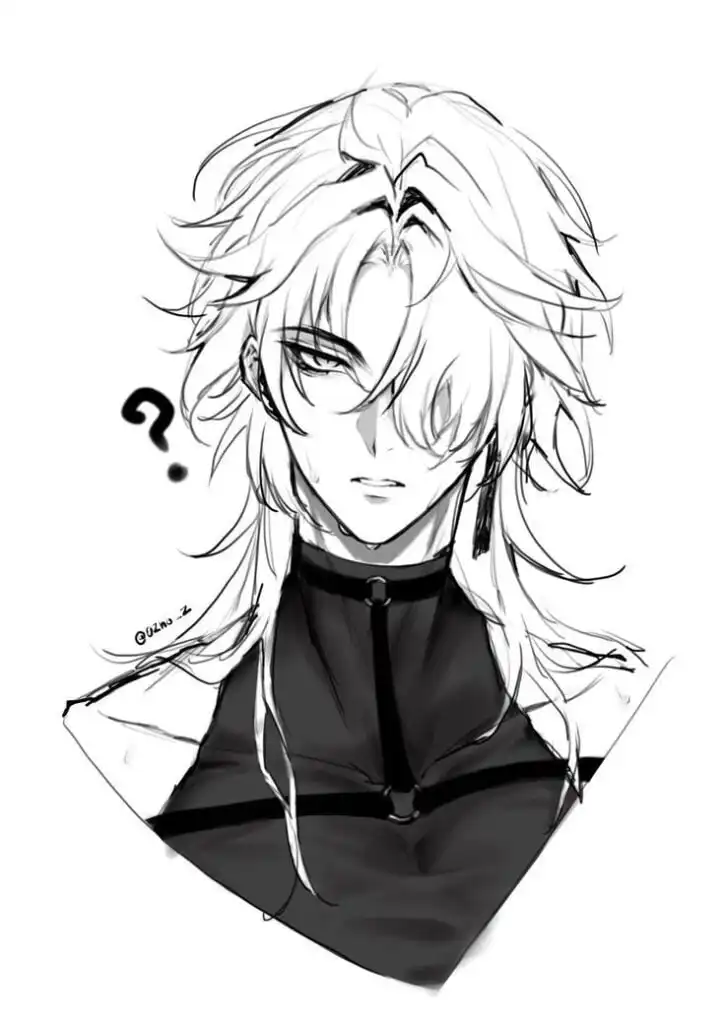
Treat long anime hair like fabric falling from the scalp to the shoulders. Start with a clear outline following the head, then extend long, smooth clumps fanning out from the top.
Vary the direction of clumps for movement: some toward the shoulder, some outward. Include a few long centerpieces that reach past the chest for that classic long-anime-hair vibe.
Add inner flow lines from root to tip to guide the eye. Use overlaps and gaps to suggest weight and air. Draw a couple of inner lines from the ear to the shoulder to show volume in the back.
When shading, darken areas behind overlapping strands and near the scalp. Leave highlights on the long outer faces.
Tips for Bangs and Fringes
Pick the parting first: center, side, or swept. For one-eye-covered styles, make one clump long and slightly curved over the eye.
For full bangs, use lots of short, tapered clumps meeting near the brow. Vary tip shapes—pointed, rounded, or split—to match your character.
Keep bangs connected to the crown with visible roots so they don’t look glued on. When bangs cross the face, add tiny split lines and a soft shadow where they meet skin.
Swept bangs need longer inner strokes and fewer splits. Choppy fringes need more short clumps and sharper tips.
Lightly erase guideline lines under bangs to keep edges clean before finalizing.
Adding Details: Line Art, Shading, and Highlights
Now it’s time to clean and refine your sketch. Add shadows and bright spots to make the hair look solid and alive.
Focus on clear inked lines, consistent shadow shapes, and well-placed highlights that match your light source.
Cleaning Up Sketches and Inking
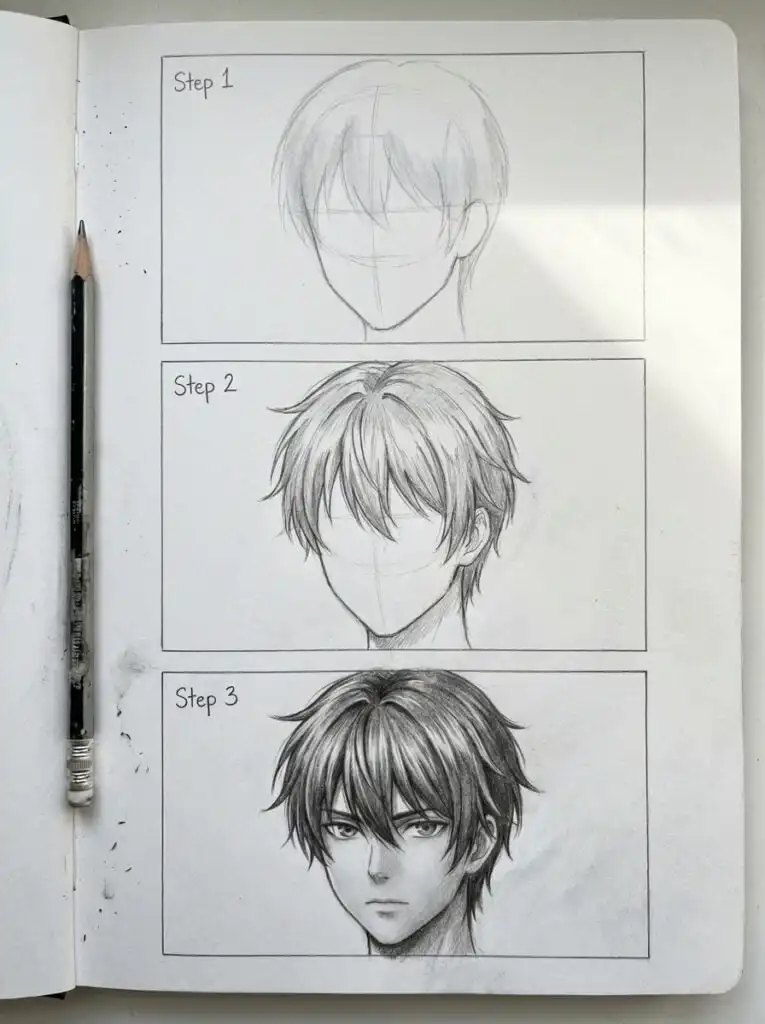
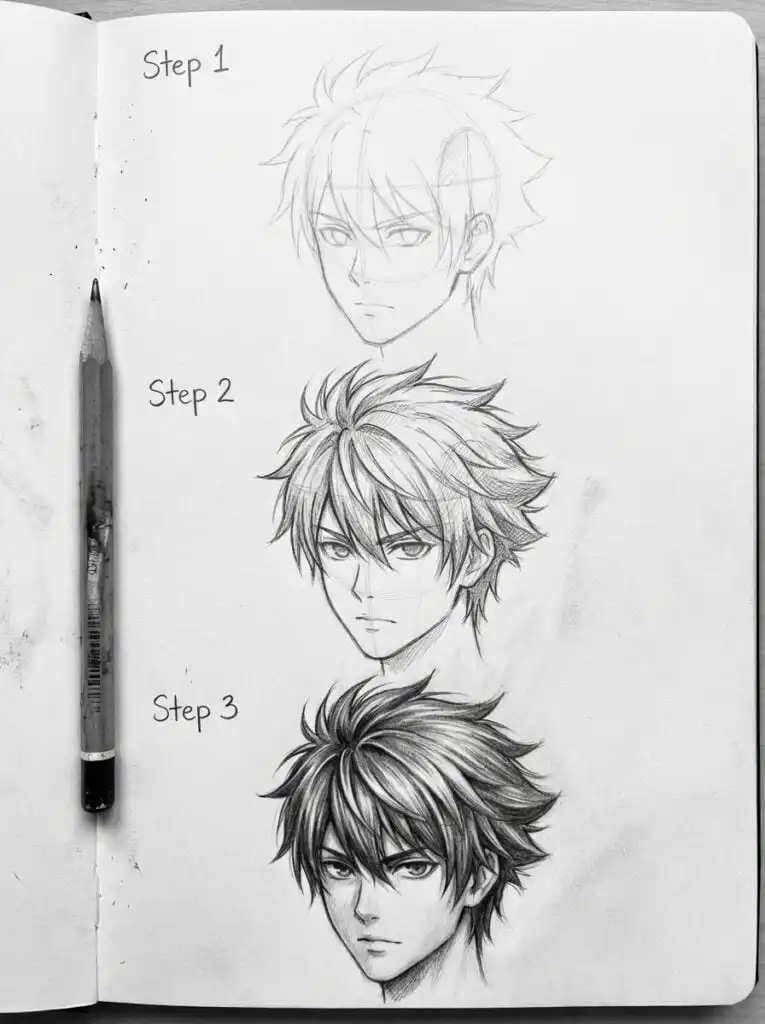
Pick your best sketch layer and drop the opacity on those messy lines. On a new layer, trace over the shapes with steady, confident strokes.
Mix up your line weight—go thicker around the hair’s outer edges, keep it thin for inner clumps and stray hairs. Let your lines follow the flow of the hair ribbons.
Don’t try to draw every strand. Just suggest volume with a few smartly placed lines.
Add some small, sharp strokes at the tips and for a couple of stray strands. This keeps the hair from looking like a helmet.
If you’re inking by hand, grab a fine nib for the little details and a brush pen for bold outlines. Check the parting and hairline before you wrap up.
Fix any overlaps so strands sit in front or behind the head where they should. Clean up intersections so that later, shadows and highlights make sense.
Shading for Depth and Volume
Pick a light source—top-left, top-right, whatever feels right. Block in three main tones: base color, mid-shadow, and deep shadow.
Use big, soft strokes for the mid-shadows across whole clumps. Harder, darker shadows go near the roots, under overlaps, and where clumps tuck behind others.
If you’re working digitally, try multiplying layers for shadows and using low opacity brushes for smooth blends. Change up your shadow edges—soft fades on curves, crisp lines where two clumps meet.
Drop in subtle color shifts—cooler in deep shadows, a bit warmer in the mids. It keeps things from looking flat.
Shade following the hair’s flow, not just under the clumps. Shadows should wrap around the ribbon shapes.
Add a touch of reflected light under big clumps. It helps separate layers and boosts the sense of volume.
Placing Highlights for Shine
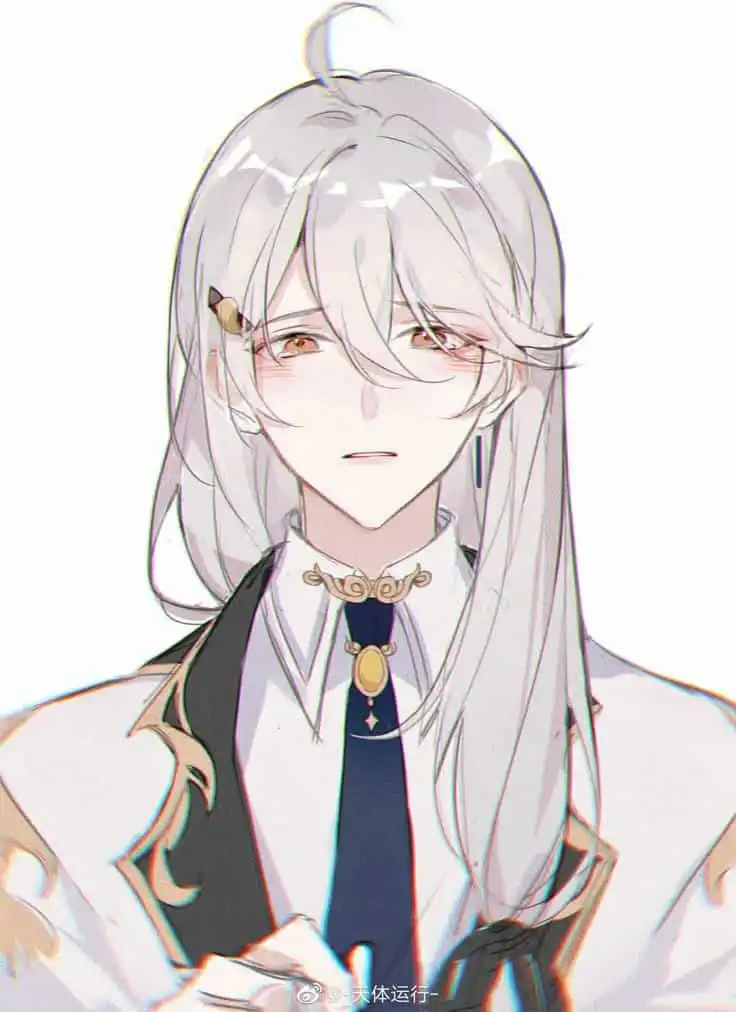
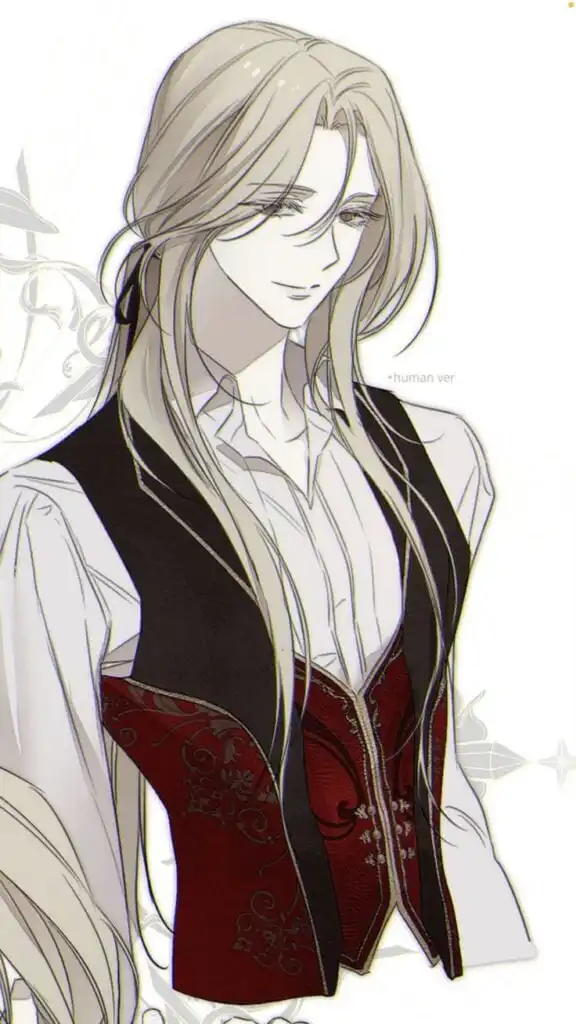
Keep highlights lined up with your light source and the hair’s curves. Go for a few strong highlight shapes, not a million little streaks.
Smooth, straight hair? Try long, slightly curved bands. Messy or spiky? Short, angled highlights at the tips and along the edges work better.
Use hard-edged white or bright color for the brightest spots. Softer brushes are good for that wide, diffused shine.
A single, bright dot where the light hits a curve really sells the shininess. Blend those edges a bit so highlights feel like part of the surface, not stickers slapped on.
Maybe use more than one highlight layer—a strong one for reflections, a soft one for glow. Drop in a couple of stray highlights on loose hairs for realism.
Step back every so often and check if your highlights match the shadows and the overall hair shape. If it feels off, tweak it.
Using References and Practicing Effectively
Real examples and steady practice make a huge difference. They’ll show you how hair sits, how light hits, and how styles actually work in anime.
Stick to clear steps: grab good hair references and do targeted drills for each style you want to nail.
Finding and Using Hair References
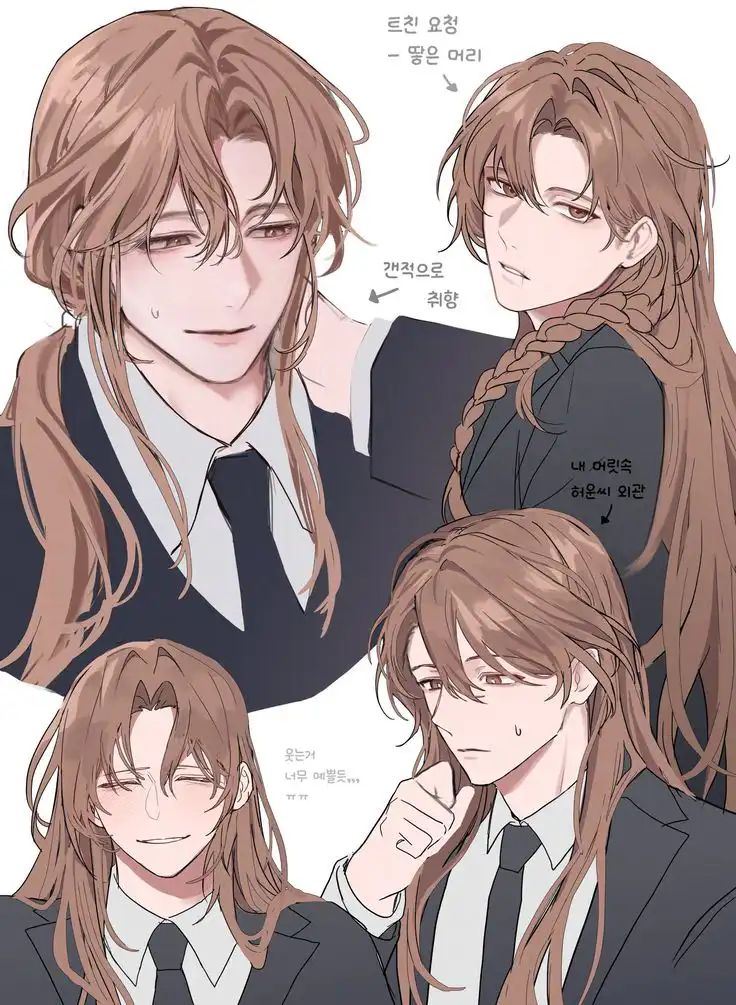
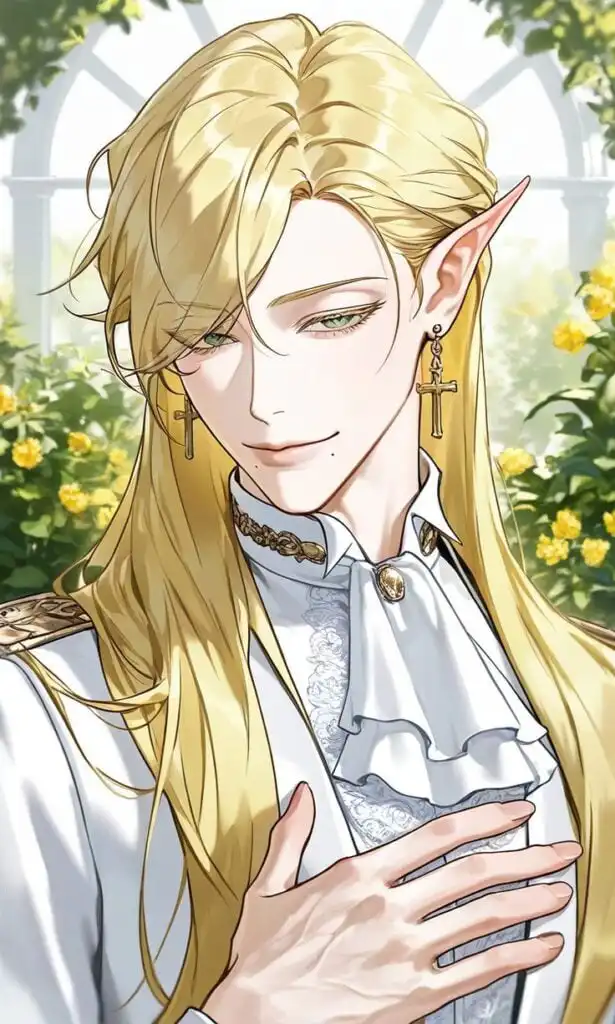
Look for photos or screenshots that match your target anime style. Front, side, and three-quarter views are super helpful.
Save images that clearly show hairlines, partings, and how clumps overlap. Study the hairline and scalp shape first, then check where big clumps begin and end.
Make a mini reference sheet for each style. Toss in 3–6 images, a quick sketch of the hairline, and 3 notes: (1) main clump directions, (2) light spots, (3) common stray hairs.
Use those notes as you draw so you don’t just copy blindly. Compare real hair with anime to spot which shapes get simplified.
Keep a folder of references sorted by length and texture—short, medium, long, spiky, combed. Saves you time and lets you mix things up later.
Practicing Different Anime Hair Styles
Stick with one style per session. Start with the head base and hairline, add main clumps, then refine edges and stray hairs.
Repeat each step until you can do it in under five minutes. Try drawing 10 quick thumbnails of the same style, then 5 cleaned-up versions. Change up the angle and expression so the hair works in motion.
Practice shading hair blocks to see how highlights follow the clumps. Play around: change clump size, part location, or fringe length to test new looks.
Date your sketches so you can track what’s getting better. It’s surprisingly motivating.
Common Mistakes and Styling Tips
Keep shapes simple, let hair follow the head’s curve, and add just enough detail for texture and movement.
Avoiding Stiff and Overcomplicated Hair
Stiff hair usually happens when you draw too many short clumps sticking straight out. Instead, break the hair into 3–6 bigger chunks at first.
Draw each chunk as a curved shape that hugs the skull. Only add smaller strands where they’re needed.
Skip tiny zigzags and crowded lines—they just make things busy and flat. A few well-placed spikes or layers add texture.
Erase construction lines so your final silhouette reads clean. Bangs shouldn’t cover more than half the face unless you’re going for that hidden-eyes vibe.
Sideburns and neck hair should flow smoothly into the head shape so the hair feels natural, not glued on.
Maintaining Natural Hair Flow
Start with a head circle, then mark the hairline and crown. Let hair radiate from the crown in broad directions—up, forward, sideways—depending on the style.
This gives each strand group a clear flow. Gravity matters, too. Even spiky styles pull downward at the tips.
Use long, slightly curved strokes for strands to suggest weight and movement. Vary line thickness: thicker at the base, thinner at the tips.
Shade along the flow to build volume. Place highlights where the surface curves toward the light, and shadows under overlapping chunks.
This way, male anime hairstyles pop in three dimensions—no need for extra lines.
Experimenting with Unique Styles
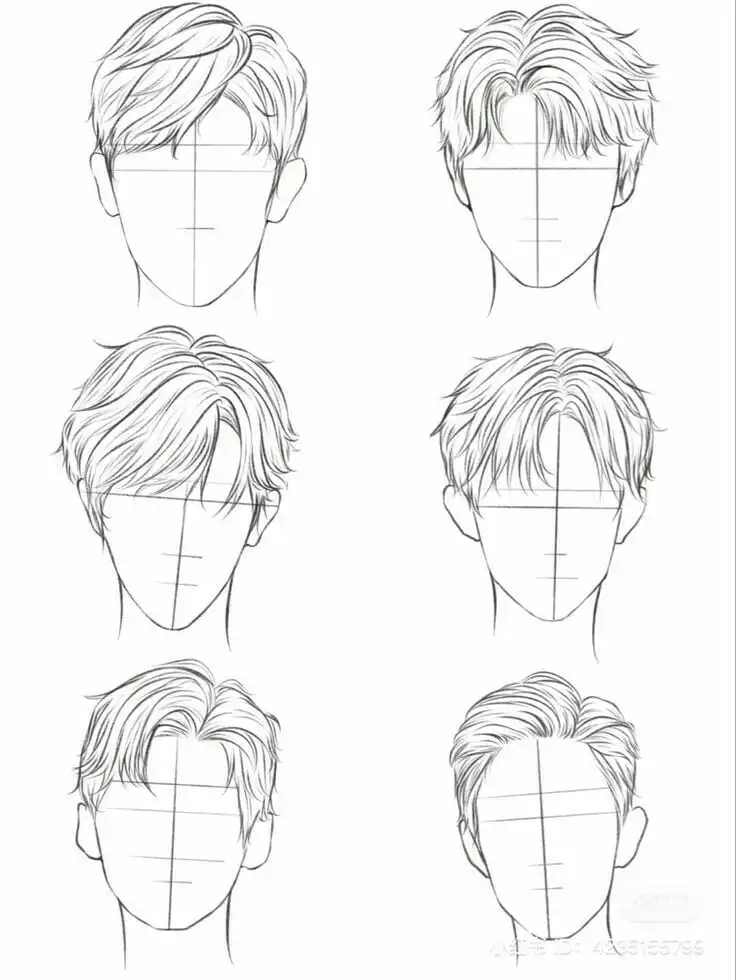
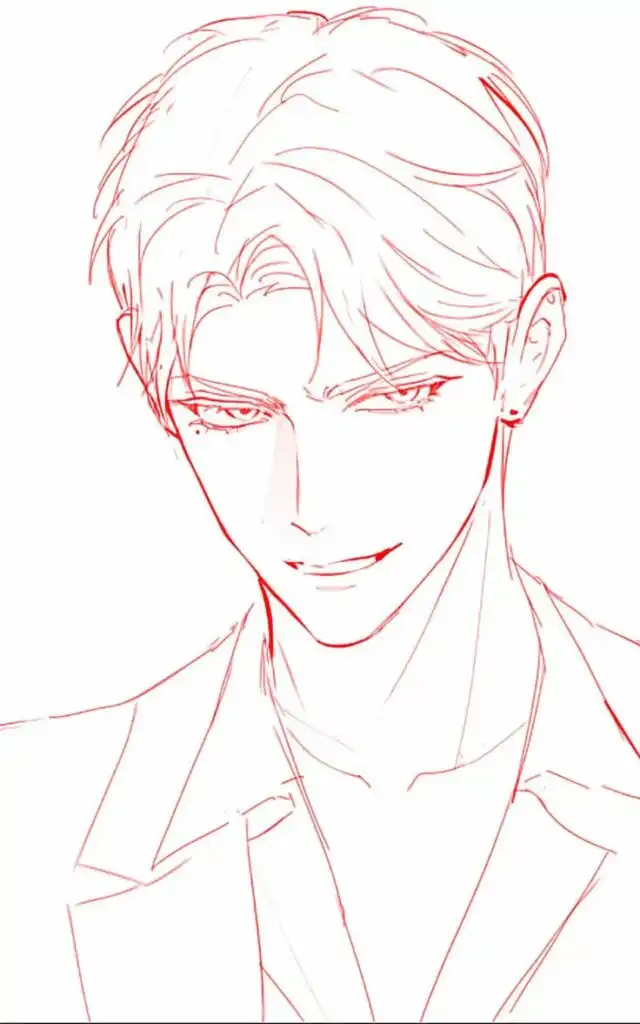
Try mixing real-world references with classic anime shapes. Maybe combine a textured undercut with long, wispy bangs. Or toss in a cowlick just for fun and see how it changes the vibe.
Even small tweaks—like shifting the part, adjusting fringe length, or changing the spike angle—can totally transform the look.
Grab a pencil and sketch out quick thumbnails. Six or eight headshots are usually enough to play with hair length, fringe, and where the part sits.
Pick the one that stands out to you and flesh it out into a full drawing. It’s honestly the fastest way to build up a stash of male anime hairstyles.
Color and little details really do matter. A hint of highlight here, a stray hair there, or a soft fade around the temple can make any style feel fresh.
Don’t just tweak things randomly—each change should actually fit your character’s face and pose. Otherwise, what’s the point?
Conclusion: Mastering Anime Guy Hair Takes Practice, Not Perfection
Learning how to draw anime guy hair is all about understanding shape, flow, and intention—not drawing every strand. When you focus on breaking hair into clear sections, using confident linework, and letting gravity and motion guide your strokes, your drawings instantly look more dynamic and professional.
Remember:
- Start with the head shape first
- Build hair using large chunks → medium shapes → small accents
- Avoid over-detailing—simplicity is what sells anime style
- Practice different hairstyles to build visual memory and confidence
The more you experiment with spikes, layers, and silhouettes, the more natural anime hair will feel. With consistent practice, you’ll stop guessing and start designing hair that enhances your characters’ personality and emotion.
Keep sketching, keep simplifying, and most importantly—enjoy the process. 🎨✏️
FAQ
How can I start drawing realistic anime guy hair effectively?
Begin by planning the head shape, marking the hairline, and dividing the hair into front, sides, and back sections. Build clumps that follow the skull’s shape, using simple shapes for each part to create believable, dynamic hair.
What are the key characteristics of male anime hair I should focus on?
Male anime hair typically features large clumps or spikes with clear bases near the scalp and pointed or rounded tips. Pay attention to hairline placement, line weight, and the direction of clumps to make the hair lively and natural.
How do I manage volume and structure when drawing anime hair?
Think in three parts: front, sides, and back/top. Use gaps and overlaps between clumps to suggest lift and depth, starting from the crown or hairline, and layer the clumps to create a sense of volume.
What are some tips for drawing short anime guy hair convincingly?
Use clear, simple shapes, focus on short, tapered clumps near the hairline, and add small tufts that follow the ears and forehead. Keep the line work clean, with jagged tips to suggest individual strands without overcomplicating.
How do I add realistic shading and highlights to hair drawings?
Choose a light source, then shade in big, soft strokes for mid-shadows and deeper shadows near roots and overlaps. Use highlights aligned with the light source, line shape, and hair flow, applying brighter spots and blending edges for a shiny, three-dimensional look.
- 1.6Kshares
- Facebook0
- Pinterest1.6K
- Twitter0
- Reddit0