Drawing Realistic Hair realistically can feel tricky, but it’s all about breaking it down into simple steps. By paying attention to how hair flows, the way light hits it, and using layers of strokes, anyone can create hair that looks natural and full of life. Understanding the shape, texture, and movement of hair is key to making a drawing look real.
Artists often use different pencil types and shading techniques to add depth and shine. Light strokes show fine details, while darker shading helps with shadows that give hair volume. Learning to see hair as groups of strands rather than one solid block makes the process easier and more manageable.
With some practice, anyone can improve their skills and enjoy adding realistic hair to their portraits. This guide will walk through simple tools and steps that help create hair that feels both soft and textured.
Understanding Hair Structure
Drawing hair realistically means knowing how hair grows, the different textures it has, and how light affects its look. These details help artists create hair that feels alive and believable on paper.
Anatomy of Hair
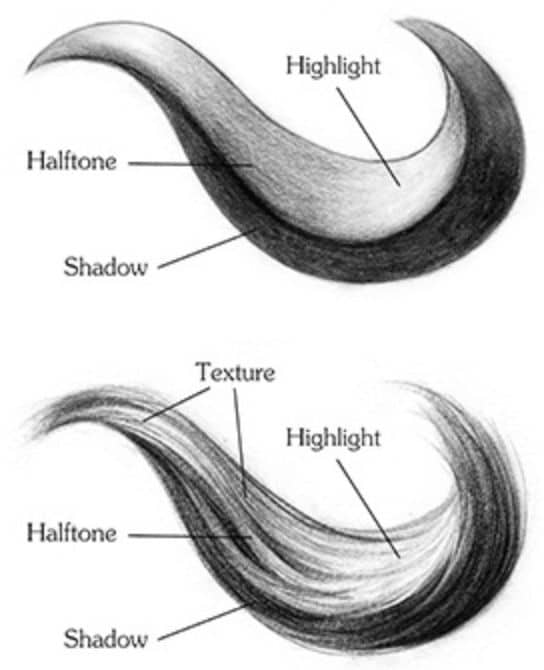
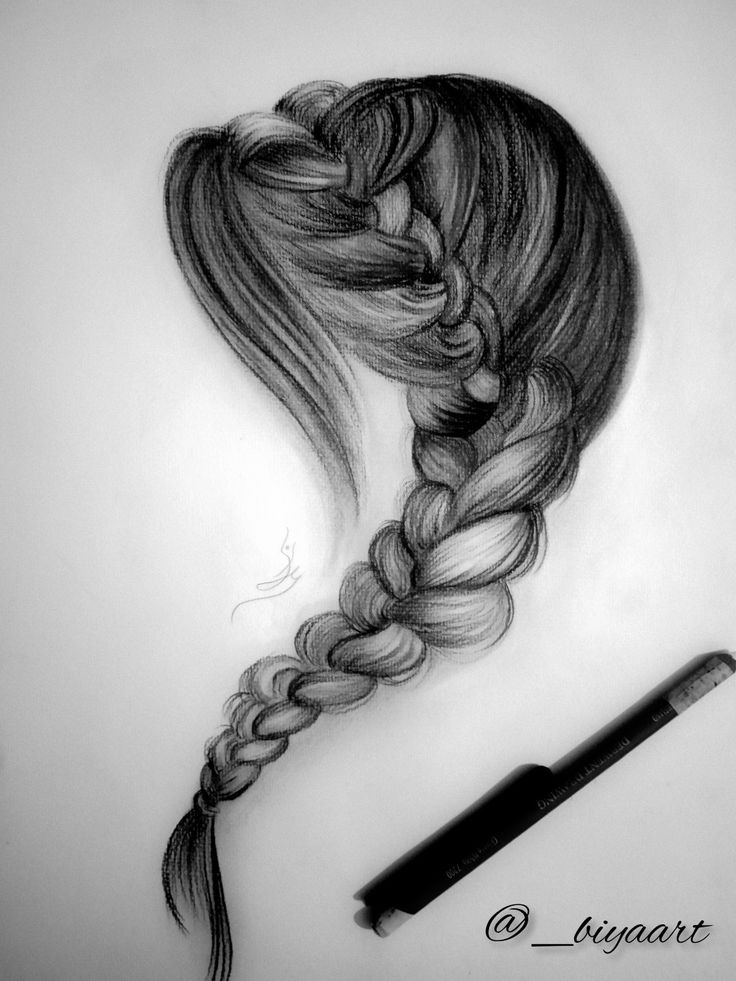
Hair grows from tiny pockets in the skin called follicles. Each strand starts at the follicle and grows outward, following natural curves shaped by the scalp. These curves influence the hair’s overall flow and direction.
Hair is made of keratin, a protein that forms a smooth outer layer called the cuticle. The cuticle protects the hair inside and reflects light. Beneath it is the cortex, which gives hair its strength and color. Understanding these parts helps when drawing different hair thicknesses and shades.
Hair also varies in volume and density. Some people have thick, full hair; others have thinner hair that floats lightly. Capturing these differences makes hair look more natural.
Types of Hair Textures
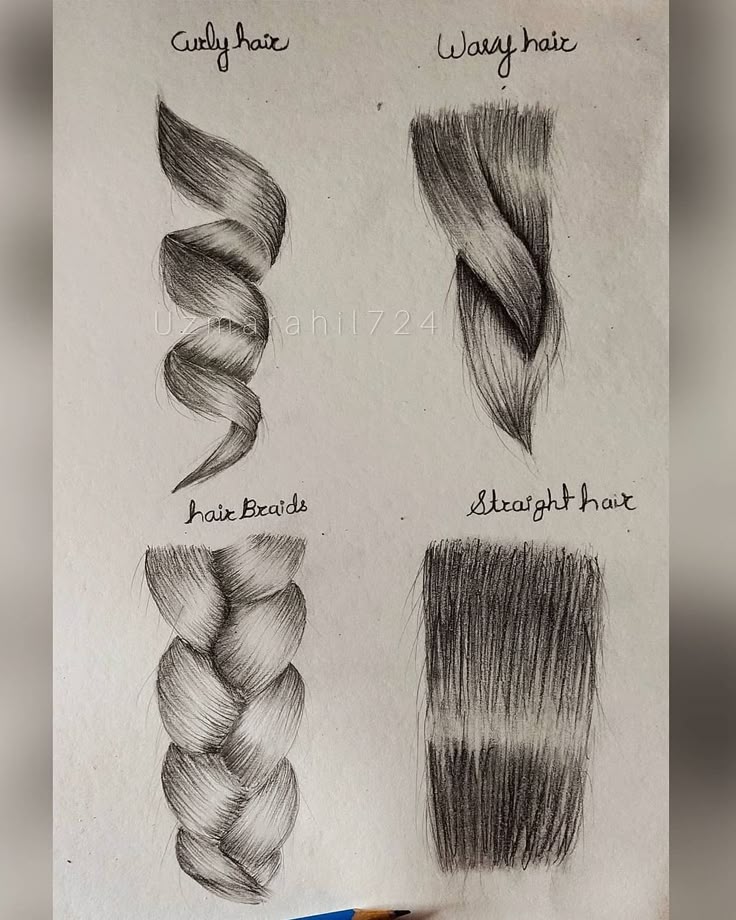
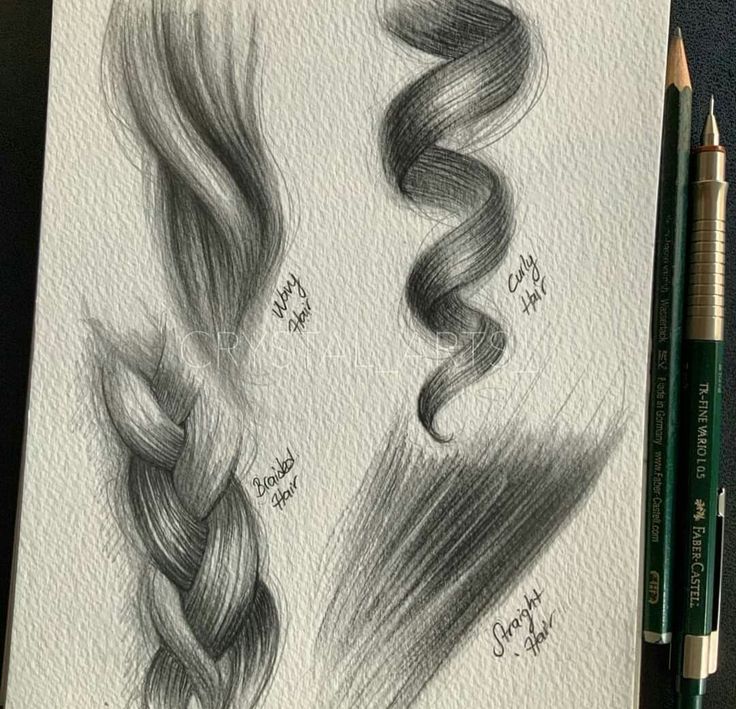
Hair texture affects how hair looks and moves. The most common textures are straight, wavy, curly, and coily. Each has a unique pattern that changes how hair clusters and reflects light.
- Straight hair lies flat and flows smoothly in long lines.
- Wavy hair has gentle curves that create soft, loose waves.
- Curly hair forms tight or loose ringlets with more volume.
- Coily hair has tight, springy curls or zigzag shapes.
Artists should break down hair into clumps or sections based on texture. This makes it easier to show hair’s shape and flow without drawing every strand.
How Light Interacts with Hair
Light plays a big role in making hair look real. Because hair is shiny, it reflects light in certain spots. These highlights show where light hits directly and make hair look dimensional.
The smooth cuticle layer causes these bright highlights. Different hair textures reflect light differently. For example, straight hair has sharp, clear highlights, while curly hair has softer, scattered highlights because of its shape.
Shadows fall between hair clumps where light is blocked. These dark areas create depth and make hair look thick. Mixing highlights and shadows carefully brings hair to life in a drawing.
Materials and Tools for Realistic Hair Drawing
Drawing hair realistically depends heavily on using the right materials. Selecting proper pencils, the right paper, and whether to work digitally or traditionally will affect the final texture and detail of the hair. Each choice plays a clear role in how natural and lifelike the hair appears.
Best Pencils and Brushes
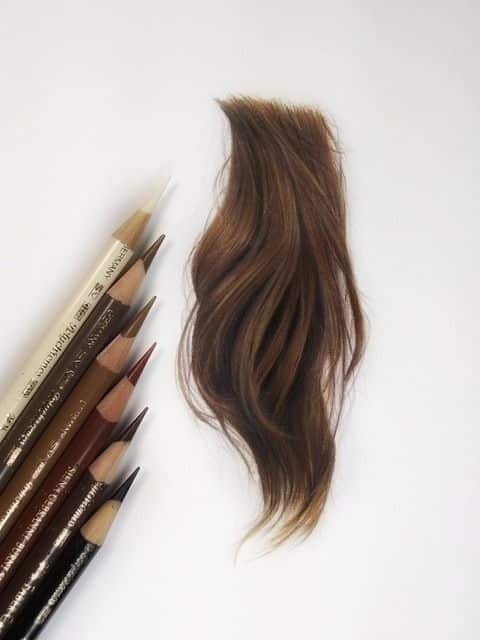
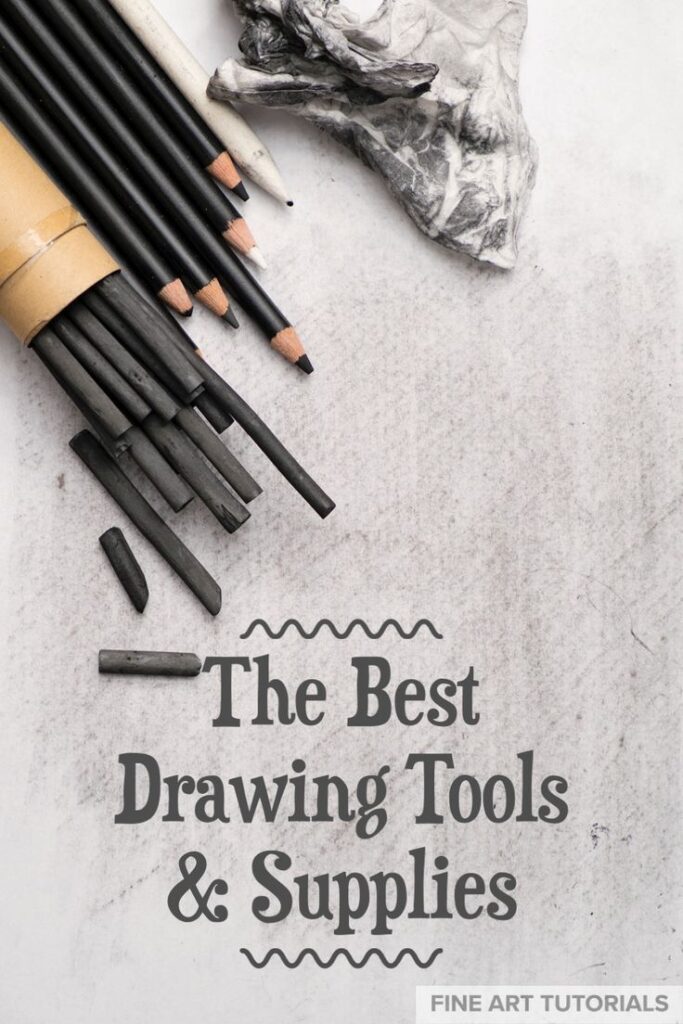
For realistic hair, pencils with a range of hardness are essential. Artists often start with hard pencils (H or 2H) for light sketching and building hair structure. Then, they switch to softer pencils (B, 2B, 4B, or 6B) for shading and adding depth. Softer pencils create richer, darker tones and smoother transitions.
In addition to pencils, some use small, fine brushes to blend graphite and soften lines. Blending stumps or tortillons also helps smooth shading without losing hair texture. The choice of tools depends on the style desired—whether sharp strands or soft, flowing hair.
Choosing the Right Paper
Paper texture (or tooth) affects how pencils and brushes interact with the surface. A medium-grain paper is usually best for hair drawing because it holds pencil details but still allows smooth shading.
Smooth paper works well for fine, detailed strokes, capturing individual hair strands. Rougher paper provides more texture but can make blending harder. Weight matters, too—heavier paper avoids buckling from erasing and blending. Artists should pick acid-free, durable paper to keep drawings sharp and long-lasting.
Digital vs. Traditional Tools
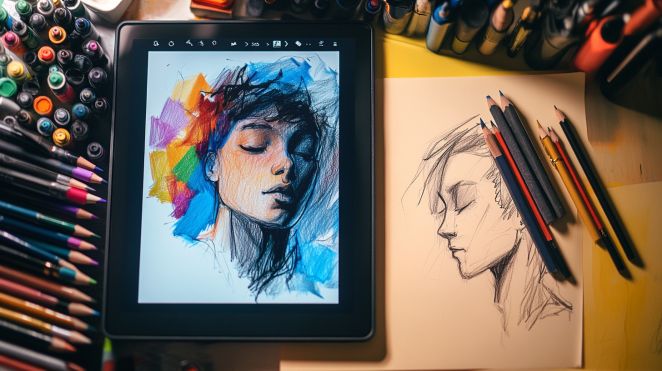
Digital drawing tools offer control over layers, brushes, and undo functions, making hair easier to edit and detail. Programmable brushes can imitate pencil strokes and blending techniques for realistic effects.
Traditional tools provide tactile feedback and natural blending, which some artists prefer for lifelike textures. Pencil pressure creates subtle variations that digital tools try to simulate.
Both methods have pros and cons. Beginners might start with traditional materials to learn fundamentals, then explore digital tools to speed up workflow and add complex shading effects.
Planning Your Hair Composition
Understanding how hair moves and shaping its overall form are essential first steps in drawing hair realistically. These steps help set a solid foundation for the layers and details that come later. Focusing carefully on the natural flow and general outline will make the hair look more believable.
Identifying the Hair Flow
Hair flow means the direction in which hair strands move or fall. Before adding any details, the artist should study the way hair grows from the scalp and how it behaves as it falls naturally. Observing reference photos or real-life hair can show subtle curves and waves in the strands.
It’s important to map out the main flow paths lightly with a pencil. This gives a guide for how the hair should look across the head without drawing every single strand. Flow lines should follow the hairline and head shape to capture volume and movement.
Using gentle, wispy strokes to mark these key directions helps keep the hair looking soft. Irregularities or clumps can be planned here to make the hair look more natural and less stiff.
Sketching the Basic Shape
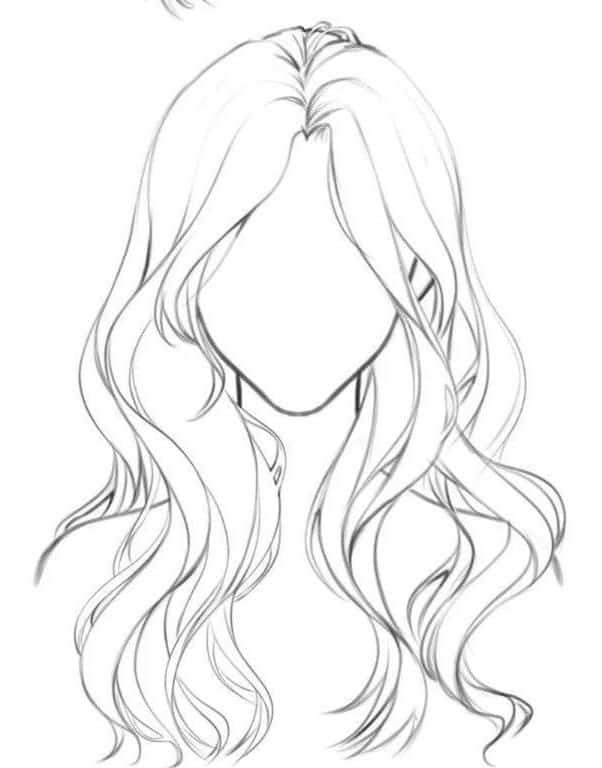
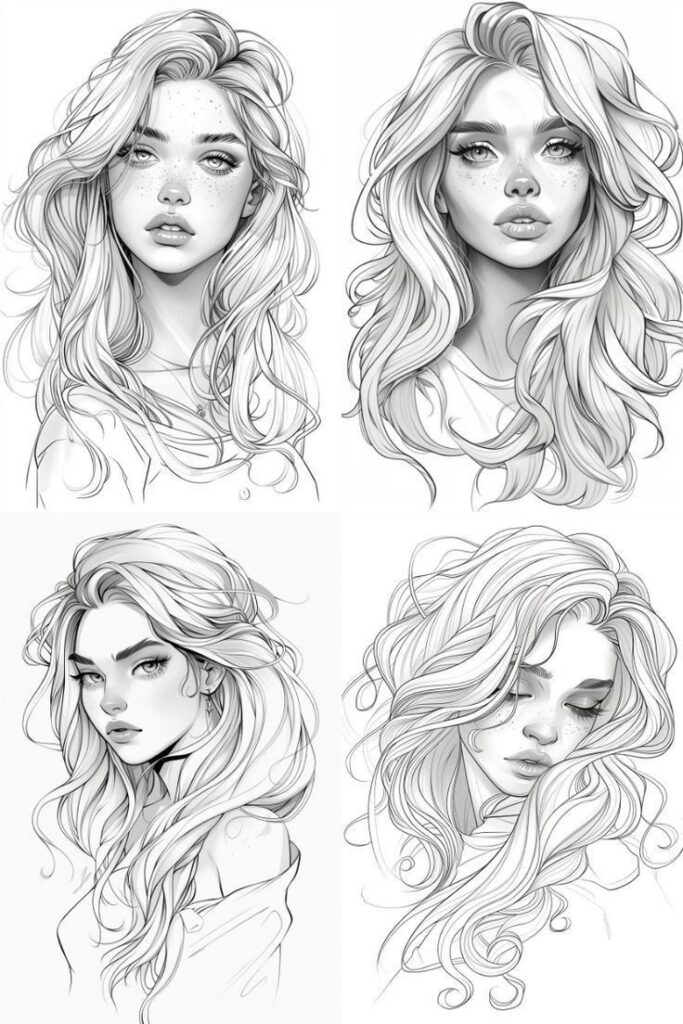
Once the flow is set, the artist sketches the overall shape of the hair. This shape includes the bulk mass of hair, like the silhouette you would see from afar. It should fit the head’s contours while showing how thick or thin the hair is.
This step helps block out the areas where more details and shading will go later. The shape can be drawn with smooth, confident lines. Avoid drawing tiny strands at this stage; instead, focus on large sections or clumps.
Using light pencil strokes allows easy changes. The artist can refine the hairline, adjust volume, or correct proportions without starting over. A clear shape helps organize where highlights and shadows will be placed in later stages.
Capturing Volume and Flow
Understanding the shape and movement of hair makes a big difference in realistic drawing. Hair isn’t flat; it has volume and flows naturally around the head. Using clear guidelines and layering helps create depth and energy in the hair.
Drawing Hair in Sections
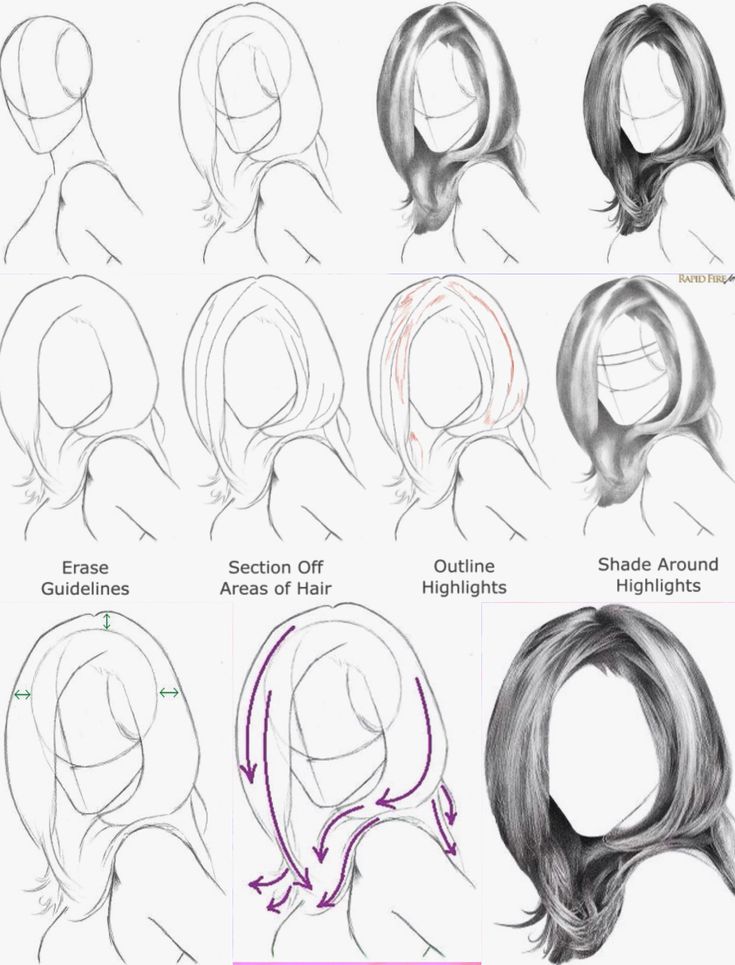
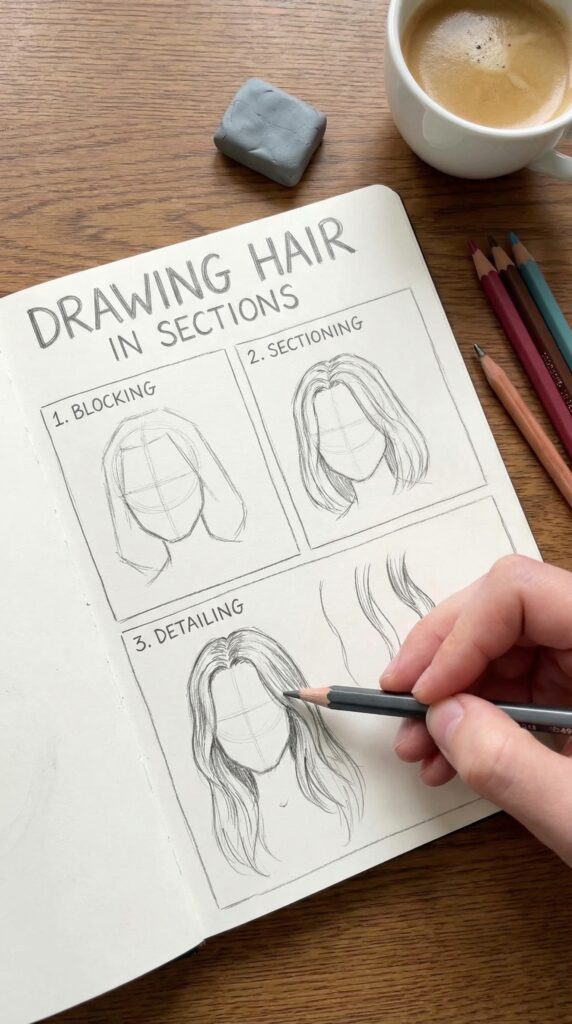
Breaking hair into sections makes it easier to manage. Instead of focusing on strands, an artist should sketch large shapes that follow how the hair grows and falls. These sections should reflect natural parts, curls, or waves.
Starting with an outline, the artist draws the top and sides of the hair with space from the scalp to show volume. These shapes also define how hair flows around the face and shoulders. Keeping sections simple early on helps guide fine details later.
Building Depth with Layers
Adding layers of pencil or shading brings hair to life. The artist builds up thin, directional strokes that overlap, mimicking the way hair strands sit on each other. This creates a sense of thickness and texture.
It’s important to vary pressure and stroke length. Darker strokes add shadow underneath layers, while lighter lines capture shine and highlights. Layering also allows mistakes to be corrected gradually without ruining the whole drawing.
Guiding Lines and Direction
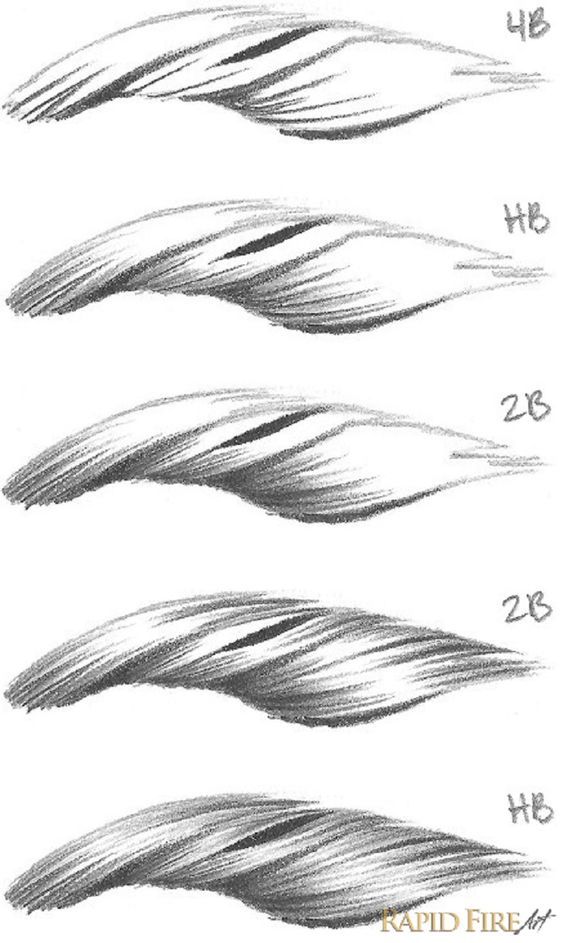
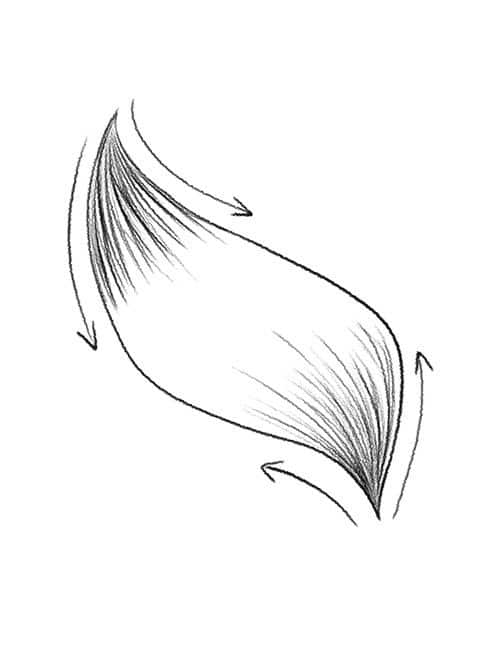
Guiding lines show the flow and natural movement of hair. These lines work like invisible paths, helping the artist draw strands that curve or fall in the right way.
Using confident, smooth strokes along these lines creates rhythm in the hair. A sharp pencil is useful for drawing clean strands, especially in straight hair. The direction of these strokes must match growth patterns to keep the hair looking believable.
Shading Techniques for Realistic Hair
Shading hair well means knowing where the light hits and where shadows fall. It also requires smooth blending to avoid harsh lines. Adding fine textures helps each strand look natural and not flat.
Creating Highlights and Shadows
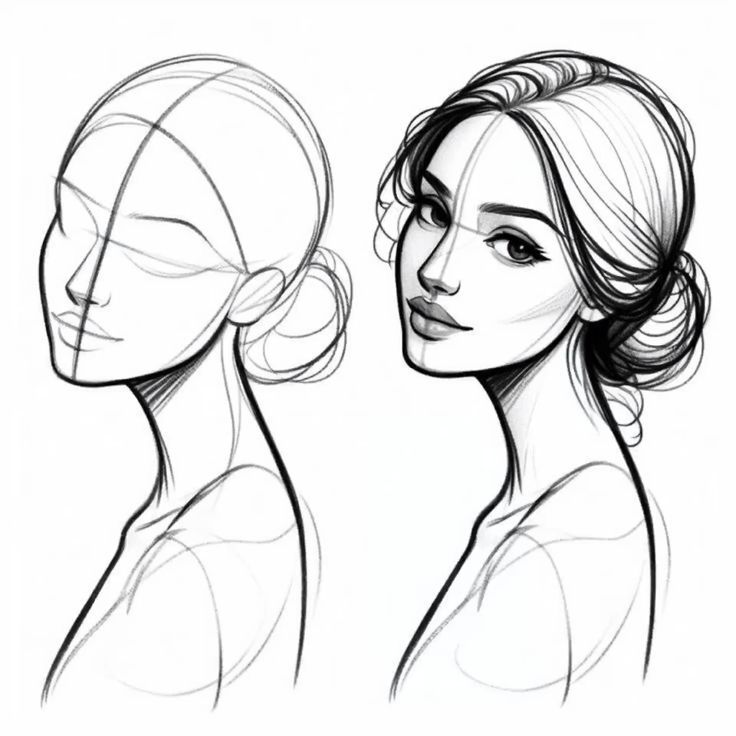
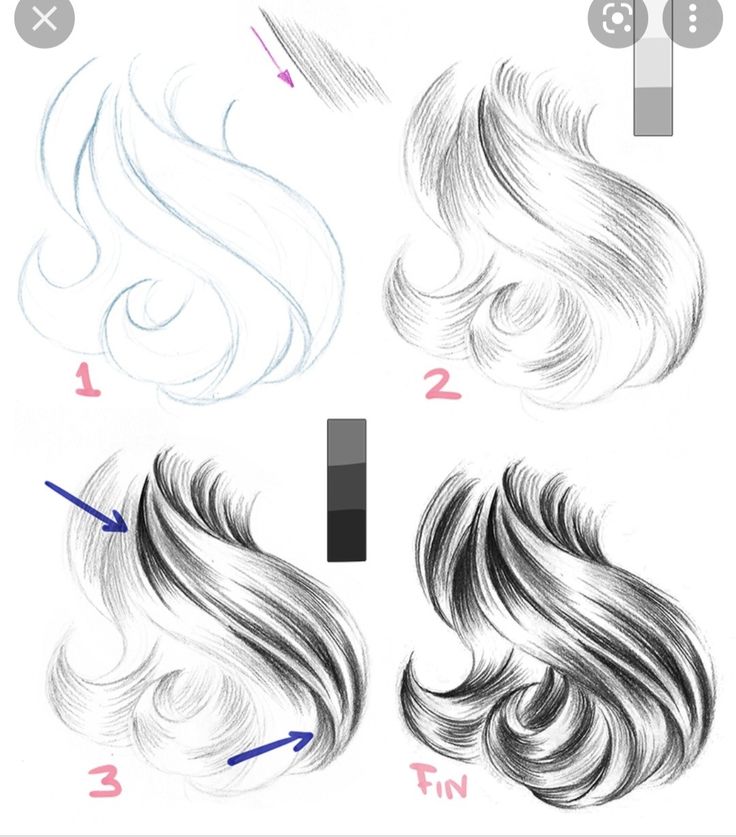
Highlights show where light hits the hair directly, while shadows form in areas blocked from light. To draw these, artists should first find the main light source. Placing bright highlights helps hair look shiny and alive.
Shadows add volume. They appear beneath layers of hair or near the scalp. Using darker shades carefully creates depth without making the hair look too heavy.
A simple way to plan highlights and shadows is:
- Identify light direction.
- Mark bright spots with lighter tones.
- Place shadows in opposite areas.
This gives hair a 3D effect.
Blending for Smoothness
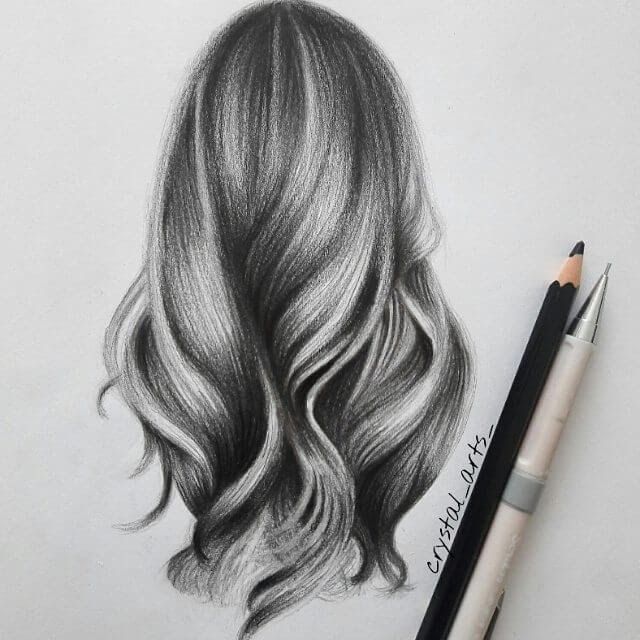
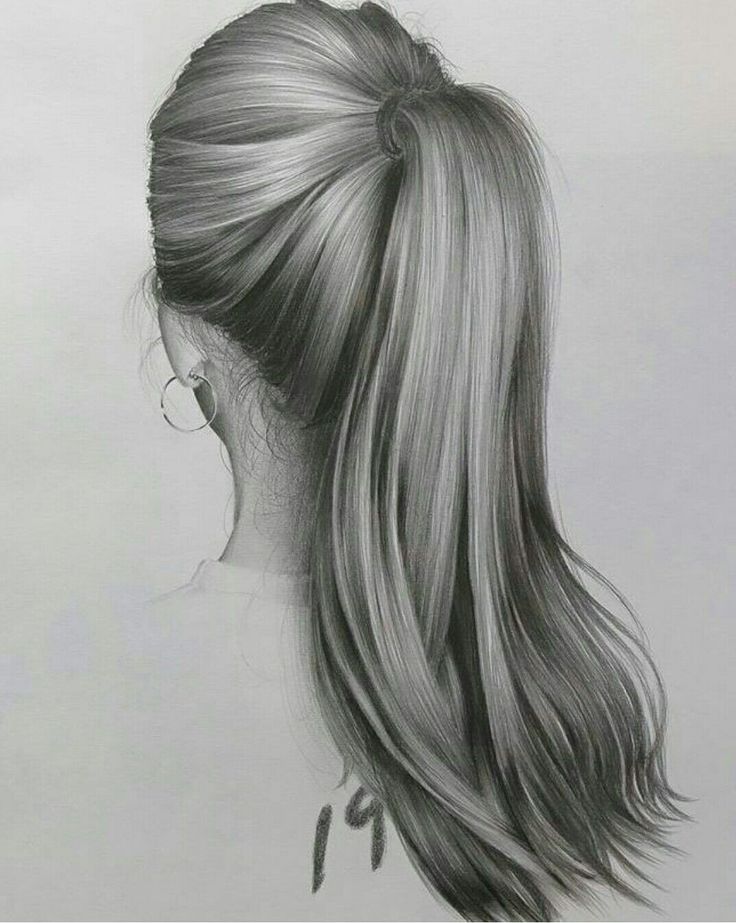
Blending helps the hair transition gently between light and dark areas. Artists can use tools like blending stumps, soft brushes, or even fingers. Smooth shading avoids harsh lines that make hair look fake.
Pressure control is important. Light pressure creates soft tones while stronger pressure makes darker areas. Blending colored pencils or graphite in layers builds richness gradually.
Avoid over-blending. Some texture should remain, so hair doesn’t look like a smooth block. Layering tones bit by bit creates a natural flow.
Texturizing Individual Strands
Drawing hair as a mass often looks flat. Adding fine lines for individual strands creates realism. Use quick, light strokes that follow the hair’s natural direction.
Strands differ in thickness and spacing. Group some strands together and leave others separate. This adds variety and avoids uniformity.
Details like flyaway hairs or slightly separated strands make hair appear natural and soft. Combining this with highlights and shadows completes the realistic effect.
Drawing Different Hair Types
Hair comes in many textures and patterns, each with unique shapes and flows. Capturing these differences means focusing on how hair moves, how light hits it, and how individual strands group together.
Straight Hair
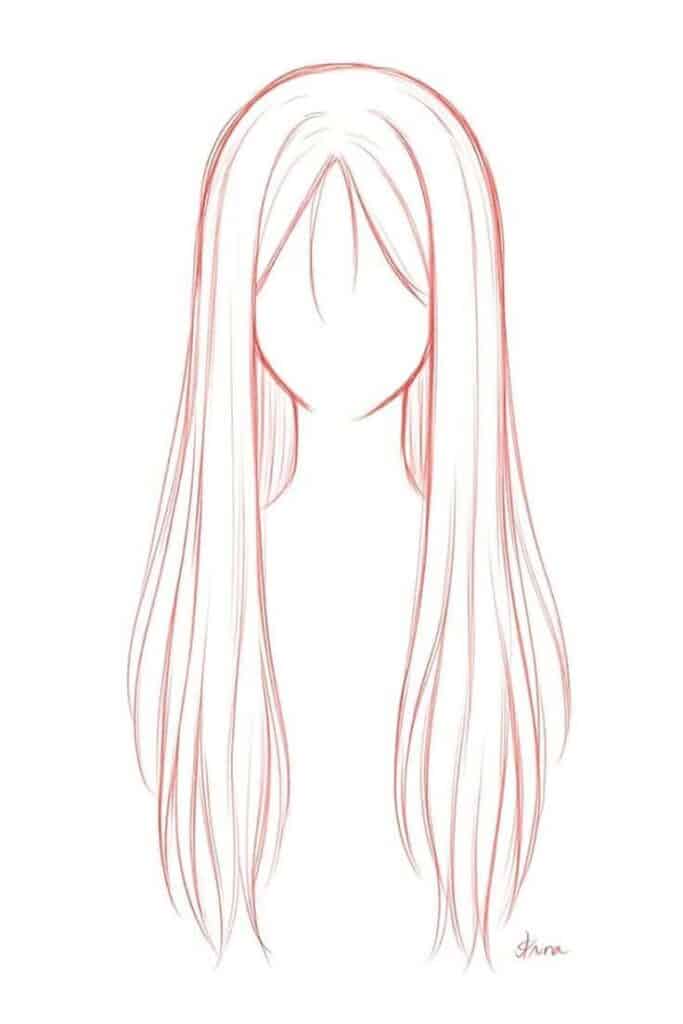
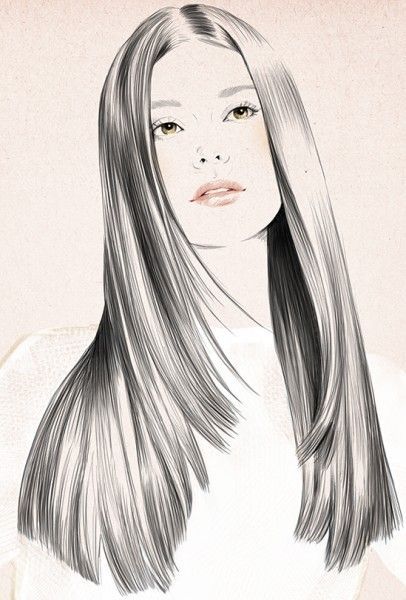
Straight hair tends to fall smoothly and evenly. It often reflects light well, giving it a shiny look. To draw straight hair, start by blocking in long, continuous lines that follow the head’s shape.
Use long strokes to show the direction the hair flows. Avoid drawing every strand individually; instead, group the hair into larger sections.
Shading should be soft and smooth to show the hair’s sleek texture. Adding subtle highlights along the curves helps create a natural shine. It’s also useful to mark where hair separates or overlaps gently to give depth.
Wavy Hair
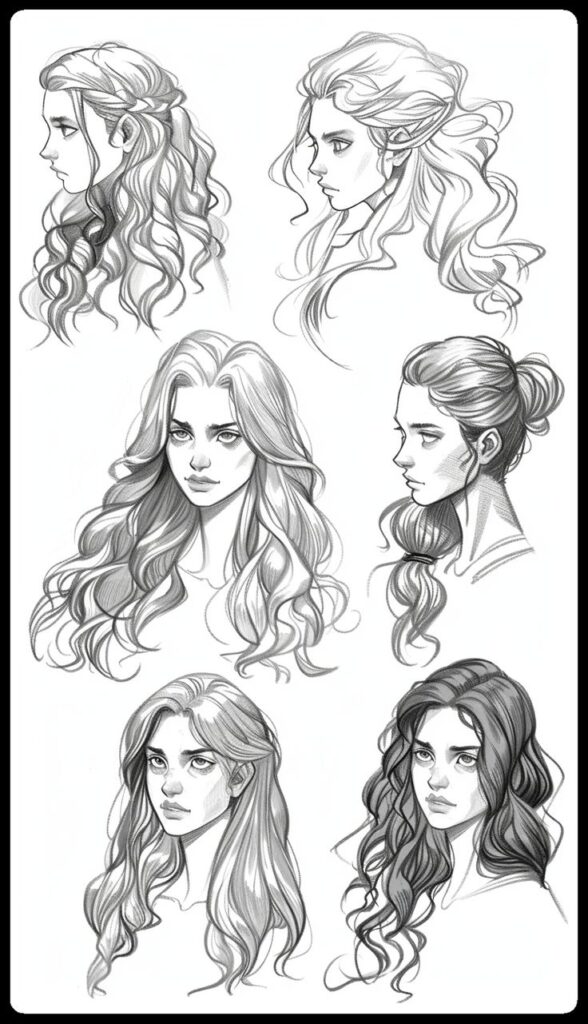
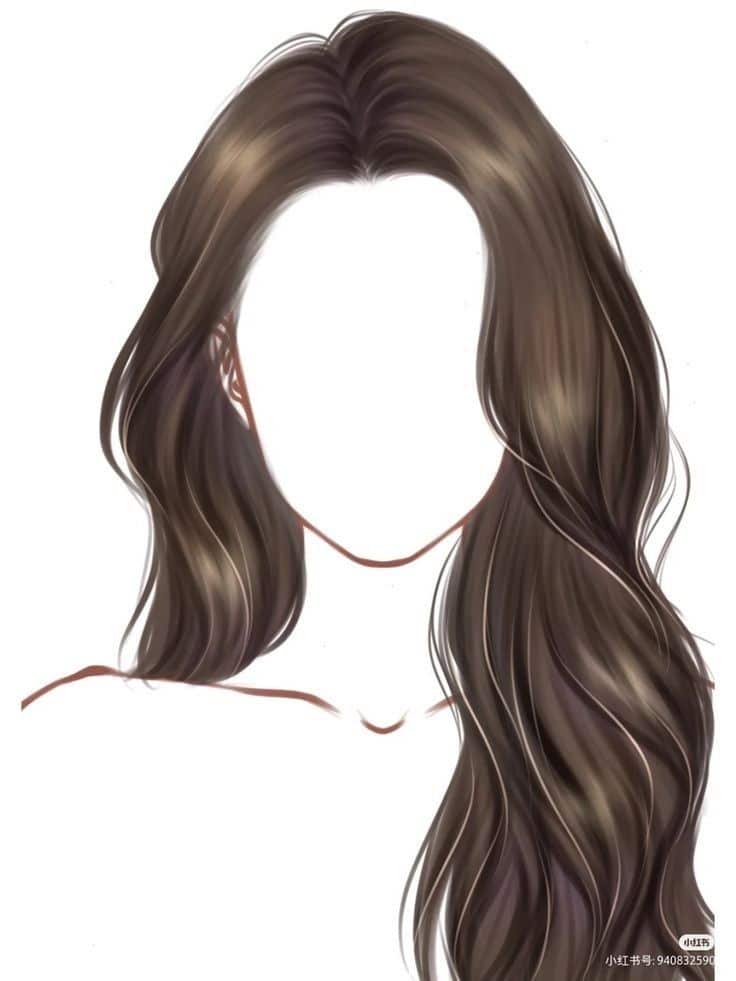
Wavy hair has a natural “S” shape, moving in soft curves. This texture catches light differently, with highlights and shadows alternating along each wave.
To draw wavy hair, break the hair into flowing sections with curved lines, showing how waves bend and overlap.
Use varied line thickness – thinner lines for strands and thicker lines for shadows under waves. Layer shading to highlight this movement, focusing on areas that bend toward or away from the light.
Wavy hair often has more volume than straight hair, so adding some lift near the roots or ends helps it feel fuller and alive.
Curly Hair
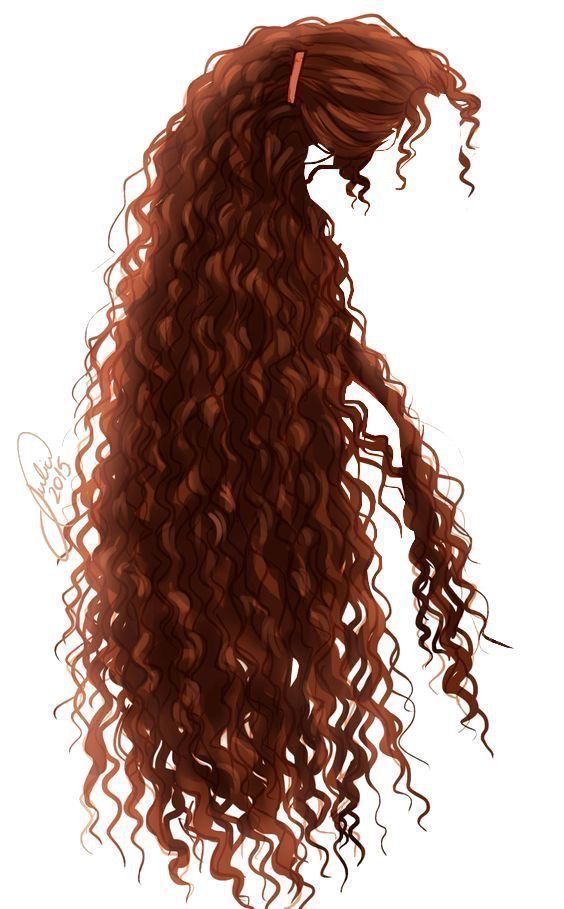
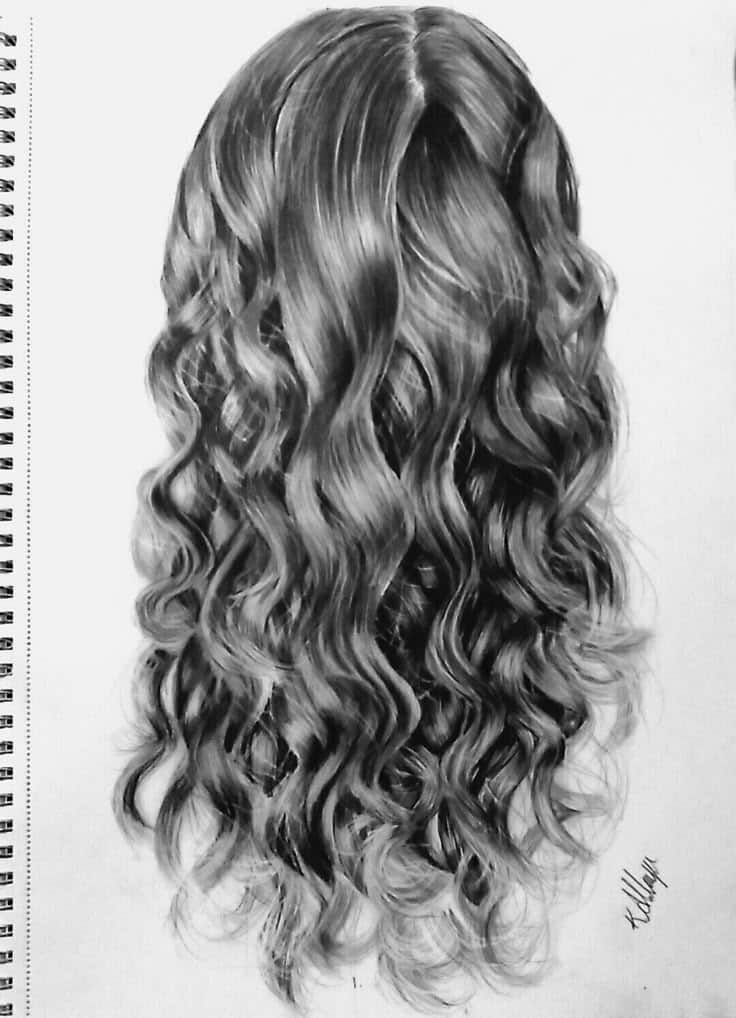
Curly hair forms tighter spirals or loops, which can vary in size but tend to shrink the hair length visually. Drawing curls involves capturing the roundness and bounce of these shapes.
Start with short, looping strokes that form the curls. Draw them in clusters, not one strand at a time. The curls overlap and create shadows inside to show volume.
Shading is important here, especially in the spaces between curls. Use darker tones to create depth and lighter tones to suggest where light hits the outer edges.
Curl pattern consistency matters — tighter curls have more loops per section, while looser curls show bigger waves.
Kinky and Coily Hair
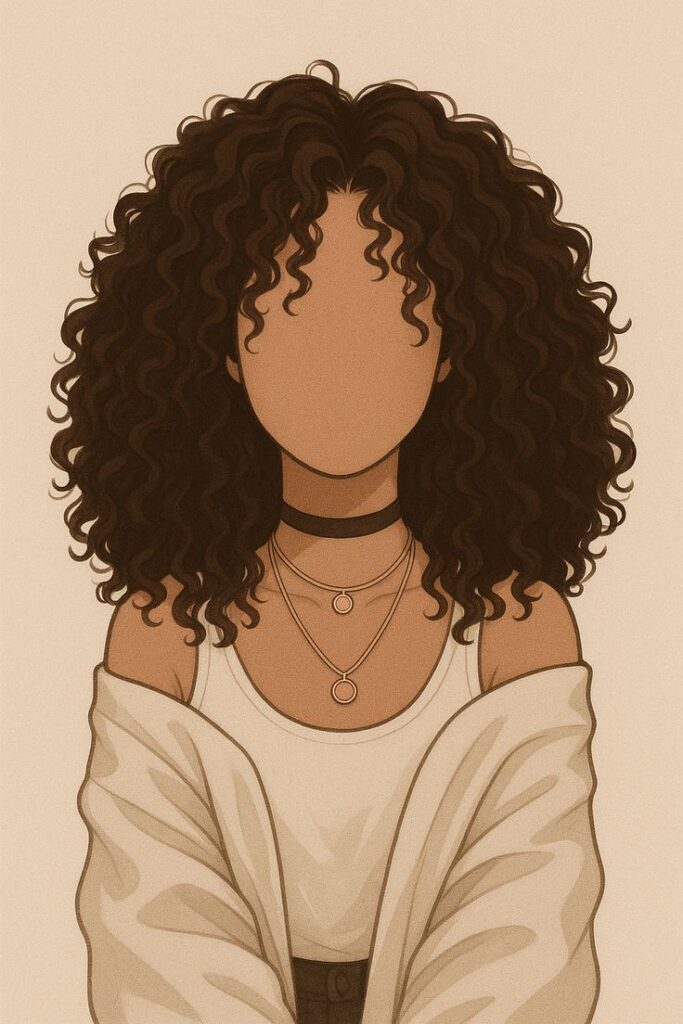
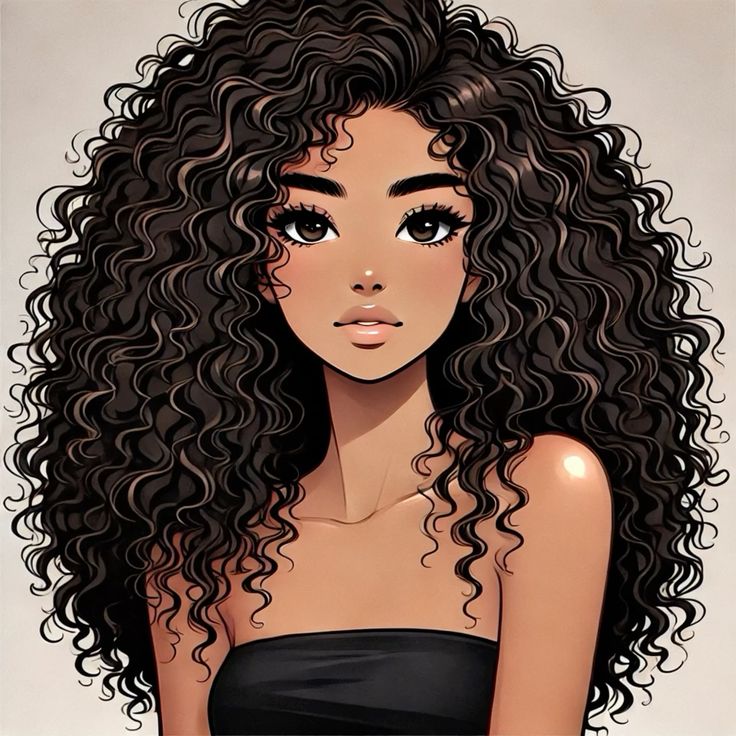
Kinky and coily hair has very tight curls or zigzag patterns. It’s dense and has more texture, so it looks thick and full.
When drawing, use small, tight, and sometimes zigzag lines to create this texture. Work in small sections and make sure to build the hair’s dense look with overlapping layers.
Shading can be more contrasty because of the hair’s volume. Darker shadows go deeper in the crevices between coils, while highlights appear on raised or stretched parts.
This hair type doesn’t lay flat but instead stands out or spirals close to the scalp, so use curved strokes that follow the scalp’s shape for a natural effect.
Adding Details and Finishing Touches
To make hair drawings look realistic, it’s important to focus on small, natural details and careful shading. These final steps bring life and depth to hair by showing texture, light, and imperfections. Paying attention to how light interacts with hair and adding subtle irregularities can make a big difference.
Flyaways and Loose Strands
Flyaways and loose strands break up the solid mass of hair and add a natural, soft look. They show that hair isn’t perfectly neat and reflect how real hair moves in the air. When adding these, use light, thin lines with a quick hand to avoid making them look stiff.
Placing flyaways around the edges or where hair parts works best. Show some falling over the face or shoulders to add complexity. Vary the length and direction so strands don’t look uniform. Light shadows under some strands create a sense of depth and layering.
Enhancing Shine
Shine makes hair look three-dimensional and healthy. Identifying where light hits the hair is key. These spots should stay lighter or white. Use gentle shading to fade away from highlights to darker areas, showing the roundness and flow of hair strands.
A common way to add shine is to leave small, smooth shapes or thin lines without pencil marks. Blending around these areas helps them appear natural. Multiple highlights can show different light sources or texture. Shine is less about covering the entire surface and more about selective brightness.
Avoiding Common Mistakes
A big mistake in drawing hair is making strands too uniform or drawing every single hair, which can overwhelm the picture. Hair should flow in natural sections, not tight lines all over. Using a light touch and building up layers slowly keeps it realistic.
Another error is ignoring shadows. Shadows under strands or between layers add volume and stop hair from looking flat. Rushing the shading can cause harsh edges or uneven tones. Patience with light, gradual shading, and blending produces a smoother texture. Avoid smudging large areas without control, as it can ruin detailed hair texture.
How can I make hair appear more natural and three-dimensional in my drawings?
To create a natural, three-dimensional effect, focus on accurate light and shadow placement, use layering techniques, vary stroke pressure, and incorporate details like flyaways and shine to add depth and realism.
What are the key steps to drawing realistic hair?
The key steps include understanding hair structure, capturing its movement and flow, breaking it into manageable sections, layering shading and strokes for volume, and adding finishing details like highlights and flyaways.
What tools and materials are best for drawing realistic hair?
Use a range of pencils from hard (H, 2H) for sketches to soft (B, 4B, 6B) for shading, high-quality paper with medium grain, blending stumps or brushes for smoothing, and digital tools with layer and brush controls if preferred.
How should I approach drawing different hair textures like straight, wavy, or curly hair?
Break down each texture into sections, use flowing lines for straight hair, curved lines for wavy hair, and tight, looping strokes for curly and coily hair, adjusting shading and highlights according to the texture’s unique reflection and volume.
What are common mistakes to avoid when drawing hair?
Avoid making strands too uniform or drawing every hair; instead, focus on natural flow and sectioning. Also, don’t neglect shadows, as they add volume, and be patient with shading to prevent harsh lines and flatness.
- 448shares
- Facebook0
- Pinterest448
- Twitter0
- Reddit0