Learning to draw Simba from The Lion King is a right of passage for many artists – and for good reason. Simba isn’t just a lion, he’s a character with a whole lot of personality & emotion – his design effortlessly blends a touch of realism with the endearing charm of classic animation.
- Why Simba Is a Great Character to Draw
- What You’ll Need Before You Start
- Step 1: Start with Simple Shapes (The Foundation)
- Step 2: Shape Simba’s Face
- Step 3: Draw the Ears and Mane (Cub vs Adult)
- Step 4: Add Details Using Simple Forms
- Step 5: Refine the Line Art
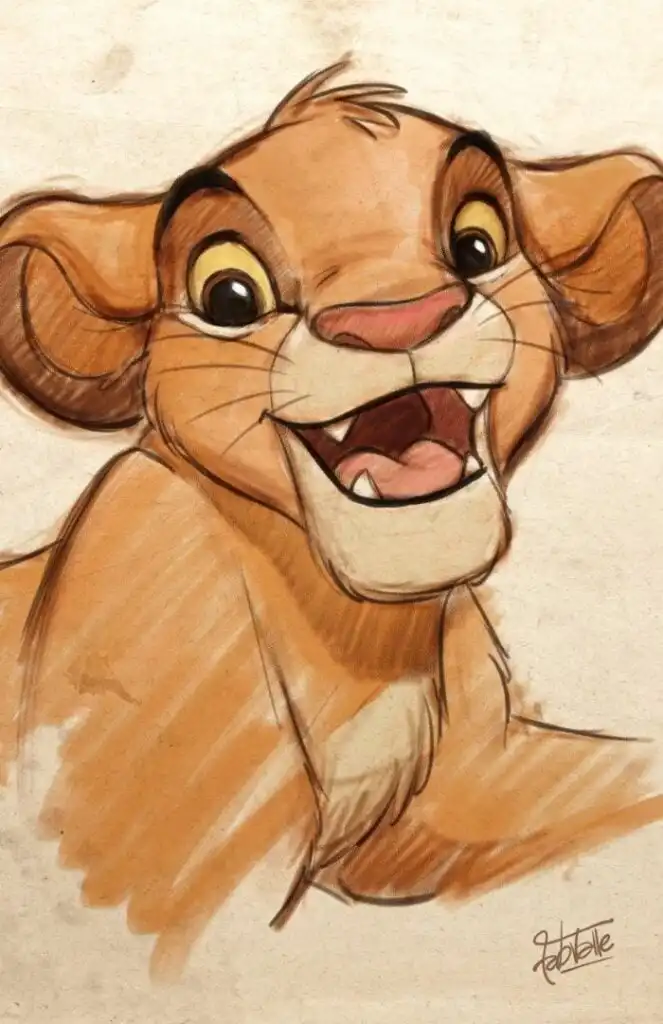
- Step 6: Add Facial Details and Expression
- Step 7: Coloring Simba the Right Way
- Common Mistakes to Avoid
- Practice Exercises to Improve Faster
- How Long Does It Take to Learn to Draw Simba Well?
- Frequently Asked Questions
- Final Thoughts: Drawing Simba Is About Storytelling
Whether you’re just doodling for fun, trying to improve your illustration skills or actually making art to share online, this guide will walk you through all the stages of drawing Simba from basic shapes all the way up to fine-tuned line work & colour
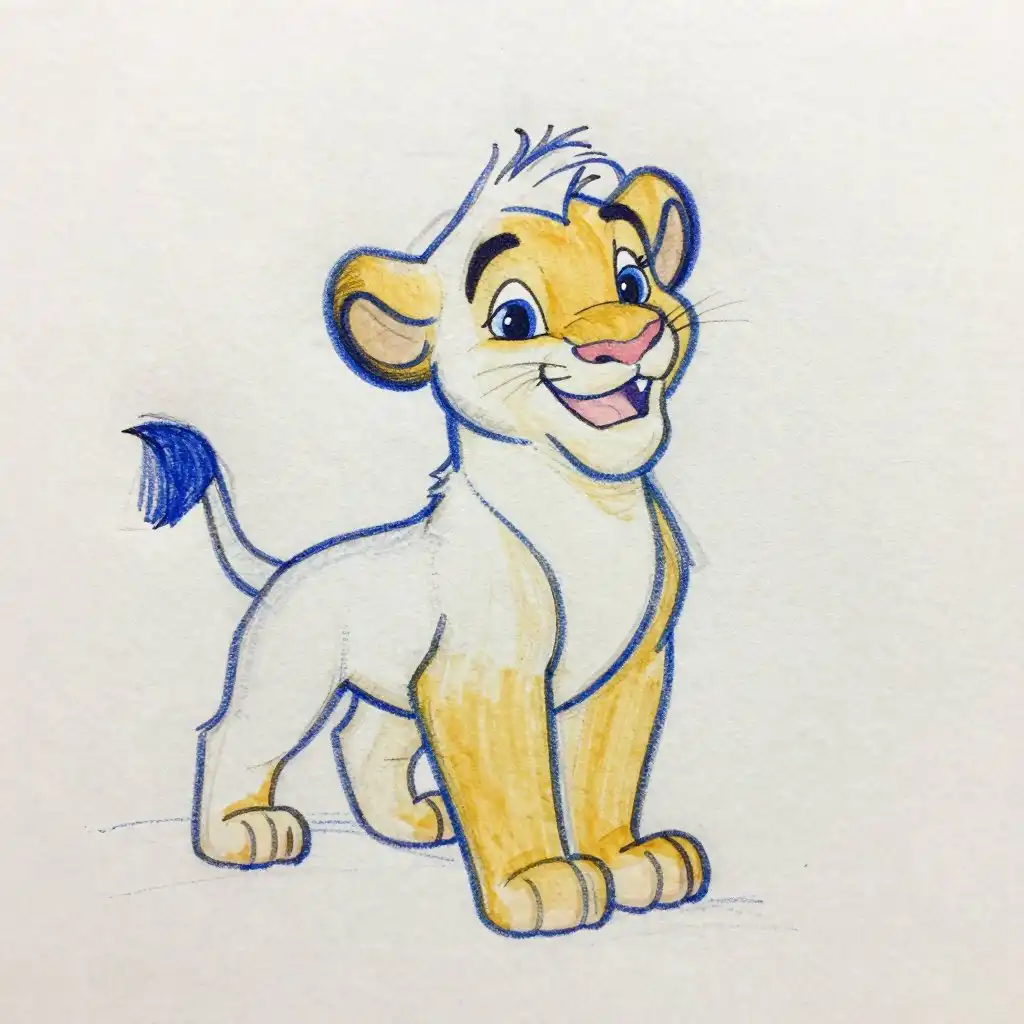
Why Simba Is a Great Character to Draw
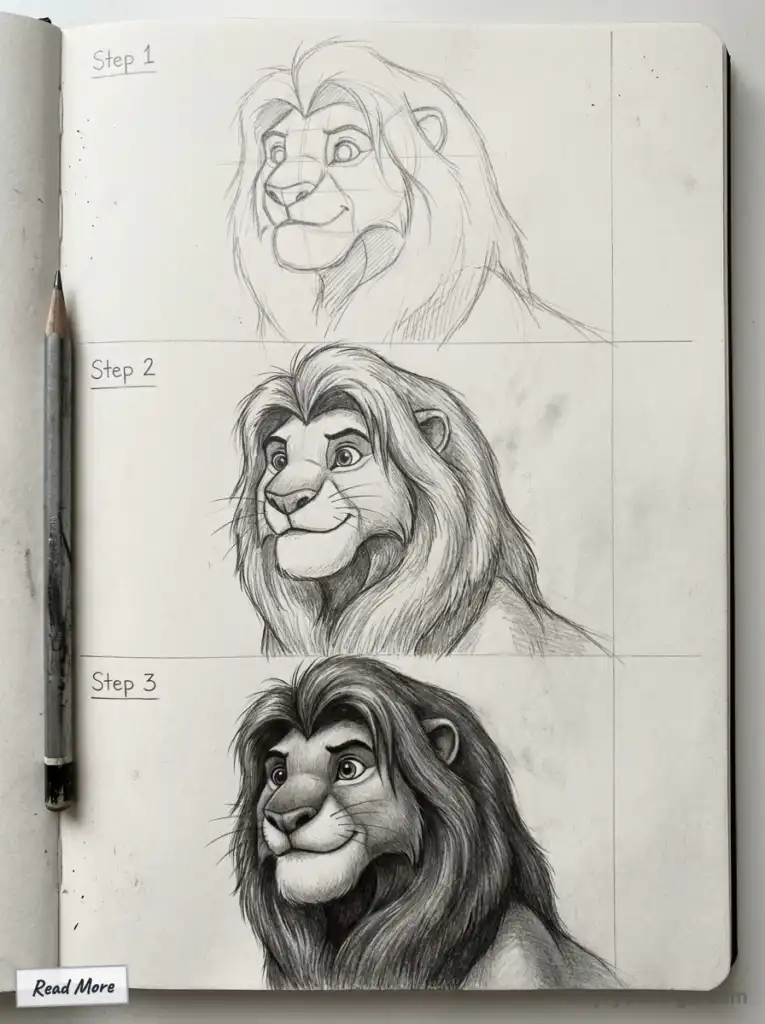
Simba—voiced and animated by Disney artists—is designed with:
- Readable facial expressions
- Clean, rounded shapes
- Strong silhouette and posture
That makes him ideal for beginners learning character construction and for intermediate artists practicing anatomy, emotion, and stylization.
You can draw Simba as:
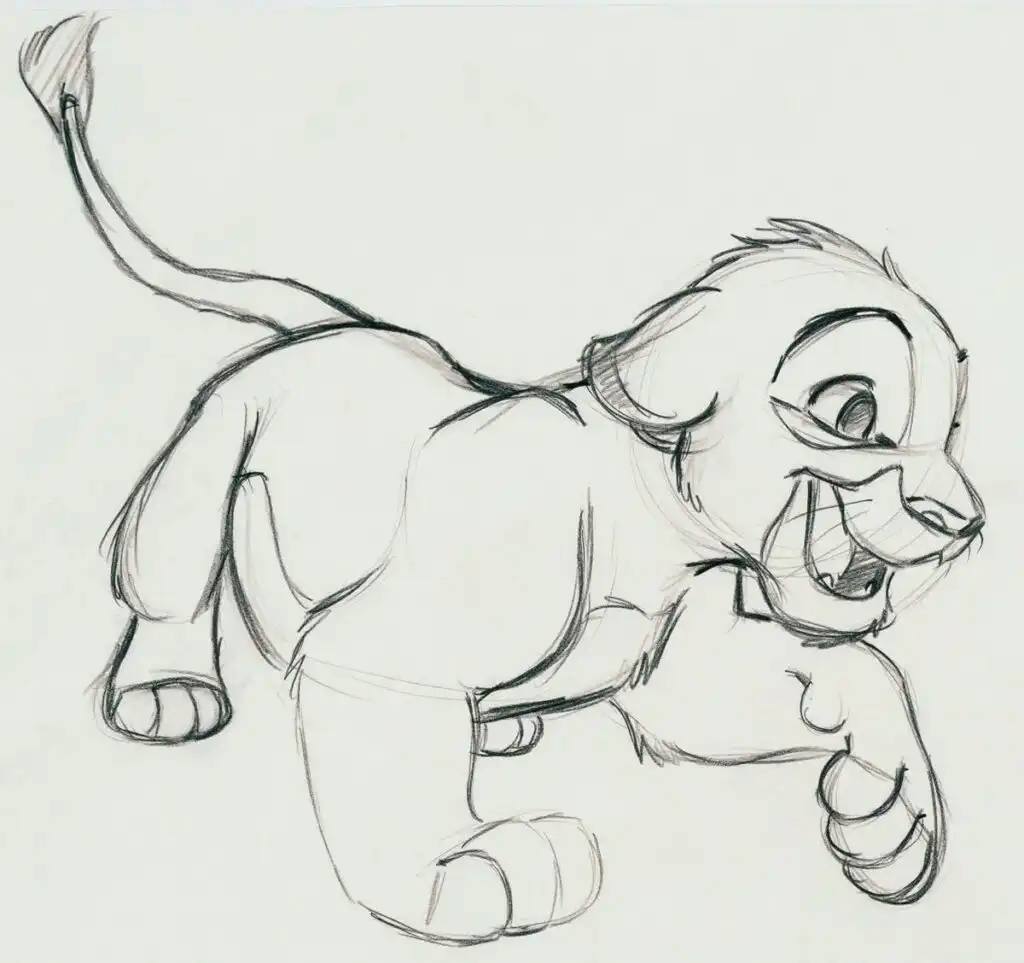
- A playful cub
- A teenage lion
- A regal adult king
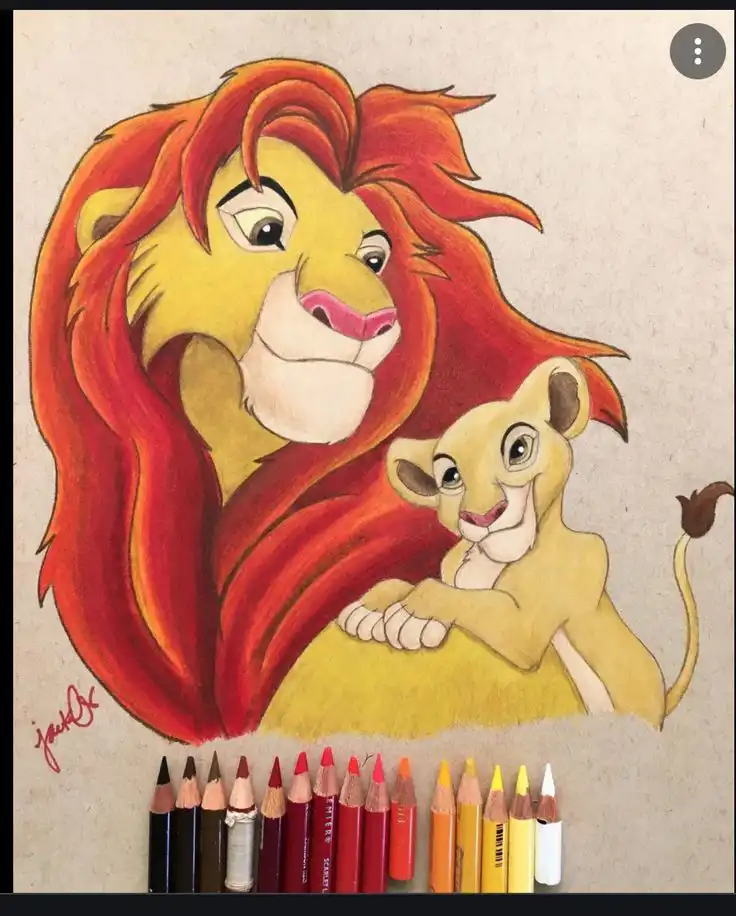
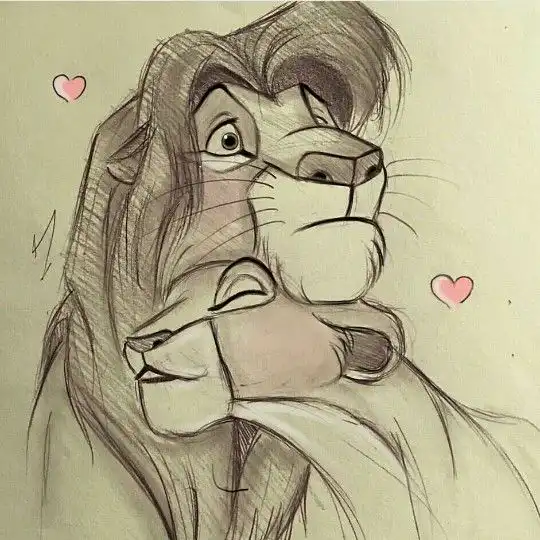
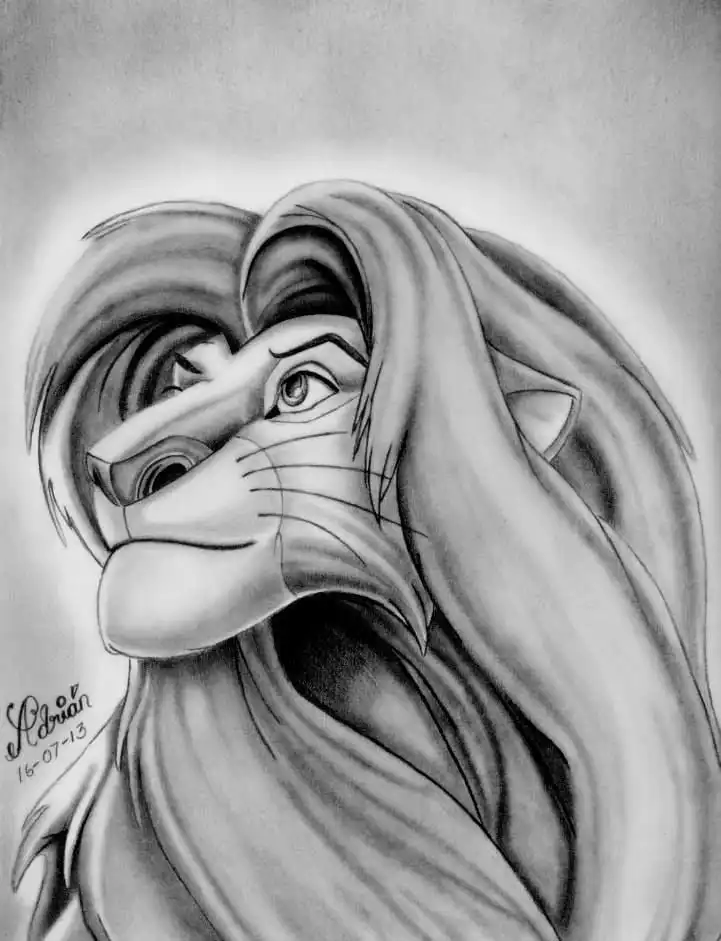
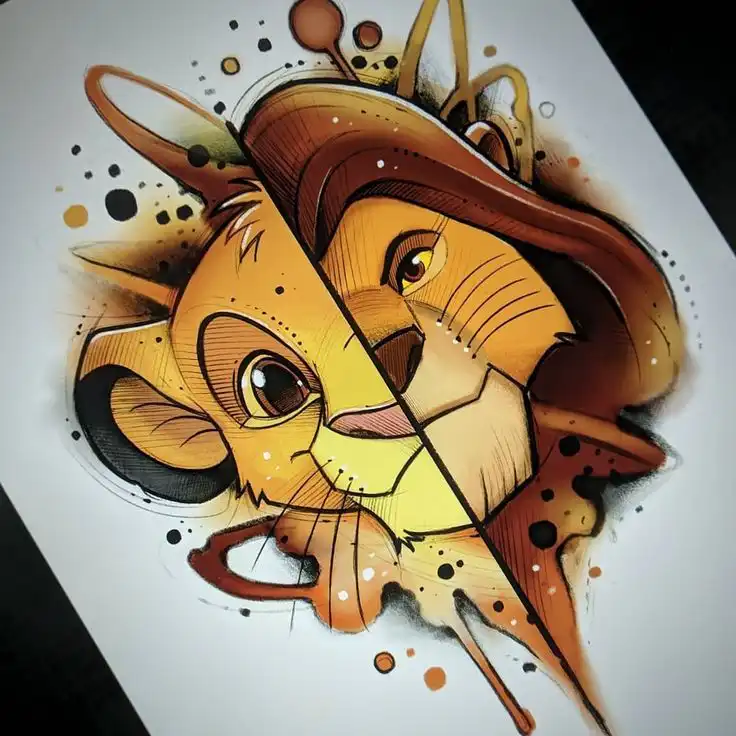
This tutorial focuses on classic animated Simba, not hyper-realistic lion anatomy.
What You’ll Need Before You Start
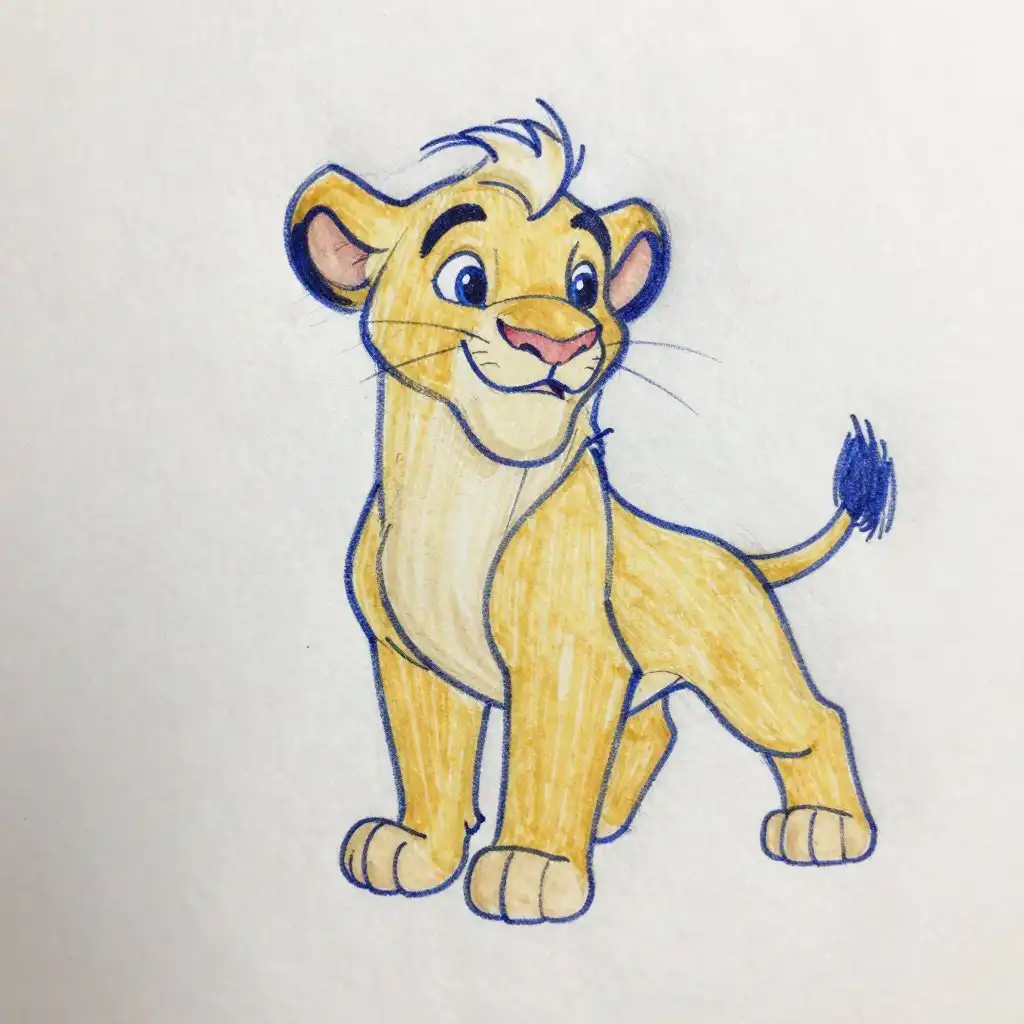
You don’t need expensive tools—just consistency and patience.
Basic supplies
- Pencil (HB or 2B)
- Eraser
- Paper or sketchbook
Optional tools
- Fine liner or ink pen
- Colored pencils, markers, or digital tablet
- Reference images from The Lion King
Pro tip: Always keep one reference image open. Even professionals rely on references.
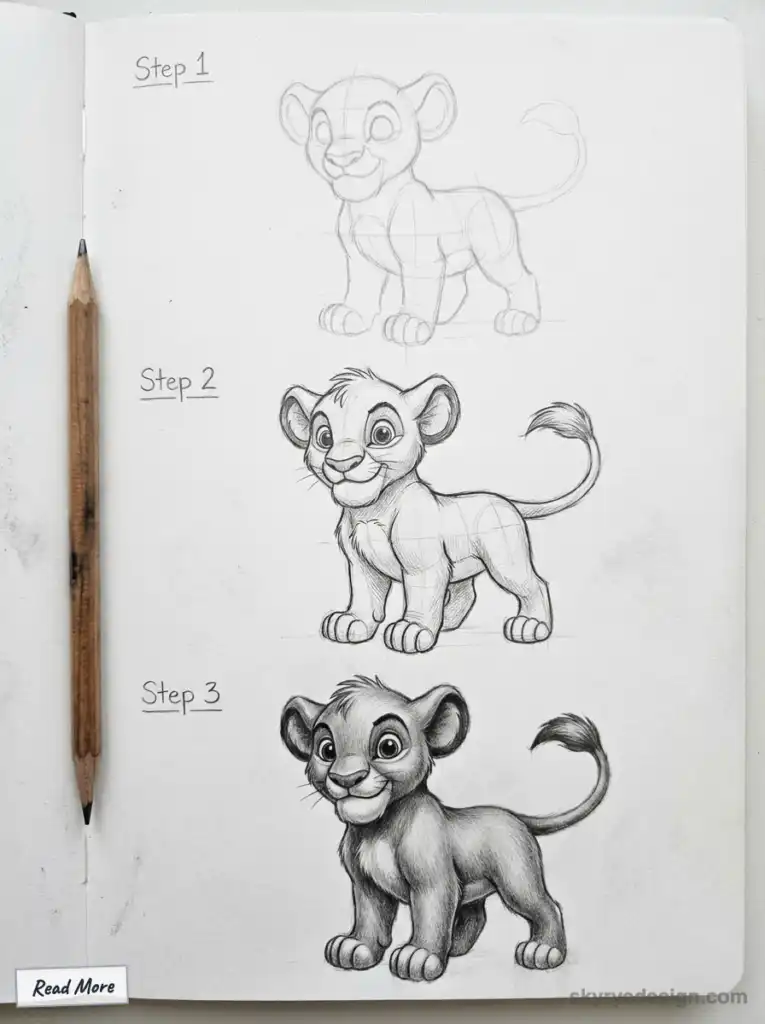
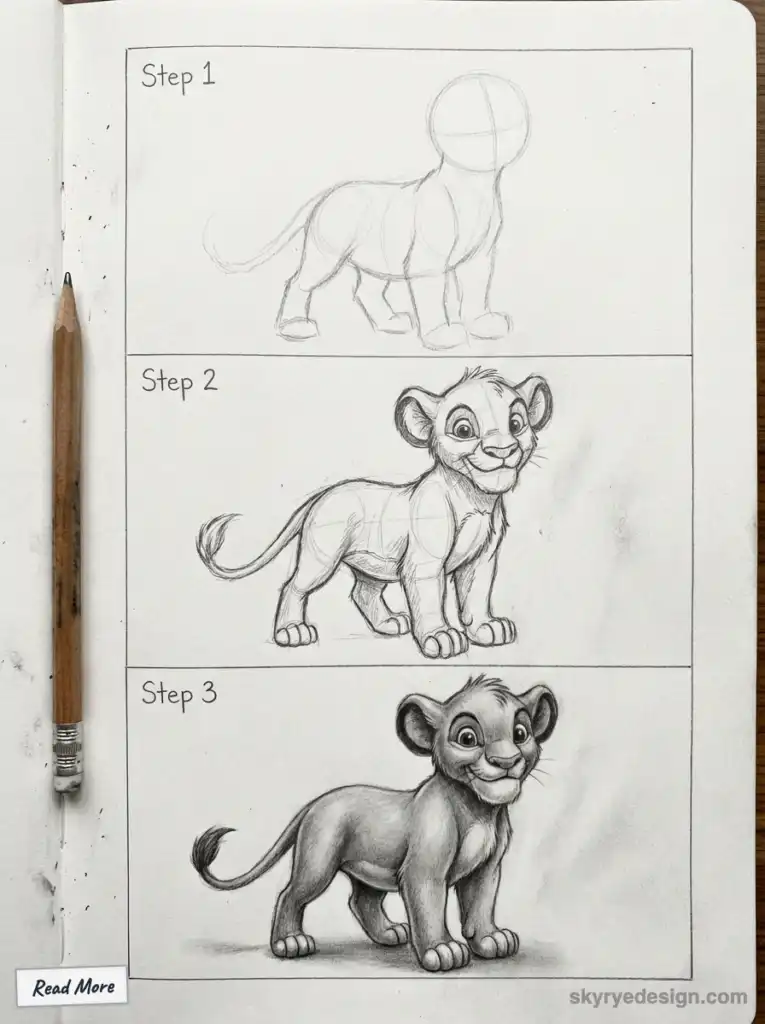
Step 1: Start with Simple Shapes (The Foundation)
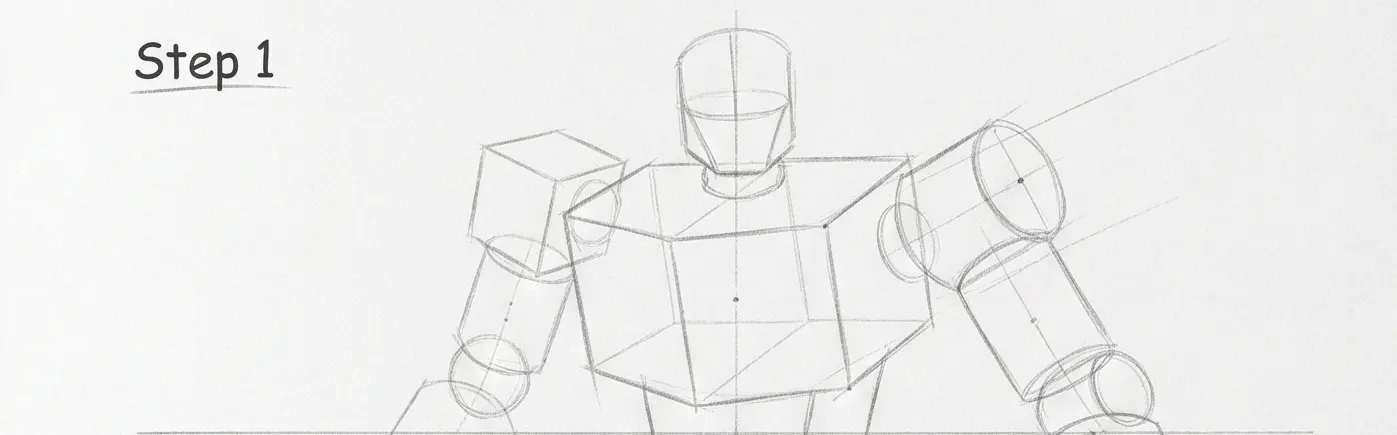
Every strong drawing starts with structure.
- Draw a large circle for Simba’s head
- Add a smaller circle overlapping the lower half for the muzzle
- Draw a vertical centerline to keep the face symmetrical
- Add a horizontal guideline for eye placement
At this stage:
- Don’t worry about details
- Keep lines light
- Focus on proportions
Think of this as scaffolding—you’ll remove it later.
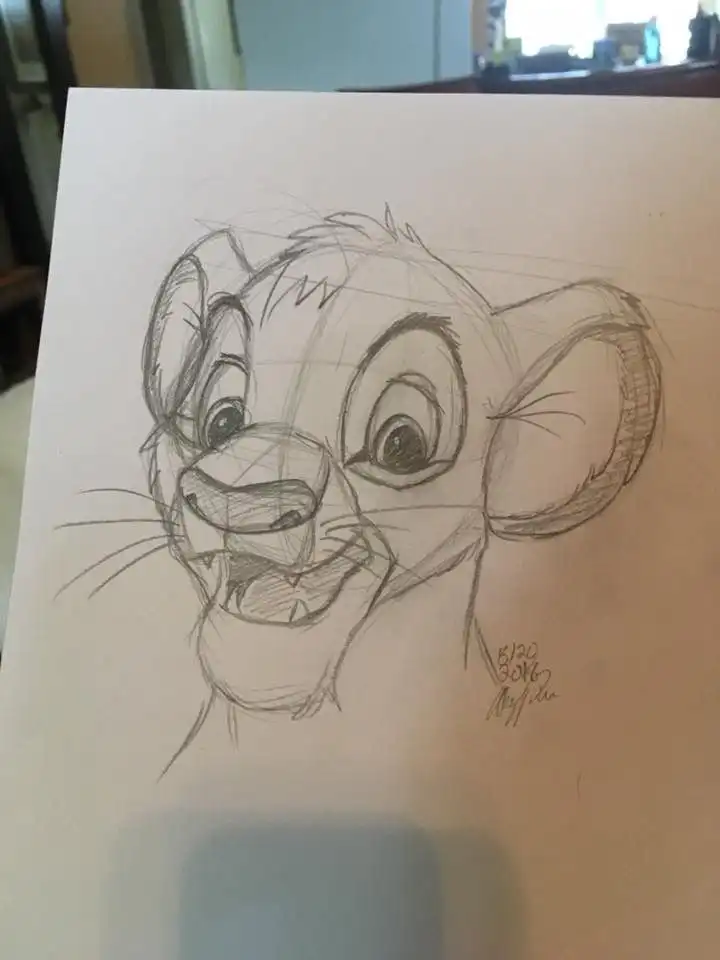
Step 2: Shape Simba’s Face
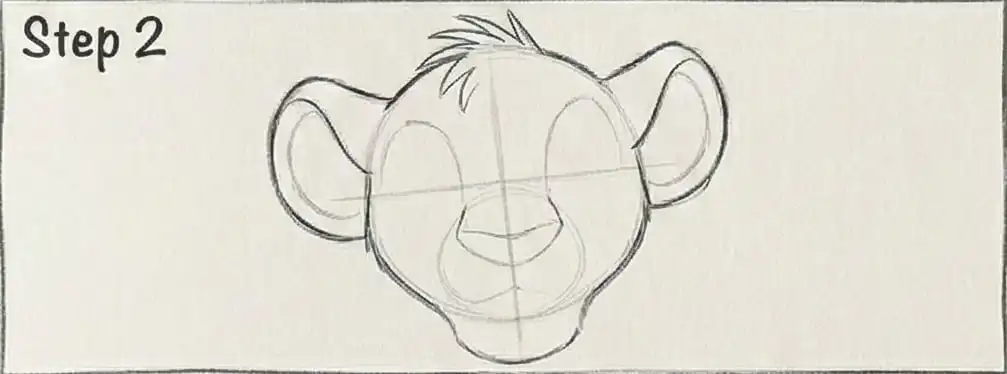
Now you’ll turn circles into character.
Eyes
- Place eyes slightly below the horizontal guideline
- Draw them large and rounded
- Add thick upper eyelids for Simba’s expressive look
Nose and Mouth
- Simba’s nose is a rounded triangle
- Add a short line down from the nose
- Curve the mouth upward slightly for a friendly expression
Cheeks and Jaw
- Use soft curves, not sharp angles
- Simba’s face is youthful and rounded—even as an adult
Erase overlapping guidelines as you refine the shape.
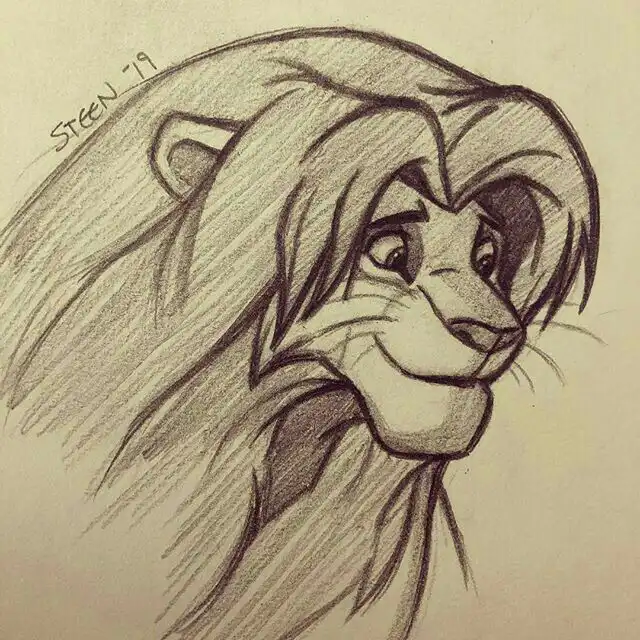
Step 3: Draw the Ears and Mane (Cub vs Adult)
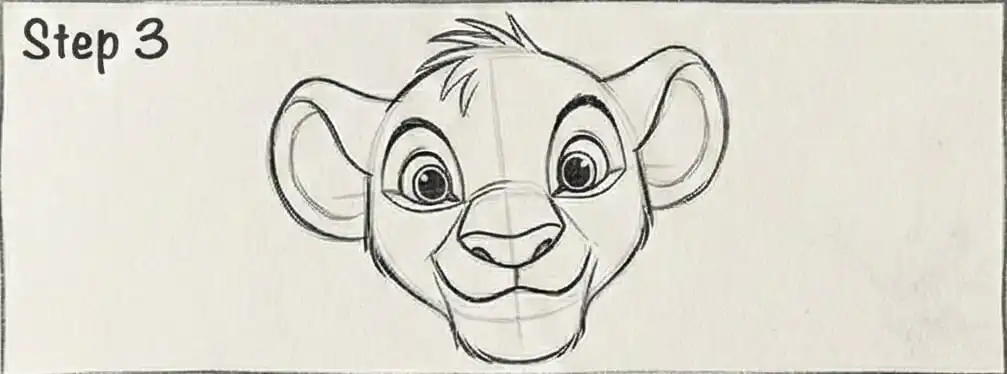
Ears
- Draw two rounded half-circles
- Place them slightly behind the head circle
- Add inner ear detail with a soft curve
Mane (If Drawing Adult Simba)
- Start with a rough outline
- Keep the mane flowing and uneven
- Avoid drawing individual hairs too early—focus on shape first
For cub Simba, skip the mane entirely and keep the head smooth.
Step 4: Add Details Using Simple Forms
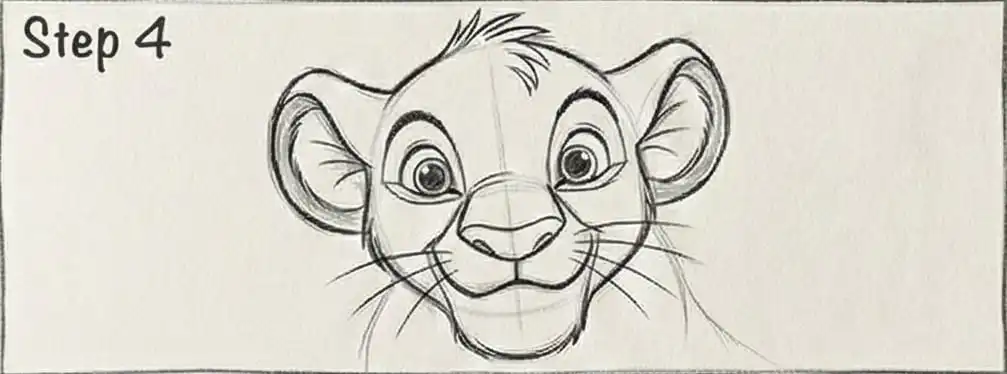
- Draw an oval beneath the head for the torso
- Add four simple leg shapes using cylinders or rectangles
- Sketch a long, curved tail with a tuft at the end
Key proportions:
- Simba’s body is compact
- Legs are sturdy, not thin
- The tail adds motion—use curves
Don’t rush this step. A balanced pose makes the final drawing feel alive.
Step 5: Refine the Line Art
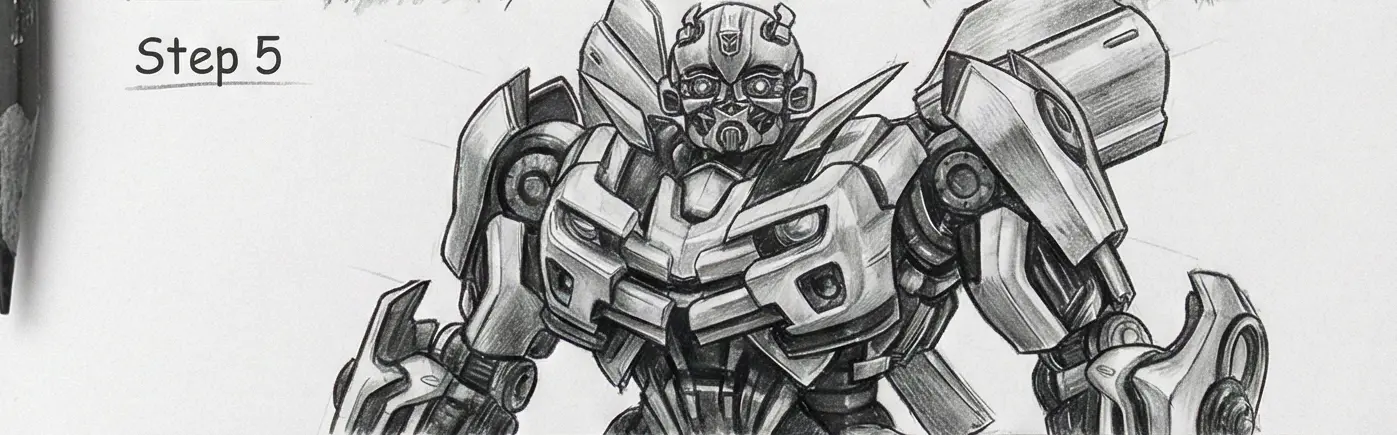
This is where your sketch turns into a finished drawing.
- Trace over your best lines
- Smooth out curves
- Remove construction shapes
- Define paws, claws, and tail tuft
If inking:
- Use consistent line weight
- Thicker lines for outer edges
- Thinner lines for facial details
Take breaks—fresh eyes catch mistakes faster.
Step 6: Add Facial Details and Expression
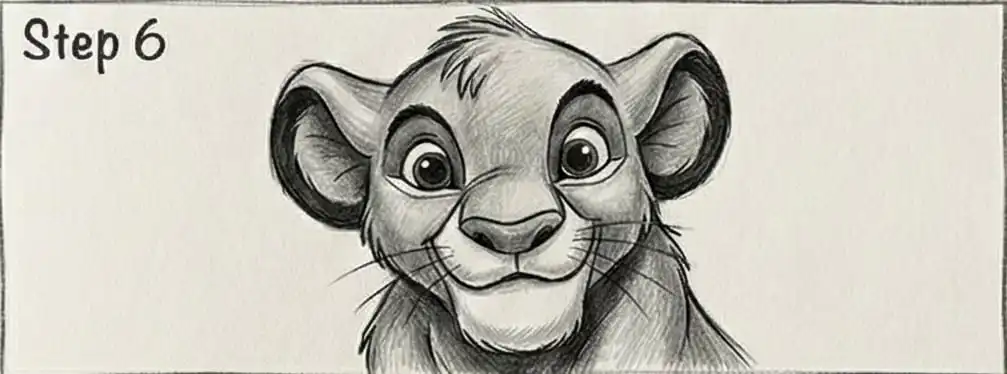
Simba’s personality lives in his face.
Focus on:
- Eyebrows (subtle but powerful)
- Eye highlights (small white circles)
- Cheek markings
- Whisker dots and whiskers
Ask yourself:
Does Simba look curious, confident, playful, or proud?
Adjust the eyebrows and mouth slightly until it feels right.
Step 7: Coloring Simba the Right Way
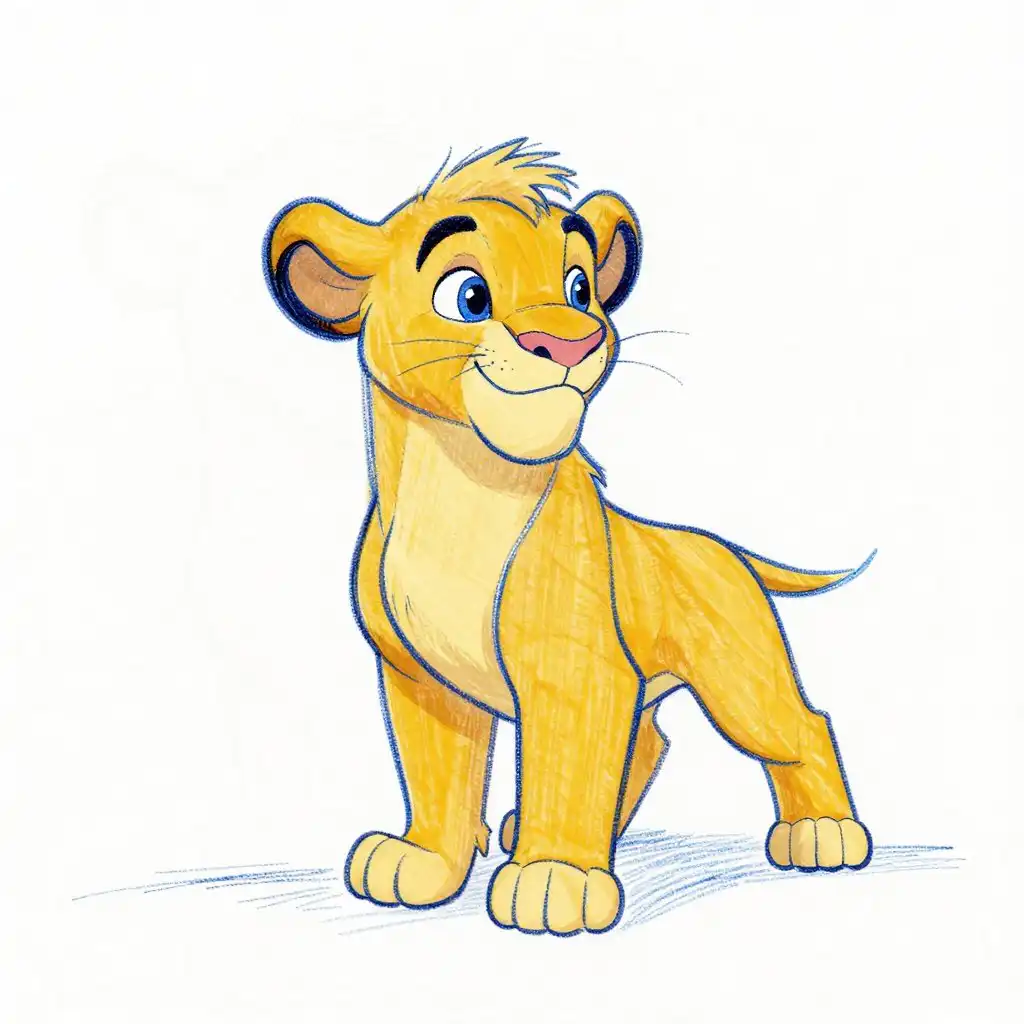
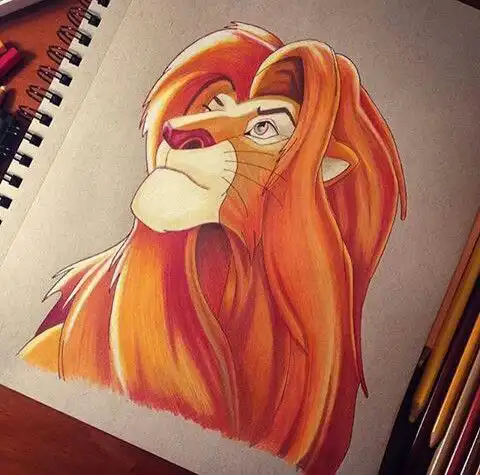
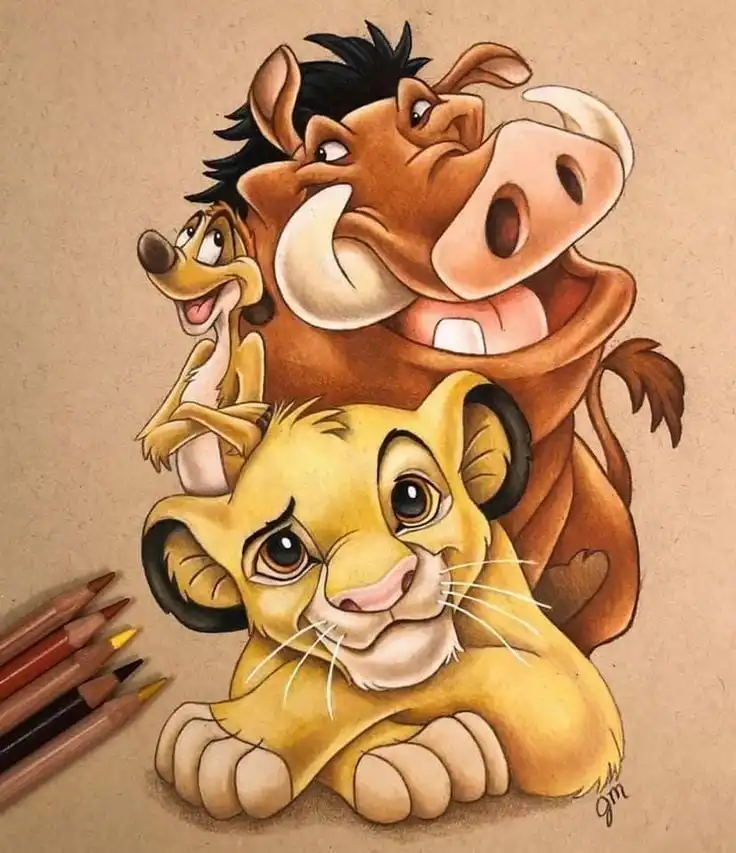
Classic Simba Colors
- Fur: golden yellow
- Mane (adult): reddish-brown
- Muzzle & belly: cream
- Nose: dark brown or black
- Eyes: warm amber
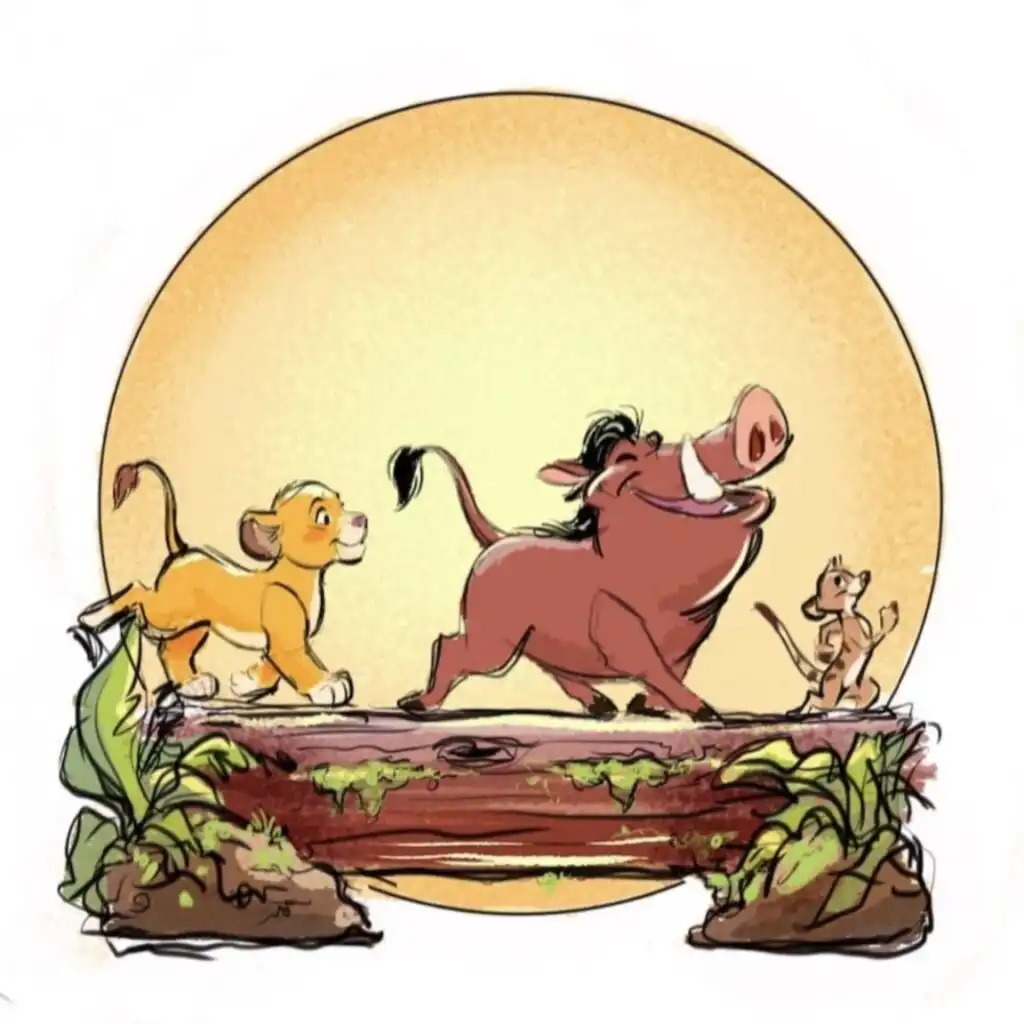
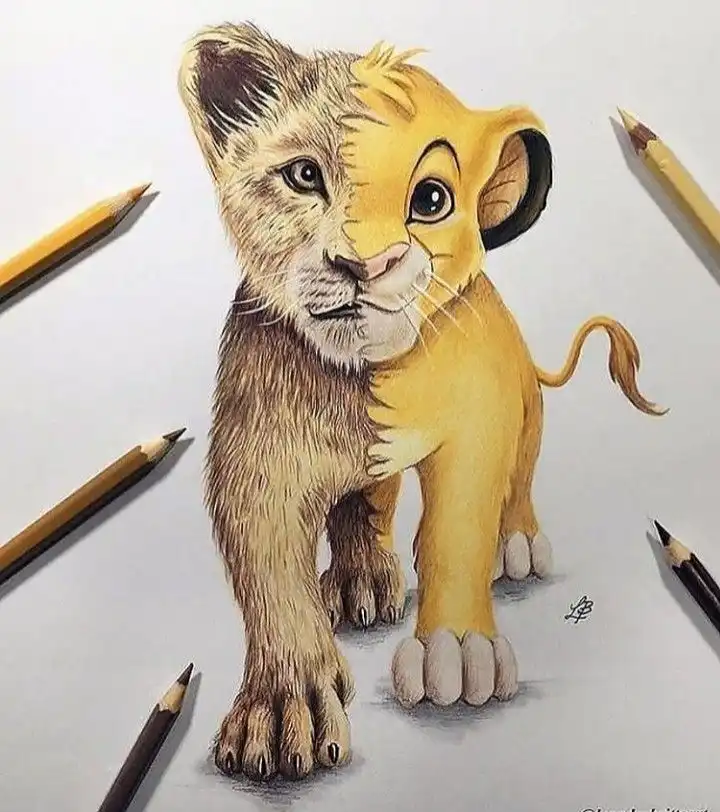
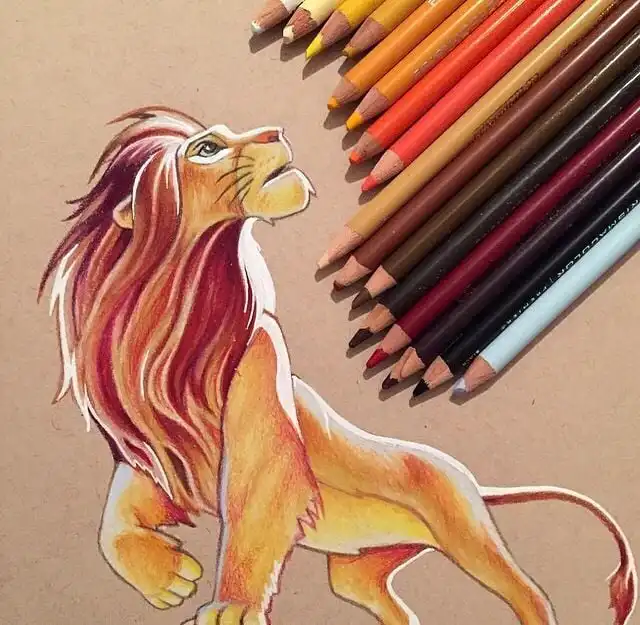
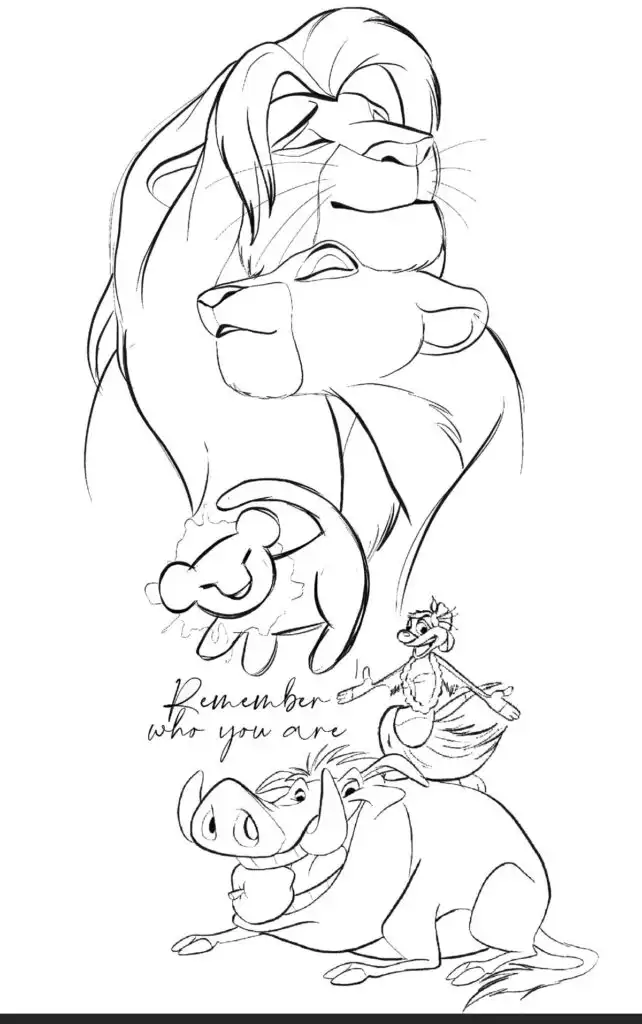
Coloring tips
- Start light, then build darker tones
- Add subtle shading under the chin and mane
- Avoid harsh outlines between colors
Digital artists: use layers (base color, shading, highlights).
Common Mistakes to Avoid
Even experienced artists make these mistakes:
- ❌ Eyes too small or too high
- ❌ Head too narrow
- ❌ Over-detailing too early
- ❌ Forgetting symmetry guidelines
Fixing these early saves time and frustration.
Practice Exercises to Improve Faster
Try these drills:
- Draw Simba’s head five times in a row
- Practice only eyes and noses
- Redraw Simba from different movie screenshots
- Time yourself (5-minute sketches)
Improvement comes from repetition, not perfection.
How Long Does It Take to Learn to Draw Simba Well?
Most artists see improvement within:
- 1–2 sessions for basic likeness
- 1–2 weeks for confident sketches
- 1 month with regular practice for polished results
Consistency matters more than talent.
Frequently Asked Questions
Is Simba hard to draw for beginners?
No. Simba is one of the best beginner-friendly Disney characters thanks to his rounded shapes and expressive design.
Should I draw Simba realistically or cartoon-style?
Start cartoon-style. Once you understand proportions, you can experiment with realism.
Can kids learn to draw Simba?
Yes. Simplify steps and focus on basic shapes—kids love drawing Simba.
Do I need to be good at drawing animals first?
Not at all. Simba is a character, not a real lion anatomy study.
Final Thoughts: Drawing Simba Is About Storytelling
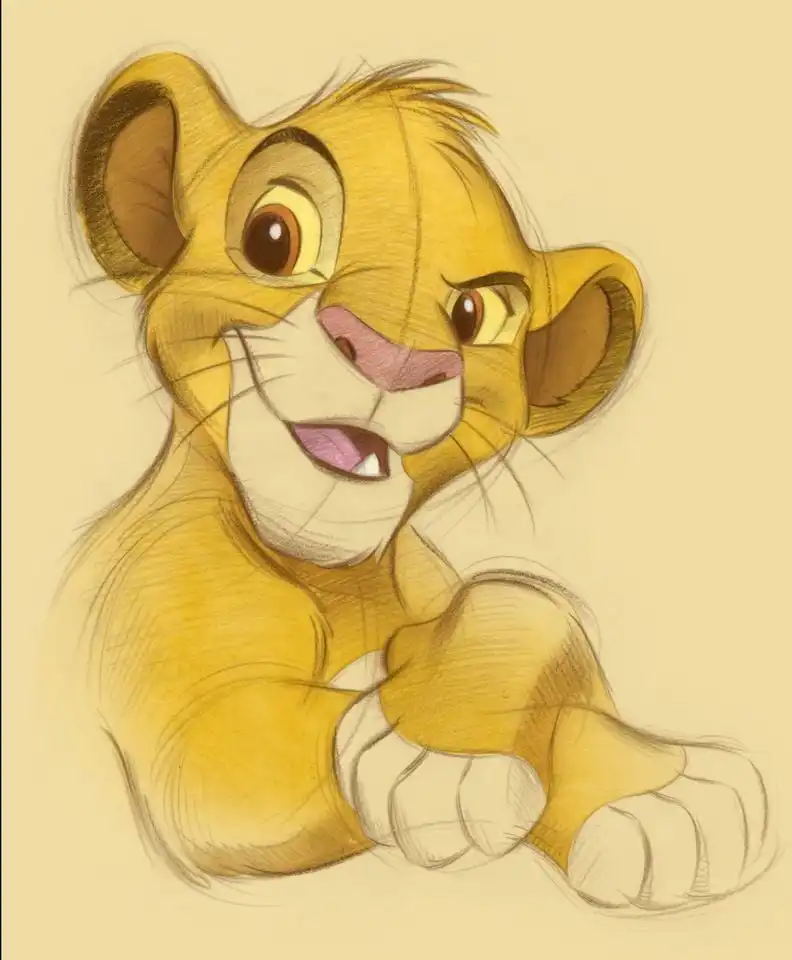
When you draw Simba, you’re not just sketching a lion—you’re capturing confidence, curiosity, and courage. Every line contributes to that story.
Start simple. Practice often. Don’t erase your progress.
And remember: every great artist once struggled with their first circle.
- 553shares
- Facebook0
- Pinterest553
- Twitter0
- Reddit0