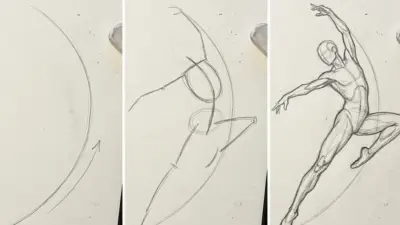
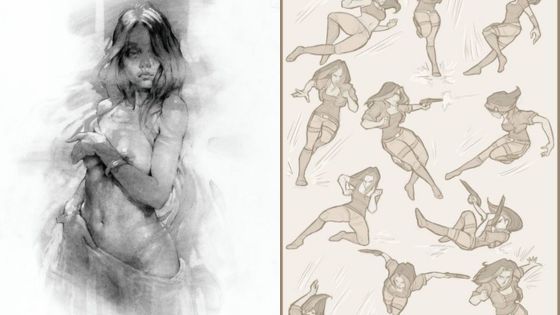
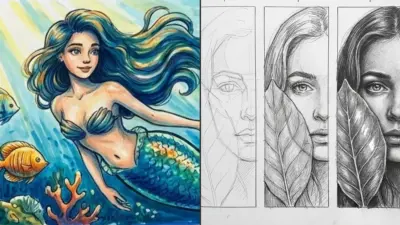
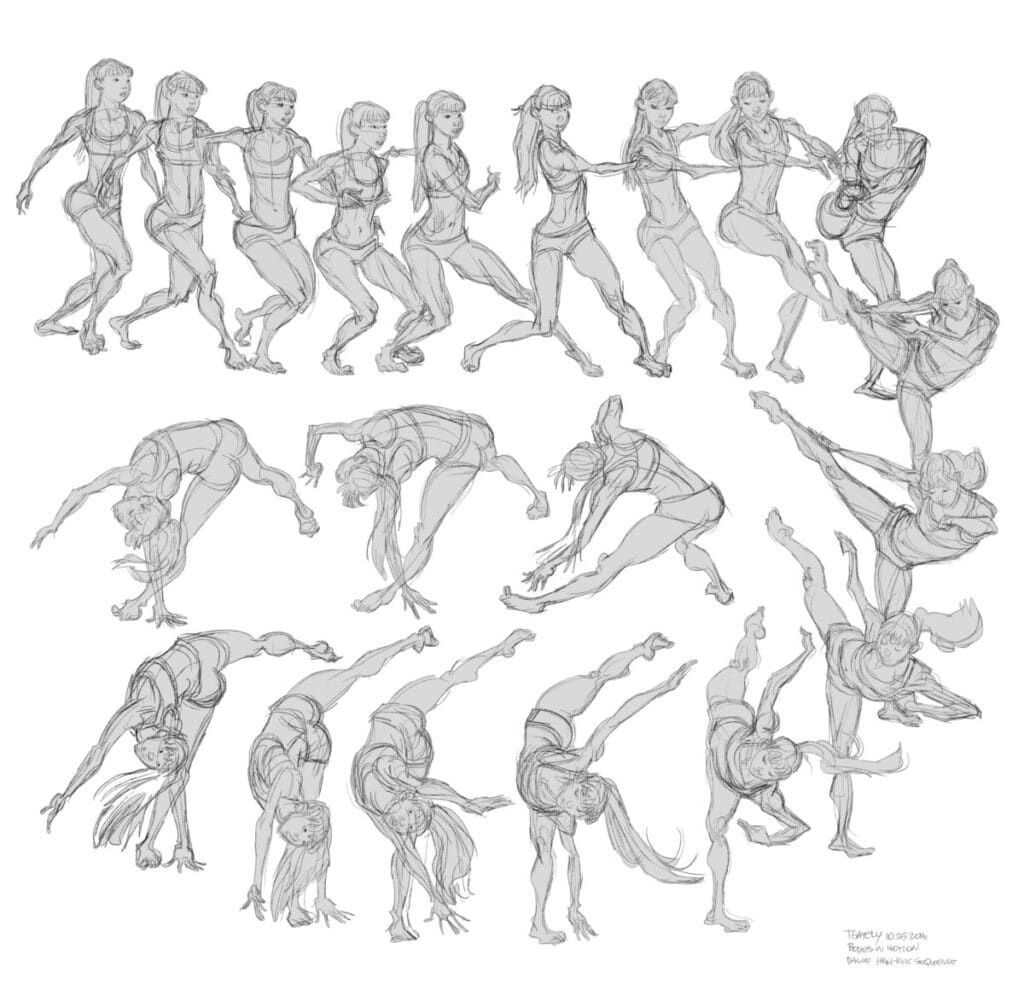
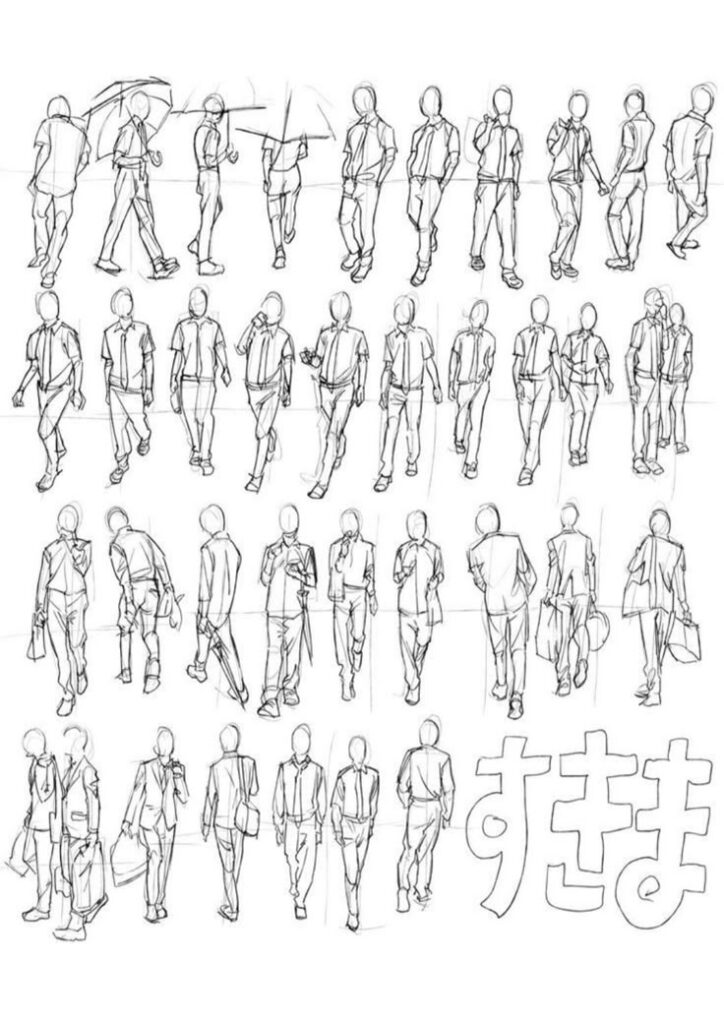
Drawing people in motion can capture subtle shifts of balance and bursts of energy that make a sketch come alive. Whether it is the graceful extension of a dancer’s arm or the sudden twist of an athlete’s torso, these dynamic moments tell a story of momentum and fluidity. By blending anatomy knowledge with a touch of imagination, artists can portray lifelike figures that leap off the page. Below are some insights, practical tips, and historical perspectives to help achieve striking results when drawing people in motion.
Embrace the dynamism
Why expression matters
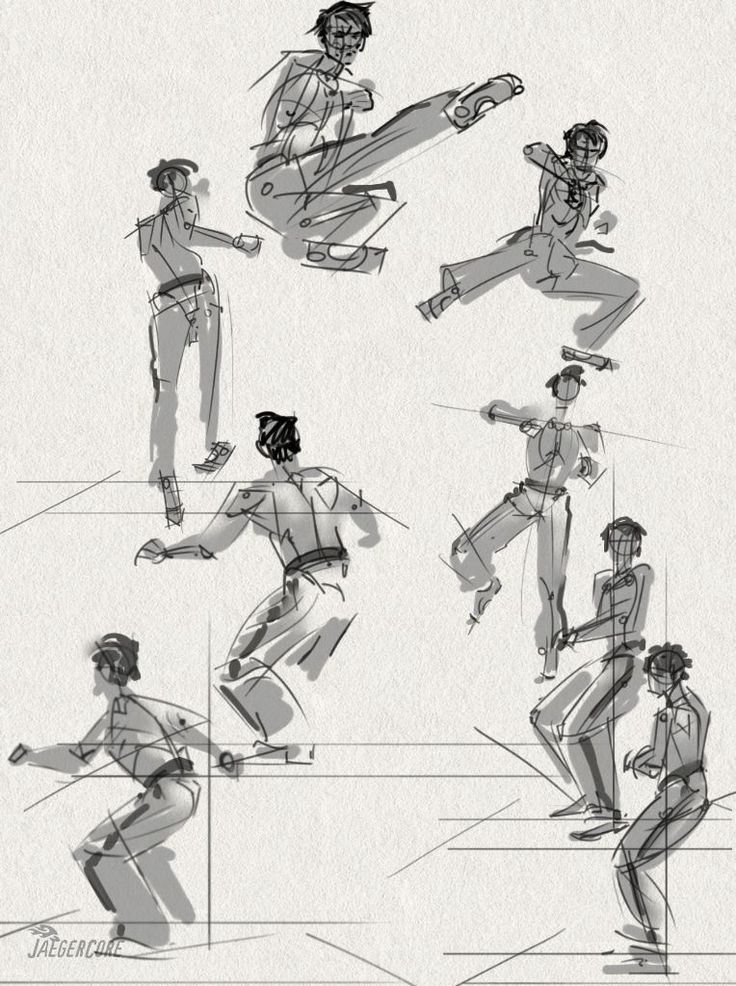
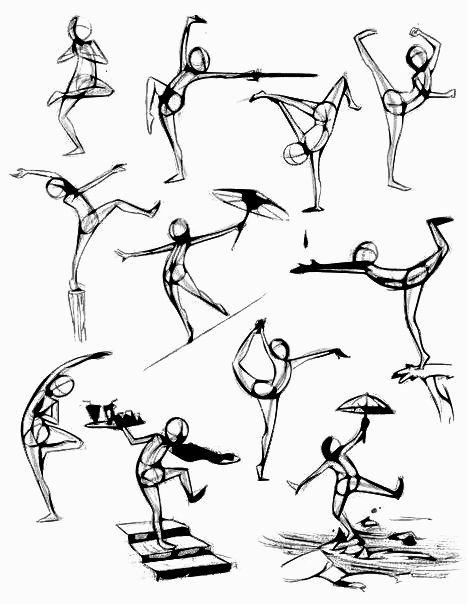
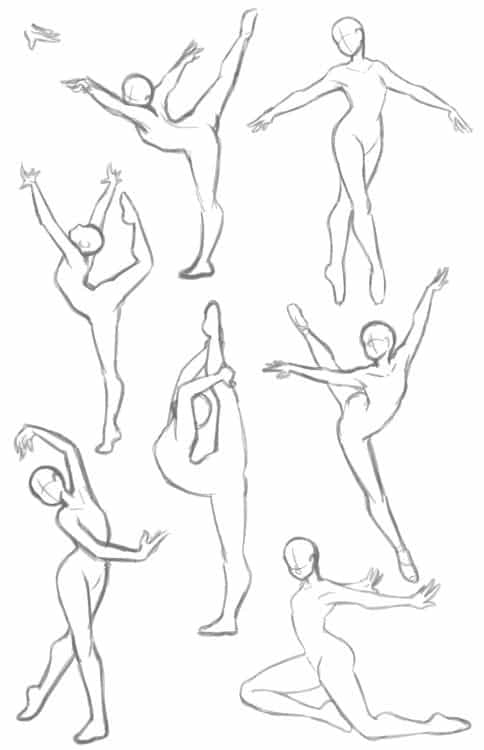
A dynamic sketch shows more than just accurate proportions. It wraps emotion, tension, and motion into each line. Even a single stroke can hint at a figure’s speed or weight distribution. Beginners often focus solely on details, but the soul of motion lies in bigger gestures. A confident arc, the slant of a shoulder, or the tilt of the pelvis can convey the underlying force behind a pose.
Mindful observation
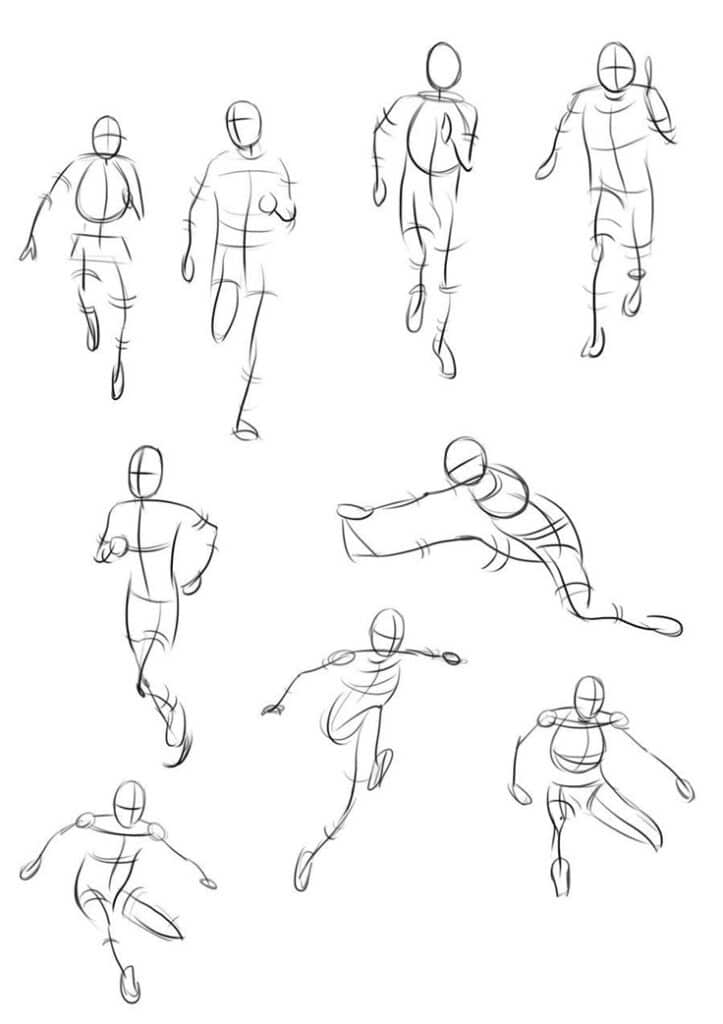
Artists who draw from real-life subjects develop a keen sense for how the body reacts to movement. However, observation does not have to end there. Sketching from memory and imagination is equally powerful because it forces the mind to break down the figure into simpler shapes. According to Love Life Drawing, seeing the human form as three major masses—the head, rib cage, and pelvis—helps anchor each step of the drawing. When these masses rotate or tilt, they create fluid poses that look natural and energetic.
Avoid common pitfalls
Stiff, robotic poses
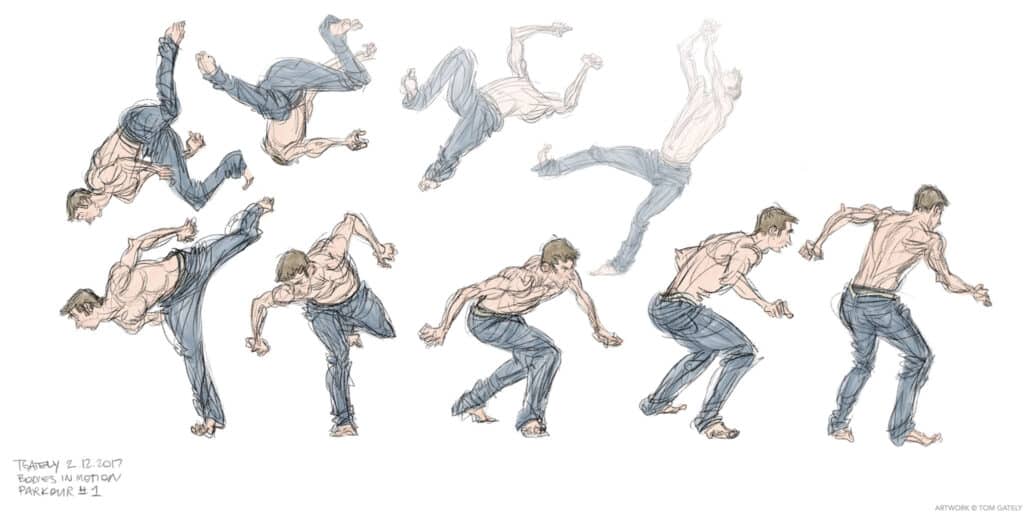
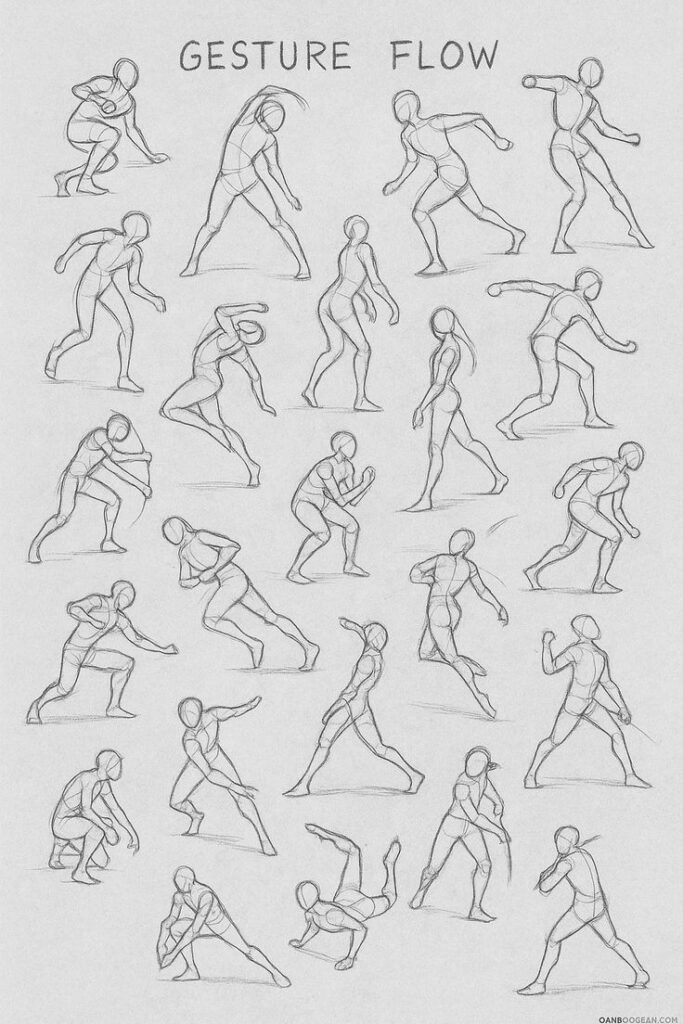
One widespread mistake is unconsciously flattening or straightening the figure’s curves. This habit, noted by EmptyEasel, often produces stiff or lifeless drawings. Exaggerating the angles of the spine, shoulders, or hips can breathe fresh life into a figure, resulting in poses that feel dynamic rather than static. Using quick gesture sketches is an effective way to loosen up and avoid rigid lines.
Neglecting composition
It is easy to concentrate solely on a moving figure and forget about the surrounding space. If a leg or arm extends too close to the page’s edge, the figure may appear cramped or cut off. Placing a small prop or background element helps anchor the sketch and prevents the sense that the person is floating. Even adding faint shadows, a horizon line, or a slight suggestion of an environment can make the motion more convincing.
Explore historical inspirations
Eadweard Muybridge
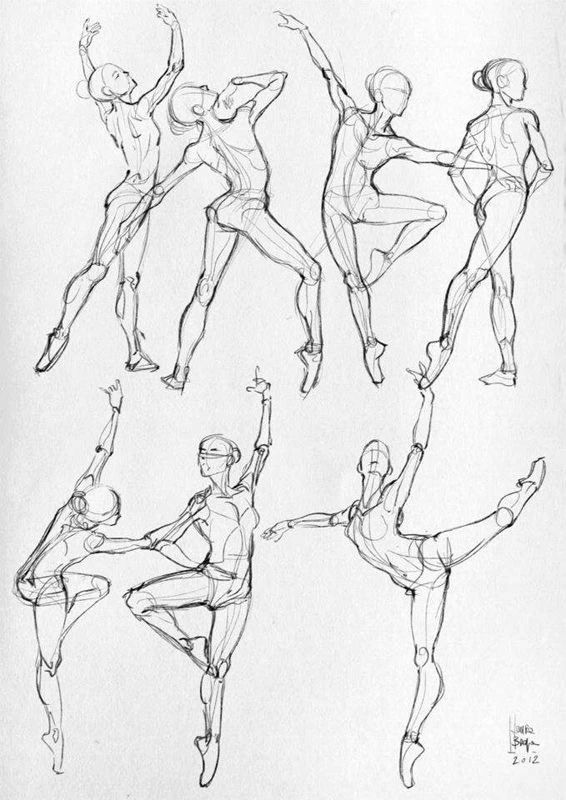
Understanding motion became significantly easier after photographer Eadweard Muybridge pioneered a method of capturing human and animal movement in sequence during the late 19th century. He used multiple cameras triggered in quick succession, recording each phase of a stride or leap. These studies, including his iconic horse-in-motion series, made it possible for artists and scientists to analyze how each limb moves throughout an action [1].
Futurism and Duchamp
Early 20th-century Futurist artists like Giacomo Balla and Umberto Boccioni embraced the speed of modern life, depicting motion through blurred forms and overlapping shapes. This era produced works like Balla’s “Dynamism of a Dog on a Leash,” celebrating the energy and velocity of everyday scenes. Around the same time, Marcel Duchamp’s “Nude Descending a Staircase” overlapped multiple stages of a figure in motion to create a fractured, cinematic effect. These art movements continue to inspire new generations to experiment with how motion is shown on a canvas.
Refine your technique
Simplicity as a start
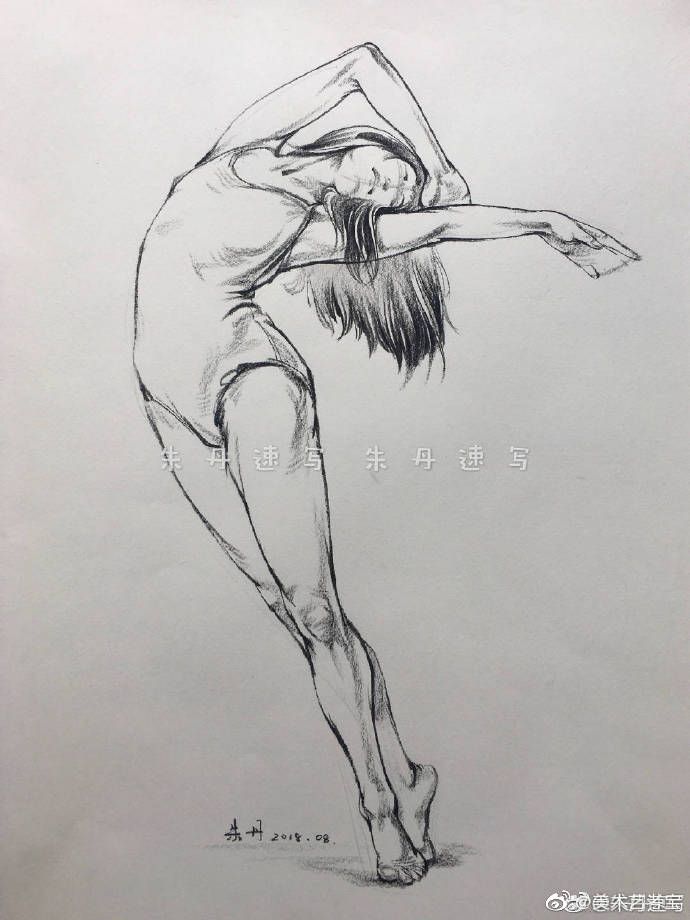
Drawing from imagination often begins with lightly pencil-sketched building blocks. Starting loose invites trial and error. An artist can shift a limb or tilt a torso to create believable balance before adding details. Those new to figure drawing can follow structured exercises found in drawing people for beginners or explore similar resources on how to draw people step by step.
Squash, stretch, and movement
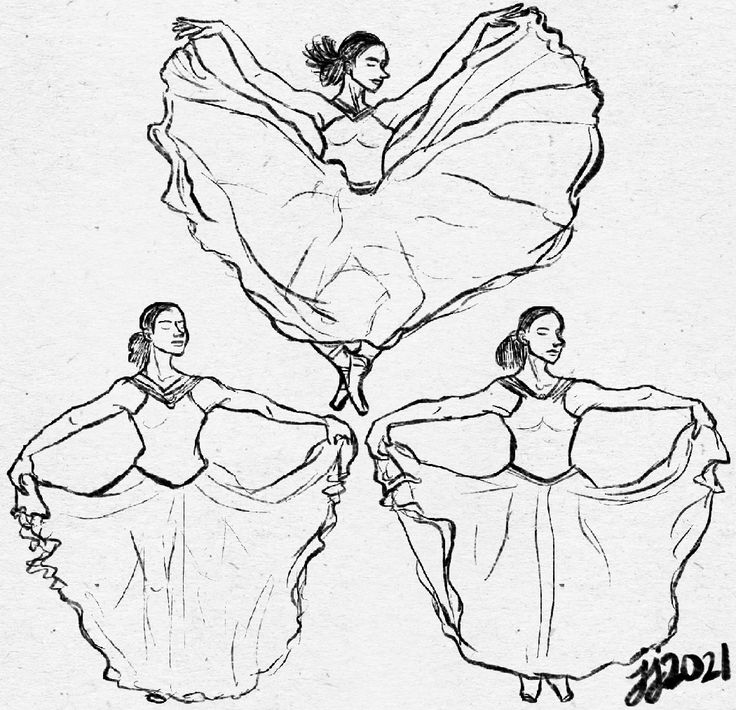
The principle of squash and stretch—commonly taught in animation—applies well to drawing people in motion. The torso might compress on one side where weight and tension gather, while the opposite side elongates. As Love Life Drawing emphasizes, understanding this interplay, along with keen attention to shoulders and hips, can turn a static sketch into a lively pose. Even small cues, like the swing of hair or folds in clothing, enhance the sense of fluid change from one moment to the next.
Frequently asked questions
How does gesture drawing help with motion?
Gesture drawing focuses on capturing the flow of a pose rather than precise details. By concentrating on big shapes and fluid lines, artists learn to simplify the figure, highlight the main action, and keep drawings vibrant.
Is it better to draw from a live model or photographs?
Both offer valuable practice. Live models allow artists to observe subtle shifts in real time, while photographs can freeze quick movements for close study. Mixing both methods boosts overall skill and adaptability.
How can beginners practice without a model?
Sketching from online tutorials or videos works well, as does drawing from memory. Exercises in ideas for drawing people or figure drawing ideas can also spark imaginative practice sessions.
Are proportions still important in motion sketches?
Proportions matter, but they should not overshadow the fluidity of the pose. Slight exaggerations of angles or limbs can emphasize energy. Avoid making every limb symmetrical or perfectly equal, because asymmetry often appears in real movement.
Which materials are best for dynamic figure drawings?
Pencils, charcoal, and ink are all popular choices for capturing motion. Each medium responds differently to pressure and speed. Some artists prefer drawing people with pencil for delicate line control, while others enjoy drawing people with charcoal for bold, sweeping gestures.
Capturing movement in art is an ongoing exploration. Each stroke is a chance to invite energy, tell a story, and bring figures to life on the page. By studying anatomy, experimenting with gesture drawing, and looking to groundbreaking artists of the past, anyone can infuse their sketches with compelling motion.
References
- 756shares
- Facebook0
- Pinterest753
- Twitter3
- Reddit0