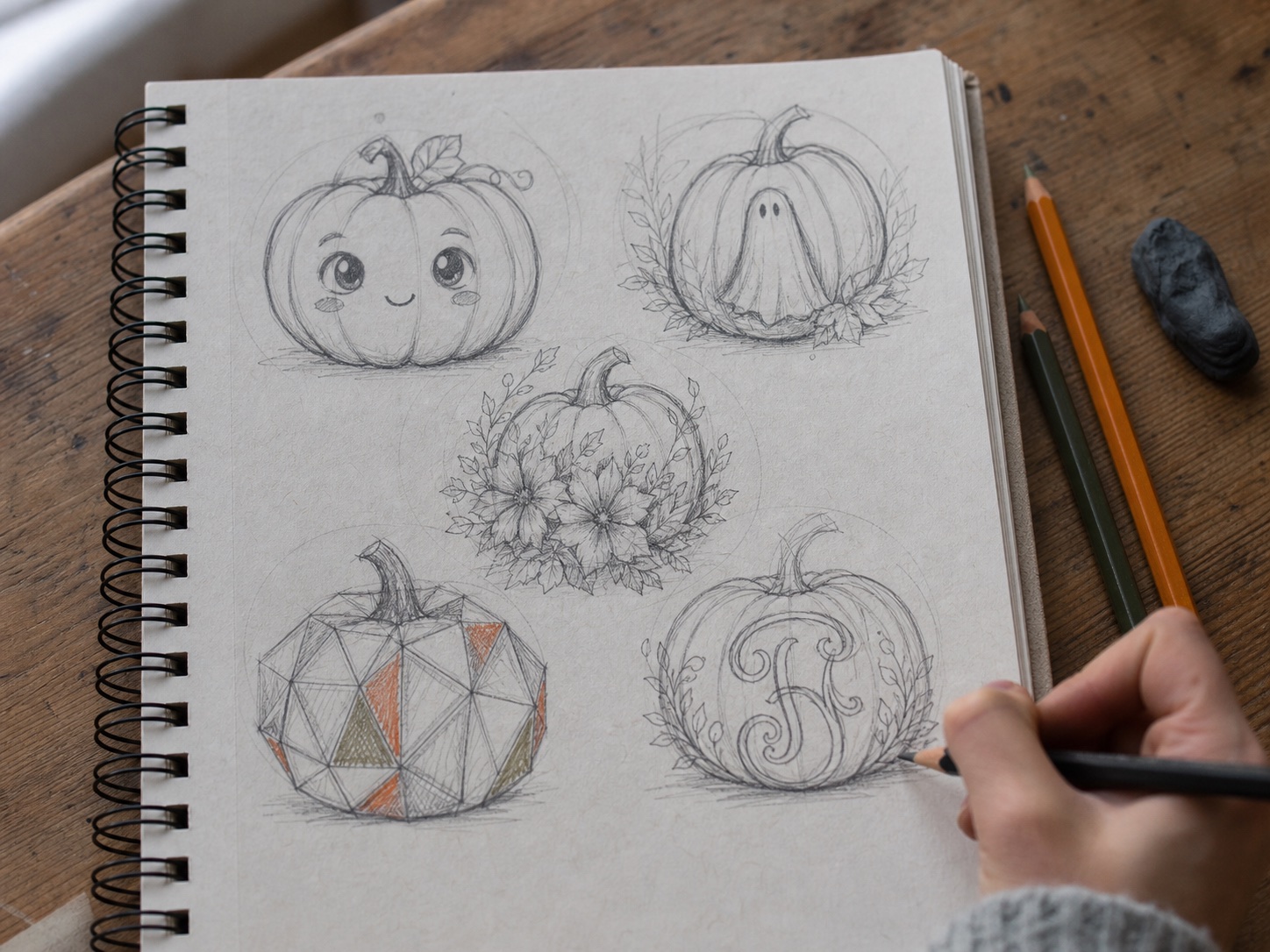
Pumpkin drawing ideas are easiest to use when each sketch has one clear job: a cute face, a strong silhouette, a cozy fall object, or a simple shading study. This guide keeps the ideas practical, so you can sketch them in a notebook, turn them into Halloween cards, or use them as pumpkin-surface designs before carving or painting.
I like to start with the rib pattern before adding faces or decorations. If the pumpkin feels round and heavy first, the cute glasses, ghosts, sunflowers, and latte details sit on top of a believable form instead of floating on a flat orange circle.
How to use pumpkin drawing ideas for easy fall sketches
Use these pumpkin drawing ideas as quick prompts, not rigid templates. Start with an oval or squat sphere, mark the center rib, then decide whether the design needs a face, a decorative object, or a background. For beginner sketches, keep the stem chunky and the shadow simple. For a more finished fall pumpkin drawing, vary the rib widths, darken one side, and let the cast shadow anchor the gourd to the page. If you are drawing on an actual pumpkin, test the design on paper first and simplify thin lines so they still read from a few feet away.
| Drawing goal | Best pumpkin idea | Quick tip |
| Easy sketchbook warm-up | Simple pumpkin sketch | Use three curved ribs and one soft ground shadow. |
| Cute Halloween card | Pumpkin with glasses | Make the eyes large and keep the mouth tiny. |
| Fall decor planning | Monogram or sunflower pumpkin | Use clean outer shapes before adding small details. |
| Shading practice | 3D shaded pumpkin | Reserve the lightest value for the rib facing the light. |
1) Spooky jack-o'-lantern
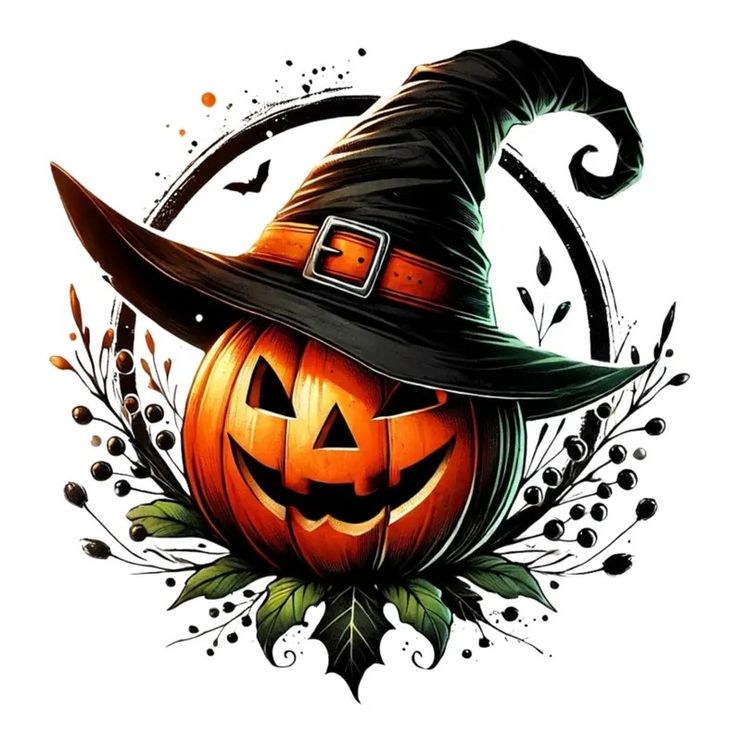
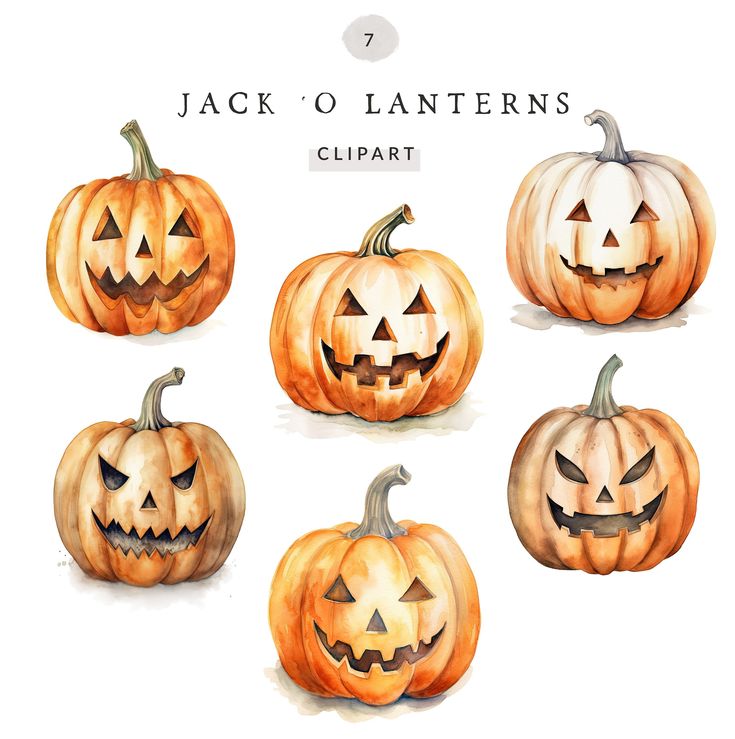
A spooky jack-o’-lantern works because the face is built from bold, readable shapes. Draw the pumpkin as a squat oval first, then cut the eyes into sharp triangles or uneven diamonds. A crooked grin with a few missing teeth usually feels more alive than a perfectly symmetrical smile.
For an easy pumpkin drawing, shade the inside of the carved features almost black and leave a thin orange rim around each cut. If you want a more dramatic Halloween drawing, compare it with this easy pumpkin drawing tutorial and push the candle glow under the brow line.
2) Cute pumpkin with glasses
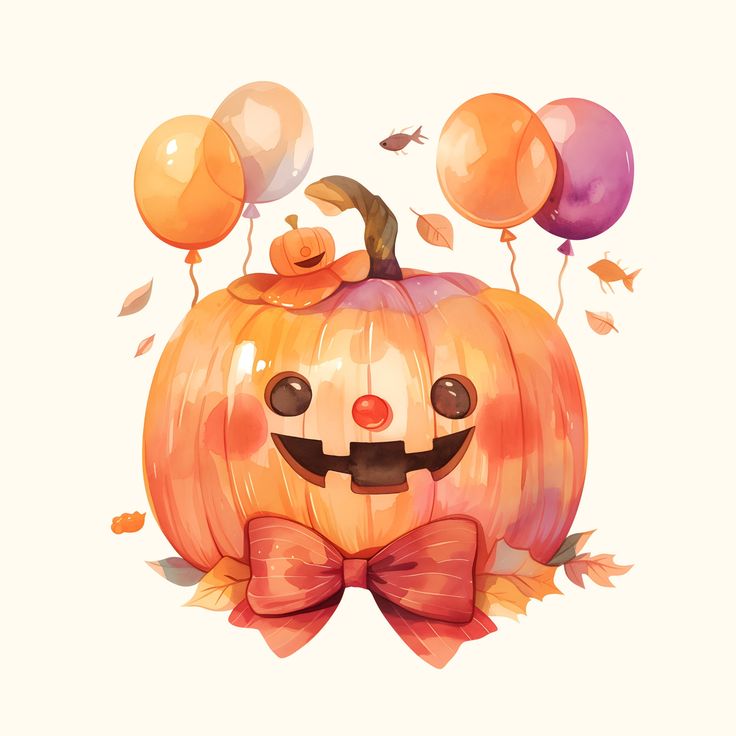
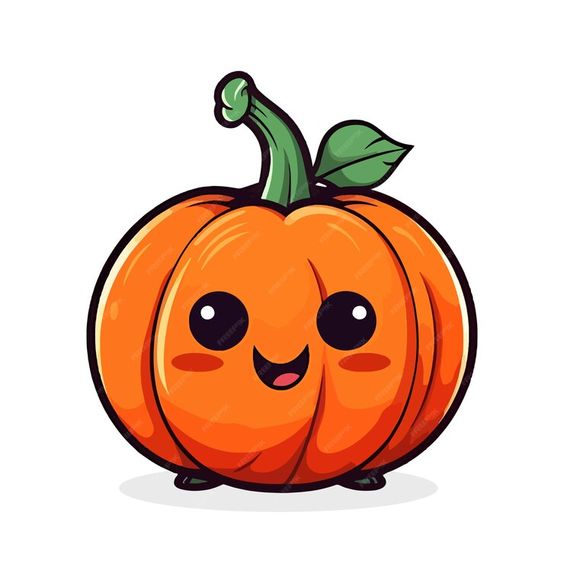
This cute pumpkin drawing idea is all about personality. Keep the pumpkin body simple, then give the glasses a clear shape: round frames feel soft, square frames feel nerdy, and heart frames turn the pumpkin into a sticker-style character.
The trick is to let the glasses follow the curve of the pumpkin, not sit like a flat sticker. Add small cheeks, a tiny smile, and one highlight in each lens. It pairs naturally with cute fall drawing ideas if you want a softer autumn doodle set.
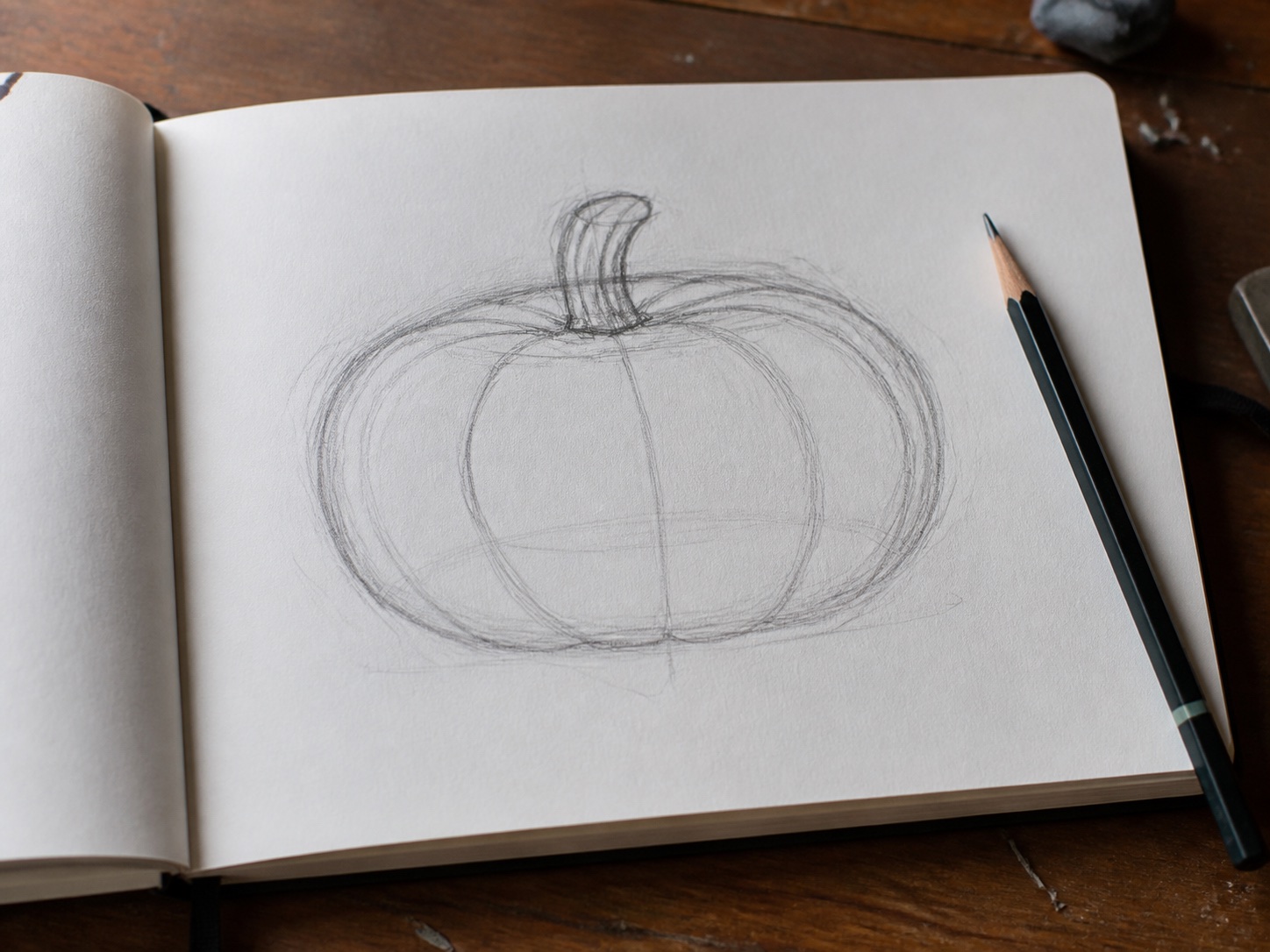
3) Simple pumpkin sketch
A simple pumpkin sketch is the best place to practice the basic form. Draw a wide oval, add a smaller oval inside it for the center rib, then build the side ribs as curved bands that wrap around the body. Keep the stem thick, slightly bent, and darker at the base.
For pencil work, use a 2B pencil for the first pass and a kneaded eraser to lift highlights along the ribs. This is the fastest idea in the list, but it teaches the structure you need for every more decorative pumpkin design.
4) Elegant monogrammed pumpkin
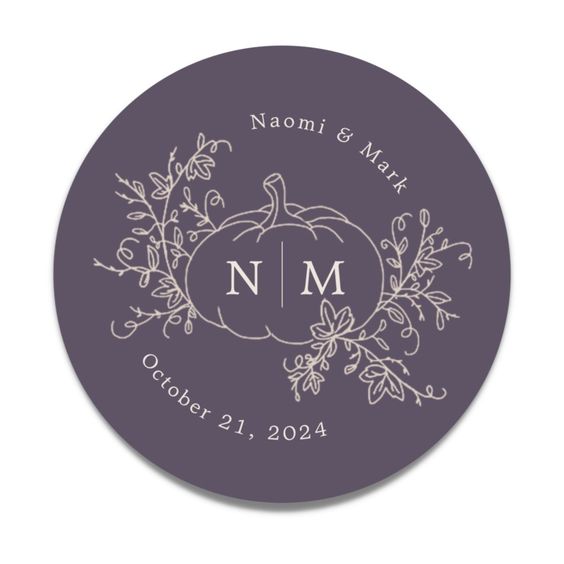
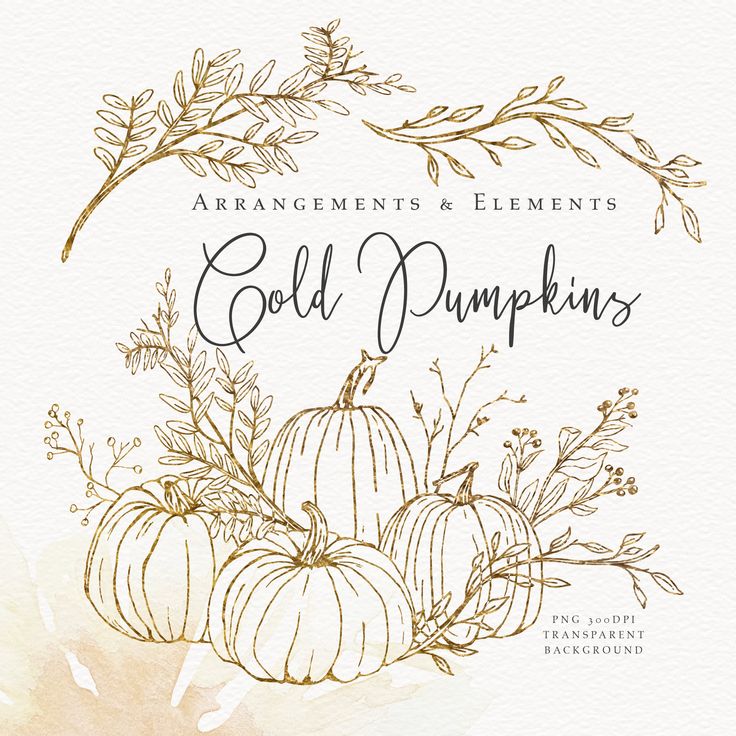
A monogrammed pumpkin needs restraint. Start with a pale pumpkin shape, then place the letter or initials on the flattest front rib. Script letters look elegant, but they need breathing room, so avoid crowding them with too many vines or dots.
Use thin pencil lines for the first layout, then commit with a dark marker, gold pencil, or black ink. The design works well for place cards, wedding decor sketches, and polished fall stationery.
5) Pumpkin with sunflowers
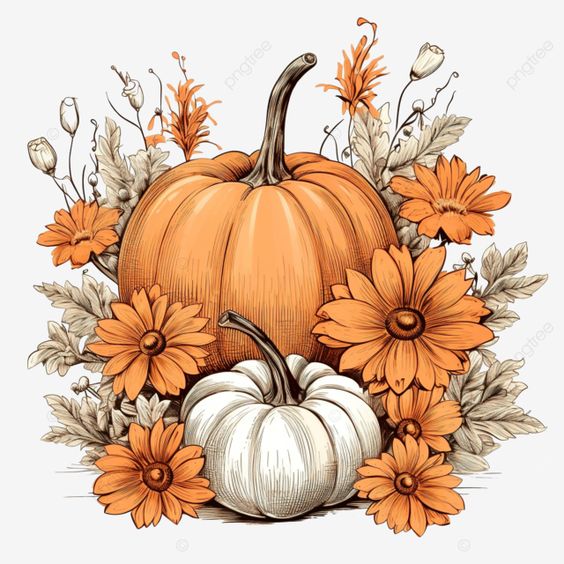
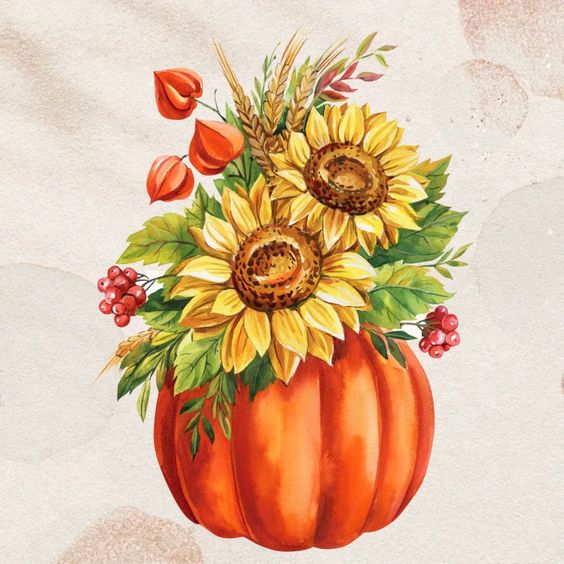
Pumpkins and sunflowers make a strong fall drawing because they contrast two shapes: the pumpkin is heavy and ribbed, while the sunflower is flat, round, and full of small seed textures. Place the pumpkin low and let the flower heads rise behind it.
Keep the sunflower stems slightly uneven so the composition does not look stamped. Warm orange, yellow ochre, burnt sienna, and olive green are enough for a rich autumn palette; this is a good next step after colored pencil drawing ideas.
6) Pumpkin fairy house
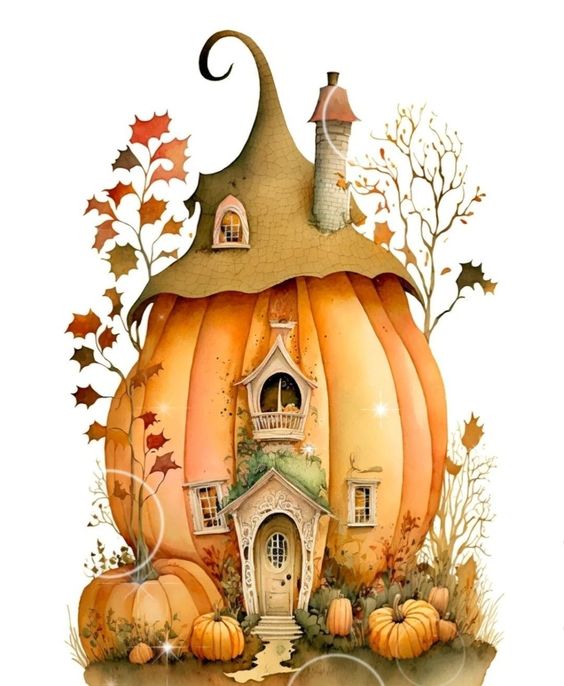
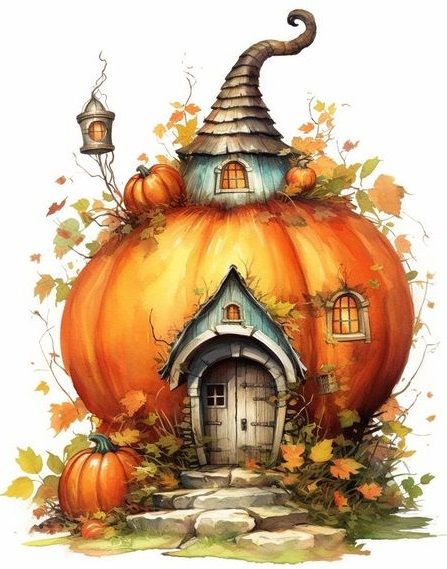
A pumpkin fairy house turns the gourd into a tiny piece of architecture. Draw the pumpkin first, then carve the door and windows into the ribs so the structure still feels rounded. A curved roof, small chimney, and stepping stones make it read like a lived-in place.
The best details are small but not random: one lit window, one leaf roof patch, one little path. Too many mushrooms, stars, and swirls can bury the pumpkin shape, so choose a few storybook accents and keep the silhouette clear.
7) Minimalistic line art pumpkin
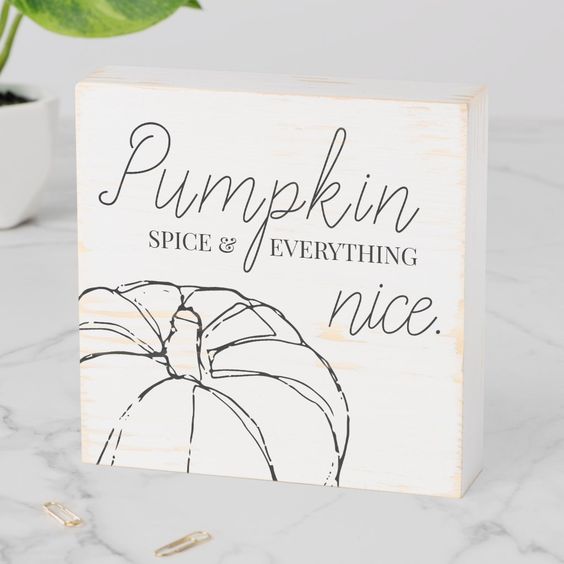
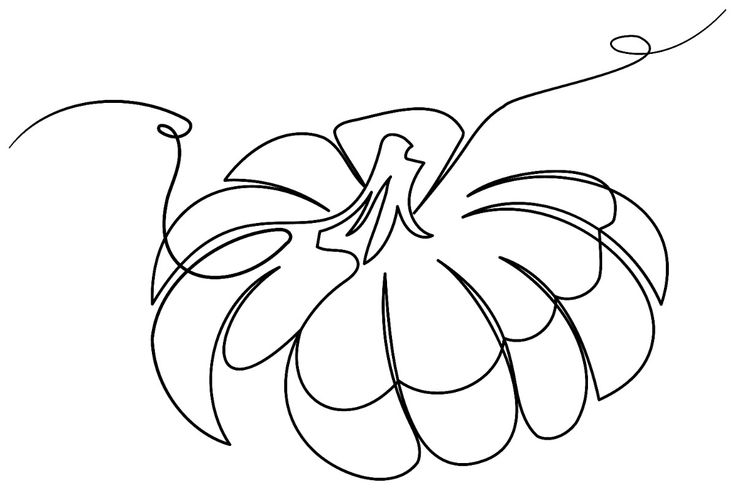
Minimal pumpkin line art depends on confident curves. Try drawing the outer contour in one slow line, then add two or three inner ribs with lighter pressure. The stem can be a small angular break in the otherwise smooth rhythm.
This style works well for bullet journals, labels, wall prints, and small digital icons. Leave more white space than feels comfortable at first; the quiet space is what makes the line drawing feel intentional.
8) Pumpkin and ghosts
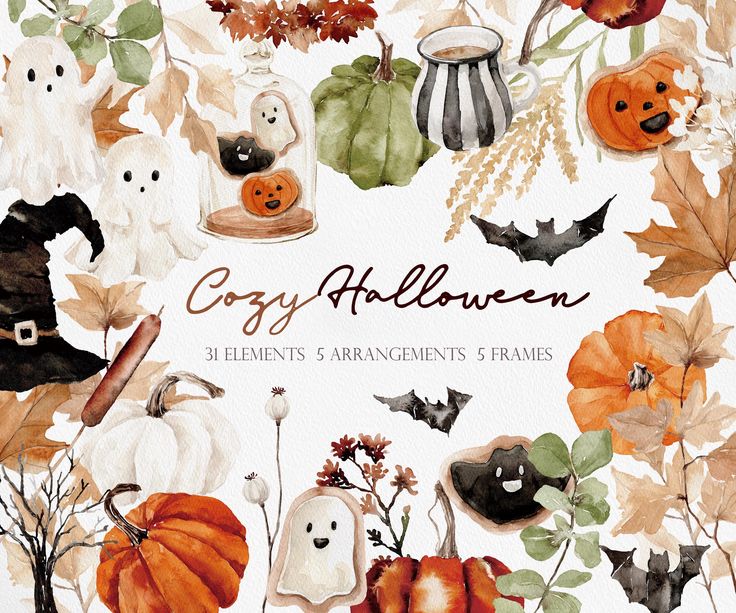
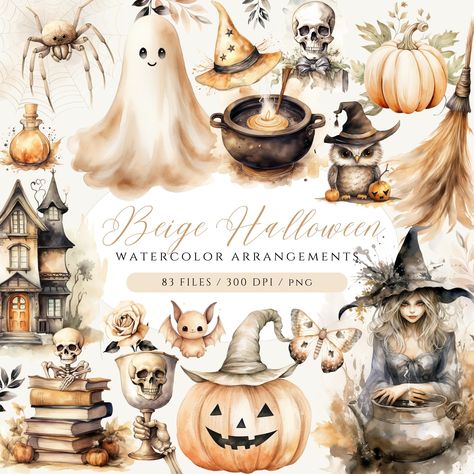
Pumpkins and ghosts are an easy Halloween pairing because one shape is solid and the other is floaty. Put the pumpkin at the bottom of the composition, then let the ghost shapes drift around it with soft, wavy edges.
For a cute version, round the ghost heads and keep the eyes tiny. For a spookier design, stretch the ghosts taller, darken the background, and use the pumpkin as the warm focal point.
9) Pumpkin spice latte drawing
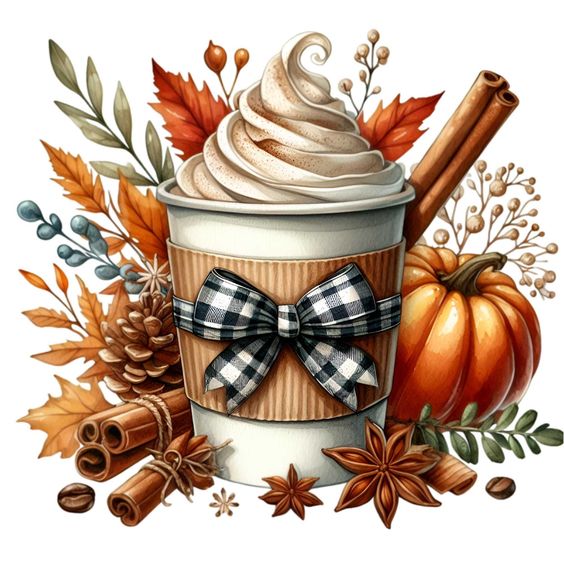
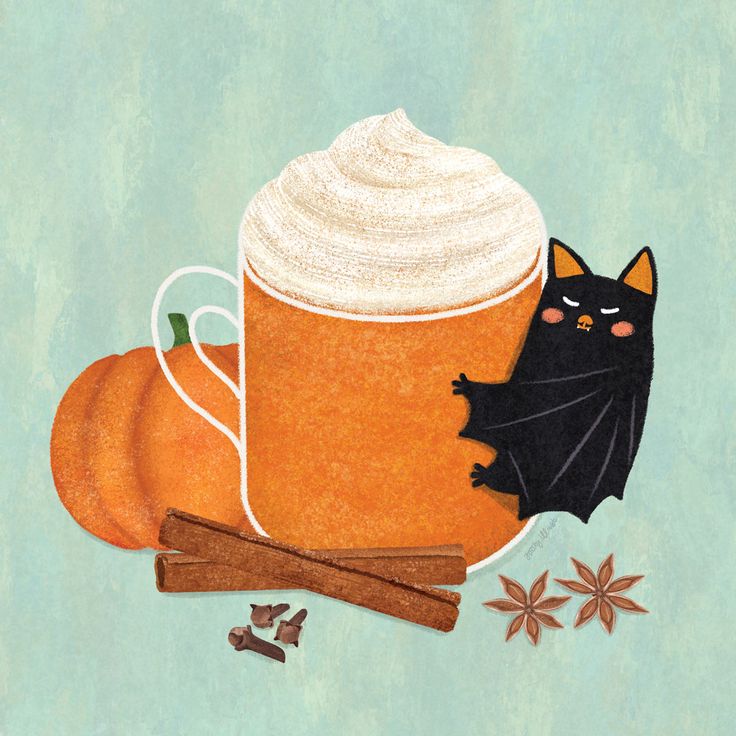
A pumpkin spice latte drawing gives you a cozy object instead of another face design. Start with the cup ellipse, add whipped cream as stacked cloud shapes, then place small pumpkins, cinnamon sticks, or leaves around the base.
Watch the ellipses here. If the top of the cup tilts one way and the saucer tilts another, the drawing will feel wobbly. Light brown shadows and a few orange accents are enough to sell the fall mood.
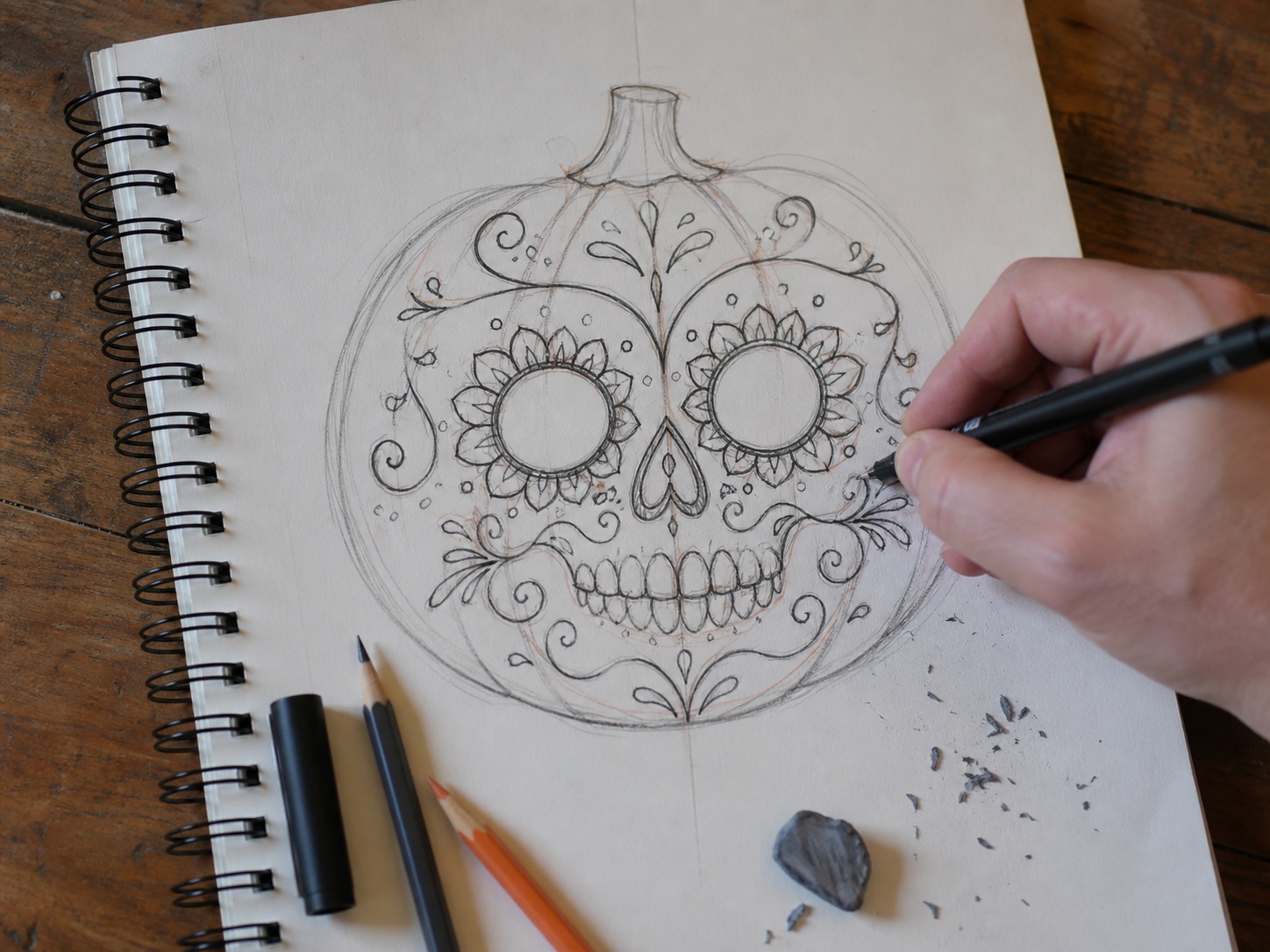
10) Sugar skull pumpkin
A sugar skull pumpkin should feel decorative, not messy. Block in the eye sockets, nose, and mouth first, then add petals, dots, curls, and small leaf shapes around those anchor points.
Use symmetry as a guide, but let the hand-drawn details stay slightly imperfect. A few thick black outlines will help the tiny patterns stay visible, especially if you later paint the design on a real pumpkin.
11) Pumpkin and autumn leaves
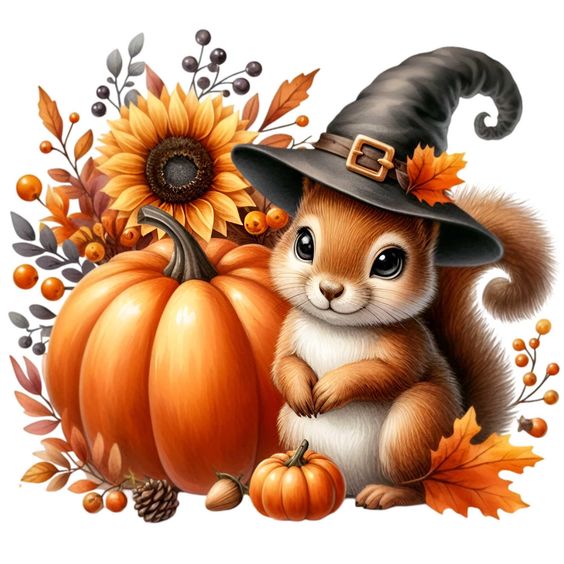
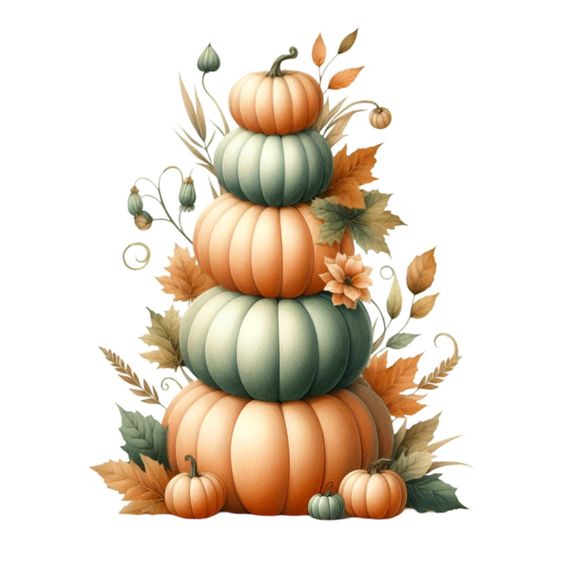
Pumpkin and autumn leaves make a classic fall pumpkin drawing because the edges do different things. The pumpkin gives you broad curves, while maple and oak leaves add jagged points and movement.
Arrange the leaves so they point back toward the pumpkin instead of flying off the page. For more seasonal compositions, this connects well with autumn sketch ideas and broader fall drawing ideas.
12) 3D shaded pumpkin
A 3D shaded pumpkin is a useful practice piece when you want the drawing to feel round. Choose one light direction, shade the far side of each rib, and keep the highlight broken rather than one smooth stripe.
The cast shadow matters as much as the pumpkin itself. Make it darkest under the body and softer at the edge. That small value change makes the pumpkin sit on the surface instead of hovering.
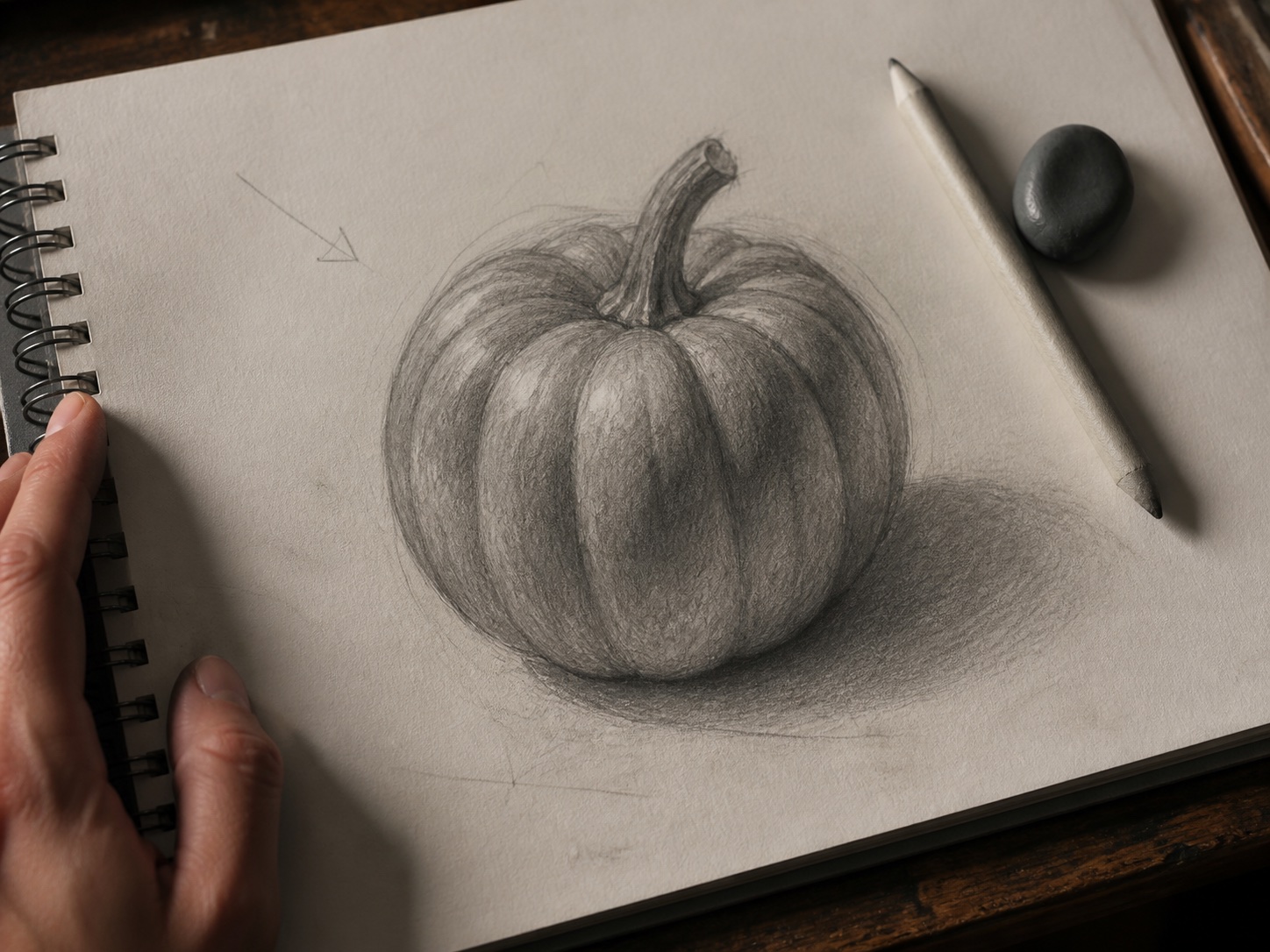
13) Abstract geometric pumpkin
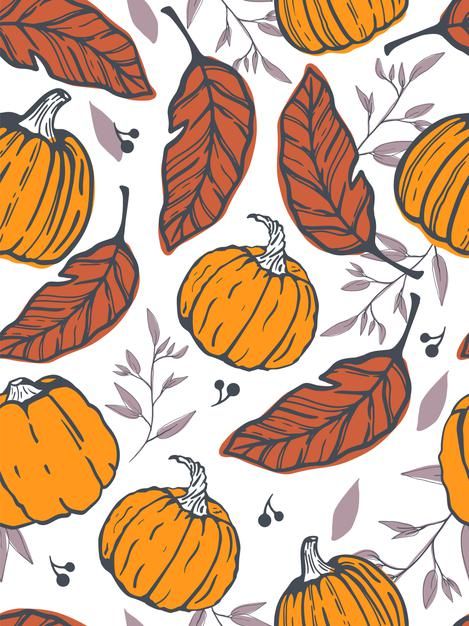
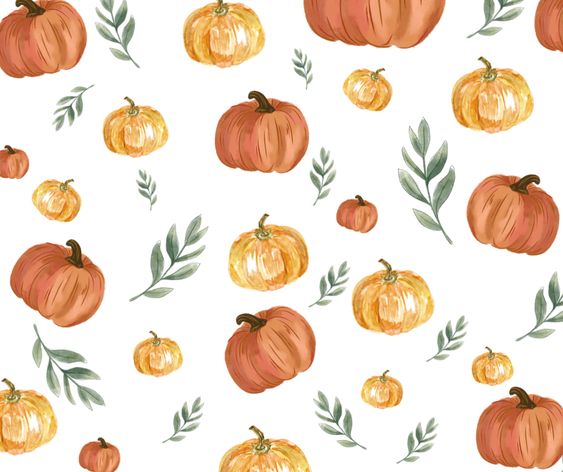
An abstract geometric pumpkin starts with the same gourd shape, then breaks the surface into triangles, curves, stripes, or mosaic panels. This is a good idea when you want fall art that feels modern rather than cute.
Pick one rule before you draw: all straight lines, all circles, or all angled facets. A limited rule keeps the design clean, while the pumpkin silhouette keeps it recognizable.
14) Pumpkin silhouette
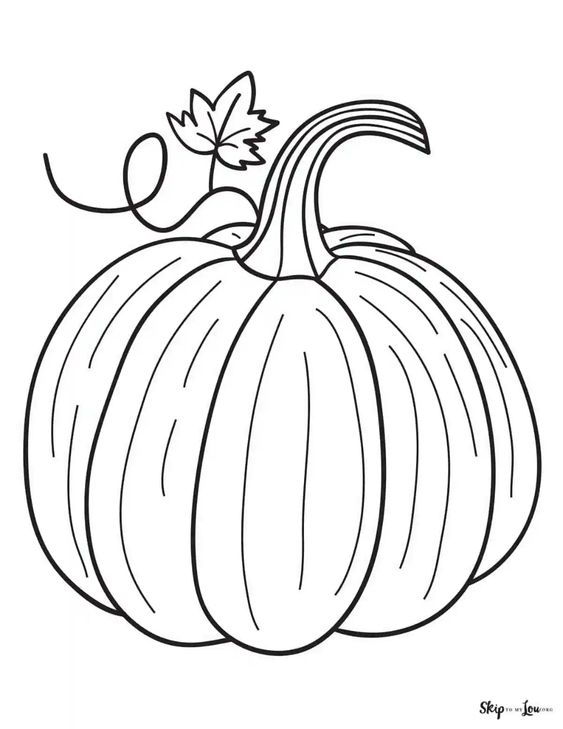
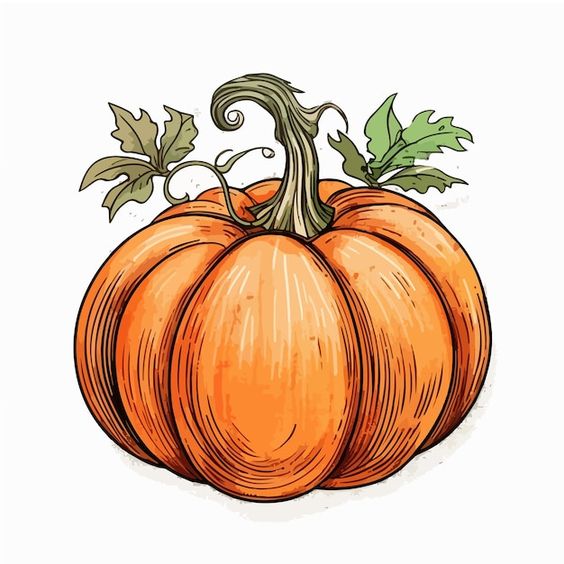
A pumpkin silhouette is one of the clearest designs for cards, stickers, and classroom projects. Draw the outer contour, stem, and vine, then fill the body with one solid value or leave it as a black-and-white coloring page.
To keep the silhouette from looking like a plain circle, exaggerate the low, wide shape and add a slightly off-center stem. The little asymmetry makes it feel more natural.
15) Pumpkin harvest basket
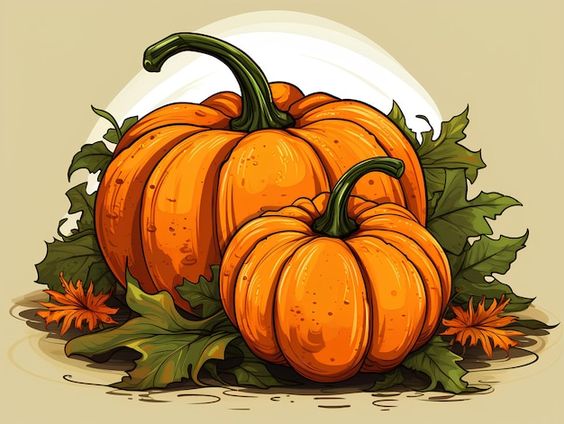
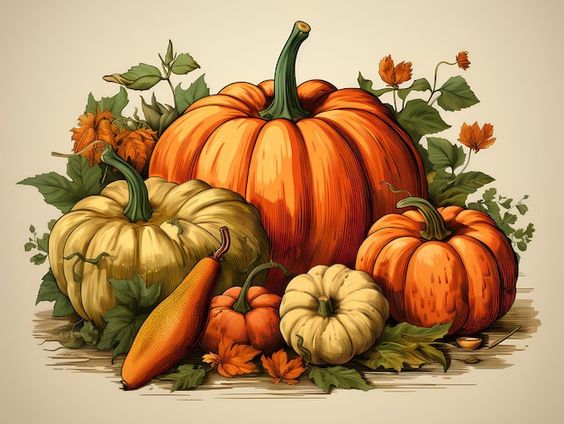
A pumpkin harvest basket lets you combine several gourds in one scene. Place the largest pumpkin first, tuck smaller gourds behind it, then add leaves to cover overlaps that feel awkward.
This idea works well after simpler easy fall drawings because it asks you to overlap forms and manage depth. Keep the front pumpkin sharper and let background gourds use lighter lines.
Materials for easy pumpkin drawings
You do not need a complicated setup. A sketchbook, 2B pencil, kneaded eraser, fineliner, and two or three warm colors are enough for most pumpkin drawing ideas. Orange is useful, but burnt sienna, yellow ochre, olive green, and warm gray often make the drawing look less flat.
- Use smooth paper for clean line art and card designs.
- Use slightly toothy paper if you want richer colored pencil texture.
- Choose a waterproof fineliner if you plan to add watercolor or marker washes.
- Keep a scrap page nearby to test orange, brown, and shadow colors before touching the final sketch.
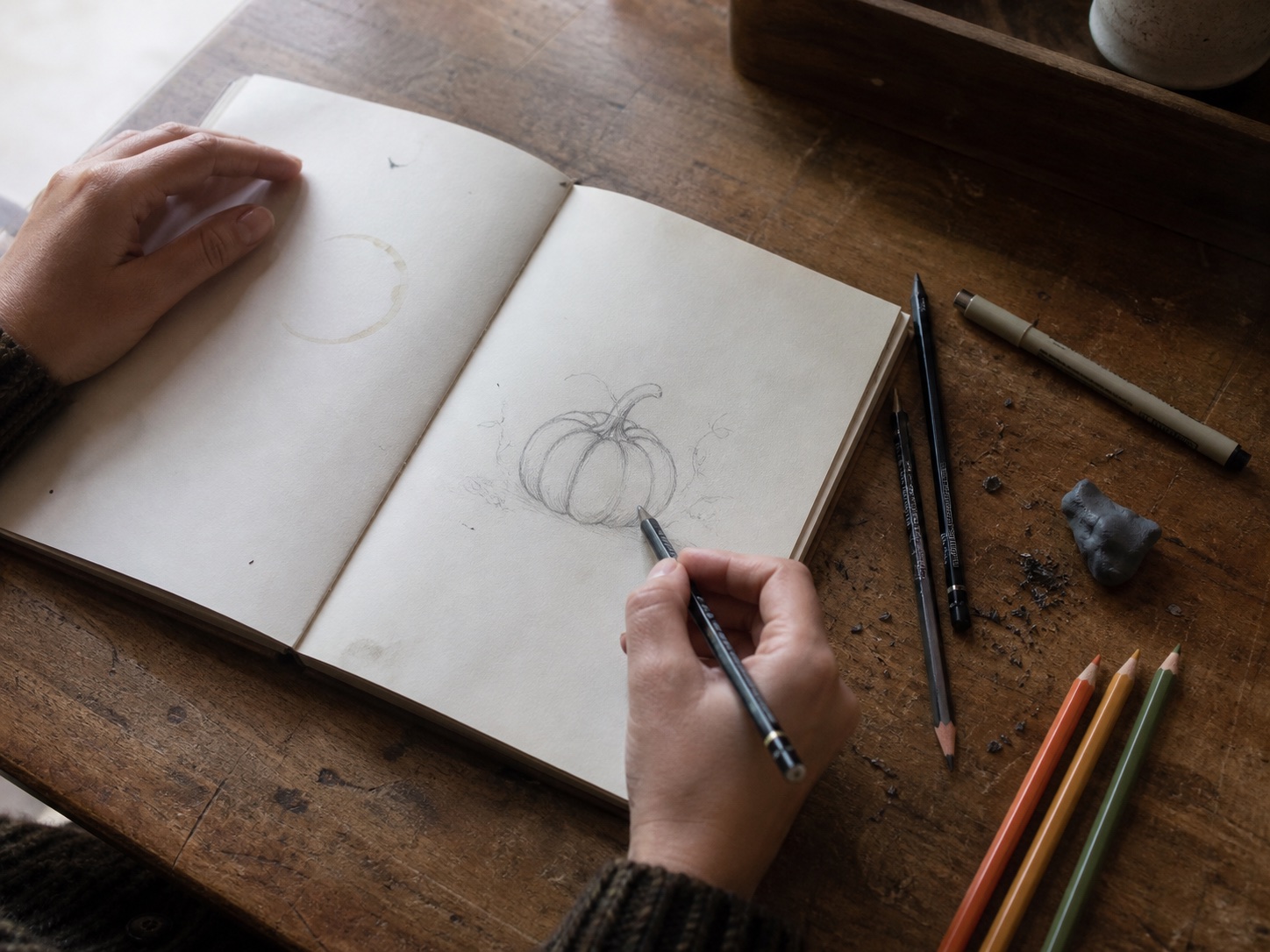
How to draw an easy pumpkin step by step
Start with the largest oval, then draw the center rib as a narrow curved shape. Add two ribs on each side, making them wider near the middle and thinner near the edges. Place the stem after the body is working; if you draw the stem first, the pumpkin often ends up stiff.
Next, choose your design layer: face, flowers, leaves, lettering, ghosts, or a latte cup. Keep that layer lighter until the pumpkin structure is correct. If the sketch will become fall decor, compare it with DIY pumpkin crafts before adding tiny details. When the drawing feels balanced, darken the key lines, add a ground shadow, and finish with small highlights on the ribs.
For reference, the real plant has thick stems, heavy fruit, and deep rib patterns, so studying a few actual pumpkin shapes can help. I like using source photos from university extension pages such as pumpkin and winter squash growing notes, basic botanical descriptions like Britannica's pumpkin overview, and museum collection searches such as pumpkin references at The Met when I want more varied silhouettes.
For drawing practice, I also like comparing the pumpkin to plain still-life exercises. The National Gallery of Art mark-making lesson is useful for mark-making, the National Gallery of Art drawing resource is a helpful reminder that drawing can stay exploratory, and MoMA drawing prompts works well when you need a museum-style sketch prompt instead of another copied reference photo.
Common pumpkin drawing mistakes
- Making every rib the same width. Real pumpkins have uneven spacing, and that unevenness makes them feel organic.
- Adding the face before the form works. Draw the pumpkin volume first, then fit the face to the curve.
- Using only orange. A little brown, green, gray, or yellow makes the fall pumpkin sketch feel warmer and less flat.
- Forgetting the cast shadow. Even a simple oval shadow makes a beginner pumpkin drawing feel more finished.
More easy pumpkin drawing practice
Use this page as the pumpkin-specific practice list, then branch into broader autumn scenes, crafts, or color studies once the main shape feels solid. If you only have ten minutes, repeat the simple oval-and-rib structure three times: one plain pumpkin sketch, one cute face, and one shaded version.
Pumpkin drawing ideas FAQ
Q: What are the easiest pumpkin drawing ideas for beginners?
A: The easiest pumpkin drawing ideas are simple pumpkin sketches, cute pumpkin faces, pumpkin silhouettes, and small jack-o’-lanterns. Start with one oval, add curved ribs, then use a chunky stem and a soft shadow. Once the form works, add glasses, leaves, ghosts, or a tiny smile.
Q: How do you draw an easy pumpkin for beginners?
A: Start with a wide oval, then add one narrow curved rib in the center. Build the side ribs around it with lighter curved lines that follow the pumpkin’s round form. Add a short, thick stem at the top, place a soft oval shadow underneath, and darken only one side before adding a face or decoration.
Q: What should I draw on a pumpkin?
A: Good things to draw on a pumpkin include jack-o’-lantern faces, glasses, stars, ghosts, flowers, monograms, leaves, sugar skull patterns, and simple geometric shapes. If the design will go on a real pumpkin, keep tiny details thicker so they stay visible after painting or carving.
Q: What colors work best for fall pumpkin drawings?
A: Orange is the base color, but fall pumpkin drawings look better with yellow ochre, burnt sienna, olive green, warm gray, and a little dark brown. Use the strongest orange on the lit ribs and let the shadow side shift slightly toward brown or gray.
Q: How do I make a pumpkin drawing look cute?
A: To make a pumpkin drawing look cute, use a rounder body, large eyes, a small mouth, soft cheeks, and simple accessories like glasses, a bow, or tiny leaves. Avoid harsh angles unless you want the pumpkin to look spooky instead of friendly.
Q: How do I shade a pumpkin drawing?
A: Shade a pumpkin by choosing one light direction and darkening the far side of each rib. Keep the highlight broken across the rounded surface, not perfectly straight. Add the darkest value under the pumpkin and soften the cast shadow as it moves away from the body.
Q: Can I use these ideas for drawing on real pumpkins?
A: Yes. Sketch the design on paper first, then simplify thin lines before moving it to a real pumpkin. Bold shapes, large faces, monograms, ghosts, and floral outlines usually transfer better than tiny textures or delicate pencil-style shading.
Final sketching note
The strongest pumpkin drawings usually have one clear idea and one clear light source. Pick a design from the list, sketch the basic ribs first, and do not rush the small decorations until the pumpkin feels round on the page.
After practicing a single pumpkin, compare it with these pumpkin drawing ideas to see how patches, signs, barns, and warm shadows can turn one shape into a fuller fall scene.
- 1.3Kshares
- Facebook0
- Pinterest1.3K
- Twitter0
- Reddit0