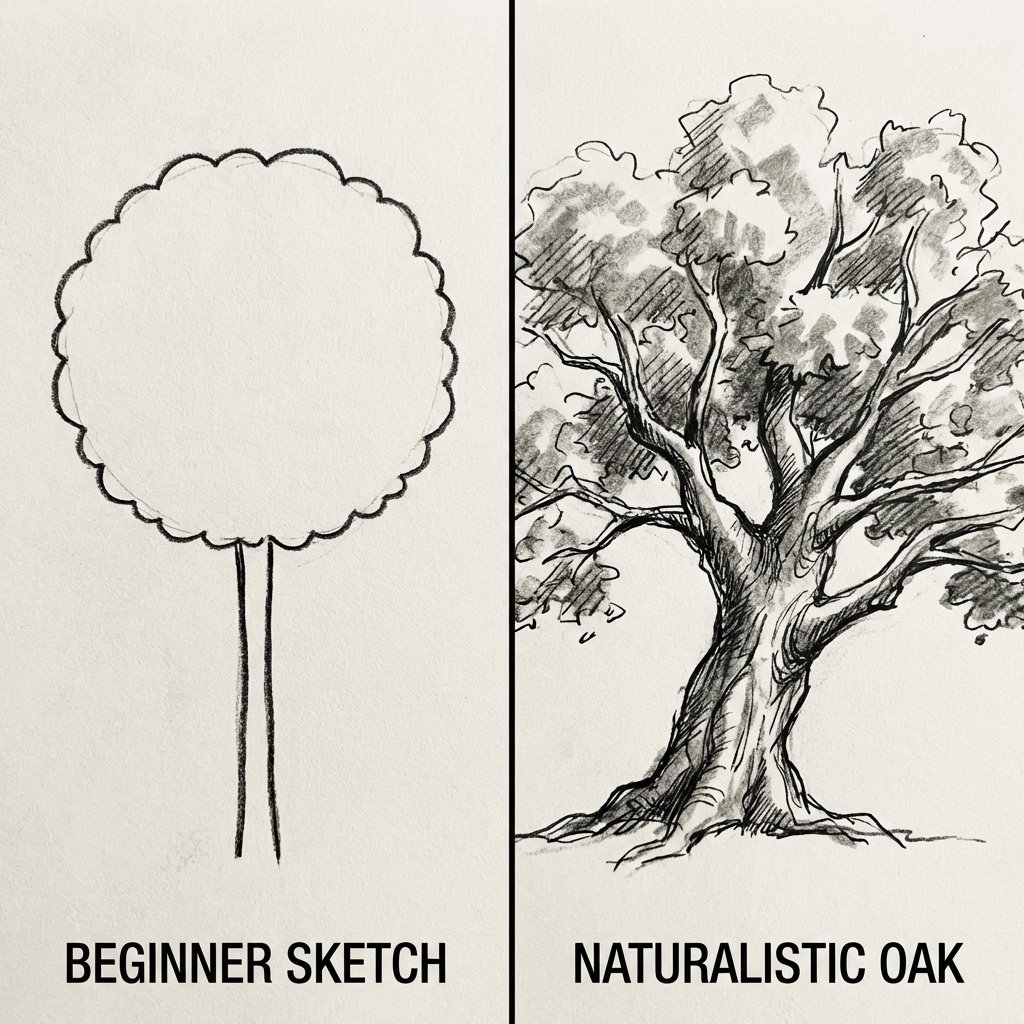
My first tree drawing looked like a lollipop on a stick. A perfect circle of scribble sitting on a straight brown line — the kind of tree a five-year-old draws and never quite grows out of. I drew that same tree for years, convinced I just ‘wasn’t a nature artist.’
The fix wasn’t talent. It was three things I wish someone had told me earlier: trees taper, branches have logic, and foliage is built from shadow — not outline. Once those clicked, everything changed.
- Tip 1: Study Real Trees Before You Draw Them
- Tip 2: Start With a Gesture, Not an Outline
- Tip 3: Understand Branch Tapering — Nature's Most Consistent Rule
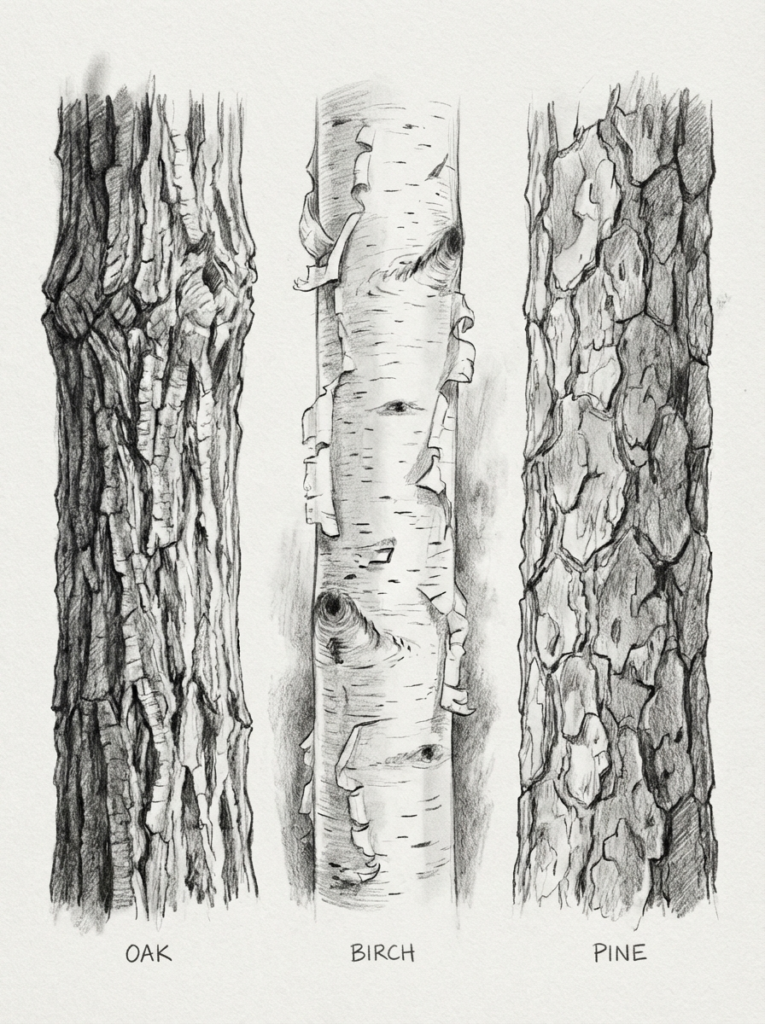
- Tip 4: Add Bark Texture That Looks Earned, Not Pasted On
- Tip 5: Build Foliage From Shadow, Not Outline
- Tip 6: Use Overlapping to Create Depth in the Canopy
- Tip 7: Get Light and Shadow Right — From a Single Source
- Tip 8: Choose the Right Pencils for Different Parts of the Tree
- Tip 9: Sketch from Life — Even Just 10 Minutes a Week
- Tip 10: Vary Your Mark-Making for More Natural Foliage
- Tip 11: Simplify Complex Foliage — Less Is More Convincing
- Tip 12: Add Context — Ground, Sky, Background
- FAQ: Tree Drawing Tips
- Q: How do I make my tree drawings look more realistic?
- Q: What pencils should I use for drawing trees?
- Q: How do you draw tree bark texture?
- Q: How do you draw foliage without it looking flat?
- Q: Should I use photo references or draw trees from life?
- Q: How do you draw different types of trees?
- Q: What is the biggest mistake beginners make when drawing trees?
- Keep Practicing: One Tree, Many Sessions
Trees are one of the most searched drawing subjects online, and also one of the most poorly taught. Most tutorials jump straight to ‘add leaves’ without explaining why trees look the way they do — which means the same stiff, symmetrical results over and over again.
This guide covers 12 practical tips that actually move the needle — whether you’re sketching with a basic HB pencil in a park or working on a detailed graphite piece for your portfolio. You’ll find specific techniques, tool recommendations with real prices, and the kind of observational advice that makes your hand and eye work together instead of fighting each other.
Tip 1: Study Real Trees Before You Draw Them
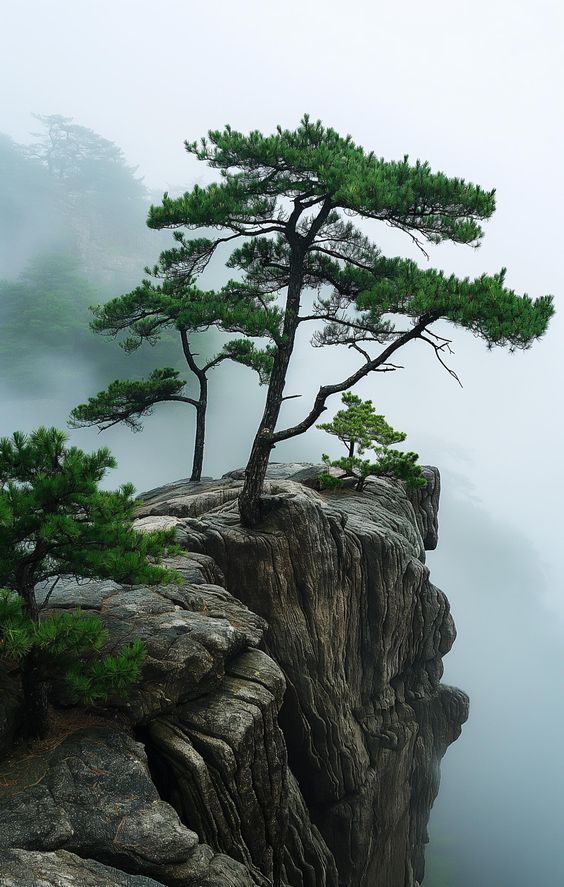
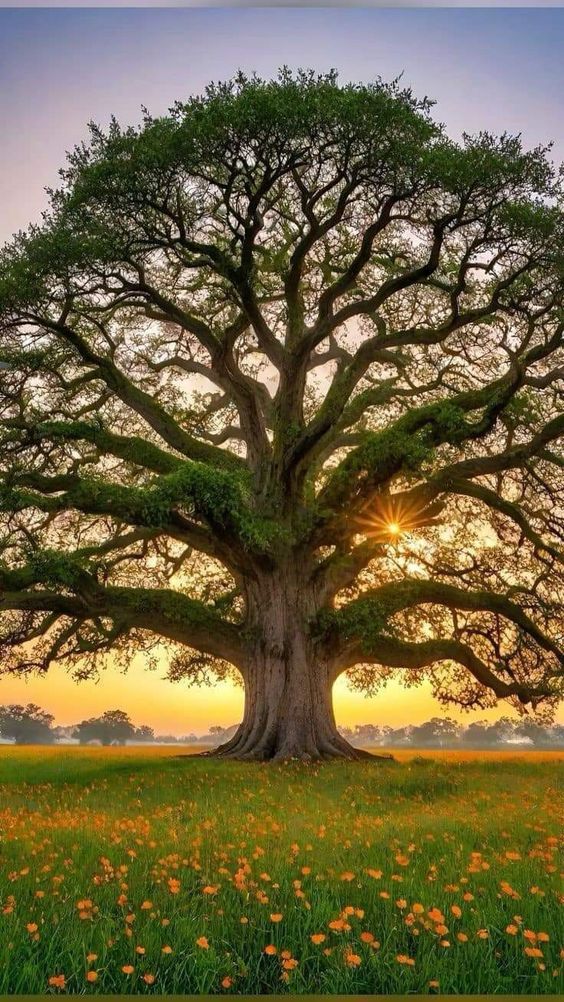
This sounds obvious, but most people skip it. They draw from memory — which means they draw their idea of a tree, not an actual tree. The result is always generic.
Spend ten minutes looking at a real tree before you draw anything. Not photographs — actual trees, if you can. Notice how the trunk doesn’t stay the same width from base to crown. Notice how branches don’t grow symmetrically. Notice that the bottom of the canopy is darker than the top.
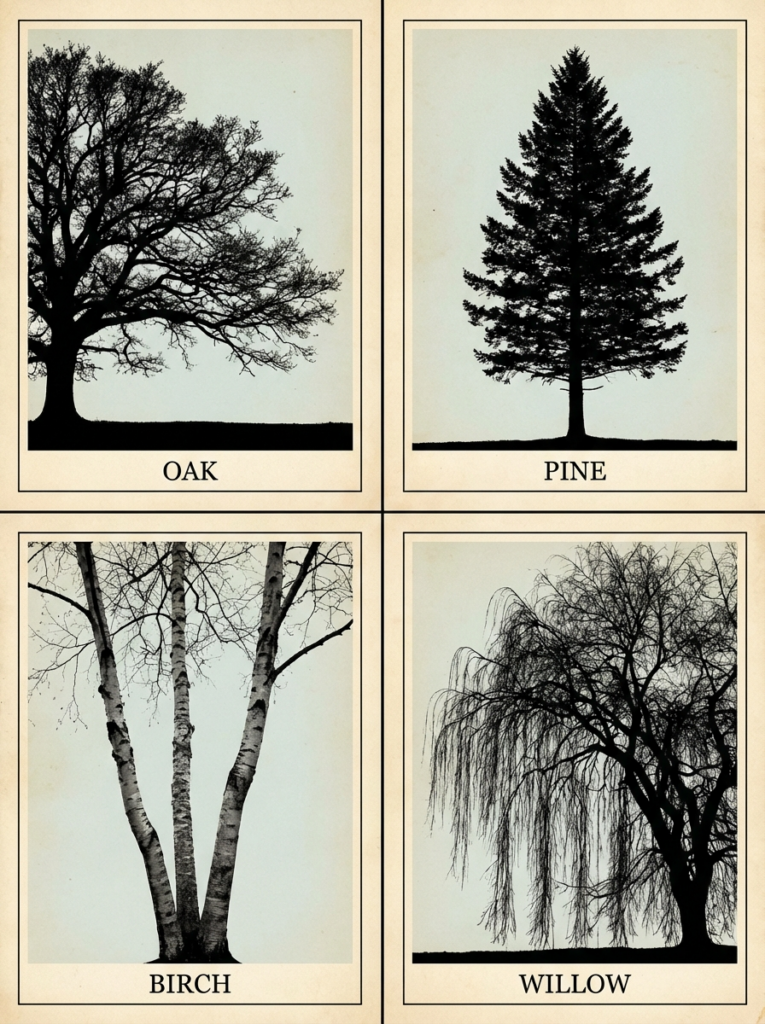
What to Look For in Different Species
Oak: Massive, irregular crown. Branches twist and spread in unpredictable directions. Strong taper from thick base to fine outer twigs.
Pine/Conifer: Cone-shaped silhouette, horizontal branches that droop slightly at the tips, layered shelf-like foliage clusters.
Birch: Slender white trunk with distinctive black markings. Light, airy canopy that reads almost like mist compared to an oak.
Willow: Cascading form — branches start heavy and droop toward the ground. The silhouette has more vertical movement than horizontal.
I keep a photo folder on my phone specifically for tree references, organized by species. It takes two minutes to build and saves enormous time when you’re sketching at a desk.
| ✏️ PRO TIP: Take 10 reference photos on your next walk. Sort by species. Even one folder of ‘oaks’ will transform your oak drawings. |
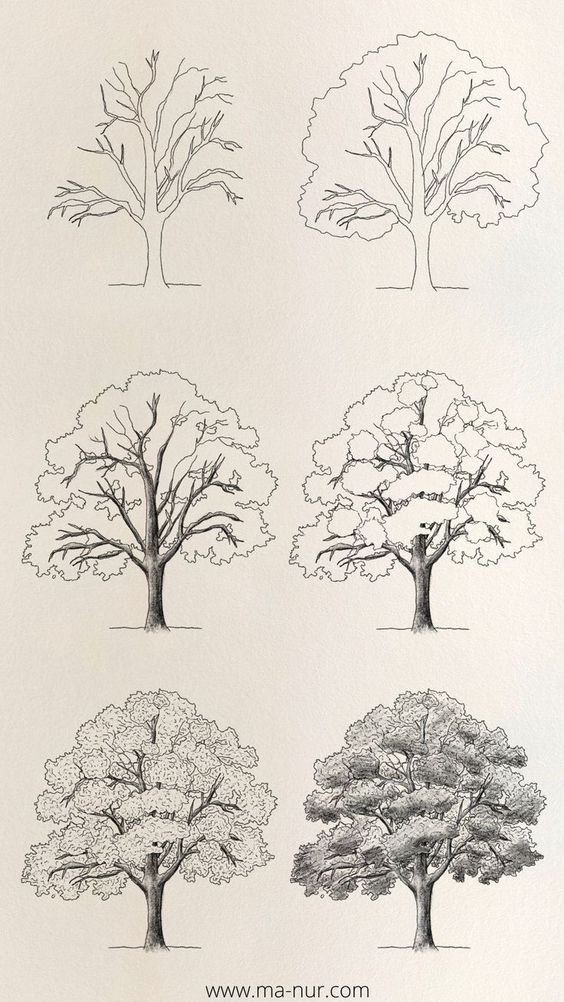
Tip 2: Start With a Gesture, Not an Outline
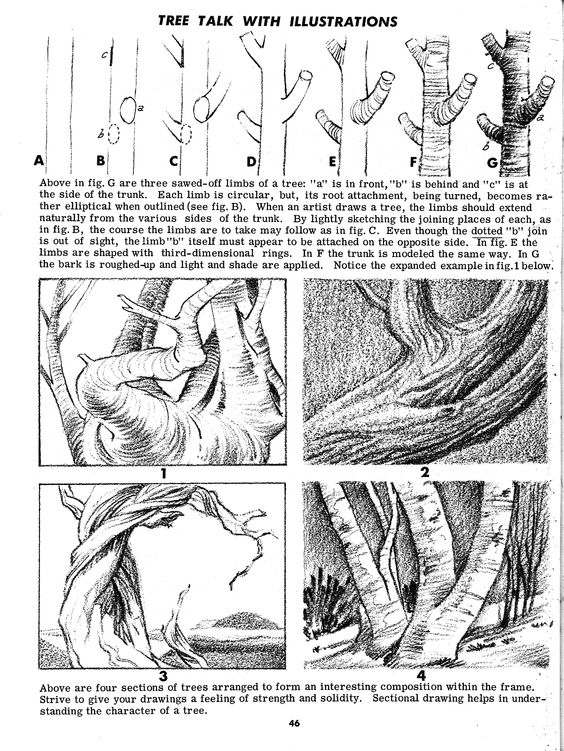
The single most common beginner mistake is drawing the outline of a tree first — tracing the silhouette from outside in. This creates a flat, rigid shape that’s almost impossible to rescue.
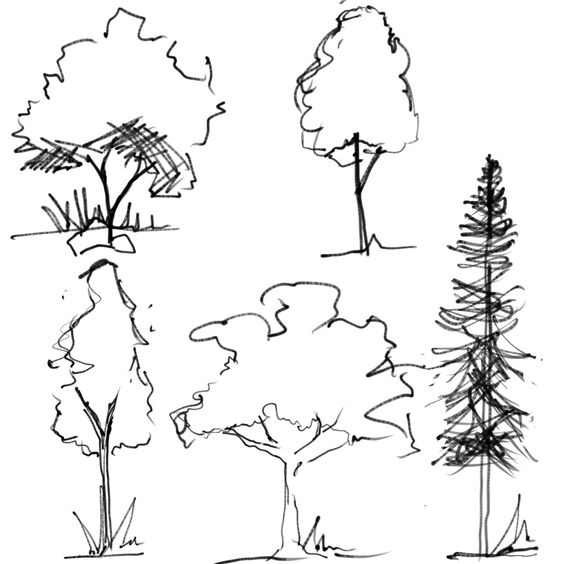
Instead, start from the inside out. Draw the trunk first as a loose, slightly curved vertical line. Then branch off from it with confident, tapered strokes — like you’re drawing the skeleton of the tree, not its skin.
The 3-Line Gesture Method
Before committing to any detail, try this: draw just three lines for any tree.
- The main trunk direction (a single flowing line, not perfectly straight)
- The dominant branch going left
- The dominant branch going right
That’s your gesture. Everything else — foliage, bark, secondary branches — hangs off this armature. If the gesture feels wrong, fix it now. No amount of detail will save a bad structure underneath.

| ✏️ PRO TIP: Use a 4B pencil for gestures — the soft lead encourages loose, fast marks. Switch to a 2H for detail work afterward. |
Tip 3: Understand Branch Tapering — Nature’s Most Consistent Rule
Here’s the rule that changes everything: every branch gets thinner as it moves away from the trunk. Always. No exceptions.
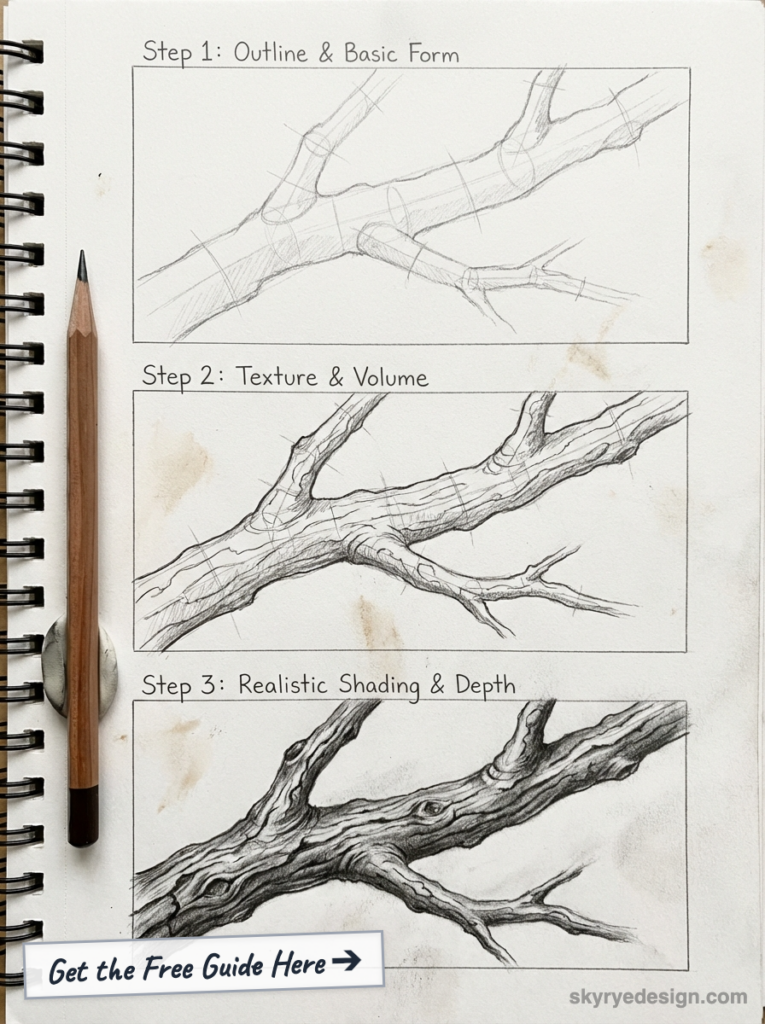
Trunk is thickest at the base. Main branches are thinner than the trunk. Secondary branches are thinner than main branches. Twigs at the tips are hair-fine.

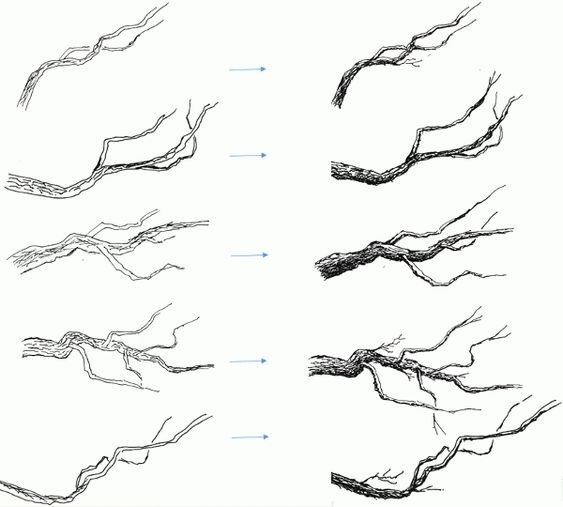
This tapering follows a predictable mathematical relationship sometimes called Leonardo’s Rule: the cross-sectional area of a trunk equals the combined cross-sectional areas of the branches coming off it. You don’t need to calculate this — just internalize the principle: branches always thin as they fork.
How to Draw Taper Convincingly
Draw your branches with two strokes for each one — one line for each side of the branch — and bring those two lines closer together as you move outward. The lines should converge toward the tip, not stay parallel. Parallel branches look like pipes. Converging lines look alive.
Another technique: when a branch forks, make each new branch noticeably thinner than the parent. Many beginners make all three branches the same thickness, which reads as unnatural immediately.
| ✏️ PRO TIP: Test your taper: cover the trunk with your thumb. If the outermost branches look too thick, they are. Thin them out. |
Tip 4: Add Bark Texture That Looks Earned, Not Pasted On
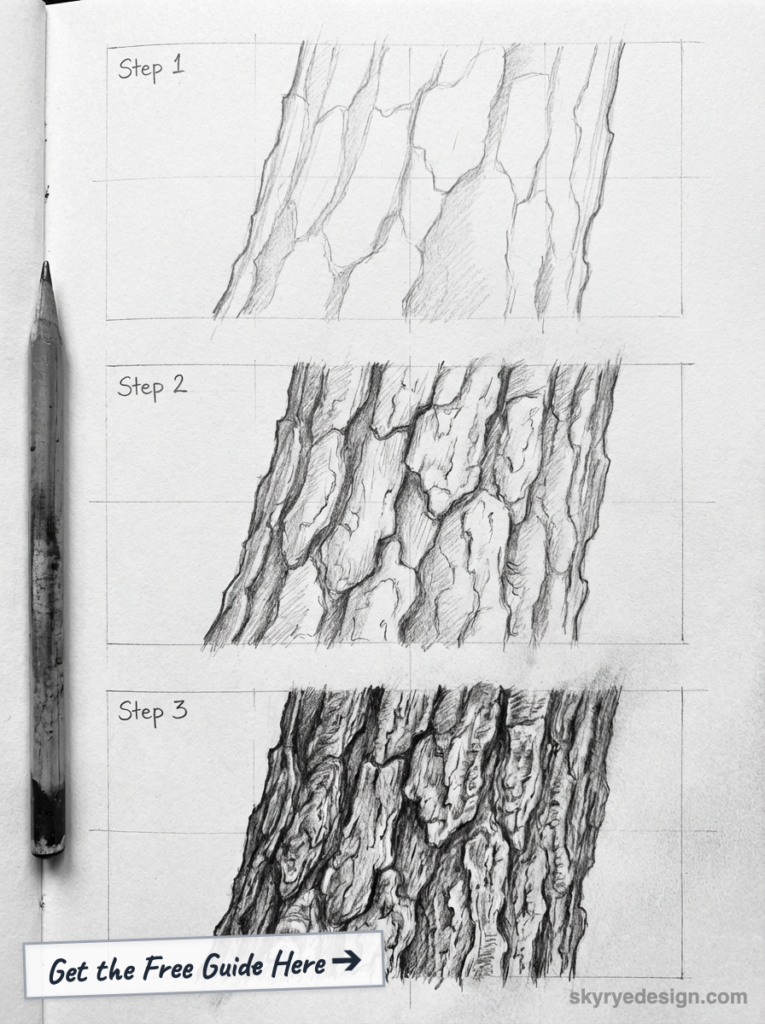
Bark texture is where most beginners overdo it — covering the entire trunk in the same repetitive parallel lines until it looks like a striped rectangle, not living wood.
Real bark is inconsistent. It’s rougher in some areas, smoother in others. Old bark on a lower trunk is deeply furrowed; newer growth near the tips is relatively smooth. The key is using texture to describe form, not to fill space.
Texture by Tree Type
Oak: Deep vertical grooves, almost geometric. Use heavier pressure and longer strokes down the trunk. Leave small highlight areas untextured.
Birch: Horizontal peel lines and irregular dark patches. Use a 2B for the dark marks, then a kneaded eraser to pull out the lighter bark between them.
Pine: Plates of reddish-brown bark separated by deep fissures. Think crosshatch, but in large irregular chunks, not uniform grid patterns.
I’ve found that the most convincing bark comes from switching between mark types within the same trunk — some horizontal, some vertical, some diagonal — rather than picking one direction and repeating it.
| ✏️ PRO TIP: Use the side of your pencil for broad, soft bark tones, then come back with the tip for sharp cracks and fissures. Two passes, two different tool orientations. |

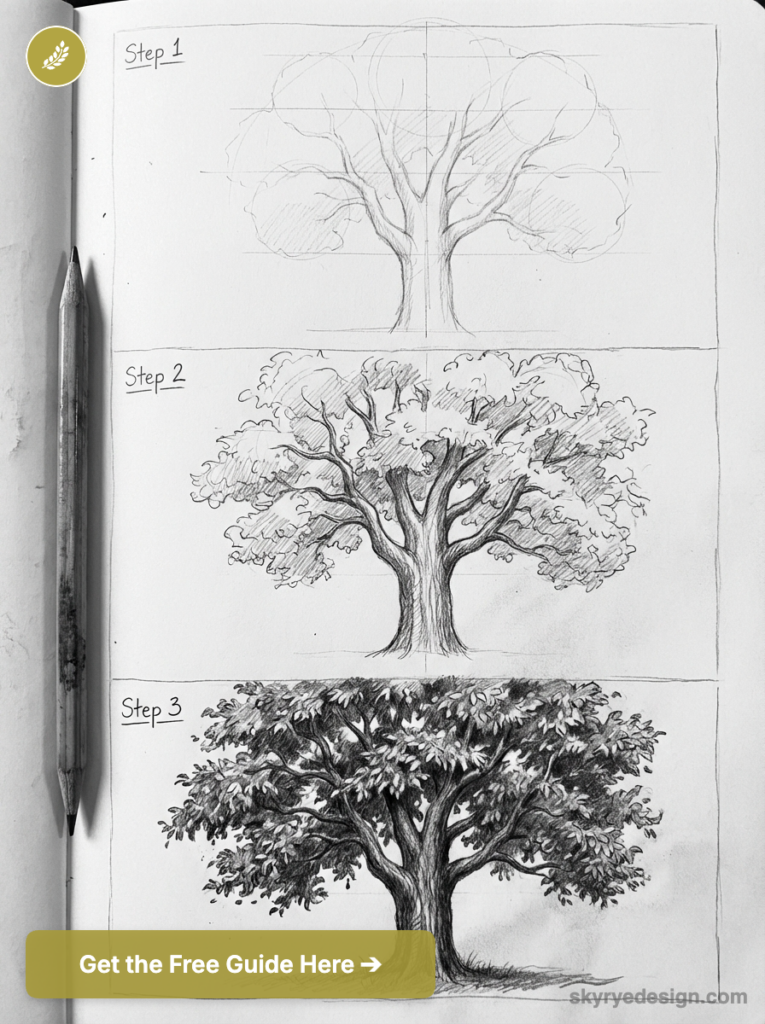
Tip 5: Build Foliage From Shadow, Not Outline
Drawing foliage by outlining leaf clusters and filling them in is a trap. The result always looks flat — a green (or grey) shape with a wavy edge that reads as ‘symbolic tree,’ not a real one.


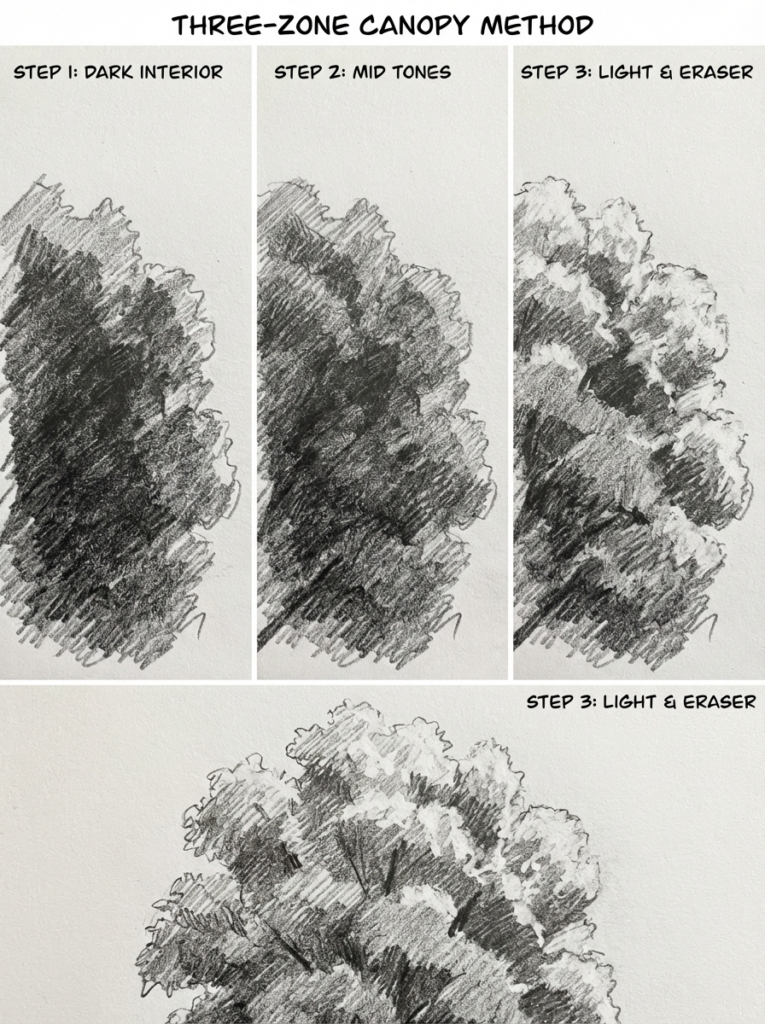
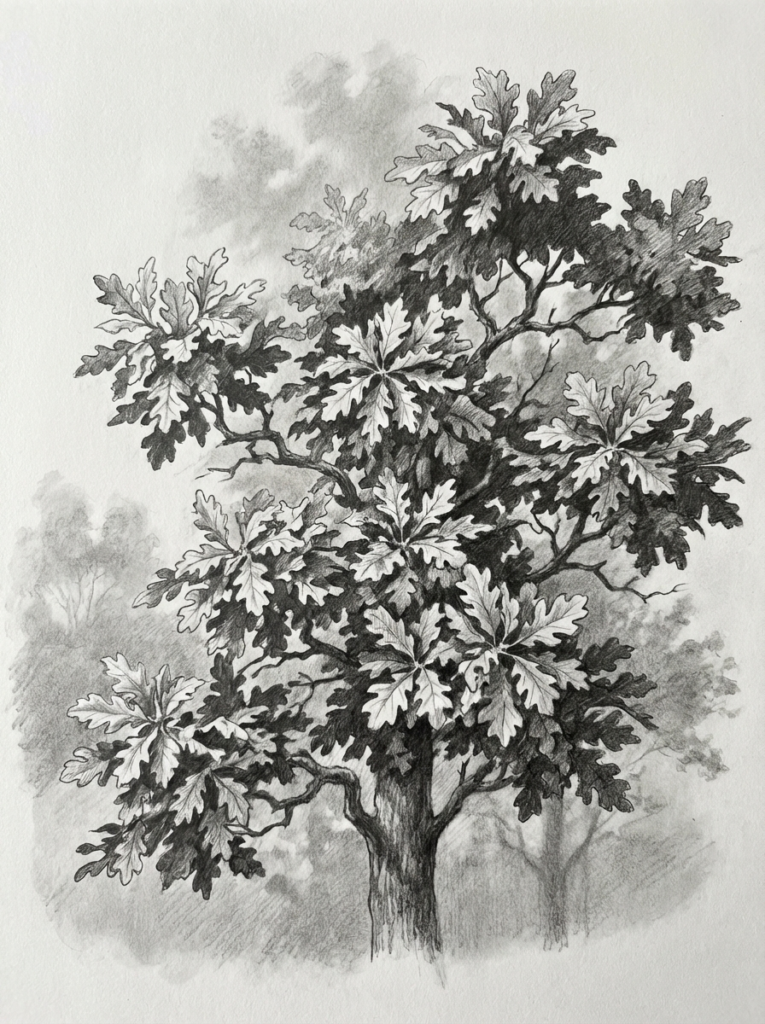
The shift: build foliage by placing your darkest values first. Find where shadow falls within the canopy — typically the interior, lower areas, and wherever branches cross — and lay that down with a 4B or 6B. Then build lighter layers outward and upward toward where the light hits.
The Three-Zone Canopy Method
Divide any tree canopy into three zones:
- Shadow zone (darkest): deep interior, undersides of canopy clusters, areas blocked from light
- Mid-tone zone: the main body of the canopy in open shade
- Highlight zone (lightest): tops of clusters where direct light hits — sometimes use a kneaded eraser to pull these back
Work from dark to light. It’s much easier to add a highlight than to darken everything after the fact.
For the outer edge of the canopy, don’t draw a continuous outline. Break it up. Real leaf clusters have an irregular, slightly spiky silhouette — some leaves push forward into the light, others recede. A few broken gaps in the silhouette makes the whole thing read as three-dimensional.
| ✏️ PRO TIP: Leave a small gap between foliage clusters to let the background breathe through. That tiny strip of sky inside a canopy does more for the illusion of depth than any shading technique. |
Tip 6: Use Overlapping to Create Depth in the Canopy
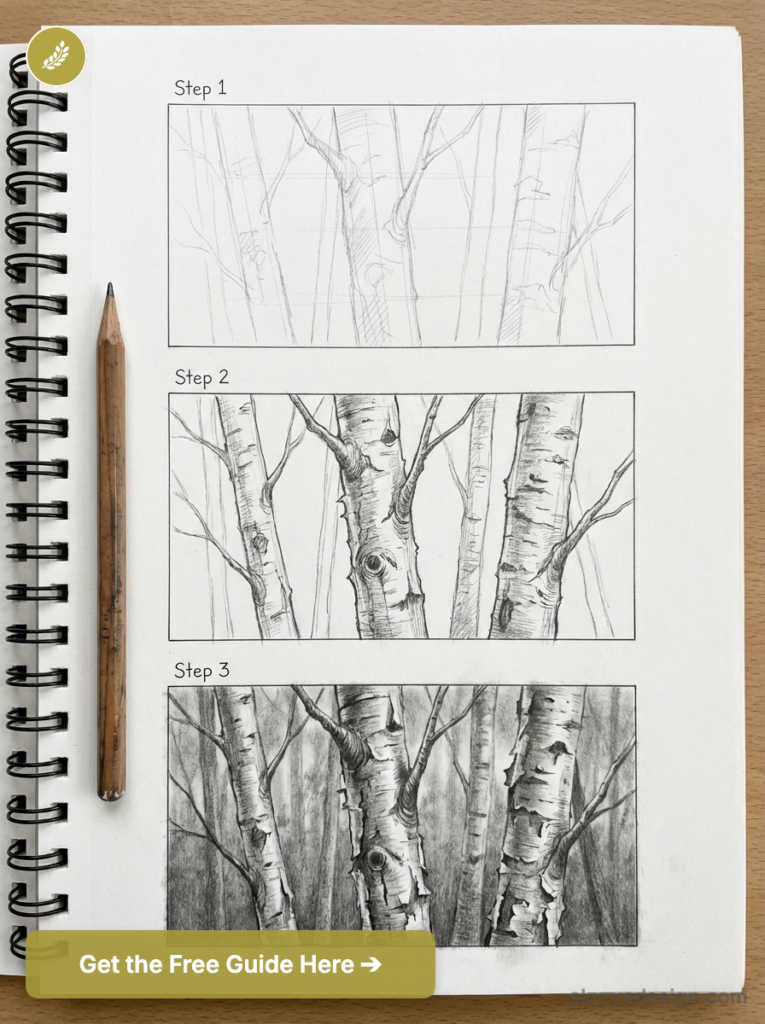
Trees are three-dimensional, but drawings are flat. The main tool for solving this: overlapping. When one cluster of foliage sits in front of another, let it clearly overlap — don’t just place them side by side.
Clusters in front should have sharper edges and slightly more contrast. Clusters behind them should be softer, slightly lighter in value, and partially hidden. This recession into space is what separates a flat tree from a believable one.
Foreground vs. Background Foliage
Foreground clusters: higher contrast, more defined leaf shapes visible at the edge, slightly darker dark values.
Background clusters: softer, less contrast between dark and mid tones, edges that fade rather than cut sharply against the sky.
A useful rule: the further back in the tree, the less detail. Your eye accepts ‘suggested’ foliage at depth. It only demands specificity at the front.
Tip 7: Get Light and Shadow Right — From a Single Source
Before adding any shading, decide where your light is coming from. Write it down if you have to. Top-left? Top-right? Directly above? Every mark you make after that should be consistent with that single decision.
The most common shading mistake isn’t bad technique — it’s changing the light source mid-drawing without noticing.
Where Light and Shadow Live on a Tree
- Trunk: light on one side, cast shadow on the other — the shadow side should be noticeably darker than the mid-tone bark
- Branches: the top surface catches light, the underside is in shadow
- Canopy top: highlight; canopy bottom: shadow (sometimes very deep shadow)
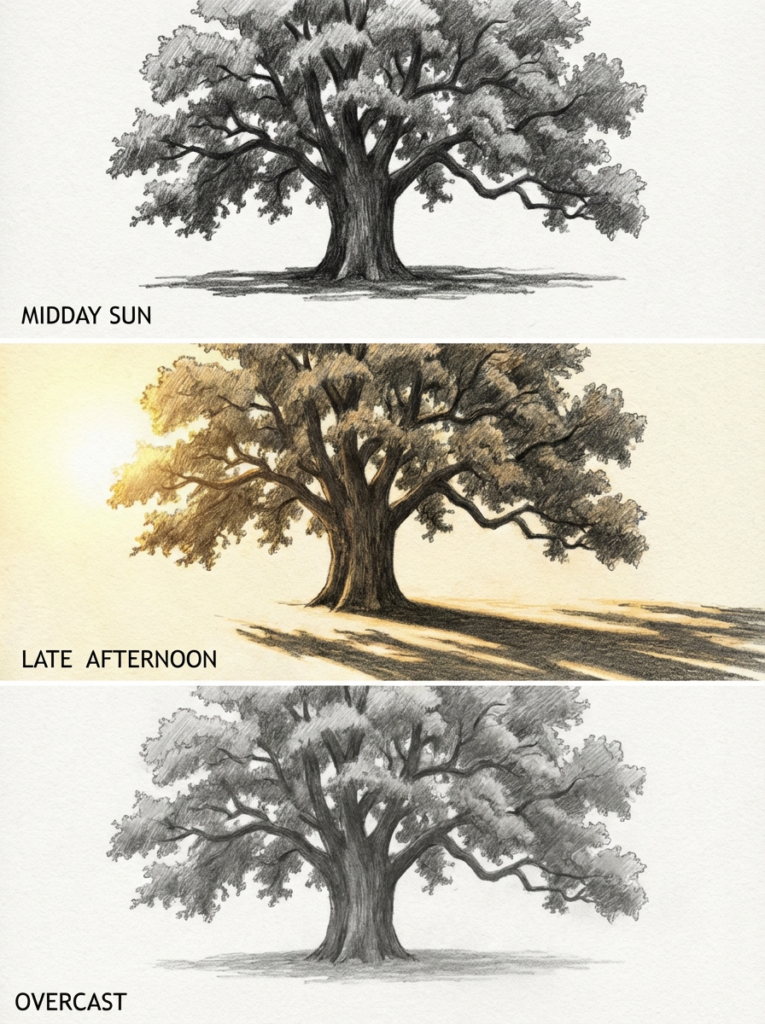
- Ground: cast shadow from the whole tree, soft-edged on overcast days, hard-edged in direct sun
Time of day matters too. Midday sun creates short, dense shadows directly beneath objects. Late afternoon creates long, dramatic shadows at an angle. Morning light is soft and diffused. Pick one and commit.
| ✏️ PRO TIP: Before shading anything, squint at your reference. Squinting simplifies the tonal information into just 2–3 values — dark, mid, light. Draw those broad zones first, details second. |
Tip 8: Choose the Right Pencils for Different Parts of the Tree
Using a single HB pencil for an entire tree drawing is like trying to cook a full meal with one knife. You can do it — but you’re making everything harder than it needs to be.
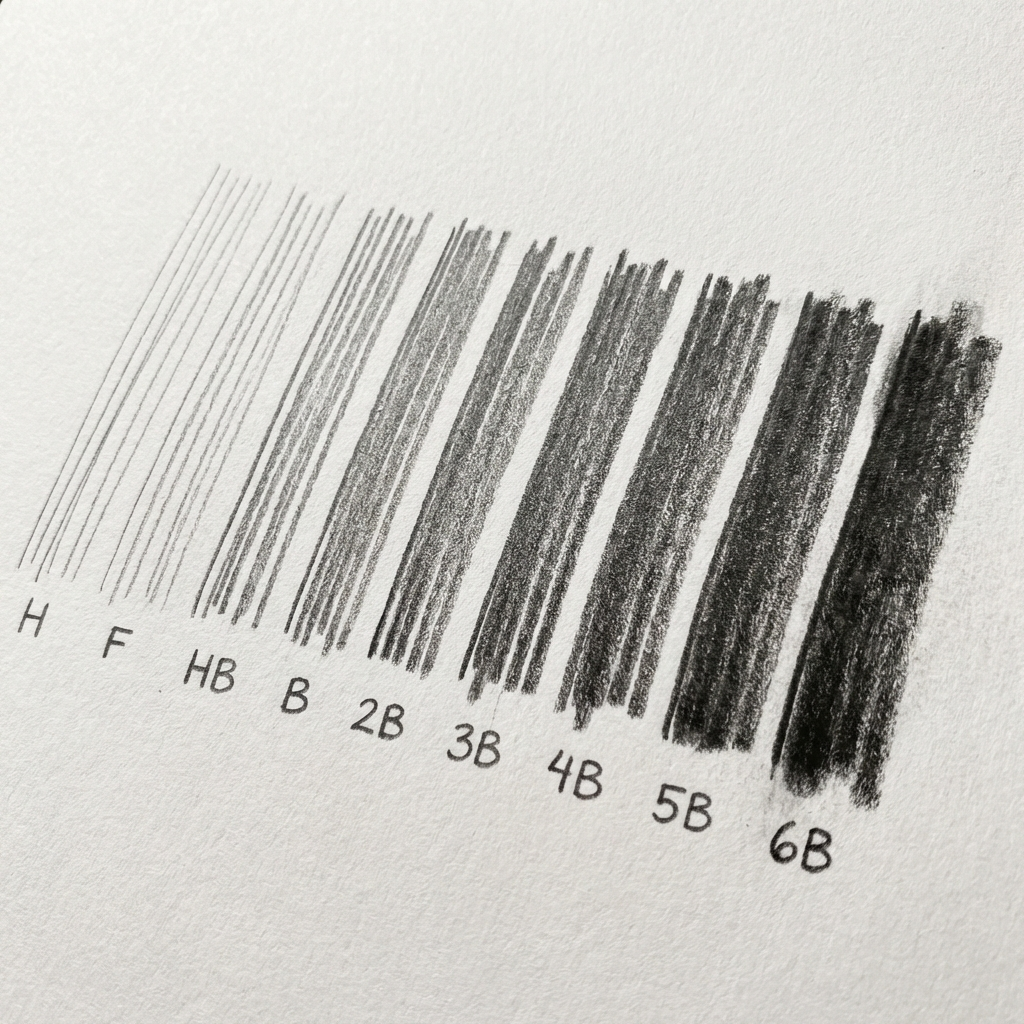
A simple 4-pencil setup handles virtually every tree drawing situation:
The Core 4-Pencil Setup
- 2H — light structural lines, initial branch skeleton, faint guidelines you can draw over
- HB — general mid-tone work, rough bark textures, medium foliage
- 2B — darker foliage areas, deeper bark grooves, strong shadows
- 4B or 6B — darkest shadows in the canopy interior, deep crevices in bark, foreground ground shadows
For brands: Staedtler Mars Lumograph and Faber-Castell 9000 are the two most consistently recommended professional ranges — both available as 12-pencil sets for around $15–22 on Amazon. For something more premium, Caran d’Ache Graphite Line is exceptional but significantly more expensive (~$40+ for a small set). Beginners who want to start simpler: a Staedtler 6-piece set (6B–4H, around $8) is genuinely all you need.
One specific call-out: if you’re drawing detailed bark, pick up a kneaded eraser (Prismacolor’s is reliable at $2–3). You can sculpt it to a fine point and literally pull graphite off the paper — fantastic for birch bark highlights or light-catching twigs in front of a dark canopy.
Tip 9: Sketch from Life — Even Just 10 Minutes a Week
Every drawing course, every working illustrator, every art book: they all say the same thing. Drawing from life is irreplaceable. Not because photographs are bad references, but because a photograph is someone else’s decision about light, angle, and crop.
When you sit in front of a real tree, you make all those decisions. Your eye travels across the bark and reads texture in real three dimensions. You notice that the shadow on the left branch is cooler than the shadow on the trunk. You see how wind moves the canopy.
A Simple Life-Sketching Habit
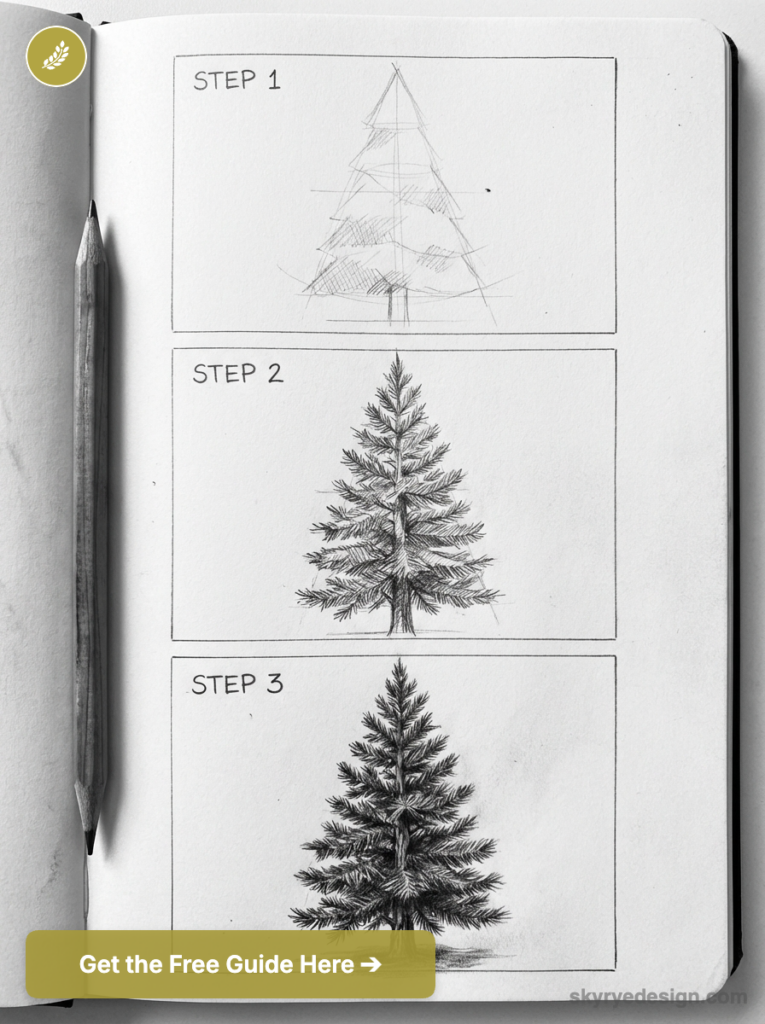
You don’t need an hour. Ten minutes with a small sketchbook (Moleskine Art Sketchbook, 3.5×5.5in, around $12 — fits in a coat pocket) and a single 2B pencil is enough to build genuine observational skill over time.
Try this for four weeks: once a week, find one tree and do three 3-minute gesture sketches of it from different positions. No detail. Just trunk direction, main branches, canopy mass. That’s a 36-minute total investment that will measurably change how you draw trees from imagination.
| ✏️ PRO TIP: Sit at a 45-degree angle to the tree rather than straight on — you’ll see the three-dimensional form far more clearly than from a flat frontal view. |


Tip 10: Vary Your Mark-Making for More Natural Foliage
One of the surest signs of an inexperienced tree drawing is uniform marks — the same size, pressure, and direction used for every part of the foliage. Real canopies have visual texture that varies: some areas dense and dark, others loose and airy.
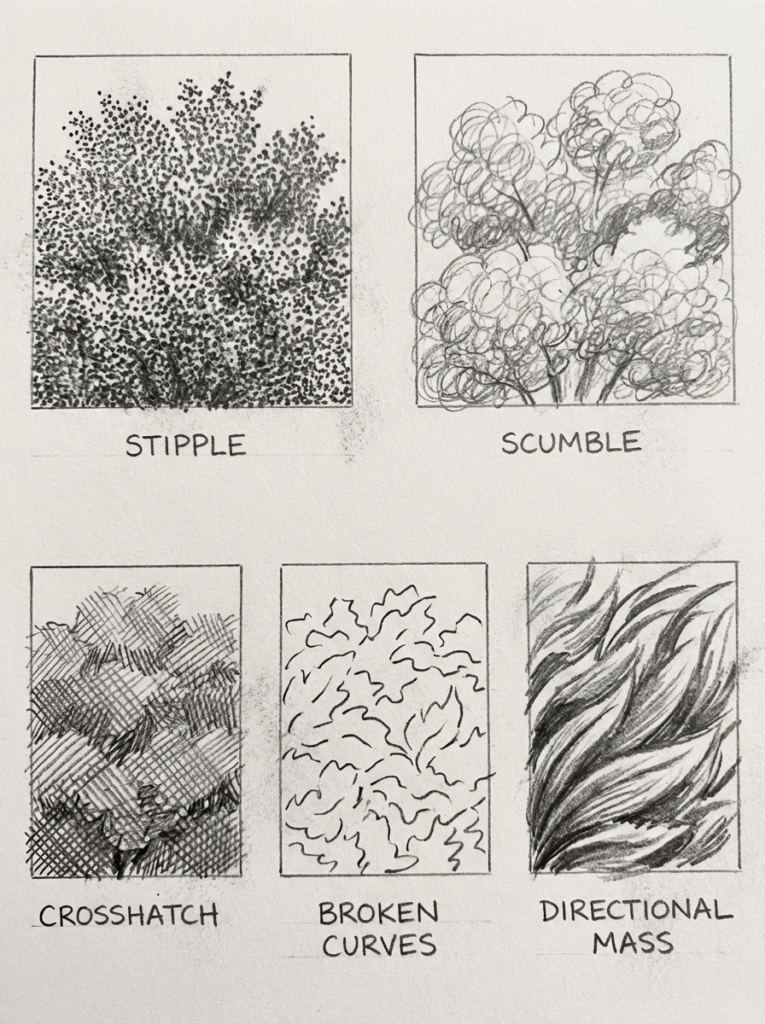
5 Mark Types Worth Practicing
- Stippling — dots of varying density. Dense in shadows, sparse toward the light. Time-consuming but extremely realistic for deciduous trees.
- Scumbling — small circular scribbling motion. Fast, good for suggesting a large mass of leaves without detail.
- Hatching/Cross-hatching — parallel lines at 45°, layered at different angles for darker areas. Works well for conifers and structured foliage.
- Broken curved strokes — quick, individual curved marks that suggest leaf clusters without drawing individual leaves. Most versatile technique overall.
- Directional mass shading — long, flowing strokes following the direction light travels across the canopy. Best for establishing large tonal zones first.

I’ve found broken curved strokes to be the most useful for general tree drawing — they’re fast, they read as organic, and they combine naturally with eraser highlights. Stippling takes too long for anything full-scale, but it’s a great exercise for training your pressure control.
Tip 11: Simplify Complex Foliage — Less Is More Convincing
More leaves ≠ more realistic. This is the paradox that frustrates beginners endlessly: the more detail you add, the less convincing the foliage looks.


The reason: individual leaves are tiny. At normal drawing scale, your eye can’t distinguish individual leaves in a canopy — it reads the mass of light and shadow instead. When you try to draw every leaf, you’re fighting what the eye actually perceives.
The Cluster Approach
Instead of leaves, think in clusters. A cluster is a group of leaves that collectively catch or block light — acting as a single visual unit. Draw clusters, not leaves. Each cluster has a light side, a shadow side, and an edge.
How many clusters should a tree canopy have? Fewer than you think. A convincing mid-sized deciduous tree might read as 8–15 distinct foliage clusters at most. The internal detail within each cluster can be suggested rather than specified.
| ✏️ PRO TIP: If you find yourself drawing individual leaves, zoom out mentally. Ask: which cluster does this leaf belong to? Draw the cluster instead. |
Tip 12: Add Context — Ground, Sky, Background
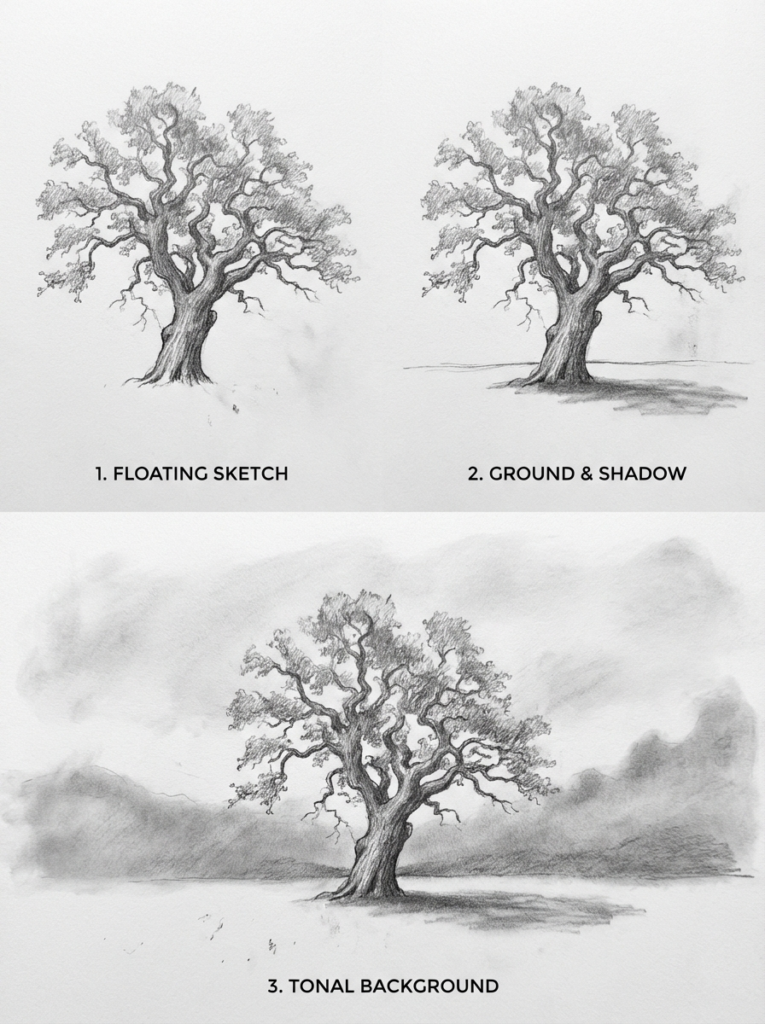
A tree floating in white space always looks unfinished — not because anything is wrong with the tree itself, but because trees don’t exist in a vacuum. They cast shadows. They stand in ground. They relate to sky.


Even minimal context transforms a tree sketch from ‘drawing exercise’ to ‘scene.’
The Minimal Context Approach
- Ground line: A single horizontal line beneath the trunk roots does more work than you’d expect. Add a hint of grass with a few upward flicks of a 2B.
- Cast shadow: A soft shadow extending from the base of the trunk — the direction determined by your light source — grounds the tree visually.
- Background tone: A light mid-tone wash behind the canopy (use the side of a 2H, very lightly) makes the outer edges of your foliage read clearly, instead of disappearing into white paper.
- Atmospheric perspective: If there are distant trees, make them lighter in value and softer in edge. The air between you and them visually reduces contrast.
I resisted adding backgrounds for a long time because I was afraid of ‘ruining’ a tree drawing I was happy with. That fear is backwards. A simple ground line costs thirty seconds and almost always improves the drawing.
FAQ: Tree Drawing Tips


Q: How do I make my tree drawings look more realistic?
Three changes make the biggest difference: (1) taper your branches consistently — thinner as they move away from the trunk; (2) build foliage from shadow values outward rather than outlining first; (3) decide on a single light source before adding any shading and stay consistent with it. Combine these three and even a simple tree sketch starts reading as convincingly real.
Q: What pencils should I use for drawing trees?
A 4-pencil setup covers everything: 2H for light structural lines, HB for mid-tone work, 2B for darker shadows and foliage, and 4B–6B for the deepest shadow areas. Staedtler Mars Lumograph and Faber-Castell 9000 are both excellent starting points (~$15–22 for a 12-piece set). Add a kneaded eraser for pulling back highlights — it’s worth every penny of the $2–3 it costs.
Q: How do you draw tree bark texture?
Match your texture marks to the species. Oak bark uses heavy vertical strokes with pressure variation. Birch uses horizontal peel lines and irregular dark patches, then a kneaded eraser to lift highlights between them. Pine uses large irregular plate shapes separated by deep crosshatched fissures. The main mistake to avoid: using one repetitive mark type across the whole trunk. Vary direction and pressure, and leave some areas with minimal texture to suggest smooth patches.
Q: How do you draw foliage without it looking flat?
Don’t outline foliage clusters and fill them in — build from shadow inward. Place your darkest values in the interior and undersides of the canopy first, then build lighter tones upward toward where light hits. Use a kneaded eraser to pull back highlights on cluster tops. Break the silhouette edge — a few irregular gaps and jutting twigs do more for three-dimensionality than any shading technique.
Q: Should I use photo references or draw trees from life?
Both, ideally. Photo references are practical and available year-round — useful for specific species detail, seasonal variations, and complex lighting scenarios. Life sketching develops a different kind of visual understanding: you see tonal relationships the camera compresses, you notice spatial depth the photo flattens, and you build the habit of observation. Even 10 minutes of life sketching once a week produces noticeable improvement over 2–3 months.
Q: How do you draw different types of trees?
Start with the silhouette — each species has a distinctive one. Oak: wide, irregular, spreading. Pine: cone-shaped, horizontal branches, layered. Willow: cascading vertical form. Birch: slender, light, airy canopy. Once you’ve nailed the overall shape, focus on the species-specific bark pattern and foliage character. A good exercise: sketch the same basic tree skeleton five times and assign a different species to each one by changing only the silhouette, bark marks, and foliage texture.
Q: What is the biggest mistake beginners make when drawing trees?
Starting with the outline. Drawing the silhouette of a tree first leads to a flat, rigid shape that’s almost impossible to fix. Instead, start with the trunk and branch structure from the inside out — the skeleton before the canopy. The second most common mistake is using uniform marks for foliage — same size, same pressure, same direction everywhere. Foliage texture should vary, with denser marks in shadow zones and lighter, sparser marks toward the light.
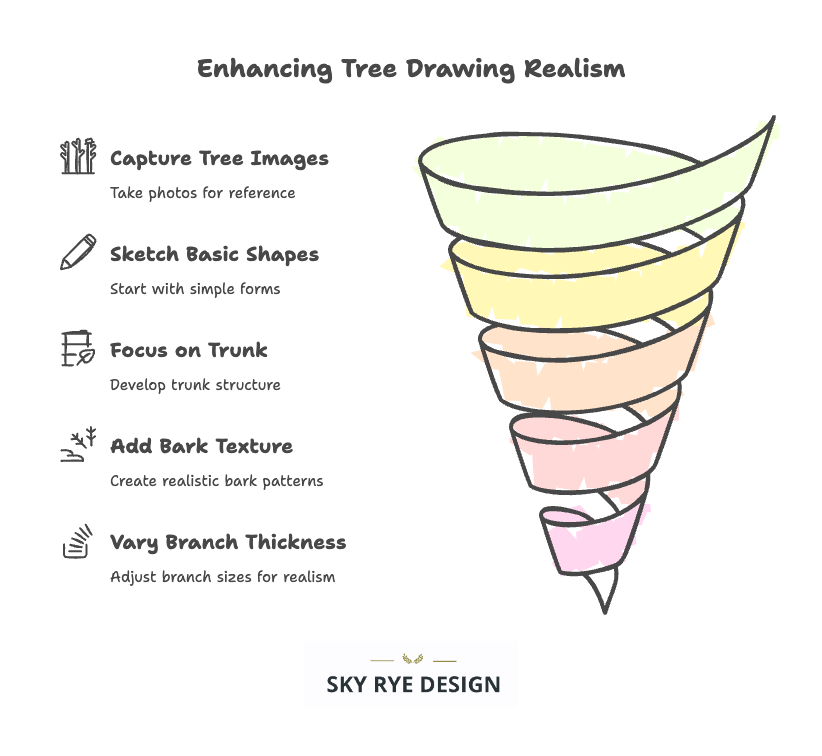
Keep Practicing: One Tree, Many Sessions
Trees are genuinely one of the best subjects to keep coming back to. Every species is a different puzzle, every lighting condition changes the challenge, every season changes what you’re looking at.
Pick one tree you can see from your window or during your regular walk. Draw it four times over the next month — once as a quick gesture, once focusing only on bark, once focusing only on foliage values, once as a finished piece. That single tree, drawn four ways, will teach you more than reading twenty tutorials.
The tips in this guide are all individually useful, but they compound. Tapered branches + shadow-first foliage + single light source + the right pencil grades = drawings that finally look like the trees in your head, not the symbolic versions your hand defaults to.
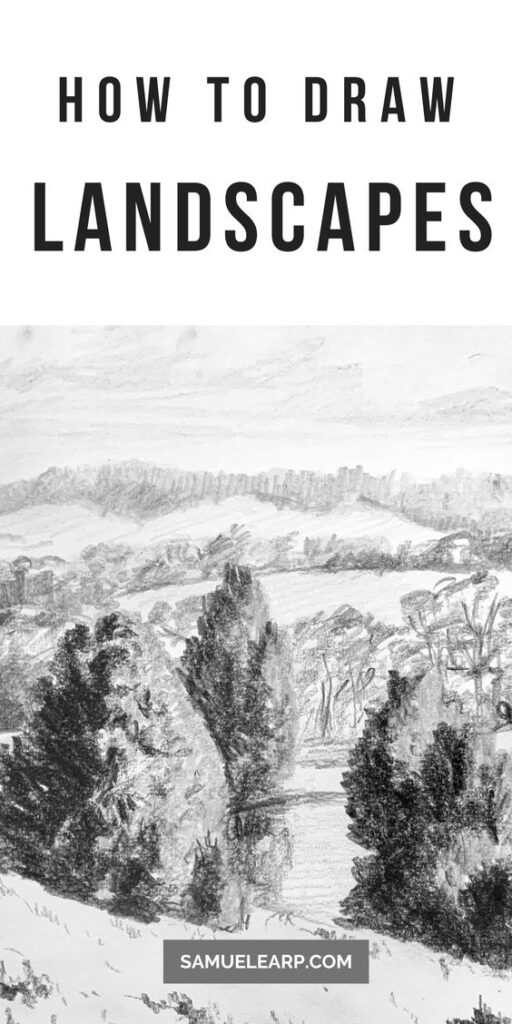
For more practice resources, check out our guides on landscape drawing and pencil shading techniques on skyryedesign.com.
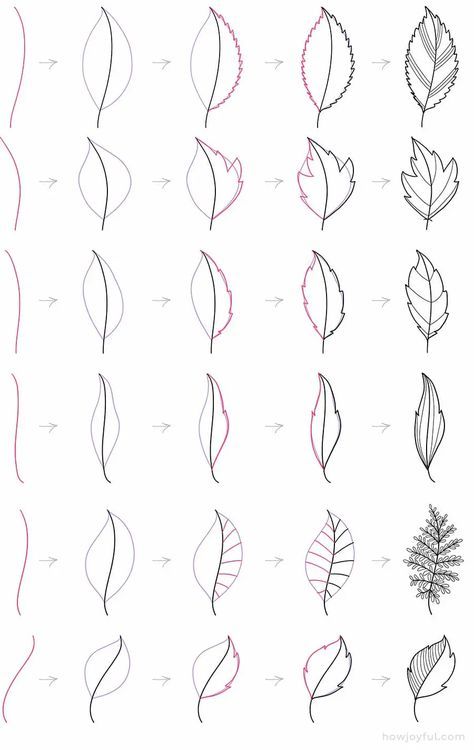

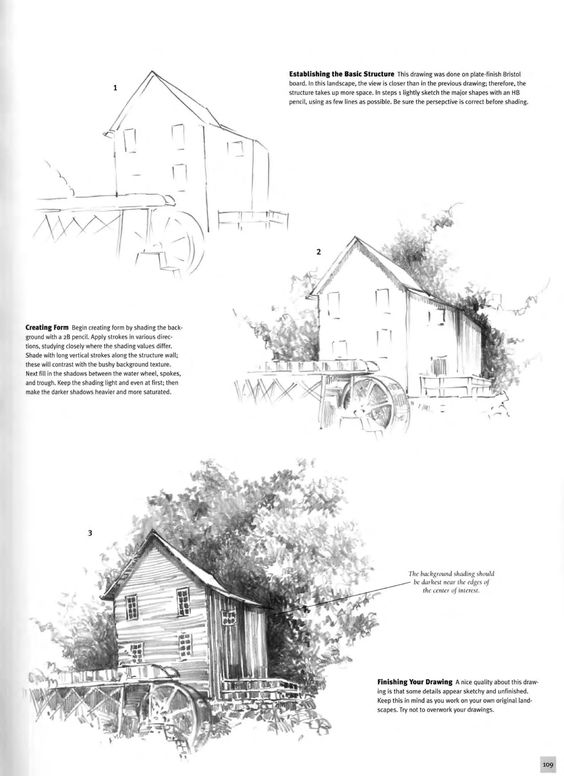
- 6.4Kshares
- Facebook0
- Pinterest6.4K
- Twitter2
- Reddit0