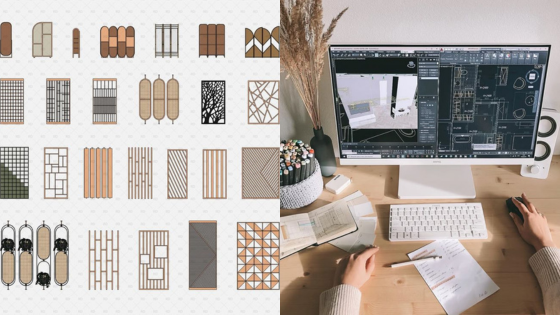

Property development feasibility starts with a simple question: can the expected sales revenue cover the land, construction, finance and other project costs, with enough profit to justify the risk? Test that before you buy a site or commit to a design.
The useful part of the exercise is seeing which assumptions the project depends on. Work through the costs, check what the design asks of the budget, then see what happens if prices fall or construction takes longer than planned.
Understand the full cost of your project
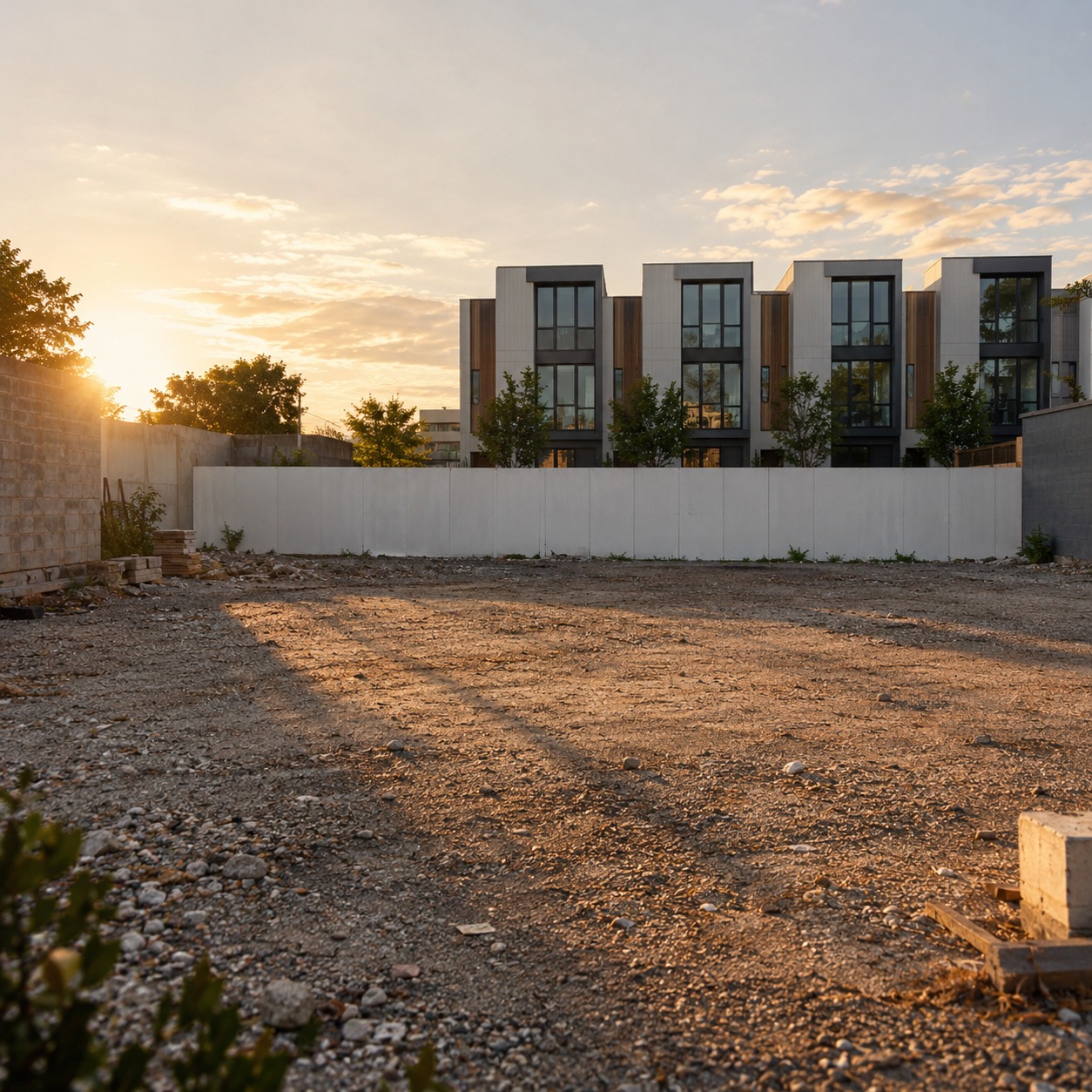
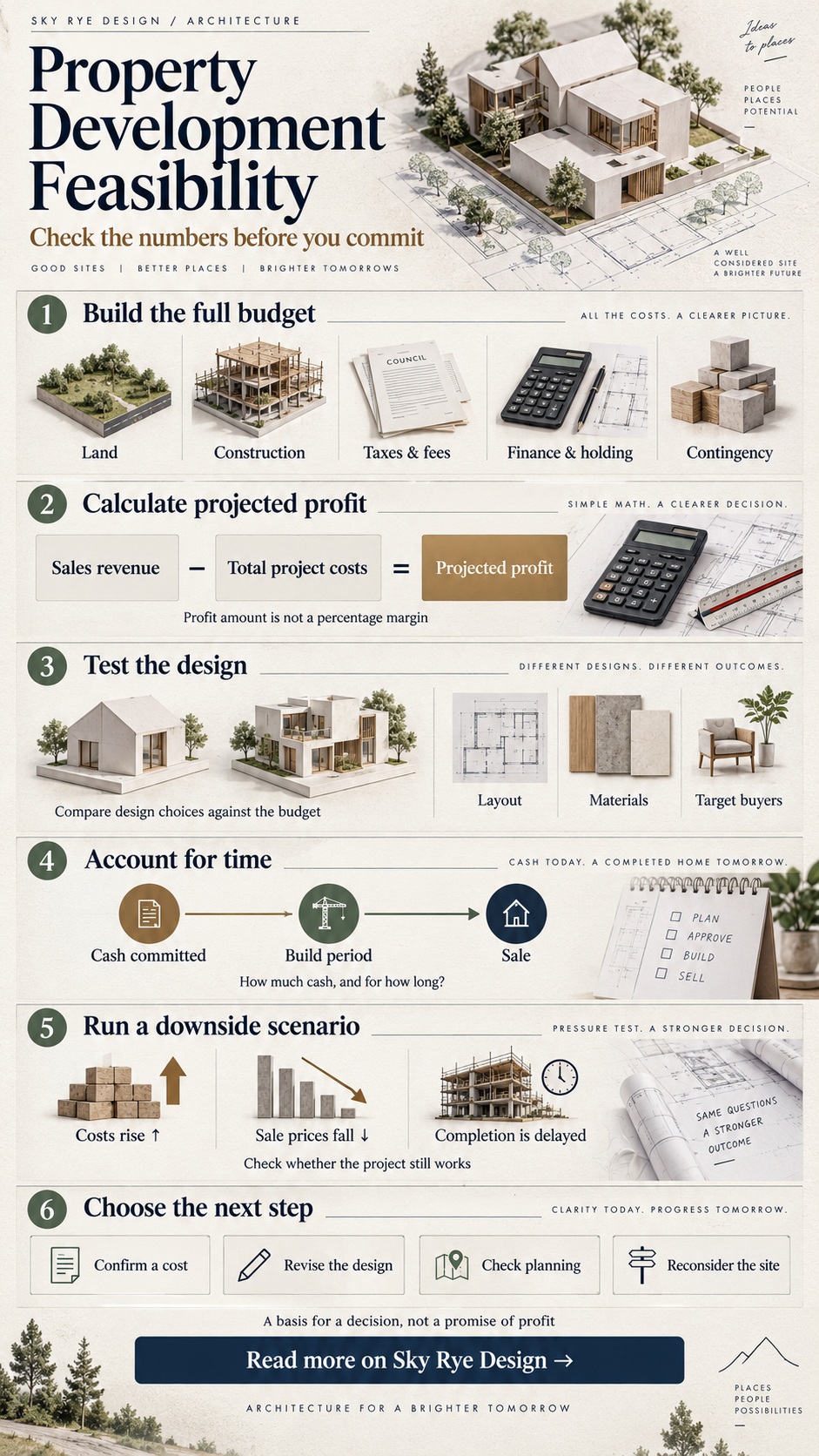
Set expected revenue against the full project budget. Include the land price, applicable stamp duty and taxes, legal fees, construction costs and holding costs such as interest and insurance. Check which charges apply to the site rather than copying a budget from another project.
Estimate the final sales revenue, then subtract the total project costs to calculate projected profit. That dollar amount is not the same as a profit margin, which expresses profit as a percentage. Be clear whether any percentage you compare is based on revenue or cost.
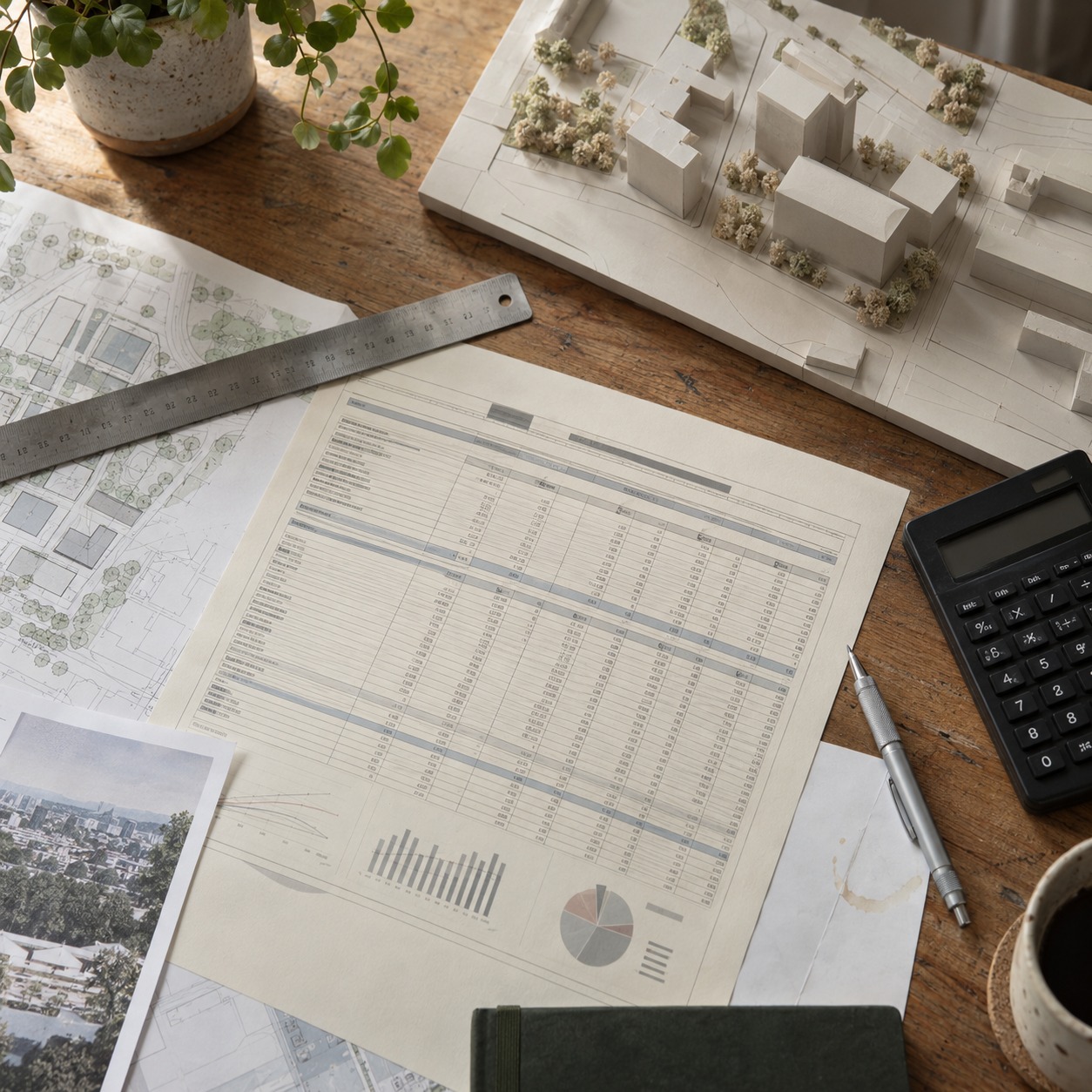
A property development feasibility calculator can help organize those estimates and show how changes affect the result. It cannot make uncertain inputs reliable: the land price, construction estimate and expected sale price still need a sound basis.
Update the calculation when costs or local market conditions change. Keep a record of the assumptions behind it so you can explain the figures to a lender or revisit them when the project changes.
Check how the design affects feasibility
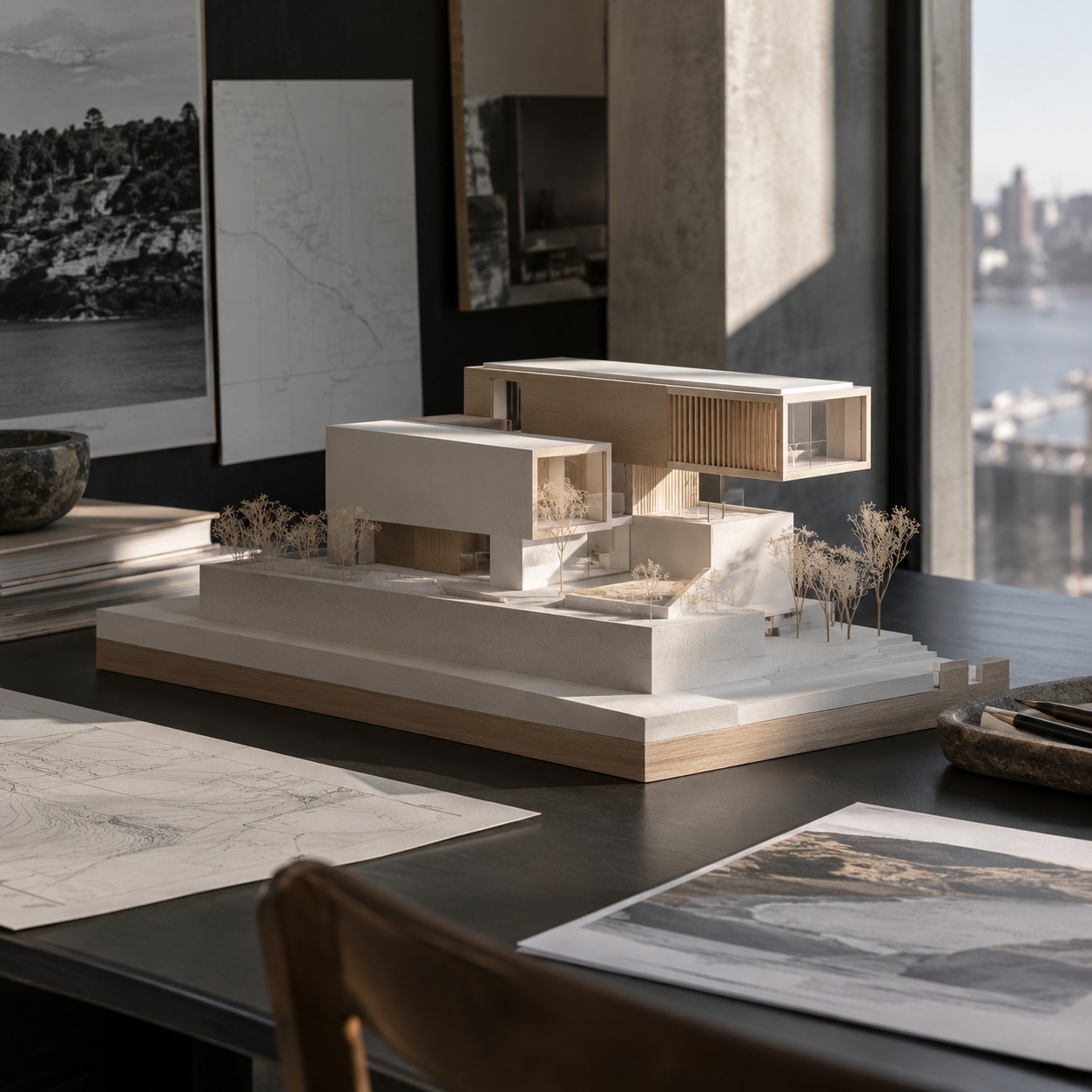
Your building design affects both what you spend and what buyers may be willing to pay. Review it alongside the financial plan, while changes are still relatively easy to make.
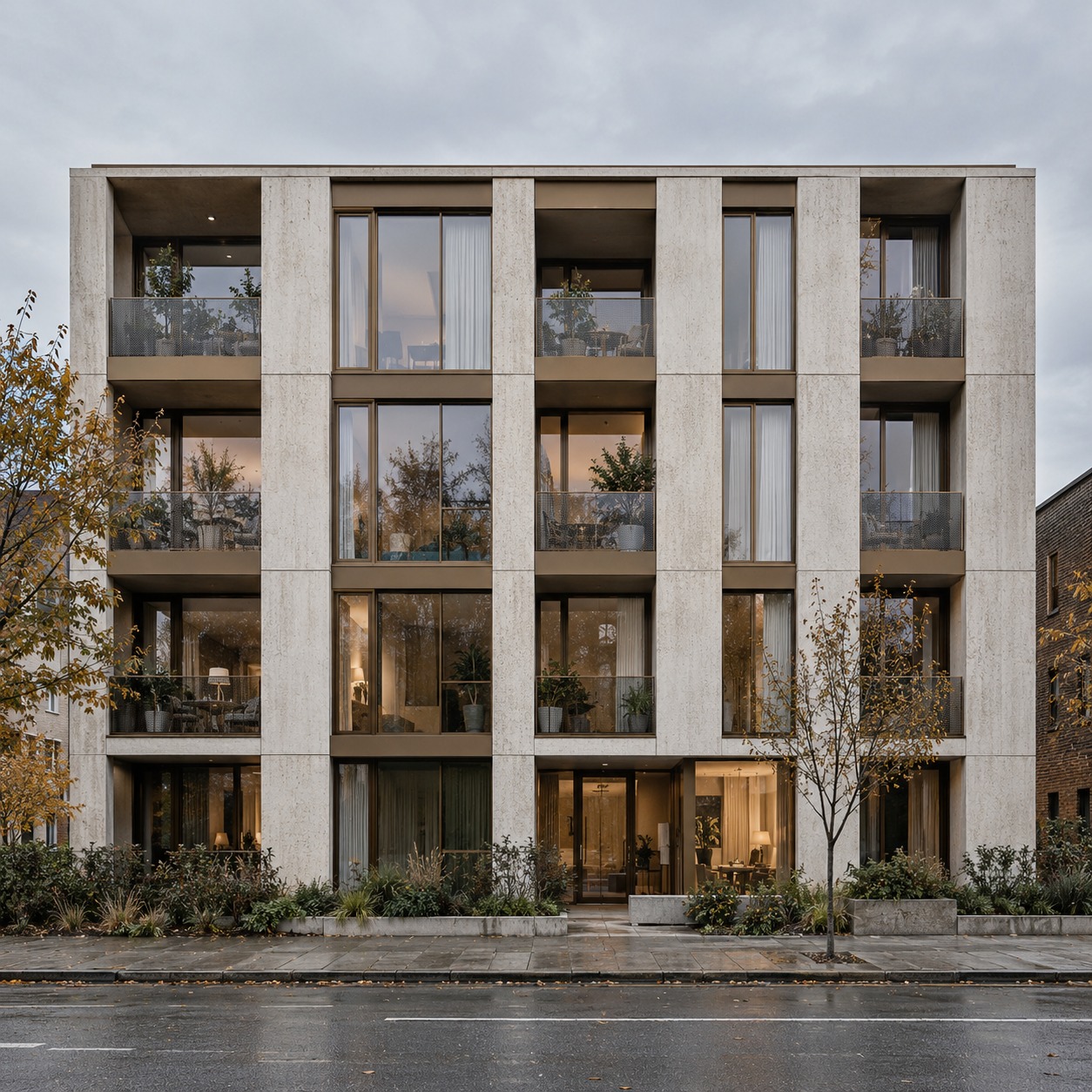
A complicated form can add construction costs, but cutting the specification without considering buyers can weaken the proposal too. Compare layouts and material choices against the budget and the homes you expect to compete with.
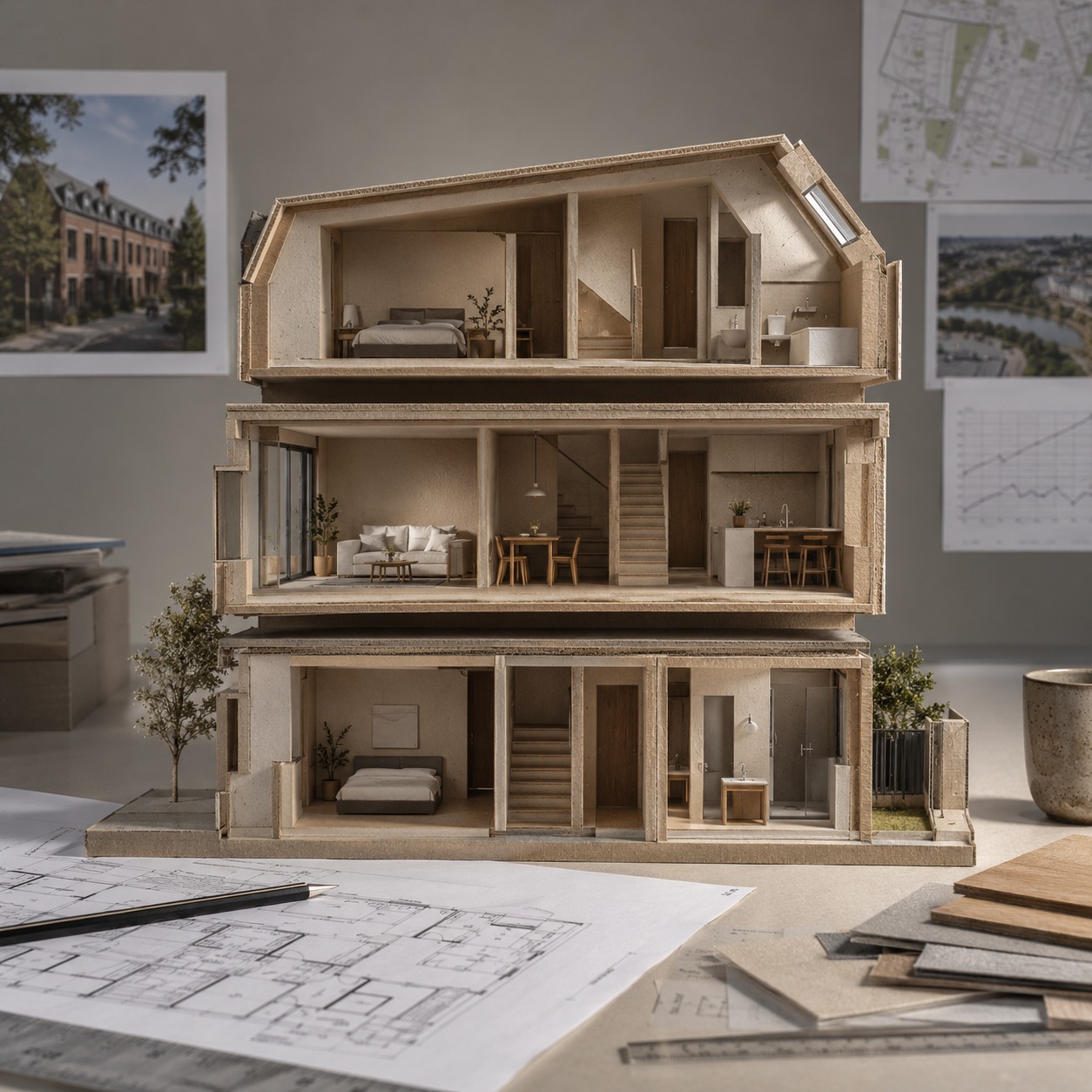
Start with the plan: how well does it use the site, and what does each design choice add? Unusual shapes and specialist materials can cost more. A simpler form gives you a useful baseline for comparing more expensive options.
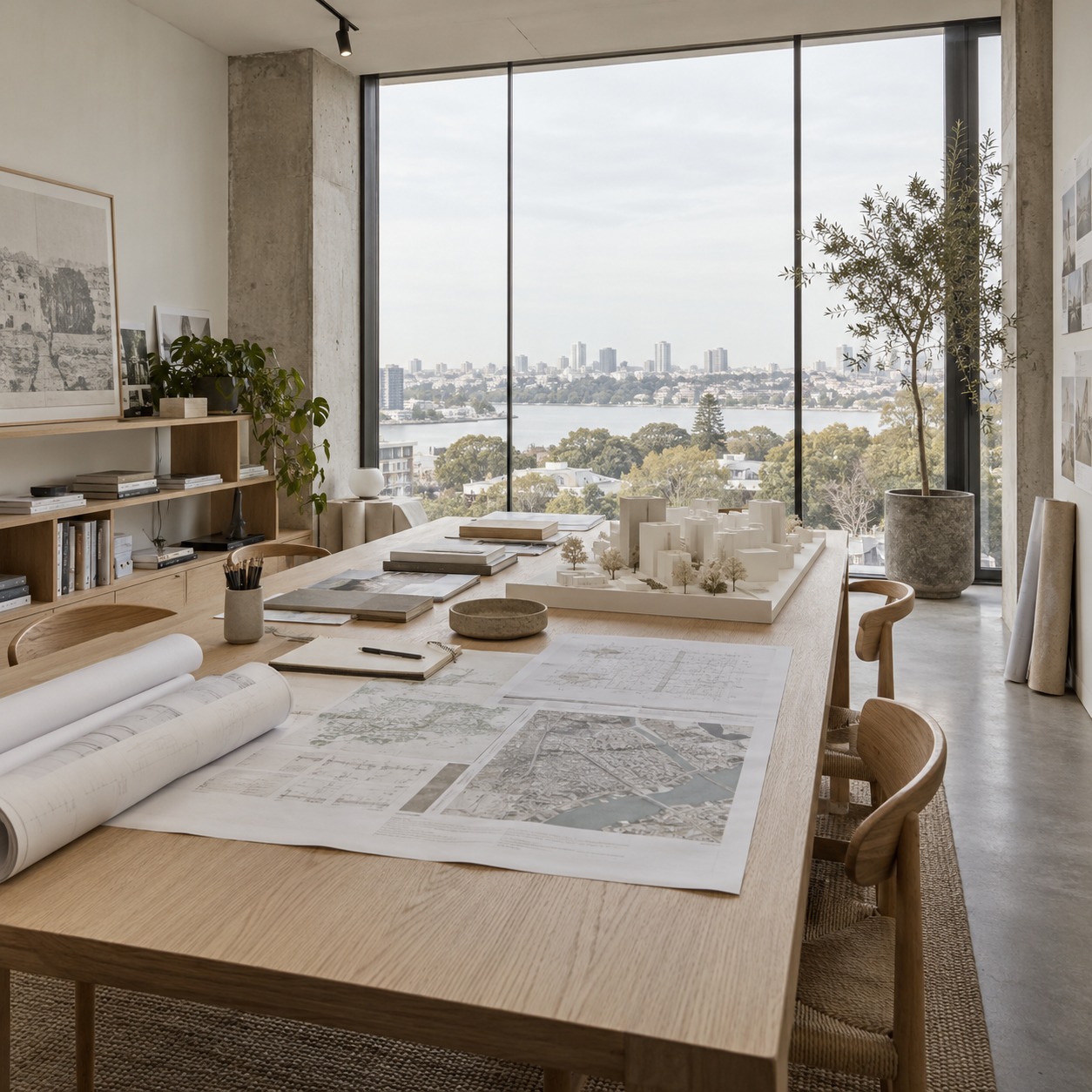
Before settling on a design, check:
- Site and holding costs
- Local planning and zoning requirements
- Construction costs and professional fees
- Projected profit and the assumptions behind it
- Whether the layout and specification suit your target buyers
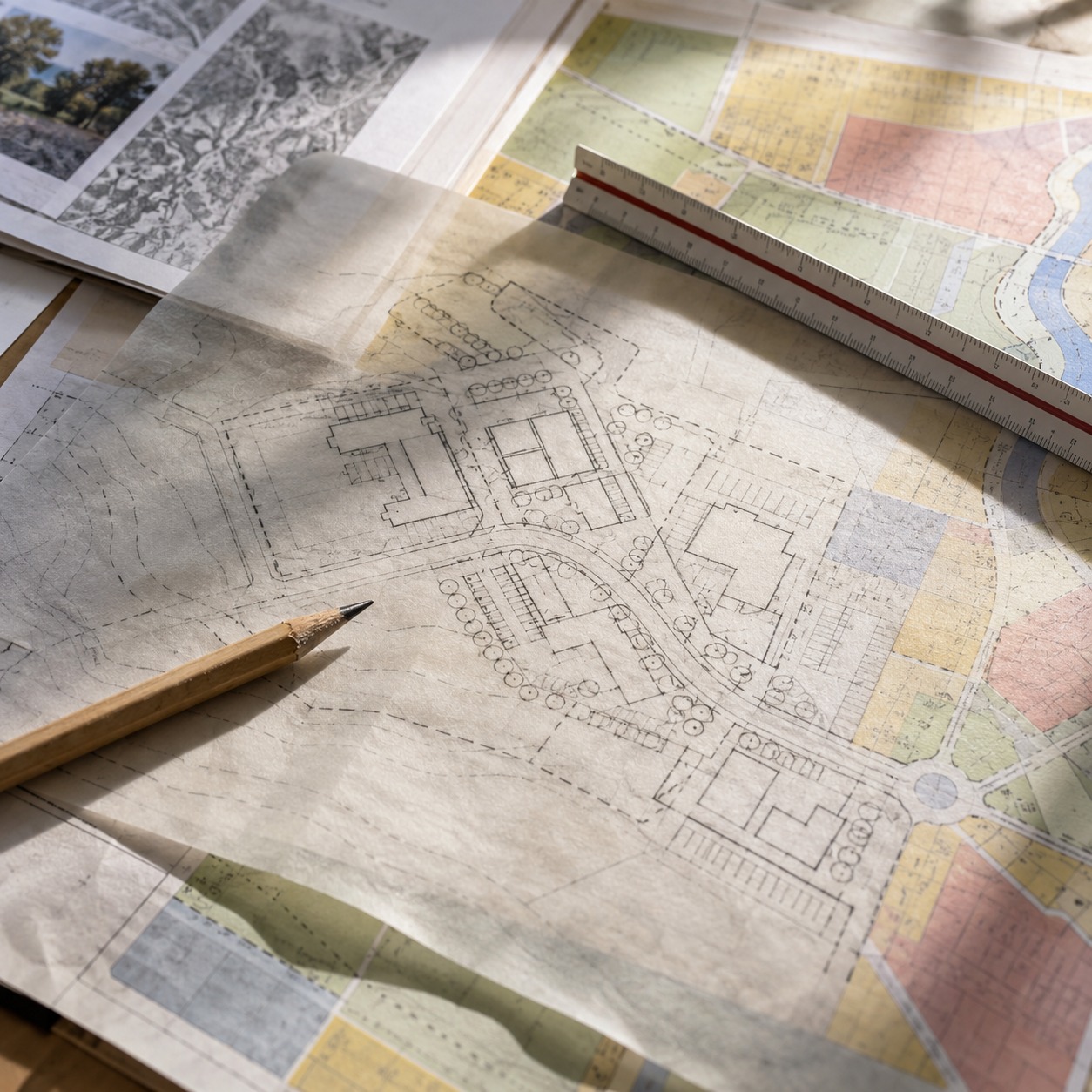
A design that suits likely buyers gives the project a clearer market position. It does not guarantee a quick sale, so avoid building the budget around the most optimistic sales timetable.
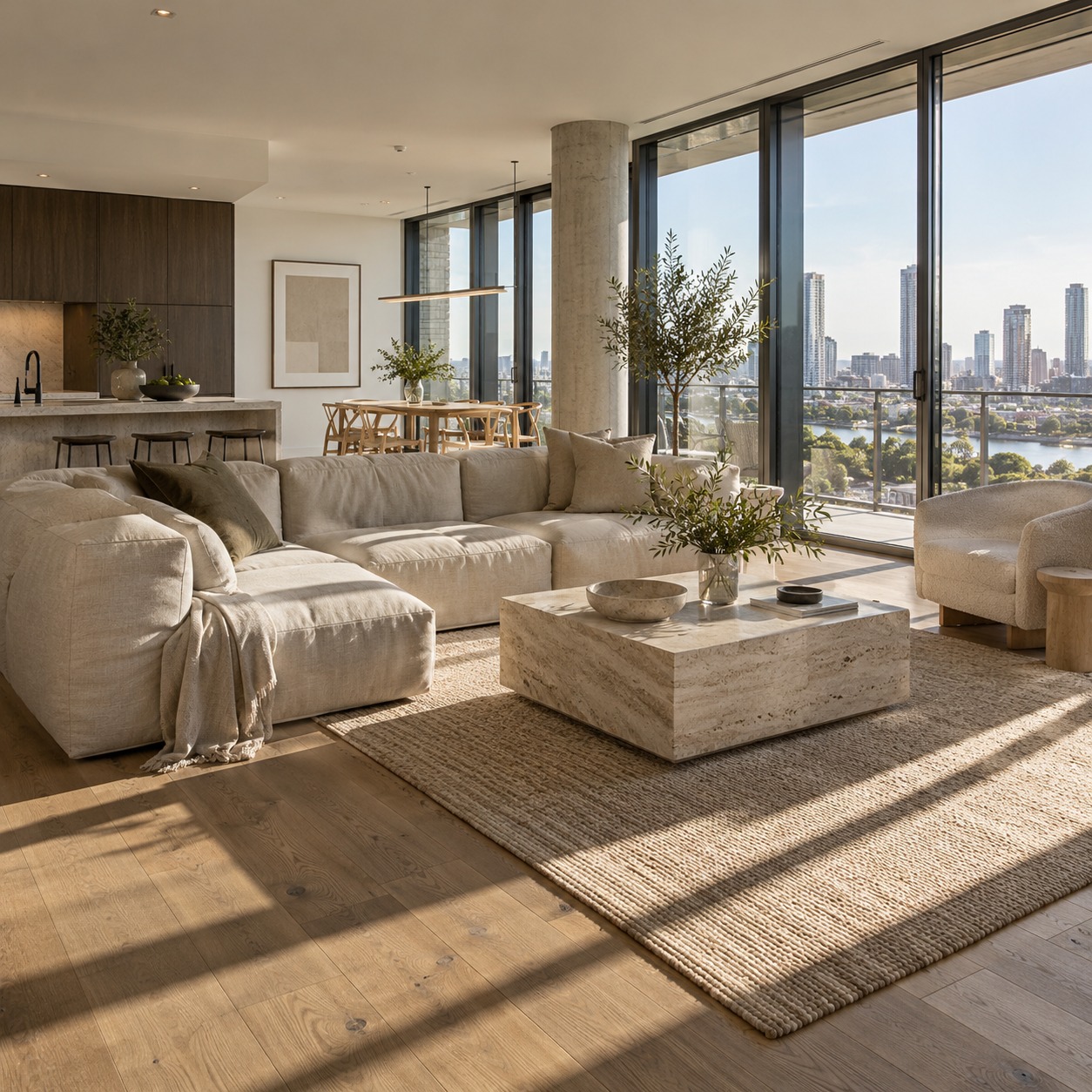
Test property development feasibility against time and risk
Look at the total investment alongside the projected profit. How much cash does the project need, and for how long? A headline return means little without the time and costs required to earn it.
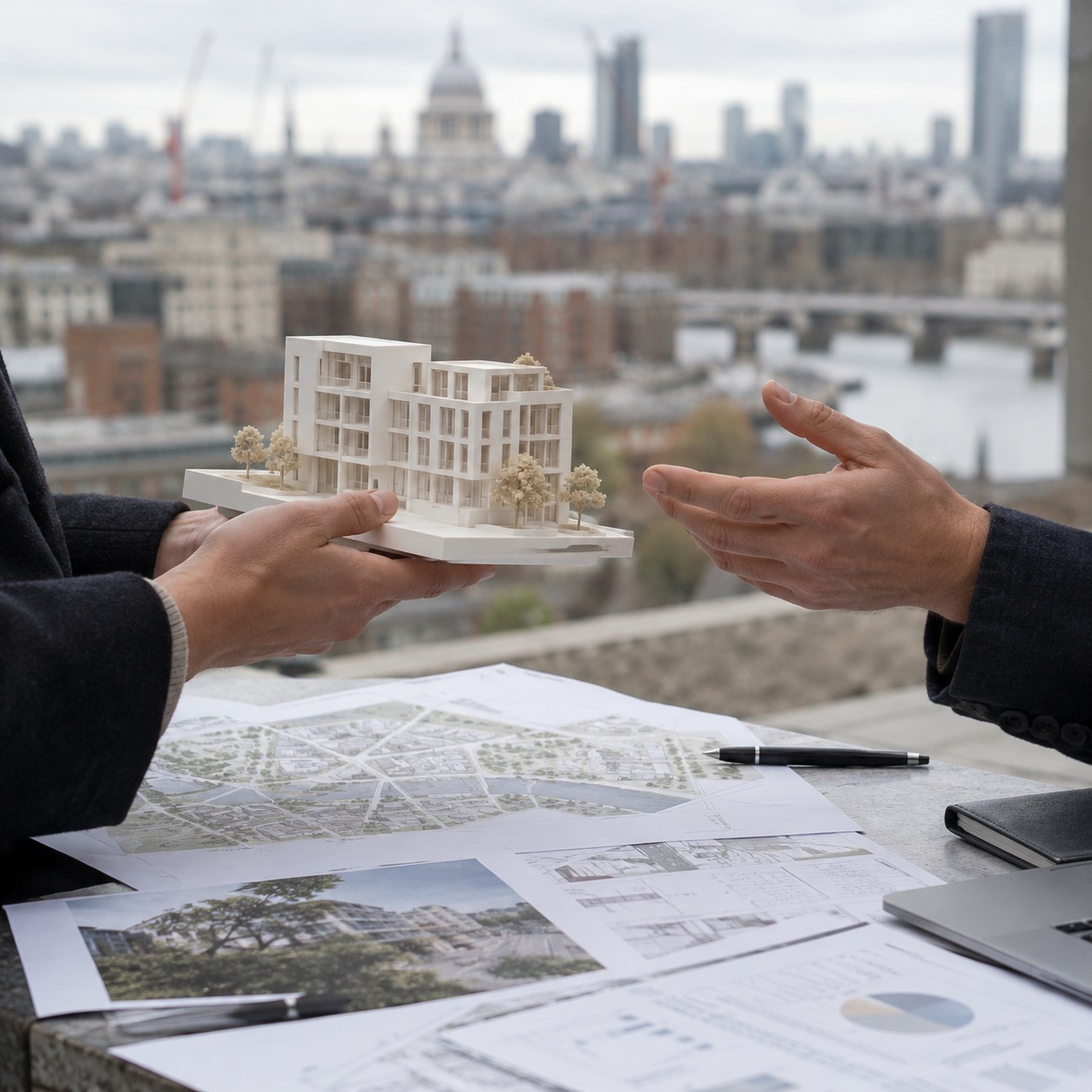
A modest profit can become less attractive if the project runs for years. A shorter programme may still carry substantial risk. Compare the duration, cash commitment and uncertainty together before deciding whether the return is worth pursuing.
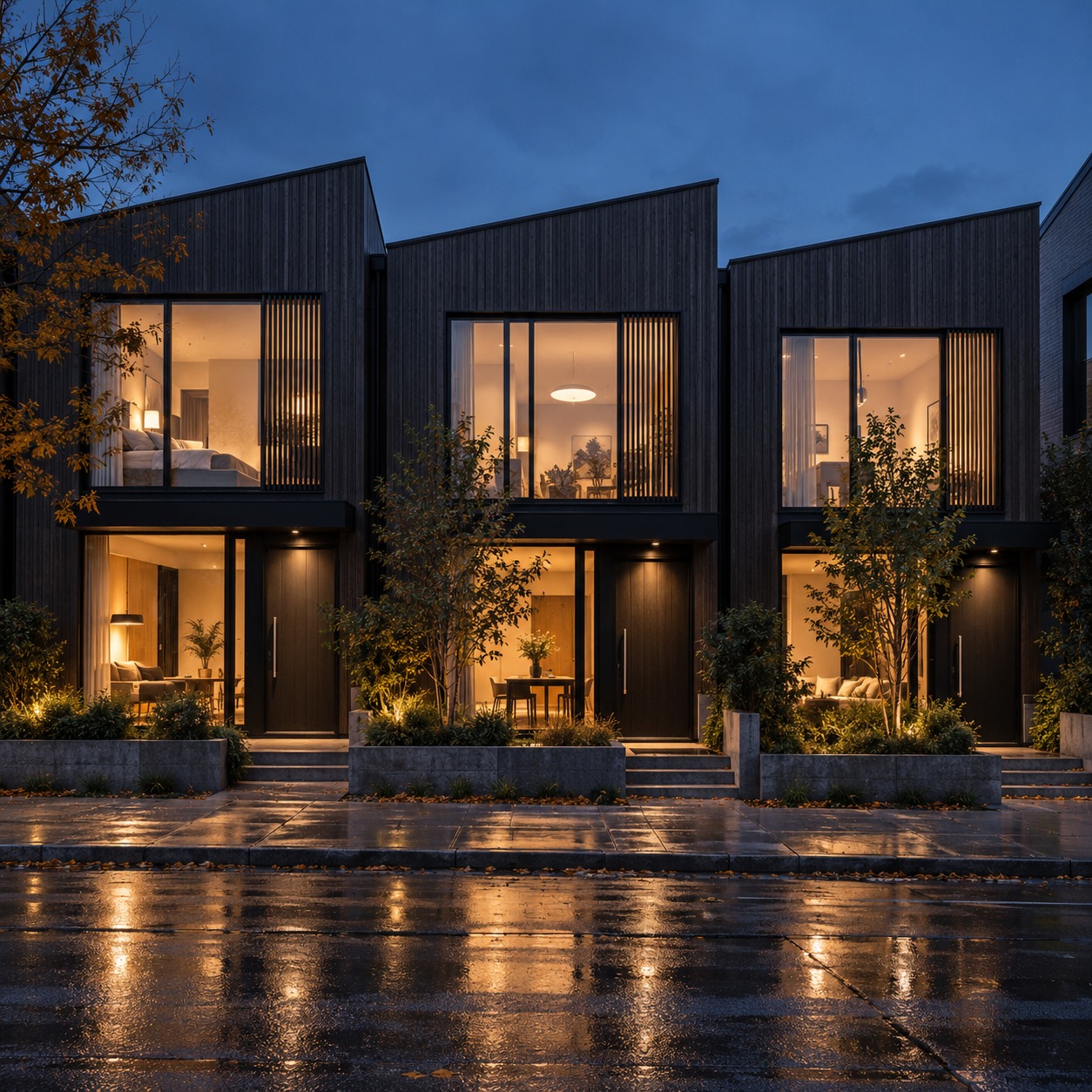
Run a downside scenario. What happens if construction costs rise, sale prices fall or completion is delayed? Include a contingency allowance in the budget and check whether the project still works under those less favourable assumptions.
Decide what needs checking before you buy
Bring the cost estimate, design and sales assumptions back together. If the project only works with the highest sale price and the shortest timetable, revisit the proposal before committing more money.
Use the feasibility study to identify the next decision: confirm a cost, revise the design, investigate a planning constraint or reconsider the site. The numbers are a basis for that decision, not a promise of profit.
- 0shares
- Facebook0
- Pinterest0
- Twitter0
- Reddit0