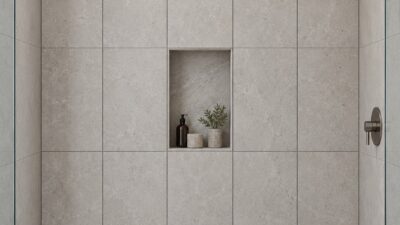
We usually describe good interior design by what we can see and touch: the proportions of a room, the way daylight moves, the grain of a wood floor, the exact white on the walls. But every well-made home has another layer that never shows up in a photograph, and it shapes how the space feels to live in. That layer is the air.
If a beautifully designed room has stuffy, humid or faintly musty air, something is off, and no styling will fix it. Most people skip this part of the craft, even though it is one of the best returns you can get from a single detail.

Air is a design material
Think about indoor air the way you think about light. Light is invisible until it hits a surface, yet nobody plans a room without it. Air works the same way. You don’t notice it until it turns bad, and by then it is already affecting comfort, health and even how long your finishes last. Temperature, humidity, freshness and cleanliness are all design variables, and you can control them. Treating them as an afterthought is like choosing paint and furniture while ignoring the windows.
Moisture is the quiet saboteur
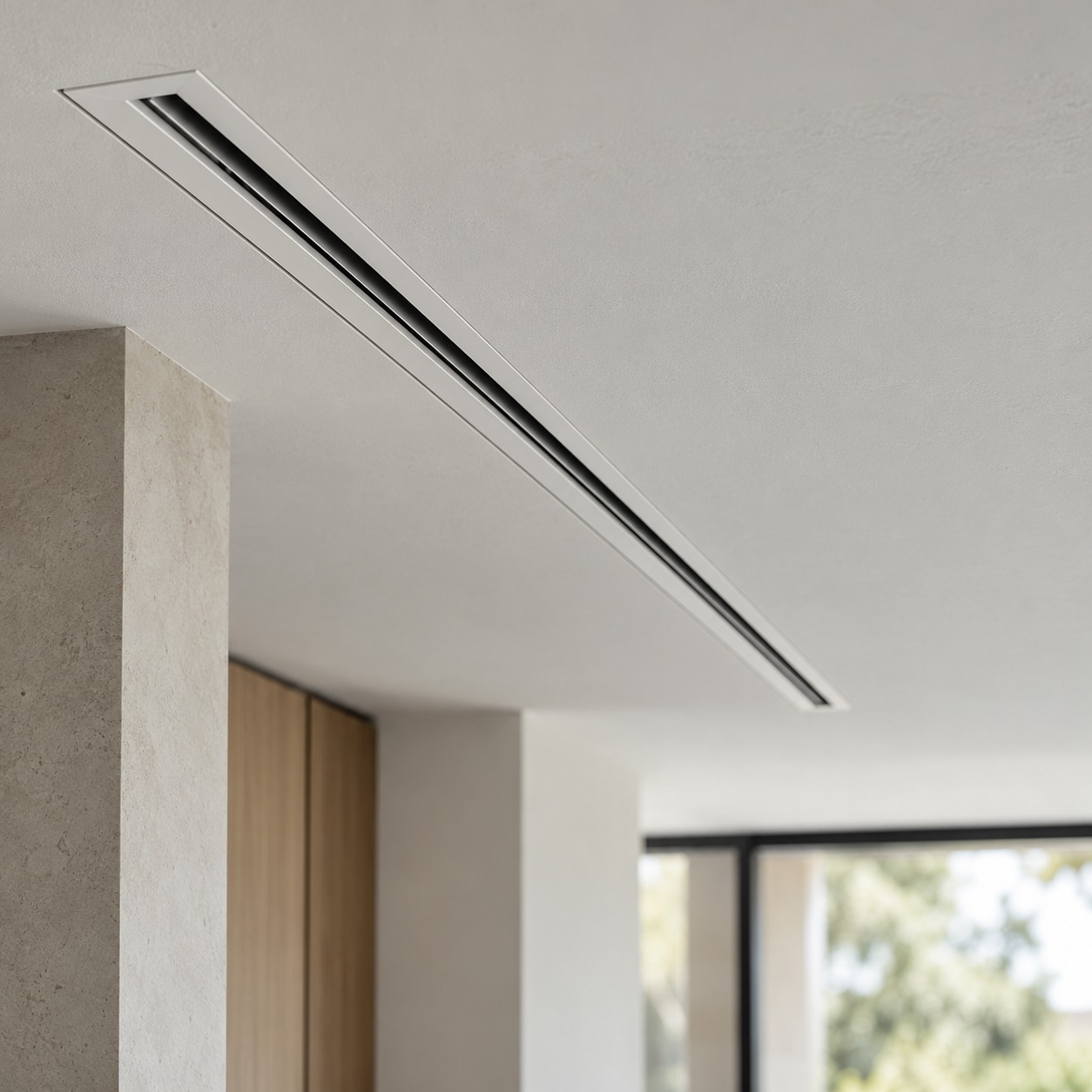
If indoor air has a villain, it is moisture. A home that runs too humid feels uncomfortable in ways people struggle to name: the air is heavy, fabrics never quite dry, and wood can swell and warp over time. Mold spores occur naturally in the air and can trigger allergic reactions in sensitive people. When they land on damp materials, mold can begin to grow. Drying wet materials within 24 to 48 hours helps prevent that growth. That’s how a small leak behind a beautiful tile wall, or a bathroom that never fully dries, can quietly undo an expensive renovation from the inside.

So managing moisture comes first. Keeping indoor humidity below about 60 percent, and ideally between 30 and 50 percent, helps reduce the risk of indoor mold growth. A cheap humidity meter shows where you stand, and a well-sized dehumidifier or a properly maintained air-conditioning system does the heavy lifting. In a thoughtfully designed home, this equipment isn’t an ugly necessity to hide. It is part of the plan.

The home’s hidden circulatory system
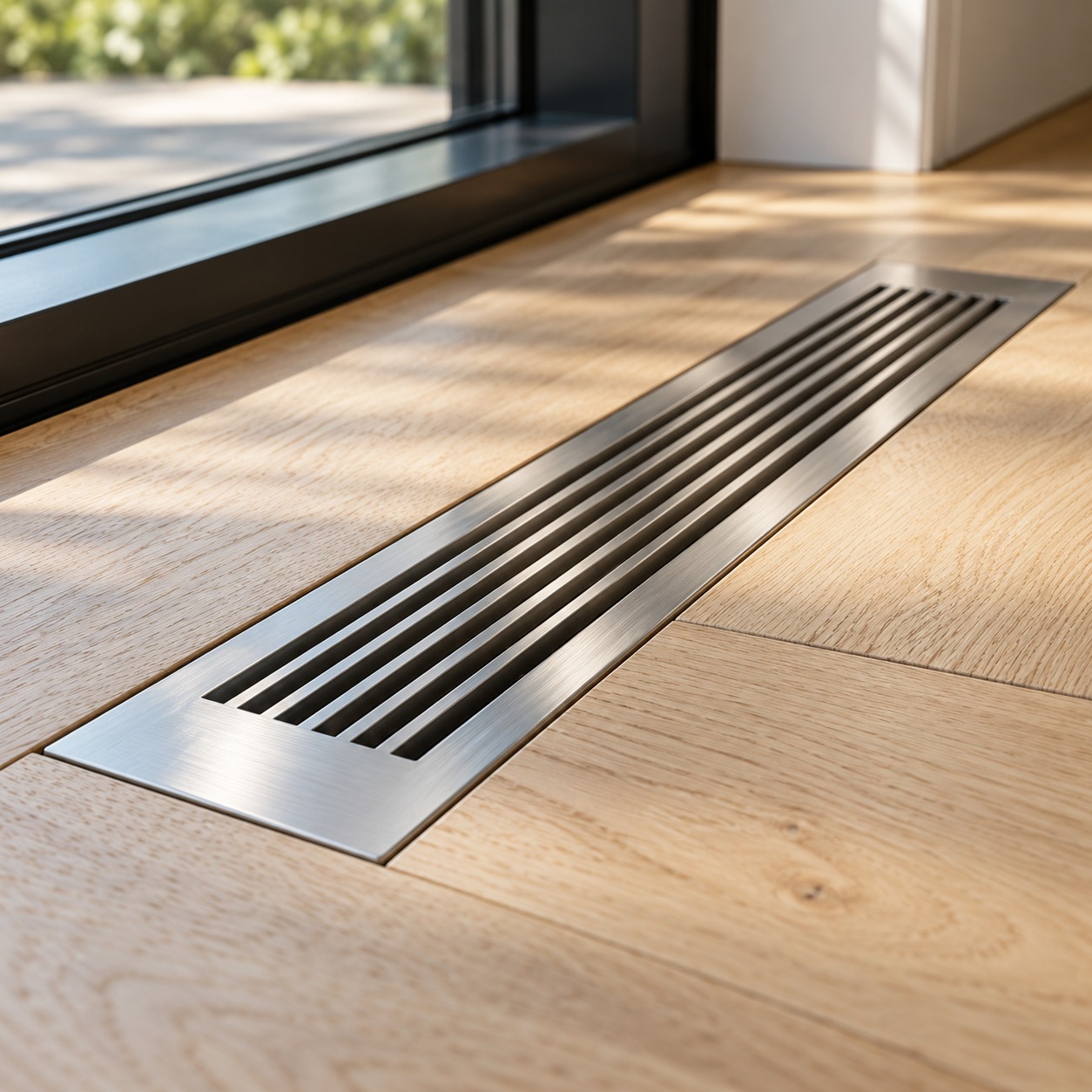
Behind the walls and above the ceilings runs the system that actually moves the air: the ductwork and the HVAC equipment that feeds it. Like the plumbing, it stays invisible until something goes wrong. Each time it runs, it pulls air across a cooling or heating coil and pushes it back out through the registers in every room. Contaminants from a poorly maintained system can enter living spaces, although settled dust inside ducts does not necessarily circulate through the house.

Moisture problems can stay hidden here. Condensation forms when humid air meets a surface cold enough to reach its dew point. Poor insulation, air leaks or blocked condensate drains can leave equipment and surrounding materials damp, creating conditions for mold growth. Dark buildup around a vent deserves inspection, but its appearance alone cannot confirm mold or show how long it has been present.

Designing air into the plan
The good news is that designing for air doesn’t cost you anything aesthetically. It mostly takes attention and a few habits:

- Ventilate the wet rooms. Bathrooms and kitchens produce moisture every day. Specify good exhaust fans, make sure they vent outside and not into an attic, and run them during and after showers and cooking.
- Control humidity on purpose. Plan for a dehumidifier or a correctly sized AC, and put a humidity reading where you’ll see it.
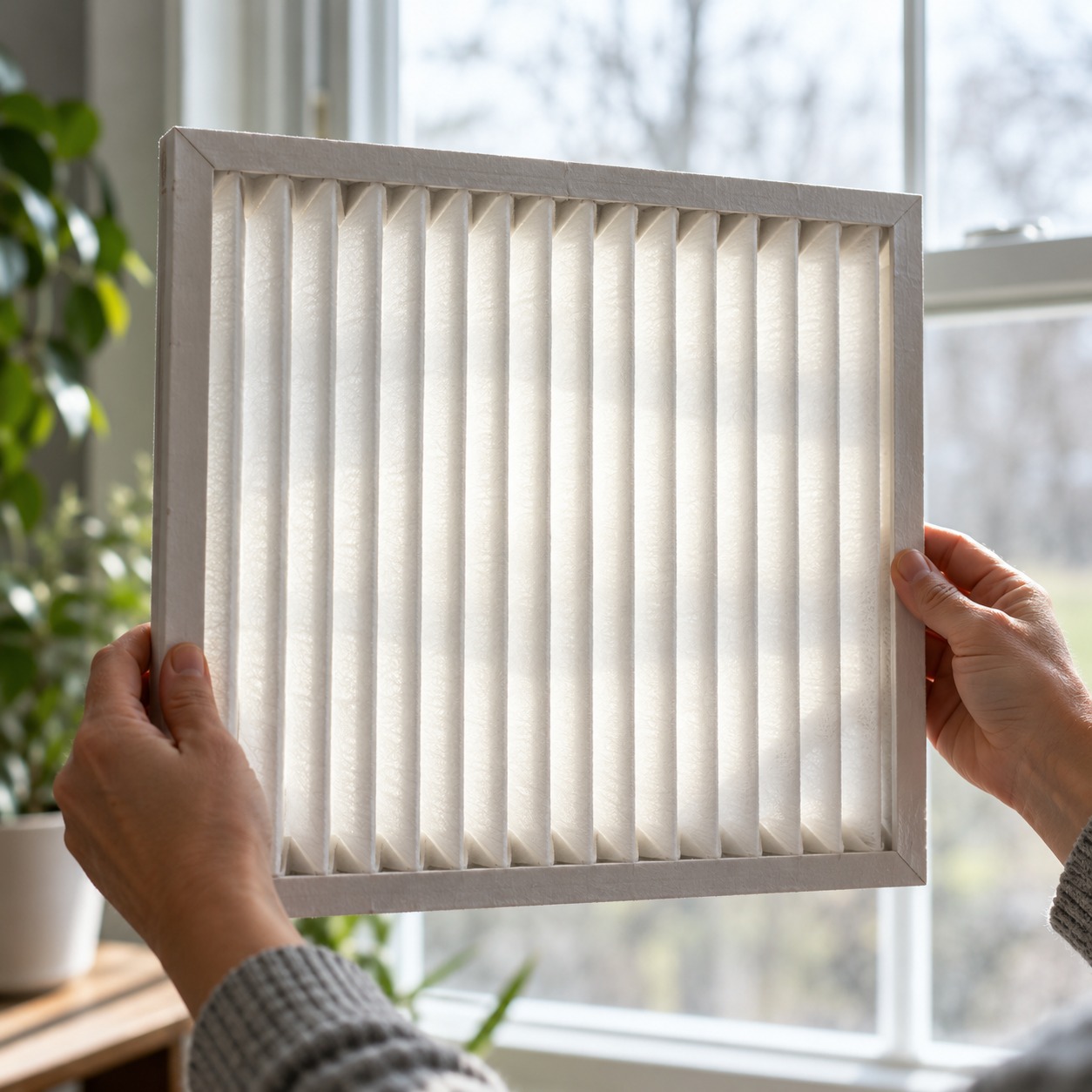
- Keep the system maintained. Replace filters according to the equipment manufacturer’s guidance and have moisture or airflow problems assessed. Duct cleaning is worth considering when there is substantial mold, a pest infestation, or excessive debris being released into rooms; it is not a routine requirement every few years. See the EPA guidance on duct cleaning.
- Treat moisture as a red flag. A musty smell, a water stain or condensation that lingers is the air’s version of a crack in the foundation. Find the source instead of covering it up.


When the invisible layer needs a professional
Some of this is DIY and some isn’t. Sealing ductwork correctly, installing air-treatment equipment and, above all, dealing with mold that has taken hold inside a system are jobs for a qualified specialist, not a weekend project. Done wrong, the problem comes back, because the real fix is finding and correcting the moisture source, not cleaning the visible symptom. When you hire someone, look for real credentials: duct cleaning that follows NADCA standards, and any license required locally for mold work.
If you live in a humid climate, where this matters most, a company like Houston-based Air Quality Express shows what to look for. Its site says its duct cleaning follows NADCA source-removal standards and lists a Texas mold remediation contractor license. It offers routine duct cleaning as well as HVAC and air-duct mold removal, and says every remediation includes identifying and correcting the moisture source. Wherever you live, those are the signs of a firm worth trusting with the layer of your home you can’t see.
The most beautiful room is the one you cannot smell
In the end, designing for air is a kind of quiet excellence. The best-designed homes don’t just photograph well. They feel effortless to be in: the temperature is even, the air is fresh and nothing nags at you. That feeling is no accident. It comes from treating the invisible layer with the same intention as the visible one, and it’s within reach for anyone willing to look past the surface.


- 10shares
- Facebook0
- Pinterest10
- Twitter0
- Reddit0