

Integrating ductless mini-split HVAC systems into modern architectural design requires a thoughtful balance between high-efficiency climate control and uncompromised visual aesthetics.
While mini-splits eliminate the need for bulky dropped soffits and intrusive ductwork, managing exterior refrigerant line sets (line hides) and positioning indoor heads demands precision. This comprehensive architectural guide explores proven strategies for concealing exterior line sets, integrating indoor units seamlessly, and preserving clean elevation lines.
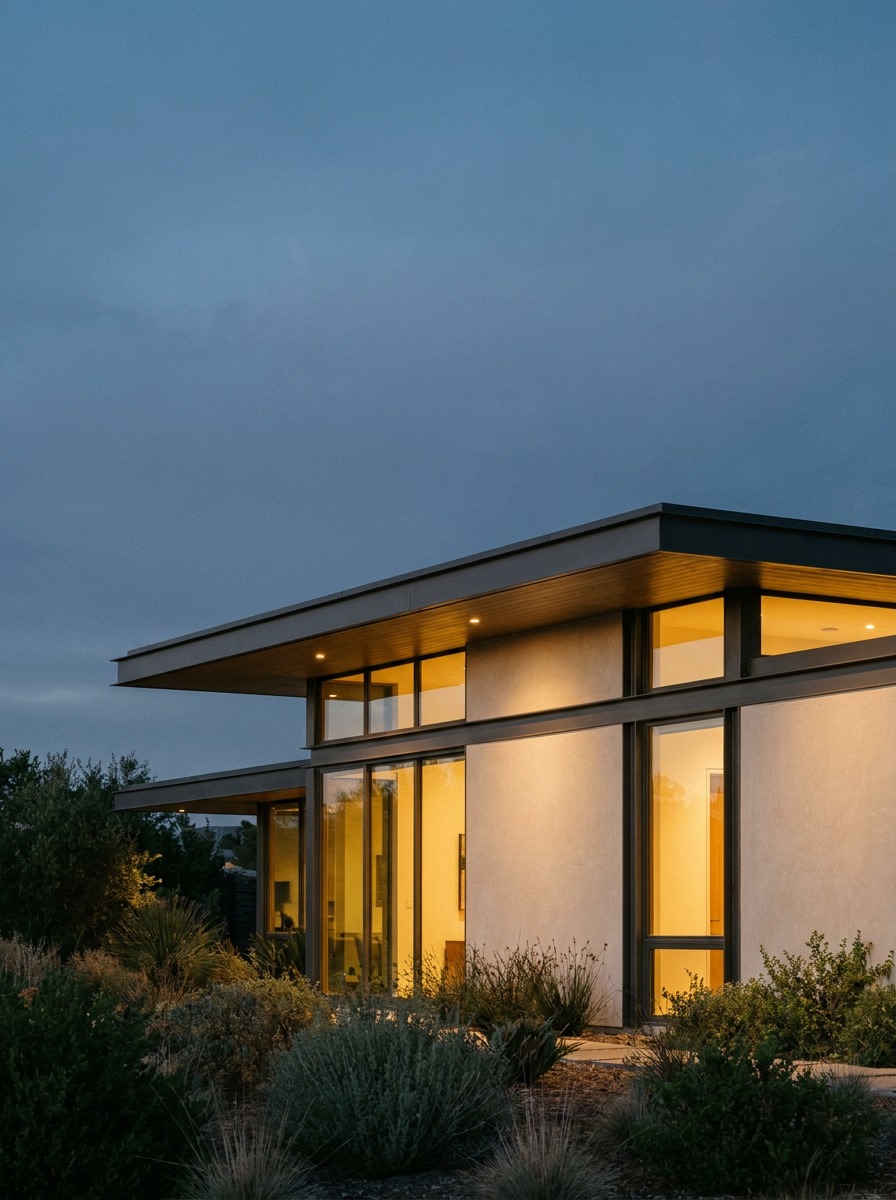
1. Exterior Line Hide Systems & Conduit Concealment
The primary aesthetic challenge of mini-split installations on residential exteriors is the exposed copper line set, drain tubing, and control wiring running from the outdoor compressor to indoor air handlers. Without proper concealment, exposed line sets disrupt siding lines and degrade curb appeal.
Durable PVC Line Hide Covers: Specially designed plastic or aluminum conduit channels protect line sets from UV degradation, weather exposure, and physical damage while creating a clean, structured appearance. Line hides are available in modular straight lengths, 90-degree elbows, wall entry fittings, and flexible joints to adapt to any exterior geometry.
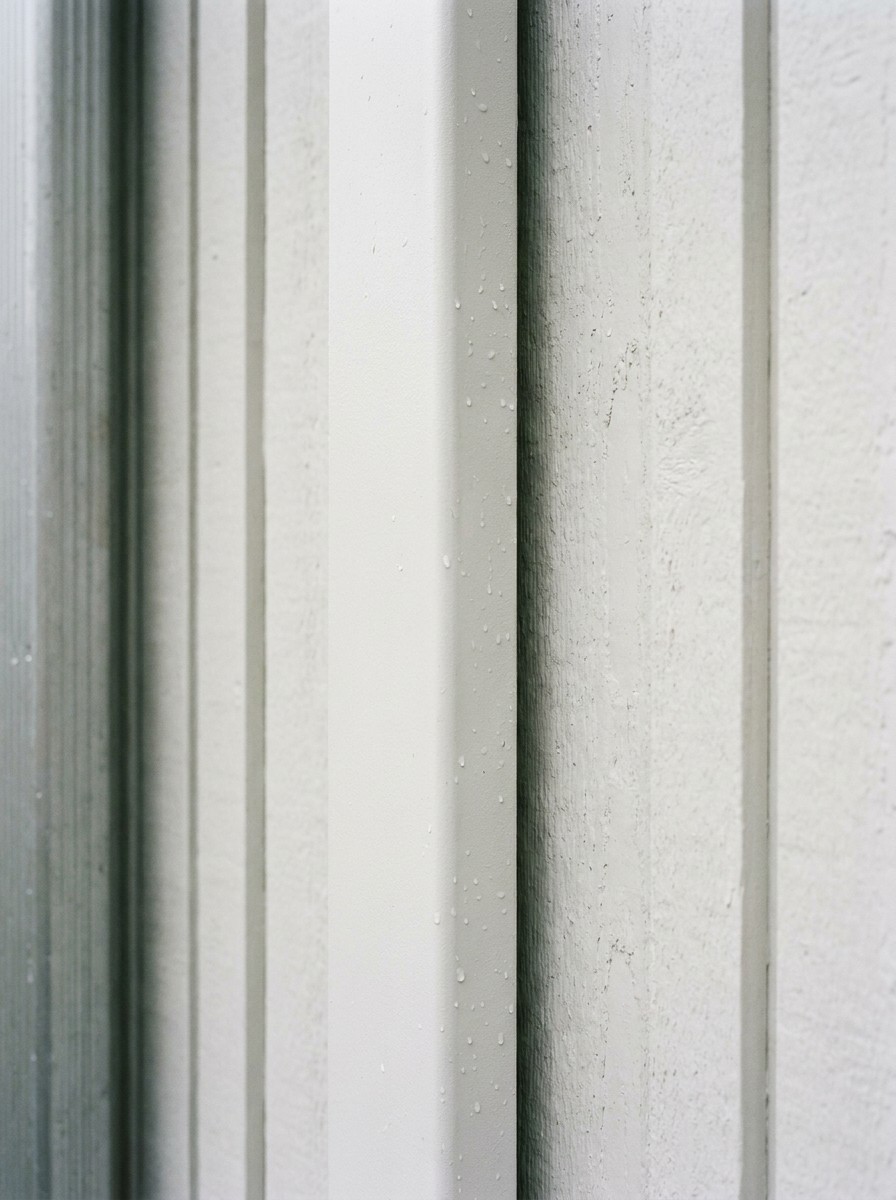
Color-Matching & Painting Strategies: Standard white or ivory line hide covers can be primed and painted using high-grade exterior acrylic latex paint to match siding, stucco, or trim colors exactly. When painted to match adjacent wall finishes, vertical line hide runs visually blend into the exterior elevation.
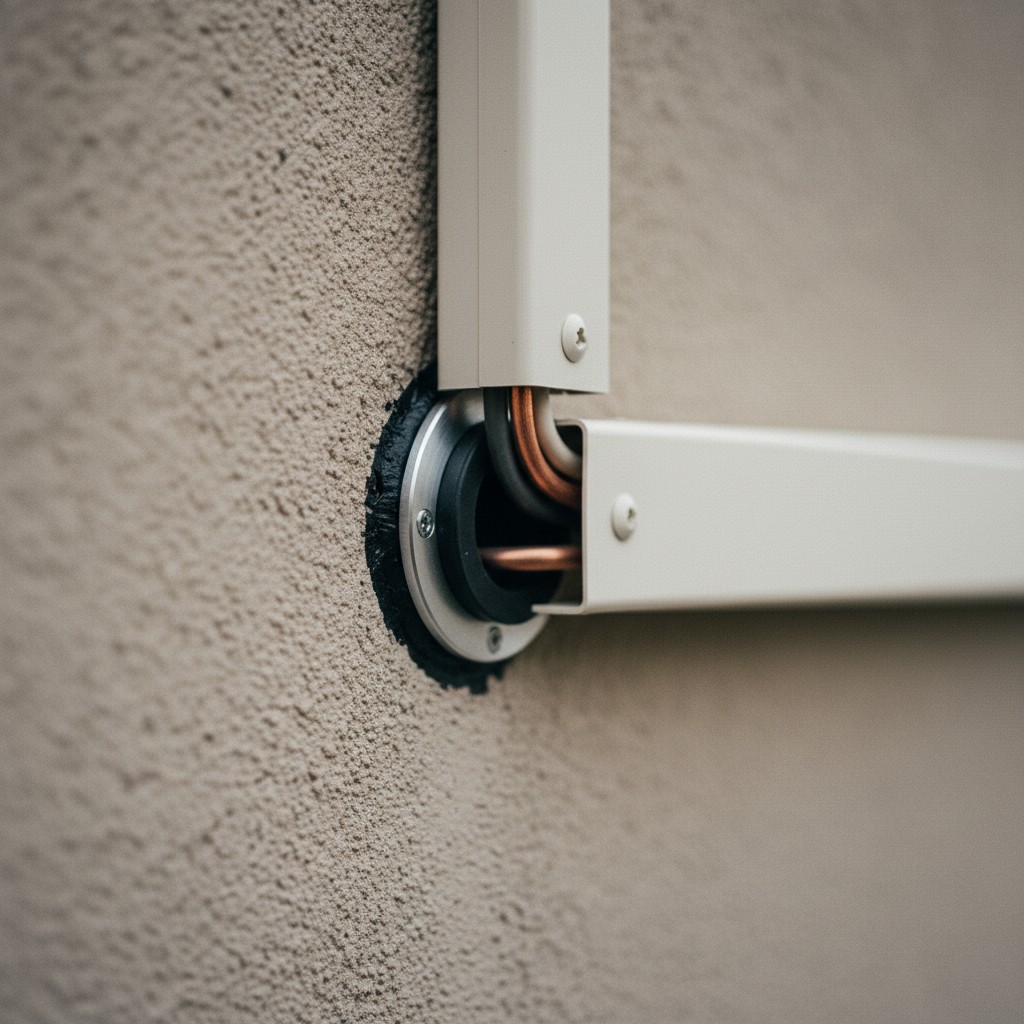
Wall Penetrations & Sealing: Where line sets transition through exterior wall envelopes, professional installers utilize heavy-duty wall entry caps paired with silicone or polyurethane sealants to prevent moisture intrusion, draft infiltration, and pest access.
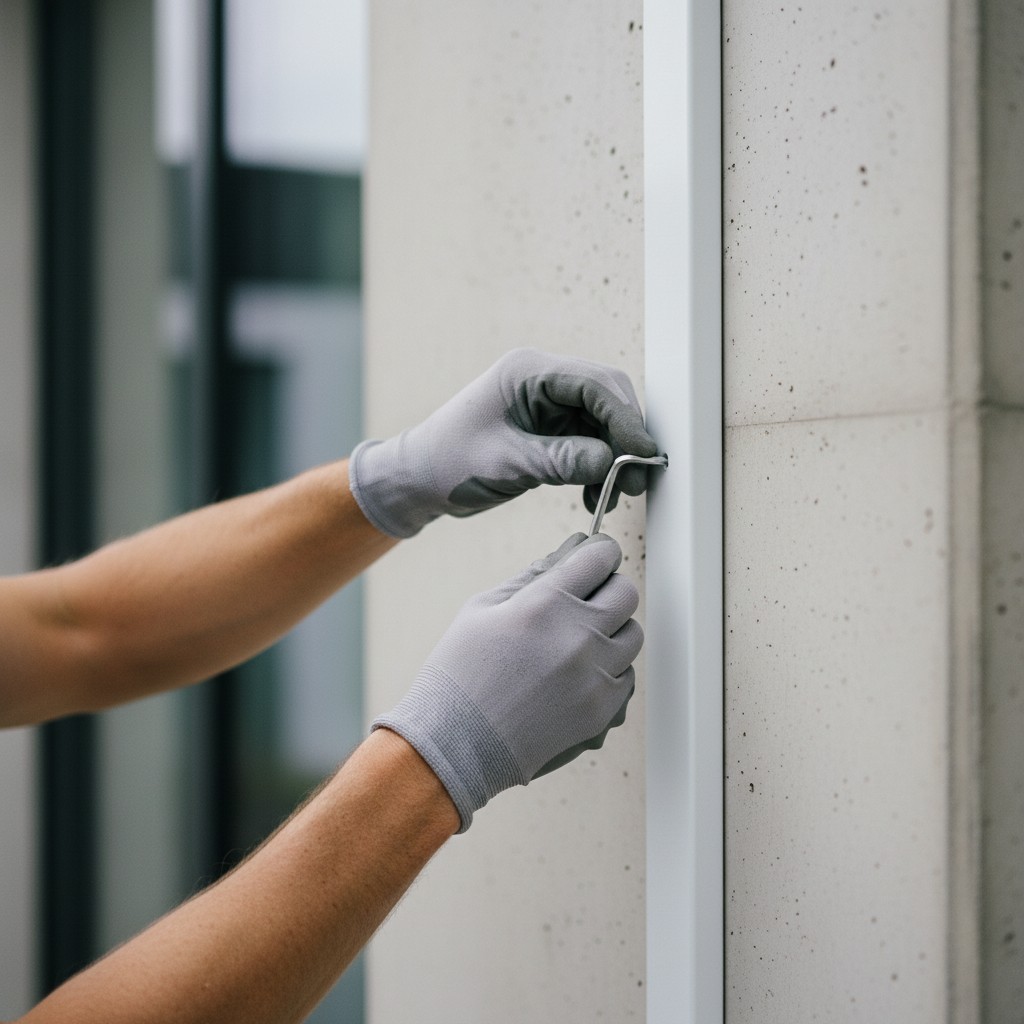
2. Architectural Integration & Outdoor Unit Placement
Positioning exterior line hides along natural architectural features dramatically reduces visual impact. Aligning vertical conduit runs with existing rain downspouts, exterior wall corners, or window jamb lines creates symmetry and disguises mechanical equipment.
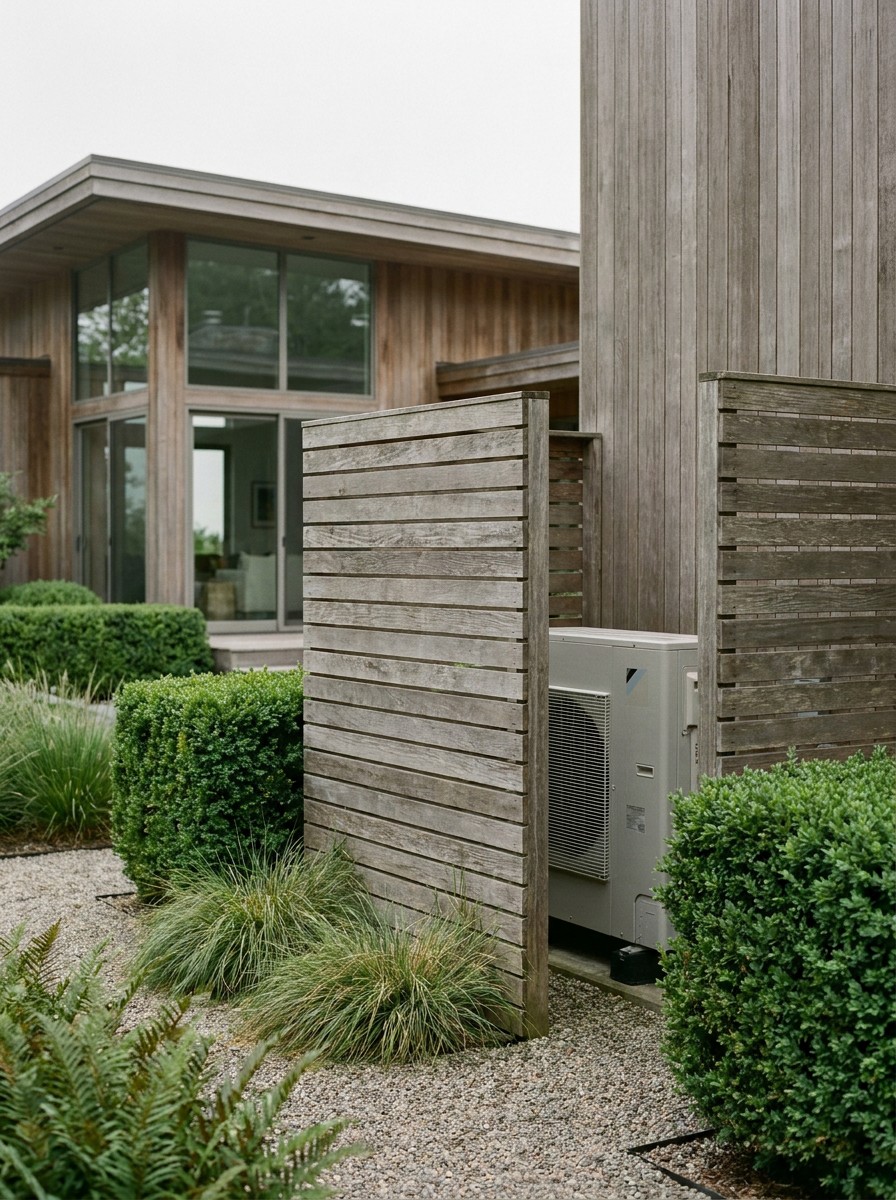
Discreet Compressor Screens: Outdoor heat pump condenser units should be located in low-visibility zones such as side yards or recessed alcoves. Custom horizontal wooden slat screens, decorative metal panels, or structured evergreen landscaping provide ventilation while shielding equipment from primary sightlines. Getting this placement right still depends on a proper load calculation and refrigerant line routing plan, which is why we generally recommend having a licensed HVAC contractor like McQuillan Home Services LLC handle the initial site assessment before any screening or concealment work begins.
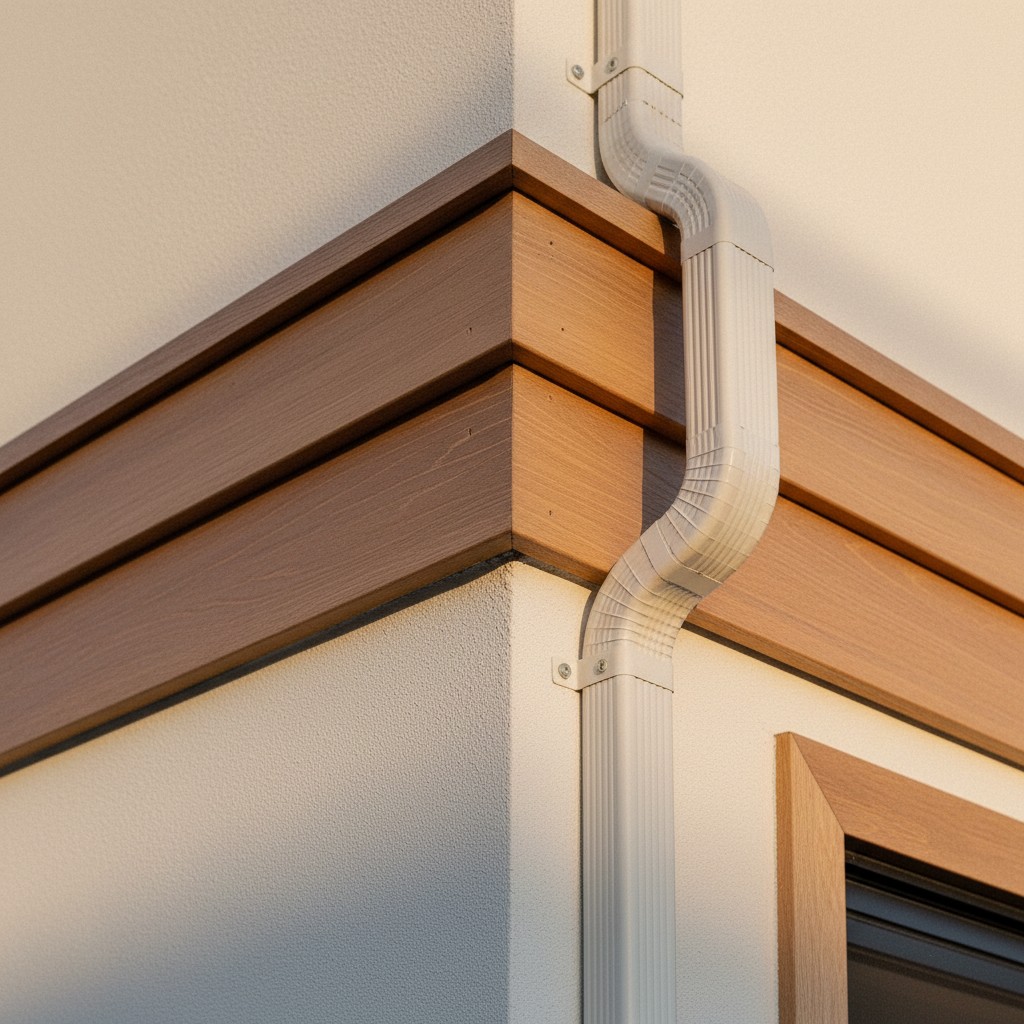
Custom Architectural Metal Covers: For luxury modern residences, custom-fabricated powder-coated aluminum or zinc line hide channels match architectural trim profiles, corner flashings, or window framing systems for an elevated custom-built finish.
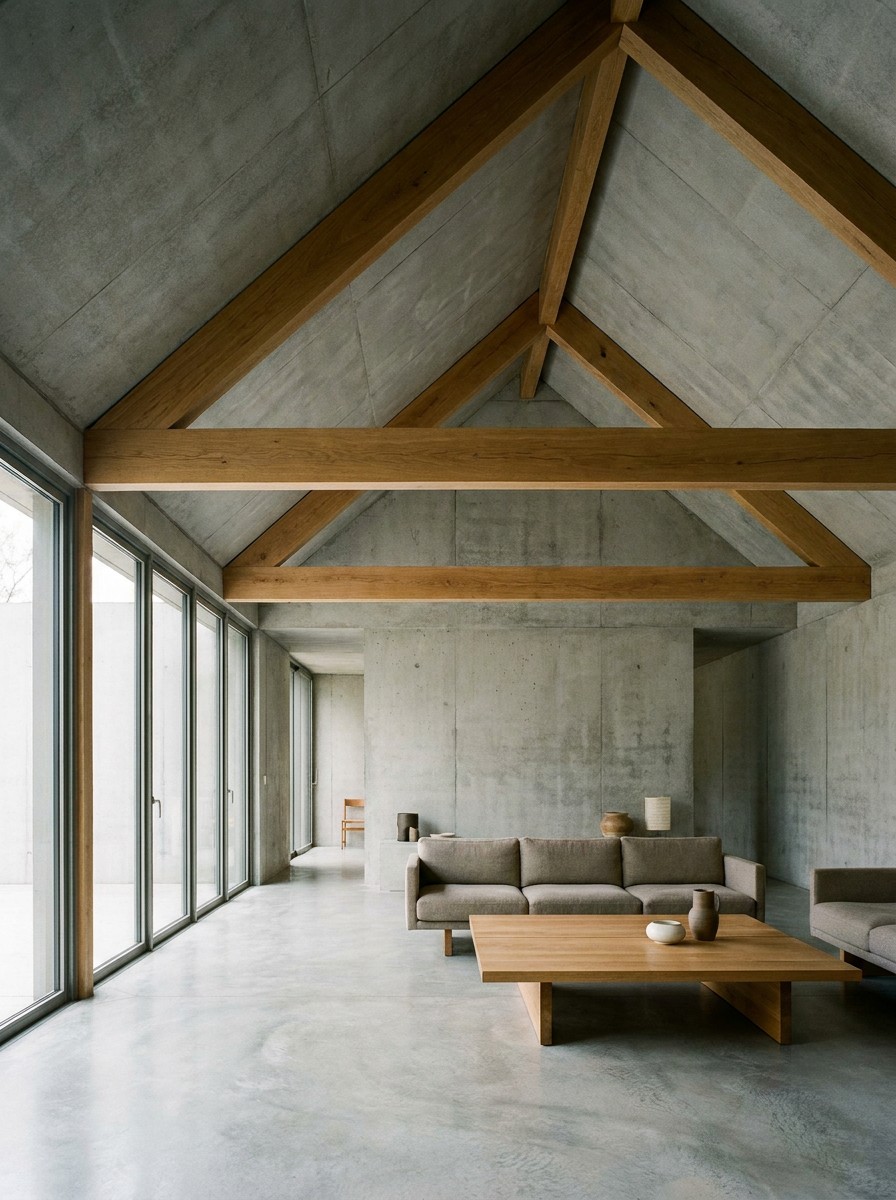
3. Indoor Unit Placement & High-End Interior Styling
Indoors, mini-split air handlers can be styled as intentional architectural elements rather than visual distractions. Proper height placement, color selection, and spatial alignment ensure optimal airflow and elegant interior aesthetics.
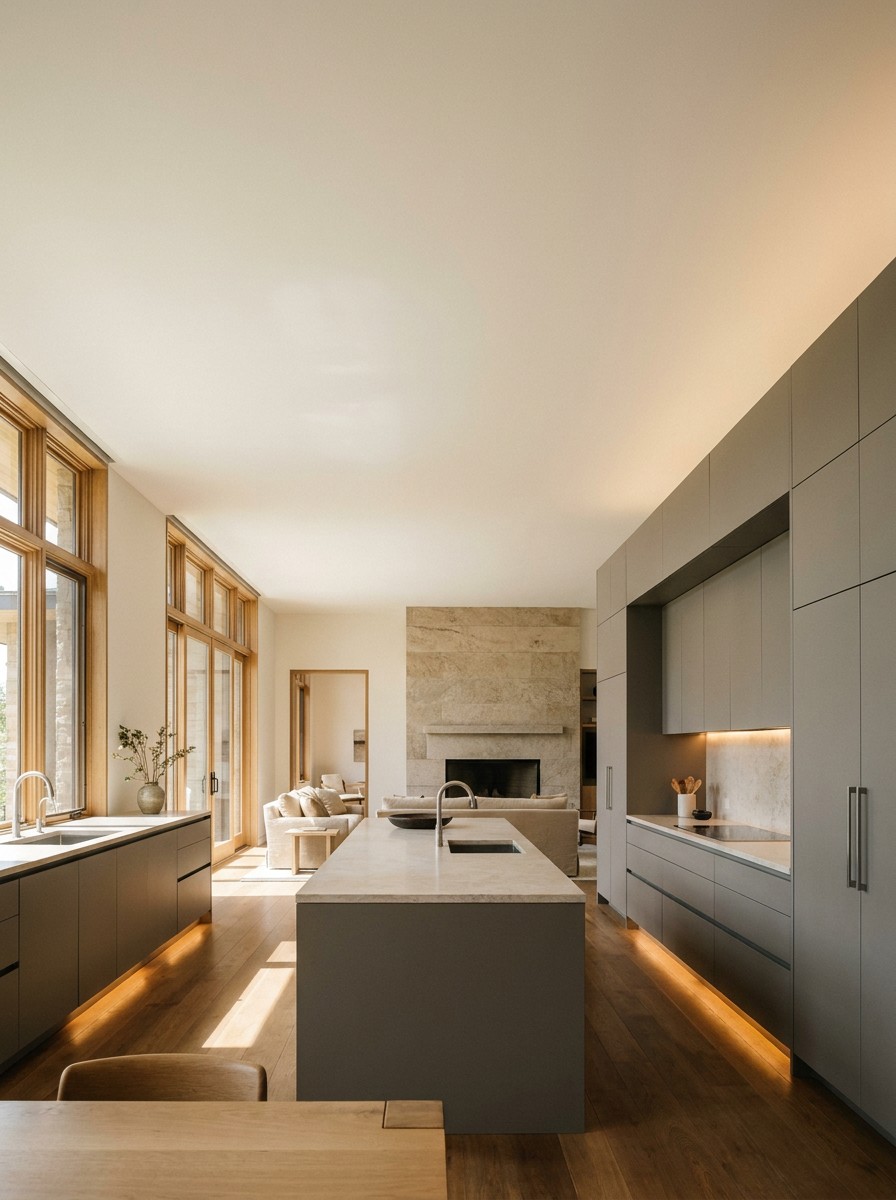
Preserving Unbroken Vaulted Ceilings: In great rooms, open kitchens, and loft spaces, ductless systems eliminate bulky drywall soffits and dropped ceilings, leaving high ceilings and exposed structural timber completely uninterrupted.
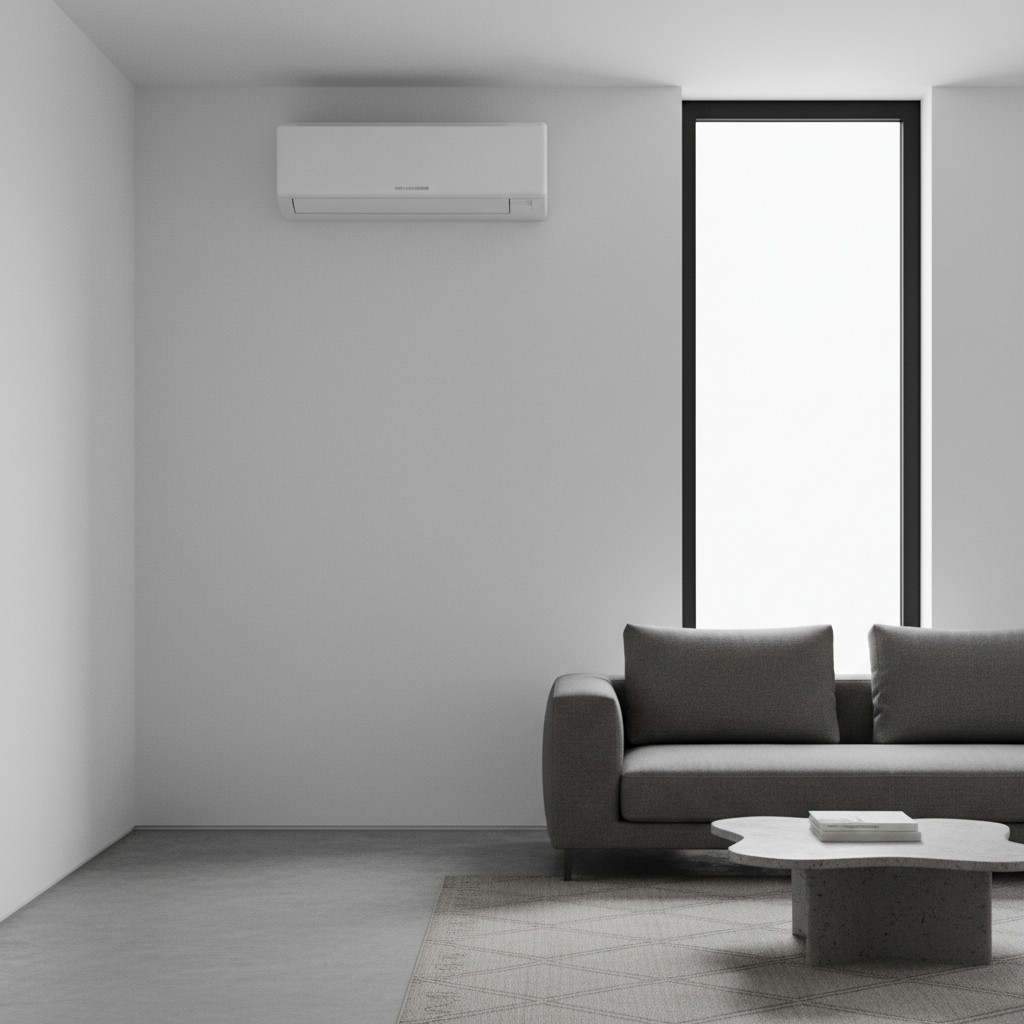
Alignment with Architectural Windows: Mounting wall units flush and level with window headers, door frames, or millwork reveals aligns the equipment with existing sightlines, grounding the unit within room proportions.
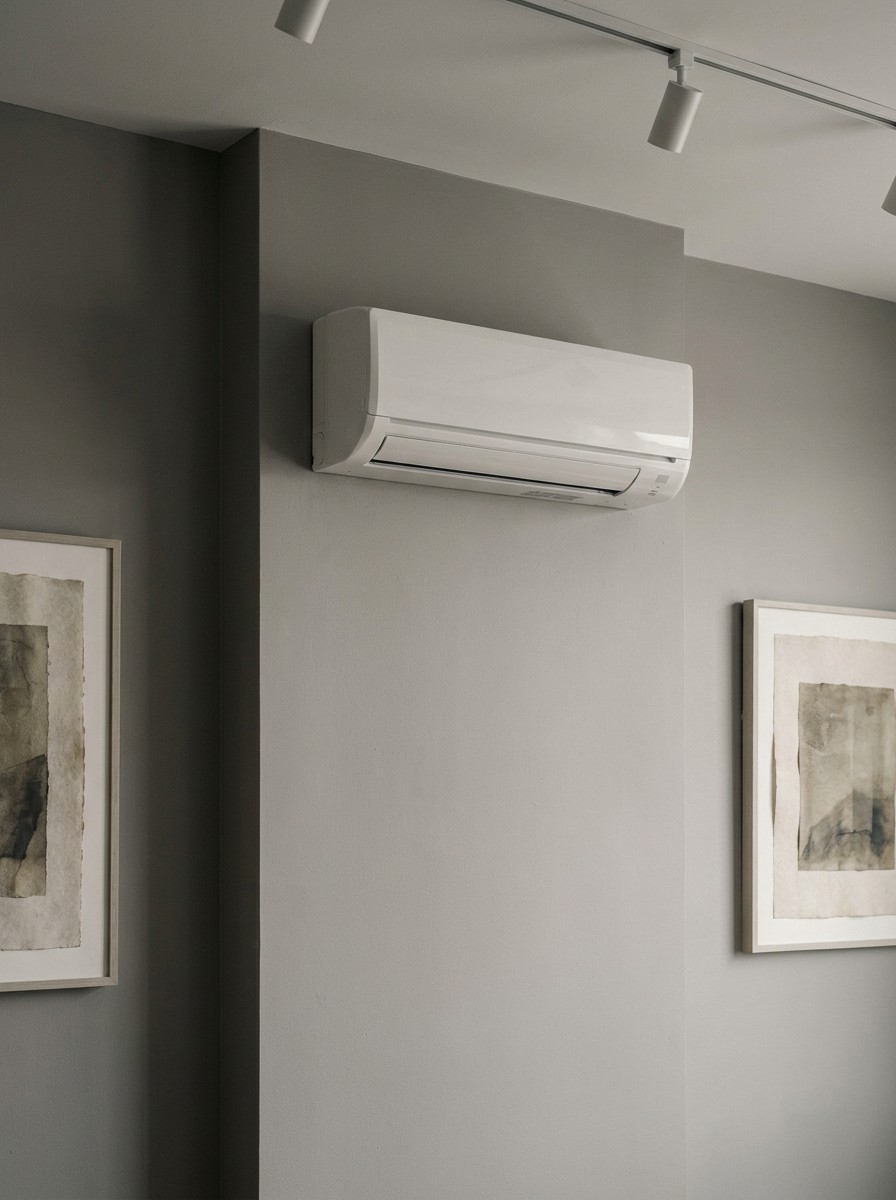
Gallery Wall Symmetrical Integration: Centering a matte white or custom-finished indoor head between framed artwork or architectural shelving incorporates the unit into a curated gallery display.
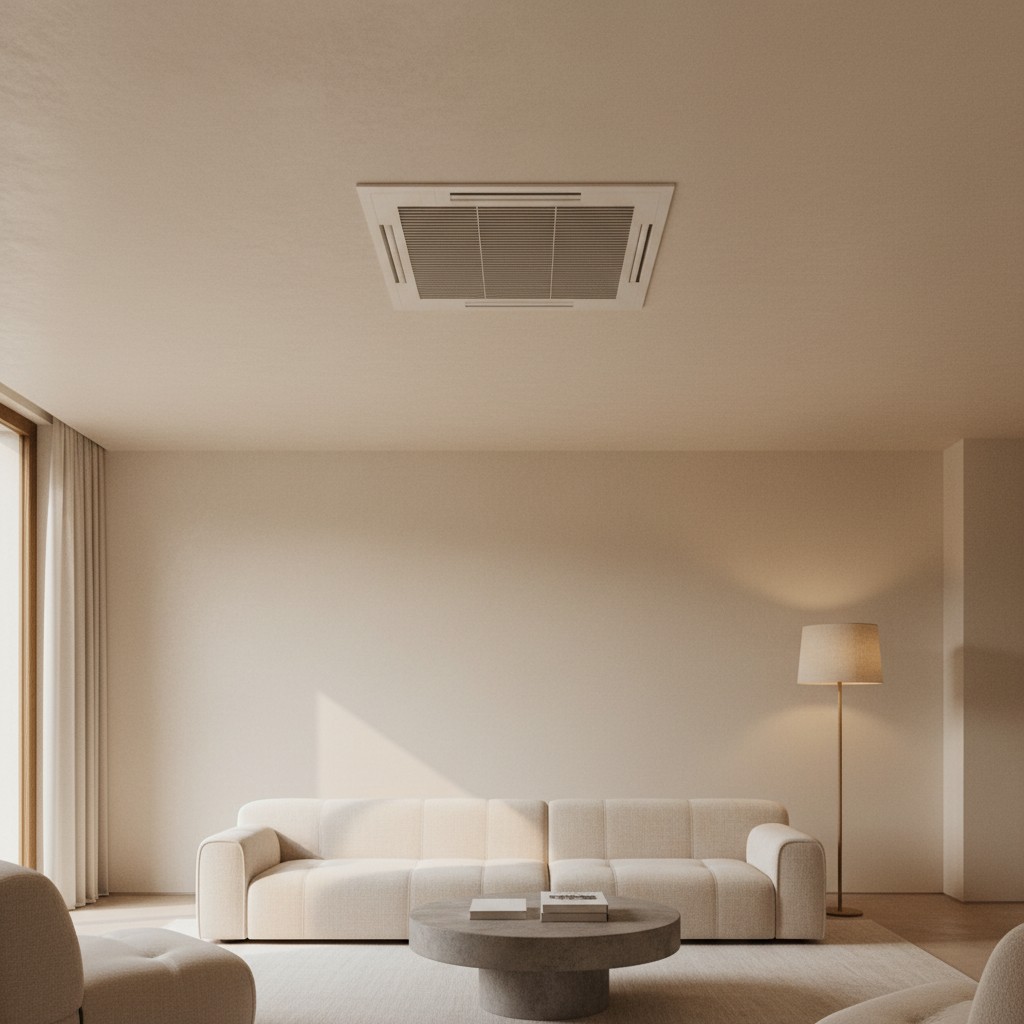
Flush Recessed Ceiling Cassettes: Where wall mounting is undesirable, recessed ceiling cassettes install flush between standard ceiling joists, presenting only a subtle flat intake and discharge grille.
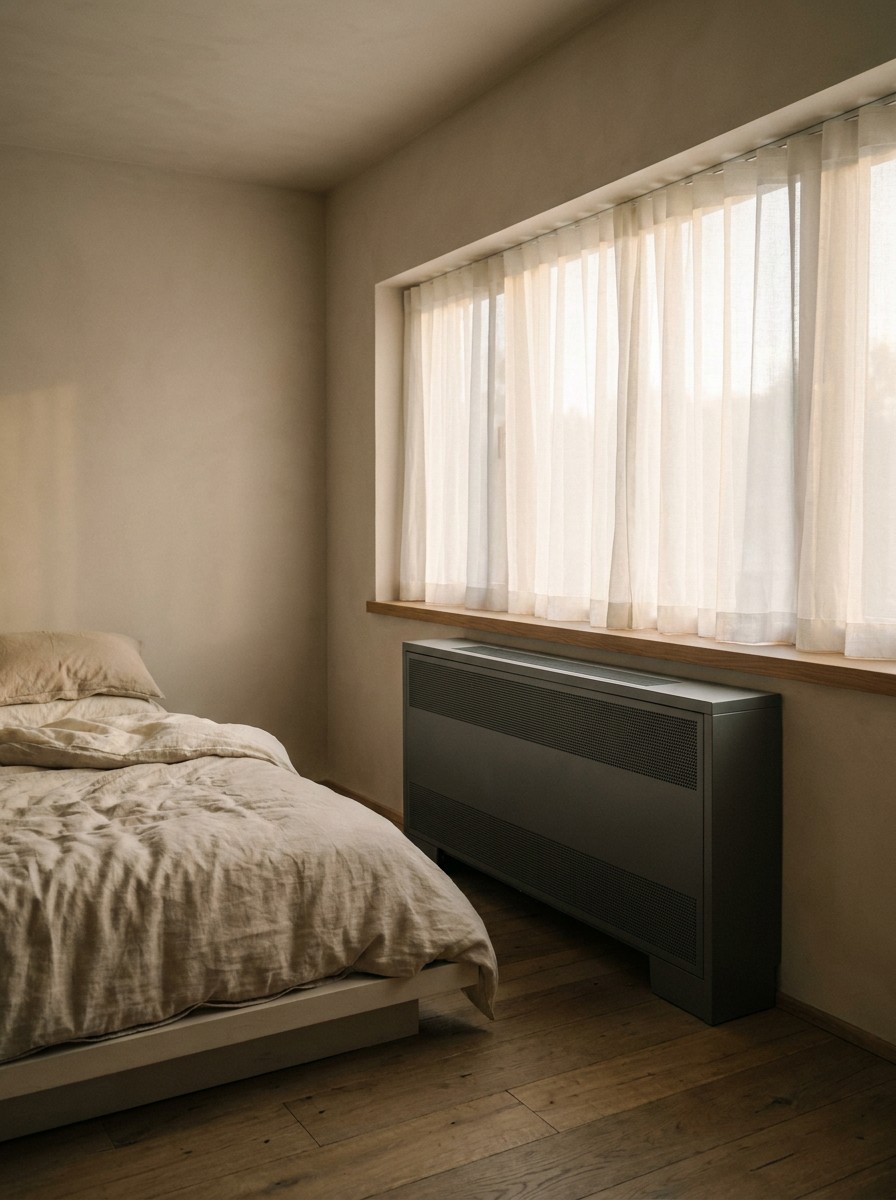
Low-Profile Floor Consoles: Floor-mounted mini-split console units sit low on walls beneath window sills or in knee-walls, mirroring traditional radiator proportions while providing efficient heating and cooling in bedrooms and attics.
4. Installation Best Practices & Maintenance Checklist
- Maintain Proper Drainage Pitch: Ensure condensate drain tubing within line hide channels slopes downward at least 1/4 inch per foot to prevent water backup.
- UV-Resistant Wraps: Insulate line sets with high-density UV-rated elastomeric foam insulation before snapping line hide covers into place.
- Allow Service Access: Position line hide couplings and outdoor disconnect switches in accessible locations for routine HVAC servicing and filter cleaning.
- Vibration Isolation: Mount outdoor compressor units on heavy-duty rubber vibration pads or wall brackets equipped with isolators to eliminate noise transfer.
5. Frequently Asked Questions (FAQ)
Q: Can mini-split line hide covers be painted to match any exterior paint?
A: Yes. High-quality PVC line hide covers can be cleaned, lightly sanded, primed with a plastic-bonding primer, and painted with standard exterior acrylic latex paint to match your siding or trim color exactly.
Q: Are line hide covers waterproof?
A: Line hides are weather-resistant and shed rainwater, protecting line sets from rain, snow, and sunlight. However, wall entry points must be sealed with silicone or expanding foam sealants for complete weatherproofing.
Q: What is the best location for an outdoor mini-split compressor?
A: Position outdoor units on a solid concrete pad or wall bracket in a shaded, well-ventilated side yard or rear elevation, concealed behind landscaping or decorative slat screens.
- 287shares
- Facebook0
- Pinterest287
- Twitter0
- Reddit0